
Leasing a car often sounds financially safer than buying one outright. Monthly payments can appear lower, drivers gain access to newer vehicles more frequently, and manufacturers heavily advertise attractive lease deals promising luxury or performance at seemingly manageable costs.
For many buyers, leasing feels like a flexible and modern way to drive expensive cars without long-term ownership responsibilities. The problem begins when drivers underestimate the penalties hidden in many lease agreements.
Mileage overages, excessive wear charges, tire replacement costs, paint damage, wheel repairs, early termination fees, and disposition charges can quickly transform a cheap-sounding lease into a financial nightmare. In some cases, drivers discover the penalty bill at lease return exceeds the amount they originally paid upfront as a down payment.
Luxury vehicles create especially dangerous situations because repair standards become extremely strict. Minor scratches, curb-damaged wheels, interior wear, or aftermarket modifications that would barely matter on an owned vehicle suddenly become expensive problems during lease inspection.
High-performance cars create even greater risk because tires, brakes, and cosmetic parts cost far more to replace.
Another issue involves unrealistic mileage estimates. Many buyers choose lower annual mileage limits to reduce monthly payments without honestly considering how much they actually drive. By the end of the lease, thousands of extra miles can trigger painful charges adding up rapidly.
Electric vehicles and luxury SUVs introduced additional complications in recent years as depreciation patterns changed unpredictably. Some lessees found themselves trapped in contracts where residual values no longer matched market realities, making early exits financially brutal.
The cars on this list developed reputations for generating especially expensive lease return penalties or ownership surprises that often shocked drivers financially.
Some vehicles suffer from rapid depreciation, others involve costly cosmetic repair standards, and a few simply tempt owners into usage patterns their lease contracts punish aggressively later.
These vehicles may still be excellent cars to drive, but many lessees eventually learned that the monthly payment alone never tells the full financial story.
Also Read: 10 Sedans That Beat Their SUV Cousins on Cargo Space
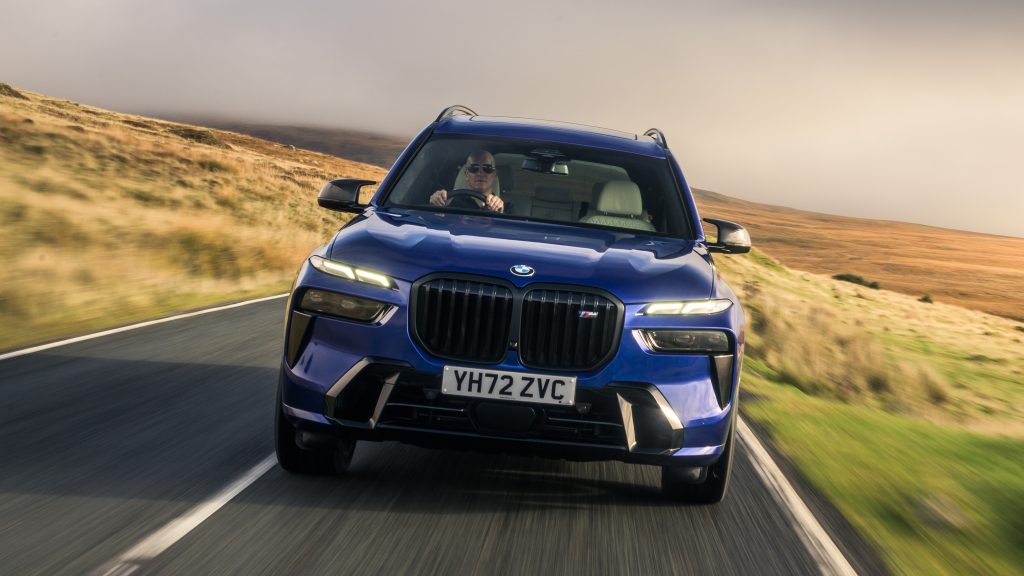
1. BMW X7
The BMW X7 attracts buyers with massive luxury, advanced technology, and strong road presence. Leasing one initially feels surprisingly attainable because manufacturers often advertise competitive monthly payments relative to the SUV’s enormous sticker price.
The regret usually appears at lease return, where penalties and end-of-term charges can become shockingly expensive.
One major issue involves cosmetic repair standards. Luxury SUVs like the X7 undergo extremely detailed inspections when returned. Small wheel scratches, minor paint chips, worn leather surfaces, or damaged trim pieces that many owners consider normal wear and tear can generate costly repair bills quickly.
Since replacement parts and labor costs remain extremely high on full-size German luxury vehicles, seemingly minor imperfections become financially painful.
Wheel damage creates one of the biggest surprises. The X7 commonly comes equipped with large, expensive wheels and low-profile tires, highly vulnerable to curb rash and pothole damage. Many lessees underestimate how strict inspection companies can be regarding wheel condition.
Mileage penalties also hurt owners regularly. Because the X7 feels comfortable and spacious during long trips, many families end up driving it far more than planned. Exceeding mileage limits on a luxury SUV can produce enormous charges by lease end, especially when drivers underestimate yearly usage initially to lower monthly payments.
Another factor involves technology wear. Large touchscreens, electronic controls, and premium interior materials often age visibly under family use. Scratched displays, damaged seat trim, and worn cargo areas become expensive issues during inspection.
Tire replacement costs frequently shock drivers too. The X7 uses large performance-oriented tires carrying premium pricing, and lease contracts often require replacement with approved specifications before return.
Early termination becomes especially dangerous because luxury SUV depreciation can remain brutal during certain market conditions. Drivers attempting to exit leases early sometimes discover negative equity far exceeding expectations.
The X7 absolutely delivers impressive luxury and comfort during ownership. Unfortunately, many lessees focus only on monthly payments without fully understanding the strict standards and expensive repair environment surrounding high-end leased SUVs.
By the end of the contract, some drivers realize that the penalty charges alone exceeded what they originally paid upfront just to begin the lease.
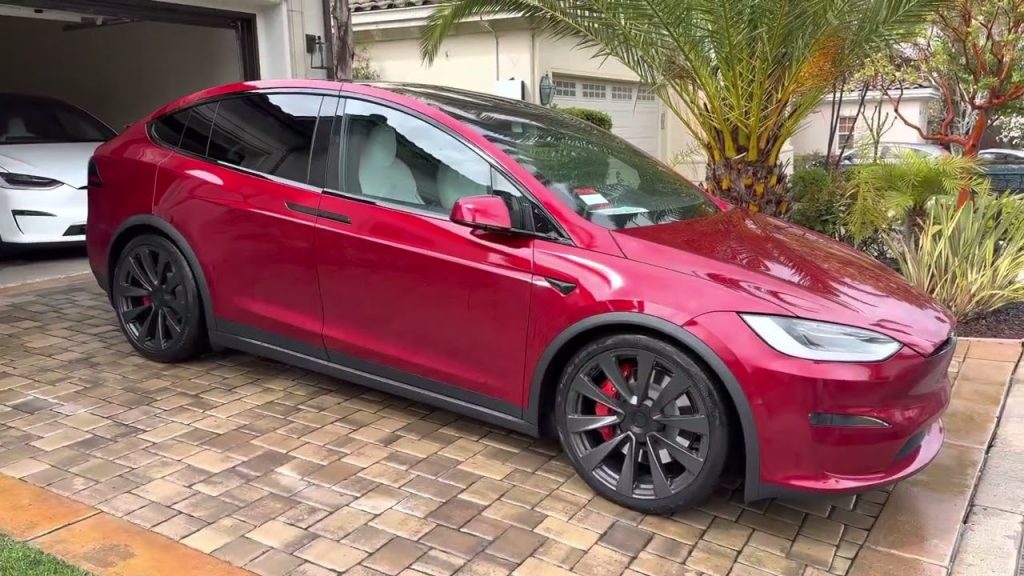
2. Tesla Model X
The Tesla Model X entered the luxury SUV market, promising futuristic technology, extreme acceleration, and cutting-edge electric performance. Leasing one seemed attractive because buyers could experience advanced EV technology without committing long-term during a rapidly changing market.
Many lessees later discovered the financial risks surrounding the Model X were far more complicated than expected.
One major issue involved rapid depreciation shifts in the electric vehicle market. Tesla pricing changed aggressively multiple times, affecting used values unpredictably. Lessees hoping for stable residual values sometimes found themselves trapped in contracts no longer matching real market conditions.
Another source of frustration came from cosmetic repair standards. The Model X features large glass surfaces, expensive lighting systems, and complex Falcon Wing doors requiring precise alignment and condition.
Minor body damage or door issues could become extremely costly during lease inspections because replacement parts and calibration procedures remain expensive.
Wheel and tire damage created additional problems. Tesla vehicles produce enormous torque instantly, which increases tire wear significantly. Large wheels combined with heavy battery weight also made curb damage and pothole impacts more common than some owners expected.
Mileage penalties hurt many drivers, too. The Model X encouraged long-distance travel because of its quiet cabin and strong performance, yet excessive miles still triggered serious lease charges at return time. Some owners underestimated how much farther they would drive once switching to electric commuting.
Interior wear became another concern. White seats, large touchscreen surfaces, and minimalist cabin materials looked impressive initially but often showed scratches, stains, or wear more visibly than traditional luxury interiors.
Charging habits also influenced battery condition anxiety among certain lessees. While Tesla batteries generally remain durable, owners frequently worry about long-term degradation affecting inspection or resale evaluations.
Service and repair delays added another layer of stress. Body repairs involving Tesla’s often require specialized facilities and extended waiting periods, making pre-return repairs more expensive and inconvenient.
The Model X absolutely delivers unique technology and thrilling acceleration. Yet many lessees discovered that the hidden financial risks tied to luxury EV leasing became far larger than expected once depreciation changes, cosmetic repairs, and contract penalties entered the picture.
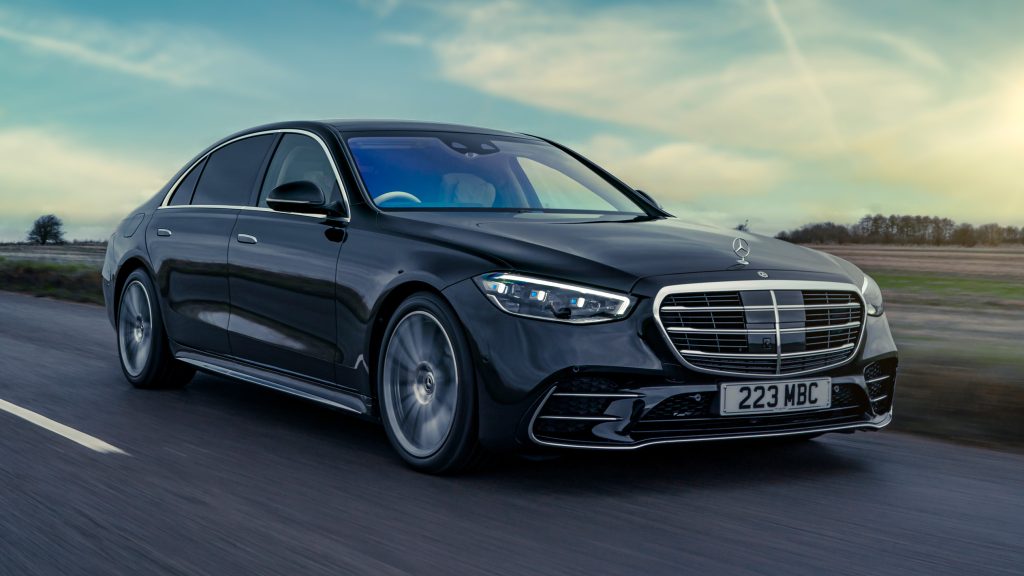
3. Mercedes-Benz S-Class
The Mercedes-Benz S-Class represents one of the most luxurious sedans on the road, and leasing one often feels like the smartest way to experience flagship German engineering without facing long-term ownership risks.
Monthly payments may appear manageable relative to the vehicle’s six-figure price tag. The problem begins once the lease approaches its end and owners discover how unforgiving luxury sedan lease inspections can become.
One of the biggest financial shocks involves cosmetic standards. The S-Class uses extremely expensive paint finishes, delicate interior materials, large alloy wheels, and advanced lighting systems. Minor scratches, door dings, scuffed wheels, or worn leather surfaces frequently generate repair estimates far higher than lessees expect.
Interior wear becomes especially problematic because the S-Class cabin is filled with premium materials designed for luxury rather than abuse tolerance. Piano black trim scratches easily, soft leather surfaces show wear quickly, and large digital displays can become expensive to replace if damaged.
Mileage penalties hurt many S-Class lessees, too. Since the car excels at long highway cruising and business travel, owners often drive significantly more than planned. Exceeding lease mileage limits on a flagship luxury sedan can create enormous return charges rapidly.
Another hidden problem involves tire and brake replacement costs. Many S-Class models use expensive performance tires and sophisticated braking systems requiring premium components. Lease return inspections frequently demand replacement if wear exceeds strict manufacturer standards.
Technology repair costs also contribute heavily to owner regret. Advanced driver assistance systems, adaptive lighting, cameras, and suspension electronics all increase repair complexity dramatically after even small accidents or parking damage.
Depreciation creates another dangerous trap for drivers attempting early lease termination. Luxury sedans lose value quickly in certain markets, making it financially painful to exit contracts before maturity.
The S-Class absolutely delivers extraordinary comfort, silence, and prestige during ownership. Unfortunately, many lessees become so focused on the experience itself that they underestimate the financial strictness attached to returning such an expensive vehicle properly.
By lease end, some drivers discover the accumulated penalties, excess mileage fees, tire replacements, and cosmetic repair bills cost far more than the initial down payment that convinced them to sign the lease originally.
4. Range Rover Sport
The Range Rover Sport attracts buyers with luxury SUV styling, strong performance, and premium off-road capability wrapped into one prestigious package.
Leasing initially appears appealing because monthly payments can look surprisingly competitive compared to the vehicle’s enormous purchase price. Many owners later regret the decision once lease-return costs begin stacking up aggressively.
One major issue involves exterior damage sensitivity. The Range Rover Sport’s large wheels, premium paint finishes, and sculpted body panels make even minor cosmetic damage expensive to repair. Small parking lot incidents, curb scratches, or off-road-related marks can trigger substantial inspection charges at lease return.
Wheel damage becomes especially common because many Range Rover Sport models use oversized wheels paired with low-profile tires. Urban driving, potholes, and curbs frequently leave visible marks that inspectors rarely ignore.
Another factor involves repair costs tied to luxury SUV complexity. Air suspension systems, advanced driver assistance sensors, lighting assemblies, and electronic door systems make even simple repairs far more expensive than for ordinary vehicles. Lessees often underestimate how quickly small damage claims can escalate financially.
The SUV’s adventurous image creates another problem. Many owners actually use the vehicle for travel, outdoor activities, or rough-weather driving, which naturally increases wear and tear. Mud stains, cargo scratches, worn tires, and underbody impacts may seem minor to drivers but can become expensive issues during lease evaluations.
Mileage penalties also hit hard because the Range Rover Sport excels during long highway trips. Comfortable cabins and commanding driving positions encourage owners to drive more frequently than originally planned.
Reliability concerns add further frustration for certain lessees. Even when warranty coverage handles major issues, repeated dealership visits can reduce satisfaction significantly during the lease period itself.
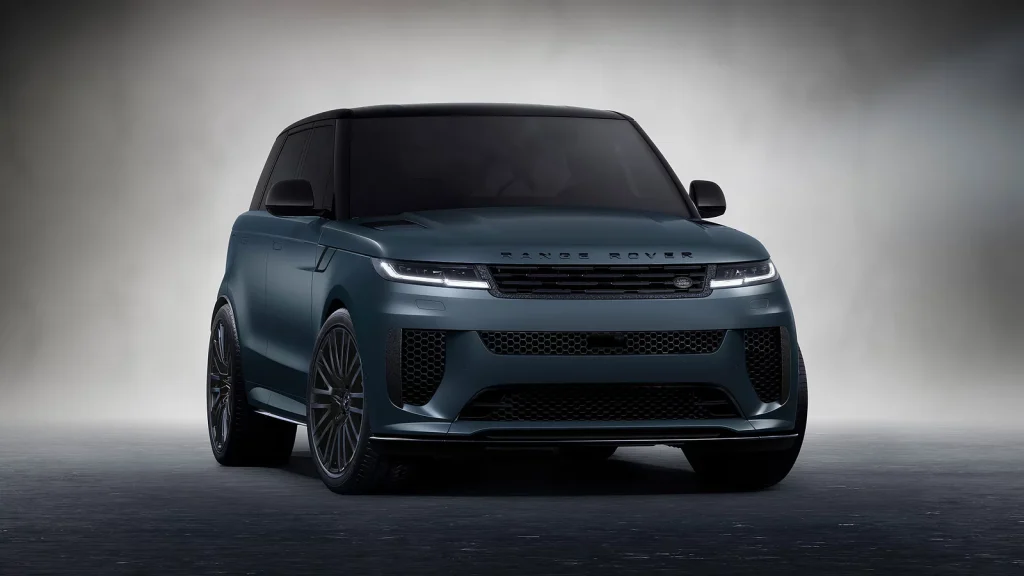
Depreciation additionally creates financial risk for drivers wanting early exits. Luxury SUVs often lose value rapidly once newer redesigns arrive, making contract buyouts painfully expensive.
The Range Rover Sport absolutely provides style and road presence that few SUVs can match. Yet many lessees later realize the combination of high repair standards, expensive cosmetic parts, and strict lease inspections creates financial consequences far larger than the attractive monthly payment originally suggested.
5. Porsche Taycan
The Porsche Taycan entered the luxury EV market with incredible excitement surrounding its performance, technology, and Porsche driving dynamics. Leasing one appeared attractive because many buyers believed electric vehicle technology would evolve quickly, making short-term ownership feel safer than committing long-term.
By lease end, however, many drivers discovered the financial penalties and hidden costs surrounding the Taycan could become surprisingly painful.
One major issue involved depreciation volatility. Luxury electric vehicles experienced rapid market changes, and Taycan values fluctuated heavily depending on battery technology updates, charging developments, and new competitor launches.
Drivers attempting early lease exits often discovered the remaining contract balance far exceeded the car’s real market value.
Wheel and tire damage created another expensive problem. Taycan models commonly use massive wheels wrapped in ultra-performance tires, and the heavy battery pack increases tire wear noticeably. Curb rash, pothole damage, and uneven tire wear frequently generated costly replacement requirements during lease inspections.
The car’s low ride height also contributed to cosmetic issues. Front bumper scrapes, underbody damage, and wheel damage became common in daily driving environments filled with steep driveways and rough roads.
Another frustration involved repair complexity. Advanced sensors, charging systems, and electronic components made even minor body repairs expensive because calibration procedures and specialised labour increased costs significantly.
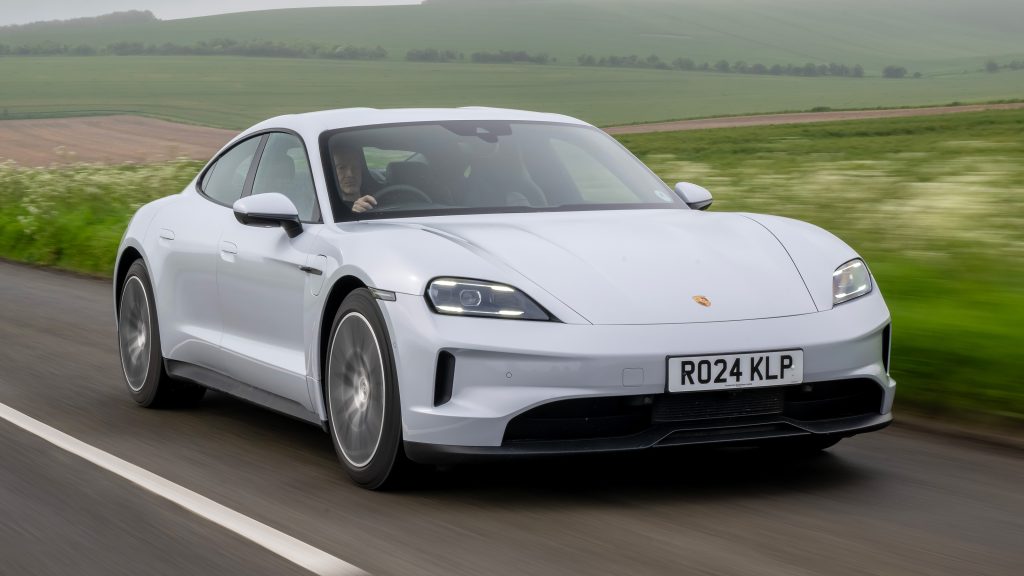
Mileage penalties hurt many owners as well. The Taycan’s quiet cabin and thrilling acceleration encouraged frequent driving, causing some lessees to exceed annual mileage limits far faster than expected.
The Taycan remains an exceptional performance EV, but many lessees underestimated how expensive luxury electric vehicle leasing becomes once depreciation swings, cosmetic repair standards, and premium component replacement costs enter the equation.
6. Audi RS Q8
The Audi RS Q8 combines luxury SUV practicality with astonishing performance, making it highly tempting as a lease vehicle. Buyers enjoy supercar acceleration, aggressive styling, and premium comfort without paying the full purchase price upfront. The regret often arrives later when lease penalties begin adding up faster than expected.
One of the biggest financial dangers involves maintenance-related wear items. The RS Q8 uses extremely expensive brakes, massive wheels, and ultra-high-performance tires designed for aggressive driving. Many lessees underestimate how quickly these components wear under normal use, especially given the SUV’s power and weight.
Wheel damage becomes particularly expensive because the large alloy designs are vulnerable to curb rash and road impacts. Lease inspectors rarely overlook visible damage on premium-performance SUVs, leaving owners facing substantial repair bills.
Another issue comes from driving behavior itself. The RS Q8 encourages spirited driving thanks to its incredible acceleration and sporty handling. That enjoyment often leads to higher mileage accumulation, faster tire wear, and increased cosmetic damage compared to ordinary luxury SUVs.
The sophisticated suspension and electronic systems also increase repair costs significantly after even minor accidents. Sensors, adaptive lighting, and body panels require expensive calibration and specialized repair procedures.
Interior wear can surprise owners, too. Premium materials such as Alcantara, carbon fiber trim, and sport seats look impressive initially but show scratches and wear more visibly than simpler interiors.
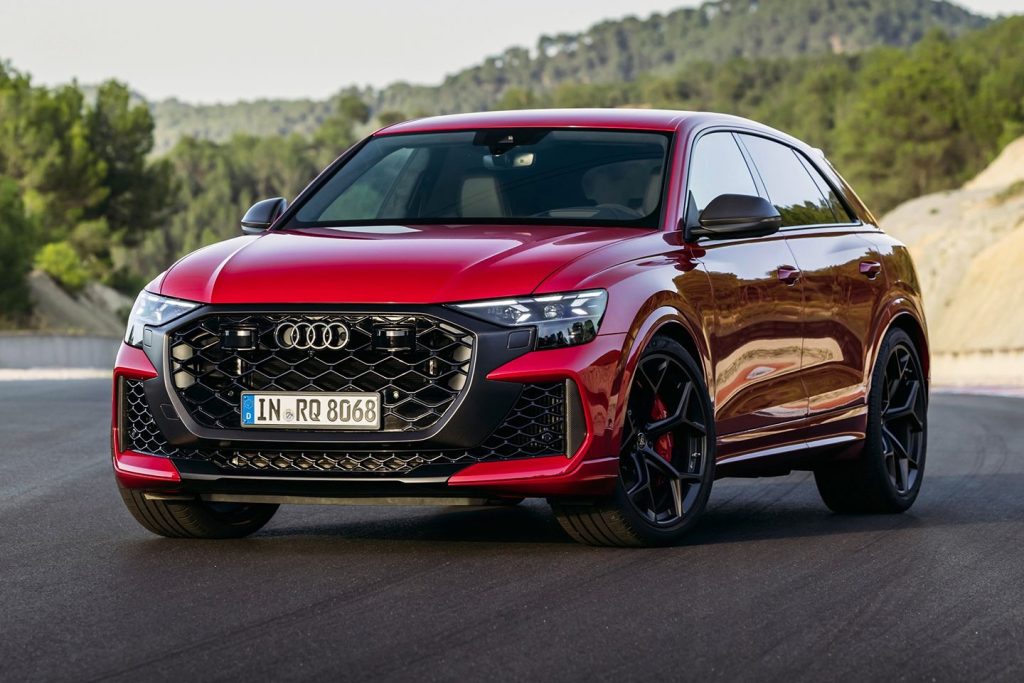
Depreciation creates additional problems for drivers attempting to leave leases early. High-performance luxury SUVs often experience steep value drops once newer models appear or market demand changes.
The RS Q8 absolutely delivers thrilling performance and luxury, but many lessees later realize the hidden ownership costs tied to aggressive driving, premium components, and strict lease return standards make the financial reality far harsher than the monthly payment originally suggested.
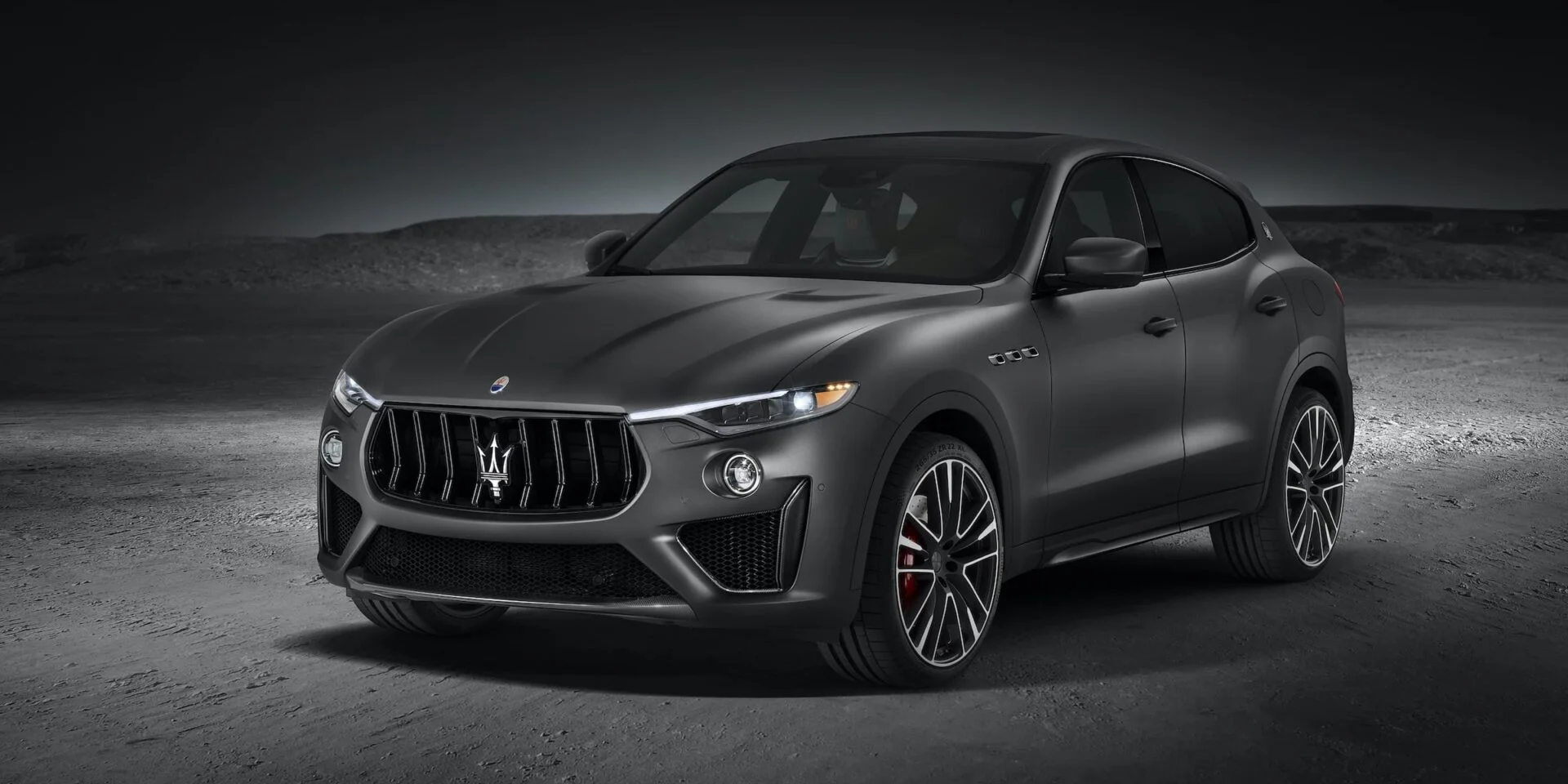
7. Maserati Levante
The Maserati Levante attracts attention instantly with exotic styling, Italian luxury, and the emotional appeal attached to the Maserati badge. Leasing one often feels like an exciting shortcut into ultra-luxury SUV ownership without paying the enormous purchase price outright.
Many lessees later discover that the financial consequences surrounding the Levante can become extremely unpleasant by the end of the contract.
One major issue involves depreciation. Maserati vehicles historically lose value rapidly compared to rivals from Porsche, Mercedes-Benz, or BMW. That steep depreciation creates major financial pain for drivers wanting early lease exits because buyout figures often remain far above actual market value.
Repair costs also surprise many owners quickly. Even relatively small cosmetic issues can become expensive because Maserati parts, paint matching, and specialized labor carry premium pricing. Scratched bumpers, damaged wheels, or lighting repairs frequently cost far more than lessees initially expect.
The Levante’s sporty personality creates another problem. Drivers naturally enjoy the SUV’s acceleration and handling, which increases tire wear and brake wear significantly. Lease inspections often require the replacement of expensive performance tires before return.
Reliability frustrations additionally contribute to regret for some owners. Electrical glitches, infotainment issues, and service delays reduce the excitement of ownership once the novelty of the badge fades.
Mileage penalties hit hard as well because the Levante encourages long highway drives with its comfortable cabin and dramatic engine character. Drivers sometimes underestimate annual usage simply to reduce monthly lease payments initially.
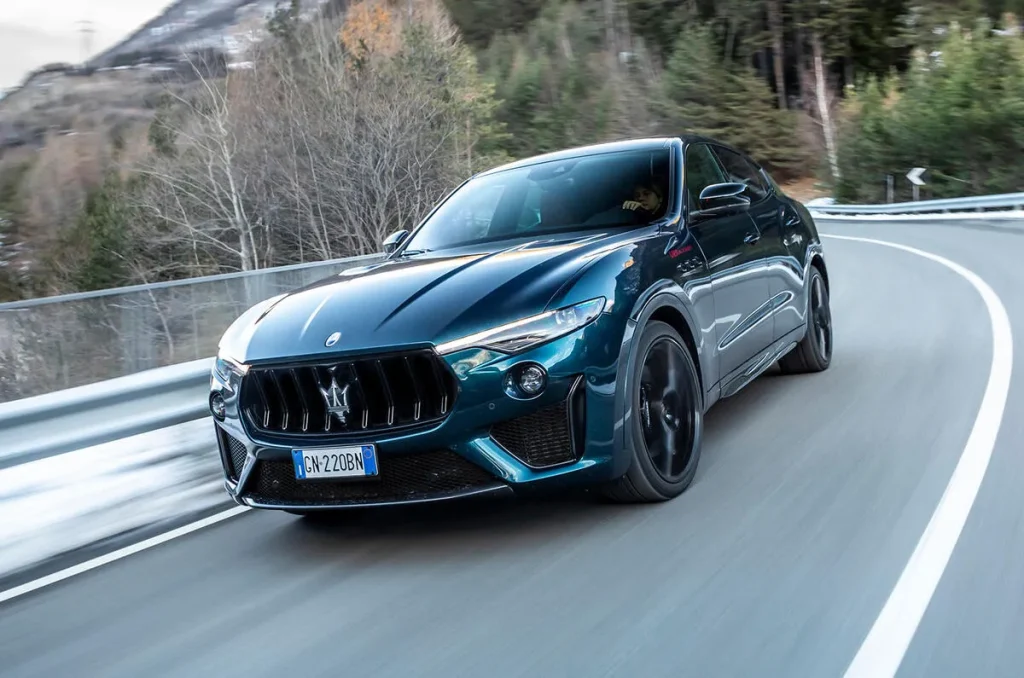
The Levante absolutely delivers exclusivity and emotional appeal, but many lessees later realize the combination of steep depreciation, costly repairs, and luxury lease standards creates financial stress far exceeding expectations.
8. BMW M8 Gran Coupe
The BMW M8 Gran Coupe blends luxury sedan comfort with extreme performance, making it highly appealing as a lease vehicle. Buyers receive exotic-level speed, aggressive styling, and premium technology wrapped into a four-door package.
The problem begins once lease return inspections reveal how expensive high-performance luxury ownership truly becomes.
One major source of regret involves wear-related costs. The M8 uses extremely expensive tires, large performance brakes, and advanced suspension systems that wear quickly under spirited driving. Many lessees underestimate how rapidly maintenance-related expenses accumulate on a car producing such enormous power.
Wheel damage creates another financial trap. The large low-profile wheel setup leaves rims highly vulnerable to curb damage and potholes, especially in urban driving environments. Repair or replacement costs become substantial during lease evaluations.
Another issue involves cosmetic expectations. Lease inspectors examine luxury performance cars very closely, and small scratches, interior wear, or paint imperfections frequently generate expensive penalties. Premium materials inside the M8 also show wear more visibly than simpler interiors.
Mileage overages affect many owners because the M8 feels effortless during long-distance driving. Comfortable seats and strong highway performance encourage extra usage, causing drivers to exceed contract mileage limits faster than expected.
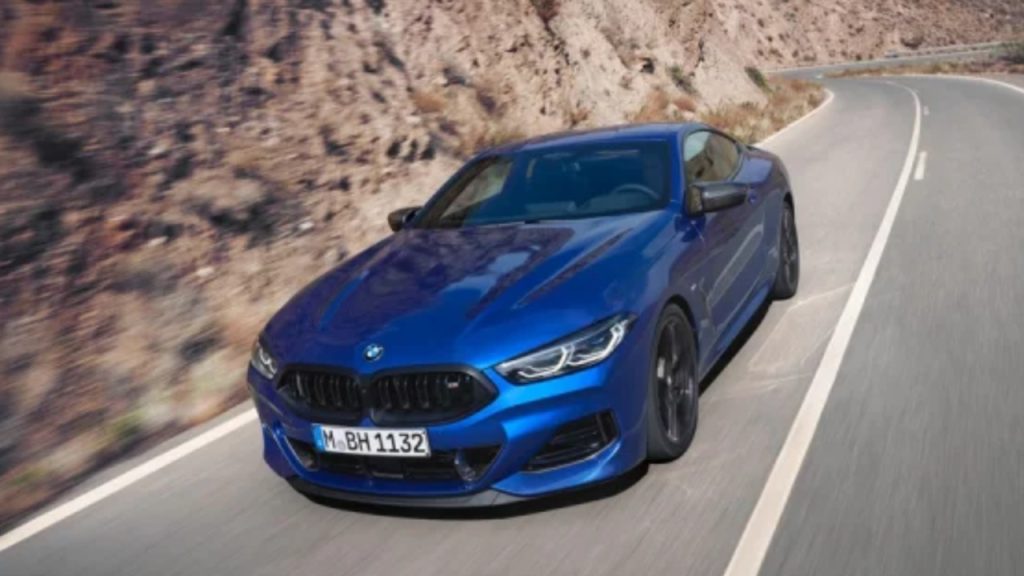
Depreciation additionally becomes dangerous for early lease termination. High-end performance sedans lose value aggressively once newer models appear, making contract buyouts financially painful.
The M8 Gran Coupe remains an astonishing car to drive, but many lessees eventually realize the hidden financial realities of ultra-performance luxury leasing can easily overwhelm the excitement created by the monthly payment and badge prestige.
9. Lucid Air
The Lucid Air entered the luxury electric sedan market, promising incredible range, futuristic technology, and ultra-premium comfort.
Leasing one looked appealing because many buyers wanted access to cutting-edge EV innovation without committing to long-term ownership in a rapidly changing segment. By the end of the lease, however, many owners discovered the financial risks attached to the Lucid Air were far larger than expected.
One major issue involved depreciation uncertainty. As a newer luxury EV brand, Lucid faced unpredictable resale values influenced by changing market demand, pricing adjustments, and competition from established manufacturers.
Drivers attempting to exit leases early often found themselves trapped in contracts carrying far more remaining value than the car’s real market worth.
Repair costs became another serious concern. The Lucid Air uses highly specialized components, advanced electronics, and unique body parts not widely available through traditional repair networks. Even minor accidents or cosmetic damage could produce surprisingly expensive repair estimates.
Wheel and tire wear also frustrated many lessees. The sedan’s powerful acceleration and heavy battery pack increased tire consumption significantly, especially on performance trims equipped with large wheels and low-profile tires.
Interior wear added another financial risk. Premium materials, massive glass surfaces, and advanced screens looked stunning initially but proved costly to repair or replace if damaged during the lease period.
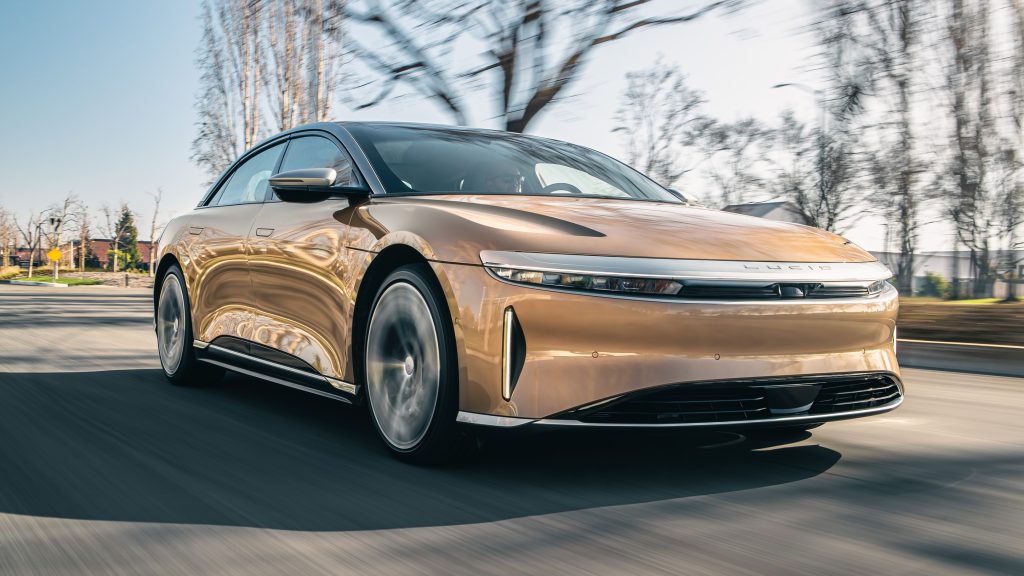
Charging behavior and battery condition anxiety additionally affected ownership satisfaction for some drivers. While the Lucid Air delivers impressive range, owners still worry about battery health, software updates, and future resale implications tied to evolving EV technology.
The Lucid Air absolutely offers extraordinary comfort and electric performance. Yet many lessees laterrealisedd the combination of luxury EV depreciation, expensive repairs, and strict lease standards created financial pressure far greater than the attractive lease advertisements originally suggested.
10. Cadillac Escalade V
The Cadillac Escalade V combines full-size luxury SUV comfort with a supercharged V8 producing enormous power, creating one of the most outrageous leased vehicles available in 2026.
Buyers love the commanding presence, massive cabin, and thrilling acceleration. Unfortunately, many lessees later regret the decision once lease penalties and operating costs begin piling up aggressively.
One of the biggest financial shocks involves fuel costs and tire wear. The Escalade V’s supercharged engine encourages aggressive driving while consuming fuel at an alarming rate. Large performance tires also wear quickly because of the SUV’s massive weight and horsepower.
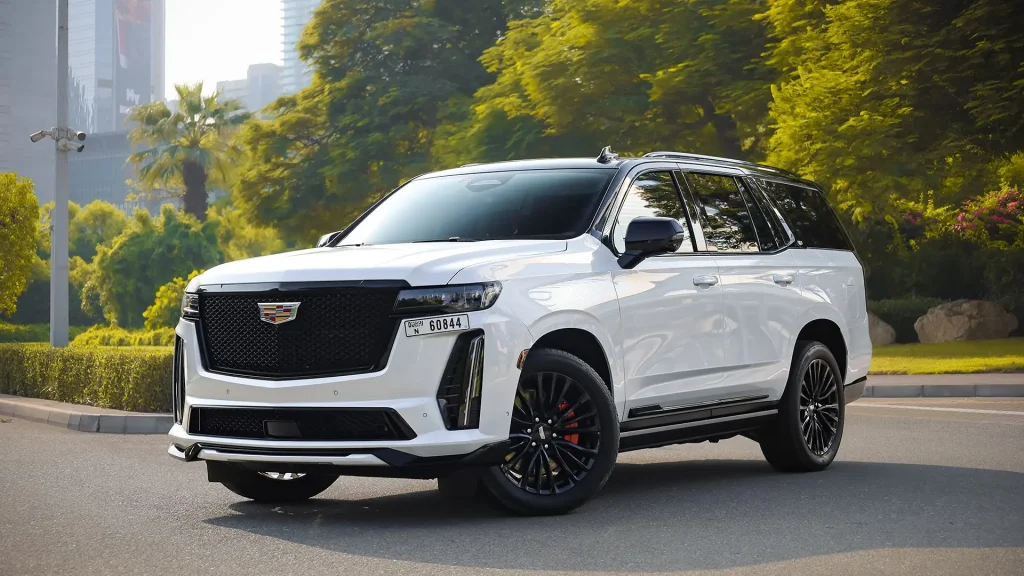
Wheel damage becomes another expensive issue. Oversized luxury wheels are highly vulnerable to curb rash and pothole impacts, especially in urban environments where maneuvering such a large SUV becomes difficult.
Another major problem involves cosmetic repair standards. The Escalade V carries expensive paint finishes, premium leather interiors, and advanced lighting systems that make even minor damage costly to repair before lease return.
Mileage penalties frequently hurt owners, too. The SUV excels at family road trips and long highway cruising, causing many lessees to drive far beyond their original mileage estimates.
Depreciation creates additional danger for drivers attempting early exits. High-performance luxury SUVs often lose value rapidly once market conditions shift or updated models appear.
Technology complexity also increases repair expenses. Large screens, driver assistance systems, cameras, and electronic suspension components all require expensive service procedures after accidents or damage.
The Escalade V absolutely delivers unforgettable luxury and performance. Yet many lessees eventually realize that the hidden financial reality surrounding fuel consumption, wear items, cosmetic standards, and depreciation can produce lease-return costs shocking enough to exceed the original down payment by a wide margin.
Also Read: 8 Cars That Were Way Cooler When They Had Buttons
