
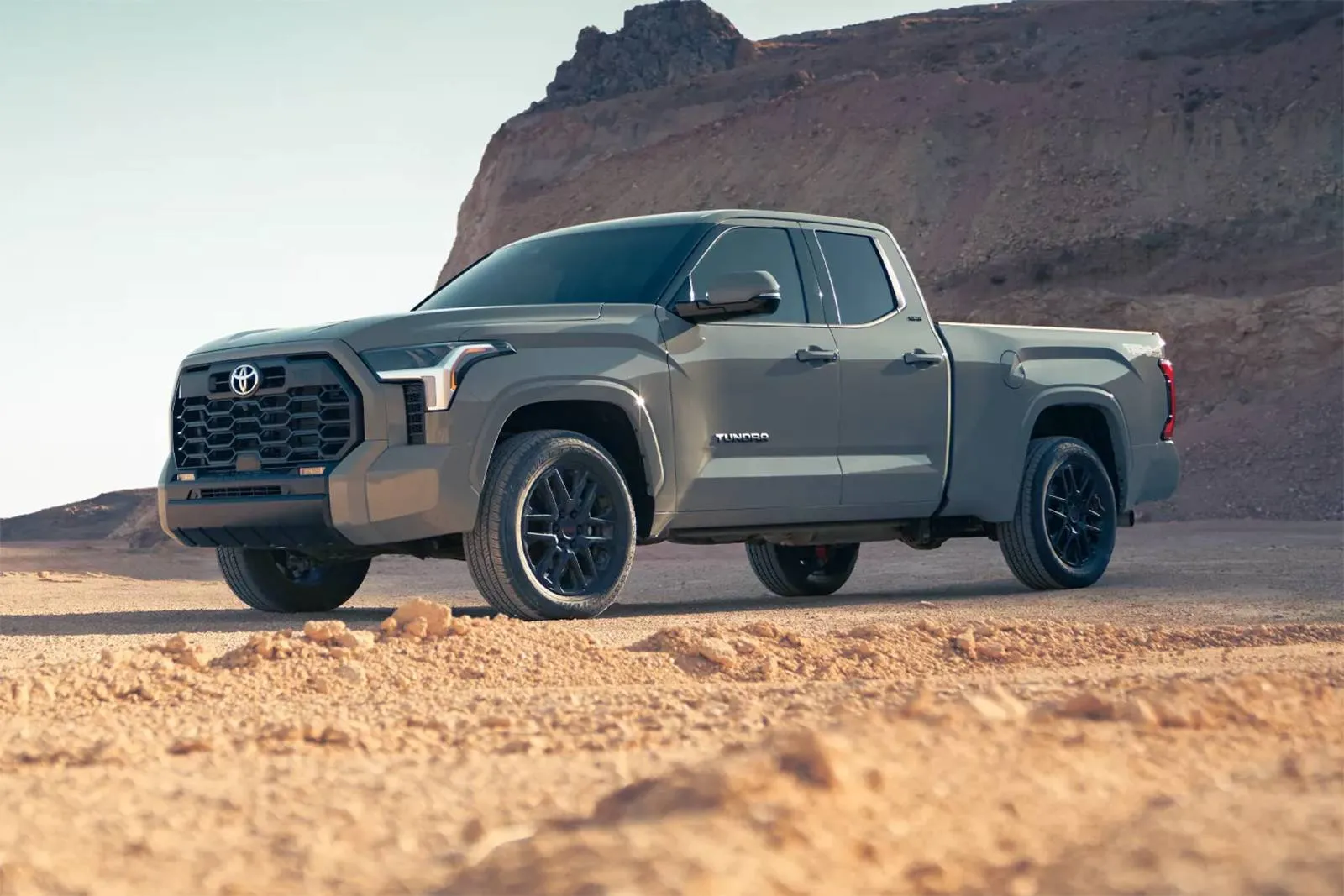
Modern pickup trucks have transformed into high-tech machines loaded with giant touchscreens, ventilated seats, panoramic sunroofs, digital instrument clusters, and advanced driver assistance systems.
Yet surprisingly, several trucks sold within the last fifteen years still offered something many people thought had disappeared forever from new vehicles: hand-crank windows.
While luxury trims pushed prices toward premium SUV territory, certain manufacturers continued building stripped-down work trucks focused entirely on affordability and durability.
Manual windows survived mainly because fleet buyers and commercial operators valued simplicity above convenience. Construction companies, utility services, farms, and municipal fleets often preferred fewer electronics because simpler trucks usually meant lower repair costs and better long-term reliability.
Electric window motors can fail, wiring can short out, and switches can stop working after years of heavy use. A manual crank mechanism, by comparison, is inexpensive and remarkably durable.
These basic trucks also appealed to buyers who simply wanted a practical pickup without paying for unnecessary features. In many cases, hand-crank windows appeared only on the lowest trims paired with vinyl flooring, basic radios, and minimal interior technology.
Some buyers actually appreciated this simplicity because the trucks felt honest and purpose-built rather than overloaded with gadgets.
Another reason manual windows survived longer in trucks than in passenger cars involved the work environment itself. Fleet trucks often operate in muddy, dusty, and physically demanding conditions where durability matters more than convenience.
Owners using gloves or constantly entering and exiting the vehicle sometimes preferred a reliable crank handle over potentially fragile electronics.
What makes these trucks interesting today is how recently some manufacturers stopped offering them. Even as luxury pickups became status symbols, base model work trucks quietly carried old-school features into the modern era.
This list highlights eight trucks sold within the last fifteen years that still came with hand-crank windows, proving basic functionality remained alive much longer than many drivers realized.
Also Read: 6 Cars Cabbies Trust for a Million Miles vs 6 That Don’t Make 300,000
1. Ford F-150 XL
The Ford F-150 XL remained one of the last major full-size trucks in America, where buyers could still order hand-crank windows deep into the modern era.
While higher trims transformed the F-150 into a luxury vehicle packed with advanced technology, the XL trim stayed focused on serving contractors, fleets, and budget-conscious buyers who prioritized utility over comfort features.
Ford understood that many commercial customers did not want expensive electronics in work trucks. Construction crews and municipal operators often preferred manual windows because they reduced potential maintenance issues over the years of hard usage.
Trucks constantly exposed to dust, rain, mud, and rough treatment benefited from simpler mechanical systems that were easier and cheaper to repair if damaged.
The XL trim represented a very different philosophy compared with upscale F-150 variants. Vinyl flooring, durable cloth seating, straightforward dashboard controls, and basic infotainment systems created an environment built around practicality.
Hand-crank windows fit naturally within that theme because the truck’s purpose centered on reliability and affordability rather than luxury.
Another reason manual windows survived in the F-150 involved fleet purchasing habits. Large companies ordering dozens or even hundreds of trucks wanted lower upfront costs and reduced long-term repair expenses.
Eliminating electric window systems across a large fleet saved money both during purchase and throughout ownership. Ford continued offering these basic configurations because demand remained steady in commercial markets.
Interestingly, many private buyers also sought out these stripped-down models. Some owners appreciated the simplicity and rugged character of manual equipment. Others wanted fewer electronics that could fail after years of ownership. In rural areas, especially, basic work truck configurations retained strong appeal.
The F-150 XL still delivered real truck capability despite its minimal features. Strong towing numbers, durable engines, and dependable chassis engineering meant buyers did not sacrifice performance simply because they chose manual windows. The truck could still handle trailers, heavy payloads, and difficult job-site conditions confidently.
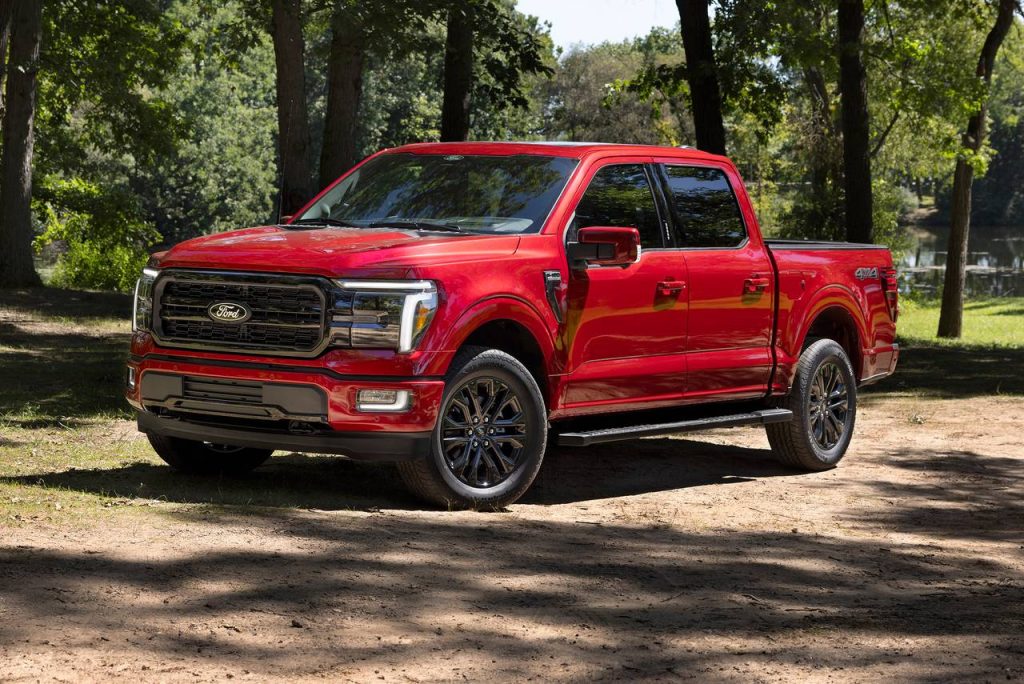
As pickup prices climbed dramatically across the industry, the existence of crank-window F-150s became increasingly unusual. They served as reminders that underneath all the luxury trims and technology packages, the F-150 still maintained roots as a straightforward working truck designed for hard labor first.
2. Chevrolet Silverado 1500 Work Truck
The Chevrolet Silverado 1500 Work Truck carried manual windows into the modern era because Chevrolet recognized that many truck buyers still valued durability and simplicity more than upscale convenience.
While premium Silverado trims gained leather interiors and advanced infotainment systems, the Work Truck configuration stayed intentionally basic to satisfy commercial operators and cost-focused buyers.
Fleet customers became the biggest reason crank windows survived in the Silverado lineup. Utility companies, construction businesses, and maintenance departments often ordered large numbers of trucks equipped with minimal features.
Simpler interiors meant fewer electrical components that could fail after years of constant use in demanding environments.
Manual windows also matched the work truck’s practical personality. Chevrolet paired them with vinyl seats, durable flooring, and uncomplicated dashboard layouts designed for workers entering the cab with muddy boots or heavy tools.
Buyers choosing this trim rarely cared about luxury because the truck’s job involved hauling equipment and surviving rough treatment daily.
Another interesting aspect involved long-term ownership costs. Electric window repairs can become surprisingly expensive once motors, switches, or regulators wear out.
Many Silverado buyers intentionally selected crank windows because they trusted the reliability of simple mechanical hardware more than modern electronics. This mindset remained especially common among rural owners who kept trucks for extremely long periods.
The Silverado work truck still offered serious capability despite the stripped interior. Powerful V8 engines, strong towing performance, and durable frames allowed these trucks to perform demanding labor without compromise.
In some ways, the simplicity of the manual windows reinforced the truck’s identity as a no-nonsense tool rather than a luxury lifestyle vehicle.
Chevrolet additionally understood regional demand differences. In colder climates and heavy work environments, fleet managers often prioritize easy maintenance above premium comfort. Manual window mechanisms tolerated abuse well and remained functional even after years of hard operation.
Private buyers occasionally sought these trucks specifically because they disliked excessive technology. Some owners preferred fewer distractions and appreciated the honest mechanical feel of older-style equipment. Others simply wanted the lowest possible purchase price while still gaining access to a full-size pickup.
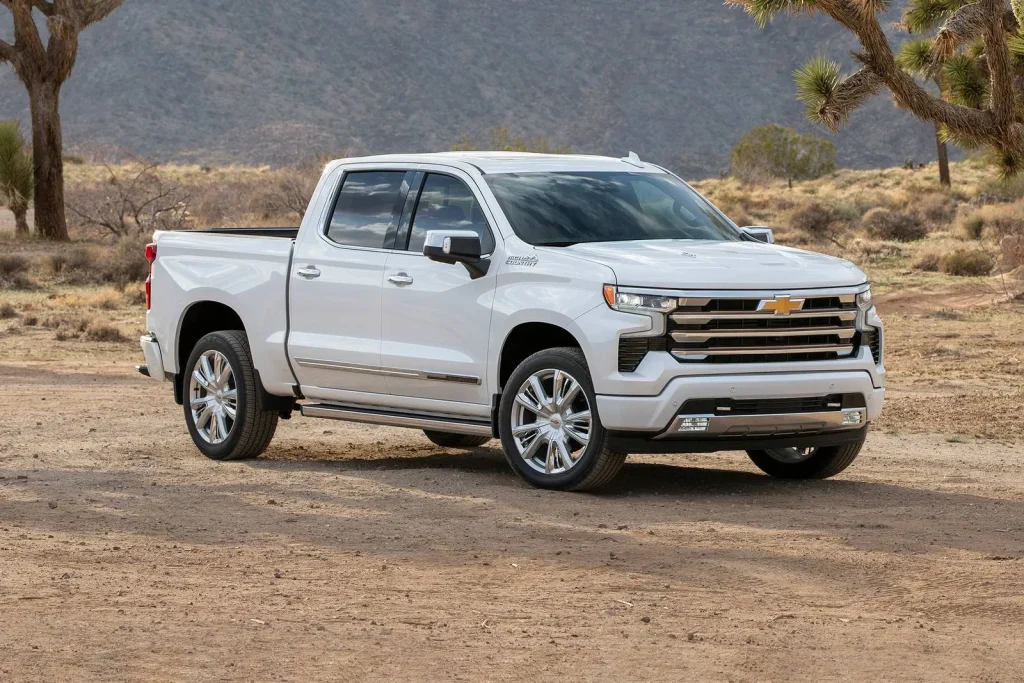
The Silverado work truck demonstrated how traditional truck values survived deep into the modern automotive era. Even as luxury pickups dominated advertising campaigns, these basic crank-window models quietly continued serving workers who cared far more about reliability and utility than convenience features.
3. Ram 1500 Tradesman
The Ram 1500 Tradesman kept manual windows alive far longer than many people expected because Ram continued targeting commercial buyers who valued simplicity above modern luxury features.
While upper-trim Ram trucks evolved into upscale vehicles with massive touchscreens and premium interiors, the Tradesman trim remained intentionally basic to support work-focused customers needing durable transportation at a lower cost.
One of the strongest reasons hand-crank windows survived in the Tradesman involved jobsite reliability. Trucks operating in construction zones, industrial areas, and agricultural environments face constant exposure to dirt, dust, moisture, and rough handling.
Manual window systems reduced the risk of electrical failures while also lowering maintenance expenses over the years of hard labor.
The tradesman embraced a straightforward interior philosophy. Vinyl seating, practical dashboard layouts, and durable materials created a cabin designed to handle abuse rather than impress passengers. Hand crank windows fit perfectly within this utilitarian identity because they reflected the truck’s purpose-built nature.
Ram also understood that fleet operators purchase trucks differently from retail consumers. Companies ordering large numbers of pickups often focus heavily on operating costs.
Eliminating electric window motors and switches across an entire fleet can reduce long-term repair spending significantly. This practical thinking kept manual equipment relevant much longer than most buyers realized.
Another factor helping the tradesman stand out was mechanical honesty. Some private owners actively searched for these stripped-down configurations because they wanted fewer electronic systems capable of failing with age.
Enthusiasts who planned to keep their trucks for decades often trusted simpler equipment more than complex modern features.
Despite its basic equipment, the Ram 1500 Tradesman still delivered serious capability. Strong towing performance, durable chassis engineering, and available V8 power meant buyers sacrificed very little in terms of truck function. The manual windows simply reminded owners that the truck prioritized utility first.
Interestingly, some buyers appreciated the nostalgic character of crank windows. In an era dominated by digital technology, physically turning a window crank felt surprisingly refreshing and mechanical. That old school simplicity appealed to people tired of increasingly complicated vehicle interiors.
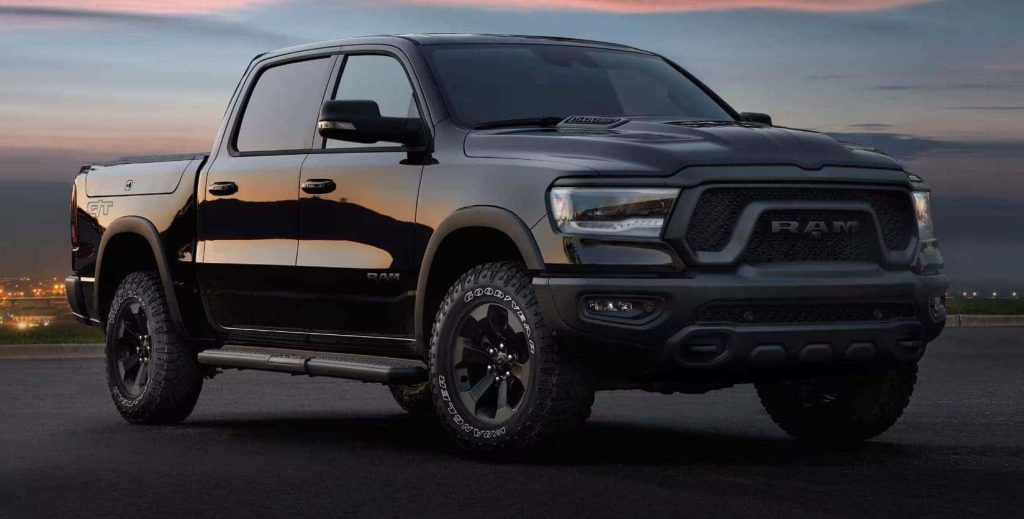
The Tradesman represented one of the last connections to traditional work truck values. Even while luxury pickups became status symbols, Ram continued offering configurations designed primarily for labor, durability, and straightforward long-term ownership.
4. Toyota Tacoma SR
The Toyota Tacoma SR quietly carried manual windows into the modern truck era because Toyota recognized that many midsize truck buyers still preferred practicality over unnecessary luxury. The SR trim especially focused on affordability and ruggedness, making crank windows a natural fit during certain model years within the last fifteen years.
Toyota’s reputation for reliability played a huge role in this decision. Many Tacoma buyers purchased their trucks expecting extremely long ownership periods, often lasting decades. Simpler mechanical systems aligned perfectly with that mindset because fewer electronic components usually meant fewer long-term failures and lower repair costs.
The Tacoma SR also attracted buyers who genuinely used their trucks in demanding environments. Outdoor enthusiasts, contractors, ranchers, and utility workers appreciated equipment that could tolerate mud, dust, and constant use without becoming fragile.
Manual windows handled these conditions remarkably well and rarely created expensive repair situations.
Unlike some full-size trucks that leaned heavily into luxury branding, the Tacoma maintained a more rugged personality. The SR trim emphasized function through durable materials, straightforward controls, and practical cabin layouts. Crank windows reinforced the truck’s no-nonsense identity while helping Toyota keep entry pricing competitive.
Another reason manual windows survived involved global truck culture. Toyota sells durable work-oriented pickups worldwide, and many international buyers still prioritize simplicity and repairability above premium convenience features. That philosophy influenced how the company approached lower-trim Tacoma models as well.
Interestingly, the Tacoma’s enthusiast community often appreciated these stripped-down versions. Off-road drivers and long-term owners sometimes preferred fewer electronics because remote travel conditions make reliability critically important.
A simple crank mechanism can remain dependable in situations where electrical failures become frustrating or difficult to repair.
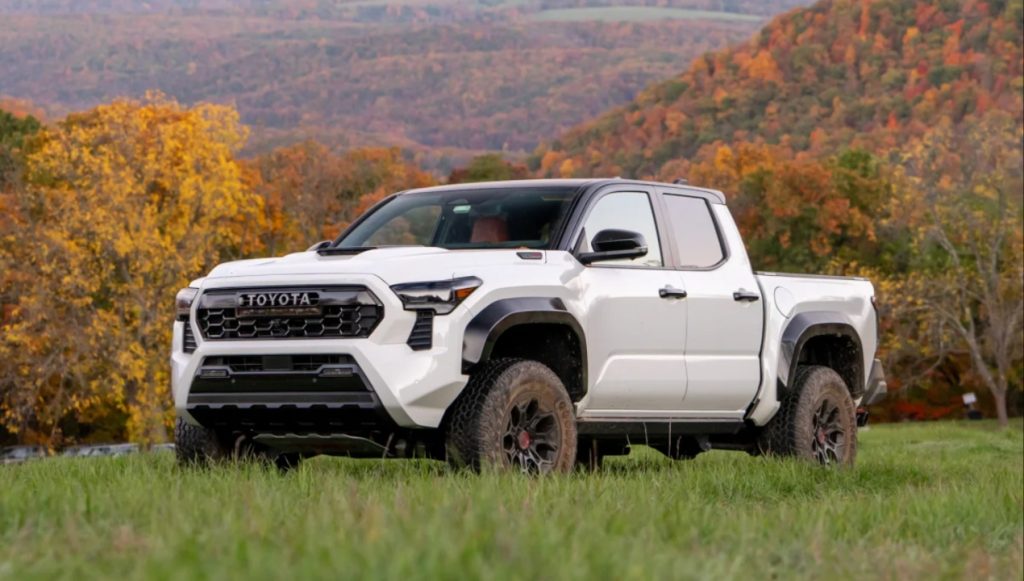
The Tacoma SR still offered serious truck capability despite its basic interior equipment. Strong resale value, dependable engines, and respected off-road ability kept the truck highly desirable even in simpler trims. Buyers choosing manual windows never felt like they were sacrificing the Tacoma’s core strengths.
As modern pickups became increasingly expensive and technology-heavy, crank-window Tacomas stood out as reminders that durability and simplicity still mattered to many truck owners. They represented a practical alternative in a market rapidly moving toward luxury-focused designs.
5. Nissan Frontier S
The Nissan Frontier S became one of the longest-lasting examples of a genuinely old-school truck sold in modern times.
Nissan kept the previous-generation Frontier on sale for years with minimal major redesigns, which allowed features like hand-crank windows to survive much longer than most buyers expected. In base S trims, simplicity remained a major selling point rather than a weakness.
The Frontier developed a reputation for rugged durability partly because Nissan avoided chasing every industry trend immediately. While competitors added increasingly complex electronics and upscale interiors, the Frontier stayed straightforward and practical.
Manual windows fit perfectly within that philosophy because they reinforced the truck’s reputation as a dependable work tool rather than a luxury lifestyle product.
Fleet operators appreciated this simplicity greatly. Small businesses, maintenance crews, and contractors often purchased Frontier S models because the trucks delivered useful capabilities at relatively affordable prices. Crank windows reduced repair risks while helping keep ownership costs predictable over long periods of heavy use.
Another interesting aspect involved the truck’s aging platform. Since Nissan continued producing the same generation for so long, many proven mechanical components remained unchanged and highly reliable. Buyers who disliked complicated modern technology often preferred the Frontier specifically because it felt refreshingly traditional.
The interior reflected that practical attitude. Dashboard controls stayed easy to use, visibility remained strong, and cabin layouts prioritized functionality. Hand-crank windows never felt out of place because the truck’s entire design emphasized durability above luxury.
Off-road enthusiasts also respected the Frontier’s basic nature. Simpler equipment can become an advantage during remote travel, where electrical problems are more difficult to fix. Many owners trusted manual systems more during camping trips, trail driving, and outdoor work situations.
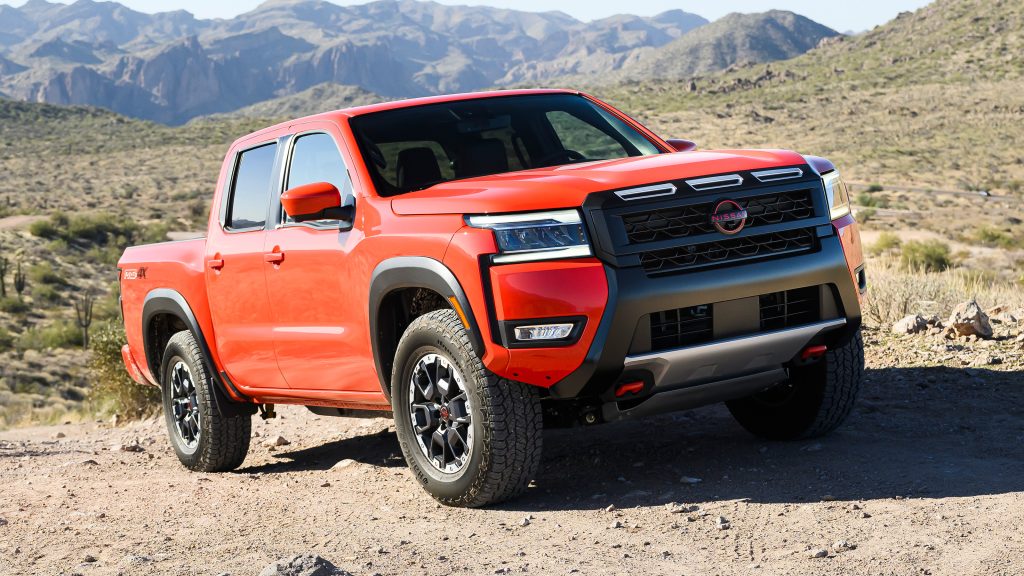
Despite the minimal features, the Frontier still delivered respectable towing ability and dependable performance. Strong V6 engines and durable chassis engineering helped the truck maintain a loyal customer base even as rivals introduced far more modern interiors.
The Frontier S ultimately represented one of the last truly simple midsize pickups available in North America. Its crank windows symbolized a truck philosophy centered on affordability, mechanical honesty, and long-term reliability rather than digital convenience and luxury branding.
6. GMC Sierra 1500 Base
The GMC Sierra 1500 Base carried manual windows into surprisingly recent years because GMC continued offering stripped-down configurations aimed directly at commercial buyers and budget-conscious fleet operators.
Although modern Sierra trims often focus on premium materials and upscale styling, the lowest trims remain intentionally simple to meet the needs of work-oriented customers.
Manual windows aligned naturally with the truck’s utilitarian purpose. Businesses purchasing fleets of pickups frequently prioritize durability and operating costs over comfort features. A simple crank mechanism eliminates electric motors, switches, and wiring that could eventually fail after years of hard use in difficult environments.
The base Sierra trims also appealed to buyers wanting straightforward work trucks without luxury pricing. Contractors and municipal departments often cared far more about payload capacity, towing strength, and long-term dependability than advanced interior technology. Hand-crank windows became part of a larger package focused on practical utility.
Another factor helping these trucks stand out involved durability in demanding conditions. Work trucks experience heavy exposure to dirt, water, extreme temperatures, and constant entry and exit cycles.
Simpler interior equipment generally survives this treatment better than delicate electronic systems. Fleet managers understood the reliability advantage clearly.
The Sierra still delivered serious capability even in its most basic forms. Powerful V8 engines, strong frames, and dependable suspension setups allowed these trucks to handle trailers, equipment, and heavy payloads confidently. Buyers choosing manual windows never lost access to the truck’s core strengths as a capable full-size pickup.
Some private owners also appreciated the old-school simplicity. Drivers planning to keep trucks for many years often preferred fewer electronics because repair costs tend to rise sharply as vehicles age. Manual windows represented one less system capable of becoming expensive later in ownership.
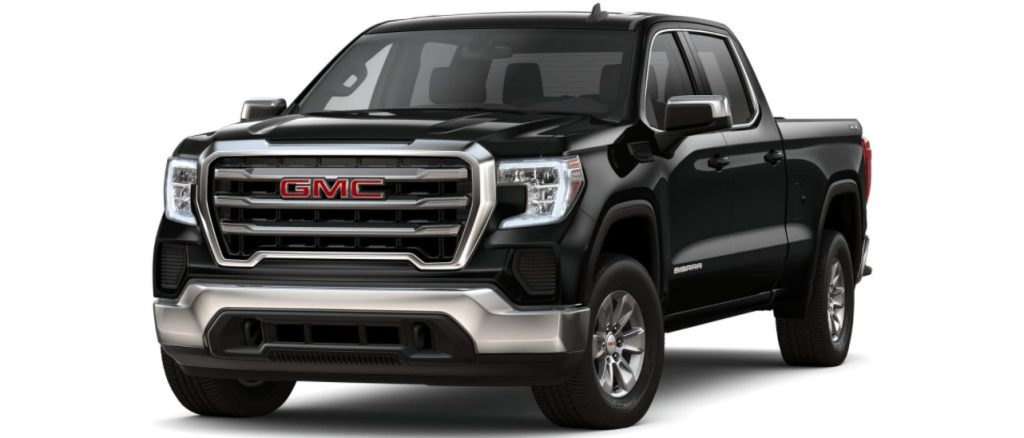
The truck’s interior design reinforced this philosophy. Large controls, durable materials, and straightforward layouts made the cabin easy to clean and practical for worksite use. Crank windows simply felt consistent with the truck’s honest and functional personality.
The Sierra 1500 Base proved that even as pickup trucks moved toward luxury territory, there was still a market for traditional work-focused configurations built around durability, affordability, and mechanical simplicity.
7. Toyota Tundra SR
The Toyota Tundra SR has stood out during the last fifteen years because it has preserved many traditional truck qualities while competitors increasingly transformed pickups into luxury vehicles.
One of the clearest signs of this old-school philosophy appeared in lower-trim SR models that continued offering hand-crank windows well into the modern era.
At a time when many manufacturers pushed touchscreen-heavy cabins and expensive convenience features, Toyota still recognized that a portion of truck buyers wanted durability and simplicity more than technology.
The Tundra SR attracted commercial users, contractors, ranch owners, and long-term truck buyers who valued reliability above everything else. Toyota already carried a powerful reputation for building dependable vehicles capable of surviving hundreds of thousands of miles.
Offering manual windows matched that image perfectly because crank systems are mechanically simple and rarely fail compared with electric regulators or window motors. Buyers planning to keep their trucks for decades often appreciated eliminating unnecessary electronics wherever possible.
Another reason hand-crank windows survived in the Tundra involved the truck’s straightforward personality. Even though higher-trim Tundras offered luxury features and large V8 power, the SR trim maintained a practical work truck atmosphere.
Durable interior materials, easy-to-clean surfaces, and uncomplicated controls made the cabin suitable for demanding environments. Farmers, construction workers, and utility crews frequently entered these trucks wearing muddy boots or carrying heavy tools. Simpler equipment handled that kind of abuse better over time.
Toyota also understood the importance of fleet business. Government agencies and companies ordering multiple trucks often prefer lower repair costs and fewer electronic complications.
When maintaining an entire fleet, avoiding expensive window motor repairs across dozens of vehicles can create meaningful savings over the years of ownership. The Tundra SR, therefore, appealed strongly to organizations needing dependable transportation without luxury pricing.
The truck’s capability remained impressive despite the basic interior configuration. Strong towing numbers, proven V8 reliability, and durable chassis engineering allowed the Tundra to compete confidently with domestic full-size pickups.
Buyers selecting crank windows still received a truck capable of hauling trailers, carrying heavy payloads, and enduring difficult job-site conditions daily.
Interestingly, some private buyers specifically searched for these simpler trims because they disliked the direction modern trucks were taking.
Increasingly, your digital cabins and expensive electronics pushed some traditional truck owners toward basic models that felt more mechanical and less dependent on technology. The Tundra SR represented a connection to older pickup values, where function mattered more than a luxury image.
The truck also developed a loyal following among outdoor enthusiasts. Campers, hunters, and off-road travelers often trust simple mechanical systems more during remote trips where electrical failures become inconvenient or expensive.
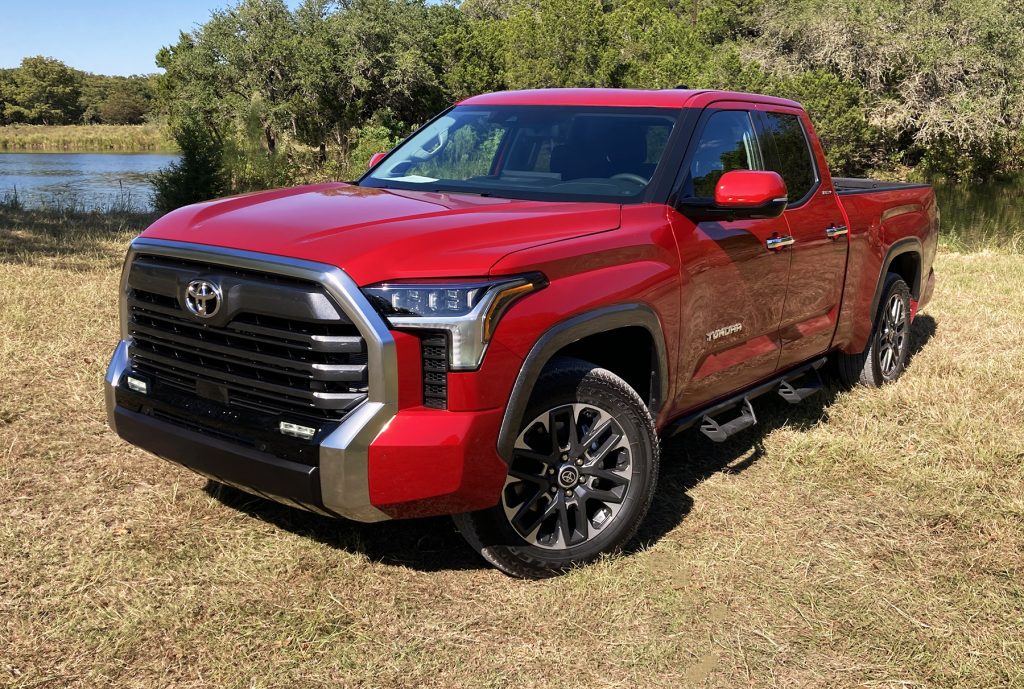
Manual windows added to the sense that the Tundra could handle harsh conditions without unnecessary complications.
As the pickup market continued moving upscale, crank window Tundras became increasingly rare symbols of practical truck design. They showed that even during an era dominated by luxury pickups, some manufacturers still remembered buyers who valued durability, affordability, and simplicity above everything else.
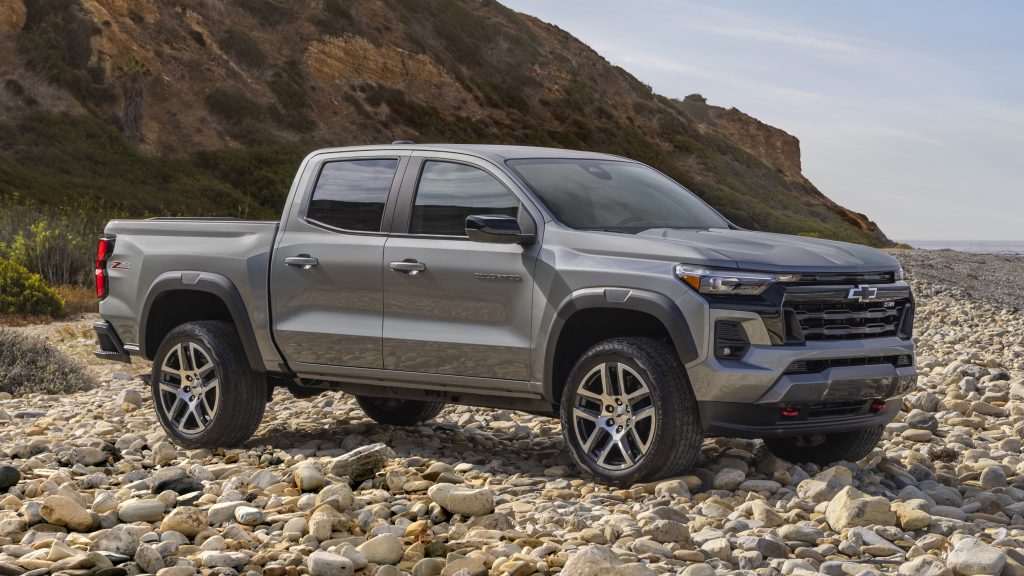
8. Chevrolet Colorado Base
The Chevrolet Colorado Base kept hand-crank windows alive because Chevrolet continued recognizing demand for affordable and practical midsize trucks even as the industry shifted toward premium interiors and advanced electronics.
Base model Colorados offered a surprisingly simple ownership experience during a period when many pickups became increasingly expensive and technology-focused.
One of the biggest reasons manual windows remained available involved the truck’s role as an entry-level work vehicle. Small businesses, independent contractors, and municipal departments often need dependable pickups without paying for luxury features they would never use.
Crank windows reduced purchase costs while also minimizing future repair risks. In demanding work environments, simplicity frequently becomes more valuable than convenience.
Colorado’s midsize proportions made it especially appealing for urban job sites and smaller businesses. Drivers working in tight city streets or crowded industrial zones appreciated its manageable size compared with larger, full-size pickups.
Buyers choosing base trims typically focus on practicality first, making manual windows feel entirely appropriate rather than outdated.
Chevrolet also benefited from the Colorado’s straightforward engineering philosophy in lower trims. Durable cloth seats, easy-to-clean interiors, and uncomplicated dashboard layouts created a truck suited for daily labor.
Electric accessories can become weak points after years of dirt, vibration, and constant use, so many owners prefer the reliability of simple mechanical controls.
Another factor helping crank windows survive involved pricing pressure in the midsize truck market. Manufacturers understood that entry-level trucks needed to remain reasonably affordable to attract fleet customers and first-time buyers.
Removing power accessories helped Chevrolet keep the Colorado competitive against rivals while maintaining healthy profit margins on higher trims.
Interestingly, many enthusiasts admired the honesty of these basic trucks. In an automotive world filled with giant screens and electronic systems controlling nearly every function, manual windows gave the Colorado an authentic work truck personality.
Some buyers intentionally avoided high-tech trims because they planned to keep their trucks for long periods and wanted fewer systems capable of failing with age.
The Colorado still delivered strong functionality despite the stripped-down equipment. Useful payload capacity, respectable towing ability, and available four-wheel drive made the truck genuinely capable for both work and recreation. Buyers choosing crank windows did not sacrifice the truck’s core utility or performance.
The truck additionally appealed to younger buyers entering the pickup market for the first time. Base Colorado provided an affordable path into truck ownership without overwhelming purchase prices.
Simpler equipment also meant insurance and repair costs often stayed lower compared with more luxurious models packed with expensive electronics.
As modern pickups became increasingly premium and expensive, the existence of hand-crank window Colorados felt almost surprising.
Yet, they served an important purpose by proving there was still demand for practical, honest trucks focused on durability and affordability rather than luxury image or digital technology.
Also Read: 5 Pickups Built for Rural Mail Routes vs 5 That Fall Apart
