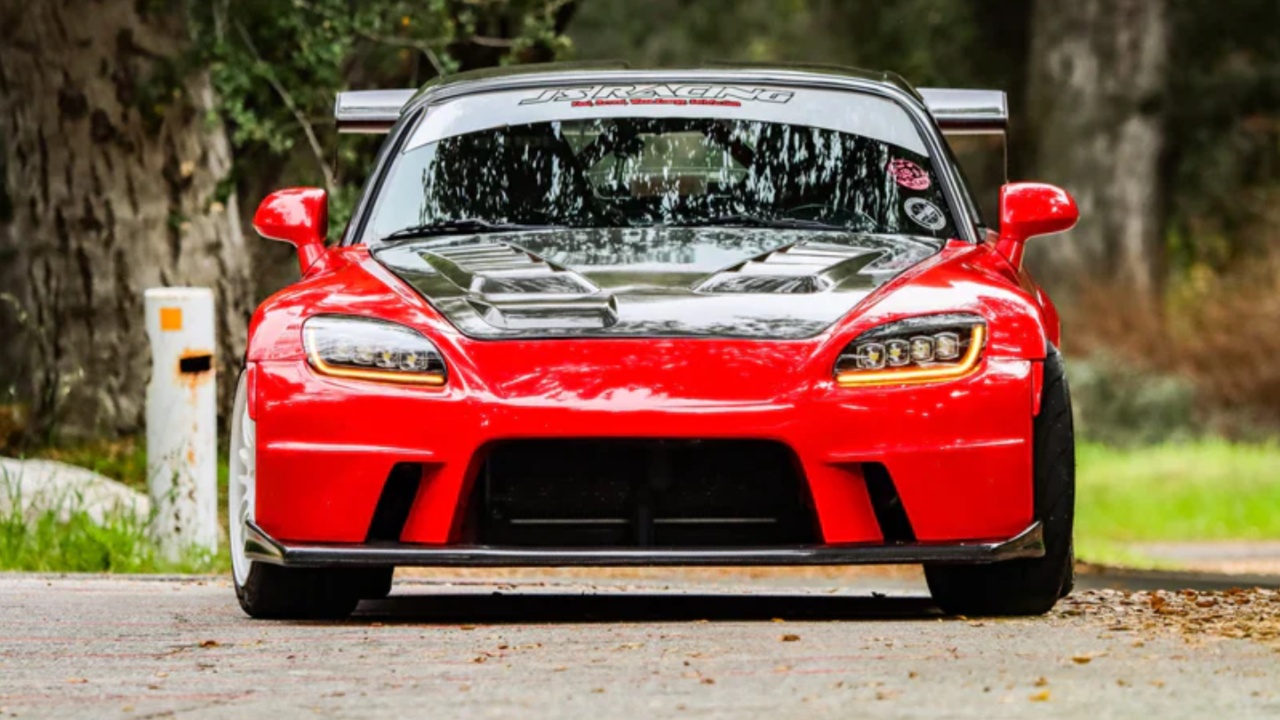
The collector car market is increasingly splitting along two distinct paths. One group consists of modern classics that are still rising in value, supported by shrinking availability, increasing nostalgia, and a renewed appreciation for lightweight, analogue-focused driving experiences.
Models such as the Honda S2000, Toyota Supra A80, Porsche Cayman 987, Subaru Impreza P1, and Ford Fiesta ST represent this upward trend. Each combines mechanical purity, strong driver engagement, and increasing rarity as clean, unmodified examples become harder to find.
On the other side are vehicles that have already experienced their major surge in value and are now stabilizing. These include globally recognized names like the Nissan Skyline GT-R R34, Aston Martin DB series, Lexus IS F, Aston Martin DB7 Vantage, and Chevrolet Corvette C4 ZR-1.
While all remain historically important and highly desirable, their prices have largely leveled out due to factors such as production volume, rising maintenance costs, shifting generational interest, and the availability of newer performance alternatives.
Together, these two groups highlight the current direction of the collector market: one driven by increasing appreciation for accessible, engaging driver’s cars, and the other defined by iconic models that have already completed their strongest phase of financial growth and now sit in long-term value stability.
5 Modern Classics Climbing
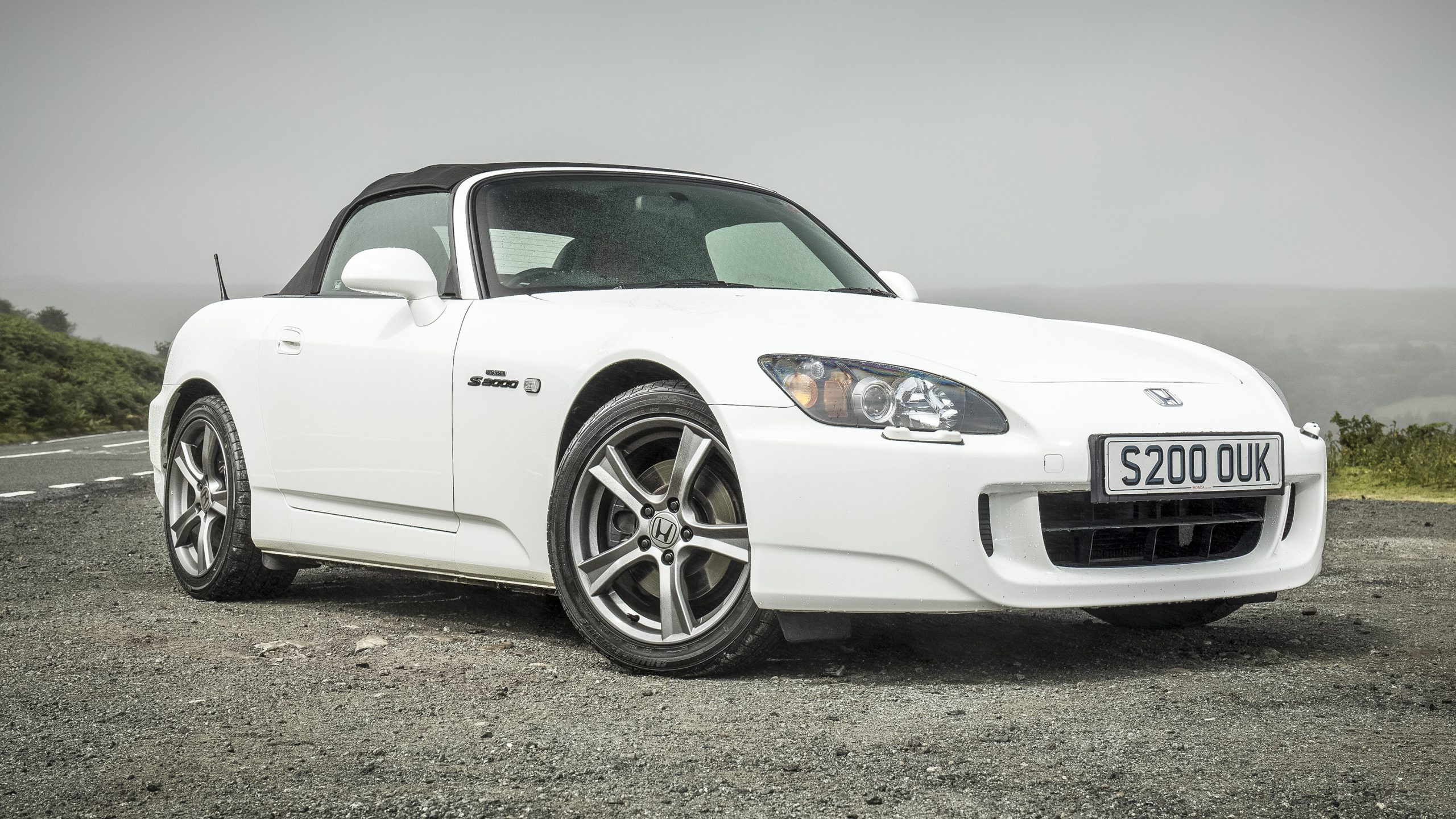
1. Honda S2000 (1999–2009)
The 1999–2009 Honda S2000 is widely regarded as one of the most focused and engaging roadsters ever built. It represents a period when Honda prioritized mechanical purity and high-revving performance over electronic assistance and comfort-driven design. Today, it is seen as a modern classic, valued for its simplicity, precision, and increasingly rare analog driving experience.
At the heart of the S2000 is the naturally aspirated F20C engine, one of the most iconic four-cylinder engines ever produced. It delivers 237 horsepower from just 2.0 liters and is known for its extraordinary ability to rev to 9,000 RPM. Power delivery is concentrated at high engine speeds, meaning the car feels relatively calm at low revs but becomes explosive once VTEC engagement occurs. This creates a distinctive two-stage character that rewards committed, high-rev driving and careful gear selection.
The chassis design is a major part of its reputation. With a near-perfect 50:50 weight distribution and a front mid-engine layout, the S2000 offers strong balance through corners and stability during rapid direction changes. Its rigid X-Bone frame increases structural stiffness, allowing the suspension to maintain consistent contact with the road even on uneven surfaces. The result is a car that feels light, precise, and highly responsive on technical roads such as mountain passes and hill climbs.
Another defining feature is the six-speed manual transmission, which is often praised as one of the best ever made. It has short, mechanical shifts that encourage frequent gear changes to keep the engine in its power band. The steering is quick and direct, although feedback can feel limited, requiring drivers to develop sensitivity through seat and chassis communication rather than steering feel alone.
Inside, the S2000 is compact and functional. The digital instrument cluster, minimal controls, and driver-focused layout emphasize its performance intent, even if some materials now feel dated. Despite this, the cabin remains purposeful and ergonomic.
As original examples become harder to find, the S2000 continues to rise in value. Its combination of high-revving performance, lightweight construction, and pure driving engagement ensures its lasting reputation as one of Honda’s most celebrated sports cars.
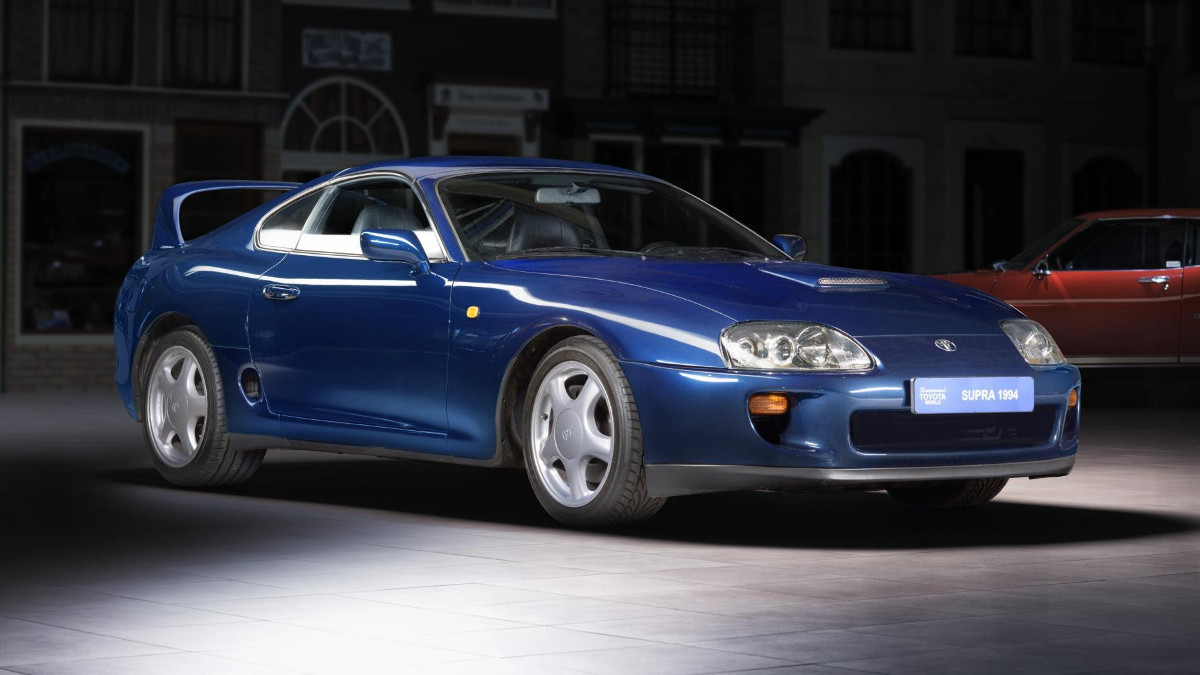
2. Toyota Supra A80 (1993–2002)
The 1993–2002 Toyota Supra A80 is one of the most iconic Japanese sports cars ever built, celebrated for its engineering excellence, cultural impact, and immense tuning potential. It rose to global fame through pop culture, especially The Fast and the Furious franchise and Gran Turismo, where it became a symbol of 1990s performance enthusiasm. Today, it is a highly sought-after collector car, with original, unmodified manual twin-turbo examples commanding extremely high prices due to rarity and demand.
At the core of the Supra’s reputation is the legendary 2JZ-GTE 3.0-liter twin-turbo inline-six engine. Toyota engineered it with extreme durability, including forged internal components that allow it to handle massive power increases far beyond factory specifications. While officially rated at 276 horsepower in Japan and around 320 horsepower in the US, the engine is known to reliably support 600 to 1000 horsepower with proper tuning. This strength made it a global favorite among tuners and performance builders.
The A80 Supra also excels as a performance platform for hill climbs and mountain driving. Its rear-wheel-drive layout provides precise handling and strong driver control through tight corners. The chassis benefits from lightweight materials such as aluminum suspension components and structural elements, helping offset the weight of the twin-turbo system and improving balance. Its wide, aerodynamic body design contributes to high-speed stability and predictable behavior on fast sweeping roads.
Another key strength is its exceptional aftermarket support. As a global tuning icon, the Supra has a vast ecosystem of available upgrades for suspension, brakes, cooling, and engine performance. This makes it highly adaptable for demanding motorsport environments and spirited road driving.
Transmission options also enhance its reputation, especially the robust Getrag V160 and V161 six-speed manual gearboxes. These transmissions are known for their durability under extreme torque loads, making them ideal for high-horsepower builds.
Visually, the Supra A80 features a smooth, curvy, and aggressive design that still looks modern today. The driver-focused cockpit and sporty proportions reinforce its performance identity.
The Supra A80 remains a defining Japanese performance car, combining reliability, tuning potential, cultural significance, and timeless design into one of the most respected sports cars ever made.
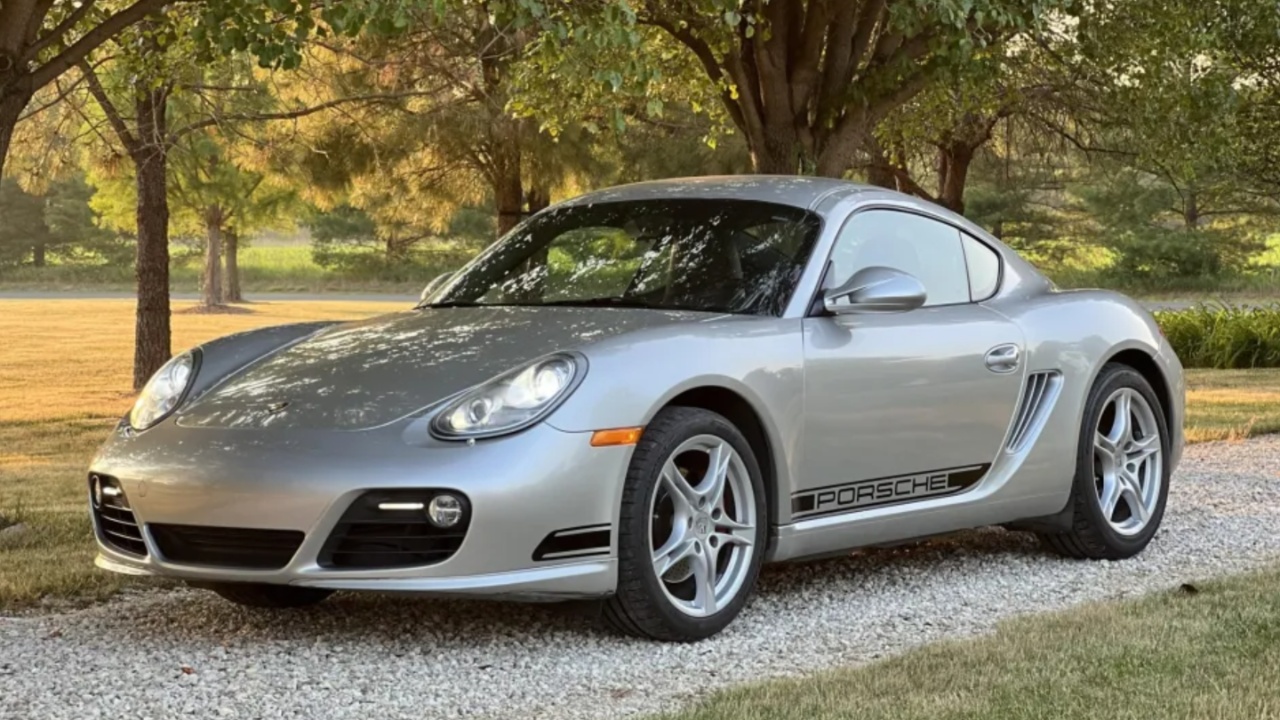
3. Porsche Cayman 987 (2004–2009)
The 2004–2009 Porsche Cayman S and Cayman R (987 generation) are widely regarded as some of the finest modern analog sports cars ever built. Positioned below the 911, the Cayman has steadily gained recognition for offering a more balanced, precise, and engaging driving experience, especially for enthusiasts who value chassis purity over outright prestige. As 911 prices continue to rise, the 987 Cayman has become a key entry point into true Porsche performance, with strong investment potential.
At the heart of the Cayman’s appeal is its mid-engine layout, which places the flat-six engine close to the center of the chassis. This creates near-perfect weight distribution and exceptional stability through tight corners, switchbacks, and elevation changes. Unlike the rear-engine 911, the Cayman delivers more neutral handling, allowing drivers to carry speed with confidence while maintaining precise control at the limit.
Steering feedback is another defining strength. Early 987 models use hydraulic power steering, widely praised for its directness and clarity. This gives drivers an unfiltered connection to the front wheels, making it easier to place the car accurately on narrow mountain roads and technical hill climb sections. Combined with a rigid chassis, the result is a car that feels highly communicative and responsive.
Power comes from naturally aspirated flat-six engines, including the 2.7-liter in the base model and the more desirable 3.4-liter in the Cayman S. These engines deliver linear acceleration and strong high-rev character, making them especially effective in sustained, flowing driving conditions. While not the most powerful in its class, the Cayman rewards momentum and precision.
The Cayman R represents the most focused version of the 987. It reduces weight by approximately 55 kg, lowers ride height, and adds performance tuning for sharper handling and improved acceleration. This makes it particularly effective in competitive driving environments such as hill climbs.
However, early models are known for potential issues like bore scoring and IMS bearing failure, prompting many buyers to prefer later 987.2 cars with revised engines that improve reliability.
The 987 Cayman is celebrated for its balance, steering feel, and mid-engine agility, earning its reputation as one of the most rewarding driver-focused sports cars of its era.
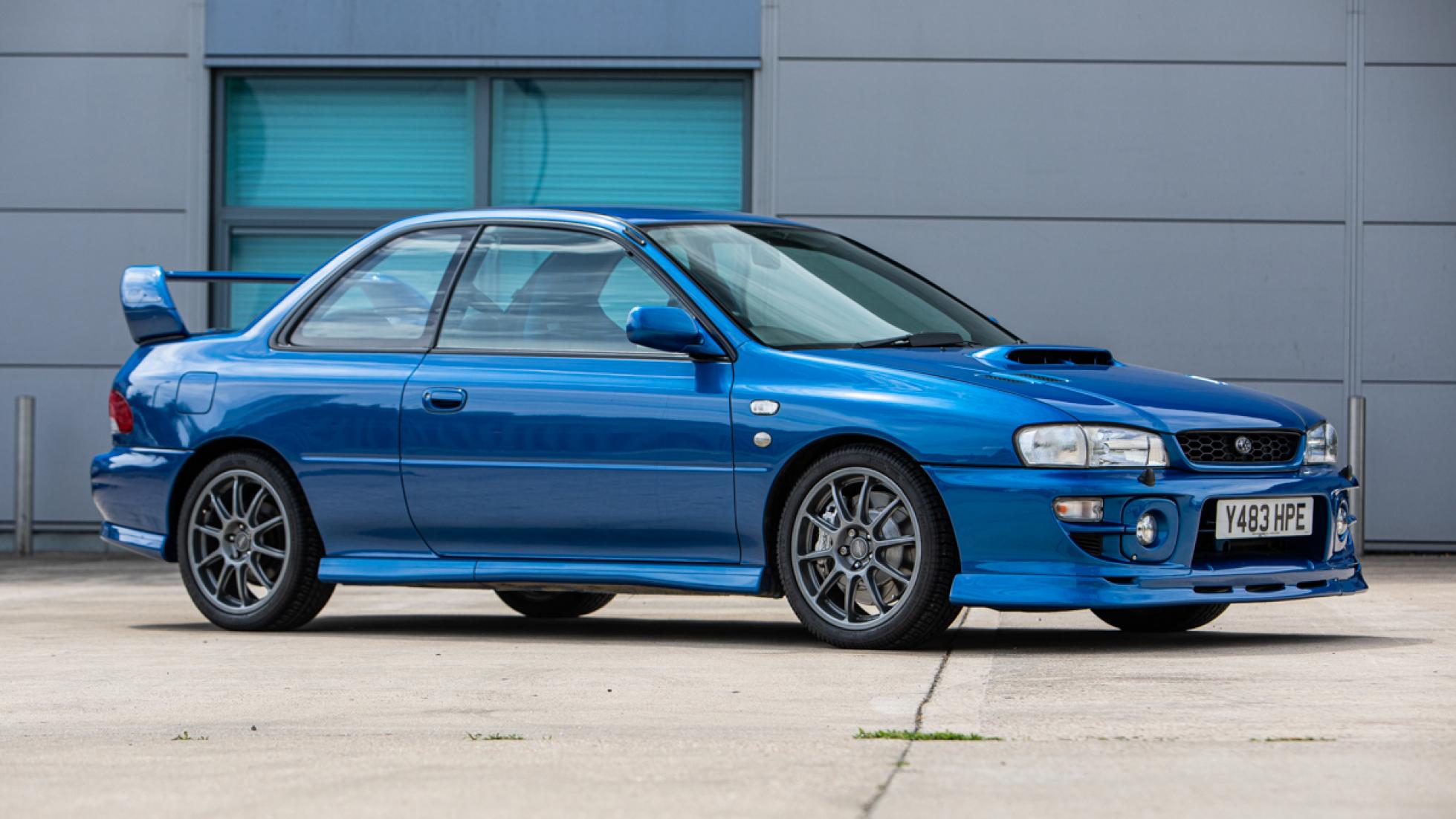
4. Subaru Impreza P1 (2000–2001)
The 2000–2001 Subaru Impreza P1 is one of the most celebrated modern classic rally-inspired performance cars, built exclusively for the UK market by Prodrive in collaboration with Subaru. Developed to counter the rise of grey-import Japanese Imprezas, it offered an official, factory-backed alternative that combined World Rally Championship pedigree with road usability. Produced in limited numbers, it quickly sold out and has since become a highly desirable collector’s car, with values steadily increasing due to rarity and cult status.
At its core, the P1 is based on the Impreza WRX STi Type R but heavily re-engineered for European roads. It uses a 2.0-liter turbocharged EJ20 flat-four engine producing around 276–280 horsepower and approximately 260 lb-ft of torque.
In real-world conditions, many examples are known to exceed factory figures, delivering explosive acceleration and a strong mid-range punch ideal for steep, technical hill climbs. The permanent all-wheel-drive system ensures maximum traction, allowing the car to maintain grip even on loose or wet surfaces.
Weighing just under 1,300 kg, the P1 benefits from an excellent power-to-weight ratio. Its short gearing and 5-speed manual transmission keep the engine in its optimal boost range, ensuring rapid response when exiting tight corners. The chassis was extensively tuned by Prodrive after evaluating more than twenty suspension setups, resulting in a balance that is both firm and compliant enough for real-world road conditions.
Structurally, the two-door coupe body provides increased rigidity over standard Impreza models, further reinforced by a solid rear bulkhead. This stiffness improves steering precision and stability under heavy cornering loads. Aerodynamic elements designed by Peter Stevens, including a functional front splitter and rear spoiler, contribute to high-speed stability and added downforce.
Inside, the P1 features Recaro seats, a driver-focused layout, and rally-inspired detailing. While simple, the cabin reflects its performance-first philosophy.
The Impreza P1 remains one of the most authentic road-going rally cars ever produced. Its combination of Prodrive engineering, lightweight construction, and legendary Subaru drivetrain makes it exceptionally capable on hill climbs and twisty mountain roads, securing its place as a true performance icon.
5. Ford Fiesta ST (2013–2017)
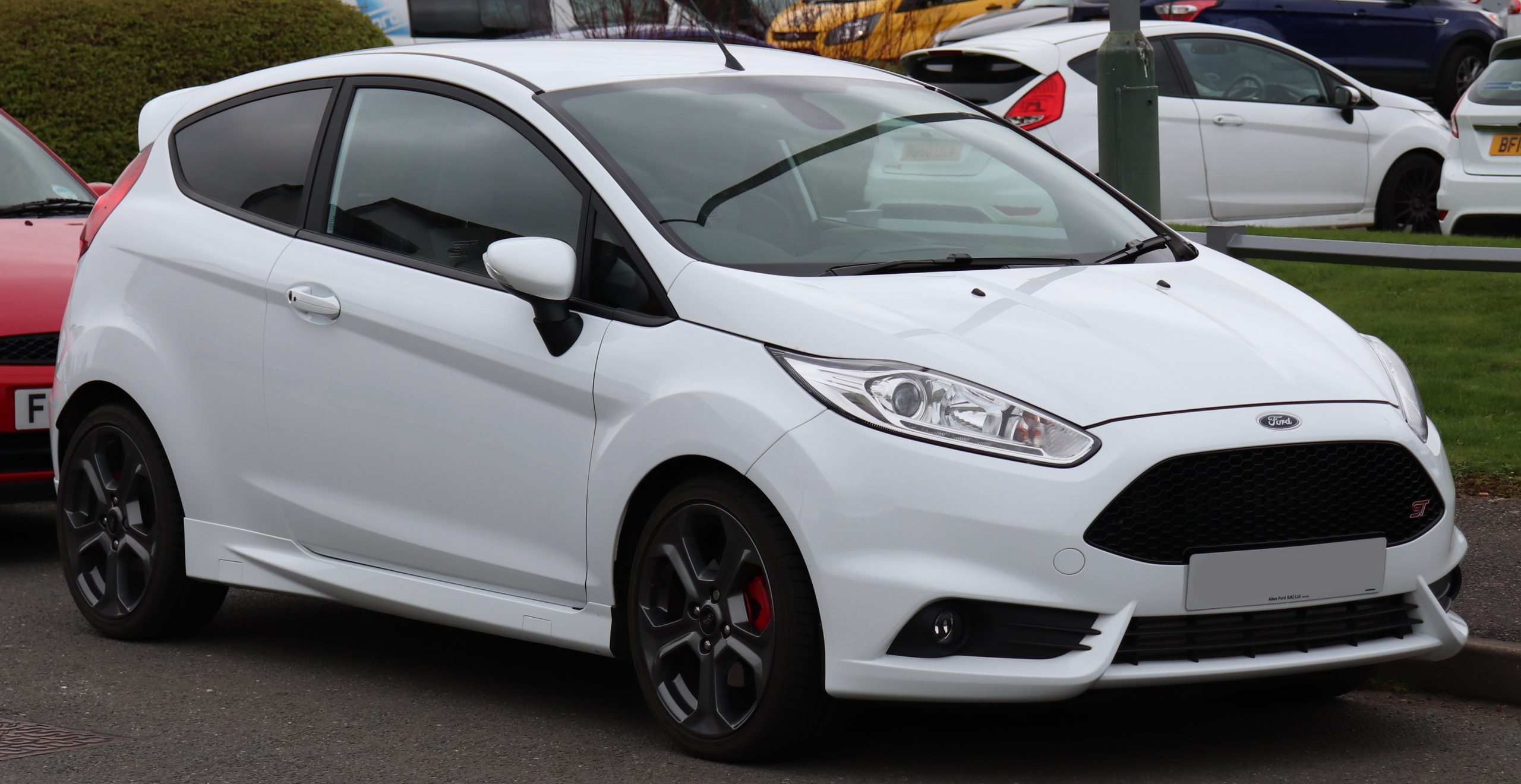
The 2013–2017 Ford Fiesta ST (Mk7) is widely regarded as one of the greatest modern hot hatches ever built, combining lightweight construction, a turbocharged engine, and a highly engaging manual driving experience. It represents the end of an era when small, affordable performance cars prioritized driver enjoyment over size, weight, and electrification. As a result, clean and unmodified examples are becoming increasingly desirable as future classics.
At the heart of the Fiesta ST is a 1.6-liter turbocharged EcoBoost engine producing 182 horsepower, with an overboost function that temporarily increases output to 197 horsepower and 214 lb-ft of torque. This gives the car a strong mid-range punch, especially useful when exiting tight uphill corners. Paired with a close-ratio six-speed manual gearbox, the engine stays in its optimal powerband, making the car highly responsive and fun to exploit on winding roads.
The chassis is one of its defining strengths. Weighing around 1,200 kg, the Fiesta ST is exceptionally light, which enhances agility and reduces the effort required to climb steep or technical roads. Its short wheelbase and aggressive suspension tuning allow it to rotate quickly into corners. Torque vectoring through brake-based inside wheel braking further sharpens corner entry, while the twist-beam rear axle contributes to a lively and playful rear-end character under load.
Steering is quick, accurate, and well-weighted, giving the driver strong confidence in tight switchbacks. Ride quality is firm but well-controlled, allowing the car to remain composed over uneven surfaces while still communicating road conditions effectively. Despite its performance focus, it remains comfortable in everyday driving, with decent refinement for city and motorway use.
The Fiesta ST also benefits from strong aftermarket support, with simple modifications capable of pushing power beyond 230 horsepower, significantly enhancing its hill-climb performance potential.
Beyond its performance, the Mk7 ST has earned modern classic status. It retains a rare balance of analog engagement and modern usability, making it one of the most rewarding front-wheel-drive cars ever produced. As clean examples become harder to find, its reputation as a driver’s car and its growing collector appeal continue to strengthen.
5 That Have Already Peaked
1. Nissan Skyline GT-R R34 (1999–2002)
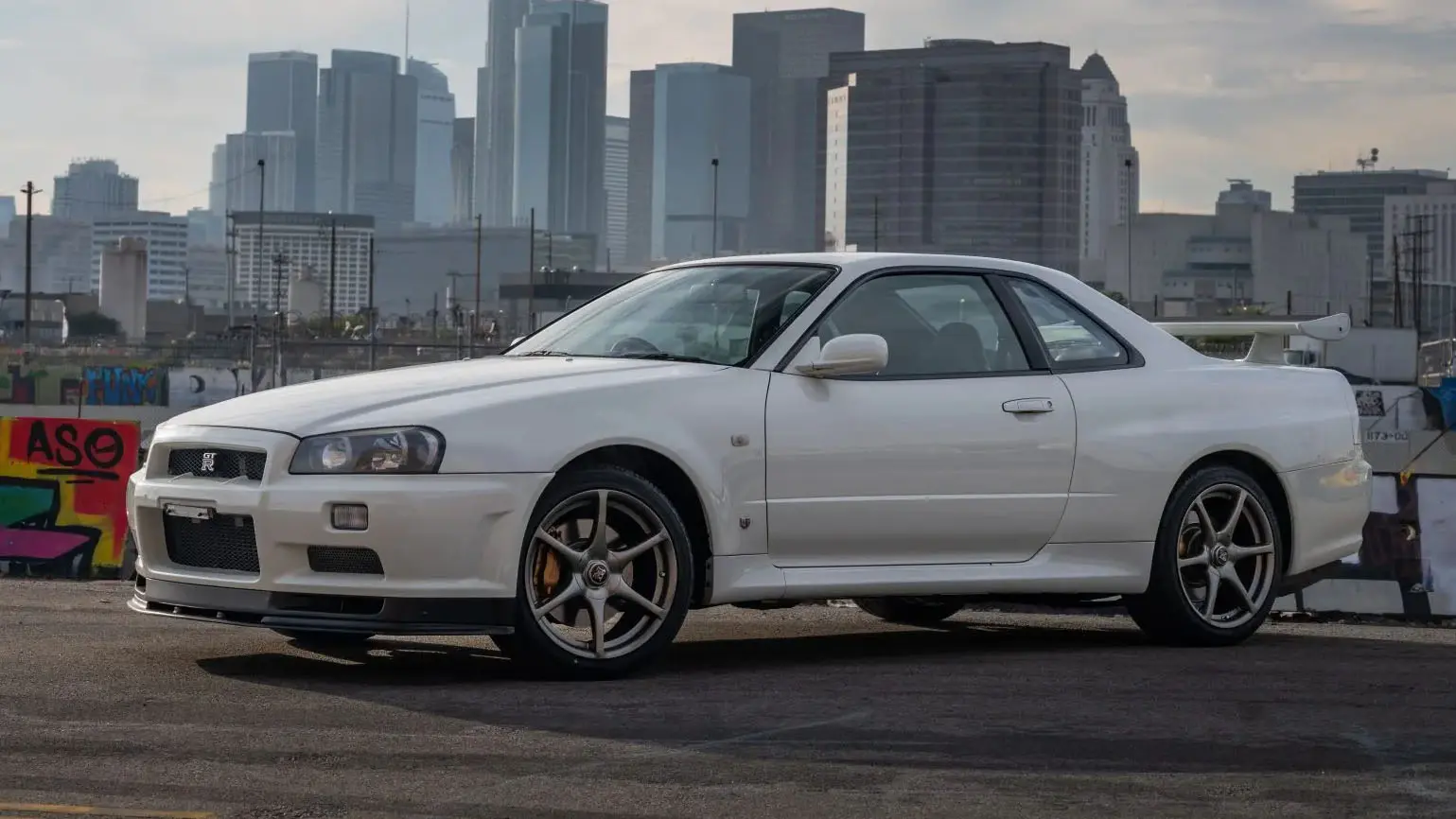
The 1999–2002 Nissan Skyline GT-R R34, often called “Godzilla,” is one of the most iconic Japanese performance cars ever built. In recent years, it experienced a dramatic surge in value driven by global nostalgia, collector demand, and the long-awaited eligibility for US import under the 25-year rule. However, the market has now cooled after reaching extreme highs, with standard models stabilizing while only the rarest variants continue to escalate in value.
The R34 is considered the pinnacle of the “analog-digital” performance era. It blends mechanical driving engagement with early electronic performance technology, including the ATTESA E-TS all-wheel-drive system and a multifunction digital display that monitors real-time engine data. This combination gives it a unique character, offering both driver feedback and advanced control systems that were ahead of their time but not yet fully intrusive.
Power comes from the legendary RB26DETT 2.6-liter twin-turbo inline-six engine. Officially rated at 276 horsepower due to Japan’s voluntary horsepower agreement, the engine was significantly underreported. In reality, it is famously overbuilt, with a strong iron block capable of handling extreme tuning. With modifications, it can reliably produce 600 to over 1,000 horsepower, making it one of the most tunable performance engines ever created.
Pop culture also played a major role in its legendary status. The R34 gained worldwide fame through the Gran Turismo video game series and The Fast and the Furious films, where it became a symbol of modern JDM performance culture. This exposure cemented it as a dream car for an entire generation of enthusiasts.
Its rarity is amplified by strict import regulations, particularly the US 25-year rule, which created a surge in demand once the car became eligible. Because it was never officially sold in many major markets, global availability remains extremely limited.
Today, standard R34 GT-Rs often sell for well into six figures, while ultra-rare versions like the Z-Tune and M-Spec Nür regularly exceed one million dollars at auction. The model has now transitioned from speculative hype into a stabilized blue-chip collector car, representing the peak of Japan’s performance golden era.
2. Aston Martin DB Series (DB4, DB5, DB6)
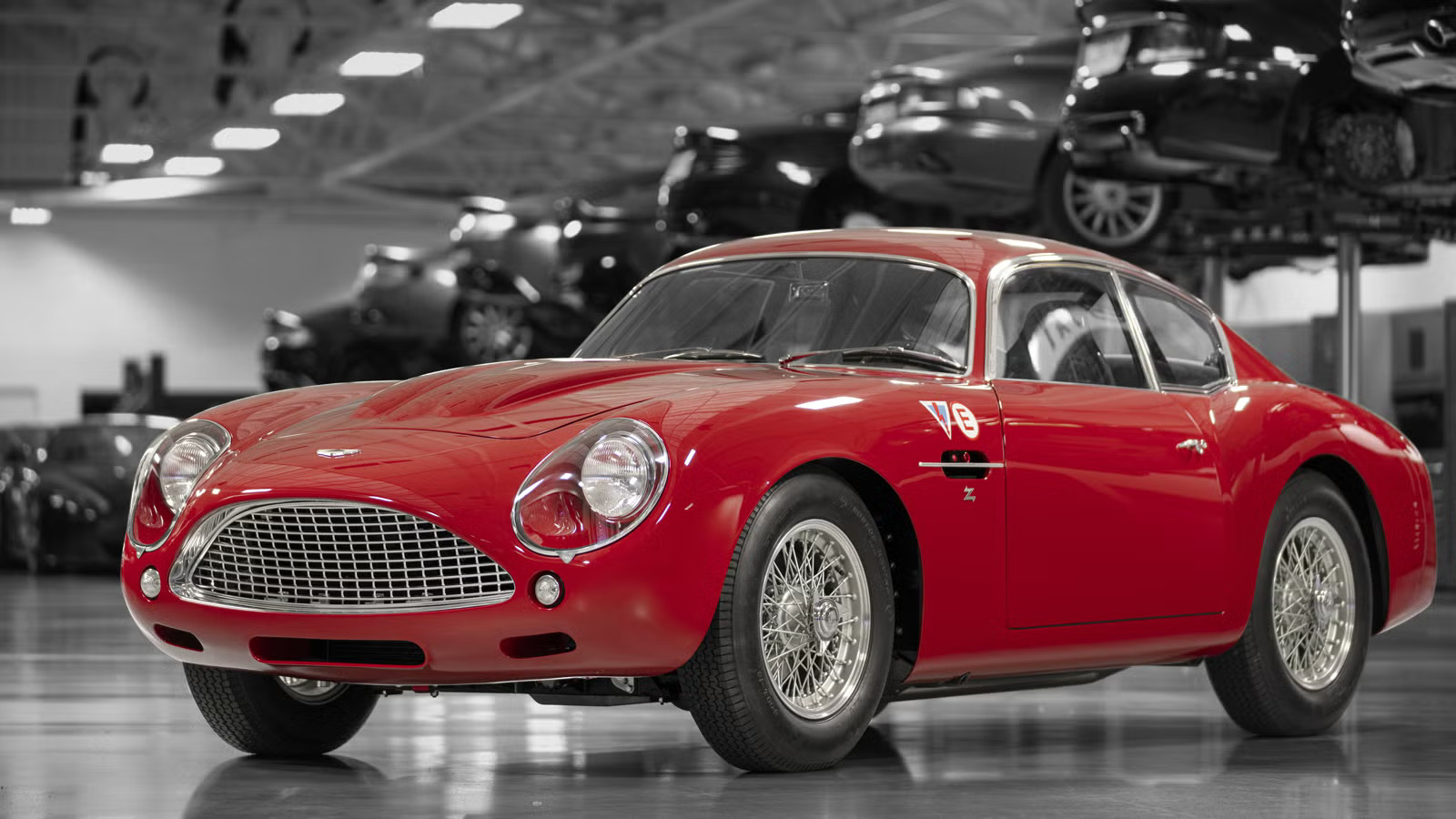
The 1960s Aston Martin DB series, including the DB4, DB5, and DB6, represents one of the most elegant eras of British grand touring design. Once at the center of a major classic car investment surge, these models have now entered a mature phase of the collector market where values have largely stabilized. Outside of exceptionally rare and historically significant examples, particularly James Bond DB5 specifications, the broader DB market is no longer experiencing strong upward momentum.
A major factor behind this plateau is generational change among collectors. The older demographic that grew up idolizing 1960s Aston Martins and early James Bond films is gradually shrinking. In contrast, younger wealthy buyers tend to prefer more modern analog performance cars from the 1980s and 1990s, which offer greater usability and driving engagement. This shift in preference has softened demand for traditional grand tourers.
The DB series also reached a valuation ceiling during the classic car boom of the 2010s, when pristine examples regularly achieved prices in the range of several hundred thousand to over one million pounds. The DB5, boosted heavily by its association with James Bond, became especially iconic, but this cultural status also created a “trophy asset” effect that pushed prices to their peak. At this stage, these cars are now viewed more as investment-grade collectibles or automotive art pieces rather than appreciating assets.
Maintenance and usability further limit their appeal in modern driving conditions. These cars require frequent specialist upkeep, with full restorations or engine rebuilds often costing six figures. Their mechanical nature, while historically significant, makes them less practical for regular use, resulting in many examples being stored as static displays rather than driven machines.
Despite this stabilization, the DB series retains its prestige as automotive royalty. Buyers today are not purchasing rapid growth potential but rather established heritage, timeless design, and cultural significance. While explosive appreciation is unlikely to return, the DB4, DB5, and DB6 remain enduring symbols of 1960s luxury and craftsmanship in the classic car world.
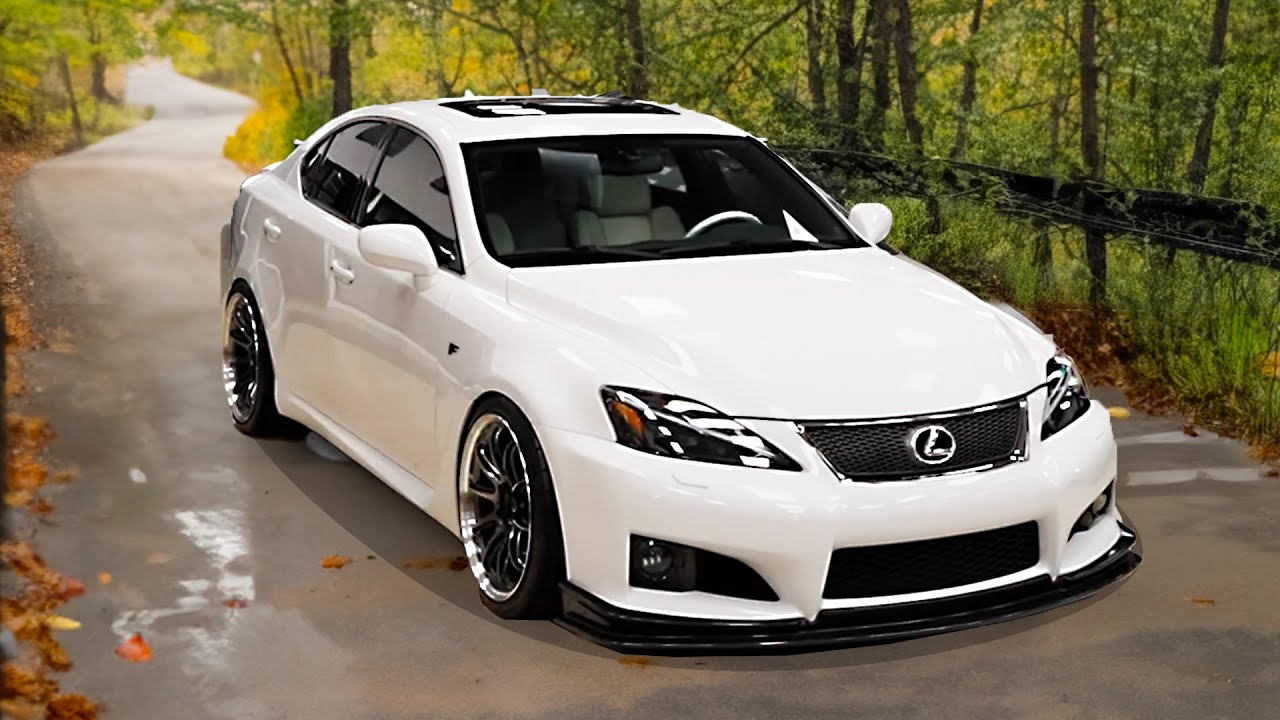
3. Lexus IS F (2008–2014)
The 2008–2014 Lexus IS F is widely regarded as the brand’s first true high-performance sports sedan, developed to challenge rivals like the BMW M3. Powered by the naturally aspirated 5.0-liter 2UR-GSE V8 engine, it delivers strong performance, durability, and a distinctive character that helped it gain a loyal enthusiast following. Its stacked exhaust design and muscular V8 soundtrack further strengthened its cult appeal. While demand surged a few years ago, the market has now largely stabilized, with prices plateauing rather than continuing to rise.
The IS F holds strong credentials as a modern classic. It was produced in limited numbers, with fewer than 15,000 units worldwide, making it significantly rarer than many German competitors. Its engine, featuring Yamaha-tuned cylinder heads, is known for exceptional reliability, with many examples exceeding 200,000 miles. This combination of performance and durability cemented its reputation as one of Lexus’s most important performance milestones.
However, several structural factors have prevented further appreciation. The introduction of the newer Lexus IS 500 F Sport Performance has reduced exclusivity, offering buyers a modern alternative with similar V8 appeal, updated technology, and warranty coverage. This has capped demand for the older IS F.
Transmission choice is another limitation. The IS F was only offered with an automatic gearbox, which, despite being advanced, lacks the collector appeal of manual transmission performance cars that typically command higher long-term value. This reduces its desirability in a market that increasingly favors driver engagement.
The model’s value is also split across generations. Early versions lacked key performance upgrades such as a limited-slip differential, while later facelifted models improved handling and became the more desirable collector choice, accelerating early price appreciation that has since leveled off.
High-mileage examples dominate the market due to the car’s reliability, and rising maintenance costs on aging components further discourage speculative investment.
The Lexus IS F has transitioned from a rapidly appreciating modern classic into a stable performance icon with strong enthusiast appeal but limited future price growth.
4. Aston Martin DB7 Vantage (1999–2004)
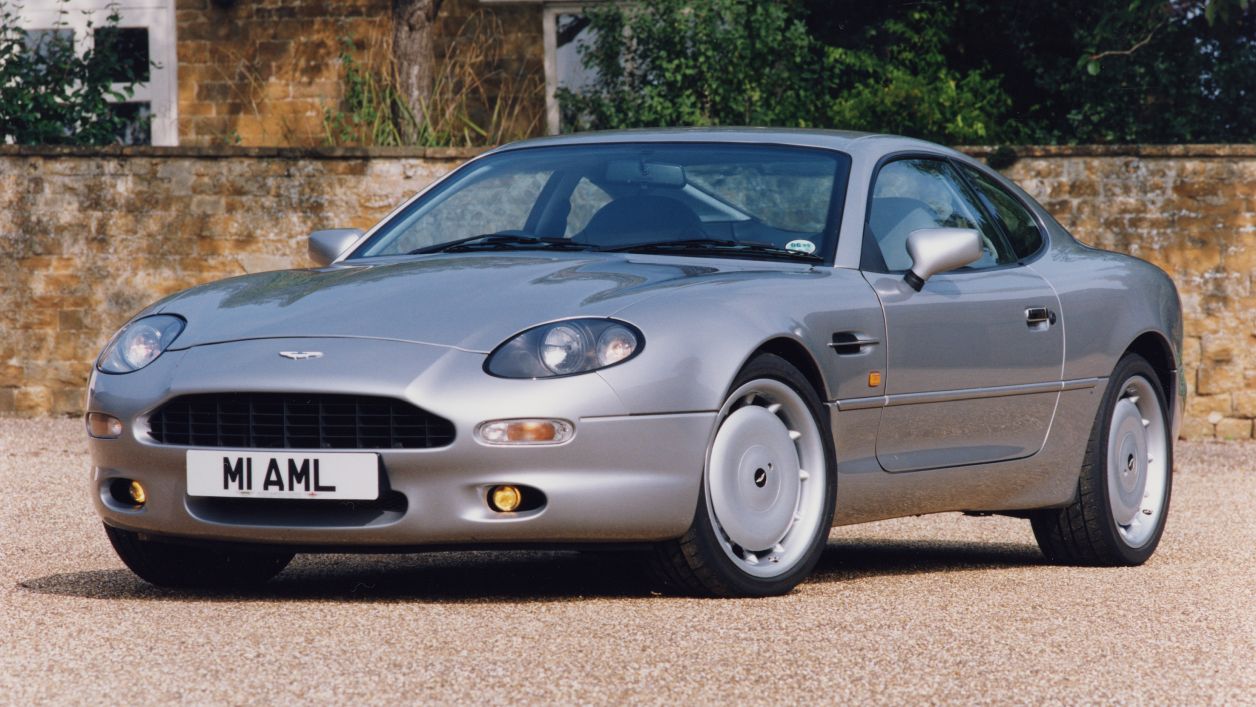
The Aston Martin DB7 Vantage, often associated with the 2003–2009 modern classic era, is best understood as a late-1990s to early-2000s grand tourer that has already passed its peak in the collector market. Designed by Ian Callum, it remains one of the most elegant Aston Martins ever built, offering V12 performance and timeless styling. However, despite its beauty and accessible entry price into Aston ownership, its long-term value growth has largely flattened.
One of the main reasons for this plateau is production volume. The DB7 was originally developed as a “savior” model to stabilize Aston Martin during a difficult financial period, which led to over 7,000 units being produced. This relatively high output limits long-term scarcity, preventing the kind of sharp appreciation seen in rarer collector cars.
Another key factor is its engineering origins. Built during the Ford ownership era, the DB7 shares components and design elements with mass-market platforms, including a Jaguar-derived chassis and various Ford-era switchgear components. While the car’s leather-trimmed interior maintains luxury appeal, this mix of exotic styling with mainstream parts reduces its exclusivity compared to later Aston Martin models.
The DB7 is also overshadowed by the more advanced VH-platform generation that followed, including the DB9 and V8 Vantage. These newer models introduced a significantly improved aluminum chassis, sharper dynamics, and more modern design language. As a result, many buyers prefer these successors, which further caps demand for the DB7.
While the purchase price of a DB7 Vantage can be relatively low compared to other Aston Martins, maintenance costs remain extremely high. The V12 engine is expensive to service, and many repairs require labor-intensive procedures. Additionally, the steel-bodied construction is prone to rust issues, adding long-term ownership risk.
The DB7 Vantage has transitioned from a desirable entry-level Aston Martin into a stable but capped-value modern classic. It remains admired for its styling and cruising comfort, but its combination of high supply, costly upkeep, and stronger successors has firmly placed it in a long-term market plateau.
5. Chevrolet Corvette C4 ZR-1 (1990–1995)
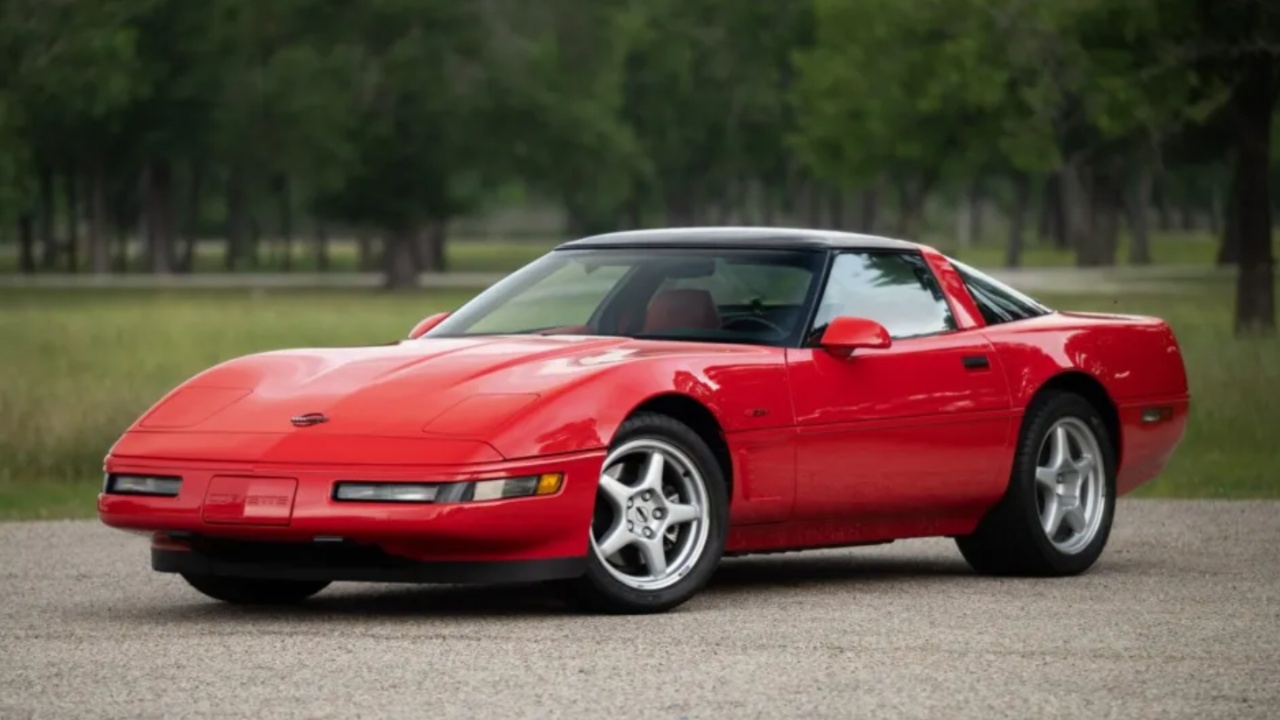
The 1990–1995 Chevrolet Corvette C4 ZR-1, famously nicknamed the “King of the Hill,” is one of the most technologically ambitious American performance cars of its era. Powered by the Lotus-developed LT5 all-aluminum DOHC V8, it delivered exotic-level engineering and record-setting performance that briefly earned it strong collector interest. However, despite its reputation and nostalgia-driven demand, the ZR-1’s market value has now stabilized, with clear limits preventing further long-term appreciation.
A key factor restricting its growth is production volume. With 6,922 units built, the ZR-1 is not rare enough to create sustained scarcity-driven price increases. Many were also preserved early by collectors due to their high original price, resulting in a relatively large pool of low-mileage surviving examples that prevents true rarity.
Visual identity is another limitation. Although the ZR-1 features widened rear bodywork and subtle aerodynamic differences, it still closely resembles a standard C4 Corvette. After Chevrolet updated base models with similar styling cues, the ZR-1 lost much of its visual exclusivity, making it harder for casual buyers to distinguish its premium status.
Mechanically, the LT5 engine is both its greatest strength and its biggest drawback. While highly advanced for its time, featuring dual overhead cams and complex fuel systems, it is expensive and difficult to maintain. Its unique architecture shares little with traditional Chevrolet engines, making parts scarce and servicing highly specialized, which reduces its appeal to mainstream collectors and DIY enthusiasts.
Interior quality also holds the car back. Despite its high performance capability, the cabin largely mirrors standard C4 Corvettes, with dated plastics and a lack of refinement compared to European rivals like the Porsche 964/993 or Acura NSX.
As a result, the ZR-1 market has settled into distinct tiers. Driver-quality examples remain relatively affordable, while low-mileage collector cars command significantly higher prices, with only the rarest versions crossing six figures.
The C4 ZR-1 remains an important piece of American performance history, but its combination of high supply, complex maintenance, and limited visual differentiation has firmly placed it in a long-term value plateau rather than continued appreciation.
Also read: 10 Cars Where the Key Replacement Costs Hundreds Out of Warranty