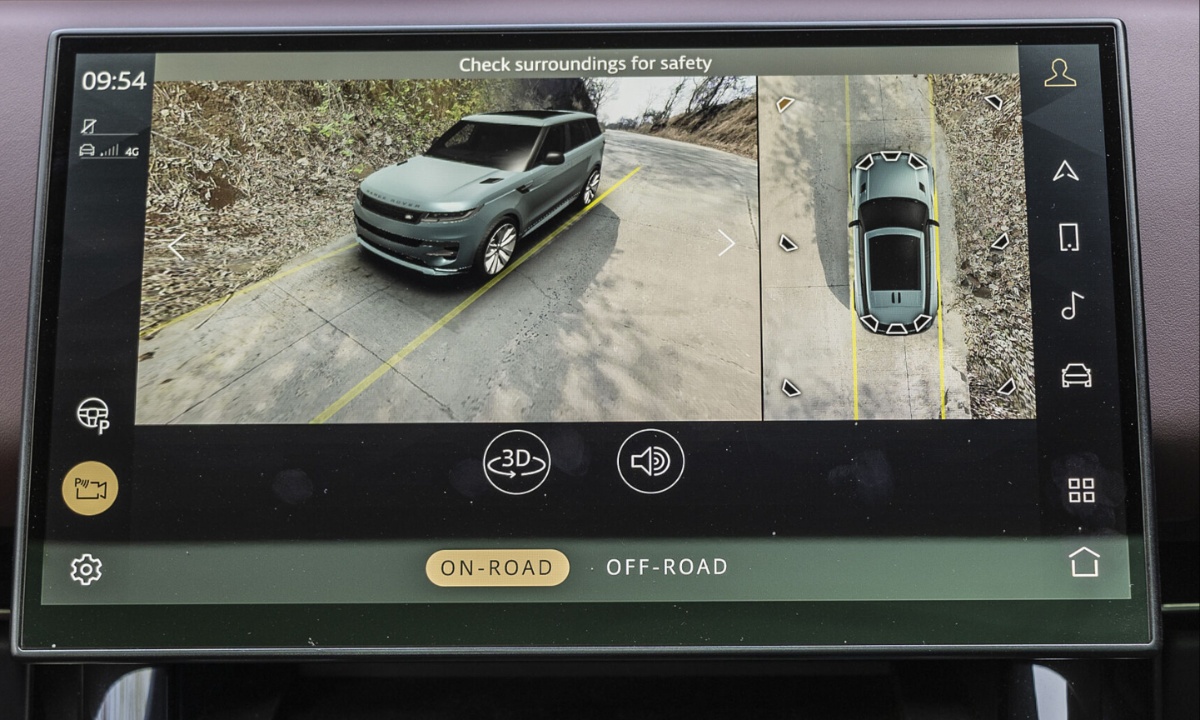
The modern automobile has changed more in the last twenty years than it did during much of the twentieth century. Cars that once relied entirely on driver awareness, physical skill, and good judgment now depend heavily on digital assistance systems. One of the most influential additions has been the backup camera.
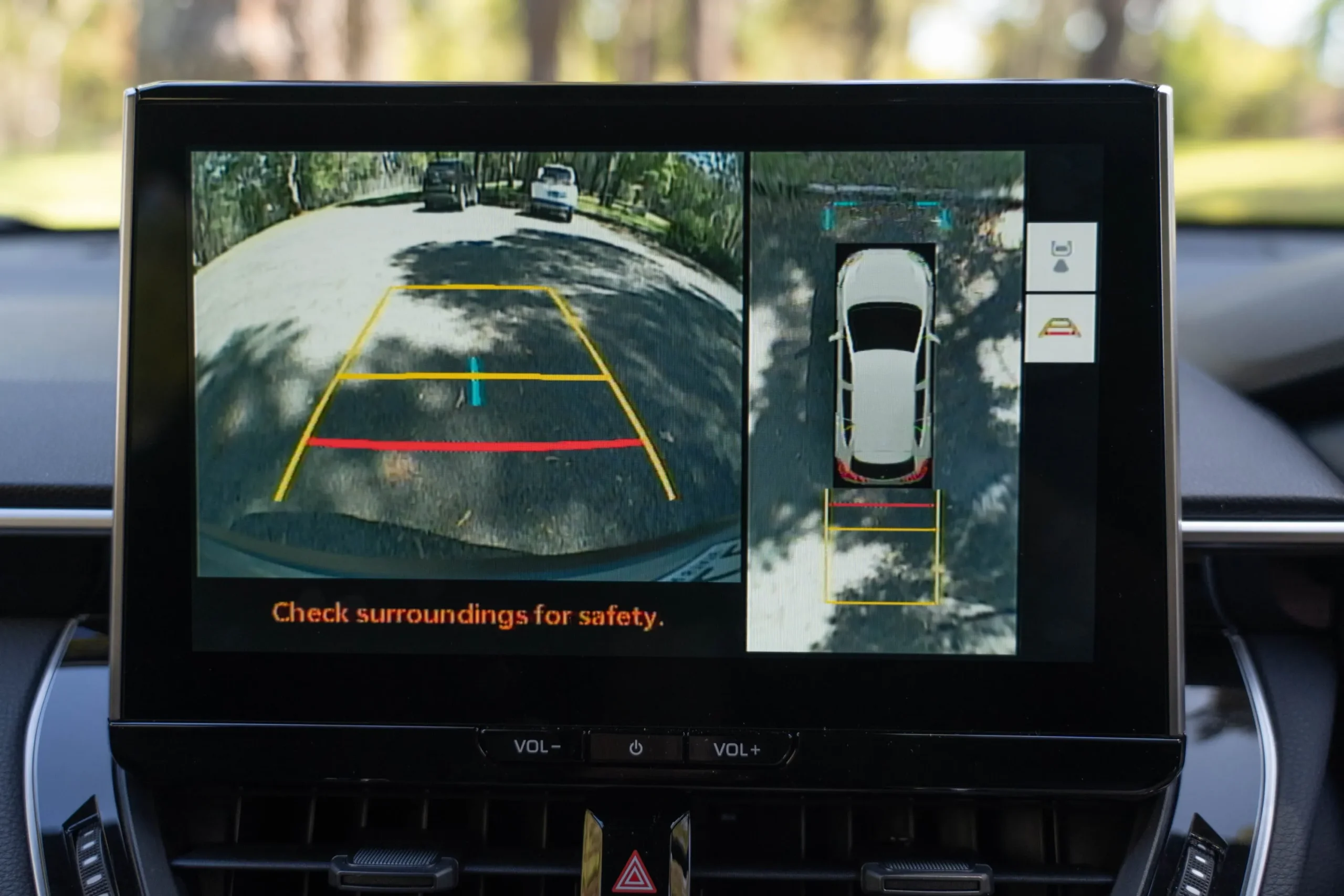
What started as a luxury feature in high-end vehicles quickly became a legal requirement in many countries because of its ability to reduce accidents while reversing. Drivers today can shift into reverse and instantly view a wide-angle image of the area behind the car, complete with colored guide lines, distance markers, and obstacle alerts.
The technology undeniably improves safety in many situations, especially in crowded parking lots, residential neighborhoods, and urban streets where pedestrians and objects can easily disappear into blind spots. Yet as backup cameras became common, another driving habit slowly faded into the background. Traditional mirror checking, once considered one of the most important defensive driving skills, began to decline.
For decades, driving instructors emphasized a routine that every new driver learned early. Before reversing, drivers were expected to check the rearview mirror, glance at both side mirrors, look over their shoulder, and carefully scan the environment.
This sequence trained drivers to remain spatially aware of their surroundings from multiple angles. It also encouraged constant mental engagement with the vehicle’s position and movement. Backup cameras changed that process almost overnight. Instead of scanning mirrors and physically turning to inspect blind spots, many drivers now focus almost entirely on a dashboard screen.
While the camera offers a clear image directly behind the vehicle, it does not fully replace the broad situational awareness created by mirror use. As reliance on camera systems increases, some experts worry that a generation of drivers may be losing an essential instinct that once formed the foundation of safe driving behavior.
This shift is not simply about nostalgia for older driving habits. It reflects a deeper discussion about how technology changes human behavior. Throughout history, convenience tools have often reduced the need for manual skill. Calculators reduced mental arithmetic.
GPS systems weakened map-reading abilities. Smartphones affected memory recall. Backup cameras may be producing a similar effect on driving awareness. Drivers become conditioned to trust the screen because it feels immediate and reliable. Over time, mirrors can seem secondary or even unnecessary during parking maneuvers.
Younger drivers who learned to drive with integrated camera systems may never fully develop the scanning habits older generations considered automatic.
Despite these concerns, backup cameras are not inherently harmful. In fact, they prevent many collisions and save lives every year. The issue lies in overdependence rather than the technology itself. Safe driving still requires awareness from every angle, especially because cameras have limitations involving depth perception, weather conditions, lens obstruction, and side blind spots.
Mirrors remain critical tools for maintaining full visual coverage around a vehicle. The growing debate surrounding backup cameras and mirror checking reflects a larger challenge facing modern drivers. Society must learn how to balance technological convenience with the preservation of core human skills that still matter on the road.
Also Read: 10 Cars With Insurance Premiums Lower Than a Compact Sedan
The Rise of Backup Camera Technology
Backup cameras first appeared in concept vehicles and luxury models during the late twentieth century, but they remained relatively uncommon due to cost and technological limitations. Early systems featured low-resolution displays and narrow viewing angles that made them more of a novelty than a practical safety tool.
As automotive technology improved, cameras became smaller, cheaper, and far more reliable. Automakers realized that these systems could solve one of the most persistent problems in vehicle safety, rear blind zones. Large SUVs, trucks, and vans created dangerous areas behind the vehicle that mirrors alone could not fully reveal.
Children, pets, bicycles, and low obstacles were especially difficult to detect while reversing. The growing popularity of larger vehicles increased public concern, eventually encouraging lawmakers to push for mandatory rear visibility systems in many regions.
The integration of backup cameras transformed the design philosophy of modern cars. Instead of depending entirely on reflective mirrors and driver movement, vehicles started using digital visualization as a core part of driving assistance. Manufacturers promoted backup cameras heavily in advertisements because the feature appealed to both safety conscious buyers and drivers seeking convenience.
Parking became easier, especially in tight urban environments where space is limited. Drivers gained confidence because they could visually confirm obstacles behind them without twisting awkwardly in their seats. This convenience accelerated consumer demand, turning backup cameras from premium extras into expected standard equipment across nearly every vehicle category.
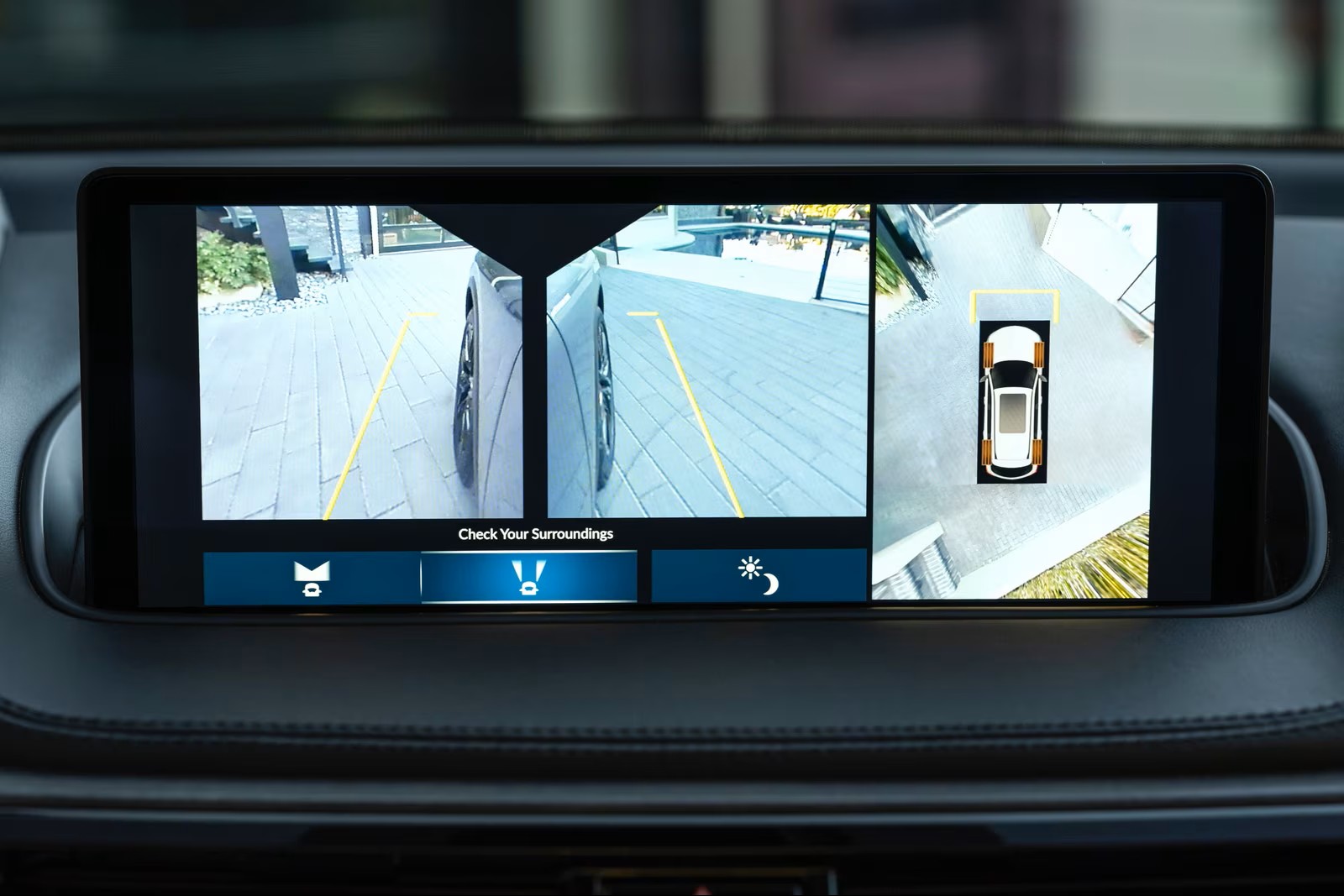
As technology advanced further, backup cameras became connected with additional driver assistance systems. Parking sensors, cross traffic alerts, automatic braking, and 360-degree camera views expanded the functionality far beyond simple reversing assistance.
Some vehicles now feature bird’s-eye views created by stitching together footage from multiple external cameras. These systems help reduce parking stress and improve awareness in tight, crowded spaces. Drivers who once found parallel parking or tight garage access difficult often find these digital aids especially reassuring.
Car companies increasingly marketed these technologies as indicators of modern sophistication, creating the impression that manual parking skills were becoming less necessary.
The legal requirement for backup cameras in several countries dramatically accelerated adoption rates. Governments cited numerous tragic incidents involving unseen pedestrians behind vehicles, particularly children. Safety agencies argued that mandatory rear visibility systems could prevent thousands of injuries and fatalities annually.
Data from traffic safety organizations supported these claims, showing measurable reductions in certain categories of reversing accidents after camera systems became widespread. Public acceptance grew rapidly because most drivers viewed the technology as a common-sense improvement rather than an intrusive regulation. Backup cameras soon became as ordinary as seat belts or power steering.
While the safety benefits are real and significant, the rapid normalization of backup cameras has also changed driver psychology. When technology becomes standard, people naturally adapt their habits around it. Drivers began trusting the screen more than their mirrors because the visual feed felt direct and immediate.
Newer drivers often learned parking maneuvers using cameras from the beginning, skipping the mirror-focused methods older generations practiced repeatedly. As dependence increased, mirror checks during reversing started becoming less frequent. What once served as a critical driving skill slowly became secondary to digital assistance, setting the stage for a major shift in driver behavior and road awareness.
Why Mirror Checking Was Once Essential
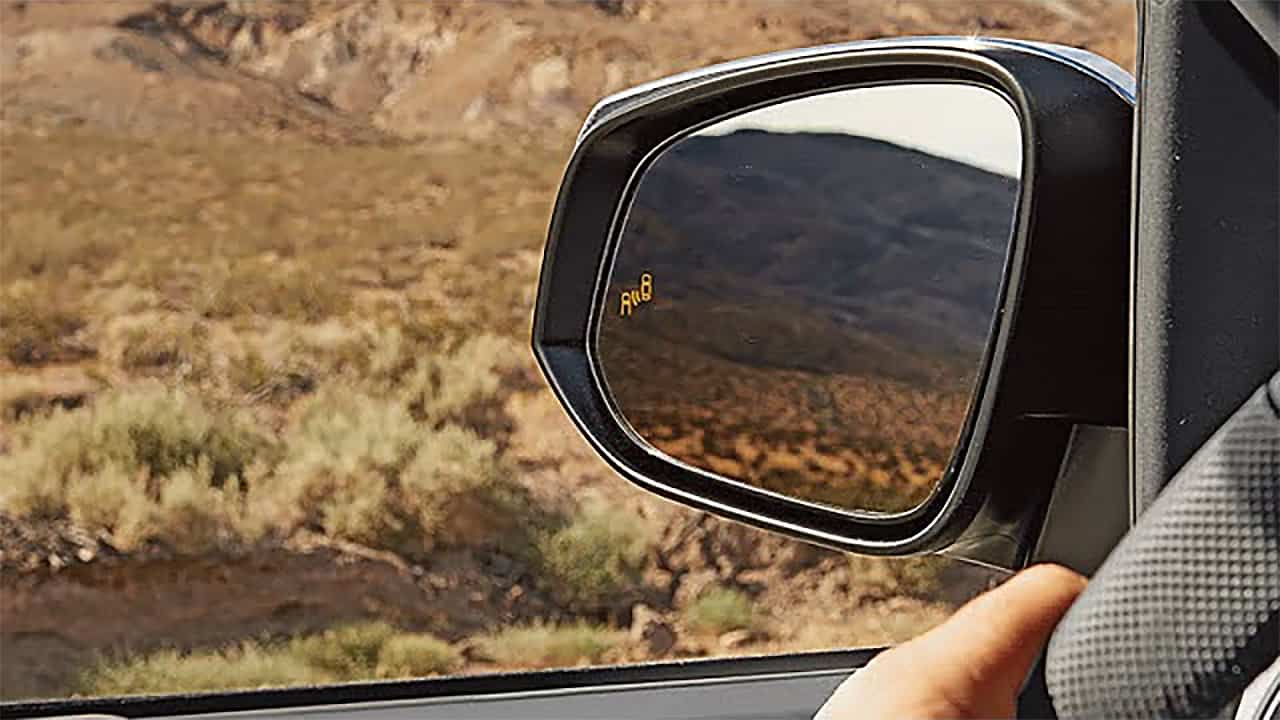
Before digital assistance systems became common, mirror checking formed the backbone of defensive driving education. Every driving instructor emphasized the importance of scanning mirrors continuously, not only while reversing but throughout every stage of driving. Mirrors allowed drivers to maintain awareness of surrounding traffic, monitor blind spots, and anticipate hazards before they developed into dangerous situations.
During parking and reversing, mirrors served as the primary source of spatial information. Drivers learned to judge distance, angle, and movement using reflective surfaces combined with shoulder checks and environmental observation. This process demanded concentration, patience, and repeated practice until it became second nature.
Mirror checking was not simply about seeing behind the vehicle. It trained drivers to think dynamically about their environment. Skilled drivers constantly shift their attention between the rearview mirror, side mirrors, windows, and road conditions. This habit developed a mental map of surrounding traffic and obstacles.
Drivers learned to understand where objects were located relative to their vehicle at all times. Such awareness proved valuable far beyond parking situations. It improved lane changes, merging, highway navigation, and emergency reaction times. Drivers who regularly checked mirrors tended to be more alert and proactive because they continuously updated their understanding of nearby activity.
Traditional mirror use also strengthened physical coordination and situational awareness. Reversing without digital aids required drivers to combine visual information from multiple sources while controlling steering, speed, and vehicle positioning simultaneously.
This multi-directional attention kept drivers actively engaged with the mechanics of driving. It forced them to understand the dimensions of their vehicle and how it moved within confined spaces.
Over time, experienced drivers developed strong instincts about spacing, alignment, and obstacle avoidance. These instincts often extended into broader driving competence because they reflected a deep familiarity with vehicle behavior.
Another important aspect of mirror checking involved adaptability. Mirrors functioned in almost every driving condition because they did not rely on electronic systems. Drivers learned to compensate for rain, darkness, glare, and environmental distractions through careful scanning and judgment.
Even when visibility became challenging, the routine of checking mirrors and physically observing surroundings remained reliable. This adaptability encouraged resilience and independent decision-making. Drivers understood that safe maneuvering depended primarily on their own awareness rather than technological intervention. Such habits fostered responsibility and attentiveness behind the wheel.
As backup cameras became dominant, many of these traditional practices began fading from everyday use. Drivers no longer needed to rely solely on reflective surfaces or body movement to reverse safely. While this reduced physical strain and improved convenience, it also weakened routines that once reinforced comprehensive situational awareness.
The decline of mirror checking reflects more than a change in parking technique. It represents a broader transformation in how drivers interact with their vehicles, shifting from active environmental scanning toward passive technological observation. This shift raises important questions about whether convenience may be unintentionally reducing the depth of driver engagement on the road.
Also Read: 10 Cars That Survive Being Used as Daily Uber Vehicles
How Backup Cameras Changed Driver Behavior
Technology has always influenced human behavior, often in subtle ways that become noticeable only over time. Backup cameras changed driving habits, not through force but through convenience. When drivers discover an easier method for completing a task, they naturally begin relying on it more frequently.
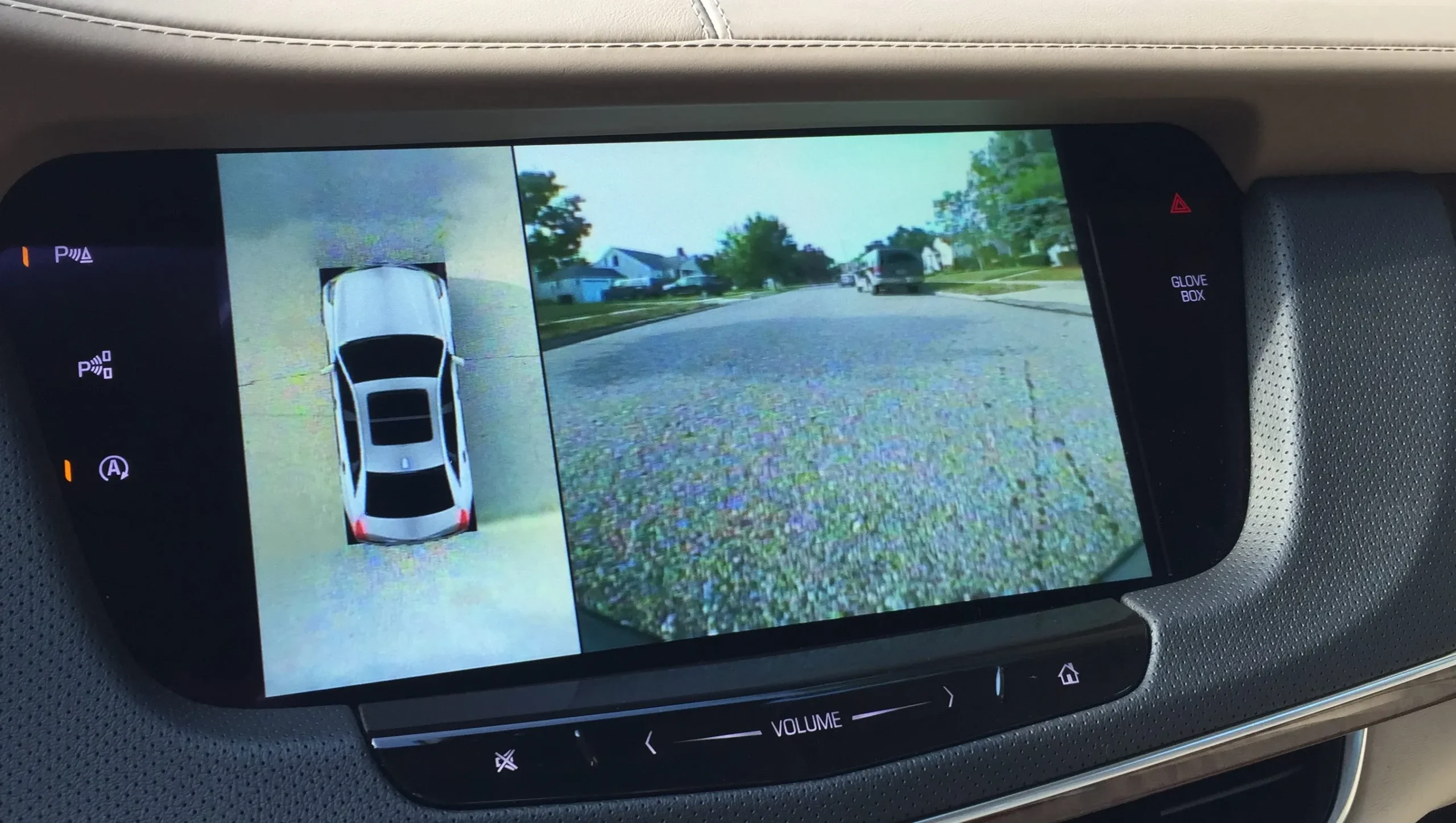
Reversing a vehicle used to require a sequence of actions involving mirror checks, shoulder turns, and cautious movement. Backup cameras simplified this process into a single visual focus point located directly on the dashboard screen. Instead of gathering information from several angles, drivers could now depend on one centralized image. This convenience reshaped habits remarkably quickly.
Many drivers today instinctively look at the backup camera screen before checking mirrors when reversing. In some cases, they skip mirror checks entirely because the camera appears to provide sufficient visibility. This behavioral change is especially common among younger drivers who learned to drive in vehicles already equipped with modern camera systems.
Their driving education often incorporated cameras as primary tools rather than supplementary aids. As a result, traditional mirror scanning routines may never become deeply ingrained habits. Older drivers who initially learned without cameras sometimes notice this difference clearly, observing that newer drivers rely heavily on screens while neglecting peripheral awareness.
The psychological impact of backup cameras also affects confidence levels. Drivers often feel more secure when they can visually confirm the area behind the vehicle on a digital display. This confidence can improve parking performance and reduce anxiety in difficult spaces.
However, excessive confidence may lead to overreliance. Some drivers become so focused on the screen that they fail to notice hazards approaching from the sides, such as pedestrians, cyclists, or moving vehicles crossing behind them. Cameras typically emphasize the direct rear view rather than comprehensive environmental awareness. Mirrors, by contrast, encourage broader scanning patterns that include side movement and peripheral activity.
Another major behavioral change involves physical posture and attention distribution. Traditional reversing required drivers to physically turn their heads and bodies, increasing awareness of multiple directions simultaneously. Backup cameras reduce the need for such movement because drivers can remain facing forward while monitoring the screen.
While this may improve comfort and convenience, it narrows the field of attention to a single visual source. Human perception works differently when attention becomes concentrated on a screen rather than dispersed across mirrors, windows, and surroundings. Drivers may become visually locked onto the display, unintentionally ignoring information outside the camera’s field of view.
Over time, these behavioral adaptations contribute to the gradual decline of mirror checking as an automatic reflex. Habits that are not regularly practiced tend to weaken. Drivers who consistently reverse using only cameras may struggle if the system fails or visibility becomes compromised by dirt, rain, or glare.
The issue is not that backup cameras are unsafe but that they can unintentionally discourage broader situational awareness when used carelessly. Technology works best when combined with traditional driving skills rather than replacing them entirely.
The challenge for modern drivers is maintaining active awareness even while using advanced assistance systems designed to simplify the driving experience.
The Limitations of Backup Cameras
Despite their usefulness, backup cameras are not perfect systems. Many drivers assume that because the camera provides a direct rear view, it completely eliminates blind spots. In reality, backup cameras have important limitations that can create dangerous situations if drivers rely on them exclusively. Most camera systems focus primarily on the area directly behind the vehicle.
They may not fully capture movement approaching from diagonal angles or side positions. Pedestrians, cyclists, animals, or vehicles entering from outside the camera’s field of view can remain unnoticed until it is too late. Mirrors help compensate for these gaps by offering broader visual perspectives that cameras alone cannot always provide.
Weather conditions present another significant challenge for backup camera performance. Rain, snow, fog, mud, and dust can obstruct the camera lens, reducing image clarity or blocking visibility entirely. Bright sunlight and nighttime glare may also distort the screen image, making it harder to judge distances accurately.
Mirrors can also face visibility challenges, but drivers are generally accustomed to adjusting mirror use according to environmental conditions. Backup cameras create a sense of technological reliability that may cause some drivers to underestimate the impact of poor visibility on digital systems. When the image quality deteriorates unexpectedly, unprepared drivers may react too slowly.
Depth perception represents another common weakness of camera systems. A digital display cannot perfectly replicate the natural depth awareness humans experience when physically observing surroundings through mirrors and windows.
Drivers sometimes misjudge distances because the camera image appears flatter or wider than reality. Objects may seem farther away than they actually are, especially when relying heavily on guidelines generated by software.
This issue becomes particularly important in crowded parking lots or tight urban spaces where accurate distance judgment is essential. Experienced drivers who regularly use mirrors often develop stronger spatial instincts because they constantly interpret multiple visual angles simultaneously.
Technical failures, although relatively uncommon, also highlight the importance of maintaining traditional driving skills. Camera systems depend on electrical components, software integration, display screens, and sensors that can malfunction unexpectedly.
A damaged camera lens, software glitch, or frozen display can instantly remove a driver’s primary reversing aid if they have become overly dependent on it. Drivers who no longer practice mirror-based reversing may feel uncomfortable or disoriented when forced to operate without digital assistance.
This situation mirrors broader concerns about automation in many industries, where excessive dependence on technology can weaken fundamental human skills needed during emergencies or system failures.
Perhaps the most overlooked limitation of backup cameras involves attention itself. Human beings naturally focus intensely on screens, especially moving images. Drivers concentrating on the backup display may become visually tunneled, ignoring activity occurring outside the camera frame.
This narrower focus can limit a driver’s awareness of the surrounding environment during critical moments. Mirrors promote continuous eye movement and active scanning, helping maintain a wider understanding of nearby conditions. Backup cameras are best used as supportive tools within a broader safety approach, rather than as replacements for full visual awareness.
Understanding their limitations is essential if drivers hope to preserve both safety and awareness in an increasingly technology-dependent driving environment.
Balancing Technology With Driving Skill
The debate surrounding backup cameras is not really about rejecting modern technology. Few drivers would willingly abandon tools that improve convenience and reduce accident risk. Instead, the issue centers on balance. Technology works best when it supports human skill rather than replacing it entirely.
Backup cameras can significantly improve safety when drivers use them alongside mirrors and traditional awareness habits. Problems arise when convenience encourages passivity or overdependence. Safe driving still requires active observation, judgment, and attention that no digital system can fully replicate. Maintaining those skills is essential as vehicles become increasingly automated.
Driving schools and instructors now face an important challenge in adapting education for modern vehicles. New drivers should learn how to use backup cameras effectively while also understanding their limitations.
Mirror checking, shoulder checks, and environmental scanning should remain core components of driver training rather than outdated practices associated with older cars. Students who develop strong foundational awareness habits are more likely to respond effectively during unexpected situations.
Technology can assist these habits, but it should not replace them. A well-trained driver understands how to integrate digital tools into broader situational awareness rather than surrendering responsibility to the screen.
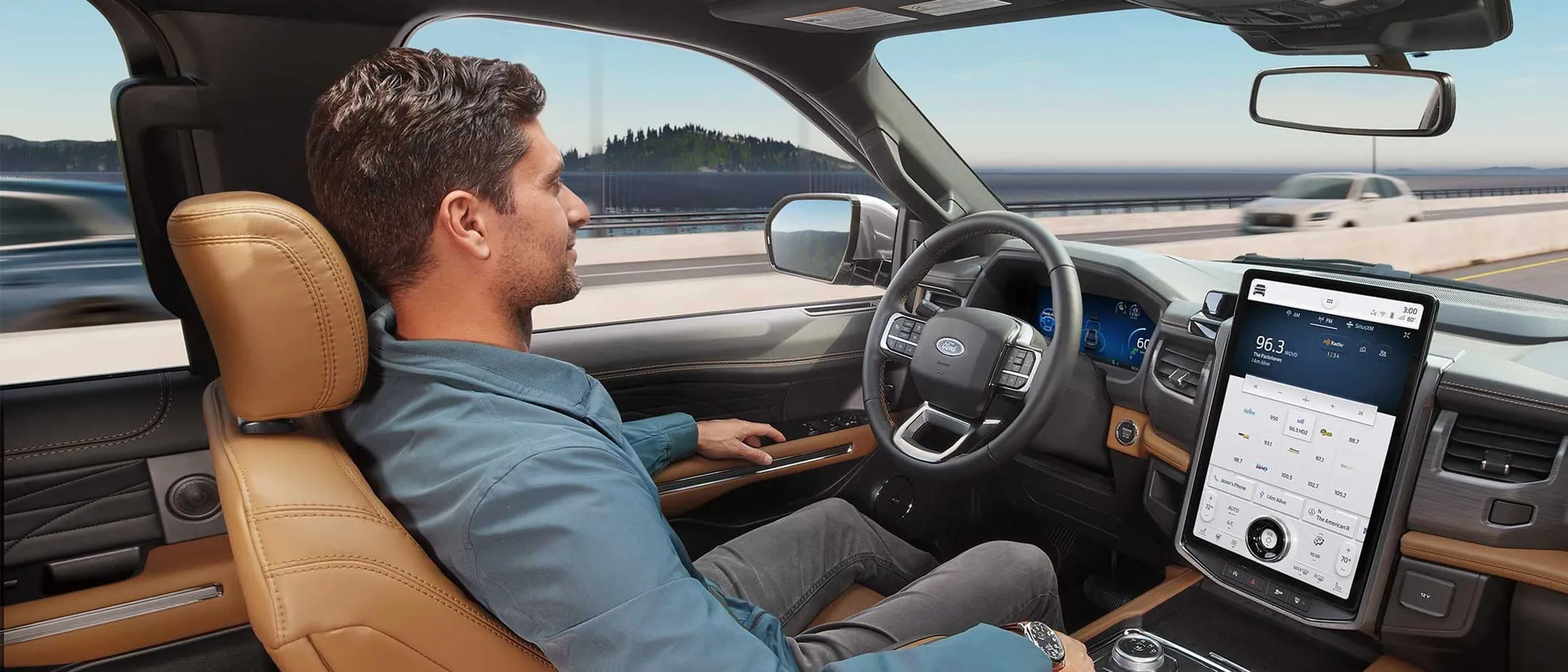
Automakers also play a role in shaping driver behavior through design choices. Many modern vehicles place backup camera displays prominently within the driver’s natural line of sight, reinforcing screen-centered attention during reversing. Some manufacturers now combine cameras with cross traffic alerts and sensor warnings to address peripheral hazards more effectively.
These innovations can improve safety when properly implemented. However, car companies should continue emphasizing that cameras are assistance systems rather than substitutes for careful observation. Warning messages, educational materials, and intuitive interface design can help encourage balanced driving habits instead of passive dependence.
The broader cultural relationship between humans and technology also influences this issue. Society increasingly values convenience, automation, and efficiency across nearly every aspect of life. People often prefer systems that simplify effort and reduce mental strain.
While this trend brings many benefits, it can also weaken skills that once required active practice. Backup cameras represent a small but revealing example of this larger phenomenon.
The gradual decline of mirror checking reflects how easily human behavior adapts when technology changes the path of least resistance. Recognizing this pattern helps drivers become more conscious about preserving important abilities even as vehicles continue evolving.
Backup cameras are valuable safety innovations that save lives and reduce accidents. The goal should not be to discourage their use but to encourage smarter use. Mirrors still matter because they provide broader awareness that cameras alone cannot guarantee.
Drivers who pair camera assistance with regular mirror checks, shoulder glances, and active scanning tend to maintain the highest level of road awareness. Technology works best as a support system that strengthens driver awareness rather than replacing it.
As cars continue advancing toward greater automation, preserving fundamental driving skills will remain essential for ensuring that convenience does not come at the cost of attentiveness, judgment, and responsibility behind the wheel.