
Reaching 200,000 miles used to mean an SUV was nearing the end of its useful life. Today, that milestone often represents only the middle stage for certain well-engineered models.
Modern SUVs built with durable drivetrains, strong frames, dependable transmissions, and properly tuned suspension systems can continue driving with surprising smoothness long after many vehicles would have already been retired. Some even maintain ride quality, steering feel, and cabin comfort close to what they offered when new.
Not every SUV achieves that kind of longevity. Many vehicles develop rattles, weak transmissions, electrical problems, or worn-out suspensions before reaching six-digit mileage. Others survive mechanically but feel tired and unpleasant on the road.
The rare SUVs that still feel composed at 200,000 miles usually share several important characteristics. They receive consistent maintenance, use proven mechanical designs, and avoid unnecessary complexity that often causes aging vehicles to become unreliable.
Another reason certain SUVs age gracefully is that manufacturers engineered them for demanding conditions from the beginning.
Vehicles intended for towing, off-road driving, long highway trips, or family hauling tend to use stronger components capable of handling years of stress. If owners follow maintenance schedules carefully, those systems often remain surprisingly refined even after decades of use.
Long-term durability also depends heavily on drivetrain balance. Reliable engines matter, but smooth transmissions, sturdy suspension setups, and quality interior materials are equally important.
A vehicle can have a durable engine yet still feel worn out because of poor cabin construction or failing electronics. The SUVs in this ranking stand out because they continue feeling solid and trustworthy deep into high-mileage ownership.
Many of these models also developed loyal followings among mechanics and experienced drivers who repeatedly witnessed them survive extreme mileage with fewer major problems than competitors. Some became famous for routinely crossing 250,000 miles while still handling daily driving duties comfortably.
These nine SUVs earned reputations for staying smooth, capable, and surprisingly refined even after reaching 200,000 miles, proving that excellent engineering and proper maintenance can dramatically extend a vehicle’s life far beyond expectations.
Also Read: 10 Cars Owners Routinely Drive Past 350,000 Miles
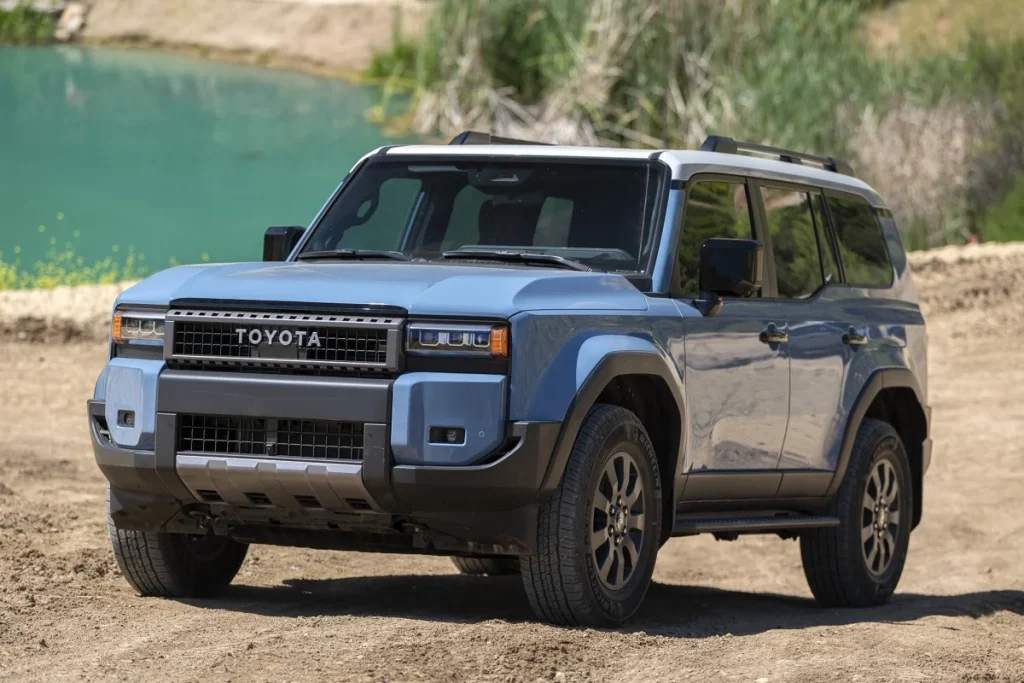
1. Toyota Land Cruiser
The Toyota Land Cruiser built its reputation in some of the harshest environments on earth. Long before crossing 200,000 miles became common in everyday commuting, Land Cruisers were already surviving deserts, mountains, and remote expedition routes where mechanical failure could become life-threatening.
That extreme durability explains why so many high-mileage examples still feel remarkably solid decades after leaving the factory.
One reason the Land Cruiser ages so gracefully is its engineering philosophy. Toyota designed the SUV for reliability first, rather than chasing aggressive styling trends or complicated technology.
Strong frames, durable drivetrains, and carefully tested components allow these vehicles to absorb years of punishment without developing the loose, worn-out feeling common in many older SUVs.
The V8 engines used in later Land Cruisers are especially respected for longevity. Owners regularly report reaching 250,000 miles or more with only routine maintenance and preventative repairs.
The automatic transmissions also contribute heavily to the vehicle’s smooth, high-mileage behavior because they shift consistently even after years of towing and long-distance travel.
Suspension durability plays another major role. Even when components eventually wear, the chassis itself remains extremely solid. Drivers often notice that older Land Cruisers still feel tight over rough roads instead of rattling excessively. Doors close with a heavy, secure feel that many newer SUVs struggle to match.
Interior materials also hold up unusually well. Leather, dashboard surfaces, and controls generally age better than expected, especially when owners maintain them properly. Many 200,000-mile examples still present clean cabins with functioning electronics and minimal squeaks.
Fuel economy has never been the Land Cruiser’s strength, and repair costs can become expensive because parts are designed for heavy-duty use. Yet owners willingly accept those drawbacks because the SUV delivers extraordinary long-term dependability.
What truly separates the Land Cruiser from ordinary high-mileage vehicles is the confidence it continues to provide after decades on the road. Even with massive mileage numbers, many examples still drive with stability, quietness, and mechanical smoothness that make them feel far younger than their odometers suggest.
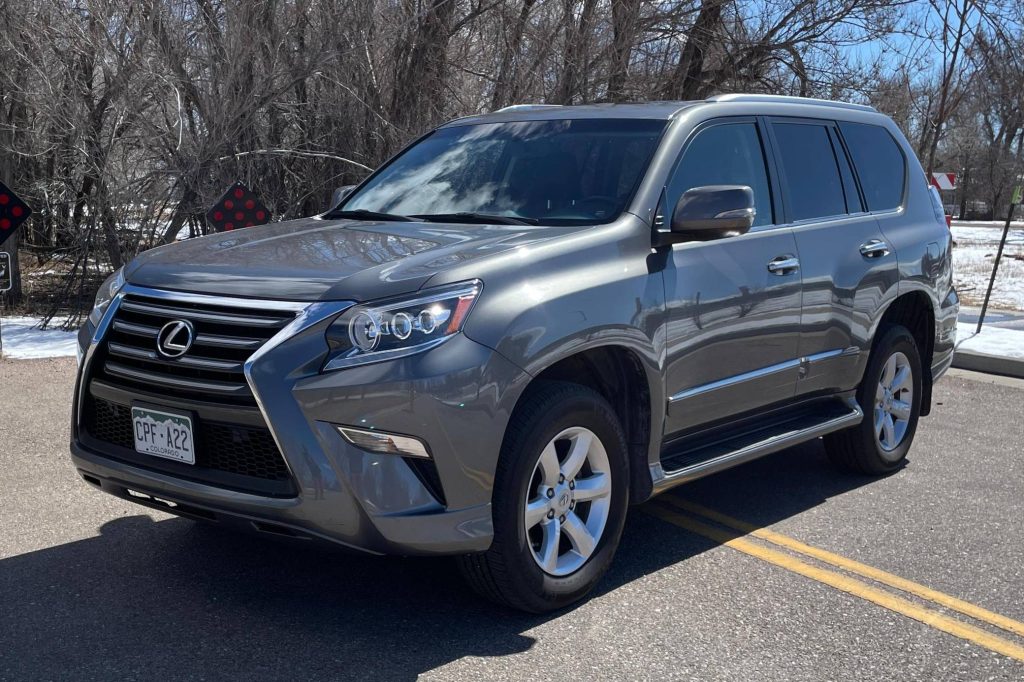
2. Lexus GX 460
The Lexus GX 460 combines luxury comfort with old-school SUV durability, a rare combination that helps it remain impressively refined at 200,000 miles. Underneath its upscale interior sits a rugged body-on-frame platform closely related to the Toyota Land Cruiser Prado, giving the GX a level of mechanical toughness uncommon in luxury vehicles.
Many luxury SUVs lose their composure badly as mileage climbs. Suspensions wear out, electronics fail, and cabins develop rattles that destroy refinement.
The GX avoids much of that reputation because Lexus focused heavily on long-term durability alongside comfort. Owners frequently describe high-mileage examples as feeling almost unchanged mechanically after years of ownership.
Its naturally aspirated V8 engine deserves much of the credit. The engine delivers smooth and predictable power without relying on turbochargers or highly stressed components. Routine oil changes and cooling system maintenance often allow these engines to run reliably far beyond 200,000 miles.
The ride quality also remains impressive with age. Even older GX models continue absorbing rough pavement comfortably while maintaining stable highway manners. The suspension tuning favors durability and composure rather than aggressive sporty handling, which helps components survive longer under real-world driving conditions.
Cabin quality strengthens the SUV’s reputation further. Leather seats, wood trim, and switchgear usually age extremely well compared with many luxury competitors. Drivers often notice that even older GX interiors maintain a quiet and tightly assembled feel without excessive squeaks or electronic failures.
Off-road capability also contributes indirectly to longevity. Vehicles engineered to survive trails and uneven terrain typically use stronger frames and driveline components than ordinary crossovers. That extra strength benefits everyday reliability as mileage increases.
The GX 460 does have weaknesses. Fuel economy is poor, third-row space is tight, and some buyers find the infotainment system outdated compared with newer luxury SUVs. Still, those concerns matter less because the vehicle excels so strongly in long-term ownership durability.
At 200,000 miles, many GX 460 examples still drive with the smoothness, quietness, and solidity expected from premium vehicles with far lower mileage. Few luxury SUVs maintain that level of composure so deep into their lifespans.
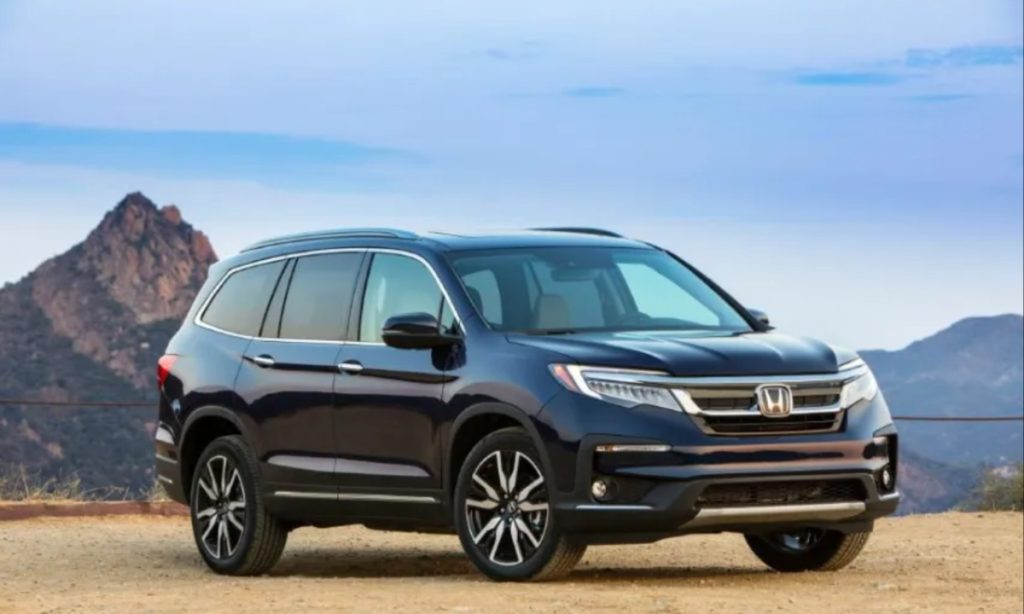
3. Honda Pilot
The Honda Pilot earned a loyal following because it approaches family transportation with durability and practicality instead of flashy gimmicks. While many three-row SUVs begin feeling loose and tired after years of heavy use, the Pilot often continues driving with impressive smoothness well beyond 200,000 miles.
Families who maintain them properly regularly keep these SUVs for more than a decade without losing confidence in daily reliability.
A major reason for the Pilot’s longevity is its dependable V6 engine. Honda refined this powertrain over multiple generations, creating an engine known for smooth operation and strong highway performance.
Even at high mileage, many pilots still accelerate confidently without excessive vibration or roughness. Routine maintenance, such as timing belt replacement and fluid changes, plays a major role in preserving that durability.
The pilot also benefits from suspension tuning focused on comfort rather than aggressive handling. Softer tuning allows the SUV to absorb rough roads effectively, which reduces long-term stress on the chassis and cabin. Older examples frequently maintain stable highway manners instead of developing excessive rattles or harsh ride quality.
Interior practicality contributes heavily to owner satisfaction as mileage climbs. Seats remain supportive for long trips, visibility stays excellent, and controls are generally simple to operate. Unlike some competitors overloaded with complicated electronics, many Pilot generations use straightforward technology that ages more gracefully.
Another strength involves drivetrain consistency. The automatic transmissions in well-maintained Pilots tend to survive substantial mileage better than many rival family SUVs from the same era. Owners who replace transmission fluid regularly usually experience smoother long-term operation.
The pilot is not perfect. Some older models developed issues with paint quality or active cylinder management systems, and fuel economy remains average by modern standards. Yet those drawbacks rarely overshadow the SUV’s broader reputation for dependable family service.
At 200,000 miles, a properly maintained Pilot often still feels composed and trustworthy instead of worn out. That balance between comfort, durability, and practicality explains why so many owners continue driving them long after other family SUVs have already disappeared from the road.
4. Chevrolet Tahoe
The Chevrolet Tahoe built its reputation on size, strength, and durability. Unlike smaller crossovers designed mainly for urban commuting, the Tahoe was engineered to handle towing, large families, road trips, and heavy workloads for years at a time.
That robust design helps many examples remain surprisingly smooth and capable even after crossing 200,000 miles.
One reason the Tahoe survives high mileage so well is its body-on-frame construction. This setup provides greater structural strength than many unibody SUVs, allowing the vehicle to absorb years of stress without developing excessive chassis flex or instability. Older Tahoes often still feel solid over rough pavement, especially when suspension maintenance has been performed consistently.
The V8 engines used in most Tahoe generations are another major advantage. General Motors produced these engines in enormous numbers, and mechanics know them well because of their proven durability.
Many owners report reaching extremely high mileage with only routine maintenance and occasional wear item replacements. Smooth power delivery also helps the Tahoe maintain relaxed, high behavior deep into its lifespan.
Interior space contributes strongly to long-term satisfaction. Even older Tahoes continue functioning well as family vehicles because of their roomy cabins and generous cargo capacity. Seats remain comfortable for long trips, and visibility stays excellent despite the SUV’s large size.
Another important factor is repair accessibility. Compared with highly complicated luxury SUVs, many Tahoe components are relatively straightforward to service. Parts availability remains strong, helping owners keep maintenance costs manageable even as mileage climbs.
Ride quality varies depending on suspension condition, but properly maintained Tahoes often continue cruising comfortably long after smaller SUVs begin feeling unstable or noisy. Highway stability remains one of the vehicle’s best qualities, particularly for drivers covering long distances regularly.
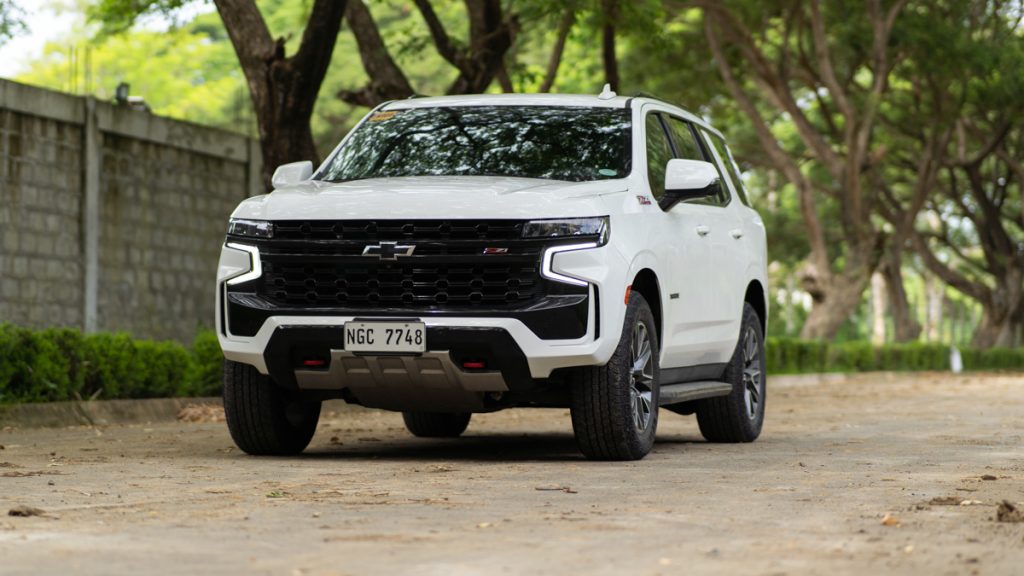
Fuel economy is undeniably weak, and older models may develop interior rattles or electronic wear with age. Still, the Tahoe’s core mechanical durability consistently impresses long-term owners.
A well-cared-for Tahoe at 200,000 miles frequently still feels ready for towing, family travel, or daily commuting without major compromise. That lasting toughness explains why these SUVs remain common sights on American roads decades after production.
5. Toyota 4Runner
The Toyota 4Runner developed one of the strongest long-term durability reputations in the SUV market because Toyota refused to abandon its rugged roots.
While many competitors shifted toward softer crossover designs focused mainly on city driving, the 4Runner stayed committed to body-on-frame construction and proven mechanical simplicity. That decision helped countless examples remain dependable and surprisingly composed beyond 200,000 miles.
Drivers often describe older 4Runners as feeling mechanically honest. The steering remains predictable, the chassis feels sturdy, and the drivetrain continues operating smoothly even after years of off-road use or highway travel. Many owners specifically choose the 4Runner because they expect to keep it for decades instead of only a few years.
Its naturally aspirated V6 engine contributes heavily to that reputation. The engine may not deliver class-leading fuel economy or sports car acceleration, but it consistently proves durable when maintained properly. Transmission reliability also remains strong because T prioritized proven engineering over unnecessary complexity.
Off-road capability indirectly strengthens long-term durability as well. Vehicles designed for trails and rough terrain usually contain stronger suspension components, reinforced frames, and more durable driveline systems than ordinary crossovers. Even owners who never leave pavement benefit from that extra toughness during daily driving.
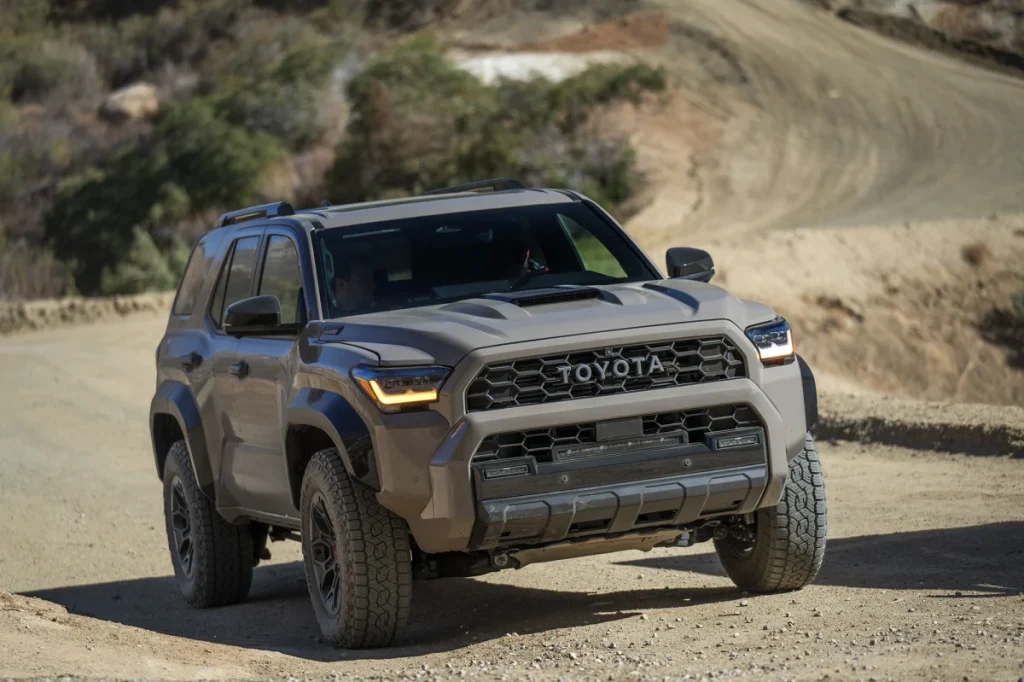
The interior favors durability more than luxury. Materials may not appear especially flashy, though many high-mileage 4Runners maintain solid cabins with minimal squeaks or electronic failures. Simple controls and practical layouts also age gracefully compared with overly digital interiors.
Ride quality can feel truck-like compared with softer family crossovers, especially on rough pavement. Fuel economy also trails more modern SUVs significantly. Yet buyers accept those compromises because the 4Runner offers a rare sense of long-term confidence.
At 200,000 miles, many examples still feel capable of handling road trips, towing, winter weather, and off-road adventures without hesitation. Few SUVs maintain that level of durability while preserving such strong resale value and owner loyalty over decades of use.
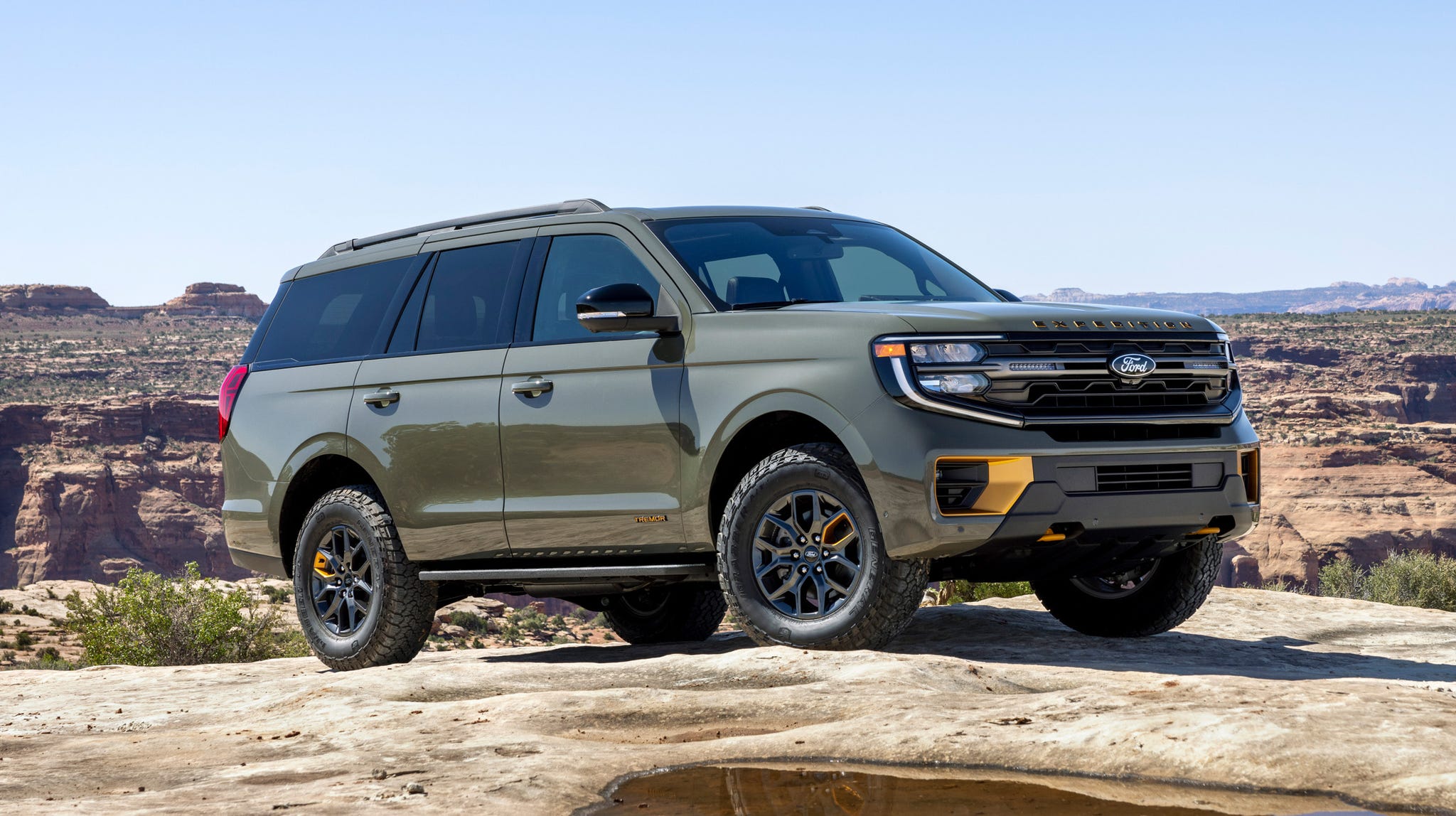
6. Ford Expedition
The Ford Expedition proves that large family SUVs can remain comfortable and dependable long after reaching extreme mileage. Designed for towing, highway travel, and carrying large numbers of passengers, the Expedition uses heavy-duty engineering that helps it maintain composure at 200,000 miles when maintained carefully.
One reason the Expedition ages well is its spacious and relaxed driving character. Long wheelbases and substantial weight create stable highway manners that often remain impressive even in older examples.
Many owners continue using high-mileage Expeditions for family vacations and towing duties because the SUV still feels secure and predictable during long trips.
Engine durability varies slightly depending on generation, but Ford’s larger V8 engines from earlier models built particularly strong reputations for longevity. Later turbocharged EcoBoost engines added more performance and efficiency while still delivering respectable durability when owners followed maintenance schedules carefully.
Interior comfort remains one of the Expedition’s strongest advantages. Large seats, generous passenger room, and excellent cargo capacity help the SUV stay practical even after years of ownership. Higher trims especially continue feeling upscale because of comfortable ride quality and quiet cabins.
The Expedition also benefits from strong towing capability. Vehicles designed for heavier workloads typically use stronger transmissions, cooling systems, and suspension setups. Those reinforced components often contribute positively to long-term durability during ordinary driving conditions.
Another important factor involves repair support. Because Ford sold large numbers of Expeditions, replacement parts remain widely available, and many mechanics understand the platform well. This makes maintaining older, high-mileage examples easier than servicing some low-volume luxury SUVs.
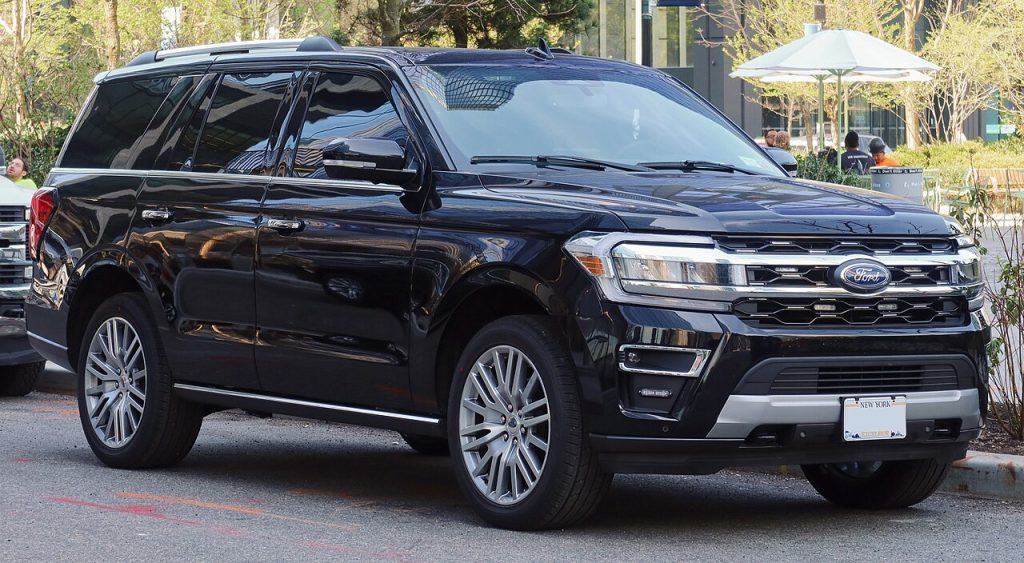
Fuel economy remains poor compared with smaller crossovers, and aging air suspension systems on certain trims can become expensive if neglected. Some owners also report electronic wear as mileage climbs. Still, the Expedition’s core structure and drivetrain frequently remain solid long after the odometer crosses 200,000 miles.
A properly maintained Expedition often continues driving with confidence, comfort, and stability that surprises people unfamiliar with high-mileage, full-size SUVs. That durability keeps many examples on the road for decades despite demanding workloads and family use.
7. Lexus RX 350
The Lexus RX 350 became one of the most successful luxury SUVs ever built because it mastered something many competitors struggled to achieve: combining comfort with long-term reliability.
Luxury vehicles often age poorly as electronics fail and repair costs rise, but the RX 350 earned a reputation for remaining smooth, quiet, and dependable even after 200,000 miles.
Ride comfort plays a huge role in how well the RX ages. Lexus tuned the suspension for softness and refinement rather than aggressive cornering. Years later, properly maintained examples still glide over rough roads with impressive composure. Highway driving remains quiet and relaxed, helping older RX models feel far younger than their mileage suggests.
The naturally aspirated V6 engine also contributes heavily to longevity. Smooth power delivery and conservative engineering help many RX 350s avoid the severe engine problems that plague more complicated luxury SUVs. Routine maintenance usually keeps these engines operating reliably for hundreds of thousands of miles.
Cabin quality remains another standout strength. Lexus used durable materials throughout the interior, and many older RX models still feature seats, dashboards, and controls that age gracefully. Owners frequently mention how little rattling or vibration develops compared with rival luxury vehicles.
The RX also benefits from mechanical simplicity relative to European competitors. While it still includes luxury features and advanced technology, Lexus avoided excessive complexity in many systems. That approach reduces the risk of catastrophic repair bills later in the vehicle’s life.
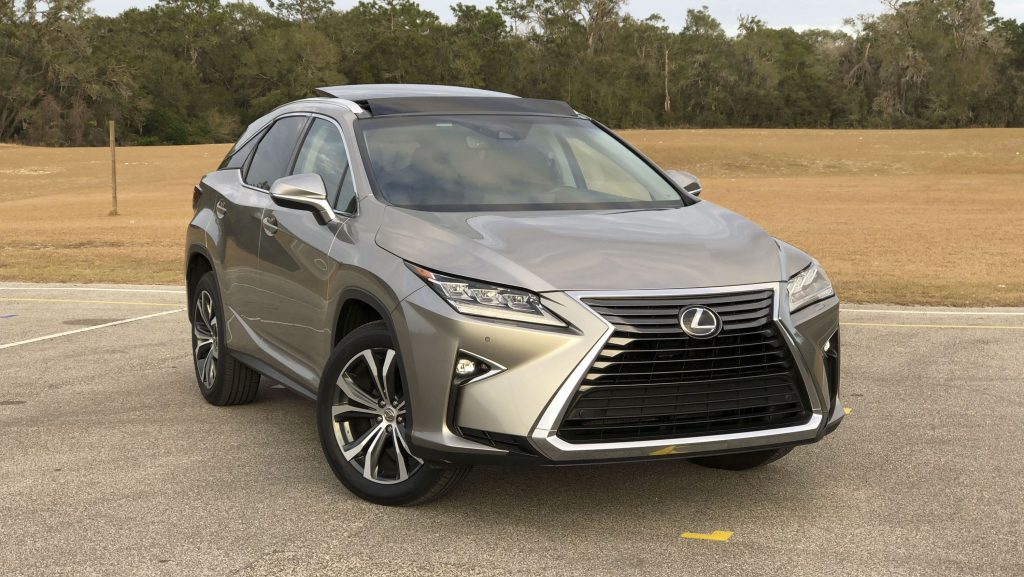
Fuel economy is respectable for a luxury SUV of its size, though the driving experience prioritizes comfort more than excitement. Enthusiastic drivers may find the steering less engaging than sportier competitors, but most RX owners value refinement instead.
At 200,000 miles, many RX 350s continue feeling calm, comfortable, and surprisingly polished during daily driving. That combination of luxury and dependability explains why these SUVs remain extremely popular among long-term owners who prioritize stress-free ownership over flashy performance.
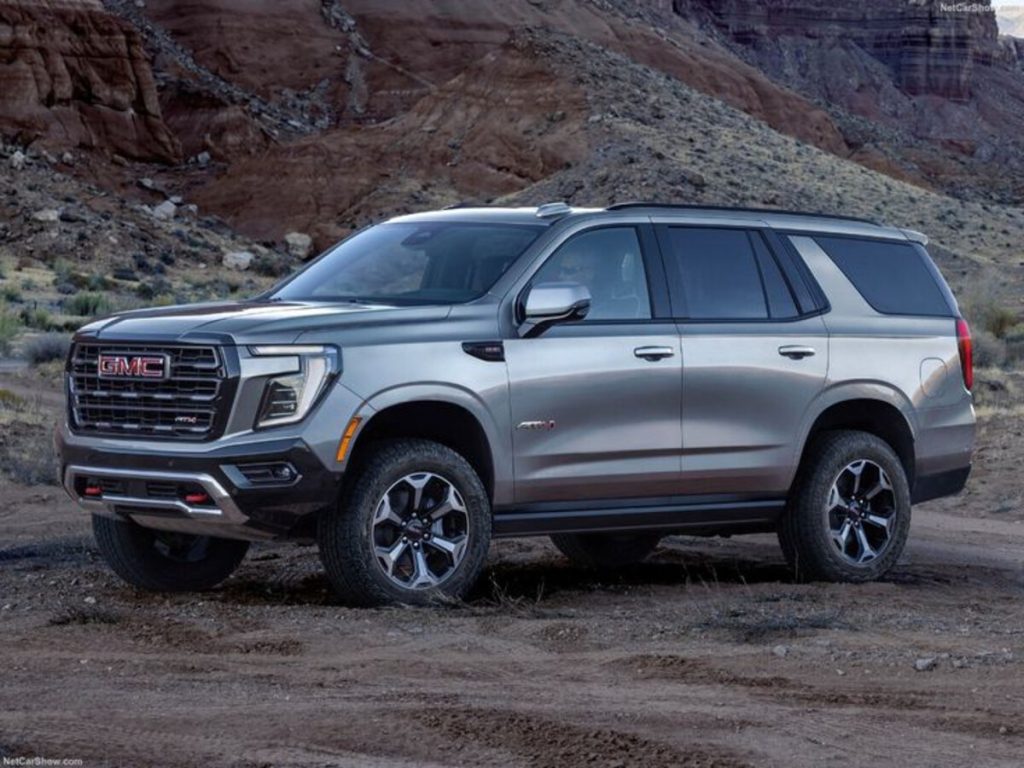
8. GMC Yukon
The GMC Yukon shares much of its mechanical foundation with the Chevrolet Tahoe, yet it adds a slightly more upscale personality while retaining the durability expected from full-size body-on-frame SUVs.
Many Yukons continue driving confidently beyond 200,000 miles because they were built to handle demanding family use, towing duties, and long-distance travel for years.
One major advantage involves drivetrain durability. The V8 engines commonly found in the Yukon developed strong reputations for longevity when serviced regularly.
Smooth torque delivery helps the SUV maintain relaxed highway performance, and the automatic transmissions generally tolerate heavy workloads better than many smaller crossovers.
The Yukon’s size also contributes to long-term comfort. Wide cabins, supportive seating, and substantial sound insulation help older models remain pleasant during long drives. Even after years of ownership, many Yukons still provide stable highway manners and comfortable ride quality that smaller SUVs struggle to match.
Another important factor is structural strength. Body-on-frame construction allows the Yukon to absorb years of towing and rough road use without developing the weak feeling common in aging unibody vehicles. Properly maintained suspension systems help preserve that solid driving character well into high-mileage territory.
Luxury-oriented trims especially age surprisingly well. Leather interiors, large center consoles, and premium features help the Yukon maintain a more upscale atmosphere than purely work-focused SUVs. Owners often continue using them as primary family vehicles far longer than expected.
Maintenance costs can increase with age because larger vehicles require bigger tires, heavier brakes, and more fluid capacity. Fuel economy also remains one of the Yukon’s weakest points. Yet many owners willingly accept those expenses because the SUV continues delivering dependable service year after year.
Some older Yukons eventually develop electronic wear or suspension component fatigue, particularly if towing was neglected maintenance-wise. Still, the core mechanical durability of the platform remains impressive compared with many modern SUVs packed with more delicate systems.
At 200,000 miles, a well-cared-for Yukon often still feels capable of towing trailers, carrying families comfortably, and handling long road trips with confidence. That enduring strength keeps these SUVs highly respected among drivers who value longevity and full-size practicality.
9. Acura MDX
The Acura MDX closes this list because it combines luxury comfort, dependable engineering, and long-term durability better than many people expect from a premium SUV.
While some luxury vehicles become financial nightmares as mileage rises, the MDX built a reputation for staying refined and mechanically trustworthy well beyond 200,000 miles when maintained correctly.
One of the biggest reasons the MDX ages gracefully is its strong V6 engine. Acura engineered the powertrain for smooth daily driving rather than extreme performance, which reduces stress on internal components over time.
Many owners report that even high-mileage examples still accelerate cleanly and cruise quietly on highways without excessive vibration or harshness.
The transmission also contributes heavily to the SUV’s long-term drivability. Later MDX generations especially improved shift quality and durability, helping the vehicle retain smooth operation deep into high-mileage ownership.
Drivers who service the transmission regularly usually experience fewer severe problems than owners who neglect fluid changes.
Inside the cabin, the MDX maintains a premium feel surprisingly well. Seats stay supportive during long drives, materials resist wear effectively, and the interior generally avoids developing the rattling or squeaking common in aging luxury vehicles. Acura balanced upscale design with practical durability, which becomes obvious after years of ownership.
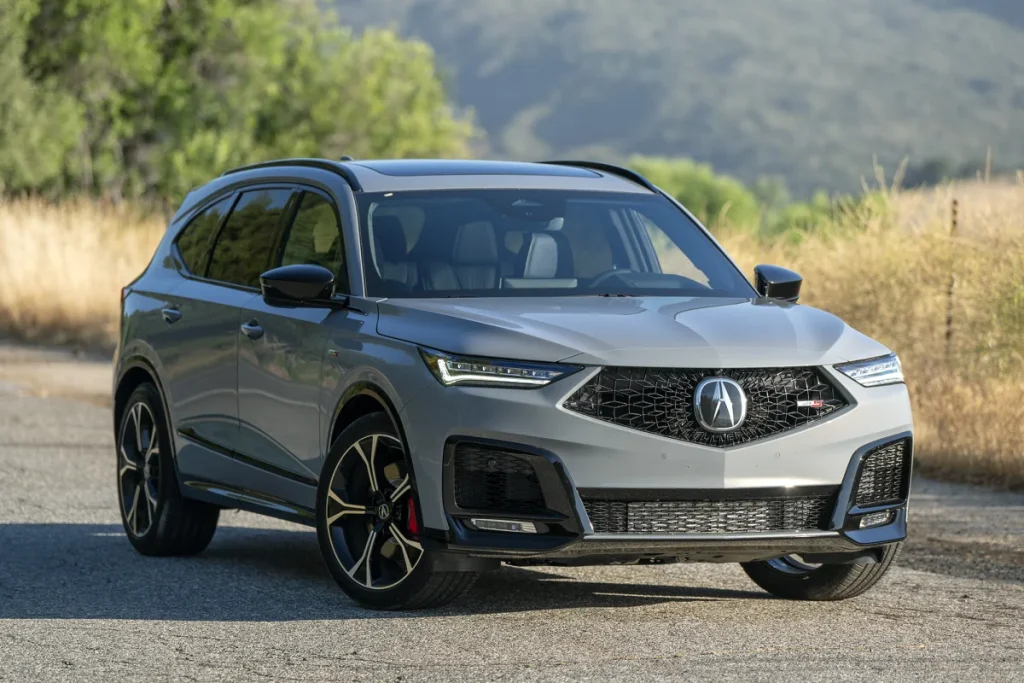
Another reason the MDX survives high mileage comfortably is balanced suspension tuning. The SUV delivers composed handling while still absorbing rough pavement effectively. Even older examples often maintain stable highway manners instead of feeling loose or unstable.
Technology can become outdated in earlier models, and some owners report occasional electronic issues as the vehicles age. Maintenance costs are also higher than those of mainstream SUVs because premium parts and labor increase expenses slightly.
Yet compared with many European luxury rivals, the MDX usually remains far easier and less expensive to own long-term.
What truly separates the MDX is how complete it still feels after massive mileage accumulation. Many 200,000-mile examples continue functioning as comfortable family vehicles capable of daily commuting, long trips, and highway driving without feeling worn out or unreliable.
These nine SUVs prove that certain vehicles are engineered to survive far beyond normal expectations. With proper maintenance and careful ownership, they continue delivering comfort, confidence, and drivability long after most vehicles would already feel tired and outdated.
