Buying a truck usually comes with expectations of durability, reliability, and long-term value. Most owners believe a pickup should handle hard work, rough roads, towing, and years of daily use without becoming a constant source of repair bills.
That belief is one reason trucks remain so popular across North America. People depend on them not just for transportation but for work, family duties, recreation, and business operations. When a truck spends more time at the dealership than on the road, frustration builds very quickly.
Some pickups develop reputations for costly problems that appear much earlier than owners expect. Transmission failures, electrical glitches, engine trouble, suspension wear, and turbocharger issues can turn an exciting purchase into a financial burden within months.
In many cases, the repair costs themselves are not the only issue. Owners also grow tired of repeated dealership visits, long waits for parts, rental vehicle expenses, and uncertainty about what might fail next.
Modern trucks have become more advanced than ever before. Large touchscreens, complicated emissions systems, turbocharged engines, air suspensions, and electronic driver aids make today’s pickups more comfortable and capable.
Yet added complexity also creates more opportunities for expensive failures. A truck that looks impressive in the showroom may become extremely stressful once warning lights begin appearing regularly.
For some owners, the frustration reaches a breaking point within the first year. Instead of keeping the truck long term, they decide to sell it before warranty coverage ends or before another major repair arrives.
In several cases, drivers admitted they lost trust in the vehicle after repeated mechanical problems disrupted daily life.
Not every example of these trucks suffers catastrophic issues, and many owners remain satisfied with them. Still, enough complaints surfaced that certain models earned reputations for repair troubles severe enough to convince owners to walk away surprisingly quickly.
Also Read: 10 Best SUVs for New York Traffic
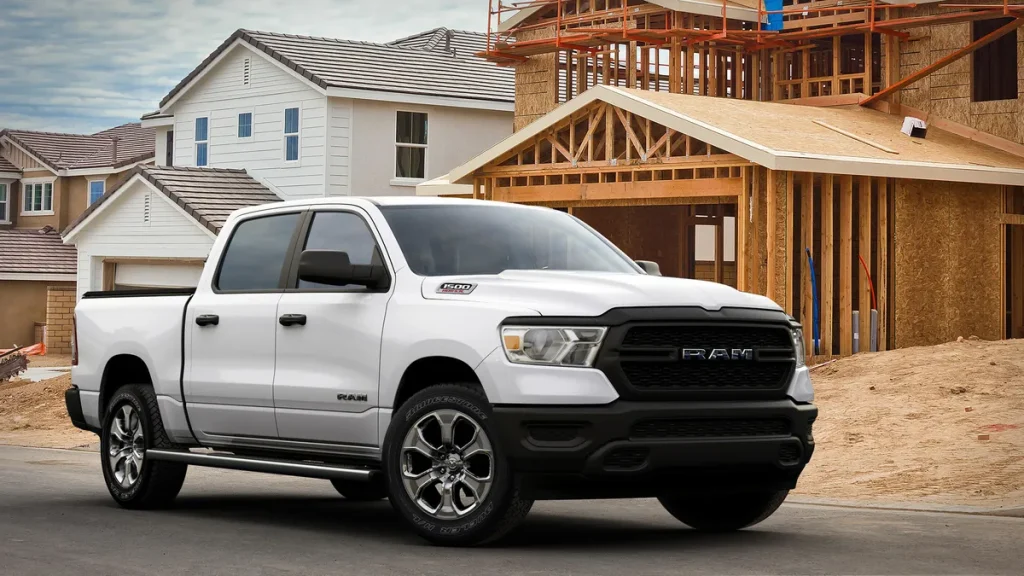
1. Ram 1500 EcoDiesel
The Ram 1500 EcoDiesel attracted enormous attention because it promised something truck buyers desperately wanted. Strong towing capability combined with excellent fuel economy sounded like the perfect combination for long-distance drivers and contractors.
Early reviews praised the smooth torque delivery and comfortable ride quality, making the truck feel far more refined than older diesel pickups. Then repair stories began appearing.
A major source of frustration involved emissions-related problems tied to the diesel engine. Owners reported issues with EGR coolers, diesel particulate filters, emissions sensors, and exhaust systems long before they expected serious mechanical trouble.
Some trucks entered limp mode unexpectedly, reducing power dramatically until repairs could be completed. Drivers towing trailers found these breakdowns especially stressful because failures often occurred during highway travel.
The financial side became painful quickly. Even relatively small diesel-related repairs carried large invoices once labor and specialized components entered the equation. Owners who purchased the truck hoping to save money on fuel sometimes realized repair costs erased those savings rapidly.
Several EcoDiesel owners also complained about long dealership wait times for replacement parts. Trucks occasionally sat for weeks waiting for components connected to emissions systems or engine management electronics. That downtime frustrated people who depended on the vehicle daily for commuting or work responsibilities.
Unlike traditional heavy-duty diesels bought mainly for towing, many EcoDiesel trucks served as family transportation. Owners expecting smooth, trouble-free driving became exhausted by recurring warning lights and repeated service appointments.
Some admitted they lost confidence in the truck completely after multiple breakdowns occurred within the first year.
Another issue involved resale anxiety. Once drivers started reading online discussions about diesel repair costs, many decided to sell the truck early while values remained relatively strong. They feared keeping the vehicle long enough for warranty coverage to expire because out-of-pocket repairs on modern diesel systems can become extremely expensive.
The Ram 1500 EcoDiesel still offered impressive highway range and relaxed cruising manners. Yet for a noticeable group of owners, the combination of emissions complications, repair delays, and mounting service bills became frustrating enough to end the ownership experience far earlier than planned.
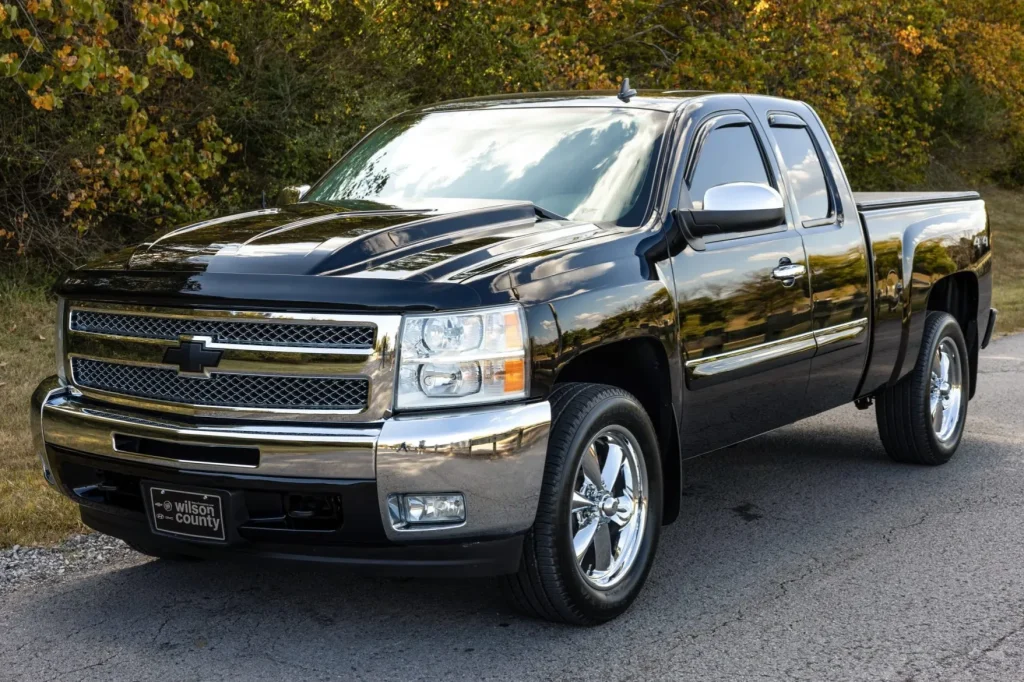
2. Chevrolet Silverado 1500 With Dynamic Fuel Management
The Chevrolet Silverado 1500, equipped with Dynamic Fuel Management, represented General Motors’ attempt to improve fuel efficiency without sacrificing V8 performance. On paper, the system sounded clever.
The engine could deactivate cylinders constantly depending on driving conditions, theoretically saving fuel while still delivering strong towing capability when needed. For some owners, though, the technology created more headaches than benefits.
Complaints surrounding these trucks varied widely. Certain drivers noticed harsh transmission behavior almost immediately. Others reported strange engine vibrations, shuddering during acceleration, or inconsistent throttle response tied to the cylinder deactivation system.
What frustrated owners most was how difficult some issues proved to diagnose because symptoms appeared intermittently rather than constantly.
Transmission trouble became a major concern in many Silverado discussions. Hard shifting, delayed engagement, sudden jerking, and unpredictable gear changes caused owners to question long-term reliability very early in ownership.
Some trucks required repeated software updates, while others eventually needed significant transmission repairs despite relatively low mileage. Several owners also described lifter-related engine issues developing far earlier than expected. Once ticking noises and misfires appeared, drivers worried about expensive internal engine damage similar to other modern V8 problems affecting the industry.
Even people who never experienced catastrophic failure often sold the truck simply because they no longer trusted the powertrain.
The Silverado itself remained comfortable and capable. Cabin space improved significantly in newer generations, and towing performance stayed competitive.
Unfortunately, repeated repair visits damaged the owner’s confidence quickly. Drivers became tired of hearing dealerships describe problems as “normal characteristics” while the truck continued behaving unpredictably.
Some owners finally reached a point where they no longer wanted to gamble on future repairs after the warranty period ended. Selling the truck within a year felt safer financially than risking major engine or transmission failures later.
That decision became more common among buyers who depended on their trucks daily and could not afford extended downtime.
For drivers expecting simple V8 reliability from a full-size American pickup, the combination of complicated fuel-saving technology and recurring repair concerns pushed many toward trading the Silverado far sooner than they originally intended.
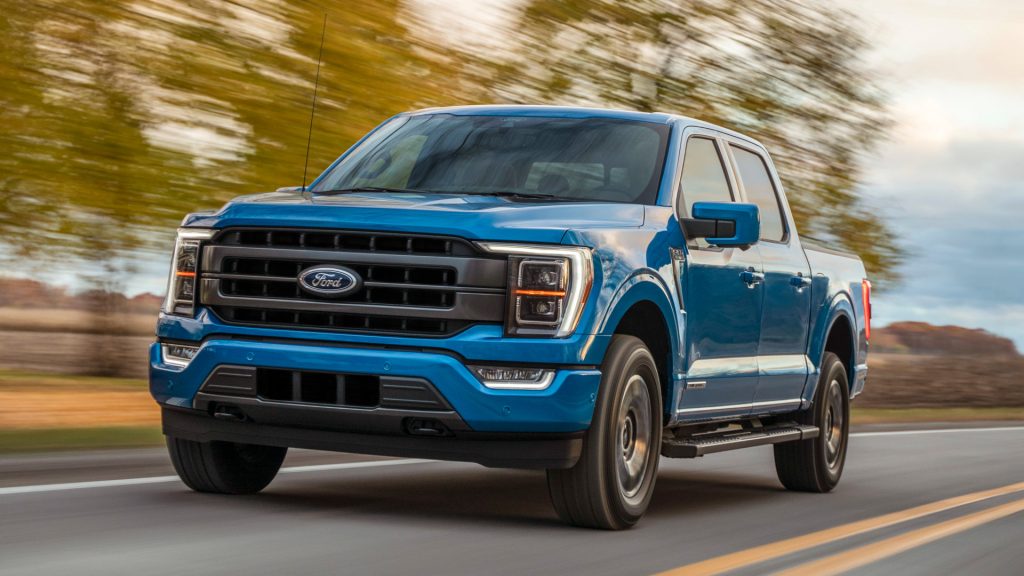
3. Ford F-150 PowerBoost Hybrid
The Ford F-150 PowerBoost Hybrid arrived with enormous expectations because it combined traditional truck capability with hybrid efficiency.
Buyers liked the idea of strong towing power paired with improved fuel economy, and Ford heavily promoted the truck’s onboard generator system as a revolutionary feature for worksites and camping trips. At first glance, the PowerBoost looked like the future of full-size pickups.
Some owners quickly discovered that advanced technology can also introduce advanced repair headaches.
The truck’s hybrid system added layers of complexity unfamiliar to many traditional truck buyers.
Instead of dealing with only a gasoline engine and transmission, owners now faced high-voltage battery systems, electric motors, regenerative braking components, and complicated software management. When problems appeared, diagnosis often required specialized technicians and longer dealership visits.
Several owners reported electrical gremlins early in ownership. Warning lights appeared randomly, infotainment systems rebooted unexpectedly, and battery-management alerts created anxiety about long-term reliability.
Some trucks experienced complete no-start situations despite being relatively new. Drivers expecting dependable daily transportation became frustrated when electronic faults repeatedly interrupted normal use.
Another concern involved the truck’s transition between gasoline and electric power. Certain owners complained about rough engagement, hesitation during acceleration, or strange vibrations while the system switched operating modes.
Even when dealerships claimed the behavior was normal, some drivers remained uncomfortable with how inconsistent the truck felt compared with conventional pickups.
Repair delays made matters worse. Hybrid-specific components were not always immediately available, and some owners described waiting extended periods for parts or software fixes. During that downtime, expensive truck payments continued while the vehicle sat at dealerships.
The PowerBoost still impressed many people with its towing strength and fuel savings. Yet for buyers who valued simplicity and long-term durability above cutting-edge technology, repeated electrical issues created enough stress to end the ownership experience early.
Several owners admitted they sold the truck before warranty expiration because they feared future hybrid-system repair costs once factory coverage disappeared.
The idea behind the PowerBoost remained appealing, but for some early adopters, the reality of living with complicated hybrid truck technology proved more exhausting than expected.
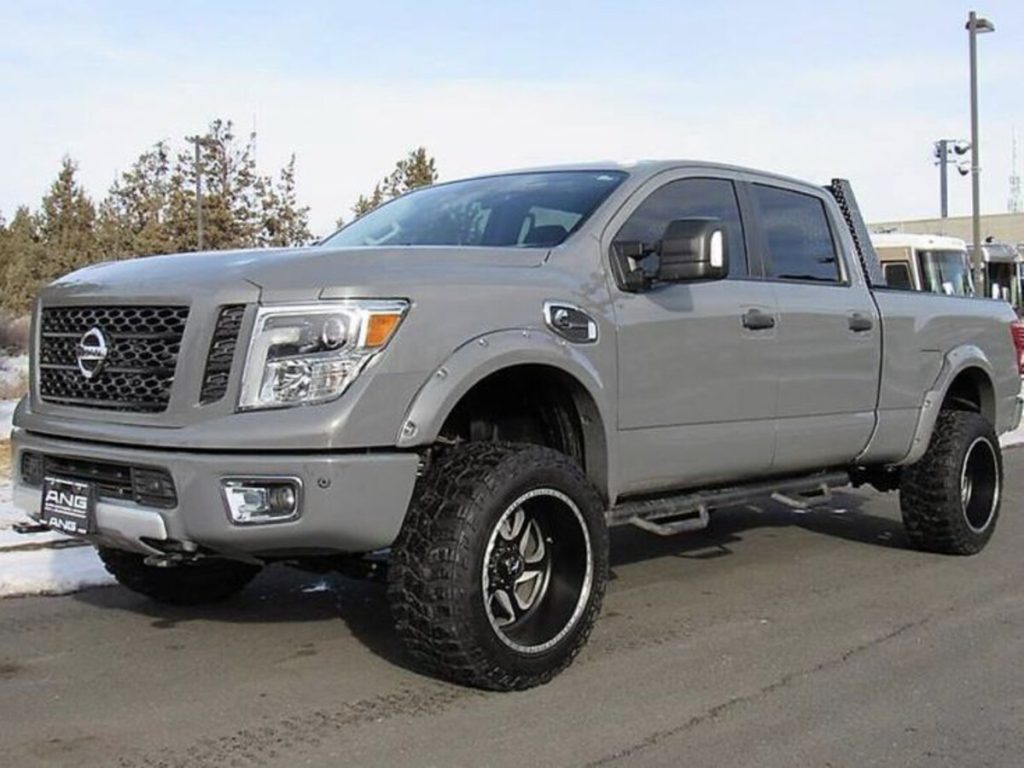
4. Nissan Titan XD Diesel
The Nissan Titan XD Diesel entered the market, attempting to bridge the gap between light-duty and heavy-duty pickups.
Equipped with a Cummins diesel engine, the truck promised serious towing capability while remaining easier to live with than massive commercial-grade trucks.
Buyers interested in diesel torque without stepping fully into heavy-duty ownership found the concept extremely attractive. Unfortunately, the ownership experience disappointed many people surprisingly quickly.
One major issue centered around reliability concerns tied to the diesel engine and emissions systems. Owners reported turbocharger failures, DEF system problems, sensor malfunctions, and repeated check-engine lights within relatively short ownership periods.
For drivers expecting legendary durability from the Cummins name, these problems felt especially frustrating.
The repair process itself often became part of the problem. Nissan dealerships did not always possess the same level of diesel-service familiarity as traditional heavy-duty truck brands.
Some owners described long diagnostic delays while technicians attempted to identify complicated emissions or turbo-related faults. Trucks occasionally returned from service only for warning lights to reappear weeks later.
Fuel economy also disappointed certain buyers. Many expected major efficiency advantages from the diesel setup but discovered real-world mileage gains were smaller than anticipated once towing or city driving entered the equation.
That created frustration because diesel fuel and maintenance costs already exceeded those of standard gasoline trucks.
Another complaint involved resale value. The Titan XD Diesel occupied a strange middle ground in the truck market. It was heavier and more expensive than typical half-ton pickups, yet not as capable as true heavy-duty diesel competitors.
Once reliability concerns surfaced publicly, some owners worried resale prices would fall sharply. Selling the truck early seemed safer than risking long-term depreciation combined with mounting repair bills.
Several owners also became frustrated with repeated emissions-related limp modes that restricted vehicle performance. Losing power unexpectedly while towing or travelling long highway distances damaged confidence in the truck rapidly. A pickup designed for hauling and work duties simply could not afford to feel unpredictable.
The Titan XD Diesel still offered a comfortable ride and strong towing manners when functioning correctly.
Yet for a noticeable number of owners, recurring mechanical concerns and uncertainty about future reliability pushed them toward selling the truck within the first year rather than continuing a stressful ownership experience.
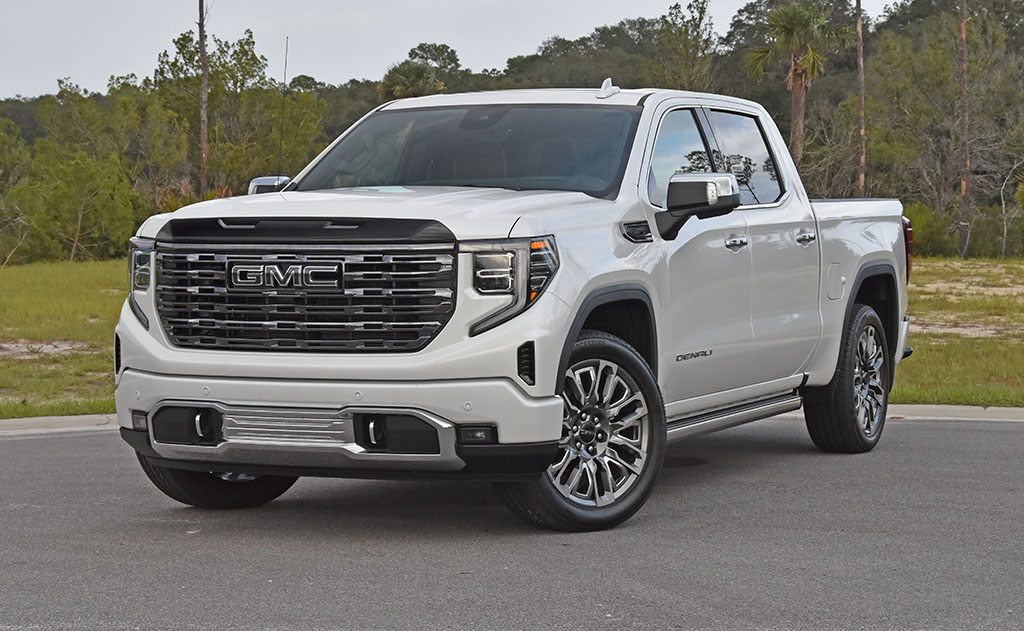
5. GMC Sierra Denali With Air Suspension
The GMC Sierra Denali positioned itself as a luxury truck first and a work vehicle second. Premium leather, massive infotainment screens, advanced driver assistance systems, and upscale styling made it feel closer to a luxury SUV than a traditional pickup.
Buyers spending Denali money expect refinement, comfort, and reliability worthy of the premium badge. For some owners, the trouble started with the air suspension system.
Air suspension promised smoother ride quality and automatic leveling capability, which is especially useful while towing or carrying heavy loads.
In practice, certain Sierra Denali owners dealt with compressors failing unexpectedly, suspension warnings appearing on the dashboard, or the truck sitting unevenly overnight after air leaked from the system. What initially felt like advanced luxury technology soon became a constant source of anxiety.
Cold weather made the issue worse for some drivers. Trucks parked outside overnight occasionally struggled to raise themselves properly in the morning, triggering warning messages and rough ride behavior. Owners became nervous about travelling long distances because suspension faults sometimes appeared without warning.
Repair costs shocked many people. Air suspension systems involve compressors, sensors, control modules, air lines, and specialized components that are far more expensive than traditional suspension parts. Even smaller failures often carried repair estimates large enough to frustrate owners of relatively new trucks.
The Denali’s heavy reliance on electronics created additional headaches. Some drivers experienced infotainment glitches, camera failures, and random dashboard warning lights alongside suspension problems.
Repeated dealership visits slowly destroyed the owner’s confidence because the truck no longer felt dependable despite its premium pricing.
Several owners admitted they sold the Sierra within a year simply because they feared future out-of-warranty repair costs. Luxury trucks already carry expensive maintenance expectations, but constant electronic and suspension issues make long-term ownership feel financially risky.
Instead of enjoying the truck’s comfort and prestige, owners found themselves monitoring warning lights and preparing for the next service appointment.
The Sierra Denali still delivers an impressively quiet cabin and strong towing capabilities. Yet for buyers seeking trouble-free luxury truck ownership, recurring suspension and electronic problems became serious enough to push many toward selling far earlier than planned.
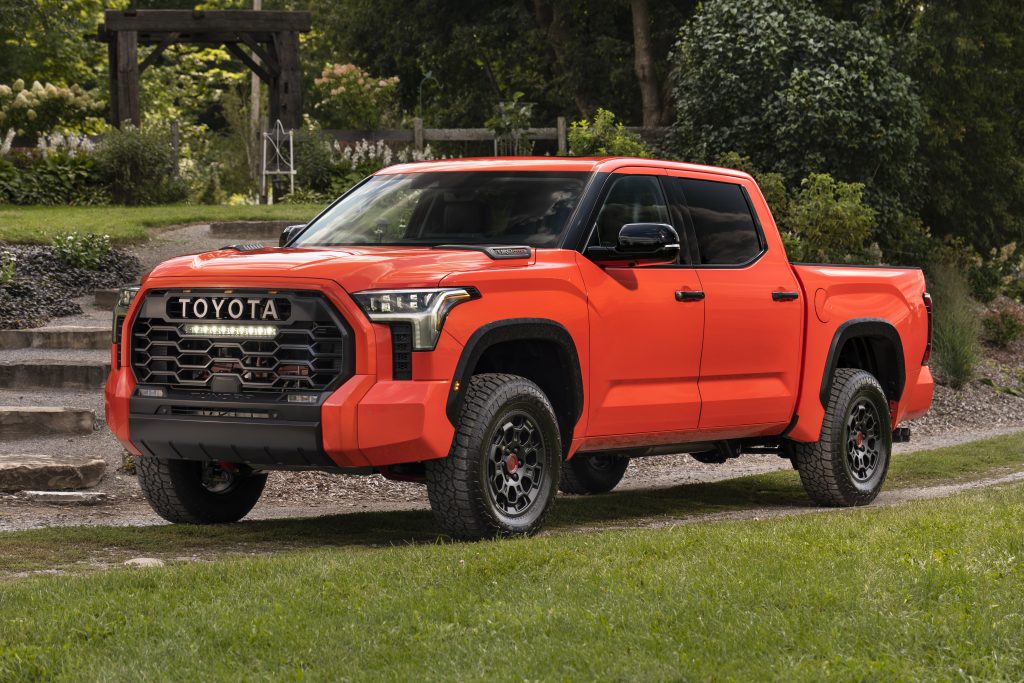
6. Toyota Tundra Twin Turbo V6
The newest Toyota Tundra represented a massive shift away from Toyota’s old formula. The company replaced the legendary naturally aspirated V8 with a twin-turbocharged V6 designed to improve power and fuel efficiency.
Buyers expected Toyota reliability combined with modern performance, and anticipation surrounding the redesign was enormous. Then, early repair complaints started surfacing.
Some owners experienced turbo-related issues, strange engine noises, wastegate concerns, and unexpected warning lights within surprisingly low mileage.
Others reported rough cold starts, hesitation during acceleration, or software-related drivability problems that dealerships struggled to fix permanently. For buyers accustomed to Toyota’s reputation for bulletproof dependability, even moderate issues felt alarming.
The transition away from the old V8 played a major role in owner frustration. Many Tundra buyers specifically chose previous generations because of their mechanical simplicity and long-term reliability.
The new twin-turbo engine introduced far more complexity through additional plumbing, intercoolers, turbochargers, sensors, and electronic management systems. Some owners worried the truck no longer represented the durability that Toyota once guaranteed, emotionally.
A separate issue involved recalls and production concerns that created uncertainty among early buyers. Online discussions filled quickly with owners debating whether the new powertrain had been rushed to market.
Even drivers whose trucks operated normally became nervous after reading repeated stories about repairs and dealer visits from other owners.
Several people eventually sold their Tundras, not because the truck failed catastrophically but because they lost confidence in keeping it long-term. They feared expensive turbo or engine-related repairs years later, once warranties expired.
That fear alone became enough to convince some owners to move back into older V8 trucks or competing naturally aspirated models.
The redesigned Tundra still offered strong towing performance, impressive cabin upgrades, and better technology than older generations. Yet for a group of buyers expecting traditional Toyota simplicity, the early repair concerns surrounding the new twin-turbo setup became difficult to ignore.
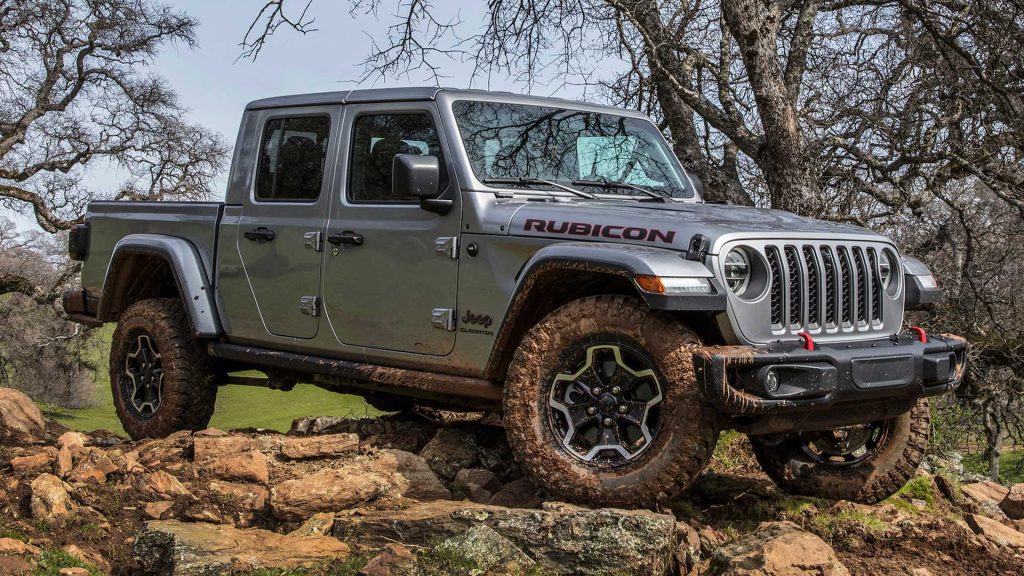
7. Jeep Gladiator
The Jeep Gladiator entered the truck market carrying enormous hype because it combined two worlds that users already loved. It offered the removable doors, off-road image, and adventurous personality of the Wrangler while adding the utility of a pickup bed.
For many shoppers, the idea sounded perfect. A truck capable of weekend trail driving, open-air cruising, camping trips, and everyday hauling immediately attracted attention from Jeep loyalists and first-time buyers alike.
What many owners did not expect was how quickly repair frustrations would begin shaping the ownership experience.
Unlike traditional midsize trucks focused mainly on long-term durability and predictable road manners, the Gladiator carried much of the Wrangler’s mechanical personality into pickup form. That meant certain compromises appeared immediately during daily driving.
Some owners noticed steering wander at highway speeds within weeks of purchase, while others complained about vibrations, suspension noises, and alignment issues that required repeated dealership visits.
The infamous steering and suspension concerns became major discussion points among Gladiator owners. Several trucks developed loose or unstable steering behavior that created discomfort during highway travel.
Drivers described constantly correcting the wheel just to keep the truck centered in its lane. Some dealerships attempted alignment adjustments, steering damper replacements, or suspension inspections, yet several owners reported the problem returning after.
Roof and water-leak complaints also damaged the owner’s confidence. Since many Gladiators featured removable roof panels and doors, sealing issues occasionally appeared during heavy rain or car washes.
Owners spending premium money on well-equipped trims became frustrated when water entered cabins that were supposed to feel rugged yet refined.
Electrical gremlins added another layer of irritation. Infotainment screens freezing, dashboard warning lights appearing randomly, backup camera failures, and sensor malfunctions became recurring themes in owner forums.
Because the Gladiator depended heavily on electronic systems for modern convenience features, repeated glitches made the truck feel less dependable than buyers expected.
Then came the financial reality of repairs and modifications. Many Gladiator owners customize their trucks with larger tires, lifts, roof racks, or off-road accessories almost immediately after purchase.
Once mechanical issues developed, dealerships sometimes blamed aftermarket parts even when problems appeared unrelated. That created tension between owners and service departments during warranty discussions.
Ride quality became another factor pushing certain people toward selling early. While dedicated Jeep fans accepted the truck’s rougher on-road manners, buyers transitioning from smoother midsize pickups like the Tacoma or Ridgeline sometimes became exhausted by road noise, stiff handling, and constant steering corrections during long commutes.
Fuel economy also disappointed some owners, especially after adding heavier off-road equipment. Drivers expecting a practical daily truck realized they were paying for mediocre efficiency alongside rising repair frustrations.
Once dealership visits became frequent, the emotional excitement surrounding Jeep ownership faded quickly for certain buyers.
The Gladiator still possesses enormous character and genuine off-road capability. Many owners absolutely love the truck and accept its quirks as part of the Jeep experience.
Yet for a noticeable group of buyers, the combination of steering concerns, electronic problems, leaks, and daily-driving compromises became overwhelming enough that they sold the truck within the first year rather than continuing a frustrating ownership cycle.
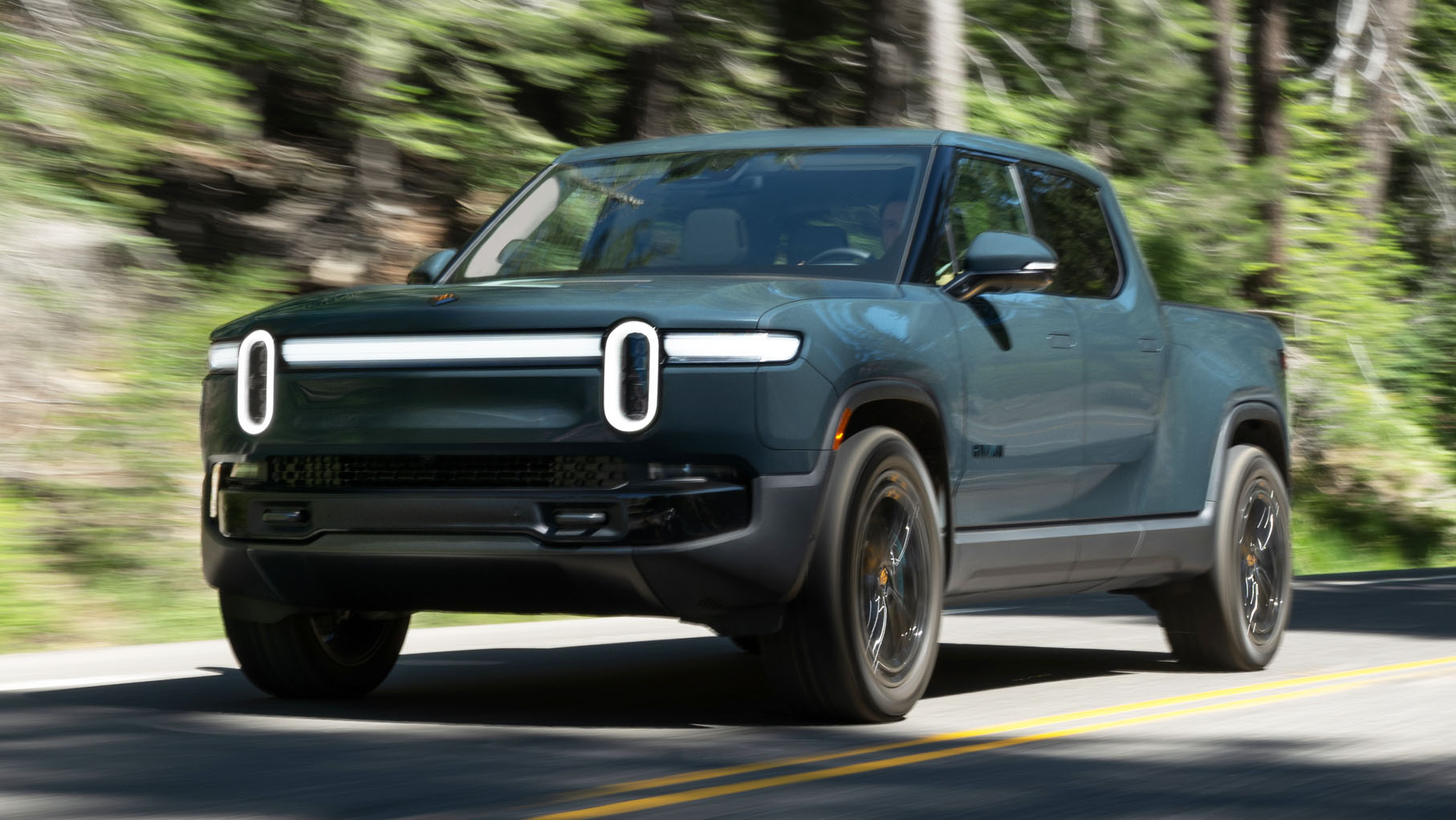
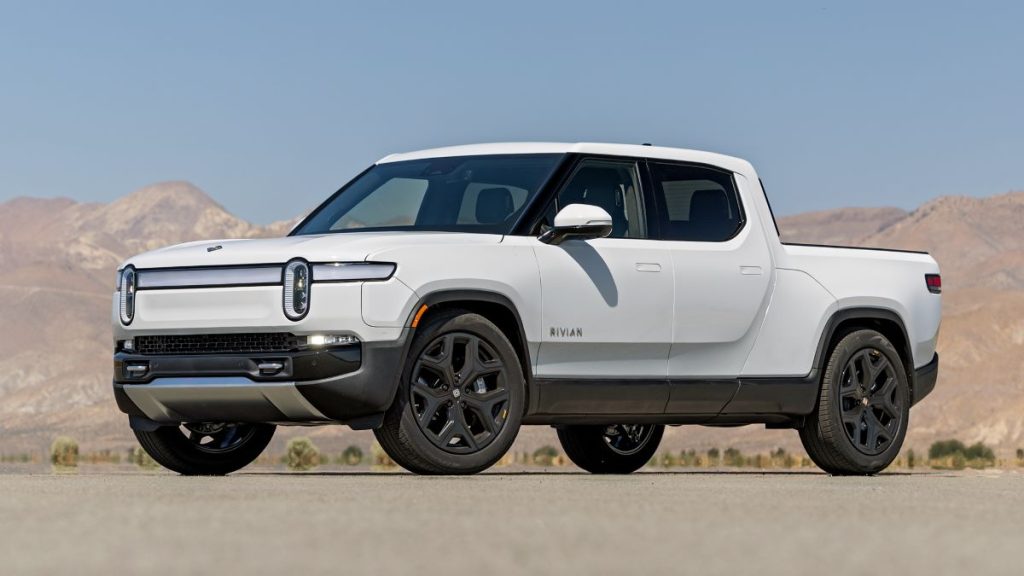
8. Rivian R1T
The Rivian R1T arrived as one of the most ambitious trucks of the modern era. Instead of trying to imitate traditional pickups, Rivian created something entirely different.
The R1T combined luxury-level technology, electric performance, futuristic styling, and serious off-road capability into one package that immediately captured attention across the automotive industry. Early reviews praised the truck’s acceleration, innovative storage solutions, and smooth driving experience.
For some owners, though, excitement surrounding the futuristic pickup began fading once repair and service realities entered the picture.
Unlike established truck brands with nationwide dealership networks, Rivian operated through a much newer and smaller service infrastructure. That became a major issue when problems appeared.
Owners experiencing mechanical or electronic faults sometimes struggled to secure quick appointments, especially in areas far from dedicated Rivian service centers. Even relatively small repairs occasionally involved long wait times simply because the company’s support network was still developing.
The truck’s software-heavy design created both advantages and frustrations. Over-the-air updates allowed Rivian to improve features remotely, but several owners reported glitches affecting charging systems, infotainment displays, driver assistance technology, and keyless entry functions.
In some cases, updates solved one issue while unintentionally introducing another. Drivers expecting flawless high-tech ownership became tired of troubleshooting software behavior in a vehicle costing luxury-level money.
Build quality complaints also surfaced early. Certain owners discovered panel alignment issues, rattles, wind noise, or water leaks within months of delivery. Because the R1T carried a premium price tag, even minor quality flaws felt unacceptable to buyers expecting near-perfect execution from a new electric truck brand.
Charging concerns became another source of stress. While many owners adapted comfortably to EV life, others realized public charging infrastructure still created limitations during long-distance travel or towing.
Pulling trailers dramatically reduced driving range, and locating fast chargers compatible with truck-and-trailer setups proved frustrating for some drivers. Buyers who originally believed the transition from gasoline trucks would feel seamless sometimes changed their minds after living with the realities of electric towing.
Repair costs and uncertainty also played a role in early sales. Traditional truck owners are accustomed to independent repair shops and widely available replacement parts.
The R1T’s specialized components and limited service network created fear surrounding long-term maintenance expenses once warranties expired. Several owners admitted they loved driving the truck but did not feel comfortable gambling on future repair support from a still-growing manufacturer.
The Rivian R1T remains one of the most innovative pickups introduced in recent years. Its performance, design, and technology impressed countless reviewers and buyers.
Yet for a group of early adopters, concerns about repairs, service delays, software stability, and long-term ownership practicality became significant enough that they chose to sell the truck surprisingly quickly despite initially loving the concept behind it.
Modern trucks promise durability, advanced technology, and long-term dependability, but several models ended up frustrating owners so badly that many sold them within a year.
Trucks like the Ram 1500 EcoDiesel and Nissan Titan XD Diesel suffered from expensive emissions and turbo-related repairs, while the Chevrolet Silverado and Ford F-150 PowerBoost created concerns involving transmissions, electronics, and hybrid systems.
Luxury-focused models such as the GMC Sierra Denali introduced costly air suspension and electronic problems that damaged owner confidence quickly.
Even brands known for reliability were not immune. The Toyota Tundra’s twin-turbo V6 worried traditional buyers expecting simpler, long-lasting engineering. Meanwhile, the Jeep Gladiator disappointed some owners with steering issues, leaks, and daily-driving compromises despite its strong off-road image.
The Rivian R1T impressed buyers with innovation and performance, but service delays and software glitches created uncertainty about long-term ownership.
These trucks prove that impressive features and strong marketing cannot always guarantee a stress-free ownership experience once repairs begin piling up.