Electric vehicles are rapidly redefining modern mobility, but not all brands deliver the same level of consistency when it comes to charging reliability and system stability. Some manufacturers have built highly integrated ecosystems that ensure smooth plug-and-charge experiences, stable software communication, and dependable long-distance travel.
Others, however, are still working through early production challenges, software glitches, and hardware-related failures that can disrupt charging sessions or affect drivability. This comparison between 4 EV brands with reliable charging and 4 with documented issues highlights the growing divide in the electric vehicle industry.
It showcases how companies like Tesla, Porsche, Hyundai, and BMW have refined both hardware and software to minimize charging interruptions, while brands such as Kia, Ford, Nissan, and Lucid Motors continue to address real-world problems ranging from charging failures to battery and system faults. Understanding these differences helps buyers evaluate not just performance and range, but also long-term dependability and everyday usability in the evolving EV market.
4 EV Brands With Reliable Charging
1. Tesla
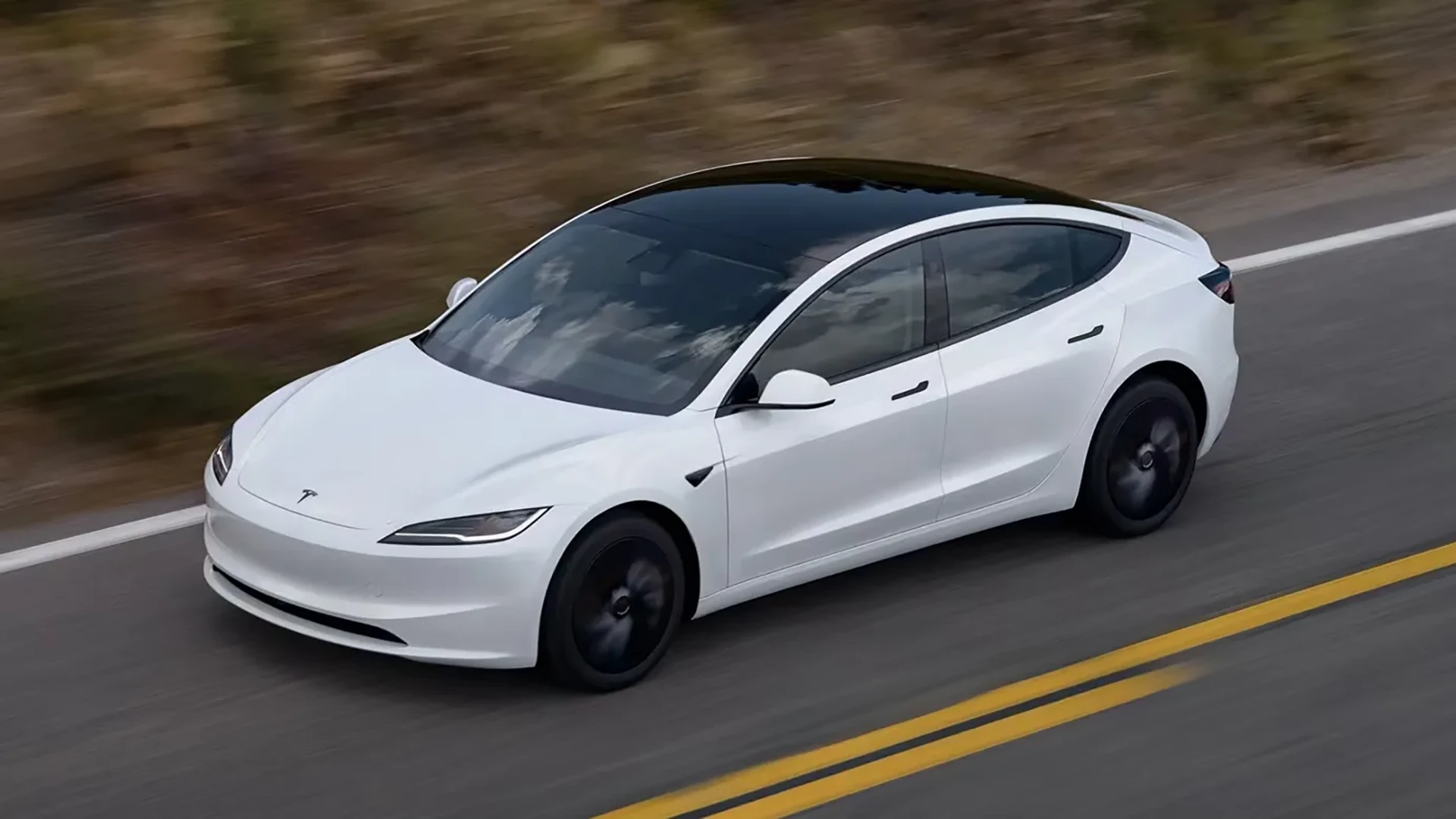
Tesla has established itself as a leader in the electric vehicle space by combining advanced drivetrain technology, seamless software integration, and a highly reliable charging ecosystem. A major advantage lies in its proprietary Supercharger network, which delivers a simple plug-and-charge experience. Drivers connect the charger, and billing happens automatically through the Tesla app, eliminating the need for cards or external systems. This tightly controlled ecosystem results in uptime rates near 99% and enables dependable long-distance travel with minimal interruptions.
Tesla’s reliability is also supported by its electric drivetrain design. Compared to traditional internal combustion vehicles, Tesla models have far fewer moving parts, reducing the likelihood of mechanical failures such as oil leaks or engine-related issues. Over-the-air software updates further enhance dependability by allowing the company to fix bugs, improve performance, and add new features without requiring service visits. These updates continuously refine vehicle functionality, extending usability over time.
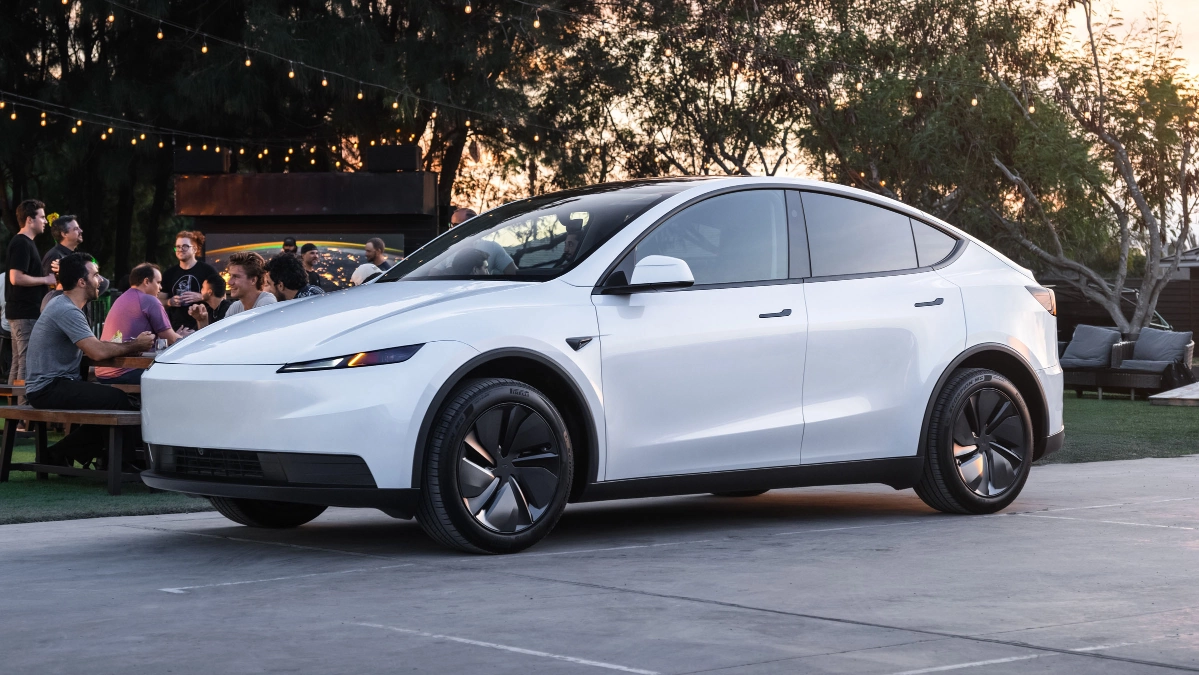
The brand’s lineup includes the Model 3, a highly efficient compact sedan; the Model Y, a practical and spacious crossover; and the premium Model S and Model X, which offer greater performance and range. Across these models, Tesla vehicles are known for strong acceleration, excellent energy efficiency, and accurate range estimation, supported by advanced battery management systems.
Key strengths include an industry-leading range, a vast and reliable charging infrastructure, and a highly functional mobile app that acts as a digital key, remote control, and security monitor. These features make Tesla vehicles especially appealing to tech-focused drivers and those seeking convenience in daily use.
However, some drawbacks remain. Ride quality can feel firm, particularly in earlier Model 3 and Model Y versions. Interiors prioritize minimalism, relying heavily on a central touchscreen for most controls, which can be distracting for some drivers. The lack of Apple CarPlay and Android Auto may also be a limitation for users who prefer smartphone integration.
Tesla vehicles set the standard for electric mobility by prioritizing software, efficiency, and charging convenience, though their minimalist approach may not suit all preferences.
2. Porsche
Porsche has earned a strong reputation for reliability and performance through a combination of meticulous engineering and advanced electric vehicle technology. A defining feature of its modern EV lineup is the 800-volt electrical architecture, first introduced in the Taycan. This system allows extremely fast and stable charging at rates up to 270 to 320 kW while preventing battery overheating. In addition, Porsche uses intelligent thermal management that precondition the battery before arriving at a charging station, ensuring optimal charging speed and reducing the risk of connection or software issues.
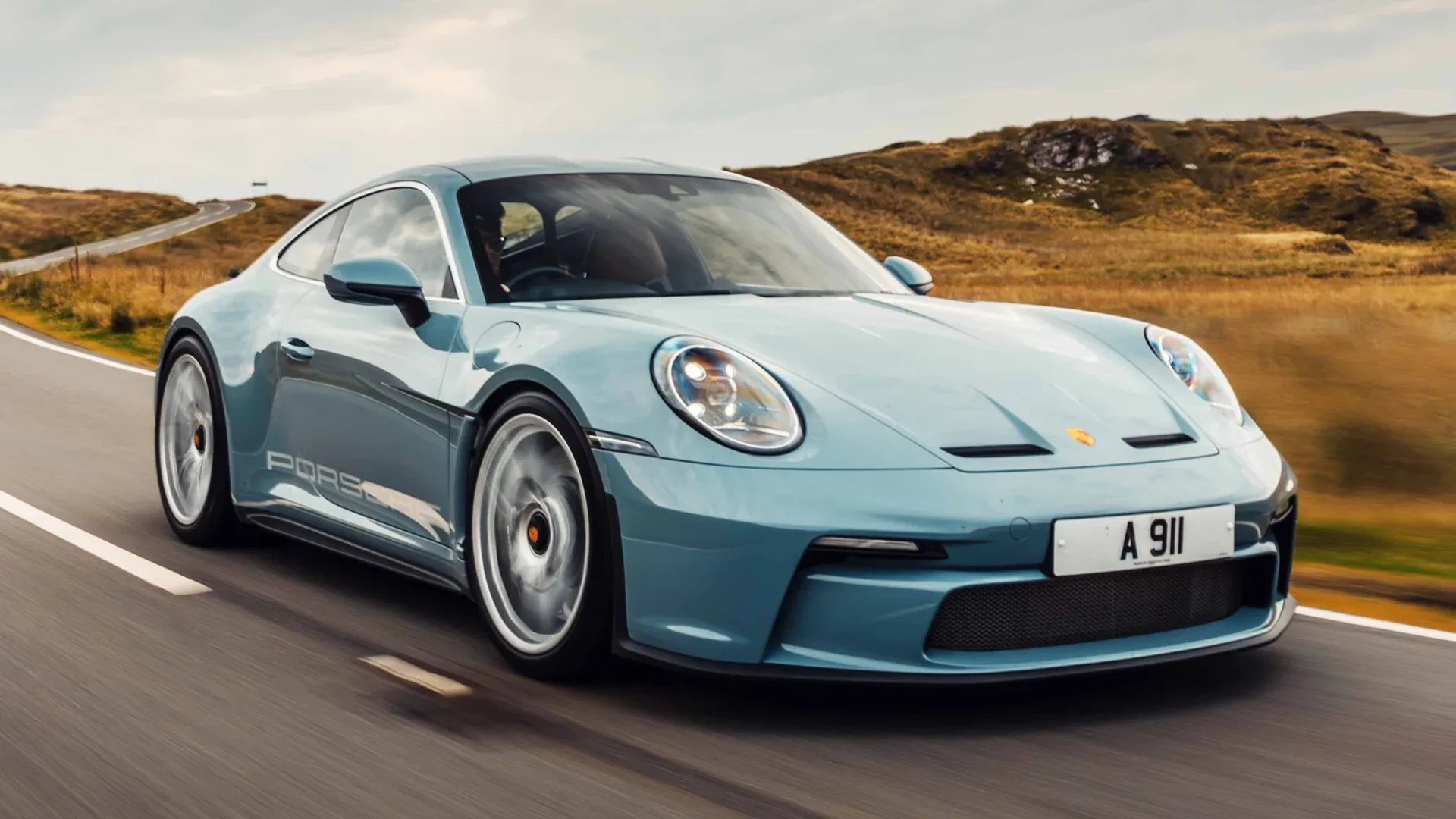
The brand’s reliability is rooted in its philosophy of evolutionary engineering. Rather than constantly redesigning its vehicles, Porsche refines existing platforms over time. A prime example is the iconic 911 and its flat-six engine, which has been improved for decades. This approach allows engineers to identify weaknesses and enhance durability. Combined with strict quality control, low production volumes, and knowledge gained from motorsport, Porsche produces vehicles with highly durable and over-engineered components.
In the electric segment, Porsche continues to deliver vehicles that prioritize driving engagement. The Taycan stands out for its precise handling, natural brake feel, and rapid acceleration, along with excellent charging capability. The Macan Electric offers a balance between everyday usability and sporty performance, while the Cayenne Electric introduces advanced suspension systems that improve stability and ride control in a larger SUV.
However, Porsche vehicles require consistent maintenance to maintain their reliability. These are high-performance machines that do not tolerate neglect. In addition, their premium pricing and costly options can be a drawback for some buyers.
Porsche successfully combines sports car dynamics with cutting-edge EV technology, setting a high standard for performance-focused electric vehicles.
3. Hyundai
Hyundai has emerged as a major force in the electric vehicle market by making advanced charging technology widely accessible. Its Electric Global Modular Platform powers models such as the Ioniq 5 and Ioniq 6, using an 800-volt system that enables extremely fast charging. Drivers can recharge from 10 percent to 80 percent in around 18 minutes, placing Hyundai among the leaders in charging speed. The brand also emphasizes consistent performance through strong thermal management and intelligent software, which help maintain charging efficiency even in extreme temperatures while reducing compatibility issues across different charging networks.
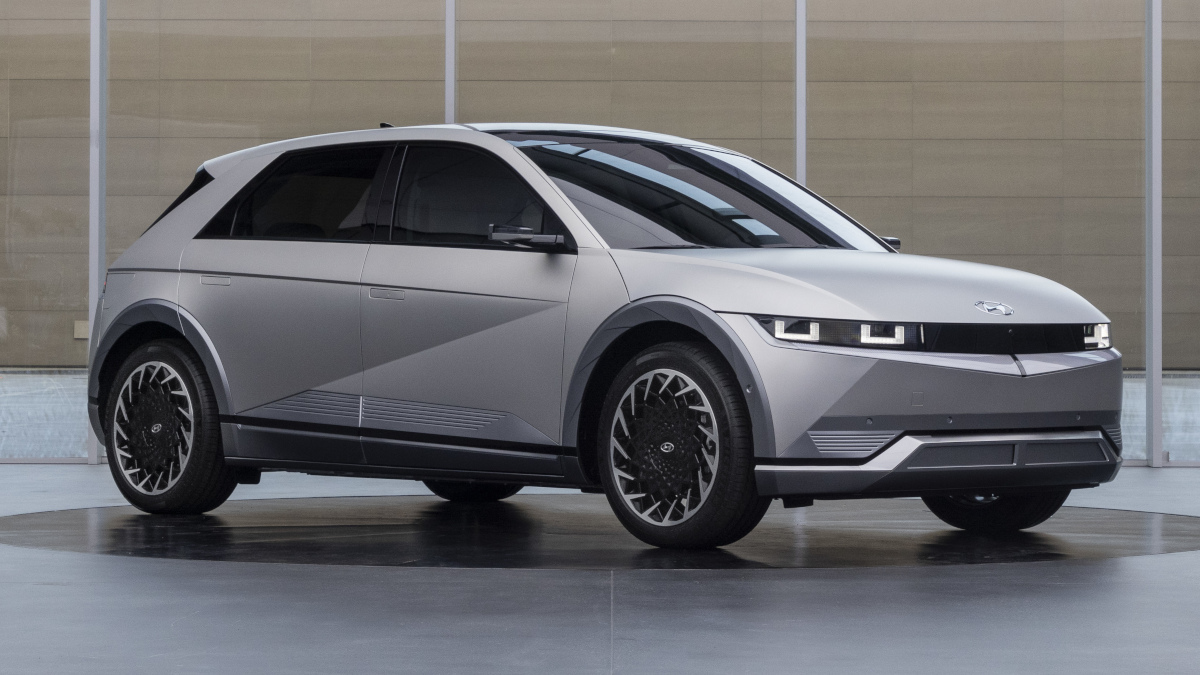
The Ioniq lineup reflects Hyundai’s focus on innovation and usability. The Ioniq 5 features a bold retro-inspired design, a spacious interior, and a smooth, comfortable ride. The Ioniq 6 adopts a sleek, aerodynamic shape that enhances efficiency and provides a quiet cabin for long-distance driving. Smaller entries such as the Ioniq 3 focus on practicality, offering clever interior packaging and modern connectivity features. Alongside these models, the Kona Electric serves as a versatile and more affordable option, delivering dependable daily performance with a family-friendly design.
Hyundai also stands out for its strong reputation in reliability and cost efficiency. The company offers one of the most generous warranty packages in the industry, including long-term powertrain coverage that signals confidence in durability. Maintenance costs remain relatively low, helping reduce long-term ownership expenses. In addition, Hyundai equips its vehicles with advanced safety technologies and durable construction, contributing to high rankings in dependability studies.
Some models prioritize comfort rather than sporty handling, and lower trims may lack premium features available in higher variants. Even so, Hyundai continues to balance technology, efficiency, and affordability, making its electric vehicles appealing to a broad range of drivers seeking dependable and modern transportation.
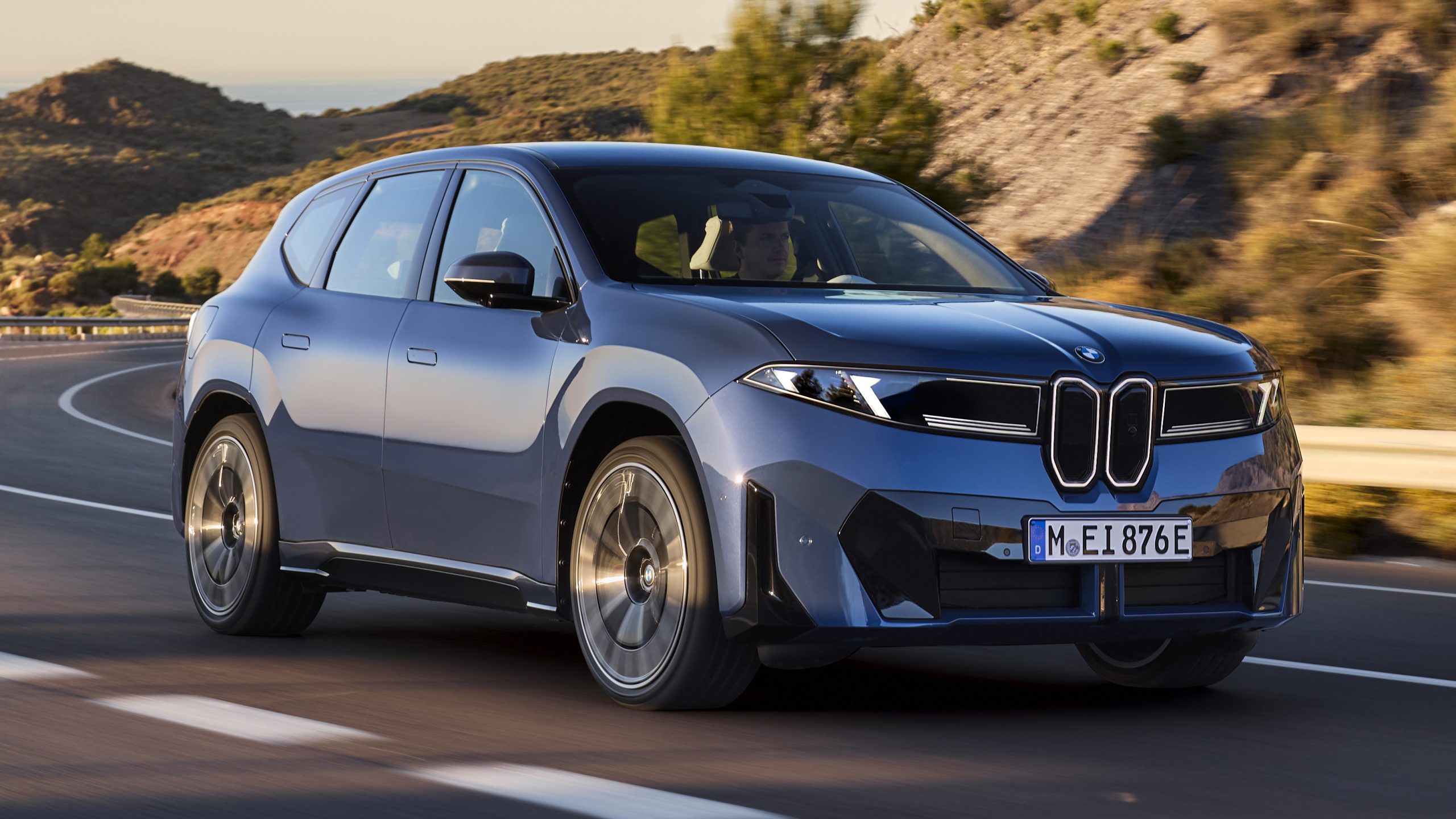
4. BMW
BMW has established itself as a leader in premium electric mobility by delivering a highly dependable and seamless charging experience across its EV lineup, including models like the i4, iX, and i7. The brand focuses on durable hardware and refined onboard charging systems that minimize physical wear and connection issues.
Its software is particularly strong in communicating with third-party charging networks, enabling smooth activation and payment processes. Combined with accurate navigation systems that locate reliable high-speed chargers, BMW ensures a stress-free charging routine. Conservative thermal management strategies also protect battery health, reducing the risk of overheating or interrupted sessions.
Reliability has long been a core strength of BMW, supported by precise German engineering and continuous powertrain refinement. The company is widely known for its robust engines, especially its inline six designs, which are praised for durability and long-term performance.
BMW also emphasizes premium materials and strict manufacturing standards, which help reduce component failure over time. Another key factor is its condition-based service system, which monitors vehicle components in real time and alerts drivers when maintenance is needed, preventing larger mechanical issues.
BMW’s electric models maintain the brand’s signature driving dynamics while incorporating modern EV technology. The i4 offers a sporty yet refined sedan experience with strong acceleration and balanced handling. The iX3 provides a practical and comfortable SUV option with intuitive technology, while the iX stands as a flagship luxury model with advanced features and long-range capability. Across the lineup, interiors are well crafted and quiet, reinforcing the premium feel.
However, BMW vehicles come with higher ownership costs, including expensive parts and servicing. Some drivers may also find the reliance on touchscreen controls less intuitive, and the firm ride quality can be noticeable on rough roads. Despite these drawbacks, BMW continues to blend luxury, performance, and dependable EV technology in a way that appeals to enthusiasts and everyday drivers alike.
Also read: 10 Cars Where the Key Replacement Costs Hundreds Out of Warranty
4 With Documented Issues
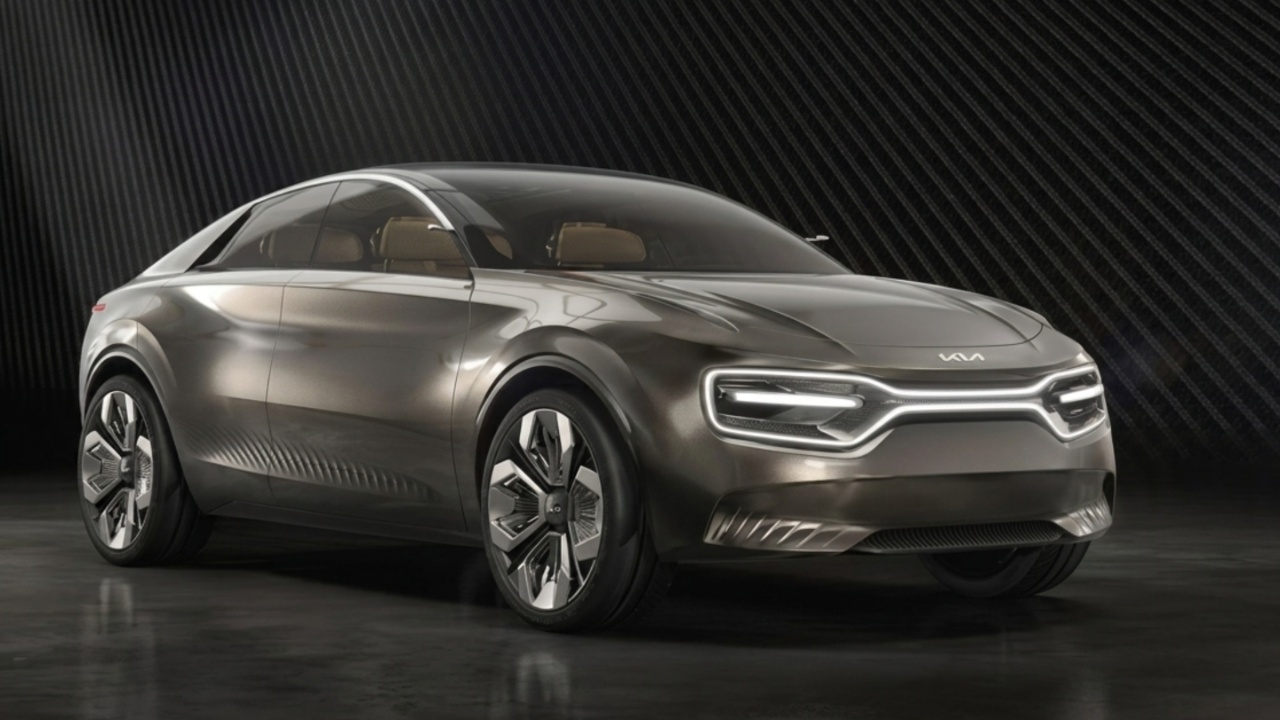
1. Kia
Kia has made significant progress in the electric vehicle market, offering impressive charging speeds and modern EV platforms. However, the brand has also faced notable reliability challenges, particularly related to its charging systems. A major concern involves the Integrated Charging Control Unit (ICCU), a key component responsible for managing power flow between the high-voltage battery and the smaller 12-volt system. In several models, including the EV6, ICCU failures have been widely reported.
When the ICCU malfunctions, it can interrupt charging sessions, trigger warning alerts, and even drain the 12-volt battery. In more severe cases, the issue can disable the vehicle entirely by preventing high-voltage charging and causing a loss of driving power. This has led to recalls and service campaigns, with Kia providing software updates and hardware replacements to address the problem. Despite these efforts, the issue remains a known concern among some owners.
Additional problems have been linked to 12-volt battery management systems. Faulty charging of this smaller battery can result in vehicles failing to start or becoming immobilized. Some models have also experienced software and sensor glitches, leading to false warning lights and requiring dealership visits for recalibration or updates. Earlier EVs, such as certain Niro models, even faced safety recalls involving battery components that could overheat.
For current or prospective owners, it is important to verify that all recalls and updates have been completed. Checking the vehicle identification number through official recall databases or dealerships ensures that necessary fixes have been applied. While Kia continues to improve its EV technology, these documented issues highlight the importance of ongoing monitoring and support.
2. Ford
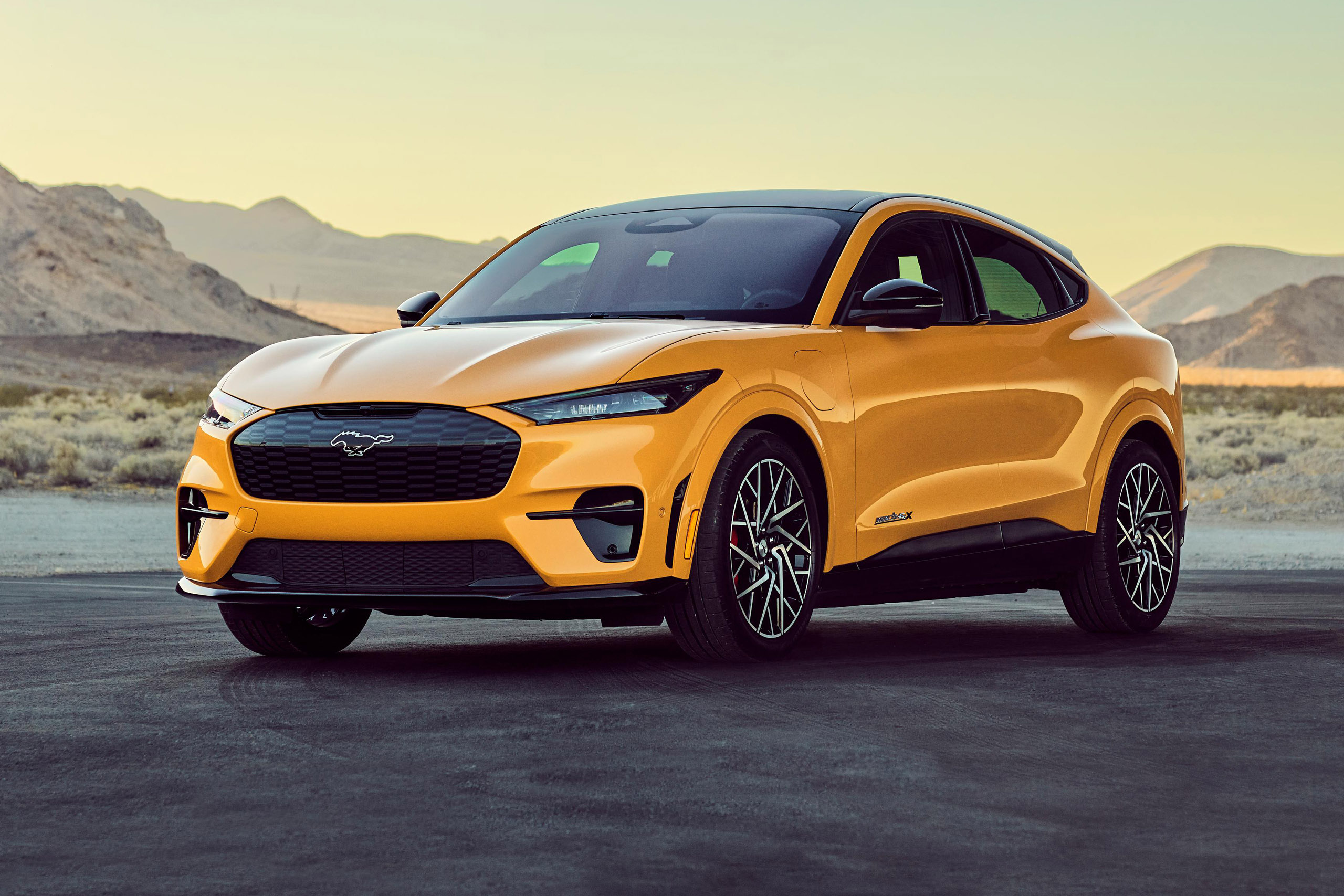
Ford’s transition into electric vehicles has delivered strong performance and innovation, but it has also been marked by several well-documented reliability and charging issues, particularly in models like the Mustang Mach-E and F-150 Lightning. One of the most significant concerns involves high-voltage battery components, specifically the main contactors. These parts can overheat during repeated DC fast-charging sessions, potentially deforming and causing sudden power loss or preventing the vehicle from charging altogether. This issue has led to major recalls due to safety risks.
Another recurring challenge lies in software and system integration. Ford EV owners have reported frequent “handshake” failures when connecting to third-party charging stations within the BlueOval Charge Network. These communication breakdowns can interrupt charging sessions or delay activation, creating frustration for drivers relying on public infrastructure. Additionally, software-related faults have triggered recalls, including a park module issue that may fail to properly engage the vehicle in park, posing a roll-away risk.
Battery-related defects have also surfaced. In some cases, manufacturing inconsistencies in battery cells have caused internal short circuits, with rare thermal incidents prompting production pauses and safety investigations. Early models also struggled with complex wiring harnesses and high-voltage junction box failures, which could lead to sudden loss of propulsion.
Ford has responded by leaning heavily on over-the-air software updates to fix bugs and improve system performance remotely. The company is also restructuring its engineering and manufacturing processes to address quality control issues tied to rapid EV scaling. While these efforts show progress, Ford’s early-generation EVs highlight the growing pains of adapting legacy automotive systems to advanced electric platforms.
3. Nissan
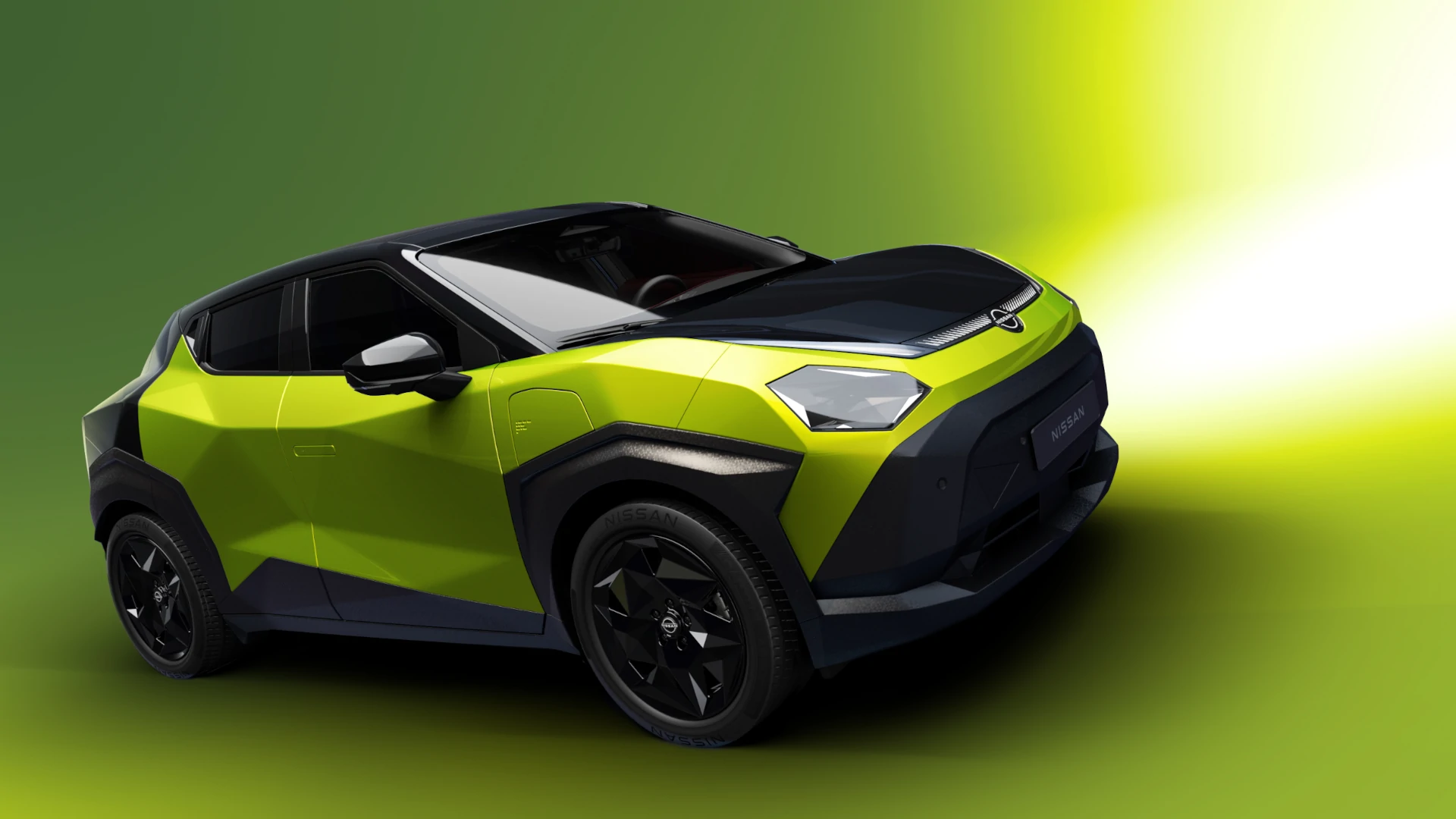
Nissan’s move into the modern electric vehicle space has been marked by a combination of early innovation and persistent technical setbacks. While the brand helped popularize EVs with the Leaf, several foundational design decisions created long-term reliability concerns. The most critical issue was the absence of active liquid cooling in early Leaf battery systems. Instead, these vehicles relied on passive air cooling, leaving batteries highly vulnerable to heat and frequent fast charging. As a result, many owners experienced accelerated battery degradation and noticeable range loss, especially in warmer climates.
Battery chemistry issues further complicated matters. The later 30 kWh battery introduced around 2016 degraded faster than expected, in some cases significantly shortening usable lifespan. Replacement batteries were often costly or difficult to source, which added to owner frustration and hurt long-term confidence in the product.
More recent models like the Ariya highlight a different type of challenge. Advanced inverter software has been reported to misinterpret normal charging irregularities as serious electrical faults. This can trigger a protective “turtle mode” or even shut down propulsion entirely during or shortly after charging sessions. These incidents point to ongoing refinement needs in Nissan’s newer EV software systems.
Charging compatibility also remains a concern. Older Leaf models use the CHAdeMO charging standard, which is becoming increasingly obsolete as global infrastructure shifts toward CCS and NACS connectors. This makes finding compatible fast chargers more difficult.
Combined with supply chain constraints and parts availability issues, Nissan’s EV journey reflects both its early leadership and the technical hurdles it continues to address.
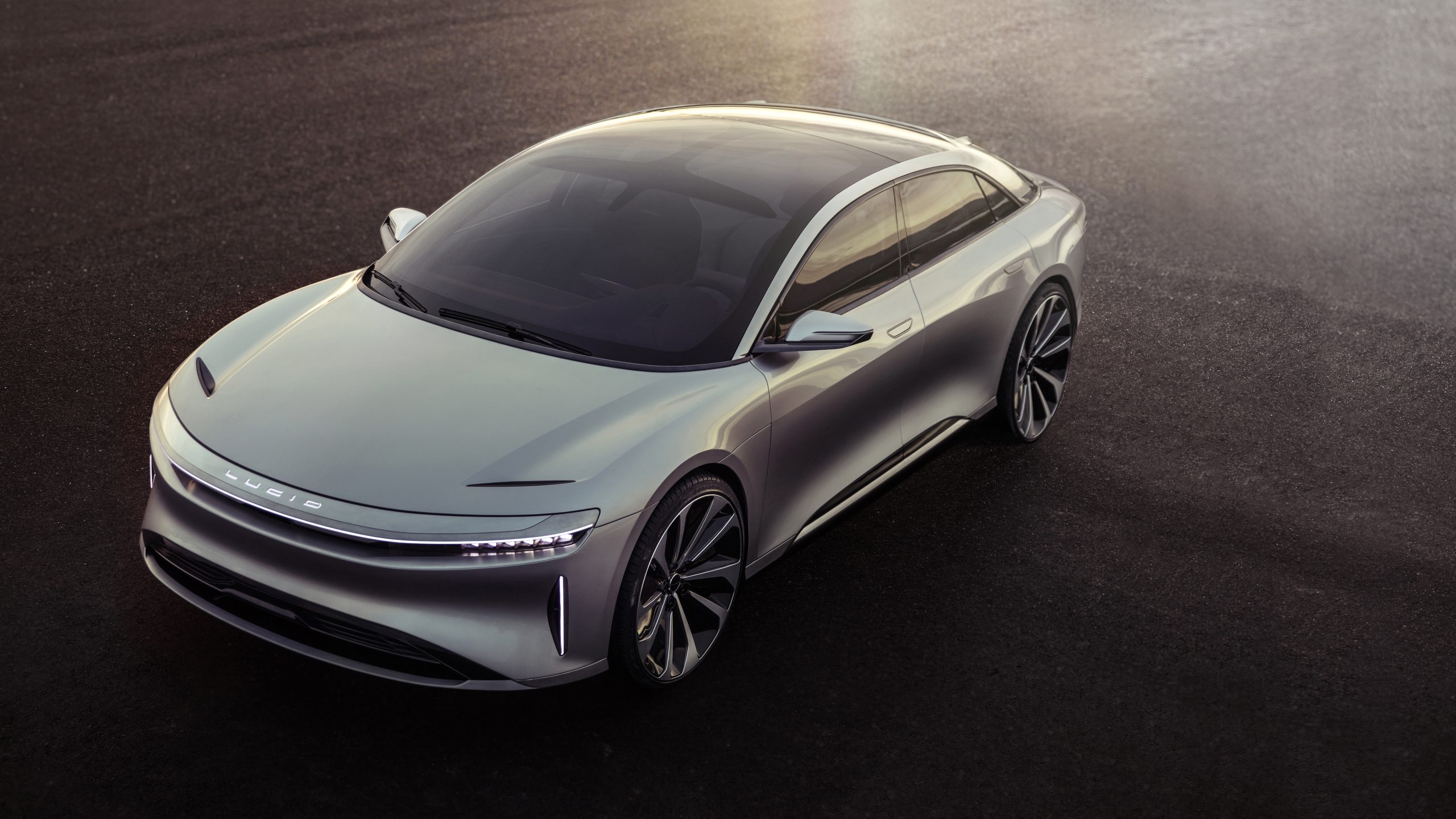
4. Lucid Motors
Lucid Motors has established itself as a leader in ultra-luxury electric vehicles, especially known for exceptional driving range, efficiency, and performance. However, as a relatively young manufacturer scaling rapidly, it has faced a range of documented reliability and production challenges, particularly centered around software systems, early manufacturing processes, and limited service infrastructure.
A major recurring issue involves software and charging communication failures in models like the Lucid Air. Drivers frequently report “handshake failures” when attempting to connect to public DC fast-charging networks such as Electrify America. In these cases, the vehicle and charger fail to authenticate properly, causing charging sessions to abort before power transfer begins. This creates frustration for owners who depend on public charging during long trips.
Inside the vehicle, software-heavy systems have also shown instability. The infotainment interface, which relies heavily on over-the-air updates, can experience freezing screens, lag, and occasional failure of essential functions such as navigation or smartphone integration. Another widely reported issue is intermittent “key not detected” alerts, which can prevent entry or even stop the vehicle from shifting into drive, despite repeated software updates intended to fix the problem.
Hardware-related recalls have added to these concerns. Certain Lucid Air models were recalled due to improperly secured half-shaft bolts and wiring harness issues that could result in sudden loss of propulsion. Other models faced rearview camera failures that violated safety requirements. Early production vehicles have also shown minor build quality issues, including trim misalignment, wind noise, and interior squeaks.
Compounding these challenges is Lucid’s limited service network. With fewer service centers compared to established manufacturers, repair times can be long, especially for owners far from major cities. Since many systems are highly integrated and software dependent, even minor faults often require specialized diagnostics at authorized facilities.
Despite these growing pains, Lucid’s core engineering remains highly regarded, particularly its drivetrain efficiency and performance capability.
The contrast between reliable and problematic EV charging experiences shows how quickly the electric vehicle sector is evolving. Brands such as Tesla, Porsche, Hyundai, and BMW demonstrate how tightly integrated systems, advanced thermal management, and mature software ecosystems can deliver smooth and predictable charging performance.
These companies benefit from years of refinement, strong infrastructure strategies, and continuous software optimization that reduce uncertainty for drivers. On the other hand, Kia, Ford, Nissan, and Lucid Motors illustrate the growing pains of rapid electrification, where complex software systems, supply chain pressures, and early-stage hardware designs can still produce charging interruptions, recalls, or compatibility issues.
While each of these manufacturers continues to improve through updates, redesigns, and service campaigns, their challenges highlight the importance of ecosystem maturity in EV ownership. As the industry moves forward, charging reliability will remain a defining factor in consumer trust, shaping how drivers choose between established leaders and newer entrants in the electric vehicle space.
Also read: 10 Cars Where the Key Replacement Costs Hundreds Out of Warranty