
Automotive redesigns are supposed to improve vehicles, not take away the very traits that made them special in the first place. Yet history shows that some of the most controversial redesigns in the automotive world happened when manufacturers removed a signature feature, changed a beloved design element, or abandoned the driving characteristics that earned a vehicle its loyal following.
While innovation is essential for every car brand, balancing modernization with heritage has always been one of the hardest challenges in the industry. In many cases, automakers chased trends, stricter regulations, production efficiency, or broader market appeal, only to discover that longtime fans valued the original formula far more than expected.
Certain vehicles became iconic because they offered something competitors could not. Some delivered raw driving excitement, while others stood out with unique styling, practical engineering, or rugged simplicity. When redesigns stripped away those defining traits, the reaction from enthusiasts and everyday buyers was often immediate.
Sales dropped, fan communities complained, and some models even lost their identity completely. In a few cases, manufacturers eventually reversed course and brought back the missing feature after listening to customer feedback. In others, the damage permanently changed the reputation of the vehicle.
The automotive industry evolves quickly, especially as technology, emissions standards, safety regulations, and consumer preferences continue to shift. Carmakers frequently redesign vehicles to stay competitive, improve efficiency, and attract new buyers.
However, not every redesign succeeds because buyers do not simply purchase specifications or fuel economy figures. People also buy emotion, nostalgia, and personality. A vehicle that loses its character during a redesign can suddenly become forgettable, even if it improves in measurable ways.
This article explores ten vehicles that lost their best feature during a redesign. Some sacrificed performance for comfort, others abandoned iconic styling cues, and a few removed mechanical elements that defined the driving experience for decades.
Each example demonstrates how difficult it can be for automakers to modernize legendary models without alienating the enthusiasts who made them successful in the first place. From sports cars and trucks to compact cars and SUVs, these redesigns remain important lessons in automotive history.
Also Read: 10 Cars With Insurance Premiums Lower Than a Compact Sedan
1. Ford Mustang Lost Its Classic Muscle Car Size and Simplicity
The original Ford Mustang became a legend because it offered an affordable and straightforward muscle car experience. Early generations featured long hoods, compact dimensions, rear wheel drive performance, and simple styling that appealed to a massive audience. Drivers loved the Mustang because it felt raw, approachable, and unmistakably American.
Throughout the 1960s and early 1970s, the car represented freedom, performance, and youthful energy in a way few competitors could match.
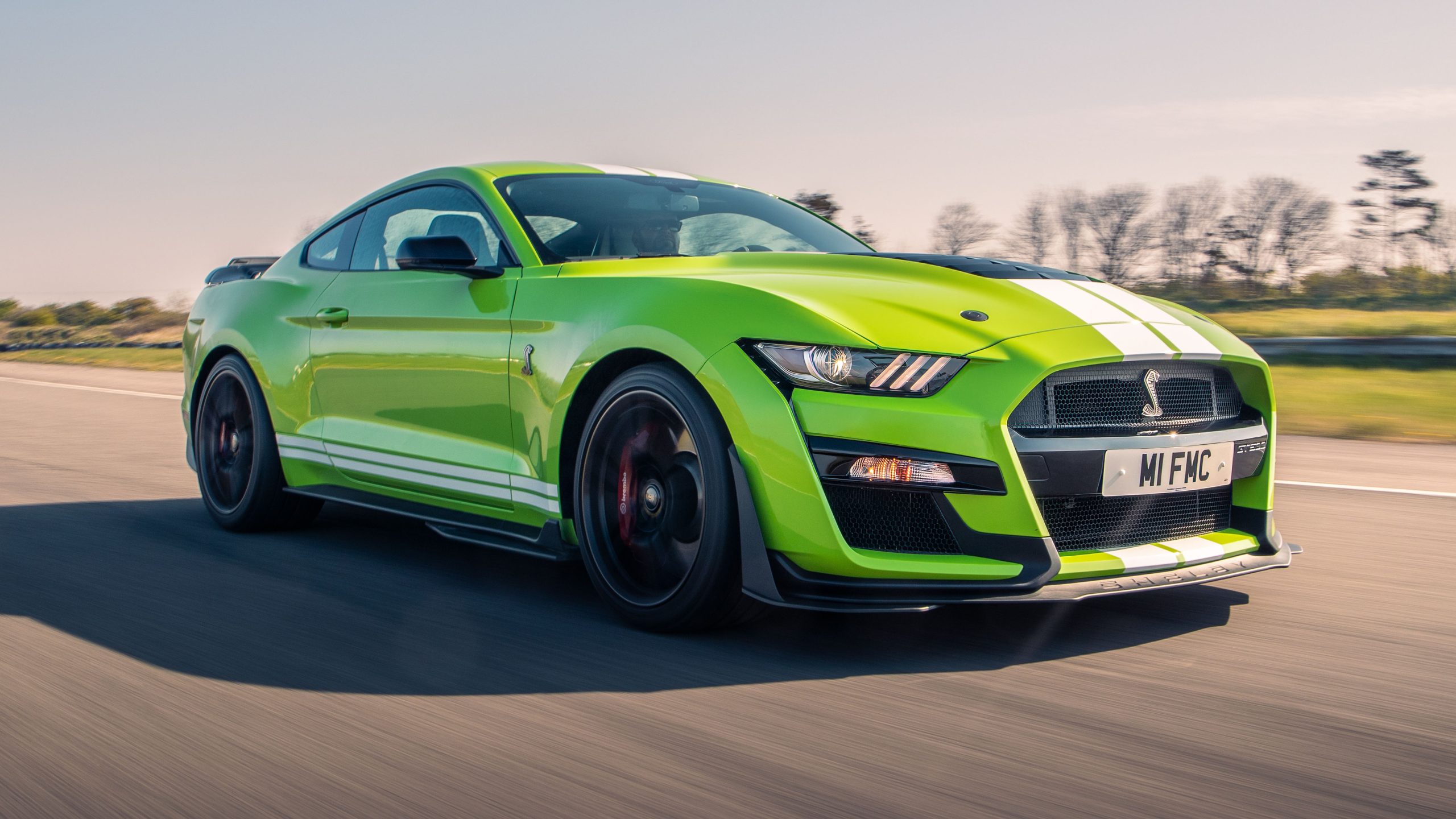
However, the redesign that arrived with the Mustang II in 1974 dramatically changed the vehicle’s identity. In response to rising fuel prices and changing emissions regulations, Ford downsized the Mustang significantly. The car became smaller, slower, and far less aggressive than previous generations.
While the redesign improved fuel economy and practicality for the era, it sacrificed the muscular proportions and V8 performance that enthusiasts associated with the Mustang name. Many longtime fans felt the car no longer represented true American muscle.
One of the biggest losses was the simplicity of the original design philosophy. Earlier Mustangs focused heavily on driver excitement and customization. Buyers could choose from multiple engine options, performance packages, and sporty trims. The Mustang II leaned heavily toward economy and comfort instead. Although it sold well initially due to market conditions, it lacked the emotional appeal of its predecessors. Enthusiasts criticized the redesign for prioritizing practicality over excitement.
The redesign serves as an important reminder that performance vehicles depend heavily on emotional connection. While regulations and fuel concerns forced many compromises during the 1970s, removing the core personality of a famous car can create lasting damage to its reputation.
The Mustang survived because Ford eventually rediscovered the formula that made the car special, but the backlash against the Mustang II remains one of the clearest examples of a redesign losing a vehicle’s defining feature.
2. Jeep Cherokee Lost Its Rugged Boxy Design
For decades, the Jeep Cherokee stood out because of its rugged boxy styling and genuine off-road capability. Older generations, particularly the XJ Cherokee produced from 1984 to 2001, became legendary among enthusiasts.
The SUV combined compact dimensions, excellent visibility, durable engineering, and impressive off-road performance into a highly practical package. Its squared-off shape was not only distinctive but also functional, maximizing cargo space and interior usability.
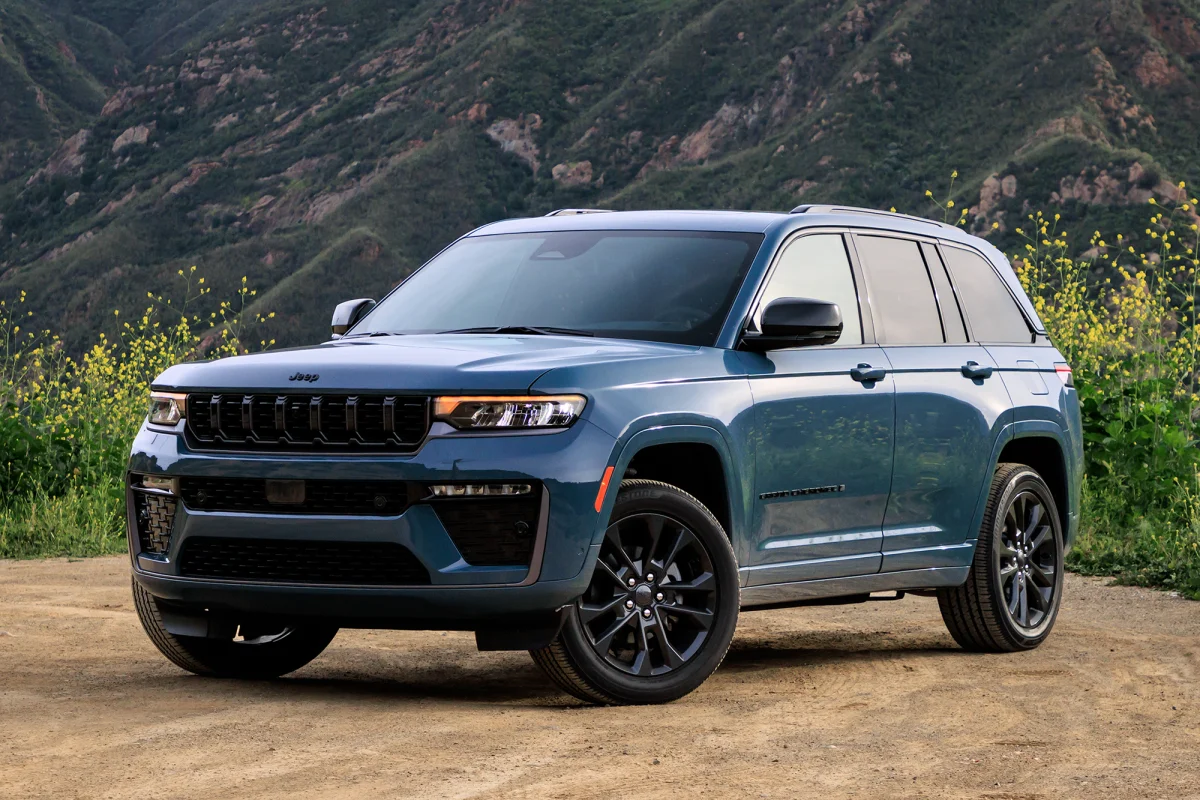
When Jeep redesigned the Cherokee for the 2014 model year, the company took a dramatically different approach. The new Cherokee adopted a rounded, futuristic design with narrow headlights and smoother body lines. Although the redesign improved aerodynamics and modernized the vehicle for mainstream buyers, it abandoned the classic boxy appearance that many Jeep fans loved. The styling became one of the most polarizing SUV designs of the decade.
Beyond aesthetics, some enthusiasts argued that the redesign softened the Cherokee’s rugged image. Earlier models felt durable and purpose-built, while the newer version emphasized comfort, technology, and crossover appeal.
Although the redesigned Cherokee still offered capable Four Wheel Drive systems, its visual identity no longer communicated toughness in the same unmistakable way. For many buyers, the vehicle looked more like a modern crossover than a traditional Jeep SUV.
The original Cherokee earned enormous respect because it balanced simplicity with capability. Owners appreciated how easy it was to modify, repair, and maintain.
The redesign introduced more complex electronics, advanced safety systems, and modern infotainment technology, which improved convenience but reduced some of the old-school charm that defined the earlier models. Many off-road enthusiasts continued purchasing used XJ Cherokees instead of embracing the newer generation.
Jeep eventually responded to criticism by refining the Cherokee’s styling in later updates, but the redesign remains controversial among loyal fans.
The case highlights how strongly consumers connect vehicle identity to exterior design. The boxy shape of the classic Cherokee was more than just styling because it symbolized practicality, durability, and adventure. Once that signature look disappeared, many enthusiasts felt the vehicle lost a major part of its soul.
3. Volkswagen Beetle Lost Its Rear-Engine Character
Few vehicles in automotive history are as instantly recognizable as the Volkswagen Beetle. The original Beetle gained worldwide popularity thanks to its unique shape, simple engineering, rear engine layout, and unmistakable personality. Drivers appreciated the car’s affordability, reliability, and quirky charm. Its air-cooled engine and Rear Wheel Drive setup created a driving experience unlike anything else on the road.
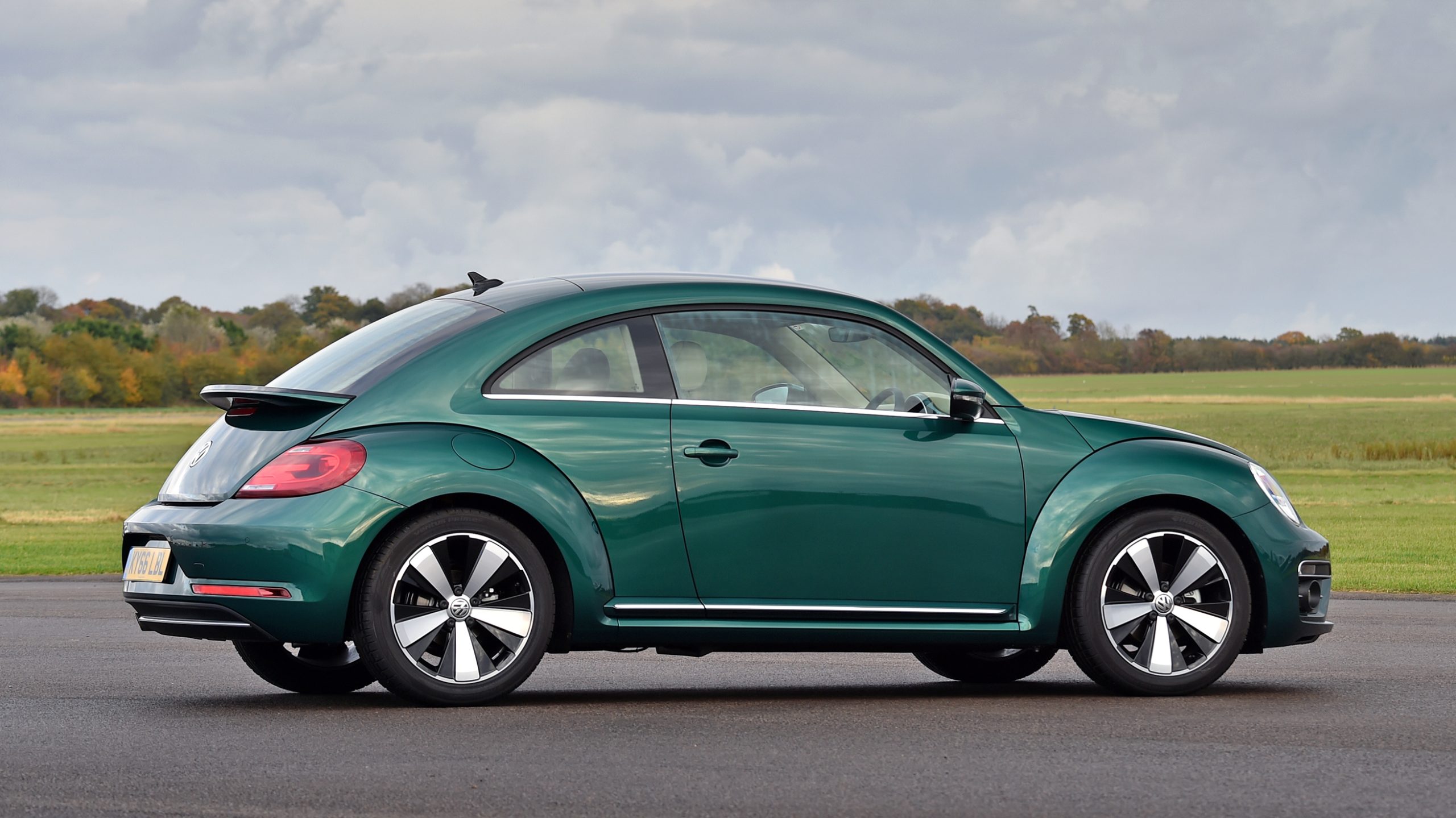
When Volkswagen introduced the modern New Beetle in the late 1990s, the company successfully captured much of the original styling inspiration. The redesign featured rounded curves, retro details, and friendly aesthetics that appealed to nostalgic buyers.
However, underneath the retro exterior, the vehicle used a front engine, front wheel drive platform shared with other Volkswagen models. While this approach improved practicality and safety, it removed one of the original Beetle’s most defining engineering features.
The rear engine layout gave the classic Beetle a distinctive driving feel. Weight distribution, engine sound, and handling characteristics all contributed to its unique personality. Enthusiasts viewed the mechanical simplicity as part of the car’s charm. The redesign transformed the Beetle into a far more conventional compact car beneath the surface. Although easier to drive and more refined, it no longer felt mechanically unique.
Despite these changes, the redesigned Beetle still achieved commercial success and introduced the iconic nameplate to a new generation of buyers.
Yet many enthusiasts argued that the redesign relied too heavily on nostalgia while abandoning the original formula that made the Beetle revolutionary. The case demonstrates how preserving visual heritage alone may not fully satisfy loyal fans if the underlying driving experience changes completely.
The Volkswagen Beetle redesign shows the risks of modernizing a beloved classic. While safety standards and consumer expectations made the original rear-engine layout impractical for a modern car, removing that feature fundamentally altered the vehicle’s identity. The redesign looked like a Beetle, but for many enthusiasts, it no longer truly felt like one.
4. Toyota Supra Lost Its Pure Toyota Identity
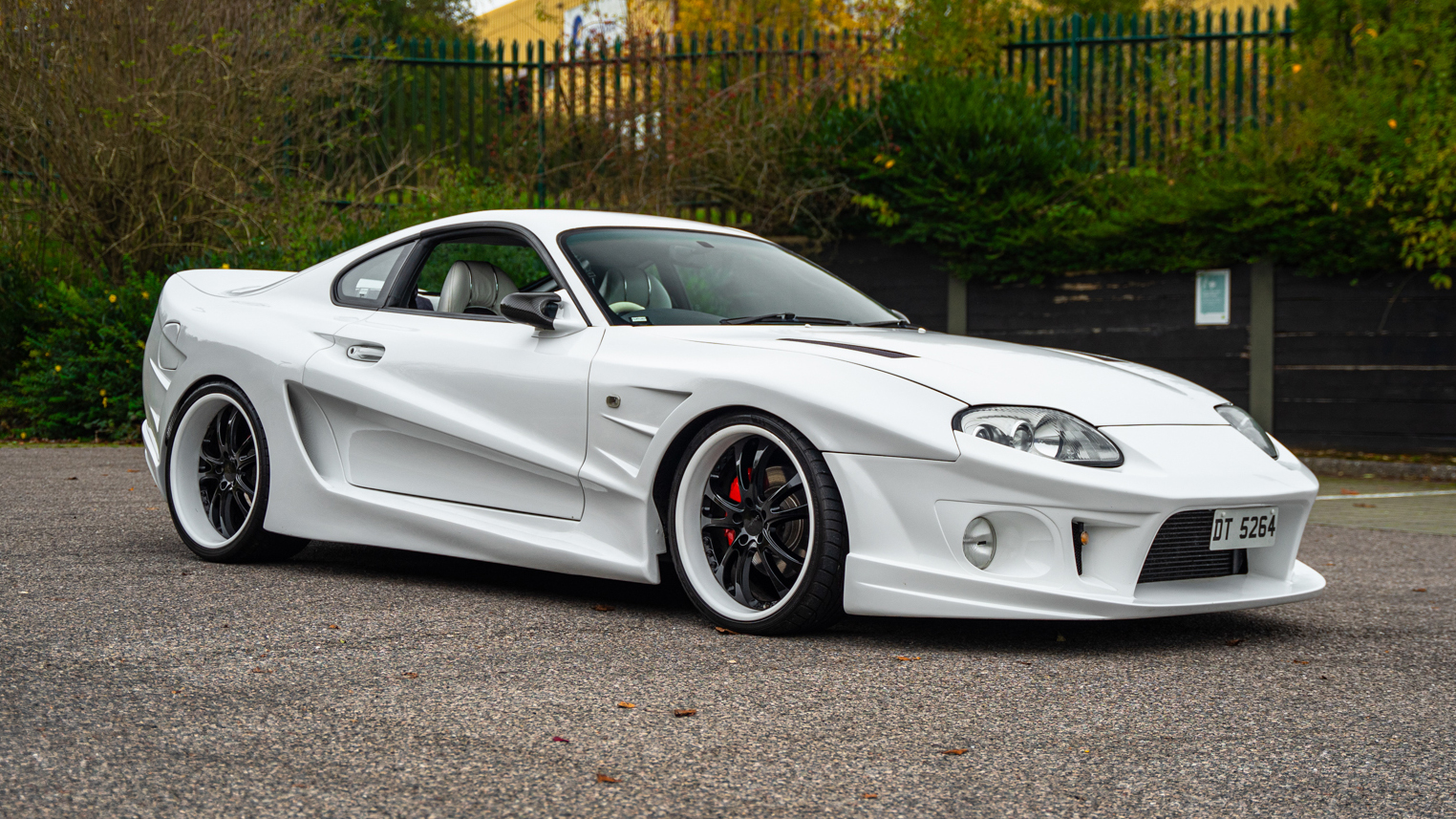
The Toyota Supra built its reputation as one of the most respected Japanese sports cars ever produced. The fourth-generation Supra became legendary for its durable 2JZ engine, tuning potential, and unmistakable Japanese engineering identity. Enthusiasts admired the car because it combined reliability with massive performance potential. The Supra became a global icon in both motorsports and automotive culture.
When Toyota revived the Supra in 2019 after years of absence, excitement reached enormous levels among fans. However, controversy quickly emerged because the redesigned Supra shared much of its engineering with the BMW Z4.
The new model used a BMW-sourced engine, transmission, interior technology, and platform architecture. While the partnership helped Toyota develop the car more efficiently, many enthusiasts felt the redesign sacrificed the Supra’s pure Toyota identity.
The criticism focused less on performance and more on authenticity. Objectively, the new Supra delivered impressive acceleration, handling, and refinement. Many automotive journalists praised the car for its driving dynamics. However, longtime Supra fans expected a vehicle built entirely by Toyota with its own distinct engineering philosophy. Sharing major components with BMW made some buyers feel disconnected from the legacy of earlier generations.
Another controversial aspect involved the transmission choices. Earlier Supra models became famous among enthusiasts for their manual transmissions and tuning culture.
Initially, the redesigned Supra launched without a manual option, disappointing purists who valued driver engagement. Toyota eventually introduced a manual transmission later, but the initial absence reinforced concerns that the redesign prioritized mainstream appeal over enthusiast expectations.
The Supra redesign highlights the delicate balance between practicality and authenticity in modern automotive development. Partnerships and shared platforms help manufacturers reduce costs, but they can also weaken the distinct identity of iconic vehicles. In the case of the Supra, many enthusiasts believed the redesign lost the uniquely Japanese engineering spirit that made previous generations legendary.
5. Land Rover Defender Lost Its Mechanical Simplicity
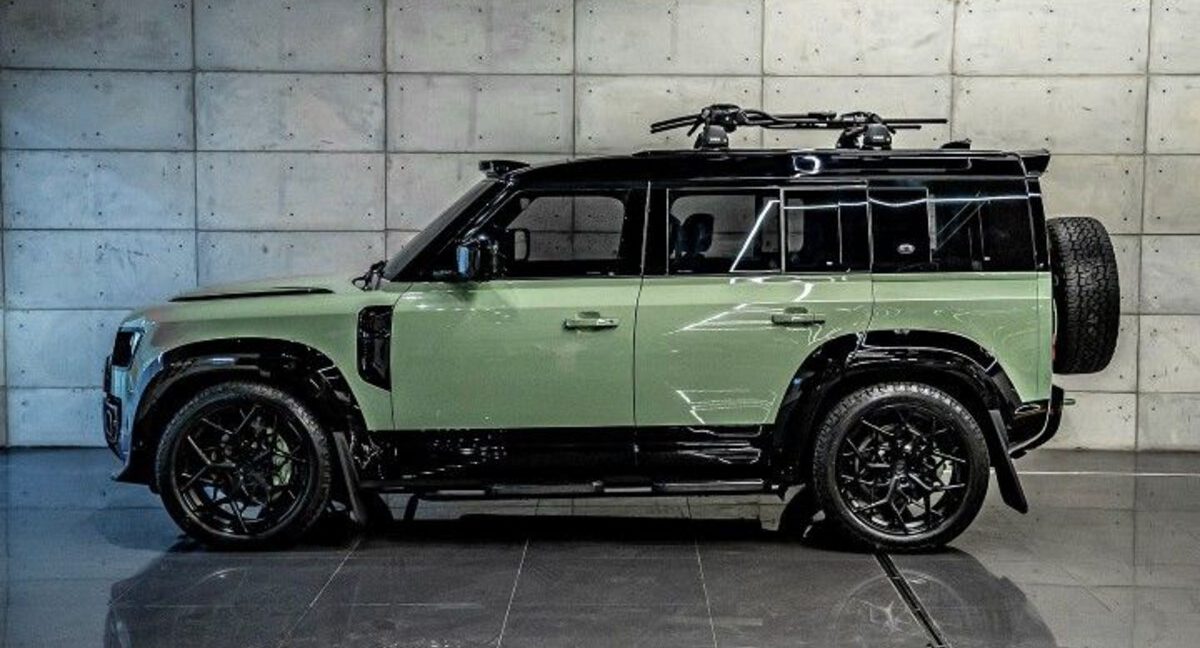
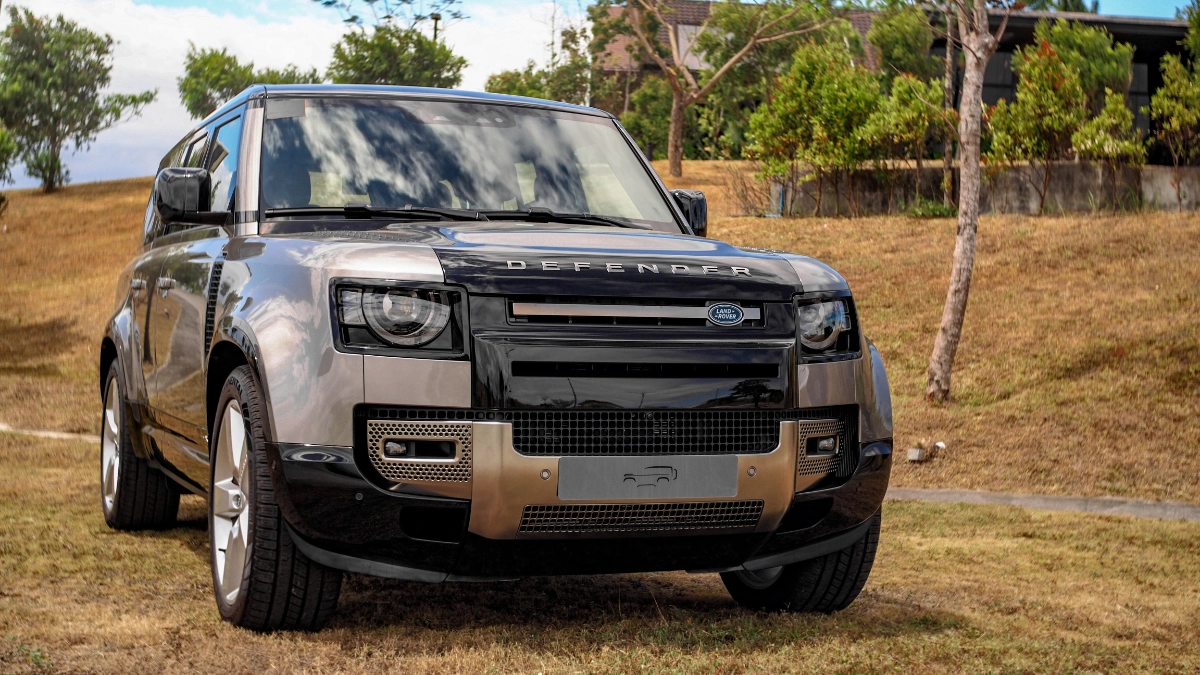
The original Land Rover Defender earned worldwide respect for its durability, simplicity, and unmatched off-road capability. Farmers, explorers, military organizations, and adventurers relied on the Defender because it could handle extreme environments with minimal technology. Its boxy aluminum body, solid axles, and utilitarian interior made it one of the most recognizable off-road vehicles ever produced.
When Land Rover redesigned the Defender for the 2020 model year, the company modernized nearly every aspect of the SUV. The new Defender introduced advanced suspension systems, luxurious interiors, digital displays, and sophisticated electronics. While the redesign dramatically improved comfort, safety, and on-road refinement, it abandoned the raw mechanical simplicity that defined the original vehicle.
One major criticism involved repairability. Older Defenders became famous for their ability to survive harsh conditions with relatively simple maintenance. Owners could often repair problems using basic tools in remote locations. The redesigned Defender relies heavily on advanced software and electronic systems, making field repairs far more difficult. Many traditional Defender enthusiasts viewed this shift as a loss of the vehicle’s adventurous spirit.
Land Rover defended the redesign by emphasizing modern safety standards and evolving customer expectations. The original Defender could not realistically continue unchanged in a modern automotive market due to emissions and crash regulations. From a business perspective, the redesign succeeded in attracting new buyers and expanding the Defender’s appeal globally. Sales proved strong, and many reviewers praised the SUV’s capabilities.
Nevertheless, the transition demonstrates how modernization can fundamentally alter a vehicle’s personality. The original Defender succeeded because it embraced simplicity without compromise. The redesign transformed it into a luxurious technological showcase.
While undeniably more advanced and comfortable, the new Defender lost part of the raw authenticity that made the original such an enduring icon among off-road enthusiasts worldwide.
Also Read: 10 Cars That Survive Being Used as Daily Uber Vehicles
6. Honda Civic Lost Its Lightweight Fun Factor
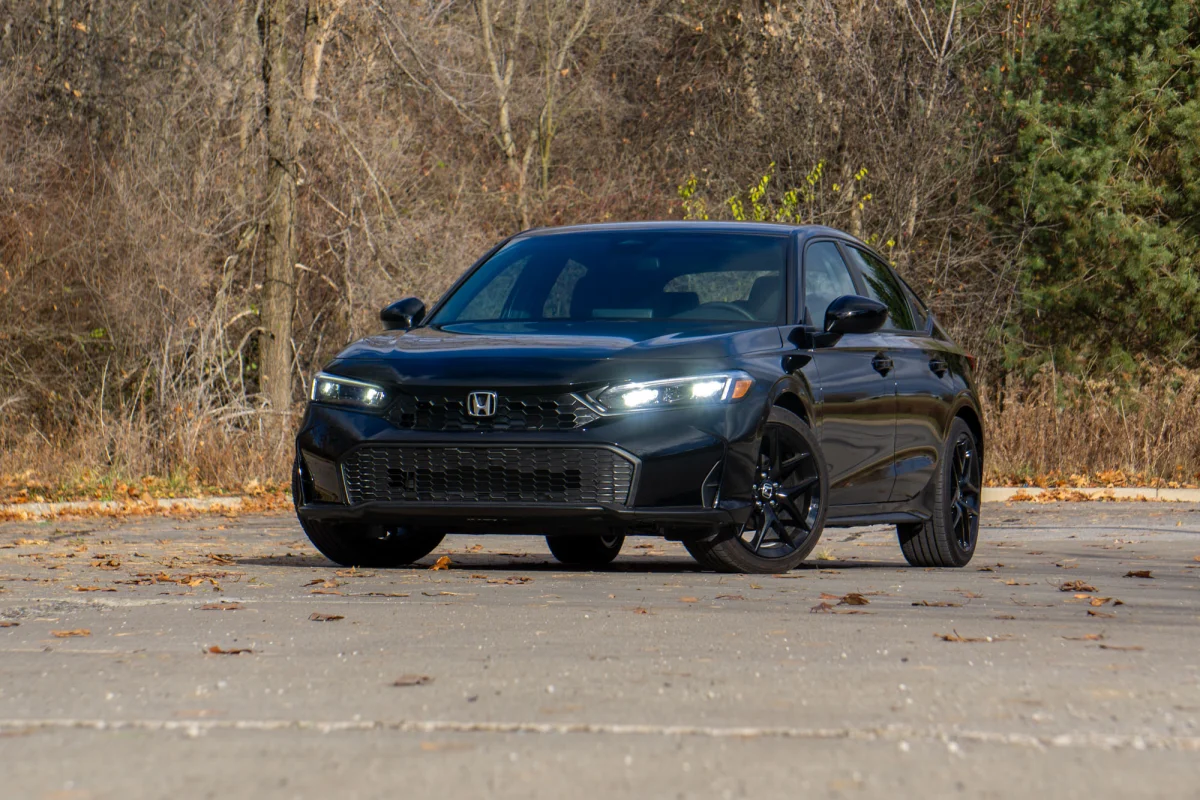
The Honda Civic built its reputation on efficiency, affordability, reliability, and engaging driving dynamics. During the 1980s and 1990s, lightweight Civic models became especially popular among enthusiasts because they combined nimble handling with simple engineering. Compact dimensions and low curb weight helped the car feel responsive and fun despite modest power output.
As safety regulations and consumer expectations evolved, newer Civic generations gradually became larger and heavier. Modern redesigns introduced more technology, additional safety features, improved sound insulation, and more spacious interiors.
While these upgrades improved comfort and practicality, many enthusiasts argued that the Civic lost the lightweight character that originally made it so entertaining to drive.
Earlier Civic models felt direct and mechanical in ways modern versions often do not. Steering feedback, manual transmissions, and lightweight construction created a highly connected driving experience. Drivers appreciated how even lower-powered Civics felt lively due to their low mass. Modern redesigns prioritize refinement and stability instead, producing a more mature but less playful character.
Another factor involves simplicity. Older Civics became incredibly popular among tuners because they were easy to modify and mechanically straightforward. Modern versions feature increasingly complex electronics, turbocharged engines, and advanced driver assistance systems.
While technologically superior, the redesigns moved the Civic away from the minimalist formula that made earlier generations beloved by enthusiasts.
Honda attempted to preserve excitement through performance models like the Civic Si and Civic Type R. These variants continue delivering strong handling and impressive performance for modern compact cars. However, some longtime fans still miss the lightweight simplicity of earlier generations. They argue that modern Civics feel more isolated and less connected than their predecessors.
7. Chevrolet Camaro Lost Its Retro Styling Identity
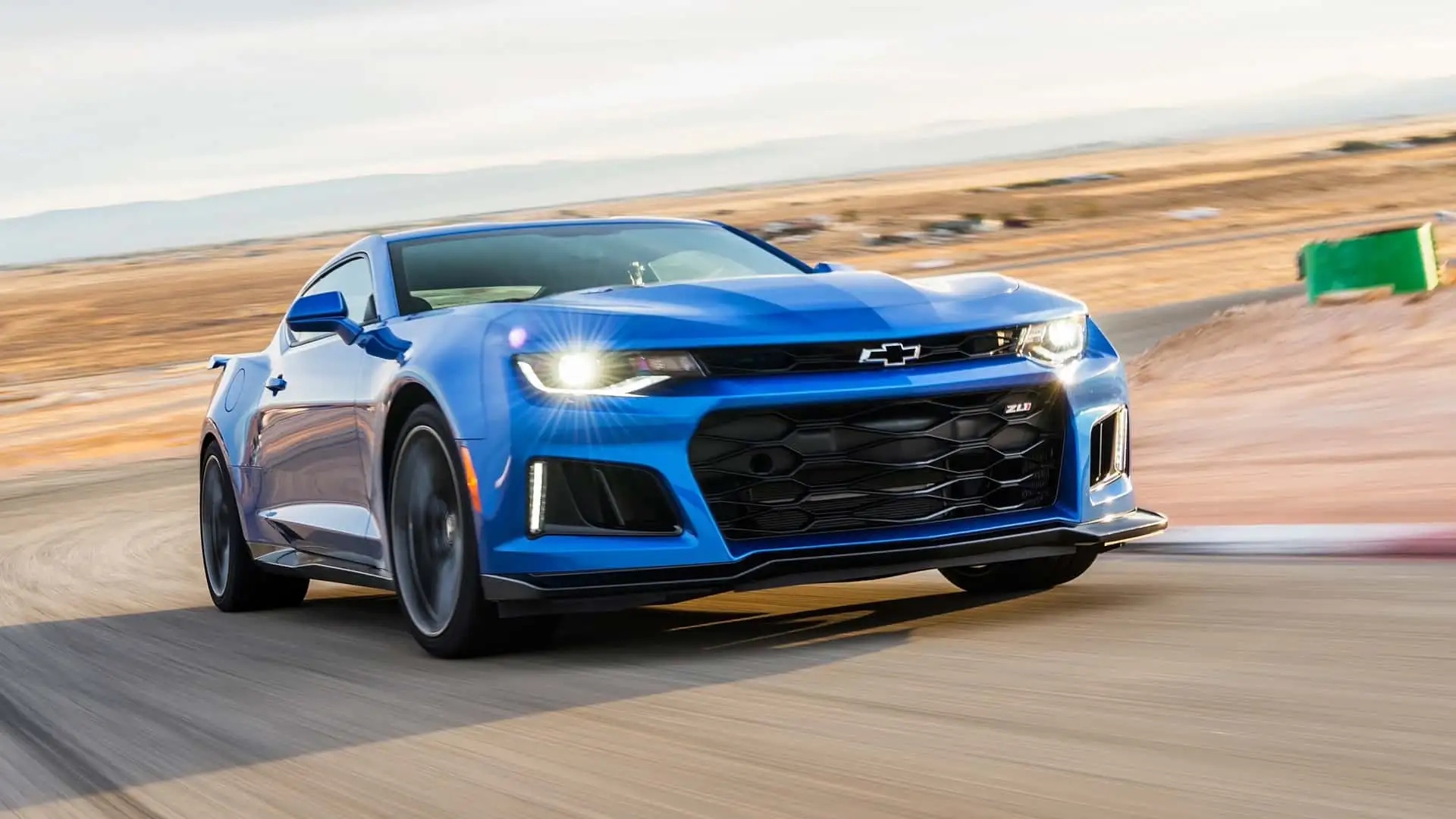
The Chevrolet Camaro enjoyed a major resurgence when its fifth-generation redesign debuted for the 2010 model year. Inspired heavily by the classic Camaros of the late 1960s, the redesign embraced aggressive retro styling that immediately resonated with enthusiasts.
Wide fenders, muscular proportions, and bold design cues gave the car tremendous visual presence and helped reignite the modern muscle car wars.
However, the sixth-generation redesign introduced for 2016 shifted toward a more modern and refined appearance. Although the newer Camaro improved performance, handling, and interior quality, many buyers felt it lost some of the dramatic retro styling that made the fifth generation so visually exciting. The redesign looked more compact and less distinctive from certain angles, reducing the emotional impact that attracted many fans.
One issue involved visual familiarity. The sixth generation retained similar proportions to its predecessor, but the subtler styling changes made it harder for casual observers to distinguish between generations. Some enthusiasts believed Chevrolet over-refined the design instead of preserving the bold character that helped revive the Camaro brand earlier in the decade.
Interior visibility remained another controversial aspect. While earlier Camaros already suffered from poor outward visibility, the redesign maintained many of those issues. Combined with the more restrained styling, some buyers felt the vehicle became less practical without retaining enough visual uniqueness to justify the compromises.
Despite these criticisms, the sixth-generation Camaro remained highly capable and competitive. Nevertheless, sales declined compared to earlier years, and many analysts believed the vehicle lost some of the styling identity that fueled its successful comeback. The redesign illustrates how emotional appeal and visual personality often matter just as much as objective performance improvements in the sports car market.
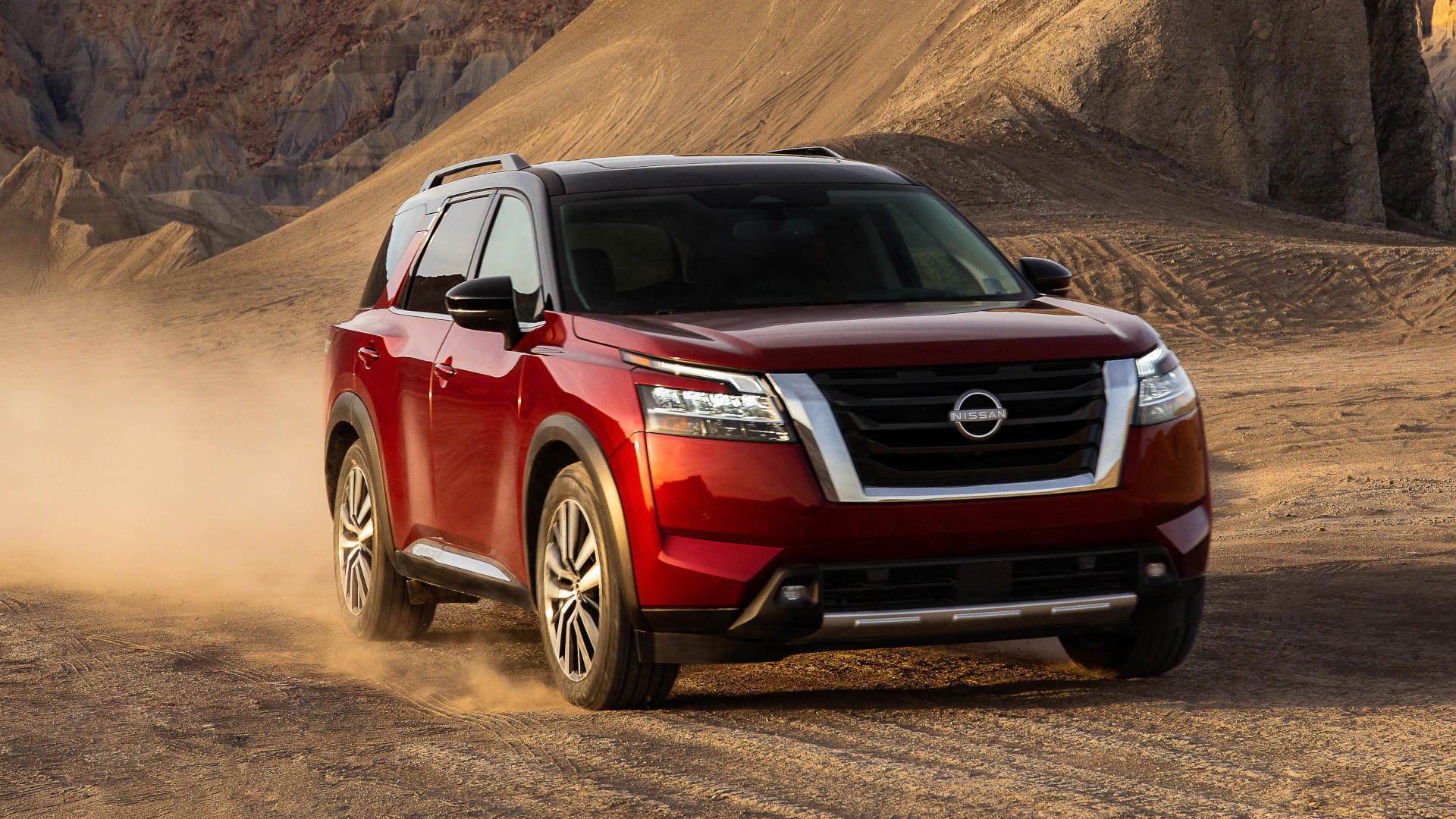
8. Nissan Pathfinder Lost Its Truck-Based Toughness
The Nissan Pathfinder originally built its reputation as a rugged body-on-frame SUV capable of serious off-road adventures. Earlier generations emphasized durability, towing capability, and outdoor utility. Buyers appreciated the Pathfinder because it balanced family practicality with genuine truck-like toughness.
Everything changed when Nissan redesigned the Pathfinder for the 2013 model year. The SUV transitioned from a truck-based body-on-frame platform to a car-based unibody crossover architecture. The redesign dramatically improved fuel efficiency, ride comfort, and interior packaging. However, many longtime fans believed the Pathfinder lost the rugged capability and toughness that defined earlier generations.
The redesign targeted mainstream family buyers rather than off-road enthusiasts. Nissan prioritized third-row comfort, smoother handling, and improved fuel economy to compete with popular crossovers. Although this strategy aligned with broader market trends, it fundamentally changed the Pathfinder’s identity. The vehicle no longer felt like a rugged adventure SUV built for demanding terrain.
Off-road capability declined significantly compared to earlier generations. While the redesigned Pathfinder still offered All Wheel Drive options, it lacked the heavy-duty feel and robust construction associated with traditional SUVs. Enthusiasts who valued towing performance and ruggedness often turned to competitors or older Pathfinder models instead.
The Pathfinder redesign reflects changing consumer preferences throughout the automotive industry. Many manufacturers shifted from truck-based SUVs to crossovers because most buyers prioritized comfort and efficiency over extreme capability. From a sales perspective, the redesign made sense. Yet for longtime fans, the Pathfinder lost the truck-based personality that once made it unique among midsize SUVs.
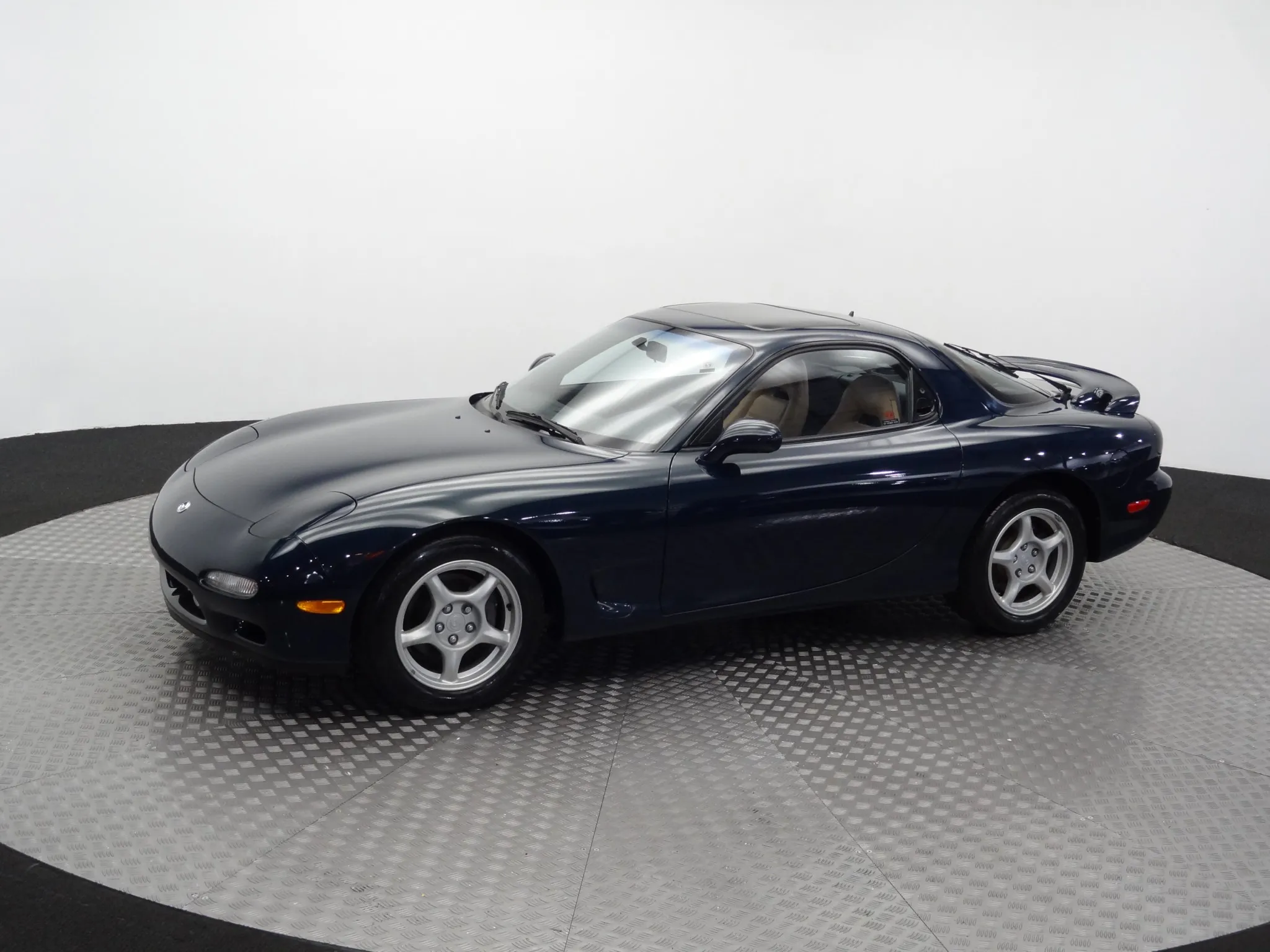
9. Mazda RX-7 Lost Its Rotary Engine Legacy Through Replacement
The Mazda RX-7 became famous worldwide because of its lightweight chassis and unique rotary engine. Unlike conventional piston engines, the rotary design delivered smooth, high-revving performance and a distinctive driving experience. Enthusiasts admired the RX-7 for its balance, responsiveness, and engineering uniqueness. The rotary engine was not simply a feature because it defined the entire identity of the vehicle.
When Mazda eventually replaced the RX-7 with the RX-8, the company attempted to modernize the rotary sports car concept. While the RX-8 retained a rotary engine, the redesign introduced significant changes that altered the formula enthusiasts loved. The vehicle adopted a larger four-door layout with rear access doors, increased practicality, and a more comfortable interior.
Although innovative, the redesign sacrificed some of the raw sports car purity that made the RX-7 legendary. The RX-8 focused more on everyday usability and balanced handling rather than outright performance. Many enthusiasts missed the aggressive turbocharged power and lightweight simplicity of the RX-7. The redesign felt less intense and more approachable, which divided the fanbase.
Reliability concerns also affected perceptions of the RX-8. Rotary engines already required careful maintenance, and some owners experienced engine durability issues that damaged confidence in the vehicle. Earlier RX-7 generations had their own challenges, but the RX-8’s problems became particularly controversial among consumers and enthusiasts alike.
Another important factor involved styling identity. The RX-7 featured sleek proportions and unmistakable sports car aesthetics. The RX-8’s four-door design improved practicality but reduced the visual drama associated with traditional coupes. Many buyers appreciated the usability improvements, but others believed the redesign compromised the focused performance character expected from a rotary sports car.
Eventually, Mazda discontinued the RX-8 without introducing a direct successor, effectively ending the company’s rotary sports car era for many years. The redesign demonstrated how difficult it can be to evolve a niche enthusiast vehicle while preserving the purity that originally made it special. Although the RX-8 possessed many strengths, it never fully replaced the emotional connection enthusiasts had with the RX-7.
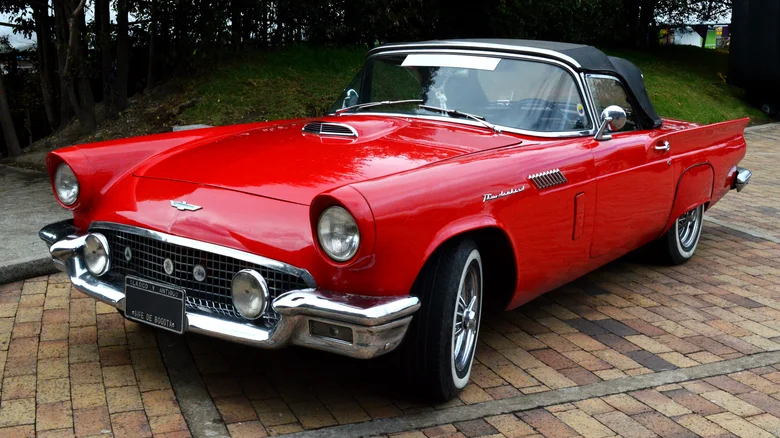
10. Ford Thunderbird Lost Its Performance Heritage
The Ford Thunderbird originally debuted as a stylish personal luxury car with sporty character and V8 performance. Throughout the 1950s and 1960s, the Thunderbird earned popularity by blending comfort, elegance, and driving excitement. It represented a uniquely American interpretation of personal luxury and became one of Ford’s most recognizable vehicles.
Over the decades, however, redesigns gradually transformed the Thunderbird into a larger and softer luxury-oriented car. By the late 1970s and 1980s, the vehicle emphasized comfort and cruising ability far more than sporty performance. While this approach matched changing market preferences at the time, many enthusiasts believed the Thunderbird lost the athletic spirit that originally defined the nameplate.
The redesigns increased vehicle size considerably, reducing agility and performance feel. Earlier Thunderbirds balanced luxury with responsive driving dynamics, but later generations focused heavily on plush interiors and smooth highway comfort. As competitors evolved and consumer tastes changed, the Thunderbird struggled to maintain a clear identity within the automotive market.
Ford attempted to revive the Thunderbird in the early 2000s with a retro-inspired redesign. The new model visually referenced the classic 1950s Thunderbird and generated strong initial interest. However, critics argued that the vehicle still lacked the exciting performance characteristics expected from a sporty heritage nameplate. The redesign captured nostalgic styling cues but failed to fully restore the original personality.
Another challenge involved market positioning. Over time, the Thunderbird shifted between luxury coupe, personal cruiser, and retro collectible without maintaining a consistent identity. This inconsistency weakened the emotional connection many buyers once felt toward the vehicle. Unlike successful performance revivals, the Thunderbird redesigns struggled to balance heritage with modern expectations.
The Thunderbird’s history illustrates how repeated redesigns can gradually erode a vehicle’s defining characteristics over time. Although the car remained stylish and comfortable in many forms, the gradual loss of sporty personality changed public perception permanently. What began as an exciting personal luxury performance car eventually became a symbol of how difficult it can be to preserve heritage through multiple generations of redesigns.
