
Japanese coupes from the 1980s, 1990s, and early 2000s created a golden era for drivers who wanted reliability mixed with style and performance. While icons like the Toyota Supra and Nissan Skyline continue attracting collectors with massive prices, many lesser-known Japanese coupes still remain surprisingly affordable.
Some were overshadowed when new, while others quietly disappeared because buyers moved toward SUVs and sedans.
That has created an interesting situation for enthusiasts today. Hidden among forgotten models are genuine bargains with strong engines, balanced chassis tuning, and distinctive styling that still feels special decades later.
Not every forgotten coupe deserves praise, though. A few Japanese two-door models earned disappointing reputations because of weak reliability, poor build quality, or engineering choices that aged badly.
Some suffered from cramped interiors and underpowered drivetrains, while others became nightmares once repair costs started climbing.
Nostalgia sometimes makes people ignore these flaws, but buyers entering the used market should understand which coupes deserve attention and which ones can quickly become expensive mistakes.
This article highlights both sides of that story. The first section focuses on Japanese coupes worth buying today because they still deliver driving enjoyment, durability, and value without requiring supercar money.
These are vehicles that enthusiasts often forget while chasing more famous alternatives. The second section shifts toward models that may look tempting at first glance but carry serious drawbacks that make ownership difficult or disappointing.
Each coupe here represents a different chapter in Japanese automotive history. Some prioritized luxury and comfort, others targeted affordable performance, and a few tried unusual engineering ideas that did not fully succeed. Together, they show how varied Japan’s coupe market became during its most creative years.
Also Read: 10 Forgotten Sports Cars From the 1960s
4 Forgotten Japanese Coupes Worth Buying
Japanese coupes once represented some of the most exciting vehicles on the road because they combined reliability, sporty styling, and accessible performance in ways few other countries could match.
While legendary names like the Supra, RX 7, and Skyline dominate modern collector discussions, many excellent Japanese coupes quietly disappeared from public attention despite offering strong driving experiences and impressive engineering.
Those forgotten models now create an interesting opportunity for enthusiasts who want something distinctive without paying inflated collector prices.
Many of these coupes were overshadowed simply because they arrived during highly competitive periods. Some focused on balanced handling instead of raw horsepower, while others targeted luxury and refinement rather than aggressive motorsport reputations.
Years later, those qualities make them surprisingly enjoyable to own because they deliver analog driving character that modern vehicles often lack.
Another reason these cars deserve recognition is their value. Prices for famous Japanese performance icons have climbed dramatically, pushing many buyers away from the market entirely.
Forgotten coupes avoid that problem because they remain overlooked by mainstream collectors. That means buyers can still find clean examples with solid engines, stylish interiors, and engaging road manners at reasonable prices.
This section highlights Japanese coupes that continue offering rewarding ownership experiences today.
Each one brings something different to the table, whether it is sharp handling, smooth touring comfort, high-revving engines, or timeless styling. Together, they prove that some of Japan’s best automotive creations were never the most famous ones.
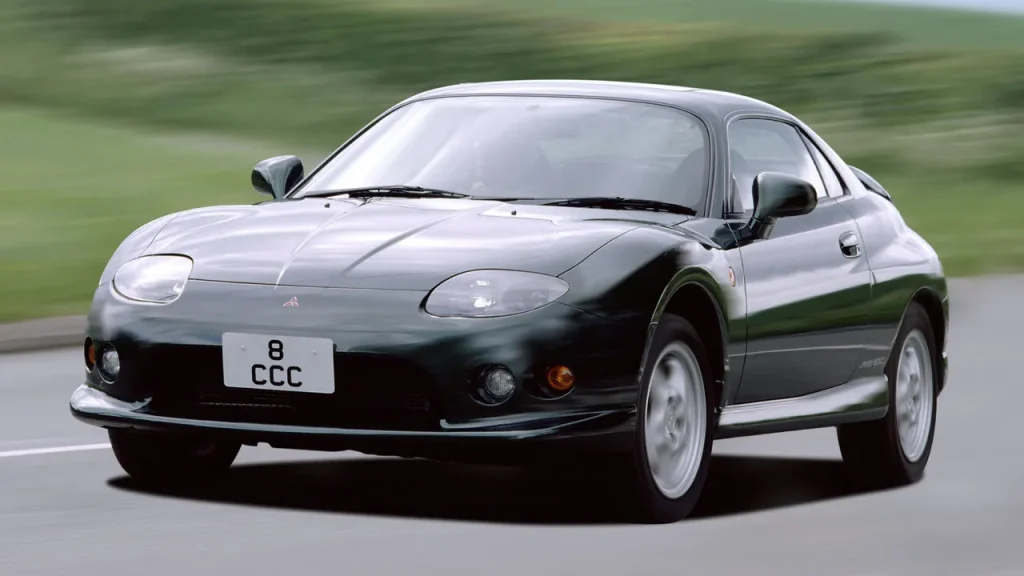
1. Mitsubishi FTO
The Mitsubishi FTO arrived during the 1990s when Japanese automakers were experimenting with lightweight front-wheel-drive sports coupes that could combine sharp handling with reasonable ownership costs.
Many buyers outside Japan barely remember the FTO today because it never achieved the fame of the Supra, RX 7, or Skyline.
That lack of recognition is exactly why it deserves attention now. Prices remain far lower than most celebrated Japanese performance cars, yet the FTO still provides an engaging experience that surprises modern drivers.
One of the biggest reasons enthusiasts continue respecting the FTO is its balance. Mitsubishi avoided building an oversized grand tourer and instead created a compact coupe with quick steering, low weight, and lively road manners.
The range-topping GP Version R used a high-revving 2.0-liter V6 with MIVEC technology, giving the car an energetic personality that felt closer to a motorcycle engine than a traditional V6. Drivers had to work through the rev range to access peak performance, which made the experience entertaining rather than effortless.
Styling also helped the FTO age gracefully. The slim headlights, curved roofline, and compact proportions still look clean today without appearing exaggerated.
While many 1990s coupes became visually cluttered with oversized wings and vents, the FTO kept a smoother appearance that now feels timeless. It also carried a surprisingly upscale interior for a relatively affordable coupe, with supportive seats and driver-focused controls.
Another reason this car deserves recognition is its reliability. Owners who maintain the timing belt and cooling system properly often report long-term durability.
Parts availability can sometimes require patience because the model remained niche in many markets, but mechanically, the FTO avoids many catastrophic problems seen in more complicated sports cars from the same era.
Collectors have started noticing the car recently, though values remain reasonable compared to bigger Japanese icons. For enthusiasts seeking a coupe that feels distinctive without draining their savings account, the FTO stands as one of the smartest forgotten Japanese performance buys.
- Engine: 2.0-liter DOHC MIVEC V6
- Torque: 147 lb ft
- Horsepower: 197 hp
- Length/Width: 170.5 in / 68.3 in
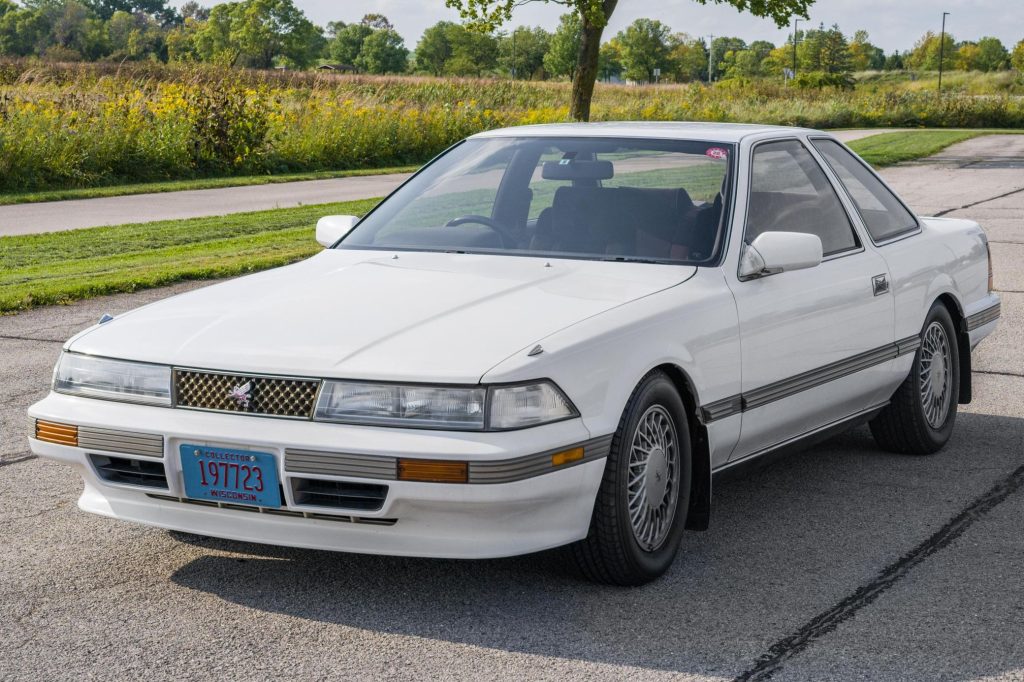
2. Toyota Soarer
Long before Lexus became globally recognized, Toyota developed the Soarer as a luxurious grand touring coupe that blended comfort, advanced technology, and impressive straight-line performance.
The car eventually evolved into the Lexus SC in some markets, but many enthusiasts still overlook the original Soarer despite its remarkable engineering. That makes it one of the most interesting forgotten Japanese coupes worth considering today.
The reason this coupe matters begins with refinement. Toyota engineered the Soarer to compete with premium European grand tourers, and the cabin quality reflected that ambition.
Soft materials, digital displays, automatic climate systems, and sophisticated suspension technology gave the car a futuristic character during its era. Sitting inside a well-preserved Soarer still feels special because it captures a period when Japanese manufacturers pushed innovation aggressively.
Performance depended heavily on trim level, but the turbocharged 1JZ GTE inline six remains the configuration enthusiasts seek most. Smooth power delivery combined with strong tuning potential turned the Soarer into a hidden performance weapon.
Unlike some lighter sports coupes that focused entirely on corner carving, the Soarer specialized in effortless highway cruising with enough power to surprise modern traffic.
What makes the car especially appealing today is its dual personality. It can serve as a relaxed cruiser during daily driving while still offering enough capability for spirited weekend runs.
That versatility separates it from harsher sports cars that become tiring after extended use. The long wheelbase and substantial construction also gave the coupe excellent stability at speed.
Another factor supporting the Soarer’s reputation is Toyota’s durability. Properly maintained examples often continue running reliably well beyond 200,000 miles. Electrical systems can require attention because of the advanced technology packed into the car, but the drivetrain itself earned a strong reputation among enthusiasts worldwide.
The Soarer remains overshadowed by flashier Japanese legends, which keeps it relatively attainable. Buyers wanting luxury, tuning potential, and classic Japanese engineering in one package will find that this forgotten coupe still delivers a rewarding ownership experience decades after production ended.
- Engine: 2.5-liter twin-turbo inline 6
- Torque: 268 lb ft
- Horsepower: 276 hp
- Length/Width: 191.1 in / 70.9 in
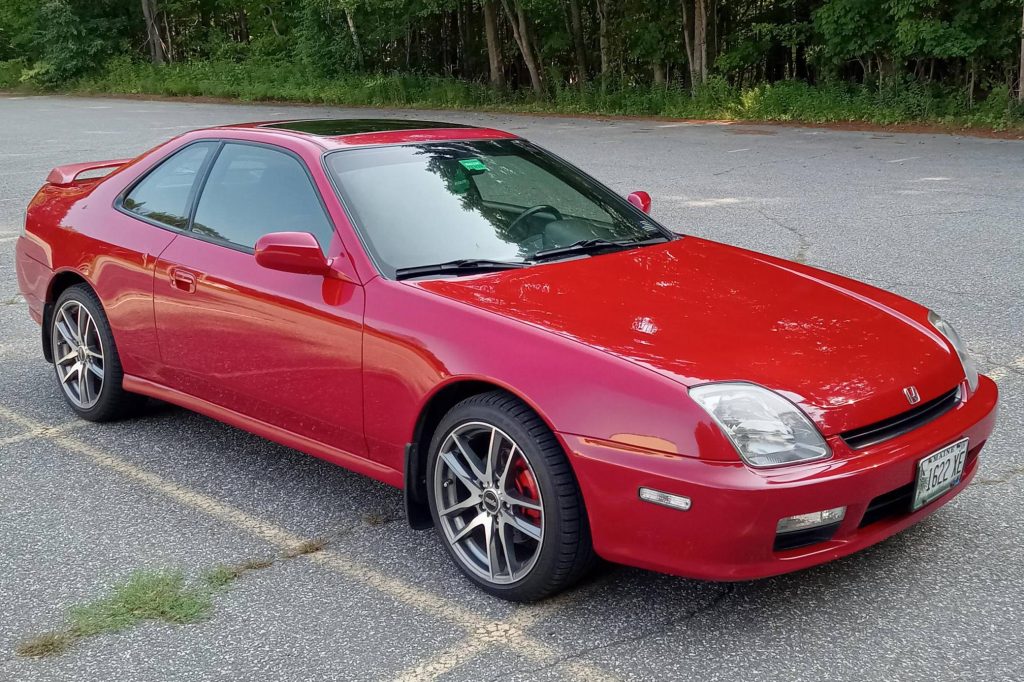
3. Honda Prelude SH
The Honda Prelude spent years living in the shadow of the Civic and Integra, even though it represented one of Honda’s most technically ambitious coupes.
By the time the fifth-generation Prelude SH arrived, Honda engineers had refined the car into a sharp-handling machine filled with clever ideas that many modern vehicles still do not match.
Today, it remains one of the smartest forgotten Japanese coupes for drivers who value balance and engineering precision more than raw horsepower.
Instead of chasing massive straight-line speed, Honda focused on making the Prelude rewarding in corners. The biggest talking point was the Active Torque Transfer System found in the SH trim.
This setup distributed power between the front wheels during aggressive driving, helping reduce understeer and improving corner entry stability.
During the late 1990s, that technology felt extremely advanced for a front-wheel-drive coupe. Drivers immediately noticed how planted and predictable the car behaved on winding roads.
The Prelude also benefited from Honda’s famous high-revving engine philosophy. Its naturally aspirated 2.2-liter four-cylinder loved being pushed toward redline, delivering power smoothly rather than violently.
That personality gave the coupe a playful nature because drivers had to interact with the gearbox and rev range to extract performance. Modern turbocharged cars often deliver faster acceleration, but few provide the same mechanical connection.
Styling remains another reason this car deserves more recognition. The low hood, slim roofline, and wide stance still create an athletic appearance without relying on oversized body kits. Inside, the cabin placed controls close to the driver and featured excellent visibility compared to many coupes from the same era.
Reliability adds another layer to the Prelude’s appeal. Honda built these cars with strong mechanical durability, and many examples continue running reliably after decades of use. Rust and neglected maintenance can create issues, but a cared-for Prelude usually proves dependable and relatively affordable to own.
The Prelude SH appeals to enthusiasts who appreciate driving feel rather than headlining numbers. It may never command Supra-level prices, yet that works in the buyer’s favor because the coupe still delivers authentic Japanese sports car character without becoming financially unreachable.
- Engine: 2.2 liter DOHC inline 4
- Torque: 156 lb ft
- Horsepower: 200 hp
- Length/Width: 178.3 in / 69 in
4. Mazda MX-6
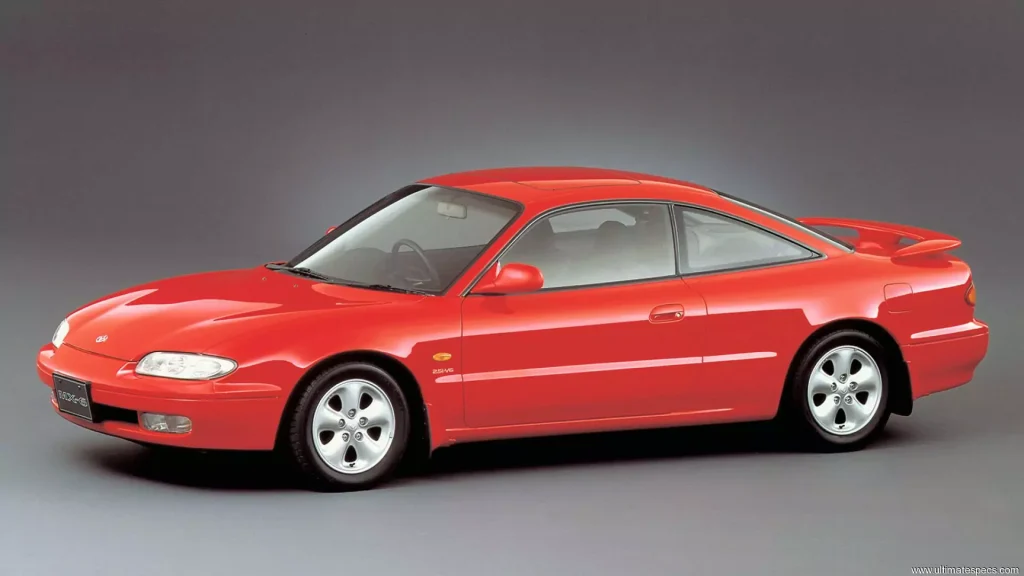
The Mazda MX-6 rarely appears in conversations about memorable Japanese coupes, which is surprising considering how well-rounded the car actually was. Introduced during the 1990s, the MX-6 blended sporty styling with daily usability in a way that felt mature compared to many louder rivals from the same period.
While it shared some engineering with the Ford Probe, the Mazda version carried a more refined personality and stronger long-term reputation.
One reason the MX-6 deserves attention today is its smooth driving character. Mazda tuned the suspension to balance comfort with responsiveness, creating a coupe that felt stable during highway driving while remaining enjoyable on curving roads.
Some Japanese sports coupes became overly stiff or noisy, but the MX-6 maintained a calmer personality that made it easier to live with every day.
The available V6 engine transformed the car into a genuinely entertaining machine. Mazda’s 2.5-liter KL series V6 became respected for its smoothness and willingness to rev. The engine delivered power progressively and produced a distinctive sound that gave the coupe a more upscale feel than many four-cylinder competitors.
Drivers looking for an old-school naturally aspirated experience often come away impressed after spending time behind the wheel.
Visually, the MX 6 has aged better than expected. The rounded body lines, slim headlights, and low roof profile capture the design language of the 1990s without looking awkward today. Unlike heavily modified tuner cars that now appear dated, the MX-6 kept a cleaner shape that still looks tasteful.
Another strength involves affordability. Even in today’s collector market, the MX-6 remains relatively inexpensive because it never achieved mainstream cult status. That creates an opportunity for buyers who want a dependable Japanese coupe without competing against investors and speculators.
Mazda reliability also plays an important role here. Proper maintenance usually keeps these cars running well for years, and the mechanical simplicity compared to newer performance vehicles makes ownership less intimidating.
The MX-6 represents a forgotten chapter of Mazda history that deserves more appreciation from enthusiasts searching for affordable analog driving experiences.
- Engine: 2.5-liter DOHC V6
- Torque: 160 lb ft
- Horsepower: 164 hp
- Length/Width: 181.5 in / 69.1 in
4 To Stay Away From
Not every forgotten Japanese coupe deserves a second chance. While nostalgia often makes older cars appear more appealing with time, some models earned disappointing reputations for good reasons.
Weak reliability, outdated engineering, poor build quality, and expensive maintenance costs turned certain coupes into frustrating ownership experiences rather than enjoyable classics. Buyers entering the used Japanese market sometimes focus too heavily on rarity or styling while ignoring the practical problems hiding underneath.
Several of these coupes struggled when new because they could not compete with stronger rivals from Honda, Toyota, Nissan, or Mazda. Others introduced ambitious technology that became unreliable and expensive once the cars aged.
In some cases, manufacturers prioritized appearance more than actual driving quality, leaving behind vehicles that looked sporty but failed to deliver satisfying performance.
A major issue with forgotten cars is parts availability. When a coupe never achieved widespread success, replacement components become harder to locate decades later.
Small electrical failures or worn interior pieces can suddenly become expensive problems because aftermarket support barely exists. That situation becomes even worse for rare models with unique engineering.
Another reason these vehicles deserve caution involves inflated nostalgia pricing. Some buyers pay premium money simply because a car is uncommon, even though better alternatives exist for similar costs. Rarity alone does not guarantee a rewarding ownership experience.
This section focuses on Japanese coupes that may appear tempting at first glance but often create disappointment after purchase. Understanding their weaknesses can help enthusiasts avoid expensive mistakes and make smarter choices in the classic Japanese car market.
1. Isuzu Piazza
The Isuzu Piazza entered the market with bold ambitions and futuristic styling, yet time has revealed why the coupe never achieved lasting success among enthusiasts.
Designed by Giorgetto Giugiaro, the Piazza certainly looked distinctive during the 1980s, but appearance alone could not hide the weaknesses underneath. Buyers today may feel tempted by the car’s rarity and unusual design, though ownership often becomes more frustrating than rewarding.
One major issue involved inconsistent build quality. Many Piazza models developed electrical problems as they aged, ranging from malfunctioning dashboard components to unreliable wiring systems.
Owners frequently discovered that tracking down replacement parts became difficult because Isuzu gradually withdrew from passenger car markets in several countries. That lack of support turned small repairs into long and expensive searches.
Performance also disappointed compared to rival Japanese coupes from the same period. While competitors from Toyota, Nissan, and Mazda refined their handling and engine responsiveness, the Piazza often felt less polished.
Turbocharged versions sounded promising on paper but failed to deliver the sharp driving confidence buyers expected from a sporty coupe. Steering feedback and chassis tuning simply could not match stronger alternatives available at the time.
Interior aging became another serious problem. Plastics and trim pieces in many surviving examples deteriorated badly after years of sun exposure, leaving cabins that feel fragile and outdated. Restoring these interiors can become extremely expensive because reproduction parts remain scarce.
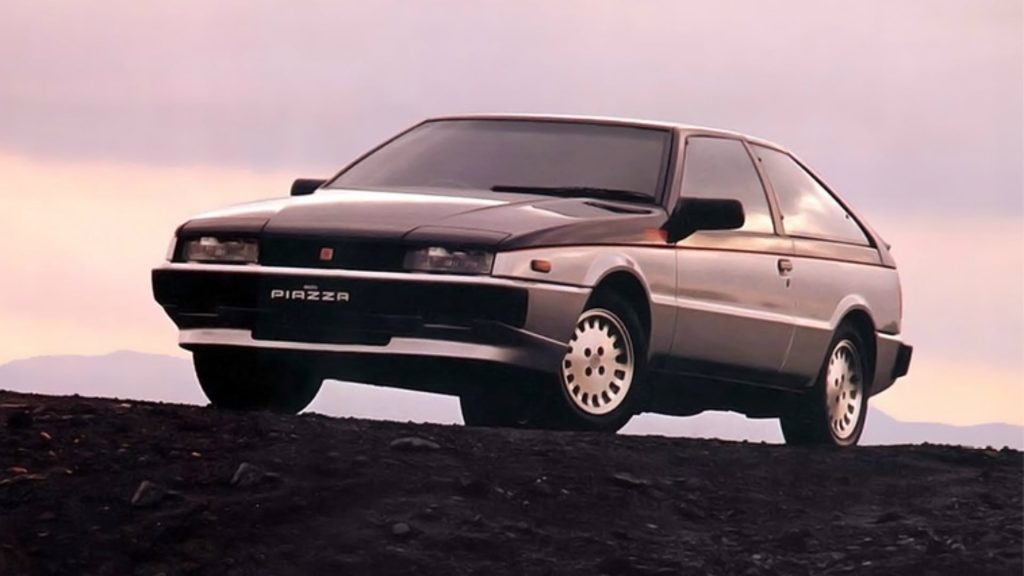
The biggest reason to avoid the Piazza today comes down to value. Collectors sometimes pay inflated prices for rare Japanese cars regardless of quality, but rarity alone does not guarantee satisfaction. A buyer spending similar money could easily find a better-engineered coupe with stronger reliability, easier maintenance, and more rewarding driving characteristics.
The Piazza deserves recognition for its styling ambition, yet that alone cannot outweigh the practical drawbacks. For most enthusiasts entering the classic Japanese market, this coupe introduces too many compromises without offering enough benefits in return.
- Engine: 2.0-liter turbocharged inline 4
- Torque: 166 lb ft
- Horsepower: 180 hp
- Length/Width: 172.4 in / 65.7 in
2. Mitsubishi Eclipse Spyder
The Mitsubishi Eclipse earned strong recognition during the tuner boom of the late 1990s and early 2000s, largely because of its appearance in movies and street racing culture.
However, the Eclipse Spyder convertible versions aged far worse than many enthusiasts expected. While the car still attracts attention from nostalgic buyers, owning one today can become a disappointing experience filled with reliability concerns and structural compromises.
Unlike the earlier turbocharged Eclipse models that gained respect for performance potential, later Spyder versions leaned heavily toward style rather than substance.
The convertible design added extra weight while reducing chassis rigidity, which negatively affected handling. Drivers expecting sharp sports coupe dynamics often discover a softer and less precise car than anticipated.
Engine reliability also became a serious concern, especially in poorly maintained examples. Many Spyder models passed through multiple owners during the tuner era, and aggressive modifications frequently created long-term mechanical damage.
Cheap aftermarket parts, neglected servicing, and hard driving habits left countless surviving cars in rough condition. Finding an unmodified, properly maintained example has become increasingly difficult.
The interior quality failed to age gracefully as well. Convertible tops often developed leaks, while cabin materials wore down quickly under heat and sunlight exposure. Rattles, broken trim pieces, and failing electronics became common complaints among long-term owners. Repairing these problems can quickly exceed the car’s actual market value.
Another factor working against the Eclipse Spyder is its identity crisis. It lacked the luxury refinement of premium convertibles while also falling short of serious sports car capability. Buyers drawn toward the aggressive styling sometimes expected more performance than the car realistically delivered.
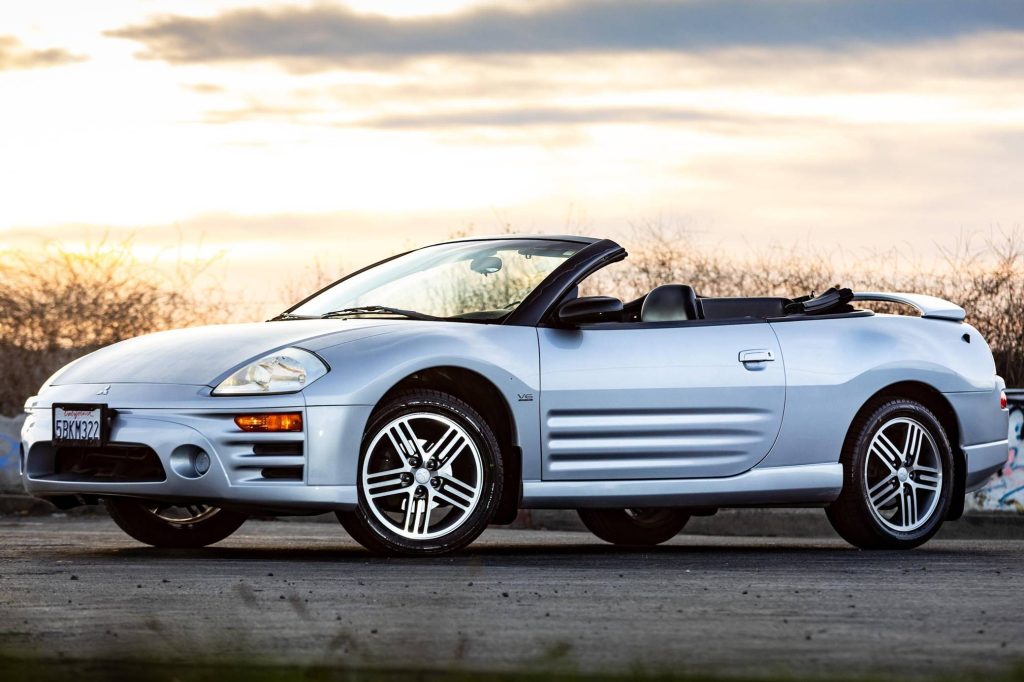
Nostalgia keeps the Eclipse name alive among enthusiasts, but sentiment should not hide the practical realities of ownership.
Compared to stronger Japanese coupes from the same period, the Spyder version struggles to justify the headaches that frequently accompany aging examples. For buyers seeking dependable enjoyment, there are far better forgotten Japanese coupes available at similar prices.
- Engine: 3.0-liter SOHC V6
- Torque: 205 lb ft
- Horsepower: 210 hp
- Length/Width: 180.3 in / 68.9 in
3. Toyota Paseo
The Toyota Paseo looked promising when it first appeared because Toyota already carried a strong reputation for reliability and affordable ownership. Small coupes were extremely popular during the 1990s, and the Paseo attempted to attract younger buyers who wanted sporty styling without spending major money.
Decades later, though, the car stands as one of the weaker, forgotten Japanese coupes because it failed to deliver the excitement or long-term desirability that many rivals achieved.
The biggest problem with the Paseo was its lack of personality. Toyota designed it to be inexpensive and easy to own, but that conservative approach resulted in a coupe that rarely felt engaging.
The small four-cylinder engine focused heavily on fuel economy rather than spirited performance, leaving acceleration underwhelming even by 1990s standards. Drivers expecting a fun compact coupe often walked away disappointed after experiencing how limited the car felt during highway merging or aggressive driving.
Handling also lacked the sharpness found in stronger Japanese alternatives. Competitors such as the Honda Civic coupe and Acura Integra provided better steering response and more confident cornering, while the Paseo behaved more like a basic commuter car wearing sporty clothing.
It never developed the driver-focused reputation that helps older Japanese coupes maintain enthusiast interest today.
Interior quality represented another weakness. Although Toyota’s reliability helped the mechanical side survive for years, the cabin materials often felt cheap and uninspiring.
The rear seats offered very limited space, cargo practicality remained weak, and road noise became tiring during longer trips. Buyers hoping for a sporty grand touring experience simply could not find it here.
The car’s styling has also aged awkwardly. Rounded body lines that once appeared modern now make the coupe look bland beside more aggressive Japanese designs from the same decade. Since the Paseo never established a cult following, aftermarket support and collector demand remain extremely limited.
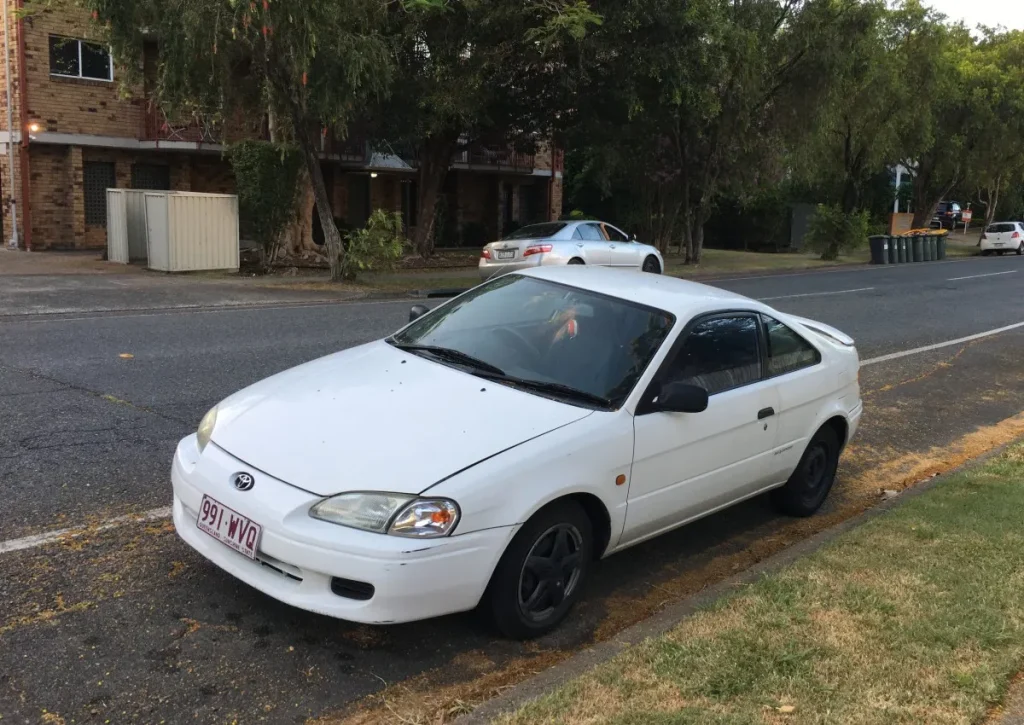
Reliability alone cannot save a car from mediocrity. While the Paseo rarely suffers catastrophic mechanical failures, it also gives enthusiasts very little reason to seek one out. Buyers entering the classic Japanese coupe market can find far more rewarding options without spending significantly more money.
- Engine: 1.5 liter DOHC inline 4
- Torque: 100 lb ft
- Horsepower: 93 hp
- Length/Width: 164.6 in / 65.4 in
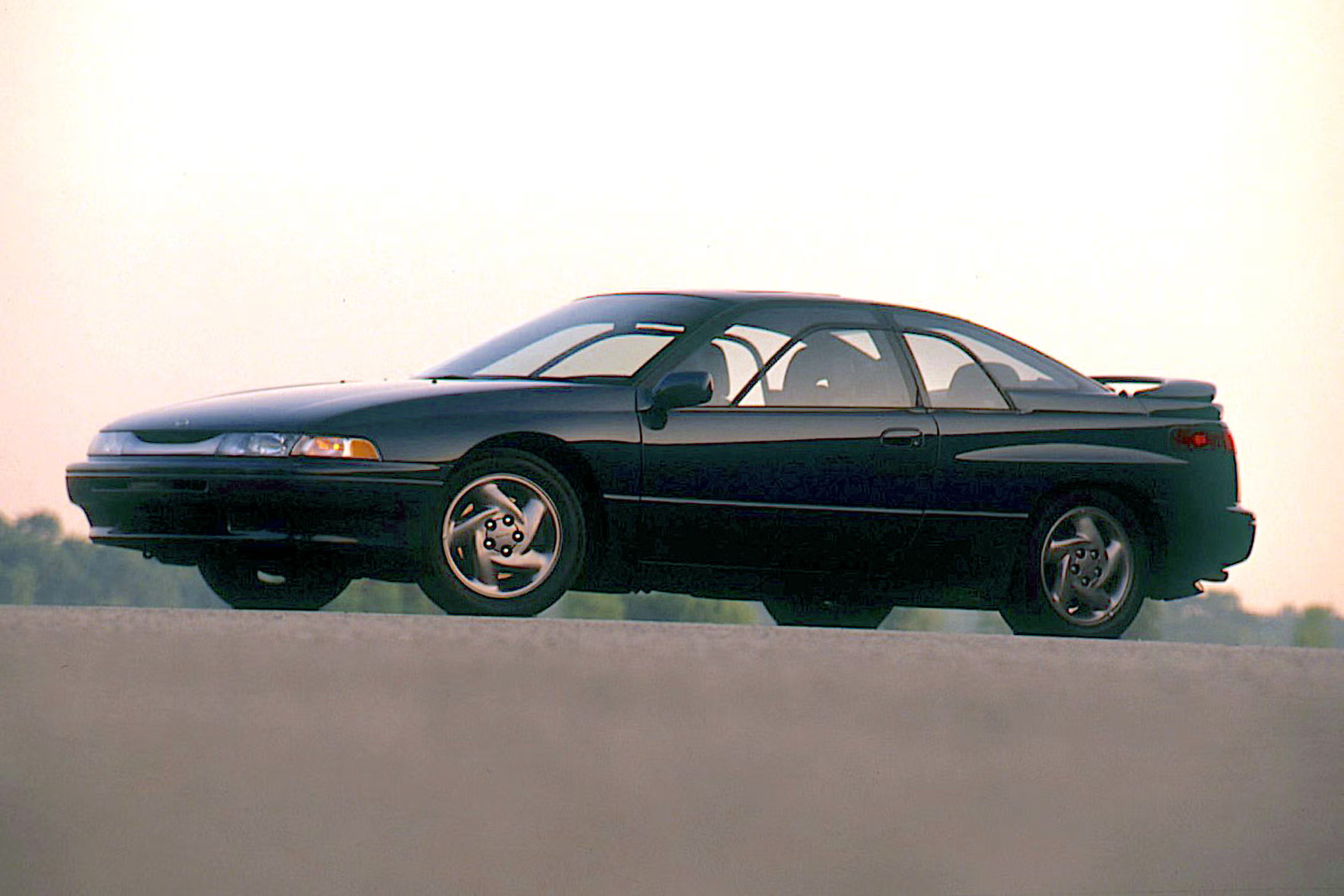
4. Subaru SVX
The Subaru SVX remains one of the most unusual Japanese coupes ever built. Its futuristic aircraft-inspired window design and smooth body shape immediately separated it from conventional sports cars during the early 1990s.
At first glance, the SVX appears like a hidden collector gem waiting to be rediscovered. Unfortunately, the ownership experience often becomes far less impressive than the styling suggests.
Subaru positioned the SVX as a premium grand touring coupe, but several engineering decisions created serious long-term problems. The biggest concern involves the automatic transmission.
The flat-six engine produced more power than the transmission could comfortably handle, leading to premature wear and expensive failures in many cars. Owners frequently report transmission replacements becoming necessary far earlier than expected, turning the SVX into a financial burden.
Repair costs rise further because of the coupe’s complexity and rarity. Unlike common Subaru models with abundant parts support, the SVX uses many unique components that can be difficult to locate today.
Specialty glass pieces, electronic systems, and interior trim items often require long searches through enthusiast forums or salvage yards. Simple repairs can quickly become frustrating and expensive.
Fuel economy also disappointed buyers, even when the car was new. The heavy all-wheel-drive coupe consumed fuel at rates closer to luxury sedans while delivering performance that felt only moderately quick. As newer vehicles improved efficiency and acceleration, the SVX began feeling outdated much faster than Subaru expected.
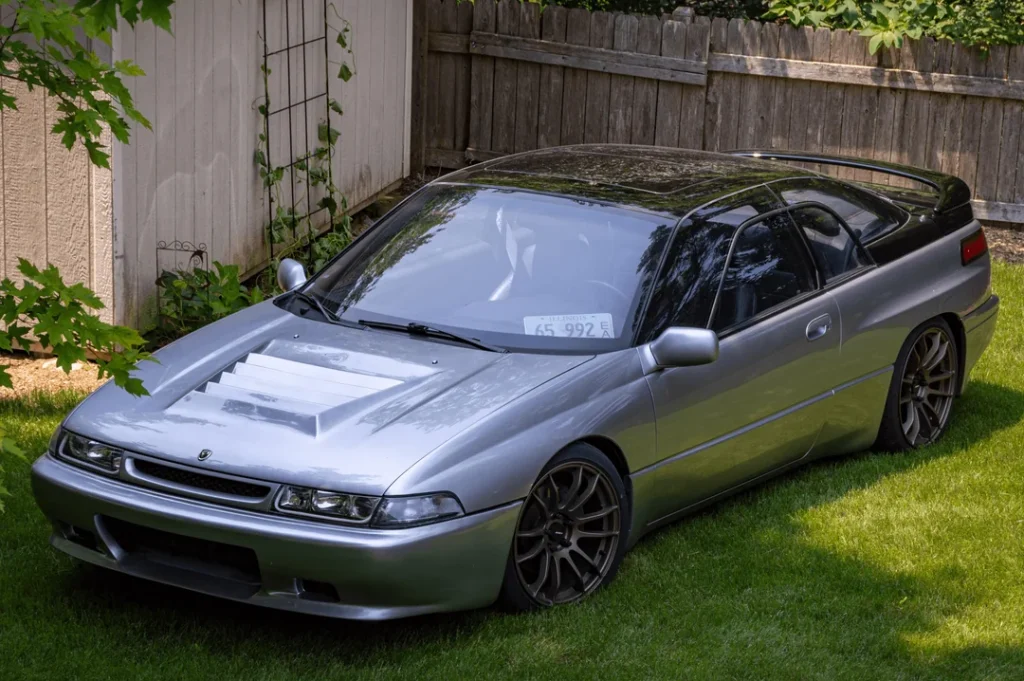
Inside the cabin, the futuristic design created another issue. Many controls and dashboard elements now appear overly complicated compared to cleaner Japanese interiors from the same era. Aging electronics create additional reliability concerns, especially in neglected examples that have spent years sitting unused.
The SVX deserves credit for ambition because Subaru attempted something genuinely different. Few Japanese automakers were willing to take styling risks that bold during the period.
Still, creativity alone does not guarantee a satisfying ownership experience. Buyers attracted by the coupe’s rarity and dramatic appearance often underestimate the maintenance costs and mechanical frustrations waiting beneath the surface.
For enthusiasts wanting a dependable classic Japanese coupe, the SVX asks for too much patience and money compared to better-balanced alternatives available in the same market.
- Engine: 3.3-liter flat 6
- Torque: 228 lb ft
- Horsepower: 230 hp
- Length/Width: 181.9 in / 69.7 in
