
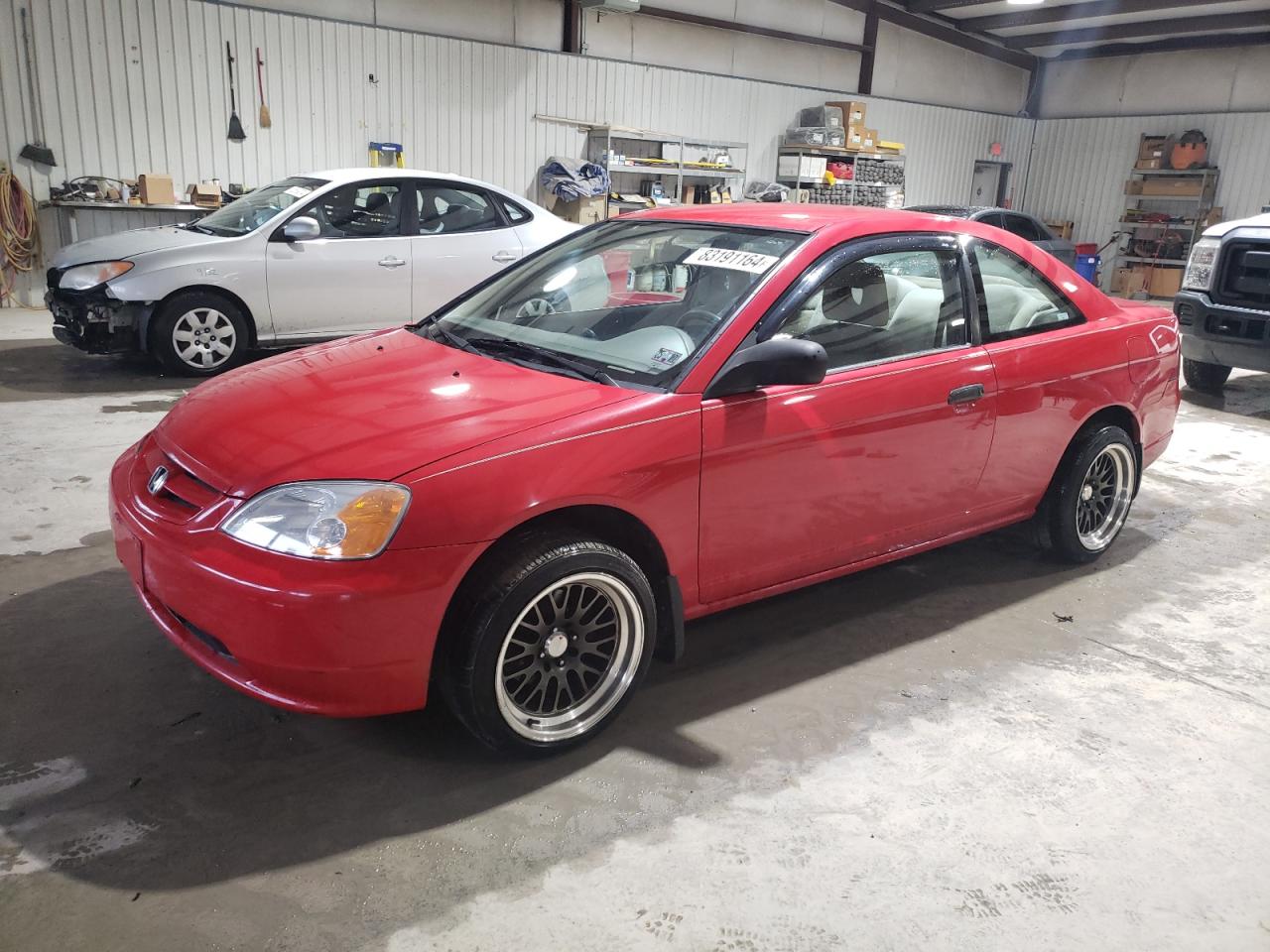
Few cars have earned the kind of loyalty and creativity that the Honda Civic inspires. From daily drivers to track builds, the Civic has become a blank canvas for enthusiasts who want to express personality through performance, styling, and engineering. Its affordability, lightweight design, and strong aftermarket support make it one of the most modified platforms ever produced.
What makes modified Civics especially interesting is how different each build can feel. Some focus purely on appearance, pushing aggressive body kits and flashy finishes. Others prioritise performance, chasing horsepower numbers that rival sports cars far above their price range. Then there are balanced builds that aim for a mix of reliability, speed, and everyday usability.
Ranking modified Civics is not just about horsepower or visual impact. It comes down to execution, purpose, and how well each build achieves its goal. A clean, well-thought-out street build can often feel more satisfying than a high-powered project that sacrifices drivability.
This list ranks eight modified Civic builds from least impressive to most exceptional. Each entry represents a unique direction within the tuning scene, showcasing how far this platform can be pushed when creativity meets engineering. Let’s begin with the correct placement based on worst-to-best ranking
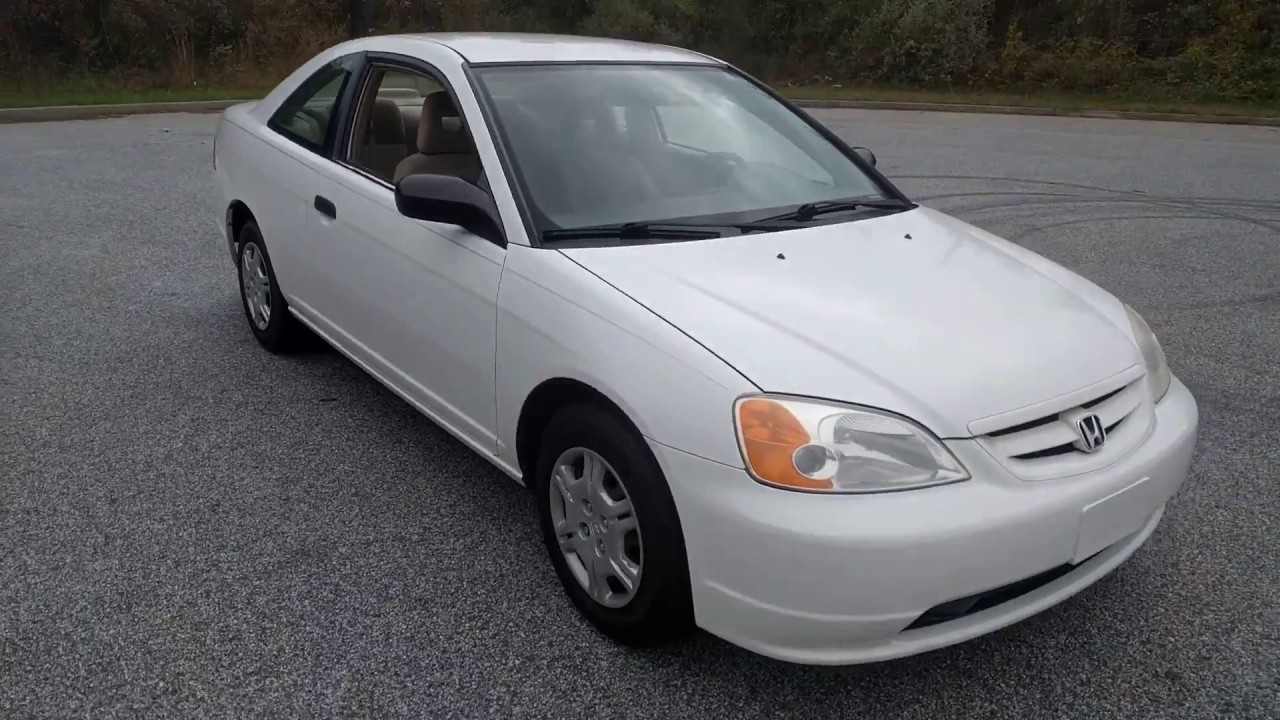
1. 2001 Honda Civic LX Widebody Show Build
- Engine: 1.7L inline 4 D17A1
- Horsepower: 115 hp
- Torque: 110 lb ft
- Length: 174.6 inches
- Width: 67.5 inches
The two-thousand-and-one Honda Civic LX widebody show build represents a styling-driven modification approach built around visual presentation rather than mechanical enhancement. The base vehicle is commonly selected due to its affordability and simple structure, which allows extensive exterior alteration without major engineering restrictions.
This build introduces widebody fabrication that extends the original body lines of the vehicle. The front and rear fenders are reshaped using composite materials or metal work to create a broader stance. This alteration allows the installation of oversized wheels that fill the extended arches fully. The stance is typically lowered through suspension adjustment, producing proximity between the tyre and the wheel arch.
Paintwork is a central feature of this build category. High gloss finishes, metallic tones, or custom colour blends are applied with careful surface preparation. Some versions include graphic work that runs across body panels. The exterior finish is generally intended to attract attention during display events or stationary viewing rather than road performance evaluation.
The engine system, in most cases, remains close to factory condition. Some owners apply minor intake or exhaust modifications, though power output remains largely unchanged. This creates a big difference between visual appearance and mechanical output. Acceleration remains similar to the stock configuration, and engine response is not the focus of the modification effort.
Suspension settings are adjusted primarily to achieve a lowered stance. This often involves reduced travel range, which affects comfort during road use. Steering response remains unchanged mechanically, though tyre fitment and suspension geometry influence road behaviour during cornering. Road surfaces with irregularities become more noticeable inside the cabin due to reduced cushioning effect.
Interior arrangement varies based on the owner’s preference. Some builds include aftermarket seating, steering components, and sound systems. These additions improve visual presentation but do not directly influence vehicle output or handling performance. Cabin modifications often follow a styling direction consistent with exterior design.
Driving comfort is reduced due to low ground clearance and a stiff suspension setup. Speed control becomes necessary when passing road obstacles. The vehicle performs best in controlled environments such as exhibitions or car gatherings where movement demand is limited.
This build occupies the lowest position in the ranking due to its limited mechanical development. It demonstrates strong dedication to styling work and fabrication skill, though it lacks balanced integration between appearance and driving performance.
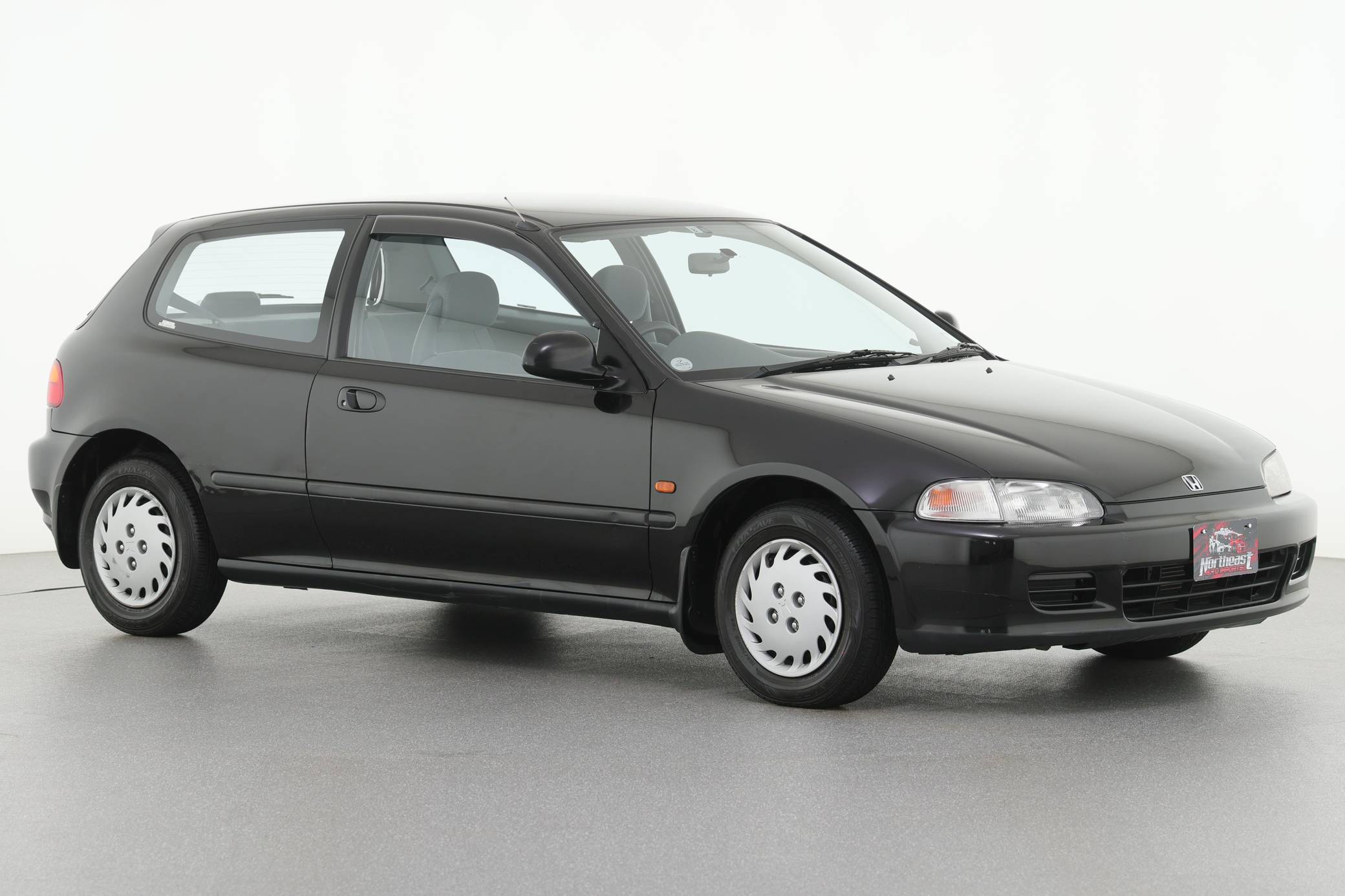
2. 1995 Honda Civic Hatchback EG All Wheel Drive Turbo K Series Build
- Engine: 2.0L K Series turbocharged swap
- Horsepower: 300 to 500 hp, depending on build
- Torque: 260 to 400 lb ft
- Length: 160.1 inches
- Width: 66.7 inches
The nineteen ninety five Honda Civic EG hatchback, All Wheel Drive, turbo K series build represents a high-level mechanical conversion involving drivetrain replacement and forced induction application. The base structure is lightweight and originally designed for Front Wheel Drive operation, which transforms it technically demanding.
The engine used in this build is the K series unit, known for its strong internal construction and ability to withstand increased pressure when properly assembled. Turbocharging is applied to increase air intake pressure, allowing higher fuel combustion output.
Supporting systems such as reinforced internal engine components, upgraded fuel delivery setup, and improved cooling arrangement are required to maintain engine stability during high-output operation. All Wheel Drive integration changes power distribution across the vehicle.
Torque is delivered to both front and rear wheels, improving traction during acceleration. This system reduces wheel spin during strong throttle input and provides stable movement on both dry and wet road surfaces. Conversion work includes transmission adaptation, differential installation, and drive shaft reinforcement to handle increased torque load.
Suspension tuning is adjusted to support additional drivetrain weight. Dampers with adjustable settings are installed to allow control of ride behaviour. Reinforced suspension arms improve structural strength during load transfer. Steering response remains direct due to alignment calibration and controlled suspension geometry.
Brake system enhancement is required due to increased speed capability. Larger brake rotors, performance calipers, and heat-resistant pads are installed to improve stopping strength. Hydraulic lines are strengthened to maintain pressure consistency during repeated braking events.
Interior configuration differs based on user preference. Some versions retain basic comfort equipment, while others reduce interior weight through the removal of rear seating and non-essential fittings. Instrument monitoring systems are installed to track engine temperature, boost pressure, and fuel delivery conditions.
Exterior appearance often includes wider fenders, improved airflow panels, and performance wheels designed for traction support. These elements complement the mechanical upgrades. This build ranks higher due to its strong engineering demand and balanced integration of power, traction, and lightweight structure.
Also Read: 9 Best Cars for First-Time Parents
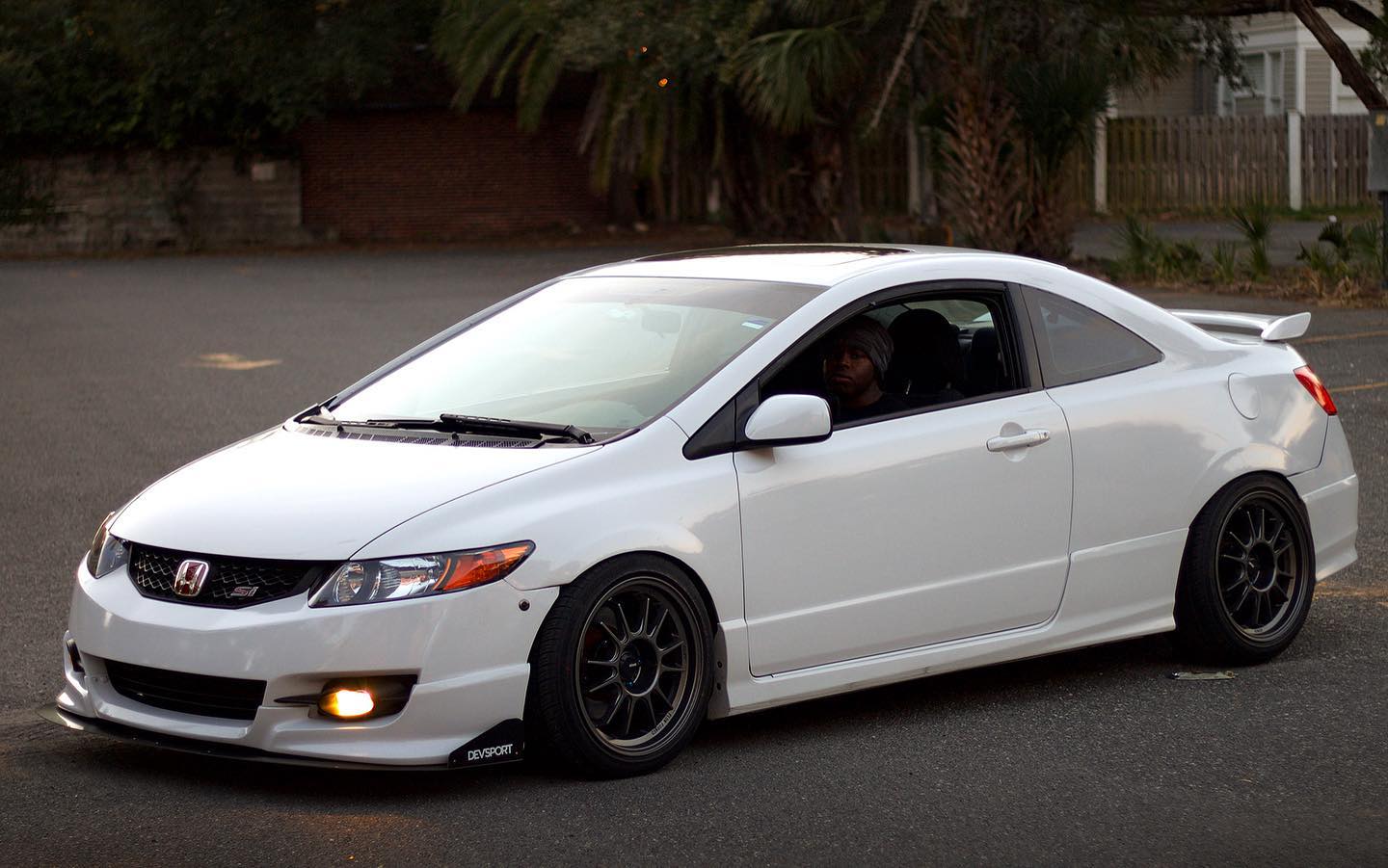
3. 2006 Honda Civic Si FG2 Bolt-On Performance Build
- Engine: 2.0L inline 4 K20Z3
- Horsepower: 197 hp
- Torque: 139 lb ft
- Length: 175.5 inches
- Width: 69.0 inches
The two thousand and six Honda Civic Si FG2 bolt-on performance build follows a structured method of improving engine output through factory-compatible component upgrades applied to the K20Z3 engine. This engine is widely recognised for steady mechanical operation, strong rotational capability, and reliable service performance when maintained under proper service conditions. The modification direction remains focused on improving airflow movement, exhaust evacuation, and engine calibration alignment without altering internal engine architecture.
Air intake improvement is achieved through the installation of a cold air intake system. This arrangement increases the volume and quality of air entering the combustion chamber, allowing improved fuel and air mixture formation. Exhaust headers are replaced with performance-oriented units designed to reduce restriction during exhaust gas exit.
A performance exhaust system is installed to support smoother gas movement from the engine to the rear outlet section. These components work together to improve engine breathing efficiency. Engine control adjustment is carried out through electronic calibration changes. Fuel delivery mapping and ignition timing are adjusted to match the improved airflow condition.
This adjustment supports smoother combustion behaviour and more stable power delivery during acceleration phases. The engine retains its naturally aspirated configuration, which allows consistent operation across varied driving conditions without dependence on forced air induction systems.
Acceleration response becomes more immediate due to improved throttle reaction. Engine pull remains steady as engine speed increases, particularly during higher revolutions. The six-speed manual transmission supports controlled gear selection and allows the driver to maintain direct influence over engine output delivery during road operation. Gear transitions remain precise and support steady acceleration flow.
Suspension improvement is carried out using coilover systems that allow adjustment of ride height and damping strength. This enables better control of vehicle balance during different driving conditions. Anti-roll bars with increased stiffness reduce excessive body movement during cornering activity.
Suspension bushings are replaced with reinforced materials to improve structural response during directional changes and load transfer situations. Brake system enhancement is included to support improved driving output. Performance brake pads and ventilated brake rotors improve heat management and stopping ability during repeated braking applications.
This ensures stable deceleration behaviour during high-speed driving situations and supports driver confidence during controlled speed reduction. Interior modifications are applied practically. Short gear selector systems improve gear engagement speed and precision during shifting operations.
Pedal upgrades assist foot placement accuracy during acceleration and braking. Seating upgrades provide improved body support during extended driving periods while maintaining the comfort required for daily transportation use. Fuel consumption remains stable due to the retention of the naturally aspirated engine structure.
Maintenance procedures remain aligned with manufacturer service recommendations, ensuring continued engine durability when servicing intervals are followed correctly. Electrical and mechanical systems remain consistent with factory design principles.
This build demonstrates disciplined mechanical improvement where each modification serves a defined mechanical purpose. Engine response becomes more refined, handling stability improves during directional movement, and driver control becomes more structured during varied road conditions.
The vehicle maintains balanced operation between improved performance output and daily usability requirements without compromising factory-engineered reliability standards.
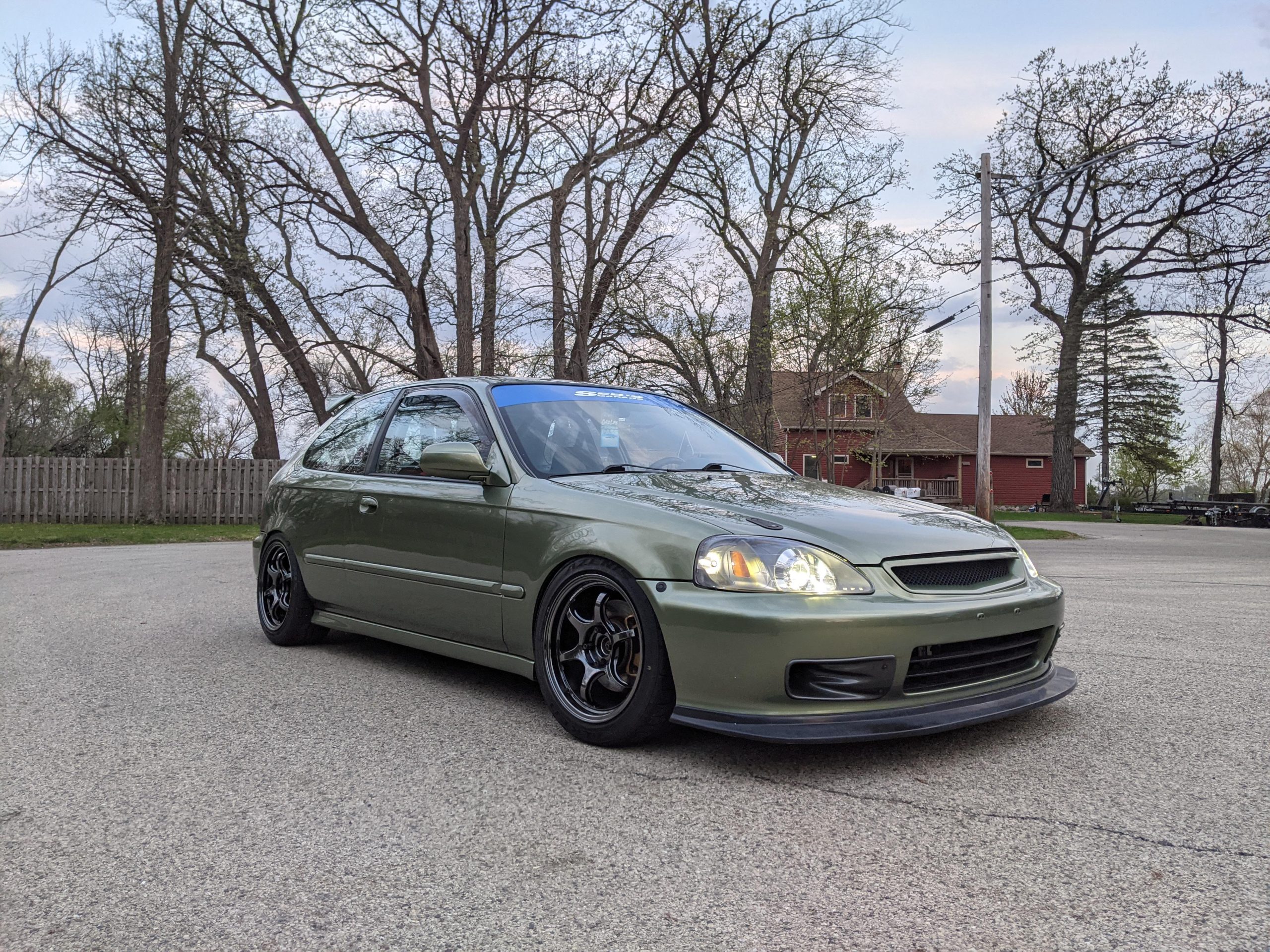
4. 1999 Honda Civic EK Hatch B18C Swap Track Build
- Engine: 1.8L inline 4 B18C swap
- Horsepower: 190 hp
- Torque: 130 lb ft
- Length: 164.7 inches
- Width: 66.7 inches
The nineteen ninety-nine Honda Civic EK hatch B eighteen C engine swap track build is developed specifically for circuit-focused driving applications. The original factory engine is replaced with the B18C engine sourced from a performance-oriented Integra model.
This engine is known for delivering stronger output and improved throttle response compared to the standard factory unit. The installation creates a stronger performance foundation suitable for sustained circuit operation. Acceleration capability improves due to increased engine output combined with reduced vehicle mass.
The EK hatchback body structure is lightweight, allowing rapid movement response during straight-line acceleration. Engine speed increases quickly under throttle input, producing strong forward motion during controlled circuit driving sessions. Power delivery remains responsive across the engine speed range due to engine design characteristics.
Chassis reinforcement work is carried out to improve structural rigidity during high-load operation. Suspension systems are replaced with track-oriented coilover units that allow adjustment of damping strength and ride height settings. Strengthened control arms improve load handling during cornering activity.
Upgraded suspension bushings reduce unwanted movement within chassis joints, allowing more controlled vehicle behaviour during directional change. Brake system upgrades are installed to support repeated high-intensity braking conditions.
High-performance brake calipers, reinforced brake pads, and ventilated rotors improve heat resistance and stopping consistency. Hydraulic lines are strengthened to maintain stable pressure delivery during repeated braking cycles on circuit surfaces.
Tyre selection is oriented towards high-grip performance compounds. This improves traction during cornering and acceleration exit phases. Steering response becomes more direct due to reduced suspension flex and improved alignment calibration. Driver input produces immediate vehicle response during directional movement on circuit layout conditions.
Weight reduction measures are applied to improve performance output. Rear seating structures are removed along with insulation materials and non-essential interior fittings. This reduction in mass improves acceleration strength, braking efficiency, and cornering ability. Interior arrangement is simplified to the essential driving components required for circuit operation.
Driver seating is replaced with fixed racing seat systems that provide improved body support during high lateral movement conditions. Harness systems are installed to secure the driver’s position during aggressive driving activity. Roll cage installation improves structural rigidity and occupant protection during high-speed circuit use.
Driving this build requires steady input control due to stiff suspension settings and direct steering response. Feedback from road surface conditions remains clear, allowing accurate driver adjustment during circuit driving sessions. Engine reliability is maintained through appropriate cooling and lubrication systems designed for sustained high-load operation. Transmission components are selected for rapid gear engagement suitable for circuit application.
This build demonstrates a strong focus on circuit performance application supported by disciplined mechanical preparation. Each modification supports controlled power delivery, structural stability, and precise driver response during track operation conditions.
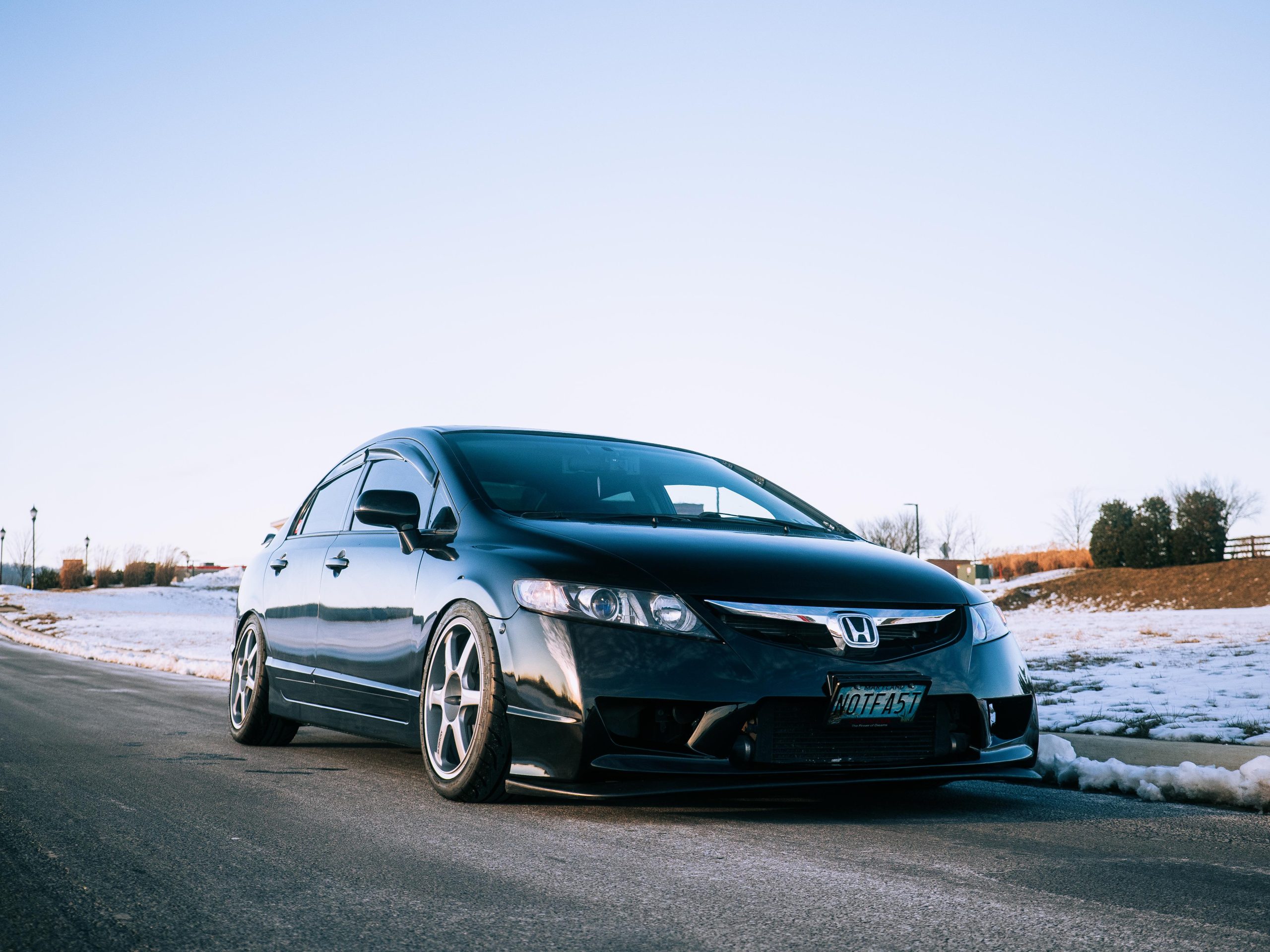
5. 2008 Honda Civic Si FA5 Supercharged Daily Performance Build
- Engine: 2.0L inline 4 supercharged K20Z3
- Horsepower: 260 to 300 hp
- Torque: 180 to 220 lb ft
- Length: 177.3 inches
- Width: 69.0 inches
The two thousand and eight Honda Civic Si FA5 supercharged build represents a balanced combination of daily usability and increased engine output. The supercharger system delivers immediate power response without delay, providing smooth acceleration across the engine speed range.
The engine benefits from consistent airflow delivery through mechanical compression rather than exhaust-driven induction. This results in predictable throttle behaviour during acceleration. Supporting modifications include upgraded cooling systems and fuel delivery components to maintain engine stability.
Chassis structure in this generation supports moderate performance upgrades without loss of structural stability. Suspension upgrades using coilover systems and improved anti-roll bars enhance cornering ability while maintaining acceptable ride comfort.
Interior design supports daily use through improved seating comfort, dashboard layout, and cabin ergonomics. This allows the vehicle to serve both commuting and performance driving roles. Exterior design remains subtle with minimal modification. Lowered stance, improved wheel design, and clean body presentation define the appearance direction.
Reliability remains stable when maintenance procedures are followed, and tuning is properly executed. Engine operation remains consistent under varied driving conditions. This build ranks well due to the balanced integration of performance and daily usability.
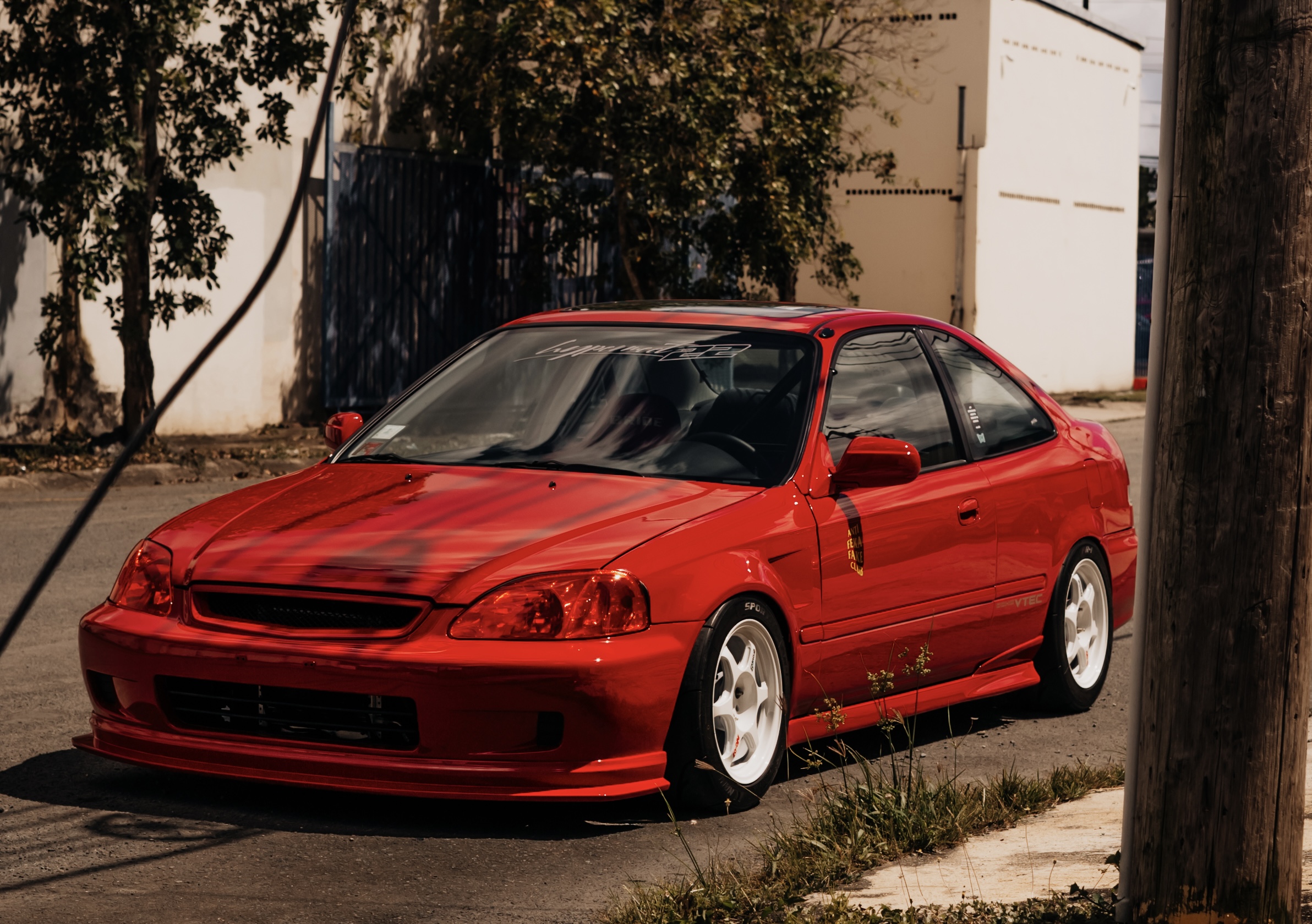
6. 2000 Honda Civic EM1 Turbo Street and Strip Build
- Engine: 1.6L inline 4 turbocharged B16A2
- Horsepower: 250 to 400 hp
- Torque: 180 to 300 lb ft
- Length: 175.1 inches
- Width: 67.1 inches
The two-thousand Honda Civic EM1 turbo build is designed for strong acceleration performance on both public road use and drag strip application. The turbocharging system increases engine output through forced air induction into the combustion chamber.
This allows higher combustion output once boost pressure is achieved during acceleration demand. Engine performance depends on internal engine strengthening, fuel delivery upgrades, and cooling system enhancement. Internal components are often reinforced to withstand increased cylinder pressure created by forced induction.
Fuel injectors, fuel pump capacity, and fuel pressure regulation are upgraded to support increased fuel requirements during high-output operation. Cooling system improvements assist in maintaining a stable engine temperature during repeated acceleration runs.
When properly tuned, the engine delivers strong power output suitable for straight-line acceleration performance. Power delivery becomes more aggressive during boost activation, producing rapid vehicle acceleration under throttle input. Engine response is dependent on tuning accuracy and the mechanical integrity of installed components.
Suspension upgrades assist stability during acceleration phases. Stiffer dampers reduce unwanted body movement during launch conditions. Wider tyres are fitted to improve road contact surface area, assisting traction during high torque delivery. Brake system upgrades include improved pads, rotors, and hydraulic response tuning to support controlled deceleration after high-speed runs.
Straight line performance remains the central purpose of this build. Chassis setup is often adjusted to support forward motion efficiency rather than cornering balance. Alignment settings are tuned to improve traction during acceleration rather than lateral grip performance.
Interior arrangement varies depending on the owner’s preference and usage style. Some builds retain basic interior components for street use, while others adopt stripped configurations to reduce vehicle weight. Racing seats are commonly installed to improve driver stability during acceleration runs. Safety harness systems assist driver control during high acceleration conditions.
Exterior modifications often include performance wheels designed for traction support. Aerodynamic additions such as front splitters and rear stabilising components assist airflow management during high-speed movement. Functional air intake systems may be integrated to support engine cooling and combustion efficiency.
This build ranks strongly due to its direct focus on acceleration performance and established turbocharging application method. It represents a traditional approach to Honda Civic performance modification centered on speed output and straight-line driving capability.
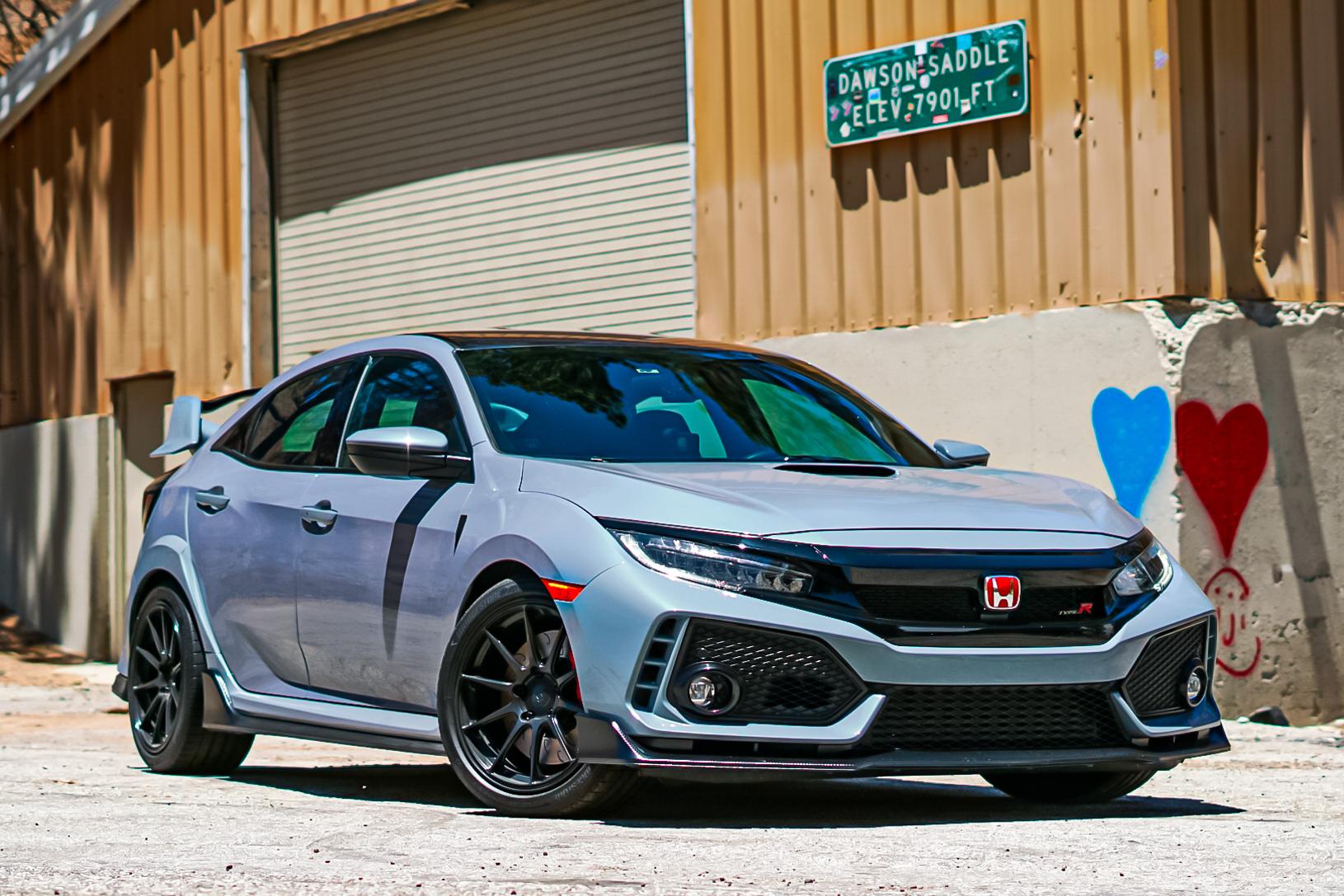
7. 2019 Honda Civic Type R FK8 Fully Built Performance Package
- Engine: 2.0L turbocharged inline 4 K20C1
- Horsepower: 306 hp
- Torque: 295 lb ft
- Length: 179.4 inches
- Width: 73.9 inches
The two thousand and nineteen Honda Civic Type R FK8 fully built performance package represents advanced factory engineering improved through carefully selected performance upgrades. The base vehicle already includes a turbocharged engine system designed for high-performance applications supported by modern electronic control systems.
Engine modification commonly includes upgraded turbocharger components, improved intercooler systems, and enhanced fuel delivery equipment. These modifications allow increased air intake efficiency and improved combustion output. Engine tuning adjustments are applied to ensure stable operation under increased performance demand.
Power delivery is managed through electronic control systems that regulate traction behaviour and stability response. These systems assist driver control during acceleration and cornering conditions. The vehicle maintains controlled power distribution even under high engine output conditions.
Suspension design supports controlled body movement during cornering. Upgraded coilover systems and stabiliser bars improve road contact stability during directional change. Chassis rigidity allows consistent vehicle response during high-speed driving conditions. Brake systems are upgraded with performance pads and rotors designed for repeated braking applications.
Interior design reflects modern automotive engineering standards. Seating systems provide strong driver support during extended driving periods. Instrument systems display real-time vehicle information, including engine output, temperature readings, and performance data. Cabin layout supports both daily driving comfort and performance driving requirements.
Exterior modifications focus on airflow efficiency and vehicle stability. Aerodynamic components assist air movement around the vehicle body during high-speed travel. Performance wheel sets improve road grip and support braking and acceleration control.
This build ranks highly due to its balanced combination of engine power, handling stability, and interior refinement. It represents modern performance engineering applied to a factory-developed performance platform.
Also Read: 10 Cars That Are Still Being Driven After 2 Decades
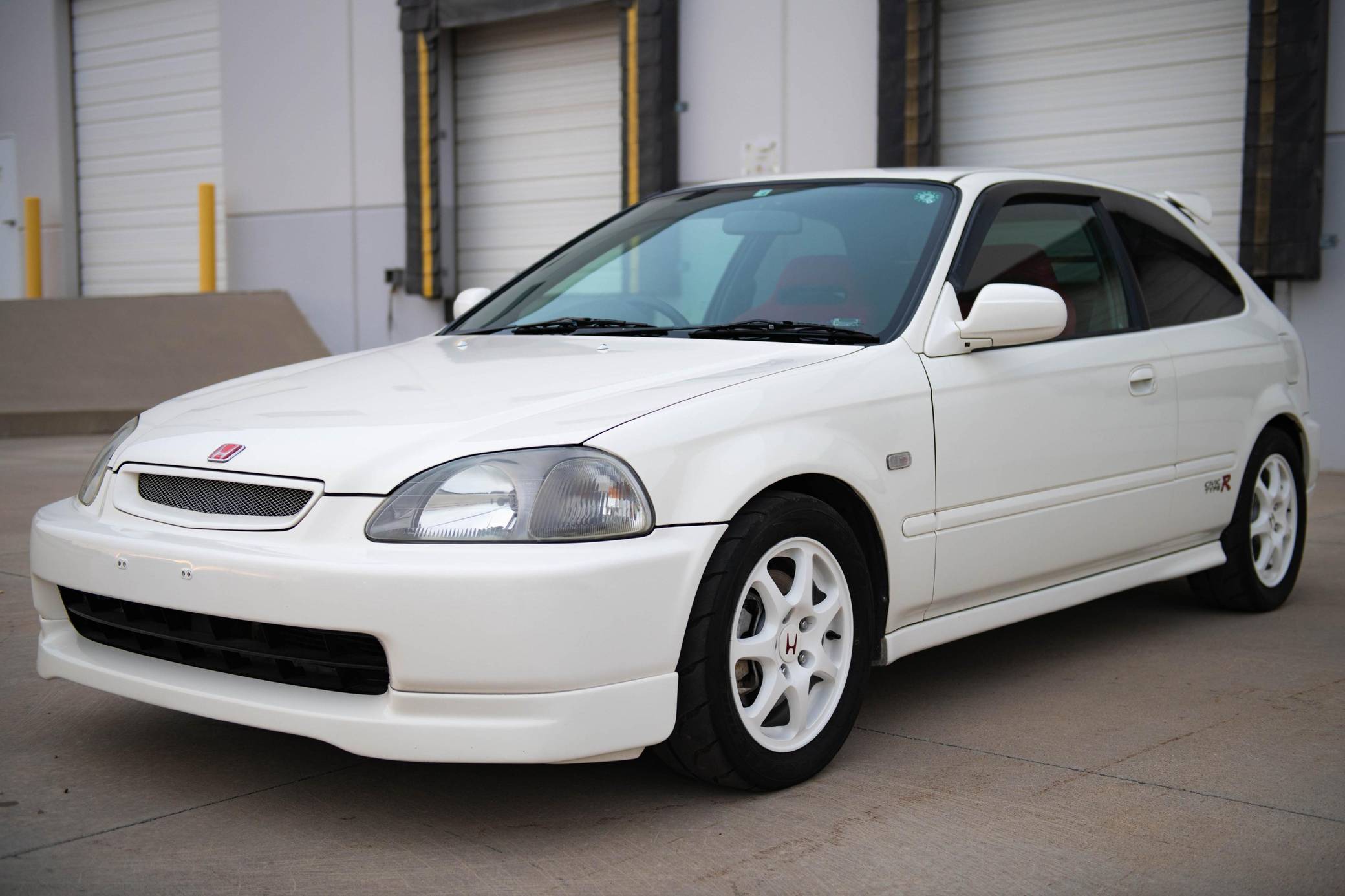
8. 1998 Honda Civic Type R EK9 Precision Tuned Collector Build
- Engine: 1.6L inline 4 B16B
- Horsepower: 182 hp
- Torque: 118 lb ft
- Length: 164.7 inches
- Width: 66.7 inches
The nineteen ninety-eight Honda Civic Type R EK9 precision-tuned collector build represents refined factory engineering preserved through careful mechanical enhancement. The vehicle is based on the original Type R specification, which includes a lightweight chassis structure, reinforced body rigidity, and a high-revving B16 naturally aspirated engine.
Engine modifications focus on improving throttle response and combustion efficiency without altering the original engine character. Air intake systems are upgraded to improve airflow delivery into the engine. Exhaust systems are refined to support smoother gas release while maintaining controlled sound output. Engine calibration is adjusted to align fuel delivery and ignition timing with improved airflow conditions.
The naturally aspirated engine configuration supports predictable power delivery across the engine speed range. Power output remains consistent during acceleration conditions, allowing controlled driving response. Engine durability remains strong due to the preservation of factory internal components and controlled tuning adjustments.
Handling performance remains a central feature of this build. The steering system provides direct driver input response without delay. The suspension system maintains a balance between road-contact stability and controlled movement during directional changes. Chassis rigidity supports consistent vehicle behaviour during acceleration and cornering conditions. Brake response remains strong and stable during repeated use.
Interior condition is maintained close to factory specification. Seating materials, dashboard layout, and interior trim components are preserved or restored with careful attention to detail. Cabin environment remains functional, and the driver is focused with clear instrument visibility for performance monitoring.
Exterior presentation remains clean and factory aligned. Body panels retain original design structure without excessive modification. Paint finish and exterior detailing maintain original design intention while improving visual presentation quality.
This build holds the highest position due to its disciplined approach to preservation and enhancement. It maintains original engineering identity while applying controlled performance improvements that support driving precision, mechanical balance, and consistent road behaviour.
The above order properly reflects a progression from the least effective build (style-focused) to the most complete and refined driving machine.
