
The modern automobile has transformed from a purely mechanical machine into a highly connected digital experience. Over the last decade, car manufacturers across the world have aggressively introduced large touchscreens into vehicle cabins, replacing traditional knobs, switches, and physical buttons with sleek digital interfaces.
This design trend has become especially popular in electric vehicles and premium cars, where minimalist interiors are often marketed as futuristic and technologically advanced. Large infotainment systems now control everything from air conditioning and music playback to seat adjustments and driving settings.
While these systems may look impressive in advertisements and showrooms, a growing number of drivers are beginning to question whether touchscreens actually improve the driving experience. Many consumers argue that the shift toward digital controls has made cars more distracting, less intuitive, and even less safe on the road.
Recent discussions among automotive experts, road safety advocates, and everyday drivers reveal a clear trend. A majority of car buyers still prefer physical buttons for essential vehicle functions. Drivers frequently report that touchscreens require too much visual attention, forcing them to take their eyes off the road for longer periods compared to traditional tactile controls.
Physical buttons, on the other hand, allow users to operate common features through muscle memory and touch alone. This concern has become increasingly important as road safety organizations continue studying the relationship between driver distraction and accident risks. The issue is no longer limited to comfort or convenience. It now directly relates to public safety, user experience, and long-term customer satisfaction.
Automakers initially believed touchscreens would modernize the cabin while reducing manufacturing costs by replacing numerous physical components with software-based controls. Companies also viewed digital interfaces as easier to update and customize through software improvements.
However, consumers have started pushing back against this design philosophy. Many buyers complain that touch-heavy interiors feel frustrating during daily driving, especially when adjusting simple functions such as temperature, fan speed, radio volume, or seat heating.
Drivers often describe these systems as overcomplicated and unnecessarily dependent on visual interaction. In real-world conditions, such as heavy traffic, poor weather, or nighttime driving, touchscreen reliance can increase mental workload and distract drivers from the road ahead.
Interestingly, several automakers are now reversing course after receiving customer feedback. Some brands have begun reintroducing physical controls for key functions, acknowledging that tactile buttons remain valuable in practical driving situations.
Industry analysts suggest this shift reflects a broader understanding that technological innovation should not compromise usability or safety. Consumers increasingly want a balance between digital convenience and traditional functionality. Drivers appreciate advanced features like navigation, smartphone integration, and voice assistants, but they still prefer physical controls for frequently used tasks.
This evolving debate highlights a major challenge facing the automotive industry, which is how to combine innovation with human-centered design principles.
The conversation surrounding physical buttons versus touchscreens represents more than a design preference. It reflects changing expectations about safety, ergonomics, accessibility, and driver confidence. As vehicles become smarter and more connected, automakers must ensure that technology enhances the driving experience rather than complicating it.
The growing preference for physical buttons demonstrates that consumers still value simplicity, reliability, and ease of use inside the cabin. Understanding why drivers feel this way is essential for predicting future automotive design trends and evaluating how technology should evolve in modern vehicles.
Also Read: 10 Sleeper Sedans With Over 700 Horsepower
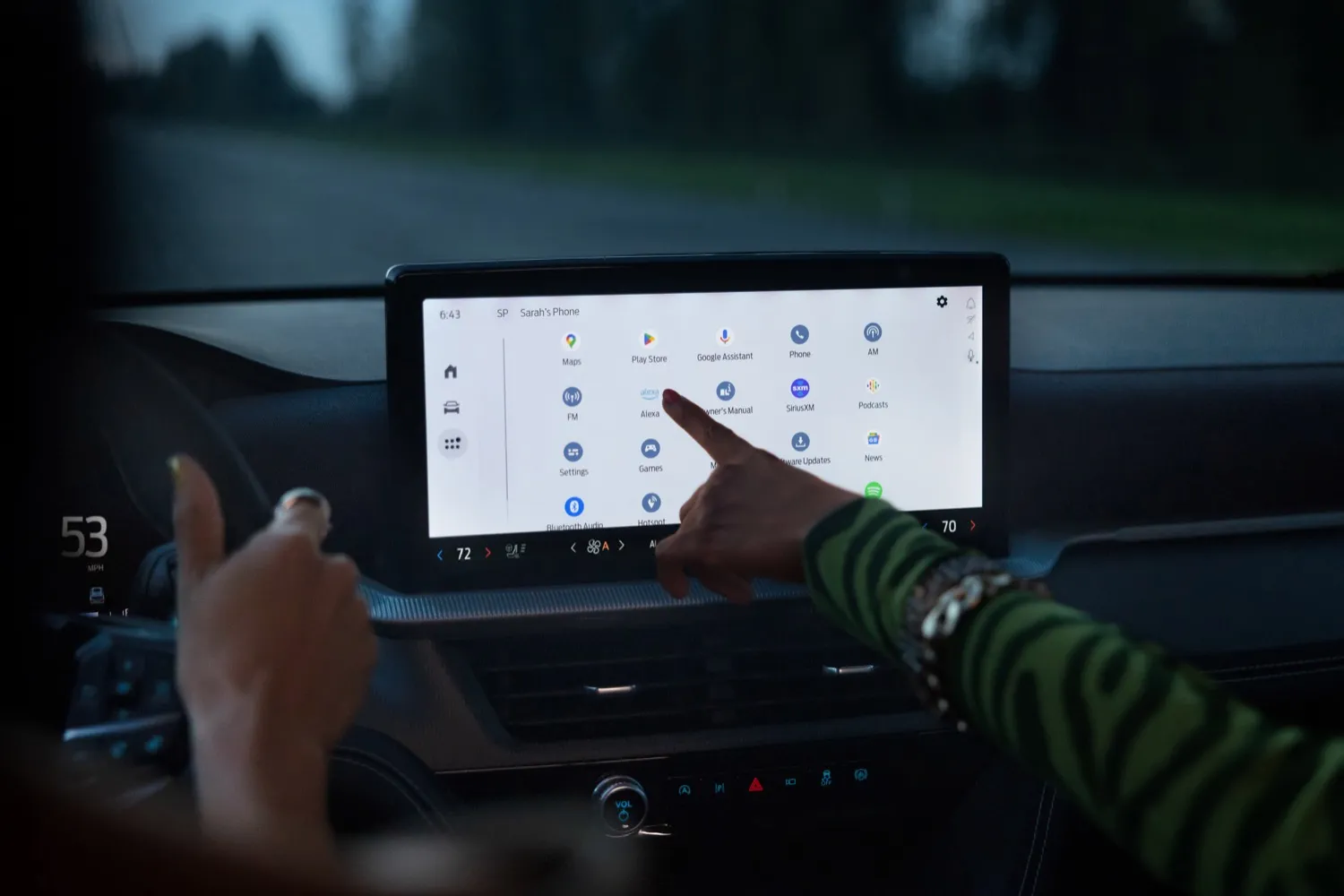
Why Drivers Find Touchscreens Distracting?
One of the biggest complaints from modern car buyers is that touchscreens demand too much visual attention while driving. Unlike physical buttons, touchscreens lack tactile feedback, which means drivers cannot reliably operate them without looking directly at the display.
Even a basic action like adjusting the cabin temperature or changing fan speed may require scrolling through several on-screen menus. As drivers interact with these controls, their attention can shift away from the road for several seconds, increasing the likelihood of accidents.
Safety experts have repeatedly emphasized that even brief moments of distraction can have serious consequences at highway speeds. Many drivers feel frustrated because features that once required a quick hand movement now involve several visual and cognitive steps.
Touchscreens also increase cognitive workload during driving. Operating a digital interface requires concentration, menu navigation, and interpretation of on-screen graphics.
Physical buttons provide immediate tactile confirmation, allowing users to recognize controls through touch and memory. This difference becomes especially noticeable in stressful driving conditions such as heavy traffic, bad weather, or unfamiliar roads. Drivers already process significant amounts of information while operating a vehicle.
Adding touchscreen complexity can overload attention and reduce reaction time. Many consumers report that digital systems make driving feel mentally exhausting compared to older vehicles with straightforward physical layouts.
Another issue involves inconsistent interface design across different brands and vehicle models. Traditional buttons generally follow familiar automotive conventions. Most drivers instinctively understand how to use volume knobs, climate controls, and window switches.
Touchscreen interfaces, however, vary dramatically from one manufacturer to another. Some systems rely heavily on swipe gestures, while others bury functions inside nested menus. This inconsistency forces drivers to relearn controls whenever they switch vehicles or upgrade to a new model. Buyers often describe this learning process as frustrating and unnecessary, especially when trying to perform simple tasks during daily commutes.
The distraction problem becomes even more serious at night or during adverse weather conditions. Bright screens can create glare inside the cabin, making it harder for drivers to maintain focus on the road.
Rain, fog, and darkness already reduce visibility, and touchscreen interaction further divides attention. In colder climates, drivers wearing gloves may struggle with capacitive displays that fail to register touch accurately. Similarly, rough road surfaces can make precise screen interaction difficult because finger placement becomes less stable while the vehicle is moving.
These real-world challenges highlight the practical limitations of relying entirely on touch-based systems for essential controls.
Many drivers also express concern that touchscreens encourage excessive feature complexity. Modern infotainment systems often include countless menus, settings, and customization options that can overwhelm users. While some drivers appreciate advanced technology, others feel manufacturers prioritize visual appeal over usability.
Consumers increasingly argue that cars should simplify driving rather than introduce additional distractions. This growing dissatisfaction has contributed to a broader demand for ergonomic designs that prioritize safety, intuitive operation, and minimal cognitive strain behind the wheel.
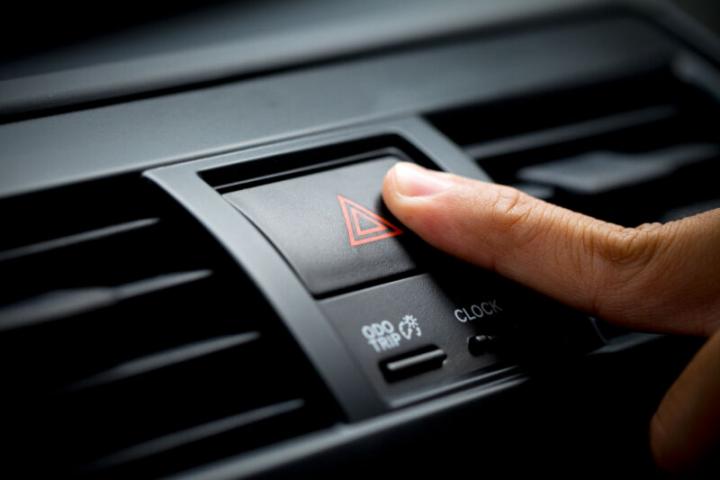
The Advantages of Physical Buttons in Modern Cars
Physical buttons continue to offer several practical advantages that many drivers believe touchscreens cannot fully replicate. One of the biggest strengths of tactile controls is the ability to operate them without direct visual attention.
Drivers can identify buttons, knobs, and switches through touch alone, relying on muscle memory developed through repeated use. This tactile familiarity allows motorists to keep their eyes focused on traffic conditions while making adjustments inside the cabin.
For functions such as audio volume, climate settings, and hazard lights, physical controls provide a level of convenience and confidence that many touchscreen systems fail to achieve.
Another major benefit is speed and efficiency. Physical buttons usually require a single press or turn to activate a function, whereas touchscreens often involve multiple steps.
Adjusting air conditioning in a traditional vehicle may take only a fraction of a second using dedicated knobs. In touchscreen-centered systems, the same action may require opening a climate menu, selecting the desired setting, and confirming changes on screen.
These additional interactions increase distraction and prolong the time drivers spend engaging with the interface. Consumers often prefer straightforward solutions that minimize effort and maximize responsiveness during daily driving.
Physical controls are also more reliable in challenging environmental conditions. Unlike touchscreens, buttons function consistently regardless of moisture, temperature, or hand coverings. Drivers wearing gloves can easily operate traditional controls during the winter months without struggling to activate digital displays.
Physical switches also remain usable when screens become dirty, smudged, or affected by glare from sunlight. This reliability contributes to a more dependable user experience, especially in regions with extreme weather conditions or demanding road environments.
Ergonomics plays another important role in the preference for physical buttons. Well-designed tactile controls can be positioned strategically within easy reach, reducing the need for awkward hand movements. Drivers can quickly identify controls by shape, size, and texture, making the operation more intuitive.
Touchscreens, by contrast, often require precise finger placement on flat glass surfaces that provide no physical guidance. This can lead to accidental presses or repeated attempts to select the correct option. Many drivers argue that tactile design principles should remain central to automotive interiors because they align more naturally with human behavior and sensory perception.
Physical buttons also contribute to a sense of mechanical engagement that many drivers appreciate. Traditional controls provide audible clicks and tactile feedback that reinforce user confidence. These sensations create a direct connection between driver input and vehicle response.
Some consumers believe touchscreens feel impersonal and detached compared to conventional interfaces. In enthusiast communities, physical controls are often associated with higher usability and better driving focus. As manufacturers continue experimenting with digital cabin layouts, the enduring popularity of tactile interfaces suggests that many buyers still value the simplicity and reassurance offered by traditional automotive design.
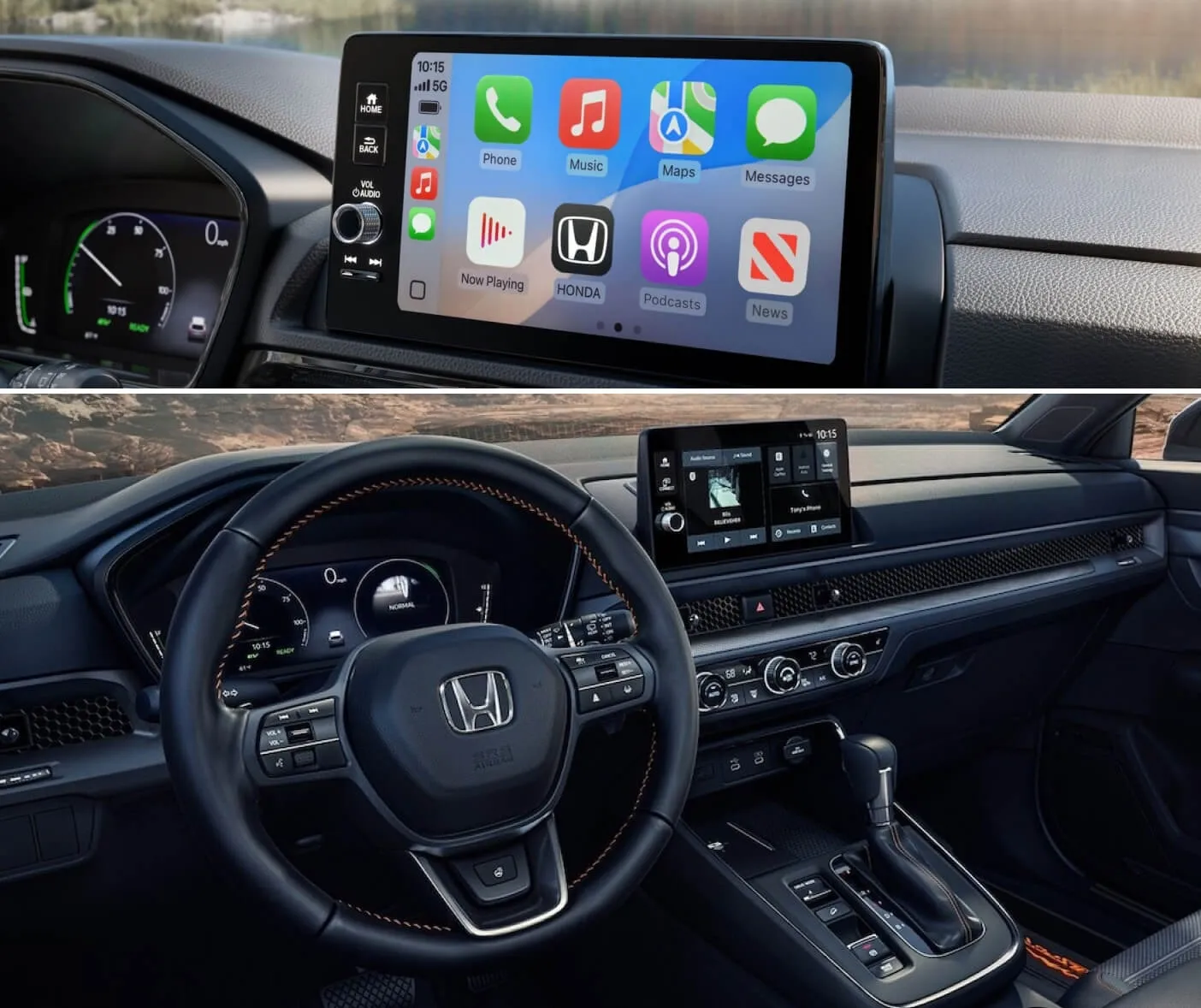
Why Automakers Shifted Toward Touchscreens?
Automakers initially embraced touchscreens because they represented a powerful symbol of technological progress and modern design. Large digital displays quickly became associated with innovation, luxury, and futuristic mobility.
Manufacturers recognized that consumers were increasingly familiar with smartphones and tablets, leading many companies to believe touchscreen interfaces would feel intuitive and desirable inside vehicles. Minimalist interiors dominated by large screens also created a visually striking showroom experience. Buyers often perceived these cabins as more advanced and premium compared to traditional dashboard layouts filled with buttons and switches.
Cost reduction became another important factor behind the touchscreen revolution. Replacing numerous physical controls with software-based interfaces allowed manufacturers to simplify dashboard construction and reduce hardware complexity.
A single display could control multiple systems, reducing the number of individual components required during production. This approach offered financial advantages by lowering assembly costs and streamlining manufacturing processes.
Software updates could also introduce new features without redesigning physical hardware, making touchscreens attractive from both business and engineering perspectives.
The rise of electric vehicles further accelerated the shift toward digital interiors. Many electric car manufacturers sought to differentiate themselves from traditional automakers by emphasizing cutting-edge technology and minimalist aesthetics. Large touchscreens became central to brand identity, especially for companies positioning themselves as technology leaders.
Consumers often associate screen-heavy cabins with innovation, sustainability, and the future of transportation. This trend influenced the broader automotive market, encouraging established brands to adopt similar design philosophies in order to remain competitive.
Touchscreens also enabled deeper integration with connected services and digital ecosystems. Modern infotainment systems support navigation, streaming services, smartphone connectivity, voice assistants, and over-the-air software updates.
Automakers viewed centralized digital interfaces as an efficient way to manage these expanding capabilities. As vehicles became increasingly software-driven, touchscreens provided a flexible platform for delivering interactive features and collecting user data. Companies hoped this digital transformation would create new revenue opportunities through subscriptions, app integration, and premium software services.
Despite these advantages, consumer backlash has revealed the limitations of touchscreen-dominated design strategies. Many automakers underestimated the importance of tactile usability and driver ergonomics. What appeared modern and efficient in concept often proved frustrating in everyday use.
As customer feedback continues influencing industry decisions, manufacturers are beginning to recognize that technological sophistication must coexist with practicality. The automotive industry now faces the challenge of balancing digital innovation with user-centered design principles that prioritize safety, comfort, and intuitive operation.
Also Read: 10 SUVs Where the Cheapest States Sit in the Southwest
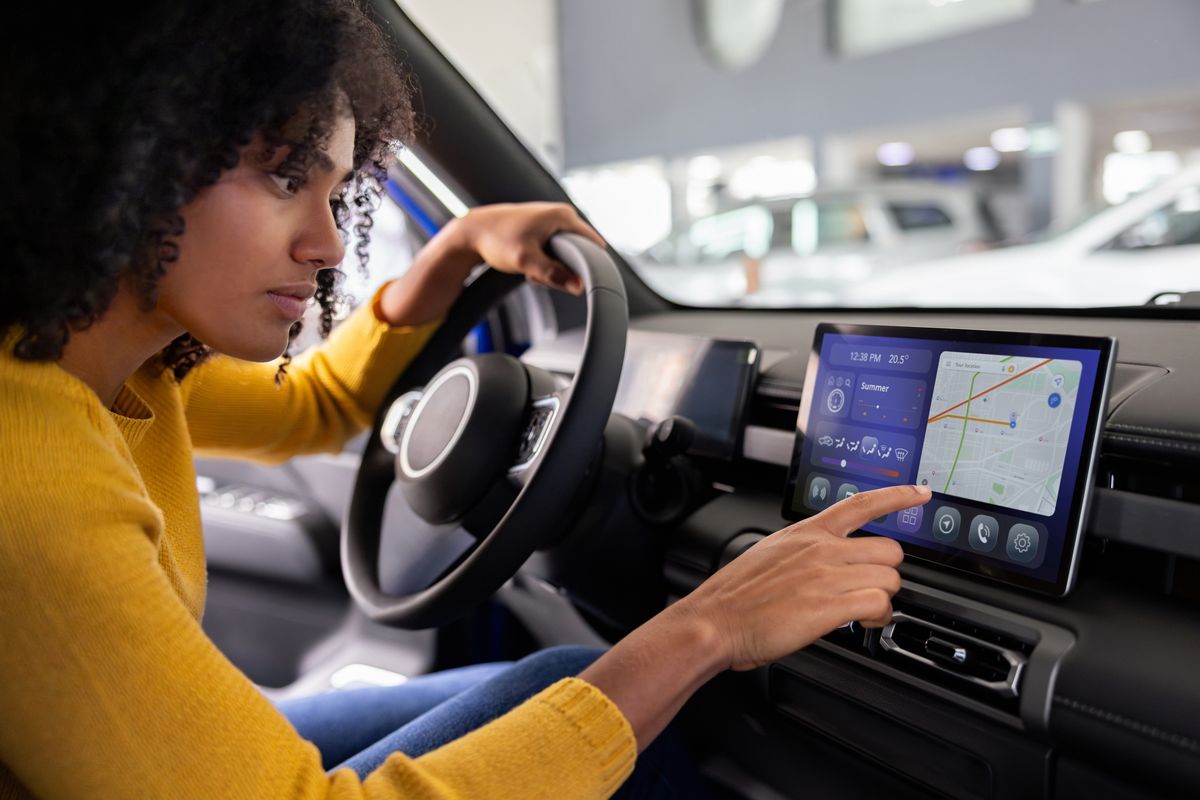
Safety Concerns Linked to Touchscreen-Heavy Interiors
Road safety experts have become increasingly vocal about the risks associated with touchscreen-heavy vehicle interiors. Studies examining driver behavior consistently show that visual and cognitive distraction increases when drivers interact with digital displays.
Unlike physical controls, touchscreens require users to focus on icons, menus, and animations, diverting attention from surrounding traffic conditions. Even brief moments of distraction can significantly increase accident risk, particularly at higher speeds. Drivers traveling on highways may cover substantial distances while glancing away from the road to interact with infotainment systems.
One major concern involves reaction time. Safe driving depends on the ability to respond quickly to changing conditions such as sudden braking, pedestrian crossings, or unexpected obstacles. When drivers engage with touchscreens, their reaction times can slow because mental attention becomes divided between driving tasks and digital interaction.
This issue becomes particularly dangerous in complex traffic environments where constant awareness is essential. Safety advocates argue that touchscreen interfaces can unintentionally encourage risky behavior by normalizing prolonged visual engagement with in-car displays.
Another issue is the placement and size of modern screens. Many vehicles now feature oversized displays positioned prominently in the center of the dashboard. While these screens improve visibility for navigation and entertainment, they can also dominate the driver’s field of view.
Bright graphics, notifications, and animations may compete for attention during driving. Some experts compare this effect to smartphone distraction, warning that excessive screen interaction inside vehicles undermines efforts to promote safer roads. Consumers increasingly question whether aesthetic minimalism should take priority over practical safety considerations.
Emergency situations highlight the limitations of touchscreen controls even more clearly. In moments requiring immediate action, drivers benefit from fast and instinctive access to essential functions. Physical hazard light buttons, defrosters, and volume controls can typically be activated without hesitation.
Touchscreen systems, however, may require drivers to scroll through menus or locate virtual icons during stressful situations. In emergencies, even a few extra seconds can make a meaningful difference. Critics argue that essential driving controls should remain available through dedicated physical buttons and knobs, allowing faster access and reducing the chance of confusion or distraction.
Regulatory organizations and safety groups are beginning to influence this debate more actively. Some industry observers predict that future vehicle safety standards may encourage or even require physical controls for critical functions. Automotive testing organizations have also started considering usability and distraction levels when evaluating vehicle safety performance.
As public awareness grows, automakers may face increasing pressure to design cabins that reduce distraction rather than amplify it. The conversation surrounding touchscreen safety is likely to remain a major topic as vehicles continue evolving toward greater digital integration.
Consumer Preferences and Changing Market Trends
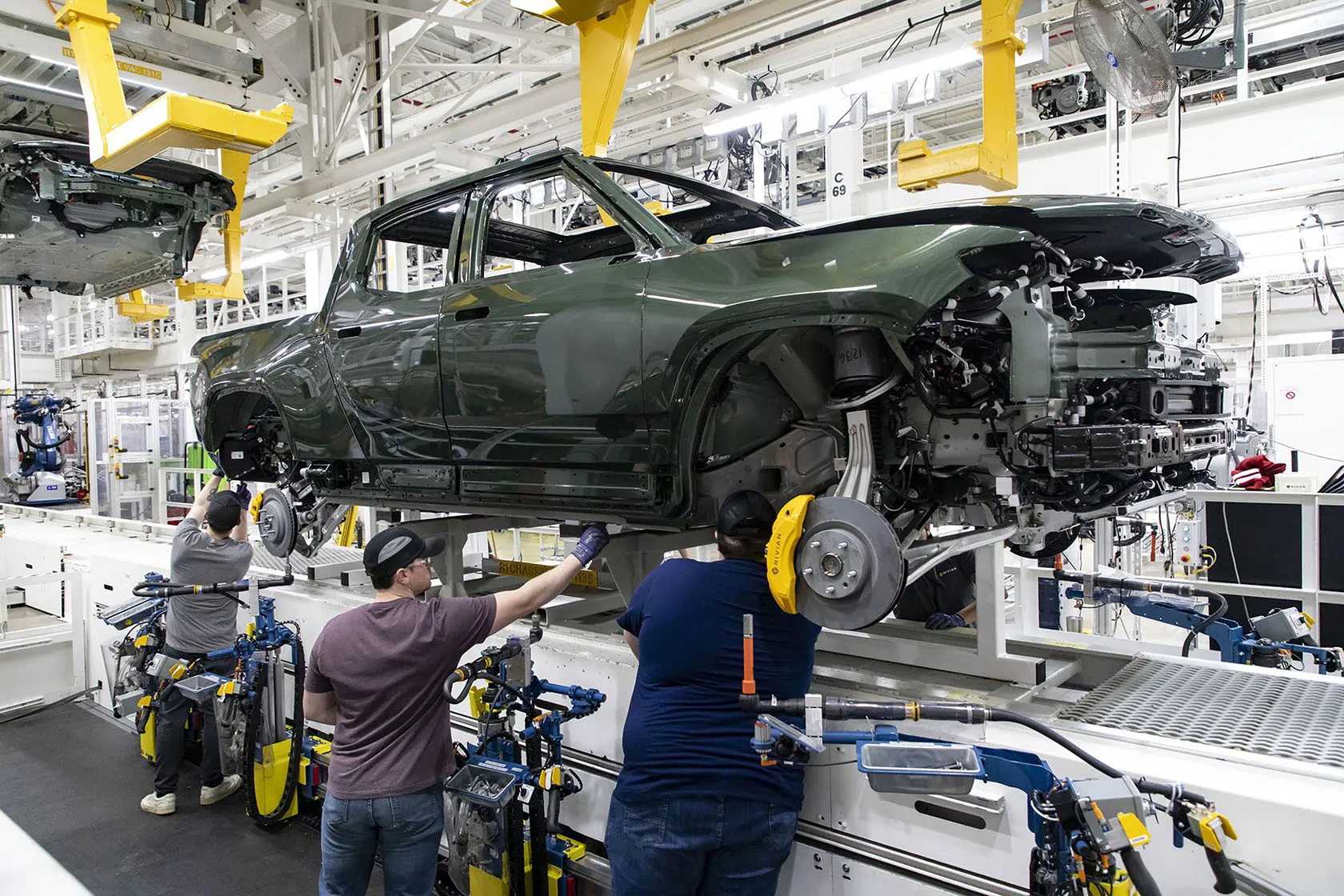
Consumer attitudes toward vehicle interiors are evolving as drivers gain more experience with touchscreen-based systems. Initially, many buyers were attracted to large displays because they appeared modern and technologically advanced. However, long-term ownership experiences have revealed frustrations that were not always obvious during short test drives or showroom demonstrations.
Surveys and customer feedback increasingly indicate that buyers want a better balance between digital features and practical usability. Physical buttons are no longer viewed as outdated by many consumers. Instead, they are often associated with convenience, safety, and intuitive design.
Different demographic groups also show varying attitudes toward touchscreen technology. Younger buyers who grew up using smartphones may adapt more easily to digital interfaces, but even many technology-oriented consumers express frustration with touchscreen-heavy controls while driving.
Older drivers, meanwhile, often prefer traditional layouts because they offer familiarity and ease of use. Accessibility concerns further complicate the issue, as some touchscreen systems can be difficult for individuals with limited mobility, reduced vision, or slower reaction times. Automakers must therefore consider a broad range of user needs when designing vehicle interiors.
Market trends suggest that manufacturers are starting to respond to consumer dissatisfaction. Several automakers have announced plans to restore physical controls for frequently used functions such as climate adjustment and audio settings.
These decisions reflect growing recognition that customer satisfaction depends not only on technological innovation but also on everyday practicality. Some brands now emphasize hybrid interior designs that combine digital displays with tactile controls. This approach allows drivers to enjoy modern connectivity features without sacrificing ergonomic convenience.
The rise of voice control technology has also influenced the conversation surrounding touchscreens and physical buttons. Manufacturers increasingly promote voice assistants as a safer alternative to manual interaction. While voice systems have improved significantly, they still face limitations involving accuracy, language recognition, background noise, and user frustration.
Many drivers continue to prefer physical controls for quick adjustments because they provide immediate and predictable results. Voice commands may complement tactile interfaces, but they have not fully replaced the need for dedicated buttons in real-world driving situations.
Consumer expectations will likely continue shaping future automotive design strategies. Buyers increasingly prioritize practical functionality alongside technological sophistication. Automakers that successfully combine intuitive controls, advanced connectivity, and driver-focused ergonomics may gain competitive advantages in the evolving market.
The growing demand for physical buttons demonstrates that innovation alone is not enough to satisfy consumers. Technology must also enhance usability, reduce distraction, and support safer driving experiences. Manufacturers that ignore these concerns risk alienating customers who value simplicity and reliability behind the wheel.
The Future of Automotive Interior Design
The future of automotive interior design will likely involve a more balanced relationship between digital technology and tactile functionality. After years of aggressively pursuing touchscreen-dominated cabins, many automakers are reconsidering how drivers actually interact with vehicles in real-world conditions.
Industry trends suggest that future interiors may blend the strengths of both physical and digital controls rather than relying exclusively on one approach. This shift reflects a growing understanding that human-centered design principles are essential for long-term customer satisfaction and road safety.
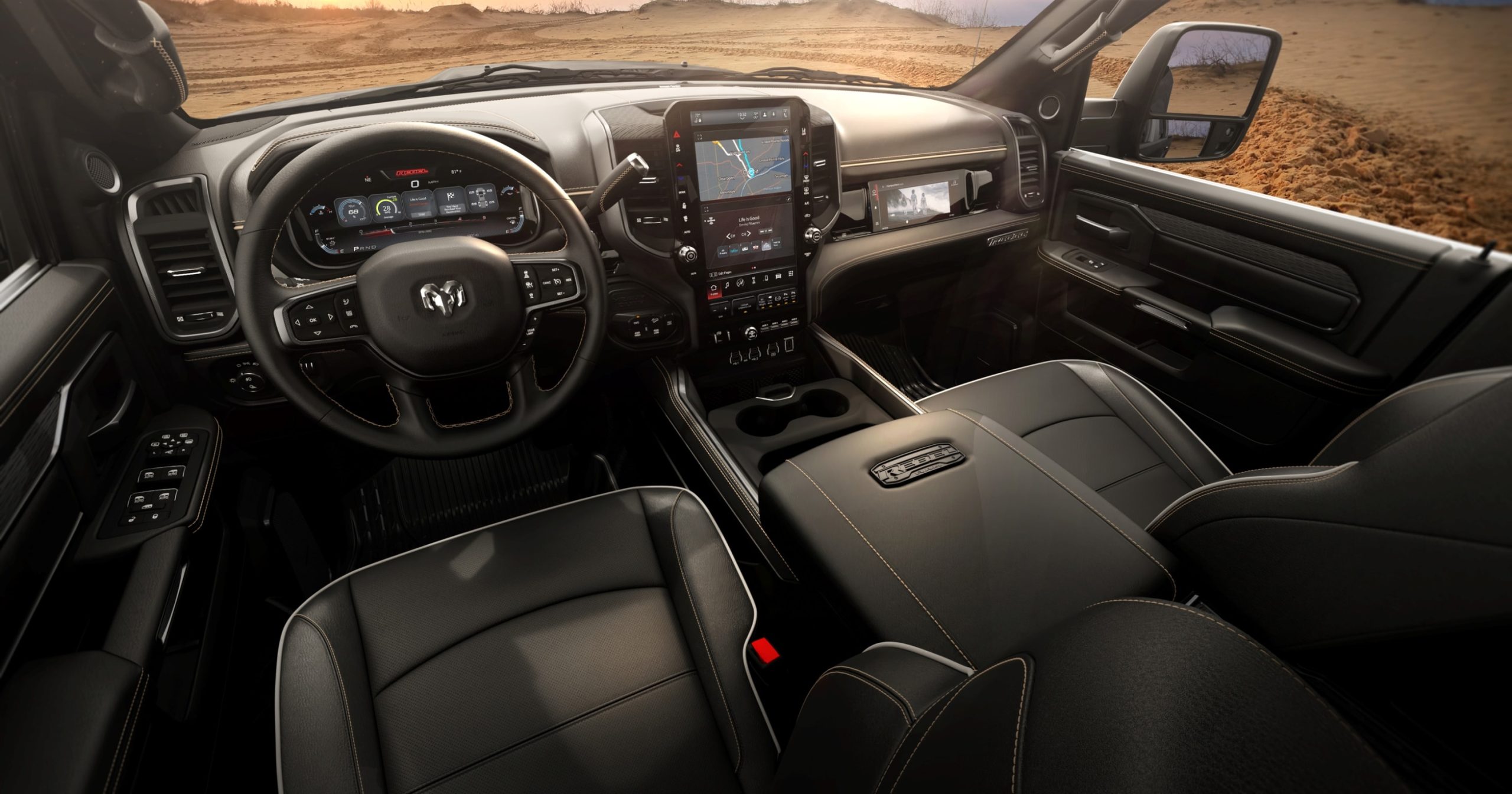
Hybrid interface layouts are becoming increasingly popular among manufacturers seeking to address consumer concerns. In these designs, touchscreens handle advanced functions such as navigation, media integration, and vehicle customization, while physical buttons remain available for essential controls.
This combination allows drivers to access modern technology without sacrificing intuitive operation. Ergonomics experts often support this strategy because it aligns with natural human behavior and reduces unnecessary cognitive strain during driving. As competition intensifies in the automotive market, user-friendly interior design may become a key differentiator between brands.
Advancements in haptic feedback technology may also influence future touchscreen development. Some manufacturers are experimenting with displays that simulate tactile sensations when users interact with virtual controls. Haptic systems can provide vibrations or resistance that mimic the feeling of pressing a real button.
While these innovations may improve touchscreen usability, many experts believe they still cannot fully replicate the simplicity and reliability of dedicated physical controls. Nevertheless, continued technological development could help reduce some of the distraction issues currently associated with digital interfaces.
Artificial intelligence and contextual automation may further reshape how drivers interact with vehicle systems. Future cars could automatically adjust climate settings, seating preferences, navigation routes, and entertainment options based on user habits and environmental conditions.
By reducing the need for manual interaction, these technologies could minimize distraction while enhancing convenience. However, experts caution that automation should support driver awareness rather than encourage overreliance on complex digital systems. Maintaining intuitive manual controls will likely remain important even as vehicles become smarter and more autonomous.
The debate between physical buttons and touchscreens highlights a broader truth about technological progress. Innovation is most successful when it improves real-world usability rather than simply creating visual novelty. Drivers want vehicles that feel safe, comfortable, and easy to operate under all conditions.
The growing preference for physical buttons demonstrates that many consumers value practical functionality over purely aesthetic minimalism. As automotive design continues evolving, manufacturers that prioritize ergonomics, safety, and human-centered engineering are likely to earn greater trust and loyalty from future car buyers.
