
Brake jobs are usually considered one of the most routine repairs in the automotive world. Most vehicles allow mechanics to replace pads, rotors, calipers, and brake hardware within a predictable timeframe and budget. However, not every car is designed with simplicity in mind.
Some vehicles turn what should be a straightforward brake service into an expensive and frustrating mechanical nightmare. In many repair shops, experienced technicians hesitate when certain models roll into the garage because they know the job may involve seized components, difficult electronic systems, specialty tools, or hidden labor costs that customers rarely expect.
In extreme cases, mechanics refuse to quote the repair altogether until the vehicle is fully disassembled because the risk of complications is simply too high.
Modern cars have become increasingly complex. Electronic parking brakes, adaptive suspension systems, carbon ceramic brake packages, and tightly packed wheel assemblies all contribute to rising service difficulty. Luxury brands are especially notorious for engineering vehicles with performance and styling as the priority rather than long-term maintenance accessibility.
What seems like a simple brake pad replacement can quickly evolve into hours of additional labor involving computer resets, sensor recalibrations, rusted hardware removal, or partial suspension disassembly. Some vehicles even require proprietary diagnostic software before the brake system can be serviced safely.
Owners are often shocked when they discover that a brake job on a high-end SUV or sports sedan can cost several thousand dollars. Mechanics know that once they provide an estimate, hidden problems can create disputes with customers if the final bill climbs dramatically higher.
For this reason, many shops avoid giving fixed quotes on notoriously difficult vehicles. Instead, they warn customers that the price may vary significantly depending on corrosion, electronic faults, or damaged components uncovered during the process.
The vehicles on this list have earned a reputation among mechanics for making brake repairs unusually complicated, expensive, or time-consuming. Some suffer from poor engineering accessibility, while others include high-performance braking systems that dramatically increase labor and parts costs.
In many cases, independent repair shops avoid these cars entirely because the potential liability and unpredictability are simply not worth the risk. While these vehicles may offer luxury, performance, or prestige, maintaining them can become a serious financial burden once the brakes need attention.
Understanding which vehicles are difficult to service can help buyers make more informed decisions before purchasing a used luxury car or performance model. A cheap used luxury vehicle may seem like a bargain initially, but repair costs can quickly erase any savings.
Brake repairs are among the most common maintenance items every car owner eventually faces, making serviceability an important factor that should never be overlooked.
Also Read: 9 Best Cars for First-Time Parents
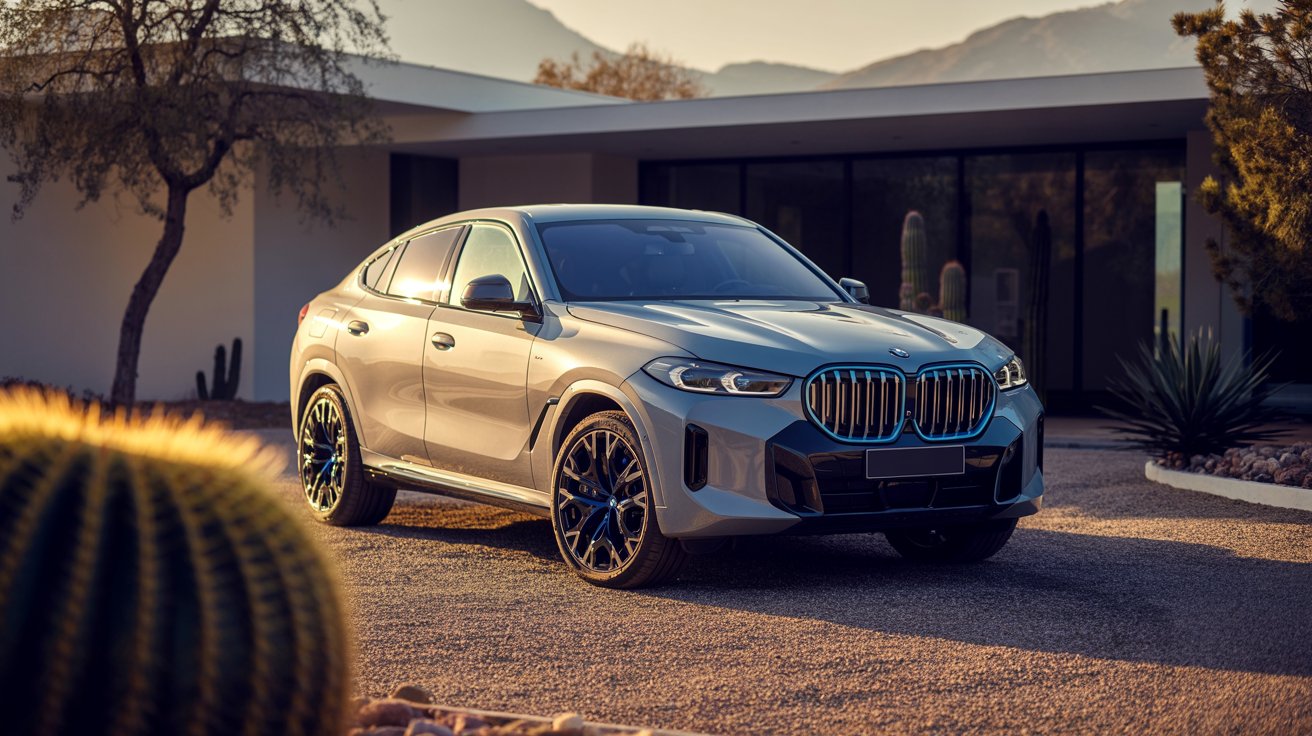
- Engine: 3.0L turbo inline-6 mild hybrid, 4.4L twin-turbo V8
- Horsepower: 375 hp (740i), 536 hp (760i)
- Torque: 383 lb-ft (740i), 553 lb-ft (760i)
- Length: 212.2 inches
- Width: 76.8 inches
1. BMW 7 Series
The BMW 7 Series has long represented luxury, advanced engineering, and executive comfort, but mechanics frequently complain about the complexity involved in performing even basic brake repairs.
While the braking system itself is highly capable, accessing components can become surprisingly labor-intensive depending on the model year and trim level. Electronic parking brake systems, integrated wear sensors, and tightly packed suspension designs create a situation where a routine brake job may require far more time than expected.
One major issue with the 7 Series is the extensive integration of electronic systems into the braking components. Mechanics often need advanced diagnostic software just to retract electronic brake calipers safely.
Without the proper scan tools, attempting the repair can damage expensive actuators or trigger warning lights throughout the dashboard. Independent repair shops that lack factory-level equipment sometimes decline the work entirely because resetting the system improperly can lead to additional complications.
Another challenge comes from corrosion and seized hardware, especially in older models driven in colder climates. The combination of aluminum suspension components and steel fasteners often creates galvanic corrosion, making bolts difficult to remove without damaging surrounding parts.
Mechanics know that what starts as a simple pad replacement can quickly escalate into broken hardware extraction or additional suspension repairs.
Performance-oriented trims featuring larger brake packages create even more headaches. Massive rotors and multi-piston calipers are expensive to replace and require careful handling during installation.
Customers are often shocked when they discover that OEM brake parts alone can cost more than an entire brake job on an economy vehicle. Because luxury car owners often expect perfection, mechanics face additional pressure to ensure absolutely silent and flawless operation after the repair.
The BMW 7 Series also suffers from packaging limitations that reduce accessibility around wheel wells and brake lines. Some technicians report spending excessive time maneuvering tools into tight spaces, especially on All Wheel Drive models.
Labor estimates become difficult because hidden issues are common once disassembly begins. For these reasons, many mechanics avoid offering flat-rate quotes and instead insist on inspecting the vehicle first before discussing final pricing.
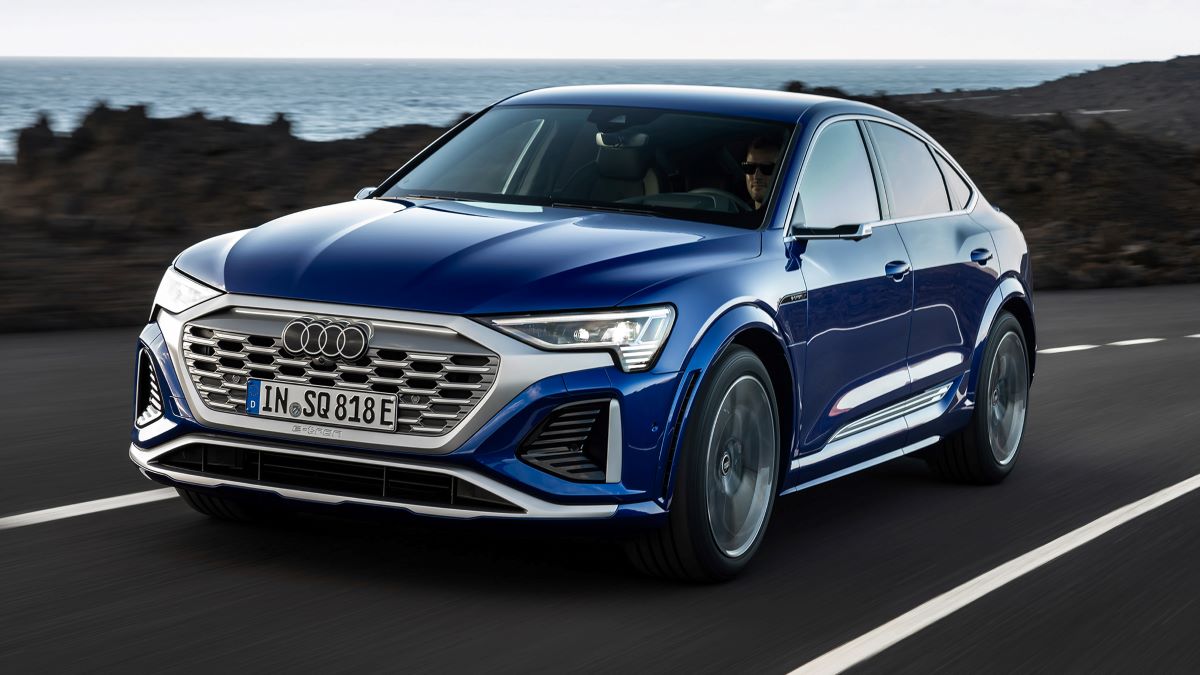
- Engine: 2.0L turbo inline-4, 3.0L turbo V6 mild hybrid
- Horsepower: 261 hp (2.0T), 335 hp (3.0T)
- Torque: 273 lb-ft (2.0T), 369 lb-ft (3.0T)
- Length: 199.6 inches
- Width: 77.6 inches
2. Audi Q7
The Audi Q7 combines luxury SUV practicality with advanced German engineering, but many mechanics consider it one of the least enjoyable vehicles for brake service. The sheer size and weight of the SUV already place tremendous strain on braking components, meaning pads and rotors wear faster than many owners expect. Unfortunately, replacing those components is rarely simple or inexpensive.
One of the primary complaints involves the electronic parking brake system. Rear brake service often requires factory-compatible diagnostic tools to retract the calipers electronically before replacement can begin.
If the procedure is performed incorrectly, the system can lock up or trigger electronic faults that require additional programming. Smaller repair shops without specialized Audi software frequently avoid servicing these vehicles for that reason alone.
The Q7 also features tightly engineered suspension and wheel assemblies that limit access to brake components. Mechanics frequently encounter seized rotor screws, rusted mounting points, and stubborn caliper bolts that add significant labor time.
On older models, corrosion around the wheel hubs can make rotor removal extremely difficult. Some technicians resort to heat or specialized extraction tools, increasing both labor costs and risk of damage.
Brake parts for the Audi Q7 are also unusually expensive. Large ventilated rotors and premium brake pads can cost several times more than comparable parts for mainstream SUVs. Customers sometimes assume brake repairs should be affordable because the work appears routine, but mechanics know the final invoice can become substantial very quickly. This often creates tension between repair shops and vehicle owners when estimates rise unexpectedly.
Another complication involves Audi’s sophisticated stability and driver assistance systems. Brake service may require recalibration of sensors or system checks afterward to ensure everything functions properly.
Warning lights or software errors can appear if the repair process is not completed exactly according to factory specifications. Because of these challenges, many mechanics refuse to provide firm brake job estimates until they inspect the condition of the vehicle thoroughly.
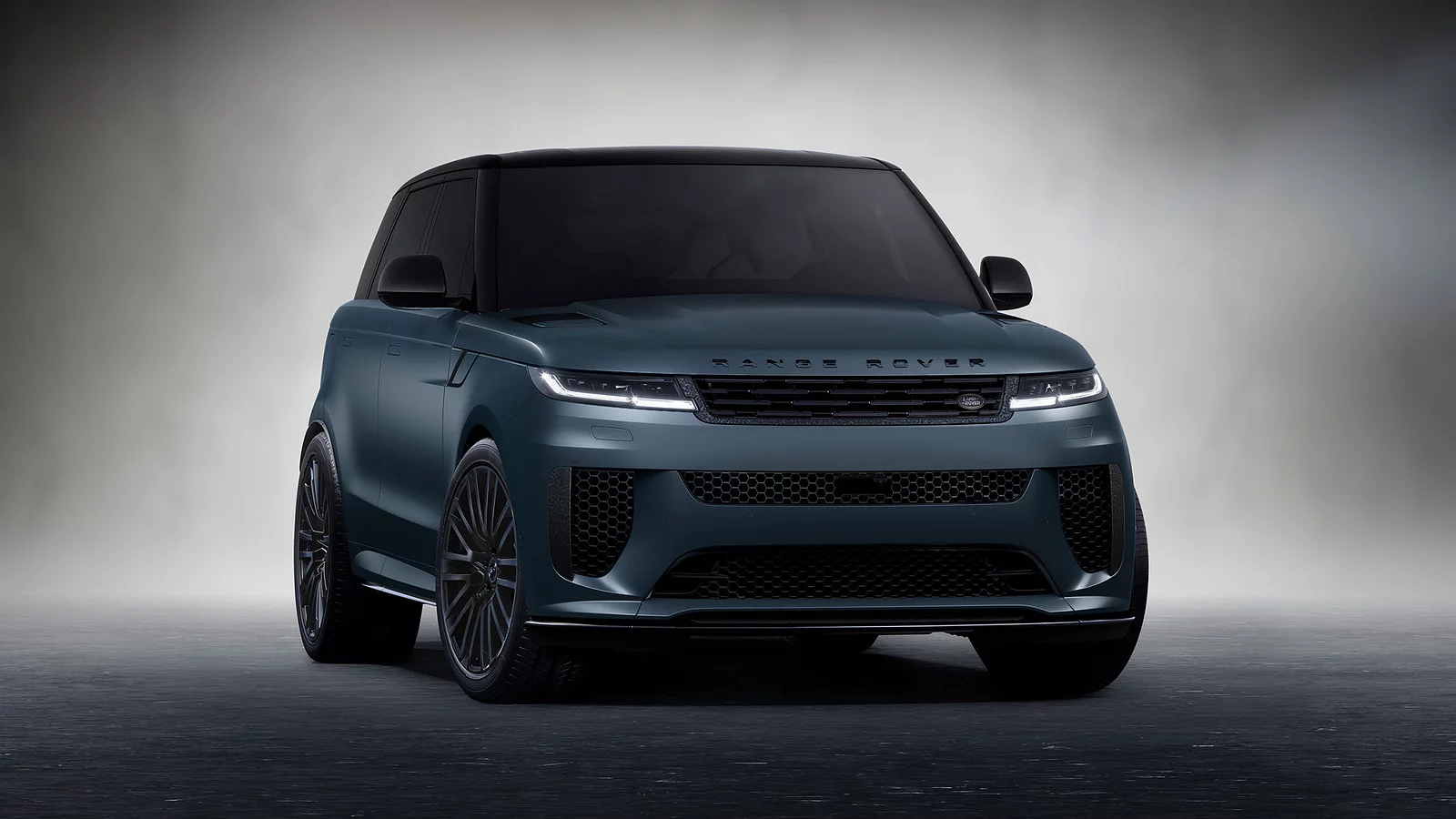
- Engine: 3.0L inline-6 mild hybrid, 4.4L twin-turbo V8
- Horsepower: 395 hp (I6), 523–626 hp (V8)
- Torque: 369 lb-ft (I6), 553–590 lb-ft (V8)
- Length: 194.7 inches
- Width: 80.6 inches
3. Range Rover Sport
The Range Rover Sport is admired for its luxury, off-road capability, and commanding road presence, but mechanics frequently dread servicing its braking system. Land Rover vehicles have developed a reputation for complicated repairs and unpredictable maintenance issues, and brake work is no exception. Even experienced technicians approach these vehicles cautiously because hidden complications are extremely common.
Electronic complexity is a major factor. Many Range Rover Sport models feature advanced electronic parking brake systems that can malfunction during service if not handled correctly.
Retracting the parking brake often requires specialized diagnostic tools and precise procedures. If the system fails during the process, repair costs can escalate dramatically. Mechanics know that even a routine brake replacement can become a major electronic troubleshooting session.
Vehicle weight also contributes heavily to brake wear and service difficulty. The Range Rover Sport is a large and heavy SUV that places tremendous demands on its braking system. Rotors tend to wear quickly, and premium components are expensive to replace. High-performance trims equipped with larger brake packages can push repair bills into luxury sports car territory.
Accessibility issues further complicate matters. Mechanics often struggle with limited working space around suspension and braking components. Corrosion can seize bolts and hardware in place, particularly on vehicles exposed to moisture or road salt. What should take a few hours on another SUV may stretch into an all-day repair due to stubborn components or unexpected damage during removal.
Land Rover reliability concerns also create hesitation among mechanics. Brake jobs sometimes reveal unrelated suspension, electrical, or hydraulic issues that owners were unaware of beforehand. Shops fear being blamed for newly discovered problems once the repair is completed.
As a result, many mechanics avoid quoting fixed prices because they know hidden complications are almost guaranteed on aging Range Rover models.
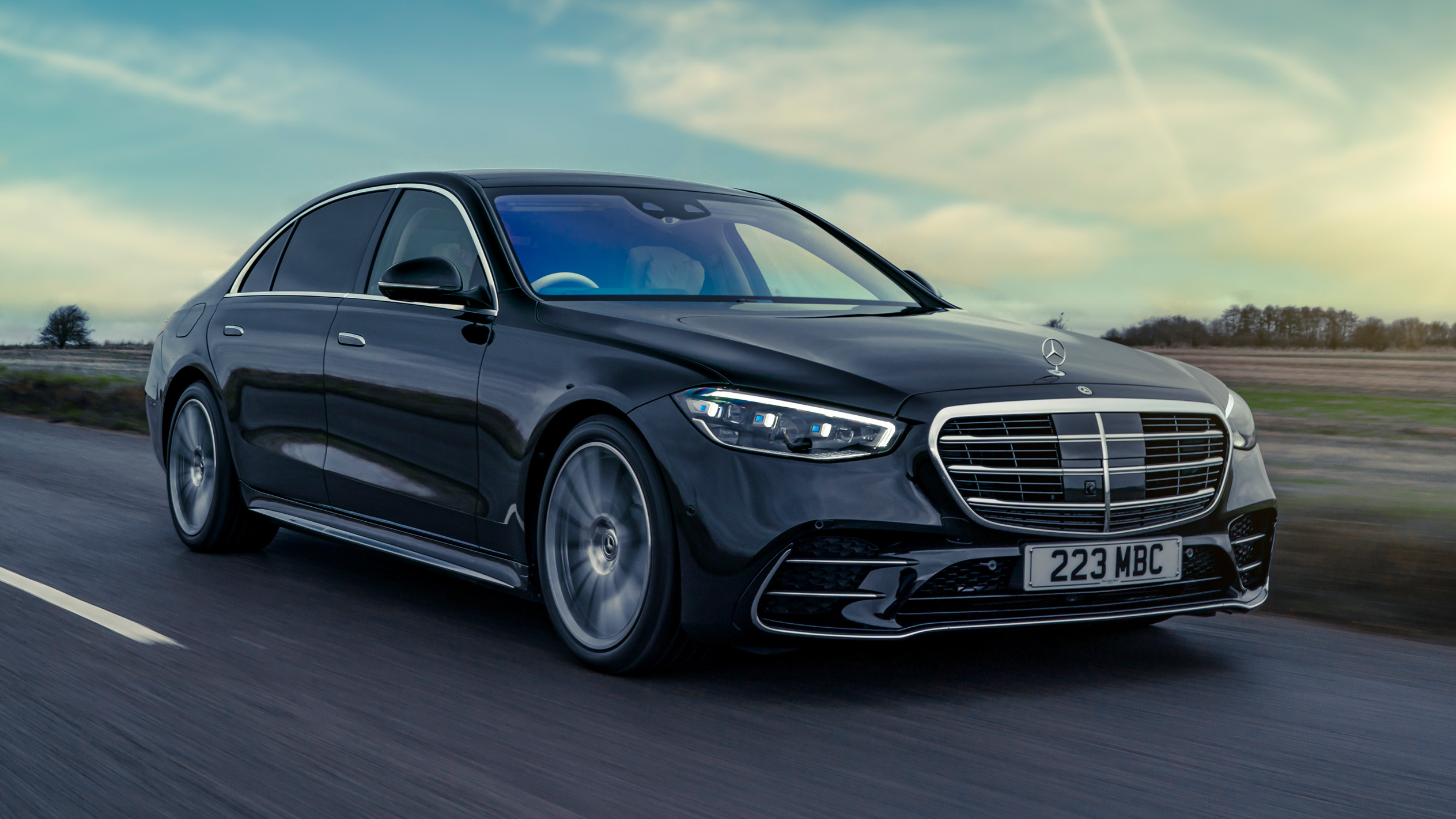
- Engine: 3.0L turbo inline-6 mild hybrid, 4.0L twin-turbo V8
- Horsepower: 429 hp (S500), 496 hp (S580)
- Torque: 384 lb-ft (S500), 516 lb-ft (S580)
- Length: 208.2 inches
- Width: 76.9 inches
4. Mercedes-Benz S Class
The Mercedes-Benz S-Class is one of the most technologically advanced luxury sedans ever built, but that sophistication becomes a serious challenge during maintenance. Mechanics often hesitate to quote brake jobs on these vehicles because the complexity of the braking system introduces significant unpredictability.
Many S-Class models feature advanced braking technologies such as adaptive brake assist, electronic parking brakes, and brake-by-wire systems. Servicing these systems safely requires specialized training and manufacturer-specific diagnostic software.
Independent shops lacking access to factory tools may refuse the repair entirely because improper procedures can damage expensive modules or trigger safety system failures.
The physical brake components themselves are also costly. Large luxury sedans require powerful braking systems capable of handling significant weight and high-speed stability. Premium rotors, pads, and sensors can easily cost thousands of dollars in OEM form. Customers are often unprepared for such high expenses, creating friction when repair estimates exceed expectations.
Another challenge is the intricate packaging beneath the vehicle. Mercedes engineers prioritize comfort, aerodynamics, and noise isolation, often at the expense of maintenance accessibility. Mechanics may need to remove additional panels or suspension components just to access brake hardware properly. Labor times increase substantially compared to mainstream vehicles.
Corrosion and aging electronics make older S-Class models even more problematic. Brake line fittings, caliper bolts, and wheel hubs frequently seize after years of exposure to moisture. At the same time, aging sensors and electronic modules become fragile and prone to failure during disassembly.
Mechanics understand that a simple brake job can unexpectedly expand into a multi-system repair, which is why many avoid offering guaranteed pricing upfront.
Also Read: 10 Cars That Are Still Being Driven After 2 Decades
- Engine: 3.0L turbo V6, 2.9L twin-turbo V6, 4.0L twin-turbo V8
- Horsepower: 348 hp (base), 468 hp (S), 650 hp (Turbo GT)
- Torque: 368 lb-ft (base), 442 lb-ft (S), 626 lb-ft (Turbo GT)
- Length: 194.1 inches
- Width: 78.1 inches
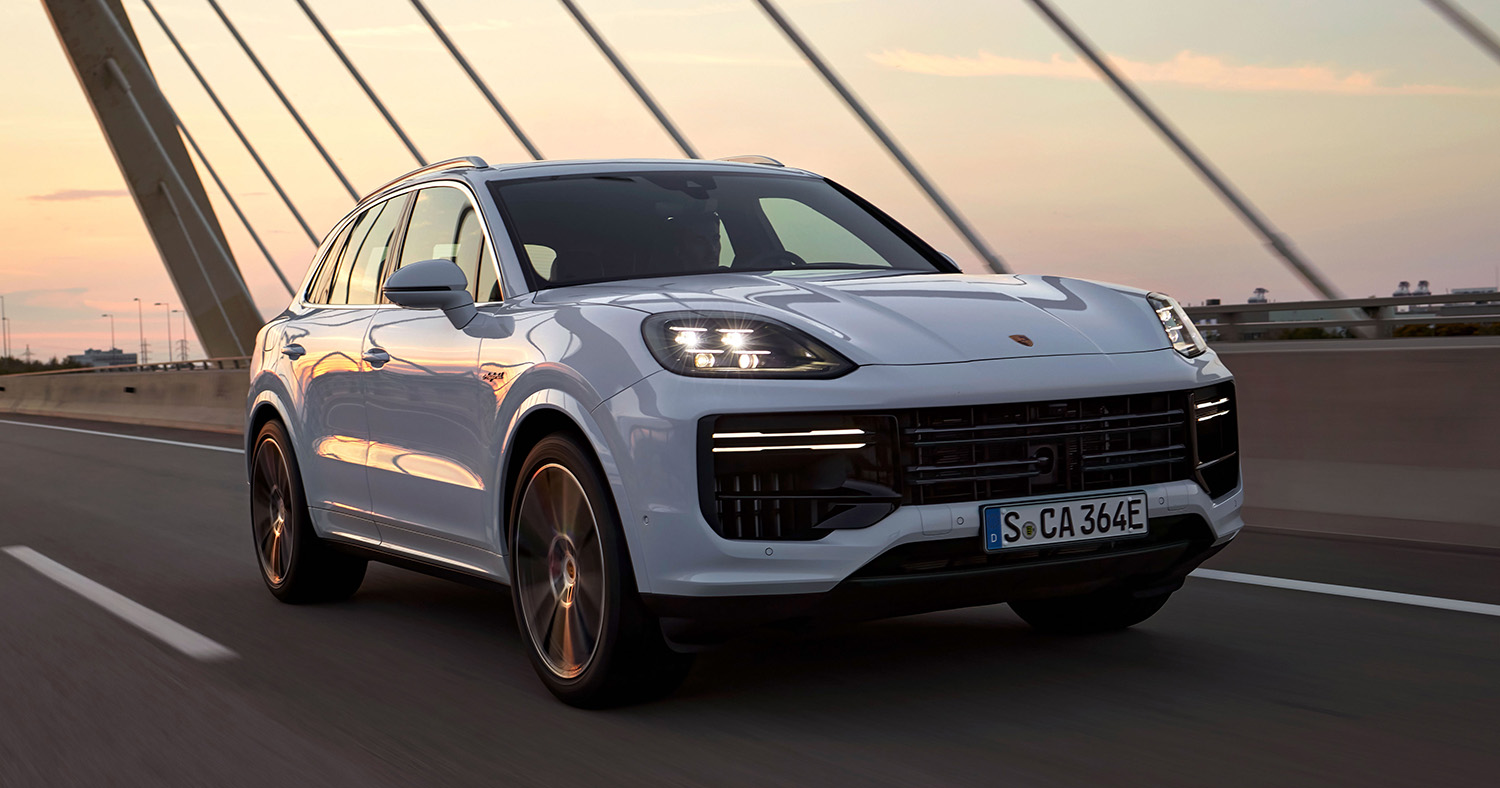
5. Porsche Cayenne
The Porsche Cayenne delivers sports car performance in SUV form, but maintaining that performance comes at a steep cost. Mechanics often refuse to provide straightforward brake job quotes because the vehicle’s braking system is exceptionally expensive and technically demanding.
Performance variants of the Cayenne frequently use massive multi-piston calipers paired with oversized rotors. Some trims even include carbon ceramic brakes, which are extraordinarily costly to replace. A full brake job on one of these models can rival the price of an entire used economy car. Mechanics know customers may react negatively once they see the estimate, leading many shops to approach the conversation carefully.
Brake servicing procedures on the Cayenne can also be unusually time-consuming. Certain models require electronic system resets or recalibrations after replacing components. Specialized tools may be needed to retract calipers or service parking brake systems safely. Independent repair facilities lacking Porsche-specific equipment often avoid the job altogether.
The SUV’s tightly packed design creates additional frustration. Large wheels, performance suspension systems, and limited workspace around brake assemblies increase labor difficulty significantly.
Corrosion around wheel hubs can make rotor removal especially difficult on older vehicles. Mechanics frequently encounter seized fasteners that require extra time and caution to remove without causing damage.
Porsche owners also tend to have high expectations regarding brake feel and performance. Any squeaking, vibration, or uneven braking after service may lead to complaints or return visits. Mechanics know they must perform the repair perfectly the first time, increasing pressure and liability. Because of the combination of expensive parts, labor intensity, and customer expectations, many shops hesitate to offer fixed brake job pricing for the Cayenne.
- Engine: Dual motor electric, Tri motor electric
- Horsepower: ~670 hp (Long Range), ~1,020 hp (Plaid)
- Torque: ~723 lb-ft (Long Range), ~1,050 lb-ft (Plaid)
- Length: 197.7 inches
- Width: 78.2 inches
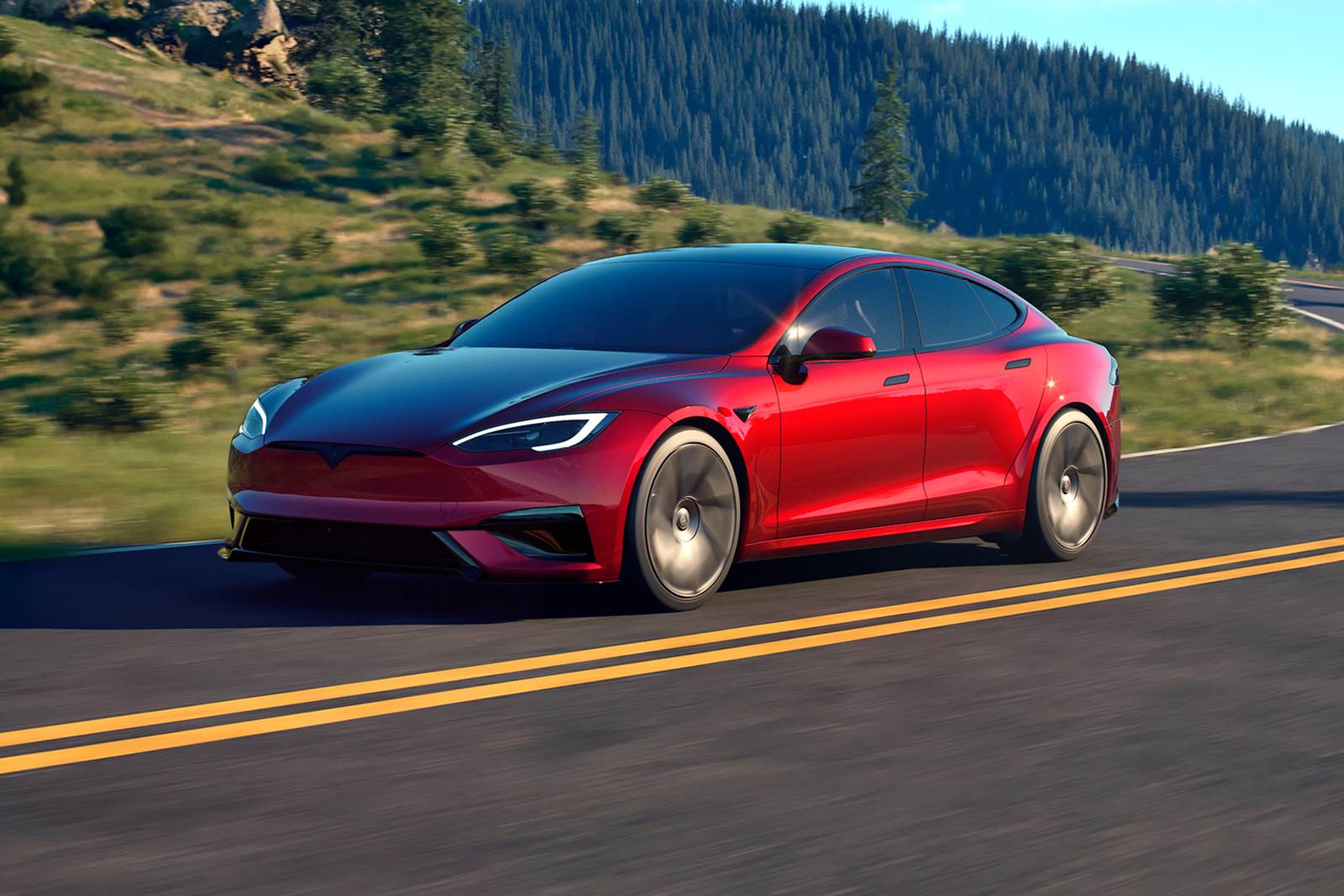
6. Tesla Model S
The Tesla Model S presents a unique challenge because its braking system combines traditional hydraulic components with advanced regenerative braking technology. While regenerative braking reduces wear on pads and rotors in some cases, servicing the system can still become surprisingly difficult for mechanics unfamiliar with electric vehicles.
One major issue is software integration. Many brake-related procedures on the Model S require interaction with Tesla’s electronic systems. Technicians may need access to specialized service modes or diagnostic software before repairs can begin safely. Independent repair shops often lack the necessary equipment or training, limiting the number of mechanics willing to work on the vehicle.
The weight of the battery pack also places significant demands on braking components despite regenerative assistance. The Model S is extremely heavy, which means rotors and suspension parts experience considerable stress.
Brake hardware can corrode from limited use because regenerative braking reduces friction brake engagement during normal driving. Mechanics sometimes encounter seized calipers or heavily rusted rotors on vehicles with relatively low mileage.
Tesla’s minimalist design philosophy creates additional service complications. Certain repairs require removing covers, panels, or electronic connectors that are unfamiliar to traditional technicians. Because Tesla restricts access to some parts and repair information, independent shops may struggle to source components or follow official procedures.
Another challenge is customer expectations. Tesla owners often expect dealership-level precision and software integration during repairs. Mechanics fear being blamed for warning lights, software glitches, or electronic malfunctions unrelated to the brake service itself. As a result, many shops either decline brake work on Teslas entirely or refuse to provide fixed quotes before a detailed inspection.
- Engine: 3.0L supercharged V6, 5.0L supercharged V8
- Horsepower: 340 hp (V6), 470–575 hp (V8)
- Torque: 332 lb-ft (V6), 424–516 lb-ft (V8)
- Length: 202.0 inches
- Width: 74.8 inches
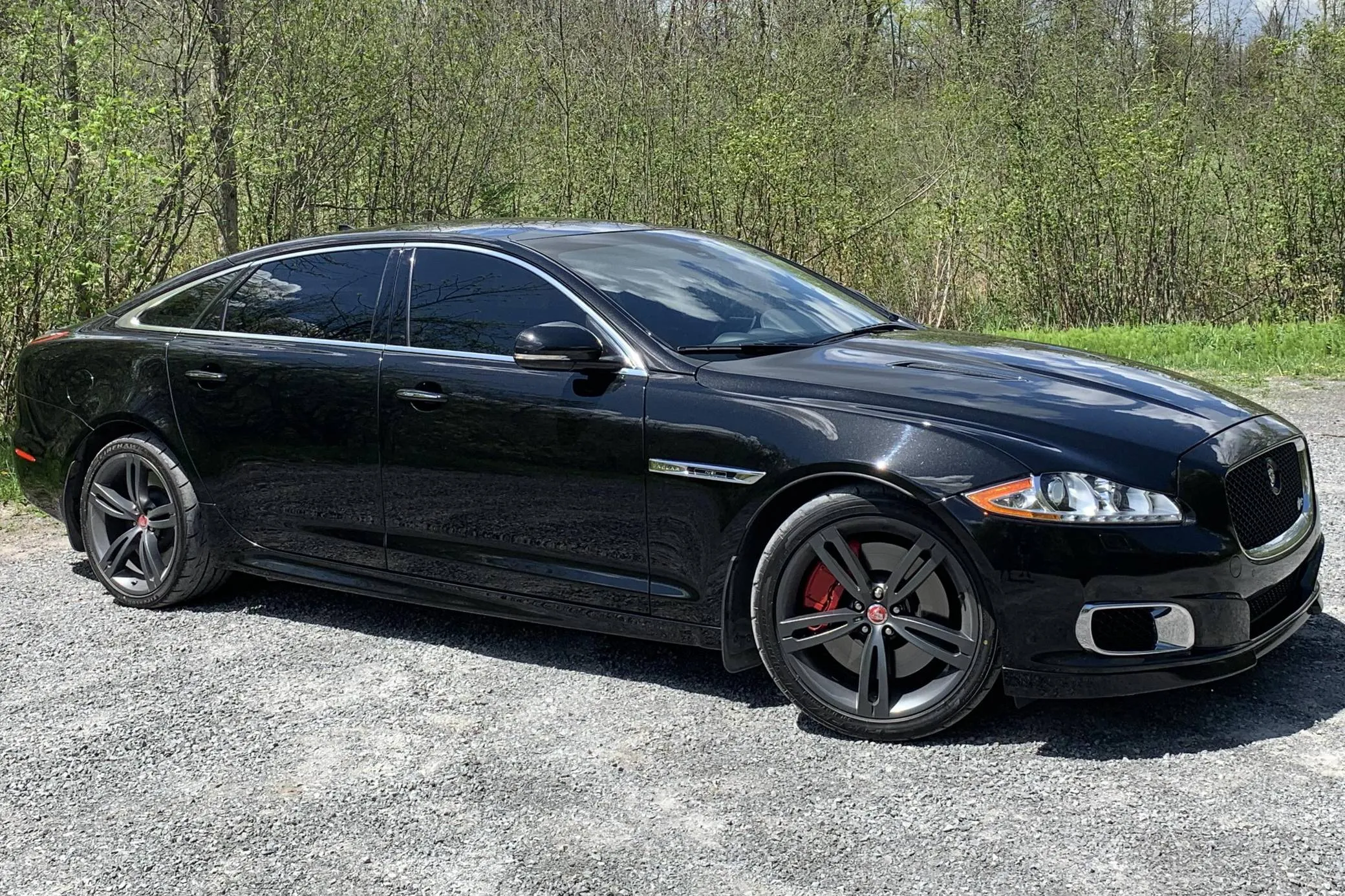
7. Jaguar XJ
The Jaguar XJ combines British luxury with elegant styling, but mechanics often associate the vehicle with complicated and unpredictable repairs. Brake jobs on the XJ can become frustrating because of electronic systems, corrosion issues, and limited accessibility throughout the chassis.
Electronic parking brake systems are a frequent source of trouble. Servicing rear brakes often requires diagnostic tools capable of communicating with Jaguar’s onboard systems. Attempting manual procedures without proper software can damage actuators or trigger warning lights. Smaller repair facilities may avoid these vehicles because the required equipment is expensive and rarely used on other brands.
The XJ also suffers from corrosion-related complications as the vehicle ages. Aluminum body construction paired with steel hardware creates galvanic corrosion that can seize fasteners in place. Mechanics often struggle with stubborn bolts, especially in regions with harsh winters. Additional labor quickly accumulates when hardware breaks or requires extraction.
Luxury performance brake packages further increase repair costs. Large rotors and premium pads are expensive to source, particularly when using OEM components. Customers are frequently surprised by the high cost of routine maintenance on aging luxury sedans, making price disputes more likely.
Another factor is Jaguar’s reputation for electrical issues. Mechanics know that brake repairs can sometimes trigger unrelated warning messages or sensor failures. Shops become cautious because customers may assume the mechanic caused any new issue discovered after the repair. For this reason, many technicians avoid giving guaranteed quotes until they fully assess the condition of the vehicle.
- Engine: 3.0L twin-turbo V6, 3.8L twin-turbo V8
- Horsepower: 345–424 hp (V6), 523 hp (V8 Trofeo)
- Torque: 369–457 lb-ft
- Length: 207.2 inches
- Width: 75.7 inches
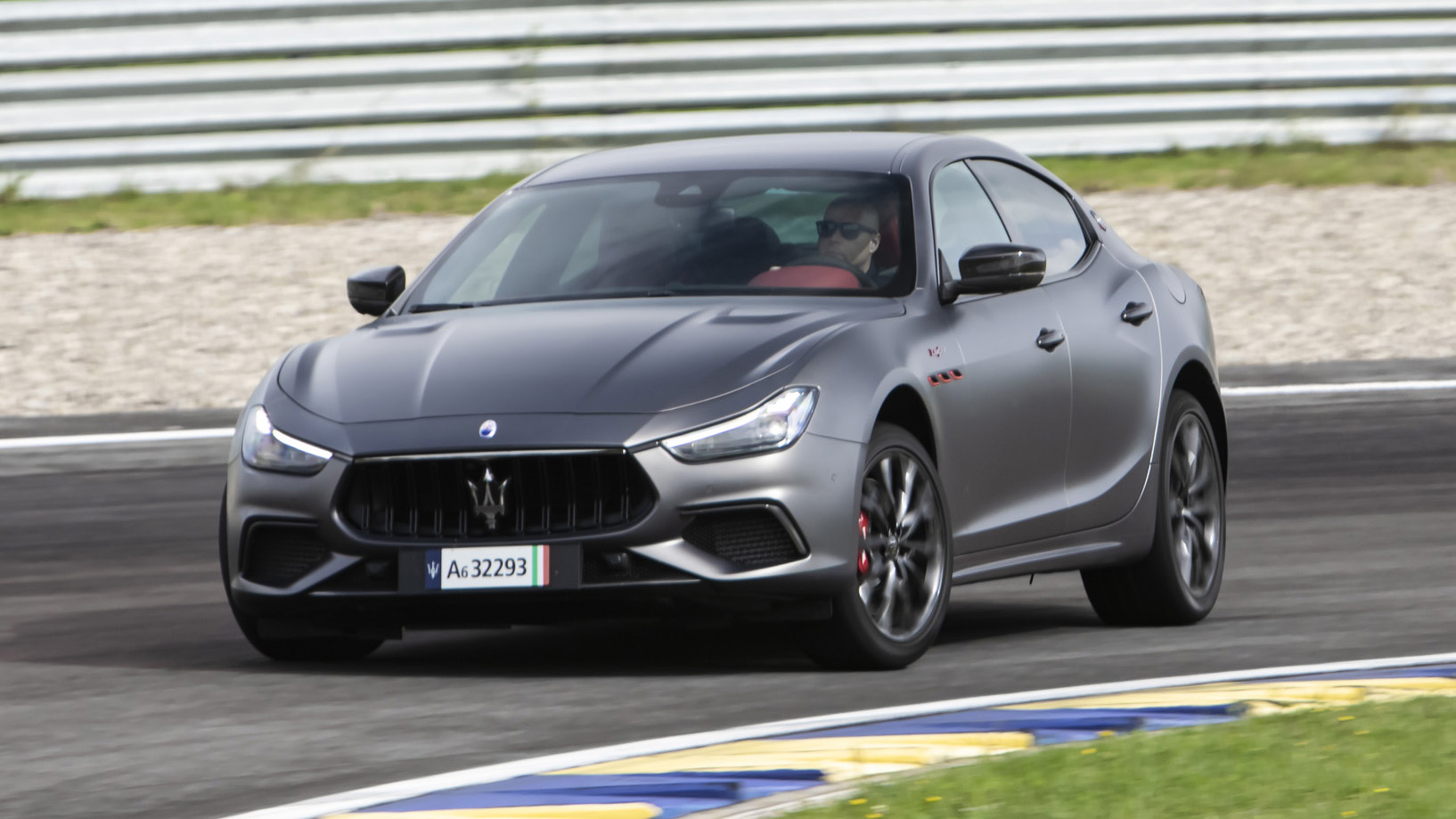
8. Maserati Quattroporte
The Maserati Quattroporte offers exotic Italian luxury and performance, but it also delivers some of the most intimidating brake service experiences in the automotive world. Many mechanics refuse to quote brake jobs on these vehicles because of astronomical parts costs, limited component availability, and unpredictable labor demands.
High-performance braking systems are standard on the Quattroporte, and replacement components are extremely expensive. Large drilled rotors, premium brake pads, and multi-piston calipers can create repair bills that shock even wealthy owners. Mechanics know that once customers hear the price, disputes often follow, especially on older used models purchased at depreciated prices.
Parts availability creates another major issue. Maserati components are not as widely stocked as parts for mainstream luxury brands. Delays in obtaining OEM hardware can leave vehicles occupying shop space for extended periods. Mechanics hesitate to begin repairs without knowing whether all necessary components are immediately available.
The Quattroporte’s exotic engineering also complicates labor procedures. Tight engine bay packaging and unique suspension layouts reduce access around brake assemblies. Some repairs require removing additional components simply to reach mounting hardware. Mechanics unfamiliar with Maserati vehicles may find service manuals confusing or incomplete.
Finally, customer expectations for exotic vehicles are extremely high. Owners demand flawless braking performance with zero noise or vibration after repairs. Mechanics understand that even minor imperfections can lead to dissatisfaction and costly rework.
Because of the financial risk and unpredictability involved, many independent shops decline to work on Maseratis entirely or insist on flexible pricing structures before beginning the repair.
