
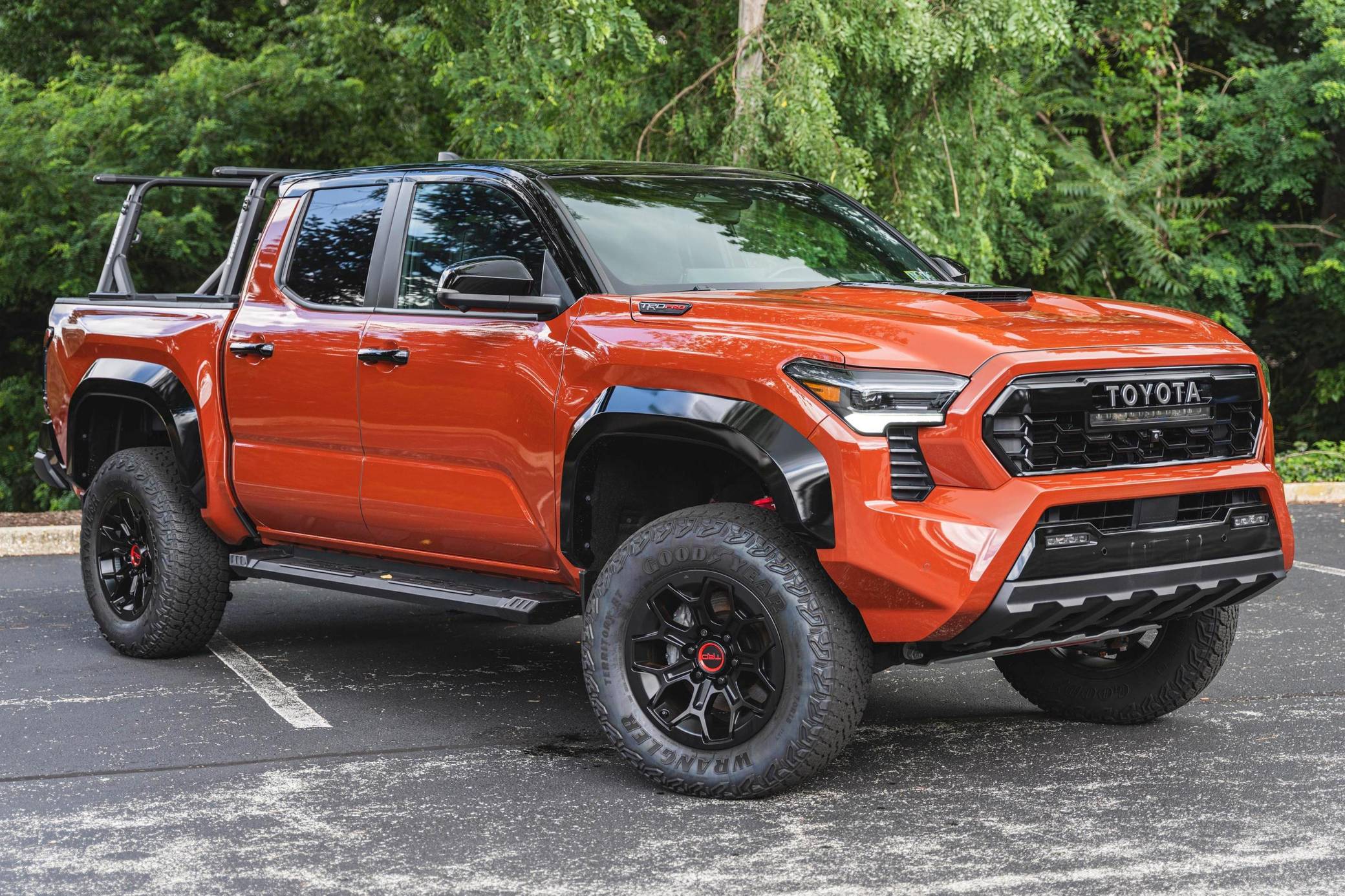
The Toyota Tacoma has built one of the strongest reputations in the midsize truck market, becoming a favorite among off-road enthusiasts, daily commuters, overlanders, and long-term truck owners alike. Since its debut in the mid 1990s, the Tacoma has consistently delivered a mix of reliability, durability, strong resale value, and practical performance that few competitors have been able to match.
While full-size pickup trucks often dominate headlines with massive towing numbers and luxury interiors, the Tacoma carved its own lane by focusing on rugged dependability and real-world usability. It became especially popular among drivers who wanted a truck capable enough for work and adventure without the oversized dimensions of larger pickups.
Over the decades, Toyota refined the Tacoma through multiple redesigns, engine upgrades, suspension improvements, and technology enhancements. Some generations became legendary for their simplicity and longevity, while others received criticism for outdated transmissions, uncomfortable seating positions, or underwhelming powertrains.
Every Tacoma generation has its own strengths and weaknesses, and opinions among truck enthusiasts can vary widely depending on priorities such as towing capability, off-road performance, fuel economy, or interior comfort. However, when reliability, innovation, value retention, capability, and owner satisfaction are all considered together, certain Tacoma generations clearly stand above the rest.
Ranking Tacoma generations is not simply about identifying the newest model or the most powerful engine. It requires examining how each generation performed during its era, how well it aged over time, and how owners continue to view it years after release.
Some generations became icons because they balanced mechanical simplicity with impressive toughness, while others struggled to evolve quickly enough in a rapidly changing truck market. In this ranking, we will examine five major Toyota Tacoma generations from the least impressive to the very best.
Each section explores design, engine performance, technology, reliability, off-road capability, comfort, and long-term ownership experience to determine where each Tacoma generation truly belongs among Toyota’s most celebrated trucks.
Also Read: 9 Best Cars for First-Time Parents
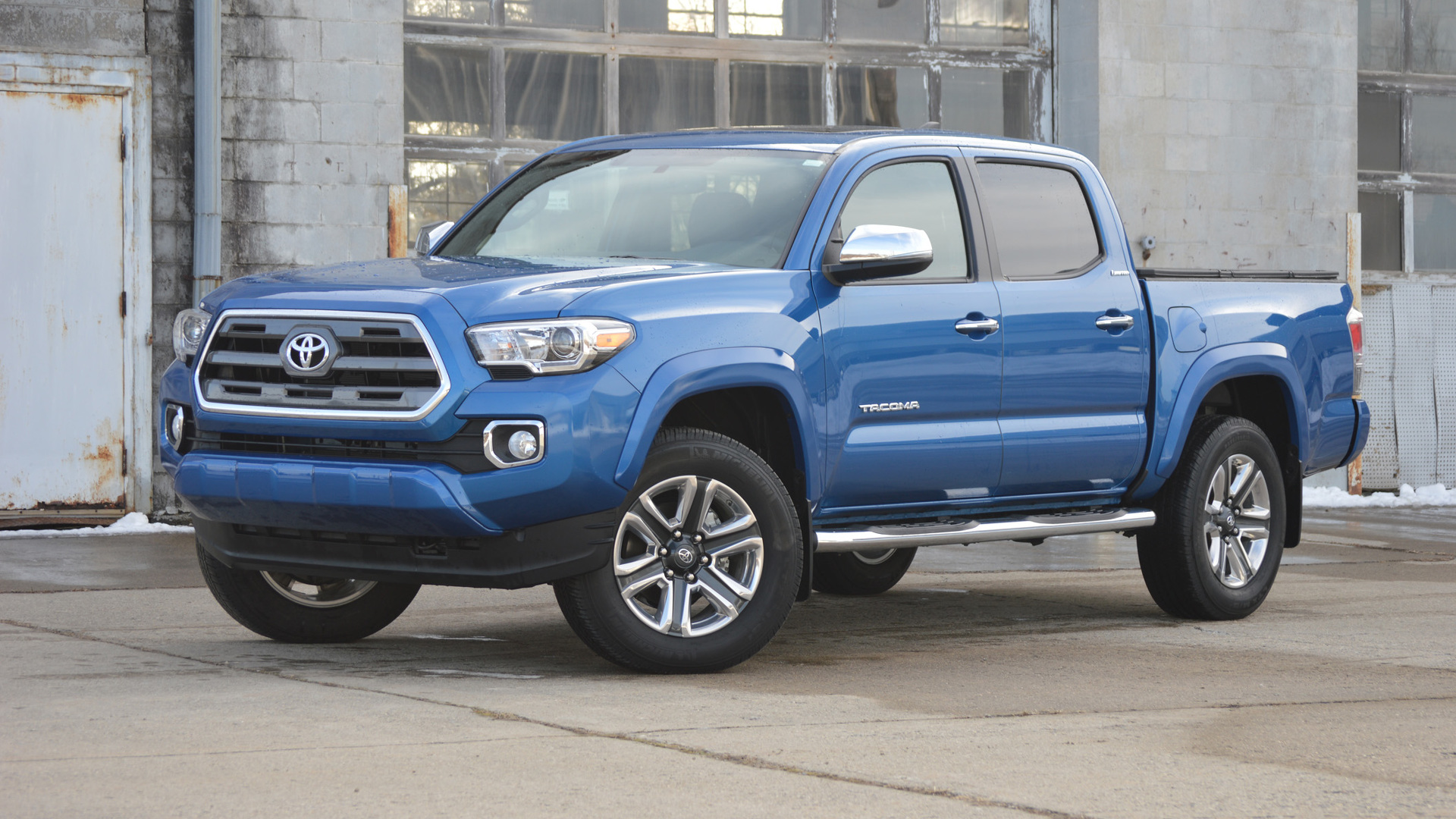
- Engine: 2.7 liter inline 4, 3.5 liter naturally aspirated V6
- Horsepower: 159 hp to 278 hp
- Torque: 180 lb ft to 265 lb ft
- Length: approximately 5390 mm to 5720 mm
- Width: approximately 1885 mm
5. Third Generation Toyota Tacoma Pre-Refresh 2016 to 2019
The early years of the third-generation Tacoma introduced major changes, but they also brought several frustrations that prevented this version from becoming an instant classic.
Toyota redesigned the Tacoma for the 2016 model year with a more aggressive exterior, improved safety technology, updated infotainment systems, and a revised powertrain lineup. On paper, these updates looked promising because buyers expected better efficiency and modernized driving dynamics.
However, the execution left many owners disappointed. The new 3.5-liter V6 engine replaced the beloved 4.0-liter V6 from the previous generation, and while the newer engine delivered respectable horsepower numbers, it lacked the smooth low-end torque and natural driving feel that Tacoma owners had grown accustomed to over the years.
One of the biggest complaints surrounding the early third-generation Tacoma involved its automatic transmission tuning. Many drivers criticized the six-speed automatic for constantly hunting between gears, especially during highway driving or moderate acceleration.
The transmission often struggled to hold the correct gear, making the truck feel less responsive and less refined than competitors. Even though Toyota eventually released software updates to improve shifting behavior, the issue damaged the reputation of these model years among longtime Tacoma enthusiasts.
The engine itself was not unreliable, but its power delivery felt less engaging and less predictable compared to older Tacoma powertrains.
Interior comfort also remained behind the segment standard during these years. While Toyota added modern touchscreen features and advanced driver assistance systems, the cabin design still felt dated compared to rivals like the Chevrolet Colorado and Ford Ranger.
Hard plastics dominated the interior, rear seat comfort was limited in double cab configurations, and the seating position received criticism from taller drivers. Many owners described the driving position as awkward because the seat sat too low, while the steering wheel adjustment range remained limited. These ergonomic issues became more noticeable during long trips and daily commuting.
Despite its flaws, the third-generation Tacoma still offered excellent off-road capability. TRD Off Road and TRD Pro models continued Toyota’s tradition of building adventure-ready trucks with locking rear differentials, crawl control systems, skid plates, and durable suspension setups.
The Tacoma remained extremely capable on trails and rough terrain, especially when paired with aftermarket upgrades. Reliability also remained above average compared to many competitors, even if these early years experienced some software-related annoyances. Owners appreciated the truck’s strong resale value and rugged styling, which helped maintain Tacoma’s popularity despite criticism.
The 2016 to 2019 Tacoma lands at the bottom of this ranking because it represented a transitional period rather than a perfected package. Toyota modernized the truck but introduced drivability concerns that frustrated loyal customers.
While these Tacomas still perform well in demanding environments and retain strong long-term reliability, they lack the mechanical confidence and refinement that defined the best Tacoma generations. Later improvements would address several weaknesses, but the early third-generation models remain the least beloved among serious Tacoma fans.
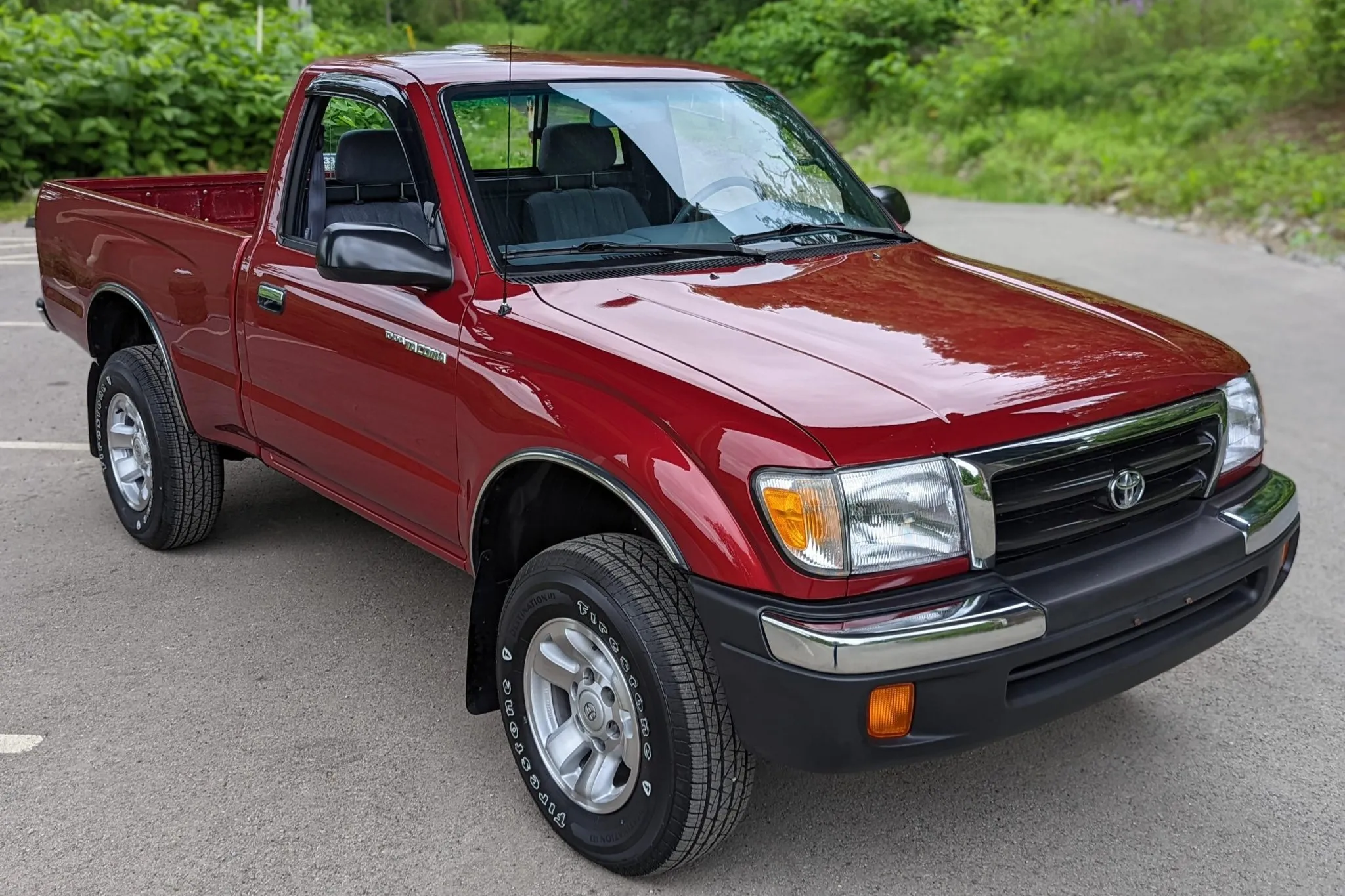
- Engine: 2.4 liter inline 4, 2.7 liter inline 4, 3.4 liter naturally aspirated V6
- Horsepower: 142 hp to 190 hp
- Torque: 160 lb ft to 220 lb ft
- Length: approximately 4410 mm to 5150 mm
- Width: approximately 1689 mm
4. First Generation Toyota Tacoma 1995 to 2004
The original Toyota Tacoma deserves tremendous respect because it established the identity that would define the nameplate for decades. Replacing the Toyota Pickup in North America, the Tacoma arrived at a time when compact trucks were transitioning from simple work vehicles into more versatile lifestyle machines.
Toyota successfully created a truck that balanced utility, reliability, and comfort better than many rivals in the compact segment. Even though modern Tacomas far surpass it in power and technology, the first generation remains beloved for its mechanical simplicity and exceptional durability.
One of the defining characteristics of the first-generation Tacoma was its lightweight construction and compact dimensions. Compared to modern midsize trucks, these Tacomas felt nimble and easy to maneuver both on city streets and narrow off-road trails.
Drivers appreciated the truck’s direct steering and relatively small footprint, especially during outdoor adventures where larger trucks struggled. Off-road enthusiasts quickly embraced the Tacoma because its simple suspension design, strong aftermarket support, and reliable Four Wheel Drive systems made it highly modifiable and trail capable.
Engine options throughout the generation included several dependable choices, but the 3.4-liter V6 became the standout favorite. Known for excellent longevity and smooth operation, this engine helped cement Toyota’s reputation for bulletproof reliability.
Many first-generation Tacomas equipped with the 3.4-liter V6 continue running today with hundreds of thousands of miles on the odometer. Manual transmissions from this era also earned praise for their durability and satisfying engagement. These trucks proved that long-term ownership costs could remain surprisingly low when routine maintenance was properly followed.
However, the first-generation Tacoma also had significant limitations that became impossible to ignore when viewed through a modern lens. Safety technology remained minimal, interior space was tight, towing capacity was modest, and ride comfort often felt harsh on rough pavement.
Rust became another major issue, particularly in regions with harsh winters and road salt exposure. Toyota eventually launched large-scale frame replacement campaigns due to severe corrosion problems affecting many trucks from this generation. While Toyota handled these recalls responsibly, frame rust remains one of the biggest blemishes on the first-generation Tacoma legacy.
Technology inside the cabin was understandably basic by today’s standards. Most models featured simple audio systems, minimal storage solutions, and sparse creature comforts. Extended cab rear seating was extremely cramped, making these trucks less practical for families or frequent passenger use.
Buyers seeking modern convenience features would find little to appreciate compared to later generations. Nevertheless, simplicity became part of Tacoma’s appeal because fewer electronic systems often translated into easier maintenance and fewer long-term repair concerns.
The first-generation Tacoma earns fourth place because it laid the foundation for everything that followed while still showing its age in several important categories. Its reliability, compact size, and rugged personality made it iconic, but limitations in safety, refinement, and corrosion resistance prevent it from ranking higher.
For enthusiasts seeking a pure and uncomplicated truck ownership experience, the first-generation Tacoma remains highly desirable even decades after production ended.
Also Read: 10 Cars That Are Still Being Driven After 2 Decades
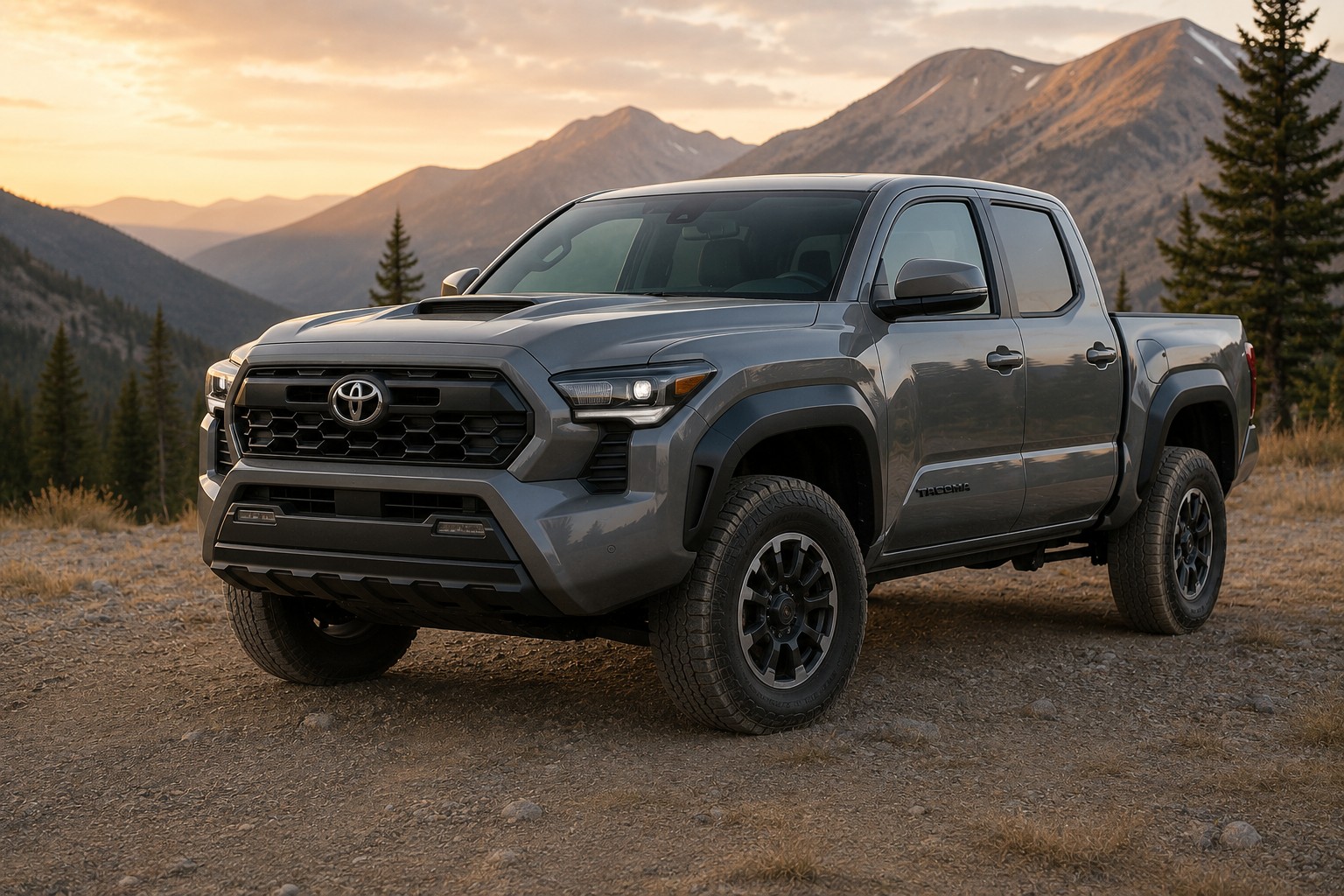
- Engine: 2.4 liter turbocharged inline 4, 2.4 liter turbo hybrid (i Force Max)
- Horsepower: 228 hp to 326 hp
- Torque: 243 lb ft to 465 lb ft
- Length: approximately 5410 mm to 5760 mm
- Width: approximately 1950 mm
3. Fourth Generation Toyota Tacoma 2024 to Present
The newest Toyota Tacoma represents the most technologically advanced and ambitious version of the truck ever produced. Built on Toyota’s modern TNGA F platform, the fourth-generation Tacoma introduces major improvements in powertrain performance, suspension sophistication, cabin technology, and refinement.
Toyota clearly aimed to modernize the Tacoma while maintaining its off-road credibility and legendary durability. Early impressions suggest the company succeeded in many important areas, although the generation remains too new to fully evaluate long-term reliability.
One of the biggest upgrades comes from the new turbocharged engine lineup. The standard turbocharged four-cylinder engines deliver stronger torque characteristics than the outgoing V6, making the truck feel more responsive during acceleration and towing situations.
Toyota also introduced a hybrid variant known as the i-Force Max, which significantly boosts torque output and enhances low-speed performance. These new powertrains finally address complaints that previous Tacomas felt underpowered compared to segment rivals. The improved eight-speed automatic transmission also shifts more smoothly and predictably than the older six-speed unit.
Interior quality sees a major leap forward in the fourth-generation Tacoma. Toyota redesigned the cabin with larger infotainment screens, improved materials, digital gauge clusters, wireless smartphone integration, and more practical storage solutions.
Seating comfort has improved substantially thanks to revised ergonomics and better seat positioning. Taller drivers who previously struggled with Tacoma seating arrangements now report a far more natural driving posture. Higher trim levels offer premium features that make the Tacoma feel competitive with modern midsize trucks from both domestic and international brands.
Off-road capability remains one of the Tacoma’s strongest selling points. TRD Pro and Trailhunter models showcase Toyota’s serious commitment to adventure-focused buyers.
Features such as advanced suspension systems, disconnecting sway bars, specialized off-road tires, and factory overlanding equipment make these models some of the most capable midsize trucks available directly from the manufacturer. Toyota also improved chassis rigidity and suspension articulation, helping the truck maintain better composure over rough terrain.
Despite these impressive advancements, the fourth-generation Tacoma still faces a few concerns that prevent it from ranking higher at this stage. Long-term durability data remains limited because the platform is still new. Some traditional Tacoma fans remain skeptical about turbocharged engines replacing naturally aspirated powerplants known for extreme longevity.
Pricing has also climbed significantly, especially for off-road-focused trims that can approach full-size truck territory. Certain enthusiasts argue that the Tacoma risks losing some of its simplicity and rugged charm as technology becomes increasingly dominant.
The fourth-generation Tacoma earns third place because it represents enormous progress in refinement, technology, and performance while still carrying some uncertainty about long-term reliability and ownership costs. It may eventually rise higher in future rankings if the new platform proves as durable as earlier generations.
For now, it stands as a highly promising evolution that successfully modernizes the Tacoma formula without abandoning its adventurous identity.
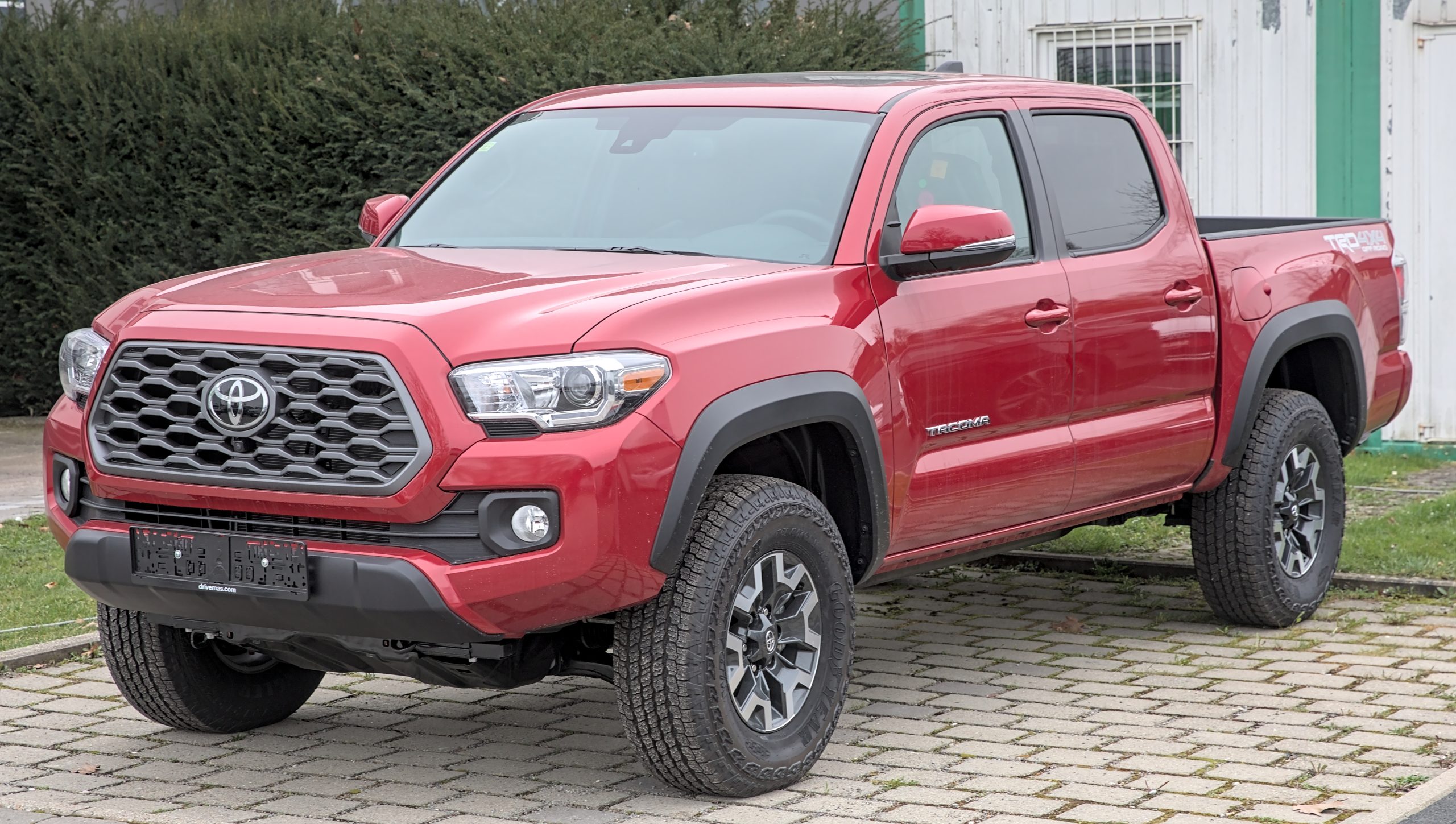
- Engine: 2.7 liter inline 4, 4.0 liter naturally aspirated V6
- Horsepower: 159 hp to 236 hp
- Torque: 180 lb ft to 266 lb ft
- Length: approximately 4820 mm to 5620 mm
- Width: approximately 1890 mm
2. Second Generation Toyota Tacoma Pre-Refresh 2005 to 2011
Many truck enthusiasts consider the early second-generation Tacoma the sweet spot in the model’s history. Introduced for the 2005 model year, this Tacoma dramatically improved size, power, capability, and practicality while retaining the rugged simplicity that owners loved about the first generation.
Toyota struck an impressive balance between modern refinement and old-school durability, creating a truck that still enjoys massive popularity in both used markets and enthusiast communities today.
The biggest improvement came from the introduction of the excellent 4.0-liter V6 engine. Producing strong torque and smooth acceleration, this engine transformed the Tacoma into a far more capable towing and hauling machine. Drivers appreciated the predictable power delivery and proven long-term reliability of the V6.
Even the available four-cylinder engines maintained solid reputations for dependability. Whether paired with manual or automatic transmissions, the second-generation Tacoma delivered a driving experience that felt confident and durable without becoming overly complicated.
Toyota also significantly expanded the Tacoma’s dimensions and interior practicality during this era. Double cab models offered improved rear passenger space, while bed configurations became more versatile for work and recreation.
Cabin materials still leaned toward durability rather than luxury, but ergonomics improved considerably compared to the cramped first generation. Controls remained simple and intuitive, which appealed to buyers seeking a straightforward truck ownership experience. The larger body also contributed to improved highway stability and ride comfort.
Off-road performance became even more impressive during the second generation. TRD Off Road packages featured upgraded shocks, locking rear differentials, skid plates, and terrain management systems that enhanced trail capability without sacrificing everyday usability.
The Tacoma quickly became one of the most popular platforms for overlanding and off-road modifications. Aftermarket support exploded during this generation, giving owners access to countless suspension kits, armor upgrades, rooftop tents, and performance enhancements. Few midsize trucks developed a stronger enthusiast following than the second-generation Tacoma.
Reliability remained a major strength throughout these years. While some trucks experienced frame corrosion issues similar to the first generation, Toyota addressed many concerns through warranty extensions and replacement programs.
Aside from occasional leaf spring recalls and minor drivetrain concerns, these Tacomas earned reputations for lasting hundreds of thousands of miles with proper maintenance. Strong resale values reflected owner confidence in the platform’s long-term durability.
The reason this generation narrowly misses the top spot comes down to refinement and technology limitations compared to the very best Tacoma era. Road noise remained noticeable at highway speeds, fuel economy lagged behind some competitors, and certain interior materials aged poorly over time.
Safety technology also remained relatively basic compared to newer trucks. Still, these drawbacks hardly overshadow the generation’s outstanding strengths. The early second-generation Tacoma captured the rugged and dependable spirit of the Tacoma name better than almost any other version.
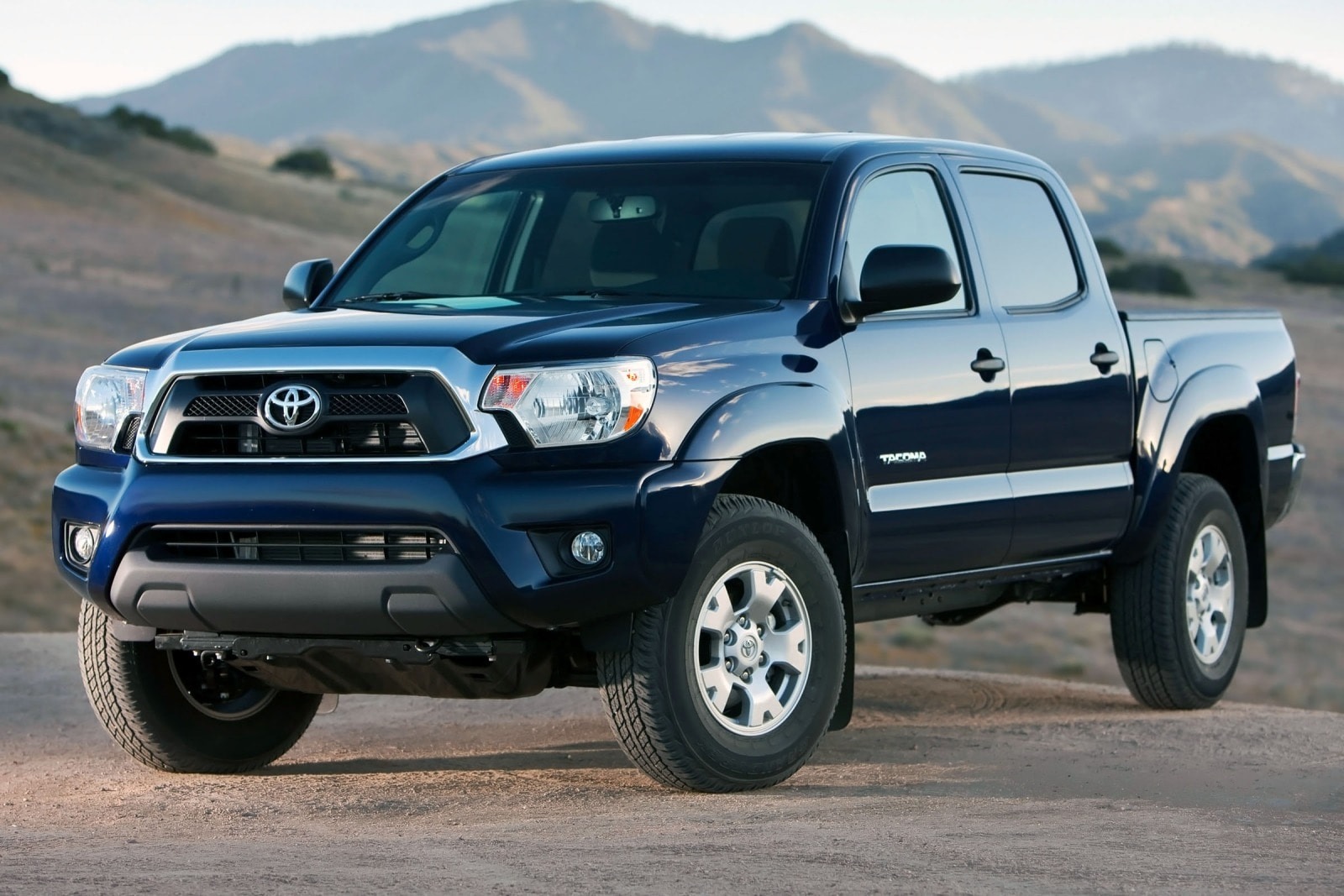
- Engine: 2.7 liter inline 4, 4.0 liter naturally aspirated V6
- Horsepower: 159 hp to 236 hp
- Torque: 180 lb ft to 266 lb ft
- Length: approximately 4820 mm to 5620 mm
- Width: approximately 1890 mm
1. Second Generation Toyota Tacoma Refresh 2012 to 2015
The refreshed second-generation Tacoma represents the peak of the Tacoma formula because it perfected nearly everything owners loved about earlier models while fixing many previous shortcomings.
Toyota refined the truck instead of completely reinventing it, preserving the mechanical reliability and rugged character that made the Tacoma famous while improving comfort, technology, and usability. For many enthusiasts, the 2012 to 2015 Tacoma stands as the balance between old-school toughness and modern convenience.
Visually, the refreshed Tacoma received updated front-end styling, revised lighting elements, and interior enhancements that helped the truck feel more contemporary without abandoning its proven design language. Toyota improved dashboard materials, added better infotainment systems, and upgraded available features such as navigation and backup cameras.
These changes modernized the ownership experience while maintaining the straightforward functionality that Tacoma buyers appreciated. Unlike later generations that heavily emphasized technology, this Tacoma still prioritized simplicity and durability.
Under the hood, the trusted 4.0-liter V6 remained one of the most respected engines ever offered in a midsize truck. Its strong low-end torque, dependable reliability, and smooth performance gave the Tacoma excellent real-world drivability.
Whether towing equipment, climbing rocky trails, or commuting daily, the powertrain consistently delivered confidence and durability. The transmission pairing also felt more natural and predictable than the later third-generation models, avoiding many of the gear hunting complaints that frustrated owners of newer Tacomas.
Off-road capability reached legendary status during these years. TRD Off Road and TRD Pro models became icons within the adventure and overlanding communities thanks to their robust suspension systems, locking differentials, durable construction, and massive aftermarket compatibility.
These Tacomas handled difficult terrain with ease while remaining comfortable enough for daily use. Many owners viewed them as the perfect do-everything vehicles because they balanced work capability, outdoor performance, and long-term reliability better than almost any competitor.
Long-term ownership costs remained impressively manageable. Routine maintenance was straightforward, parts availability stayed strong, and major mechanical failures were relatively rare. This generation also benefited from years of engineering refinement, allowing Toyota to address many earlier weaknesses before production ended.
As a result, the 2012 to 2015 Tacoma became one of the most sought-after used trucks in North America. Resale values remain exceptionally high even today because buyers trust these trucks to deliver years of dependable service.
Another reason this generation claims the top position is its emotional appeal among truck enthusiasts. The refreshed second-generation Tacoma arrived before midsize trucks became heavily dependent on turbocharged engines, oversized touchscreens, and increasingly complex electronics.
It represented the final evolution of a simpler truck philosophy where durability, capability, and reliability mattered more than flashy technology or luxury branding. Owners often describe these Tacomas as trustworthy companions capable of handling nearly any challenge without unnecessary complication.
In the end, the 2012 to 2015 Toyota Tacoma stands as the best Tacoma generation ever produced because it combined proven mechanical reliability, outstanding off-road capability, practical comfort, and timeless durability into one exceptionally balanced package.
While newer Tacomas offer more advanced technology and improved efficiency, few trucks have matched the refreshed second generation’s blend of rugged simplicity and everyday usability. It remains the benchmark against which every Tacoma generation continues to be measured.
