
Japan’s automotive industry has long held a reputation for producing small, efficient, and extremely reliable hatchbacks that deliver long-term value far beyond their modest size and price.
Vehicles from manufacturers like Toyota Motor Corporation, Honda Motor Co., Suzuki Motor Corporation, and Nissan Motor Co. have consistently set global benchmarks for durability, fuel efficiency, and practical design. These hatchbacks are not just transportation tools in Japan but cultural staples that reflect a broader philosophy of engineering minimalism, cost efficiency, and real-world usability.
While much of the American automotive industry has shifted toward larger SUVs and pickup trucks, Japan has continued refining compact hatchbacks that remain affordable to own, easy to maintain, and capable of lasting well beyond 150,000 miles with proper care.
In contrast, the American auto market has gradually moved away from small hatchbacks over the past two decades. Once common models in the United States, compact cars have largely been replaced by crossovers and larger vehicles that promise more space and perceived safety.
This shift was driven by changing consumer preferences, stricter safety regulations, and higher profit margins on larger vehicles. As a result, many affordable small cars disappeared from American showrooms, leaving a gap that Japanese imports partially fill through used markets and niche offerings. The difference between the two approaches highlights not just a divergence in product strategy but a broader cultural divide in how transportation is viewed.
Japanese hatchbacks are designed with a clear focus on efficiency and urban practicality. Narrow streets, limited parking spaces, and high population density in cities like Tokyo have pushed automakers to prioritize compact dimensions without sacrificing comfort or reliability.
This has led to innovations in engine efficiency, interior packaging, and long-term durability that often outperform larger and more expensive vehicles in cost per mile metrics. Even entry-level models often include advanced engineering solutions aimed at reducing wear and maximizing fuel economy.
Meanwhile, in the United States, consumer expectations have leaned toward size and power. The rise of the SUV and crossover segment has reshaped manufacturing priorities, leading companies to allocate fewer resources to compact hatchbacks.
While American engineering remains strong in performance vehicles and trucks, the small car segment has often been deprioritized or produced with cost-cutting measures that reduce long-term reliability compared to their Japanese counterparts.
This contrast raises an important question for modern car buyers: why do Japanese hatchbacks still represent some of the best value in global automotive history, and why did American manufacturers step away from a segment that once served millions of drivers? Understanding this requires examining engineering philosophy, economic incentives, consumer behavior, and the evolving future of mobility.
Also Read: 9 Best Cars for First-Time Parents
Engineering Philosophy Behind Japanese Hatchbacks
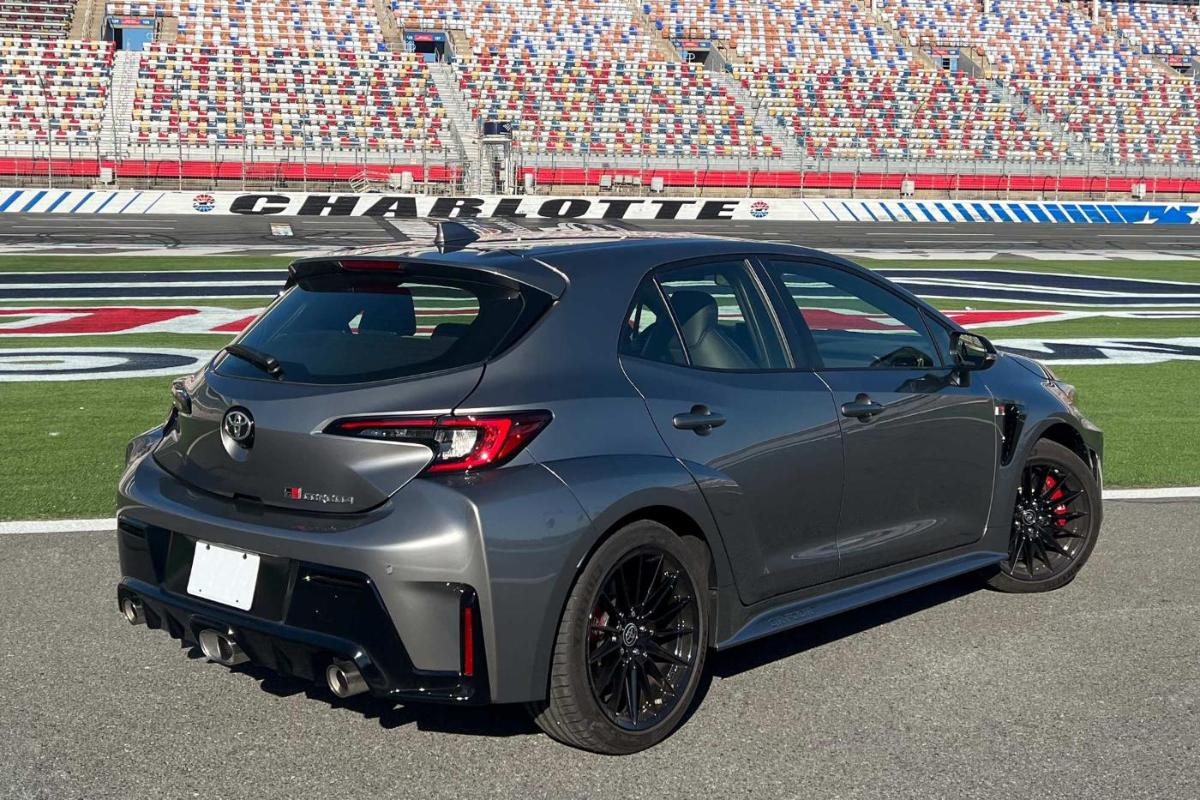
Japanese hatchbacks are built around a philosophy that prioritizes efficiency, simplicity, and long-term dependability over raw power or oversized features. Engineers at companies like Toyota, Honda, and Suzuki focus heavily on minimizing mechanical complexity, which directly reduces the number of potential failure points in a vehicle.
This approach results in cars that may not always be the fastest or most luxurious, but consistently perform well over many years of use. The emphasis on incremental improvement, often referred to as kaizen in Japanese manufacturing culture, ensures that each generation of a model refines weaknesses from the previous one.
Another defining feature of Japanese engineering is the careful balance between performance and fuel efficiency. Small displacement engines are optimized through technologies such as variable valve timing, lightweight materials, and finely tuned transmissions.
Rather than chasing horsepower numbers, engineers aim to extract the maximum usable performance from minimal fuel consumption. This makes these hatchbacks especially attractive in densely populated cities where stop-and-go traffic is common, and fuel costs matter significantly over time.
Durability is also engineered into the design from the earliest stages of development. Components are tested under harsh conditions that simulate years of wear in compressed timeframes.
Suspension systems, for example, are tuned not just for comfort but for resilience on imperfect road surfaces. Electrical systems are designed with redundancy and protection against heat and humidity, which helps prevent the types of failures that often plague cheaper vehicles in other markets.
Interior design follows the same philosophy of purposeful simplicity. Instead of overloading vehicles with complex electronics that may become outdated or fail, Japanese hatchbacks tend to focus on intuitive layouts and durable materials.
Controls are placed for ease of use rather than aesthetic novelty, ensuring that drivers can operate the vehicle comfortably even after years of ownership. This practical approach reduces maintenance costs and improves long-term satisfaction.
The engineering mindset behind Japanese hatchbacks is rooted in the idea that a car should serve reliably for as long as possible with minimal intervention. This contrasts sharply with markets where planned replacement cycles and feature-driven upgrades are more common.
The result is a category of vehicles that may appear modest on the surface but deliver exceptional long-term value through thoughtful, disciplined engineering.

Reliability and Maintenance Economics
One of the strongest arguments in favor of Japanese hatchbacks is their long-term reliability and low maintenance cost structure. Owners of vehicles from brands like Toyota and Honda frequently report consistent performance even after many years and high mileage.
This is not accidental but the result of engineering decisions that prioritize durability over short-term cost savings. Engines are often designed with conservative tuning, which reduces stress on internal components and extends operational life.
Maintenance economics play a major role in the appeal of these vehicles. Routine servicing, such as oil changes, brake replacements, and filter swaps, tends to be straightforward and affordable. Parts availability is also widespread, which reduces downtime and repair costs. In many global markets, including developing regions, Japanese hatchbacks are favored precisely because they remain serviceable even in areas with limited automotive infrastructure.
Another key factor is the reduced likelihood of major mechanical failure. While no vehicle is immune to breakdowns, Japanese hatchbacks are statistically less likely to experience catastrophic engine or transmission issues when properly maintained.
This reliability translates into lower lifetime ownership costs, even if the initial purchase price is comparable to competitors. For many buyers, this long-term predictability is more valuable than short-term savings on purchase price alone.
Depreciation patterns also favor Japanese hatchbacks. Because of their reputation for durability, these vehicles tend to retain resale value better than many alternatives.
A well-maintained Toyota or Honda hatchback can remain in demand on the used car market for years, especially in regions where affordable transportation is essential. This creates a financial advantage for owners who may choose to resell or upgrade later.
In contrast, vehicles that rely heavily on complex electronics or turbocharged performance tuning may incur higher maintenance costs over time. While these features can enhance the driving experience, they also introduce additional points of failure.
The economic difference becomes clear when comparing the total cost of ownership over a decade, where Japanese hatchbacks often outperform larger or more complex vehicles by a significant margin.
Why America Moved Away From Small Hatchbacks?
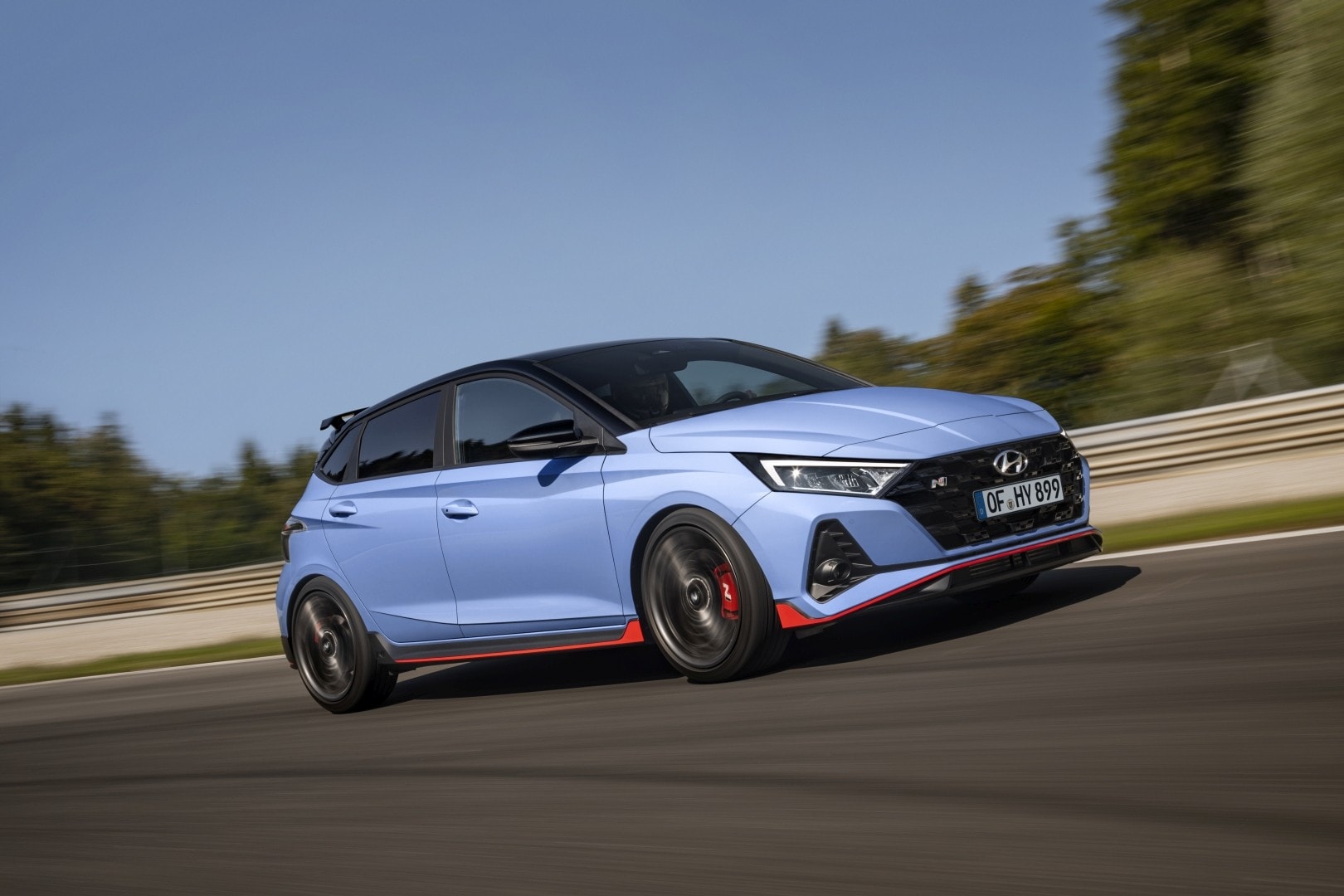
The decline of small hatchbacks in the American market is closely tied to shifting consumer preferences and industry economics. Over time, American buyers demonstrated a strong preference for larger vehicles such as SUVs and pickup trucks, which offer higher seating positions, increased cargo space, and a perception of greater safety.
Automakers responded by reallocating production resources toward these more profitable segments, gradually reducing the availability of compact hatchbacks.
Profit margins play a crucial role in this shift. Larger vehicles typically generate higher revenue per unit sold, making them more attractive to manufacturers. As production costs rose due to stricter safety and emissions regulations, the financial incentive to produce small economy cars diminished. In many cases, automakers chose to discontinue hatchback models entirely rather than invest in redesigning them to meet evolving standards.
Another factor is regulatory complexity. Modern safety requirements, including advanced crash structures and electronic assistance systems, add a high cost to vehicle development.
While Japanese manufacturers continued refining compact platforms to accommodate these changes, some American models were phased out because adapting older platforms was not economically viable. This led to a shrinking presence of traditional hatchbacks in dealership lineups.
Cultural perception also influenced the decline. In the United States, larger vehicles are often associated with status, safety, and practicality for family life. This perception made small hatchbacks less appealing to mainstream buyers, even when they offered superior fuel efficiency and affordability. As a result, demand declined, reinforcing the industry’s shift away from the segment.
Today, the absence of small hatchbacks in the American market is less about capability and more about economics and preference.
The vehicles themselves were never inherently inferior, but the market environment no longer favored their production at scale. This has created a gap that Japanese imports and used vehicles partially fill for consumers seeking efficient and affordable transportation.
Also Read: 10 Cars That Are Still Being Driven After 2 Decades
Market Demand, SUVs, and Changing Consumer Behavior
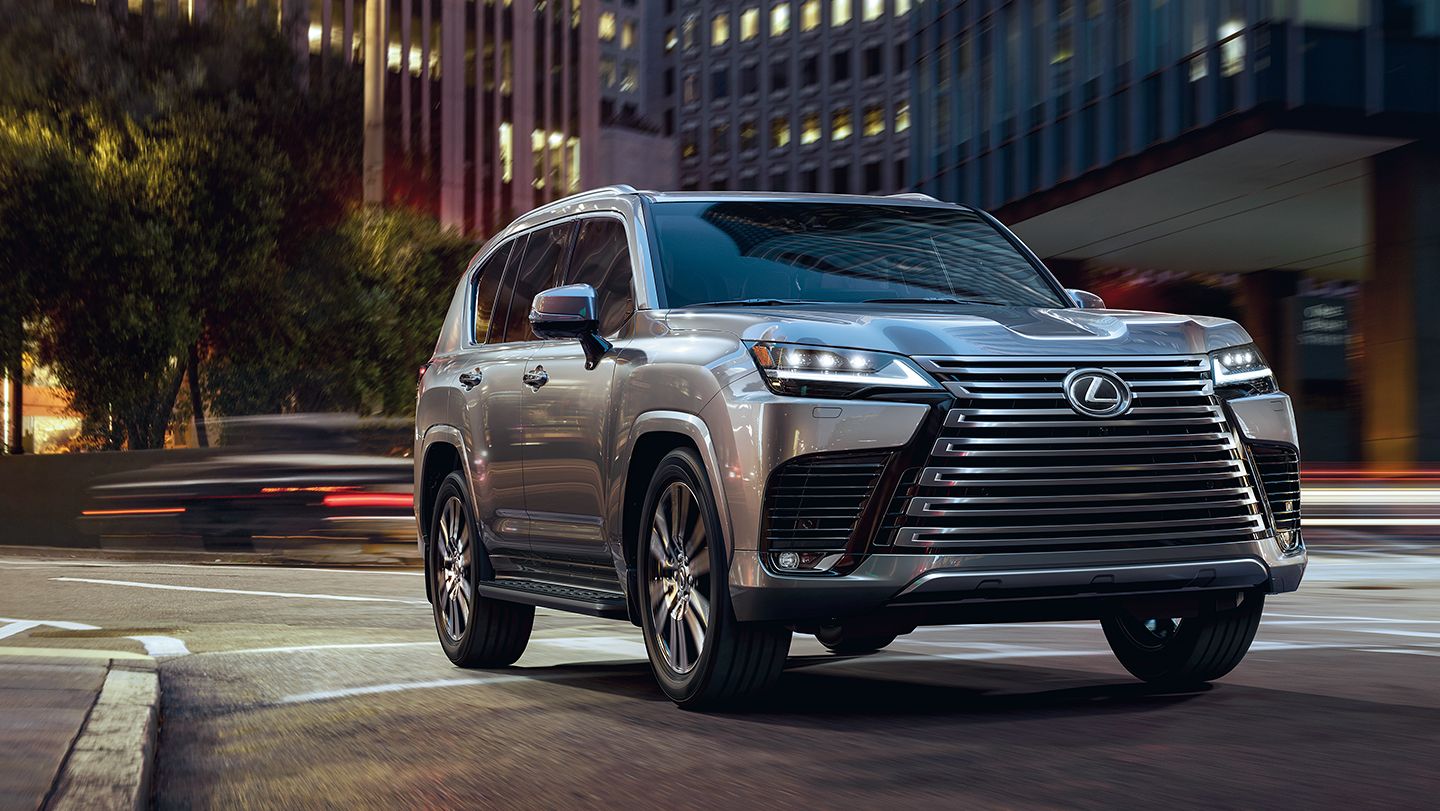
The rise of SUVs and crossovers has fundamentally reshaped global automotive markets, particularly in the United States. These vehicles combine elements of passenger cars and trucks, offering versatility that appeals to a wide range of drivers.
As a result, traditional hatchbacks have been pushed into a niche category, especially in markets where road conditions and fuel prices make larger vehicles more practical or desirable.
Consumer behavior has shifted toward prioritizing comfort, visibility, and perceived safety. Higher driving positions are often interpreted as safer, even when statistical safety differences are more complex. Automakers have capitalized on this perception by designing vehicles that emphasize size and road presence, further reducing demand for compact hatchbacks.
Fuel efficiency improvements in larger vehicles have also reduced the traditional advantage of small cars. Modern SUVs often feature turbocharged engines and hybrid systems that narrow the fuel economy gap between them and hatchbacks. This has weakened one of the strongest selling points of compact cars, making them less compelling to average consumers.
Marketing strategies have reinforced these trends. Automakers invest heavily in promoting SUVs as lifestyle vehicles that represent freedom, adventure, and family readiness.
Hatchbacks, in contrast, are often positioned as entry-level or budget options, which can limit their appeal in aspirational markets. This branding difference plays a significant role in shaping consumer perception.
Despite these trends, demand for efficient compact vehicles remains strong in other parts of the world. In densely populated regions, hatchbacks continue to dominate due to their practicality and cost efficiency. This global divergence highlights how geography and culture shape automotive design priorities in fundamentally different ways.
EVs and the Return of Compact Efficiency
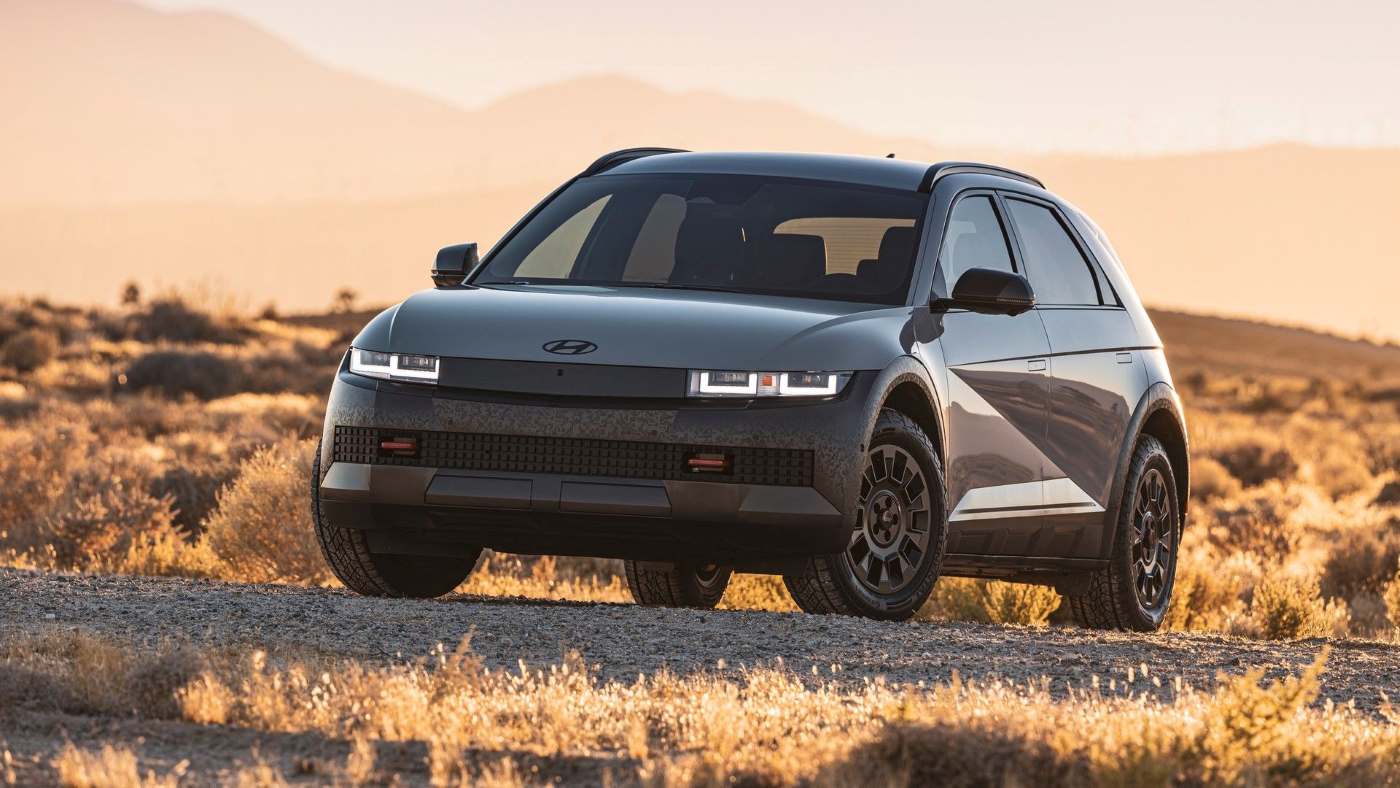
The rise of electric vehicles is reshaping the conversation around compact cars and hatchbacks. Electric platforms naturally lend themselves to smaller, more efficient designs because electric drivetrains require less space than internal combustion engines. This creates an opportunity for a revival of compact hatchback concepts, even in markets that previously moved away from them.
Japanese manufacturers are well-positioned in this transition due to their long history of efficient small car design. Companies like Toyota Motor Corporation and Honda Motor Co. have already begun investing in electric and hybrid platforms that maintain the compact practicality of traditional hatchbacks while introducing modern powertrains. Their experience in optimizing space and efficiency provides a strong foundation for future innovation.
In the United States, the shift toward EVs may also reopen space for smaller vehicles. As battery technology improves and costs decline, manufacturers may revisit compact designs that were previously considered unprofitable. Urbanization trends and changing commuting patterns could further support demand for smaller, more efficient electric hatchbacks.
However, challenges remain. Consumer preference for large vehicles is still strong, and battery packaging constraints can make it difficult to design small EVs with a long range. Manufacturers must balance size, cost, and performance carefully to make compact electric hatchbacks competitive in a market still dominated by larger crossovers.
Even so, the underlying logic that made Japanese hatchbacks successful remains relevant. Efficiency, reliability, and affordability are timeless automotive values. As the industry evolves, these principles are likely to reemerge in new forms, ensuring that the philosophy behind Japan’s hatchbacks continues to influence global car design for years to come.
