
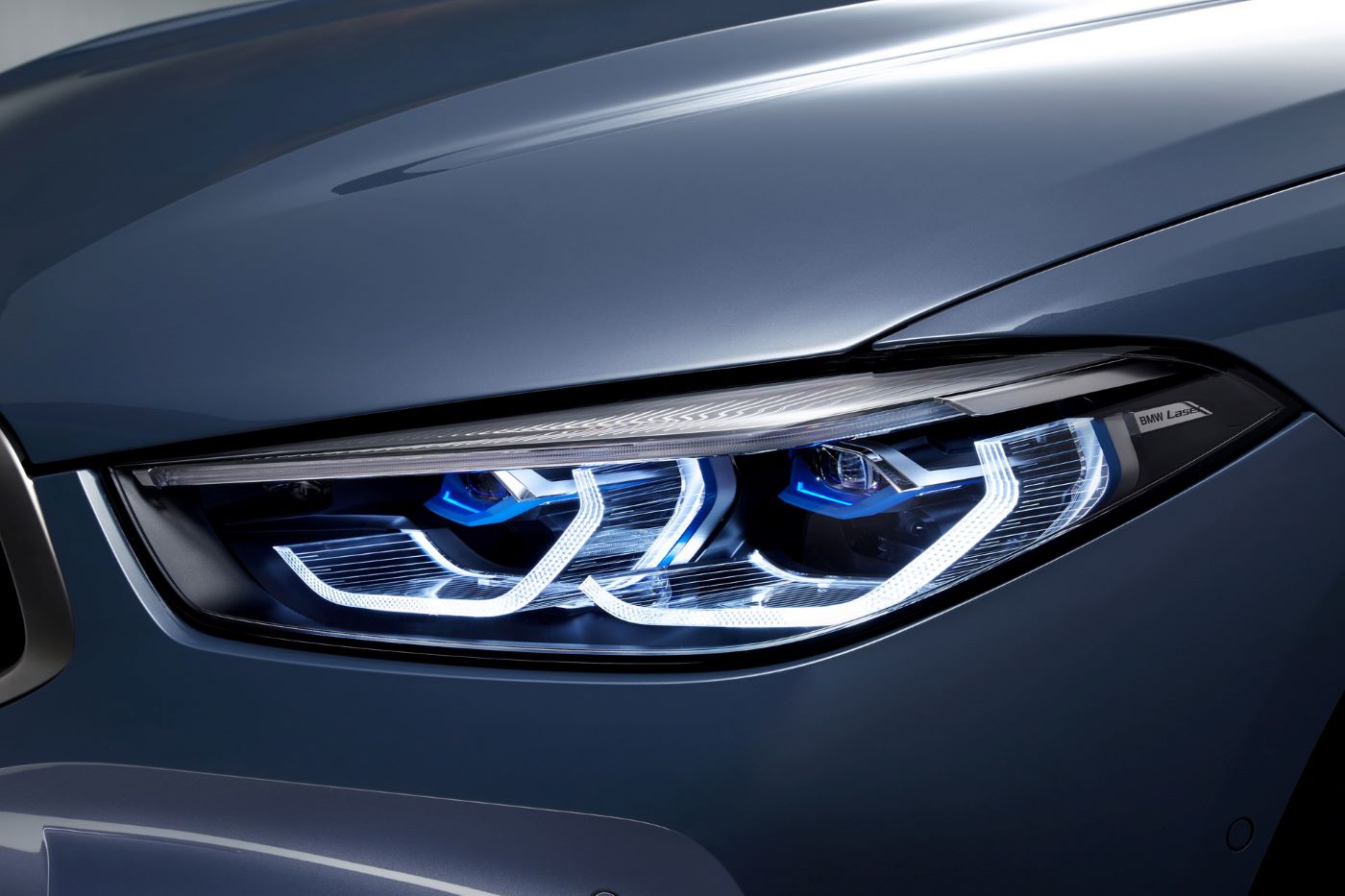
Headlight glare has become one of the most discussed yet under-addressed road safety issues in the United States, especially as nighttime driving conditions grow more challenging due to changes in vehicle lighting technology, urban expansion, and increased traffic density.
Over the past two decades, the widespread adoption of high-intensity discharge (HID) lamps and light-emitting diode (LED) headlights has significantly improved driver visibility in low-light environments, but it has also introduced a new problem that many drivers report experiencing regularly: uncomfortable and sometimes blinding glare from oncoming traffic.
This issue is particularly noticeable on highways, suburban roads, and poorly lit rural routes where the contrast between darkness and intense white light is extreme. Organizations such as the National Highway Traffic Safety Administration and the Insurance Institute for Highway Safety have acknowledged lighting as an important factor in nighttime crash risk, but public concern continues to grow faster than regulatory updates.
Drivers in major urban centers like Los Angeles and New York City frequently report that glare from SUVs and trucks feels more intense than ever before, especially when vehicle heights are mismatched, and headlights are poorly aligned or overly bright.
The problem is not simply about brightness alone but about how modern lighting systems interact with human vision. LED headlights emit a cooler color temperature that can appear harsher to the human eye compared to older halogen bulbs, particularly in wet or reflective conditions.
This has led to increased complaints from drivers who experience temporary blindness, reduced contrast sensitivity, and delayed reaction times when facing oncoming traffic at night.
As more vehicles are equipped with advanced lighting systems that prioritize maximum road illumination, the unintended consequence is that opposing drivers may suffer reduced visibility, creating a paradox where safety improvements for one driver can degrade safety for another. This tension between innovation and safety is at the core of the headlight glare debate.
Another contributing factor is the rapid growth in vehicle size across the United States, particularly the popularity of SUVs and pickup trucks. These taller vehicles position headlights at a higher angle, often directly into the eye line of drivers in sedans and compact cars.
When combined with uneven road surfaces, elevation changes, and improperly maintained suspension systems, the angle of light projection can become even more problematic. The result is a widespread and systemic issue that is not limited to individual driver behavior but is embedded in vehicle design trends and infrastructure limitations. This makes headlight glare a complex safety challenge rather than a simple regulatory issue.
At the same time, traffic volume has increased significantly in many regions, extending the duration of nighttime exposure for drivers. Commuters who once drove short distances in low-light conditions now spend longer periods on congested highways, increasing their exposure to repeated glare events.
This repetitive visual strain can contribute to fatigue, stress, and reduced driving performance over time. Combined with other risk factors such as distracted driving and weather conditions, glare becomes a compounding factor that increases crash probability.
Understanding headlight glare as a modern safety crisis requires examining not just the technology behind vehicle lighting but also the behavioral, environmental, and regulatory systems that shape how that technology is used. The issue sits at the intersection of engineering, human perception, and public policy, making it one of the most important yet under-prioritized topics in contemporary road safety discussions.
Also Read: 9 Best Cars for First-Time Parents
The Rising Problem of Headlight Glare on Modern Roads
The rise of headlight glare as a major road safety issue has closely tracked the evolution of automotive lighting technology over the past twenty years. As manufacturers shifted from halogen bulbs to HID and LED systems, the intensity and directionality of light increased significantly.
While this improved visibility for drivers using these systems, it also created sharper contrasts for oncoming traffic, especially in environments where road lighting is minimal. Many drivers now report that nighttime driving feels more stressful than it did in previous decades, largely due to the intensity of modern headlights.
A major contributor to the growing perception of glare is the increasing size and popularity of larger vehicles. SUVs and pickup trucks dominate new vehicle sales in the United States, and their elevated ride height means headlights are naturally positioned higher off the ground.
This leads to a situation where low-seated drivers experience direct exposure to beams that were not originally designed for eye-level alignment. The mismatch in vehicle height has effectively changed the visual environment of roads without corresponding updates to lighting standards or road design.
Urban sprawl has also intensified the issue. In expanding metropolitan regions such as Houston and Phoenix, longer commutes and denser traffic conditions mean drivers encounter more oncoming vehicles during nighttime hours.
Each encounter with bright headlights contributes to cumulative visual fatigue, which can reduce a driver’s ability to quickly adapt to changing light conditions. This is particularly problematic on highways where speeds are higher and reaction time is critical.
Another overlooked factor is the variability in headlight alignment and maintenance. Even factory-installed lighting systems can become misaligned due to road impacts, minor collisions, or suspension wear.
When headlights are angled slightly upward, they can create excessive glare for oncoming drivers even if the system itself meets legal brightness standards. This inconsistency makes enforcement and regulation more difficult because the problem is not always rooted in the design of the light source but in its real-world usage.
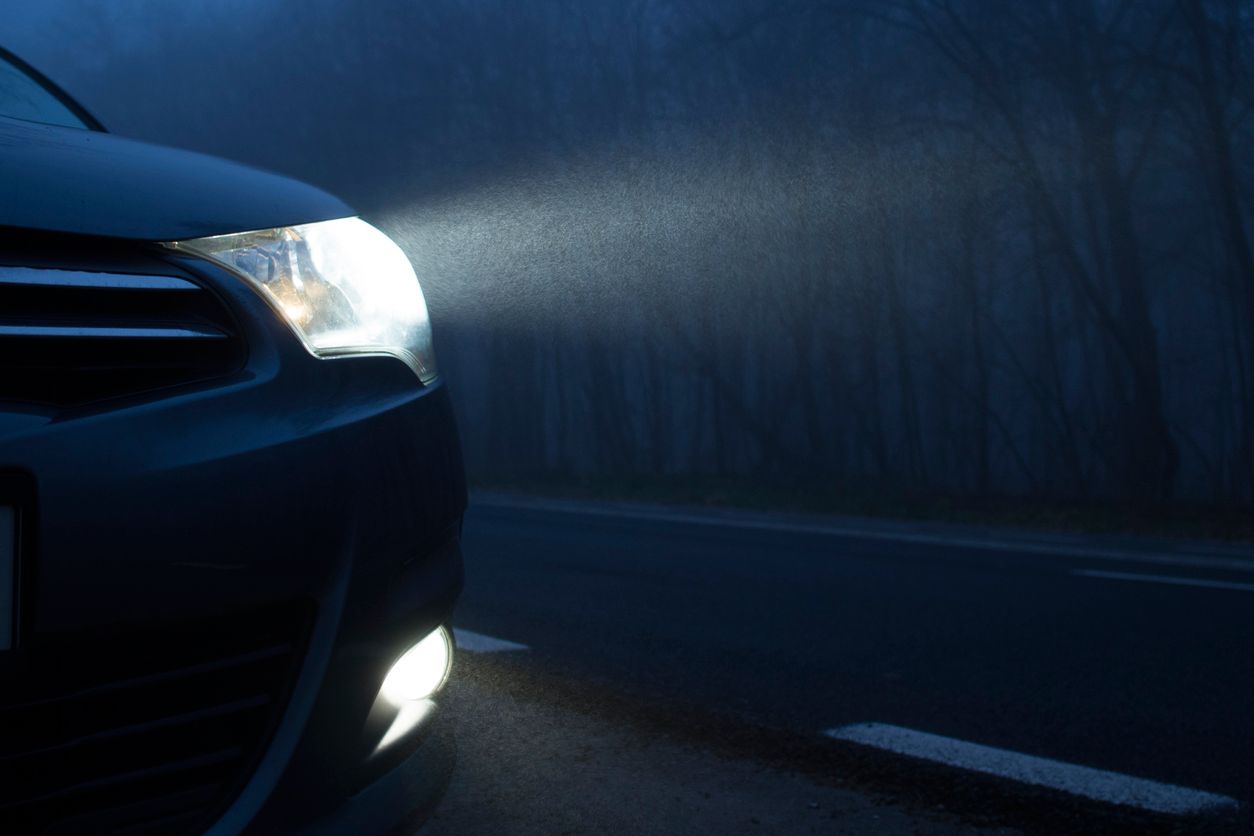
Weather conditions further amplify the glare problem. Rain, fog, and snow can reflect and scatter light in unpredictable ways, increasing the intensity of perceived brightness. Wet roads act like mirrors, bouncing headlight beams directly into windshields and further reducing visibility. In such conditions, even properly adjusted headlights can create discomfort and temporary visual impairment for other drivers.
Why Modern LED and HID Headlights Are So Intense
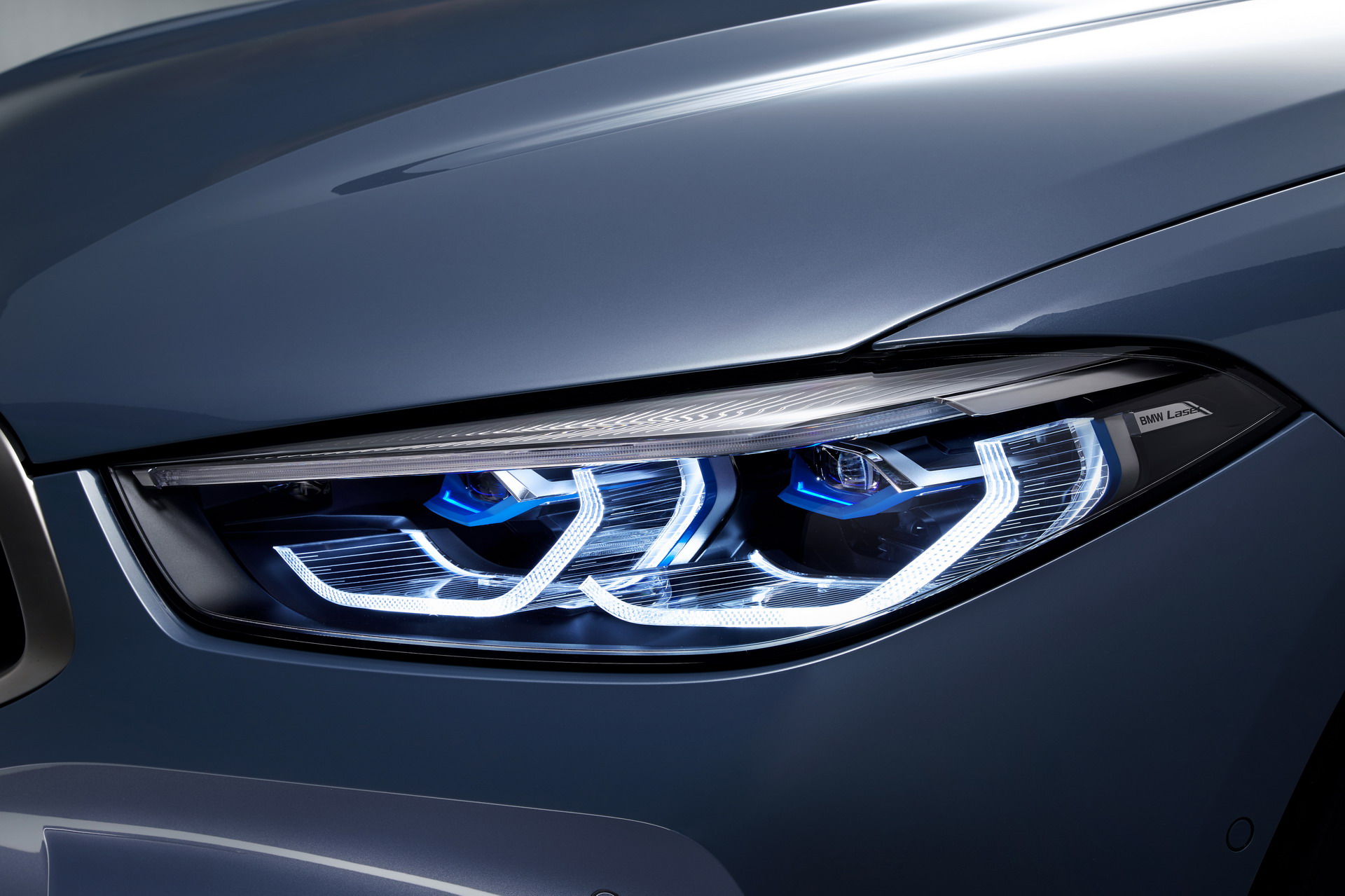
Modern LED and HID headlights are designed to maximize efficiency and visibility, but their technical characteristics also make them significantly more intense than older lighting technologies. LEDs produce a concentrated beam of light with high luminance, meaning more light is emitted from a smaller surface area.
This creates a sharp, focused illumination pattern that is excellent for road visibility but can be harsh when observed directly by oncoming drivers. HID systems, similarly, produce bright white light with high color temperature, often perceived as more glaring than warmer halogen bulbs.
One key issue is color temperature. Many modern headlights operate in the range of 5000K to 6500K, which produces a bluish white light. Human eyes are more sensitive to shorter wavelengths of light, which is why these cooler tones often feel more intense or uncomfortable at night. While this improves the ability of drivers to detect objects at a distance, it also increases the likelihood of discomfort glare for others on the road.
Another factor is beam precision. LED headlights are often designed with highly directional optics that concentrate light in a specific forward-facing pattern. While this reduces wasted light and improves energy efficiency, it also creates a stark cutoff line between illuminated and non-illuminated areas.
When vehicles are misaligned or crest hills, this cutoff can directly enter the field of vision of oncoming drivers, creating sudden bursts of brightness that the human eye struggles to adapt to quickly.
The rapid adoption of these technologies has outpaced updates in regulatory frameworks. Standards developed during the era of halogen lighting did not anticipate the extreme brightness and precision of modern systems.
As a result, what is technically compliant under current regulations may still produce significant real-world glare. This gap between regulation and technological capability is a key reason why the issue persists despite awareness among safety organizations.
Additionally, aftermarket modifications have worsened the problem. Some drivers install non-compliant LED bulbs into housings designed for halogen lights, which disrupts beam patterns and causes uncontrolled light scatter. This creates intense glare for other road users, even if the bulbs themselves are marketed as road legal in certain jurisdictions. Combined with improper installation and lack of enforcement, this contributes to inconsistent lighting quality across the vehicle fleet.
How Glare Impacts Driver Safety and Accident Risk
Headlight glare directly affects driver safety by reducing visual clarity, slowing reaction times, and increasing cognitive load during nighttime driving.
When a driver is exposed to intense oncoming light, the eye undergoes a temporary adjustment process called adaptation, during which it struggles to maintain contrast sensitivity. This can last several seconds, and during that time, important details such as pedestrians, road markings, or obstacles may become difficult to detect.
One of the most dangerous effects of glare is the phenomenon of disability glare, where visibility is reduced even if the eyes are not fully blinded.
This subtle impairment can lead drivers to misjudge distances, fail to notice hazards, or drift within their lane. According to research highlighted by the Insurance Institute for Highway Safety, nighttime crash risk is already higher than daytime driving, and glare adds another layer of complexity that increases that risk further.
Fatigue is another major concern. Repeated exposure to bright headlights during long nighttime drives can lead to eye strain and mental exhaustion.
This is particularly relevant for highway commuters and professional drivers who spend extended hours on the road. Over time, this strain can reduce alertness and increase the likelihood of delayed reactions to sudden changes in traffic conditions.
Glare also affects decision-making. When drivers feel visually overwhelmed, they may adopt overly cautious or inconsistent driving behaviors, such as sudden braking or reduced speed variability. While caution is generally positive, unpredictable driving patterns can increase collision risk in dense traffic environments where smooth flow is essential for safety.
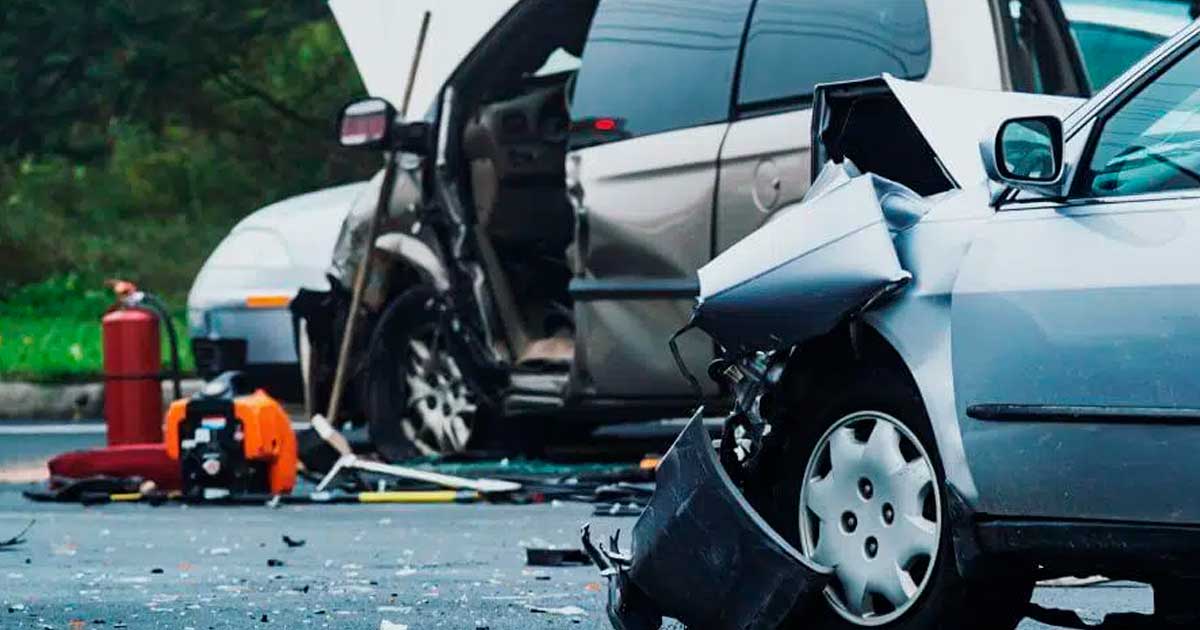
In severe cases, glare can contribute directly to collisions. Temporary blindness caused by high-intensity headlights can result in lane departure, failure to yield, or rear-end collisions. These incidents are more likely to occur on unlit rural roads or high-speed highways where reaction windows are shorter, and lighting conditions are already challenging.
Also Read: 10 Cars That Are Still Being Driven After 2 Decades
Regulatory Gaps and Standards in the United States
Vehicle lighting regulations in the United States are primarily overseen by the National Highway Traffic Safety Administration, which sets performance standards for automotive lighting systems.
However, many of these standards were developed decades ago and were not designed to account for modern LED and adaptive lighting technologies. As a result, current regulations often focus on measurable output limits rather than real-world glare impact on human vision.
One major limitation is that compliance testing is typically conducted under controlled laboratory conditions. These tests evaluate beam intensity, angle, and distribution, but they may not fully capture how headlights perform in real traffic environments with varying road elevations, vehicle heights, and weather conditions.
This creates a gap between regulatory compliance and actual road experience.
Another challenge is enforcement. Once a vehicle is certified for sale, ongoing monitoring of headlight alignment and modifications is limited. Many cases of excessive glare are caused by post-purchase changes, such as aftermarket bulb installations or improper repairs, which fall outside routine regulatory oversight. This makes it difficult for authorities to address the problem systematically.
The Insurance Institute for Highway Safety has conducted independent studies highlighting the need for improved glare control standards, including adaptive beam technologies that adjust brightness based on surrounding traffic conditions. However, widespread implementation of such systems is still limited due to cost and technological variability across manufacturers.
International comparisons show that other regions, such as parts of Europe, have adopted more advanced adaptive driving beam regulations. These systems automatically dim or redirect light when detecting oncoming vehicles, reducing glare significantly. The United States has begun allowing some adaptive systems, but adoption remains gradual and uneven across the market.
Vehicle Technology, Infrastructure, and Driver Behavior
Addressing headlight glare requires a multi-layered approach that combines improved vehicle technology, better infrastructure design, and increased driver awareness. No single solution can fully eliminate the problem because it is rooted in both engineering and human factors. Instead, coordinated improvements across multiple systems are necessary to reduce risk.
From a technology perspective, adaptive driving beam systems represent one of the most promising solutions. These systems use sensors and cameras to detect oncoming traffic and automatically adjust headlight intensity or direction.
When widely implemented, they can significantly reduce glare without compromising forward visibility for the driver. Continued refinement and broader adoption of these systems could help balance safety for all road users.
Infrastructure improvements can also play a role. Better road lighting design, reflective lane markers, and improved road surface materials can reduce reliance on high-intensity headlights in certain environments.
In well lit urban areas, the need for extremely bright vehicle lighting is reduced, which in turn lowers glare exposure. Cities such as Chicago have already invested in upgraded street lighting systems that improve nighttime visibility for all road users.
Driver behavior and maintenance are equally important. Proper headlight alignment, regular vehicle servicing, and avoiding illegal aftermarket modifications can significantly reduce glare problems. Education campaigns emphasizing the importance of correct lighting usage can help reduce unintentional contributions to the issue. Even simple adjustments in behavior can have a meaningful collective impact when adopted widely.
Policy evolution will be necessary to bridge the gap between existing standards and modern lighting technology. Updating regulations to account for real-world driving conditions, supporting adaptive lighting systems, and improving enforcement of improper modifications can help create a safer nighttime driving environment. Organizations like the National Highway Traffic Safety Administration will play a central role in shaping these updates as vehicle technology continues to evolve.
