
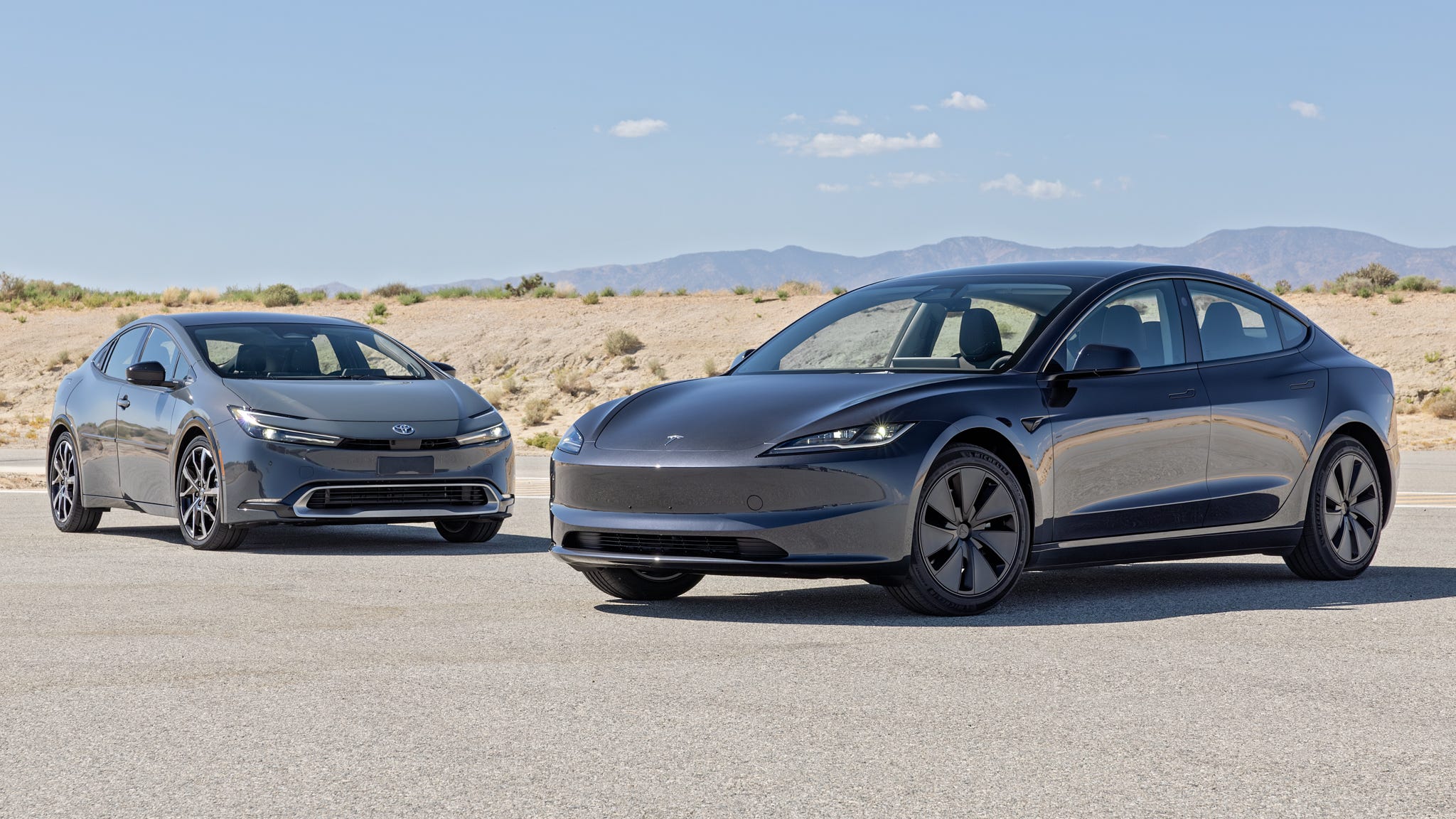
Few rivalries in today’s automotive space feel as defining as the one between Tesla and Toyota. One brand moves with a fast-paced, software-led mindset that pushes toward autonomy and continuous digital improvement. The other represents a long-established manufacturing discipline, built on consistency, global reach, and a track record that helped shape modern vehicle production.
Modern car buyers are no longer focused only on styling or engine output. Decisions now factor in software features, ownership costs, charging access, fuel efficiency, and how well a vehicle fits into a connected digital routine. That change in expectations has placed Tesla and Toyota on different trajectories, even though both aim to influence the same future of transportation.
Tesla produces vehicles that behave more like smart technology products than traditional machines. Features improve through over-the-air updates, while artificial intelligence plays a growing role in driver assistance and automation. The experience is centered around constant refinement, where a car can feel different months after purchase without any physical modifications. That approach appeals to drivers who value innovation and rapid development cycles.
Toyota, by comparison, focuses on dependability and wide accessibility. Its vehicles are built to perform consistently across long periods of ownership, in varied climates and driving conditions. With hybrid systems, fuel efficiency improvements, and expanding electric options, Toyota serves a broad audience that values practicality and proven reliability over fast-changing digital features.
Both strategies reflect different answers to the same question about where mobility is headed. Tesla bets heavily on software intelligence, battery advancement, and autonomous driving systems becoming central to everyday transport. Toyota leans on manufacturing scale, engineering refinement, and the ability to deliver vehicles that remain dependable in nearly any environment.
Looking ahead, the next twenty years of driving will be shaped by multiple forces working together. Software capability, battery performance, production efficiency, and consumer trust will all play roles in determining how transportation develops.
Tesla and Toyota each bring strengths that address different parts of that equation, which makes their rivalry less about one replacing the other and more about how each continues influencing the direction of global mobility in its own way.
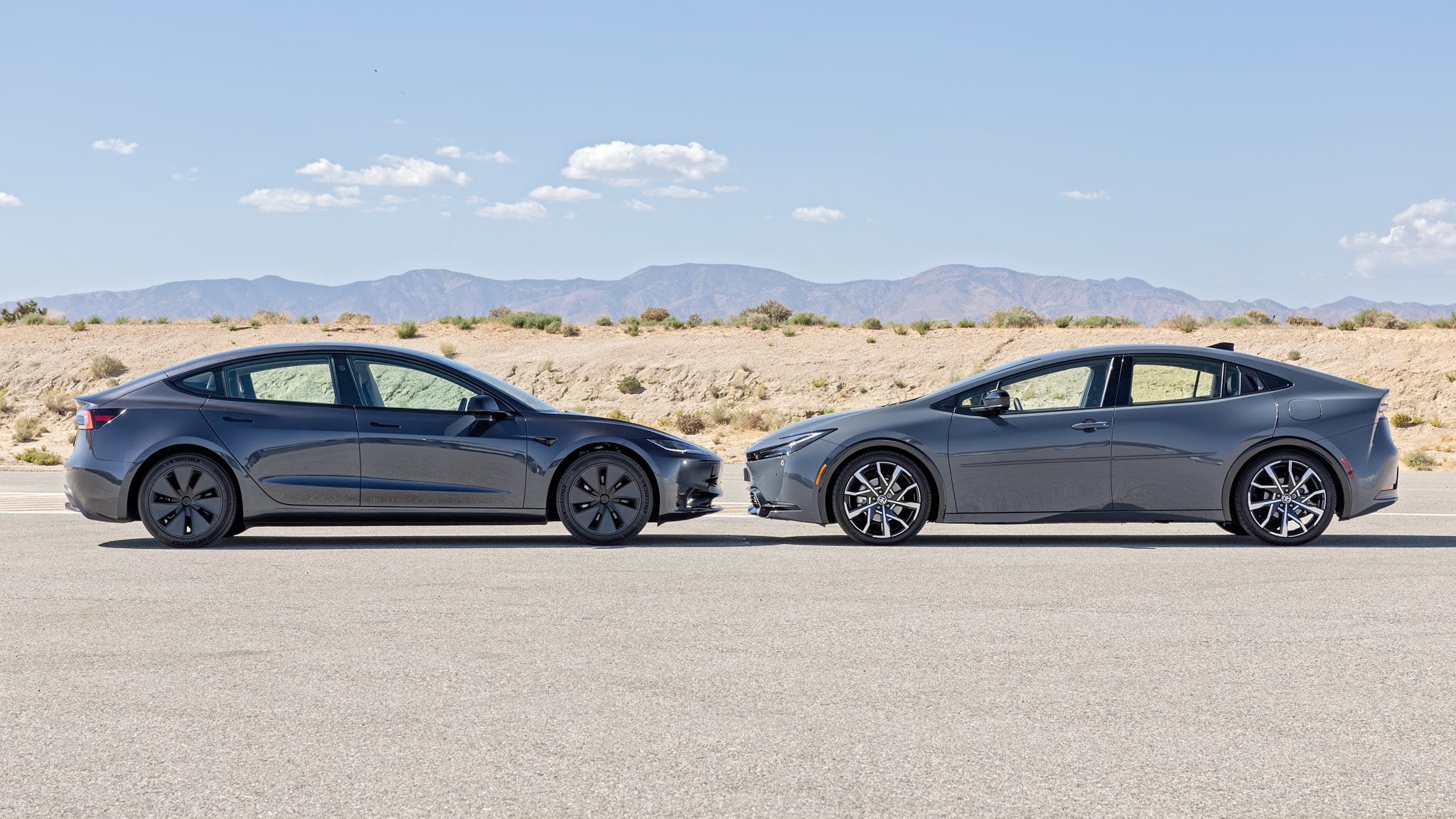
Tesla’s Technology-First Approach to Driving
Innovation sits at the center of Tesla’s identity, and vehicles like the Tesla Model S Plaid highlight how far that philosophy has been taken. Rather than treating a car as a fixed product, Tesla approaches it as something that develops through software updates, data collection, and continuous refinement.
A major part of this strategy involves artificial intelligence. Tesla’s Full Self-Driving system relies on neural networks trained through real-world driving data collected from millions of vehicles. That approach allows the company to improve driver-assistance features at a pace that traditional automakers often struggle to match.
While full autonomy remains a work in progress, Tesla continues to push toward a future where cars handle more of the driving task. Another defining feature is the integration of software across the entire vehicle. From navigation to performance settings, everything runs through a centralized system that can be updated remotely.
This means a car purchased today may gain new features months or years later without requiring physical modifications. That concept changes how people think about ownership, turning vehicles into long-term platforms rather than static machines.
Energy plays a role as well. Tesla is not limited to vehicle production. It also invests heavily in battery storage, solar energy, and robotics. That broader ecosystem strengthens its position as more than a car company. Instead, it becomes part of a larger effort to reshape how energy and transportation connect.
Challenges remain. Regulatory approval for advanced autonomy varies across regions, and competition from rapidly growing electric vehicle manufacturers continues to increase. Even so, Tesla’s ability to combine hardware with software gives it a distinct advantage in shaping a future driven by digital systems and connected mobility.
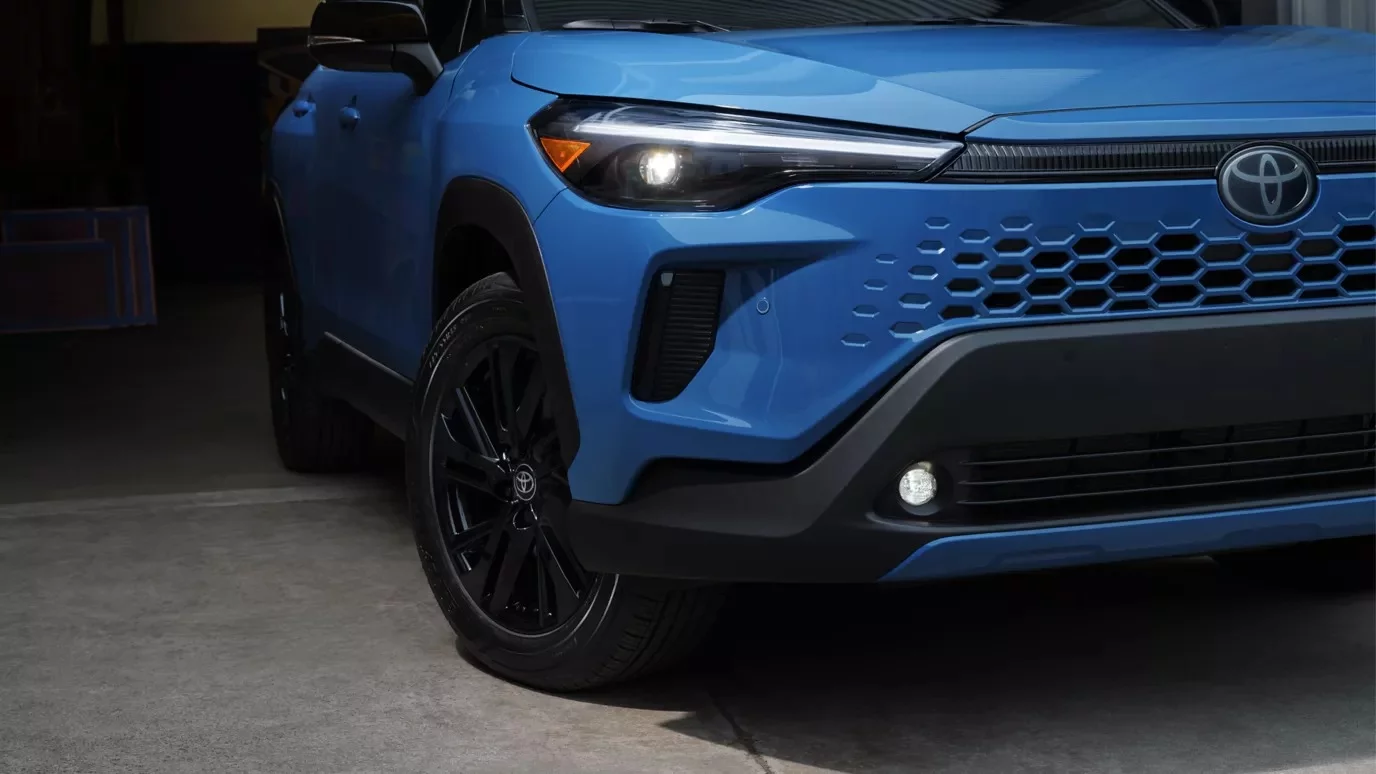
Toyota’s Strength in Scale and Global Reliability
Long-standing experience gives Toyota a different type of advantage, one rooted in consistency and global reach. Vehicles such as the Toyota Camry Hybrid reflect the company’s ability to produce reliable cars in massive volumes while maintaining quality standards that customers trust.
Production scale is one of Toyota’s strongest assets. The company manufactures millions of vehicles each year, serving markets with different economic conditions, infrastructure limitations, and customer expectations. That level of output requires a supply chain that can adapt quickly while maintaining efficiency. Toyota’s well-known production philosophy, often referred to as continuous improvement, supports this balance.
Hybrid technology has been a major focus for Toyota. Instead of committing fully to battery electric vehicles early on, the company developed hybrid systems that combine gasoline engines with electric motors. This approach allowed it to reduce fuel consumption while avoiding reliance on charging infrastructure, which remains uneven in many parts of the world.
Another area of focus involves future battery technology. Toyota is investing in solid-state batteries, which promise longer driving ranges and faster charging times compared to current lithium-ion systems. If successfully commercialized, this technology could change expectations for electric vehicles by reducing some of the limitations associated with charging and range.
Reliability remains central to Toyota’s identity. Many drivers choose the brand because of its reputation for durability and low maintenance costs. That trust has been built over decades and continues to influence buying decisions, especially in markets where long-term ownership matters more than cutting-edge features.
Transitioning to a more software-focused approach presents challenges. Compared to Tesla, Toyota has been slower to adopt over-the-air updates and digital-first vehicle design. Even so, its strength in production and dependability ensures that it will remain a major force in shaping how vehicles are built and distributed worldwide.
Also Read: The Surprising Leader in Luxury Car Maintenance Tesla vs Toyota
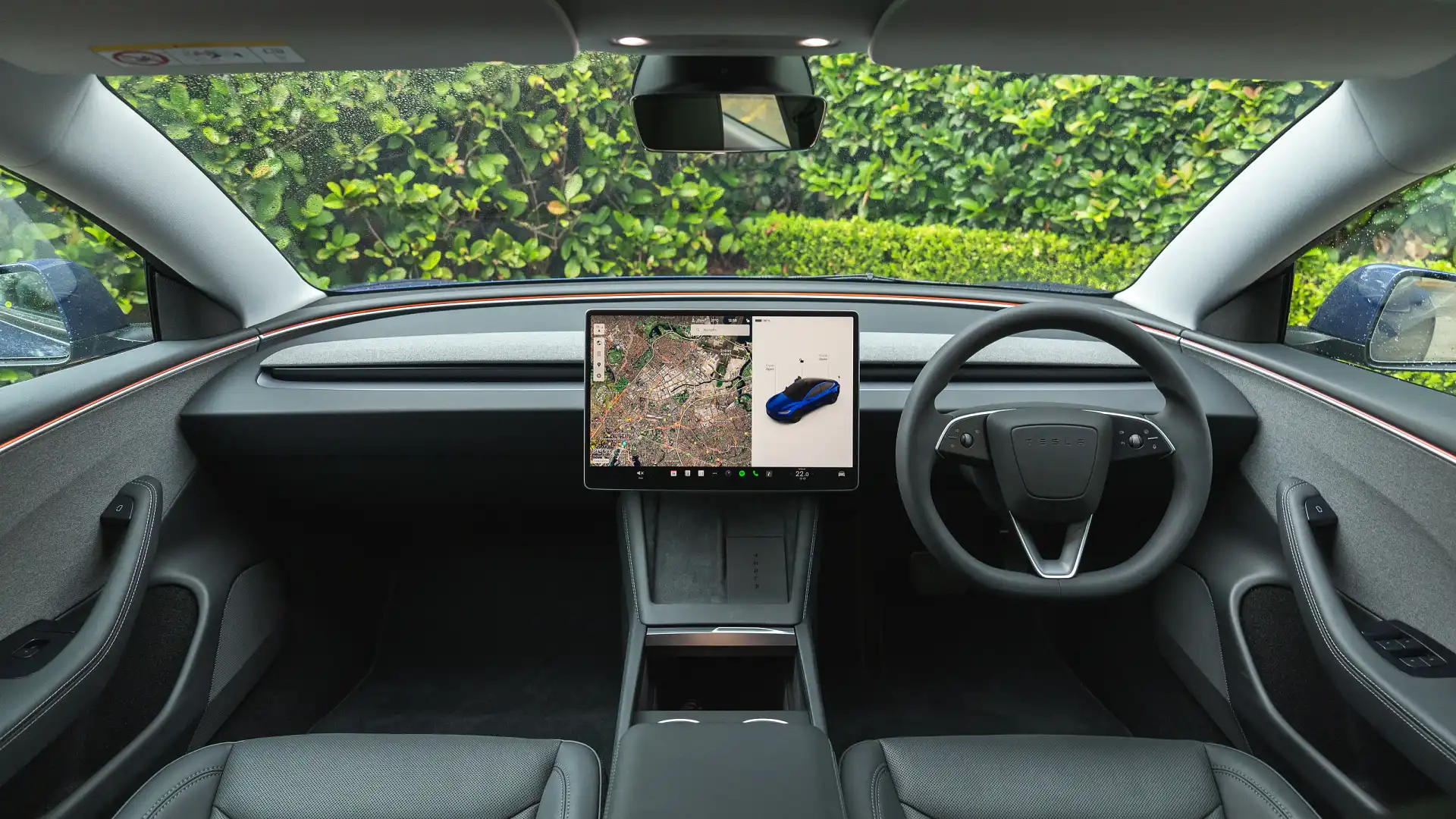
Smart Software And Proven Engineering
Smart software paired with proven engineering separates Tesla and Toyota in a way that defines how each brand approaches the modern driving experience. Tesla places strong emphasis on digital systems, while Toyota continues to prioritize mechanical strength, manufacturing precision, and long-term durability. A model like the Tesla Model 3 shows how deeply software can shape daily driving, turning the vehicle into a platform that can change and improve without physical upgrades.
Inside the Model 3, the cabin design revolves around a central touchscreen that manages nearly every function, from climate control to navigation and performance settings. Physical buttons are reduced to a minimum, creating a clean layout where software becomes the main control system.
Over-the-air updates allow Tesla to adjust performance characteristics, improve efficiency, and introduce new features while the car remains in the owner’s possession. This approach makes the vehicle feel more like a digital product that continues to develop, rather than a fixed machine locked to its original factory state.
Toyota follows a different philosophy rooted in mechanical consistency. The Toyota Corolla serves as a strong example of this approach, built around dependable engineering that focuses on predictable performance across many years of ownership.
While it may not receive frequent software changes or rapid feature updates, it offers a driving experience centered on stability, ease of use, and low maintenance demands. Many drivers value that consistency, especially when long-term ownership and repair costs are part of the decision-making process.
This difference in philosophy shapes how each brand connects with its customers. Tesla attracts drivers who are drawn to innovation, constant improvement, and vehicles that feel connected to modern digital lifestyles. Toyota appeals to those who prioritize durability, straightforward maintenance, and confidence that their vehicle will perform reliably without needing frequent updates or changes.
The role of digital ecosystems further highlights this separation. Tesla integrates navigation, entertainment, energy management, and vehicle controls into a single unified system. This creates a driving environment where information and control are centralized and responsive.
Toyota has made progress in integrating digital features, yet its structure remains more traditional, with separate systems handling different functions rather than merging everything into one interface. As vehicles become more connected, software will continue gaining influence across the industry. Tesla’s early investment in software-driven design places it in a strong position to lead that direction.
At the same time, Toyota’s commitment to physical engineering ensures that it remains a strong force in delivering reliable transportation. Both approaches serve different needs, and each continues shaping how drivers experience technology, comfort, and dependability on the road.
Electric Future Versus Multi-Path Strategy
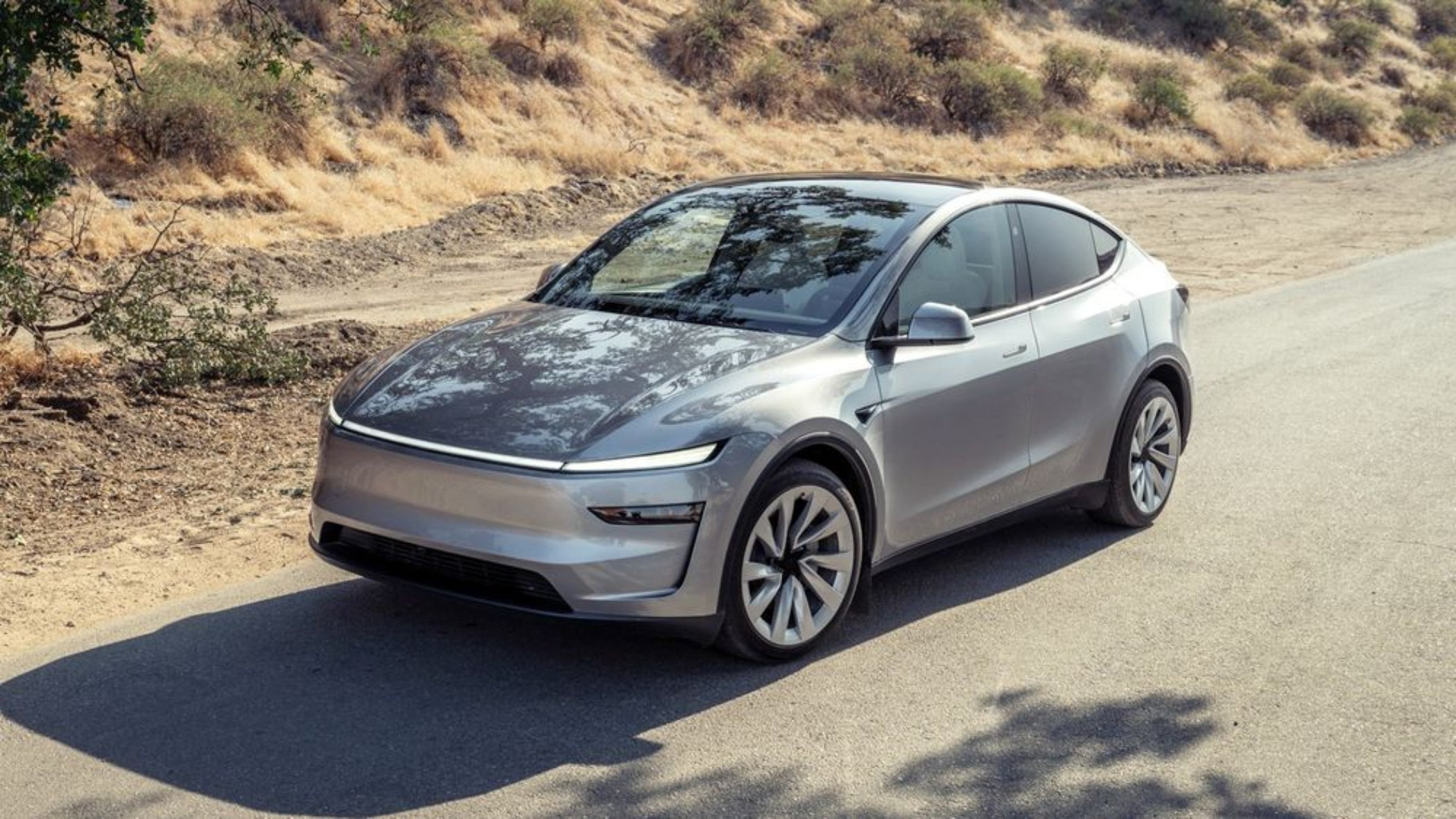
Electric mobility sits at the center of how future driving discussions are shaping up, yet Tesla and Toyota approach this transition from very different angles. A model like the Tesla Model Y reflects Tesla’s full commitment to battery-powered transportation, designed with no reliance on traditional internal combustion engines. It represents a clean break from older mechanical systems and focuses entirely on electric efficiency, software control, and energy storage improvements.
Tesla’s direction is built on a straightforward idea. Every vehicle is fully electric, supported by a growing charging ecosystem and constant improvements in battery chemistry, range performance, and software capability. This approach allows rapid refinement since the entire product line shares the same electric foundation.
Updates can be delivered through software, meaning performance, efficiency, and user experience can improve without physical changes to the vehicle. That level of integration gives Tesla a tight feedback loop between engineering and real-world usage.
Toyota takes a broader path. The Toyota Prius stands as one of the most recognized examples of its hybrid strategy, blending gasoline engines with electric assistance to improve fuel efficiency without depending entirely on charging infrastructure. This method gives drivers flexibility in regions where charging stations are limited or where long-distance reliability matters more than full electrification.
Beyond hybrids, Toyota also invests in hydrogen fuel cell systems and pure battery electric vehicles, spreading development efforts across several propulsion methods. This approach reduces reliance on a single technology and allows adaptation to different markets with varying energy resources and infrastructure maturity.
These two directions reflect different interpretations of future mobility. Tesla assumes electric power will become the universal standard, making leadership in EV technology the main priority. Toyota prepares for a more varied future where multiple technologies may exist side by side, depending on region, infrastructure, and consumer needs.
Charging access plays a major role in adoption speed. Tesla has built its Supercharger network to support long-distance travel and reduce charging anxiety for its users. The fast expansion of this network strengthens the practicality of owning a fully electric vehicle in everyday life. Toyota avoids this challenge in its hybrid lineup since gasoline remains widely available across most markets, allowing drivers to refuel quickly without waiting for charging.
Each strategy carries its own risks and strengths. Tesla relies heavily on continued global adoption of electric vehicles and sustained improvements in battery technology. Toyota must manage the operational challenge of maintaining multiple powertrain systems while continuing to modernize its electric offerings.
The direction of future transportation will depend on how quickly infrastructure grows and how consumer expectations continue to advance across different regions.
Also Read: Fuel Efficiency Face-Off: Toyota bZ4X vs Tesla Model Y
Who Shapes the Next 20 Years of Driving?
Predicting which brand will shape the next twenty years of driving comes down to how innovation meets real-world access. Tesla continues to push forward with a strong focus on software systems, artificial intelligence, and electric vehicle development. Toyota builds its strength on large-scale manufacturing, long-term reliability, and a distribution network that reaches nearly every major market across the globe.
A model like the Tesla Cybertruck reflects how Tesla approaches vehicle design from a different angle. It leans heavily into futuristic styling paired with deep digital integration, where software plays a major role in how the vehicle performs and adapts. Over-the-air updates, driver assistance features, and connected services show a direction where cars function more like evolving technology platforms than fixed machines.
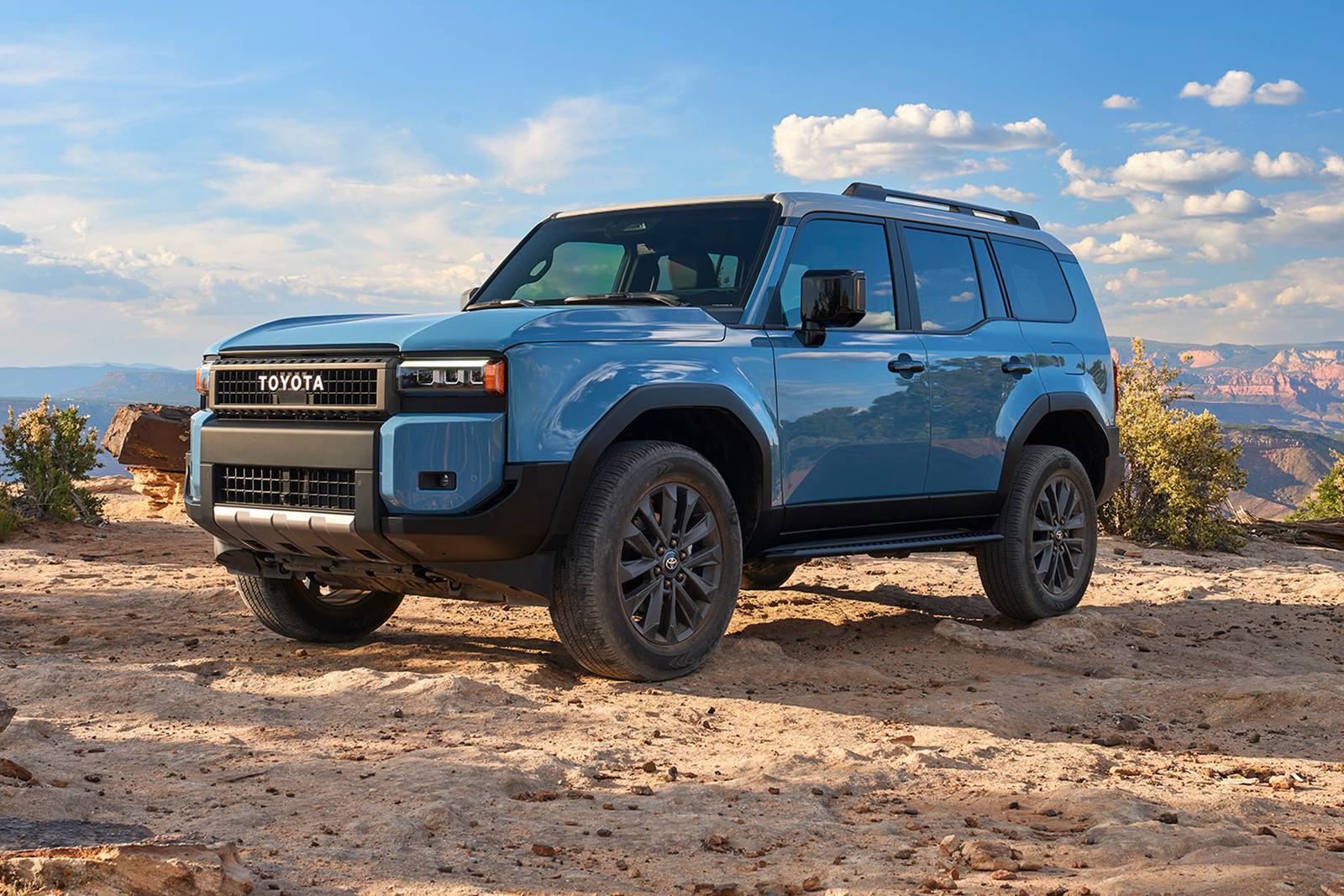
Toyota takes a different route with vehicles such as the Toyota Land Cruiser. This model represents durability built through decades of refinement, designed to handle rough environments, long travel distances, and demanding usage conditions. It focuses less on digital experimentation and more on consistent performance that owners can depend on for years without concern about rapid technological change.
Consumer behavior will influence how the future plays out. If interest continues to grow around advanced driver assistance, automation, and connected driving systems, Tesla stands in a strong position to expand its influence. Its approach aligns with drivers who want constant software updates, new features delivered digitally, and vehicles that are advanced after purchase.
If demand continues to prioritize affordability, ease of ownership, and long-term dependability, Toyota will likely remain a dominant force. Its production scale allows it to serve a wide audience, while its hybrid and multi-pathway strategy ensures it can adapt to different regions and regulations without relying on a single technology direction.
The coming years may not produce a single winner in the traditional sense. Instead, both companies may continue shaping different parts of the automotive space. Tesla could lead in defining how vehicles interact with software, autonomy, and energy systems, while Toyota continues focusing on dependable transportation for everyday use across global markets.
What stands out is that both approaches solve different needs. One leans toward rapid technological progression, while the other focuses on consistency and access. Together, they reflect two strong directions that will keep influencing how people drive, travel, and experience mobility moving forward.
