For a true car enthusiast, few things match the satisfaction of a machine engineered with mechanical empathy. You feel it in how cleanly a transmission drops a gear, how flat a chassis stays through an off-camber corner, and how intentionally a braking system manages kinetic energy.
Yet, for many modern SUV owners, the first reality check arrives not in a moment of dynamic glory, but on a hoist at the local dealership. You brought the vehicle in for its routine 25,000-mile service, expecting nothing more than a fresh splash of synthetic oil and a tire rotation, only for the service advisor to walk out holding a clip-board with a grim expression: “Your front pads are down to two millimeters. We need to replace the rotors, too.”
It may feel like a systemic failure, but in today’s automotive market, much of it comes down to deliberate engineering trade-offs. The difference in brake longevity across modern SUVs can be surprisingly wide.
On one end of the spectrum, you have masterfully engineered vehicles where the friction material routinely survives past 80,000 miles, relying on advanced regenerative braking algorithms, specialized metallurgical coatings, or oversized thermal capacities.
On the other end sit heavy, high-momentum crossovers that cook through their factory brake packages in under 25,000 miles due to undersized components, aggressive electronic brake-torque vectoring, and soft, high-bite pad compounds favored for initial showroom impressions.
Understanding this divide requires understanding the engineering decisions that dictate whether your SUV stops efficiently or simply stops your wallet.
Achieving true longevity in an automotive braking system is not a matter of luck; it is a complex triumph of engineering. To make a heavy, high-riding SUV capable of traveling 80,000 miles on a single set of brake pads, manufacturers must intentionally design out the primary catalyst of brake wear: friction-induced thermal degradation.
When a vehicle decelerates, kinetic energy must be transformed into thermal energy. In a traditional setup, the entirety of this transformation happens at the microscopic interface where the brake pad squishes against the spinning cast-iron rotor.
At highway speeds, surface temperatures at this friction point can rapidly surge past 400 °C/750 F, causing the pad material to shear and transfer onto the rotor face, steadily eroding the pad’s usable life.
To bypass this physical degradation, high-mileage champions utilize a multi-pronged mechanical strategy:
What is Kinetic Energy Harvesting (Regeneration)? In hybrid and electric SUVs, the electric motor-generators handle up to 90% of routine deceleration tasks. When you lift off the accelerator or lightly press the brake pedal, the electric motor reverses its role, acting as a generator to slow the vehicle down while sending electricity back to the battery pack.
An Advanced Metallurgy mean? In simple words, vehicles that achieve extreme brake life without hybridisation rely on specialized metallurgy. For instance, manufacturers treat cast-iron rotors with innovative chemical processes like Ferritic Nitrocarburizing (FNC).
Something one should know is “What is Oversized Thermal Capacity?” Here it is in easier words, by engineering wider ventilation channels and larger rotor diameters, high-end braking setups act as highly efficient heat sinks. Keeping operating temperatures low keeps the friction material within its ideal operational window, preventing structural glazing and early wear.
ALSO READ: 5 Used Compacts With Heavy Duty Brakes vs 5 That Reportedly Develop Brake Rotor Issues More Often
1. Toyota RAV4 Hybrid
The fifth-generation Toyota RAV4 Hybrid is a masterclass in mechanical longevity, owing its stellar 80,000-mile brake pad life to one of the most thoroughly refined powertrain setups in automotive history: the Toyota Hybrid System (THS II).
In this configuration, the traditional mechanical braking system spends most of its life resting. When you apply pressure to the brake pedal, the vehicle’s electronic control unit executes a seamless dance known as blended braking.
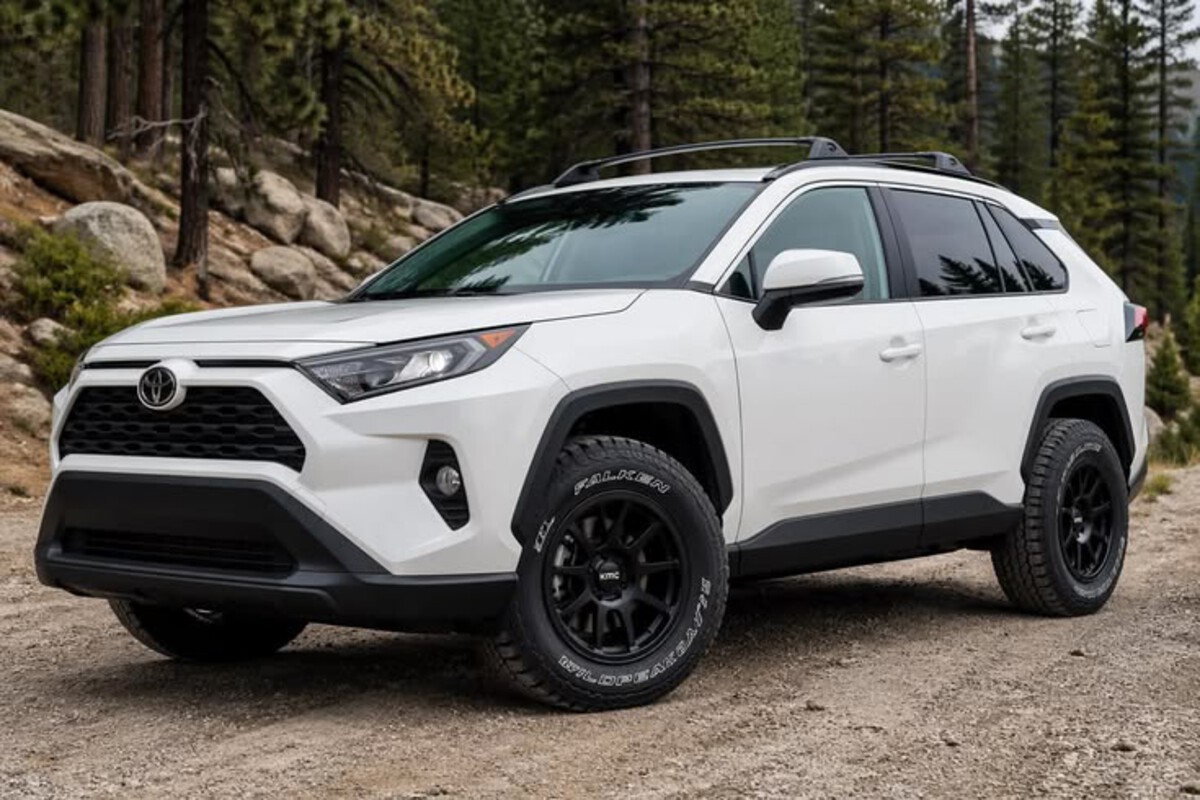
Instead of squeezing the calipers, the SUV uses its electric motor-generators (MG1 and MG2) to convert the vehicle’s forward momentum into electrical energy, slowing the vehicle down through electromagnetic resistance.
Because the hydraulic calipers only clamp down firmly when deceleration forces exceed roughly $0.3 of force, or when the vehicle slows past 7 mph, the physical brake pads experience almost zero friction during standard stop-and-go commuting.
Also, Toyota utilizes high-quality ceramic friction materials formulated to resist environmental oxidation. Owners in salt-belt states regularly report that their factory brake pads still retain over 60% of their friction material at the 80,000-mile mark, requiring service only because the slider pins need a fresh application of silicone grease to prevent binding.
- Engine Type: 2.5L Dynamic Force 4-Cylinder with Electric Motors
- Horsepower: 219 hp (Combined System)
- Torque: 163 lb-ft @ 3,600 rpm (Engine) / 149 lb-ft (Front Motor)
- Length: 180.9 inches
- Width: 73.0 inches
2. Lexus RX 450h / RX 500h
Stepping up into the premium segment, the Lexus RX hybrids carry forward Toyota’s legacy of braking endurance while scaling the technology to handle a larger, more luxurious chassis.
Whether looking at the long-running, naturally aspirated V6 architectures of past generations or the turbocharged, performance-oriented hybrid powertrains of the latest variants, the RX uses an incredibly sophisticated Electronically Controlled Braking (ECB) system.

This brake-by-wire network continuously monitors pedal stroke speed and hydraulic pressure, calculating the exact mathematical threshold where electromagnetic motor regeneration can fully replace hydraulic friction.
Because the Lexus RX is heavily insulated against Noise, Vibration, and Harshness (NVH), the factory brake calipers are designed to damp out micro-vibrations that can cause pad taper or uneven wear.
The compound inside these pads contains specialized organic binders that remain chemically stable even when left sitting in humid environments, eliminating the surface-corrosion issues that usually plague low-mileage vehicles.
For an executive commuter doing mixed highway and urban driving, hitting 85,000 miles on the original factory brake pads is a completely standard ownership experience, documented thoroughly across enthusiast forums and verified by official dealer service intervals.
- Engine Type: 2.4L Turbocharged 4-Cylinder Hybrid
- Horsepower: 366 hp (Combined System)
- Torque: 406 lb-ft (Combined System)
- Length: 192.5 inches
- Width: 75.6 inches
3. Chevrolet Tahoe (with Duralife™ Rotors)
It seems counterintuitive that a massive, three-ton, body-on-frame SUV could ever be gentle on its stopping hardware. However, General Motors fundamentally solved the full-size SUV brake wear dilemma with a proprietary metallurgical breakthrough known as Duralife™ brake rotors, featured across its full-size truck and SUV platforms.
In traditional large SUVs, the sheer weight of the vehicle creates significant heat during braking, which can lead to rotor warping and uneven pad transfer.
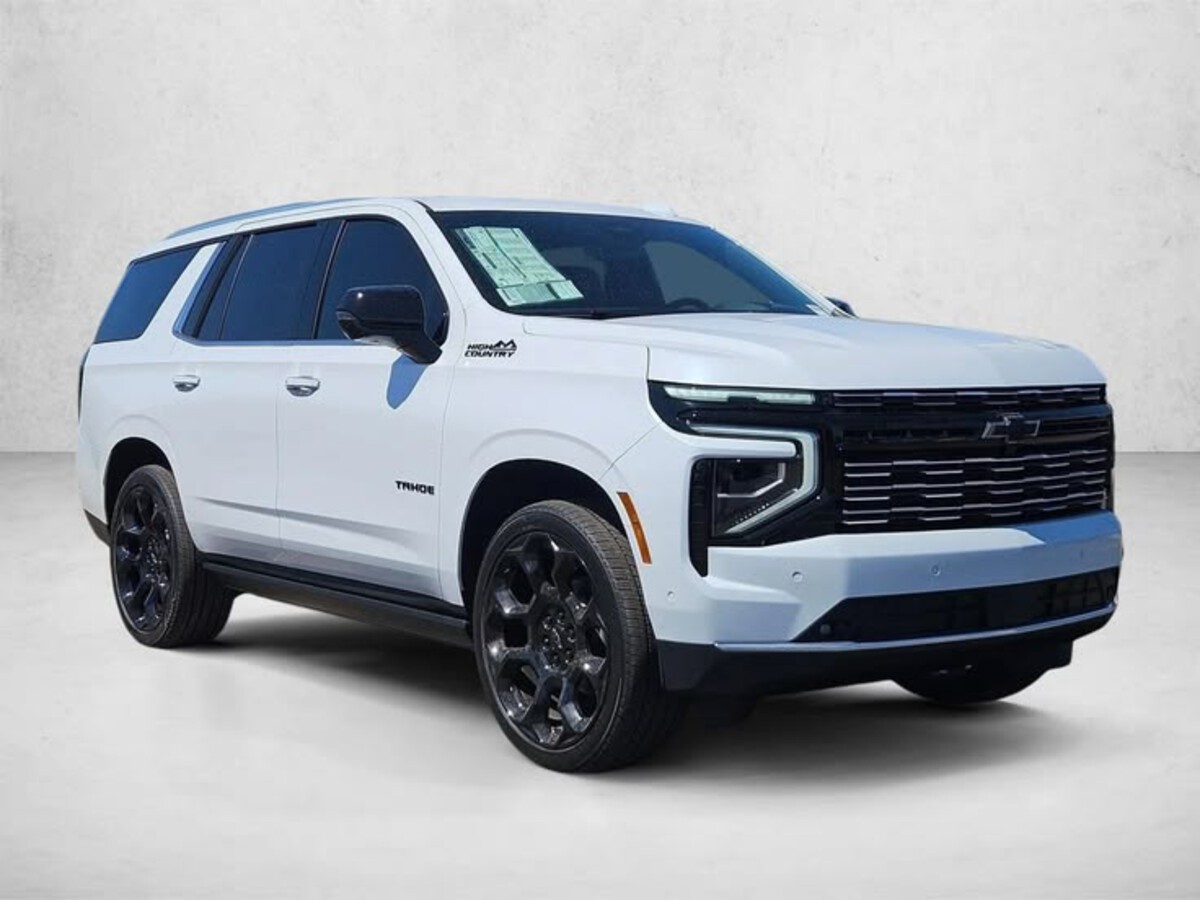
Over time, this creates a variable thickness across the rotor face, forcing the owner to replace the entire setup prematurely due to annoying pedal vibrations.
To combat this, GM subjects its factory cast-iron rotors to a Ferritic Nitrocarburizing (FNC) process. By baking the raw rotors in a specialized nitrogen-rich atmosphere at temperatures hovering around 565F, the iron undergoes a structural transformation.
This creates a highly hardened outer layer that is uniquely resistant to rust, pitting, and environmental scaling. Because the rotor surface remains smooth and free of abrasive rust formations, the heavy-duty brake pads slide cleanly across the face without tearing.
When driven with a modest degree of mechanical sympathy, a modern Chevrolet Tahoe can easily glide past 80,000 miles before the pad wear indicators even think about chirping.
- Engine Type: 5.3L EcoTec3 V8 with Dynamic Fuel Management
- Horsepower: 355 hp @ 5,600 rpm
- Torque: 383 lb-ft @ 4,100 rpm
- Length: 210.7 inches
- Width: 81.0 inches
4. Tesla Model Y
The Tesla Model Y represents the absolute pinnacle of brake pad conservation, operating in a paradigm where the physical hydraulic brakes are relegated to a secondary safety system.
As a pure battery-electric vehicle (BEV), the Model Y relies on a highly aggressive regenerative braking profile that is deeply integrated into its single-pedal driving calibration.
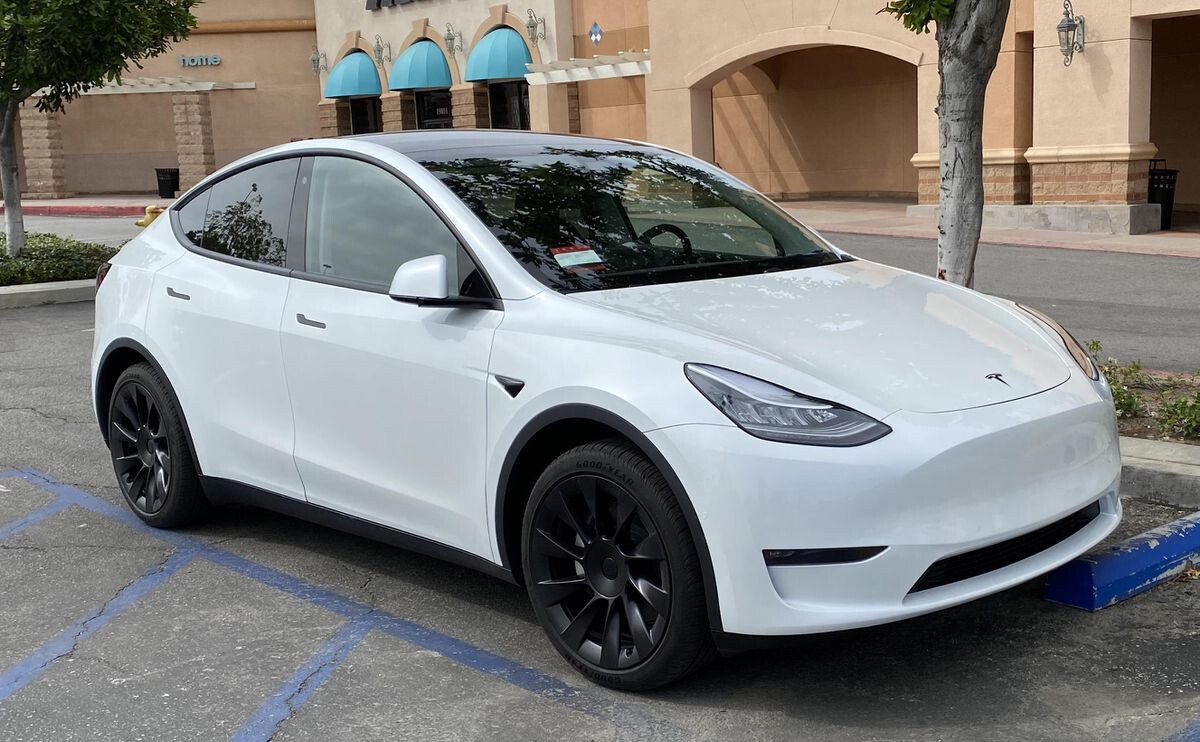
The moment the driver lifts their foot off the accelerator pedal, the permanent magnet synchronous motors on the axles instantly switch roles to harvest the vehicle’s forward kinetic energy, generating up to 65 kW of electrical power back into the floor-mounted lithium-ion battery pack.
This electromagnetic resistance provides up to $0.2 of force of decelerative force, which is more than enough to handle nearly all standard road braking situations, from slowing down for highway off-ramps to coming to a complete stop at a red light.
Because the physical brake pads and ventilated steel rotors are rarely pressed together outside of sudden emergency avoidance maneuvers, mechanical wear is minimized to an extraordinary degree. It is not uncommon for a Model Y to reach 90,000 or even 100,000 miles with its factory brake pads showing less than 2 millimeters of structural wear.
In fact, Tesla’s official service guidelines emphasize inspecting the brakes not for wear, but to clean and lubricate the calipers to ensure they don’t seize up from lack of use.
- Engine Type: Dual AC Synchronous / Permanent Magnet Electric Motors
- Horsepower: 425 hp (Long Range Combined Est.)
- Torque: 376 lb-ft (Combined Est.)
- Length: 187.0 inches
- Width: 75.6 inches (Without Mirrors)
5. Honda CR-V Hybrid
The Honda CR-V Hybrid stands as another exceptional example of how a smart powertrain layout can drastically reduce mechanical wear.
Utilizing Honda’s innovative two-motor hybrid system, this SUV does away with a conventional automatic transmission entirely, using a direct-drive setup where the electric propulsion motor is directly coupled to the front axle.
When braking, the system routes the vehicle’s stopping energy through a steering-wheel-mounted deceleration selector.
This allows the driver to manually step through four distinct levels of regenerative resistance, effectively using the vehicle’s electrical components to control downhill speeds without ever touching the foot brake pedal.
The hydraulic portion of the CR-V Hybrid’s braking system uses a highly optimized Electric Servo Brake system. This setup actively decouples the physical pedal from direct hydraulic lines during normal operation, reading pedal pressure electronically and using an electric motor to modulate the master cylinder only when absolute friction stopping is required.
This intelligent allocation of labor protects the brake pads from the heat-generating friction cycles that degrade lesser crossovers.
For families using the CR-V Hybrid as a long-term urban commuter, the factory brake pads easily hit the 80,000-mile mark while maintaining consistent pedal feel and excellent stopping distances.
- Engine Type: 2.0L 4-Cylinder Atkinson-Cycle with Dual Electric Motors
- Horsepower: 204 hp (Combined System)
- Torque: 247 lb-ft (Combined System)
- Length: 184.8 inches
- Width: 73.5 inches
On the opposite side of the spectrum lies a group of popular SUVs that routinely exhaust their friction material in under 25,000 miles.
To frustrated owners, this fast wear rate feels like a defect, but it is actually the direct result of modern trade-offs in packaging, driving dynamics, and electronics.
When a heavy SUV with a high center of gravity is engineered to drive with the sharp, crisp reflexes of a sport sedan, the braking system is often forced to take on double duty as a hidden suspension and stability management tool.
The underlying causes behind this early brake wear trace back to several specific engineering factors:
To prevent a tall crossover from pushing wide (understeering) through tight corners, modern stability control networks use targeted brake intervention. Without the driver ever pressing the pedal, the computer quietly clamps the inside rear wheel’s brake caliper during cornering to help rotate the vehicle into the turn.
In pursuit of impressive stopping distances in automotive magazine testing, manufacturers often specify soft, European-style low-metallic pad compounds. These pads contain fine metallic fibers that offer exceptional initial bite and excellent cold-stopping power.
As mid-size crossovers have grown heavier with advanced safety cages and luxury amenities, their wheel and brake packaging constraints have not always grown to match. When a vehicle’s curb weight creeps past 4,500 pounds while utilizing a brake rotor diameter originally optimized for a much lighter platform, the thermal load per square inch increases exponentially.
ALSO READ: 6 Cars That Are Easy on Brakes vs 6 That Eat Pads Every 25,000 Miles
6. Ford Explorer (Sixth Generation)
The sixth-generation Ford Explorer made a bold engineering shift by moving to a rear-wheel-drive-biased architecture designed to improve towing capacity and driving dynamics. However, this athletic platform choice introduced a hidden drawback for its braking components.
Weighing in at nearly 4,500 pounds in its standard trim lines, this mid-size family hauler relies on an incredibly active electronic stability control network to manage its body roll and cornering behavior.
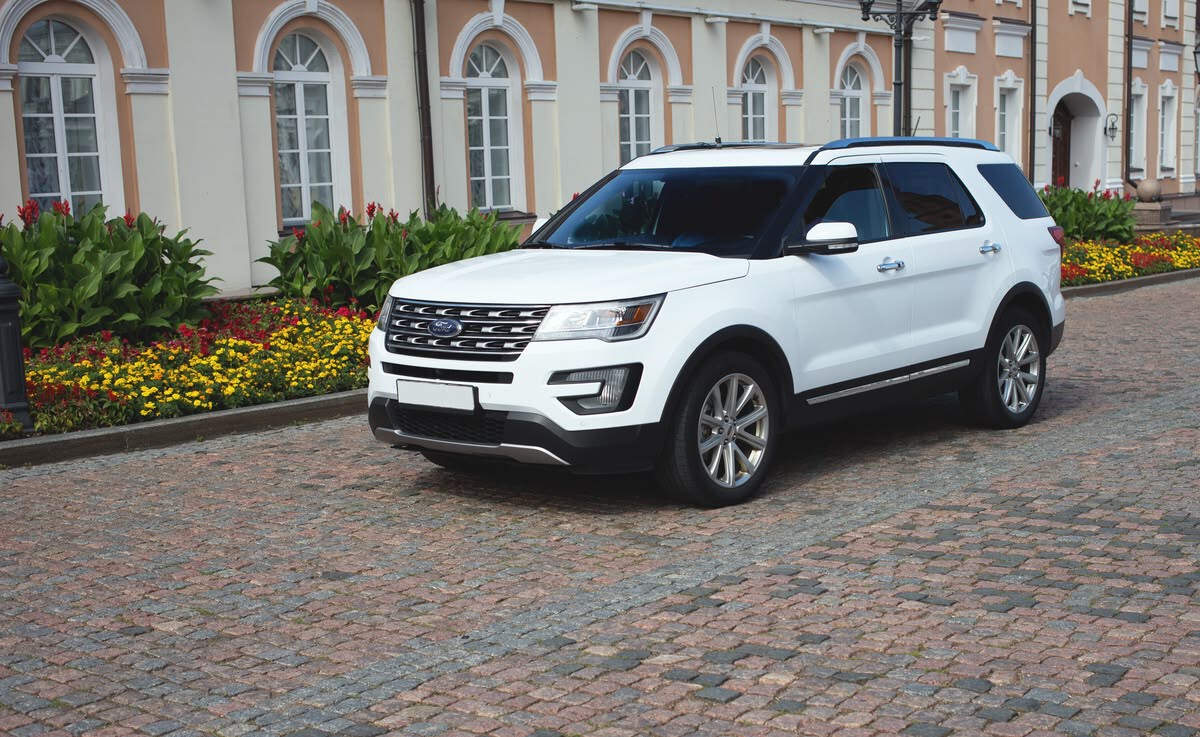
Specifically, Ford’s Curve Control and torque-vectoring systems work behind the scenes by using the rear brakes to stabilize the vehicle through winding roads and freeway entrance ramps.
Because the vehicle’s computer is constantly applying light pressure to the rear calipers to keep the chassis tracking straight, the factory rear brake pads are subjected to continuous friction and heat, even when the driver’s foot is completely off the brake pedal.
Compounding this issue is Ford’s choice of an ultra-soft, high-friction pad compound engineered to deliver a firm, reassuring pedal feel during initial showroom drives. This soft compound wears down quickly when paired with the system’s frequent electronic interventions.
As a result, many Explorer owners are surprised to find their rear brake pads completely worn down to the wear indicators by the 25,000-mile mark, long before the larger front brakes require attention.
- Engine Type: 2.3L EcoBoost I-4 or 3.0L EcoBoost V6
- Horsepower: 300 hp @ 5,500 rpm (2.3L) / 400 hp @ 5,500 rpm (3.0L)
- Torque: 315 lb-ft @ 3,500 rpm (2.3L) / 415 lb-ft @ 3,500 rpm (3.0L)
- Length: 198.8 inches
- Width: 78.9 inches (with mirrors folded)
7. Jeep Grand Cherokee (WL Platform)
The current “WL” generation Jeep Grand Cherokee is a highly capable unibody SUV engineered to blend premium highway comfort with rugged, trail-ready off-road performance.
To deliver a smooth, car-like ride on paved roads while managing its hefty curb weight, Jeep engineers designed a highly sensitive, comfort-tuned braking system.
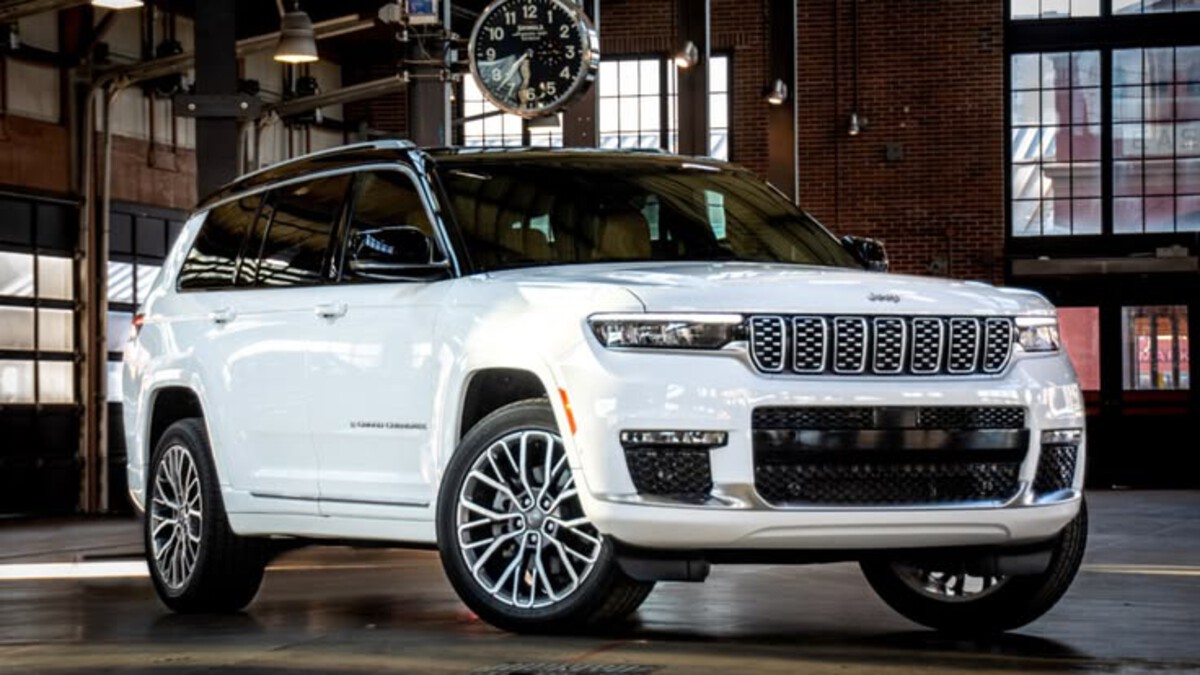
The factory brake calipers are paired with low-metallic friction pads that offer exceptional initial stopping power and smooth deceleration. However, this specific material choice means the pads are inherently sacrificial, wearing down rapidly under the thermal loads generated by stopping this large vehicle.
Also, the Grand Cherokee utilizes its braking system as a core component of its off-road traction management framework. The Selec-Terrain system works by constantly pulsing the brake calipers on wheels that lose traction to transfer power across the axles.
Even when driving on standard paved roads, the vehicle’s electronic trailer-sway control and active lane-keeping assistance systems frequently use targeted brake applications to stabilize the chassis against crosswinds.
This steady stream of minor electronic brake corrections keeps operating temperatures high, causing the soft pad material to wear away quickly. Consequently, owners who do a regular mix of suburban commuting often find themselves needing a complete brake pad replacement before their second year of ownership is up.
- Engine Type: 3.6L Pentastar V6 / 2.0L 4xe I-4 Turbo Hybrid
- Horsepower: 293 hp @ 6,400 rpm (V6) / 375 hp (4xe Combined)
- Torque: 257 lb-ft @ 4,000 rpm (V6) / 470 lb-ft (4xe Combined)
- Length: 193.5 inches (Standard Two-Row)
- Width: 77.5 inches
8. Range Rover Sport
The Range Rover Sport is engineered to deliver sports-sedan handling on winding roads while remaining tough enough to cross deep desert dunes. To control its massive 5,000-pound mass through high-speed corners, Land Rover relies heavily on an advanced Dynamic Response system paired with intelligent torque vectoring.
This sophisticated setup functions by constantly applying micro-braking forces to the inside wheels during cornering, pulling the heavy chassis into the turn, and keeping the vehicle tracking cleanly.
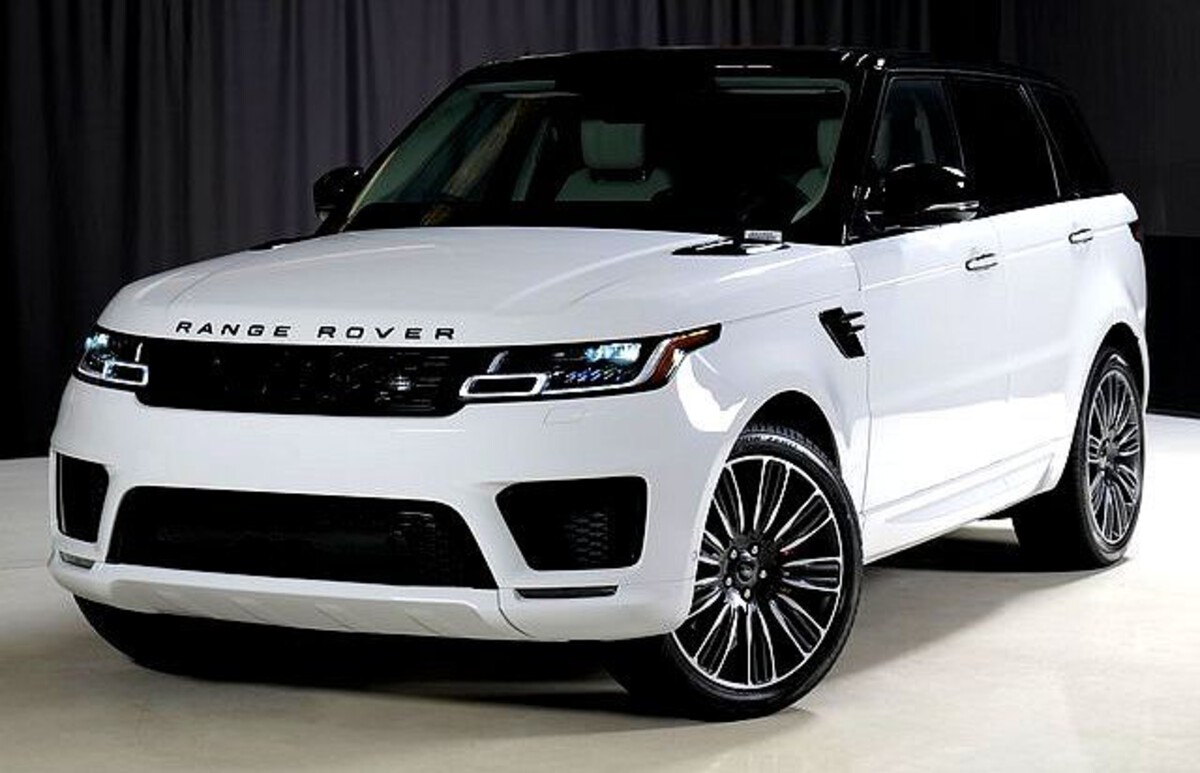
While this technology allows the large luxury SUV to handle beautifully, it places an immense burden on the braking system. The high-performance Brembo hardware features oversized calipers clamping down on soft, high-performance organic friction pads.
These pads are chosen specifically for their incredible stopping power and ability to resist fade at high speeds, but their soft composition means they wear away rapidly under the intense heat generated by continuous electronic interventions.
Owners who enjoy the athletic handling characteristics of their Range Rover Sport will often see their brake wear warning lights pop up on the digital dashboard around the 22,000 to 25,000-mile mark, requiring a premium brake service to restore factory performance.
- Engine Type: 3.0L Inline 6-Cylinder Mild Hybrid (P400)
- Horsepower: 395 hp @ 6,500 rpm
- Torque: 406 lb-ft @ 2,000–5,000 rpm
- Length: 195.1 inches
- Width: 80.6 inches (Mirrors Folded)
ALSO READ: 8 Vehicles With Manual Handbrakes Still Available New
9. Dodge Durango
The Dodge Durango stands out as a powerful, performance-oriented option in the three-row SUV segment, utilizing a rear-wheel-drive architecture derived from classic muscle car DNA.
Built to pull heavy loads and deliver strong straight-line performance, the Durango features a heavy steel chassis that can easily scale past 5,300 pounds when equipped with a V8 engine option. Stopping this much moving mass requires a serious amount of physical force.
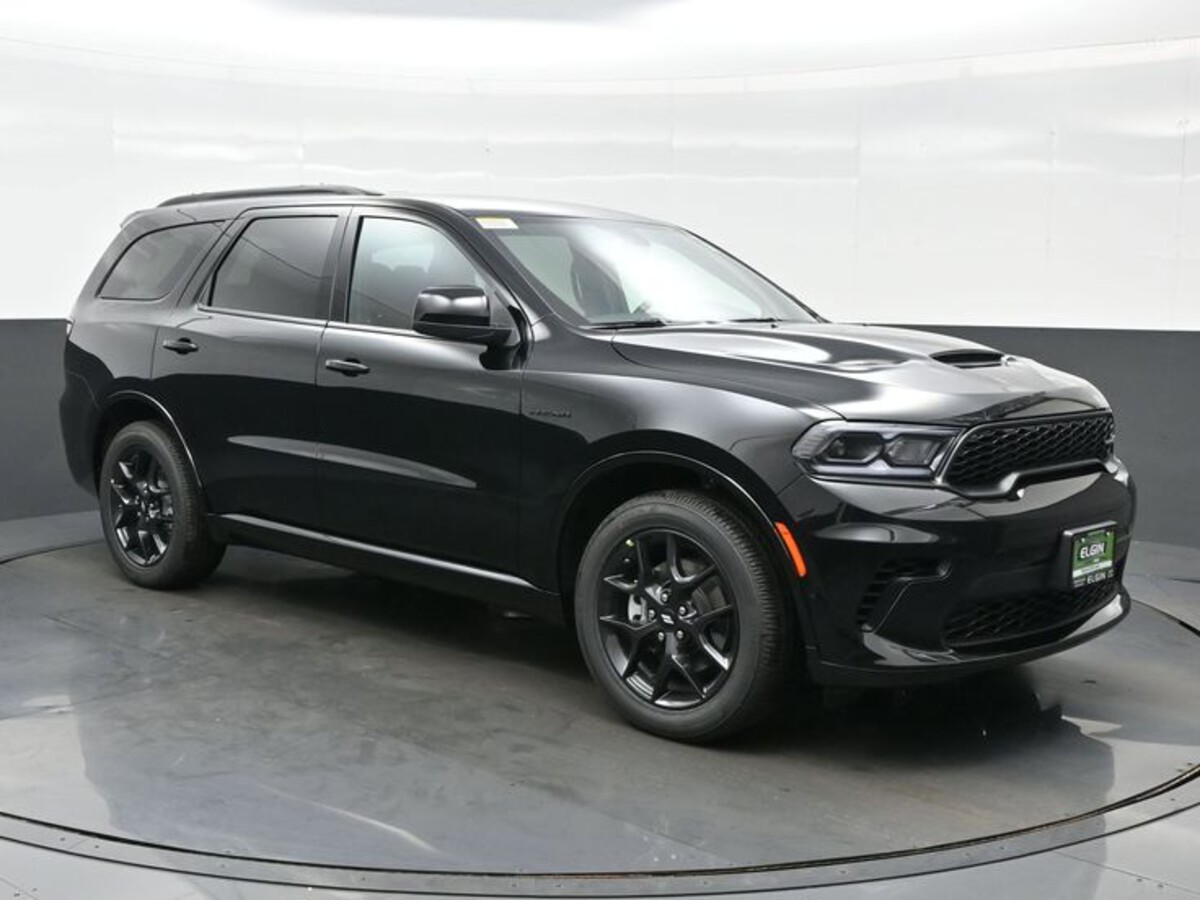
To make sure the driver feels immediate, confident stopping power when stepping on the pedal, Dodge outfits the Durango with an aggressive, high-friction brake pad compound.
This high-bite friction material does an excellent job of bringing the heavy three-row SUV to a swift halt, but it wears down quickly in the process. The Durango’s mechanical layout is also designed with an aggressive forward weight transfer under braking, which places the majority of the stopping workload onto the front brake discs.
During everyday suburban driving, the constant cycle of stopping and starting quickly creates high surface temperatures across the front brake assemblies. Without the help of hybrid energy recovery or specialized long-life rotor coatings, the soft factory pads are worked incredibly hard, often wearing down to the replacement thresholds in as little as 24,000 miles.
- Engine Type: 5.7L HEMI V8 / 3.6L Pentastar V6
- Horsepower: 360 hp @ 5,150 rpm (5.7L) / 295 hp @ 6,400 rpm (3.6L)
- Torque: 390 lb-ft @ 4,250 rpm (5.7L) / 260 lb-ft @ 4,800 rpm (3.6L)
- Length: 201.0 inches
- Width: 75.8 inches
10. Audi Q7
The Audi Q7 is a premium German three-row crossover built to cruise effortlessly down the Autobahn at triple-digit speeds while keeping its occupants isolated in total luxury. European vehicle engineering focuses heavily on absolute high-speed stopping capability and smooth, progressive pedal feel above nearly all other braking metrics.
To meet these strict performance standards, Audi equips the Q7 with large, multi-piston front calipers that clamp down on soft, low-metallic brake pads containing high concentrations of iron and copper fibers.
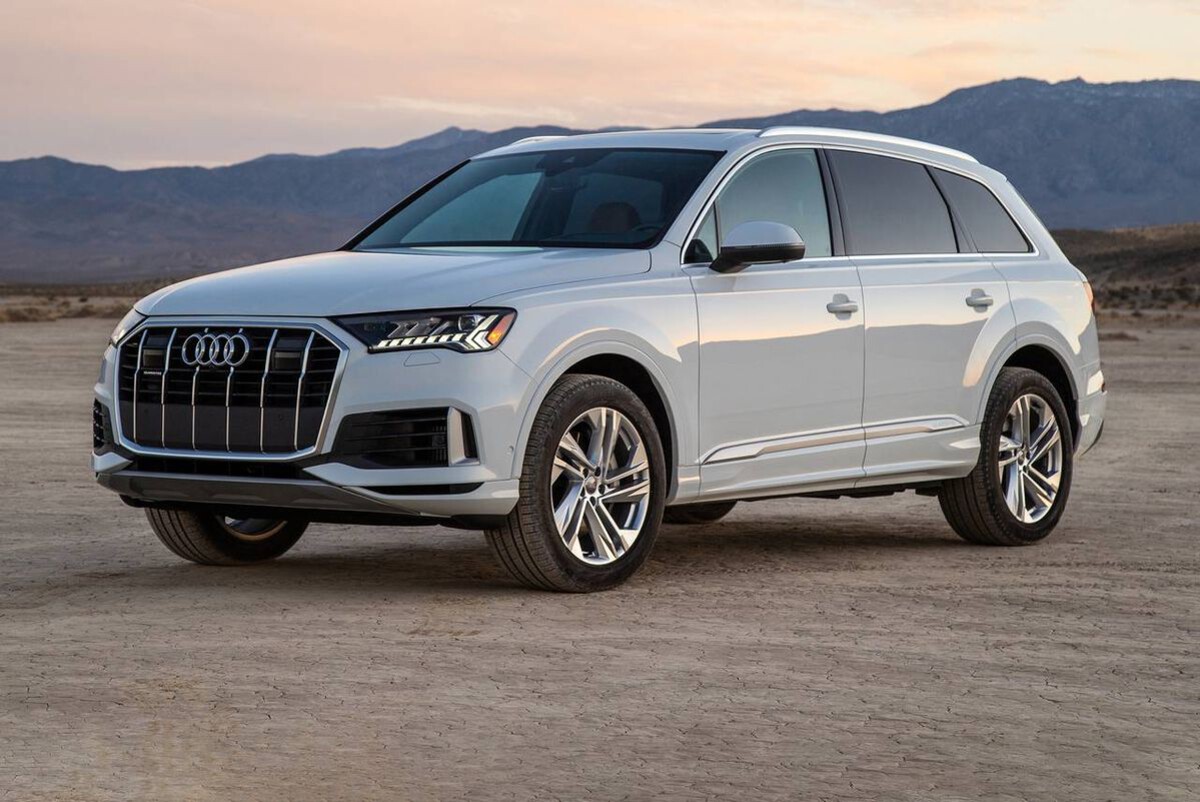
While this design provides exceptional, fade-free stopping power when slowing down from high highway speeds, the soft composition of the pads makes them highly susceptible to rapid physical wear during low-speed, stop-and-go driving.
Also, the Q7 uses a permanent Quattro all-wheel-drive system that works alongside electronic differential locks and an active stability control system. These safety features use targeted, individual brake applications to manage traction through every turn.
The combination of a heavy curb weight, constant automated stabilization adjustments, and a soft, high-friction pad material creates a demanding operating environment that regularly exhausts the factory brake linings within 25,000 miles of city commuting.
- Engine Type: 3.0L Turbocharged V6 with 48V Mild Hybrid System
- Horsepower: 335 hp @ 5,000–6,400 rpm
- Torque: 369 lb-ft @ 1,370–4,500 rpm
- Length: 199.3 inches
- Width: 77.6 inches (Without Mirrors)
Ultimately, the wide gap between a rugged, 80,000-mile braking system and a high-strung, 25,000-mile setup comes down to a clear automotive truth: every vehicle is shaped by the specific priorities of its engineers.
A hybrid crossover that focuses heavily on efficiency uses clever energy recovery systems to keep its physical brakes pristine, while a performance-tuned premium SUV relies on soft, high-bite friction materials to deliver sports-sedan handling and absolute stopping power at the expense of part longevity.
When it comes time to service a fast-wearing SUV, moving away from soft, factory low-metallic pads in favor of high-quality aftermarket ceramic formulations can make a massive difference. High-density ceramic pads use a blend of clay and durable ceramic fibres mixed with small amounts of copper.
This material handles high operating temperatures remarkably well, maintaining structural integrity without wearing away prematurely or leaving heavy layers of dark dust on your wheels.
Pair these pads with aftermarket rotors that feature a protective zinc or carbon coating (like Geomet treatments) to help keep rust and corrosion from forming along the outer edges of the disc, protecting the new pads from premature wear.