
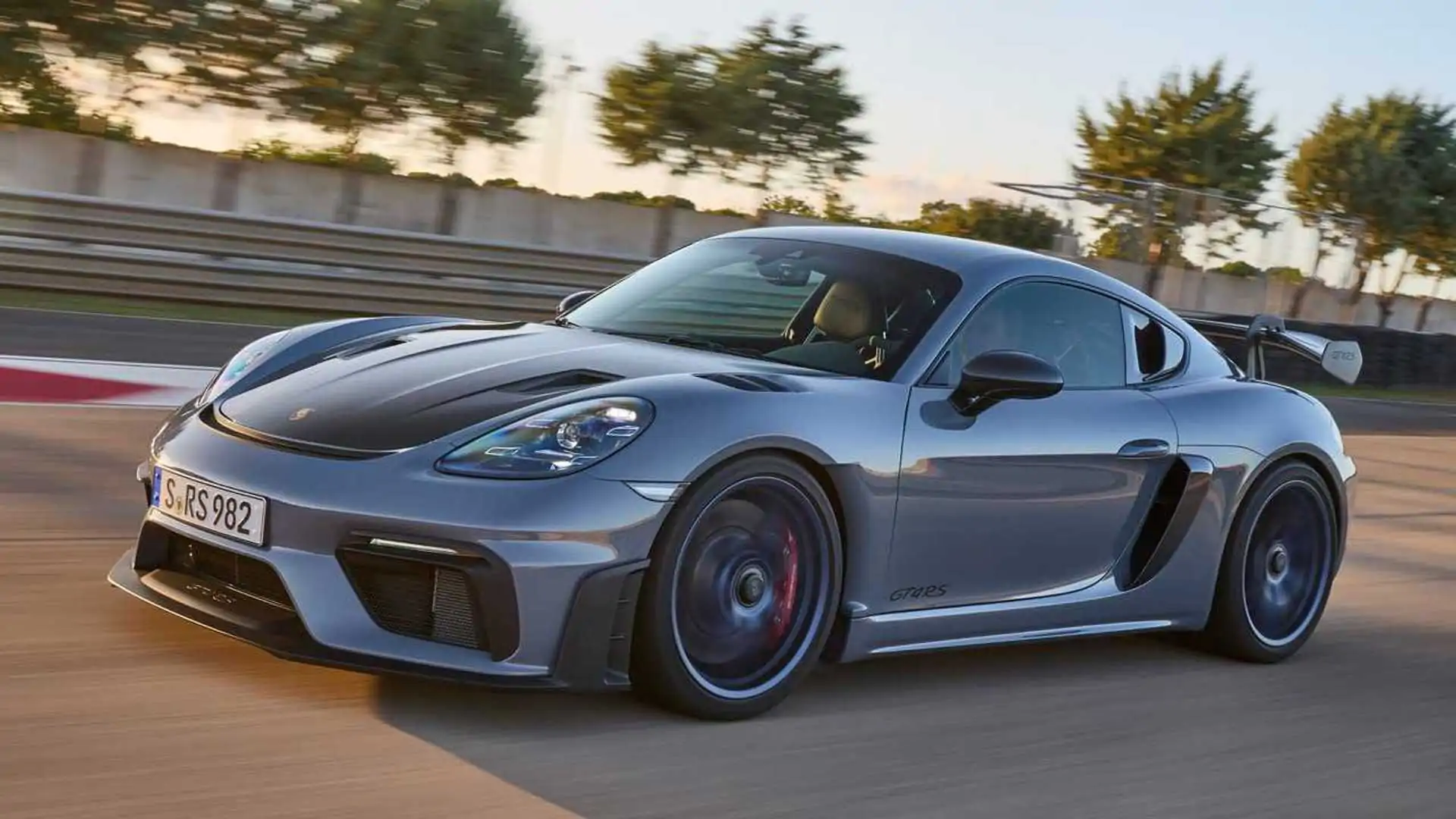
High price tags do not always guarantee dominance on a racetrack. Throughout automotive history, certain relatively affordable performance cars shocked enthusiasts by defeating or matching machines costing two or three times more.
Some achieved this through lightweight engineering, while others relied on brilliant chassis tuning, driver-focused balance, or raw mechanical simplicity that allowed skilled drivers to extract astonishing lap times.
Many expensive supercars focus heavily on luxury, exclusivity, and top-speed bragging rights. Track performance, however, rewards very different qualities.
Weight distribution, braking consistency, suspension tuning, tire management, and cornering precision often matter more than pure horsepower. This creates opportunities for less expensive cars to embarrass far more prestigious rivals under competitive conditions.
Japanese sports cars played a major role in this phenomenon during the 1990s and 2000s. Manufacturers like Nissan, Honda, and Mitsubishi built relatively affordable machines capable of challenging European exotics on demanding circuits.
American muscle cars also entered the fight later by combining enormous power with increasingly sophisticated chassis engineering.
Track testing became especially important during the rise of internet automotive culture. Lap times from Nürburgring runs, magazine comparisons, and independent track evaluations exposed how certain affordable performance cars could outperform expensive rivals despite massive price differences.
Enthusiasts quickly noticed when a humble sports coupe managed to outpace a prestigious exotic car through corners.
Another reason these underdog victories matter involves accessibility. Seeing an attainable performance car compete with ultra-expensive machinery excites enthusiasts because it proves engineering intelligence can sometimes defeat financial excess.
Drivers began realizing that balance and precision frequently matter more than luxury badges or six-figure pricing.
This article highlights eight cars that became famous for humiliating more expensive rivals on racetracks around the world. Some relied on lightweight agility, while others weaponized brute-force power and exceptional chassis tuning.
Each one earned respect by proving that true performance cannot be measured purely by cost. These cars demonstrated that smart engineering, driver engagement, and relentless development can allow affordable machines to challenge automotive royalty under competitive conditions.
Also Read: BMW M 1000 RR Isle of Man TT Limited Edition Revealed
1. Nissan GT-R R35
When Nissan launched the R35 GT-R in 2007, the automotive world reacted with disbelief. Here was a relatively affordable Japanese performance car capable of matching or defeating exotic supercars costing far more.
Porsche owners, Ferrari enthusiasts, and European luxury brands suddenly faced a machine that shattered assumptions about price and performance.
The GT-R achieved this reputation through relentless engineering rather than traditional exotic-car glamour. Nissan focused obsessively on lap times, traction, and real-world speed instead of handcrafted luxury or dramatic styling. The result was a brutally effective all-wheel-drive performance machine nicknamed “Godzilla” for good reason.
One of the biggest shocks came from Nürburgring testing. The GT-R posted lap times competitive with Porsche 911 Turbos and other European supercars costing dramatically more. Porsche itself reportedly questioned Nissan’s numbers publicly because the performance seemed almost impossible for the price.
The GT-R’s twin-turbocharged V6 delivered massive acceleration, but raw power alone did not explain its dominance. Nissan engineered an incredibly advanced all-wheel-drive system capable of maximizing traction during corner exits and poor conditions.
Combined with a sophisticated dual-clutch transmission and aggressive aerodynamics, the GT-R became devastatingly fast in real-world track situations.
Another reason the GT-R embarrassed rivals involved accessibility. Drivers without professional racing experience could exploit much of the car’s performance thanks to intelligent electronics and predictable handling.
Some traditional supercars demanded exceptional skill to reach their limits, while the GT-R made astonishing speed feel almost easy.
European manufacturers initially underestimated the car because it lacked exotic heritage and luxury prestige. Once independent tests consistently showed the GT-R outperforming much more expensive rivals, attitudes changed quickly. The car forced several manufacturers to rethink performance benchmarks entirely.
Critics sometimes complained that the GT-R felt clinical or overly computerized compared to traditional sports cars. Ironically, that technological approach helped create its reputation as a supercar killer. Nissan prioritized measurable performance above romantic driving character, and the results became impossible to ignore.
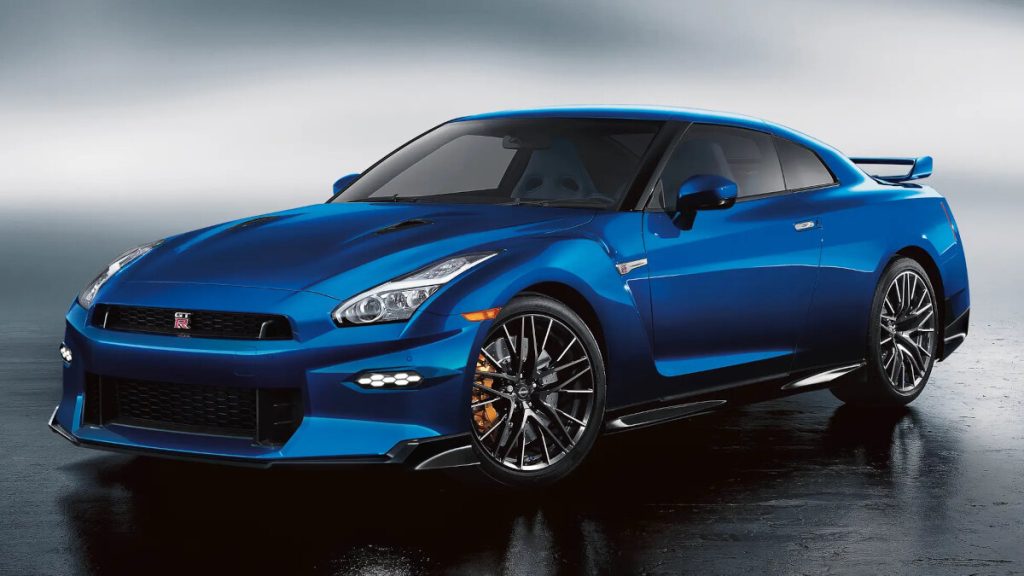
The R35 GT-R proved that intelligent engineering and advanced electronics could allow a comparatively affordable car to challenge some of the most respected performance machines in the world. Few cars disrupted the performance hierarchy more dramatically during the modern era.
- Engine: 3.8L Twin Turbo V6
- Torque: 467 lb-ft
- Horsepower: 565 HP
- Length/Width: 185.4 inches / 74.6 inches
2. Chevrolet Corvette Z06 C7
For decades, the Chevrolet Corvette carried an unfair reputation among some European enthusiasts who dismissed it as a crude American muscle car focused mainly on straight-line speed. The C7 Corvette Z06 changed that perception dramatically by becoming one of the most brutally effective track weapons ever produced at its price point.
Chevrolet engineered the C7 Z06 with a singular mission: to defeat far more expensive performance cars through serious circuit capability. The result shocked many drivers because the Corvette suddenly competed directly against exotic European machinery while costing a fraction of the price.
At the heart of the Z06 sat a supercharged 6.2-liter V8 producing enormous horsepower and torque figures. Yet the car’s greatness extended far beyond engine output alone. Chevrolet equipped the Z06 with advanced aerodynamics, magnetic ride suspension, massive brakes, and track-focused chassis tuning capable of handling the immense power effectively.
The car became especially famous for humiliating expensive European rivals during magazine comparison tests and independent track evaluations. Ferraris, McLarens, and high-end Porsche models often found themselves struggling to justify massive price differences when the Corvette delivered similar or superior lap times.
Unlike many exotic supercars, the Corvette also remained relatively usable outside racetracks. Owners could comfortably drive the car daily while still possessing genuine track capability capable of frightening dedicated supercars during weekend events.
One major strength involved balance. Earlier Corvettes sometimes struggled with refinement and chassis sophistication compared to European competitors. The C7 generation finally combined American V8 brutality with world-class handling precision. Steering response, braking confidence, and cornering grip improved dramatically.
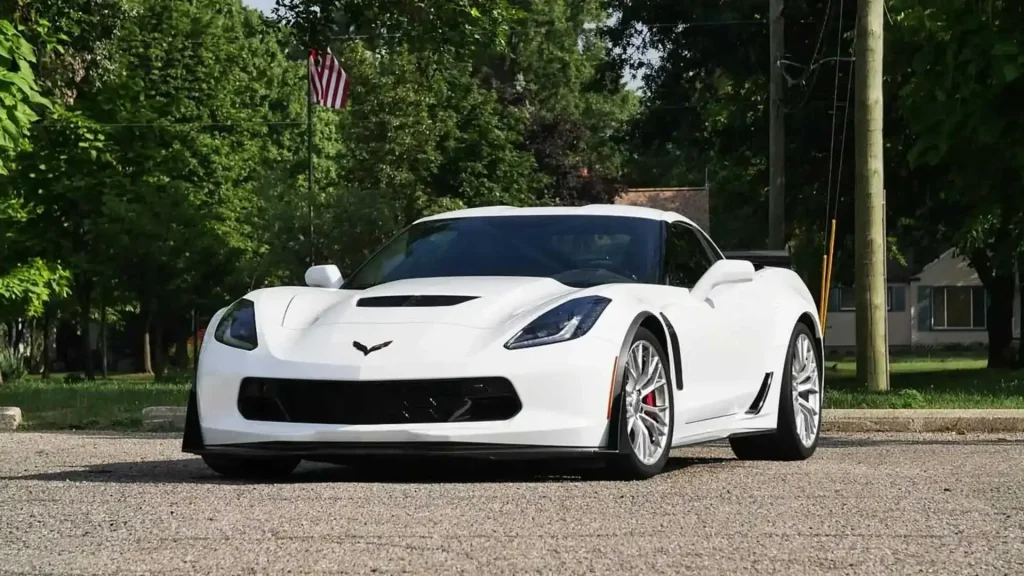
The Z06 also represented incredible value in performance-per-dollar terms. Buyers received exotic-level speed without exotic ownership costs, making the car even more appealing to enthusiasts who cared about performance rather than luxury branding.
Track-day culture played a major role in building the car’s reputation. Amateur drivers consistently discovered they could run astonishing lap times with the Z06 while embarrassing far more expensive machinery driven by equally skilled competitors.
The C7 Corvette Z06 proved that American engineering could compete at the absolute highest level of performance driving. It was no longer just a fast muscle car. It became a legitimate global track weapon capable of challenging automotive royalty without carrying a six-figure exotic price tag.
- Engine: 6.2L Supercharged V8
- Torque: 650 lb-ft
- Horsepower: 650 HP
- Length/Width: 177.9 inches / 74 inches
3. Honda Civic Type R FK8
The Honda Civic Type R FK8 arrived carrying enormous expectations because earlier Type R models had already developed legendary reputations among enthusiasts.
Even so, few people expected a front-wheel-drive hatchback to challenge far more expensive sports cars on racetracks around the world. Once independent testing began, however, the FK8 quickly became one of the most respected performance bargains of its era.
At first glance, many critics underestimated the car because of its layout. Front-wheel-drive performance cars traditionally struggled with power delivery, understeer, and track endurance compared to rear-wheel-drive sports machines.
Honda engineers approached those challenges with obsessive attention to chassis tuning, suspension geometry, and aerodynamics.
The FK8’s turbocharged engine produced impressive power, but the real magic came from how effectively the car deployed it. The limited-slip differential, adaptive suspension, and razor-sharp steering allowed drivers to attack corners with extraordinary confidence.
On technical tracks filled with braking zones and rapid direction changes, the Civic Type R routinely embarrassed heavier and far more expensive performance cars.
One of the car’s most famous achievements involved front-wheel-drive Nürburgring lap records. Honda demonstrated that intelligent engineering could overcome drivetrain disadvantages many enthusiasts considered unavoidable. The FK8 became proof that balance and chassis sophistication mattered just as much as horsepower.
Track-day drivers also loved the car because it remained approachable. The Civic Type R communicated clearly through the steering wheel and chassis, helping drivers build confidence quickly. Expensive exotic cars often intimidated less experienced owners, while the Honda encouraged aggressive driving without constantly threatening disaster.
Another reason the FK8 gained such a loyal following involved reliability. Many track-focused performance cars require extremely expensive maintenance or frequent cooling modifications under hard use. Honda engineered the Type R to survive repeated abuse remarkably well while maintaining daily usability.
The hatchback body style added another layer of appeal. Owners could carry passengers, luggage, and groceries during the week before humiliating sports cars at track events on weekends. Very few performance vehicles balanced practicality and capability so effectively.
The FK8 also represented a philosophical victory for engineering purity. Honda achieved astonishing performance through lightweight construction, intelligent suspension tuning, and mechanical grip rather than relying purely on overwhelming power.
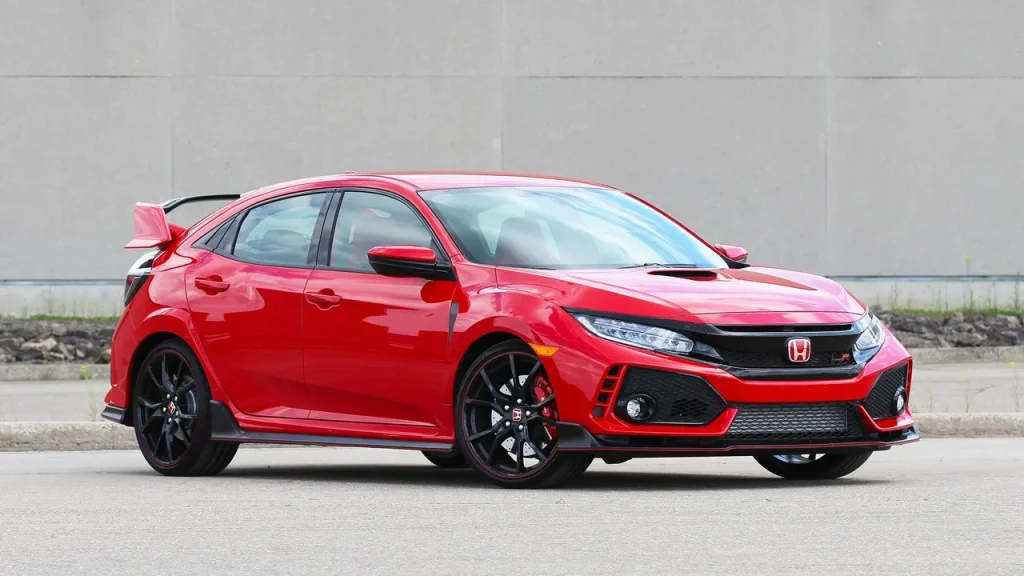
The Civic Type R proved that a relatively affordable hatchback could compete directly with prestigious sports cars when engineers prioritized precision and driver involvement above luxury image or straight-line bragging rights.
- Engine: 2.0L Turbo Inline 4
- Torque: 295 lb-ft
- Horsepower: 306 HP
- Length/Width: 179.4 inches / 73.9 inches
4. Porsche Cayman GT4
Porsche faced an unusual internal problem when developing the Cayman GT4. The company needed to create a track-focused mid-engine sports car without completely overshadowing the far more expensive 911 lineup.
What happened instead was remarkable: the Cayman GT4 became so balanced and capable that many drivers considered it a better track machine than significantly pricier rivals.
The GT4 immediately stood out because of its chassis balance. Mid-engine layout advantages allowed the car to rotate beautifully through corners while maintaining exceptional stability during high-speed driving.
Drivers frequently discovered the GT4 felt more predictable and confidence-inspiring than powerful rear-engine supercars costing dramatically more.
Porsche equipped the car with serious track hardware from the beginning. Aerodynamic upgrades, aggressive suspension tuning, upgraded brakes, and lightweight construction transformed the Cayman into a genuine circuit weapon rather than simply a faster road car.
Its naturally aspirated flat-six engine became another major attraction. While turbocharged rivals chased massive horsepower numbers, the GT4 focused on throttle response, linear power delivery, and driver engagement. Enthusiasts appreciated the emotional connection created by the engine’s sound and precision.
The car developed a reputation for humiliating exotic machinery during track events because it allowed drivers to carry extraordinary corner speed. Some supercars produced more straight-line acceleration but struggled to match the GT4’s composure through technical sections filled with rapid transitions and heavy braking zones.
Professional drivers and automotive journalists frequently praised the car’s steering feel as well. Modern performance vehicles increasingly rely on electronic systems that filter feedback, but the GT4 maintained remarkable communication between chassis and driver. That transparency helped skilled drivers extract maximum performance consistently.
Another important factor involved pricing. Although not cheap, the Cayman GT4 costs substantially less than many exotic supercars it could challenge on track. Buyers received Porsche Motorsport engineering and serious capability without entering ultra-exotic financial territory.
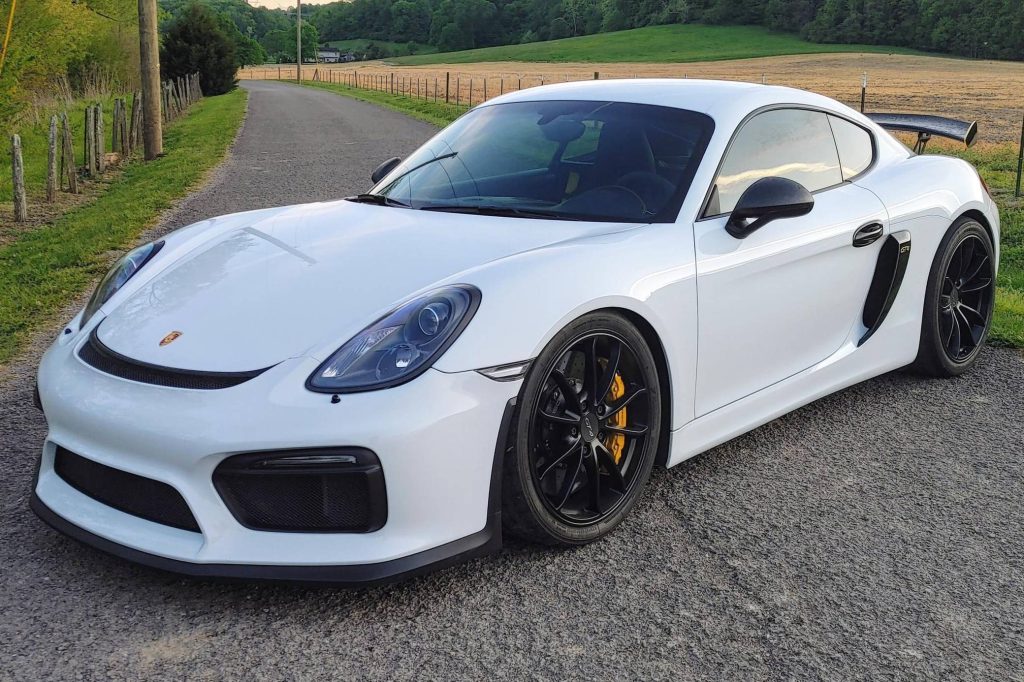
Ironically, the GT4 sometimes created internal tension for Porsche because it threatened the status hierarchy surrounding more expensive models. Many enthusiasts openly preferred the Cayman’s balance and purity over heavier, more powerful alternatives.
The Porsche Cayman GT4 proved that intelligent chassis engineering and driver-focused tuning could outperform sheer horsepower and prestige. It became one of the clearest examples of a relatively attainable sports car embarrassing far more expensive rivals through precision, balance, and relentless track capability.
- Engine: 4.0L Flat 6
- Torque: 317 lb-ft
- Horsepower: 414 HP
- Length/Width: 176.5 inches / 78.5 inches
5. Mitsubishi Lancer Evolution IX
The Mitsubishi Lancer Evolution IX became one of the most feared underdogs in modern performance-car history because it consistently defeated far more expensive sports cars in demanding driving conditions.
What made the Evo IX especially impressive was how ordinary it looked to casual observers. Beneath the aggressive bumpers and rear wing sat a compact four-door sedan capable of humiliating exotic machinery on tight circuits and rally-inspired roads.
Mitsubishi built the Evolution IX around pure function rather than luxury or prestige. The turbocharged four-cylinder engine delivered explosive acceleration, while the sophisticated all-wheel-drive system transformed grip levels into something almost unbelievable for the era.
Drivers could attack corners aggressively and apply throttle astonishingly early without losing composure. Track enthusiasts quickly realized the Evo IX excelled in environments where balance, traction, and confidence mattered more than top speed.
On technical circuits with constant braking zones and rapid transitions, the Mitsubishi routinely embarrassed more powerful rear-wheel-drive sports cars struggling for traction.
One major advantage involved the car’s advanced active differential systems. Mitsubishi engineered the drivetrain carefully to maximize cornering performance and stability under hard driving. Combined with sharp steering and relatively low weight, the Evo IX felt incredibly responsive and eager to change direction.
Another reason the car gained legendary status involved tuning potential. Owners could extract enormous performance increases relatively cheaply compared to exotic supercars requiring massive investments for similar gains. Modified Evolution IX models became terrifyingly fast on racetracks and mountain roads.
The sedan layout also added to the car’s appeal. Rivals costing two or three times more often sacrificed practicality completely for performance. The Evo IX allowed owners to transport passengers comfortably before dominating track sessions against supposedly superior machinery.
Automotive journalists frequently praised the car’s communication and driver involvement. Unlike some high-end supercars focused heavily on a luxury image, the Evolution IX delivered raw mechanical feedback and relentless focus. Every control input produced an immediate response, making skilled drivers feel deeply connected to the chassis.
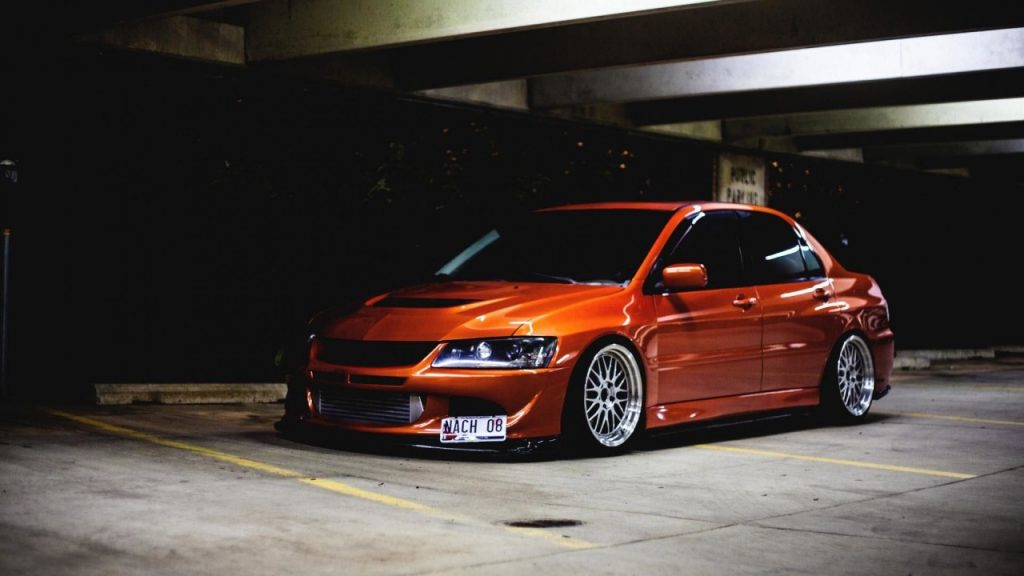
The car’s rally heritage also influenced its personality strongly. Mitsubishi developed the Evolution series through motorsport competition, and the Evo IX retained that aggressive DNA. Wet roads, rough pavement, and unpredictable conditions often favored the Mitsubishi dramatically against more delicate exotic cars.
The Evolution IX proved that intelligent engineering and motorsport-derived technology could allow a relatively affordable sedan to challenge automotive royalty successfully. It became one of the greatest examples of performance value ever produced and remains deeply respected among driving enthusiasts worldwide.
- Engine: 2.0L Turbo Inline 4
- Torque: 289 lb-ft
- Horsepower: 286 HP
- Length/Width: 177 inches / 69.7 inches
6. Ford Mustang Shelby GT350
For years, European manufacturers dominated discussions about track-focused handling and precision engineering, while American muscle cars were often stereotyped as machines built mainly for straight-line acceleration.
The Ford Mustang Shelby GT350 destroyed that stereotype by becoming one of the most respected track cars of its generation, regardless of price.
The heart of the GT350’s reputation came from its extraordinary flat-plane-crank V8 engine. Unlike traditional American V8s, focused mainly on low-end torque, the Shelby’s engine revved aggressively and produced an exotic soundtrack more commonly associated with European sports cars.
The engine transformed the Mustang’s character completely, making the car feel sharper and more responsive than previous generations.
Ford also invested heavily in chassis development. The GT350 received magnetic dampers, revised suspension geometry, improved aerodynamics, and serious brake hardware capable of surviving intense track abuse.
Earlier Mustangs sometimes struggled with balance and consistency during hard driving, but the GT350 felt genuinely composed under pressure.
Track testing quickly shocked enthusiasts and journalists alike. The Shelby began posting lap times competitive with expensive Porsches, BMWs, and even certain exotic supercars. Drivers praised its steering precision, braking confidence, and cornering stability, qualities rarely associated with older muscle-car stereotypes.
One reason the GT350 embarrassed more expensive rivals involved emotional engagement. Many modern supercars rely heavily on electronic systems and turbocharged engines that isolate drivers somewhat from the mechanical experience. The Shelby felt raw, loud, and intensely alive while still delivering serious precision.
The manual transmission added another layer of driver involvement. At a time when many performance cars abandoned manual gearboxes entirely, the GT350 embraced traditional enthusiast-focused driving. Skilled drivers appreciated the connection and rhythm the car encouraged during aggressive track sessions.
Another major advantage involved value. Buyers received extraordinary performance and engineering sophistication for far less money than comparable European sports cars. The GT350 made many enthusiasts question whether expensive exotic badges truly justified their enormous premiums.
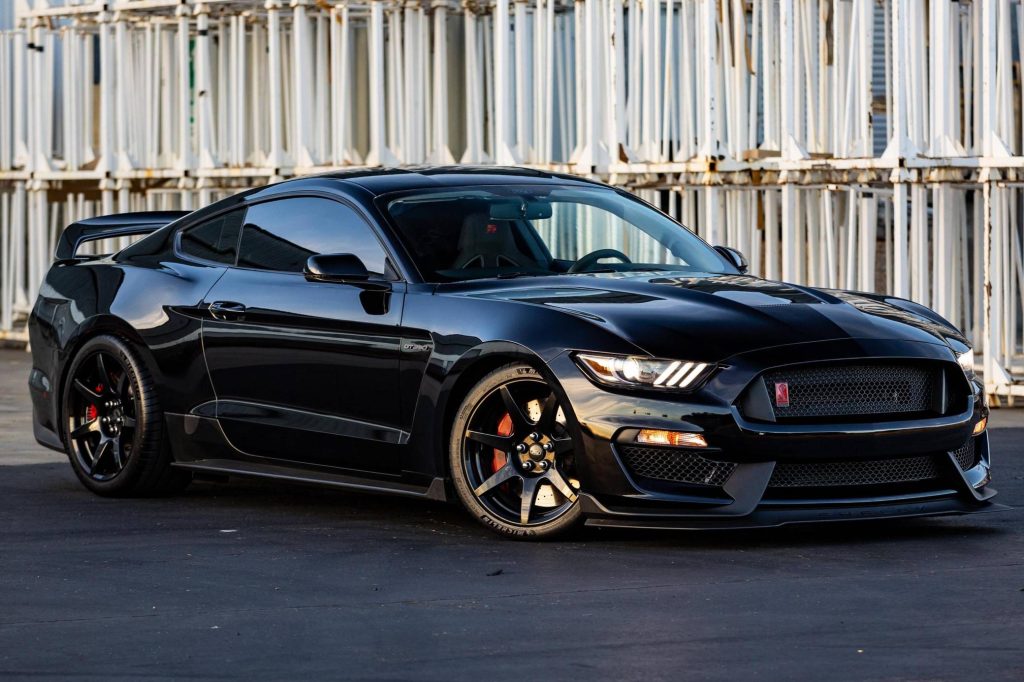
Ford succeeded because it approached the Shelby as a legitimate global performance car rather than simply a powerful muscle coupe.
The result became one of the finest driver-focused Mustangs ever produced and a machine capable of embarrassing far more expensive rivals through genuine circuit capability instead of simple horsepower numbers.
- Engine: 5.2L Flat Plane Crank V8
- Torque: 429 lb-ft
- Horsepower: 526 HP
- Length/Width: 188.9 inches / 75.9 inches
7. Lotus Exige S
The Lotus Exige S became legendary because it embarrassed expensive supercars using a completely different philosophy from most modern performance cars.
Instead of relying on enormous horsepower, luxury materials, or complicated electronics, Lotus focused obsessively on weight reduction, chassis balance, and mechanical purity. The result was a lightweight track weapon capable of humiliating far more expensive machinery through corners.
At first glance, some drivers underestimated the Exige S because its horsepower figures appeared modest compared to exotic supercars producing six or seven hundred horsepower. Once the car reached a technical circuit, however, the advantages of lightweight engineering became impossible to ignore.
The Exige S weighed dramatically less than most rivals. That lower mass improved nearly every aspect of track performance simultaneously.
Braking distances shortened, steering became razor sharp, tire wear decreased, and cornering speeds increased significantly. While heavier supercars relied on brute force, the Lotus danced through technical sections with extraordinary agility.
The steering feel became one of the car’s defining characteristics. Modern performance vehicles increasingly filter feedback through layers of electronics and comfort tuning. The Exige S delivered immediate communication between the tires, chassis, and driver. Skilled drivers could sense grip levels precisely and adjust the car delicately through corners.
Lotus also engineered the suspension carefully to maximize mechanical grip without depending excessively on electronic intervention. Drivers often described the Exige as feeling alive underneath them, constantly transmitting information rather than isolating occupants from the road.
Track-day enthusiasts loved the car because it rewarded skill heavily. Expensive high-horsepower supercars could dominate straights, but technical corners often favored the Exige dramatically. Drivers capable of maintaining momentum frequently discovered they could outpace machines costing multiple times more.
Another reason the Lotus earned such respect involved driver commitment. The cabin remained minimalistic and focused entirely on performance.
Entering and exiting the car required effort, road noise stayed high, and comfort took secondary importance behind handling precision. Enthusiasts appreciated that honesty because every aspect of the car served performance directly.
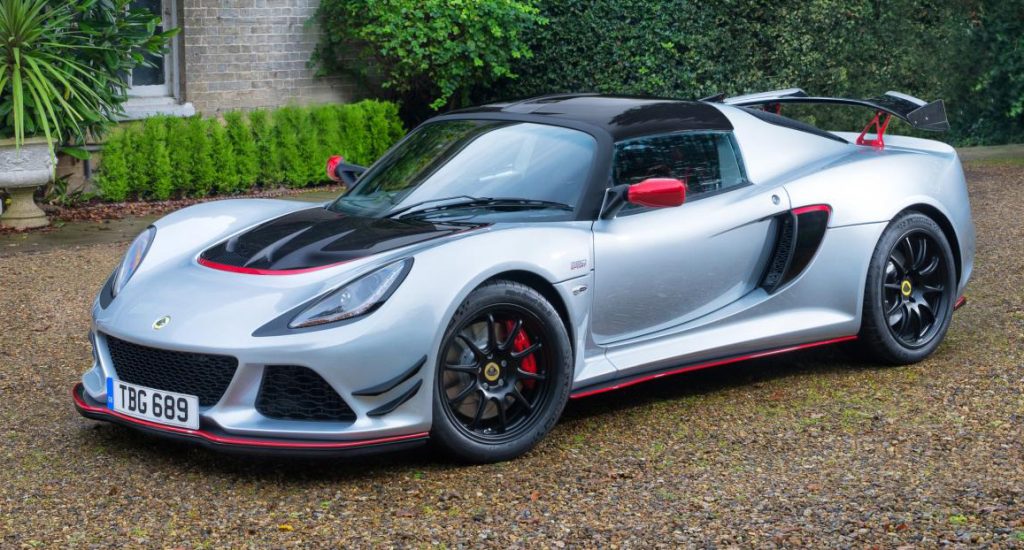
The Exige S also demonstrated that lower horsepower does not necessarily mean slower lap times. Intelligent chassis tuning and lightweight construction often outperform raw power once circuits become technical and demanding.
Lotus proved that an engineering discipline could overcome financial disparity. The Exige S consistently embarrassed expensive rivals because it focused relentlessly on the fundamentals of speed rather than luxury image or excessive horsepower figures.
- Engine: 3.5L Supercharged V6
- Torque: 295 lb-ft
- Horsepower: 345 HP
- Length/Width: 160 inches / 70 inches
8. Subaru WRX STI
The Subaru WRX STI earned global respect by repeatedly outperforming more expensive sports cars in difficult driving conditions where traction, confidence, and driver commitment mattered most.
Originally developed from rally-racing roots, the STI carried motorsport DNA directly into public roads and racetracks, creating a sedan capable of shocking far pricier rivals.
Unlike many high-end performance cars designed mainly for dry-weather track dominance, the STI excelled in almost every environment imaginable. Rain, snow, gravel, rough pavement, and tight technical circuits all played directly into the Subaru’s strengths.
Its symmetrical all-wheel-drive system delivered astonishing grip levels, allowing drivers to attack corners aggressively even when conditions became unpredictable.
The turbocharged flat-four engine gave the STI a distinctive personality. Power delivery felt raw and urgent, especially when boost arrived aggressively through the midrange. Combined with the car’s close-ratio manual transmission and aggressive center differential system, the STI demanded constant involvement from the driver.
Track enthusiasts quickly learned that the Subaru’s real advantage involved confidence. Drivers could apply the throttle earlier and more aggressively exiting corners compared to many rear-wheel-drive sports cars, struggling for traction.
On technical circuits, that ability translated into surprisingly fast lap times despite relatively modest horsepower numbers.
Another factor behind the STI’s reputation involved durability under hard use. Owners regularly pushed these cars through track days, rallycross events, and mountain-road abuse without the catastrophic maintenance costs associated with exotic supercars.
That toughness made the Subaru especially attractive to enthusiasts wanting serious performance without constant financial anxiety.
The sedan body style also contributed heavily to the car’s appeal. Families could use the STI as practical daily transportation during the week before embarrassing sports cars on weekends. Few performance vehicles balanced practicality and aggression so effectively.
Drivers loved the car’s mechanical honesty as well. Hydraulic steering feedback, manual transmission involvement, and rally-inspired chassis tuning created an intensely connected driving experience. Modern high-tech supercars sometimes felt distant by comparison despite their superior price tags.
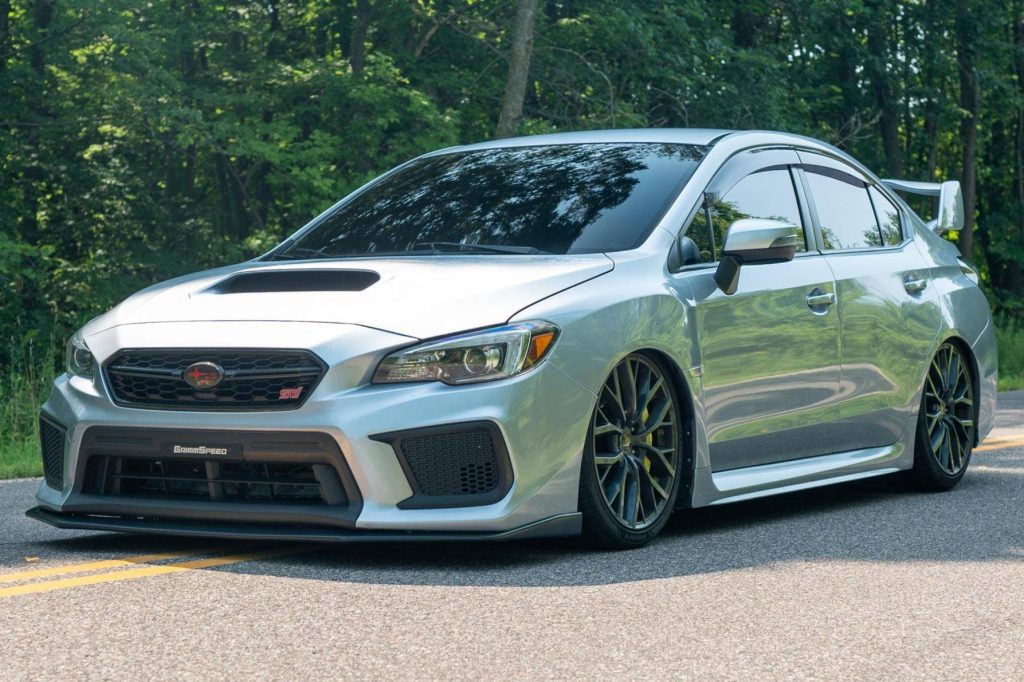
The WRX STI became proof that motorsport-focused engineering and intelligent drivetrain design could allow an affordable sedan to challenge prestigious sports cars successfully.
It earned enormous respect not because of luxury or exclusivity but because it delivered relentless performance in conditions where many expensive rivals struggled badly.
- Engine: 2.5L Turbo Flat 4
- Torque: 290 lb-ft
- Horsepower: 310 HP
- Length/Width: 180.9 inches / 70.7 inches
Also Read: 10 Forgotten Safety Features That No Longer Exists
