
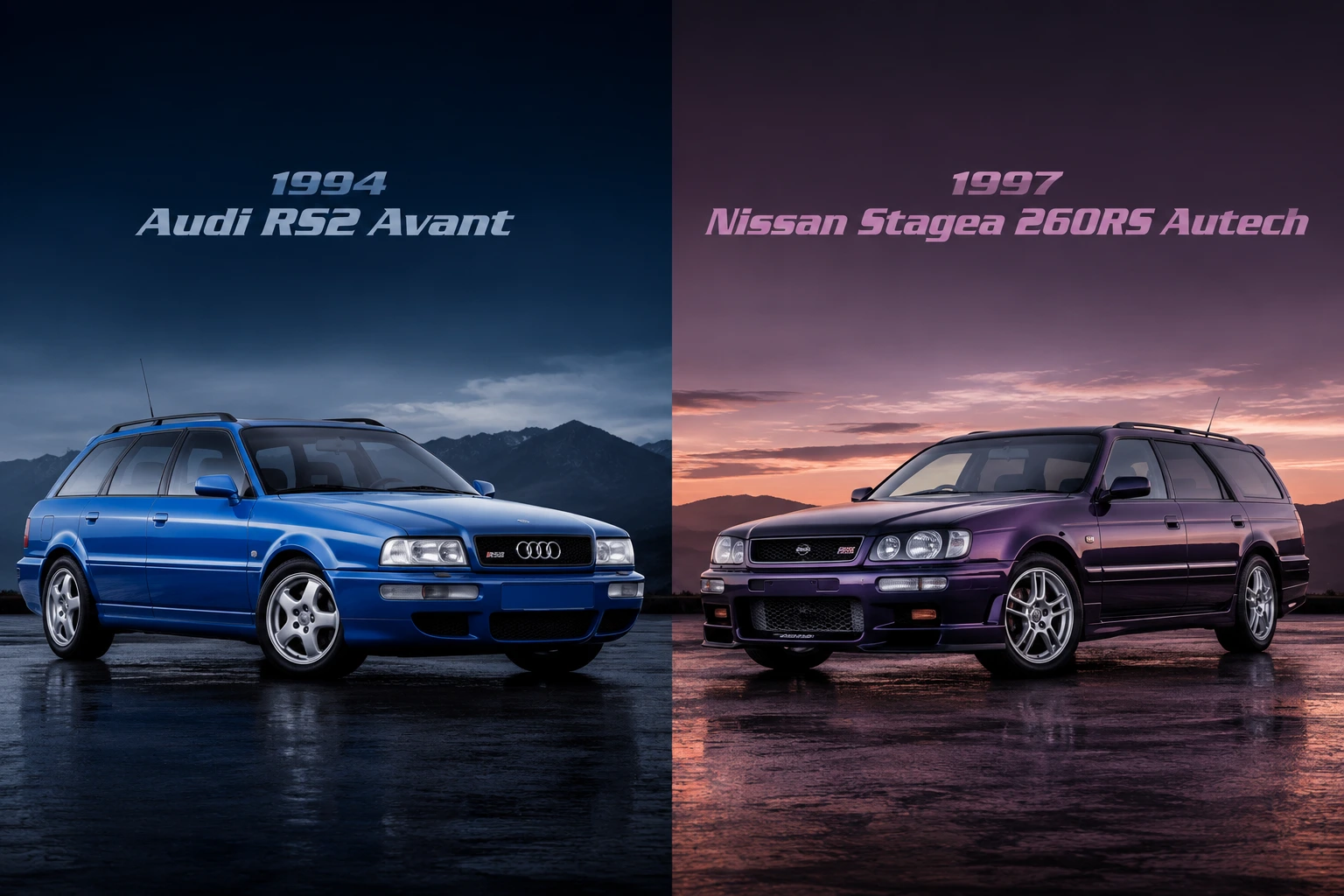
Many drivers would never expect a family wagon to leave a sports car behind at a traffic light, yet that became a reality for many performance car owners during the 1990s. A driver sitting in a Mazda Miata could watch an ordinary-looking wagon pull up beside them, only to discover that the family hauler had far more power than its appearance suggested.
During that period, car makers started adding serious equipment to practical vehicles. Some wagons received turbocharged engines, advanced All Wheel Drive systems inspired by rally racing, and powerful V8 engines connected to high-performance sports cars. These machines carried passengers, luggage, and daily responsibilities while delivering speed that surprised many drivers across different markets.
Back in those years, a special group of sleeper wagons gained attention because they mixed family-friendly designs with exciting performance. They looked like regular vehicles used for school runs, business trips, and shopping, but many could challenge dedicated sports cars on the road. The combination of comfort, space, and speed made them appealing to drivers who wanted something practical without giving up excitement.
These eight fast wagons from the 1990s showed that a vehicle could handle everyday duties while still offering the thrill many people searched for in a sports car.
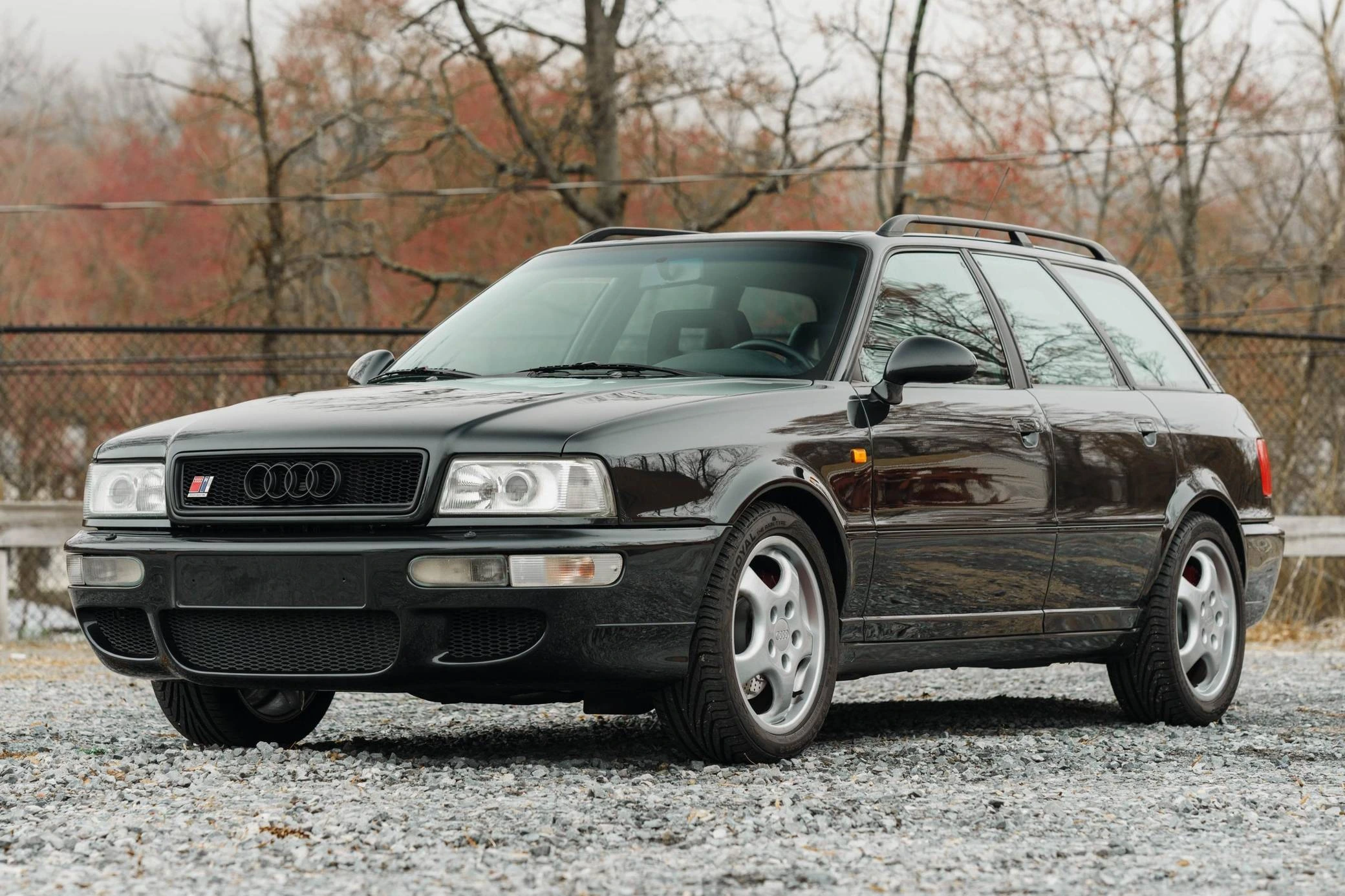
1. 1994 Audi RS2 Avant
- Engine: 2.2L Turbocharged Inline-5
- Horsepower: 315 hp @ 6,500 rpm
- Torque: 302 lb-ft @ 3,000 rpm
- Size: 177.6″ L x 66.7″ W x 54.6″ H
Some collaborations sound strange on paper and turn out brilliant in practice. Audi teaming up with Porsche to build a station wagon falls squarely into that category, and the result remains one of the most legendary performance wagons ever built. Porsche’s engineers had a hand in the brakes, the wheels, and even some of the turbocharged inline-five’s tuning, lending genuine sports car pedigree to what looked, from a distance, like an ordinary German family car.
Even by today’s standards, the performance figures remain impressive. The 0 to 60 mph acceleration time of just 4.8 seconds was remarkable for a wagon and exceptionally fast for its time. It outpaced the Chevrolet Corvette available during the same period and was even quicker than the entry-level Porsche 911 Carrera that shared the era’s showroom floors.
Quattro all-wheel drive helped put that power down cleanly, launching hard off the line in a way front-wheel-drive or rear-wheel-drive competitors simply couldn’t match on anything but a perfectly dry track. What made the RS2 Avant genuinely special wasn’t just the straight-line speed, though. It was the absurdity of context.
Owners could fold down the rear seats, load up furniture or camping gear, then turn around and outrun genuine sports cars on a back road an hour later. Few vehicles before or since have managed that particular blend of utility and outright violence in acceleration quite so convincingly.
Production numbers stayed intentionally small, adding a layer of exclusivity that’s only grown over the years as collectors have come to recognize what Audi and Porsche actually built together. Today, clean examples command serious money at auction, a testament to how ahead of its time this wagon genuinely was back in 1994.
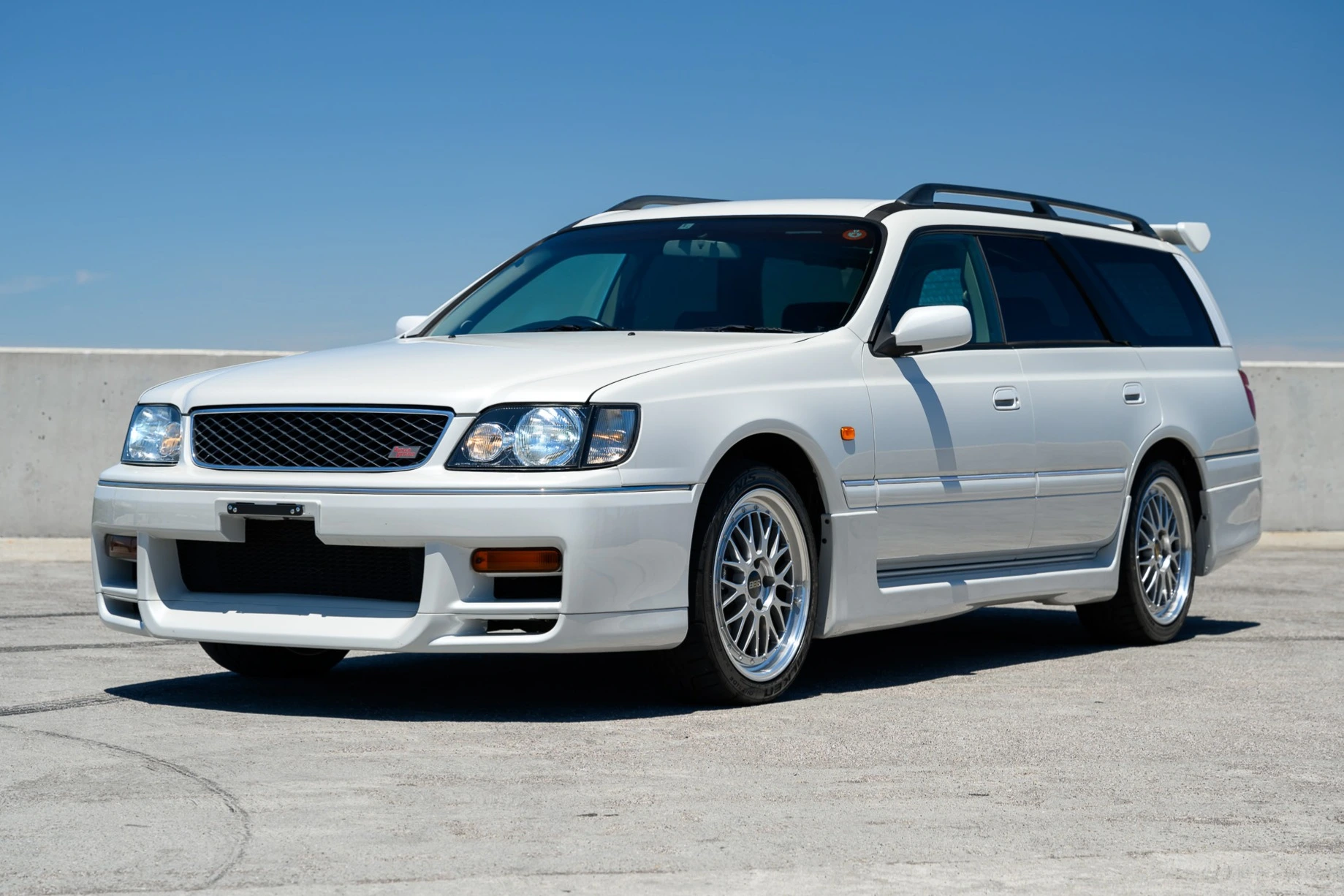
2. 1997 Nissan Stagea 260RS Autech
- Engine: 2.6L Twin-Turbocharged Inline-6 (RB26DETT)
- Horsepower: 276 hp @ 6,800 rpm
- Torque: 271 lb-ft @ 4,400 rpm
- Size: 189.8″ L x 69.3″ W x 59.4″ H
Ask any serious Japanese car enthusiast what engine code makes their pulse quicken, and there’s a decent chance they’ll say RB26DETT without hesitation. That twin-turbocharged inline-six powered the legendary Skyline GT-R, one of the most celebrated performance engines to come out of Japan during the entire decade. Nissan, working with tuning house Autech, decided that the engine deserved a second home, tucked inside a practical wagon body most drivers would never suspect.
The result was the Stagea 260RS, a genuinely wild proposition even by 1990s Japanese performance standards. Zero to sixty arrived in 5.6 seconds, numbers that would comfortably embarrass plenty of dedicated sports coupes sold new that same year, let alone anything remotely family-oriented competing in the same showroom category.
Twin turbochargers spooling up that inline-six created a distinctive surge of power that caught unsuspecting drivers completely off guard, especially anyone who assumed a wagon badge meant modest performance underneath. Combined with all-wheel-drive architecture borrowed from Nissan’s performance lineup, the Stagea put power down with genuine confidence, launching hard regardless of road surface or weather conditions.
This wagon never officially reached North American shores, remaining largely a Japanese domestic market secret for years afterward. That exclusivity has only fueled its reputation among enthusiasts internationally, particularly as gray-market imports have slowly made their way into other countries as import age restrictions lift.
For anyone chasing genuine GT-R performance in a shape nobody expects, the Stagea 260RS remains one of the decade’s most compelling, and most overlooked, performance secrets.
Also Read: 4 Sleeper Wagons for American Dads vs. 4 Boring Vans
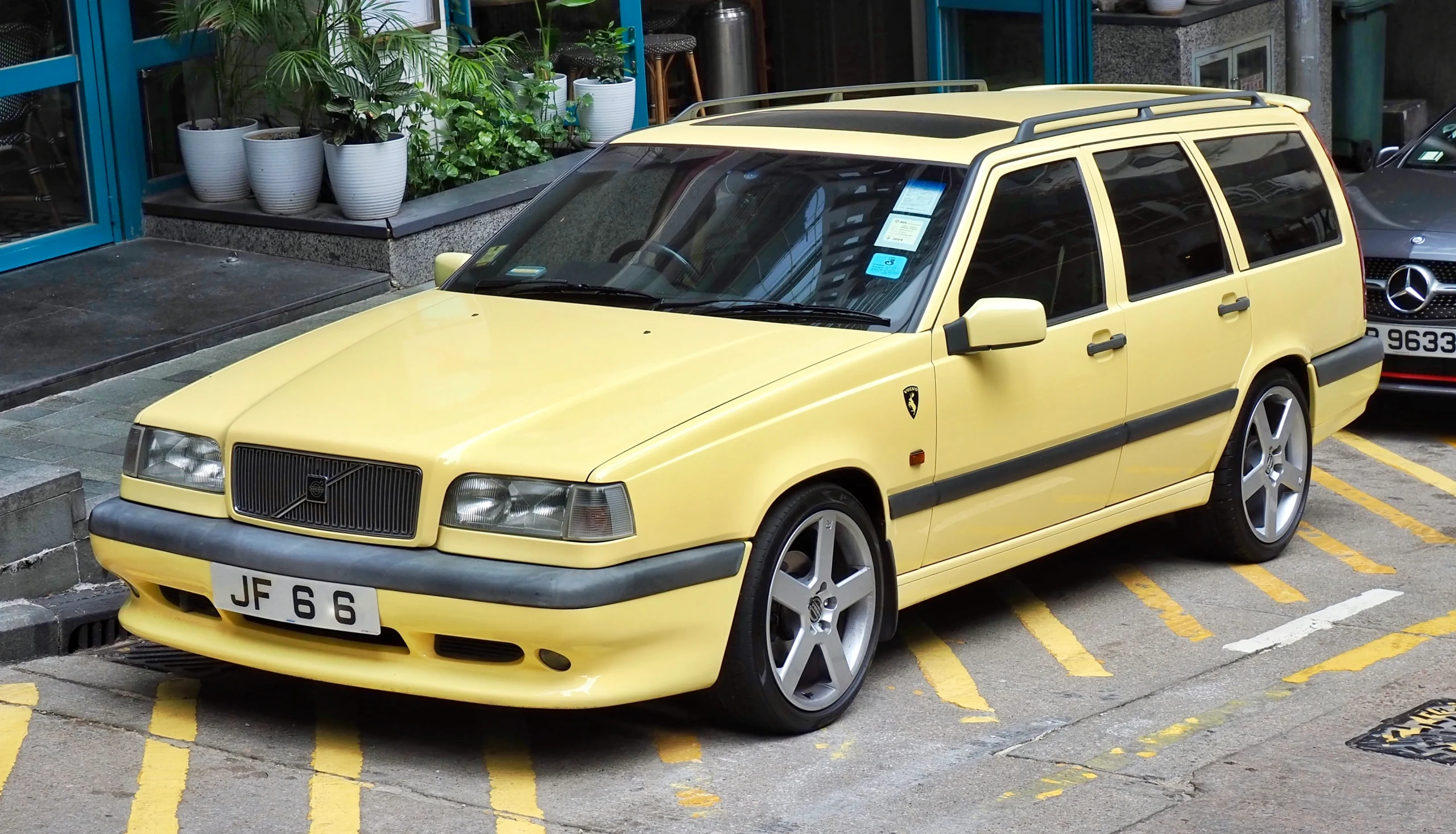
3. 1995 Volvo 850 T-5R Estate
- Engine: 2.3L Turbocharged Inline-5
- Horsepower: 240 hp @ 5,600 rpm
- Torque: 221 lb-ft @ 2,100 rpm
- Size: 185.2″ L x 69.3″ W x 56.7″ H
During the 1990s, Volvo surprised many car enthusiasts by creating a wagon that looked like a normal family vehicle but delivered the type of speed usually expected from sports cars. The 850 T-5R Estate became one of the most unexpected performance wagons of its time, especially with the bright yellow paint that made it impossible to ignore.
Many people saw Volvo as a company focused on safety and practicality, so this powerful wagon came as a huge surprise to drivers who underestimated it. The vehicle received help from Porsche engineers, giving the T-5R strong handling and a capable turbocharged five-cylinder engine.
Although the car used Front Wheel Drive, Volvo managed to create impressive performance that allowed it to reach 60 mph in about 6.7 seconds. Those figures placed it ahead of many popular sports cars and gave it enough power to challenge several V6 models during its era.
Beyond the speed figures, the T-5R stood out because Volvo took a bold approach with a practical family wagon. The company built a vehicle that carried passengers comfortably, offered useful cargo space, and still delivered exciting acceleration when needed. The turbocharged engine provided strong pulling power, making daily driving more enjoyable for owners who wanted extra excitement.
Even today, the 850 T-5R Estate remains a special model among car lovers because it changed how people viewed Volvo vehicles. It showed that a brand known for reliability and protection could also create a machine with personality, power, and serious road ability.
The yellow wagon became a symbol of an unusual idea that proved family cars could offer thrilling performance without losing their everyday usefulness. Its unique design and strong engine continue to attract attention from collectors who appreciate rare vehicles that combine comfort with speed while keeping the practical features families need.
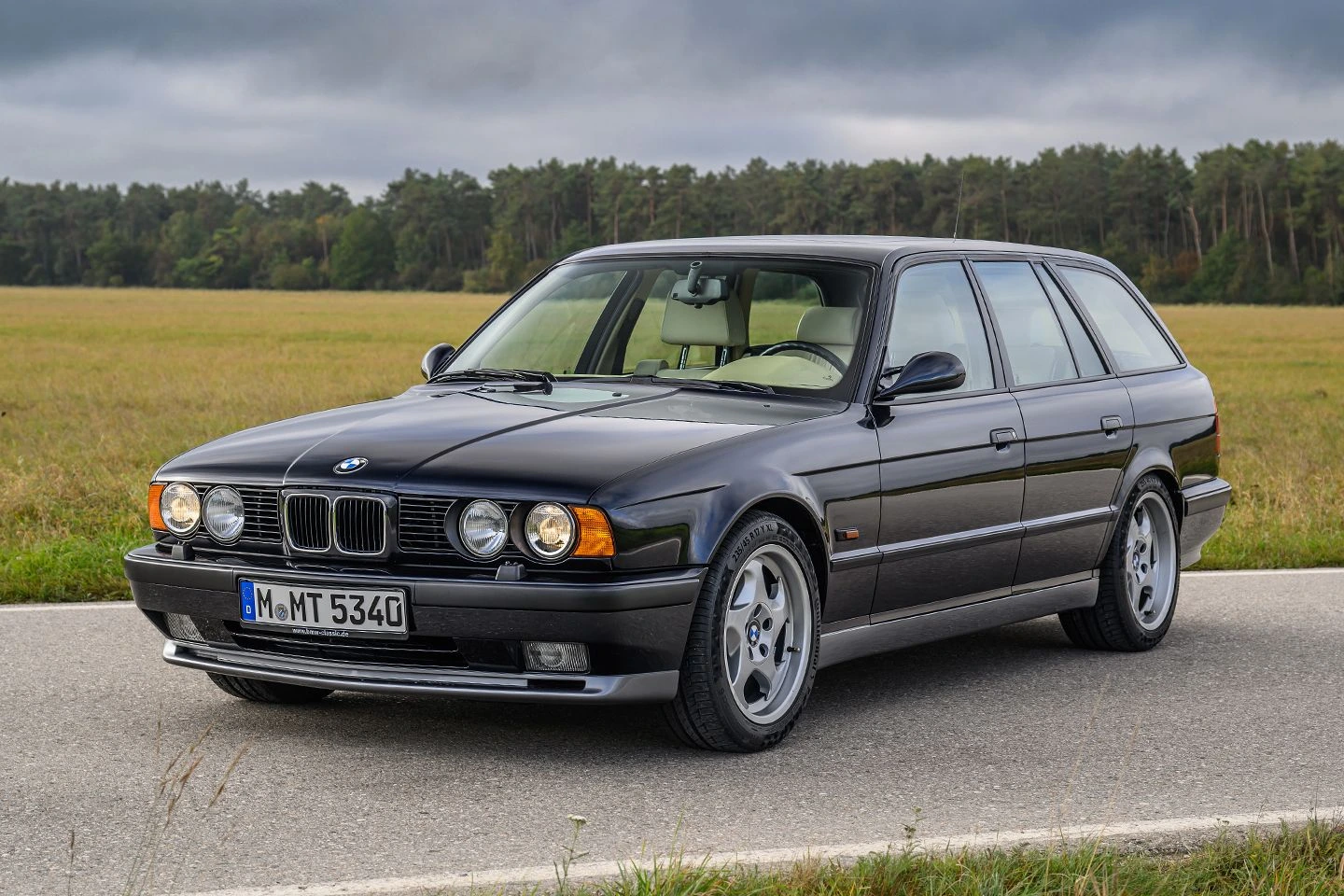
4. 1994 BMW M5 Touring (E34)
- Engine: 3.8L Naturally Aspirated Inline-6 (S38B38)
- Horsepower: 340 hp @ 6,900 rpm
- Torque: 295 lb-ft @ 4,750 rpm
- Size: 185.8″ L x 69.9″ W x 55.4″ H
BMW’s M division doesn’t build ordinary cars, and even their wagon carried that same hand-assembled precision reserved for genuine performance machines. The E34 M5 Touring took everything that made the M5 sedan a legend and wrapped it in a practical, cargo-friendly body without sacrificing a single ounce of the driving experience underneath.
Naturally aspirated performance was becoming something of a rarity even by the mid-1990s, as turbocharging spread across the industry chasing bigger power numbers from smaller displacement engines. BMW stuck with a big, howling 3.8-liter inline-six here instead, revving all the way to 6,900 rpm and delivering 340 horsepower through pure mechanical character rather than boosted pressure.
Sixty miles per hour arrived in 5.7 seconds, genuinely quick numbers for 1994, and the way that power delivered itself, smooth, linear, building intensity as the revs climbed, gave the M5 Touring a personality distinctly different from turbocharged rivals on this list. German enthusiasts particularly loved unleashing this wagon on unrestricted stretches of Autobahn, where its high-speed stability and genuine top-end pull routinely embarrassed drivers in dedicated sports cars who assumed a wagon couldn’t possibly keep pace.
BMW built the M5 Touring in genuinely small numbers, reserving much of the run for European markets where wagon culture ran considerably deeper than in the United States. That scarcity, combined with hand-built M division construction, has turned surviving examples into serious collector pieces today. Few vehicles from this entire era blend understated wagon styling with such an aggressive, high-revving heart quite so convincingly as this particular BMW.
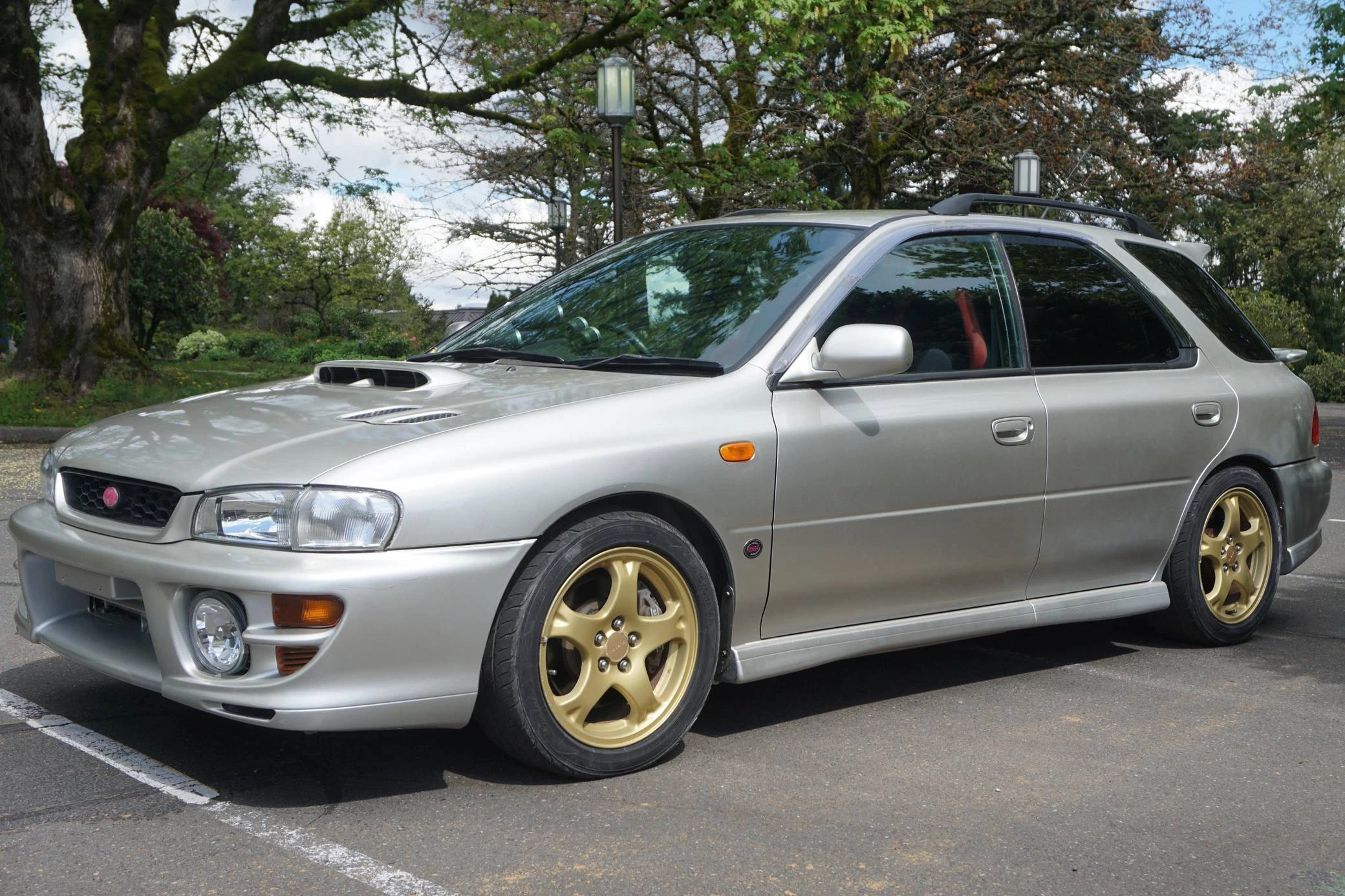
5. 1998 Subaru Impreza WRX Sports Wagon GT
- Engine: 2.0L Turbocharged Flat-4 Boxer (EJ20)
- Horsepower: 276 hp @ 6,500 rpm
- Torque: 250 lb-ft @ 4,000 rpm
- Size: 171.5″ L x 66.7″ W x 55.5″ H
Rally heritage runs deep through Subaru’s entire performance lineup, and the WRX Sports Wagon GT wears that lineage proudly. This wasn’t some marketing department dressing up a family car with a sporty badge; this was genuine rally-bred engineering, the same boxer engine philosophy and all-wheel-drive competence that made Subaru a dominant force in international rally competition during the 1990s.
That distinctive boxer engine layout, flat and low, gave this wagon a center of gravity noticeably lower than most competitors, translating directly into cornering confidence that felt almost unfair for something with this much cargo space behind the rear seats. Turbocharged output reached 276 horsepower, numbers that pushed this compact wagon to 60 mph in roughly 5.5 seconds, genuinely competitive with dedicated sports coupes selling in the same Japanese domestic market at the time.
Tight, twisting asphalt is where this wagon truly separated itself from straight-line competitors. All-wheel drive combined with that low boxer engine placement meant genuinely confident, predictable handling through corners where rear-wheel-drive sports cars often struggled for traction, particularly in anything less than perfect dry conditions.
Drivers who underestimated this wagon on a mountain road learned quickly just how capable Subaru’s rally-derived engineering actually was in real-world conditions. Never officially sold outside Japan, this wagon has become something of a cult favorite among import enthusiasts internationally, particularly as it’s become old enough to qualify for import in various countries with age-based restrictions.
For anyone chasing genuine rally performance wrapped in a shape nobody expects at a car meet, this particular Impreza remains one of the most underrated performance bargains of the entire decade.
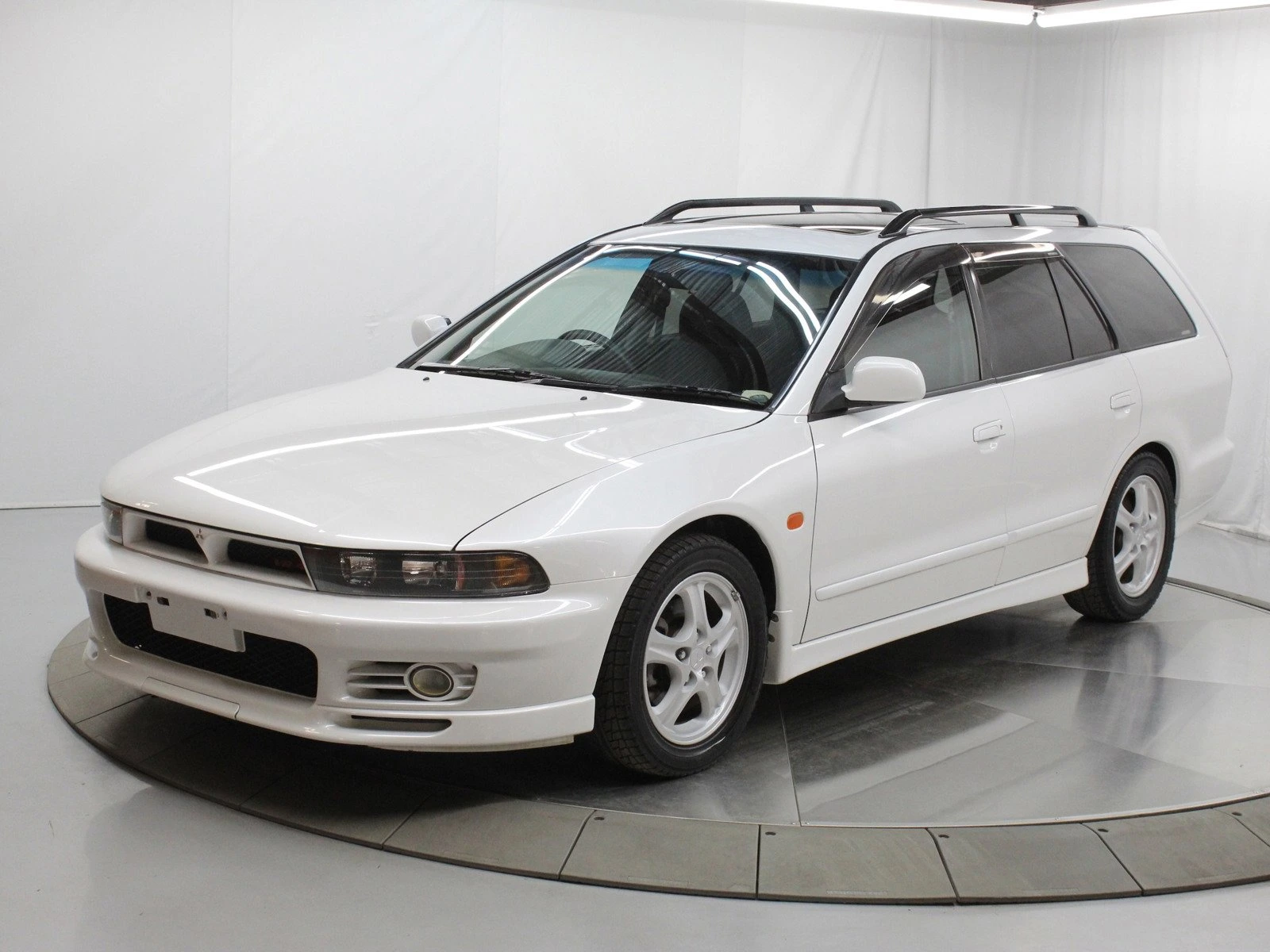
6. 1997 Mitsubishi Legnum VR-4
- Engine: 2.5L Twin-Turbocharged V6
- Horsepower: 276 hp @ 5,500 rpm
- Torque: 268 lb-ft @ 4,000 rpm
- Size: 185.8″ L x 68.5″ W x 58.1″ H
Mitsubishi surprised many performance car lovers when it brought the Galant VR-4 technology into a wagon body and created the Legnum VR-4. The model carried the same all-wheel-drive setup found in the sedan while adding space for passengers and luggage. It was not just another family vehicle because it delivered the kind of driving experience usually linked with sports machines.
Mitsubishi managed to combine speed and usefulness in a package that looked practical but had impressive performance hidden beneath its design. The engineering behind the Legnum VR-4 included Active Yaw Control, a system that helped send power between the rear wheels to improve handling during hard cornering.
This technology gave the wagon better control than many vehicles from the same period. Its twin-turbocharged V6 engine produced 276 horsepower, allowing it to reach 60 mph in around the mid-5-second range. Those figures placed it ahead of many sports cars when quick acceleration was needed. The vehicle showed that a wagon could offer strong speed without losing everyday comfort and practicality.
Many performance wagons from the 1990s focused mainly on straight-line power, but the Legnum VR-4 offered a more balanced driving feel. The advanced system allowed drivers to enjoy sharper responses on winding roads while still carrying family items or travel bags. Mitsubishi created a vehicle that could handle daily duties while delivering excitement behind the wheel.
The Legnum VR-4 was sold only in Japan, which meant many drivers outside the country never knew about its abilities. For years, information about the wagon spread through car communities and import enthusiasts. As more examples reached other markets, a wider group of drivers discovered the impressive engineering behind this Mitsubishi model.
Today, it remains respected as a special wagon that blended performance, technology, and practicality in a way few vehicles achieved during its era.
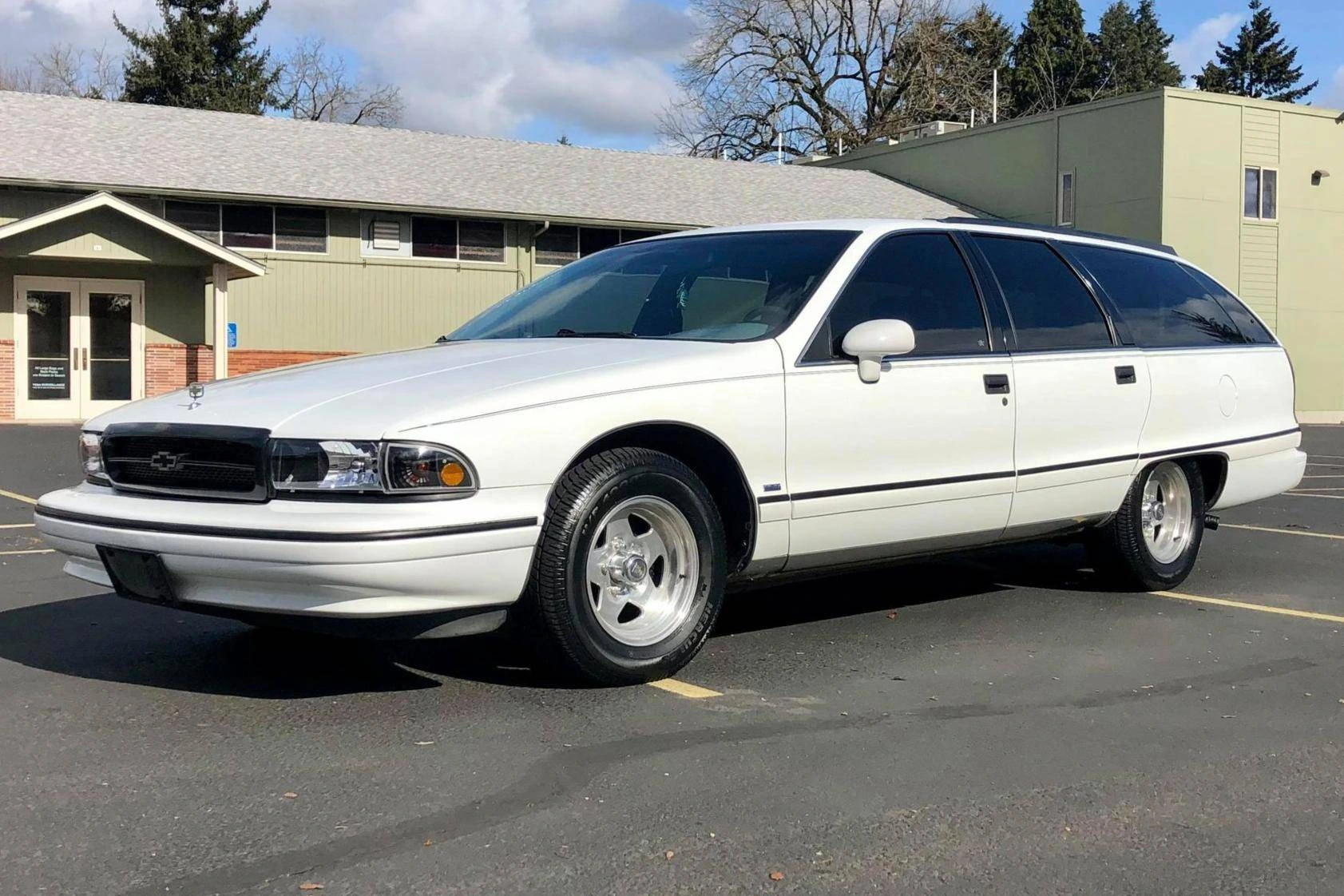
7. 1994 Chevrolet Caprice Wagon (LT1 Engine Option)
- Engine: 5.7L Naturally Aspirated V8 (LT1)
- Horsepower: 260 hp @ 5,000 rpm
- Torque: 330 lb-ft @ 2,400 rpm
- Size: 217.5″ L x 77.6″ W x 58.7″ H
Wood paneling. A curb weight that could double as a small boat. Nobody looked at a Chevrolet Caprice Wagon in 1994 and expected genuine performance credentials hiding underneath that massive, unmistakably American body. Yet buried beneath the hood sat a detuned version of the very same LT1 V8 that powered the C4 Corvette, one of the most respected American performance engines of the entire decade.
Massive dimensions, 217.5 inches of pure American length, meant this wagon carried serious weight into every acceleration run. Still, 330 lb-ft of torque arriving early in the rev range gave this cruiser genuine shove off the line, launching to 60 mph in roughly 7.0 seconds, numbers that genuinely humbled lightweight roadsters that assumed raw displacement couldn’t compete against nimble, purpose-built sports cars.
There’s something wonderfully absurd about a wood-paneled family wagon, the kind of vehicle typically associated with grandparents and long highway road trips, casually dispatching a roadster in a straight line simply through sheer displacement and torque. American automakers rarely built anything quite this contradictory during the 1990s, part practical family hauler, part genuine V8 muscle machine hiding in plain sight.
Police departments across the country actually used similar Caprice platforms for pursuit duty, a testament to how seriously GM took the underlying chassis and powertrain even before considering the civilian wagon variant. That dual identity, family cruiser by day, genuine performance sleeper capable of surprising sports car drivers by choice, has earned this particular Caprice a dedicated following among American car enthusiasts who appreciate straightforward V8 power wrapped in the most unassuming body imaginable.
Also Read: 9 Family Wagons That Can Humiliate Sports Cars
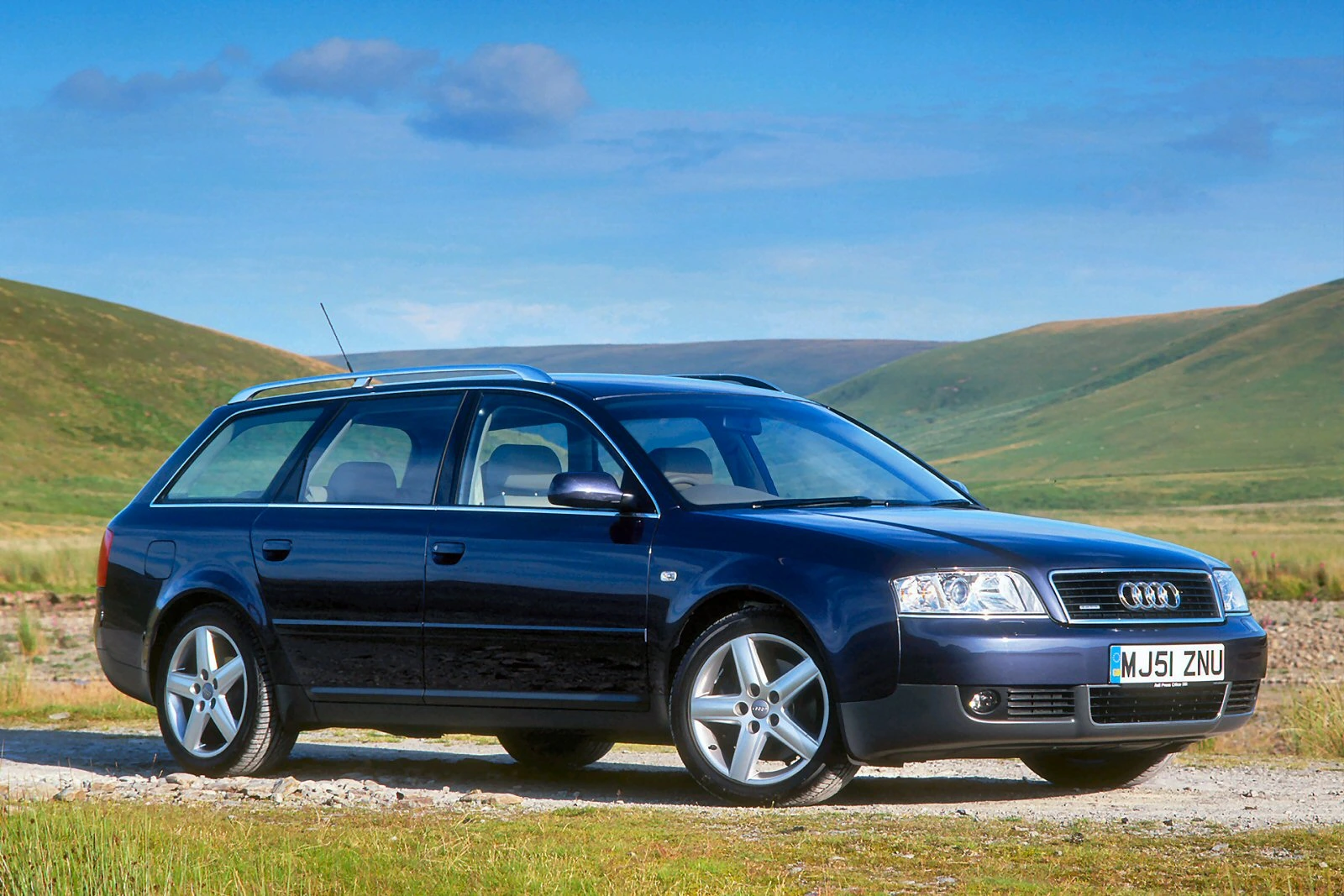
8. 1998 Audi S6 Avant
- Engine: 2.2L Turbocharged Inline-5
- Horsepower: 227 hp @ 5,900 rpm
- Torque: 258 lb-ft @ 1,950 rpm
- Size: 189.6″ L x 70.1″ W x 56.1″ H
Rounding out this list, Audi returns with another turbocharged inline-five, this time wrapped in the S6 Avant’s more understated, executive-oriented body. Where the RS2 leaned toward aggression and overt sportiness, the S6 Avant played a subtler game, blending genuine performance with the kind of restrained styling that let owners fly comfortably under the radar.
Quattro all-wheel drive returns here too, a defining thread running through much of Audi’s performance lineup during this decade, and it once again proved its worth, launching this wagon to 60 mph in roughly 6.1 seconds. That’s a genuinely strong figure for a five-passenger family hauler, quick enough to outrun a meaningful number of mainstream sports cars sold new that same year, all while carrying considerably more cargo and passenger capacity than any two-seat rival could dream of matching.
Low-end torque delivery stood out as a particular strength here, with peak torque arriving remarkably early at just 1,950 rpm, giving the S6 Avant a responsive, immediate feel from a standstill that many naturally aspirated competitors simply couldn’t replicate without revving considerably higher first.
That early torque made real-world driving, merging onto highways, and overtaking slower traffic feel effortless compared to peers requiring more patience before their power truly arrived. Executive styling meant the S6 Avant never drew much attention sitting in a parking lot, blending seamlessly among ordinary German sedans and wagons of its era.
That anonymity became part of its charm among enthusiasts who appreciated genuine performance without unnecessary visual flash. Decades later, the S6 Avant remains a favorite among Audi collectors specifically for that combination of quiet confidence and genuinely quick, all-weather-capable performance.
