Modern SUV design has evolved rapidly over the last two decades, moving from boxy, highly practical shapes toward more stylish, aerodynamic, and coupe-inspired silhouettes. While this shift has significantly improved aesthetics, fuel efficiency, and road presence, it has also introduced a recurring criticism among drivers and automotive reviewers: reduced rear visibility due to smaller rear windows.
In many newer SUVs, especially those designed with sloping rooflines or sporty proportions, the rear glass area has become noticeably narrower and more angled. This design trend is particularly common in coupe SUVs and compact crossovers, where style is prioritized over traditional utility.
Rear visibility plays a crucial role in driving safety and convenience. It affects reversing, lane changes, parking in tight urban environments, and general situational awareness. When rear windows are small or heavily restricted by thick pillars, drivers often rely more heavily on rear cameras and sensor systems.
While these technologies have improved dramatically and now compensate for visibility limitations in most modern vehicles, many drivers still prefer direct visual clarity through a larger rear windshield.
This article explores 10 SUVs that are frequently discussed in automotive communities for having relatively small rear windows or compromised rear visibility due to design choices. These vehicles are not necessarily bad in performance or safety. In fact, many of them are highly rated in their segments.
However, their styling direction places them in a category where practicality takes a back seat to aesthetics and aerodynamics. The goal here is to provide a balanced, factual overview of why these SUVs are often mentioned in discussions about limited rear window usability and what design elements contribute to this perception.
Also read: 10 Cars Where the Cheaper Option Was Always the Smarter One
- Engine: 3.0-liter turbocharged inline 6 or 4.4-liter twin-turbo V8, depending on variant
- Horsepower: Approximately 375 hp to 617 hp
- Torque: Approximately 398 lb ft to 553 lb ft
- Length: Around 195.8 inches
- Width: Around 78.9 inches
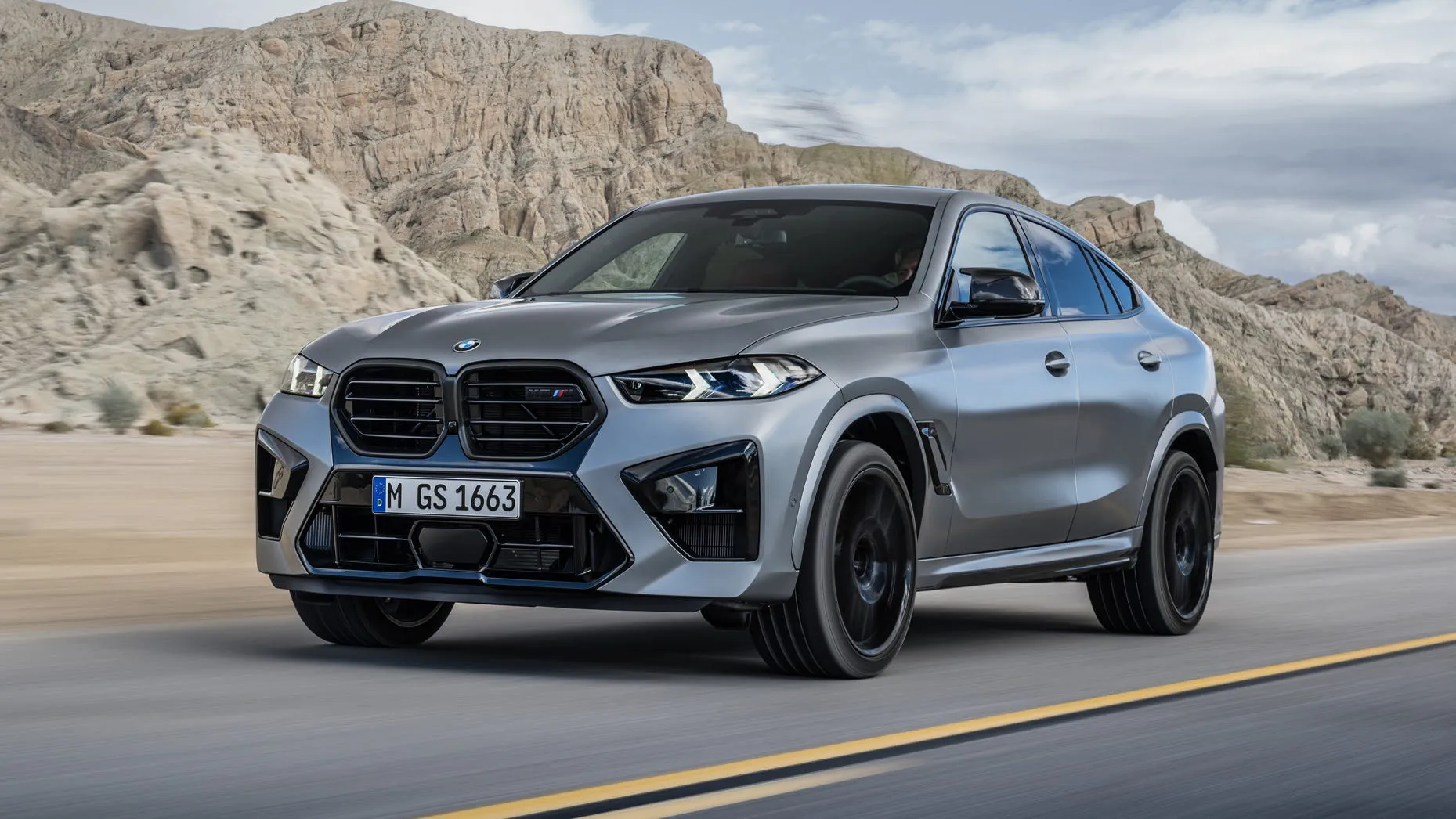
1. BMW X6
The BMW X6 is widely recognized as one of the earliest mainstream coupe-style SUVs, and it played a major role in shaping the modern sports activity coupe segment. Its design prioritizes a fastback roofline that slopes aggressively toward the rear, giving it a sporty coupe-like silhouette.
However, this design choice significantly reduces the vertical height of the rear windshield, which is one of the main reasons it is often criticized for limited rear visibility.
From a practical standpoint, the rear window of the X6 appears noticeably smaller compared to traditional SUVs in the same size category. The angle of the glass also means that the viewing perspective through the rearview mirror is more compressed. This creates a narrower field of vision, especially when trying to judge distance in traffic or while reversing in tight spaces.
Another contributing factor is the thickness of the rear pillars. BMW designed the X6 to emphasize structural rigidity and a bold exterior stance, but this results in additional blind spots near the rear corners. These blind spots can make lane changes and parking maneuvers more challenging without electronic assistance.
Despite these limitations, the X6 integrates advanced camera systems and parking sensors that significantly reduce the real-world impact of its small rear window. Features like surround view cameras provide a virtual top-down perspective that compensates for visibility issues. However, the dependence on technology rather than natural visibility remains a key criticism.
The BMW X6 prioritizes emotional appeal, performance identity, and styling over traditional SUV practicality. Its rear visibility limitations are not accidental but rather a direct consequence of its design philosophy, which has influenced many other coupe SUVs that followed.
- Engine: 3.0-liter turbocharged inline 6 or 4.0-liter twin turbo V8, depending on trim
- Horsepower: Approximately 375 hp to 603 hp
- Torque: Approximately 369 lb ft to 627 lb ft
- Length: Around 194.3 inches
- Width: Around 79.3 inches
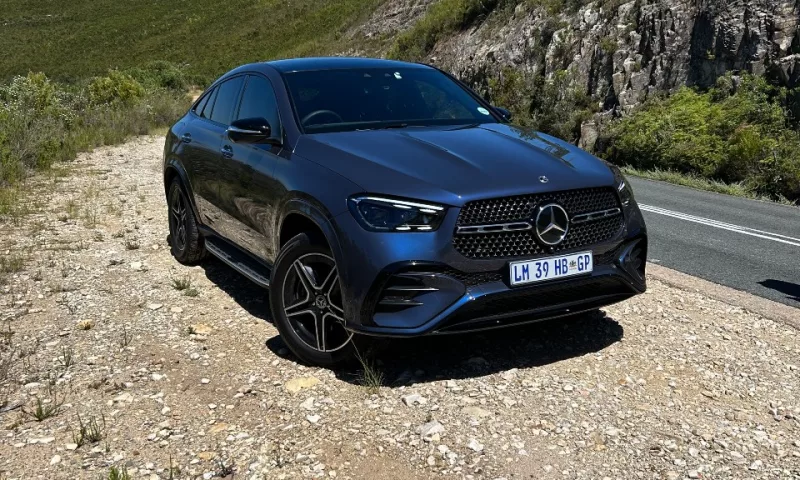
2. Mercedes-Benz GLE Coupe
The Mercedes-Benz GLE Coupe blends the size and luxury of a midsize SUV with the sloping roofline of a coupe. This combination results in a visually striking vehicle, but it also leads to a reduced rear glass area compared to the standard GLE SUV. The coupe styling is immediately noticeable, and it significantly alters the rearward visibility characteristics.
One of the most obvious design impacts is the shortened rear windshield. Because the roofline drops earlier than in a traditional SUV, the vertical viewing space through the rear window is reduced. This makes it more difficult for drivers to see vehicles approaching from behind at certain angles, particularly in dense traffic conditions.
The rear pillars on the GLE Coupe are also thicker than average, contributing to additional blind spots. These structural elements are designed to support the coupe shape and improve crash safety performance, but they reduce the amount of transparent glass area available for rear viewing.
Inside the cabin, the seating position is comfortable and elevated, but the sloping rear design changes how the driver perceives distance through the rearview mirror. Objects behind the vehicle may appear smaller or more distant than expected due to the compressed viewing angle.
Mercedes addresses these challenges through a suite of digital assistance systems, including high-resolution rear cameras and active parking assist. While these technologies greatly improve usability, the physical limitation of the rear window remains a defining characteristic of the GLE Coupe.
- Engine: 3.0-liter turbocharged V6 or 4.0-liter twin-turbo V8 in performance variants
- Horsepower: Approximately 335 hp to 591 hp
- Torque: Approximately 369 lb ft to 590 lb ft
- Length: Around 196.6 inches
- Width: Around 78.7 inches
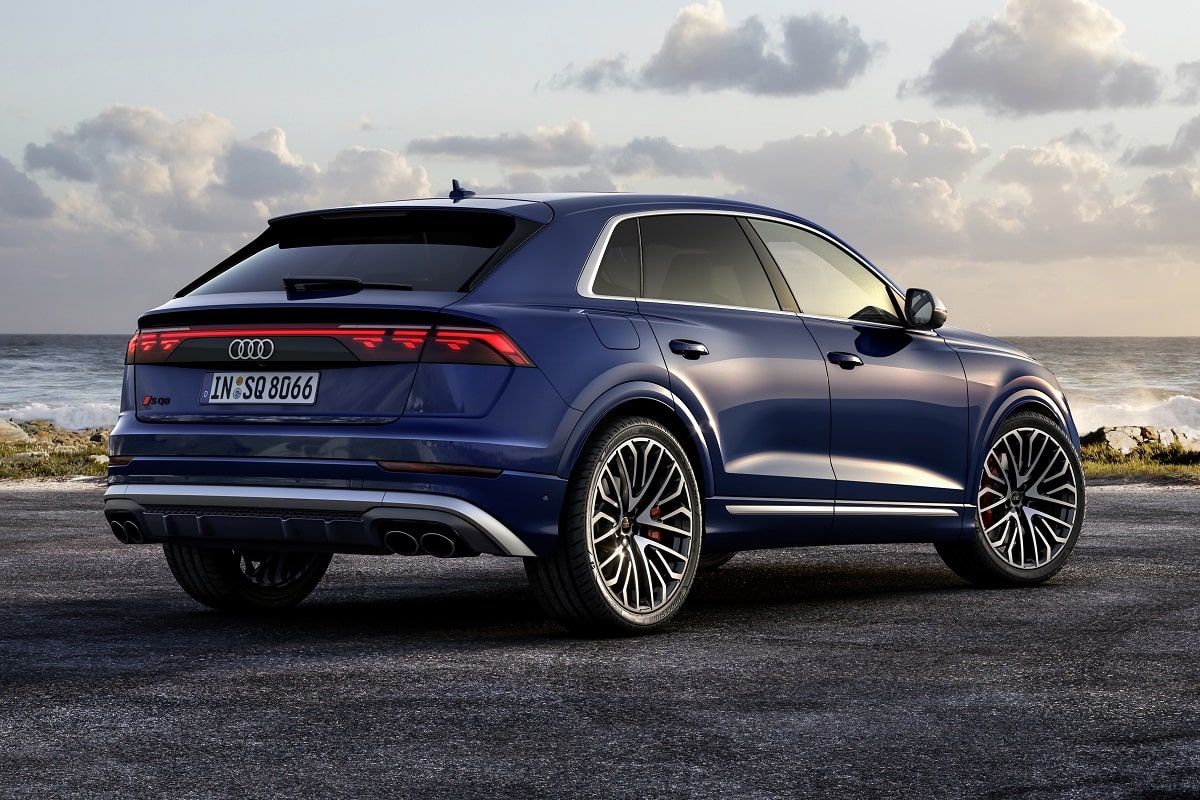
3. Audi Q8
The Audi Q8 represents Audi’s flagship coupe-style SUV, and it showcases a design language focused on sharp lines, a wide stance, and futuristic aesthetics. Its rear design is heavily sloped, which contributes to a smaller and more angled rear windshield compared to more traditional SUVs like the Q7.
The rear glass area in the Q8 is not only reduced in height but also framed by thick structural elements. These design choices enhance the vehicle’s rigidity and sporty appearance, but they also restrict natural rearward visibility for the driver.
From a driving perspective, the Q8 feels more enclosed when looking through the rearview mirror. The field of vision is narrower, which can make it harder to judge the speed and distance of vehicles approaching from behind. This effect is especially noticeable during highway driving or reversing in crowded parking areas.
Audi has incorporated advanced digital solutions to address these limitations. The Q8 offers high-quality surround camera systems, and in some configurations, virtual mirror technology is available. These systems help compensate for the reduced physical visibility but also shift reliance away from traditional mirror-based driving.
Despite the visibility tradeoffs, the Audi Q8 remains highly popular due to its premium interior, technology integration, and strong road presence. Its design clearly prioritizes style and innovation over maximum rearward transparency.
- Engine: 2.0-liter turbocharged inline 4 or 3.0-liter turbocharged inline 6
- Horsepower: Approximately 248 hp to 503 hp
- Torque: Approximately 258 lb ft to 479 lb ft
- Length: Around 187.5 inches
- Width: Around 75.5 inches
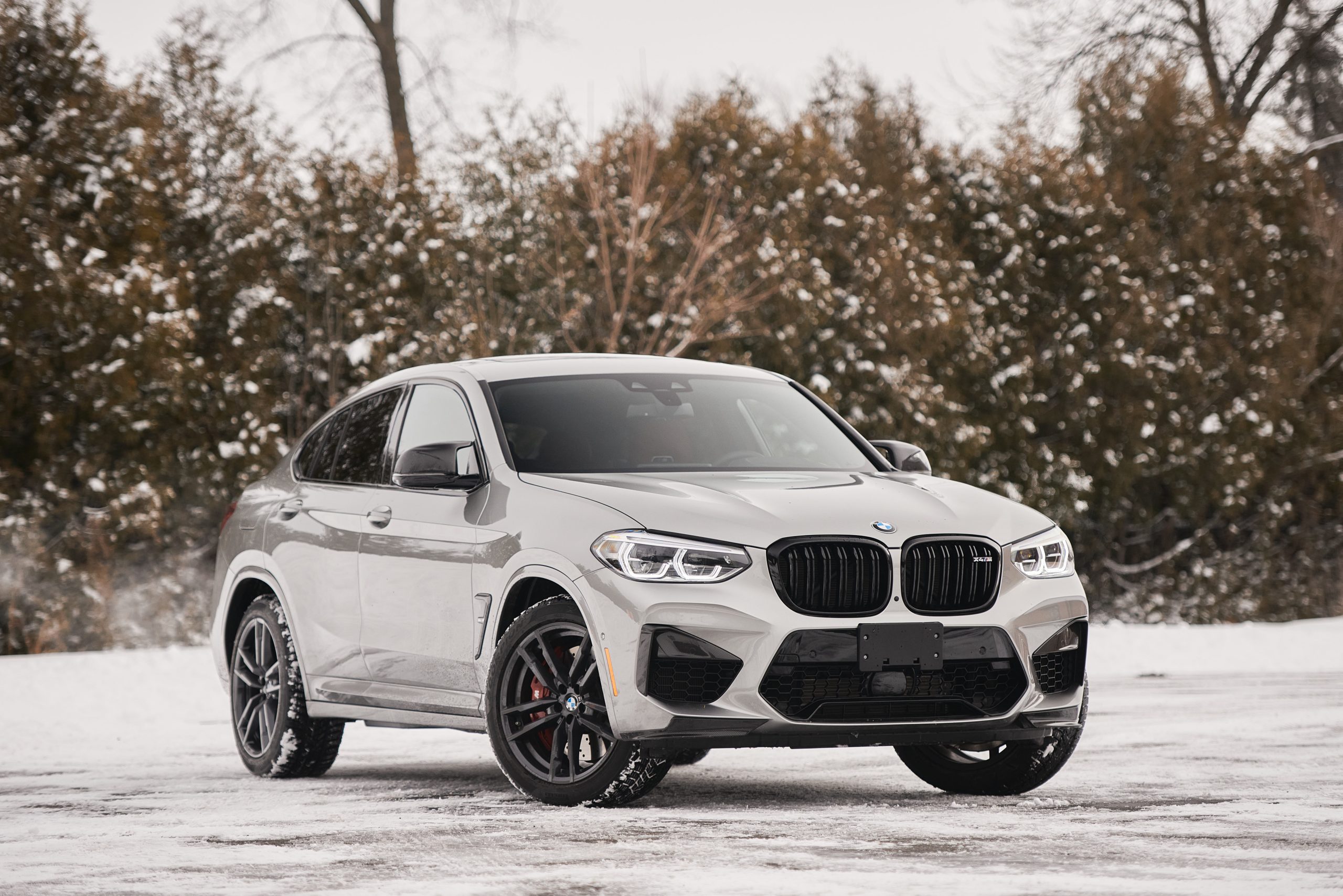
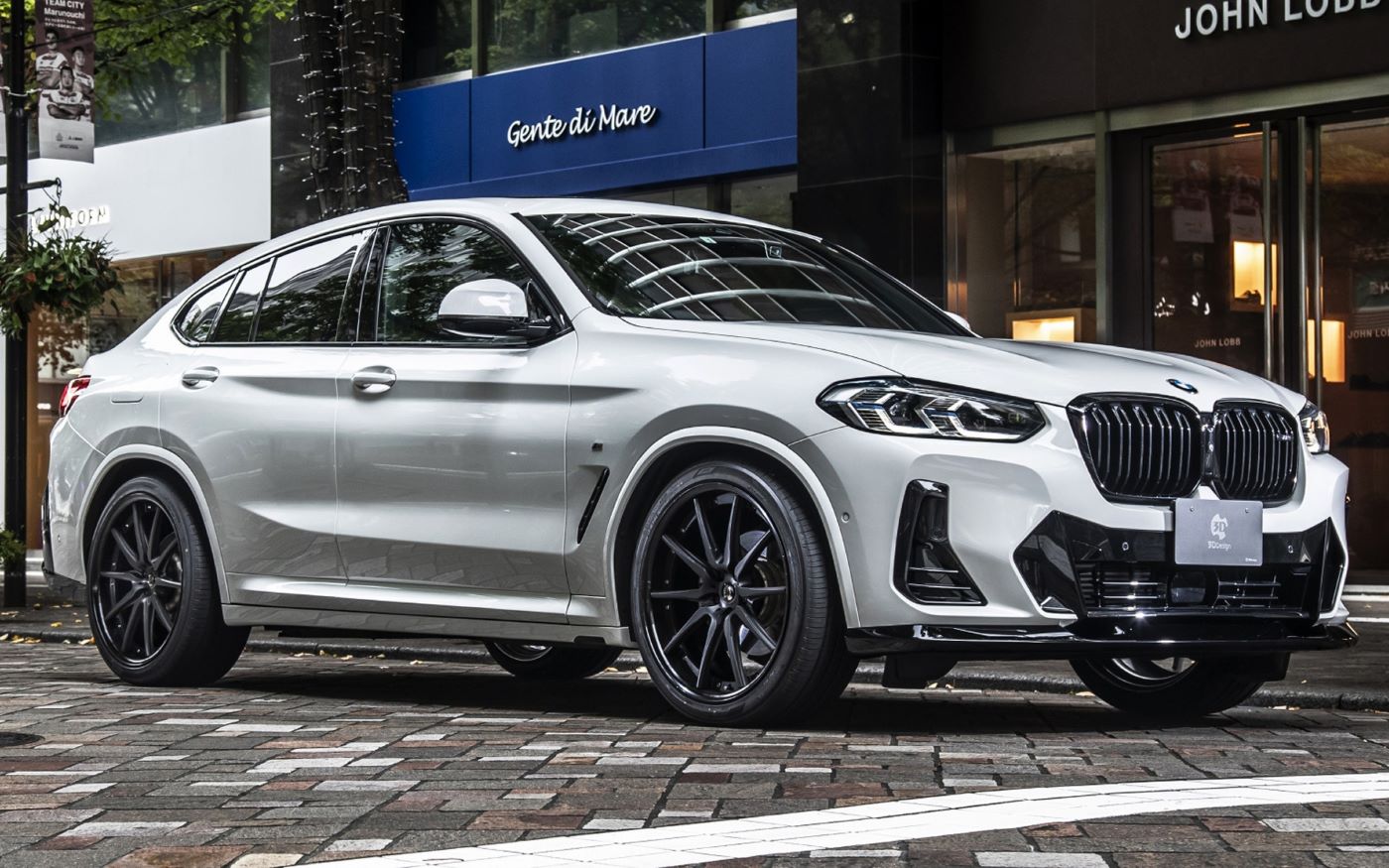
4. BMW X4
The BMW X4 is essentially the smaller sibling of the X6 and follows the same coupe SUV philosophy. It combines compact SUV proportions with a sloping roofline that significantly reduces rear glass height. This makes it one of the more style-focused vehicles in the compact luxury SUV segment.
The rear window in the X4 is noticeably small and sharply angled. This reduces the usable viewing area in the rearview mirror, making it more challenging to get a clear sense of what is directly behind the vehicle. The effect is more pronounced in urban environments where frequent braking and reversing are required.
Another factor affecting visibility is the design of the rear pillars. They are thick and angled to support the coupe roof structure, which creates additional blind spots when checking over the shoulder. This design choice improves the vehicle’s sporty look but reduces practical rear awareness.
Inside the cabin, the driving position is low and sporty compared to more traditional SUVs. This further changes the perception of rear space, making the limited rear window feel even smaller when compared to upright SUV designs.
BMW again relies heavily on camera-based systems to compensate for these limitations. While effective, they highlight the tradeoff between modern styling and traditional visibility, which remains a central theme in the X4’s design.
- Engine: Dual electric motors with battery electric powertrain
- Horsepower: Approximately 402 hp
- Torque: Approximately 486 lb ft
- Length: Around 174.8 inches
- Width: Around 73.7 inches
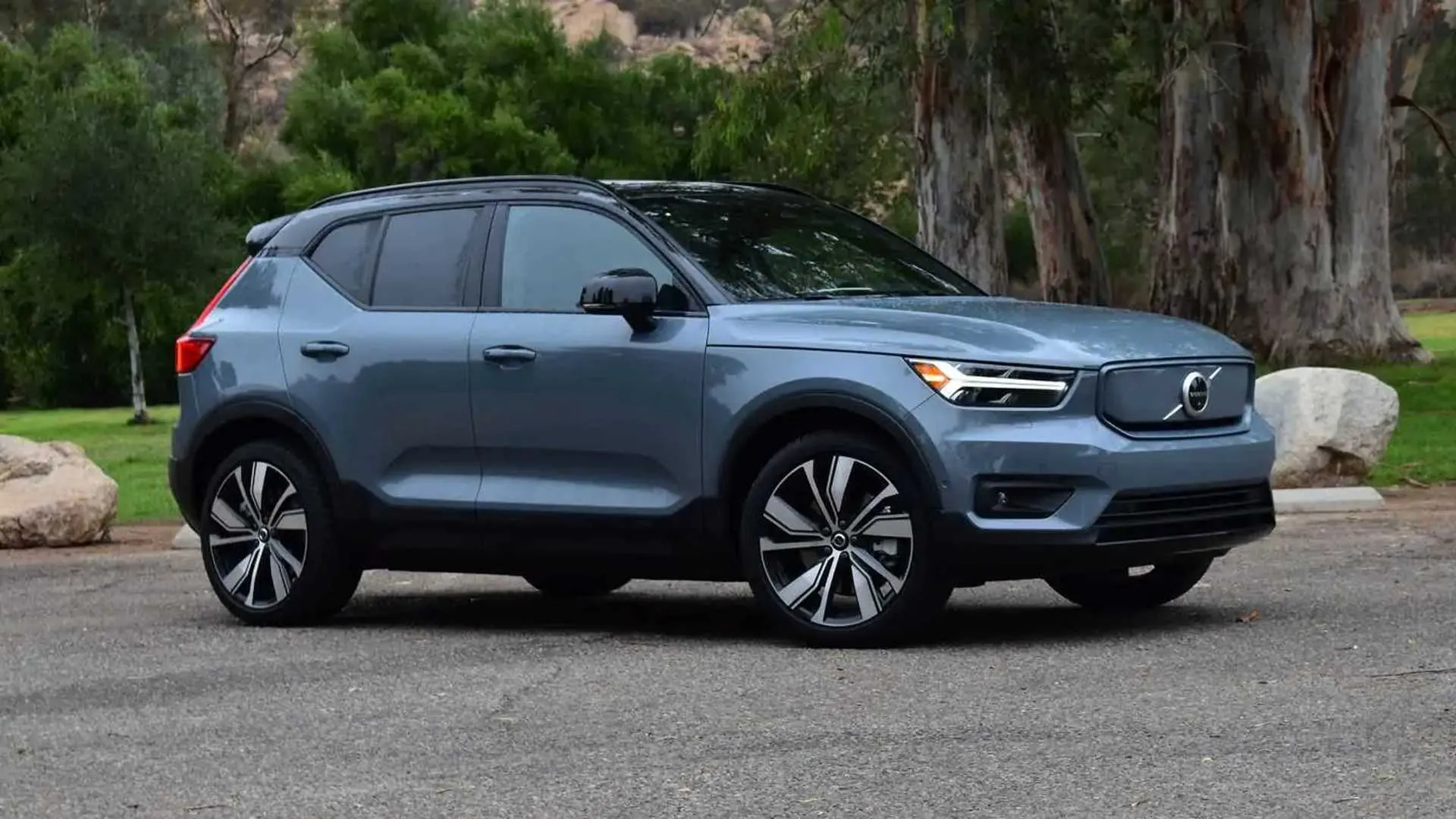
5. Volvo C40 Recharge
The Volvo C40 Recharge is an all-electric coupe-style SUV that represents Volvo’s shift toward modern aerodynamic design and sustainability-focused engineering. Its rear design is one of the most visually distinctive in the Volvo lineup, but it also features a significantly reduced rear window area compared to the XC40.
The sloping roofline of the C40 Recharge directly affects rear visibility. The rear windshield is narrow and angled, creating a more restricted field of view through the mirror. This is particularly noticeable when trying to monitor fast-moving traffic behind the vehicle.
In addition to the sloping glass, the rear structure includes thick framing that supports battery safety and body rigidity. While these are important for structural integrity and crash protection, they further limit the amount of transparent glass available for rear viewing.
Drivers often describe the rear visibility of the C40 Recharge as more dependent on technology than on direct line of sight. The vehicle compensates with advanced camera systems, parking sensors, and digital displays that provide alternative viewing angles.
Despite the visibility limitations, the C40 Recharge is praised for its futuristic design, electric performance, and strong safety profile. The reduced rear window is a clear tradeoff made in favor of aerodynamics and modern styling.
Also read: 12 Cars With Bulletproof Drivetrains You Can Buy for Peanuts
- Engine: 2.0-liter inline 4
- Horsepower: Approximately 169 hp
- Torque: Approximately 151 lb ft
- Length: Around 172.6 inches
- Width: Around 70.7 inches
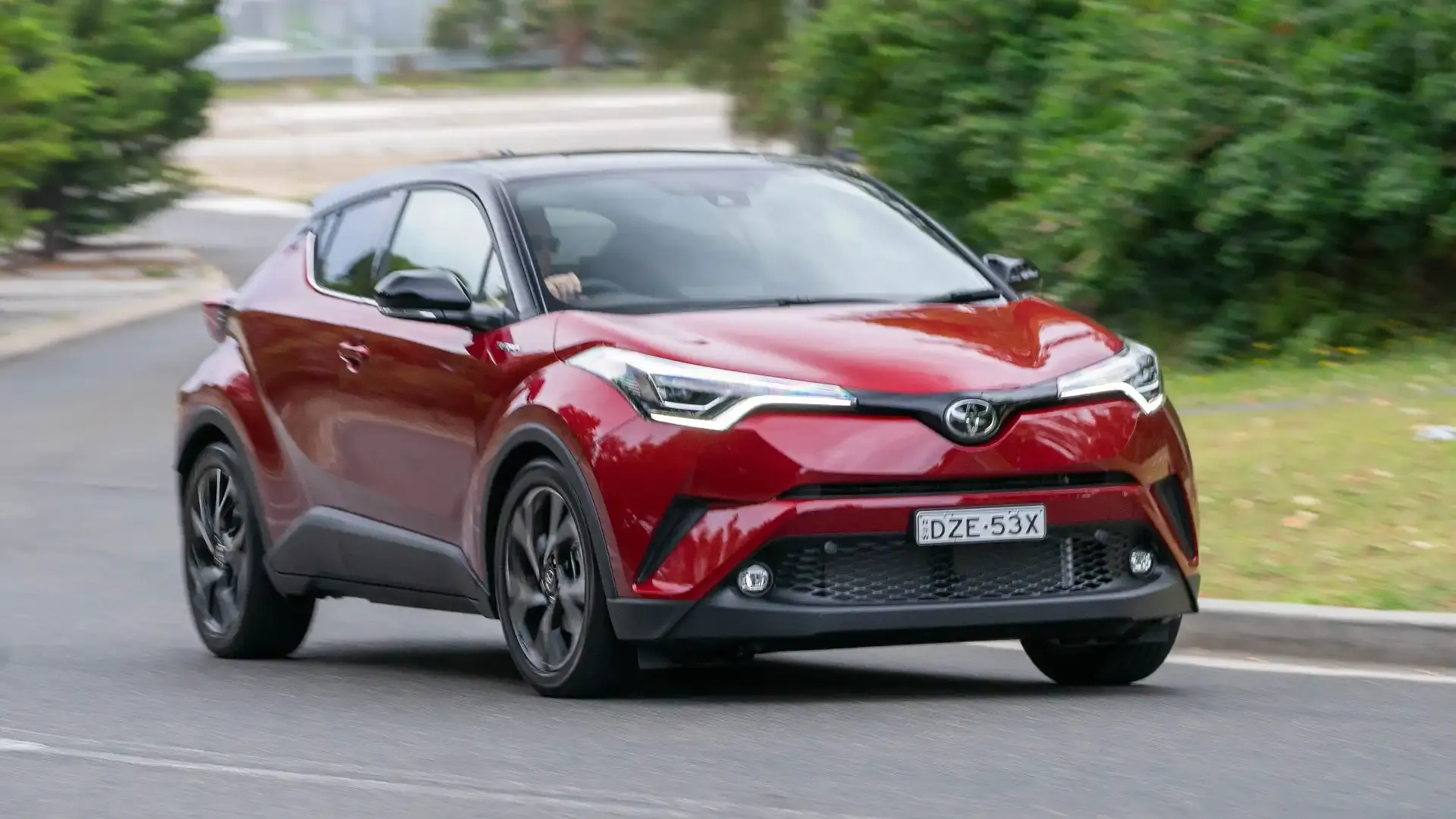
6. Toyota C HR
The Toyota C HR is one of the most visually unconventional compact crossovers introduced by Toyota in recent years. Its design focuses heavily on futuristic styling, featuring sharp body lines, hidden rear door handles, and a dramatically sloped rear section. While these design elements help the C HR stand out in crowded urban markets, they also contribute to one of the vehicle’s most common criticisms: limited rear visibility caused by a small rear window.
The rear windshield of the Toyota C HR is narrow and heavily angled. Unlike traditional compact SUVs that use upright rear glass for maximum visibility, the C HR uses a coupe-inspired shape that reduces the vertical viewing area.
Drivers often notice that the rearview mirror provides a more restricted perspective of traffic behind the vehicle, especially when compared to boxier competitors in the same class.
Another factor affecting visibility is the thickness of the rear pillars. Toyota designed the C HR with large sculpted side panels and upward-sweeping body lines that reduce the amount of glass around the rear seating area. This creates significant blind spots near the rear corners, particularly during lane changes and reversing maneuvers. Passengers in the back seat may also feel the cabin is slightly enclosed because of the smaller windows.
In city driving conditions, the reduced rear visibility becomes more noticeable during parking or navigating crowded streets. Drivers often rely heavily on the rearview camera and parking sensors to compensate for the limited direct line of sight.
Fortunately, Toyota equipped the C HR with modern safety systems that make daily usability easier despite the design compromises.
Despite the criticism surrounding visibility, the Toyota C HR remains popular among drivers looking for a stylish and efficient urban crossover. Its sharp design, comfortable ride quality, and reliable engineering appeal to buyers who prioritize aesthetics and modern features over traditional SUV practicality.

- Engine: 2.0-liter turbocharged inline 4 or 3.0-liter inline 6 mild hybrid or 5.0-liter V8
- Horsepower: Approximately 296 hp to 518 hp
- Torque: Approximately 295 lb ft to 461 lb ft
- Length: Around 180.4 inches
- Width: Around 79.1 inches
7. Land Rover Defender 90
The Land Rover Defender 90 takes a very different approach to SUV design compared to coupe crossovers, but it still faces criticism for limited rear visibility. Unlike sleek urban SUVs, the Defender 90 focuses on rugged capability, compact proportions, and off-road durability.
However, its short wheelbase design and unique body structure create visibility limitations that some drivers find challenging in everyday use.
One of the main reasons the Defender 90 has restricted rear visibility is its compact rear glass area. The rear windshield is relatively narrow, especially compared to larger five-door SUVs. In addition, the side windows toward the back are small and upright, limiting peripheral visibility around the rear corners of the vehicle.
Another major factor is the externally mounted spare tire attached to the rear tailgate. While this feature reinforces the Defender’s rugged character and off-road image, it can partially obstruct the rearward view depending on seating position and mirror angle. Drivers reversing in crowded environments may find themselves relying more on digital assistance systems than direct visibility.
The Defender 90 also has thick structural pillars designed to improve body strength and durability during off-road driving. These pillars are essential for maintaining structural integrity on rough terrain, but they contribute to larger blind spots compared to more road-focused SUVs. In tight urban parking situations, these visibility limitations can become particularly noticeable.
Even with these drawbacks, the Defender 90 remains highly respected for its capability and iconic design. Buyers interested in this SUV are typically more focused on adventure, durability, and heritage rather than maximum rear visibility.
Modern camera systems and sensors help offset many practical concerns, but the compact rear window remains one of the defining traits of the vehicle’s rugged design philosophy.
- Engine: 1.5-liter turbocharged inline 4
- Horsepower: Approximately 152 hp
- Torque: Approximately 184 lb ft
- Length: Around 179 inches
- Width: Around 71.1 inches
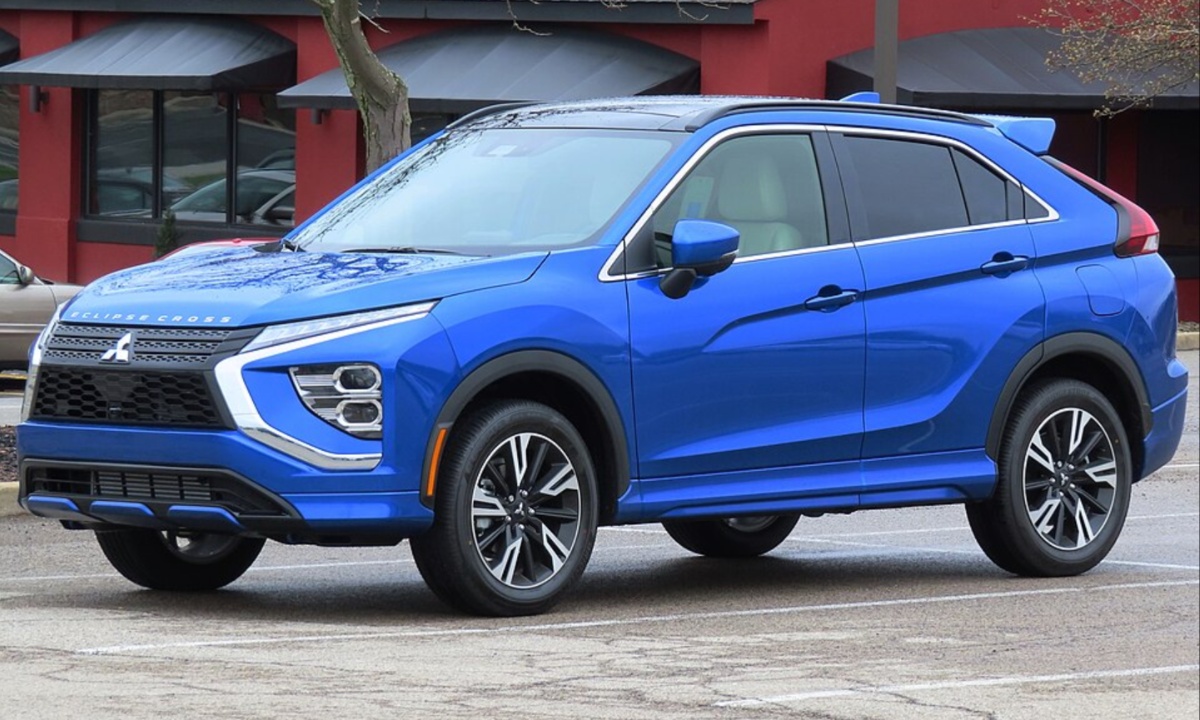
8. Mitsubishi Eclipse Cross
The Mitsubishi Eclipse Cross is one of the most controversial SUV designs in terms of rear visibility because of its unusual split rear window configuration. Mitsubishi introduced the vehicle with a strong emphasis on distinctive styling, aiming to create a crossover that looked more futuristic and sporty than traditional compact SUVs. However, the design immediately sparked debate among drivers and reviewers due to the layout of the rear windshield.
The most noticeable feature is the horizontal bar running across the rear glass. This divider splits the rear window into upper and lower sections, reducing the uninterrupted viewing area available through the rearview mirror. Many drivers report that the bar sits directly within their natural line of sight, making rear visibility feel fragmented and less intuitive than in conventional SUVs.
In addition to the split glass design, the rear windshield itself is relatively narrow and steeply angled. This further limits the amount of visible space behind the vehicle. Combined with thick rear pillars, the Eclipse Cross creates a driving experience where direct rear awareness is more restricted than in many competitors.
The visibility issue becomes especially apparent during reversing and parking. Drivers often depend heavily on the backup camera to judge distance and positioning.
While the camera system performs adequately, some users still prefer the confidence provided by a larger, uninterrupted rear window. The design, therefore, represents a clear compromise between styling individuality and practical functionality.
Despite the criticism, the Eclipse Cross has strengths that appeal to many buyers. It offers a comfortable ride, available All Wheel Drive, and a unique appearance that stands out in a segment filled with conservative designs.
For drivers who value originality and modern styling, the visibility tradeoff may be acceptable. However, the split rear window remains one of the most discussed aspects of the vehicle.
- Engine: 1.0 liter turbocharged 3 cylinder or 1.6 liter turbocharged
- Horsepower: Approximately 114 hp to 188 hp
- Torque: Approximately 148 lb ft to 177 lb ft
- Length: Around 165 inches
- Width: Around 70.5 inches
9. Nissan Juke
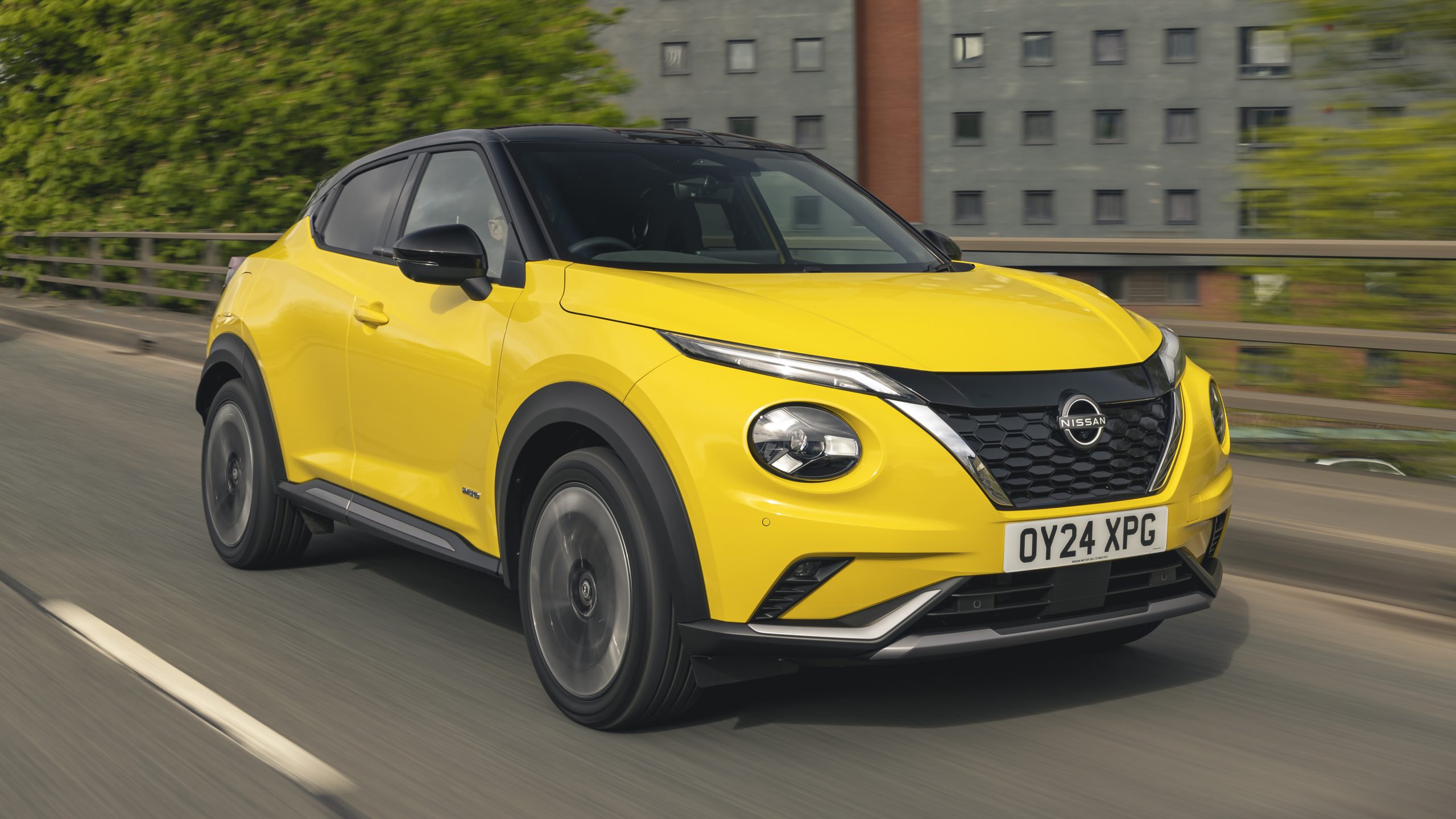
The Nissan Juke became famous for its bold and unconventional styling when it first entered the compact crossover market. Unlike traditional SUVs with upright shapes and large windows, the Juke adopted a rounded, coupe-inspired design that emphasized individuality and urban character.
While this helped the vehicle gain attention worldwide, it also resulted in a rear window design that many drivers consider impractical.
The rear windshield in the Nissan Juke is small and heavily sloped, limiting the field of view through the rearview mirror. The compact shape of the vehicle already reduces available glass area, and the sharply rising body lines further narrow the visible space behind the SUV. Drivers often describe the rear visibility as tunnel-like compared to more traditional compact crossovers.
Another issue comes from the thick rear side pillars. These structural elements are large relative to the size of the vehicle, creating noticeable blind spots near the rear corners. During lane changes or merging onto highways, some drivers feel the need to rely more heavily on mirrors and blind spot monitoring systems to compensate for the restricted visibility.
The Juke’s interior design also contributes to the perception of limited space. Because the windows are smaller and the roofline curves downward toward the back, rear passengers may feel slightly enclosed. While this enhances the sporty appearance from the outside, it reduces the airy cabin feel often associated with SUVs.
Even with these criticisms, the Nissan Juke remains popular among buyers who appreciate its unique personality and compact dimensions. It is especially well-suited for urban driving where maneuverability and compact size are more important than expansive visibility.
Later generations improved technology and safety systems, but the small rear window continues to be part of the Juke’s distinctive identity.
- Engine: 4.0-liter twin-turbo V8
- Horsepower: Approximately 657 hp
- Torque: Approximately 627 lb ft
- Length: Around 201.3 inches
- Width: Around 79.4 inches
10. Lamborghini Urus
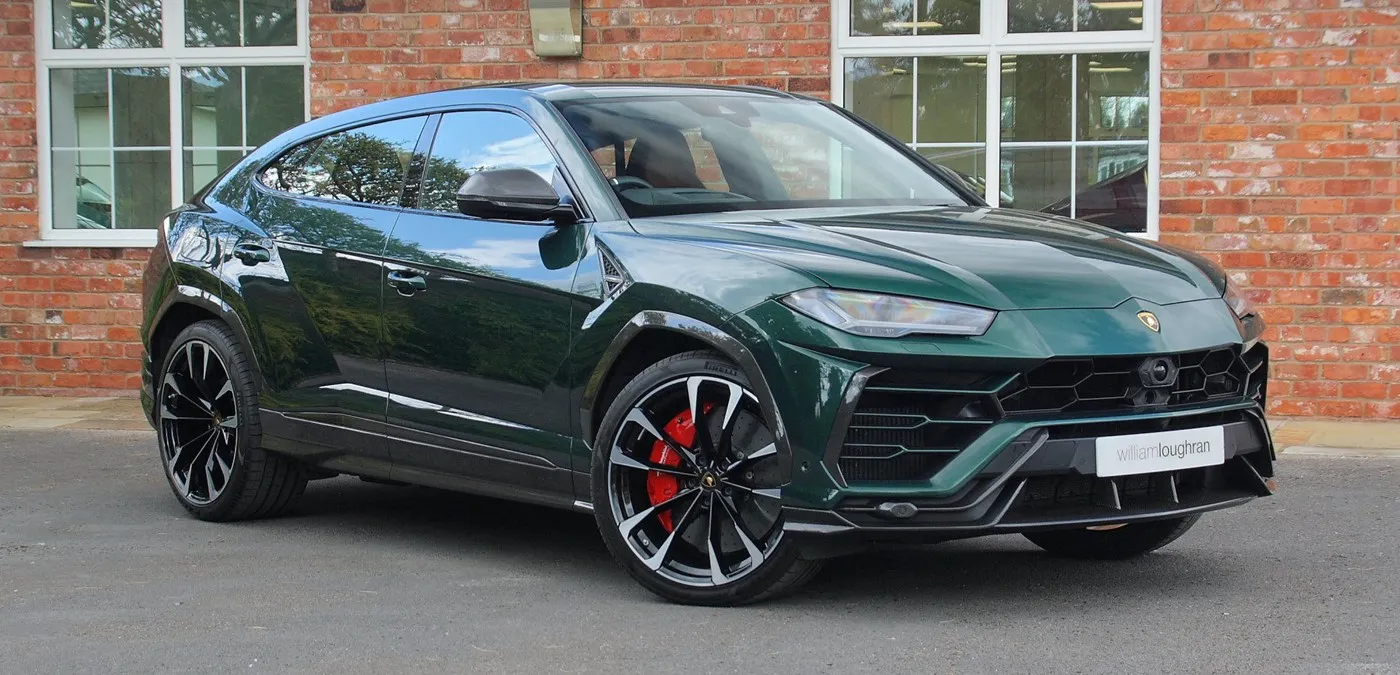
The Lamborghini Urus is one of the most extreme examples of a performance-oriented SUV prioritizing style over traditional practicality.
Designed to deliver the appearance and driving feel of a supercar in SUV form, the Urus uses aggressive body lines, a low roofline, and sharply angled rear glass. While these features contribute to its dramatic appearance, they also result in limited rear visibility compared to conventional luxury SUVs.
The rear windshield of the Urus is relatively small for a vehicle of its size. The steep angle of the glass and the high rear bodywork create a narrow viewing perspective through the rearview mirror. This design reflects Lamborghini’s emphasis on aerodynamics and sporty proportions rather than maximizing visibility.
Thick rear pillars further reduce the amount of visible space around the back of the vehicle. These pillars are necessary to support the coupe-inspired roofline and maintain structural rigidity at high performance levels. However, they create additional blind spots that can make urban driving and parking more difficult without electronic assistance.
Because the Urus is extremely powerful and capable of very high speeds, Lamborghini equipped it with advanced driver assistance technologies.
High definition cameras, parking sensors, and digital safety systems are essential components of the driving experience. Many owners rely on these technologies daily because direct rearward visibility is not one of the SUV’s strongest practical qualities.
Despite these compromises, the Urus has become incredibly successful in the luxury performance market. Buyers are attracted by its exotic styling, supercar acceleration, and commanding road presence. The limited rear window is viewed as an acceptable sacrifice for achieving a dramatic and unmistakably Lamborghini design.