
Cars have always been marketed through flashy trims, bigger engines, luxury badges, and expensive option packages that promise a better ownership experience. For decades, buyers have walked into dealerships believing the higher-priced version automatically meant better value, stronger reliability, or superior performance.
In reality, many of the smartest automotive purchases came from the cheaper variant sitting quietly beside the expensive one in the showroom. Sometimes, the less costly model delivered nearly identical performance.
In other cases, the affordable trim avoided complicated technology, expensive repairs, or fuel-hungry engines that damaged the reputation of the premium version later on.
Automakers often create expensive trims filled with features that look attractive during a test drive but become costly burdens after a few years. Adaptive suspensions fail, turbocharged engines develop reliability issues, oversized wheels ruin ride comfort, and luxury electronics age poorly.
Meanwhile, the simpler variant keeps running with fewer problems and lower ownership costs. That is why experienced enthusiasts and long-term owners frequently hunt for base engines, mid-trims, or overlooked entry-level models instead of chasing the range-topping edition.
Another interesting pattern appears in the used car market. Expensive trims usually depreciate harder because buyers become nervous about maintenance costs as vehicles age.
Cheaper models, however, hold steady demand because they are easier to repair and more practical to own daily. In some situations, the affordable version even becomes more desirable years later because it represents the cleanest and most balanced interpretation of the vehicle.
This list focuses on ten cars where the cheaper option consistently proved to be the smarter purchase. Some saved owners thousands in maintenance. Others delivered nearly identical driving experiences without the premium price tag.
A few even outlived the expensive alternatives by a huge margin. These examples show that spending less sometimes delivers the better automotive story in the long run.
Also Read: 10 Car Colors That Lose the Most Value in 3 Years
1. Honda Accord 2.4 LX Instead of the V6 Touring
The Honda Accord has built its reputation on reliability and balanced engineering, but one of the clearest examples of the cheaper model being the wiser choice came during the years when Honda offered both the 2.4-liter four-cylinder and the larger V6.
Buyers were naturally drawn toward the V6 Touring because it sounded more premium and produced stronger acceleration figures. The reality turned out very differently after years of ownership.
The four-cylinder Accord delivered almost everything most drivers actually needed. It was smooth, fuel-efficient, easier to maintain, and significantly cheaper to insure.
Honda perfected that naturally aspirated 2.4-liter engine over multiple generations, making it one of the brand’s most dependable powerplants. Many owners pushed these cars well beyond 200,000 miles with only basic maintenance.
The V6 model looked attractive on paper because of its extra horsepower, but it introduced several long-term concerns.
Fuel economy dropped noticeably, maintenance costs increased, and some automatic transmissions paired with the V6 developed reliability concerns over time. Timing belt service also added a major expense that the four-cylinder owners never had to worry about.
Ride quality created another interesting difference. The cheaper LX trims typically rode on smaller wheels with taller tire sidewalls, making them more comfortable during daily commuting. Expensive touring models often came with larger wheels that made potholes and rough pavement much harsher.
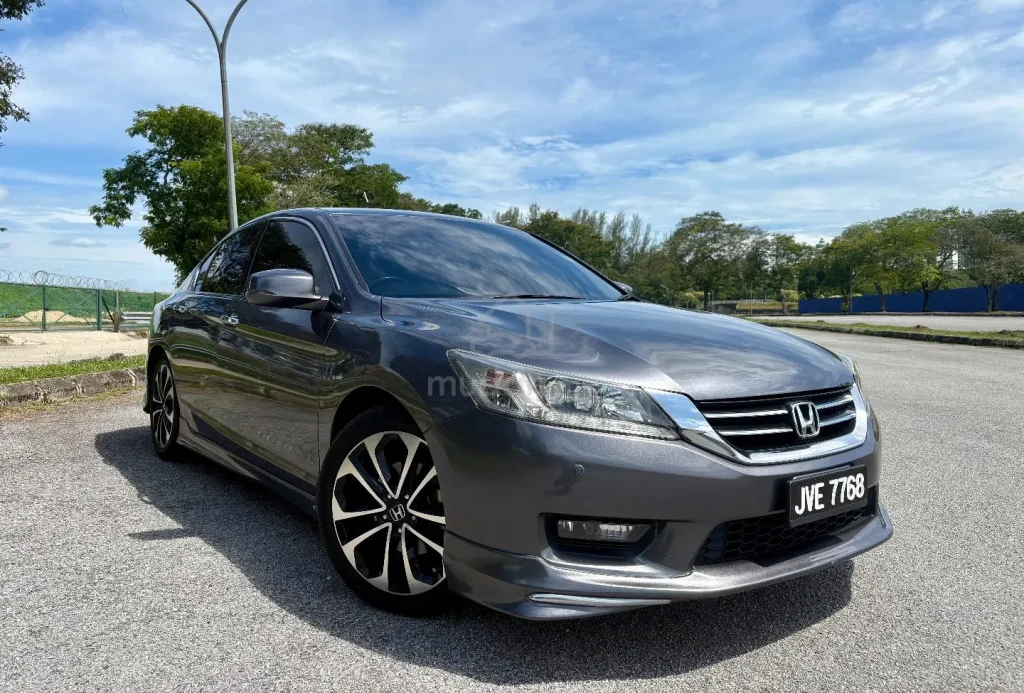
For buyers looking at used Accords today, the four-cylinder LX or EX models usually represent the sweet spot. They retain the practicality and comfort that made the Accord famous while avoiding the added ownership headaches tied to the premium trim.
In everyday driving, the performance difference mattered far less than people expected, while the savings remained obvious year after year.
- Engine: 2.4 liter inline 4
- Torque: 181 lb ft
- Horsepower: 185 hp
- Length/Width: 191.4 in / 72.8 in
2. BMW 328i Instead of the 335i
During the late 2000s and early 2010s, BMW fans constantly debated whether the turbocharged 335i justified its higher price over the naturally aspirated 328i.
At first glance, the answer seemed obvious because the 335i delivered high straight-line speed and effortless torque. Yet long-term ownership revealed why the cheaper 328i quietly became the smarter decision for many buyers.
The 328i used BMW’s naturally aspirated inline six engine, a motor praised for its smooth power delivery and dependable engineering.
It still sounded fantastic, retained the balanced rear wheel drive handling BMW was known for, and offered enough power to remain enjoyable on both highways and winding roads. Most importantly, it avoided many of the expensive repair problems that haunted the twin-turbocharged 335i.
Owners of the 335i frequently dealt with failing high-pressure fuel pumps, turbocharger issues, carbon buildup, injector failures, and cooling system repairs.
Those problems transformed many used 335i cars into financial nightmares once warranties expired. The performance gains were undeniable, but so were the repair bills.
Meanwhile, the 328i preserved the traditional BMW driving feel without overwhelming owners with costly surprises. Steering remained sharp, chassis balance stayed excellent, and maintenance expenses were much easier to manage. Insurance costs also favored the cheaper model, making it more practical for younger enthusiasts entering the BMW world.
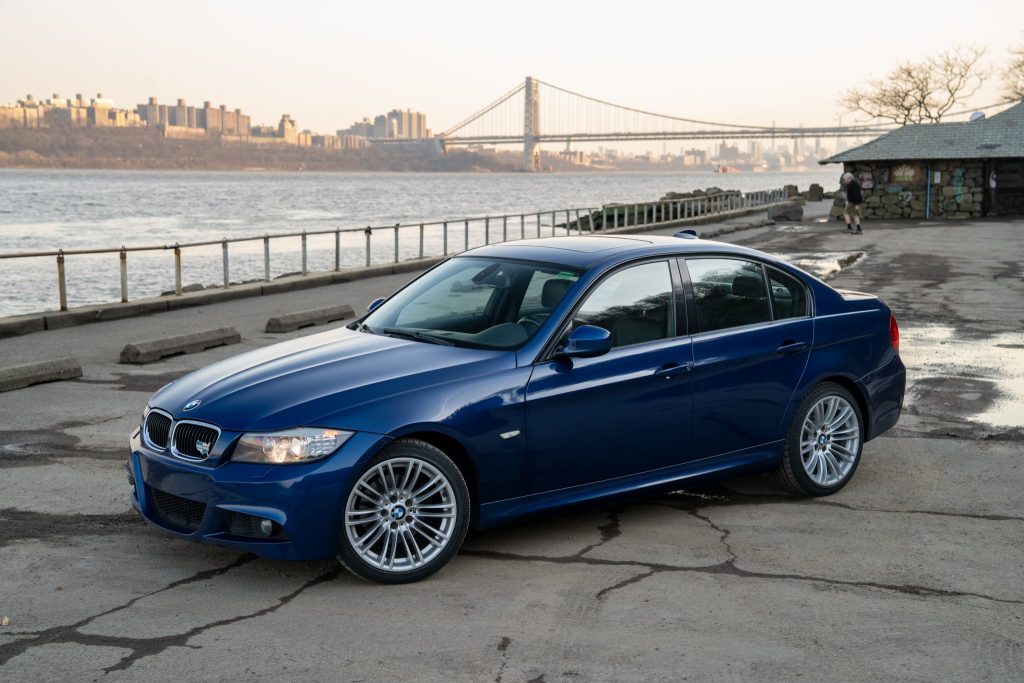
Interestingly, the 328i often aged more gracefully visually as well. Many examples were ordered in cleaner specifications without overly aggressive sport packages or complicated electronic options. That simplicity helped them retain a timeless personality.
Today, enthusiasts searching for an older BMW daily driver frequently recommend the 328i because it captures the essence of the brand without carrying the mechanical stress attached to the 335i. The cheaper model simply made more sense for anyone prioritizing long-term ownership instead of short bursts of turbocharged excitement.
- Engine: 3.0-liter inline 6
- Torque: 200 lb ft
- Horsepower: 230 hp
- Length/Width: 178.2 in / 71.5 in
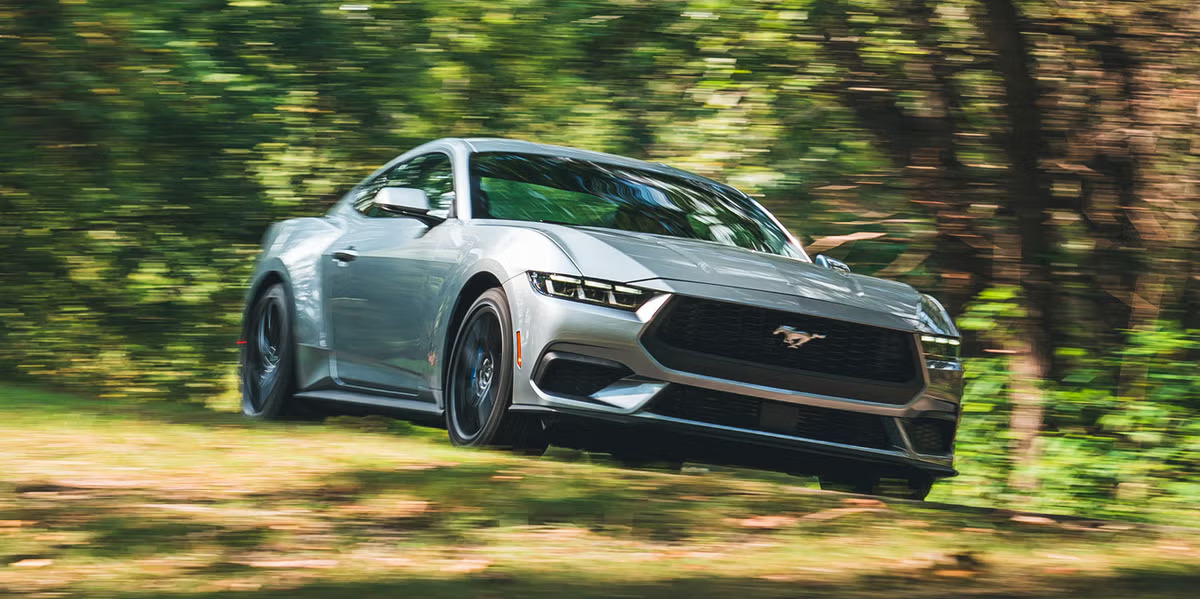
3. Ford Mustang EcoBoost Instead of the GT
The Ford Mustang GT has always attracted attention because of its V8 soundtrack and muscle car image, but the EcoBoost version quietly became the smarter purchase for thousands of buyers once people started living with both cars daily.
On paper, many enthusiasts dismissed the turbocharged four-cylinder because it lacked the emotional drama of the GT. Real-world ownership told a far more balanced story.
The EcoBoost Mustang delivered surprisingly strong performance. Its turbocharged engine produced enough torque to feel quick during city driving while remaining much lighter at the front than the V8-powered GT.
That lighter weight improved handling and balance, and made the car feel more agile through corners. For drivers who spent most of their time commuting instead of drag racing, the cheaper Mustang often felt easier and more enjoyable to use every day.
Fuel costs created one of the biggest differences. The GT’s V8 could consume fuel rapidly during spirited driving, while the EcoBoost offered far better efficiency without becoming slow or boring.
Insurance premiums also leaned in favor of the four-cylinder model heavily, especially for younger drivers. Those savings added up quickly over several years.
Another factor involved tire and brake expenses. GT owners frequently replaced wider rear tires much sooner because of the car’s extra power. The EcoBoost reduced those costs while still delivering the classic Mustang styling and rear-wheel-drive layout people wanted.
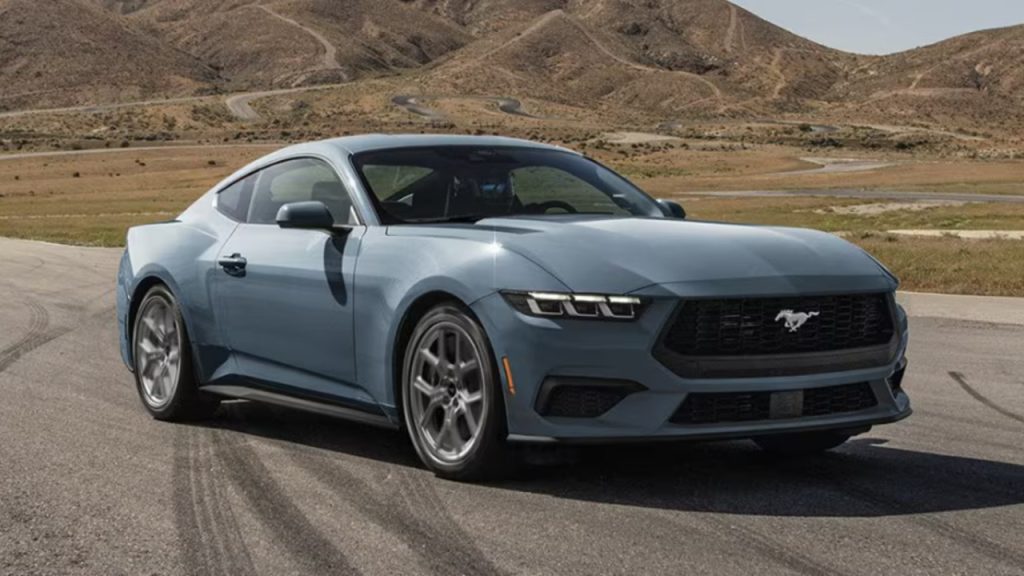
Ford also equipped many EcoBoost trims with modern technology and strong interior features, meaning buyers did not feel deprived despite spending less money. The cabin experience remained nearly identical unless someone specifically wanted the V8 soundtrack.
As used cars, EcoBoost Mustangs continue attracting practical enthusiasts because they balance performance, affordability, and daily usability better than many expected.
The GT remains iconic, but for people wanting a stylish coupe they could realistically enjoy every day without constant fuel and maintenance anxiety, the cheaper option consistently proved wiser.
- Engine: 2.3-liter turbocharged inline 4
- Torque: 350 lb ft
- Horsepower: 310 hp
- Length/Width: 188.5 in / 75.4 in
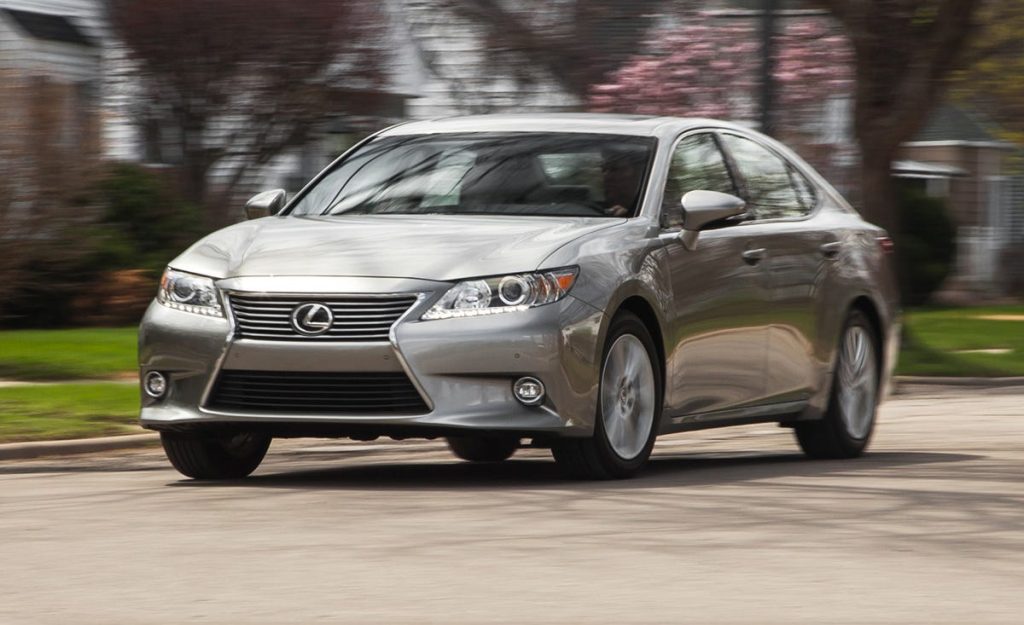
4. Lexus ES 350 Instead of the LS 460
Luxury buyers often assumed the Lexus LS 460 represented the ultimate smart purchase because it sat at the top of the brand’s lineup. It carried a prestigious image, featured advanced technology, and delivered an exceptionally smooth ride.
Yet over time, many owners realized the cheaper Lexus ES 350 actually provided a better ownership experience for most people.
The ES 350 succeeded because it focused on simplicity and comfort instead of chasing complicated engineering solutions. Its naturally aspirated V6 engine earned a reputation for durability, while the front-wheel-drive platform minimized maintenance concerns.
Repairs stayed manageable, fuel economy remained respectable, and long-term reliability consistently impressed owners.
The LS 460, despite its impressive luxury credentials, introduced far more complexity. Air suspension systems, advanced electronics, and expensive components increased ownership risks dramatically once warranties expired.
Repairs could become shockingly expensive, especially for suspension and electronic systems. Some owners discovered they were paying flagship-level maintenance costs for features they rarely used.
Inside the cabin, the ES still delivered the quietness and refinement most luxury buyers expected. Soft seats, excellent ride comfort, and Lexus reliability gave drivers nearly everything they truly valued in a premium sedan.
For commuting, road trips, and daily driving, the difference between the ES and LS often felt smaller than the huge price gap suggested.
Depreciation also worked heavily against the LS 460. Expensive flagship luxury sedans traditionally lose value rapidly because second owners fear repair costs. The ES 350 held value more consistently because buyers trusted its durability and lower ownership expenses.
One of the biggest advantages appeared after ten years. Many ES models kept running smoothly with routine maintenance, while aging LS cars sometimes became difficult financial commitments due to their complex systems.
Buyers seeking dependable luxury discovered that the cheaper Lexus captured the essence of comfort without creating unnecessary headaches.
That balance is exactly why the ES 350 became the smarter long-term purchase despite lacking the flagship badge.
- Engine: 3.5-liter V6
- Torque: 267 lb ft
- Horsepower: 302 hp
- Length/Width: 195.9 in / 73.4 in
5. Chevrolet Tahoe 5.3 Instead of the 6.2 High Country
Full-size SUVs are often sold through power and luxury upgrades, and Chevrolet pushed that strategy heavily with the Tahoe. Buyers walking into dealerships frequently became fascinated by the High Country trim equipped with the larger 6.2-liter V8.
It promised stronger acceleration, premium features, and a more upscale image. After years of ownership, though, many drivers realized the standard 5.3-liter Tahoe represented the smarter purchase by a considerable margin.
The 5.3-liter V8 had already built a long reputation for durability across GM trucks and SUVs. Mechanics knew the engine well, replacement parts remained affordable, and maintenance stayed relatively straightforward.
For families using the Tahoe as a daily vehicle, the standard engine delivered more than enough power for highway travel, towing, and carrying passengers comfortably.
The 6.2-liter version changed the ownership equation. Fuel consumption rose sharply, premium fuel became recommended, and maintenance costs increased with the more powerful drivetrain.
While the extra horsepower felt exciting during short drives, many owners admitted they rarely used that additional performance in normal traffic situations.
Ride comfort also favored lower trims in surprising ways. Base or mid-level Tahoes often came with smaller wheels that absorbed rough roads better. High Country models wore massive wheels and thinner tires that reduced ride softness, especially on damaged pavement.
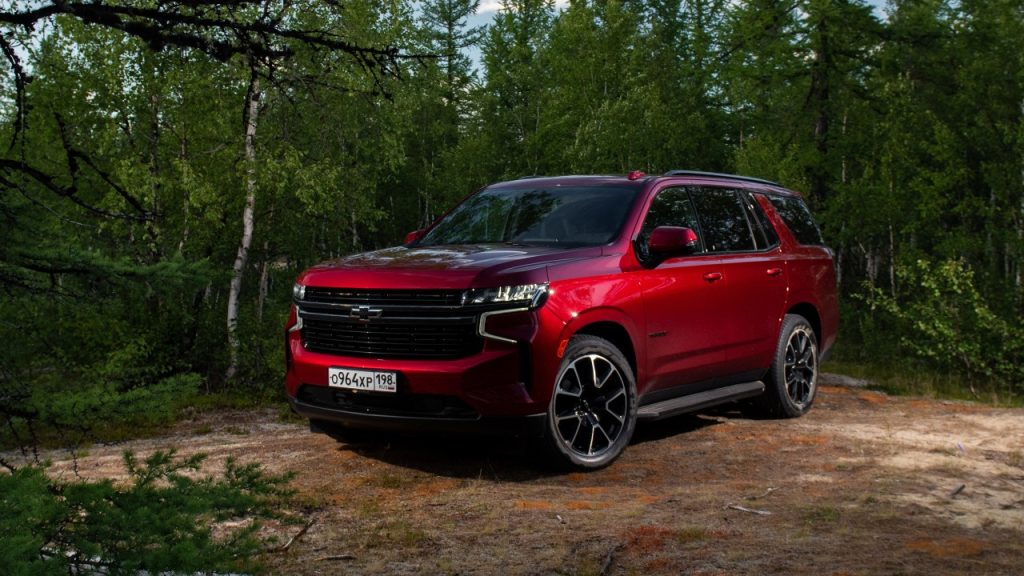
Technology complexity created another long-term concern. Expensive trims packed more electronic features into the vehicle, which meant more systems capable of failing years later. The simpler 5.3 Tahoe kept many buyers happier because it delivered the same spacious interior and commanding road presence without excessive complications.
Used SUV shoppers today regularly target the standard V8 models because they offer the Tahoe experience people actually care about: durability, comfort, towing ability, and practicality.
Spending significantly more money for the 6.2 High Country rarely translated into a better ownership story after several years behind the wheel.
- Engine: 5.3-liter V8
- Torque: 383 lb ft
- Horsepower: 355 hp
- Length/Width: 210.7 in / 81 in
6. Mazda MX-5 Miata Soft Top Instead of the RF
Mazda introduced the RF version of the MX-5 Miata to attract buyers wanting a more premium and stylish interpretation of the famous roadster. The retractable fastback roof looked sophisticated and gave the car a coupe-like personality when closed.
While the RF certainly added visual drama, many longtime Miata fans concluded the cheaper soft top remained the better version of the car.
The reason started with weight. Miatas have always relied on lightness and balance instead of raw horsepower. Adding the retractable roof mechanism increased the weight and slightly altered the car’s delicate handling character. The standard soft top preserved the playful feel that made the Miata legendary in the first place.
Operating the manual soft top also became part of the experience. Drivers could lower or raise it within seconds without depending on motors or electronics. That simplicity matched the philosophy of the car itself. The RF’s power roof looked impressive initially, but it introduced extra complexity and potential repair costs as the vehicle aged.
Visibility created another practical advantage for the cheaper model. The soft-top Miata offered a more open and airy feeling during drives, while the RF’s thick rear pillars created blind spots that some drivers disliked immediately.
Pricing made the comparison even harder for the RF. Once optioned properly, the retractable fastback version approached sports car territory occupied by faster and more powerful competitors. The affordable soft top, meanwhile, stayed true to the Miata formula by delivering lightweight fun at a reasonable price.
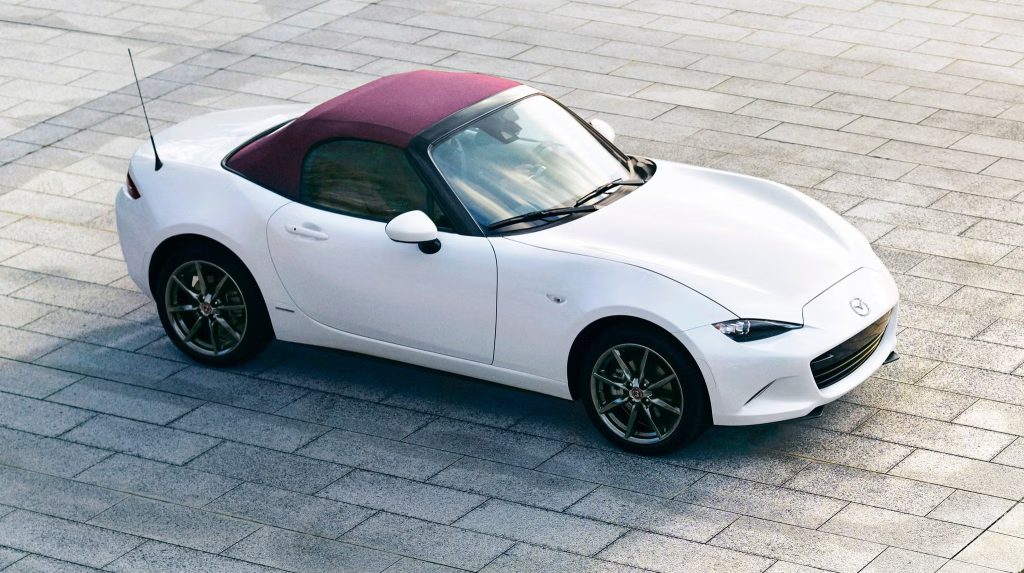
Enthusiasts also noticed that the standard roof amplified the raw connection between driver and machine. Wind noise, road sounds, and open-air driving all felt more authentic. The RF softened some of that personality in pursuit of refinement.
Years later, many buyers searching for used Miatas specifically hunt for the soft top because it captures the original spirit of the car more faithfully. The cheaper version simply remained more honest, more engaging, and easier to live with long-term.
- Engine: 2.0-liter inline 4
- Torque: 151 lb ft
- Horsepower: 181 hp
- Length/Width: 154.1 in / 68.3 in
7. Porsche Cayman Instead of the 911 Carrera
For decades, the Porsche 911 carried an almost untouchable reputation as the ultimate sports car. Buyers naturally assumed spending more money on the rear engine icon guaranteed the best driving experience in the lineup. Yet, among serious enthusiasts, the cheaper Porsche Cayman steadily earned respect as the smarter and more balanced purchase.
The Cayman succeeded because of its mid-engine layout. With the engine positioned closer to the center of the chassis, the car delivered remarkable balance through corners.
Steering felt precise, body control remained sharp, and confidence built quickly, even for less experienced drivers. Many automotive journalists admitted the Cayman often felt more neutral and predictable than the heavier, rear-engine 911.
Performance differences in daily driving also proved smaller than expected. While the 911 Carrera carried more horsepower and stronger straight-line acceleration, the Cayman still felt extremely quick on public roads. Few drivers could truly exploit the additional performance of the more expensive car outside a racetrack environment.
Ownership costs created another major distinction. The 911’s iconic status inflated insurance premiums, option pricing, and repair expenses dramatically.
Porsche buyers often discovered that adding a few desirable features pushed the Carrera far beyond its starting price. The Cayman delivered much of the Porsche experience without crossing into financially uncomfortable territory.
Practicality surprisingly favored the Cayman as well. Thanks to its mid-engine design, it offered both front and rear cargo compartments. That made weekend trips easier than many people expected from a compact sports car.
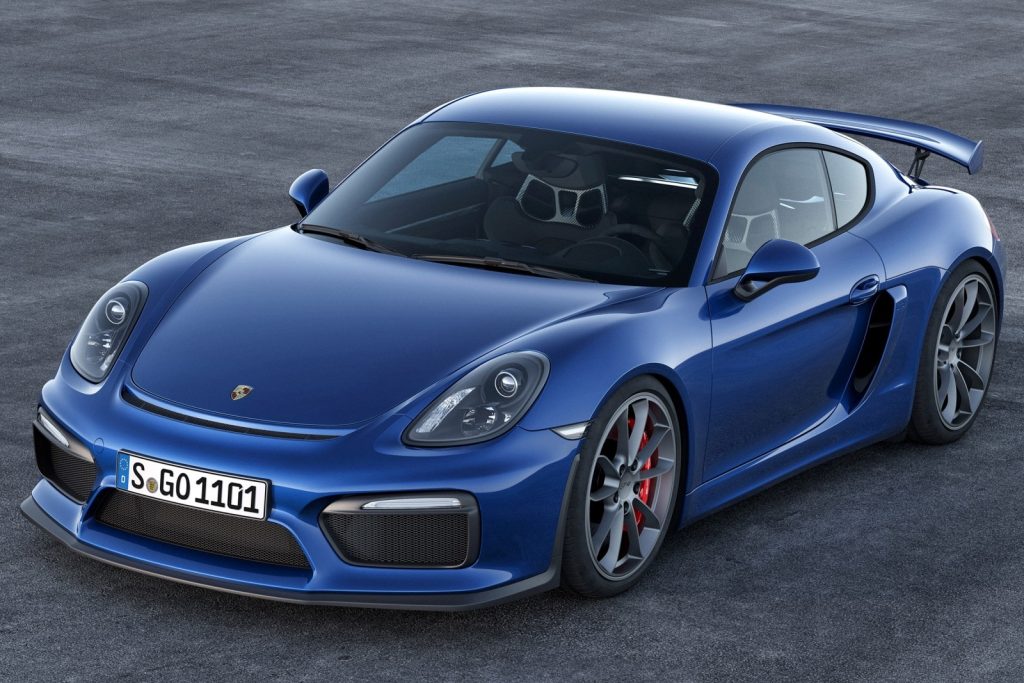
Another reason enthusiasts admired the Cayman involved purity. The car felt focused entirely on driving enjoyment instead of prestige. Some owners even preferred that it attract less attention than the famous 911 while still delivering exceptional engineering.
Years later, the Cayman became known as one of Porsche’s most rewarding driver’s cars. It proved that spending less money did not mean accepting an inferior experience. In many situations, the cheaper Porsche actually delivered the cleaner and more satisfying connection between car and driver.
- Engine: 2.0-liter turbocharged flat 4
- Torque: 280 lb ft
- Horsepower: 300 hp
- Length/Width: 172.4 in / 70.9 in
8. Toyota Tacoma SR5 Instead of the TRD Pro
The Toyota Tacoma TRD Pro developed a massive following because of its aggressive styling and off-road image. Large tires, upgraded suspension components, and rugged visual details helped it become one of the most recognizable midsize trucks on the market.
Despite all the excitement surrounding the TRD Pro, many experienced truck buyers discovered the cheaper Tacoma SR5 was actually the better long-term purchase.
The SR5 delivered the qualities that made the Tacoma famous without pushing buyers into unnecessary costs. Reliability stayed excellent, maintenance remained simple, and the truck handled daily commuting better than the specialized TRD Pro version.
Most owners rarely tackled the extreme trails the expensive trim was designed for, making many of its upgrades unnecessary in real life.
Ride quality became a major factor. The TRD Pro suspension worked brilliantly off-road, but could feel stiff and unsettled during normal city driving. The SR5 provided a more comfortable experience for highway travel and everyday errands, which represented how most Tacomas spent their lives.
Price inflation also hurt the TRD Pro badly. Dealers frequently added massive markups because of high demand, pushing the truck into territory occupied by larger and more capable pickups. Buyers often paid tens of thousands extra, mainly for appearance packages and off-road branding.
Fuel economy and tire replacement costs favored the SR5, too. Smaller wheels and less aggressive tires reduced road noise while keeping ownership expenses manageable. Insurance costs generally stayed lower as well.
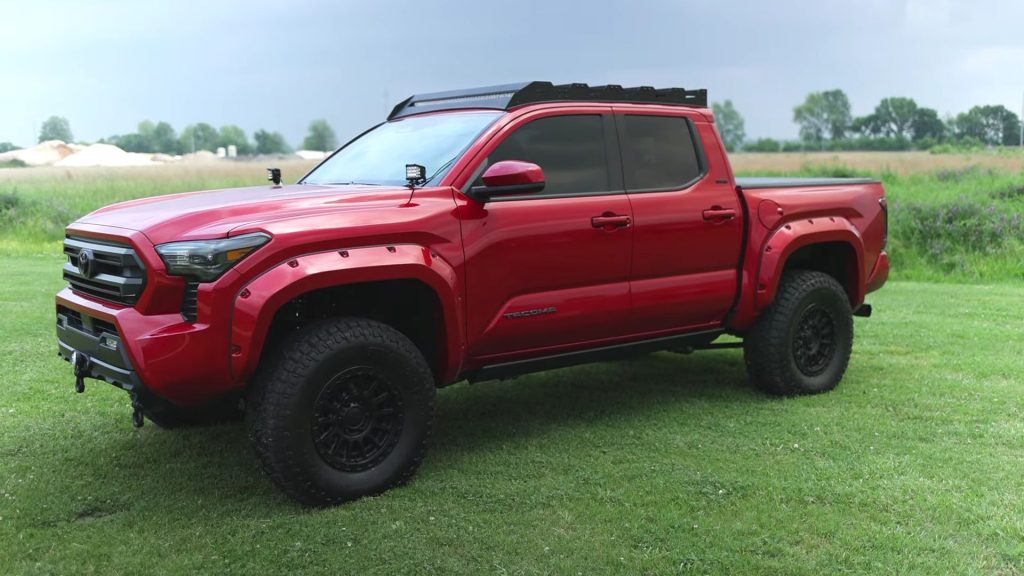
Interestingly, many Tacoma enthusiasts later modified their SR5 trucks according to their own needs instead of paying huge premiums for factory-installed upgrades. That flexibility made the cheaper model more appealing because owners could customize it gradually over time.
The SR5 represented the practical side of the Tacoma formula. It retained durability, resale value, and usability while avoiding the inflated pricing and compromises attached to the TRD Pro. For most truck owners, the less expensive version simply made far more sense from every angle.
- Engine: 3.5-liter V6
- Torque: 265 lb ft
- Horsepower: 278 hp
- Length/Width: 212.3 in / 75.2 in
9. Audi A4 2.0T Quattro Instead of the S4
Audi has long mastered the art of making performance upgrades look irresistible, and the S4 perfectly demonstrated that strategy. With its stronger engine, sportier suspension, and aggressive styling cues, it appeared to be the natural choice for enthusiasts wanting the best compact luxury sedan.
Yet after years of ownership experiences, many buyers concluded the standard A4 2.0T Quattro represented the smarter and more balanced decision.
The regular A4 already provided much of what people loved about Audi. Quattro all-wheel drive delivered excellent confidence in bad weather, the cabin felt upscale and modern, and the turbocharged four-cylinder offered enough performance for daily driving.
It accelerated smoothly, handled highways effortlessly, and maintained respectable fuel efficiency for a luxury sedan.
The S4 increased performance significantly, but that extra power came with noticeable tradeoffs. Fuel economy dropped, insurance costs climbed, and maintenance became considerably more expensive once the car aged.
Performance-oriented components such as brakes, tires, and suspension parts required pricier replacements as well.
Many owners also discovered the A4’s softer suspension made it more comfortable during long commutes. The S4’s firmer setup sharpened handling but reduced ride comfort on rough roads. For people spending hours in traffic or traveling regularly, the standard A4 often felt more relaxing and refined.
Another important factor involved the reliability perception in the used market. Buyers looking for pre-owned luxury sedans generally trusted the less stressed A4 engine more than the higher-performance S4 drivetrain. That helped the cheaper model maintain a stronger appeal among cautious second owners.
Inside the cabin, the differences between the two cars were smaller than expected. Audi ensured even the standard A4 carried premium materials, advanced technology, and a sophisticated atmosphere. Unless someone specifically needed maximum acceleration, the regular version rarely felt disappointing.
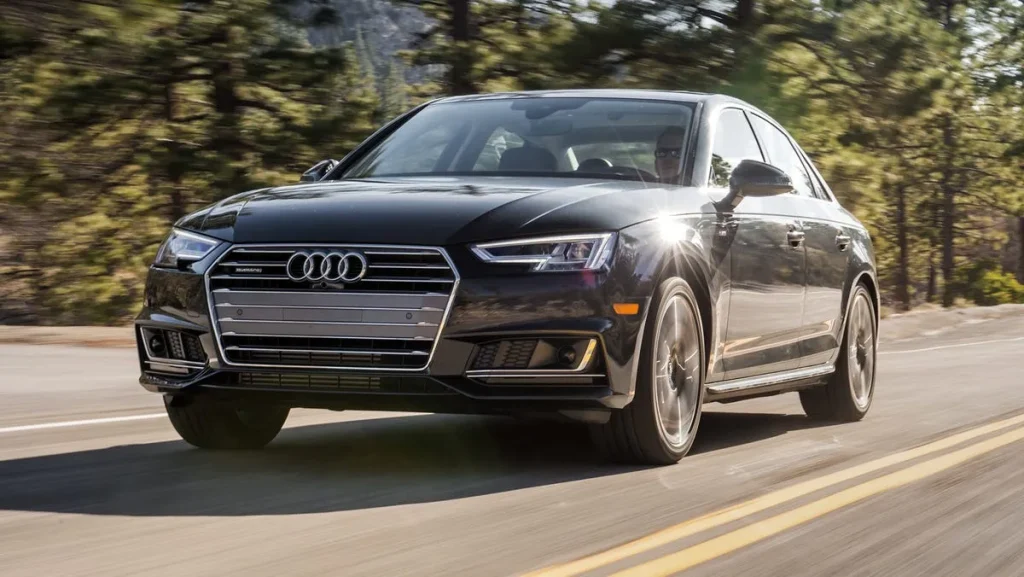
The A4 succeeded because it captured Audi’s core strengths without introducing unnecessary ownership strain. It remained stylish, comfortable, and enjoyable while avoiding many of the financial pressures tied to the faster S4. Spending less money ultimately created a more sensible luxury car experience.
- Engine: 2.0-liter turbocharged inline 4
- Torque: 273 lb ft
- Horsepower: 261 hp
- Length/Width: 187.5 in / 72.7 in
10. Subaru WRX Instead of the WRX STI
The Subaru WRX STI became an icon thanks to rally heritage, massive rear wings, and aggressive performance credentials. Enthusiasts dreamed about owning one because it represented the ultimate version of Subaru’s turbocharged sports sedan formula.
However, as years passed, many drivers realized the cheaper standard WRX often delivered the smarter ownership experience.
The regular WRX still provided the characteristics people wanted most. Turbocharged acceleration felt strong, all-wheel drive created excellent grip in bad weather, and the car retained its playful personality on twisty roads. For daily driving, it already felt fast enough to remain exciting without becoming exhausting.
The STI introduced sharper handling and additional power, but it also carried substantial compromises. Ride quality became much firmer, fuel consumption increased noticeably, and maintenance expenses climbed.
Insurance companies also treated the STI much differently because of its performance reputation, resulting in significantly higher premiums for many owners.
One of the biggest criticisms of the STI involved its aging mechanical setup during its later years. While it remained thrilling to drive aggressively, it felt less refined during normal commuting compared to the standard WRX. The cheaper model offered a more modern and comfortable driving experience for people using the car daily.
Modification culture created another issue. Many used STI examples were driven extremely hard or modified heavily by previous owners. That made finding a clean, reliable example difficult and expensive. Standard WRX models often lived calmer lives, giving buyers a better chance of purchasing a dependable car.
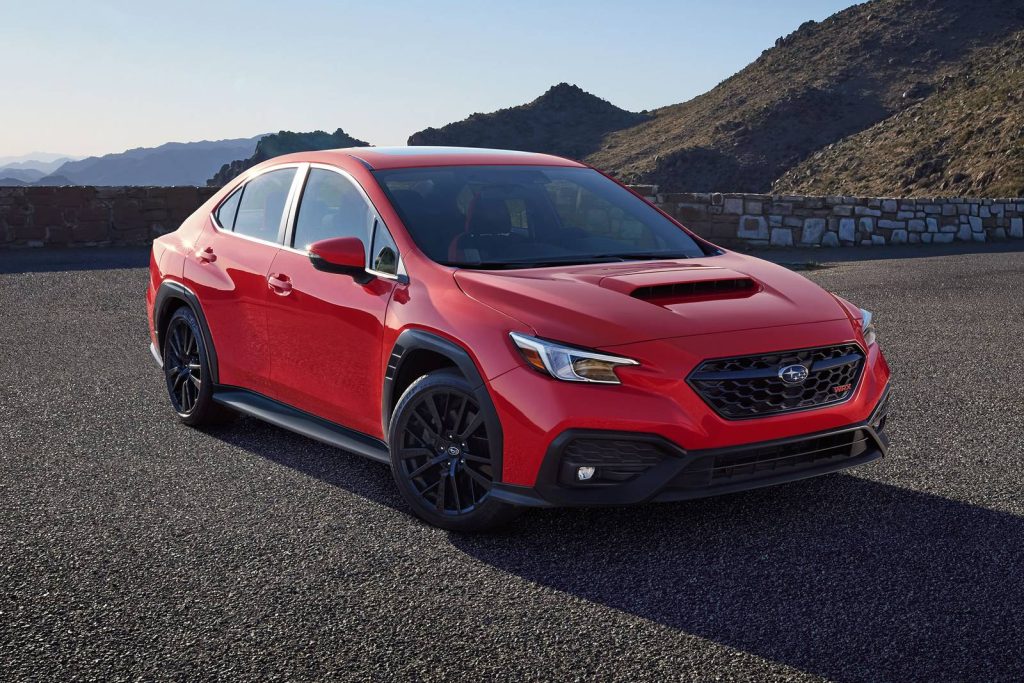
The WRX also delivered stronger value because it balanced performance with practicality more effectively. It remained spacious enough for family duties while still satisfying enthusiasts who wanted engaging handling and turbocharged fun.
As the years went on, more buyers started appreciating the WRX as the sweet spot in Subaru’s lineup. It captured the excitement and personality of the brand without demanding the sacrifices tied to the more extreme STI. The cheaper option simply worked better for real-world ownership.
- Engine: 2.4-liter turbocharged flat 4
- Torque: 258 lb ft
- Horsepower: 271 hp
- Length/Width: 183.8 in / 71.9 in
Also Read: 10 Cars That Failed Their First Year and Got Discontinued
