
The modern automobile has rapidly evolved from a primarily mechanical machine into a highly digitized computing platform on wheels. In the pursuit of minimalism, cost efficiency, and futuristic design, many manufacturers have shifted essential driving controls away from physical buttons and knobs into layered touchscreen menus.
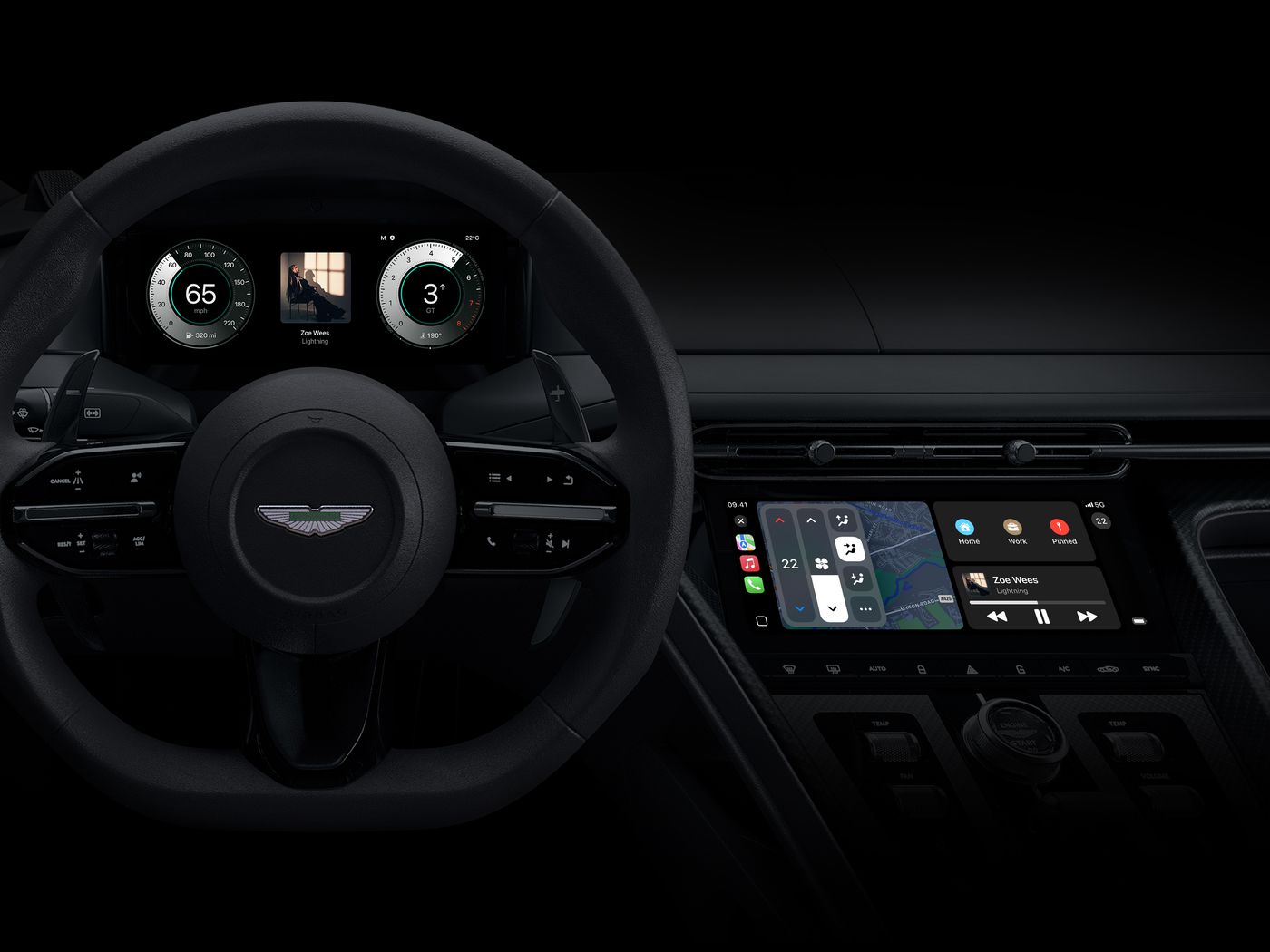
One of the most controversial examples of this trend is the relocation of critical climate functions, especially the windshield defroster, into touchscreen interfaces. While this may appear to be a small design choice on the surface, it has serious implications for driver safety, reaction time, and cognitive load during real driving conditions.
The defroster is not a luxury feature. It is a core safety system that ensures visibility by clearing fog, frost, and condensation from the windshield. Visibility is one of the most fundamental requirements for safe driving, and any delay in restoring it can quickly escalate into dangerous situations.
The placement of defroster controls inside touchscreen menus represents a broader philosophical shift in automotive design that prioritizes aesthetics and digital integration over immediate usability in critical moments. While digital dashboards offer many advantages, not all functions are suitable for abstraction into software layers.
Safety-critical controls, especially those tied to visibility, require instant accessibility and zero ambiguity. The debate over touchscreen defrosters is therefore not just about preference, but about how modern vehicles balance innovation with the non-negotiable demands of human safety.
Also Read: 8 Cars That Are Nearly Impossible to Steal
Why Physical Defroster Controls Matter for Safety
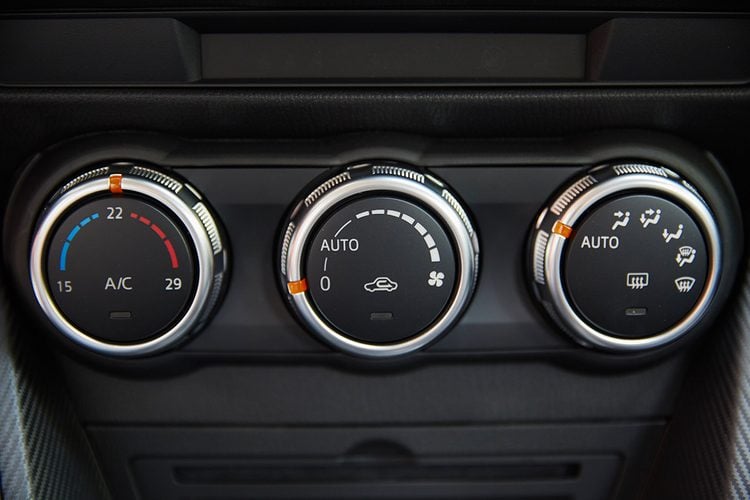
Physical controls for defrosters have long been considered a baseline safety feature in automotive design because they align closely with human instinct and muscle memory. When a driver encounters fogged or frosted glass, the need for immediate action overrides most other considerations.
A dedicated button or dial allows the driver to respond without visual confirmation, which significantly reduces reaction time. This is crucial because even a few seconds of impaired visibility can be enough to create a hazardous situation at highway speeds or in dense traffic environments. Physical controls offer certainty through tactile feedback, allowing drivers to operate them while keeping their eyes on the road.
Another important factor is the predictability of physical interfaces. Buttons and knobs remain in fixed locations and do not change based on software updates, screen layouts, or vehicle modes. This stability allows drivers to develop long-term muscle memory, which reduces cognitive load.
Over time, the driver no longer needs to think about where the defroster control is located. It becomes an automatic action. Touchscreen interfaces, by contrast, often vary between models and can shift locations with software updates. This inconsistency forces drivers to relearn the interface repeatedly, increasing the mental effort required during emergencies.
Physical controls reduce decision fatigue. Driving already requires continuous processing of information, including speed, traffic, navigation, and environmental conditions. When essential controls are buried in menus, the driver must allocate additional cognitive resources to locate and activate them.
This increases mental workload and reduces the brain’s capacity to respond to unexpected hazards. By keeping defroster controls physical, manufacturers can preserve cognitive bandwidth for tasks that truly require attention, such as monitoring the road and anticipating other vehicles.
The Problem with Touchscreen Controls
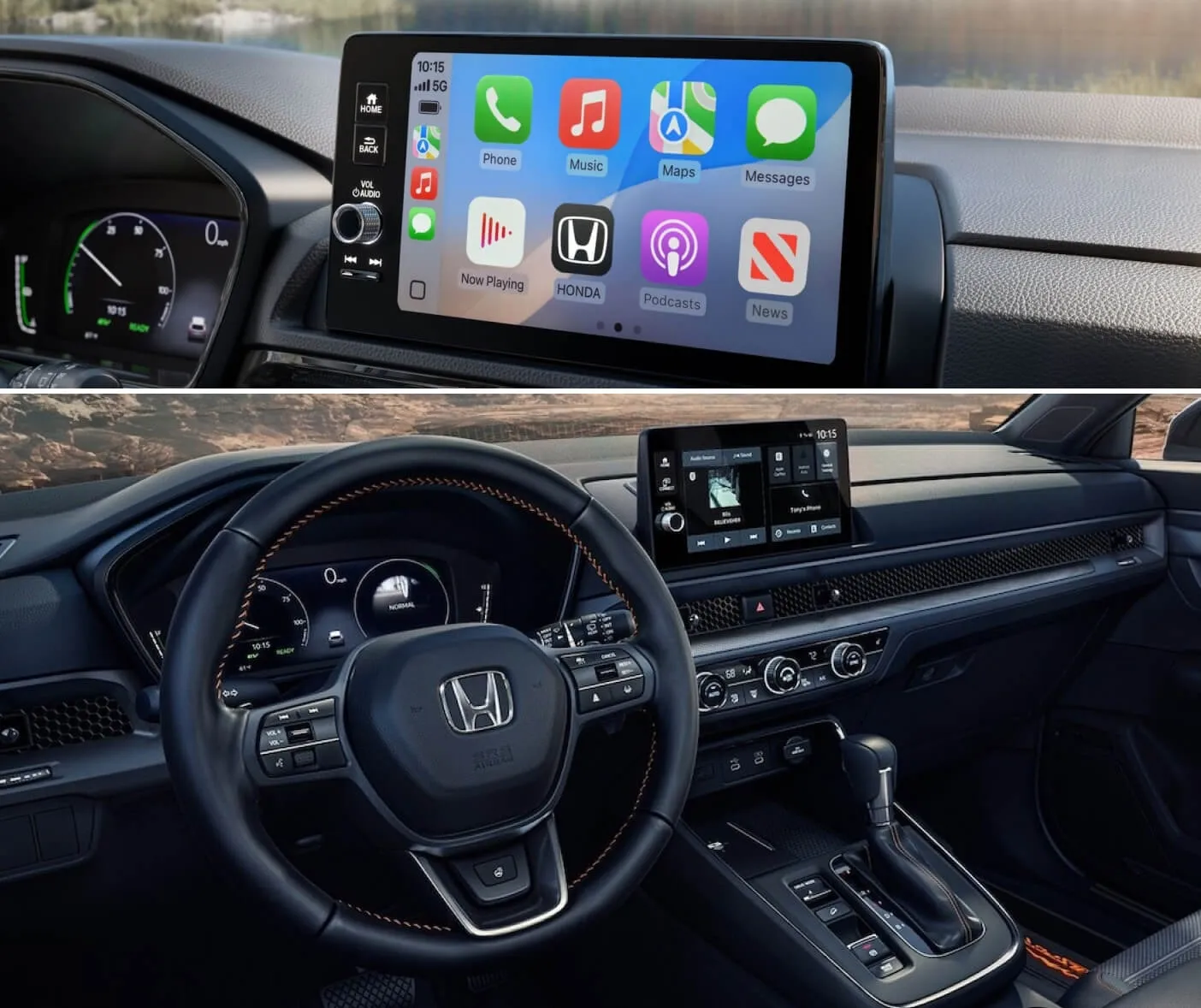
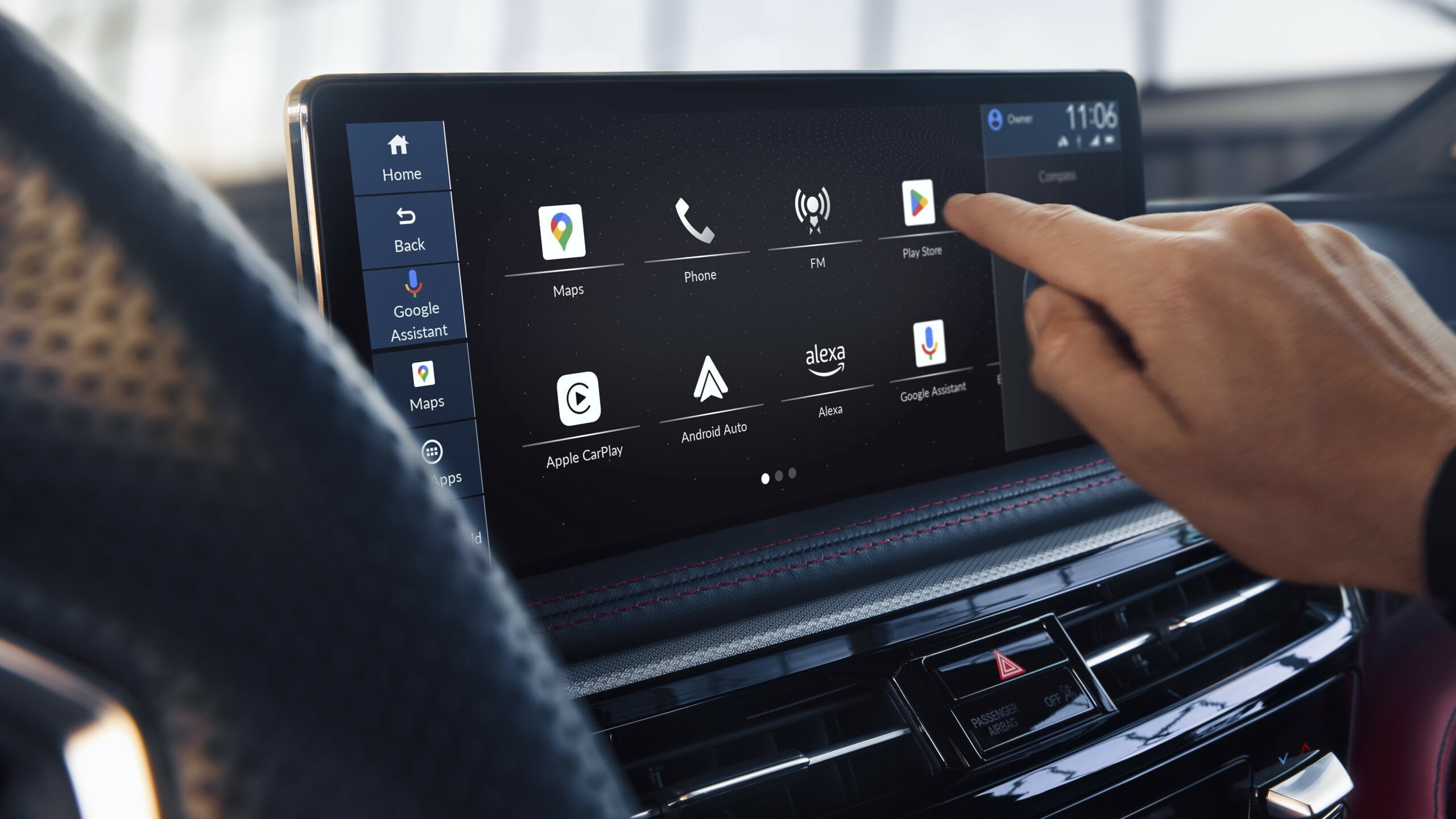
Touchscreen climate systems, while visually appealing and cost-efficient, introduce several layers of complexity that directly conflict with safe driving principles. Unlike physical controls, which are spatially fixed and tactile, touchscreen interfaces are abstract and require visual engagement.
To adjust a defroster setting, a driver may need to wake the screen, locate the climate menu, identify the correct icon, and confirm activation. Each step adds delay and increases the time the driver’s eyes are off the road. This chain of interactions is fundamentally incompatible with the urgency required in low visibility conditions.
The difference between one second and five seconds of distraction can be the difference between maintaining lane position and drifting into another vehicle or roadside obstacle.
Touchscreens are inherently less accessible in dynamic driving conditions. Road vibrations, vehicle motion, and lighting glare can all reduce screen readability and touch accuracy. In contrast to a tactile button that can be activated by feel, touchscreens require precision and visual confirmation.
This mismatch between interface requirements and real-world driving conditions makes touchscreen defroster controls a problematic design choice from both usability and safety perspectives.
Driver Distraction and Human Factors Research
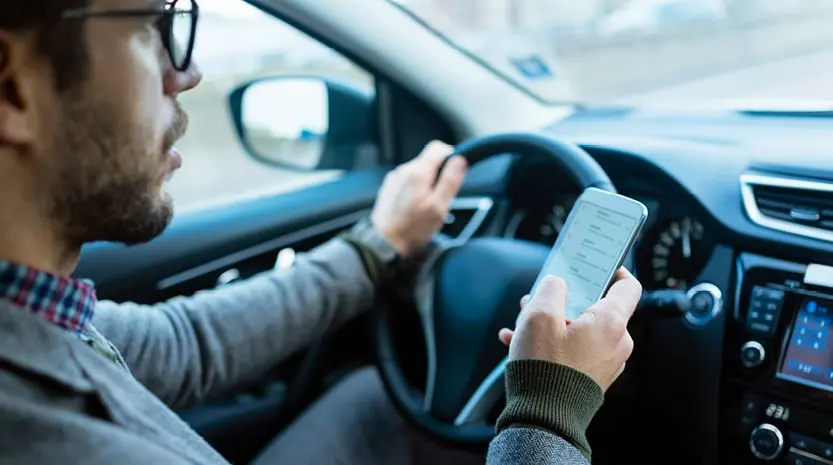
Human factors research in transportation consistently shows that driver distraction is one of the leading contributors to road accidents. Distraction can be visual, manual, or cognitive, and touchscreen defroster controls engage all three simultaneously.
When a driver looks at a screen, removes a hand from the steering wheel, and mentally processes menu navigation, their ability to respond to external hazards is significantly reduced. Even short periods of distraction can increase crash risk, especially in complex driving environments.
Studies on eye movement behavior indicate that glances away from the road lasting more than two seconds substantially increase the likelihood of missing critical events.
Touchscreen interfaces often require multiple such glances, especially if the driver is unfamiliar with the system. In contrast, physical controls typically require only a brief tactile confirmation, allowing the driver to maintain visual focus on the road.
Another important aspect is stress response. In situations where the windshield suddenly fogs up, drivers may experience a spike in adrenaline. This physiological response can impair fine motor skills and reduce patience for complex tasks.
Physical buttons are more compatible with this state because they require minimal precision and can be activated quickly. Touchscreens, however, require controlled interaction, which becomes more difficult under stress.
Ergonomic principles in transportation design emphasize minimizing the need for visual attention for secondary tasks. Climate and defroster controls are considered secondary but safety-relevant functions.
Therefore, best practice suggests they should be operable with minimal distraction. Touchscreen-based systems often violate this principle, prioritizing visual design over functional ergonomics, which undermines safety performance.
Also Read: 8 Car Mods That Actually Raise Resale Value

Real World Driving Conditions
In real-world driving, defroster use is rarely planned. It is often reactive, triggered by sudden changes in temperature, humidity, or weather conditions.
For example, a driver may exit a cold environment and enter a humid vehicle cabin, causing rapid windshield fogging. In such moments, immediate defogging is essential to maintain visibility. Any delay increases the risk of reduced situational awareness in already challenging conditions.
Real-world driving is unpredictable. Unexpected braking, pedestrians, animals crossing roads, or sudden lane changes require immediate driver response. Any interface that delays visibility restoration directly interferes with the driver’s ability to respond to these hazards.
This makes the placement of defroster controls within touchscreen menus not just inconvenient, but potentially dangerous in everyday driving conditions.
Better Design Alternatives for Automotive Interfaces
A balanced approach to automotive interface design recognizes that not all functions are suitable for full digitization. One of the most effective alternatives is a hybrid control system that combines physical buttons for critical functions with touchscreen interfaces for secondary features.
In this model, defroster controls remain physical, while infotainment, navigation, and customization options are handled digitally.
Another improvement is the use of redundant controls. Even in vehicles with advanced touchscreens, manufacturers can include physical shortcut buttons for essential climate functions. This ensures that drivers always have a fast, reliable fallback method regardless of software status or environmental conditions.
The most effective design philosophy is one that prioritizes human factors over aesthetic minimalism. Safety-critical functions should be designed around instinct, speed, and reliability rather than visual cleanliness.
By reintroducing physical controls for defrosters and similar functions, manufacturers can significantly improve usability in real-world conditions while still maintaining modern digital capabilities where appropriate.
