
Modern performance cars are becoming faster every year, but speed means very little without strong braking ability. A car that can confidently slow down from highway speeds, handle emergency stops, and maintain composure during spirited driving creates a safer and more rewarding experience behind the wheel.
Many buyers focus heavily on horsepower numbers or acceleration times while ignoring how important braking performance truly is in daily driving conditions.
Thankfully, you do not need an expensive luxury sedan or exotic sports car to get excellent stopping power. The used and affordable new car market under $30,000 is filled with impressive machines that combine powerful brakes, balanced chassis tuning, sticky tires, and intelligent stability systems.
Some of these cars were designed with track capability in mind, while others earned their reputation through lightweight engineering and excellent suspension calibration. In many cases, the best braking cars are not necessarily the most powerful. A lighter vehicle with proper brake feel can inspire far more confidence than a heavier high-horsepower model.
Another important factor is brake consistency. A great braking car should not only stop quickly once. It should continue delivering a predictable pedal feel after repeated hard braking.
Cars equipped with larger rotors, better cooling systems, performance pads, and refined weight distribution often separate themselves from ordinary commuter vehicles. That is why many enthusiast favorites continue to dominate conversations years after their release.
This list highlights ten cars that deliver exceptional braking performance while remaining attainable for buyers working within a $30,000 budget. The selections include sports coupes, hot hatches, sedans, and track-inspired machines from different manufacturers.
Every vehicle here brings its own personality and engineering philosophy, proving that excellent stopping power can come in many forms. From lightweight, precision-focused cars to muscular performance sedans, these cars remind drivers that confidence under braking is just as thrilling as raw acceleration.
Also Read: 8 Cars Still Offering a Manual in 2026
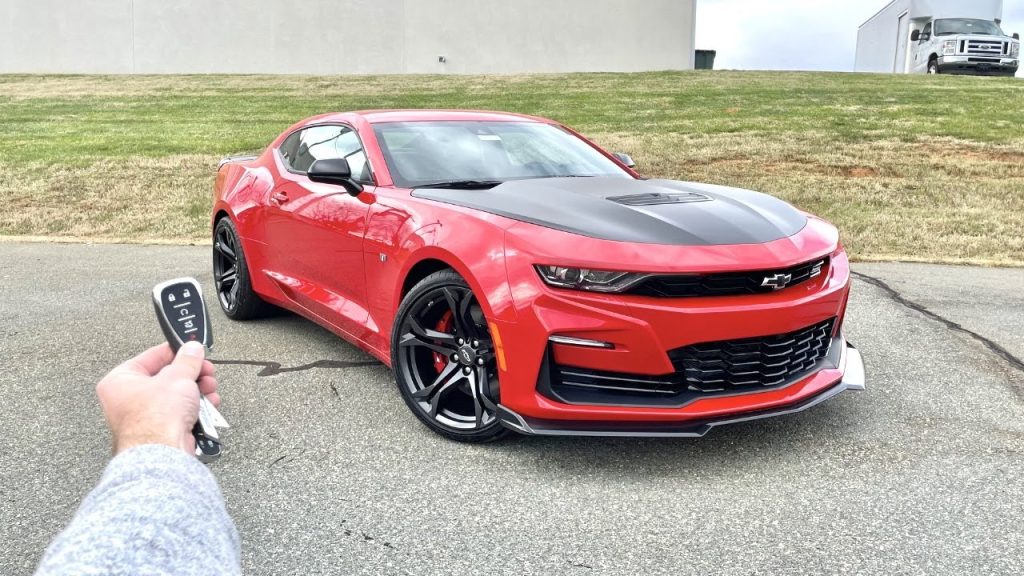
1. Chevrolet Camaro SS 1LE
The Chevrolet Camaro SS 1LE became famous for humiliating far more expensive sports cars on race tracks, and its braking capability played a massive role in that reputation.
Chevrolet engineered the 1LE package with serious performance driving in mind, equipping it with massive Brembo brakes, upgraded cooling systems, and sticky Goodyear Eagle F1 Supercar tires. The result was a muscle car that could repeatedly shed speed with shocking stability and confidence.
One reason the Camaro SS 1LE feels so impressive under braking is its chassis balance. Unlike older muscle cars that felt heavy and vague, this generation Camaro was engineered on the Alpha platform, which delivered far sharper dynamics.
Drivers immediately notice how planted the car feels during aggressive deceleration. Even when braking deep into corners, the front end remains composed and predictable instead of diving uncontrollably.
Track tests consistently showed stopping distances that rivaled dedicated European sports cars. Many reviewers were stunned by how easily the Camaro maintained brake performance after multiple hot laps.
Heat management was excellent, helping the pedal remain firm instead of becoming soft during extended abuse. That consistency makes a huge difference for enthusiastic drivers.
The steering calibration also contributed to braking confidence. Because the front tires communicated grip levels clearly, drivers could confidently brake later before corner entry. Combined with magnetic ride control and wide performance rubber, the Camaro SS 1LE became one of the best-handling American performance cars of its era.
Finding one under $30,000 is now possible in the used market, making it one of the strongest performance bargains available today. Buyers get genuine track-capable braking hardware without entering luxury car pricing territory. Even years after launch, the Camaro SS 1LE remains a benchmark for affordable stopping performance.
Specifications:
- Engine: 6.2-liter naturally aspirated V8
- Torque: 455 lb ft
- Horsepower: 455 HP
- Length/Width: 188.3 inches / 74.7 inches
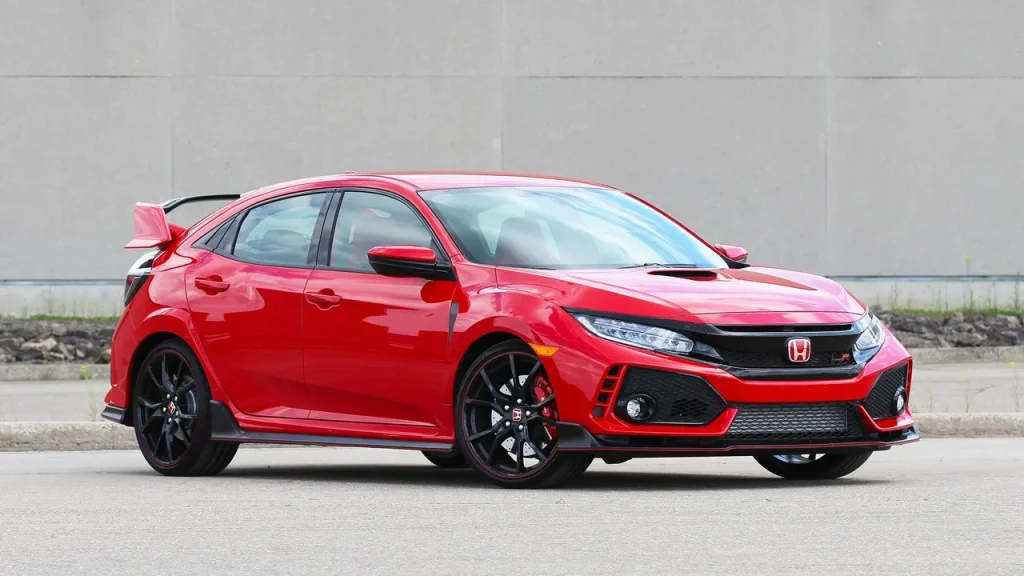
2. Honda Civic Type R FK8
The FK8 generation Honda Civic Type R shocked the automotive world by delivering braking performance comparable to serious sports cars while still retaining hatchback practicality.
Honda engineered this car with obsessive attention to detail, creating a front-wheel-drive machine capable of handling repeated hard driving without losing composure. Its braking system became one of the car’s defining strengths.
Large Brembo front brakes immediately transformed the pedal feel compared to ordinary Civics. The initial bite felt sharp but easy to modulate, giving drivers confidence during both daily driving and aggressive canyon runs.
What made the Type R truly impressive was how controllable it remained during threshold braking. Instead of feeling nervous or unstable, the chassis stayed calm and planted.
Weight distribution and suspension tuning played a major role here. Honda carefully designed the dual-axis front suspension to reduce torque steer and maintain front tire stability under hard braking.
This allowed drivers to carry high speed into corners before confidently slowing the car at the last moment. It created an experience closer to a lightweight track weapon than a practical hatchback.
Another impressive characteristic was endurance. Many affordable performance cars suffer from brake fade after repeated hard use, but the FK8 Type R earned praise for maintaining strong stopping power lap after lap. Honda clearly prioritized cooling efficiency and pedal consistency during development.
The driving position also helped create a sense of precision. Sitting low in the supportive red bucket seats made drivers feel directly connected to the car’s behavior. Combined with the slick manual gearbox and communicative steering, the braking experience became deeply engaging instead of merely functional.
Used FK8 Type R examples are now entering the sub-$30,000 territory, giving buyers access to one of the sharpest front-wheel-drive performance cars ever built. Its balance of practicality, speed, and braking precision continues to make it a standout choice for enthusiasts.
Specifications:
- Engine: 2.0-liter turbocharged inline 4
- Torque: 295 lb-ft
- Horsepower: 306 HP
- Length/Width: 179.4 inches / 73.9 inches
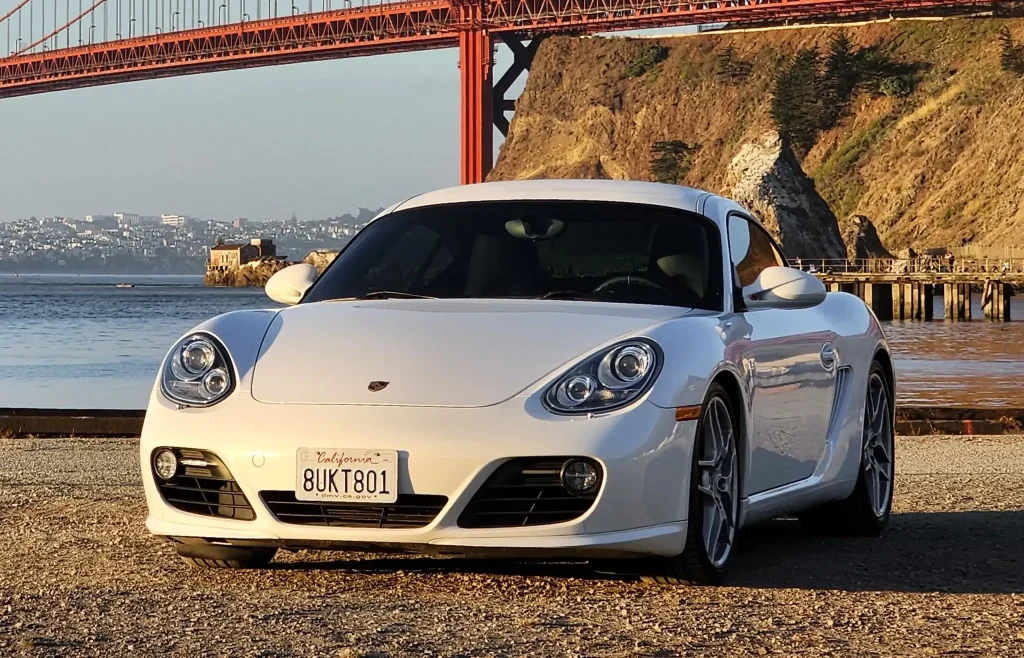
3. Porsche Cayman S 987.2
The Porsche Cayman S from the 987.2 generation remains one of the purest driver-focused sports cars available under $30,000, and much of that magic comes from its incredible braking behavior.
Porsche has always understood how to engineer confidence into a chassis, and the Cayman demonstrated that philosophy beautifully. Its mid-engine layout gave the car exceptional balance, allowing the brakes to work with remarkable efficiency during aggressive driving.
Drivers often describe the brake pedal feel in the Cayman S as almost telepathic. The response feels immediate without becoming overly sensitive, making smooth modulation incredibly easy.
Whether slowing down gently in traffic or attacking corners on a mountain road, the car reacts exactly how the driver expects. That predictability is what separates truly great sports cars from merely fast ones.
Because the engine sits near the center of the chassis, the Cayman avoids the nose-heavy sensation common in many performance cars. During hard braking, weight transfer feels controlled and progressive.
Instead of overwhelming the front tires, the car stays balanced and composed, helping drivers maintain steering precision even during rapid deceleration.
Porsche also equipped the Cayman S with robust braking hardware capable of enduring demanding driving sessions. Large ventilated rotors and excellent cooling design helped minimize fade during spirited runs. Automotive journalists frequently praised the Cayman for maintaining a consistent braking feel even after repeated punishment on race circuits.
Another element enhancing the experience is visibility. The low seating position, excellent sightlines, and compact dimensions make the car feel manageable and confidence-inspiring. Drivers can place the car precisely while approaching corners, which naturally encourages later and more controlled braking inputs.
Even though newer performance cars offer more technology, the Cayman S continues to stand out because of its mechanical purity. Its steering, chassis feedback, and braking harmony create a deeply connected driving experience rarely found at this price point today.
Specifications:
- Engine: 3.4-liter naturally aspirated flat 6
- Torque: 273 lb ft
- Horsepower: 320 HP
- Length/Width: 172.1 inches / 70.9 inches
4. Subaru WRX STI
The Subaru WRX STI built its reputation around rally-inspired performance, and that DNA heavily influenced its braking characteristics. While many enthusiasts immediately associate the STI with turbocharged acceleration and all-wheel-drive traction, the car’s braking ability deserves just as much recognition.
Subaru engineered the STI to remain stable and controllable on unpredictable roads, which gave it tremendous confidence during hard stopping situations.
One of the first things drivers notice is the aggressive initial bite from the Brembo braking system. The pedal feels firm and reassuring, creating immediate confidence behind the wheel. Unlike softer, commuter-oriented sedans, the STI communicates exactly how much braking force is being applied, allowing the driver to adjust inputs naturally.
The car’s symmetrical all-wheel drive system also contributes to braking stability. During emergency stops or rough road conditions, the STI remains impressively composed instead of feeling unsettled.
Wet roads, uneven pavement, and tight downhill corners are situations where the Subaru feels especially secure. That confidence made it a favorite among enthusiasts living in areas with changing weather conditions.
Suspension tuning further separated the STI from ordinary compact sedans. The chassis was intentionally stiff, which reduced excessive body movement under braking.
Drivers could attack winding roads aggressively while maintaining a strong sense of control. Even though the ride quality could feel harsh at times, the payoff came through the car’s precision during spirited driving.
The STI also developed a reputation for durability. Owners regularly modified these cars and pushed them hard, yet the braking systems handled abuse surprisingly well when maintained properly. Larger rotors and performance-focused engineering allowed the car to tolerate repeated aggressive driving without quickly fading.
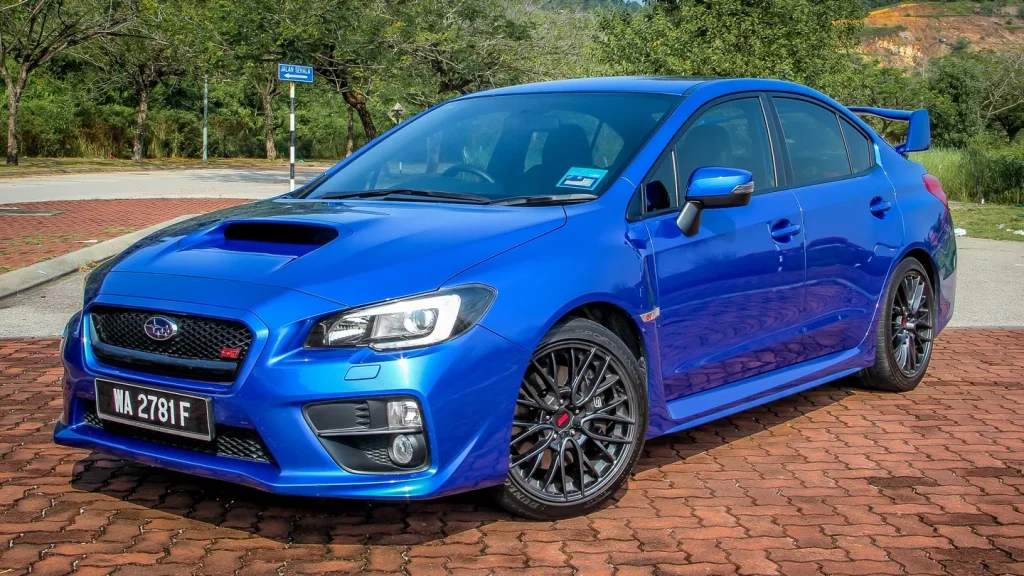
Today, clean WRX STI examples remain highly desirable among enthusiasts because few modern cars replicate their raw mechanical personality. It feels analog, direct, and constantly eager to engage the driver.
Strong braking performance is a major reason why the STI continues to command respect years after production ended.
Specifications:
- Engine: 2.5-liter turbocharged flat-4
- Torque: 290 lb ft
- Horsepower: 310 HP
- Length/Width: 180.9 inches / 70.7 inches
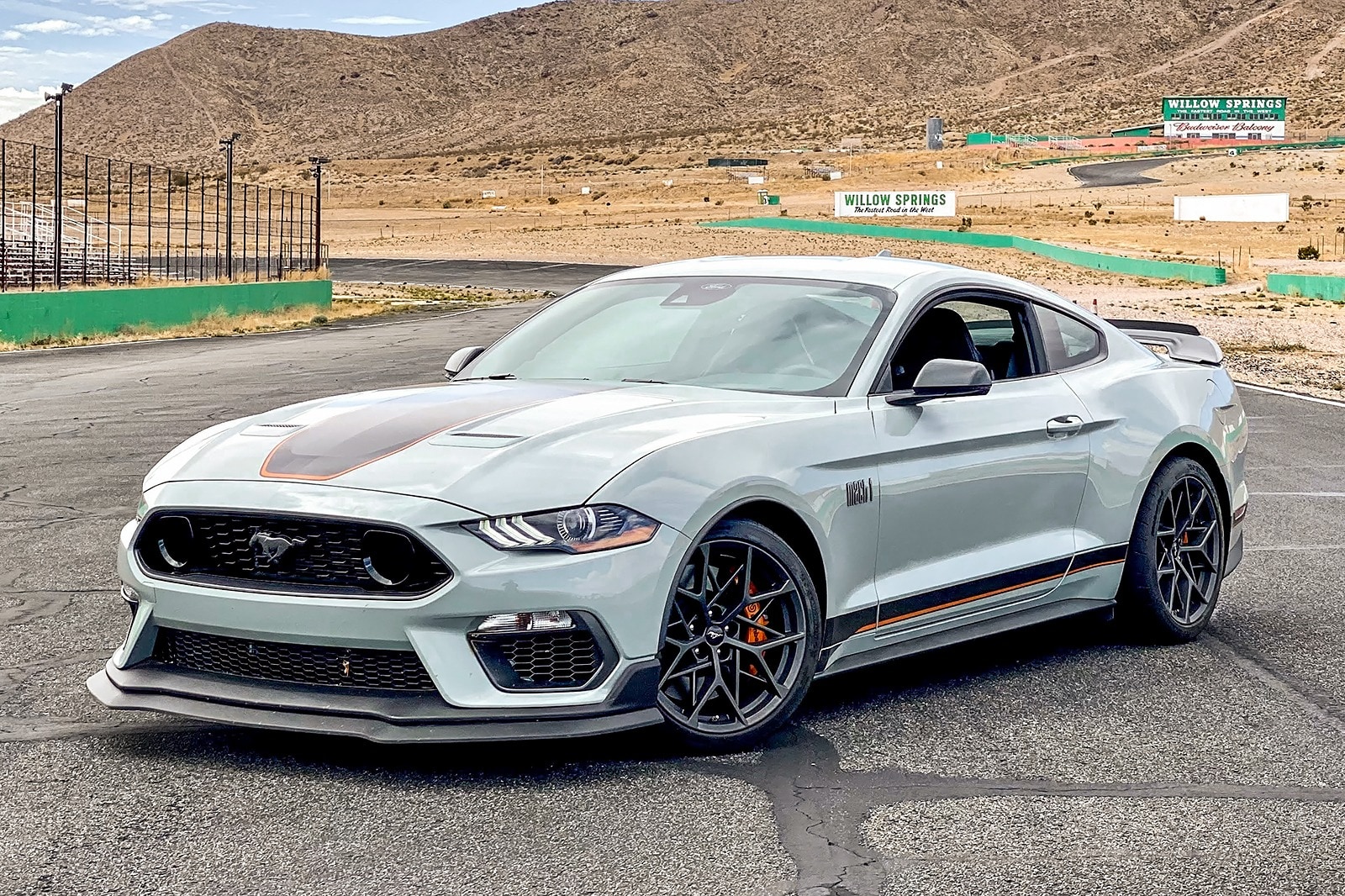
5. Ford Mustang Mach 1
The Ford Mustang Mach 1 delivered far more than straight-line speed. Ford transformed it into a genuine high-performance machine by borrowing serious hardware from the Shelby lineup, and the braking improvements were immediately noticeable.
This was not simply a cosmetic package with louder exhaust tips. The Mach 1 gained upgraded cooling systems, larger Brembo brakes, revised suspension tuning, and sharper steering calibration that dramatically upgraded driver confidence.
Heavy muscle cars often struggle with braking endurance, especially during repeated aggressive driving. The Mach 1 challenged that stereotype.
Ford equipped the car with massive six-piston front Brembo calipers that produced a powerful stopping force while resisting fade remarkably well. Drivers could brake aggressively into corners without feeling the car become unstable or overwhelmed by its own weight.
The balance between comfort and capability also stood out. Unlike some track-focused machines that constantly felt punishing on normal roads, the Mach 1 maintained enough refinement for everyday driving while still delivering serious stopping power when pushed hard.
This made it easier for owners to enjoy the car regularly instead of reserving it only for weekend drives.
One feature that impressed many reviewers was brake cooling efficiency. Ford developed functional aerodynamic upgrades and dedicated cooling channels that helped maintain consistent temperatures during extended spirited driving. That engineering effort gave the Mach 1 a more polished and dependable feel compared to older Mustangs.
The naturally aspirated V8 soundtrack added another layer to the braking experience. Charging toward a corner with the roaring 5.0-liter engine before confidently slowing the car created a dramatic sense of theater that many modern turbocharged cars struggle to replicate. The pedal remained reassuringly firm even during aggressive use.
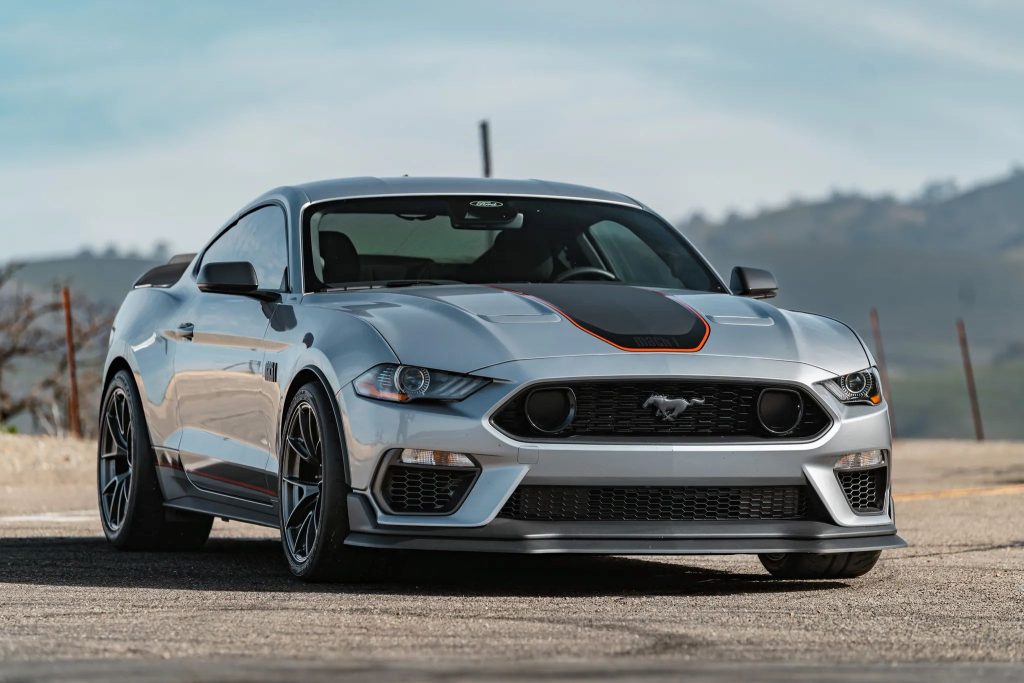
Used examples are beginning to approach the $30,000 range, making the Mach 1 an enticing option for buyers wanting classic American V8 character combined with genuinely impressive stopping capability. It proved that modern muscle cars could handle corners and braking zones with far greater sophistication than many people expected.
Specifications:
- Engine: 5.0-liter naturally aspirated V8
- Torque: 420 lb ft
- Horsepower: 480 HP
- Length/Width: 189.5 inches / 75.4 inches
6. Volkswagen Golf R Mk7
The Volkswagen Golf R Mk7 may appear understated from the outside, but beneath its restrained styling lies one of the most capable all-weather performance hatchbacks of its generation.
While buyers often praise the car for its turbocharged power and intelligent all-wheel-drive system, its braking capability deserves equal recognition. Volkswagen engineered the Golf R to feel composed and confidence-inspiring in nearly every driving condition.
Unlike some aggressive performance cars that constantly demand attention, the Golf R approached braking with refinement and precision.
The pedal response felt progressive and natural, allowing smooth control during daily commuting while still delivering strong stopping power when driven enthusiastically. That dual personality became one of the car’s greatest strengths.
The Golf R also benefited from relatively compact dimensions and excellent chassis tuning. During hard braking, the car stayed remarkably stable and predictable.
Drivers could confidently carry speed into corners because the car never felt nervous or difficult to control. Its balanced behavior made it approachable for less experienced enthusiasts while still satisfying skilled drivers.
Volkswagen paid close attention to suspension calibration as well. The adaptive dampers helped minimize excessive body movement under deceleration, giving the car a mature and planted feel. Even rough pavement failed to upset the chassis significantly, which increased driver confidence during quick directional changes and emergency braking situations.
Another major advantage was traction. The 4Motion all-wheel-drive system worked seamlessly with the braking electronics to maintain stability in rain or cold weather. Many high-performance rear-wheel-drive cars become intimidating in poor conditions, but the Golf R remained composed and reassuring.
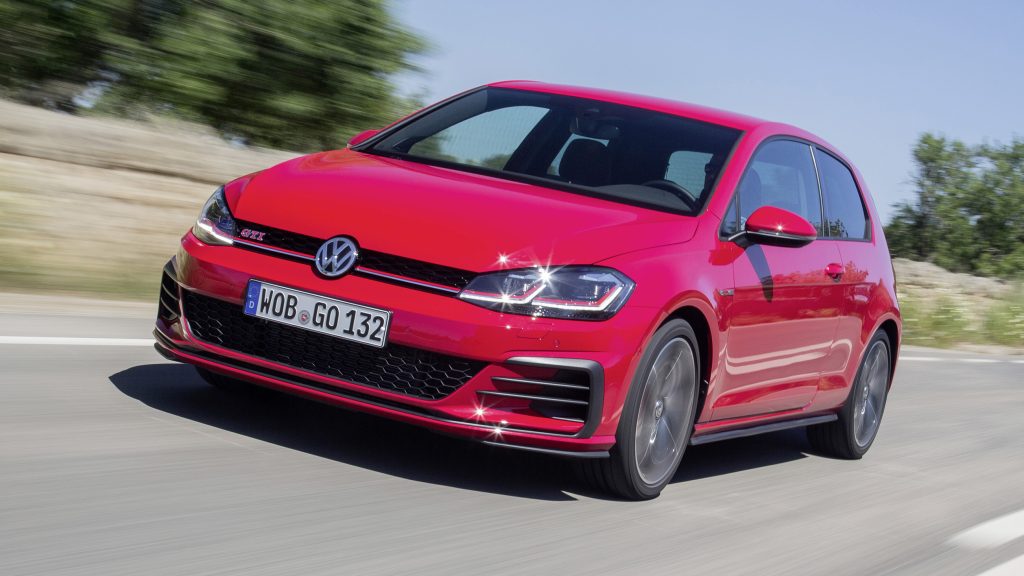
Inside the cabin, the car combined practicality with premium-quality materials, making it easy to live with every day. Yet despite its civilized personality, the Golf R could attack winding roads with genuine enthusiasm. That versatility helped it earn widespread admiration among enthusiasts seeking an intelligent, all-around performance car.
As used prices continue falling, the Mk7 Golf R is becoming one of the smartest sub-$30,000 performance buys available. Its braking confidence, usability, and understated design create a package that continues to age exceptionally well.
Specifications:
- Engine: 2.0-liter turbocharged inline 4
- Torque: 280 lb ft
- Horsepower: 292 HP
- Length/Width: 168.4 inches / 70.8 inches
7. BMW M2
The BMW M2 earned praise because it captured much of the old-school BMW M philosophy that enthusiasts feared was disappearing. Compact dimensions, rear-wheel-drive balance, sharp steering, and serious braking capability combined to create a car that constantly encouraged spirited driving.
Unlike larger modern performance coupes that sometimes feel isolated or heavy, the M2 felt alive from the moment the driver pressed the brake pedal.
BMW equipped the M2 with substantial braking hardware that immediately separated it from ordinary 2 Series models.
The large ventilated rotors and powerful calipers delivered aggressive stopping force with very little drama. During hard braking, the car stayed impressively composed and never felt unstable despite its strong acceleration capability.
What truly upgraded the braking experience was chassis communication. The steering transmitted road texture clearly, allowing drivers to sense exactly how much grip remained while approaching corners.
That connection made late braking feel natural rather than intimidating. Enthusiasts often praised the M2 because it inspired confidence without requiring professional racing skills.
The short wheelbase also played a significant role. Compared to larger BMW performance cars, the M2 changed direction more eagerly and responded faster to driver inputs. Under braking, it felt compact and controllable instead of bulky. Drivers could precisely position the car entering tight corners, which created a more engaging driving rhythm.
Another advantage came from weight distribution. BMW maintained nearly perfect front-to-rear balance, helping the car remain stable under heavy deceleration. Instead of excessive nosedives or unpredictable movement, the chassis stayed neutral and planted. This allowed the brakes to work efficiently without overwhelming the front tires.
Even in daily driving situations, the brake pedal calibration felt refined. Smooth stops in traffic were easy, but the car instantly transformed once driven aggressively. That balance between usability and performance helped the M2 stand out in a crowded segment.
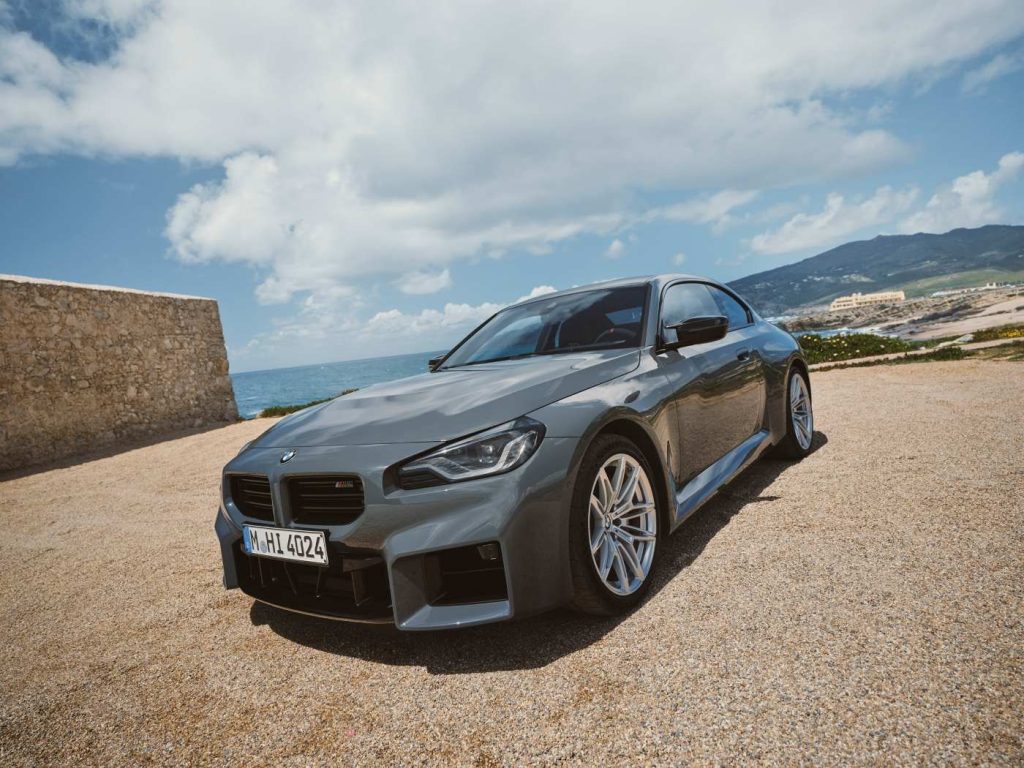
As depreciation continues to lower prices, early M2 models are entering the sub-$30,000 range. Buyers searching for a compact German performance coupe with exceptional braking confidence still consider it one of the most rewarding choices available.
Specifications:
- Engine: 3.0-liter turbocharged inline 6
- Torque: 343 lb ft
- Horsepower: 365 HP
- Length/Width: 176.2 inches / 73.0 inches
8. Nissan 370Z Nismo
The Nissan 370Z Nismo represented a more aggressive version of Nissan’s long-running Z car formula, bringing sharper handling and stronger braking performance to an already respected sports coupe platform.
While some rivals focused heavily on technology and luxury features, the 370Z Nismo stayed committed to delivering a raw and mechanical driving experience centered around driver involvement.
One of the strongest qualities of the Nismo variant was brake feel. The pedal delivered an immediate response with a firm and reassuring character that encouraged aggressive driving. Drivers quickly learned they could rely on the car to slow down confidently before corners without hesitation or instability. That sense of trust became a major part of the car’s appeal.
The wide stance and low center of gravity further enhanced braking composure. Because the 370Z sat low to the ground with a naturally balanced chassis, it resisted excessive body movement during sudden deceleration. Instead of feeling unsettled, the car remained planted and predictable even during rapid transitions.
Nissan also upgraded suspension tuning for the Nismo model, helping sharpen front-end response and reduce unwanted weight transfer. The result was a sports coupe that felt eager and direct while entering corners. Enthusiasts appreciated how connected the car felt compared to increasingly digital modern performance vehicles.
Another important factor was durability. The braking system handled spirited driving sessions surprisingly well, especially considering the car’s price range. Larger brakes and improved cooling helped maintain consistency during repeated hard stops, which made the Nismo enjoyable both on back roads and during occasional track use.
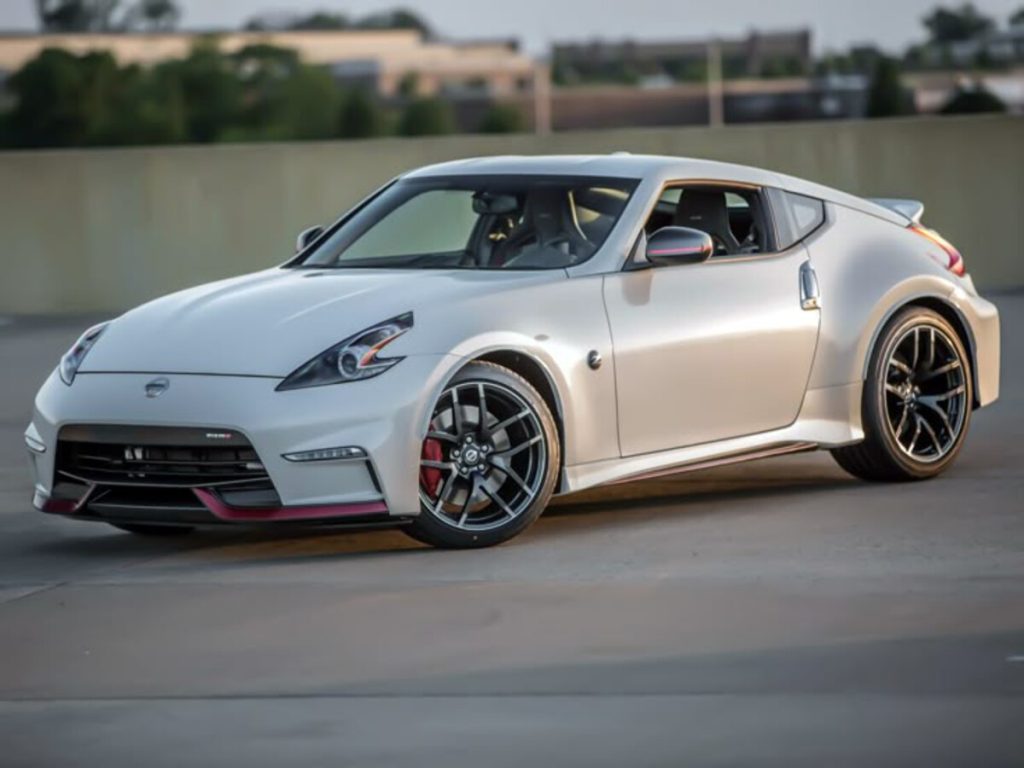
Inside the cabin, the driving position added to the experience. The supportive seats, thick steering wheel, and compact cockpit created an old-fashioned sports car atmosphere that many enthusiasts still love today. Every drive felt focused and intentional rather than overly insulated.
Although newer competitors offer more advanced interiors and technology, the 370Z Nismo continues attracting buyers who value mechanical feedback and strong driver engagement. Its braking precision remains one of the key reasons enthusiasts still admire this Japanese sports coupe.
Specifications:
- Engine: 3.7-liter naturally aspirated V6
- Torque: 276 lb-ft
- Horsepower: 350 HP
- Length/Width: 170.5 inches / 72.6 inches
9. Hyundai Elantra N
The Hyundai Elantra N surprised many enthusiasts by delivering serious performance engineering at a relatively affordable price. Hyundai’s N division focused heavily on creating a car that felt exciting during aggressive driving, and the braking system became one of its strongest highlights.
Instead of simply building a quick sedan, Hyundai created a machine capable of handling demanding roads with real confidence.
The Elantra N features large performance brakes that provide immediate stopping power and excellent pedal feedback. Drivers often praise how natural the pedal modulation feels, making it easy to control the car smoothly in both traffic and spirited driving situations. During hard braking, the chassis remains stable and composed without excessive front-end dive.
One impressive detail is the car’s electronic integration. Hyundai tuned the differential, suspension, and braking systems to work together seamlessly, helping the Elantra N feel predictable during fast corner entry. The car rotates eagerly while still maintaining stability, which gives drivers confidence to push harder on winding roads.
Brake cooling was also taken seriously during development. Many affordable sport sedans struggle with fade after repeated aggressive stops, but the Elantra N maintains strong consistency surprisingly well. That durability helped the car earn respect from enthusiasts and automotive journalists alike.
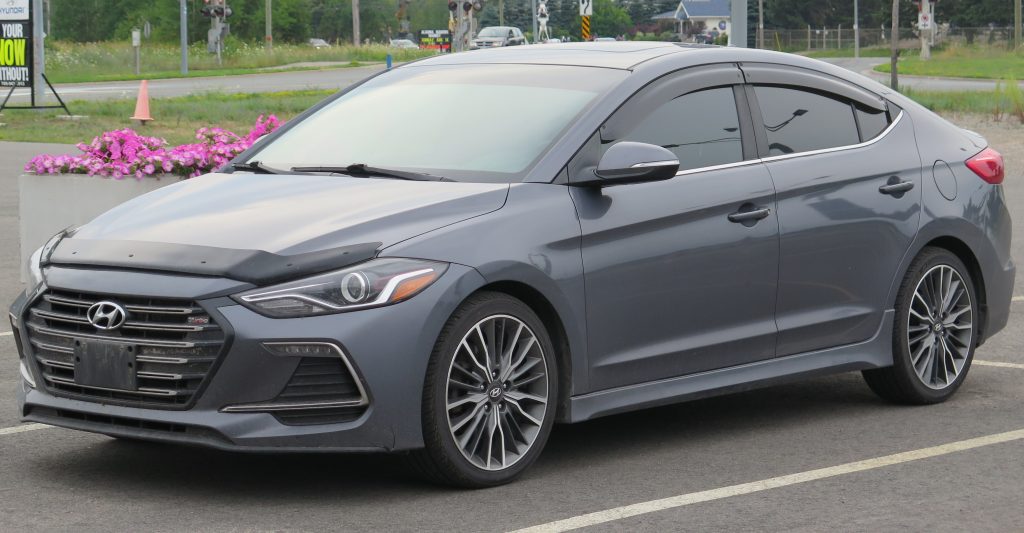
The playful personality of the car further separates it from ordinary compact sedans. Between the aggressive exhaust sound, sharp steering, and responsive chassis, the Elantra N feels far more engaging than its price suggests. It combines modern technology with genuine driver involvement in a way few rivals manage successfully.
Specifications:
- Engine: 2.0-liter turbocharged inline 4
- Torque: 289 lb ft
- Horsepower: 276 HP
- Length/Width: 184.1 inches / 71.9 inches
10. Mazda MX-5 Miata Club
The Mazda MX-5 Miata Club proves that outstanding braking performance does not require massive horsepower or oversized dimensions.
Mazda focused on lightweight engineering instead of brute force, creating a sports car that feels agile, responsive, and incredibly confidence-inspiring under braking. The Miata’s simplicity is exactly what makes it so effective.
Because the car weighs far less than most modern performance vehicles, the braking system does not need enormous hardware to deliver impressive stopping distances.
The lightweight chassis allows the brakes to work efficiently with minimal strain, producing consistent and predictable performance. Drivers instantly notice how easy the car feels to control during rapid deceleration.
The Miata Club trim adds performance-oriented upgrades that sharpen the experience even further. Better suspension tuning, limited-slip differential availability, and stickier tires help maximize grip under braking and corner entry.
Rather than feeling intimidating, the car encourages drivers to refine their technique and maintain momentum through corners.
Pedal feel is another major strength. The brakes respond progressively and communicate grip levels clearly, making smooth modulation extremely natural. Enthusiasts often praise the Miata because it rewards precision instead of relying purely on power. Every braking input feels deliberate and satisfying.
Its compact dimensions also help tremendously on tight roads. Drivers can position the car accurately while approaching corners, which naturally increases confidence during spirited driving. Combined with the excellent manual transmission and balanced chassis, the Miata creates one of the purest driving experiences available for the money.
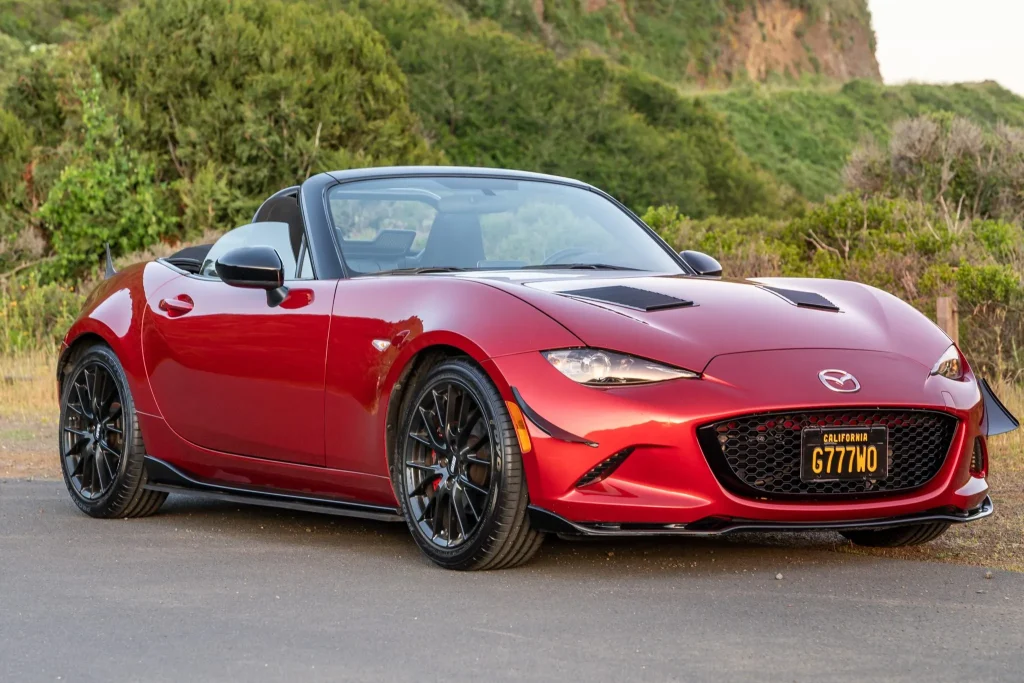
Even after decades on the market, the MX-5 Miata remains a benchmark for lightweight sports car engineering. Strong braking behavior is a major reason why enthusiasts continue recommending it to drivers who value connection and precision above raw speed.
Specifications:
- Engine: 2.0-liter naturally aspirated inline 4
- Torque: 151 lb ft
- Horsepower: 181 HP
- Length/Width: 154.1 inches / 68.3 inches
