
Japanese performance cars have experienced one of the most dramatic value increases in modern automotive history. Vehicles that once sat quietly on dealership lots or traded hands cheaply in the used market are now selling for astonishing prices at auctions and private sales.
Enthusiasts who grew up admiring these machines during the 1990s and early 2000s are now older, financially stronger, and determined to own the icons they once could only dream about. That emotional connection has helped transform several JDM cars into serious collector investments.
During their original production years, many of these cars were respected but not necessarily viewed as future classics. Some struggled with slow sales, others were heavily modified by tuner culture, and many simply disappeared through accidents, racing, or neglect.
As the supply of clean examples shrank, values began rising rapidly. The global popularity of drifting, racing games, movies, online car culture, and Japanese motorsport history pushed demand even higher.
Another major factor involves engineering uniqueness. Many classic JDM performance cars came from a period when Japanese manufacturers competed aggressively to build innovative sports machines filled with advanced technology, turbocharged engines, lightweight construction, and driver-focused character.
Modern regulations and changing market demands have made cars like these increasingly rare, which has only strengthened appreciation for surviving examples.
Some collectors are especially drawn to the analog driving experience these vehicles deliver. Hydraulic steering, manual transmissions, minimal electronic interference, and high-revving engines create a level of mechanical engagement that many modern performance cars no longer prioritize.
Buyers are not simply purchasing transportation anymore. They are chasing emotion, nostalgia, and a connection to a legendary era of automotive engineering.
The cars on this list represent some of the clearest examples of that transformation. Each one now regularly sells for far more than its original showroom price, sometimes by enormous margins.
What were once attainable dream cars have evolved into highly valuable collectibles that continue to reshape the global enthusiast market.
Also Read: 10 V8 Cars Worth Buying for the Sound Alone
1. Nissan Skyline GT-R R34
Few Japanese cars symbolize modern collector mania more than the Nissan Skyline GT-R R34. When Nissan introduced the R34 in 1999, enthusiasts immediately respected its performance and advanced technology, but nobody predicted just how valuable the car would eventually become.
Today, pristine examples regularly sell for several times their original price, transforming the R34 into one of the most expensive and recognizable JDM cars ever built.
The RB26DETT engine played a massive role in the car’s legendary status. Nissan’s twin-turbocharged inline six delivered strong factory performance while also offering enormous tuning potential.
Tuners worldwide quickly discovered the engine could handle huge power increases, helping the R34 dominate street racing culture, tuning magazines, and motorsport scenes throughout the early 2000s.
Another major factor behind the R34’s rise involved technology. Nissan equipped the car with advanced all-wheel drive systems, sophisticated handling electronics, and a multifunction digital display that felt futuristic at the time.
Combined with aggressive styling and excellent chassis balance, the GT R created an experience that felt far ahead of many rivals during its era.
Popular culture pushed demand even higher. Racing games, movies, and internet car communities turned the R34 into a global superstar.
Enthusiasts who spent years admiring the car through screens eventually entered adulthood with enough money to pursue ownership. As global import restrictions changed, demand exploded dramatically.
Unfortunately, supply remained limited. Nissan produced the R34 for only a short period, and many examples were heavily modified, crashed, or abused during the years of tuner culture. Clean, factory-original cars became increasingly rare, especially desirable trims like the V Spec II and Nür editions.
Collectors now treat the R34 as both a performance icon and an investment asset. Auction prices continue to shock the automotive world, with low-mileage examples selling for amounts few people would have imagined two decades ago.
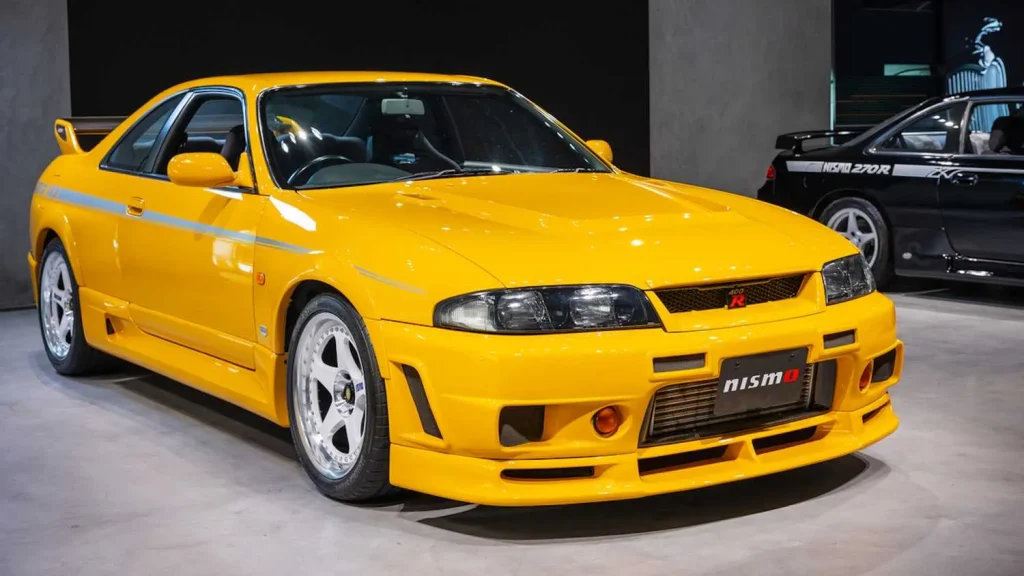
The Skyline GT-R R34 perfectly captures how nostalgia, engineering brilliance, motorsport heritage, and internet culture combined to create one of the most valuable Japanese performance cars in history.
Specifications:
- Engine: 2.6-liter twin-turbocharged inline 6
- Torque: 289 lb ft
- Horsepower: 276 HP
- Length/Width: 180.3 inches / 70.3 inches
2. Toyota Supra MK4
The Toyota Supra MK4 spent years living as a respected but relatively affordable Japanese performance car before exploding into one of the most expensive JDM collectibles on the planet.
During the early 2000s, used Supras could still be purchased at reasonable prices, especially naturally aspirated models. Today, turbocharged manual transmission examples often command values that exceed exotic sports cars from Europe.
At the center of the Supra’s reputation sits the legendary 2JZ GTE engine. Toyota engineered the twin turbocharged inline six with incredible durability, and tuners quickly realized it could produce enormous horsepower without sacrificing reliability. This capability made the Supra a dominant force in tuning culture worldwide.
Unlike some performance cars that relied purely on raw speed, the Supra also delivered refinement and comfort. The cabin felt solidly constructed, highway stability impressed drivers, and the car remained surprisingly usable for daily driving despite its aggressive appearance. That versatility broadened its appeal far beyond hardcore enthusiasts alone.
Pop culture dramatically accelerated the Supra’s rise in value. Appearances in movies, racing games, and internet videos transformed the MK4 into a global icon. Younger generations who grew up idolizing the car eventually entered the collector market with strong emotional attachment and significant buying power.
Another reason values skyrocketed involves rarity. Toyota sold relatively small numbers compared to mainstream sports cars, and many Supras disappeared through racing, modifications, or accidents during the tuner boom. Clean, unmodified turbo manual cars became especially difficult to locate as years passed.
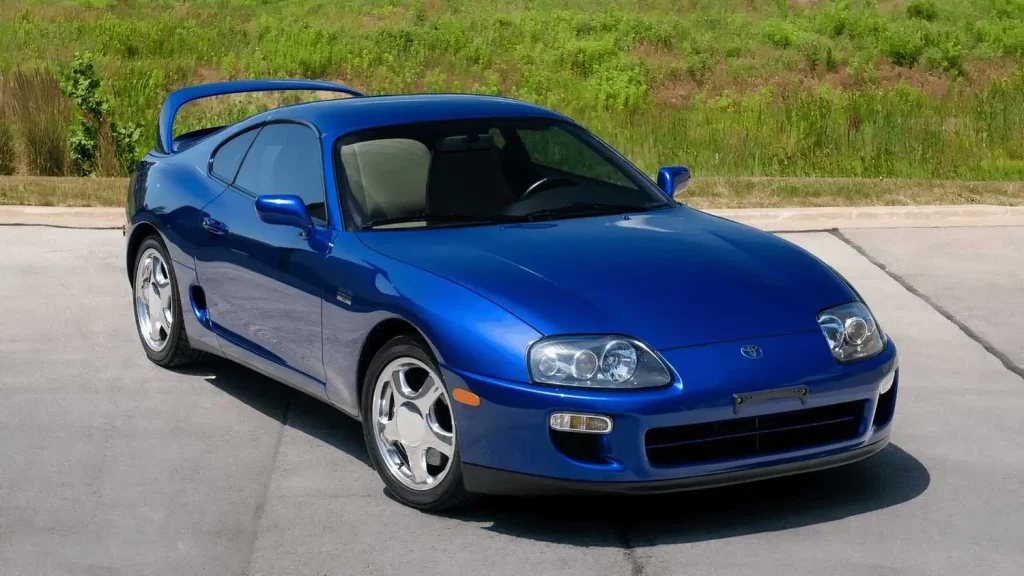
The six-speed manual transmission models now sit at the top of the collector market. Buyers often compete fiercely for low-mileage examples finished in desirable factory colors. Auction results continue climbing because demand consistently exceeds supply.
Modern collectors see the MK4 Supra as much more than a fast Japanese coupe. It represents an era when Japanese manufacturers pushed engineering boundaries aggressively while creating cars with massive aftermarket potential and unforgettable character.
The Supra’s transformation from a used tuner car to a six-figure collectible remains one of the greatest value increases the automotive world has ever witnessed.
Specifications:
- Engine: 3.0-litre twin-turbocharged inline 6
- Torque: 315 lb ft
- Horsepower: 320 HP
- Length/Width: 177.8 inches / 71.3 inches
3. Mazda RX 7 FD
The Mazda RX-7 FD has transformed from an affordable tuner favorite into one of the most respected and expensive Japanese sports cars ever produced. During the late 1990s and early 2000s, enthusiasts often chose the FD because it delivered exotic styling, lightweight handling, and strong tuning potential for far less money than European sports cars.
Today, clean examples regularly sell for dramatically more than low-mileage sticker prices, especially low-mileage cars with factory specifications intact.
One major reason behind the FD’s rise in value is its design. Even decades after production ended, the RX-7 still looks stunningly modern and elegant. Mazda created a body shape filled with smooth curves and balanced proportions that aged exceptionally well. Many enthusiasts consider it one of the most beautiful Japanese sports cars ever built.
Beneath the bodywork sat the legendary 13B REW rotary engine. This twin-turbocharged rotary powerplant delivered a completely different driving experience compared to traditional piston engines.
The engine revved eagerly, sounded unique, and helped keep the car remarkably lightweight. Combined with the near-perfect chassis balance, the FD became famous for razor-sharp handling and exceptional driver feedback.
For years, however, rotary reliability concerns kept prices relatively low. Many owners modified their RX 7s aggressively, chasing larger turbochargers and extreme horsepower numbers.
Others neglected maintenance entirely because the cars were inexpensive enough to treat casually. As a result, large numbers of RX 7s disappeared through engine failures, accidents, and poor modifications.
That shrinking supply became extremely important once collector demand exploded. Enthusiasts who admired the FD during childhood began searching for clean examples, only to discover very few untouched cars remained. Auction prices climbed rapidly as collectors recognized the FD represented a unique era of Japanese engineering unlikely to return.
The RX 7 also benefited heavily from popular culture exposure. Racing games, motorsport appearances, and online tuner communities kept the car constantly visible to younger generations of enthusiasts around the world.
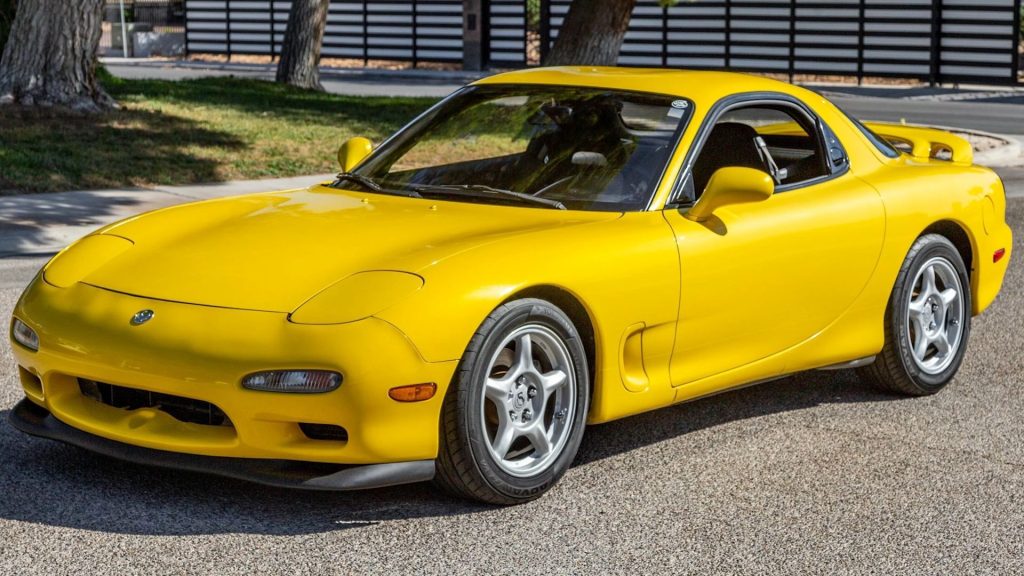
Today, the FD RX 7 stands as one of the crown jewels of JDM collecting. Its combination of lightweight performance, timeless styling, and rotary uniqueness pushed values far beyond anything early owners could have imagined when the cars were simply cheap used sports coupes.
Specifications:
- Engine: 1.3-liter twin turbocharged rotary twin rotor
- Torque: 217 lb ft
- Horsepower: 276 HP
- Length/Width: 168.3 inches / 69.3 inches
4. Honda NSX NA1
The Honda NSX NA1 completely changed how the automotive world viewed Japanese performance cars. When Honda introduced the NSX in 1990, it shocked European manufacturers by combining supercar performance with Honda reliability and everyday usability.
At the time, the car already carried a premium price tag, but modern collector values have pushed surviving examples far beyond their original showroom cost.
Part of the NSX’s appeal came from its engineering philosophy. Honda refused to build a temperamental exotic machine that only worked properly on perfect roads or racetracks.
Instead, the company created a mid-engine sports car that felt approachable, refined, and usable every single day. That balance became revolutionary during an era when many European supercars remained difficult to drive comfortably.
The naturally aspirated VTEC V6 engine became another defining feature. Its smooth power delivery, high-revving character, and mechanical precision reflected everything enthusiasts loved about Honda engineering during the company’s golden years.
Paired with a manual transmission and lightweight aluminum chassis, the NSX delivered one of the purest driving experiences of its era.
The involvement of Formula One legend Ayrton Senna added even greater significance to the car’s history. Senna famously contributed feedback during chassis development, helping Honda refine the NSX into a more capable and balanced machine. That motorsport connection still fascinates collectors today.
For many years, the NSX remained surprisingly affordable compared to European exotic cars. Enthusiasts could purchase used examples at prices far below those of Ferrari models offering similar performance. However, collectors eventually realized the NSX represented something extremely special and increasingly rare.
Production numbers remained relatively low, and many cars accumulated high mileage because owners actually enjoyed driving them regularly. Clean, low-mileage, manual transmission examples gradually became much harder to find as global demand increased.
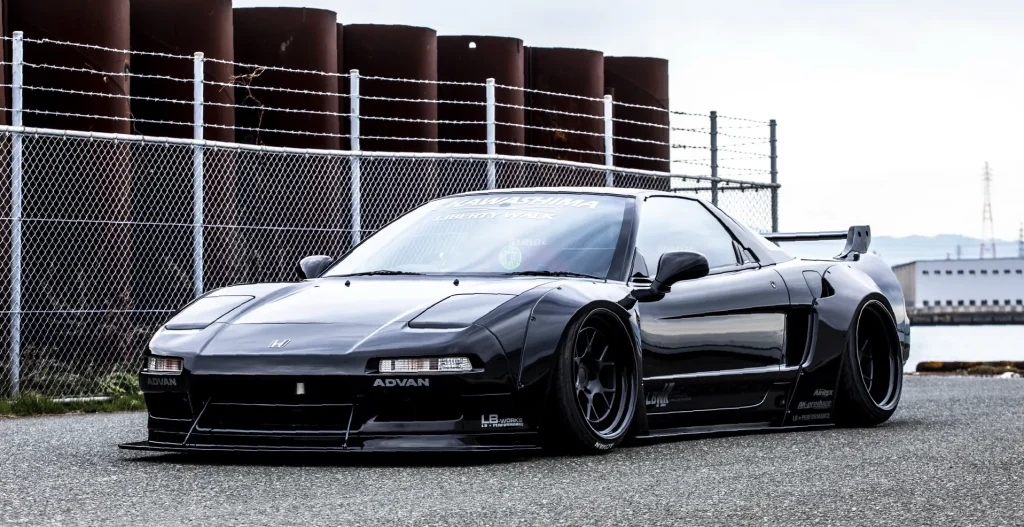
Modern collectors now treat the NA1 NSX as one of the greatest Japanese cars ever produced. Values continue rising because buyers appreciate its historical importance, engineering innovation, and analog driving purity.
The NSX proved Japan could build a world-class supercar, and today collectors are willing to pay extraordinary amounts to experience that achievement firsthand.
Specifications:
- Engine: 3.0-liter naturally aspirated V6
- Torque: 210 lb ft
- Horsepower: 270 HP
- Length/Width: 174.8 inches / 71.3 inches
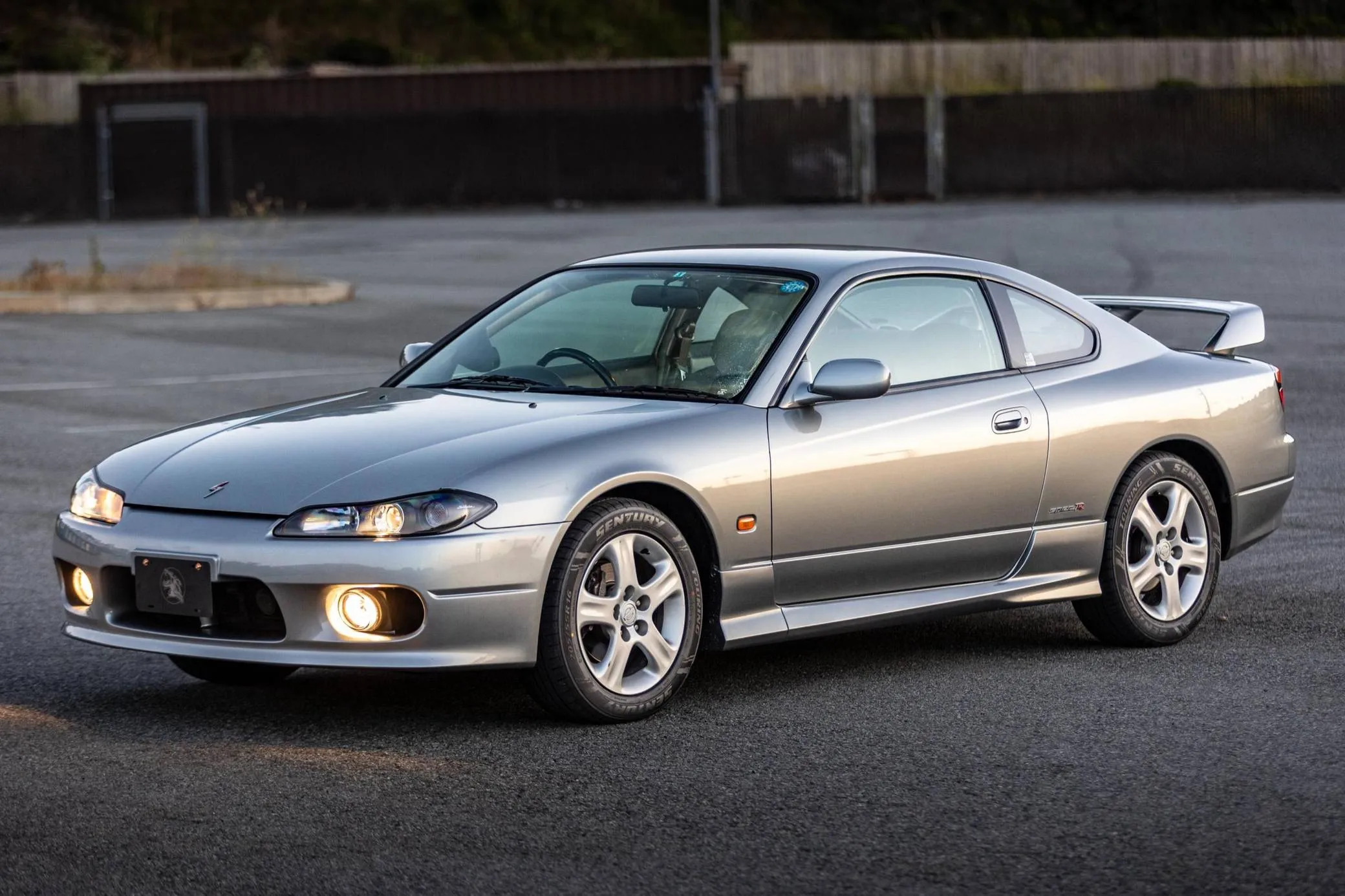
5. Nissan Silvia Spec R S15
The Nissan Silvia Spec R S15 represents one of the clearest examples of a Japanese sports car that evolved from an affordable tuner machine into a highly valuable collectible.
When Nissan released the S15 during the late 1990s, enthusiasts appreciated its sharp styling, lightweight chassis, and strong tuning potential, but few expected prices would someday exceed what the car originally cost when brand new.
Today, clean spec R examples command astonishing numbers worldwide, especially factory manual transmission cars that remain close to original condition.
One reason the S15 became so desirable is its perfectly balanced design philosophy. Nissan created a compact rear-wheel-drive coupe that felt agile, responsive, and approachable without requiring extreme horsepower.
Drivers could enjoy the car comfortably on public roads while still experiencing serious excitement during spirited driving or track use. That balance helped Silvia develop a loyal following among both professional drivers and grassroots enthusiasts.
At the heart of the Spec R sat the famous SR20DET engine. This turbocharged four-cylinder quickly became legendary because of its durability and that unique flexibility.
Enthusiasts discovered that relatively simple modifications could unlock substantial performance gains without sacrificing reliability. Larger turbochargers, upgraded intercoolers, and suspension kits transformed the S15 into an extremely capable performance platform.
Drifting culture also played a huge role in shaping the Silvia’s reputation. During the early 2000s, the S15 became one of the most recognizable drift cars on the planet.
Professional drivers frequently used heavily modified Silvias in competitions, while grassroots enthusiasts bought used examples as affordable practice cars. The chassis handled sideways driving beautifully thanks to its predictable balance and sharp steering response.
Unfortunately, that popularity also contributed to S15Sizing collector values later on. Many S15s were crashed, modified aggressively, or exported internationally once global demand increased.
Finding untouched, factory-original examples gradually became extremely difficult. Nissan also never officially sold the S15 in several major markets, which added exclusivity and intensified demand among import enthusiasts.
Modern collectors appreciate the S15 because it represents the final evolution of Nissan’s classic Silvia formula before the company abandoned lightweight rear-wheel-drive sports coupes for many years.
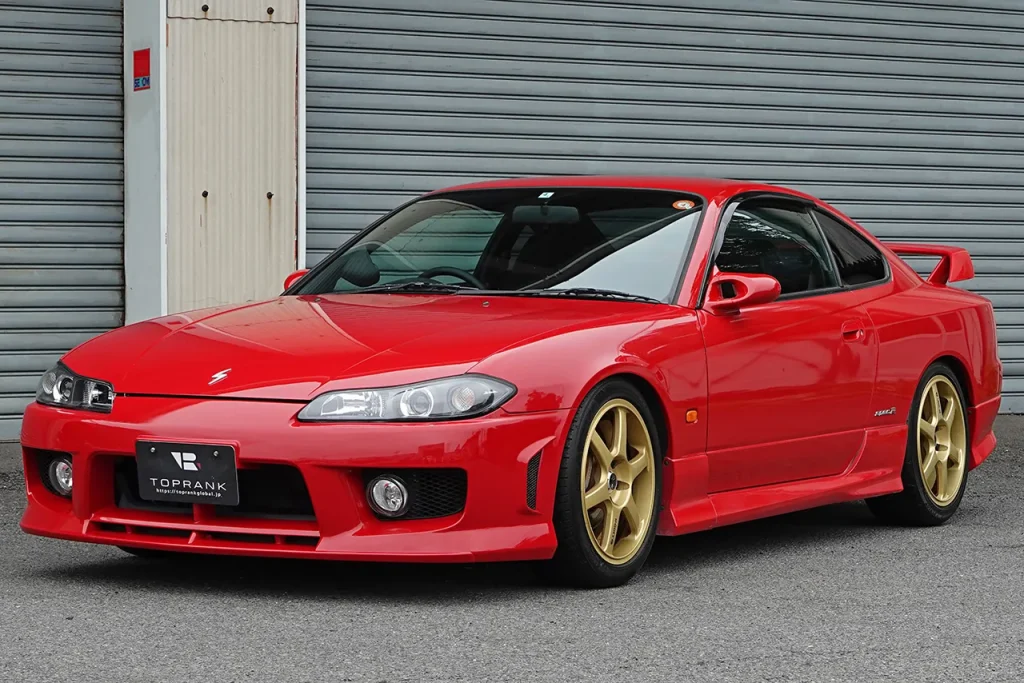
The styling still looks aggressive and modern today, while the driving experience remains highly engaging compared to many heavier modern performance cars.
The Silvia Spec R S15 perfectly captures the spirit of Japan’s tuner era. What once served as an affordable enthusiast platform has transformed into one of the most expensive and respected JDM collector cars of the modern era.
Specifications:
- Engine: 2.0-liter turbocharged inline 4
- Torque: 203 lb ft
- Horsepower: 247 HP
- Length/Width: 176 inches / 68.5 inches
6. Acura Integra Type R DC2
The Acura Integra Type R DC2 started life as a highly respected front-wheel-drive performance car, but few people predicted it would later become one of the most valuable Japanese collector vehicles in existence.
During the late 1990s and early 2000s, enthusiasts admired the DC2 for its precision handling and high-revving personality, yet many examples still changed hands at relatively affordable prices.
Today, pristine Integra Type Rs often sell for several times their original showroom cost, shocking enthusiasts who remember when these cars were simply lightweight Honda coupes sitting in used car lots.
Honda engineered the DC2 with an obsessive focus on driving purity. Instead of relying on huge horsepower figures, the company concentrated on reducing weight, sharpening chassis balance, and maximizing driver engagement.
Every seam-welded component received attention, from seam-welded body construction to carefully tuned suspension geometry. The result was a car that felt incredibly alive on winding roads.
The legendary B18C engine became central to the Type R. Its naturally aspirated VTEC four-cylinder produced modest power numbers by modern standards, but its delivery felt unforgettable.
The engine screamed toward extremely high RPM with astonishing smoothness while delivering razor-sharp throttle response. Enthusiasts loved the addictive crossover into VTEC, which transformed the car’s personality at higher engine speeds.
Handling represented another huge reason for the DC2’s rise in value. Many drivers still consider it one of the greatest front-wheel-drive chassis ever created.
Steering feedback felt immediate and precise, while the lightweight body changed direction effortlessly. Honda managed to create a car that rewarded skill and momentum instead of brute force acceleration.
For years, however, the Integra Type R remained vulnerable to abuse. Younger enthusiasts modified them heavily for street racing, track use, and tuner culture.
Many cars were stolen, crashed, or stripped for parts because demand for Type R components remained extremely high. Clean factory original examples slowly disappeared from the market.
Collectors eventually recognized how special the DC2 truly was. It represented the peak of Honda’s analog performance engineering before increasing regulations and modern technology changed the character of sports cars permanently. Enthusiasts searching for raw mechanical engagement now compete aggressively for surviving low-mileage cars.
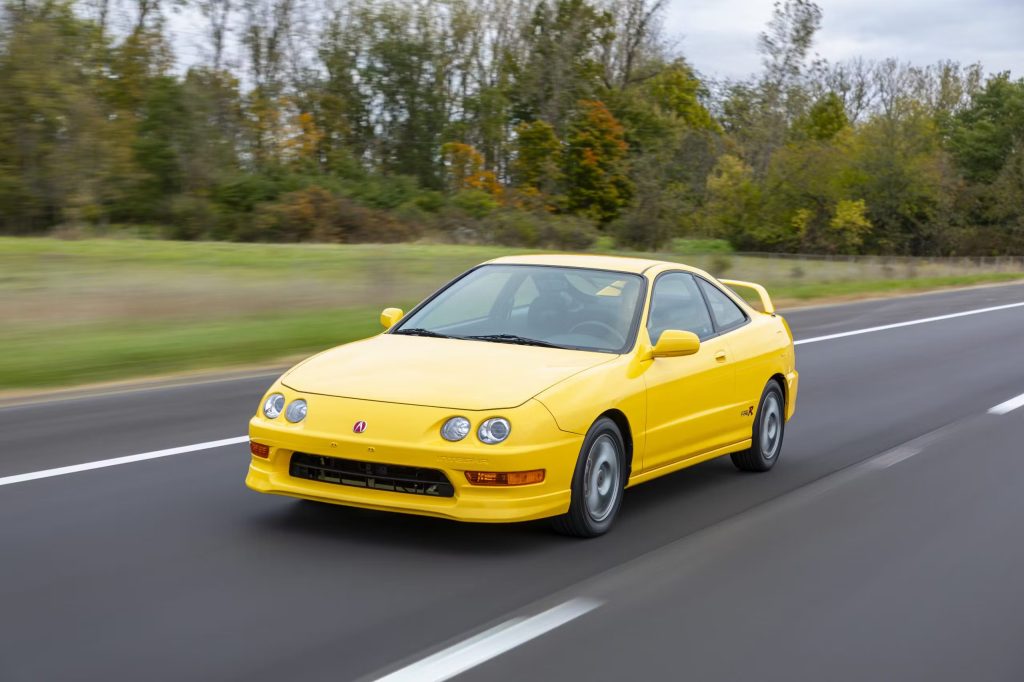
The Integra Type R DC2 became far more than just a fast front-wheel-drive coupe. It evolved into a symbol of Honda engineering excellence and one of the most celebrated driver-focused Japanese cars ever produced.
Specifications:
- Engine: 1.8-liter naturally aspirated inline 4
- Torque: 130 lb ft
- Horsepower: 195 HP
- Length/Width: 172.4 inches / 67.3 inches
7. Mitsubishi Lancer Evolution VI Tommi Makinen Edition
The Mitsubishi Lancer Evolution VI Tommi Makinen Edition stands as one of the most celebrated rally-inspired Japanese cars ever produced. When Mitsubishi launched this special version in 2000, it already carried strong enthusiast appeal because it honored rally champion Tommi Makinen and the company’s World Rally Championship success.
At the time, however, it still existed within reach of dedicated performance car buyers. Two decades later, pristine examples regularly command values far exceeding their original showroom prices, transforming the car into one of the most desirable Evo models ever built.
What made the Tommi Makinen Edition so special was the way Mitsubishi sharpened an already capable platform into something even more focused.
Engineers revised suspension tuning, steering response, and turbocharger characteristics to create a car that felt more aggressive and responsive than the standard Evolution VI. The sedan delivered an experience deeply connected to Mitsubishi’s rally heritage rather than simply functioning as another fast street car.
The turbocharged 4G63 engine became one of the defining icons of Japanese performance engineering. Tuners loved the engine because it handled significant power increases while remaining remarkably durable.
In factory form, the Tommi Makinen Edition already felt explosive thanks to strong midrange torque and aggressive acceleration. Combined with the sophisticated all-wheel drive system, the car launched with incredible confidence on almost any surface.
Unlike many modern performance sedans filled with electronic isolation, the Evolution VI delivered constant feedback to the driver. Steering felt immediate, the chassis reacted sharply to inputs, and the car encouraged aggressive driving on winding roads. Every drive felt intense and mechanical in the best possible way.
For years, used Evolution models remained relatively affordable because owners treated them as performance tools rather than collectibles. Many examples received aftermarket modifications, larger turbochargers, rally-inspired body kits, or track-focused suspension setups.
Others suffered hard use during street racing and motorsport events. As a result, untouched, factory-original Tommi Makinen Editions became increasingly difficult to locate.
Collectors now appreciate the car not only for performance but also for historical significance. It represents the peak of Mitsubishi’s rally dominance and captures an era when Japanese manufacturers built homologation-inspired machines directly connected to international motorsport success.
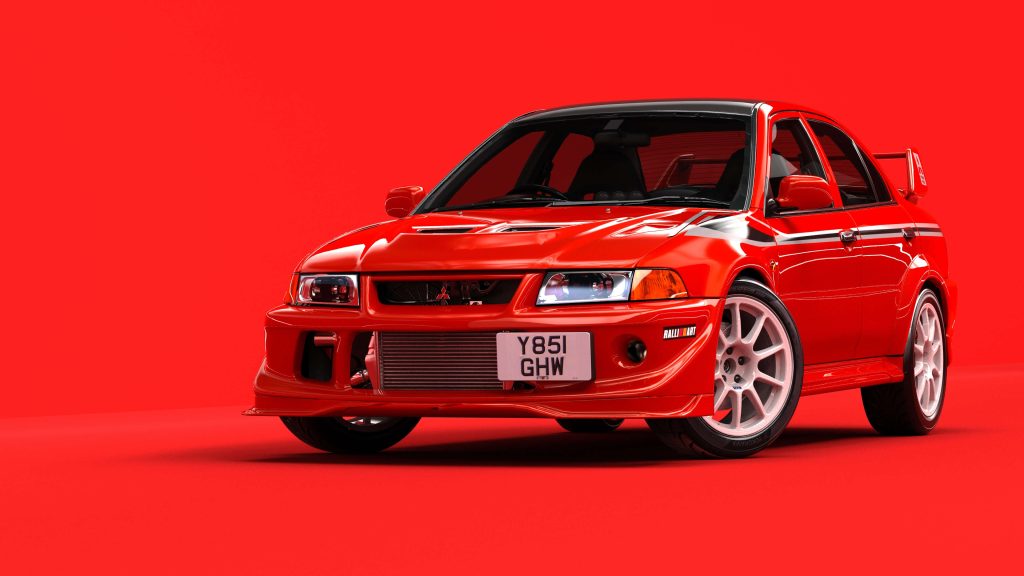
The Tommi Makinen Edition evolved from a cult enthusiast favorite into a serious collector investment because it offers authenticity, motorsport heritage, and an unforgettable driving experience that modern performance cars rarely replicate.
Specifications:
- Engine: 2.0-liter turbocharged inline 4
- Torque: 275 lb ft
- Horsepower: 276 HP
- Length/Width: 171.3 inches / 69.7 inches
8. Subaru Impreza 22B STI
The Subaru Impreza 22B STI occupies legendary status in the Japanese performance car market. When Subaru released the 22B in 1998, the company intended it as a celebration of its World Rally Championship success and the brand’s growing performance reputation.
Even then, the car was considered special and relatively expensive compared to ordinary Impreza models. Today, surviving examples are worth several times their original prices and rank among the most valuable Subaru vehicles ever produced.
Part of the 22B’s mystique comes from its extreme rarity. Subaru produced the car in very limited numbers, and demand exceeded supply almost instantly.
Enthusiasts recognized immediately that the 22B represented something unique within Subaru’s lineup. Wide body styling, aggressive aerodynamics, and rally-inspired engineering gave the coupe a far more serious presence than standard Impreza variants.
The turbocharged EJ22 flat-four engine became another key part of the car’s appeal. While officially rated at Japan’s gentleman’s agreement figure of 276 horsepower, most enthusiasts believed the real output was significantly higher.
The engine delivered massive midrange torque and paired perfectly with Subaru’s symmetrical all-wheel-drive system, creating explosive acceleration and incredible traction in poor weather conditions.
Driving a 22B felt dramatically different from ordinary road cars of the era. Steering response remained sharp, suspension tuning leaned heavily toward performance, and the entire chassis communicated constantly with the driver. The car felt deeply connected to rally stages rather than smooth city streets.
Over the years, the 22B benefited enormously from Subaru’s cult following and motorsport image. Racing games, rally footage, and online enthusiast communities upgraded the car into mythical territory. Younger generations grew up viewing the 22B as one of the ultimate Japanese performance machines.
Unfortunately, many high-performance Subaru models suffered from modifications and hard use during the tuner boom. Although fewer 22Bs were abused compared to standard WRX models, pristine, untouched examples still became extremely rare as collectors began chasing them globally.
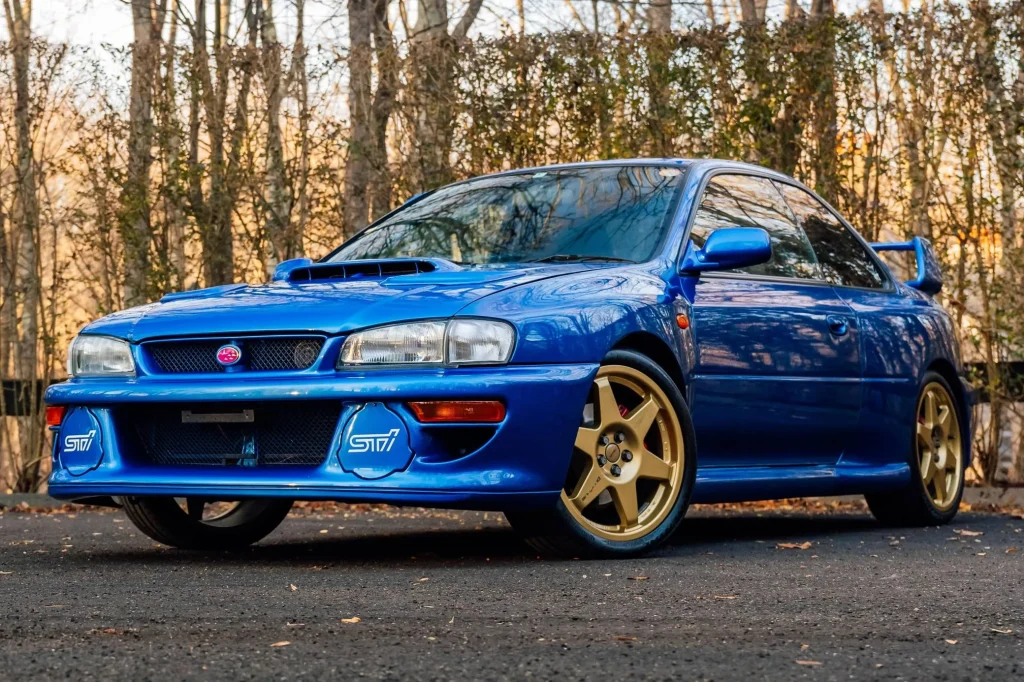
Auction prices today continue climbing because the 22B combines rarity, rally heritage, and unmistakable styling in one unforgettable package. Collectors see it not only as a Subaru icon but also as one of the defining symbols of Japan’s golden performance era.
The 22B STI perfectly demonstrates how motorsport success, limited production, and enthusiast passion can transform a special performance car into an automotive legend worth far more than its original cost.
Specifications:
- Engine: 2.2-liter turbocharged flat 4
- Torque: 268 lb ft
- Horsepower: 276 HP
- Length/Width: 169.1 inches / 69.3 inches
