Van life has transformed from a niche hobby into a global lifestyle movement. What once appealed mainly to surfers and long-distance travelers is now attracting remote workers, adventure seekers, photographers, and families looking for freedom on the road.
A properly converted camper van offers something traditional hotels and airplanes cannot match. It gives travelers the ability to wake up beside mountains, beaches, forests, or deserts while carrying the comforts of home wherever they go.
Choosing the right van is the most important part of any camper conversion project. Some vans prioritize cargo space and standing room, while others focus on fuel efficiency or reliability.
Buyers also need to think about maintenance costs, aftermarket support, engine durability, and how easy the vehicle is to customize. A good camper van should not only provide enough room for a bed and storage but also remain dependable during long road trips through changing climates and rough terrain.
Modern camper conversions have become incredibly advanced. Many owners now install kitchens, solar panels, showers, insulation, refrigerators, internet systems, and foldable sleeping arrangements.
Yet even simple builds can create unforgettable travel experiences when the right van is chosen from the start. Certain models stand out because they offer excellent interior dimensions, practical layouts, and strong reputations among travelers who spend months living on the road.
Another major factor is driving comfort. Large vans can feel intimidating in cities or on narrow mountain roads, so balance matters. Some people prefer compact vans that are easier to park, while others want massive cargo vans with enough room for full standing height and permanent beds.
There is no single perfect camper van for everyone, but some models consistently prove themselves better suited for conversions than others.
The vans on this list have become favorites among camper builders for many different reasons. Some are affordable and rugged, while others deliver modern technology and spacious interiors. Each one offers a strong foundation for turning an ordinary vehicle into a practical home on wheels.
Also Read: 10 V8 Cars Worth Buying for the Sound Alone
1. Mercedes-Benz Sprinter
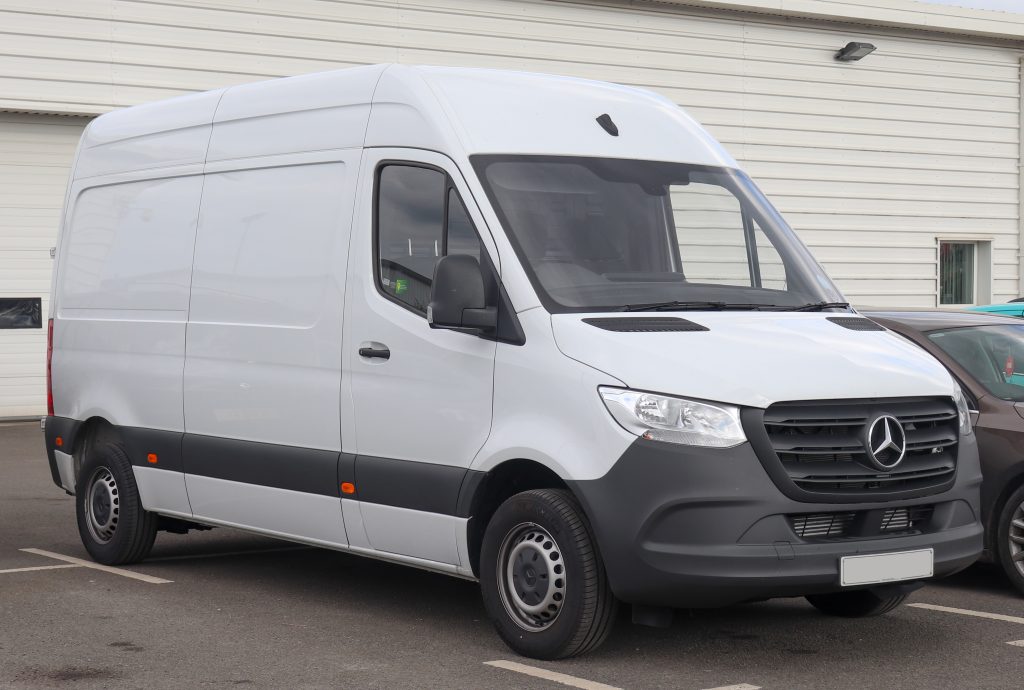
The Mercedes-Benz Sprinter has become one of the most recognizable camper conversion vans in the world. Luxury van life builders, full-time travelers, and adventure companies frequently choose the Sprinter because it combines generous interior space with a refined driving experience. It has almost become the symbol of modern camper culture.
One of the biggest reasons behind its popularity is the available high roof configuration. Many adults can stand comfortably inside without bending down, which completely changes daily living comfort during long trips. Cooking, changing clothes, and organizing gear become far easier when the interior feels open rather than cramped.
The Sprinter also offers multiple wheelbase options, allowing buyers to choose between maneuverability and maximum living space. Shorter models work well for solo travelers or couples, while extended wheelbase versions can support full kitchens, bathrooms, and large storage systems for bikes or outdoor equipment.
Mercedes engineered the van with long-distance travel in mind. Highway comfort is excellent compared to many older cargo vans, and the diesel engine options are known for strong torque delivery and good fuel economy. That matters greatly for travelers covering thousands of miles across countries or continents.
Another reason camper builders love the Sprinter is aftermarket support. Countless companies manufacture window kits, roof racks, insulation panels, cabinets, electrical systems, and modular furniture specifically designed for this van. Owners can create anything from minimalist weekend campers to luxury off-grid homes.
The biggest downside is cost. Both new and used Sprinter models can be expensive, especially four-wheel-drive versions.
Repairs may also cost more than those of domestic vans because Mercedes parts and service are typically pricier. Even so, many travelers accept those compromises because the Sprinter delivers comfort, versatility, and premium road manners that few rivals can match.
- Engine: 2.0-liter turbocharged inline 4-cylinder diesel
- Torque: 295 lb-ft
- Horsepower: 170 HP
- Length/Width: 233.5 inches / 79.7 inches
2. Ford Transit
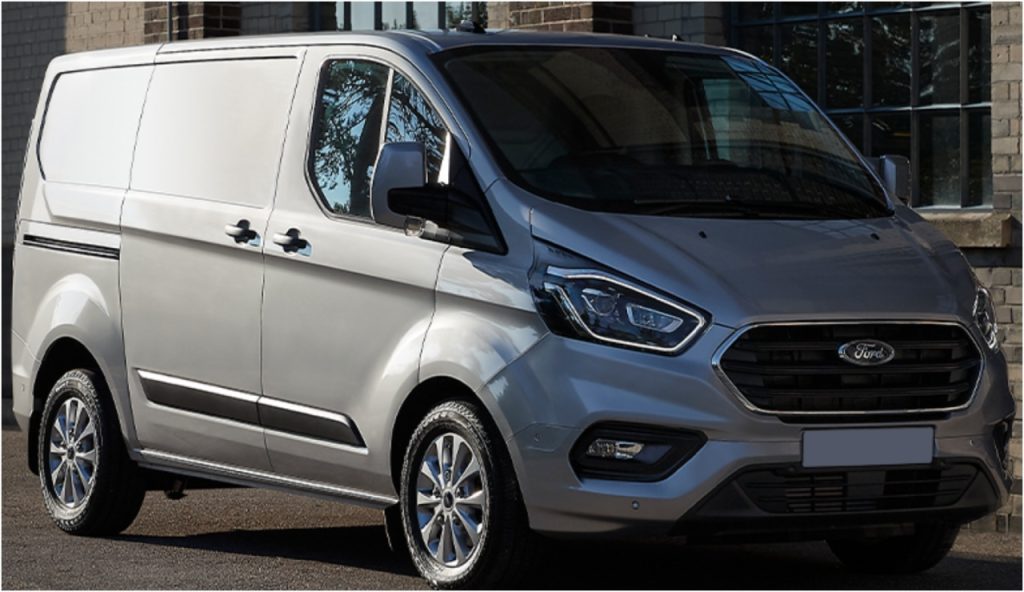
The Ford Transit quickly became a favorite among camper van enthusiasts because it balances practicality, affordability, and modern driving comfort exceptionally well. Ford designed the Transit to replace the older Econoline series, and the result was a van that feels much more refined while still offering serious cargo capacity.
One of the Transit’s greatest strengths is flexibility. Buyers can choose from different roof heights, body lengths, and engine options depending on their travel goals. Some people build compact weekend campers for occasional road trips, while others create fully equipped mobile homes capable of supporting full-time van life.
Driving a Transit feels less intimidating than many large cargo vans. Steering is lighter, visibility is excellent, and the cabin layout feels surprisingly car-like. That makes it appealing for first-time van owners who may feel nervous handling oversized vehicles in urban environments or crowded parking areas.
Interior packaging is another strong point. The boxy cargo area allows efficient use of space for beds, cabinets, water tanks, and electrical setups. Builders appreciate how flat the walls are compared to some rivals because it simplifies insulation and furniture installation. Taller roof versions also provide comfortable standing room for most adults.
Ford’s gasoline EcoBoost engines deliver impressive power, especially when climbing steep mountain roads or carrying heavy camping gear.
Maintenance costs are usually more manageable than those of premium European vans, and Ford service centers are widely available across North America. That accessibility becomes extremely valuable during long cross-country adventures.
The Transit also benefits from massive aftermarket support. Roof racks, swivel seats, off-road suspension kits, and prebuilt camper interiors are easy to source. Some owners focus on rugged overlanding setups, while others design sleek modern interiors with solar systems and hidden storage compartments.
Its combination of usability, customization potential, and strong reliability has helped the Transit become one of the most trusted foundations for modern camper conversions.
- Engine: 3.5-liter twin-turbocharged V6
- Torque: 400 lb ft
- Horsepower: 310 HP
- Length/Width: 263.9 inches / 81.3 inches
3. Ram ProMaster
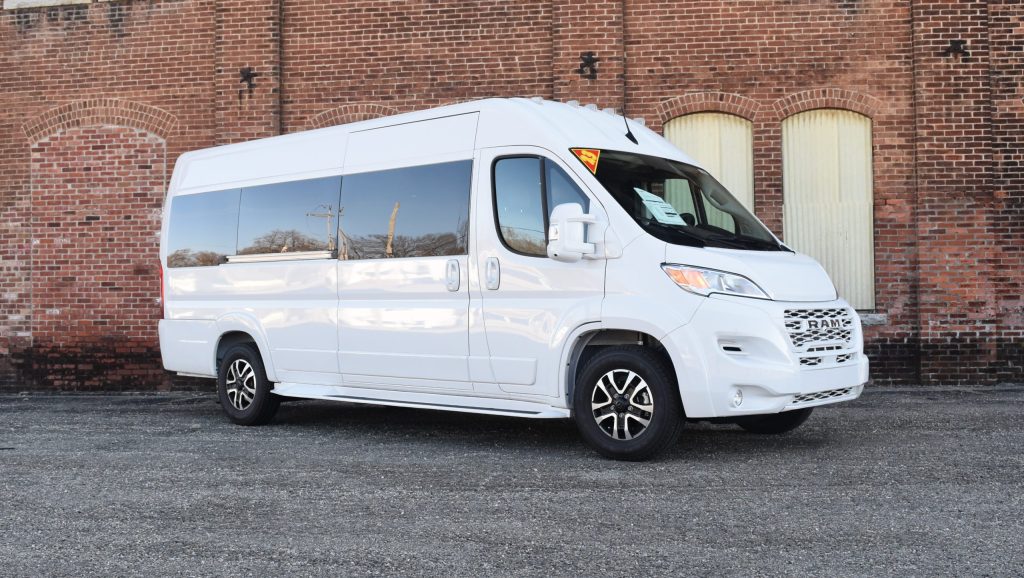
The Ram ProMaster approaches camper van life differently from most traditional cargo vans. Instead of using rear wheel drive like many competitors, the ProMaster relies on a front wheel drive layout. That single engineering choice changes several important aspects of camper conversions and helps explain why the van became extremely popular among DIY builders.
Because there is no driveshaft running underneath the cargo floor, the loading height sits lower to the ground. This creates easier access when entering the van and allows builders to maximize interior headroom. Even taller travelers often appreciate how spacious the cabin feels once insulation and flooring are installed.
The wide-body design is another major advantage. In many ProMaster layouts, owners can sleep sideways across the van instead of lengthwise. That saves a surprising amount of interior space and opens more room for kitchens, cabinets, or seating areas. For compact camper builds, this can completely transform usability.
Unlike luxury-focused European vans, the ProMaster emphasizes practicality. Maintenance costs are usually reasonable, and parts are easier to source than some imported rivals. The naturally aspirated V6 engine may not feel especially exciting, but it provides dependable performance for long highway trips and mountain travel when properly maintained.
Another area where the ProMaster shines is city maneuverability. The turning radius is tighter than many people expect from such a large vehicle, making parking and urban driving less stressful. Travelers who move frequently between cities and campsites often value that convenience.
The front-wheel-drive system also performs surprisingly well in rainy conditions and mild snow, especially when the van carries the added weight of camper equipment.
While serious off-road adventurers may prefer four-wheel-drive alternatives, most camper owners spend far more time on highways and maintained roads where the ProMaster feels perfectly comfortable.
Its boxy interior, approachable driving manners, and practical layout continue to make it one of the smartest choices for budget-conscious camper conversions.
- Engine: 3.6-liter naturally aspirated V6
- Torque: 260 lb ft
- Horsepower: 276 HP
- Length/Width: 250.6 inches / 80.3 inches
4. Volkswagen Transporter
The Volkswagen Transporter carries decades of camper van heritage behind its name. Long before van life became a social media trend, Volkswagen vans were already transporting surfers, travelers, musicians, and free-spirited adventurers around the world. The modern Transporter continues that tradition while adding far more refinement and practicality.
Unlike giant cargo vans focused on maximum living space, the Transporter works especially well for travelers who want a compact and manageable camper. It fits more comfortably into city streets, parking garages, and narrow roads than oversized American-style vans. That smaller footprint makes daily driving much less stressful.
The interior still provides impressive versatility despite the reduced dimensions. Clever camper conversions can include fold-out beds, compact kitchens, storage compartments, and rotating front seats without making the cabin feel cramped.
Weekend travelers often appreciate this balance because the van remains practical for regular use when not camping.
Volkswagen also focused heavily on driving quality. The Transporter handles more like a large family vehicle than a commercial van. Steering feels controlled, ride comfort is smooth, and highway cruising remains quiet enough for long journeys.
Those qualities become important during cross-country road trips where drivers may spend entire days behind the wheel.
Another reason people choose the Transporter is efficiency. Diesel engine options provide strong fuel economy while still delivering enough torque for carrying camping equipment and passengers. Running costs can remain manageable compared to larger vans with massive engines.
The van’s cultural identity adds another layer of appeal. Many camper enthusiasts feel emotionally connected to Volkswagen’s history of road trip freedom and outdoor adventure. Modern Transporters successfully preserve that spirit while offering modern safety features and better reliability than older classic models.
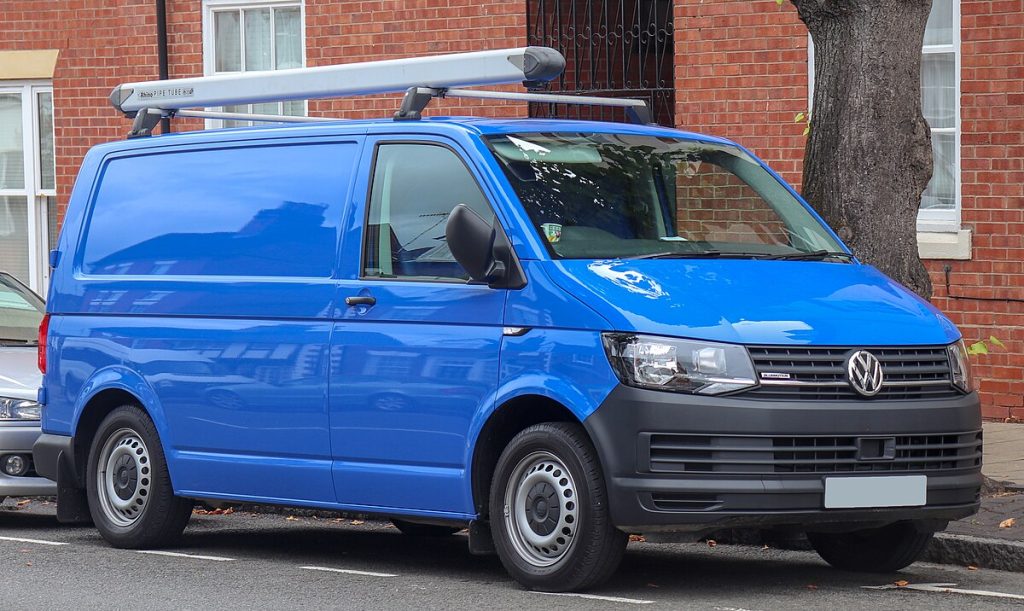
Space limitations may challenge full-time van lifers who need permanent bathrooms or extensive storage systems. Still, for couples or solo travelers seeking a versatile and stylish camper platform, the Transporter remains one of the most beloved options available.
- Engine: 2.0-liter turbocharged inline 4-cylinder diesel
- Torque: 295 lb-ft
- Horsepower: 148 HP
- Length/Width: 209 inches / 75.9 inches
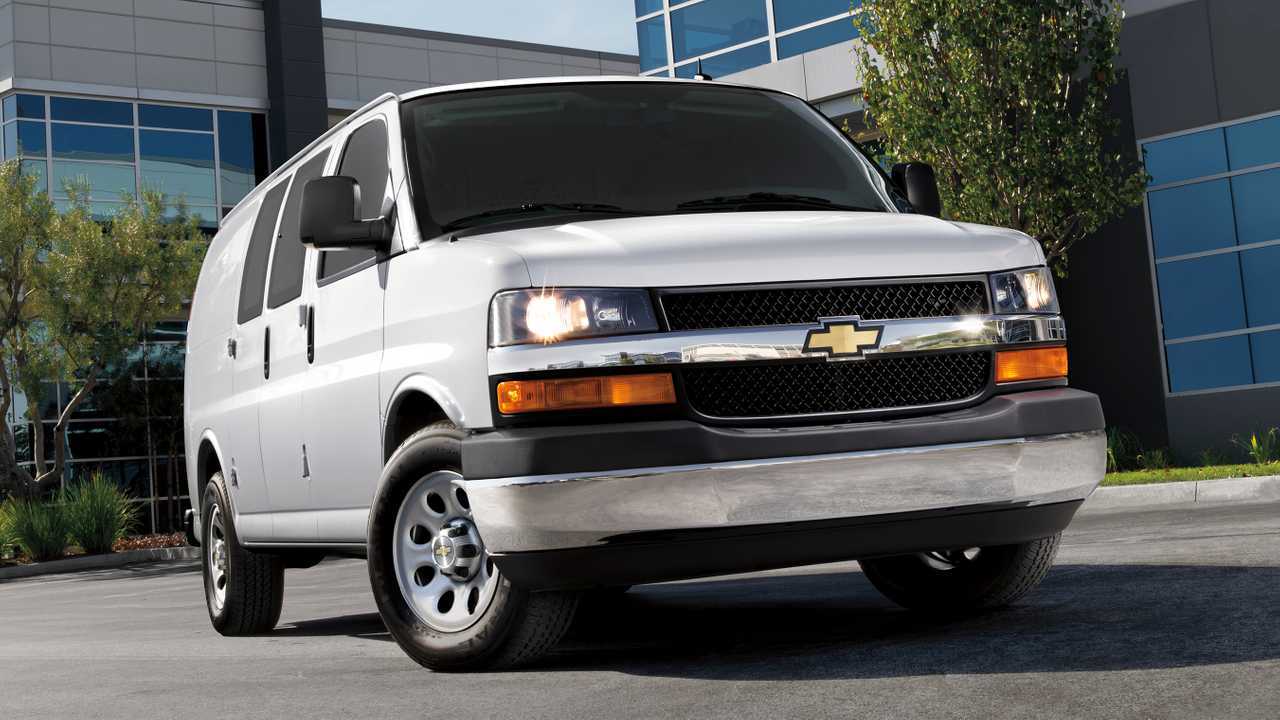
5. Chevrolet Express
The Chevrolet Express proves that an older design can remain highly relevant in the camper van world.
While many modern vans focus on futuristic styling and advanced technology, the Express continues attracting travelers because of its rugged simplicity and proven reliability. It has been around for decades, and that familiarity became one of its greatest strengths.
A large number of camper enthusiasts appreciate vehicles that are easy to repair, far from major cities. The Chevrolet Express fits that role perfectly. Mechanics across North America understand the platform well, replacement parts are widely available, and repairs are generally less complicated compared to newer European vans packed with electronics.
The available V8 engines also make the van appealing for people carrying heavy camper setups. Extra torque helps when climbing steep grades or towing additional gear such as trailers, motorcycles, or small boats. Even fully loaded conversions usually maintain solid highway performance without feeling strained.
Inside, the Express offers a surprisingly practical cargo area for camper construction. The shape may not be as tall or perfectly boxy as modern high-roof vans, but creative builders still manage to install beds, kitchenettes, storage cabinets, and solar-powered electrical systems effectively. Many owners prefer simpler layouts focused on durability rather than luxury.
The van’s body-on-frame construction gives it a tougher personality compared to some unibody competitors. Travelers planning long journeys through rough weather or uneven roads often trust the platform because it feels sturdy and dependable under difficult conditions.
Another advantage is affordability. Used Chevrolet Express vans can often be purchased for significantly less money than premium camper platforms like the Sprinter. That lower entry price leaves more budget available for insulation, batteries, appliances, and custom interior work.
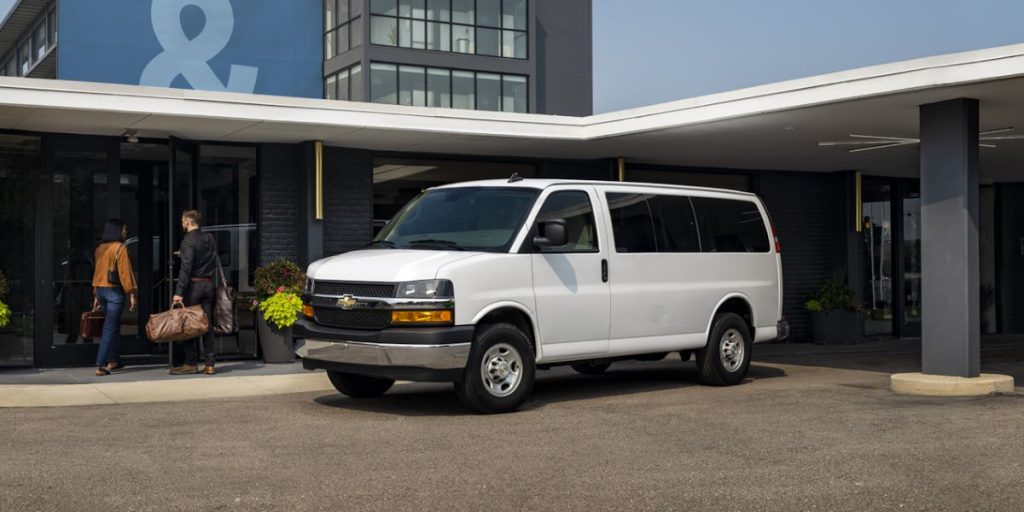
The biggest compromise involves interior height. Most people cannot stand upright inside without adding a raised roof conversion. Fuel economy is not particularly impressive either. Yet many van life enthusiasts still choose the Express because it delivers durability, simplicity, and strong long-term value for practical camper builds.
- Engine: 6.6-liter naturally aspirated V8
- Torque: 464 lb-ft
- Horsepower: 401 HP
- Length/Width: 244.1 inches / 79.4 inches
6. Nissan NV3500
The Nissan NV never achieved the same popularity as some mainstream camper vans, but it quietly developed a loyal following among travelers who value durability and interior comfort. Nissan approached the NV series differently from many competitors by designing the front cabin to feel more like a pickup truck than a traditional cargo van.
That design creates several benefits for long road trips. The front seats feel spacious and supportive, visibility is excellent, and the driving position reduces fatigue during extended highway journeys. Many camper owners spend countless hours behind the wheel, so cabin comfort matters far more than people initially expect.
One of the most impressive aspects of the NV3500 is its available V8 powertrain. The strong engine handles steep inclines and heavy camper equipment with ease. Whether carrying water tanks, solar batteries, bikes, or camping gear, the van rarely feels underpowered. That confidence becomes valuable during mountain travel or cross-country adventures.
The cargo area also works surprisingly well for camper conversions. The tall roof configuration provides generous standing room, and the interior dimensions allow enough space for beds, compact kitchens, and storage systems. Builders appreciate the wide opening rear doors because loading larger equipment becomes much easier.
Reliability plays another important role in the NV3500’s reputation. Nissan trucks and vans are generally known for durable drivetrains, and many owners report strong long-term dependability when maintenance is performed regularly.
This appeals strongly to travelers planning remote road trips where breakdowns could become expensive or dangerous.
Because the NV3500 was less common than rivals from Ford or Mercedes, used examples can sometimes be found at attractive prices. That makes the van a smart option for buyers who want modern capabilities without paying premium camper van market prices.
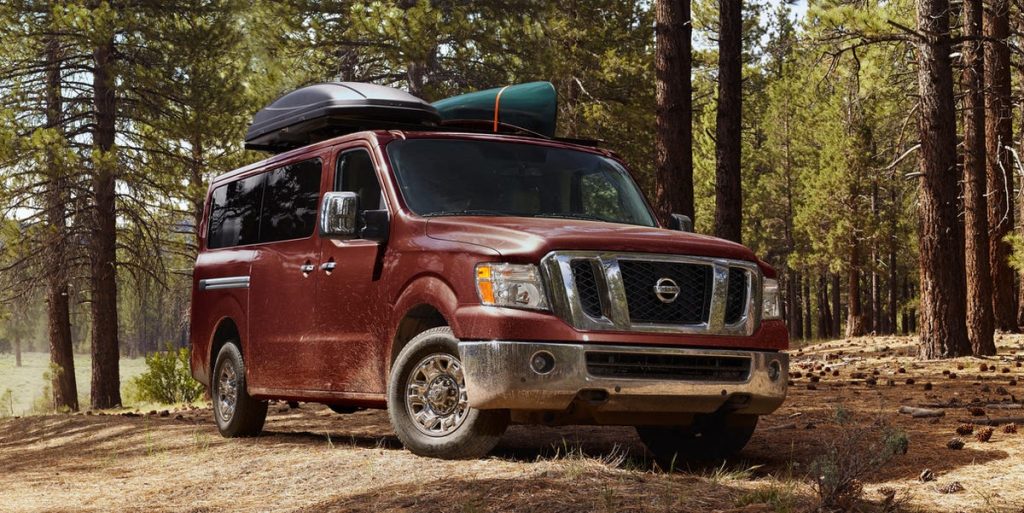
The platform does have drawbacks. Fuel economy is modest, and aftermarket camper accessories are less extensive than those available for the Transit or Sprinter. Even so, the NV3500 remains an underrated and highly capable foundation for comfortable camper conversions.
- Engine: 5.6-liter naturally aspirated V8
- Torque: 387 lb ft
- Horsepower: 375 HP
- Length/Width: 240.6 inches / 79.9 inches
7. Toyota HiAce
The Toyota HiAce earned a global reputation for durability long before camper conversions became fashionable. In many countries, the HiAce serves as a commercial workhorse, airport shuttle, delivery van, and family transporter. That widespread trust helped turn it into one of the most dependable foundations for camper builds.
What immediately stands out about the HiAce is reliability. Toyota engineered the van to survive heavy daily use under demanding conditions, and that toughness translates perfectly into long-distance travel.
Camper owners frequently value dependability more than luxury because remote road trips can quickly become stressful if mechanical problems appear far from service centers.
The HiAce also offers impressive interior packaging. Even though its exterior dimensions remain manageable, the cabin provides enough room for creative camper layouts.
Many builders install foldable beds, compact kitchen systems, storage cabinets, and portable refrigerators without sacrificing too much living space. Some travelers even create pop-up roof conversions for additional sleeping areas.
Driving manners differ from oversized American cargo vans as well. The HiAce feels narrower and easier to maneuver through crowded urban streets or winding coastal roads. Travelers moving frequently between cities, beaches, and campsites often appreciate that balanced size because parking becomes far less intimidating.
Another strength is efficiency. Diesel versions of the HiAce deliver strong torque while maintaining respectable fuel economy during long journeys. For van life enthusiasts covering thousands of kilometers, lower fuel costs can make a substantial difference over time.
The van’s rugged image also appeals to adventure travelers. Many HiAce camper conversions are built for surf trips, mountain expeditions, or remote camping rather than luxury glamping. Owners frequently prioritize practical storage, reliability, and simplicity instead of expensive interiors filled with electronics.
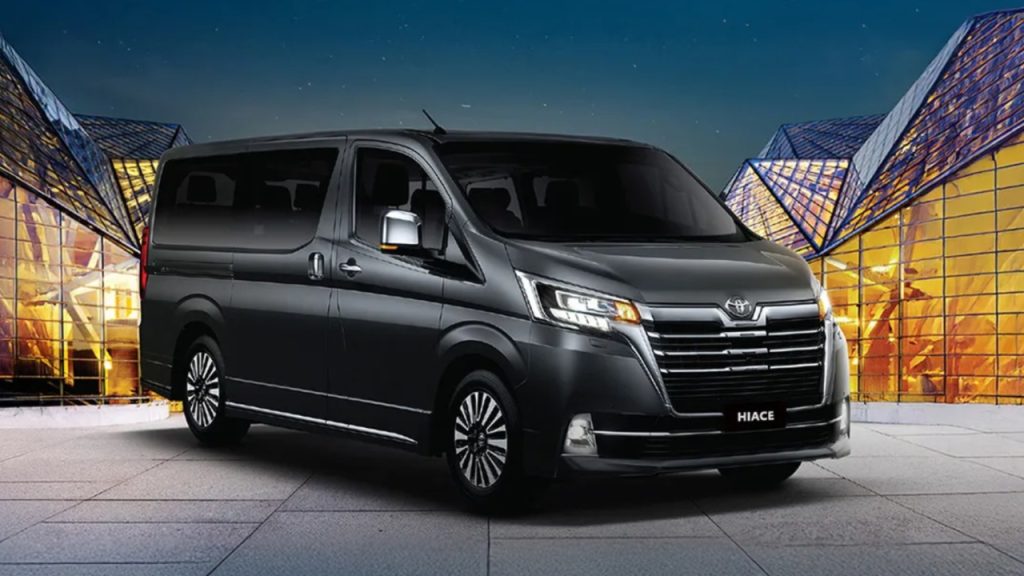
The main challenge is market availability. In some regions, especially North America, finding newer HiAce models can be difficult because they were not officially sold there for many years. Yet globally, the HiAce continues standing as one of the most respected and trustworthy vans for travelers seeking a durable camper conversion platform.
- Engine: 2.8-liter turbocharged inline 4 diesel
- Torque: 332 lb ft
- Horsepower: 174 HP
- Length/Width: 232.9 inches / 76.9 inches
8. Renault Trafic
The Renault Trafic approaches camper van life with efficiency and practicality instead of brute size. While huge cargo vans dominate many social media builds, the Trafic proves that smaller and smarter packaging can still create highly functional camper conversions for couples and solo travelers.
One of the van’s biggest advantages is everyday usability. The Trafic feels less commercial and more approachable than oversized camper platforms.
Drivers can navigate tight European streets, parking garages, and urban traffic with significantly less stress. That flexibility makes it attractive for people who want one vehicle capable of handling both travel and normal daily life.
Inside, the layout offers surprising versatility. Clever conversion companies often install sliding beds, fold-out tables, compact cooking areas, and hidden storage compartments that maximize every inch of space. While the cabin is smaller than luxury camper vans, efficient designs prevent it from feeling restrictive during short or medium-length trips.
Fuel efficiency is another major selling point. Renault’s diesel engines are known for delivering good mileage while still producing enough low-end torque for carrying camping equipment. Travelers planning long road trips across multiple countries often appreciate the reduced operating costs.
The Trafic also delivers a calmer driving experience than many large cargo vans. Ride quality feels smooth, visibility is strong, and highway cruising remains comfortable for extended periods. Camper owners who spend days moving between destinations benefit greatly from that relaxed character.
Another interesting advantage is affordability. Compared to premium vans such as the Mercedes Sprinter, the Trafic usually costs less both to purchase and maintain. That lower financial barrier allows more travelers to enter camper van life without massive budgets.
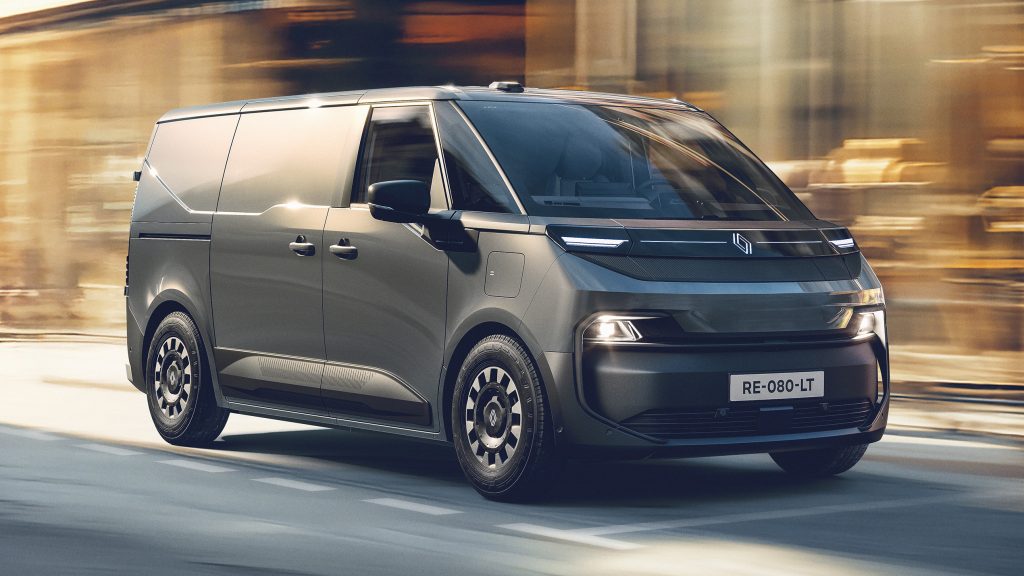
Of course, there are limitations. Full-time van lifers wanting permanent showers or large kitchens may find the interior too compact. Yet for weekend adventures, road trips, and minimalist camper setups, the Renault Trafic remains one of the most sensible and efficient options available.
- Engine: 2.0-liter turbocharged inline 4-cylinder diesel
- Torque: 258 lb ft
- Horsepower: 168 HP
- Length/Width: 215.7 inches / 76.1 inches
9. GMC Savana
The GMC Savana has long been overshadowed by trendier camper vans, yet it continues proving itself as a dependable and highly practical option for conversion projects. Sharing much of its engineering with the Chevrolet Express, the Savana focuses on durability, strong hauling capability, and straightforward mechanical design rather than luxury styling.
One of the biggest reasons travelers choose the Savana is confidence in remote areas. The van was built for commercial work, meaning it can handle heavy use over long periods without constant attention.
Camper owners who travel through isolated highways or rugged landscapes often prefer vehicles with proven reliability instead of complicated technology.
The available V8 engine options deliver substantial pulling power, especially when carrying large camper interiors filled with batteries, water tanks, storage systems, and outdoor equipment. Even with extra weight onboard, the Savana remains stable on highways and capable during long uphill climbs.
Interior customization depends heavily on creativity because the roofline is lower than that of modern high-roof vans. Builders frequently compensate with efficient layouts featuring foldable furniture, compact kitchens, and modular storage solutions.
Some owners install aftermarket raised roofs for additional standing space, transforming the van into a far more comfortable living environment.
Unlike expensive European camper vans, the Savana usually remains affordable on the used market. That lower purchase price attracts many first-time builders who would rather invest their money into solar panels, insulation, appliances, or suspension upgrades instead of spending everything on the base vehicle itself.
Maintenance simplicity is another strong point. Independent repair shops are familiar with the platform, and replacement parts are easy to source across North America. For travelers spending months on the road, accessible repairs become extremely important.
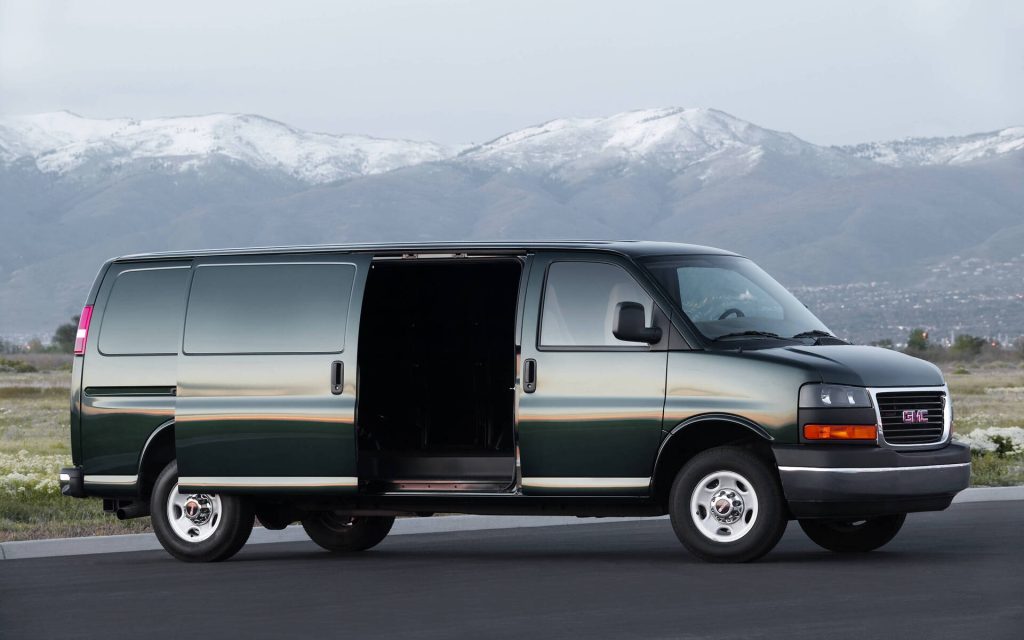
The Savana may not have the fashionable image of modern van life icons, but it succeeds where it matters most. It offers toughness, strong towing capability, and practical long-term ownership for people who value function more than social media attention.
- Engine: 6.6-liter naturally aspirated V8
- Torque: 464 lb-ft
- Horsepower: 401 HP
- Length/Width: 244.1 inches / 79.4 inches
10. Fiat Ducato
The Fiat Ducato became one of Europe’s most influential camper conversion vans because of its exceptionally practical design. Many professional motorhome companies actually use the Ducato as the base for factory-built campers, which says a great deal about how suitable the platform is for life on the road.
One of the van’s greatest strengths is interior efficiency. The body shape was designed to maximize usable cargo space, resulting in straight walls and a wide cabin that simplifies camper construction. Builders can install beds, storage cabinets, kitchens, and electrical systems without constantly fighting awkward curves or wasted corners.
The front-wheel-drive layout provides another important advantage. Without a large rear drivetrain underneath the cargo floor, the interior floor sits lower, improving accessibility while creating more vertical room inside. This helps the Ducato feel spacious despite not being excessively tall from the outside.
Long-distance travel comfort is another area where the van performs well. The cabin feels modern, visibility is excellent, and steering effort remains manageable during extended road trips. Drivers who spend entire weeks traveling between campsites appreciate a vehicle that feels less exhausting behind the wheel.
Fuel economy also works in the Ducato’s favor. Diesel engines offer strong torque delivery while remaining efficient enough for cross-country adventures. Combined with the van’s relatively aerodynamic shape, operating costs can stay reasonable even during heavy travel seasons.
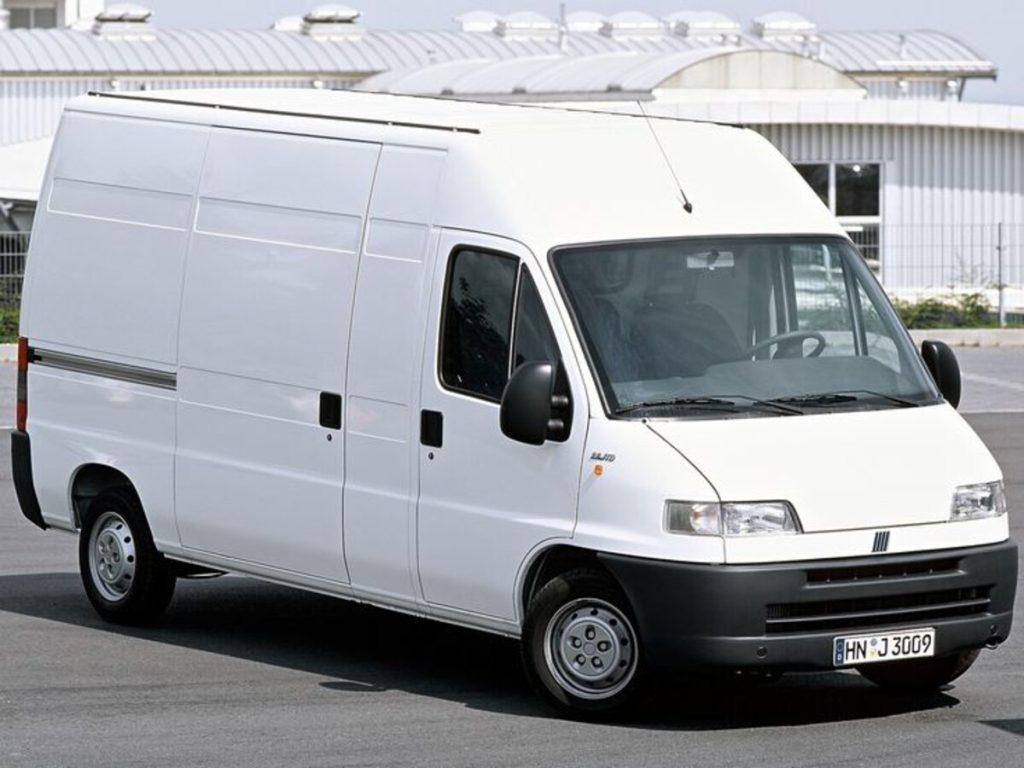
Another major reason the Ducato became so popular is customization support. Camper conversion companies across Europe produce ready-made furniture kits, insulation systems, roof accessories, and electrical packages specifically tailored to the van. This makes the building process easier for both professionals and DIY owners.
The Ducato may not carry the prestige of luxury German vans, but practicality is exactly why it remains one of the best camper foundations available. It delivers smart packaging, efficient operation, and comfortable travel characteristics that suit both casual travelers and full-time van life enthusiasts.
- Engine: 2.2-liter turbocharged inline 4 diesel
- Torque: 332 lb ft
- Horsepower: 180 HP
- Length/Width: 236.4 inches / 80.7 inches