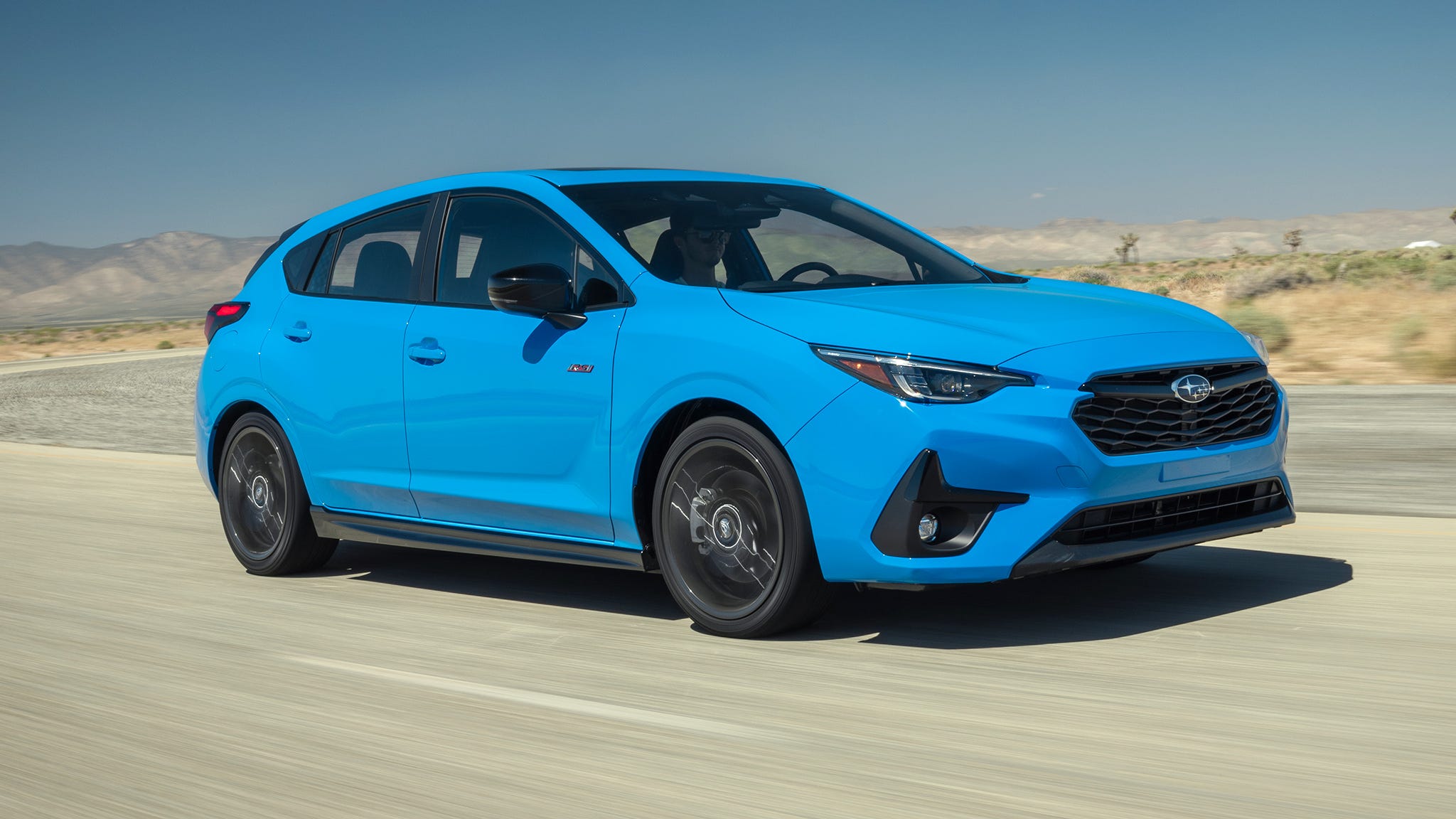
For decades, conversations about automotive reliability were dominated by a familiar group of brands. Japanese manufacturers such as Toyota and Honda built global reputations for producing vehicles that could easily survive hundreds of thousands of miles with minimal problems.
European luxury automakers focused heavily on performance and premium features, while American manufacturers battled changing perceptions around durability and consistency. Throughout all of this, Subaru remained somewhat overlooked. The company developed a loyal following among outdoor enthusiasts, families living in snowy regions, and drivers who valued safety and practicality, but it was rarely the center of mainstream conversations about long-term dependability.
Over the last several years, however, that narrative has changed dramatically. Subaru quietly transformed itself into one of the most trusted and reliable automotive brands on the market, earning praise from owners, mechanics, and industry analysts alike.
What makes this shift especially interesting is that Subaru did not rely on flashy redesigns, aggressive marketing campaigns, or revolutionary technologies to achieve it. Instead, the company focused on refinement, engineering consistency, safety improvements, and gradual innovation that enhanced durability rather than complicating ownership.
Models such as the Outback, Forester, Crosstrek, and Legacy became known for lasting well beyond expectations while maintaining strong resale values and low ownership costs. Subaru also cultivated a reputation for producing vehicles capable of handling harsh weather, rough terrain, and demanding driving conditions without sacrificing comfort or fuel efficiency.
Consumers began to notice that Subaru owners were exceptionally loyal, often purchasing multiple vehicles from the brand over many years. Industry reliability studies started ranking Subaru near or at the top, while used car buyers increasingly sought out older Subaru models because of their proven longevity.
In a market increasingly filled with overly complex technology, expensive repairs, and questionable build quality, Subaru stood out by prioritizing durability and owner satisfaction.
The company did not suddenly become reliable overnight. Instead, it spent years learning from earlier mechanical issues, improving manufacturing processes, refining engine technology, and creating vehicles designed for real-world use rather than short-term trends.
Today, Subaru has emerged as one of the automotive industry’s most respected success stories, proving that consistency, engineering discipline, and customer trust can quietly outperform even the loudest competitors.
Also read: Top 10 Cars With the Shortest Turning Radius Ranked
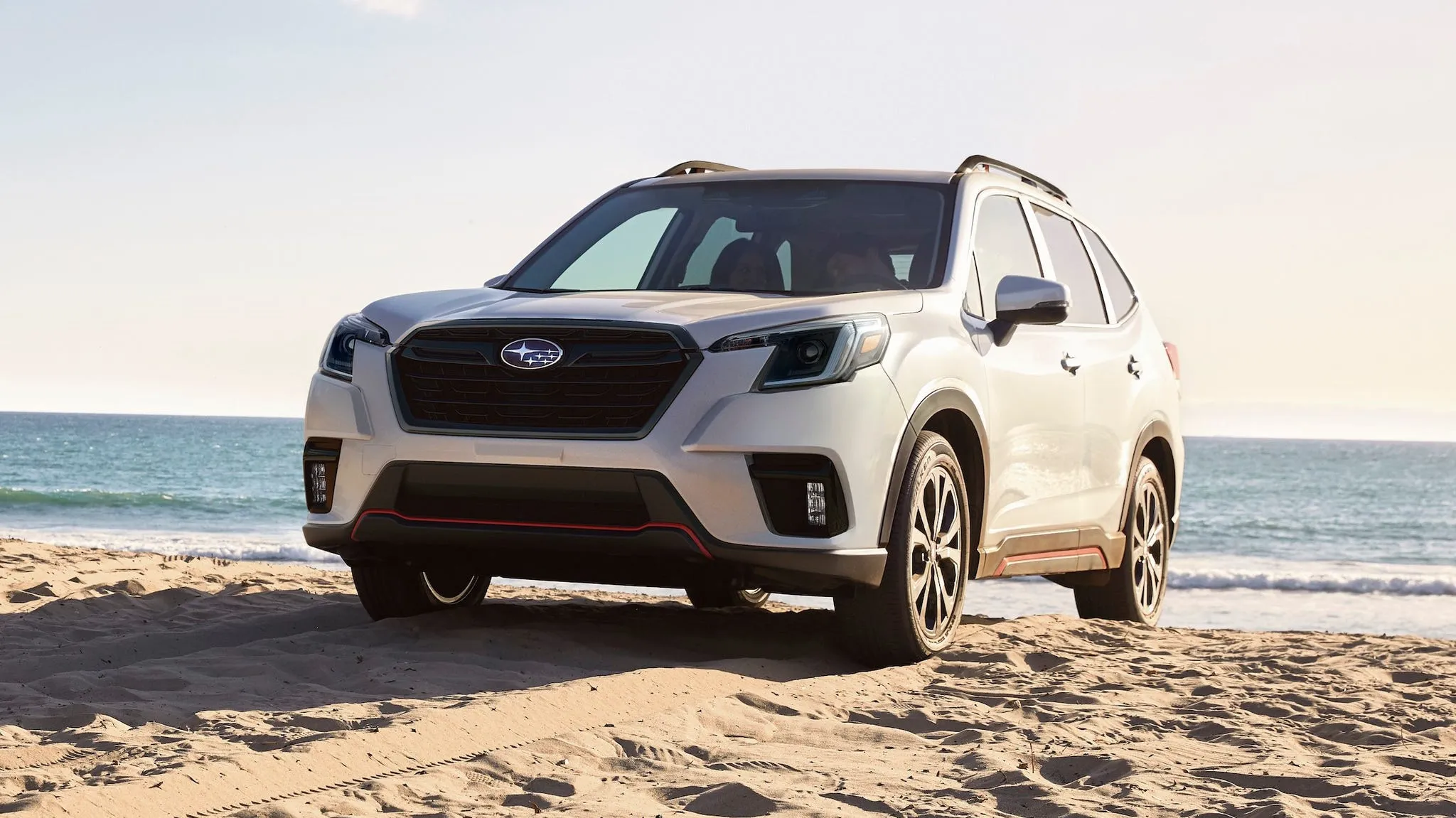
Subaru Built Reliability Through Engineering Consistency
One of the biggest reasons Subaru became one of the most reliable automotive brands is its commitment to engineering consistency. Unlike many manufacturers that constantly redesign engines, transmissions, and platforms every few years, Subaru focused on gradual refinement.
This approach allowed engineers to improve components over time while maintaining proven mechanical foundations. The result was fewer unexpected failures and more predictable long-term durability. Subaru understood that customers valued dependability more than constant experimentation, especially in practical family vehicles designed for daily commuting, road trips, and outdoor adventures.
Modern Subaru boxer engines are significantly more dependable than earlier generations, benefiting from improved materials, updated cooling systems, and better sealing technologies. By addressing known weaknesses rather than abandoning the platform entirely, Subaru gradually transformed a once-criticized engine design into a respected engineering asset.
Subaru also standardized many components across its lineup, which helped improve quality control and simplify maintenance. Models such as the Forester, Crosstrek, Impreza, and Outback share similar platforms, drivetrains, and systems. This consistency allows Subaru technicians and manufacturing teams to gain deeper expertise with fewer variations.
When manufacturers introduce too many unique systems, reliability can suffer because parts compatibility and engineering complexity increase dramatically. Subaru avoided this problem by focusing on a cohesive lineup built around familiar mechanical principles.
Manufacturing discipline also contributed significantly to Subaru’s rise in reliability rankings. The company’s production facilities became known for strong quality control standards and careful assembly practices. Subaru invested in improving supplier relationships and reducing inconsistencies in parts manufacturing.
Vehicles leaving Subaru factories demonstrated better fit and finish, fewer defects, and stronger long-term durability. Over time, these improvements compounded into a reputation for dependable ownership experiences that rivaled or exceeded far larger competitors.
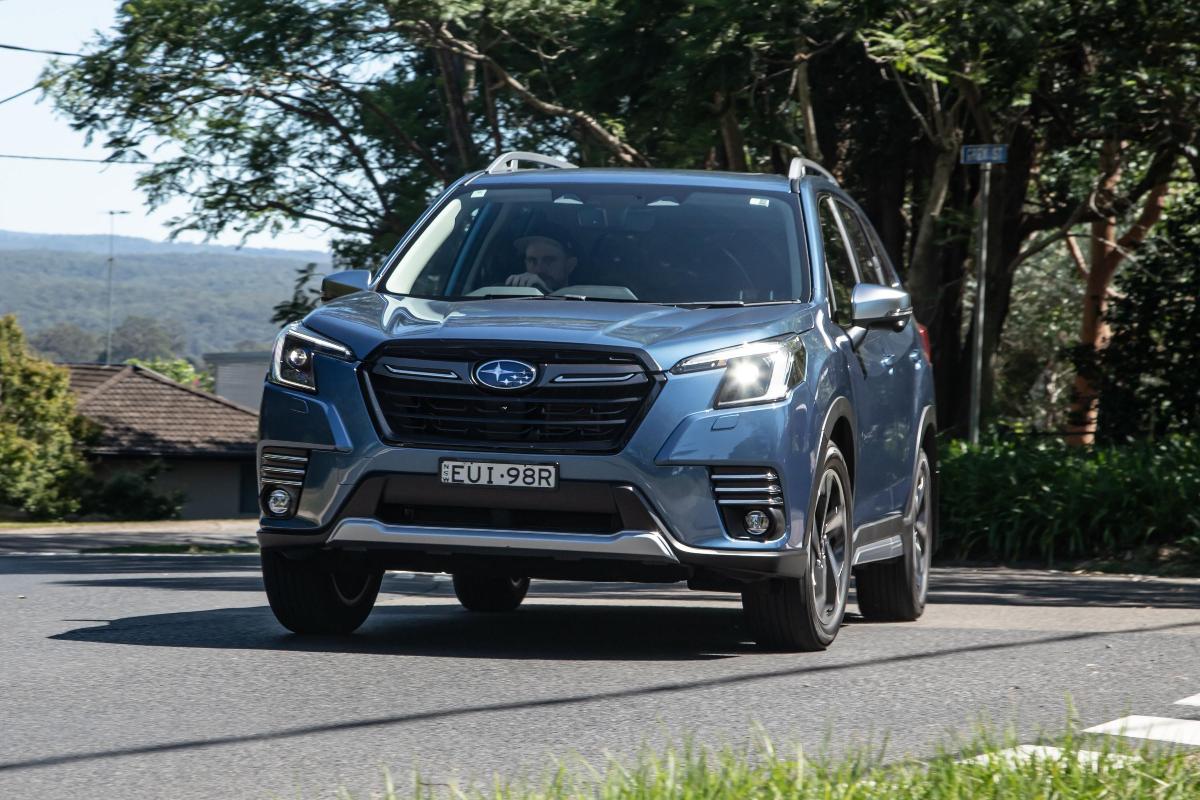
Subaru Owners Became the Brand’s Biggest Advertisement
Subaru’s reliability reputation was not built primarily through advertising campaigns or celebrity endorsements. Instead, it spread organically through owner experiences and word-of-mouth recommendations.
Subaru drivers became some of the most loyal customers in the automotive industry because their vehicles consistently delivered dependable performance over many years. Families who purchased a Subaru often returned to the brand repeatedly, creating a powerful cycle of trust that strengthened Subaru’s image in the marketplace.
One reason for this loyalty is that Subaru vehicles tend to perform exceptionally well in real-world conditions. Drivers living in regions with snow, rain, dirt roads, and unpredictable weather discovered that Subaru vehicles could handle harsh environments with confidence.
The brand’s standard All Wheel Drive system became a major selling point because it delivered improved traction without requiring costly upgrades. Owners valued vehicles that could handle challenging road and weather conditions while still providing comfort, stability, and efficiency for everyday driving.
Long-term durability further reinforced Subaru’s reputation. Many owners reported driving their vehicles well beyond 200,000 miles with relatively modest maintenance costs. Stories of older Outbacks and Foresters surviving years of heavy use became common in online forums, mechanic discussions, and consumer surveys.
Reliability is often measured not only by the absence of problems but also by how vehicles age over time. Subaru models developed a reputation for remaining functional, safe, and enjoyable even after years of ownership.
The brand also benefited from strong resale values, which reflected growing consumer confidence. Used Subaru vehicles retained their value remarkably well because buyers trusted their longevity. Strong resale values create a positive ownership experience because customers feel their investment is protected.
This dynamic encouraged even more buyers to consider Subaru vehicles, further expanding the company’s loyal customer base. In many regions, used Subaru models became highly sought after due to their proven reliability and practical versatility.
The company’s customer satisfaction ratings also improved steadily over time. Subaru owners frequently praised the brand for safety, practicality, low operating costs, and dependable winter performance. High satisfaction rates translated into repeat purchases and positive online reviews.
In the digital age, owner feedback spreads quickly through forums, social media, and consumer websites. Subaru benefited enormously from this environment because real owners consistently shared positive long-term experiences that reinforced the brand’s growing reputation for reliability.

Safety and Practicality Strengthened Subaru’s Appeal
Subaru’s rise as a reliable brand cannot be separated from its emphasis on safety and practicality. While some automakers focused heavily on luxury features or aggressive styling, Subaru concentrated on building vehicles that served everyday needs effectively.
This practical philosophy resonated strongly with consumers seeking dependable transportation for families, commuting, and outdoor activities. Reliability is closely connected to trust, and Subaru earned trust by consistently prioritizing the features that mattered most to real drivers.
The combination of safety and All Wheel Drive gave Subaru a particularly strong reputation in regions with difficult weather conditions. Families living in snowy states or mountainous areas often viewed Subaru as one of the safest and most dependable options available.
Drivers felt confident taking Subaru vehicles on long road trips, ski vacations, and outdoor adventures because the vehicles consistently handled challenging environments well. This confidence strengthened emotional connections between owners and the brand.
Practical interior design also contributed to Subaru’s growing popularity. Subaru vehicles emphasize usable cargo space, visibility, comfortable seating, and durable materials rather than excessive luxury. These practical layouts made Subaru models appealing to families, pet owners, hikers, cyclists, and travelers.
The vehicles were designed to support active lifestyles without becoming unnecessarily complicated or expensive to maintain. Practicality often improves reliability because simpler, more functional designs typically experience fewer failures over time.
Fuel efficiency improvements helped Subaru attract even more customers without sacrificing dependability. Earlier All Wheel Drive vehicles often suffered from poor fuel economy, but Subaru gradually improved engine efficiency and transmission performance.
The company balanced capability and efficiency in a way that appealed to modern buyers seeking versatility without excessive operating costs. This balance became especially important as fuel prices fluctuated and consumers became more conscious of long-term ownership expenses.
The company’s commitment to safety extended beyond engineering into brand identity. Subaru advertisements often focused on families, pets, adventure, and emotional connections rather than speed or status. This messaging aligned naturally with the ownership experience and helped create a sense of authenticity.
Consumers increasingly viewed Subaru as a brand that genuinely understood their priorities, which further strengthened trust and long term loyalty.
Also read: 5 Cars Where Trade-In Beats Private Sale vs 5 Where It Doesn’t
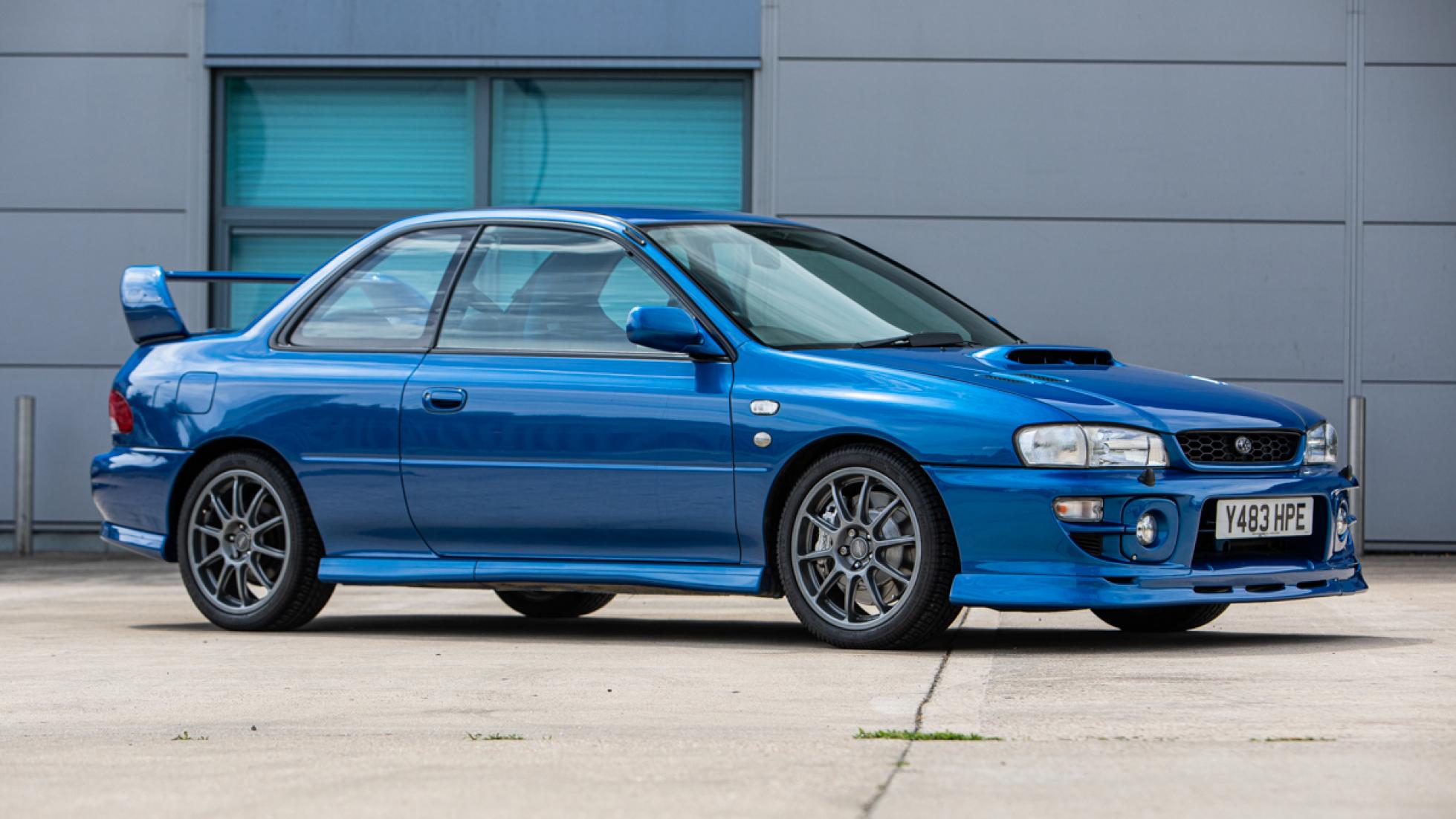
Subaru Learned From Its Past Mistakes
Subaru’s journey toward becoming one of the most reliable brands was not without challenges. Earlier generations of Subaru vehicles experienced several notable mechanical issues that damaged the company’s reputation in certain markets.
Problems such as head gasket failures, excessive oil consumption, and transmission concerns affected some models during the late 1990s and early 2000s. However, what distinguished Subaru was its willingness to learn from these problems and systematically improve its engineering practices over time.
Transmission reliability also improved considerably as Subaru gained experience with continuously variable transmissions. Early CVT systems from many manufacturers faced criticism for poor durability and unpleasant driving characteristics.
Subaru invested heavily in calibrating and strengthening its transmission systems to improve longevity and smoothness. Modern Subaru CVTs are generally regarded as far more reliable and refined than earlier versions, helping the company compete effectively in an increasingly efficiency-focused market.
Subaru also benefited from maintaining a relatively focused lineup. Unlike larger manufacturers producing dozens of unrelated models, Subaru concentrated on a smaller selection of vehicles designed around common principles.
This allowed the company to identify recurring issues more quickly and implement solutions across multiple models. Engineering lessons learned from one vehicle often benefited the entire lineup, accelerating reliability improvements throughout the brand.
Supplier quality control also improved substantially during Subaru’s reliability transformation. Modern vehicles rely on thousands of components sourced from external suppliers, and inconsistency among those suppliers can create widespread reliability problems.
Subaru strengthened supplier partnerships and implemented stricter quality standards to reduce defects and manufacturing variability. Improved consistency across components contributed directly to stronger long-term durability and fewer unexpected repairs.
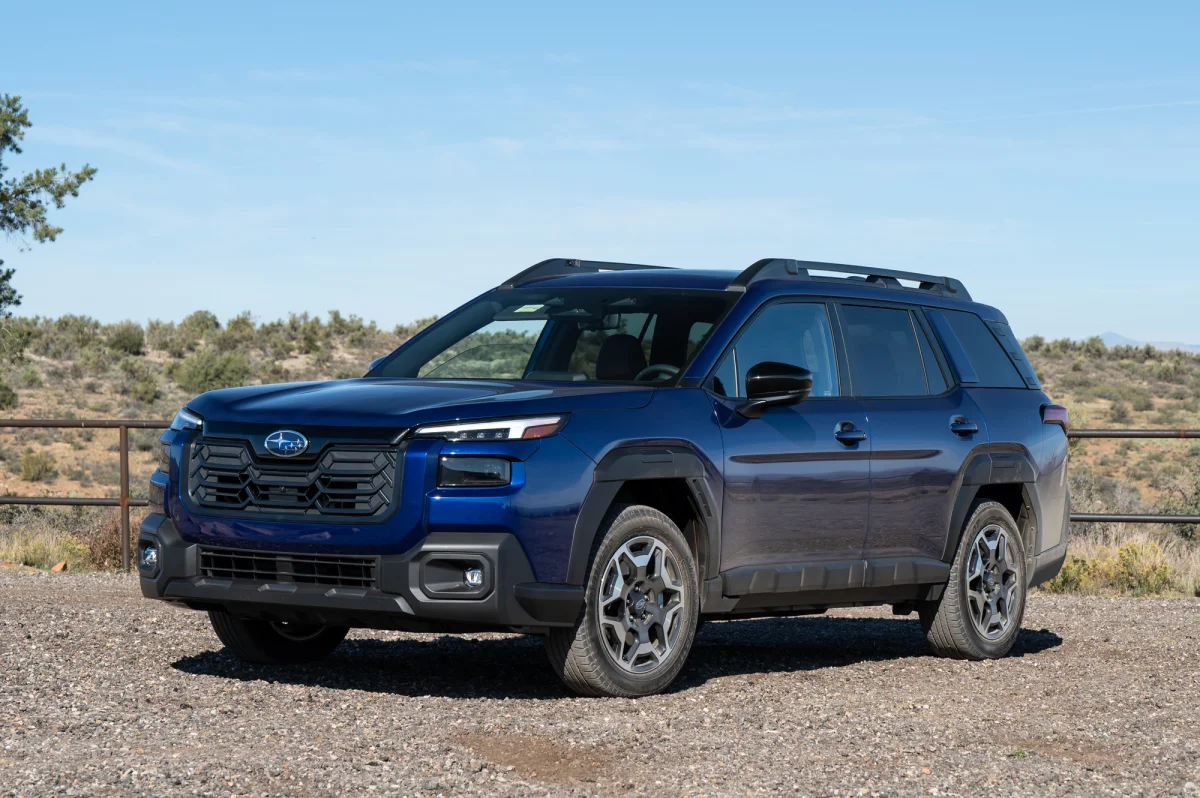
Why Subaru’s Reliability Matters Today?
Subaru’s emergence as one of the most reliable automotive brands carries significant implications for today’s car market. Modern vehicles have become increasingly complex, incorporating advanced electronics, turbocharged engines, hybrid systems, and massive infotainment interfaces.
While these innovations offer impressive capabilities, they also create new opportunities for mechanical and software-related failures. Many consumers now prioritize long-term dependability more than ever because repair costs have risen dramatically across the industry.
The rise of outdoor and adventure-oriented lifestyles also aligns perfectly with Subaru’s strengths. Many drivers want vehicles capable of supporting travel, camping, hiking, cycling, and road trips without constant maintenance concerns.
Subaru built its reputation by offering versatile vehicles that balance comfort, safety, and rugged capability. Models such as the Outback and Crosstrek became symbols of reliability for people seeking dependable transportation beyond ordinary commuting.
Subaru’s success also demonstrates that reliability can be a powerful competitive advantage even in a technology-driven era. Many automakers focus heavily on autonomous driving systems, digital interfaces, and performance upgrades, but consumers remember ownership experiences.
Vehicles that consistently start every morning, handle difficult weather safely, and avoid costly repairs build lasting trust. Subaru recognized that dependability creates stronger long-term relationships than flashy features alone.
The company’s approach offers lessons for the broader automotive industry. Reliability is rarely achieved through sudden breakthroughs or marketing campaigns. Instead, it results from disciplined engineering, careful testing, responsiveness to customer feedback, and continuous improvement over many years.
Subaru succeeded because it refined proven concepts patiently while resisting unnecessary complexity. This philosophy allowed the brand to evolve steadily without compromising durability.
Looking ahead, Subaru faces new challenges as the automotive industry transitions toward electrification and advanced software integration. Maintaining reliability during this transition will require the same engineering discipline that helped the company succeed previously.
If Subaru can apply its proven philosophy to future technologies, it may continue strengthening its reputation as one of the industry’s most dependable brands.