Choosing a vehicle with strong resale strength can make a major difference in long-term ownership costs. While many cars lose value quickly after leaving the dealership, certain models consistently outperform depreciation expectations and maintain strong demand in the used market.
The vehicles featured in 10 Cars With the Highest Buyback Rates of 2026 represent a mix of practical sedans, family SUVs, rugged trucks, performance cars, and electric vehicles that continue to attract buyers well beyond their original lease periods. Their ability to secure high buyback values is often supported by dependable engineering, fuel efficiency, safety technology, low maintenance costs, and proven reliability.
In many cases, lease-end values underestimate real-world demand, creating opportunities for owners to gain equity or purchase vehicles below market pricing. Whether prioritizing practicality, capability, comfort, or efficiency, these vehicles demonstrate how smart ownership decisions can extend beyond daily driving and become stronger long-term financial investments for modern consumers.
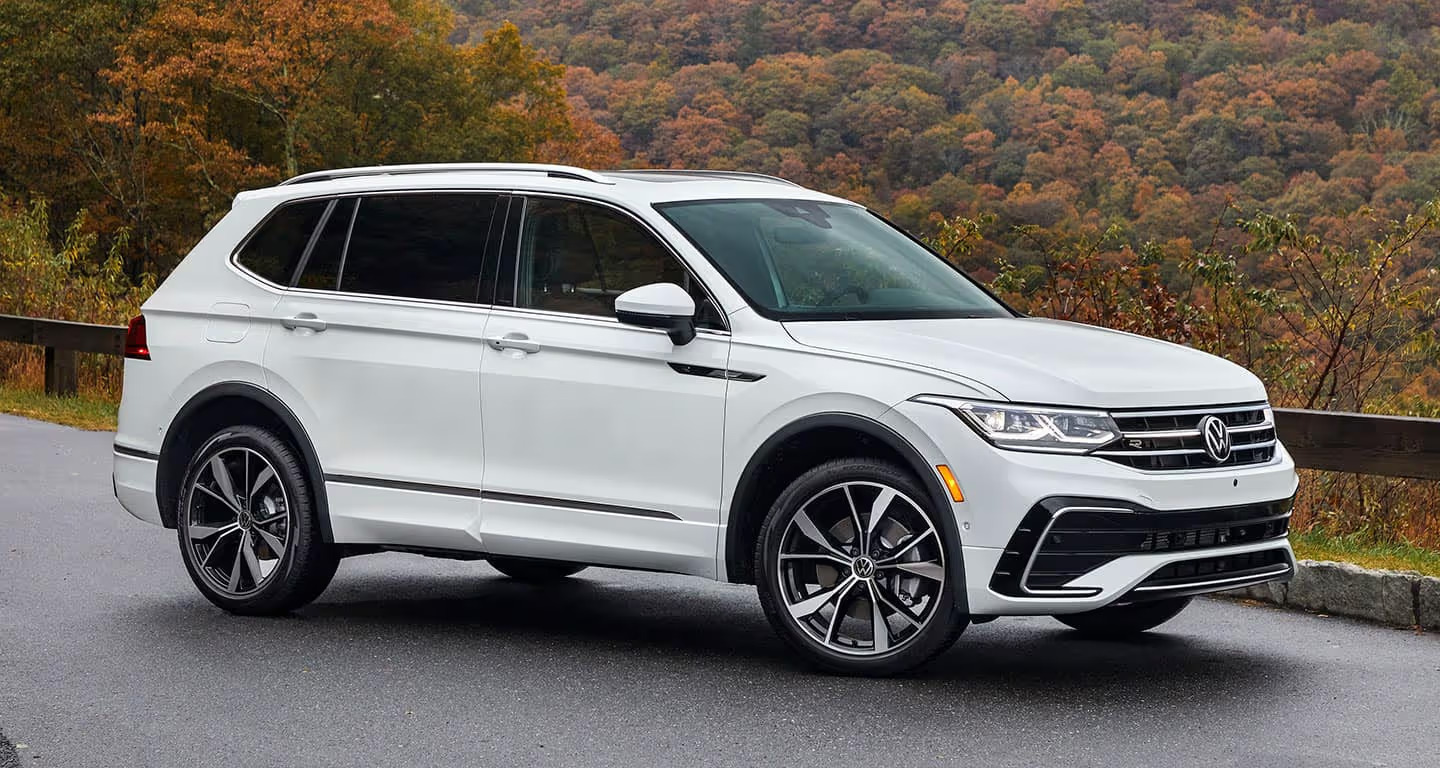
1. Volkswagen Tiguan
The Volkswagen Tiguan has emerged as one of the strongest performers in lease buyback profitability, making it an appealing option for drivers seeking long-term value. In many cases, its actual resale price significantly exceeds projected lease-end residual values, creating an opportunity for lessees to gain instant equity. This allows owners to either retain the vehicle for continued use or trade it in for financial return.
One of the Tiguan’s biggest strengths is its ability to maintain value over time. A recent redesign, premium-quality cabin, and steady demand for compact European-style SUVs help it avoid the sharp depreciation common among standard family crossovers. Its blend of practicality and upscale features positions it between mainstream and luxury models, improving resale confidence.
Performance enhancements in the 2026 model also increase its market appeal. Lower trims continue with a turbocharged 2.0-liter engine producing 201 horsepower, while the SEL R-Line Turbo introduces a stronger 268-horsepower setup for more responsive acceleration and sportier driving dynamics. Reduced vehicle weight and an eight-speed automatic transmission contribute to improved efficiency, handling, and ride comfort.
The interior emphasizes convenience and refinement, featuring a spacious cabin, upgraded materials, larger cargo capacity, and advanced infotainment systems with touchscreen displays and wireless connectivity. Premium options such as ventilated seats, a heated steering wheel, and upgraded audio systems enhance comfort.
Safety remains another major advantage, with standard technologies including emergency braking, lane-keeping assistance, adaptive cruise control, blind-spot monitoring, and an expanded airbag system. Together, these qualities strengthen the Tiguan’s reputation as a practical, feature-rich SUV with strong financial and long-term ownership value.
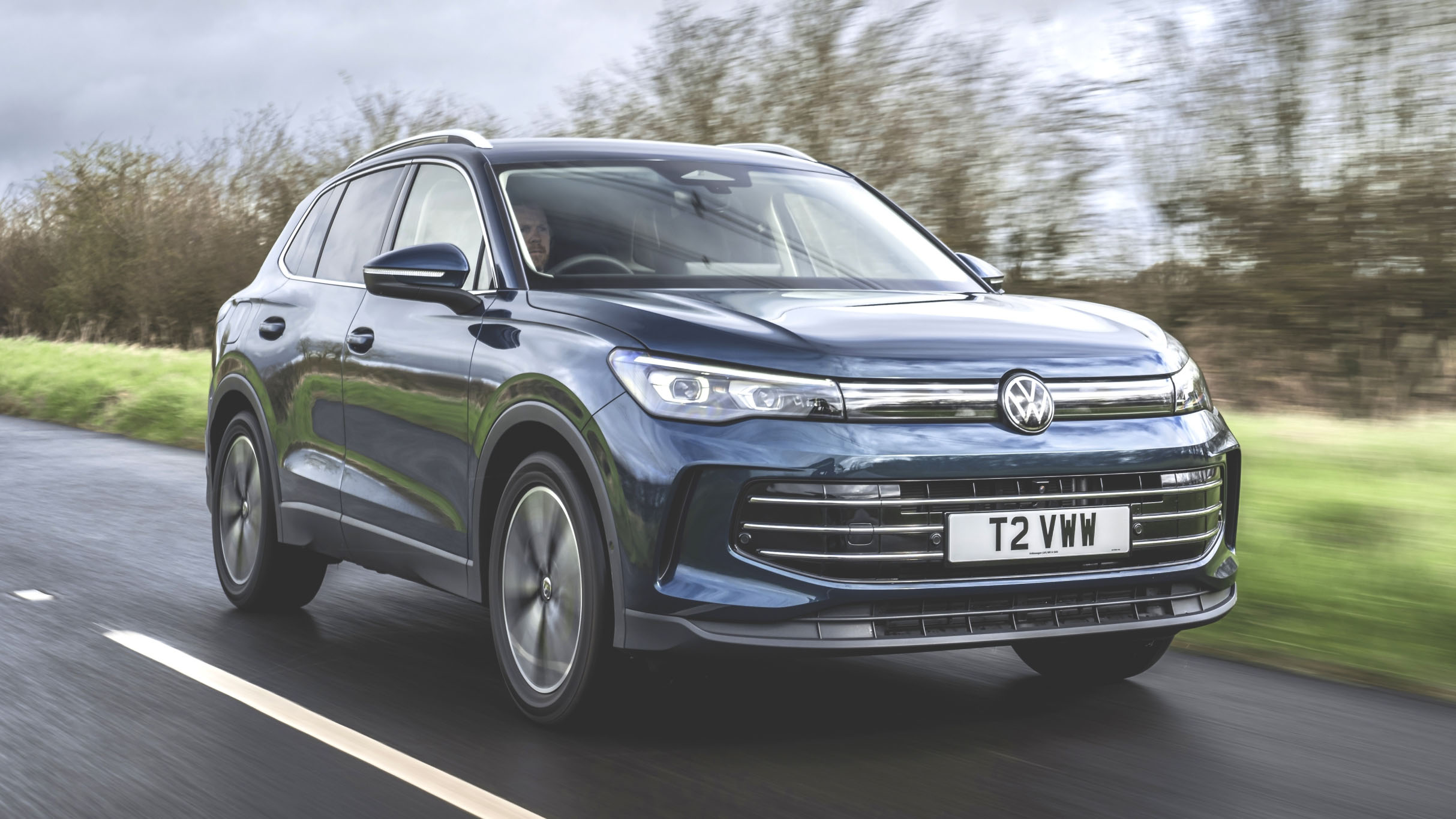
- Engine: 2.0L turbocharged inline-4 (TSI standard models) / 2.0L turbocharged inline-4 (EA888 EVO5, SEL R-Line Turbo)
- Horsepower: 184–201 hp (standard 2.0L TSI) / 268 hp (SEL R-Line Turbo)
- Torque: 221 lb-ft (300 N·m) (standard 2.0L TSI) / 258 lb-ft (350 N·m) (SEL R-Line Turbo)
- Length: ~185.1 in (4.70 m)
- Width: ~72.4 in (1.84 m)
2. Volkswagen Passat
The Volkswagen Passat has emerged as an unexpected standout in lease buyback profitability, despite growing competition from SUVs and crossovers. One of the biggest reasons for its strong resale performance is the discontinuation of newer models, which has reduced supply and increased demand for well-maintained used Passats. As a result, off-lease vehicles frequently sell for more than 56% above their original contractual residual values, creating a valuable opportunity for lessees.
For drivers reaching the end of a lease, the Passat offers a practical financial advantage. Purchasing the sedan at its fixed lease-end price can secure a premium-quality vehicle for significantly less than its current market value. This pricing gap also makes the Passat attractive for immediate resale, allowing owners to benefit from built-in equity.
The Passat’s reputation for comfort, interior quality, and balanced driving characteristics also contributes to its lasting appeal. Known for its spacious cabin, generous rear-seat legroom, and refined ride quality, the sedan remains an appealing option for families and professionals seeking comfort without sacrificing practicality. High-quality materials, user-friendly infotainment, and strong visibility further support its reputation as a refined midsize sedan.
Performance is centered on a turbocharged 2.0-liter four-cylinder engine paired with a six-speed automatic transmission, delivering smooth acceleration and dependable highway cruising. While fuel economy remains competitive, the Passat stands out more for comfort and stability than outright efficiency.
Safety and technology features also strengthen resale confidence. Standard systems such as forward-collision warning, automatic emergency braking, blind-spot monitoring, and rear cross-traffic alert improve everyday usability, while available adaptive cruise control enhances long-distance comfort. Together, these strengths make the Volkswagen Passat a financially smart and highly practical lease buyback option.
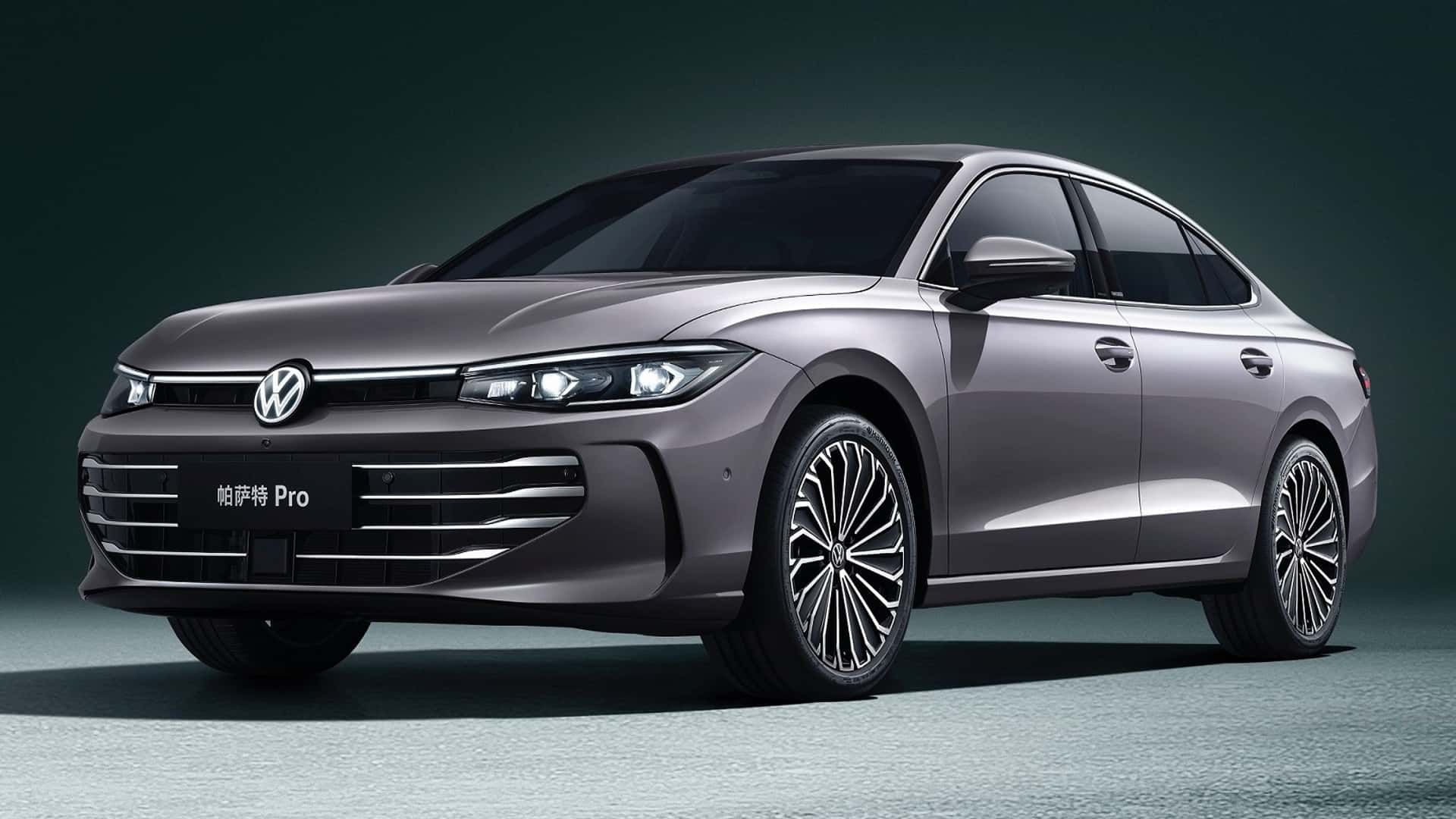
- Engine: 1.5L turbocharged inline-4 eHybrid / 2.0L turbocharged inline-4 TSI (gasoline) / 2.0L turbocharged inline-4 TDI (diesel) / 3.6L V6 (select older trims)
- Horsepower: 150–204 hp (1.5L / 2.0L standard models) / 272–280 hp (high-output trims & V6 variants)
- Torque: 184–280 lb-ft (250–380 N·m) (standard engines) / up to 266 lb-ft (360 N·m) (newer B9 performance trims)
- Length: 187.7–193.6 in (4.77–4.92 m)
- Width: 72.1–72.9 in (1.83–1.85 m)
3. Dodge Charger
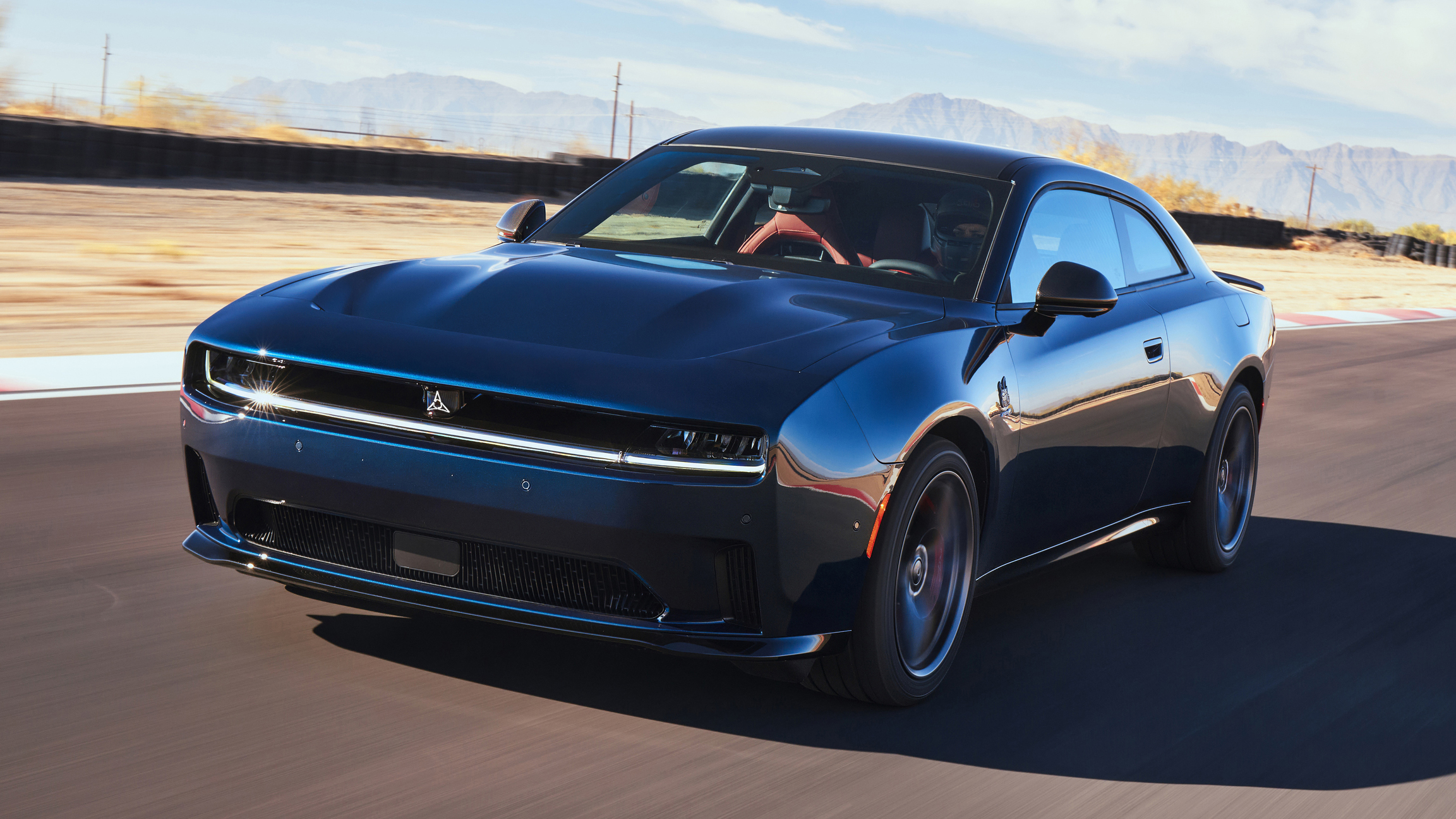
The Dodge Charger stands out as a strong performer in lease buyback profitability because demand for traditional muscle cars continues to rise while supply becomes more limited. As production shifts away from classic gasoline-powered performance vehicles, clean off-lease Chargers are increasingly sought after in the used market. This scarcity often drives resale values to more than 55 percent above projected lease-end residuals, creating a strong financial advantage for lessees who choose to buy out their vehicles.
Its value is strongly tied to its identity as a modern muscle car that still preserves its heritage appeal. The Charger uses Hurricane twin-turbocharged inline-six engines that produce between 420 and 550 horsepower, depending on the trim level. This delivers strong acceleration and maintains the performance character associated with the nameplate. An eight-speed automatic transmission works with a standard all-wheel-drive system, while a selectable rear-wheel-drive mode adds flexibility for performance-focused driving.
The Charger also benefits from a balance of performance and everyday usability. Its liftback-style rear design improves cargo access and storage practicality compared to traditional sedans. The cabin offers comfortable seating and a mix of retro-inspired styling with modern digital features. Although fuel economy is not its main strength, the focus remains on power delivery, driving enjoyment, and versatility.
The Charger’s cabin is centered around a modern digital setup, highlighted by a large touchscreen infotainment system. This interface enables smartphone connectivity, voice command functionality, built-in navigation, and optional premium audio upgrades for a more immersive in-car experience.
Safety and driving convenience are reinforced through a suite of driver-assistance technologies. Features such as adaptive cruise control, lane-keeping assist, blind-spot monitoring, and automatic emergency braking work together to support the driver and improve confidence in everyday driving situations.
The Dodge Charger maintains strong market demand due to its combination of performance heritage, modern engineering, and practical features. This balance helps sustain high resale values and reinforces its position as a strong lease buyback opportunity in the performance car segment.
4. Nissan LEAF
The Nissan LEAF has seen a significant rise in lease buyback and resale value, largely driven by increasing demand for affordable electric vehicles. In many cases, off-lease models are selling for more than 52 percent above their contractual buyout prices. This is partly because early lease agreements underestimated long-term battery durability, leaving residual values lower than real-world market conditions. As a result, lessees can often purchase the vehicle at a discounted price and either retain it as a low-cost commuter EV or resell it for immediate profit.
A major factor behind the LEAF’s strong performance is its low cost of ownership. It consistently ranks among the most affordable electric vehicles, with minimal maintenance needs and efficient daily operation. Its relatively low original price also helps it avoid the steep depreciation seen in more expensive electric models, keeping resale values more stable over time. Strong reliability perceptions and proven battery longevity further reinforce buyer confidence in the used market.
Performance is centered around a single electric motor producing 214 horsepower, delivering smooth and quiet acceleration suitable for everyday driving. While not designed for sporty handling, the LEAF focuses on comfort and ease of use. Its regenerative braking system offers adjustable levels of energy recovery, enhancing efficiency in city driving conditions.
Battery capability is another key strength, with up to 303 miles of estimated range depending on configuration. Fast-charging support allows an 80 percent recharge in roughly 35 minutes, and compatibility with multiple charging standards increases convenience. Interior space is practical and modern, offering flexible cargo capacity and comfortable seating for passengers.
Technology features include dual touchscreen displays with smartphone integration, upgraded infotainment options in higher trims, and available premium audio systems. Safety is enhanced by a standard suite of driver-assistance features, including adaptive cruise control, lane-centering assistance, automatic emergency braking, and blind-spot monitoring. Combined, these strengths make the Nissan LEAF a practical, economical, and financially attractive EV in the lease buyback market.
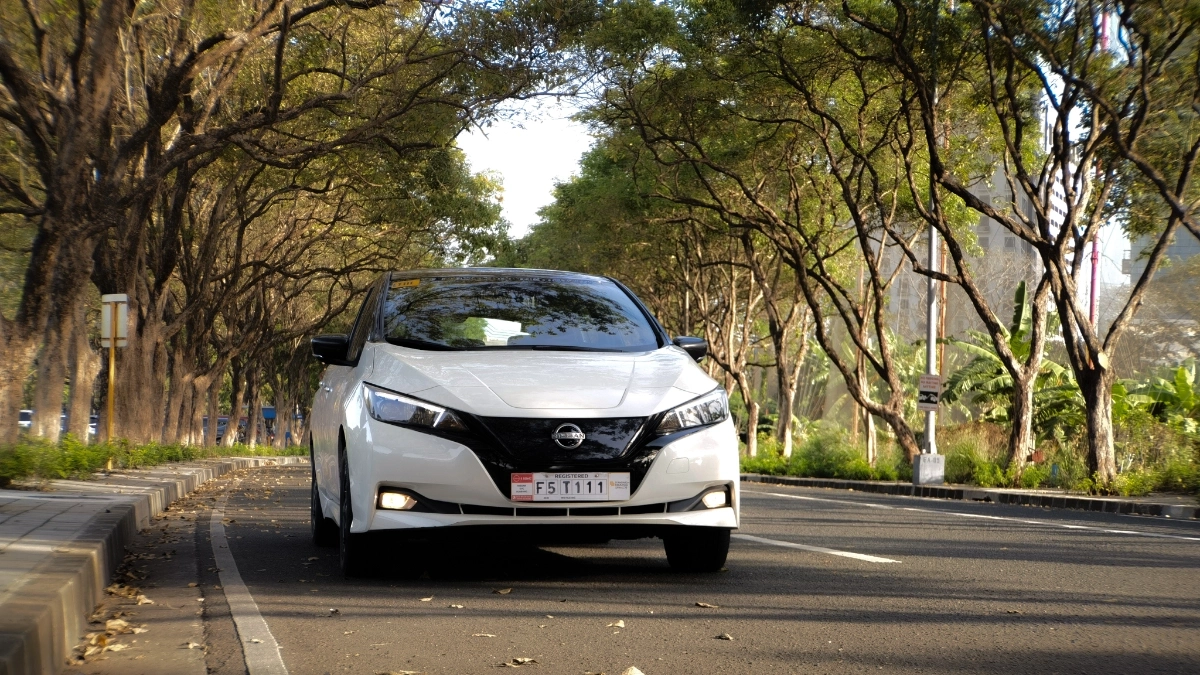
- Engine: Front-mounted AC synchronous electric motor (40 kWh standard) / upgraded AC synchronous electric motor (60–62 kWh e+ models)
- Horsepower: 147 hp (standard 40 kWh) / 214–217 hp (e+ / long-range models)
- Torque: 236 lb-ft (320 N·m) (standard) / 250–261 lb-ft (340 N·m) (e+ / long-range models)
- Length: 176.8 in (4.49 m)
- Width: 70.4 in (1.79 m)
5. Toyota Tacoma
Strong resale value and excellent lease buyback potential continue to make the Toyota Tacoma one of the most desirable midsize trucks on the market. The truck consistently retains a large percentage of its original MSRP, with many models holding between 63 and over 80 percent of their value after several years. This impressive retention is supported by steady consumer demand, limited availability of quality used trucks, and Toyota’s reputation for long-term durability.
Reliability plays a major role in Tacoma’s popularity. Owners regularly praise the truck for its ability to handle high mileage, off-road use, and demanding work conditions without serious mechanical issues. Its rugged image and dependable performance have helped maintain strong demand among contractors, outdoor enthusiasts, and daily drivers alike. Specialized off-road trims further strengthen its appeal in the used vehicle market.
Performance comes from a turbocharged 2.4-liter four-cylinder engine available with multiple output levels, along with manual or automatic transmission choices and optional four-wheel drive. The Tacoma balances work capability with everyday drivability through improved suspension tuning, respectable towing capacity, and competitive fuel efficiency.
The truck offers upgraded materials, supportive seating, and larger digital displays that improve comfort and convenience. Touchscreen infotainment includes smartphone connectivity, while higher trims add premium audio and expanded technology features.
Safety remains another advantage, with standard systems including adaptive cruise control, lane-keeping assist, blind-spot monitoring, and automatic emergency braking to improve driver confidence in various road conditions.
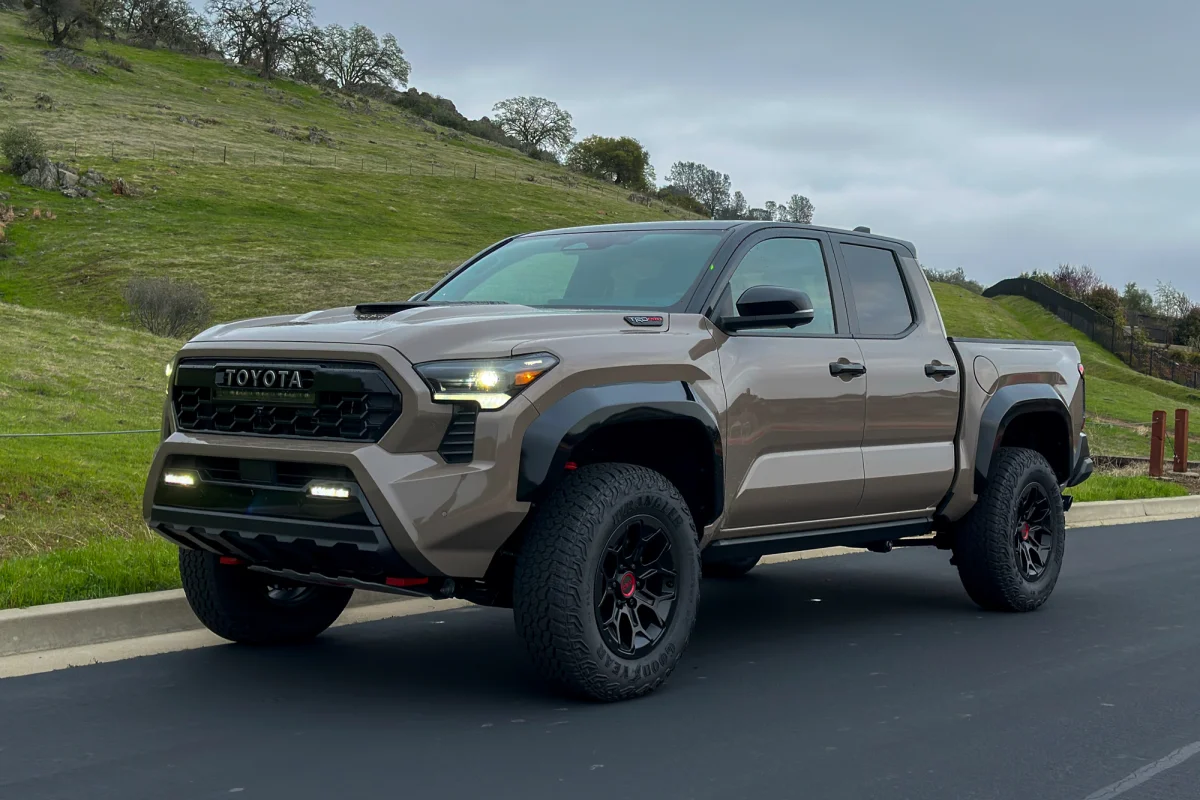
- Engine: 2.4L turbocharged inline-4 (i-FORCE Turbo base & mid trims) / 2.4L turbocharged inline-4 hybrid (i-FORCE MAX)
- Horsepower: 228 hp (base SR) / 270–278 hp (mid & high gas trims) / 326 hp (i-FORCE MAX hybrid)
- Torque: 243 lb-ft (base) / 310–317 lb-ft (gas trims) / 465 lb-ft (hybrid)
- Length: 213.0–226.2 in (5.41–5.74 m)
- Width: 77.4–77.9 in (1.97–1.98 m)
Also read: 5 Cars Where Trade-In Beats Private Sale vs 5 Where It Doesn’t
6. Toyota Tundra
The Toyota Tundra stands as one of the strongest performers in the full-size truck segment for resale value and lease buyback profitability, retaining approximately 78.6 percent of its original value.
This exceptional retention is driven by consistent demand, limited supply compared to key rivals, and Toyota’s long-standing reputation for durability and reliability. As a result, used Tundras often sell at premium prices, creating strong incentives for lease-end buyouts that allow drivers to access a full-size truck at a significantly reduced cost compared to current market pricing.
A major contributor to its value strength is its reputation for long-term dependability. Built on a body-on-frame platform with robust engineering, the Tundra is widely trusted to perform reliably well beyond 100,000 miles. Strong resale awards and repeated recognition as a top-performing brand in value retention further reinforce buyer confidence. Limited production volume compared to competing full-size trucks also keeps used inventory tight, supporting higher resale prices.
The modern Tundra is powered by twin-turbocharged 3.4-liter V6 engines producing between 348 and 389 horsepower, paired with a 10-speed automatic transmission. A hybrid variant is also available with increased output. While not the segment leader in acceleration or towing capacity, the Tundra delivers balanced performance, composed handling, and improved ride comfort thanks to its coil-spring rear suspension.
The Tundra’s cabin is built around practicality, offering a roomy layout, straightforward controls, and storage solutions that make it well-suited for both work duties and everyday use. Rather than focusing on luxury, the interior emphasizes durability and functional design.
The vehicle’s technology features center around a large touchscreen infotainment display that supports smartphone connectivity, allowing drivers to access navigation, entertainment, and communication functions with ease. Upper trims further improve the experience with premium audio upgrades designed to deliver better sound quality throughout the cabin.
Toyota equips the vehicle with its standard Toyota Safety Sense package, which combines features such as adaptive cruise control, lane-keeping assist, and automatic emergency braking. Together, these driver-assistance systems help improve safety, increase driver awareness, and provide added confidence in a variety of driving situations.
Strong durability, steady demand, and dependable engineering combine to make the Toyota Tundra a consistently high-value asset in both resale and lease buyback markets.
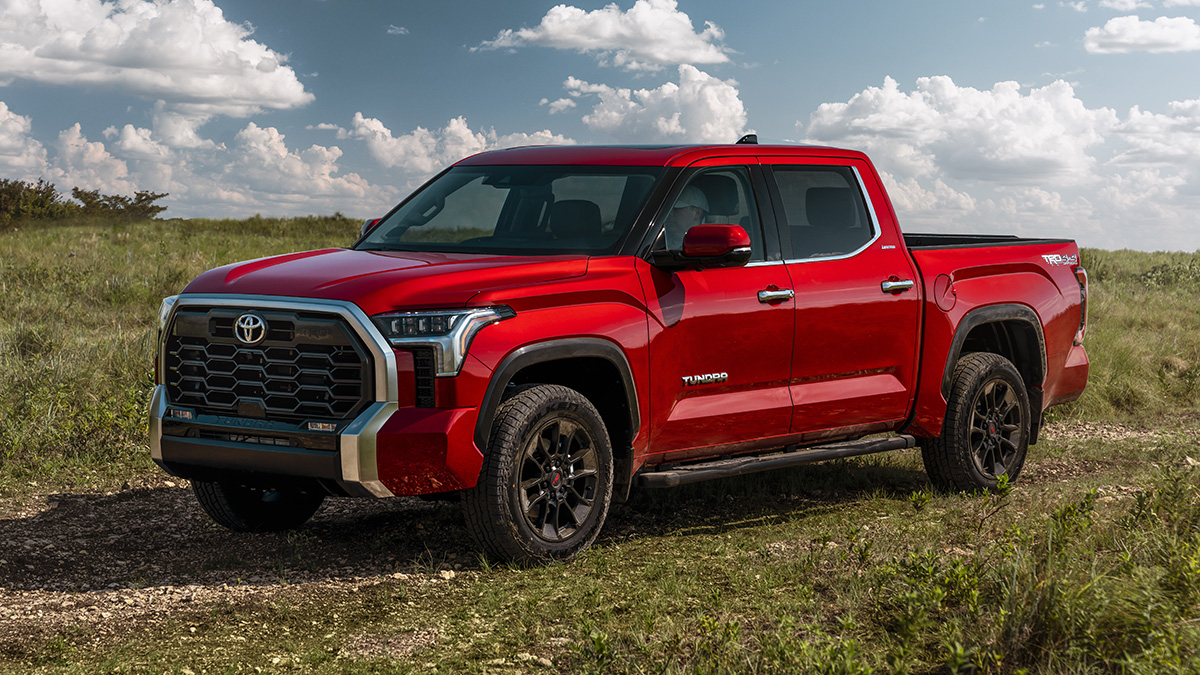
- Engine: 3.4L twin-turbocharged V6 (i-FORCE) / 3.4L twin-turbocharged V6 hybrid (i-FORCE MAX) / 5.7L V8 (older generation)
- Horsepower: 358 hp (detuned base SR) / 389 hp (standard i-FORCE) / 437 hp (i-FORCE MAX hybrid) / 381 hp (older 5.7L V8)
- Torque: 405 lb-ft (base SR) / 479 lb-ft (i-FORCE) / 583 lb-ft (i-FORCE MAX hybrid) / 401 lb-ft (older 5.7L V8)
- Length: 233.6 in (5.93 m)
- Width: 80.2 in (2.04 m)
7. Honda Civic
The Honda Civic continues to rank among the top compact cars for resale value and lease buyback performance, holding approximately 77.3 percent of its original value. High fuel prices and increasing cost-of-living pressures sustain strong demand in the used market, keeping prices above conservative lease-end projections. This allows lessees to either buy the vehicle at a favorable residual price for dependable long-term use or resell it quickly due to consistent buyer interest.
A key factor behind its strong value retention is its reputation for durability and low ownership costs. The Civic is widely recognized for reaching very high mileage with routine maintenance, making it a dependable option for second-hand buyers. Its low fuel consumption and affordable upkeep further enhance its appeal, while its wide customer base ensures steady demand across different age groups and lifestyles.
The Civic’s performance lineup balances efficiency and usability. The standard gasoline model uses a 150-horsepower engine paired with a continuously variable transmission for smooth and efficient driving. The hybrid version significantly improves performance with a combined 200 horsepower while also delivering excellent fuel economy, making it more responsive without sacrificing efficiency.
The Honda Civic balances everyday usability with a straightforward, comfortable interior design. Its cabin features a clean dashboard layout, supportive front seats, and smart storage areas that improve convenience during daily driving. Rear passengers have enough room for comfortable travel, while the trunk provides practical cargo space for groceries, luggage, or weekend trips.
Technology features include a touchscreen infotainment system with smartphone compatibility, along with available wireless connectivity and premium audio upgrades on higher trims. The Civic also maintains a strong focus on safety by including standard driver-assistance technologies such as adaptive cruise control, lane-keeping assist, and automatic emergency braking. Additional available features include blind-spot monitoring, rear cross-traffic alert, and parking assistance systems.
Consistent reliability, fuel efficiency, and strong consumer demand continue to support the Civic’s reputation for excellent resale value and desirable lease buyback potential.
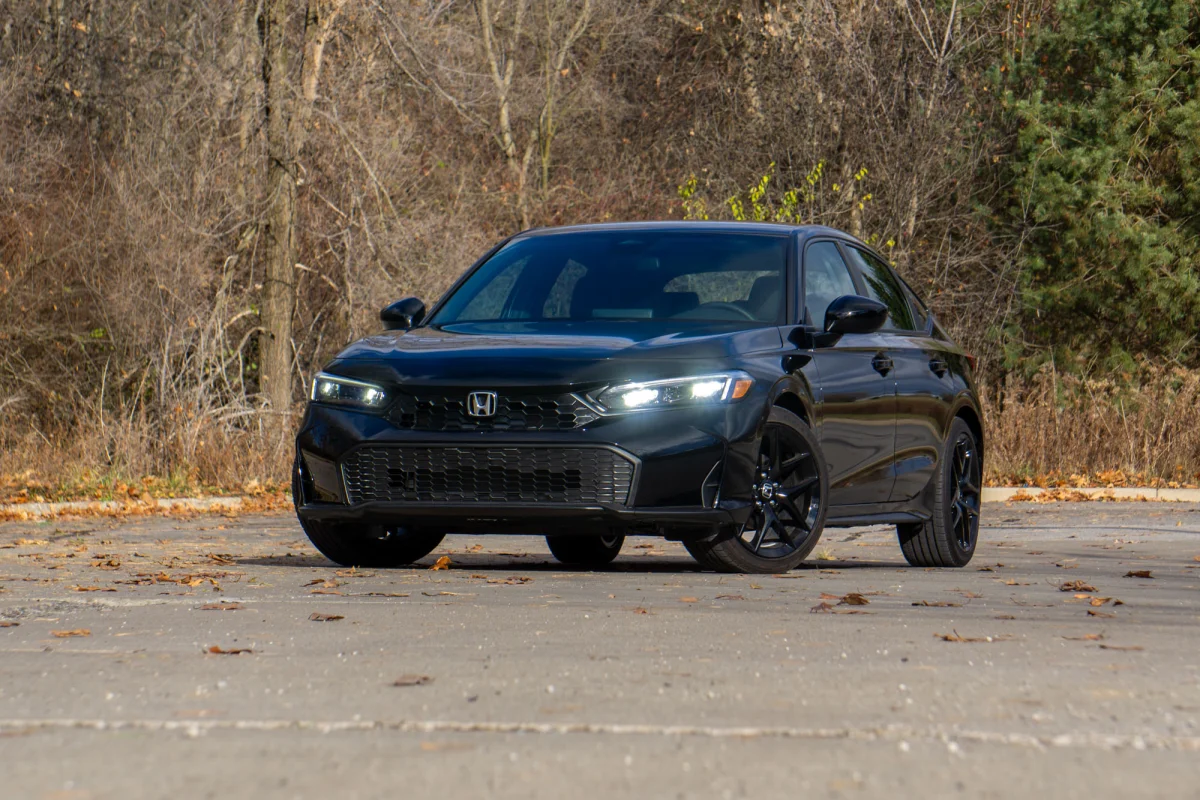
- Engine: 2.0L inline-4 (standard) / 1.5L turbocharged inline-4 (Sport & Si) / 2.0L turbocharged inline-4 (Type R) / 2.0L hybrid e (electrified)
- Horsepower: 158 hp (2.0L base) / 176–180 hp (1.5L turbo) / 200 hp (Si) / 315 hp (Type R) / 184 hp (hybrid e)
- Torque: 138 lb-ft (187 N·m) (2.0L base) / 177 lb-ft (240 N·m) (1.5L turbo) / 192 lb-ft (260 N·m) (Si) / 310 lb-ft (420 N·m) (Type R) / 232 lb-ft (315 N·m) (hybrid e)
- Length: 184.2 in (4.68 m)
- Width: 70.9 in (1.80 m)
8. Toyota RAV4
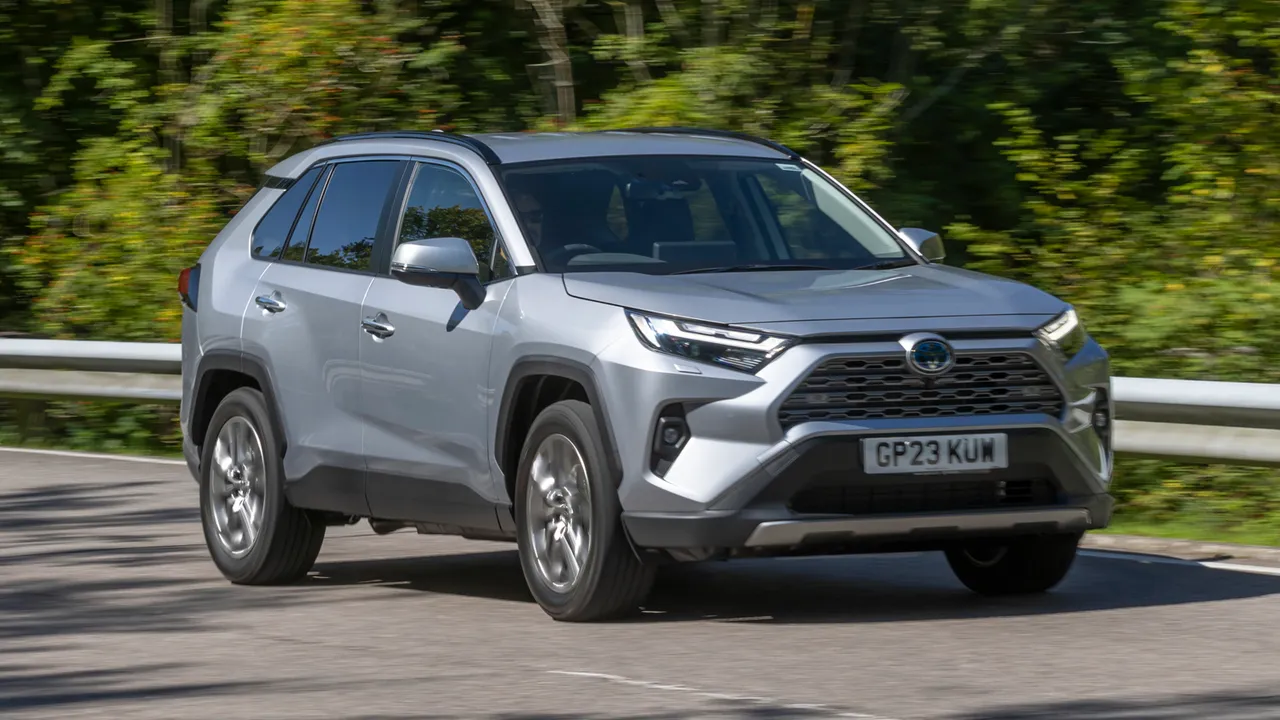
The Toyota RAV4 remains one of the strongest performers in the compact SUV market, retaining an impressive 75% of its value and continuing to rank among the most desirable vehicles for lease buybacks and resale opportunities. Its reputation for long-term reliability, fuel efficiency, and everyday practicality keeps demand consistently high, often allowing used examples to command prices well above their lease-end buyout values.
A major reason for the RAV4’s strong resale performance is Toyota’s shift toward hybrid and plug-in hybrid powertrains. Hybrid models are increasingly sought after because of rising fuel costs and growing demand for efficient vehicles. The standard RAV4 Hybrid combines a 2.5-liter four-cylinder engine with electric motors to produce up to 236 horsepower with all-wheel drive, while the plug-in hybrid version delivers a much stronger 320 horsepower and quicker acceleration.
Efficiency remains a key advantage for the Toyota RAV4, particularly in its hybrid and plug-in hybrid configurations. Front-wheel-drive hybrid models can return up to 47 mpg in city driving, while plug-in hybrid versions offer as much as 52 miles of electric-only range before switching to gasoline power. Even with its fuel-saving focus, the RAV4 still maintains solid utility, with many trims capable of towing up to 3,500 pounds.
The cabin is designed to prioritize everyday usability, combining roomy seating with practical cargo flexibility and a rugged-inspired interior layout. Standard technology includes a 10.5-inch touchscreen infotainment system with wireless Apple CarPlay and Android Auto compatibility, while higher trims can be equipped with upgraded JBL premium audio systems.
Toyota also places strong emphasis on safety by including the Toyota Safety Sense suite across the lineup. Features such as adaptive cruise control, lane-keeping assist, and automatic emergency braking come standard to improve driver awareness and confidence. Supported by Toyota’s reputation for long-term durability and dependable warranty coverage, the RAV4 continues to stand out as one of the most dependable and value-conscious SUVs in its segment.
- Engine: 2.5L 4-cylinder Dynamic Force (gas) / 2.5L 4-cylinder hybrid (HEV) / 2.5L 4-cylinder plug-in hybrid (RAV4 Prime PHEV)
- Horsepower: 203 hp (gas) / 219–236 hp (hybrid) / 302 hp (PHEV)
- Torque: 184 lb-ft (249 Nm) (gas) / up to 163 lb-ft combustion + up to 221 lb-ft system (hybrid) / up to 288 lb-ft (PHEV system combined)
- Length: 180.9 in (4.60 m)
- Width: 73.0 in (1.86 m)
9. Honda HR-V
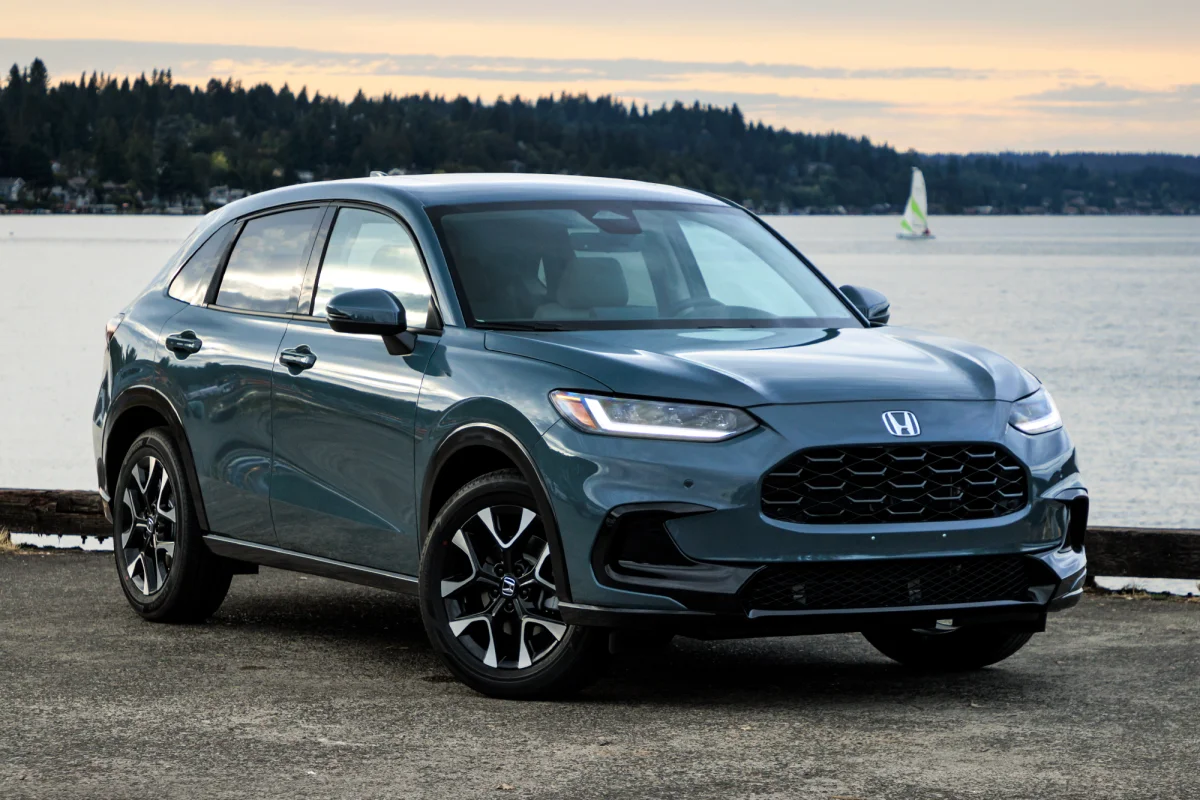
The Honda HR-V is a subcompact SUV recognized for strong resale value, retaining about 71.3% of its lease-end value. Its popularity among first-time buyers and urban drivers keeps demand steady in the used market, helping it consistently outperform expected depreciation and remain a dependable entry-level crossover choice.
The HR-V’s value is driven by its Magic Seats system, which allows flexible cargo configurations similar to a wagon. Strong reliability and low maintenance costs increase buyer confidence, while Honda Sensing safety features add appeal. Industry awards and recognition for residual value further strengthen demand, alongside efficient engines and hybrid options in global markets.
It uses a 2.0-liter four-cylinder engine producing 158 horsepower paired with a CVT and optional all-wheel drive. Acceleration is modest at about 9.4 seconds to 60 mph, reflecting its focus on efficiency rather than performance. It shares its engine with the Civic, but feels underpowered in heavier driving conditions.
Practicality plays a central role in the Honda HR-V’s design, with a roomy cabin layout influenced by the Civic and built to support everyday usability. Comfortable seating, flexible storage solutions, and generous cargo room help make the subcompact SUV well-suited for both city driving and longer trips. A 9-inch touchscreen infotainment system comes equipped with wireless Apple CarPlay and Android Auto for seamless smartphone connectivity.
Honda also equips the HR-V with a strong collection of standard safety technologies. Adaptive cruise control, lane-keeping assist, and automatic emergency braking are included across the lineup to improve driver confidence and support safer driving in different conditions.
Fuel efficiency remains competitive within the segment, with front-wheel-drive models reaching up to 32 mpg on the highway. All-wheel-drive variants sacrifice a small amount of efficiency in exchange for added traction and stability. While warranty coverage does not stand out against some rivals, Honda offsets this with complimentary maintenance for the first year. Combined with its efficient operation, practical interior, and dependable reputation, the HR-V continues to stand out as a smart value-focused SUV choice.
- Engine: 2.0L naturally aspirated 4-cylinder (North America/Global) / 1.5L 4-cylinder (selected Asian & European markets, petrol or hybrid)
- Horsepower: 158 hp (2.0L NA) / ~119–131 hp (1.5L markets)
- Torque: 138 lb-ft (187 Nm) (2.0L NA) / ~145–253 Nm (1.5L petrol & hybrid variants)
- Length: 179.8 in (4.57 m) (NA 3rd gen) / 172.8 in (4.39 m) (selected markets)
- Width: 72.4 in (1.84 m) (NA 3rd gen) / 70.5 in (1.79 m) (selected markets)
10. Honda CR-V
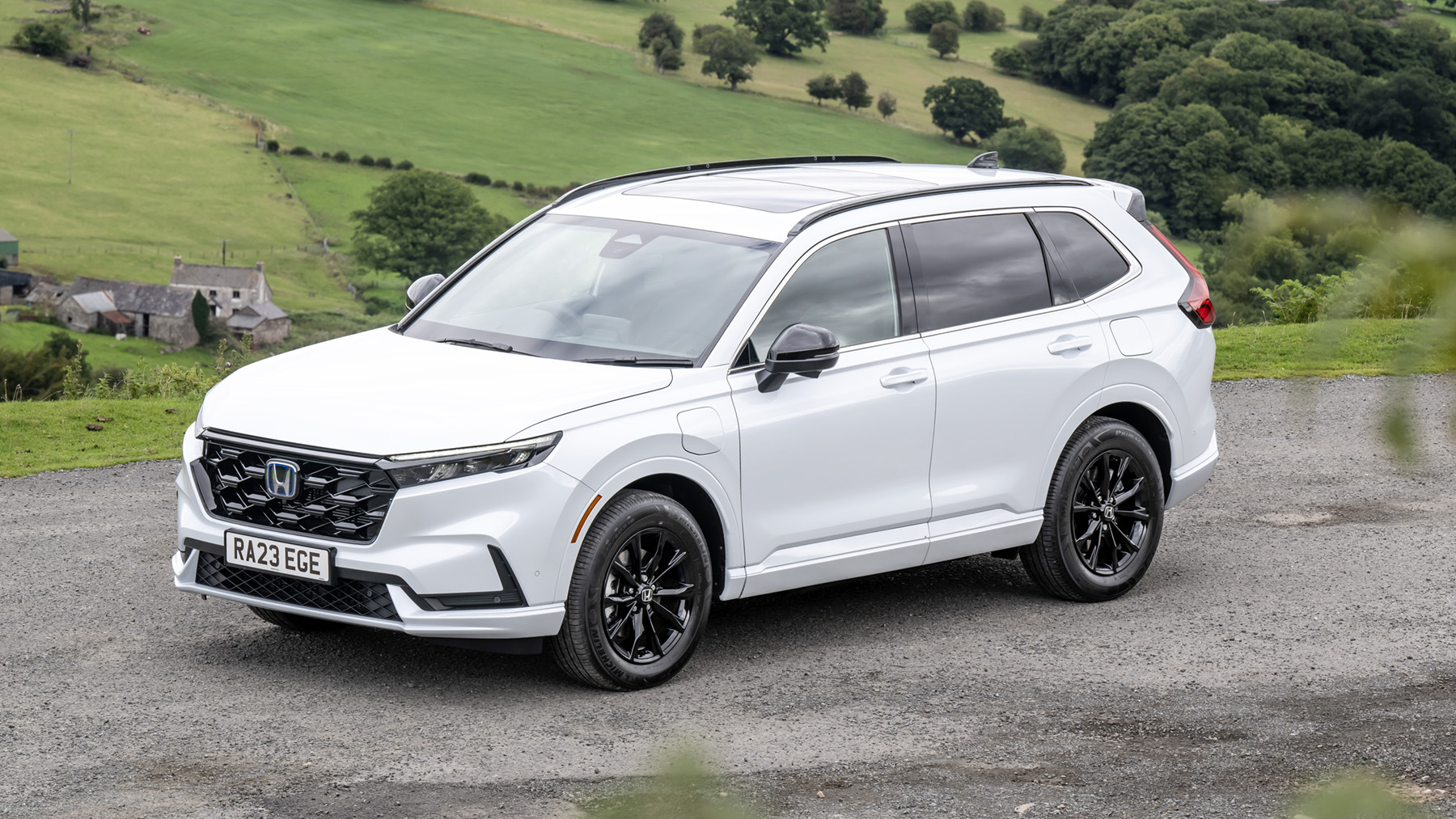
The Honda CR-V is a compact SUV known for consistently outperforming lease-end depreciation expectations. Strong demand in the used market allows it to retain high resale value and often exceeds residual forecasts. This creates meaningful equity for owners and makes it a popular choice among families and long-term buyers globally.
Its value retention is driven by Honda’s reliability, with engines and transmissions lasting beyond 150,000 kilometers with routine maintenance. Strong brand trust, high awards recognition, and steady buyer demand keep prices elevated. Low ownership costs and widespread availability of parts further strengthen its appeal in global resale markets, consistently strong.
Power comes from a 1.5-liter turbocharged four-cylinder engine producing 190 horsepower paired with a CVT and available front- or all-wheel drive. Acceleration is about 8.1 seconds to 60 mph, prioritizing comfort and efficiency. The setup is smooth but not sporty, focusing on daily driving usability and refinement for family use.
A spacious and contemporary interior helps the Honda CR-V stand out in the compact SUV segment. The cabin includes a 9-inch touchscreen infotainment system with Apple CarPlay and Android Auto connectivity, while generous rear-seat legroom and roughly 39 cubic feet of cargo capacity improve comfort and practicality for passengers and everyday hauling needs.
Most trims are equipped with advanced driver-assistance technologies such as adaptive cruise control, lane-keeping assist, and collision mitigation braking systems. These features help improve safety, increase driver awareness, and provide added confidence during daily driving.
The CR-V also delivers strong fuel efficiency, with front-wheel-drive versions capable of reaching up to 33 mpg on the highway. All-wheel-drive models return slightly lower figures due to the added traction system. Utility remains solid as well, with towing capability rated at up to 1,500 pounds for light-duty hauling. Warranty coverage remains competitive for the segment, and newer models in many markets include one year of complimentary scheduled maintenance.
- Engine: 1.5L turbocharged 4-cylinder (gas) / 2.0L Atkinson-cycle 4-cylinder hybrid (e:HEV)
- Horsepower: 190 hp (1.5L turbo) / 204 hp (hybrid combined)
- Torque: 179 lb-ft (240 Nm) (1.5L turbo) / 247 lb-ft (335 Nm) (hybrid combined)
- Length: 184.8 in (4.69 m)
- Width: 73.5 in (1.87 m)
Also read: 12 Cars Under $25K That’ll Last 200,000 Miles