
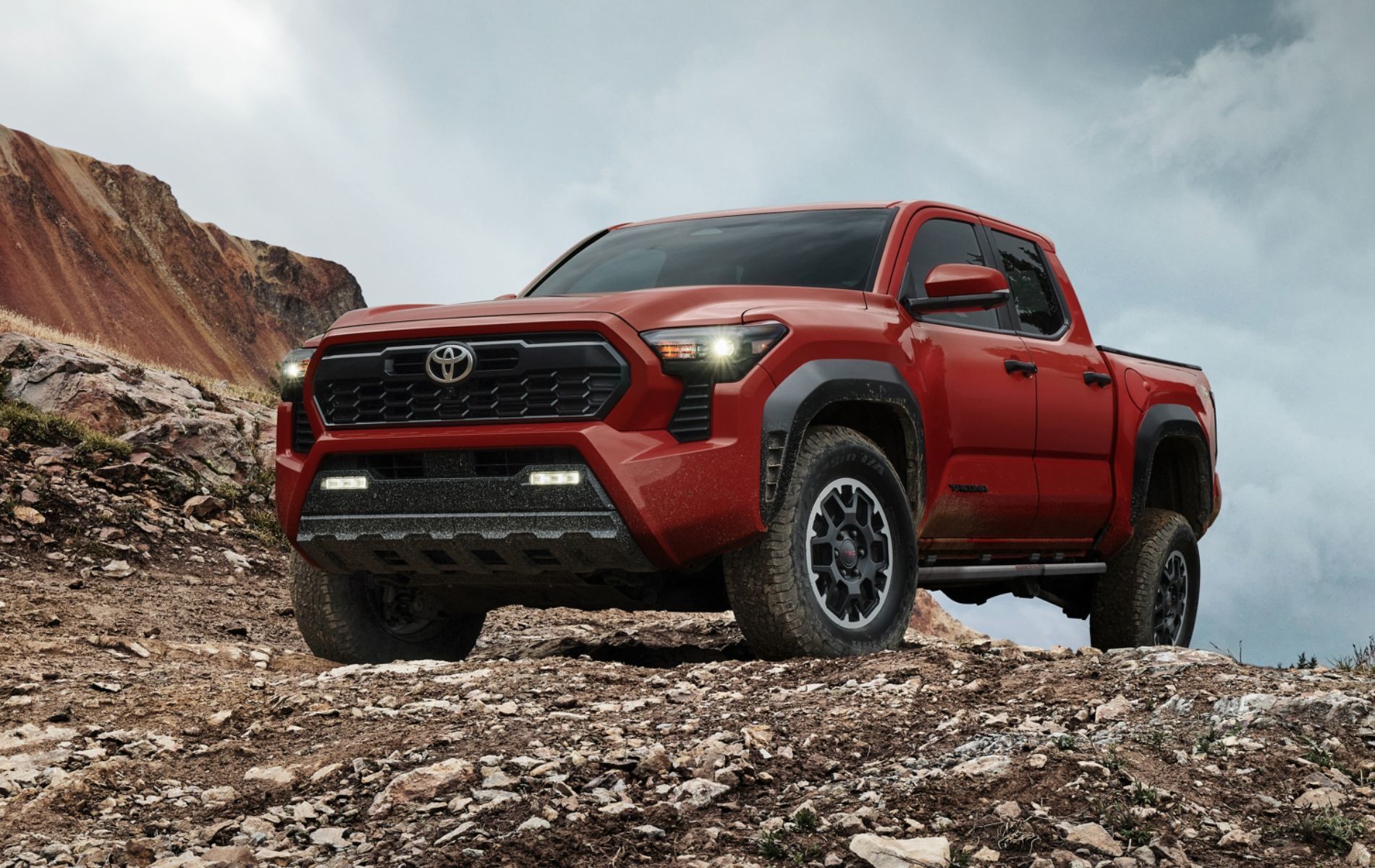
The global automotive industry is one of the largest and most influential sectors in the world economy, shaping transportation, infrastructure, urban development, and even environmental policy. Every year, millions of vehicles are sold across different categories, ranging from compact passenger cars to heavy commercial trucks and specialized utility vehicles.
Understanding which vehicle types dominate sales helps reveal consumer preferences, economic trends, fuel demand patterns, and technological shifts such as electrification and automation.
Vehicle sales are not evenly distributed across categories. Some types consistently outperform others due to practicality, affordability, and versatility. For example, passenger cars have historically been the backbone of global vehicle sales because they cater to individual mobility needs in urban and suburban environments.
On the other hand, SUVs have seen explosive growth over the last decade, driven by consumer demand for higher seating positions, increased cargo space, and a perceived sense of safety. Light commercial vehicles, including pickup trucks and vans, also represent a significant portion of global sales due to their essential role in logistics, delivery services, and small business operations.
Regional preferences play a major role in shaping these rankings. In North America, pickup trucks dominate sales charts, while in Europe, compact hatchbacks and small SUVs are more popular due to narrow roads and fuel efficiency concerns.
In Asia, especially in densely populated countries, smaller passenger vehicles and scooters are widely used, although SUVs are rapidly gaining market share as incomes rise. Emerging markets also influence global trends, as affordability and durability often take priority over luxury or performance features.
Technological advancements are also reshaping the hierarchy of vehicle sales. Electric vehicles are gradually increasing their share across multiple categories, especially in passenger cars and SUVs.
Government incentives, stricter emission regulations, and growing environmental awareness are accelerating this shift. Meanwhile, traditional internal combustion engine vehicles still dominate in many regions due to lower upfront costs and established fueling infrastructure.
This article ranks 10 major vehicle types from highest to lowest global sales based on market trends, usage patterns, and industry reports.
While exact figures vary by year and region, the ranking provides a clear and factually grounded overview of how different vehicle categories perform in the global marketplace. Each section explores why a particular vehicle type ranks where it does, what drives its demand, and how its position is evolving in the modern automotive industry.
Also Read: 8 Car Mods That Actually Raise Resale Value
1. Passenger Cars
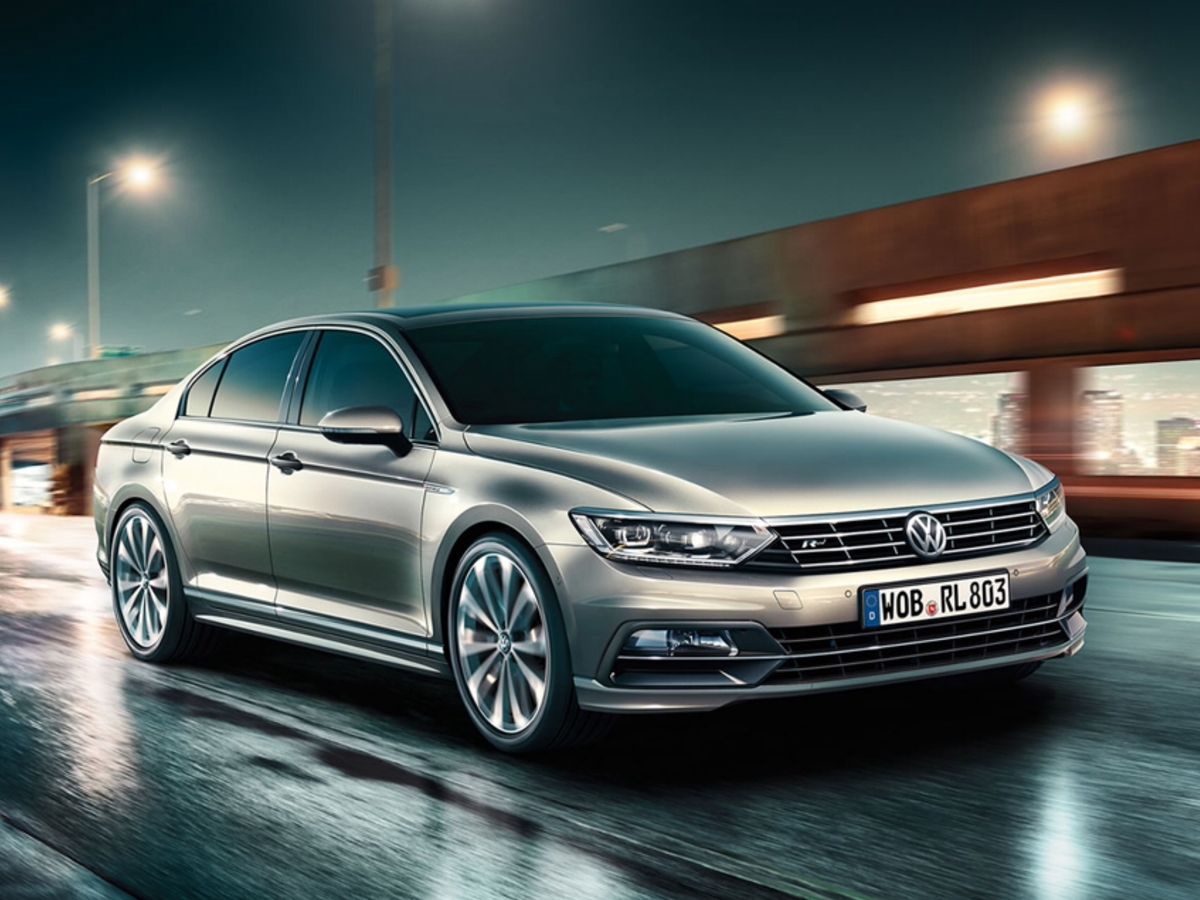
Passenger cars consistently dominate global vehicle sales because they represent the most fundamental form of personal transportation. They include sedans, hatchbacks, compact cars, and entry-level family vehicles. Their dominance is deeply rooted in their accessibility, as they are widely available across nearly every automotive market in the world.
From highly urbanized cities to semi-rural areas, passenger cars remain the default choice for individuals seeking affordable and reliable transportation. This widespread appeal keeps them at the top of vehicle sales, even with growing competition from SUVs and other categories.
One of the strongest reasons for their top ranking is affordability. Passenger cars generally have the lowest entry price among four-wheeled vehicles, making them accessible to first-time buyers and middle-income families. They also tend to offer lower insurance premiums, better fuel economy, and cheaper maintenance costs compared to larger vehicles.
In countries where fuel prices are high or income levels are moderate, these economic advantages significantly influence purchasing decisions. As a result, passenger cars maintain consistent demand even during economic slowdowns.
Another important factor is their suitability for urban environments. Modern cities often face challenges such as traffic congestion, limited parking spaces, and narrow roads. Passenger cars are compact enough to navigate these conditions efficiently, making them highly practical for daily commuting.
Their maneuverability and ease of parking give them an advantage over larger vehicles like SUVs and trucks. This makes them especially popular in densely populated regions across Asia and Europe.
Passenger cars also benefit from long-established manufacturing and distribution networks. Automakers have been producing them for over a century, which has led to highly optimized production systems and widespread availability.
Consumers have access to a wide variety of models, price ranges, and features, allowing them to choose vehicles that suit their specific needs. This diversity in offerings helps sustain strong sales volumes across different markets and income groups.
Despite the rising popularity of SUVs, passenger cars continue to hold the largest cumulative global sales share. However, their growth rate has slowed in some regions due to shifting consumer preferences toward larger and more versatile vehicles. Even so, their affordability, efficiency, and global accessibility ensure that they remain the most sold vehicle type in the world.

2. SUVs (Sport Utility Vehicles)
Sport Utility Vehicles have experienced one of the most dramatic rises in the global automotive market. They are now firmly positioned as the second-highest-selling vehicle type worldwide. SUVs combine elements of passenger cars and off-road vehicles, offering higher seating positions, increased ground clearance, and spacious interiors.
This combination makes them highly attractive to families, long-distance travelers, and drivers seeking comfort and visibility on the road.
A major driver of SUV popularity is perceived safety. Many consumers believe that larger vehicles provide better protection in collisions, which has contributed significantly to their growing demand.
While safety depends more on engineering and design than size alone, this perception continues to influence purchasing decisions. Automakers have responded by equipping SUVs with advanced safety systems such as lane assist, adaptive cruise control, and collision warning technologies.
SUVs are also highly versatile, which adds to their global appeal. They perform well in both urban and rural environments, making them suitable for a wide range of road conditions. In countries with poor road infrastructure or varying terrain, SUVs are often preferred over smaller cars.
This adaptability has helped them establish a strong presence in both developed and emerging markets, driving sales volume higher year after year.
Another reason for their success is lifestyle marketing. SUVs are often promoted as premium yet practical vehicles, associated with comfort, adventure, and modern living. Even compact SUVs now offer premium interiors, touchscreen infotainment systems, and connectivity features that were once limited to luxury cars. This blending of practicality and aspiration has expanded their customer base significantly.
The SUV segment continues to evolve with electrification and hybrid technology. Many manufacturers are now launching electric SUVs to meet environmental regulations and consumer demand for greener alternatives. This shift is expected to sustain SUV dominance in global sales for the foreseeable future, even as fuel efficiency concerns remain a challenge.
3. Light Commercial Vehicles (LCVs)
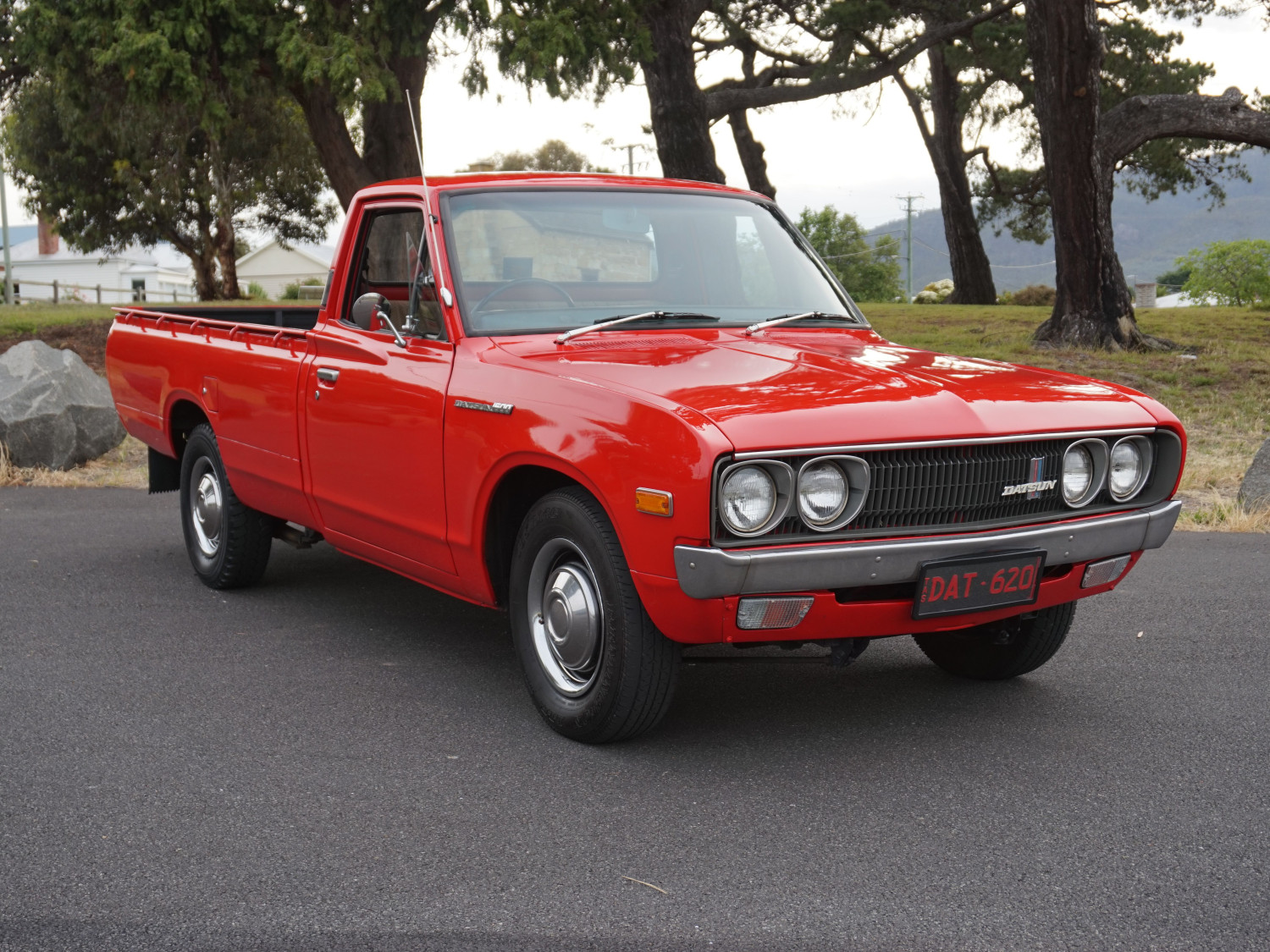
Light Commercial Vehicles play a crucial role in global transportation and logistics systems. This category includes vans, minibuses, and pickup trucks designed primarily for goods transport and business operations.
LCVs are not typically purchased for personal luxury but for their utility and efficiency in commercial applications. Their consistent demand makes them one of the top-selling vehicle types globally.
One of the biggest drivers of LCV sales is the rapid expansion of e-commerce and delivery services. Online shopping has transformed global retail, creating an enormous need for last-mile delivery vehicles. Companies rely heavily on vans and small trucks to transport goods quickly and efficiently to consumers. This trend has significantly boosted demand for LCVs across urban and suburban markets.
Small and medium-sized businesses also contribute heavily to LCV sales. These vehicles are essential for industries such as construction, agriculture, retail distribution, and services.
Their ability to carry moderate to heavy loads while remaining cost-efficient makes them indispensable tools for business operations. Many entrepreneurs rely on LCVs as their primary business asset, further increasing their global importance.
Pickup trucks in this category are especially popular in regions such as North America, where they are used for both commercial and personal needs. Their durability, towing capacity, and off-road capability allow them to handle a wide variety of tasks. This combination of uses strengthens their appeal and plays a major role in boosting LCV sales figures.
Despite their importance, LCVs are sensitive to economic cycles. During periods of economic growth, demand rises sharply due to increased business activity. However, during downturns, sales can slow as companies reduce operational expansion. Even so, their essential role in logistics ensures they remain one of the most consistently demanded vehicle types worldwide.
4. Two Wheelers (Motorcycles and Scooters)
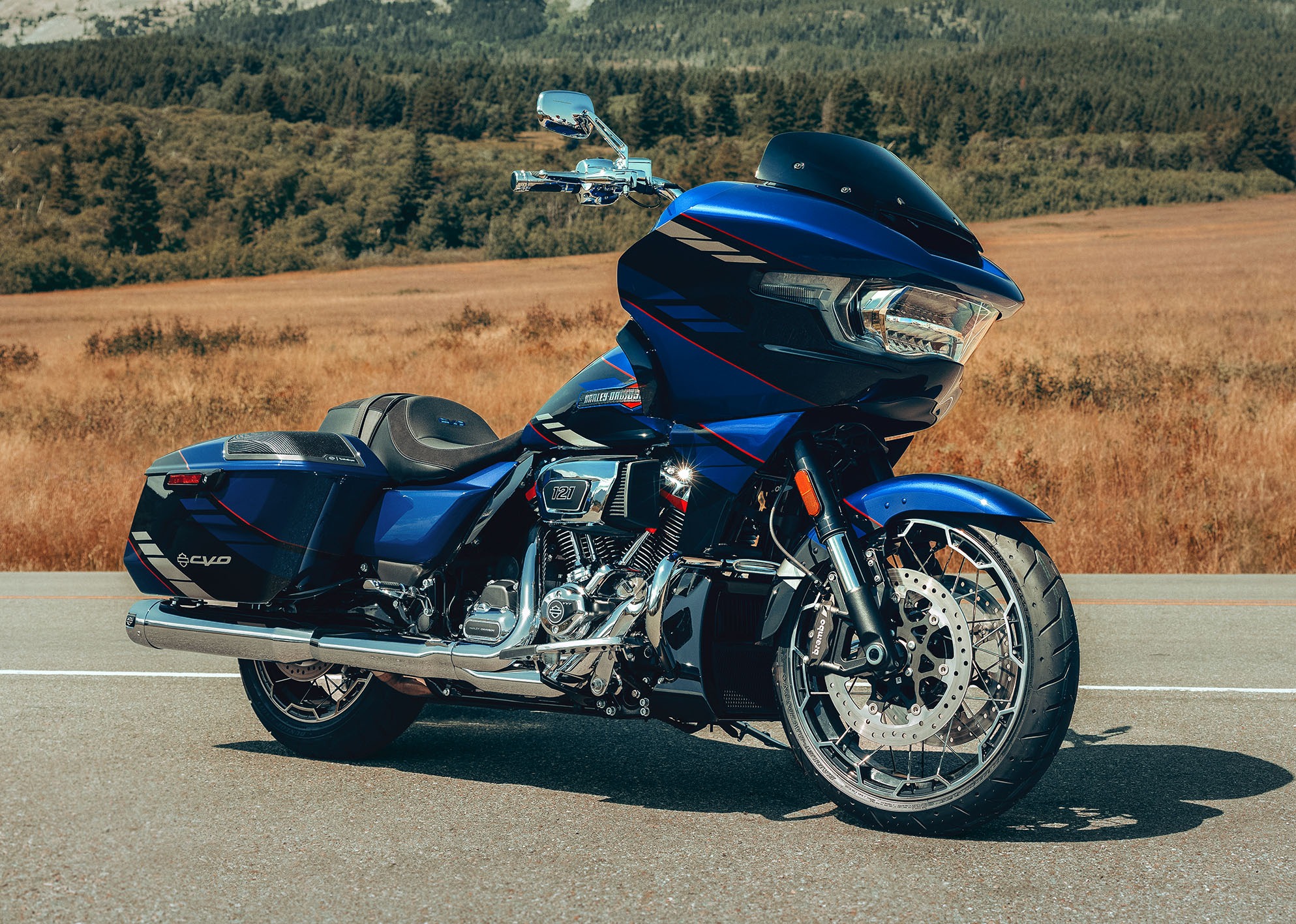
Two-wheelers, including motorcycles and scooters, represent one of the highest volume vehicle categories in the world. They are especially dominant in Asia, Africa, and parts of Latin America, where affordability and efficiency are critical factors.
Their compact size, low cost, and fuel efficiency make them an ideal solution for daily transportation needs in densely populated regions.
Affordability is the single most important factor behind their massive global sales. Two-wheelers are significantly cheaper than cars, both in terms of initial purchase price and ongoing maintenance costs. This makes them accessible to a wide range of consumers, including students, workers, and small business owners. In many developing countries, they are often the first motorized vehicle purchased by households.
Another key advantage is their ability to navigate congested traffic. In cities with heavy population density and limited road infrastructure, motorcycles and scooters provide unmatched mobility.
They can move quickly through traffic jams and require minimal parking space, which makes them highly practical for urban commuting. This efficiency has made them an essential part of daily life in many parts of the world.
Fuel efficiency also plays a major role in their popularity. Two-wheelers typically consume far less fuel than cars or SUVs, making them cost-effective for long-term use. This is particularly important in regions where fuel prices represent a significant portion of household expenses. Their low operational cost ensures continued strong demand even in economically challenging conditions.
However, safety concerns remain a limitation for two-wheeler growth. They are more vulnerable in accidents compared to enclosed vehicles, which has led some governments to implement stricter regulations and safety requirements. Despite this, their affordability and practicality ensure they continue to rank among the highest-selling vehicle types globally.
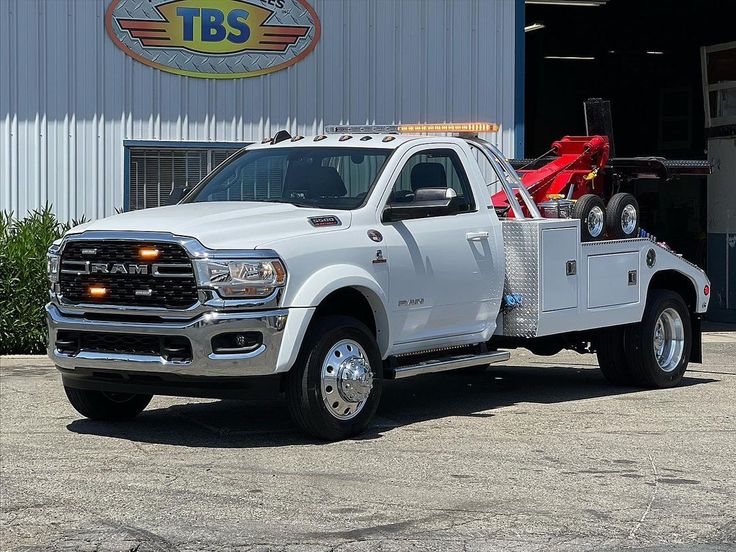
5. Pickup Trucks
Pickup trucks occupy a strong position in global vehicle sales, particularly in markets such as North America, Australia, and parts of South America.
They are designed to combine passenger comfort with heavy-duty utility, making them one of the most versatile vehicle types available. Their ability to transport goods while still functioning as personal vehicles gives them a unique advantage in the automotive market.
One of the key reasons for their strong sales is their dual-purpose functionality. Pickup trucks are widely used for both professional and personal applications.
They are essential in industries such as construction, agriculture, and logistics due to their towing capacity and durability. At the same time, they are also popular as family vehicles in regions where road infrastructure supports larger vehicles.
Modern pickup trucks have evolved significantly in terms of design and features. Many now include luxury interiors, advanced infotainment systems, and driver assistance technologies. This transformation has expanded their appeal beyond traditional commercial users to include lifestyle buyers who value comfort and performance. As a result, pickup trucks have become status symbols in certain markets.
Their rugged build quality and off-road capability also contribute to their popularity. Pickup trucks are designed to handle difficult terrain and heavy workloads, making them suitable for rural and industrial environments. This durability ensures long service life, which is an important factor for both individual owners and businesses.
However, pickup trucks face limitations in regions with narrow roads, high fuel prices, and dense urban environments. These factors restrict their global dominance compared to passenger cars and SUVs. Despite this, their strong demand in key markets ensures they remain one of the top-selling vehicle types worldwide.
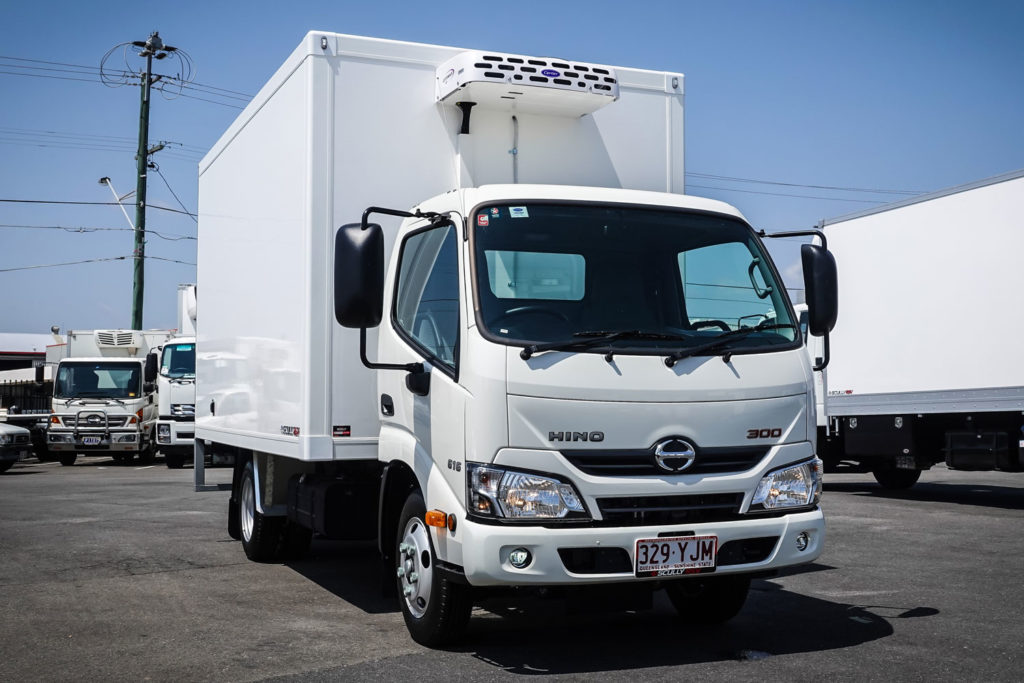
6. Heavy Commercial Vehicles (Trucks)
Heavy commercial vehicles, often referred to as heavy-duty trucks, form the backbone of global logistics and industrial supply chains. These vehicles include large freight trucks, tractor-trailers, and long-haul carriers designed to transport massive quantities of goods over long distances.
While they do not match passenger vehicles in sales volume, their economic importance is extremely high because they keep global trade and distribution systems functioning efficiently. Without them, industries such as manufacturing, retail, agriculture, and construction would face severe disruptions.
One of the main drivers of demand for heavy commercial vehicles is global trade expansion. As countries import and export more goods, the need for reliable long-distance transport increases significantly.
These trucks are essential for moving raw materials from ports to factories and finished goods from production centers to distribution hubs. Their role becomes even more critical in large countries with vast geographical areas, where rail or air transport alone cannot meet logistical demands.
Another important factor is infrastructure development. As nations invest in highways, expressways, and freight corridors, the efficiency of heavy truck transportation improves, leading to increased adoption.
Logistics companies are continually upgrading their fleets to meet delivery deadlines, cut fuel costs, and comply with regulatory requirements. This ongoing cycle of modernization drives consistent demand for new heavy-duty vehicles, even though their sales volumes are lower than those of smaller vehicle categories.
Technological improvements are also reshaping this segment. Modern heavy trucks now include advanced fuel-efficient engines, aerodynamic designs, GPS-based tracking systems, and driver assistance features. These innovations improve safety, reduce operational costs, and increase productivity.
Additionally, the gradual introduction of electric and hydrogen-powered trucks is expected to transform the industry in the long term, although adoption is still in early stages due to infrastructure limitations.
Despite their importance, heavy commercial vehicles remain lower in sales rankings because they are primarily purchased by businesses rather than individual consumers.
Their high cost, specialized use, and long operational lifespan also limit how often they are replaced. However, their essential role in global trade ensures steady demand, making them an important but lower-volume segment in the vehicle market.
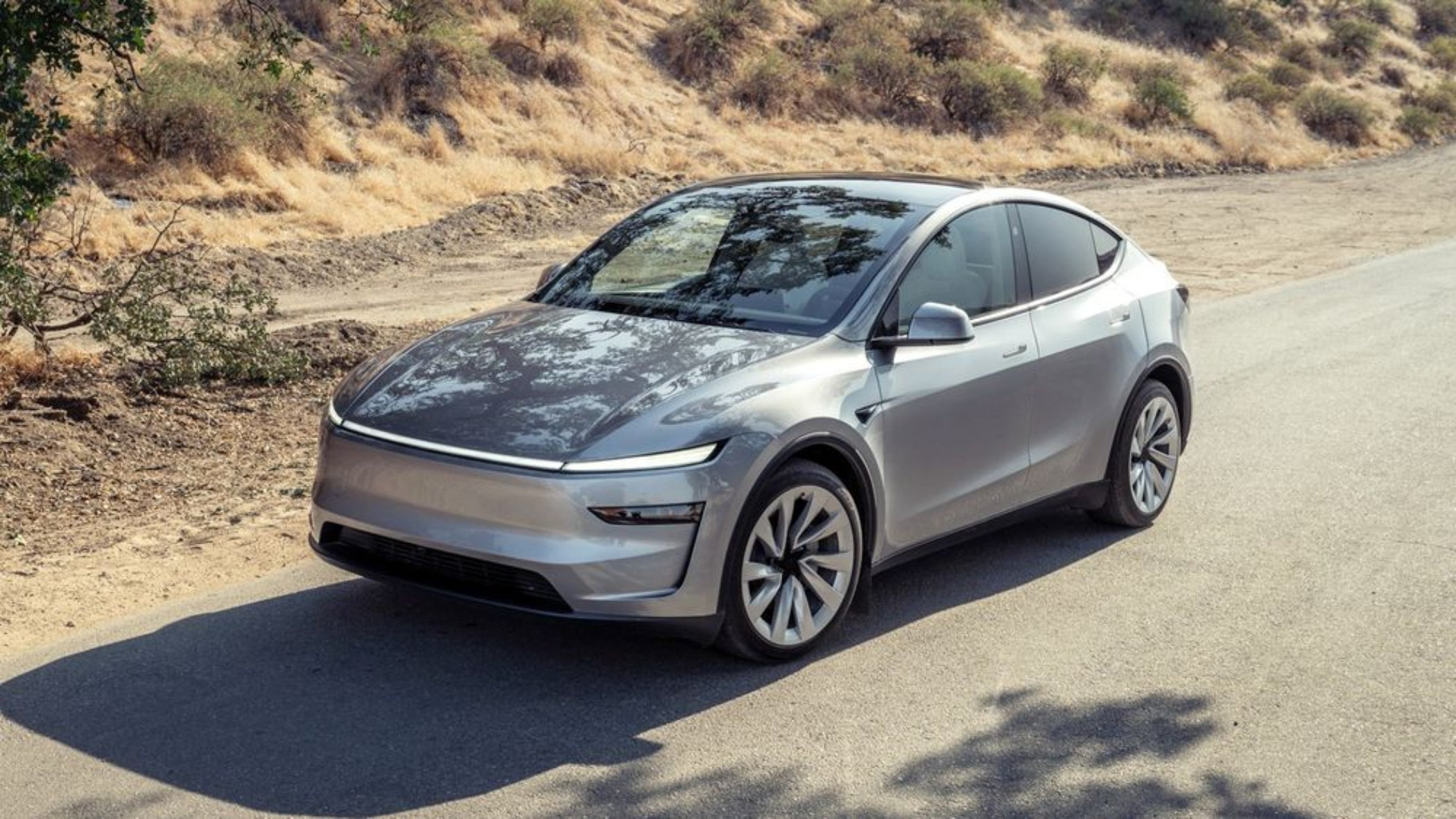
7. Electric Vehicles (EVs)
Electric vehicles represent one of the fastest-growing segments in the global automotive industry, even though their total sales volume is still developing compared to traditional vehicle types. EVs include electric passenger cars, electric SUVs, and, in some cases, light commercial electric vehicles.
Their rise is driven by environmental concerns, government policies, and rapid advancements in battery technology, all of which are reshaping the future of transportation.
One of the strongest forces behind EV adoption is environmental regulation. Many countries are implementing strict emission standards to reduce air pollution and carbon footprints.
Governments are offering incentives such as tax benefits, subsidies, and reduced registration fees to encourage consumers to switch to electric mobility. These policies have significantly boosted EV demand, especially in developed markets where environmental awareness is high.
Technological progress in battery systems has also played a crucial role. Modern lithium-ion batteries offer improved energy density, longer driving ranges, and faster charging capabilities compared to earlier generations. As a result, EVs are becoming more practical for everyday use.
Automakers are also investing heavily in research and development to reduce battery costs, which is gradually making electric vehicles more affordable for mainstream consumers.
However, several challenges still restrict their sales position. Charging infrastructure remains inconsistent across many regions, which makes long-distance travel less convenient in certain areas.
Additionally, higher upfront costs compared to internal combustion engine vehicles continue to discourage price-sensitive buyers. Range anxiety, or concerns about running out of charge, also remains a psychological barrier for some consumers.
Despite these limitations, EVs are expected to climb significantly in future rankings as technology improves and infrastructure expands. Many major automotive manufacturers have announced long-term plans to transition toward electric lineups, signaling a major shift in the global vehicle market. This makes EVs one of the most important emerging segments in the automotive industry.
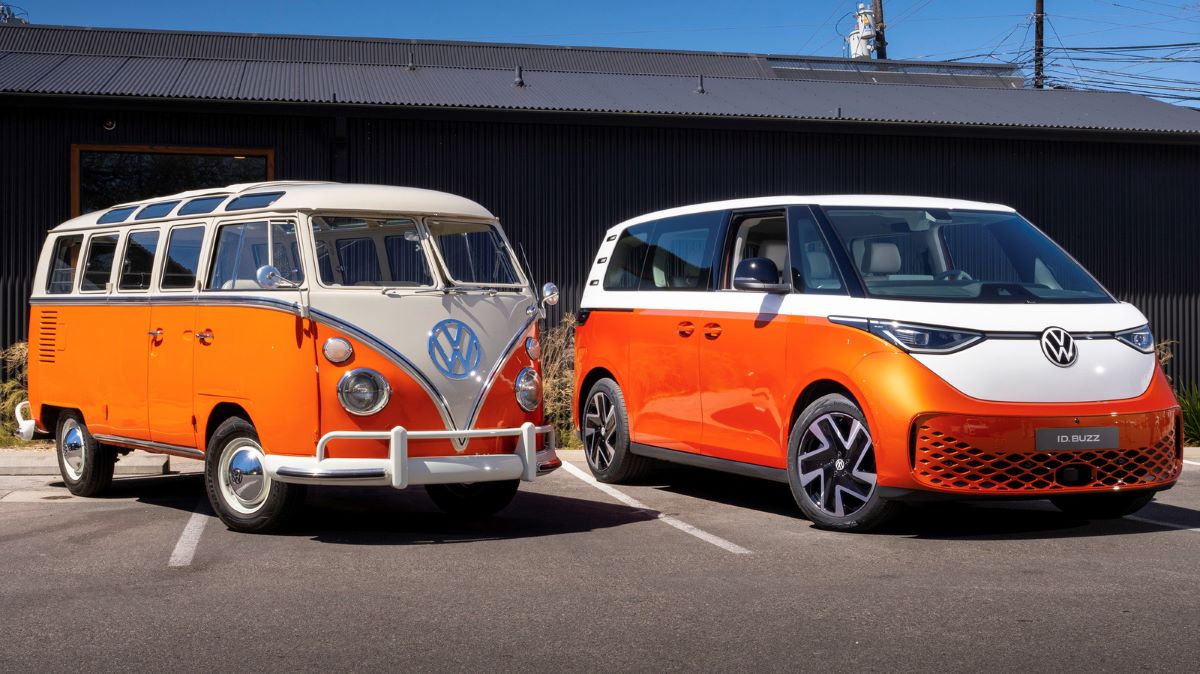
8. Buses
Buses are a fundamental component of public transportation systems around the world. They are primarily used for mass transit, school transportation, intercity travel, and employee shuttle services.
Unlike personal vehicles, buses are primarily purchased by governments, municipalities, and private transport operators. This limits their sales volume, but it increases their importance in urban planning and public mobility systems.
One of the main reasons buses remain essential is their efficiency in moving large numbers of people at once. In densely populated cities, buses help reduce traffic congestion by decreasing the number of individual vehicles on the road. They also provide affordable transportation for millions of people who do not own private vehicles, making them a critical part of public infrastructure.
Urbanization has significantly influenced bus demand. As cities expand and populations grow, the need for organized public transport systems increases. Many governments invest heavily in bus fleets as part of their efforts to improve mobility, reduce pollution, and enhance accessibility.
This is particularly important in developing countries where public transportation is the primary mode of travel for large sections of the population.
Technological advancements are also improving the bus sector. Modern buses now include electric and hybrid models designed to reduce emissions and improve fuel efficiency.
Features such as GPS tracking, digital ticketing systems, and improved passenger comfort have made buses more efficient and user-friendly. Electric buses, in particular, are gaining popularity in cities aiming to reduce air pollution.
Despite these improvements, buses remain lower in sales ranking because they are not consumer-purchased vehicles. Their demand depends heavily on government budgets, policy decisions, and urban planning strategies. However, their role in sustainable transportation systems ensures continued relevance in global mobility networks.
9. Minivans
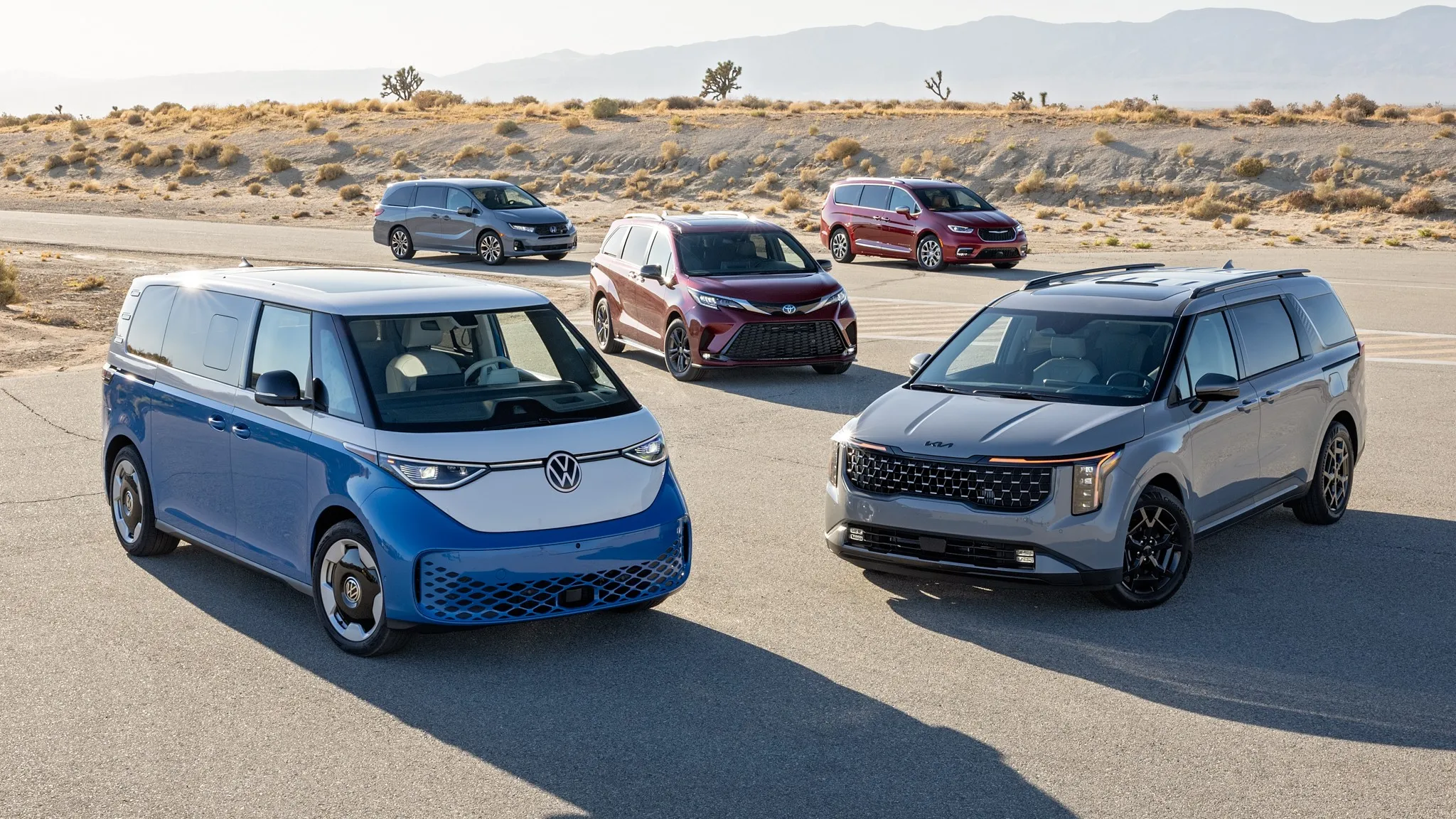
Minivans are built mainly for family use and group travel, featuring spacious cabins, flexible seating layouts, and added comfort features. They are especially favored by large families, shuttle services, and commercial passenger transport operators. Although their sales are lower than those of SUVs and passenger cars, they continue to hold an important niche position in the global automotive market.
One of the key advantages of minivans is their interior space efficiency. They are designed to maximize passenger capacity while maintaining comfort, often accommodating seven to eight passengers with ease. Sliding doors and adjustable seating configurations make them highly practical for families with children or individuals who frequently transport groups of people.
Another important factor is comfort and convenience. Minivans typically offer smooth rides, advanced air conditioning systems, and entertainment features that enhance long-distance travel experiences. This makes them especially popular for road trips and family vacations. Their design prioritizes passenger comfort over sporty performance or off-road capability.
However, minivans have faced declining popularity in some markets due to changing consumer preferences. Many buyers now prefer SUVs, which offer similar space but with a more modern and stylish appearance. This shift has significantly impacted minivan sales in regions like North America and Europe, where SUVs dominate family vehicle choices.
Despite this decline, minivans continue to hold relevance in markets where practicality and passenger capacity are prioritized over style. They remain widely used in taxi services, airport shuttles, and school transportation systems, ensuring steady but limited global demand.
10. Specialty and Off-Road Vehicles
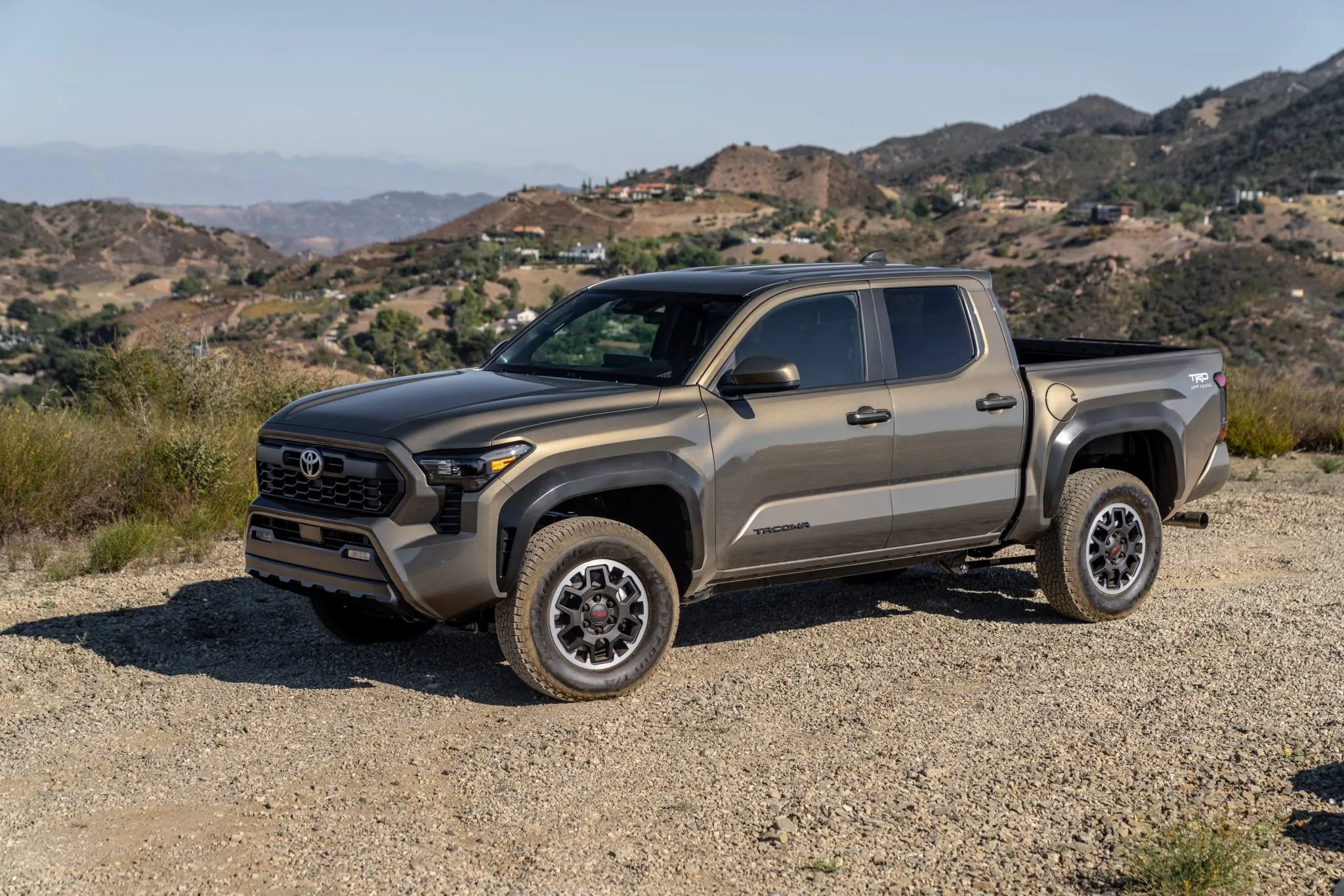
Specialty and off-road vehicles represent the smallest segment in global vehicle sales, primarily due to their limited use cases and niche applications.
This category includes recreational vehicles, all-terrain vehicles, utility terrain vehicles, and purpose-built industrial machines. These vehicles are designed for specific environments rather than general transportation needs, which naturally restricts their market size.
One of the main drivers of demand for specialty vehicles is recreational use. Off-road enthusiasts, adventure travelers, and motorsport participants often purchase these vehicles for activities such as desert driving, mountain exploration, and outdoor sports. Recreational vehicles, in particular, are popular among long-distance travelers who prefer mobile living accommodations.
Industrial and agricultural applications also contribute to this segment. Many specialty vehicles are used in mining, forestry, farming, and construction environments where standard vehicles cannot operate effectively. Their durability, high-traction systems, and specialized engineering make them essential tools in challenging working conditions.
Despite their usefulness, these vehicles are expensive and highly specialized, which limits their adoption among general consumers. They are not designed for everyday commuting, and their maintenance costs are often higher than those of standard vehicles. This reduces their appeal to the broader market, keeping sales volumes relatively low.
However, innovation in this segment continues to expand, particularly in electric off-road vehicles and advanced recreational models. As outdoor tourism and adventure sports grow in popularity, demand for specialty vehicles is expected to rise gradually and steadily, even though they will likely remain the lowest-ranked category in global vehicle sales.
