
Adventure vehicles sit at a fascinating intersection of engineering, lifestyle, and personal expression. For many enthusiasts, the appeal of owning a capable off-road machine is not just about reaching remote destinations, but about transforming the vehicle itself into something more capable, more durable, and more aligned with a specific type of travel.
Overlanding culture, trail exploration, and long-distance camping trips have all contributed to a growing interest in vehicle modification. However, not every vehicle responds equally well to upgrades, and not every platform benefits from being heavily modified.
Some are engineered with such strong foundations that aftermarket enhancements unlock their full potential. Others are already optimized for efficiency, comfort, or on-road performance, and modifying them can introduce unnecessary complexity or even reduce reliability.
The idea of “worth the build” versus “stay stock” comes down to platform design, drivetrain durability, suspension geometry, aftermarket support, and intended use. A body-on-frame SUV with solid axles and strong low-range gearing often invites modification because it can handle additional weight, larger tires, and more demanding terrain.
On the other hand, unibody crossovers or highly integrated electronic systems can become compromised when altered too aggressively. There is also the financial side of the equation. Building an adventure rig can easily cost more than the vehicle itself, so choosing the right base platform matters as much as choosing the right parts.
In this article, we will examine four adventure vehicles that are genuinely worth building and customizing for serious exploration, along with four vehicles that are better left in stock form. The goal is not to discourage creativity, but to guide it toward platforms that reward investment rather than resist it.
We will look at mechanical strengths, aftermarket ecosystems, reliability trends, and real-world usability. The vehicles discussed include proven icons of off-road culture as well as modern crossovers that may look adventurous but are not always ideal candidates for heavy modification.
By the end, you will have a clearer understanding of which platforms offer long-term value when built out for overlanding, trail driving, or expedition use, and which ones deliver their best performance exactly as they are from the factory.
Also Read: 8 Car Mods That Actually Raise Resale Value
4 Adventure Vehicles Worth the Build
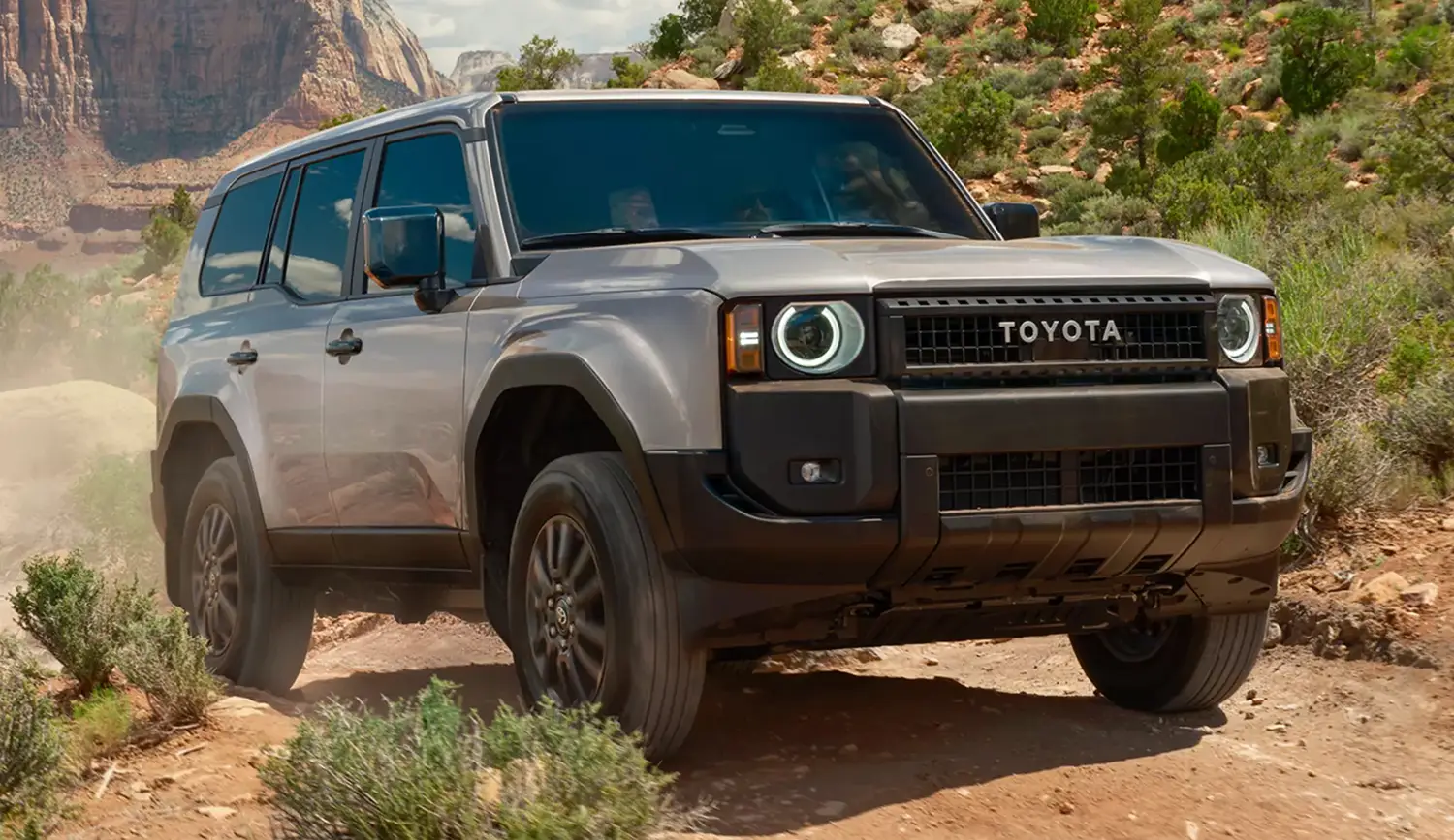
- Engine: 3.3L twin turbo V6 diesel (or 3.5L twin turbo V6 petrol in some markets)
- Horsepower: ~302 to 409 hp (varies by version)
- Torque: ~700 to 650 Nm
- Length: ~4,950 mm
- Width: ~1,980 mm
1. Toyota Land Cruiser
The Toyota Land Cruiser has earned a global reputation as one of the most dependable expedition platforms ever produced. Its body-on-frame construction, durable V8 and inline six engine options depending on generation, and long travel suspension design make it a natural candidate for serious off-road builds.
One of the key reasons it is worth modifying is its tolerance for added weight and stress. Unlike many modern SUVs that struggle when equipped with steel bumpers, roof racks, and auxiliary fuel systems, the Land Cruiser was engineered from the outset to carry heavy loads across deserts, mountains, and remote regions.
From a modification standpoint, the aftermarket support is extensive and well tested. Suspension lift kits, heavy-duty control arms, locking differentials, and armor systems are widely available. This allows builders to tailor the vehicle for specific expedition roles, whether that means long-range overlanding or technical rock crawling.
Another advantage is drivetrain resilience. Even older Land Cruiser models maintain strong resale value while continuing to perform reliably under modified conditions, which makes investment into upgrades more financially reasonable.
In real-world use, the Land Cruiser excels when fully loaded with camping gear, recovery tools, and passengers. It maintains composure on rough terrain without sacrificing too much highway comfort.
This balance is important for overland travel, where long stretches of pavement are just as common as off-road trails. The platform also responds predictably to tire upgrades and suspension articulation improvements, making it easier for builders to achieve consistent performance gains.
The Toyota Land Cruiser stands as a benchmark for what an adventure platform should be. It rewards thoughtful modification and continues to perform even as demands increase, which is why it remains one of the most respected vehicles in global expedition culture.
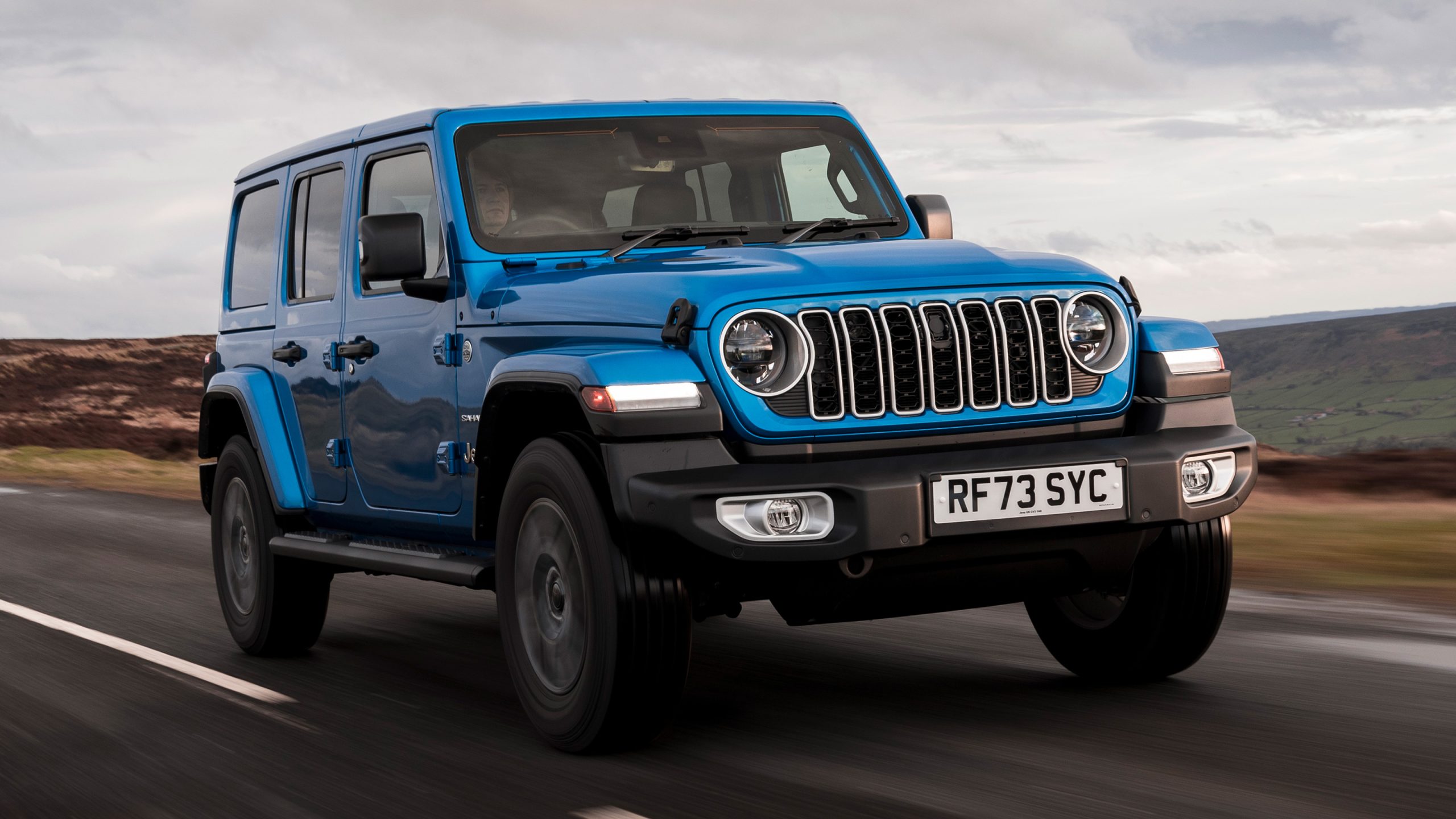
- Engine: 3.6L V6 petrol or 2.0L turbo inline-4
- Horsepower: ~285 hp (V6), ~270 hp (2.0T)
- Torque: ~352 Nm (V6), ~400 Nm (2.0T)
- Length: ~4,237 mm (2-door) / ~4,882 mm (4-door)
- Width: ~1,875 mm
2. Jeep Wrangler
The Jeep Wrangler is one of the most modification-friendly vehicles ever built, and its design philosophy clearly supports customization from the factory. With solid axles, removable body panels, and a short wheelbase optimized for maneuverability, it is essentially a blank canvas for off-road enthusiasts.
This makes it one of the strongest candidates for a full adventure build, especially for drivers who want to specialize in technical trails, rock crawling, or extreme terrain exploration.
One of the Wrangler’s greatest strengths is its aftermarket ecosystem. Nearly every component can be upgraded, from suspension systems and steering geometry to bumpers, skid plates, and axle replacements.
This level of support means builders can gradually evolve the vehicle over time rather than needing to perform a complete overhaul at once. It also means replacement parts are widely available, even in remote regions, which is critical for expedition reliability.
Another important factor is the Wrangler’s mechanical simplicity compared to more modern SUVs. While newer versions include advanced electronics, the core platform remains relatively easy to diagnose and repair. This is particularly valuable when the vehicle is heavily modified and operating in demanding conditions where electronic failures could become problematic.
However, the Wrangler does have limitations, particularly in highway comfort and cargo space. These limitations actually reinforce its identity as a purpose-built adventure machine rather than a dual-purpose luxury SUV. When properly built, it becomes extremely capable in environments where traction, articulation, and durability matter more than refinement.
For enthusiasts who want a dedicated off-road platform that can be customized without restriction, the Jeep Wrangler remains one of the most logical and rewarding choices available.
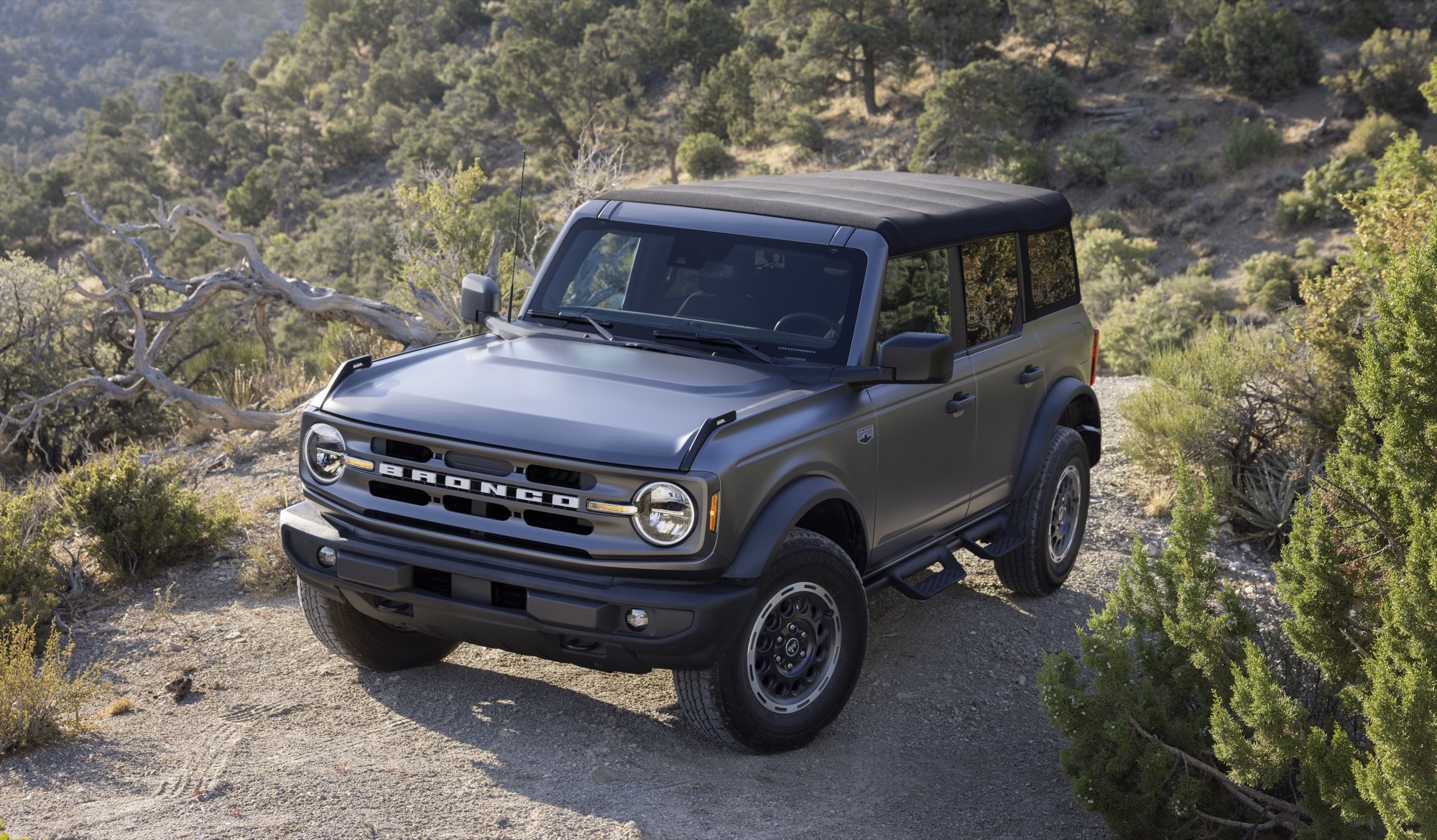
- Engine: 2.3L turbo inline-4 or 2.7L twin turbo V6
- Horsepower: ~300 hp (2.3T), ~330 hp (2.7 V6)
- Torque: ~441 Nm (2.3T), ~562 Nm (2.7 V6)
- Length: ~4,811 mm (4-door)
- Width: ~1,928 mm
3. Ford Bronco
The modern Ford Bronco reintroduced a classic nameplate with serious off-road intentions. Designed with modularity in mind, it features removable doors, configurable roof options, and a suspension system tuned for trail performance. This makes it an ideal candidate for modification, especially for users who want a balance between daily drivability and weekend adventure capability.
A key advantage of the Bronco is its factory-engineered off-road technology. Features such as terrain management modes, electronic locking differentials, and advanced stability systems provide a strong baseline for enhancement.
Rather than starting from a weak foundation, builders can focus on refining capabilities, such as adding larger tires, upgraded suspension systems, and protective armor for underbody components.
The aftermarket community around the Bronco has grown rapidly, offering everything from mild overland kits to extreme off-road transformations. This allows owners to choose their level of modification based on intended use. For example, a mild build might prioritize long-distance comfort and fuel range, while a more aggressive build might focus on rock crawling performance and articulation.
Another strength of the Bronco is its relatively modern platform integration. While electronics are more complex than older vehicles, they are designed with off-road use in mind, reducing the risk of incompatibility when upgrading key systems. This makes it easier to build a reliable, modern expedition vehicle without sacrificing too much convenience.
The Ford Bronco represents a strong middle ground between tradition and modern engineering, making it a highly viable platform for adventure-focused builds.
- Engine: 3.5L V6 petrol (older gen) / 2.4L turbo i-Force (newer gen)
- Horsepower: ~278 hp (older) / up to ~326 hp (newer)
- Torque: ~359 Nm (older) / up to ~630 Nm (newer hybrid)
- Length: ~5,395 mm (Double Cab long bed approx)
- Width: ~1,895 mm
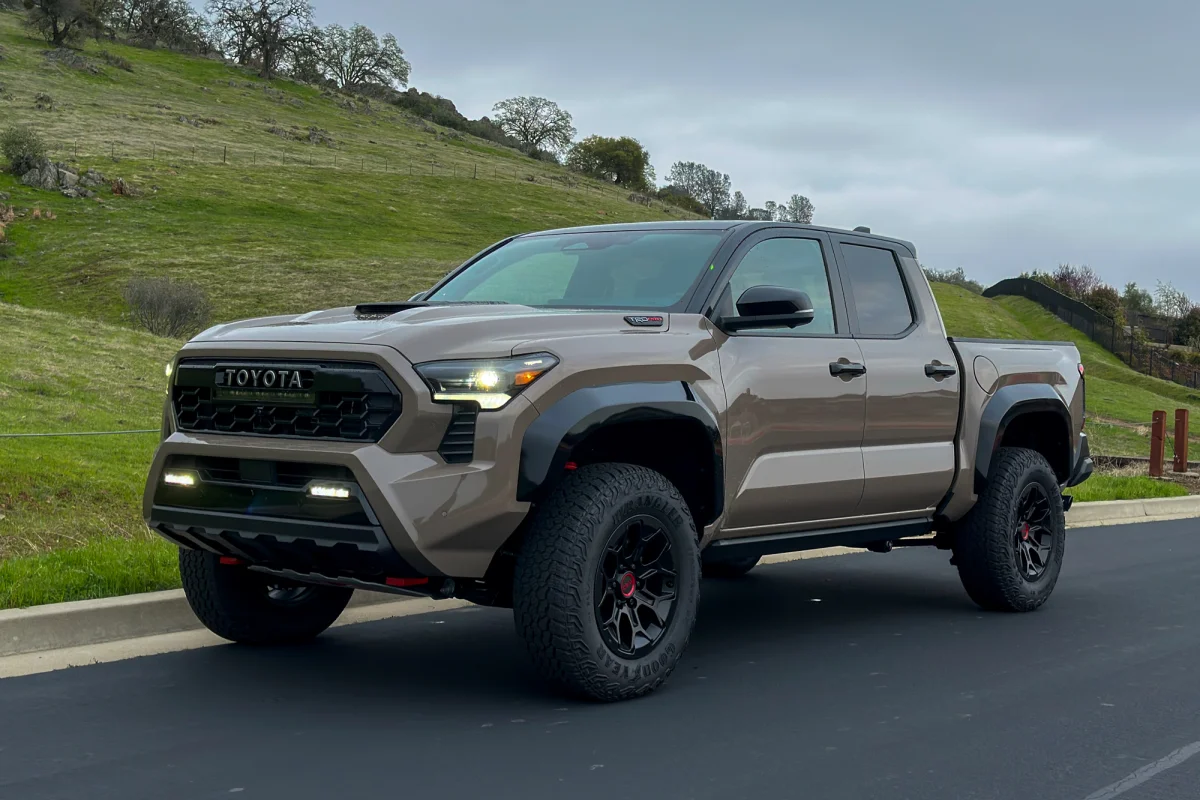
4. Toyota Tacoma
The Toyota Tacoma is widely regarded as one of the most dependable midsize trucks for overlanding and off-road use. Its body-on-frame construction, proven drivetrain reliability, and strong aftermarket support make it a favorite among long-distance travelers and outdoor enthusiasts. It is particularly well-suited for builds because it starts with a solid foundation that responds well to suspension and tire upgrades.
One of the biggest reasons the Tacoma is worth building is its balance between size and capability. It is compact enough to navigate tight trails while still offering enough payload capacity for camping gear, rooftop tents, and recovery equipment. This balance is essential for overlanding builds where efficiency and practicality are just as important as raw off-road ability.
The aftermarket ecosystem for the Tacoma is extensive. Lift kits, armor systems, bed racks, and upgraded suspension components are widely available and well tested in real-world conditions. Many owners also appreciate the truck’s predictable behavior when modified, as it tends to maintain reliability even under increased stress loads.
Another advantage is long-term durability. The Tacoma has a strong reputation for engine longevity and drivetrain resilience, which means investments in modification are less likely to be undermined by mechanical failure. This makes it a logical choice for builders who plan to keep their vehicle for many years of travel and exploration.
The Toyota Tacoma is one of the most practical and rewarding platforms for adventure builds, offering a combination of reliability, adaptability, and real-world off-road performance.
Also Read: 8 Cars That Are Nearly Impossible to Steal
4 Adventure Vehicles That Should Stay Stock
- Engine: 2.5L flat-4 or 2.4L turbo flat-4
- Horsepower: ~182 hp (2.5) / ~260 hp (turbo)
- Torque: ~239 Nm / ~376 Nm
- Length: ~4,860 mm
- Width: ~1,855 mm
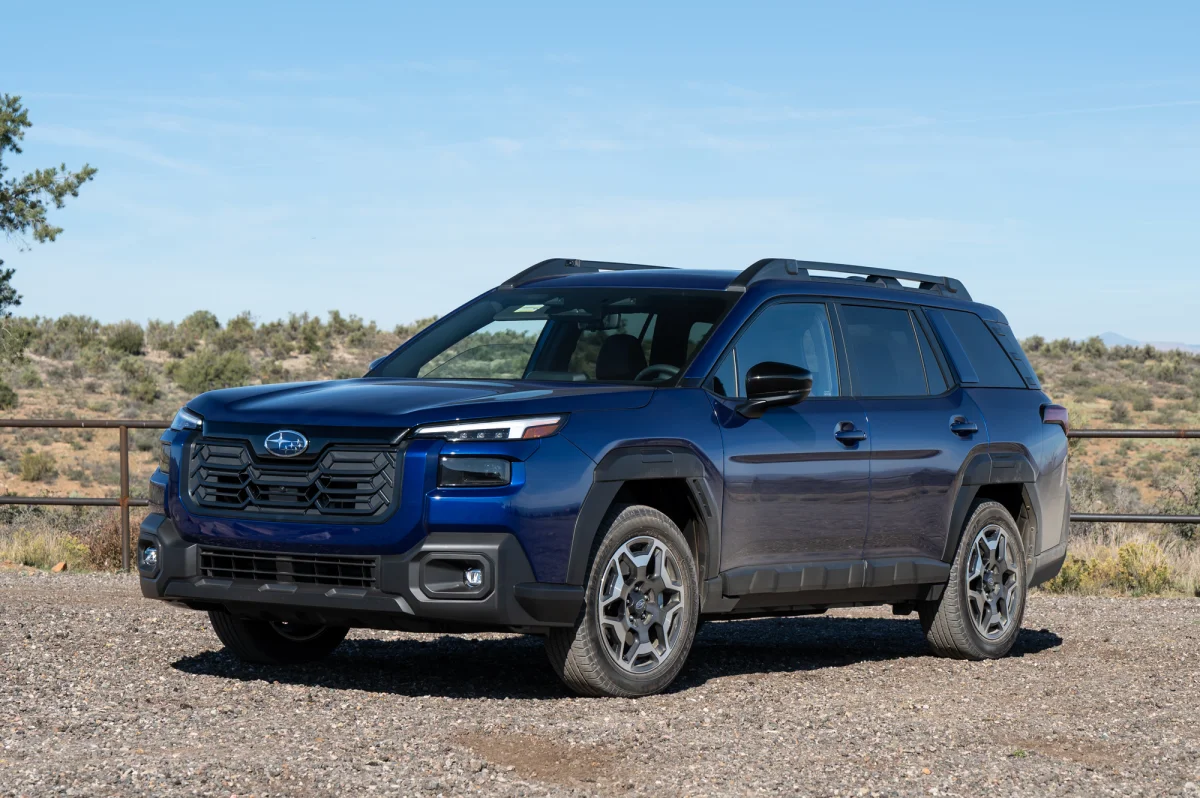
1. Subaru Outback
The Subaru Outback is often marketed as an adventure-capable wagon, and in stock form, it performs very well for light off-road use, gravel roads, and snowy conditions.
Its All Wheel Drive system is one of the most refined in its class, and its ground clearance is sufficient for most non-technical terrain. However, it is not an ideal candidate for heavy modification, and attempting to turn it into a serious off-road rig often creates more problems than benefits.
One of the main reasons it should stay stock is its unibody construction. Unlike body-on-frame platforms, the Outback is not designed to handle extreme suspension articulation or heavy armor systems. Adding large lifts or oversized tires can negatively affect drivetrain angles and long-term reliability. The CVT transmission also limits torque handling, making aggressive off-road builds less practical.
Another factor is the vehicle’s intended purpose. The Outback excels as a comfortable, efficient, and safe daily driver with light adventure capability. It is engineered for stability and fuel economy rather than trail dominance. Modifying it too heavily can compromise the very qualities that make it appealing in the first place.
Additionally, the aftermarket ecosystem, while present, is not focused on extreme off-road transformation. Most available upgrades are mild enhancements rather than full expedition systems. This reinforces the idea that the platform is better enjoyed within its factory design envelope.
The Subaru Outback delivers its best performance when left in stock form, where it provides a reliable and comfortable balance between urban driving and light outdoor exploration.
- Engine: 2.5L inline-4 petrol / hybrid system
- Horsepower: ~203 hp (petrol) / up to ~219 hp (hybrid AWD)
- Torque: ~250 Nm (petrol, approx)
- Length: ~4,600 mm
- Width: ~1,855 mm
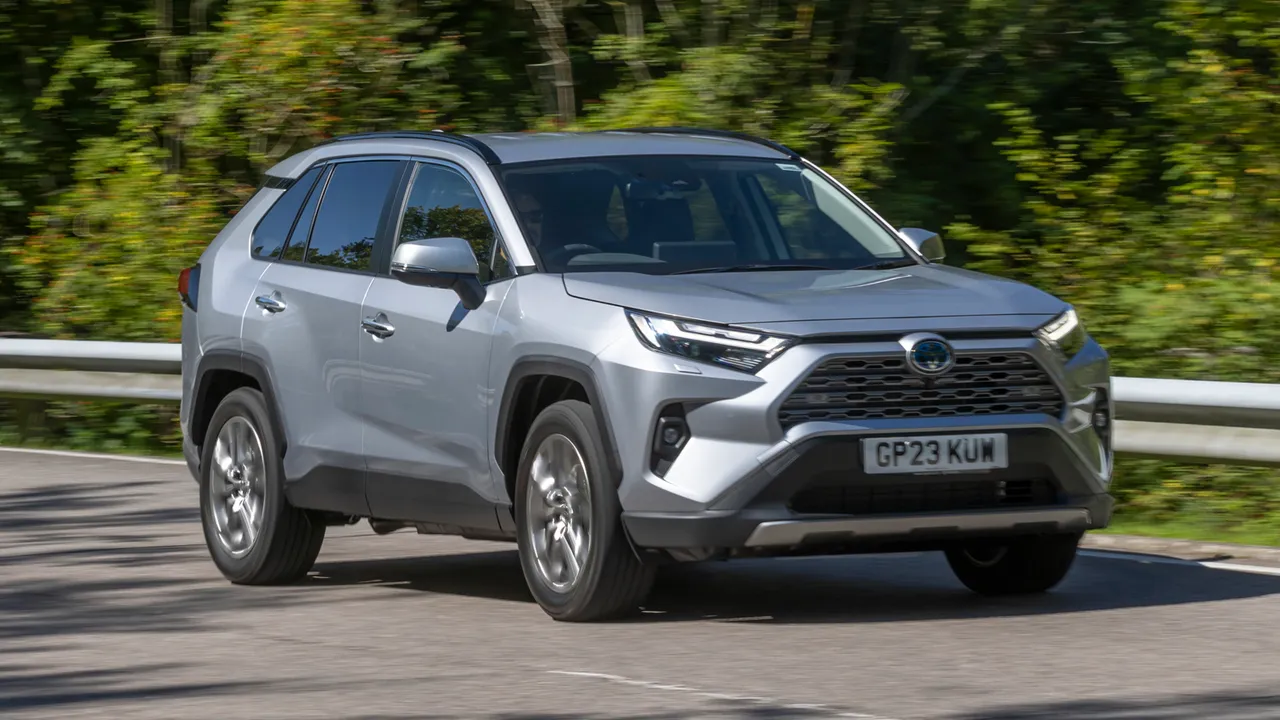
2. Toyota RAV4
The Toyota RAV4 is one of the most popular compact SUVs in the world, known for its efficiency, reliability, and practicality. While certain trims include All Wheel Drive and mild off road features, it is fundamentally designed as a road-focused crossover rather than a dedicated adventure platform. As a result, it is better suited to remain stock rather than undergo heavy modification.
One of the key limitations is its unibody design, combined with relatively light-duty suspension components. The RAV4 is optimized for comfort and fuel efficiency, not for carrying heavy off-road equipment or enduring repeated impacts on rough terrain. Attempting to lift the vehicle significantly or install oversized tires can lead to handling issues and increased wear on drivetrain components.
Another consideration is electronic integration. Modern RAV4 models rely heavily on sensors, stability control systems, and hybrid powertrain management in some trims. Modifying these systems can introduce complexity that outweighs any performance benefit gained from off-road upgrades.
In stock form, however, the RAV4 performs exceptionally well for its intended use. It is reliable, efficient, and capable of handling light dirt roads, snow, and mild trails. It is also comfortable for long-distance highway driving, making it ideal for everyday versatility.
The Toyota RAV4 is best appreciated as a practical crossover rather than an off-road project vehicle.
- Engine: 2.0L turbocharged inline-4 petrol or diesel
- Horsepower: ~246 hp (higher petrol variants)
- Torque: ~365 Nm
- Length: ~4,597 mm
- Width: ~2,069 mm (including mirrors often wider in listings)
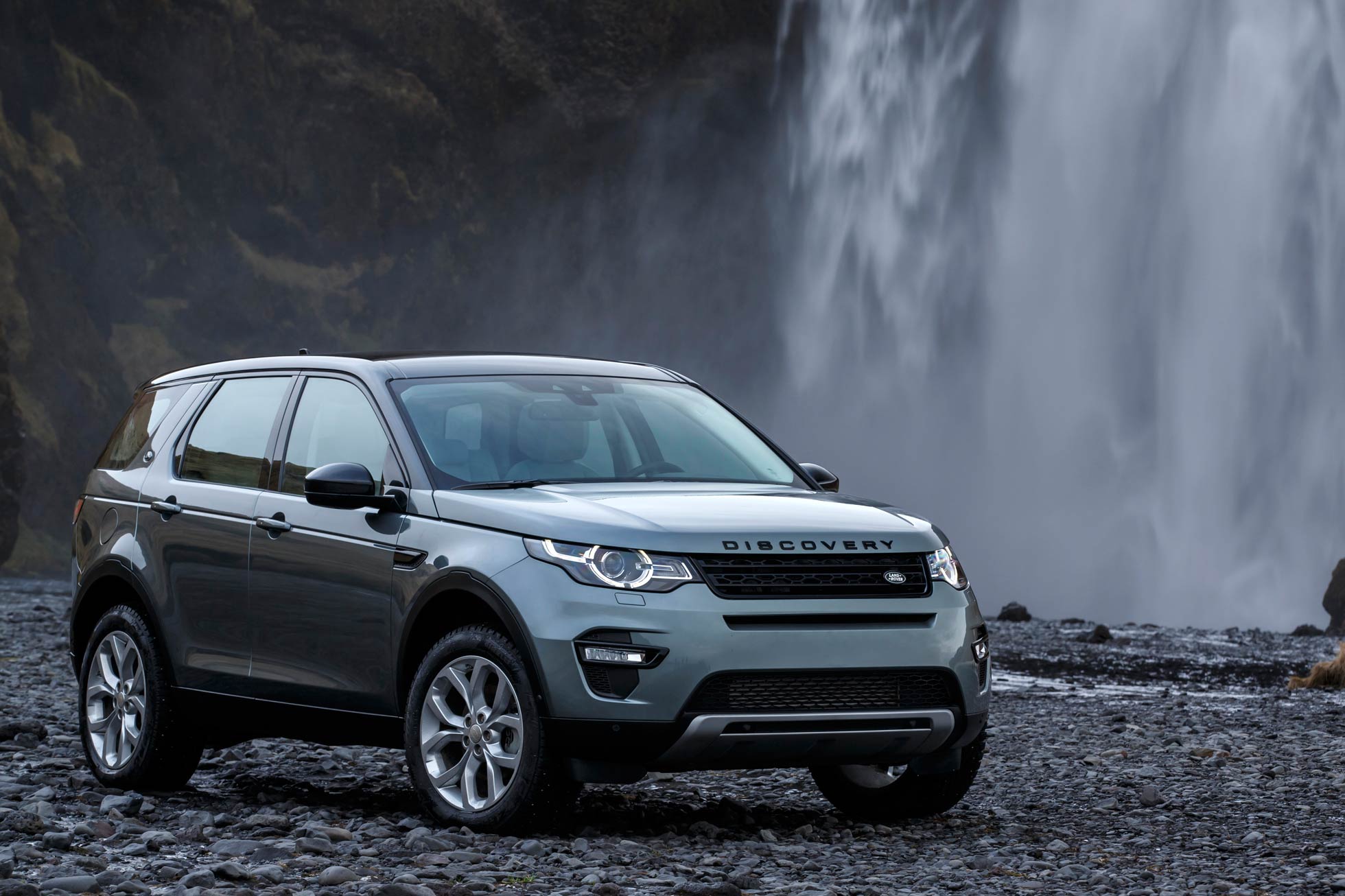
3. Land Rover Discovery Sport
The Land Rover Discovery Sport is a premium compact SUV that offers a blend of luxury and light off-road capability. While it carries the prestige of the Land Rover name, it is designed more for comfort and versatility than for extreme expedition use. As such, it is generally better left in its stock configuration.
One of the main reasons is its reliance on complex electronic systems. The vehicle uses advanced traction control, terrain response modes, and integrated drivetrain management systems. While these features are effective in stock form, they can become difficult to manage or maintain when the vehicle is heavily modified.
Another limitation is cost and complexity. Modifying a luxury-oriented SUV like the Discovery Sport can quickly become expensive, and aftermarket support is not as extensive as that of more rugged platforms. This makes it a less practical choice for serious off-road builds.
In stock form, the Discovery Sport delivers a smooth and refined driving experience with enough capability for light off-road excursions. It is well-suited for drivers who want occasional adventure without sacrificing comfort or luxury.
For these reasons, it is best viewed as a refined daily driver with occasional outdoor capability rather than a base for extreme modification.
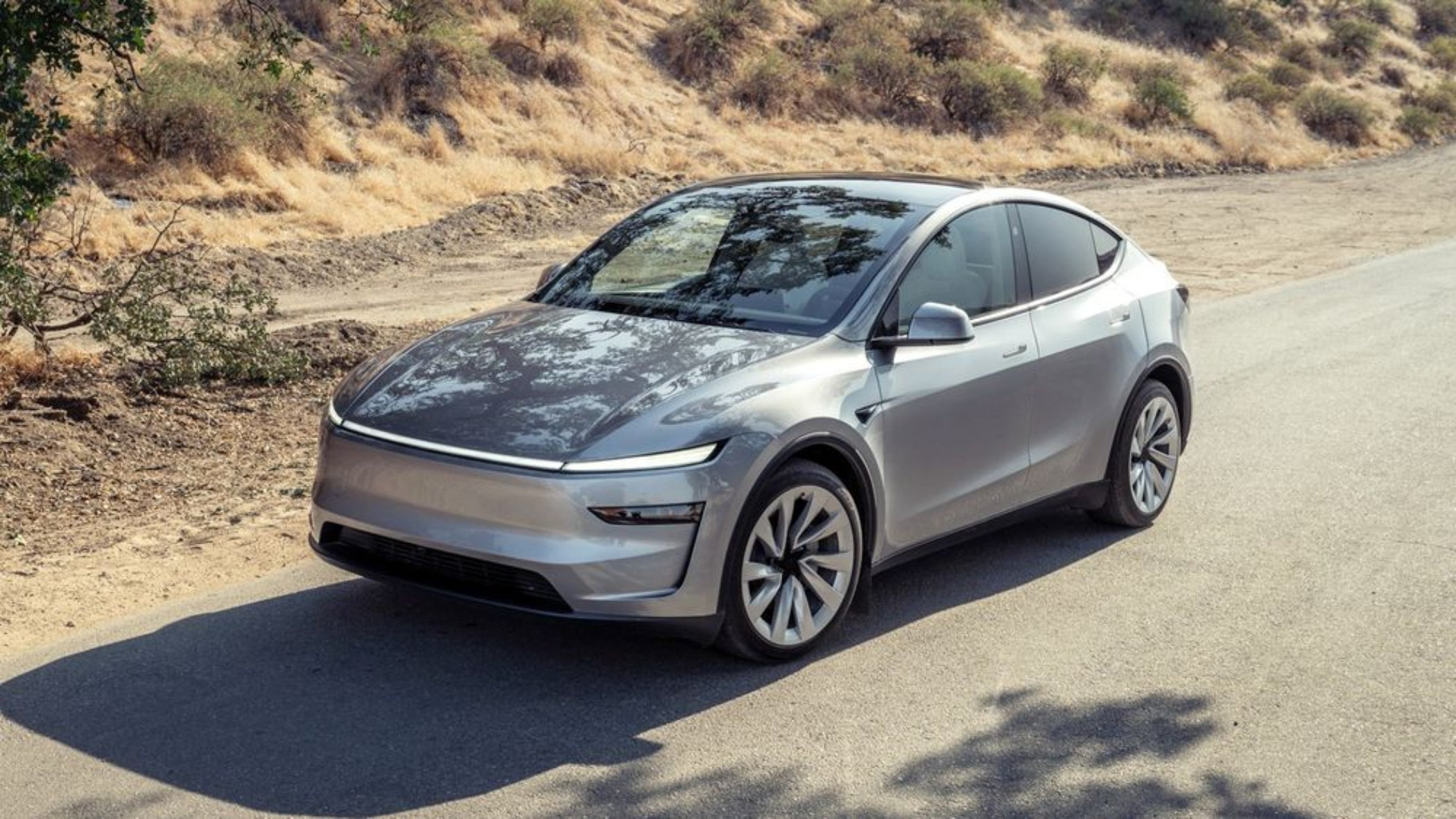
- Engine: Dual motor electric (AWD) / single motor (RWD in some markets)
- Horsepower: ~295 hp (RWD) / ~384–455 hp (AWD & Performance)
- Torque: ~420–660 Nm (instant electric torque varies by version)
- Length: ~4,751 mm
- Width: ~1,921 mm
4. Tesla Model Y
The Tesla Model Y represents a modern electric crossover that excels in efficiency, acceleration, and technology. It also has a surprising level of traction capability due to its dual motor All Wheel Drive system. However, it is not designed as an off-road platform, and extensive modification is generally not recommended.
One of the primary reasons is its battery pack and underbody design. The flat battery structure is vulnerable to damage from rough terrain impacts, and modifying suspension height can compromise safety margins. Unlike traditional off-road vehicles, there is limited tolerance for structural changes in the chassis.
Another limitation is software dependency. Many of the Model Y’s systems are tightly integrated with Tesla software, which restricts the flexibility of aftermarket modifications. Changes to wheels, suspension geometry, or drivetrain behavior can conflict with vehicle calibration systems.
In stock form, the Model Y performs extremely well as a daily driver. It offers strong acceleration, excellent efficiency, and advanced driver assistance features. It can also handle light gravel roads and mild outdoor conditions without issue.
The Tesla Model Y is best left as engineered, where its strengths in technology, efficiency, and performance can be fully appreciated without introducing unnecessary mechanical risk.
