To the uninitiated, a car is merely a tool for transit, a predictable appliance of steel and glass designed to bridge the gap between two points. But for the collector, the enthusiast, and the historian, an automobile can transcend its mechanical utility to become a kinetic sculpture.
The fascination with the “automotive unicorn” comes from those rare machines born at the intersection of manufacturing limits, shifting global economics, and fearless engineering ambition, resulting in vehicles that seem almost impossible to exist in such tiny numbers.
Scarcity is the ultimate luxury, and among high-stakes collectors, production numbers often become the final measure of value. When a manufacturer limits a run to only a handful of units, it is not simply selling a vehicle; it is shaping a legacy.
This list explores the rarest of the rare, moving from the singular masterpieces that occupy a category of one to the homologation specials that birthed racing legends. We are looking at the pinnacle of automotive history, where the build sheet is shorter than the list of people who can afford, let alone possess, these mechanical marvels.
Why do some cars stop at a single unit while others thrive in mass production? The answer rarely lies in a lack of ambition. Usually, a vehicle’s rarity is dictated by a ruthless intersection of financial realities and regulatory pressures.
In the early 20th century, the “rarity” was often a symptom of fragile economies; small workshops lacked the capital to scale. As we moved into the mid-century, rarity became a strategic tool.
Manufacturers like Ferrari or Aston Martin utilised small-batch production to satisfy FIA homologation rules, which mandated a minimum number of units to prove a car was a “production vehicle” before it could dominate the circuits of Le Mans or the Targa Florio.
Then, there is the modern era of the “hyper-exclusive.” Today, companies like Bugatti or Rolls-Royce use ultra-limited production to maintain brand prestige.
It is an exercise in artificial scarcity, ensuring that no two collectors arrive at the same gala in the same machine. These cars represent the bleeding edge of carbon fiber technology and engine mapping, often serving as testbeds for future innovation.
When a manufacturer limits a production run to under 50 units, they are intentionally freezing a moment in time, creating an investment-grade asset that doubles as a masterclass in performance engineering.
ALSO READ: 4 Genesis Models Worth Buying vs 4 to Wait Out
1. Bugatti La Voiture Noire (1 Unit)
The Bugatti La Voiture Noire is not just a car; it is a spiritual successor to Jean Bugatti’s lost Type 57 SC Atlantic. Introduced as a tribute to the “Black Car” that disappeared during the chaos of World War II, this modern masterpiece sits in a category of its own.
It is the most expensive new car ever built, a singular vision of what happens when a manufacturer abandons the constraints of market demand to chase pure artistic expression.
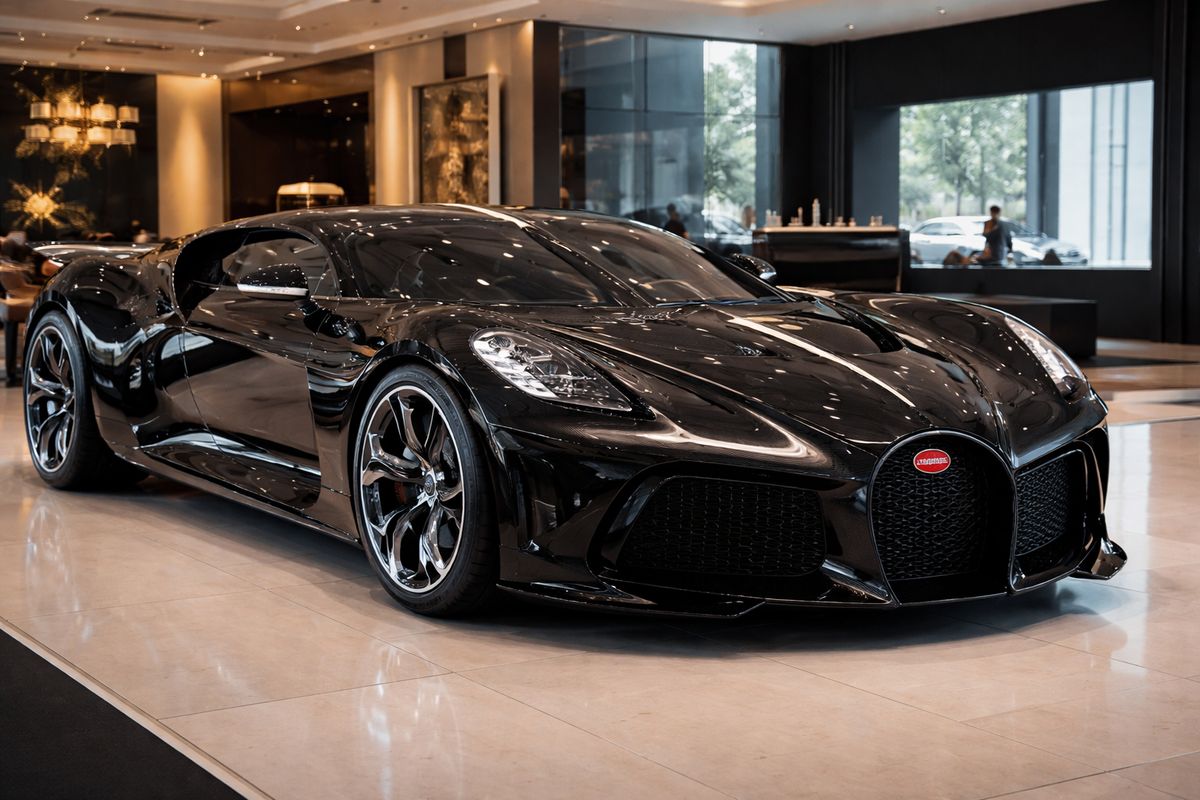
The body is crafted entirely from carbon fibre, hand-finished to a deep, mirror-like black that seems to absorb the very light around it.
Every curve, every vent, and every stitch in the cabin was tailored to one individual, making it the definition of bespoke. The engineering behind it is equally staggering, utilising the quad-turbocharged W16 engine that defined the Chiron era, yet wrapped in a coachbuilt silhouette that echoes the grand touring spirit of the 1930s.
It stands as a monument to the idea that, even in a world of mass-produced luxury, a single, perfect machine can still command the attention of the entire world.
- Engine: 8.0L Quad-Turbo W16
- Horsepower: 1,500 hp
- Torque: 1,180 lb-ft
- Dimensions: Length: 189.6 in / Width: 79.5 in
2. Mercedes-Benz 300 SLR Uhlenhaut Coupé (2 Units)
Frequently regarded as one of the most valuable cars ever created, the 300 SLR Uhlenhaut Coupé came to life because Rudolf Uhlenhaut, head of Mercedes-Benz’s test department, refused to accept compromises in performance or engineering.
Originally intended as a racing car, the 300 SLR was essentially a Formula 1 car for the road. When the program was cancelled, Uhlenhaut took two of the chassis and fitted them with a coupe body, featuring those iconic “gullwing” doors and a straight-eight engine derived from the W196 Grand Prix racer.
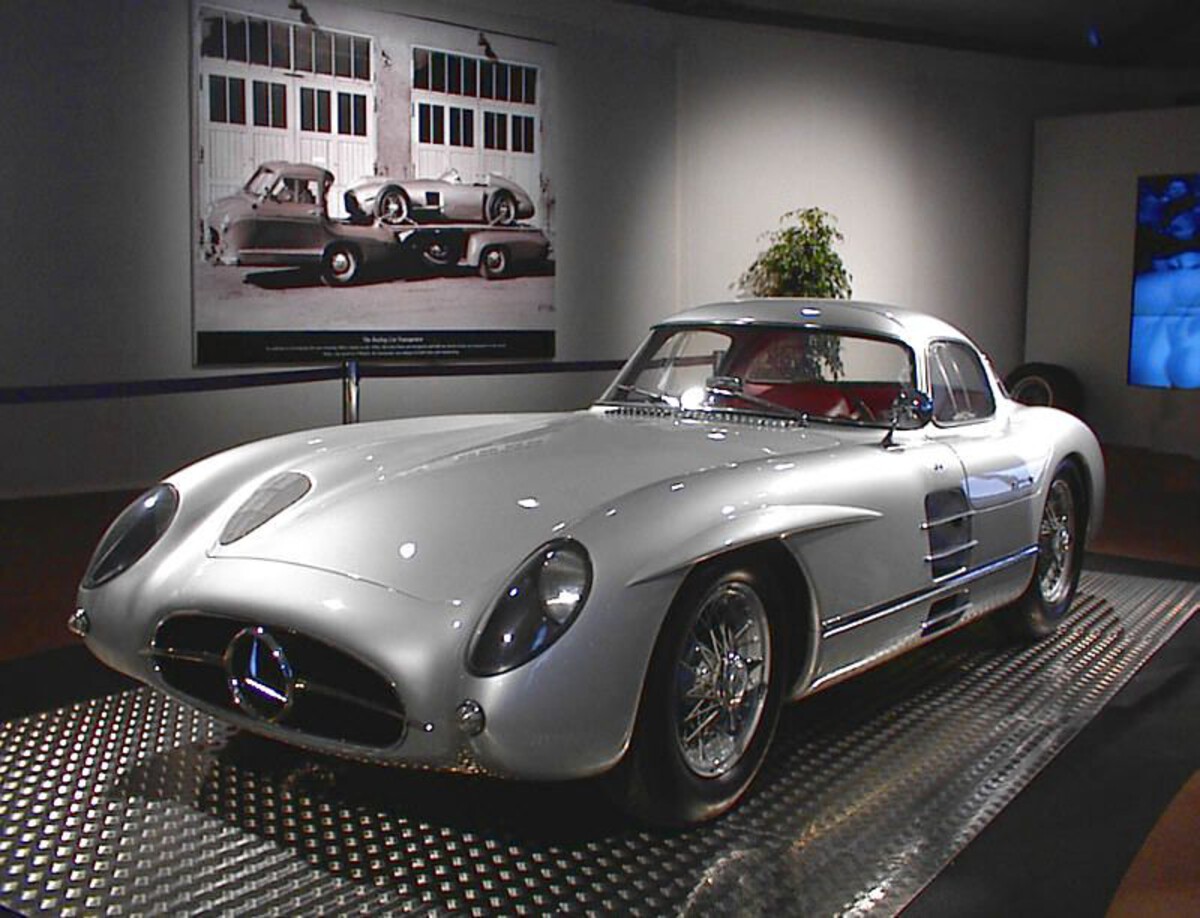
It was never intended for public sale; it was intended to be the fastest car on the planet. Its exhaust note is legendary, a raw, high-pitched mechanical howl that serves as a reminder of an era when safety regulations were nonexistent, and bravery was a prerequisite for driving.
These two cars spent decades in the company’s private museum before one was sold in a closed-room auction, forever changing the valuation of historic vehicles.
It is the ultimate fusion of race-bred intensity and grand-touring elegance, representing the absolute apex of 1950s German engineering prowess.
- Engine: 3.0L Naturally Aspirated Inline-8
- Horsepower: 310 hp
- Torque: 234 lb-ft
- Dimensions: Length: 171.3 in / Width: 68.9 in
3. Rolls-Royce Boat Tail (3 Units)
The Rolls-Royce Boat Tail is an exercise in excessive elegance, designed to evoke the spirit of the early 1930s when the company’s coachbuilders would create bespoke bodies atop standard chassis. Rolls-Royce revived this tradition with its Coachbuild department, creating only three units, each personalised to the extreme specifications of its owner.
The rear deck is the centrepiece of a butterfly-opening compartment that houses a hosting suite, complete with a rotating cocktail table, bespoke chairs, and even an integrated parasol.
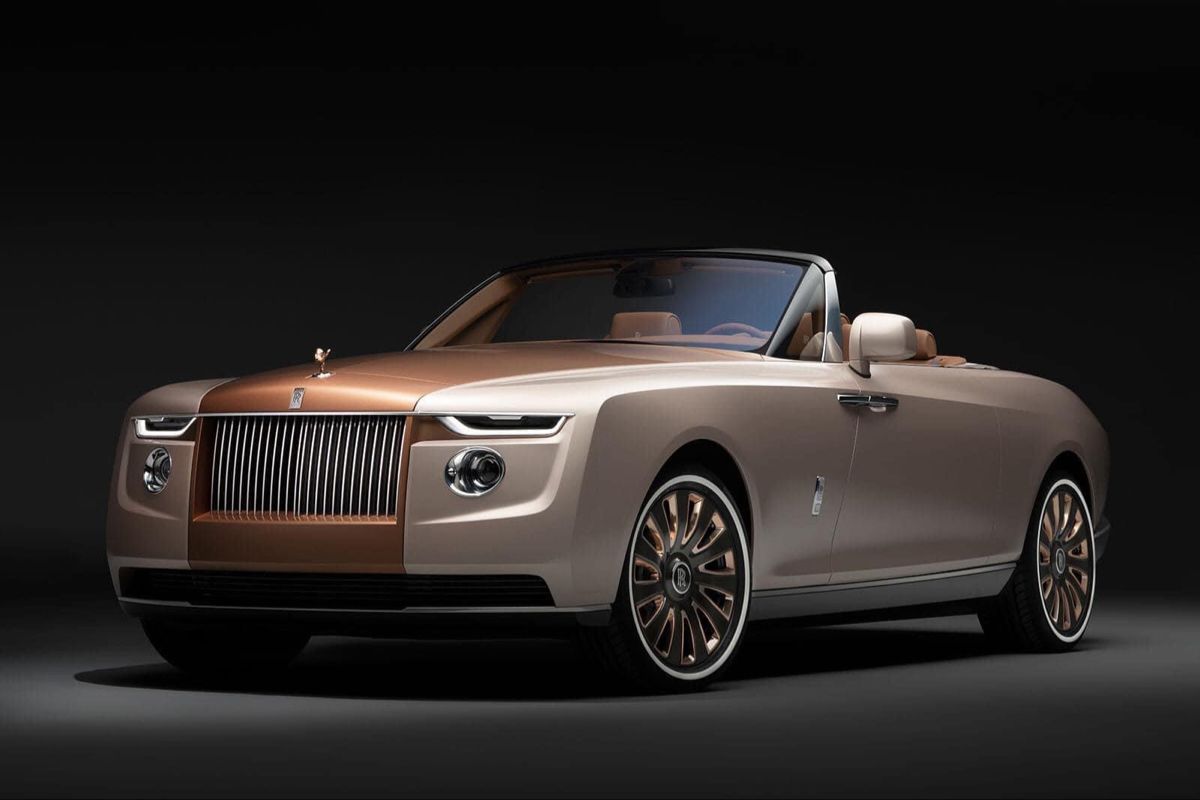
The complexity of the paintwork and the custom-made interior components, like the timepieces designed in collaboration with Bovet, showcase a level of craftsmanship that makes standard luxury seem pedestrian.
While the chassis and drivetrain are rooted in the refined architecture of the Phantom, the bodywork is unique to each of the three owners.
It is a modern ocean liner for the road, a project that took years of development to ensure that every mechanical movement in the rear deck operated with silent, hydraulic precision. It is, quite literally, the most expensive way to enjoy a picnic ever devised.
- Engine: 6.75L Twin-Turbo V12
- Horsepower: 563 hp
- Torque: 664 lb-ft
- Dimensions: Length: 226.8 in / Width: 80.0 in
4. McLaren F1 LM (5 Units)
If the standard McLaren F1 is the greatest supercar of the 20th century, the LM is its track-focused deity. Following the F1’s stunning victory at the 1995 24 Hours of Le Mans, McLaren decided to celebrate by building five road-legal versions of the race-winning GTR.
Painted in the iconic “Papaya Orange” to honour Bruce McLaren, these cars were stripped of every gram of unnecessary weight. They feature a unique aerodynamic package, including a massive rear wing and a modified underbody for increased downforce.
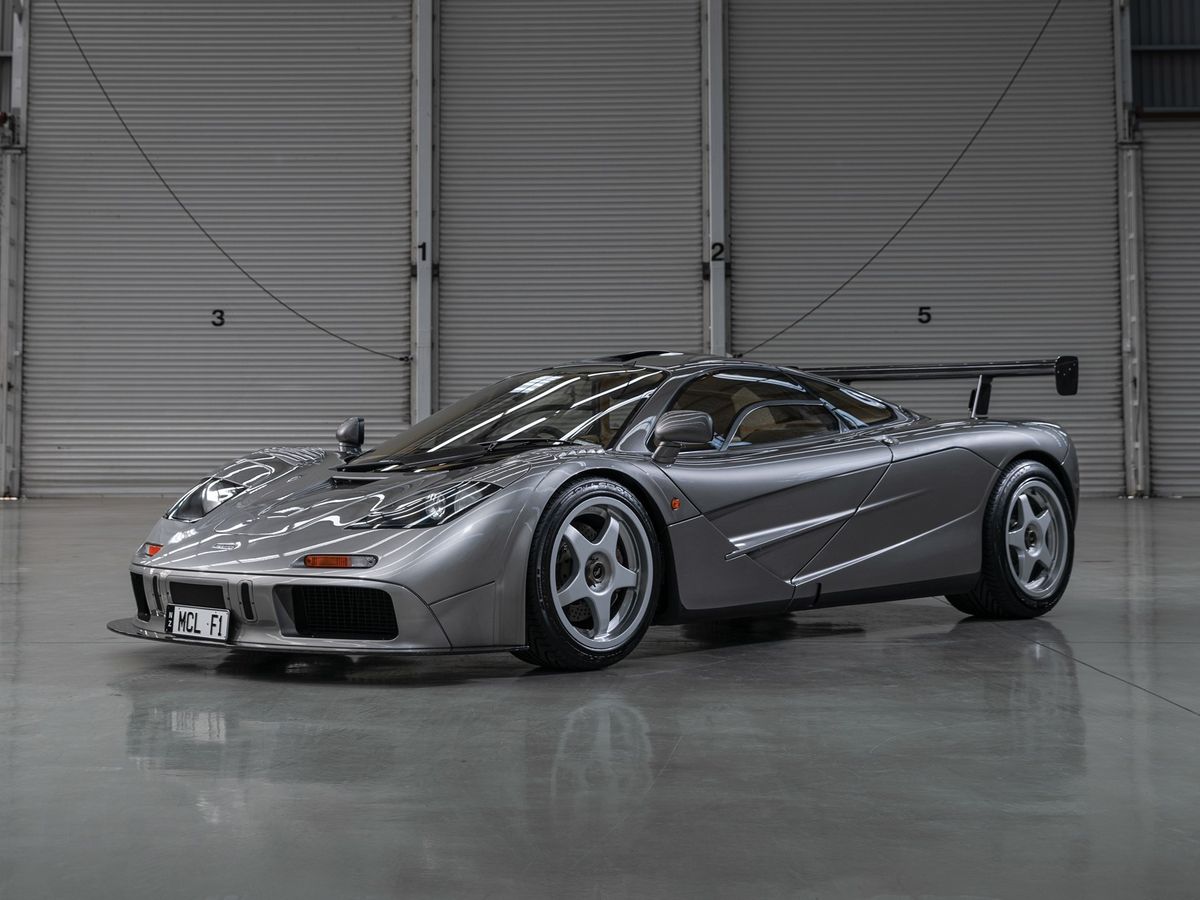
The interior is a spartan mix of carbon fibre and Alcantara, lacking the sound deadening of the original F1. The driving experience is visceral; the engine, a naturally aspirated V12 developed by BMW M, is completely unleashed, producing more power than the standard model thanks to unrestricted breathing.
To drive an F1 LM is to experience the pinnacle of analogue engineering before the digital era took over. It remains one of the most sought-after cars in existence, a rare bridge between the track and the street that feels just as dangerous today as it did when it first appeared in the mid-90s.
- Engine: 6.1L Naturally Aspirated V12
- Horsepower: 680 hp
- Torque: 520 lb-ft
- Dimensions: Length: 171.9 in / Width: 71.7 in
5. Rolls-Royce 15 hp (6 Units)
To understand the modern titans of the industry, one must return to the very beginning. The Rolls-Royce 15 hp was one of the first cars produced after the partnership between Charles Rolls and Henry Royce was formalized in 1904.
It was a vehicle that set the tone for everything that would follow: quiet, reliable, and meticulously built. Only six were ever made, and remarkably, a few still survive in private collections and museums today.
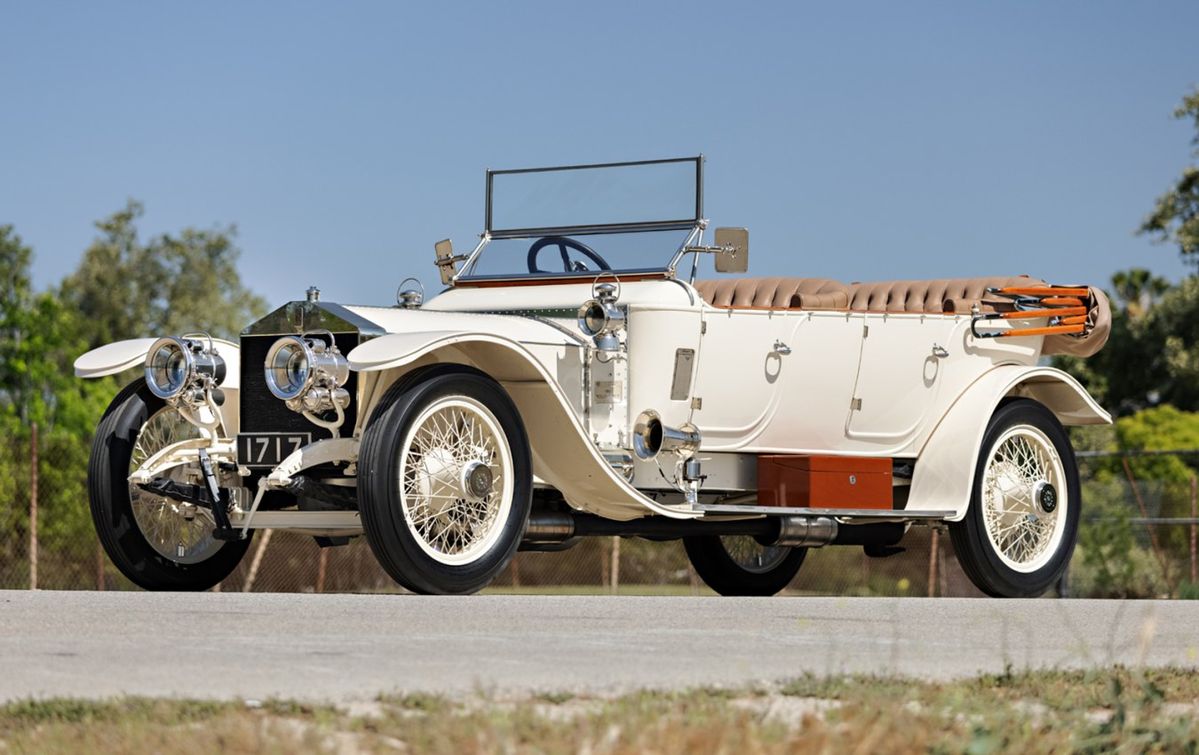
At the time, the 15 hp was a marvel of simplicity compared to the loud, clattering engines of its contemporaries. It featured a three-cylinder engine that was praised for its smoothness, a hallmark that would become the cornerstone of the brand’s identity for over a century.
The construction was wood and steel, requiring a level of manual labour that is almost impossible to replicate in the modern age. It lacks the explosive power of its descendants, but it possesses a historical weight that is unparalleled.
It is the “Patient Zero” of the most prestigious automotive brand in history, a testament to the fact that quality, even in the infancy of the automobile, is timeless.
- Engine: 3.0L 3-Cylinder
- Horsepower: 15 hp
- Torque: N/A (Historic design)
- Dimensions: Length: 118.0 in / Width: 60.0 in
ALSO READ: Drivers Education Hasn’t Kept Up With Modern Cars
6. Lamborghini Veneno (13 Units)
When Lamborghini celebrated its 50th anniversary in 2013, they didn’t just want a new car; they wanted a spaceship. The Veneno, based on the Aventador, was designed to push the boundaries of aerodynamic efficiency and aggressive styling.
The result was a car that looked like it had been carved out of solid carbon fibre by a wind tunnel. With only 13 units produced, three coupes and ten roadsters, the Veneno remains one of the most polarising and aggressive designs in the history of the Sant’Agata Bolognese factory.
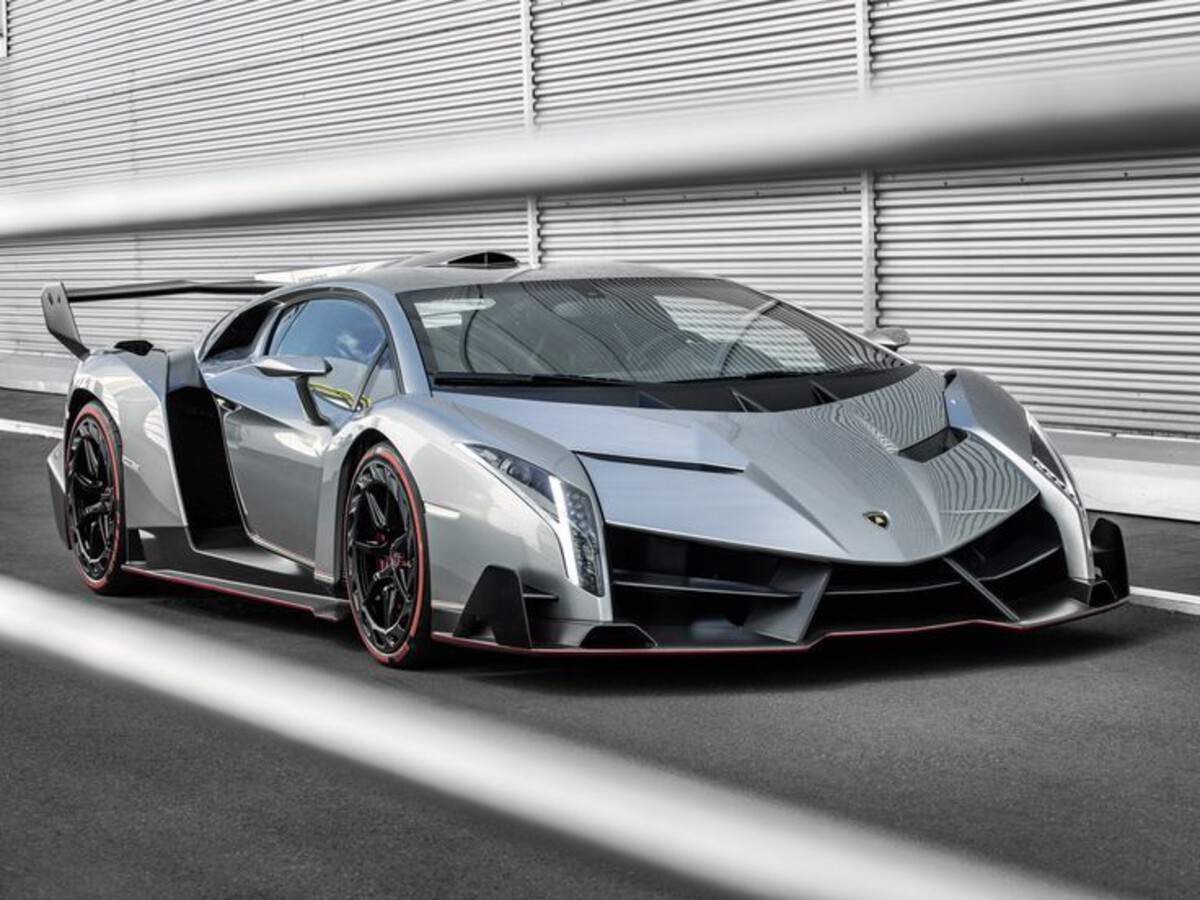
Every vent, wing, and diffuser serves a functional purpose, channelling air to keep the massive V12 engine cool and the car glued to the tarmac.
While the underlying chassis shares DNA with the Aventador, the bodywork and interior are bespoke, featuring “CarbonSkin,” a patented material woven from carbon fibres.
It is a car that thrives on drama, offering an uncompromising experience that prioritises raw performance and visual impact over comfort. To see one in person is to realise that the designers were given a blank check to define the future of the wedge-shaped supercar.
- Engine: 6.5L Naturally Aspirated V12
- Horsepower: 740 hp
- Torque: 509 lb-ft
- Dimensions: Length: 197.0 in / Width: 80.0 in
7. Aston Martin DB4 GT Zagato (19 Units)
In the early 1960s, Aston Martin found itself in a struggle against the rising tide of Italian performance. To compete, they turned to the legendary coachbuilder Zagato.
The result was the DB4 GT Zagato, a car that transformed the already quick DB4 into a lightweight, aerodynamic masterpiece. By stripping out the rear seats, using aluminium for the body panels, and fine-tuning the engine, Zagato turned the Aston into a genuine threat on the race track.
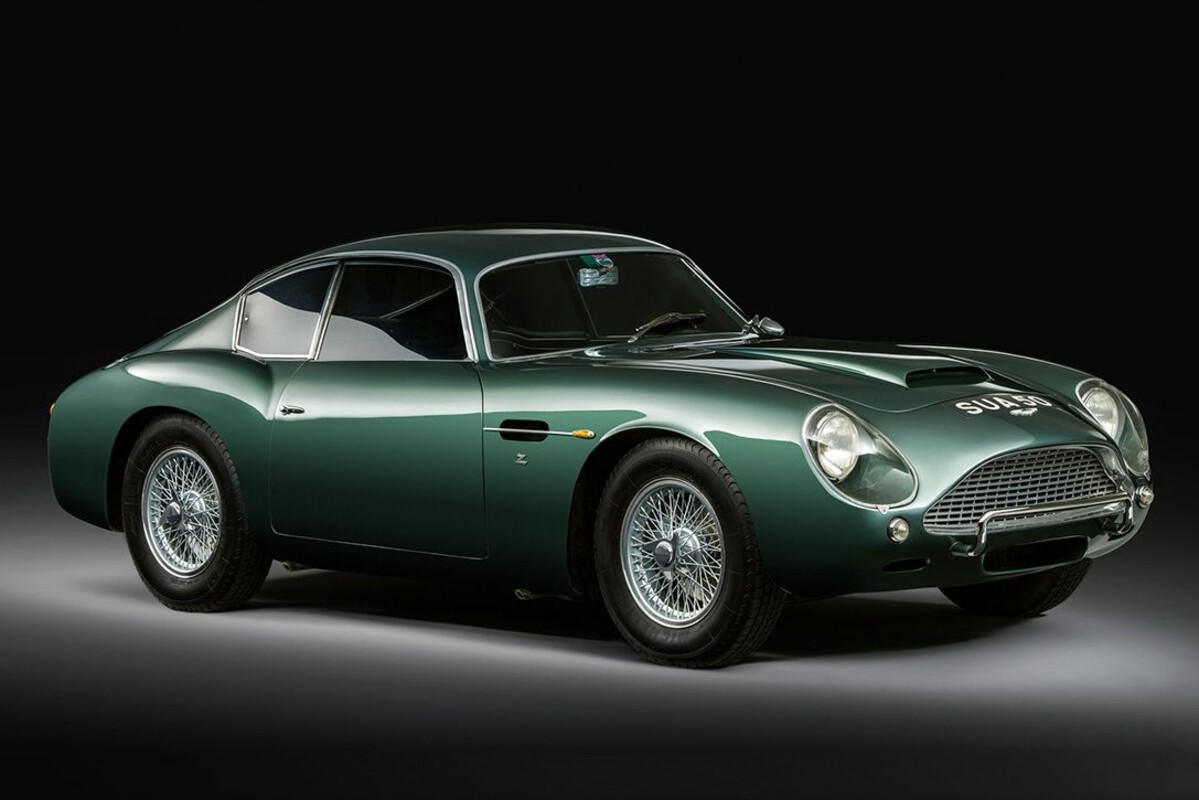
The styling is distinct, with a subtle “double bubble” roof, a signature Zagato trait that maximises headroom while reducing frontal area. It is widely considered one of the most beautiful cars ever designed, a perfect balance of British chassis engineering and Italian aesthetic flair.
Only 19 original examples were ever crafted, and their scarcity, combined with their stunning appearance and racing pedigree, has made them the crown jewel of any Aston Martin collection. Every curve and line on the car feels purposeful, yet elegant, a rare trait in an era when racing cars were often purely functional, utilitarian boxes.
- Engine: 3.7L Naturally Aspirated Inline-6
- Horsepower: 314 hp
- Torque: 278 lb-ft
- Dimensions: Length: 168.0 in / Width: 61.3 in
8. Leyat Hélica (30 Units)
Perhaps the oddest entry on this list, the Leyat Hélica, or “propeller car,” is a reminder that the early days of aviation and automotive engineering were dangerously intertwined.
Built in France between 1919 and 1925, the Hélica was steered by its rear wheels and powered by a front-mounted propeller, essentially making it an aeroplane without wings. Because of its lack of a gearbox and its incredibly light chassis, it could reach speeds that were terrifying for the era.
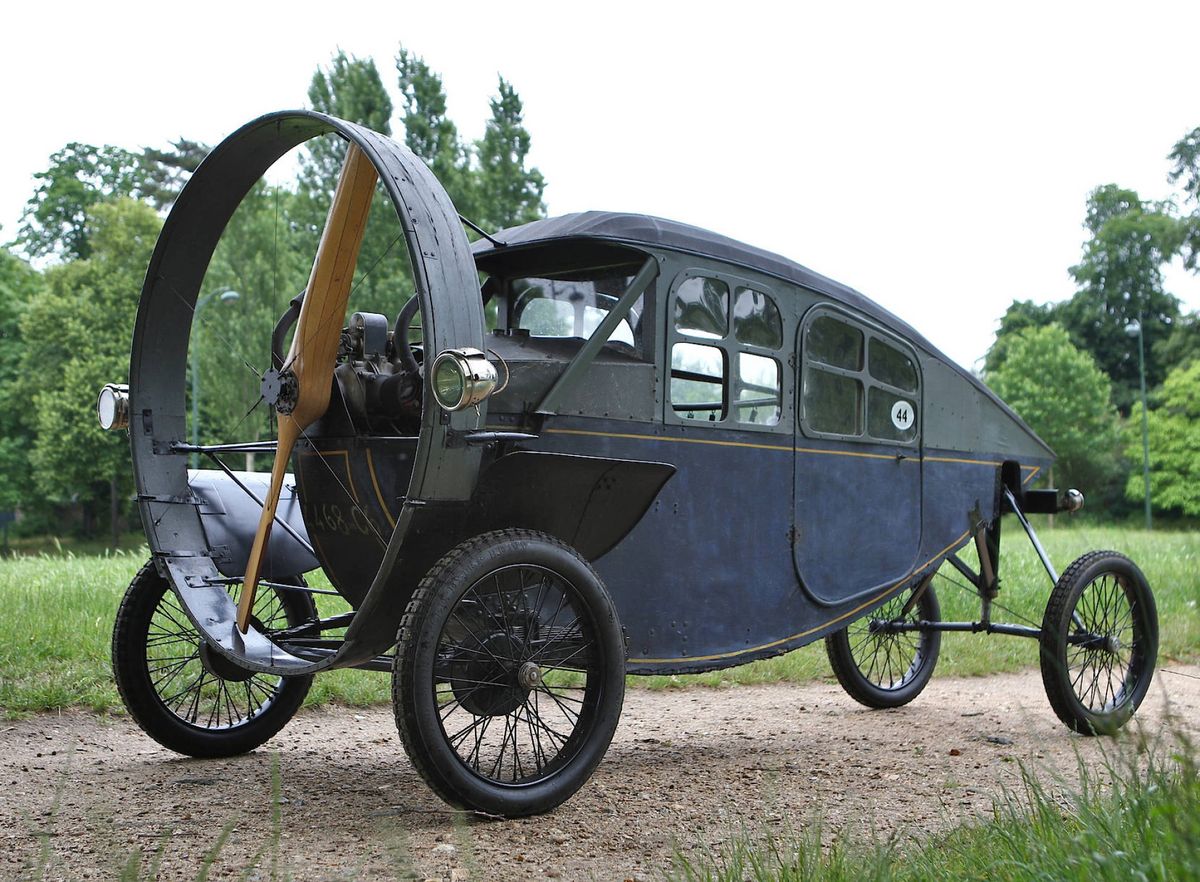
Marcel Leyat, the creator, famously claimed it was the most efficient way to travel, though the public remained sceptical of a vehicle with an exposed spinning blade at the front. Of the 30 built, very few survive today, mostly housed in French museums. It serves as a fascinating look at an era when inventors were testing every conceivable form of propulsion.
It is loud, bizarre, and utterly impractical, yet it represents a moment of unbridled human curiosity. It reminds us that rarity isn’t always about luxury or performance; sometimes it’s about the sheer audacity of an idea that didn’t quite take flight.
- Engine: 1.0L 2-Cylinder
- Horsepower: 18 hp
- Torque: N/A (Propeller-driven)
- Dimensions: Length: 145.0 in / Width: 55.0 in
ALSO READ: Are Modern Cars Too Heavy to Ever Be Truly Fun Again?
9. Ferrari 250 GTO (36 Units)
The Ferrari 250 GTO is the holy grail of the collector car market, a machine so iconic that its very name commands instant respect. Built between 1962 and 1964, the GTO was the ultimate evolution of the 250 series, designed specifically to dominate the FIA’s Group 3 Grand Touring Car category.
Under the hood lies the Colombo V12, a legendary engine that produces a sound often described as symphonic. The bodywork, penned by Giotto Bizzarrini and Sergio Scaglietti, is a masterclass in aerodynamics for the 1960s, featuring a low nose and a distinctive “Kamm” tail.
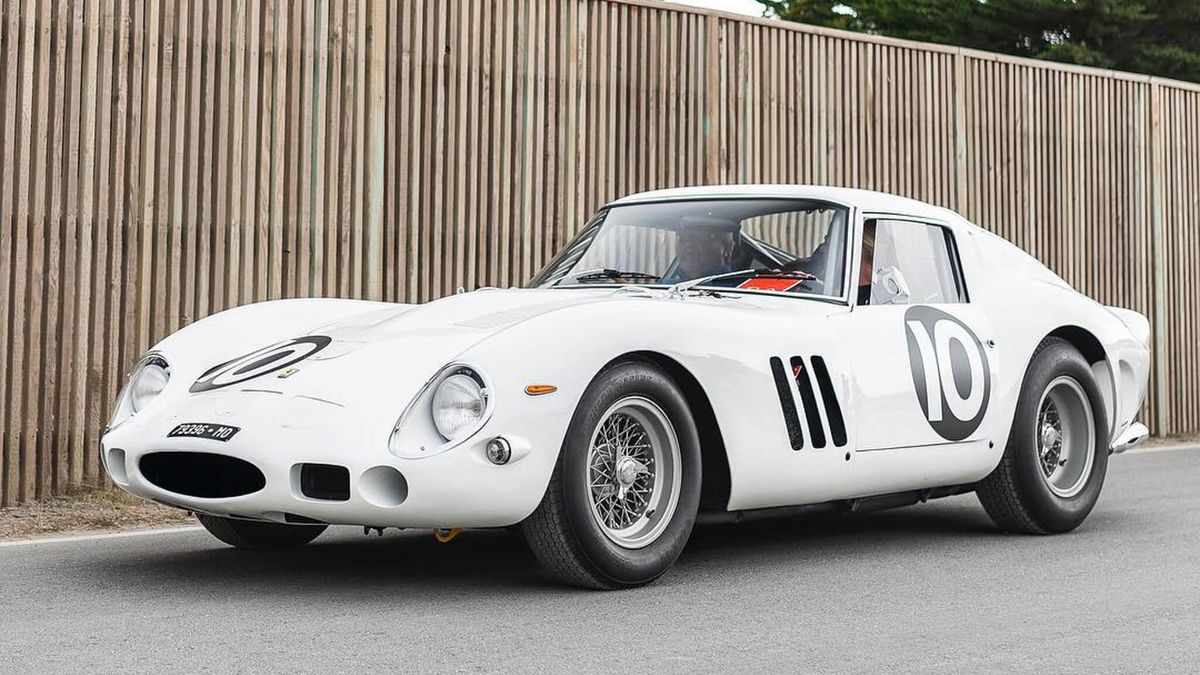
Unlike modern supercars, the 250 GTO was a car that you drove to the track, won with, and drove home, a true dual-purpose weapon. Because Ferrari only produced 36 examples, and because many were lost to the rigours of racing, the surviving cars are essentially priceless.
Every bolt on the car tells a story of a fierce battle on the tracks of Spa, Sebring, or Le Mans. It is the definitive Ferrari, the car that solidified Enzo Ferrari’s reputation for building the world’s most desirable machines.
- Engine: 3.0L Naturally Aspirated V12
- Horsepower: 296 hp
- Torque: 217 lb-ft
- Dimensions: Length: 172.0 in / Width: 66.5 in
10. BMW M1 (453 Units)
The BMW M1 is the car that launched a division. Designed in the late 1970s to allow BMW to compete in Group 4 and 5 racing, the M1 required a production run of 400 units to meet homologation requirements. The project was complex, involving a chassis designed by Dallara and bodywork penned by Giorgetto Giugiaro.
While the racing program suffered from bureaucratic delays, the resulting road car was a revelation. It was the first mid-engined car from BMW, utilizing a straight-six engine that was incredibly responsive and reliable. The M1’s design is a classic example of the “wedge” era, low, wide, and aggressive, but it manages to feel more refined than its Italian rivals.
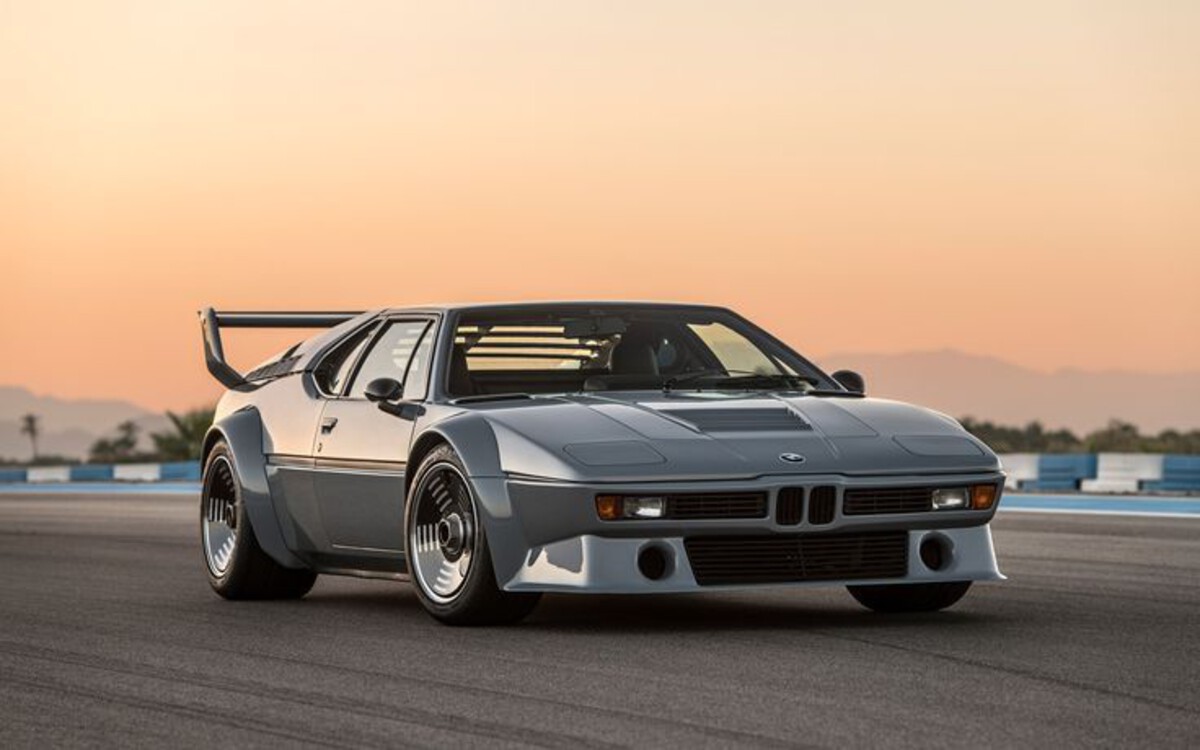
It was a comfortable grand tourer that could hold its own on a track, bridging the gap between the luxury sedans BMW was known for and the pure sports cars it wanted to be. With 453 units produced, it is by far the “most common” car on this list, but its importance to the M brand and to the history of the supercar is immeasurable.
- Engine: 3.5L Naturally Aspirated Inline-6
- Horsepower: 273 hp
- Torque: 243 lb-ft
- Dimensions: Length: 171.7 in / Width: 71.8 in
Echoes of Engineering Perfection: Why We Still Need Unicorns
We live in an era of mass customisation, where software updates and assembly-line precision have made performance accessible to almost anyone with a chequebook.
Yet, the allure of these ten machines remains untouched. They are relics of a time when the “production run” was defined by the limitations of the workshop, the intensity of the racing season, or the uncompromising vision of a single engineer. They aren’t just collections of parts; they are historical artefacts that track the evolution of our obsession with speed and status.
While the modern world moves toward silent motors and autonomous grids, these cars stand as loud, vibrating reminders of the human element in engineering.
Their rarity is not a flaw; it is their greatest feature. To own, or even to witness, one of these machines is to hold a piece of history that will never be replicated, ensuring that its legend will only grow as the decades pass.