Driving has changed dramatically over the last two decades, yet driver’s education programs in many parts of the world still follow teaching methods designed for vehicles from another era. Modern cars are no longer simple mechanical machines that rely entirely on driver skill and manual awareness.
Today’s vehicles include advanced safety systems, digital dashboards, driver assistance technologies, cameras, sensors, lane keeping systems, adaptive cruise control, blind spot monitoring, regenerative braking, and even semi-autonomous driving capabilities.
Despite these rapid innovations, many driver’s education courses continue to focus almost entirely on traditional driving techniques while barely addressing the technologies that now shape everyday driving experiences.
This gap between education and automotive innovation creates serious problems for new drivers who may know the rules of the road but lack understanding of how their own vehicles behave and respond in real-world situations.
A new generation of drivers is entering the roadways in cars that are essentially computers on wheels. Electric vehicles operate differently from gasoline-powered vehicles, hybrid systems require unique driving habits, and advanced driver assistance systems can both improve safety and create confusion if drivers misuse them.
Unfortunately, many driving schools still teach students using outdated lesson plans that emphasize basic steering, braking, parking, and traffic laws without dedicating enough time to modern vehicle technologies.
As a result, drivers often learn about critical systems only after purchasing or driving a modern vehicle on their own. This creates dangerous situations where drivers overestimate the abilities of automated features or fail to understand their limitations.
The issue becomes even more important as car manufacturers continue pushing toward greater automation and connectivity. Vehicles today can automatically brake, assist with parking, monitor driver attention, and provide real-time navigation and traffic updates. Some cars can even partially control steering and speed under certain conditions.
While these systems are designed to improve safety and convenience, they also require informed drivers who understand how and when to use them properly. Without updated driver education, people may become too dependent on technology or fail to respond correctly during emergencies when automation disengages.
Modern driver education must evolve to match the realities of contemporary transportation. Training programs should teach not only how to operate a vehicle but also how to interact responsibly with advanced technologies. Students need hands-on experience with safety systems, digital interfaces, electric vehicle functions, and the risks associated with distracted driving in highly connected cars.
Training programs for motorists must also address cybersecurity concerns, software updates, and the ethical responsibilities associated with partially autonomous driving systems. Without meaningful reform, the gap between driver knowledge and vehicle capability will continue to widen, potentially leading to greater confusion, unsafe driving behavior, and a higher risk of accidents.
Updating driver’s education is no longer optional. It is essential for public safety in an increasingly technological driving environment.
Also read: Top 10 Cars With the Shortest Turning Radius Ranked
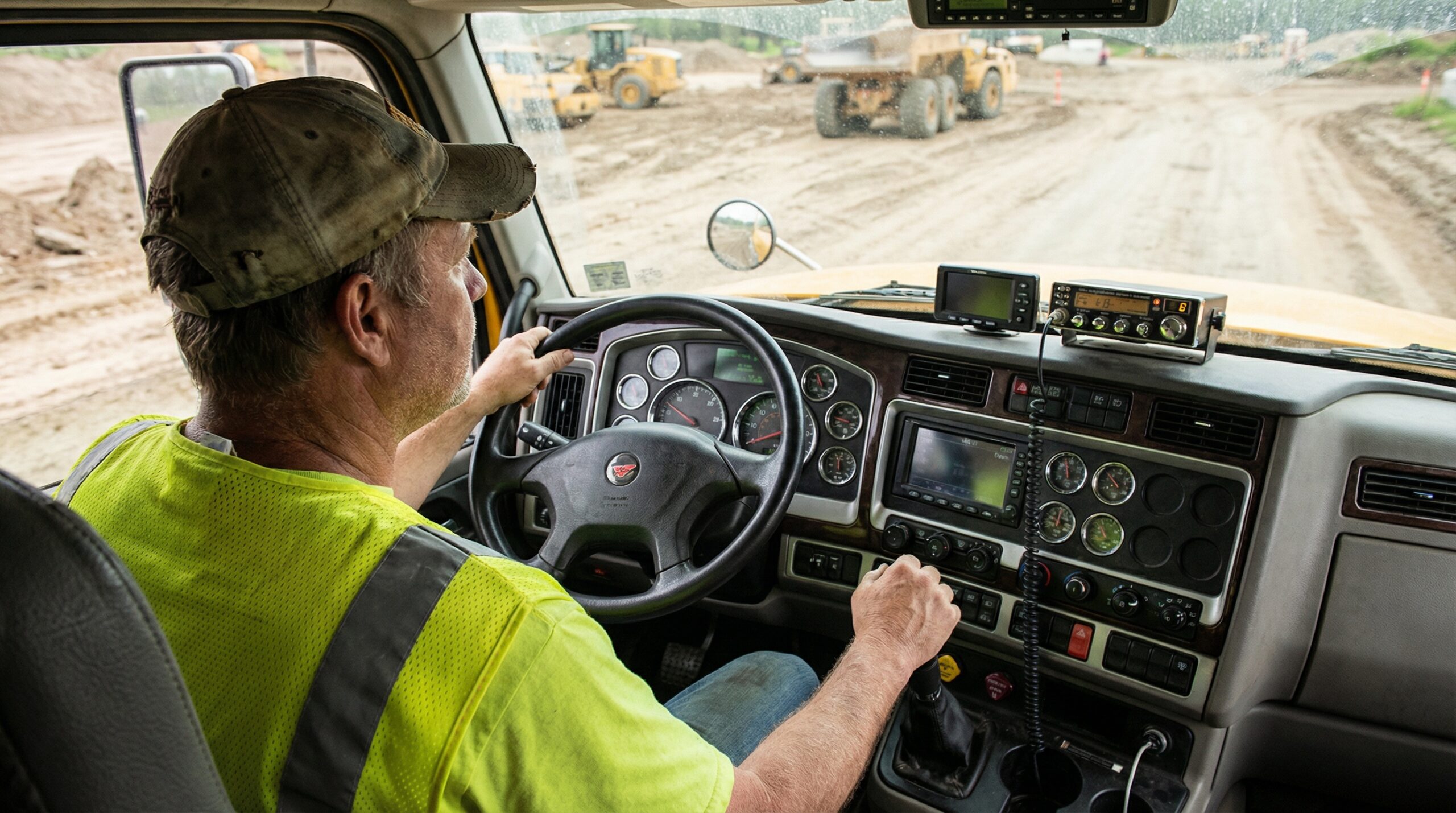
Traditional Driver’s Education is for Simpler Cars
Driver’s education programs were originally developed during a time when cars were mechanically simple and relied almost entirely on human judgment and physical control. Early driving courses focused on essential skills such as steering, braking, checking mirrors, understanding traffic signs, and maintaining safe distances from other vehicles.
These fundamentals remain important today, but the vehicles being driven have changed significantly. Modern automobiles now contain dozens of electronic systems and advanced safety technologies that influence how a car accelerates, brakes, turns, and reacts to road conditions. Unfortunately, many educational programs have not evolved at the same pace as the vehicles themselves.
In many regions, the curriculum used in driver’s education still resembles lessons from the late twentieth century. Students are often taught using printed manuals and standardized procedures that prioritize passing a driving test rather than understanding the realities of operating modern vehicles.
The average learner may receive only minimal instruction on electronic stability control, traction management, adaptive headlights, collision warning systems, or smart cruise control. As a result, new drivers often enter the road without fully understanding the features present in the cars they drive every day.
One major issue is that licensing exams in many places still test only basic mechanical driving skills. Examiners typically focus on parking, lane discipline, signaling, and adherence to traffic laws. While these are critical skills, the tests rarely evaluate whether a driver understands how to use lane assist systems, emergency braking technology, or digital instrument clusters.
This disconnect means drivers can legally operate highly advanced vehicles without receiving any formal training on the systems built into them. In some cases, people rely solely on dealership explanations or online videos to understand potentially life-saving features.
Another factor contributing to outdated education is the cost and structure of driver training programs. Many driving schools operate with limited budgets and use older vehicles because they are cheaper to maintain. These vehicles may lack the advanced technologies found in newer cars, making it difficult for instructors to demonstrate how modern systems function.
As a result, students complete their training in vehicles that do not accurately represent the driving experience they will encounter after obtaining a license. The educational environment becomes disconnected from real-world driving conditions.
The automotive industry has advanced faster than educational institutions can adapt. Manufacturers release new technologies every year, but driver education systems often require lengthy administrative approval processes before curricula can be updated.
This delay creates a growing gap between what cars can do and what drivers are taught to understand. Without substantial modernization, traditional driver’s education risks becoming increasingly irrelevant in a world where vehicles depend heavily on software, automation, and digital interfaces.
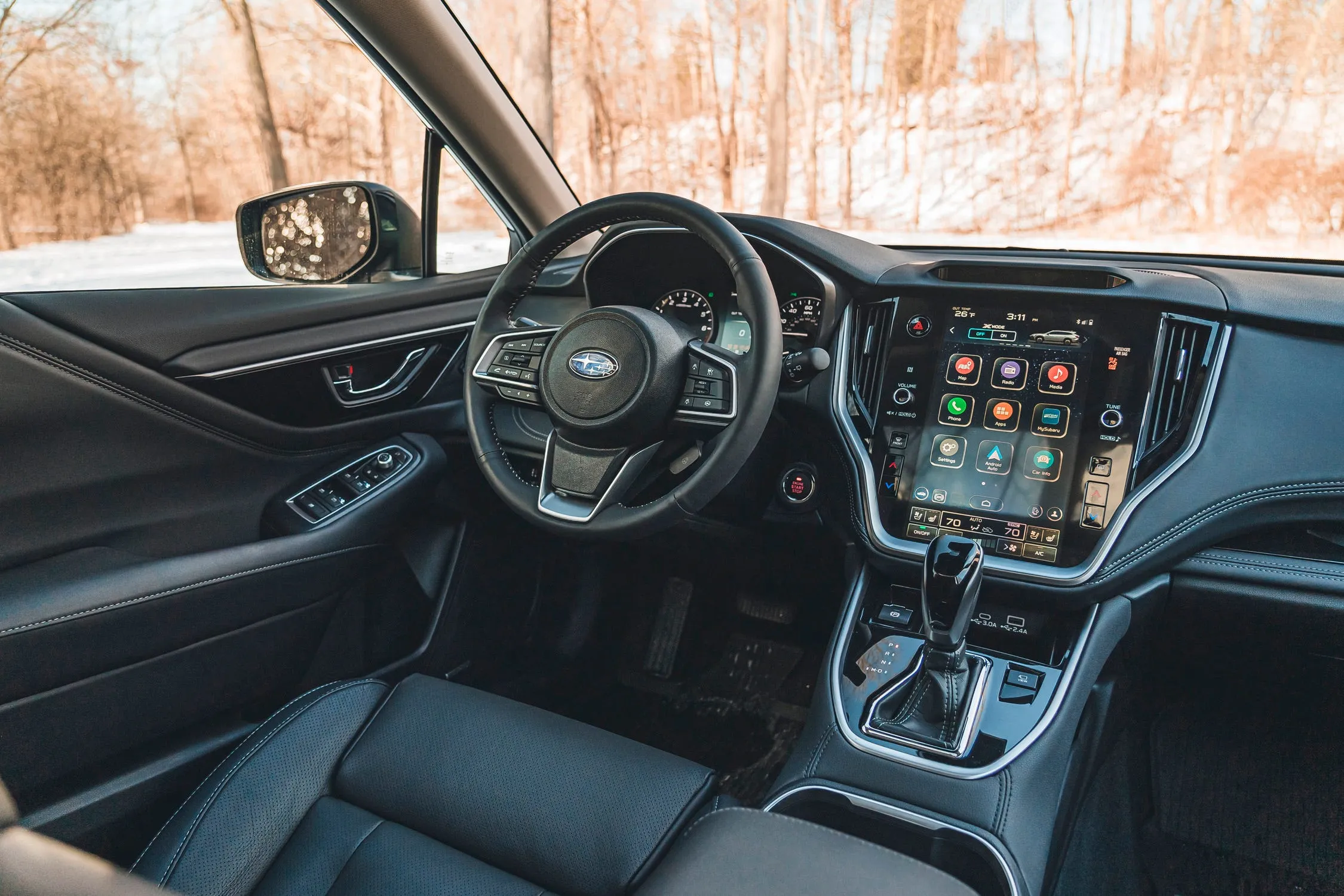
Advanced Driver Assistance Systems Are Changing Driver Behavior
Advanced Driver Assistance Systems, often referred to as ADAS, have become standard features in many modern vehicles. These technologies include adaptive cruise control, lane keeping assistance, automatic emergency braking, blind spot detection, traffic sign recognition, and parking assistance systems.
While these innovations are designed to improve safety and reduce driver error, they are also changing the way people interact with vehicles. Many drivers are beginning to rely heavily on automation without fully understanding how these systems work or where their limitations exist.
One of the biggest concerns surrounding ADAS technology is driver overconfidence. When drivers believe their vehicle can handle dangerous situations automatically, they may pay less attention to the road.
Studies have shown that some drivers become distracted while using partially automated systems because they mistakenly assume the car is capable of full self-driving. In reality, most modern driver assistance technologies still require constant human supervision and immediate intervention when necessary. Without proper education, drivers may misuse these systems in unsafe ways.
Driver’s education programs rarely provide comprehensive training on how to interact with ADAS features responsibly. Students may hear brief explanations about backup cameras or parking sensors, but they often receive little practical instruction regarding the strengths and weaknesses of advanced technologies.
For example, lane-keeping systems may fail to detect faded road markings, adaptive cruise control may not respond correctly in severe weather, and automatic emergency braking systems may not prevent every collision. Drivers who do not understand these limitations may place themselves and others at risk.
The growing dependence on automation also affects the development of core driving skills. Some experts worry that newer drivers may become less skilled at judging distances, maintaining focus, or responding quickly during emergencies because technology handles many of these tasks automatically.
If drivers become too dependent on assistance systems, they may struggle to react appropriately when technology malfunctions or disengages unexpectedly. This issue becomes especially dangerous during complex driving conditions such as heavy rain, snow, fog, or construction zones, where sensors may perform poorly.
As vehicles continue moving toward greater automation, the need for updated education becomes even more urgent. Future drivers must understand not only how to activate technological features but also how to monitor them critically. Education programs should teach drivers that assistance systems are tools rather than replacements for human responsibility.
Students need practical experience with how these systems behave under different conditions, including situations where they may fail or require immediate human intervention. Without this knowledge, advanced technologies could unintentionally create new forms of driver complacency and road safety risks.
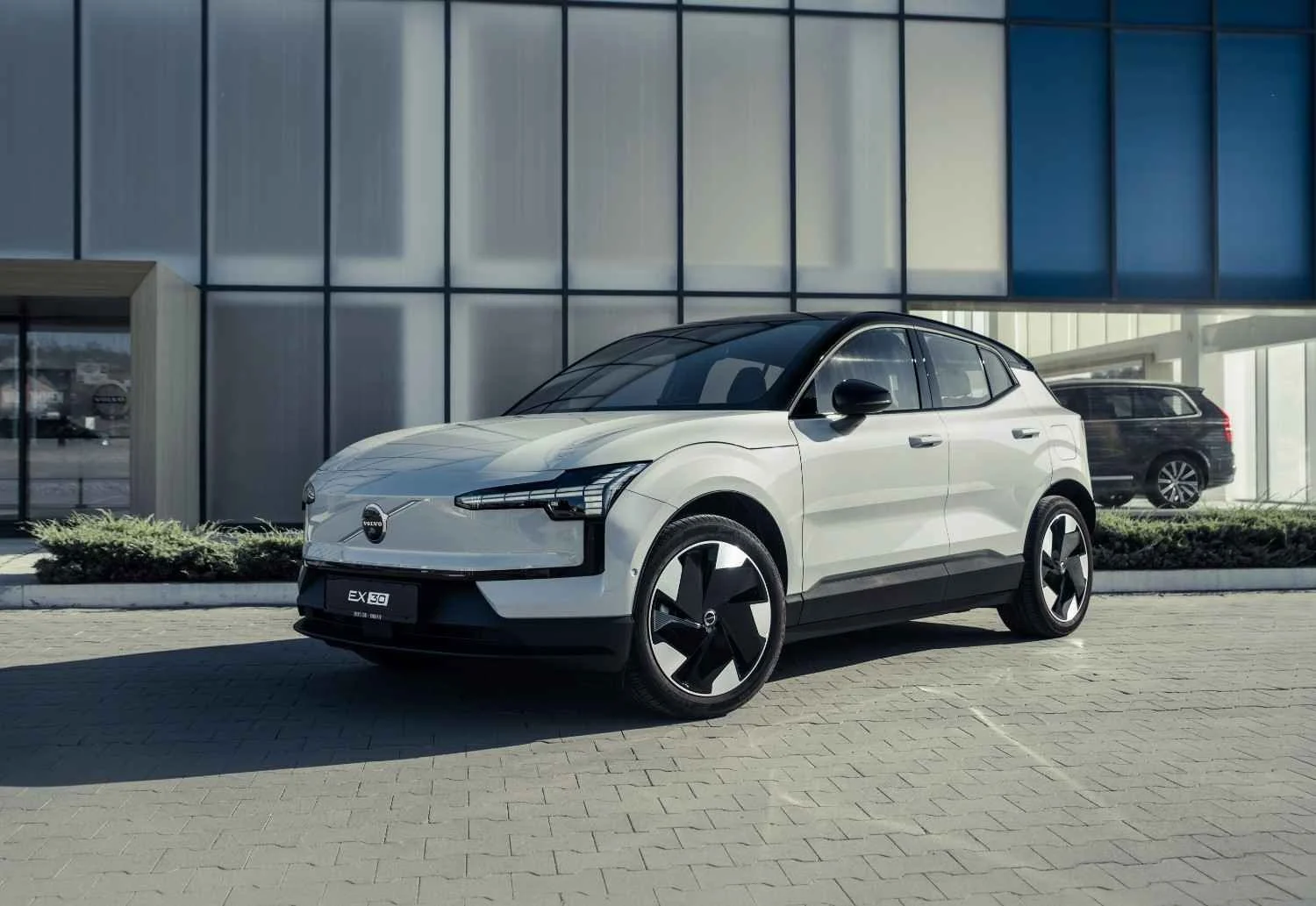
Electric Vehicles Require Different Driving Knowledge
The rise of electric vehicles has introduced an entirely new set of driving concepts that traditional driver’s education programs rarely address adequately. Electric cars differ significantly from gasoline-powered vehicles in terms of acceleration, braking, charging, maintenance, and energy management.
Yet many new drivers receive little or no instruction on these differences before operating an electric vehicle for the first time. As electric vehicles become increasingly common, the absence of EV-specific education represents a growing problem within modern driver training systems.
One major difference between electric and traditional vehicles is regenerative braking. In many electric cars, releasing the accelerator pedal automatically slows the vehicle by converting kinetic energy back into stored electricity. This creates a driving experience that feels very different from conventional braking systems.
Drivers unfamiliar with regenerative braking may initially struggle with speed control, especially in traffic or downhill driving situations. Proper training could help drivers adapt more quickly and safely to this unique driving style.
Electric vehicles also deliver power differently from internal combustion engine vehicles. Many EVs produce instant torque, allowing rapid acceleration even at low speeds. While this can improve responsiveness and performance, it may surprise inexperienced drivers who are accustomed to slower acceleration patterns.
Without guidance, drivers may unintentionally accelerate too aggressively or misjudge vehicle behavior in crowded environments. Driver education should include practical instruction on managing electric vehicle power delivery responsibly.
Charging infrastructure and battery management are additional areas where modern education often falls short. Electric vehicle owners must understand charging times, charging station compatibility, battery range management, and the effects of temperature on battery performance.
Drivers who lack this knowledge may experience range anxiety or poor trip planning habits. Long-distance travel in an electric vehicle requires different preparation compared to fueling a gasoline-powered car, yet many driver education systems ignore these practical realities entirely.
Safety procedures for electric vehicles also differ from those of traditional automobiles. EV batteries can pose unique fire risks under certain circumstances, and high-voltage systems require specialized emergency response procedures.
Drivers should understand what to do in the event of a battery malfunction, charging issue, or collision involving an electric vehicle. First responders and roadside assistance personnel increasingly receive EV-related training, but ordinary drivers are often left uninformed about basic safety considerations.
The transition toward electric transportation will continue accelerating over the coming years. Governments and manufacturers worldwide are investing heavily in electric mobility as part of broader environmental and sustainability goals.
Driver’s education programs must adapt accordingly by teaching the specific skills and knowledge required for electric vehicle ownership and operation. Failing to modernize educational systems could leave millions of drivers unprepared for the realities of an increasingly electrified transportation future.
Also read: 5 Cars Where Trade-In Beats Private Sale vs 5 Where It Doesn’t

Digital Distractions Inside Modern Vehicles Are Increasing
Modern vehicles are filled with digital technology designed to improve convenience, entertainment, and connectivity. Touchscreen displays, smartphone integration, voice assistants, navigation systems, streaming services, and messaging notifications have transformed the interior of the automobile into a highly connected digital environment.
While these features offer many benefits, they also create new forms of distraction that traditional driver’s education programs often fail to address adequately.
Distracted driving has become one of the leading causes of road accidents worldwide. Historically, driver education focused primarily on distractions such as eating, talking to passengers, or using handheld mobile phones. However, modern distractions are far more complex and deeply integrated into vehicle systems themselves.
Drivers can now interact with large touchscreens to control climate settings, music playlists, navigation routes, and communication functions while driving at high speeds. These interactions may divert visual, manual, and cognitive attention away from the road.
One challenge is that many digital vehicle interfaces are not standardized across manufacturers. Every automaker designs infotainment systems differently, meaning drivers may need to learn entirely new control layouts when switching vehicles.
Some systems rely heavily on touchscreen menus that require drivers to look away from the road for extended periods. Others include complicated voice control systems that may not function consistently in noisy environments. Without proper training, drivers can become overwhelmed or distracted while attempting to use these systems safely.
Driver’s education programs rarely provide practical instruction on managing digital distractions effectively. Students may be warned not to text while driving, but they often receive little guidance on safely interacting with integrated vehicle technologies.
For example, drivers should learn how to configure navigation systems before beginning a trip, use voice commands efficiently, and minimize unnecessary screen interactions while driving. They should also understand the dangers of multitasking in technologically complex environments.
The problem becomes even more concerning with younger drivers who have grown up surrounded by digital devices. Many young people are comfortable interacting with multiple screens simultaneously, which may create a false sense of confidence about multitasking while driving.
In reality, human attention remains limited, and cognitive overload can impair reaction times and decision-making abilities. Driver education should teach the science of distraction and explain how digital interactions affect brain function during driving tasks.
As vehicle interiors continue evolving into connected digital spaces, educational systems must adapt to address these emerging risks. Safe driving in the modern era requires not only mechanical skill but also disciplined technology management.
Future driver education programs should include hands-on instruction about digital awareness, interface design limitations, and strategies for minimizing distraction. Without these updates, drivers may struggle to balance connectivity and safety on increasingly technology-dependent roads.