

Subaru vehicles have built a strong reputation for reliability, safety, and capability in all weather conditions. Over the years, the Japanese automobile manufacturer Subaru has developed a range of practical engineering solutions and smart technologies that often go unnoticed by everyday drivers.
While many people recognize Subaru for its Symmetrical All Wheel Drive system, Boxer engine layout, and strong safety ratings, there is a deeper layer of functionality built into many Subaru models that is not always explained in dealerships or owner manuals in detail.
These lesser-known functions are often called hidden features or secret features, not because they are intentionally concealed, but because they are either subtle, automatic, or designed for convenience rather than obvious display.
Many owners of popular models such as the Subaru Outback, Subaru Forester, Subaru Crosstrek, Subaru Impreza, and Subaru WRX use these features daily without realizing the engineering intelligence behind them. Understanding these features can significantly improve driving comfort, safety awareness, and ownership experience.
Subaru has always focused on designing vehicles that perform well in real-world conditions, including snow, rain, gravel roads, and long highway journeys. Because of this philosophy, many systems in Subaru cars work in the background without requiring driver intervention.
Features like advanced traction logic, driver assistance behavior, hidden diagnostic menus, smart climate control logic, and adaptive safety responses are all designed to make driving smoother and safer. However, many drivers never explore these systems fully, which means they miss out on maximizing their vehicle’s potential.
Another interesting aspect of Subaru engineering is how user-friendly the brand has made its technology while still keeping it deeply functional.
For example, certain button combinations can unlock diagnostic screens, steering wheel controls can trigger hidden system resets, and infotainment settings often include advanced customization options that are not widely advertised. These features are particularly useful for long-term owners who want more control over their driving experience.
In this article, we will explore eight hidden features in Subaru cars in detail. Each feature will be explained clearly with practical examples and real-world use cases. You will also learn how these features enhance safety, improve comfort, and support better vehicle performance.
Whether you are a new Subaru owner or someone who has driven one for years, this guide will help you understand your car on a much deeper level and appreciate the engineering intelligence behind it.
Also Read: 10 Strongest V8 Engines Ever Put in a Production Car
1. Symmetrical All Wheel Drive Intelligence
One of the most important but often misunderstood systems in Subaru vehicles is the Symmetrical All Wheel Drive system. While many drivers know that Subaru cars offer All Wheel Drive, fewer understand how intelligently the system distributes power in real time. This system is not just a mechanical setup but a dynamic electronic control network that constantly evaluates road conditions.
The first hidden aspect of this system is its predictive torque distribution. Instead of reacting only after wheel slip occurs, the system continuously monitors wheel speed, throttle input, steering angle, and road resistance.
Based on this data, it proactively adjusts power distribution between front and rear wheels before significant slip happens. This makes vehicles like the Subaru Forester and Subaru Outback feel exceptionally stable in unpredictable conditions.
The second lesser-known feature is how the system interacts with braking inputs. When the driver applies brakes on uneven surfaces, the system can shift torque distribution to maintain balance and reduce instability. This is especially useful during downhill driving on gravel or wet roads where traction can change instantly.
Another hidden element is cornering support logic. When turning at higher speeds, the system subtly adjusts torque between wheels on the left and right sides to reduce understeer. This creates smoother cornering performance without requiring driver correction. Many drivers assume this is just good suspension tuning, but it is actually part of integrated drivetrain intelligence.
Finally, the system also adapts over time. It learns from driving patterns such as city driving, highway cruising, or off-road usage. This adaptive behavior allows models like the Subaru Crosstrek and Subaru WRX to feel more responsive or more stable, depending on long-term usage patterns. This learning capability is one of the most overlooked hidden features in Subaru engineering.
2. Advanced Driver Assistance Systems and Subtle Safety Automation
Subaru has developed one of the most advanced safety suites in its class, known as EyeSight Driver Assist Technology. While many drivers are aware of its basic functions, such as adaptive cruise control and lane keeping assist, there are deeper layers of automation that are not commonly discussed.
The first hidden feature is predictive collision response behavior. EyeSight not only reacts to obstacles in front of the vehicle but also analyzes relative speed differences between multiple objects. This allows the system to prepare braking force even before the driver fully reacts, reducing stopping distance in emergencies.
Another lesser-known function is micro steering correction. In models such as the Subaru Impreza and Subaru Outback, the system can apply extremely subtle steering adjustments to keep the vehicle centered in its lane. These corrections are so small that most drivers never notice them, but they significantly reduce fatigue during long highway drives.
A third hidden feature involves traffic flow adaptation. When driving in heavy traffic, the system adjusts acceleration sensitivity to match surrounding vehicles. This prevents sudden jerky movement and creates smoother stop-and-go driving behavior. It essentially mimics experienced human driving patterns in congested conditions.
Additionally, Subaru’s driver monitoring and alert systems can detect signs of distraction or fatigue. In some models, the system tracks eye movement and head position to determine driver attention level. If it detects reduced focus, it triggers alerts or modifies assistance sensitivity to maintain safety.
Finally, many Subaru vehicles include automatic emergency intervention logic that operates in the background. Even if adaptive cruise control is not engaged, certain safety systems remain active and ready to apply braking or stability corrections when necessary. This constant background protection is one of Subaru’s most important but least visible features.
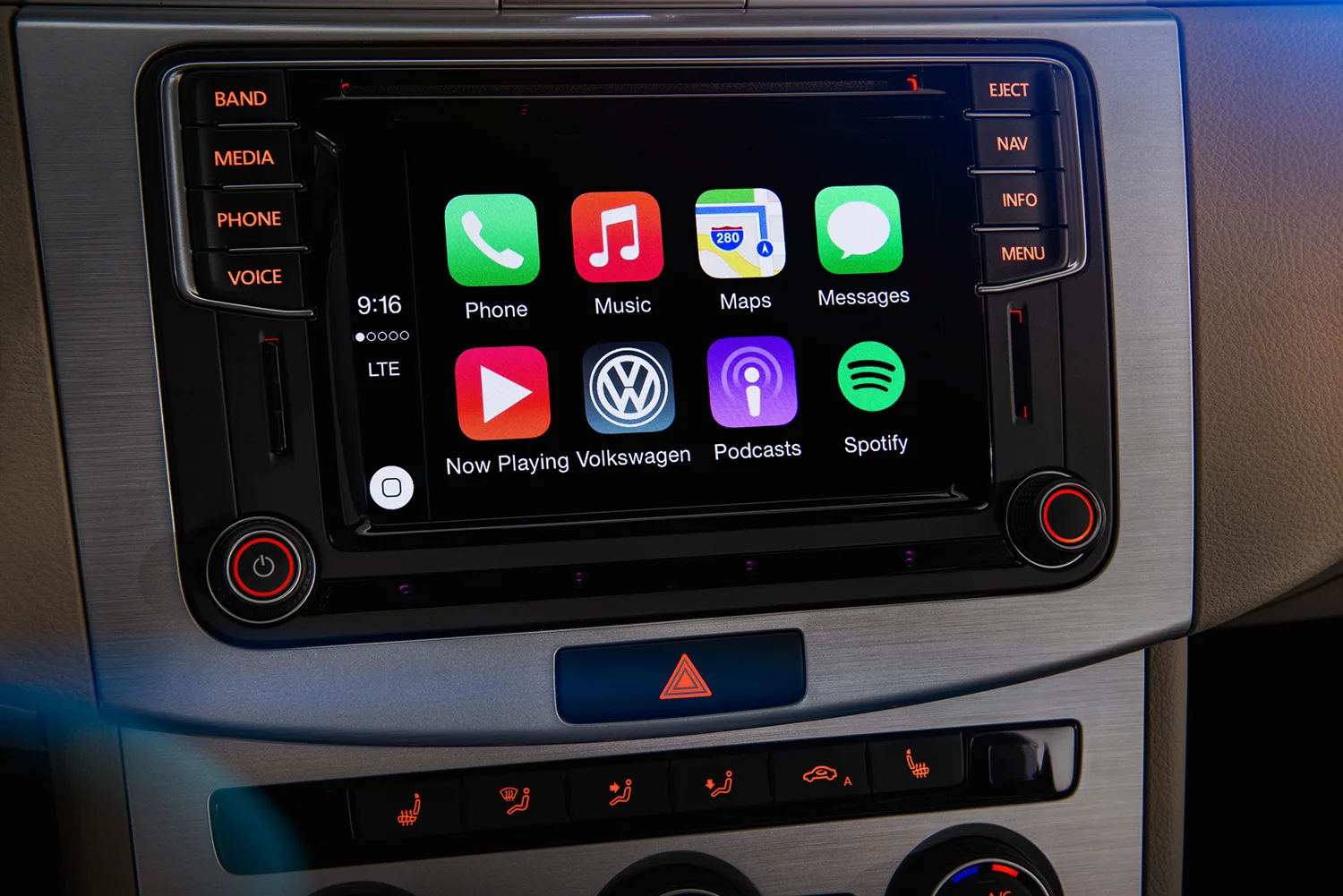
3. Infotainment System Hidden Menus and Customization Features
Modern Subaru infotainment systems offer far more customization than most drivers realize. While the interface appears simple on the surface, it contains several hidden settings and advanced configuration options that can significantly enhance usability.
The first hidden feature is the diagnostic and system information screen. By using specific button combinations or navigation paths, users can access detailed system status information such as GPS signal strength, sensor calibration data, and system health checks. This is particularly useful for troubleshooting minor issues without visiting a service center.
Another lesser-known feature is gesture and shortcut control customization. In some Subaru models, users can assign specific functions to steering wheel buttons or touchscreen shortcuts. For example, climate control, audio source switching, or navigation shortcuts can be personalized for quicker access.
A third hidden feature involves smartphone integration optimization. Subaru infotainment systems allow deep configuration of Apple CarPlay and Android Auto behavior, including startup preferences, automatic app launching, and audio prioritization. Many users are unaware that they can fine-tune these settings for a more seamless experience.
There is also a hidden audio tuning system that allows drivers to adjust sound staging, balance, and equalization beyond standard presets. This is particularly useful in models equipped with premium sound systems, where subtle adjustments can dramatically improve listening quality.
Finally, firmware-based updates often unlock additional functionality over time. Subaru periodically releases software updates that enhance infotainment performance, improve connectivity stability, and sometimes introduce new features without requiring hardware changes. This makes the system more future-proof than many drivers realize.

4. Comfort and Convenience Features Hidden in Everyday Driving
Subaru vehicles are designed with multiple comfort-oriented features that operate quietly in the background. Many of these features are not highlighted during purchase but significantly improve daily usability once discovered.
One hidden feature is automatic climate adaptation logic. The climate control system does not simply maintain a fixed temperature; it adjusts airflow direction, fan speed, and humidity control based on cabin conditions, sunlight intensity, and outside temperature changes. This creates a more natural and stable interior environment.
Another feature is smart key personalization memory. In models like the Subaru Outback, the vehicle can store seat position, mirror angle, and climate preferences for different key fobs. This allows multiple drivers to switch seamlessly between personalized settings without manual adjustment.
A third hidden feature is cargo area and interior utility optimization. Many Subaru vehicles include hidden hooks, underfloor storage compartments, and configurable seating layouts that are not always fully demonstrated. These features make vehicles like the Subaru Forester especially practical for travel and outdoor use.
Additionally, Subaru includes subtle lighting and visibility enhancements. Interior illumination adjusts automatically based on ambient light conditions, and exterior lighting systems are designed to enhance visibility during cornering and low-speed maneuvering without requiring driver input.
Finally, noise reduction engineering is another hidden comfort feature. Subaru uses acoustic glass, strategic insulation placement, and engine balancing techniques that significantly reduce cabin noise. While drivers notice the quietness, they often do not realize the complex engineering behind it.
Also Read: 10 Cars With the Strongest Stock Engines Sold Today
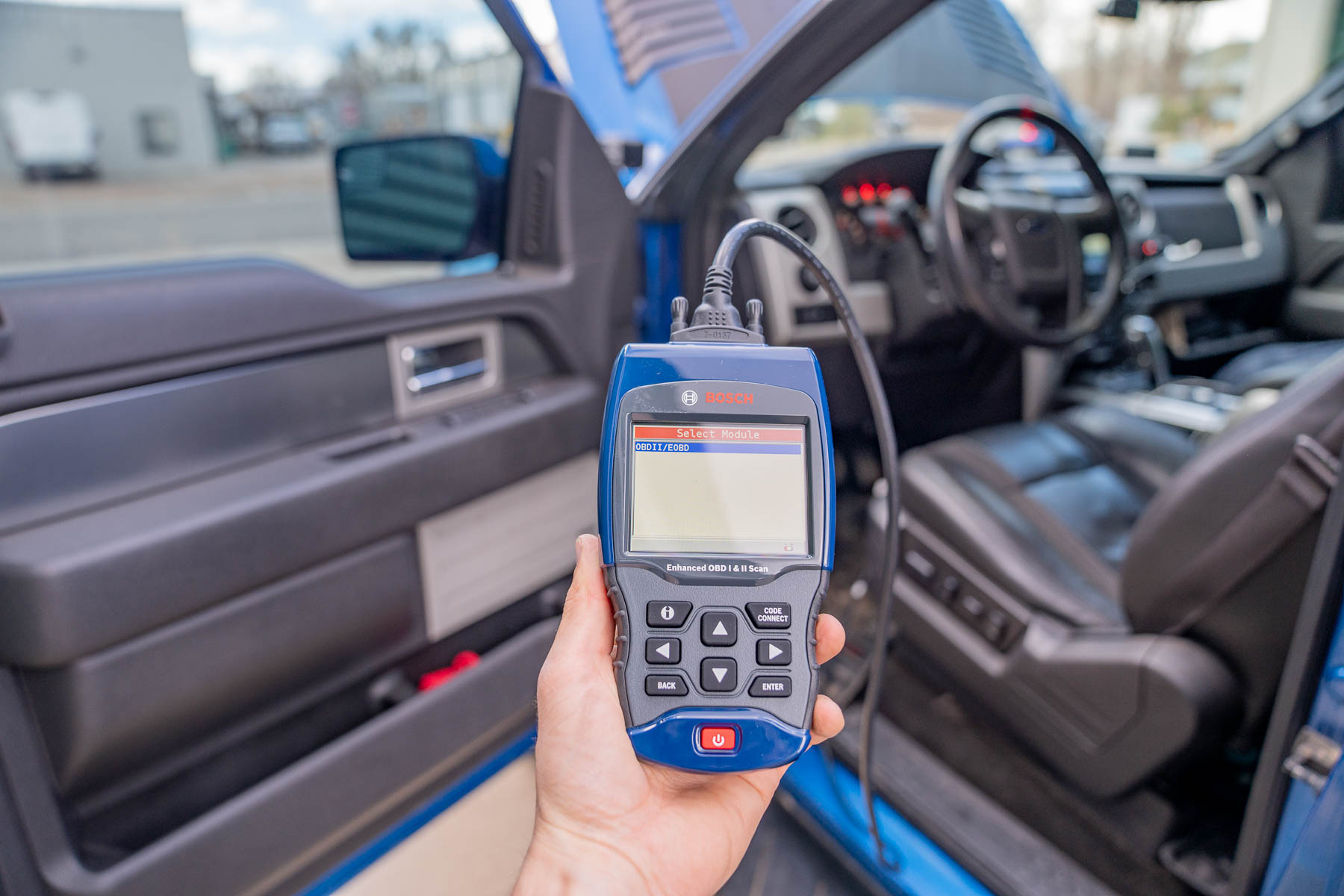
5. Maintenance Intelligence, Diagnostics, and Long-Term Reliability Features
Subaru vehicles include several hidden systems that help maintain long-term reliability and simplify maintenance. These systems are designed to detect issues early and provide feedback before problems become serious.
One important hidden feature is onboard diagnostic pre-alert behavior. The vehicle continuously monitors engine performance, emissions systems, and drivetrain health. Instead of waiting for a failure, it often detects early irregularities and triggers subtle dashboard indicators or performance adjustments.
Another feature is adaptive oil and maintenance monitoring. Certain Subaru models track driving conditions such as temperature, distance, and engine load to estimate oil degradation more accurately than simple mileage-based systems. This helps drivers maintain optimal engine health.
A third hidden feature is brake wear and stability monitoring. The system evaluates braking patterns and can estimate pad wear progression. It also adjusts stability control sensitivity based on brake condition and usage style, ensuring consistent safety performance.
Additionally, Subaru vehicles include hidden calibration modes used during service. These modes allow technicians to reset or recalibrate sensors such as steering angle sensors, throttle response mapping, and EyeSight camera alignment. While primarily service tools, they ensure long-term system accuracy.
Finally, long-term drivetrain learning is another important feature. The vehicle’s control modules adapt to driving habits over time, adjusting shift behavior in CVT transmissions, throttle response curves, and traction control sensitivity. This makes older Subaru vehicles feel refined and consistent even after years of use.

6. Hidden Hill Descent and Uphill Assist Logic
Subaru vehicles are engineered with a strong focus on real-world driving conditions, especially in uneven terrain, steep gradients, and low-traction environments. While features like Hill Start Assist and Hill Descent Control are often mentioned in specifications, the deeper logic behind their operation is far more advanced than most drivers realize.
These systems do not simply activate in extreme situations; instead, they constantly monitor vehicle angle, wheel speed differences, brake pressure, throttle input, and load distribution to prepare responses in advance. This predictive behavior ensures that the transition between normal driving and assist mode feels seamless and natural rather than sudden or intrusive.
When a Subaru vehicle begins climbing a steep incline, the Hill Start Assist system temporarily holds brake pressure even after the driver removes their foot from the brake pedal. What makes this feature more intelligent than it appears is the timing control logic.
The system calculates the exact moment when the torque from the engine is sufficient to overcome gravity and only then releases brake pressure gradually.
This prevents rollback completely while also avoiding jerky forward movement. In models like the Subaru Outback and Subaru Forester, this interaction is further refined by the Symmetrical All Wheel Drive system, which distributes torque evenly to maintain grip across all four wheels during the initial acceleration phase.
During downhill driving, Hill Descent Control becomes more active, but it does not behave like a simple braking limiter. Instead, it applies controlled braking pulses individually to maintain a constant and safe speed without requiring continuous driver input.
The system evaluates slope angle, road surface type, and wheel traction in real time, adjusting brake pressure dynamically rather than relying on a fixed speed limit. On loose gravel, snow, or wet roads, this system becomes even more responsive, ensuring that wheel lockup is avoided while maintaining steering control.
The result is a highly stable descent experience that allows the driver to focus more on steering direction rather than speed management.
Another hidden aspect of this system is its integration with engine braking and transmission behavior. In Subaru models equipped with CVT or automatic transmissions, the system can adjust gear ratios or simulate lower gear engagement to enhance engine braking effectiveness.
This reduces reliance on physical brakes, helping prevent overheating during long downhill drives. The coordination between drivetrain, braking system, and stability control creates a unified safety mechanism that operates quietly in the background but plays a critical role in off-road and mountain driving conditions.
7. Subtle Engine Boxer Balance and Vibration Cancellation
One of the most distinctive engineering choices in Subaru vehicles is the use of the Boxer engine layout, where cylinders are horizontally opposed rather than vertically arranged. While this design is often praised for its low center of gravity and improved handling, the deeper advantage lies in its natural vibration cancellation properties.
Because opposing pistons move in opposite directions, many internal forces cancel each other out mechanically, reducing the need for heavy balancing components found in traditional engine layouts.
However, Subaru does not rely solely on mechanical balance. Modern Subaru engines incorporate electronic engine management systems that continuously fine-tune ignition timing, fuel injection patterns, and throttle response to minimize micro vibrations.
These adjustments happen in milliseconds and are constantly adapting to engine load, temperature, and driving conditions. As a result, the engine maintains a remarkably smooth operation across different RPM ranges, especially at idle and during light acceleration, where vibration is usually most noticeable in conventional engines.
In real-world driving, this engineering becomes particularly noticeable during long journeys. Drivers often report reduced fatigue because the cabin experiences fewer low-frequency vibrations that typically travel through the steering wheel, seat, and floor.
In models like the Subaru Forester and Subaru Outback, this refinement is further enhanced through carefully designed engine mounts that absorb residual vibrations while maintaining responsive feedback. The goal is not complete isolation, but a balanced driving feel where the driver remains connected to the vehicle without experiencing harsh mechanical feedback.
In performance-oriented vehicles such as the Subaru WRX, the system behavior becomes even more dynamic. Under aggressive acceleration, the engine control unit adjusts combustion timing and throttle mapping to ensure power delivery remains smooth and predictable.
This prevents sudden torque spikes that could destabilize the vehicle during high-performance driving. Even at higher RPM levels, the Boxer engine maintains a stable vibration profile, contributing to better control and long-term mechanical durability. This combination of mechanical design and electronic refinement is one of the key reasons Subaru engines are known for longevity and consistent performance.

8. Hidden Steering Safety Override and Emergency Stability Control
Subaru vehicles are equipped with a deeply integrated stability system that goes beyond standard traction control and electronic stability programs. While most drivers are aware that these systems prevent skidding or wheel spin, the hidden layer of emergency steering and stability override is far more advanced.
This system continuously analyzes steering angle, yaw rate, wheel speed differences, and lateral movement to detect any mismatch between driver intent and actual vehicle behavior.
When the system detects a potential loss of control situation, such as sudden oversteer during a sharp turn or unexpected understeer on a slippery surface, it can intervene instantly by applying selective braking to individual wheels.
This helps redirect the vehicle’s trajectory back toward the intended path. Unlike basic stability control systems that react only after slip occurs, Subaru’s system begins preparing corrective action at the earliest sign of instability, reducing response time significantly.
In models such as the Subaru Impreza, Subaru Crosstrek, and Subaru Outback, this system works in close coordination with EyeSight Driver Assist Technology.
Even if driver assistance features like lane keeping or adaptive cruise control are not active, the stability override system remains operational in the background. This means that the vehicle retains a constant safety net that is always ready to intervene in emergency conditions without requiring driver activation.
Another lesser-known aspect of this system is its ability to prioritize directional stability over pure braking force. Instead of simply slowing the vehicle down, it calculates which wheels need braking intervention to restore balance while maintaining forward momentum when possible. This ensures that the car remains controllable even during sudden evasive maneuvers, such as avoiding obstacles or reacting to unexpected lane intrusions.
In high-speed scenarios, the system also works with steering torque feedback mechanisms to subtly guide the driver toward safer corrective inputs. These adjustments are extremely small and often go unnoticed, but they play a significant role in preventing overcorrection, which is a common cause of spinouts.
The result is a layered safety architecture that combines predictive analysis, real-time correction, and driver assistance into a single unified system designed to maintain stability in nearly all driving conditions.
