Every car buyer knows the feeling of falling in love with a vehicle on the showroom floor, only to find their bank account slowly bleeding out over the next few years. The Manufacturer’s Suggested Retail Price (MSRP) is a useful starting point, but it rarely reflects the true cost of vehicle ownership.
The real expenses hide in plain sight: rapid depreciation, insurance premiums, fluctuating fuel costs, interest on financing, and scheduled maintenance.
When analysing a major automaker’s lineup, these hidden costs become glaringly obvious. To find out which models are gentle on your wallet and which ones act as premium financial commitments, we have ranked eight current Chevrolet SUVs by their projected 5-year total cost of ownership (TCO).
This comprehensive data is compiled from industry benchmarks, real-world fuel economies, and historical vehicle residual values.
Whether you are looking for a hyper-efficient daily commuter or a cavernous three-row family haulier, understanding these long-term financial trajectories will transform how you approach your next purchase. Let’s look beyond the initial window sticker to see what these vehicles actually cost to run over a five-year lifecycle.
When calculating the total financial impact of parking a new SUV in your garage, you have to look at the intersection of several distinct economic factors.
For the Chevrolet lineup, the true differentiator across models is not necessarily the frequency of repairs since GM’s standard factory warranty covers bumper-to-bumper issues for 3 years or 36,000 miles and the powertrain for 5 years or 60,000 miles, but rather the aggressive depreciation curves and variable fuel appetites across different vehicle footprints.
Smaller crossovers like the Trax and Trailblazer benefit from strong residual values in the secondary market because budget-conscious used car buyers keep demand exceptionally high.
On the flip side, full-size, body-on-frame leviathans like the Tahoe and Suburban experience substantial nominal depreciation within their first 24 months, losing tens of thousands of dollars in value simply by driving off the dealership lot.
Also, engine architecture plays a massive role in the ongoing operational cost structure. Chevy’s modern EcoTec turbo-three and turbo-four engines require fewer fluid volumes and maintain lower insurance risk profiles.
Meanwhile, the heavy-duty components required to support traditional high-displacement V8 engines or complex multi-clutch all-wheel-drive platforms naturally drive up both insurance premiums and standard maintenance schedules.
ALSO READ: Chevy Camaro Comeback Could Happen At Lansing Grand River Plant
1. Chevrolet Trax
5-Year Estimated Cost of Ownership: $34,800
The Chevrolet Trax represents a masterclass in modern entry-level product design, securing its spot as the least expensive Chevy SUV to own over a five-year stretch. Following its complete ground-up redesign, the Trax transformed from a cramped, uninspiring subcompact into a sleek, elongated crossover that punches far above its weight class.
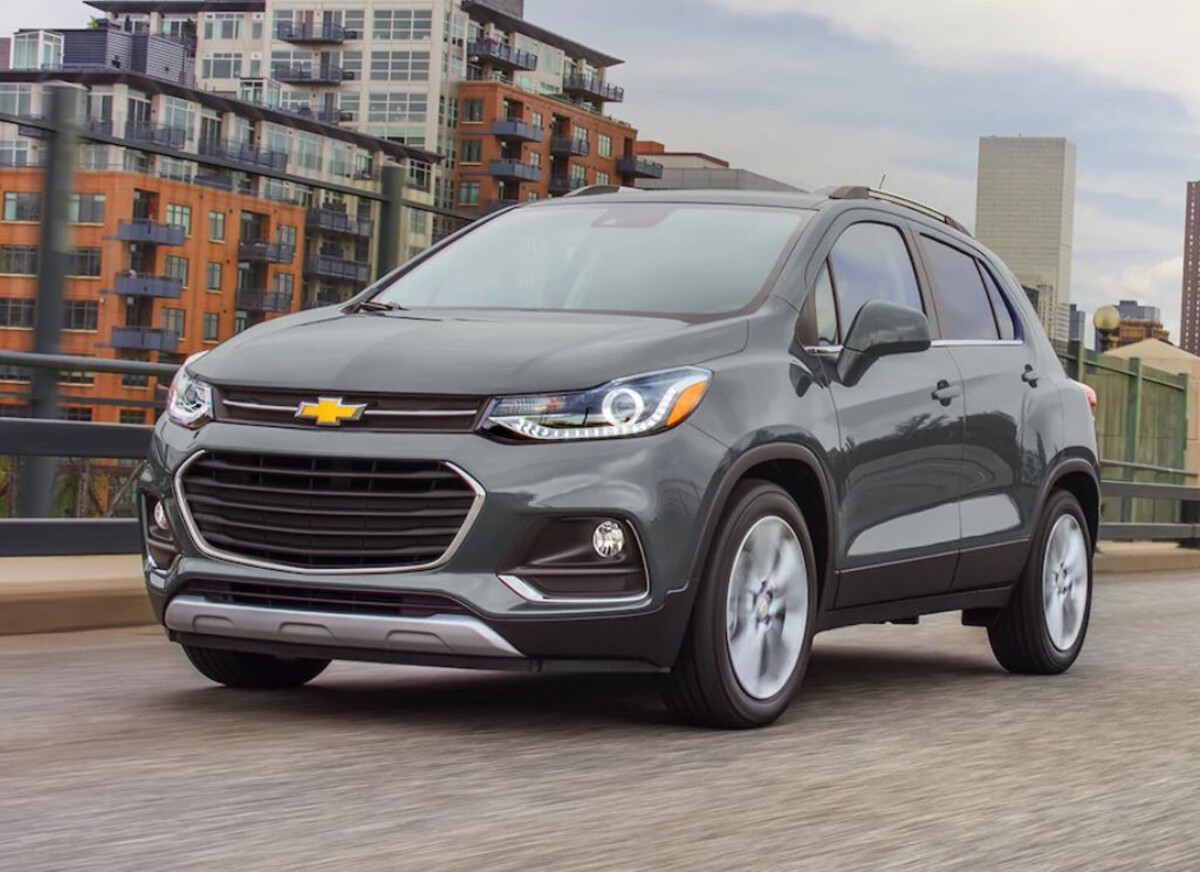
Because its entry price point is so low, its total nominal depreciation is naturally capped, making it incredibly resilient against the steep value drops that plague more expensive vehicles. Operating expenses are kept to a minimum by its lightweight architecture and a hyper-efficient, downsized powertrain that sips fuel at an EPA-estimated 30 MPG combined.
The simplicity of its front-wheel-drive configuration means there are no rear differentials or transfer cases to service down the line, keeping scheduled garage visits highly affordable. Insurance carriers view the vehicle favourably due to its modest power output and a robust suite of standard safety technology.
This drastically drops the insurance premiums compared to sportier crossovers. For urban commuters and small families looking for maximum utility per dollar, the Trax is the uncontested financial champion of the Bowtie brand. It proves that a modern aesthetic does not have to carry a punishing long-term financial penalty.
- Engine: ECOTEC 1.2L Turbocharged Inline-3
- Horsepower: 137 hp @ 5,000 rpm
- Torque: 162 lb-ft @ 2,500 rpm
- Length / Width: 178.6 inches / 71.7 inches
2. Chevrolet Trailblazer
5-Year Estimated Cost of Ownership: $37,200
Sitting just above the Trax in both price and capability, the Chevrolet Trailblazer targets buyers who want a subcompact footprint but refuse to give up the option of all-wheel drive. The Trailblazer features a slightly taller, more traditional SUV roofline and rugged styling cues that appeal to weekend adventurers.
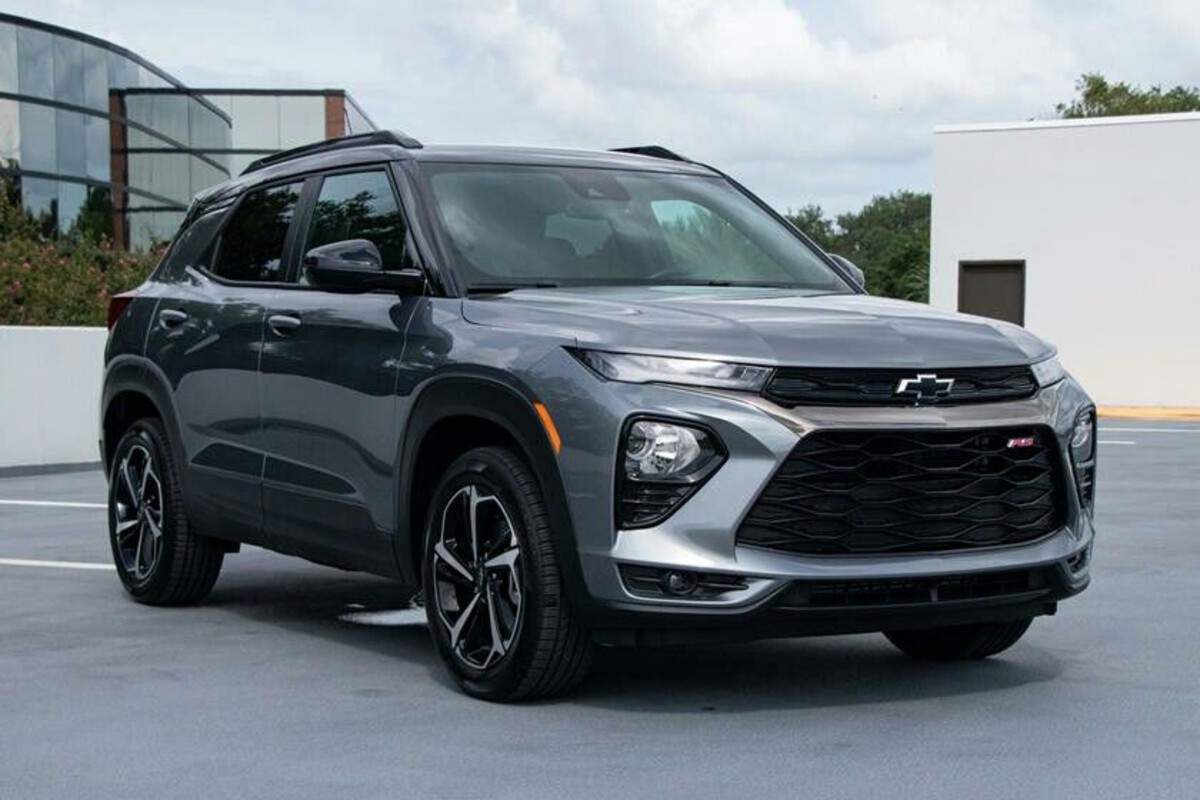
From an ownership cost perspective, the entry-level front-wheel-drive models perform nearly identically to the Trax. However, choosing the available 1.3-litre engine paired with all-wheel drive and a 9-speed automatic transmission adds a minor premium to your long-term fuel and maintenance tallies.
Thankfully, its strong secondary market demand keeps its depreciation curve remarkably flat. Used vehicle buyers love the upright seating position and distinct styling trims like the Activ and RS, keeping trade-in values high.
Insurance companies also favour its excellent crash-test ratings and standard Chevy Safety Assist suite, which keeps annual premium increases in check.
Routine maintenance over five years remains low because the engine components share massive global part commonality with other General Motors products, keeping replacement costs affordable. It remains an incredibly accessible, budget-friendly choice that handles foul weather without breaking the bank.
- Engine: 1.2L Turbo 3-cylinder (FWD) or 1.3L Turbo 3-cylinder (AWD)
- Horsepower: 137 hp (1.2L) / 155 hp (1.3L)
- Torque: 162 lb-ft (1.2L) / 174 lb-ft (1.3L)
- Length / Width: 173.5 inches / 71.2 inches
3. Chevrolet Equinox
5-Year Estimated Cost of Ownership: $43,900
As a mainstay in the highly competitive compact crossover segment, the Chevrolet Equinox strikes a deliberate balance between passenger volume and predictable operating costs. It serves as the backbone for countless American households, and its ownership costs reflect its practical design.
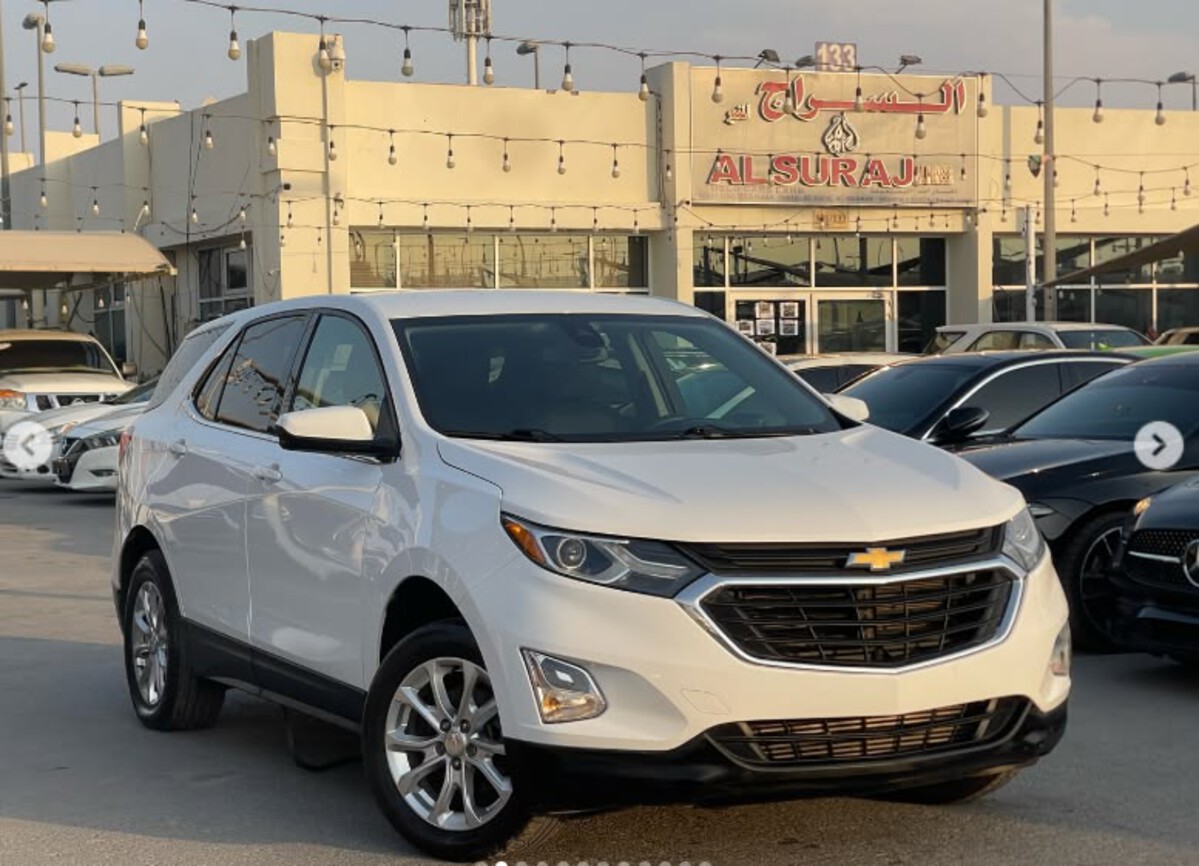
The standard 1.5-litre turbocharged four-cylinder engine is built for durability and steady commuting rather than high-performance thrills. This focus pays dividends in the form of conservative fuel bills and predictable insurance rates.
Maintenance costs are highly stable due to the widespread availability of parts and a platform that mechanics across the country know inside and out. The mechanical simplicity of its setup reduces labour hours for standard procedures like fluid changes and brake pad replacements.
While it does experience a slightly faster initial depreciation drop than its subcompact siblings due to high fleet volume in the market, its sheer utility keeps its five-year financial outlook safe and incredibly reasonable for middle-class budgets. It is the quintessential choice for families who need room to grow but want to avoid unexpected financial surprises down the line.
- Engine: 1.5L Turbocharged 4-cylinder
- Horsepower: 175 hp
- Torque: 203 lb-ft
- Length / Width: 183.2 inches / 74.8 inches
ALSO READ: 9 Chevy Small Block V8s Ranked by Lifespan
4. Chevrolet Blazer
5-Year Estimated Cost of Ownership: $53,400
Stepping into the mid-size tier with the gas-powered Chevrolet Blazer introduces a clear shift toward style and athletic driving dynamics, along with a corresponding step up in long-term ownership costs. With its aggressive, Camaro-inspired styling and wider stance, the Blazer is tailored for drivers who want their daily commuter to have some real attitude.
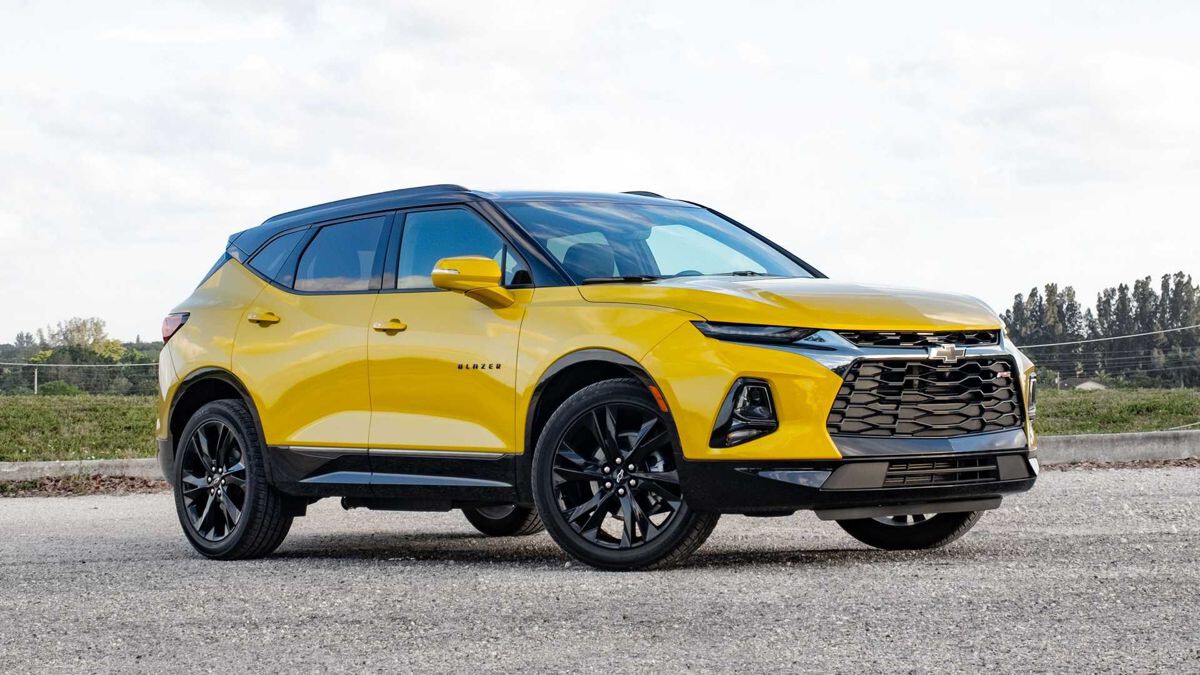
The baseline ownership figures rely on the efficient 2.0-litre turbocharged four-cylinder, but moving up to the available 3.6-litre V6 engine notably increases your long-term fuel costs.
Because it occupies a highly competitive mid-size two-row segment where buyers are prone to trading up frequently, five-year depreciation acts as the largest single out-of-pocket expense here.
Higher trim levels like the RS feature sophisticated twin-clutch all-wheel-drive setups and larger 21-inch wheel configurations, which will naturally drive up your long-term tyre replacement and scheduled maintenance costs.
Insurance premiums also reflect a steeper rate due to the vehicle’s sportier classification and more expensive body panels. For those who prioritise design and an engaging highway feel over pure budget optimisation, the Blazer delivers plenty of reward, but it requires a firmer financial commitment over its lifecycle.
- Engine: 2.0L Turbo 4-cylinder or 3.6L V6
- Horsepower: 228 hp (2.0L) / 308 hp (V6)
- Torque: 258 lb-ft (2.0L) / 270 lb-ft (V6)
- Length / Width: 191.9 inches / 76.7 inches
5. Chevrolet Blazer EV
5-Year Estimated Cost of Ownership: $58,900
The inclusion of the all-electric Chevrolet Blazer EV completely flips the traditional total cost of ownership calculator on its head. When looking purely at regular operational expenses, this electric model runs circles around its internal combustion counterparts.
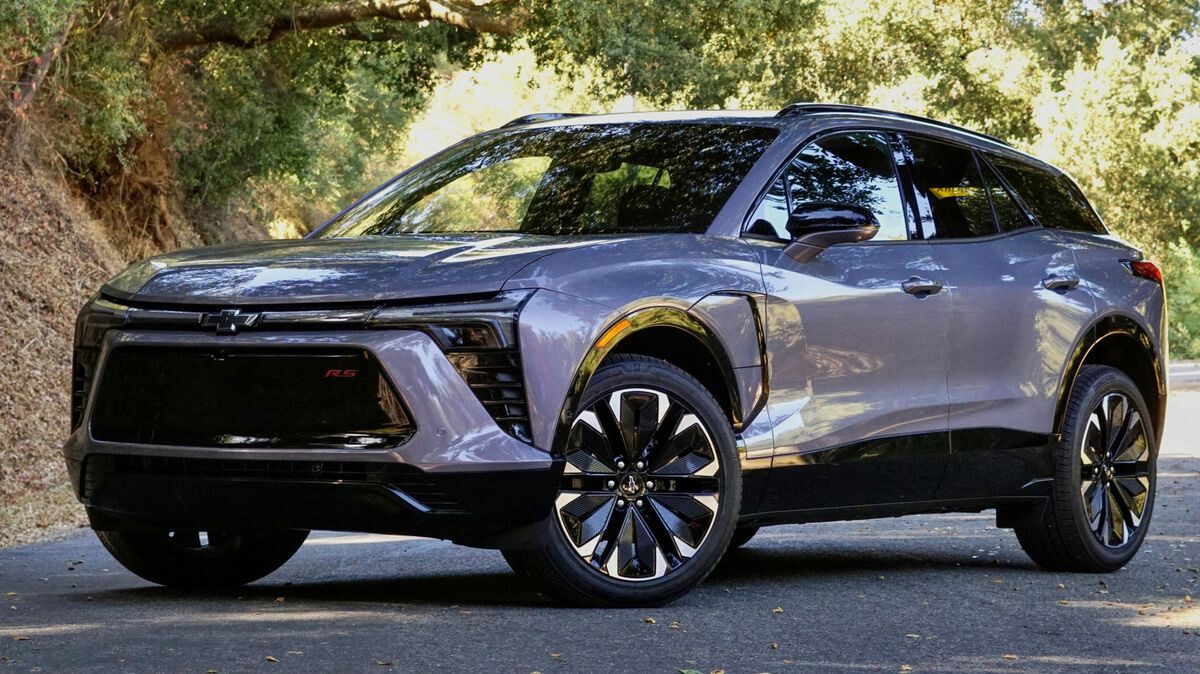
Fuel expenses drop dramatically, replaced by the far lower costs of home electrical charging, while the complete absence of oil changes, spark plugs, and complex emissions equipment keeps mechanical maintenance exceptionally low.
So why does it rank in the upper tier of our cost countdown? The answer lies entirely in upfront depreciation and insurance costs. The electric vehicle segment continues to experience rapid technological shifts, which have historically caused sharper near-term residual value drops for original buyers.
Additionally, specialised high-voltage components, advanced thermal management setups, and intricate camera networks mean insurance companies charge a premium for comprehensive coverage, pushing their 89% five-year financial profile into a mid-to-high tier.
For tech-focused buyers who intend to keep the vehicle beyond the initial 5-year window, the compounding fuel savings will eventually tip the scales back in their favour, but the initial five years present a unique depreciation curve.
- Engine: Ultium Battery Platform (Single or Dual Motor configurations)
- Horsepower: Up to 288 hp (AWD models) / 557 hp (SS trim)
- Torque: Up to 333 lb-ft (AWD models) / 648 lb-ft (SS trim)
- Length / Width: 192.2 inches / 76.4 inches
6. Chevrolet Traverse
5-Year Estimated Cost of Ownership: $61,200
For large families who need an authentic three-row utility without the massive physical footprint of a traditional full-size truck platform, the Chevrolet Traverse is a highly popular option. It offers expansive interior cargo volume and comfortably seats up to eight passengers.
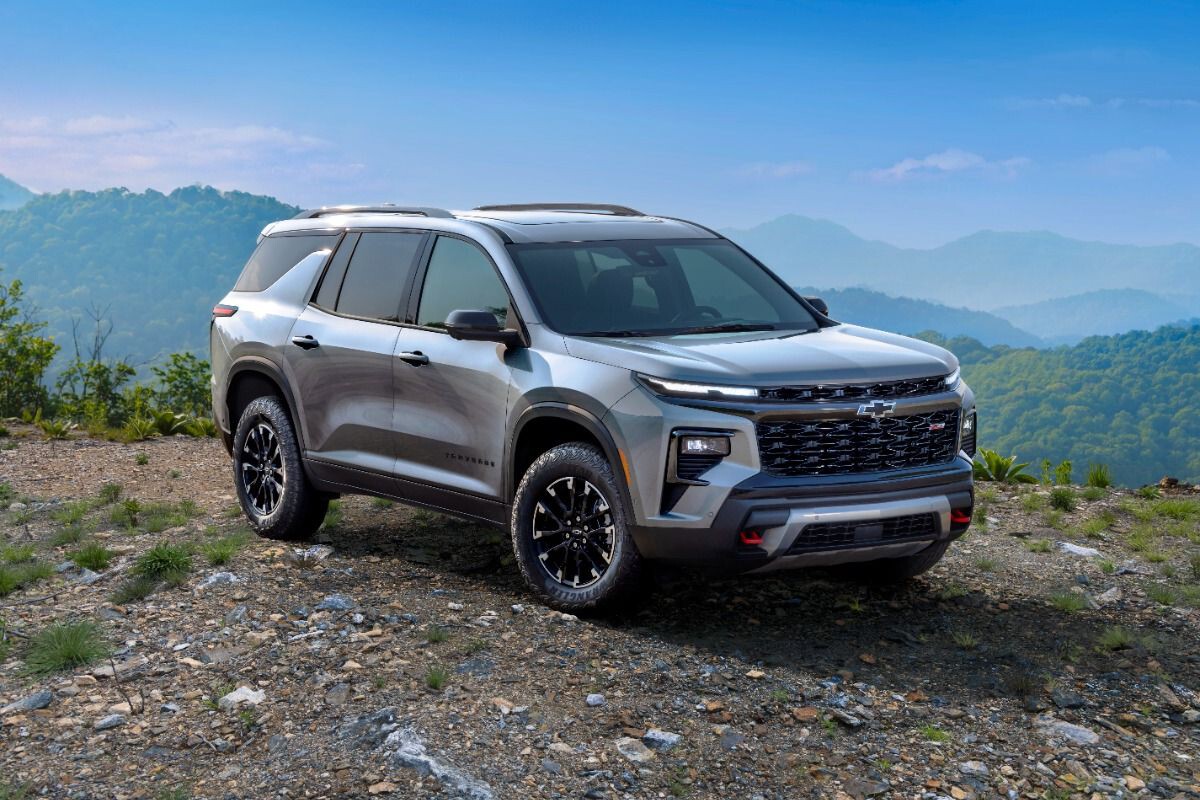
The financial transition to a vehicle of this scale is highlighted by its modern 2.5-liter turbocharged four-cylinder engine. This powertrain replaces the old, thirsty V6 engines of the past, delivering excellent torque numbers while doing its best to shield owners from excessive pain at the gas pump.
However, moving a vehicle of this size down the road inevitably requires more energy, and its real-world fuel costs reflect that reality. Also, its higher initial purchase price opens the door to larger nominal depreciation losses over the first few years of ownership, and insuring a large multi-passenger vehicle naturally carries higher premium rates.
Maintenance scales up slightly due to larger tyre sizes and complex climate control systems needed to condition a massive cabin. Despite these factors, when evaluated on a “cost-per-passenger” basis, the Traverse represents an incredibly efficient way to haul a large family without crossing into the luxury price sector.
- About / Class: Mid-size Three-Row Crossover
- Engine: 2.5L Turbocharged Inline-4
- Horsepower: 328 hp @ 5,500 rpm
- Torque: 326 lb-ft @ 3,500 rpm
- Length / Width: 204.5 inches / 79.6 inches
ALSO READ: 8 Hidden Features in Chevy Silverados Most Drivers Miss
7. Chevrolet Tahoe
5-Year Estimated Cost of Ownership: $77,100
The legendary Chevrolet Tahoe introduces us to the heavy-hitting, full-size, body-on-frame truck ecosystem. This is where ownership costs take a serious upward turn, but for buyers who genuinely need to tow heavy trailers or haul massive payloads, the Tahoe’s capabilities are tough to match. From a financial perspective, the Tahoe is a major commitment.
Its standard 5.3-litre V8 engine is a proven workhorse, but it demands a steady supply of fuel, making fuel costs one of your largest ongoing out-of-pocket expenses.
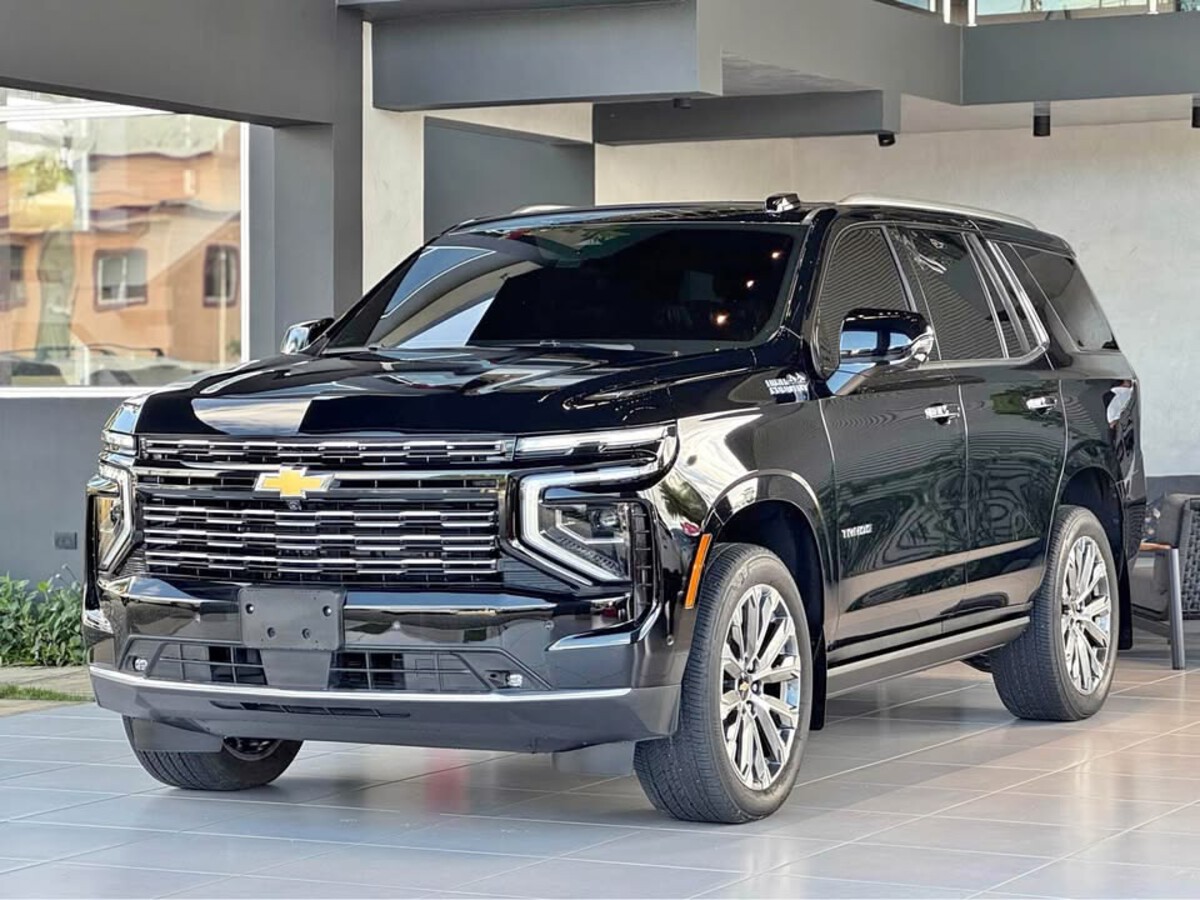
Because these vehicles start at a much higher MSRP, the absolute dollar amount lost to depreciation over a 60-month ownership cycle can easily exceed $33,000 according to historical data from Kelley Blue Book.
Also, its heavy independent rear suspension, massive brake rotors, and large fluid capacities mean standard service visits are inherently more expensive than any unibody crossover on the market. Insurance costs are similarly high, driven up by the potential damage a vehicle of this mass can incur.
Yet, for owners who utilise its high towing capacity and structural durability, the Tahoe provides an unmatched return on capability that smaller vehicles cannot replicate.
- Engine: 5.3L V8, 6.2L V8, or 3.0L Duramax Turbo-Diesel
- Horsepower: 355 hp (5.3L) / 420 hp (6.2L) / 305 hp (3.0L)
- Torque: 383 lb-ft (5.3L) / 460 lb-ft (6.2L) / 495 lb-ft (3.0L)
- Length / Width: 210.7 inches / 81.0 inches
8. Chevrolet Suburban
5-Year Estimated Cost of Ownership: $78,900
Sitting at the absolute top of the financial pyramid is the iconic Chevrolet Suburban, the longest-running automotive nameplate in history and the ultimate expression of American utility. The Suburban takes everything that makes the Tahoe a heavy-duty option and stretches the wheelbase to create unparalleled cargo space behind the third row.
Unsurprisingly, this extra sheet metal and structural weight compound its almost total cost of ownership. It shares the same powertrain options as the Tahoe, but the added mass slightly drops its real-world efficiency, leading to significant five-year fuel costs.
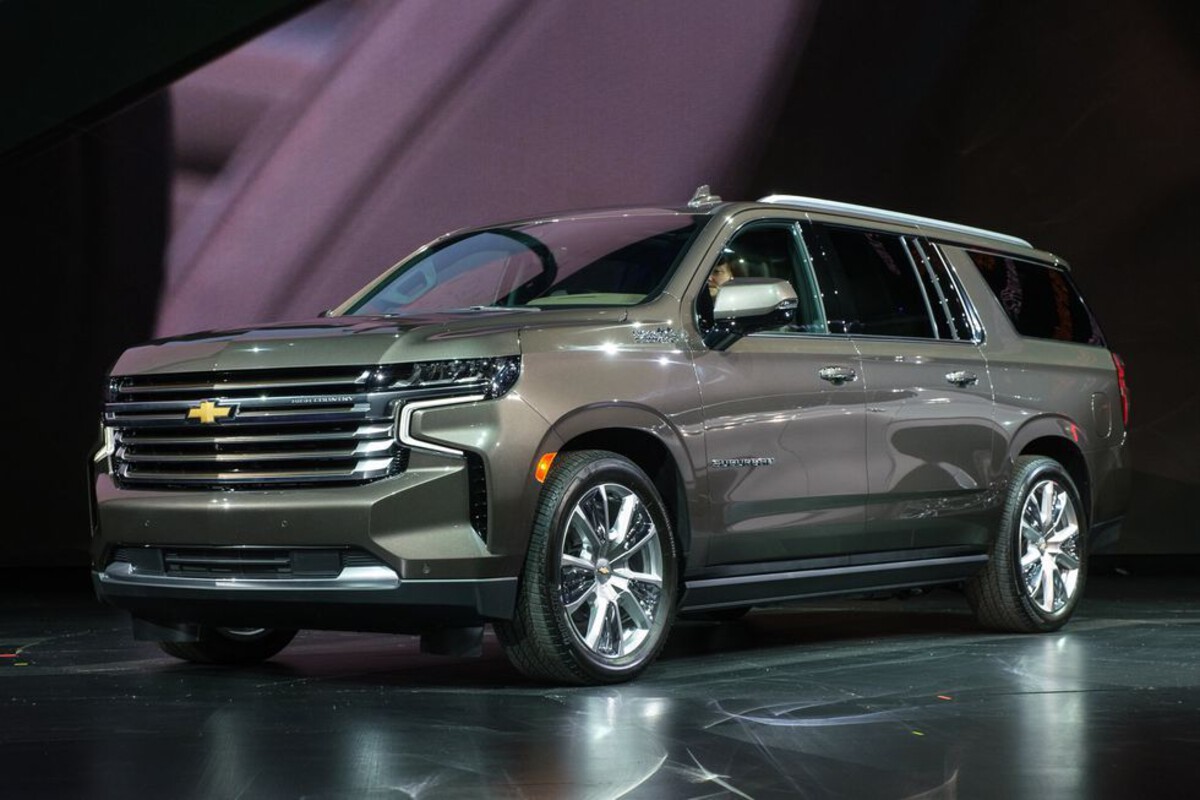
According to data tracking from auto industry analysts, its depreciation curve represents the highest nominal loss in the entire Bowtie lineup, often burning through more than $33,600 in value over five years. Insurance coverage mirrors this high-risk tier, given its sheer size and premium replacement components.
Maintenance items like replacement tyres, heavy-duty brake sets, and high-capacity suspension components command premium prices at the service counter. It is an incredibly capable vehicle that can handle almost any task, from cross-country road trips with a boat in tow to executive transport. However, its owners must be prepared for a premium, top-tier financial commitment from day one.
- Engine: 5.3L V8, 6.2L V8, or 3.0L Duramax Turbo-Diesel
- Horsepower: 355 hp (5.3L) / 420 hp (6.2L) / 305 hp (3.0L)
- Torque: 383 lb-ft (5.3L) / 460 lb-ft (6.2L) / 495 lb-ft (3.0L)
- Length / Width: 225.7 inches / 81.0 inches
When you take a step back and look at the entire Chevrolet SUV ecosystem, a clear financial reality emerges: the true cost of parking a vehicle in your driveway is rarely summarised by the initial negotiation at the dealership. A vehicle with a remarkably low monthly lease or finance payment can easily end up costing you more in the long run if it suffers from a steep depreciation curve or demands frequent, expensive premium fuel fill-ups.
Choosing the right SUV is all about matching your vehicle choice with your actual driving habits. If you drive long distances every year, prioritising highly efficient powertrains like those found in the Trax or Equinox will save you thousands of dollars in fuel and maintenance.
However, if you truly need the heavy-duty towing power or massive interior volume of a Tahoe or Suburban, entering that ownership agreement with a clear understanding of its long-term financial footprint will help you manage your budget effectively. By running the real numbers before you sign on the dotted line, you turn a simple emotional purchase into a smart, long-term investment for your garage.