
Few engines in automotive history have earned the kind of reputation enjoyed by the Chevy small block V8. Since its debut in the 1950s, the Chevrolet small block has become a cornerstone of American performance, reliability, and affordability.
From family sedans and pickup trucks to legendary muscle cars and racing machines, these V8 engines powered generations of vehicles with a level of durability that made them famous among mechanics, collectors, and enthusiasts alike. Even today, decades after many of these engines first appeared, thousands are still running on roads across America.
That kind of longevity is not accidental. It comes from simple engineering, strong iron blocks, excellent oiling systems, and a design that allowed easy maintenance and inexpensive repairs.
The lifespan of a Chevy small block V8 depends on several factors, including maintenance history, driving habits, cooling system condition, oil quality, and factory engineering. Some engines were built primarily for fuel economy, while others focused on high horsepower performance.
Naturally, engines designed for lower stress often lasted longer than highly tuned performance variants. However, Chevrolet consistently built engines that could survive hundreds of thousands of miles when properly cared for. Many owners report small block V8s crossing 250,000 miles without major rebuilds, while some legendary examples have exceeded 400,000 miles with regular maintenance.
Another reason these engines lasted so long was their massive aftermarket support. Replacement parts remained cheap and widely available for decades, making rebuilds practical and affordable. Unlike modern engines packed with electronics and tightly integrated components, classic Chevy small blocks could often be repaired in home garages using basic tools.
Mechanics appreciated their simplicity, and hot rodders loved their versatility. This combination of durability and accessibility helped create one of the most respected engine families ever produced.
This ranking looks at nine famous Chevy small block V8s and evaluates them based on real-world longevity, engineering quality, reliability reputation, and long-term durability. Horsepower alone does not determine placement here.
Instead, the focus is on how long these engines typically survive under normal conditions and how well they age over time. Some became famous for surviving abuse in trucks and work vehicles, while others proved surprisingly durable despite their performance roots. Each engine earned its place through years of proven service and owner experience.
Whether you are a classic car enthusiast, a restoration expert, or simply curious about the most reliable Chevrolet V8 engines ever built, this guide explores the small block legends that stood the test of time.
Also Read: 10 Cars With Insurance Premiums Lower Than a Compact Sedan
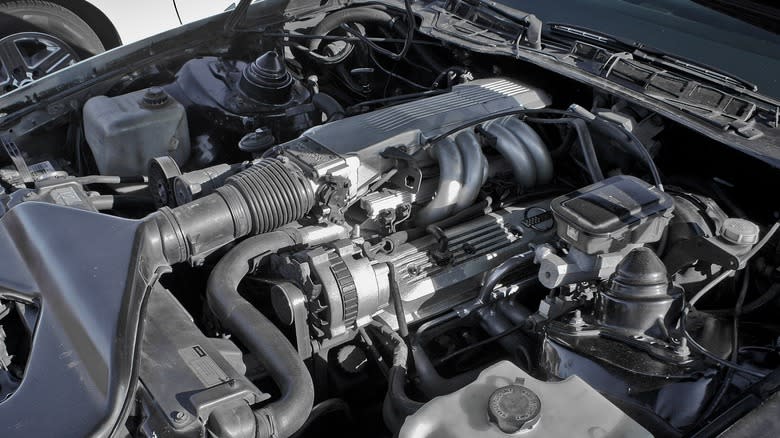
9. Chevrolet 305 Small Block V8
The Chevrolet 305 small block V8 often receives mixed opinions from enthusiasts, largely because it arrived during the emissions-focused years of the late 1970s and 1980s. Designed primarily for fuel economy rather than outright performance, the 305 was never considered the most exciting engine in the Chevy lineup.
However, reliability and lifespan tell a different story. Despite its modest power output, the 305 became known for dependable long-term service in sedans, station wagons, pickups, and third-generation Camaro models. Many owners discovered that the engine could survive for decades with basic maintenance and routine oil changes.
One reason the 305 lasted so long was its relatively low-stress operating environment. Chevrolet tuned the engine conservatively, meaning internal components rarely experienced the kind of extreme strain found in high-compression performance engines.
Lower horsepower figures may have disappointed speed enthusiasts, but they contributed significantly to longevity. The cast iron block and simple pushrod valvetrain proved extremely durable, and the engine tolerated neglect better than many competitors from the same era.
The 305 also benefited from excellent parts compatibility with other small-block Chevy engines. Repairs remained inexpensive, and mechanics already familiar with the Chevrolet V8 platform could service the engine easily. Cooling systems, gaskets, and ignition components were affordable and widely available. Because of this, owners often kept these engines running far longer than expected instead of replacing them.
One common issue involved intake manifold gasket leaks and weak factory carburetor tuning on earlier models. However, these problems rarely destroyed the engine itself. Instead, they created drivability concerns that could be fixed relatively easily. As long as overheating was avoided, the bottom end of the 305 generally remained strong for well over 200,000 miles.
Although the 305 never achieved legendary performance status, it earned respect as a durable workhorse. Many examples continue operating today in classic trucks and older GM vehicles. Its lifespan may not top the small block hierarchy, but it deserves recognition for surviving years of daily use under ordinary conditions.
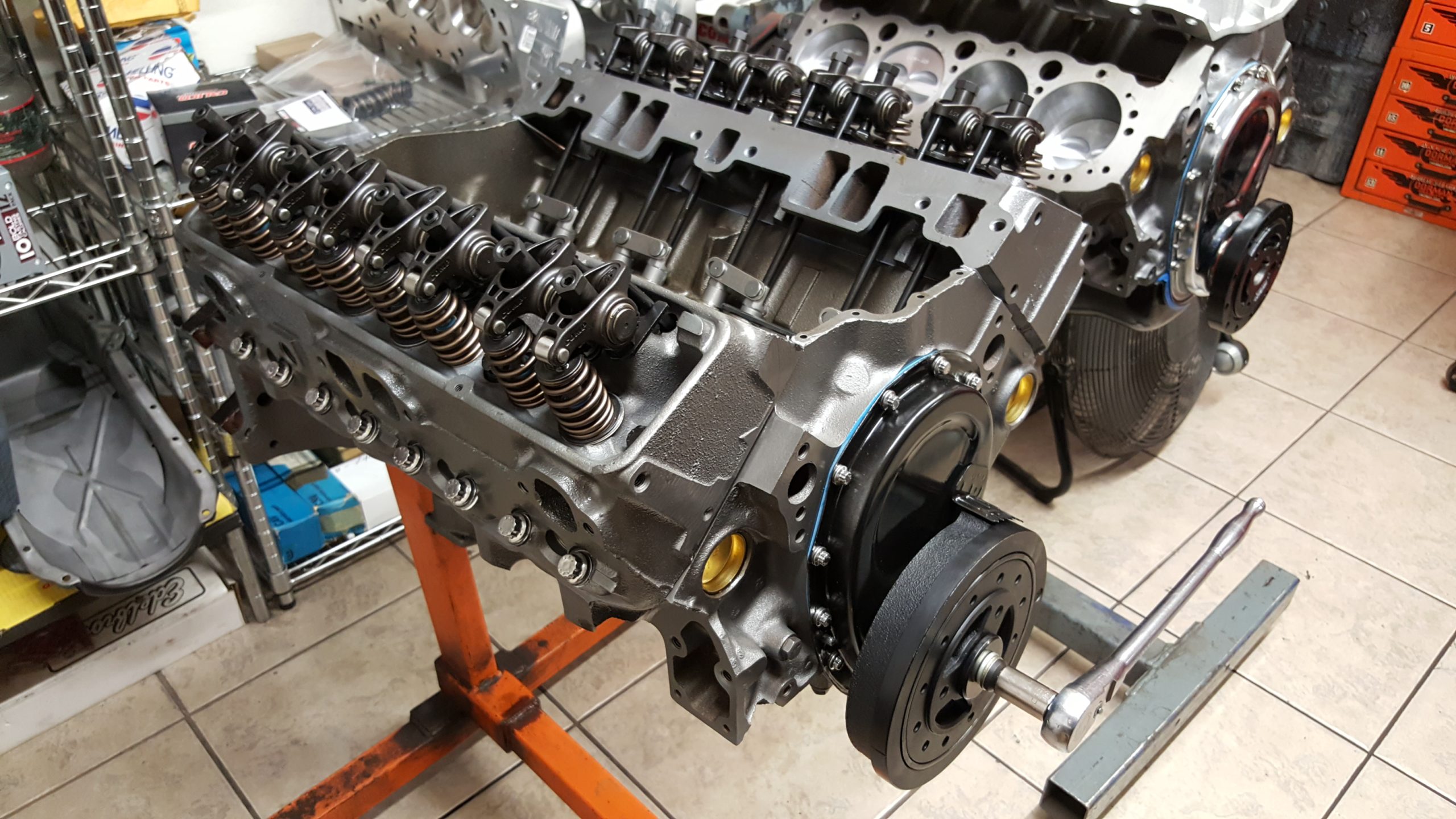
8. Chevrolet 400 Small Block V8
The Chevrolet 400 small block V8 delivered impressive displacement and torque, making it one of the most powerful traditional small blocks Chevrolet produced during the muscle car era. Introduced in 1970, the engine used siamesed cylinder bores to achieve its large displacement within the small block architecture. While this design created excellent low-end torque, it also introduced cooling challenges that affected long-term reliability when maintenance was ignored.
Despite its reputation for heat-related concerns, the 400 small block could still achieve substantial mileage when properly cared for. The engine became popular in heavy cars, trucks, and performance builds because it delivered strong pulling power at low RPM.
Drivers appreciated its effortless torque and smooth operation. However, because of its larger bore size and cooling limitations, overheating could shorten engine life significantly if cooling systems were neglected.
The 400 required careful attention to radiator condition, coolant quality, and proper airflow. Owners who ignored these areas often experienced cracked heads or warped components. On the other hand, enthusiasts who upgraded cooling systems and maintained the engine carefully frequently reported excellent durability. A well-built 400 small block could comfortably exceed 200,000 miles.
Another factor affecting lifespan was how the engine was used. Many 400 engines found their way into racing applications and aggressive street builds, where higher compression ratios and performance modifications increased wear. In stock form, however, the engine remained reasonably durable and dependable.
The 400 small block occupies an interesting place in Chevrolet history. It combined muscle car strength with traditional small block simplicity, but it demanded more attention than smaller displacement variants. While not the longest-lasting Chevy V8 ever built, it still proved capable of impressive longevity when treated correctly.
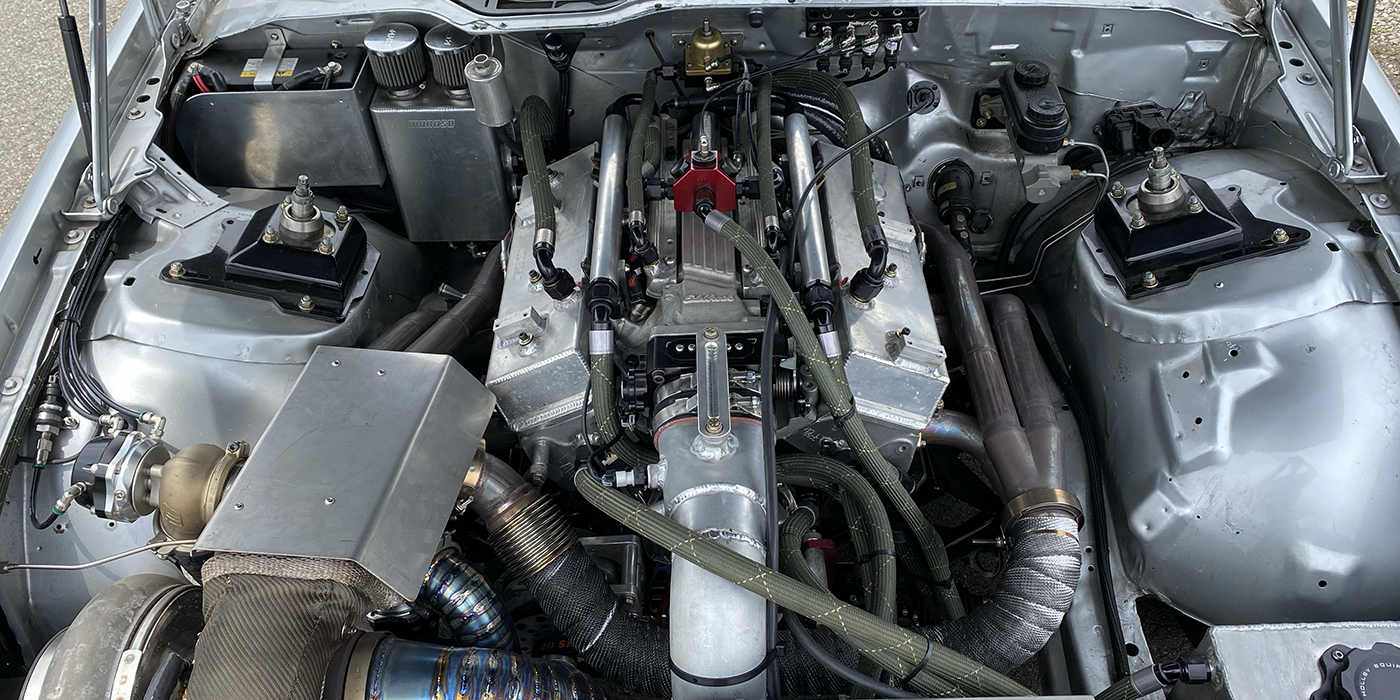
7. Chevrolet LT1 Gen II Small Block
The Chevrolet LT1 introduced in the early 1990s marked a major evolution of the traditional small block formula. Found in vehicles like the Corvette, Camaro Z28, and Impala SS, the LT1 blended modern technology with classic pushrod simplicity. It featured reverse flow cooling, electronic fuel injection, and improved combustion efficiency, all while retaining the compact design that made Chevy small blocks famous.
Performance enthusiasts loved the LT1 because it delivered strong horsepower while maintaining respectable reliability. The engine felt refined compared to older carbureted small blocks, offering smoother operation and better fuel economy. When maintained properly, many LT1 engines surpassed 200,000 miles without requiring major internal repairs.
However, the LT1 was not without weaknesses. The OptiSpark ignition system became infamous for moisture-related failures and difficult maintenance access. While these problems rarely destroyed the engine itself, they could create frustrating reliability issues. Owners who addressed OptiSpark maintenance proactively generally enjoyed far better long-term results.
The LT1 also benefited from excellent factory engineering and strong bottom-end durability. Chevrolet improved airflow and cooling efficiency significantly compared to older designs, reducing many traditional hot spots associated with earlier engines. As a result, the LT1 aged surprisingly well despite its performance focus.
Today, the LT1 remains respected as one of the strongest performance small blocks of the 1990s. It may not equal the legendary durability of truck-oriented Chevy V8s, but its combination of speed, efficiency, and lifespan helped cement its reputation among modern muscle car fans.
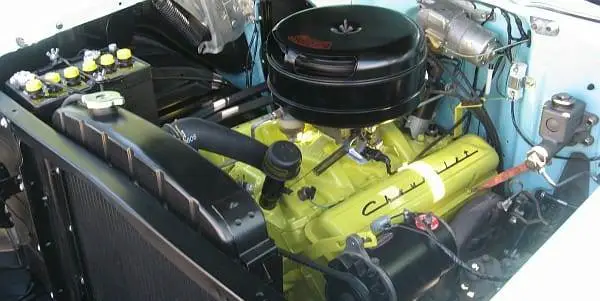
6. Chevrolet 307 Small Block V8
The Chevrolet 307 small block V8 rarely receives major attention in enthusiast circles, but it quietly built a reputation for exceptional dependability during its production years. Produced between 1968 and 1973, the 307 focused more on smooth everyday operation than aggressive performance. It appeared in countless family cars and full-size sedans, where reliability mattered more than quarter-mile times.
One of the biggest advantages of the 307 was its balanced engineering. The engine used conservative compression ratios and moderate power output, allowing internal components to experience less stress over time. Combined with Chevrolet’s proven cast-iron construction, this made the engine remarkably durable for daily transportation duties.
Many mechanics considered the 307 nearly indestructible under normal driving conditions. Oil leaks and aging carburetors sometimes appeared with age, but catastrophic failures remained relatively uncommon. Owners who performed regular maintenance often achieved mileage figures far beyond expectations for engines of that era.
Another strength of the 307 involved operating temperature stability. Unlike some larger displacement small blocks, the 307 generally avoided severe cooling problems. This contributed significantly to long-term engine health, especially in warm climates and heavy traffic conditions.
While the 307 lacked the excitement of high-performance Chevy V8s, it excelled at dependable transportation. Decades later, many surviving examples still run smoothly in restored classic Chevrolets. Its reputation as a reliable, long-lasting small block remains well deserved.
5. Chevrolet 283 Small Block V8
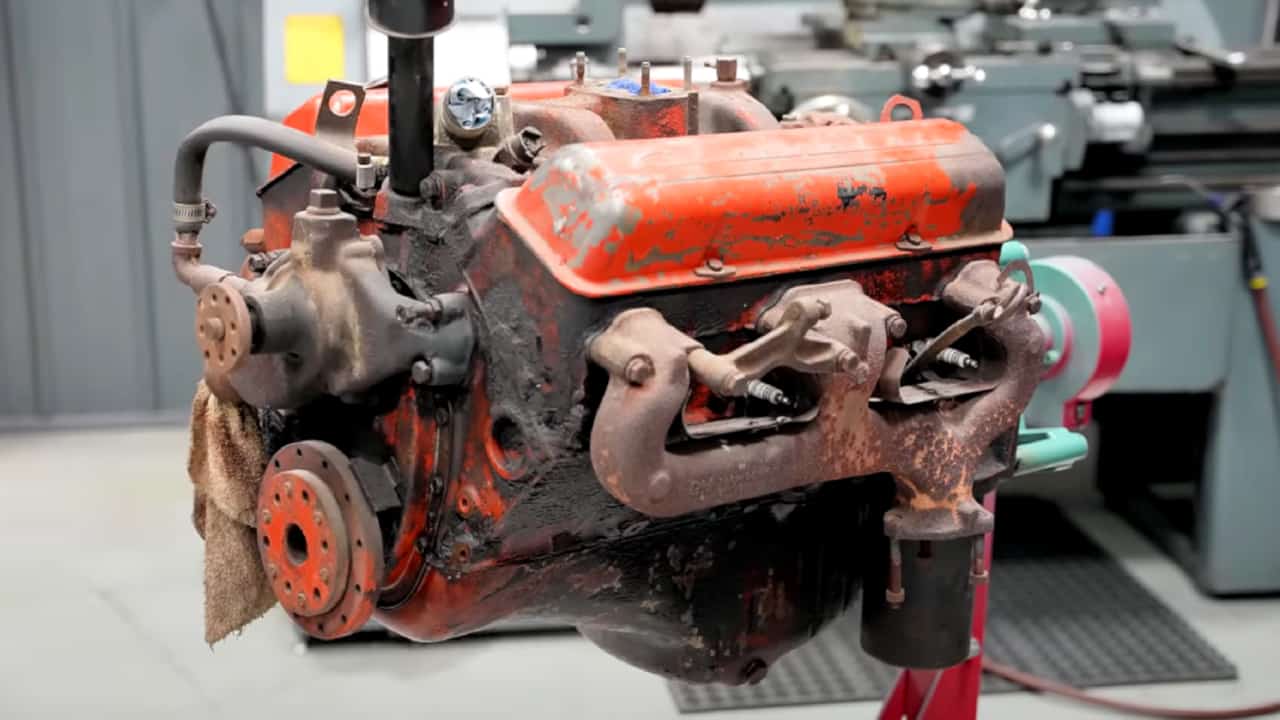
The Chevrolet 283 small block V8 holds a special place in automotive history because it demonstrated how advanced Chevrolet engineering had become during the late 1950s. Compact, efficient, and surprisingly powerful for its size, the 283 introduced fuel injection technology to many American drivers and helped establish the small block Chevy legend.
Durability became one of the engine’s defining characteristics. The 283 used a strong cast iron construction and relatively small displacement, which reduced internal stress during operation. Even under demanding conditions, the engine maintained excellent reliability. Many owners considered it one of the smoothest and most refined early small blocks Chevrolet ever produced.
The simplicity of the 283 also contributed heavily to its lifespan. Carbureted versions remained easy to repair, and replacement components stayed affordable for decades. Routine maintenance tasks such as valve adjustments, ignition tuning, and gasket replacement could often be completed at home without specialized equipment.
Another major advantage involved cooling efficiency. Compared to larger displacement engines introduced later, the 283 generally ran cooler and avoided many overheating-related problems. This protected cylinder heads, bearings, and gaskets from premature wear, helping the engine survive for hundreds of thousands of miles when maintained properly.
Today, the 283 remains popular among restorers and classic car enthusiasts because of its reliability and historical importance. While later engines produced more horsepower, few matched the 283’s blend of smooth operation, simplicity, and long-term durability.
Also Read: 10 Cars That Survive Being Used as Daily Uber Vehicles
4. Chevrolet 327 Small Block V8
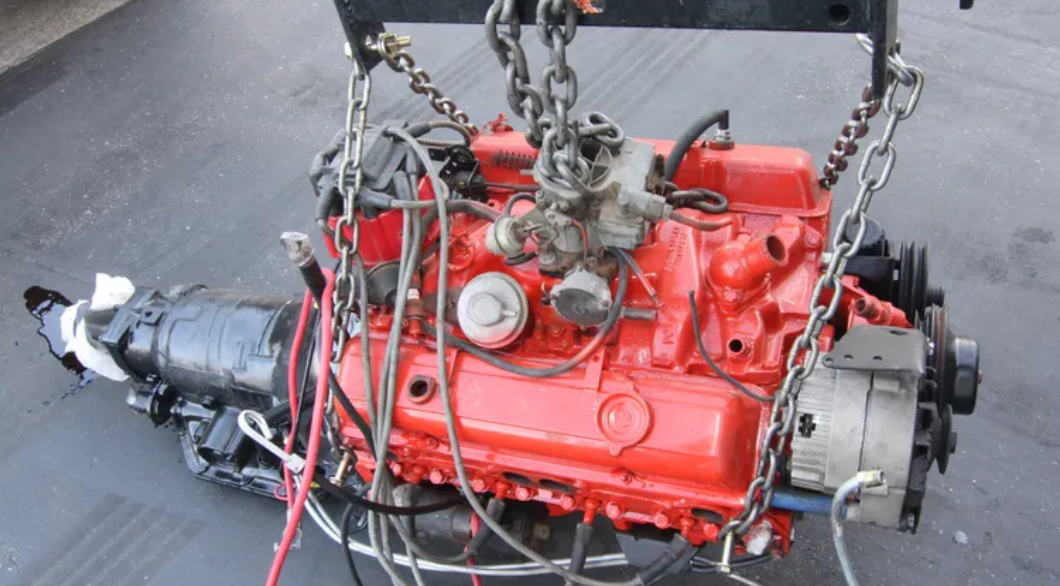
The Chevrolet 327 small block V8 achieved near legendary status because it combined impressive performance with outstanding reliability. Introduced in the early 1960s, the 327 became a favorite among muscle car fans, racers, and everyday drivers alike. It offered excellent horsepower while maintaining the durability expected from the Chevrolet small block family.
One reason the 327 lasted so long involved its balanced bore and stroke dimensions. The engine could rev higher than many larger-displacement V8s without placing excessive stress on internal components. This made it responsive and exciting to drive while still preserving long-term reliability.
The 327 also benefited from robust factory engineering. Chevrolet produced numerous variations ranging from mild daily driver configurations to high-performance Corvette versions. Regardless of trim level, the core architecture remained exceptionally strong. Properly maintained examples frequently surpassed 250,000 miles without requiring complete rebuilds.
Enthusiasts appreciated how forgiving the 327 could be. Even engines subjected to spirited driving often survived remarkably well if oil changes and cooling system maintenance were performed consistently. The engine’s excellent oiling system and durable rotating assembly contributed heavily to this resilience.
Today, the 327 is widely considered one of the best all-around small-block Chevy engines ever built. It delivered enough performance to satisfy enthusiasts while retaining the kind of reliability needed for long-term daily use. That balance helped secure its reputation as one of Chevrolet’s greatest V8 achievements.
3. Chevrolet L31 350 Vortec
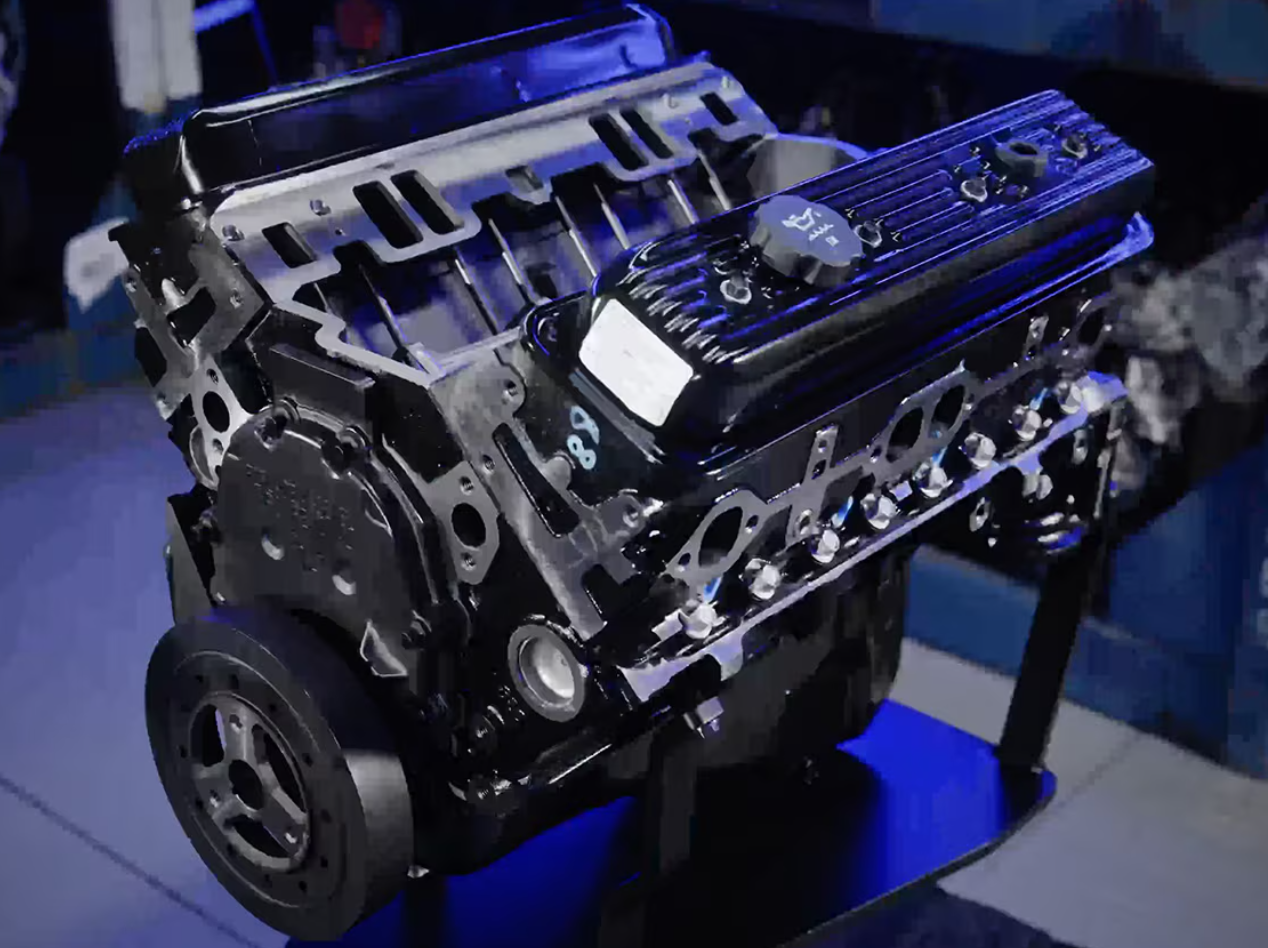
The Chevrolet L31 350 Vortec represents one of the finest truck-oriented small block V8s ever built. Introduced during the 1990s, the engine combined traditional small block durability with improved cylinder head technology and modern fuel injection systems. It powered countless Chevrolet and GMC trucks, vans, and SUVs with exceptional reliability.
The Vortec cylinder heads significantly improved airflow and combustion efficiency compared to earlier 350 designs. Better breathing allowed the engine to produce stronger torque while maintaining lower operating stress. This translated directly into improved longevity, particularly in towing and work truck applications.
One reason the L31 became famous for durability involved its ability to tolerate heavy use. Contractors, fleet operators, and rural drivers routinely pushed these engines hard for years. Despite demanding workloads, many L31 engines exceeded 300,000 miles with only routine maintenance and occasional gasket replacements.
The engine also retained the simplicity that made traditional small blocks easy to service. Mechanics appreciated the straightforward pushrod valvetrain, inexpensive replacement parts, and excellent accessibility. Even major repairs remained relatively affordable compared to modern overhead cam V8 designs.
Although intake manifold gasket failures occasionally appeared, the core engine remained exceptionally strong. The L31 earned a reputation as one of the toughest truck engines Chevrolet ever produced, and many examples continue running reliably decades after production ended.
2. Chevrolet 350 Small Block V8
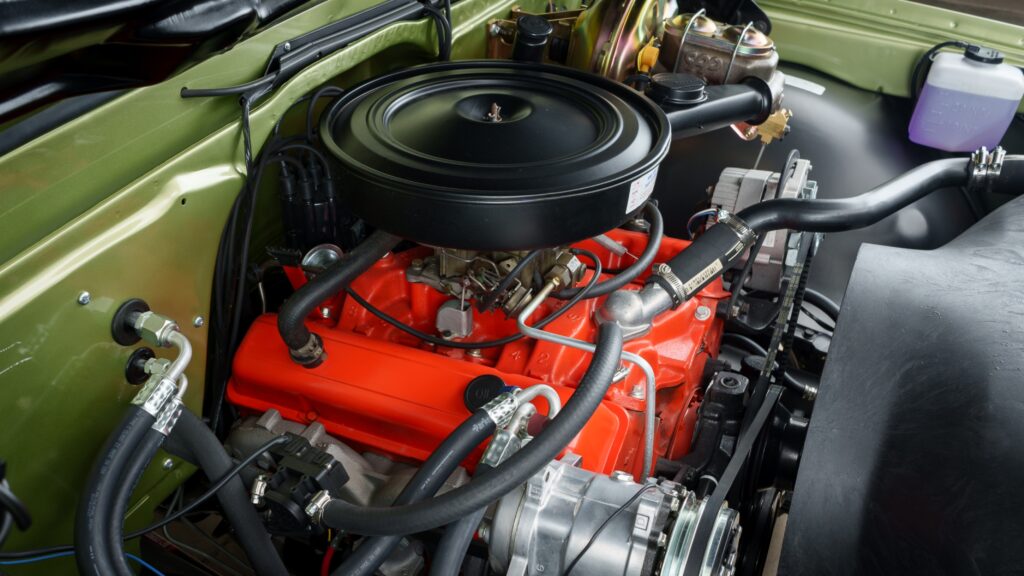
Few engines in automotive history can match the legendary reputation of the Chevrolet 350 small block V8. Introduced in 1967, the 350 became the definitive Chevy engine for performance cars, trucks, vans, and SUVs across multiple decades. Its blend of power, simplicity, affordability, and durability made it one of the most successful engines ever manufactured.
The 350 succeeded because it achieved an ideal balance between displacement and reliability. It produced strong torque without overstressing internal components, allowing the engine to survive extraordinary mileage figures under proper maintenance. Millions of examples powered everything from work trucks to high-performance Camaros.
Another key factor behind the 350’s lifespan involved aftermarket support. Because replacement parts remained widely available and inexpensive, owners could rebuild and repair these engines indefinitely. Many 350-powered vehicles received multiple engine refreshes over their lifetimes, extending usefulness far beyond typical expectations.
Mechanics consistently praised the 350 for its rugged bottom-end design. Crankshafts, connecting rods, and blocks often survived decades of use without catastrophic failure. Even when neglected, the engine displayed remarkable tolerance for abuse compared to many competitors.
The Chevrolet 350 became more than just an engine. It evolved into an automotive icon. Countless owners report mileage figures exceeding 300,000 miles, and some examples continue operating after decades of heavy use. Its reputation for reliability remains one of the strongest in automotive history.
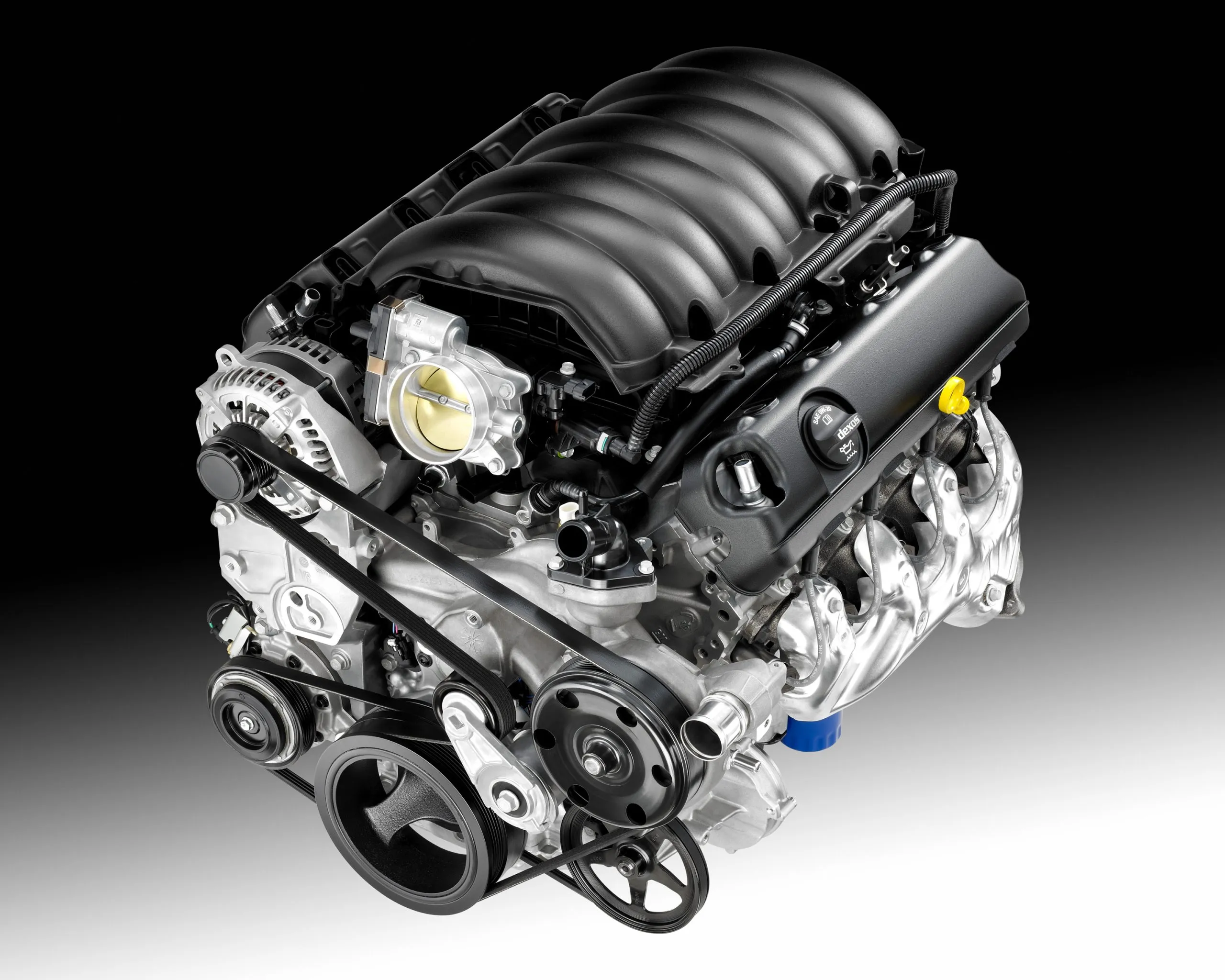
1. Chevrolet 5.3 LS-Based Small Block V8
The Chevrolet 5.3 LS-based small block V8 stands at the top of this ranking because it combines modern engineering with the legendary durability principles that made earlier Chevy small blocks famous. Introduced in the late 1990s as part of the LS engine family, the 5.3 quickly became known as one of the most reliable V8 engines ever installed in trucks and SUVs.
Unlike older small blocks, the 5.3 used lightweight aluminum or iron construction paired with advanced electronic management systems and improved oiling technology. Despite these modern upgrades, the engine retained the pushrod simplicity that contributed to long-term reliability. Owners routinely report mileage figures surpassing 300,000 miles with minimal internal repairs.
The 5.3 also proved remarkably resistant to hard use. Whether installed in Silverado pickups, Tahoe SUVs, or commercial fleet vehicles, the engine handled towing, highway driving, and harsh weather conditions with impressive consistency. Strong bottom-end construction and efficient cooling systems helped reduce wear over time.
Another reason the 5.3 ranks first involves maintenance accessibility. While more advanced than classic carbureted small blocks, the engine still remained easier to repair than many modern overhead cam competitors. Parts availability stayed excellent, and mechanics across North America became highly familiar with LS platform servicing.
Perhaps most impressive is the engine’s ability to combine fuel efficiency with outstanding lifespan. Earlier V8s often sacrificed economy for durability, but the 5.3 achieved both. This helped solidify its reputation among truck owners seeking dependable long-term transportation. Even today, high-mileage 5.3-powered vehicles remain common on roads everywhere.
The Chevrolet 5.3 LS-based small block represents the evolution of the Chevy small block philosophy. It preserves the rugged dependability of earlier generations while incorporating modern efficiency and engineering improvements. For sheer lifespan, reliability, and real-world durability, it stands as the greatest long-lasting Chevy small block V8 ever built.
