Automakers operate in an environment where innovation, competition, and production schedules are constantly competing for attention. While manufacturers invest heavily in engineering and testing, there have been instances where vehicles reached showrooms despite known concerns identified during development. Internal reports, testing data, and engineering feedback have occasionally revealed problems that were understood before production but were not fully addressed before launch.
The results of these decisions have ranged from mechanical breakdowns and safety concerns to costly recalls, legal challenges, and lasting damage to brand reputations. In some cases, financial pressures, aggressive timelines, or confidence in future fixes contributed to products entering the market with unresolved issues. These situations demonstrate how decisions made during development can have significant consequences once vehicles are placed in the hands of consumers.
Examining several notable examples from different segments and eras highlights a recurring theme within the automotive industry. Whether involving economy cars, luxury vehicles, or advanced hybrid technologies, these cases illustrate how overlooked warnings, design compromises, and shortcomings in oversight can evolve into major controversies that affect both manufacturers and vehicle owners alike.
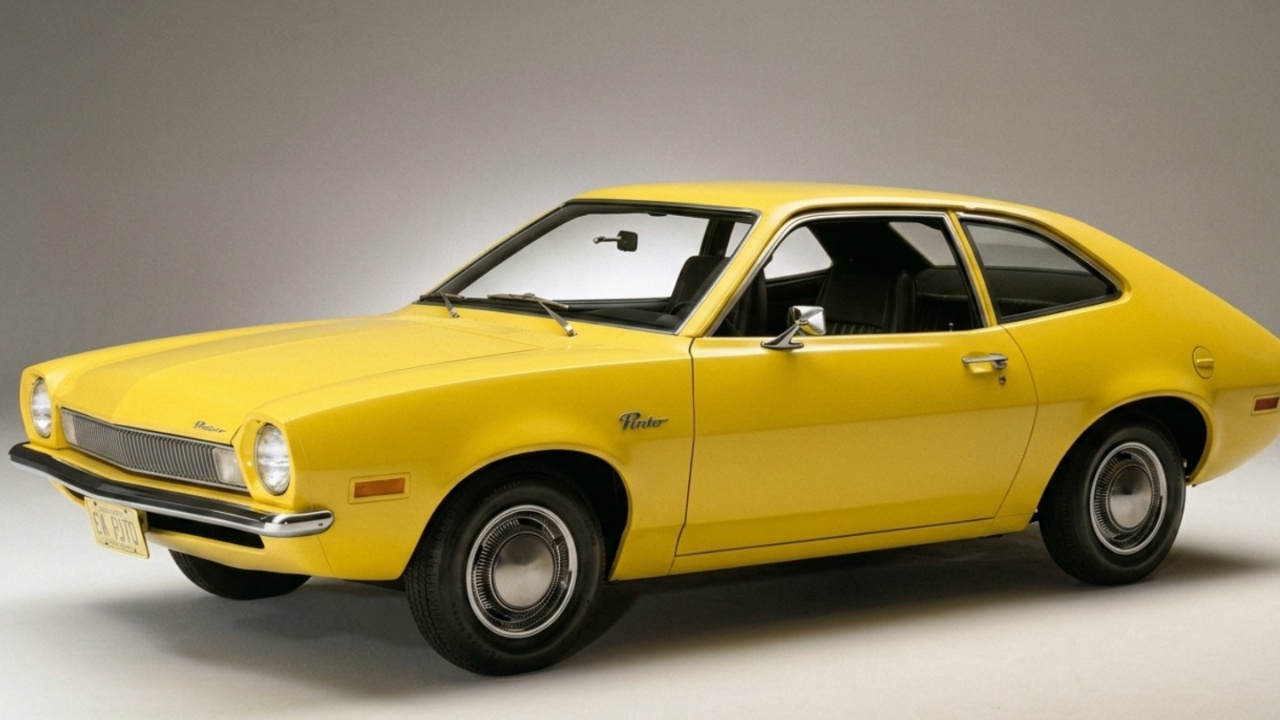
1. 1971 Ford Pinto
The 1971 Ford Pinto stands as one of the most debated vehicles in automotive history due to the intersection of rushed development, critical safety flaws, and controversial corporate decision-making. Introduced to compete with rising foreign imports, it was intended to be an affordable, fuel-efficient compact car, but its early design choices quickly drew scrutiny after internal testing revealed serious risks.
To accelerate its launch, Ford shortened the typical vehicle development cycle from about 43 months to roughly 25 months. This compressed schedule left limited time for refinement, and key structural decisions were finalized before all safety concerns could be fully addressed. As testing progressed, engineers identified a major vulnerability in the rear structure of the vehicle that would later define its reputation.
The central issue involved the placement of the fuel tank near the rear bumper and close to exposed hardware in the differential area. In rear-end collisions, even at relatively low speeds, the tank could be punctured or ruptured, leading to fuel leakage and fire hazards. Engineers reportedly explored potential fixes such as protective shielding and reinforced components, but these were not implemented due to production pressures and cost considerations.
Internal analysis later brought significant controversy. Ford evaluated the cost of adding a protective modification at roughly $11 per vehicle, while also estimating potential financial liability from lawsuits involving injuries and fatalities. The conclusion of this analysis, later publicized in the so-called Pinto Memo, suggested that settling legal claims would be less expensive than redesigning the vehicle. This decision became a defining example in discussions of corporate ethics and risk assessment.
Public backlash and legal pressure eventually forced Ford to take corrective action, leading to a recall of Pinto models from 1971 to 1976 production years. The recall introduced safety improvements intended to reduce the risk of fuel system failures in rear-impact collisions, though by that time the car’s reputation had already been severely damaged.
Beyond its safety controversy, early road tests from the period showed a more nuanced picture of the Pinto’s driving characteristics. Initial versions were criticized for modest performance, but later updates significantly improved their behavior. The introduction of optional disc brakes and a 2.0-liter European-sourced engine transformed the car’s responsiveness, offering smoother power delivery, stronger torque, and quicker acceleration while maintaining similar fuel efficiency.
Reviewers noted that while these upgrades improved driving dynamics, the Pinto still suffered from practical limitations such as cramped interior space and inefficient packaging. It performed reasonably well among domestic competitors but struggled when compared with more refined imported models. The 2.0-liter version was often regarded as the most capable variant, delivering a more balanced and engaging driving experience than earlier configurations.
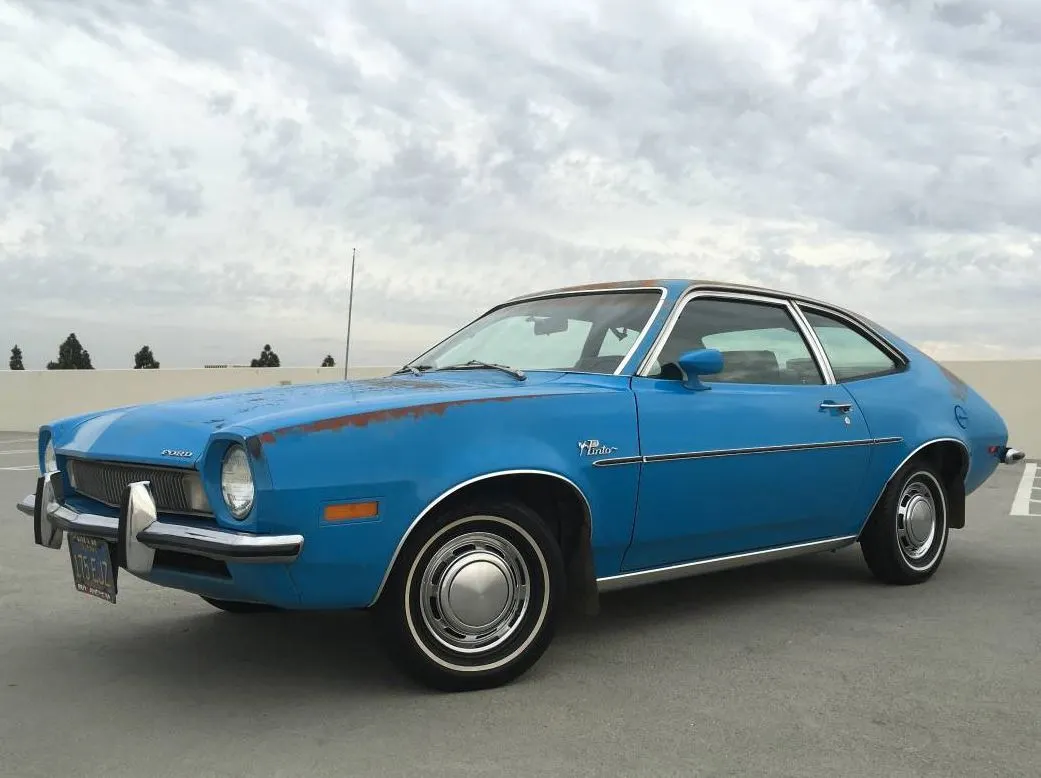
- Engine: 1.6L inline-4 (Kent) / 2.0L inline-4 (Cologne OHC)
- Horsepower: 75 hp @ 5,000 rpm (1.6L Kent) / 100 hp @ 5,600 rpm (2.0L Cologne)
- Torque: 96 lb-ft @ 3,000 rpm (1.6L Kent) / 120 lb-ft @ 3,600 rpm (2.0L Cologne)
- Length: 163 in (4,140 mm)
- Width: 69.4 in (1,763 mm)
2. 2007 Lexus ES350
The 2007 Lexus ES350 is often remembered as a key vehicle in Toyota’s unintended acceleration crisis, where a combination of design vulnerabilities and high-profile accidents led to widespread scrutiny. Although positioned as a refined entry-level luxury sedan, its legacy became heavily influenced by safety investigations, recalls, and debates over manufacturer responsibility.
One of the most serious incidents linked to the model involved a fatal crash in California in which a loaner ES350 reportedly accelerated uncontrollably. Investigators traced the event to accelerator pedal entrapment caused by an incompatible or improperly fitted floor mat that interfered with pedal movement. This discovery brought attention to how interior component design could unintentionally create dangerous driving conditions. As scrutiny increased, regulators and investigators examined whether earlier warnings about similar risks had been adequately addressed, contributing to a broader industry-wide recall campaign.
Separate from the acceleration controversy, the ES350 also developed a reputation for several mechanical and material-related issues. Some vehicles experienced dashboard surface degradation under prolonged heat exposure, resulting in sticky textures, glare, and unpleasant odors inside the cabin.
Transmission complaints were also reported with the newly introduced six-speed U660E automatic, including shuddering at moderate speeds, hesitation during shifts, and occasional internal failures that affected drivability. In addition, the 3.5-liter V6 engine was associated with costly cooling and sealing problems, including head gasket failures and air conditioning system malfunctions in early production units.
Despite these concerns, the ES350 remained strongly oriented toward comfort and everyday usability. Its 3.5-liter V6 engine produced 272 horsepower and delivered smooth, effortless acceleration suited for commuting and highway travel. The six-speed automatic transmission prioritized relaxed shifting over sporty responsiveness, reinforcing its role as a comfort-focused sedan. Ride quality was soft and compliant, absorbing road imperfections well, although this tuning reduced sharp handling ability when driving more aggressively on winding roads.
Luxury and comfort were central to the vehicle’s appeal, with the cabin featuring leather seating surfaces, wood-grain accents, dual-zone automatic climate control, and available premium infotainment technology. Safety was also a major focus, supported by multiple airbags and optional driver-assistance features that helped strengthen its reputation among buyers seeking a refined family-oriented luxury sedan. Despite its generally quiet ride quality, some occupants noted increased road and tire noise at highway speeds, while rear-seat accommodations fell short of what some competitors offered.
The vehicle ultimately left a mixed legacy. It delivered the smooth ride, upscale interior, and comfort-focused driving experience expected from a luxury sedan, yet its reputation was later affected by widely publicized safety issues and reliability concerns. As a result, it remains a model remembered as much for its controversies as for its refinement.
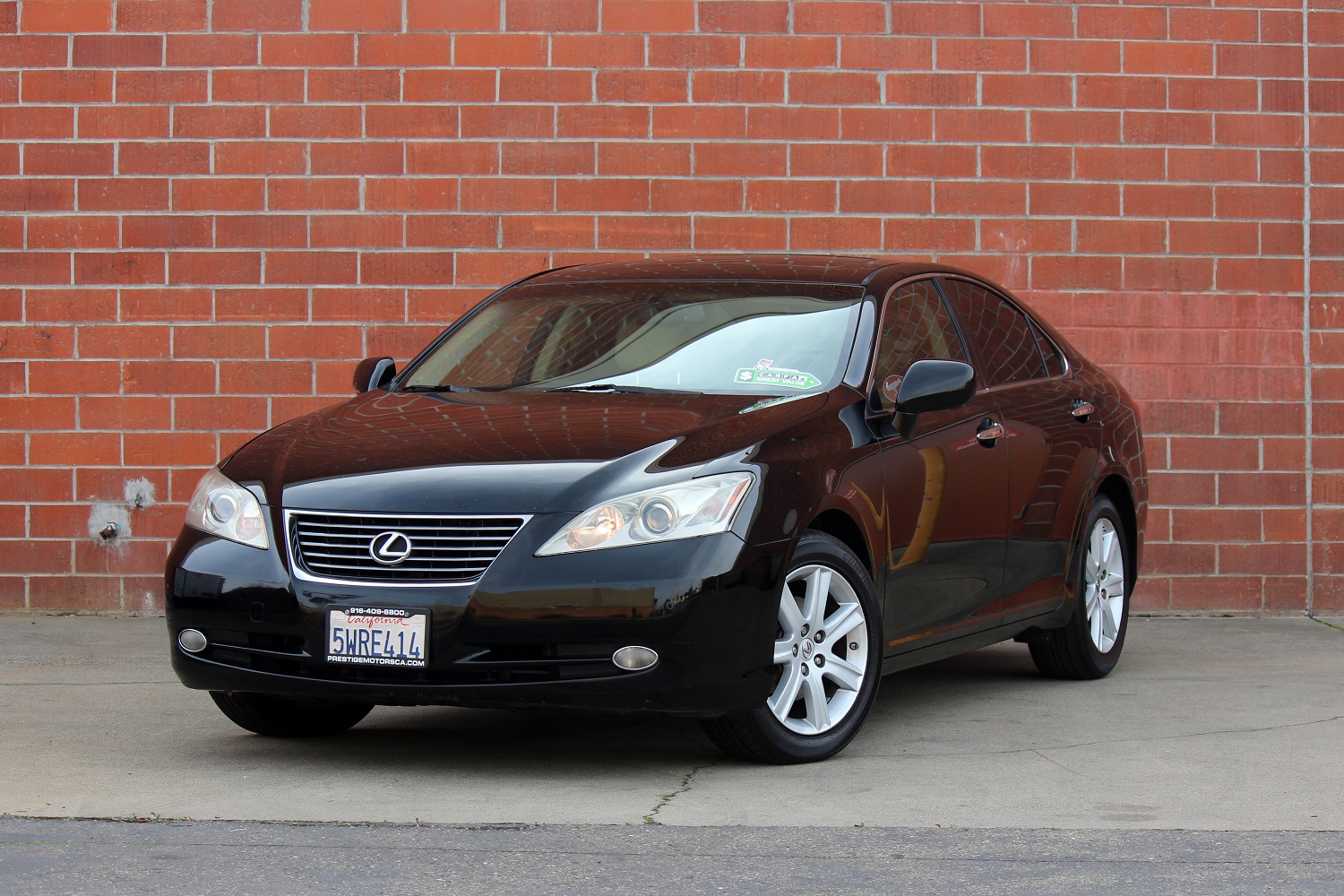
- Engine: 3.5L V6 (2GR-FE)
- Horsepower: 272 hp @ 6,200 rpm
- Torque: 254 lb-ft @ 4,700 rpm
- Length: 191.1 in
- Width: 71.7 in
3. 2005 Chevrolet Cobalt
The 2005 Chevrolet Cobalt became one of General Motors’ most infamous compact cars due to a deadly combination of mechanical flaws, delayed action, and allegations that known safety risks were not addressed quickly enough. Although positioned as a modern replacement for older compact models, its legacy is heavily defined by the ignition switch defect that contributed to a major automotive safety scandal.
At the center of the issue was a faulty ignition switch design with a weak detent mechanism. This allowed the key to easily move out of the “run” position if disturbed by road vibrations or heavy keychains. When this occurred while driving, the engine would shut off unexpectedly, instantly disabling power steering and power brakes, which made the vehicle extremely difficult to control. Most critically, the airbags would also be deactivated, removing a key layer of crash protection at the moment it was needed most.
Investigations and internal documents later revealed that General Motors had prior knowledge of this defect during development and early production stages. Engineers and managers reportedly recognized the low torque issue in the ignition switch but approved the vehicle for production anyway. Later, redesigned parts were introduced, but they were allegedly released under the same part number, which obscured the change and complicated tracking of the defect. This decision became a major point of criticism during legal and congressional investigations.
The consequences of the defect were severe. Over time, repeated incidents of stalling, loss of control, and airbag failure were linked to serious accidents, injuries, and fatalities. GM eventually issued recalls, but they came years after early warning signs and customer complaints had already surfaced. The delay in addressing the issue contributed to lawsuits, regulatory action, and a historic financial penalty that reached billions of dollars.
Beyond its safety controversy, the Cobalt itself was a typical compact sedan focused on affordability and basic transportation. It used a 2.2-liter four-cylinder engine producing 145 horsepower, paired with either a manual or automatic transmission. While adequate for daily commuting, it was not particularly refined or engaging to drive. Handling was predictable but limited by basic suspension design and economy-focused tires, while braking performance varied depending on trim level.
The Cobalt offered improved build quality compared to earlier GM compacts, with a cleaner dashboard layout and better materials than its predecessor. However, rear seat space was tight, cargo access was less convenient than that of competitors, and the driving experience remained unremarkable. In the broader compact segment, it struggled to stand out against stronger rivals that offered better refinement, performance, or value.
In the end, the 2005 Chevrolet Cobalt is remembered less for its role as a mainstream compact car and more for the ignition switch defect that reshaped discussions around automotive safety, corporate accountability, and recall responsibility.
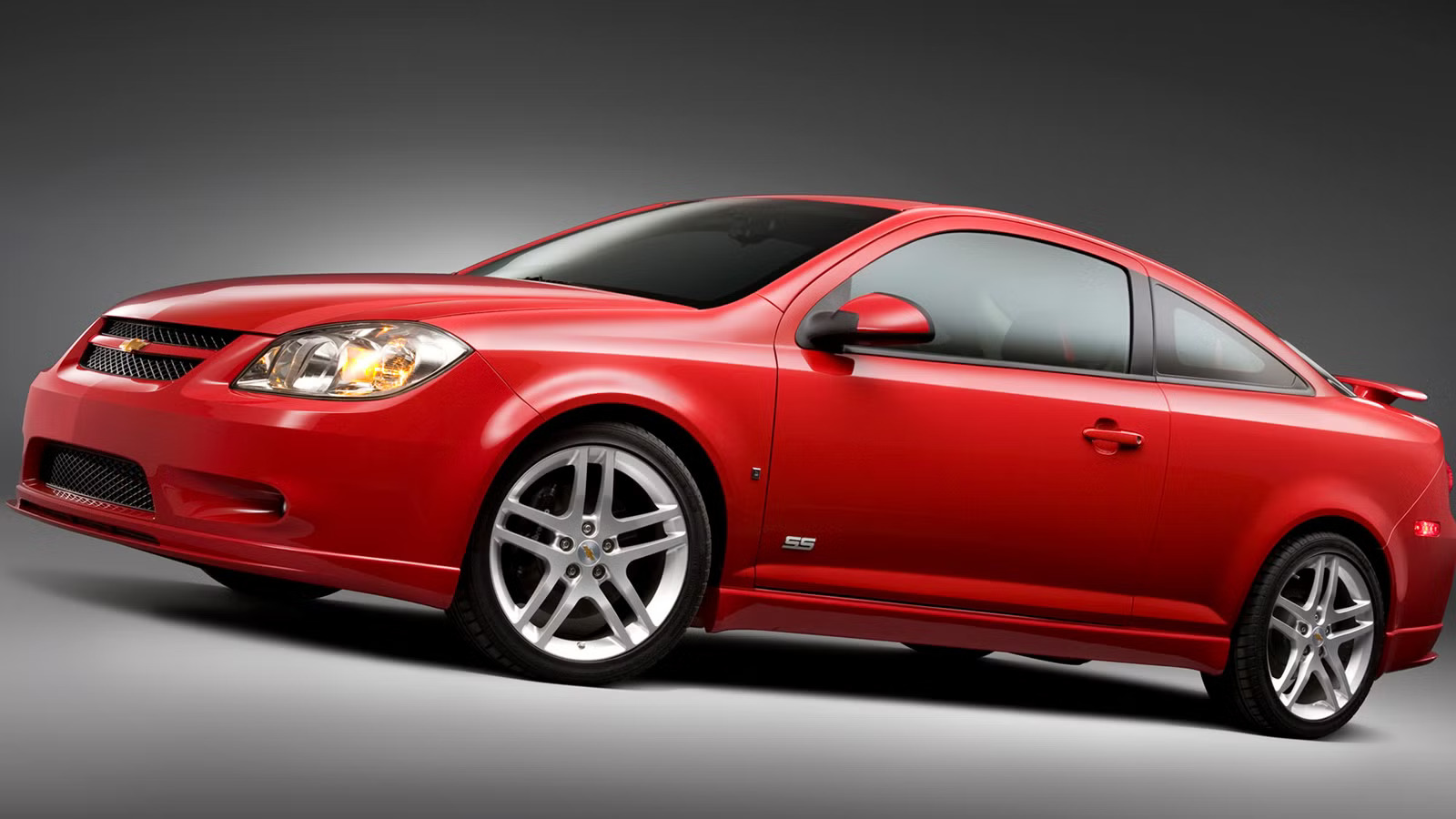
- Engine: 2.2L Ecotec inline-4 (Base/LS/LT) / 2.0L supercharged inline-4 (SS Supercharged)
- Horsepower: 145 hp @ 5,600 rpm (2.2L) / 205 hp @ 5,600 rpm (2.0L supercharged)
- Torque: 155 lb-ft @ 4,000 rpm (2.2L) / 200 lb-ft @ 4,400 rpm (2.0L supercharged)
- Length: 180.3 in
- Width: 67.9 in
4. 2001 Honda Civic
The 2001 Honda Civic is often remembered as a turning point in Honda’s compact car lineup, combining a major redesign with serious safety and reliability controversies. While it retained the Civic’s reputation for efficiency and practicality, this generation also became heavily associated with critical mechanical defects and its involvement in the wider Takata airbag scandal, which later became one of the largest automotive recalls in history.
One of the most dangerous issues linked to the vehicle involved Takata airbag inflators that used ammonium nitrate as a propellant. Over time, exposure to heat and humidity could cause the chemical to degrade, leading to explosive deployments. In severe cases, the metal inflator housing ruptured and sent shrapnel into the cabin, causing injuries and fatalities. These failures led to massive recalls across multiple manufacturers, including Honda, and eventually “Do Not Drive” warnings for older unrepaired vehicles.
Beyond the airbag crisis, the 2001 Civic also suffered from significant drivetrain and engine reliability issues. Automatic transmissions in many models were prone to premature wear, slipping, and complete failure due to design weaknesses introduced during a major redesign. These problems often required expensive repairs or full replacements and led to extended warranty programs and class-action lawsuits. Another recurring issue was head gasket failure in the 1.7-liter engine, which could allow coolant and oil to mix, resulting in overheating and potential engine destruction if not addressed quickly.
Additional safety and mechanical concerns were also reported, including early-model intake assembly defects that could interfere with throttle operation. These issues added to the vehicle’s reputation as a generation with multiple overlapping reliability problems, despite Honda’s long-standing reputation for durability.
At the same time, the 2001 Civic introduced a major structural redesign aimed at improving interior space and efficiency. While the exterior size remained close to the previous generation, improved packaging allowed for more cabin room, especially in rear leg space. However, this came at the cost of eliminating the long-standing double-wishbone front suspension, replaced by a MacPherson strut setup. This change simplified packaging and manufacturing but reduced some of the sharp handling characteristics that earlier Civics were known for.
Engine options were updated to 1.7-liter units with improved torque, emissions performance, and refinement compared to earlier 1.6-liter versions. While not designed for high performance, they delivered adequate power for daily driving and maintained good fuel efficiency. Inside, the cabin showed improved fit and finish, better seat comfort, and a more modern layout, though sporty variants like the Si were initially absent from the lineup.
In the end, the 2001 Honda Civic stands as a generation defined by both engineering evolution and serious safety and reliability challenges, balancing improved design efficiency against costly real-world failures.
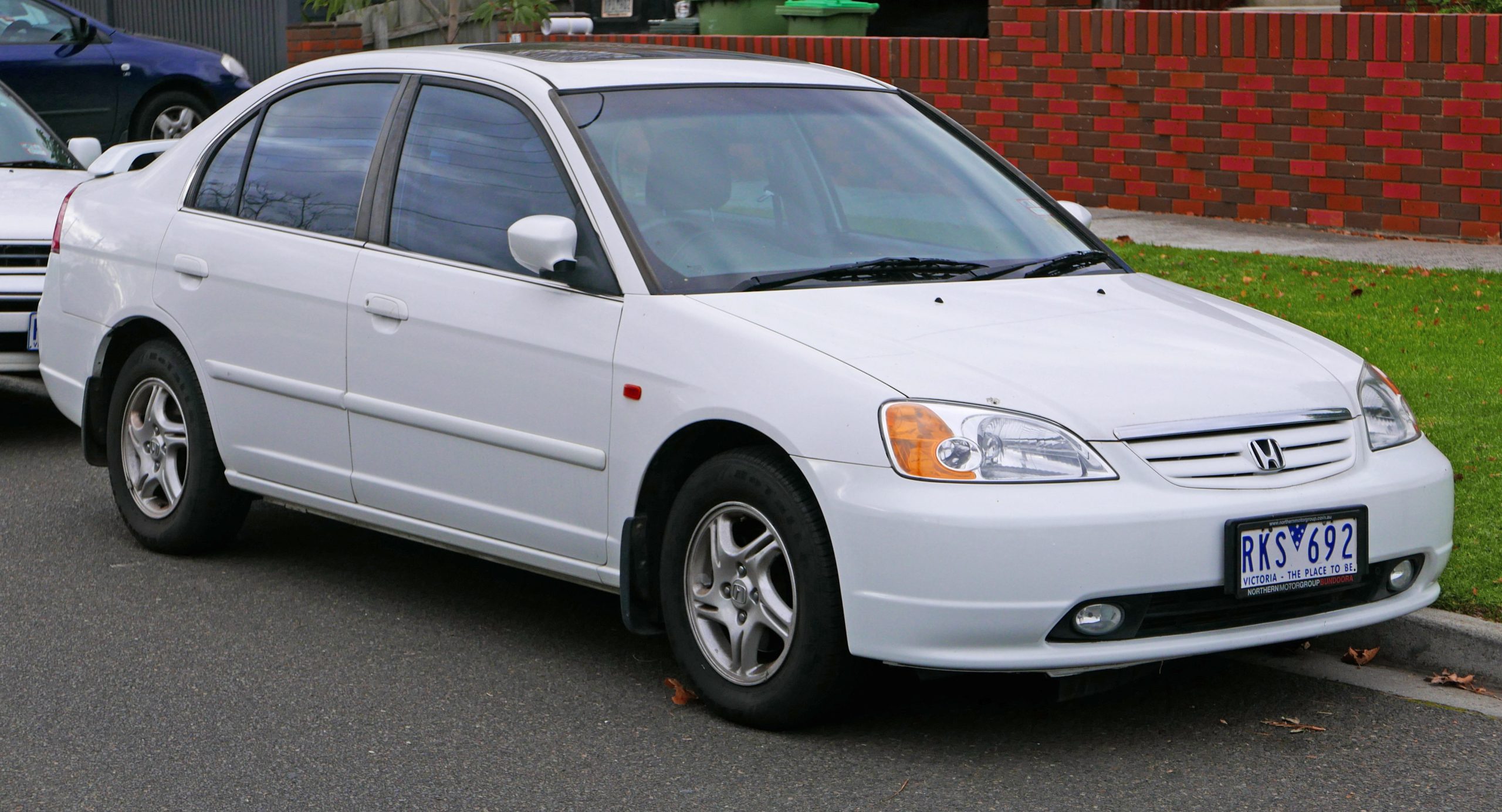
- Engine: 1.7L SOHC inline-4 (DX, LX) / 1.7L SOHC VTEC inline-4 (EX)
- Horsepower: 115 hp @ 6,100 rpm (DX/LX) / 127 hp @ 6,300 rpm (EX)
- Torque: 110 lb-ft @ 4,500 rpm (DX/LX) / 114 lb-ft @ 4,800 rpm (EX)
- Length: 174.7 in (coupe) / 174.6 in (sedan)
- Width: 66.7 in (coupe) / 67.5 in (sedan)
5. 2009 Volkswagen Jetta TDI
The 2009 Volkswagen Jetta TDI became one of the most controversial modern diesel vehicles due to its central role in the global “Dieselgate” scandal, where Volkswagen was found to have intentionally manipulated emissions systems to pass laboratory testing while producing far higher pollution levels in real-world driving. Marketed under the “clean diesel” strategy, the vehicle was presented as an efficient and environmentally friendly alternative, but later investigations revealed a deliberate software-based deception.
At the core of the scandal was a hidden “defeat device” embedded in the engine control software. This system could detect when the vehicle was undergoing official emissions testing and temporarily activate a low-emission mode to comply with regulatory standards.
Once the test conditions ended, the system reverted to normal operation, restoring full performance and fuel economy but allowing nitrogen oxide emissions to rise dramatically, in some cases up to 40 times legal limits. This allowed Volkswagen to sell over half a million diesel vehicles in the United States alone that did not meet environmental requirements under normal driving conditions.
Investigations by regulators, internal documentation, and later admissions from Volkswagen confirmed that the company was aware of these practices well before and during production. Rather than redesigning engines to meet emissions targets legitimately, the software strategy was used to preserve performance, efficiency claims, and market competitiveness. The deception eventually led to major regulatory penalties, criminal charges, and one of the largest environmental settlements in automotive history.
Beyond the scandal, the Jetta Sportwagen itself was designed as a practical and well-rounded compact wagon. It offered multiple powertrain options, including gasoline engines and a 2.0-liter turbocharged four-cylinder, with the diesel TDI version positioned as the efficiency leader. The wagon layout provided strong cargo capacity, especially with the rear seats folded, making it suitable for both family use and long-distance driving.
Driving dynamics were widely regarded as one of the vehicle’s strengths. The chassis delivered stable handling with controlled body roll and responsive steering, while braking performance was considered strong and consistent. The turbocharged engine offered notably quicker acceleration compared to the base five-cylinder engine, making it the preferred option among reviewers, while still maintaining competitive fuel economy for its class.
Practicality was one of the vehicle’s strongest attributes, supported by a thoughtfully designed cabin that combined straightforward controls with materials that felt more upscale than many rivals in the segment. Buyers could also equip it with features such as a panoramic sunroof, built-in navigation, and premium audio upgrades, enhancing its appeal as a versatile daily driver.
Comfortable seating and a functional interior layout made it particularly well-suited for extended road trips, although rearward visibility was not ideal, and certain engine configurations could sound unrefined when pushed hard.
Despite its many strengths as a fuel-efficient and spacious wagon, the model’s legacy became intertwined with a much larger controversy. What began as a respected diesel-powered alternative ultimately became one of the most notable examples of corporate misconduct in the automotive industry, as emissions-related software manipulation called its environmental credentials into question and helped trigger sweeping changes to diesel regulations around the world.
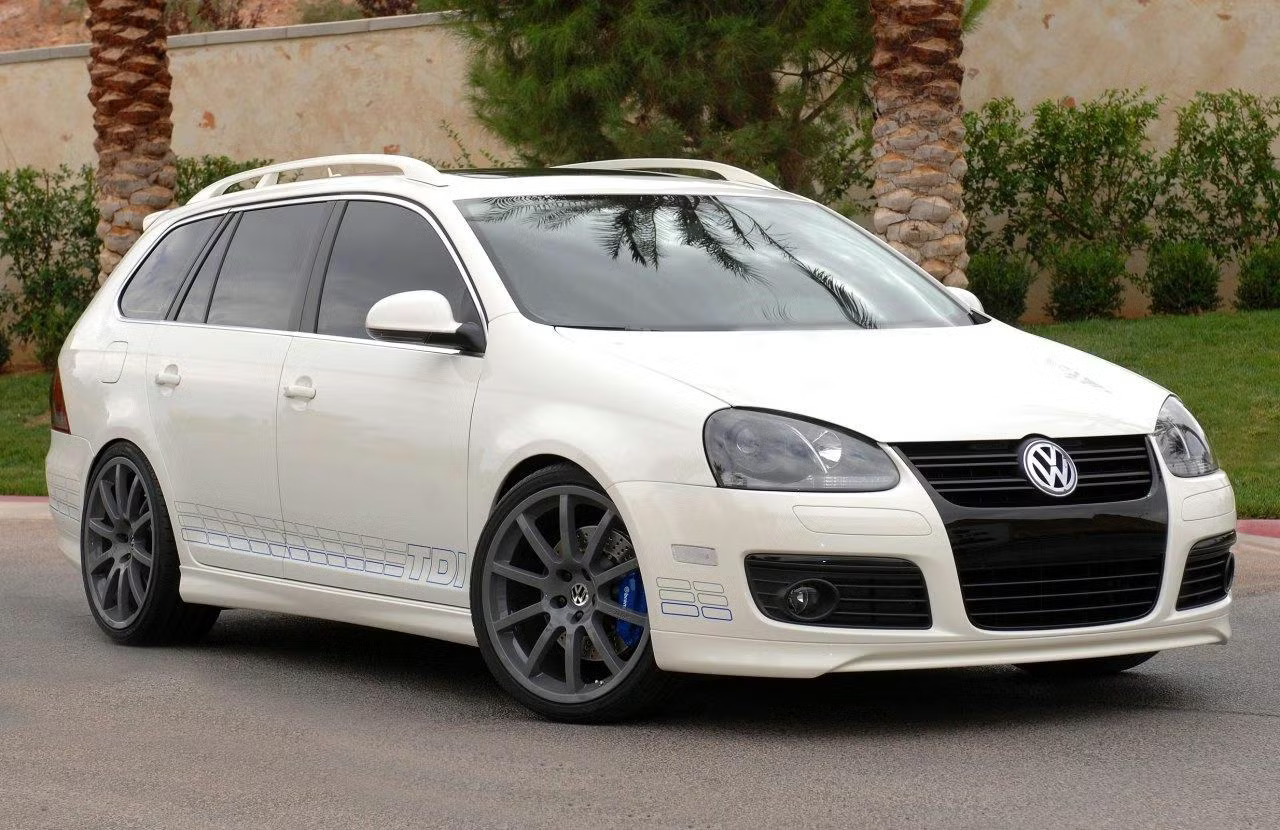
- Engine: 2.0L turbocharged inline-4 diesel (TDI)
- Horsepower: 140 hp @ 4,000 rpm
- Torque: 236 lb-ft @ 1,750 rpm
- Length: 179.3 in (4,554 mm)
- Width: 70.1 in (1,781 mm)
6. 2017 Chrysler Pacifica Hybrid
The 2017 Chrysler Pacifica Hybrid entered the market as North America’s first plug-in hybrid minivan, combining family-friendly utility with electrified efficiency. However, its launch was undermined by multiple known technical defects in its high-voltage and powertrain systems, raising concerns about rushed development and incomplete validation of critical components.
One of the most serious issues involved a faulty transmission wiring connector within the hybrid system. This component was prone to short-circuiting, which could instantly cut power and cause a full engine shutdown while driving at highway speeds. Rather than fully pausing production to correct the hardware flaw, the manufacturer initially relied on software-based fixes intended to warn drivers just before shutdown, reducing risk but not eliminating the underlying defect.
Additional problems emerged soon after release. A defective diode in the power inverter led to sudden power loss and prompted an early recall of roughly 1,700 units. Some vehicles were also linked to reports of battery thermal runaway risks, where overheating could occur even when the vehicle was parked, leading to warnings that owners should keep cars outdoors and avoid charging until repairs were available.
Owners further reported unexpected stalling and limp-mode activations caused by glitches in the Battery Pack Control Module and transmission software calibration issues.
Despite these challenges, the Pacifica Hybrid introduced a complex but efficient drivetrain based on a modified 3.6-liter Pentastar V6 paired with electric motors and a lithium-ion battery pack. This setup delivered around 30–33 miles of electric-only range and strong real-world efficiency, rated at 84 MPGe under ideal conditions. However, the added hybrid hardware increased vehicle weight by over 500 pounds and eliminated underfloor storage bins, reducing some of the minivan’s traditional practicality.
On the road, the hybrid remained largely familiar to the standard Pacifica, with similar steering, ride comfort, and braking feel. Acceleration stayed respectable at about 7.8 seconds to 60 mph, only slightly slower than the gasoline version. Still, its real-world fuel savings required years of driving to offset its higher cost, even after federal incentives.
The Pacifica Hybrid represented a significant technological step forward, but one shadowed by reliability concerns and the growing pains of early hybrid minivan engineering.
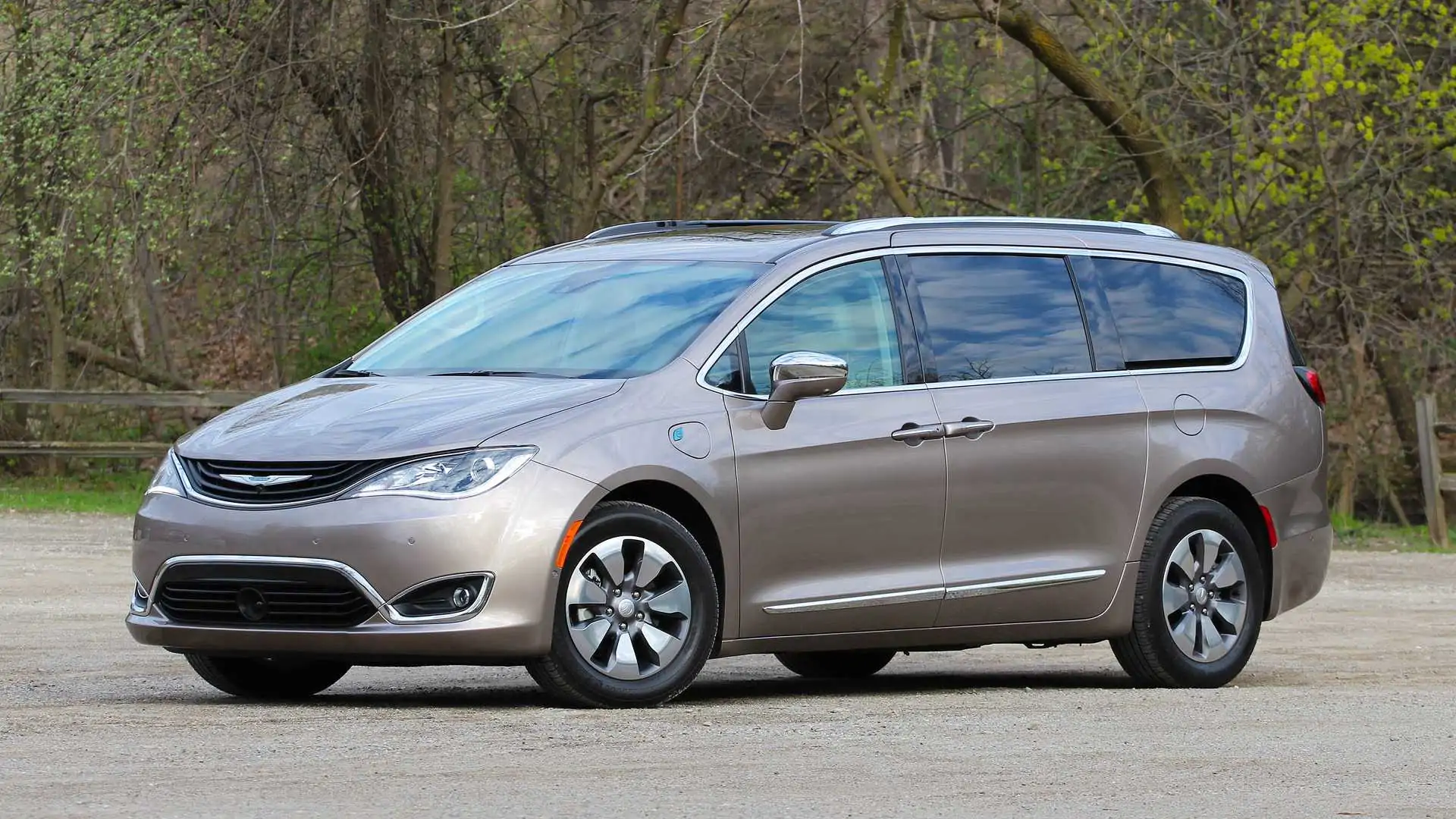
- Engine: 3.6L Atkinson-cycle Pentastar V6 + dual electric motors (plug-in hybrid)
- Horsepower: 260 hp (combined system output)
- Torque: 232 lb-ft (combined)
- Length: 203.6 in (5,171 mm)
- Width: 79.6 in (2,022 mm) (excluding mirrors)
7. 2022 Genesis GV70
The 2022 Genesis GV70 entered the luxury SUV market as a stylish and performance-focused competitor, blending premium materials, strong technology, and sporty handling. However, its launch year was marked by several mechanical, electrical, and safety concerns that raised questions about quality control and long-term reliability.
One of the most serious complaints involved the rear electronic limited-slip differential (eLSD), particularly in higher-performance models. Owners reported whining, grinding noises, and premature internal wear shortly after purchase. In some cases, metal contamination developed inside the differential, increasing the risk of mechanical failure or locking. Compounding frustration, dealerships frequently replaced defective components with similar unrevised parts, suggesting that a permanent engineering fix was not immediately available.
Another reported issue involved intermittent throttle hesitation or loss of acceleration during sharp turns. Drivers described moments where power delivery became inconsistent, raising safety concerns about vehicle responsiveness in demanding driving situations. Although not universal, these complaints contributed to broader concerns regarding drivetrain calibration and reliability during the vehicle’s first production year.
The GV70 also became associated with a major recall concerning seatbelt pretensioners. In affected vehicles, pretensioners could over-pressurize during deployment and rupture, potentially sending metal fragments into the cabin. This defect prompted safety investigations and manufacturer action due to the possible injury risk.
Electrical and technology-related issues added to early ownership frustrations. Some drivers experienced malfunctions involving the digital gauge cluster, infotainment system, warning lights, and drivetrain-related error codes. Additional mechanical complaints included low-pressure fuel pump failures and leaking air-conditioning evaporator cores, both of which could affect comfort and vehicle performance.
Luxury and performance were among the strongest aspects of the 2022 Genesis GV70. Its interior featured high-end materials, an elegant design, and a technology-rich environment supported by modern infotainment systems and a full suite of driver-assistance features. Standard equipment included adaptive cruise control, lane-keeping assistance, and automatic emergency braking, while Genesis reinforced buyer confidence with extensive warranty coverage that included a 10-year/100,000-mile powertrain warranty.
Powertrain options ranged from a 300-horsepower turbocharged 2.5-liter four-cylinder to a 375-horsepower twin-turbo V6. Both were matched with an eight-speed automatic transmission and standard all-wheel drive, providing a balance of refinement and capability. The V6 model delivered especially quick acceleration, reaching 60 mph in under five seconds and giving the SUV performance credentials that rivaled more established luxury competitors.
However, the vehicle’s debut was not without challenges. While it impressed with its upscale character and engaging road manners, a number of launch-year reliability concerns prevented the GV70 from enjoying an entirely smooth introduction, creating a contrast between its strong engineering strengths and its early ownership issues.
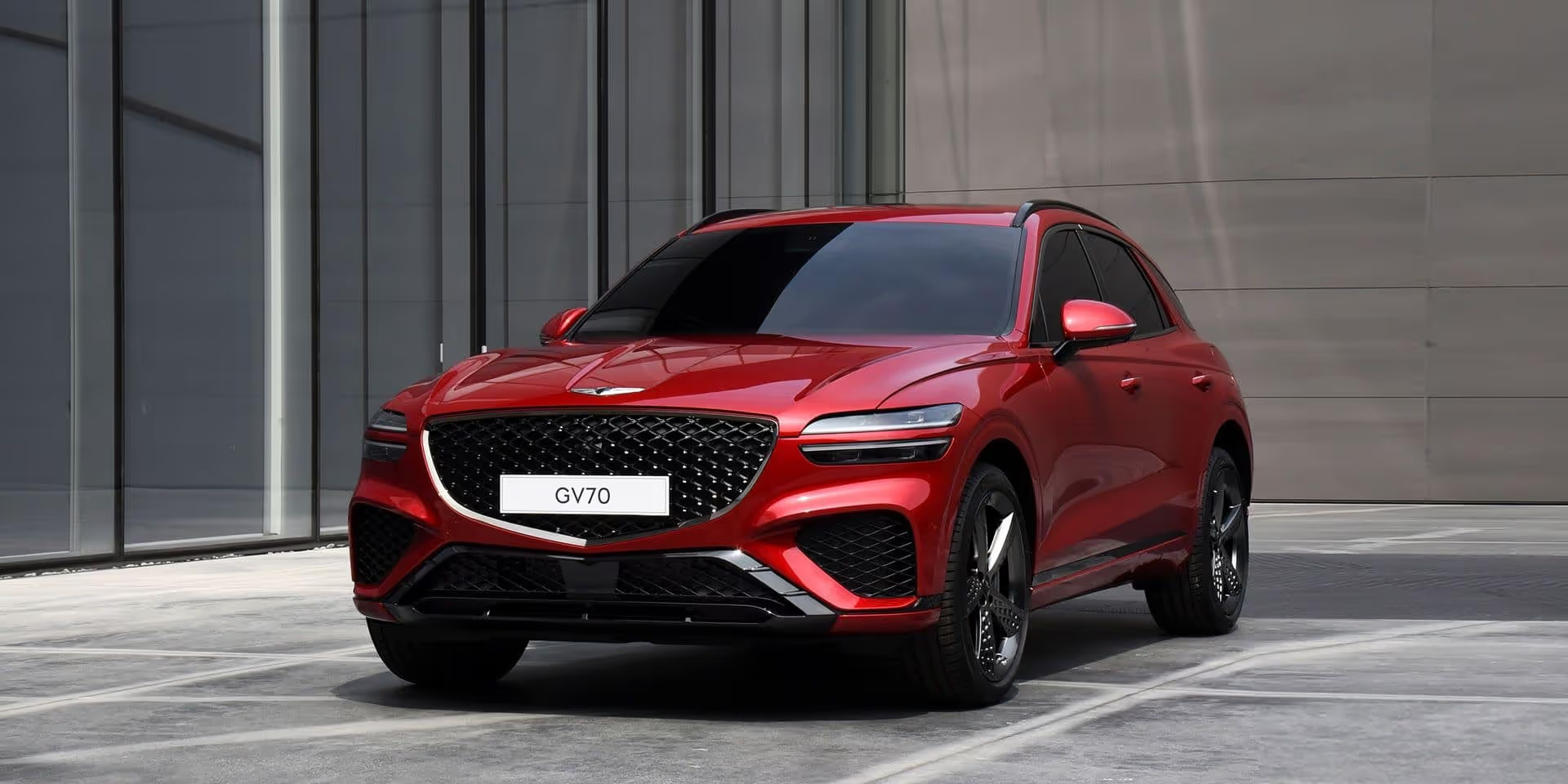
- Engine: 3.6L Atkinson-cycle V6 + dual electric motors (plug-in hybrid)
- Horsepower: 248 hp (gas engine) / 260 hp (combined system output)
- Torque: 230 lb-ft (gas engine)
- Length: 203.6 in (5,172 mm)
- Width: 79.6 in (2,022 mm) (excluding mirrors) / 90.4 in (2,297 mm) (with mirrors)