
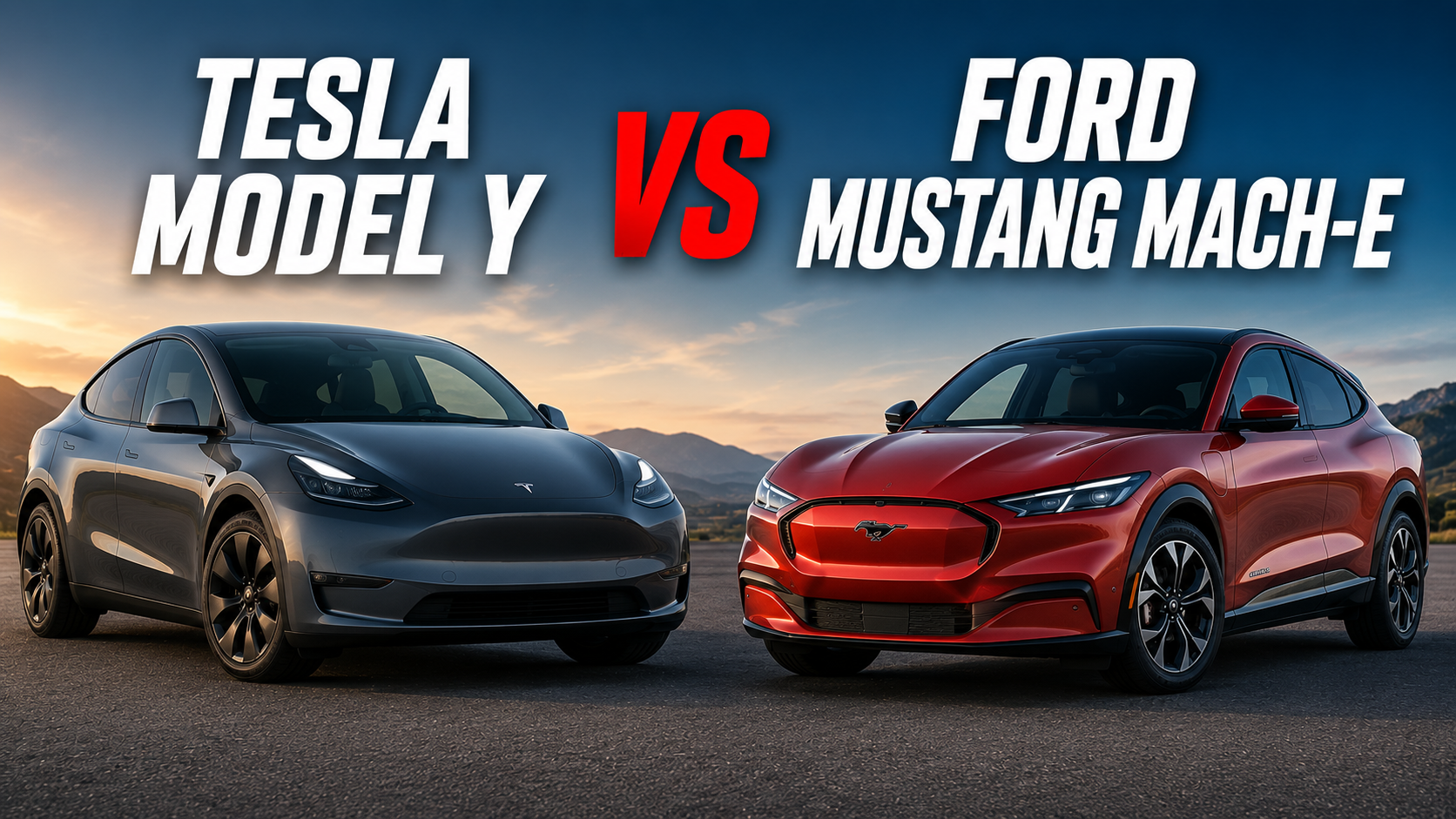
Electric SUVs have quickly become one of the fastest-growing segments in the automotive industry, and few matchups are more important than the Tesla Model Y and Ford Mustang Mach-E.
Both vehicles target buyers who want the practicality of a crossover combined with the efficiency and performance benefits of an EV. They also represent two very different approaches to the electric-vehicle experience.
Tesla helped reshape the EV market with the Model Y. Since its introduction, it has become one of the best-selling electric vehicles in the world thanks to its long range, impressive charging network, advanced software, and practical packaging.
The Model Y takes many of the strengths that made the Model 3 successful and wraps them in a family-friendly SUV body.
Ford entered the segment with a different strategy. Rather than building a direct Tesla clone, the company developed the Mustang Mach-E, an electric crossover that blends modern EV technology with styling cues inspired by the iconic Mustang.
The result is an SUV that delivers strong performance, an attractive design, and a more traditional driving experience than many EV competitors.
Choosing between these two vehicles involves more than comparing range figures and charging times. Buyers need to consider interior quality, technology, performance, practicality, ownership costs, resale value, and day-to-day usability. While both EVs occupy a similar price bracket, their strengths appeal to different types of customers.
One vehicle prioritizes efficiency, software, and charging convenience. The other focuses on driving character, interior quality, and a familiar ownership experience. That creates an interesting battle where there isn’t a single perfect answer for every buyer.
To determine which electric SUV deserves a place in your garage, we’ll compare them across ten key categories and crown a winner after each section.
Also Read: Chevy Corvette vs. Ford Mustang Comparison—Which American Sports Car Wins?
Exterior Design and Road Presence
A glance is enough to reveal that Tesla and Ford had very different design philosophies when developing these vehicles.
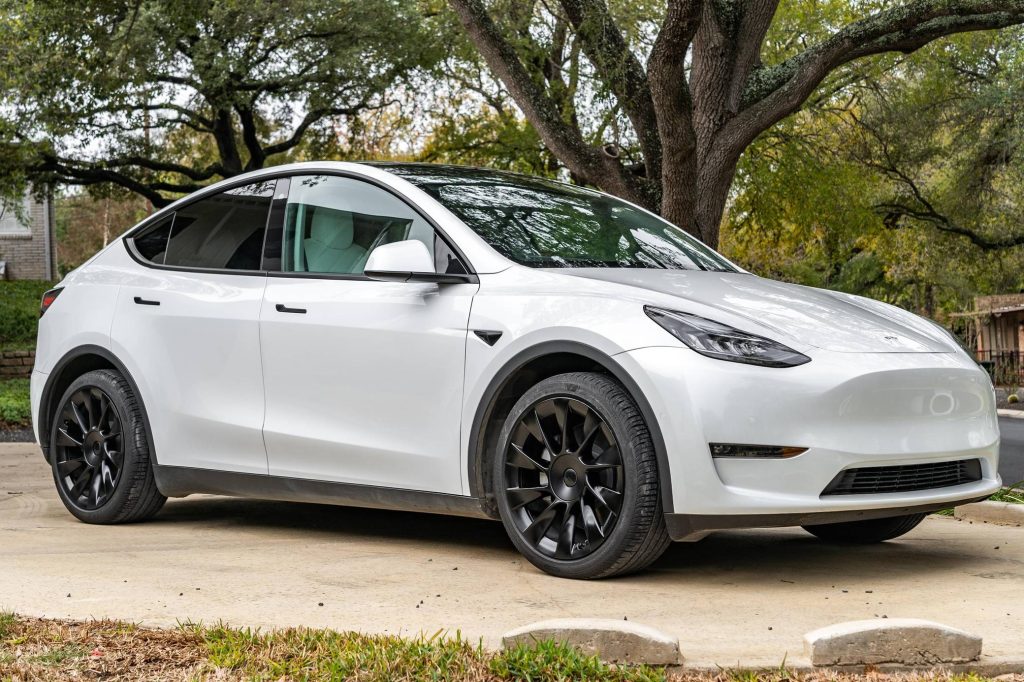
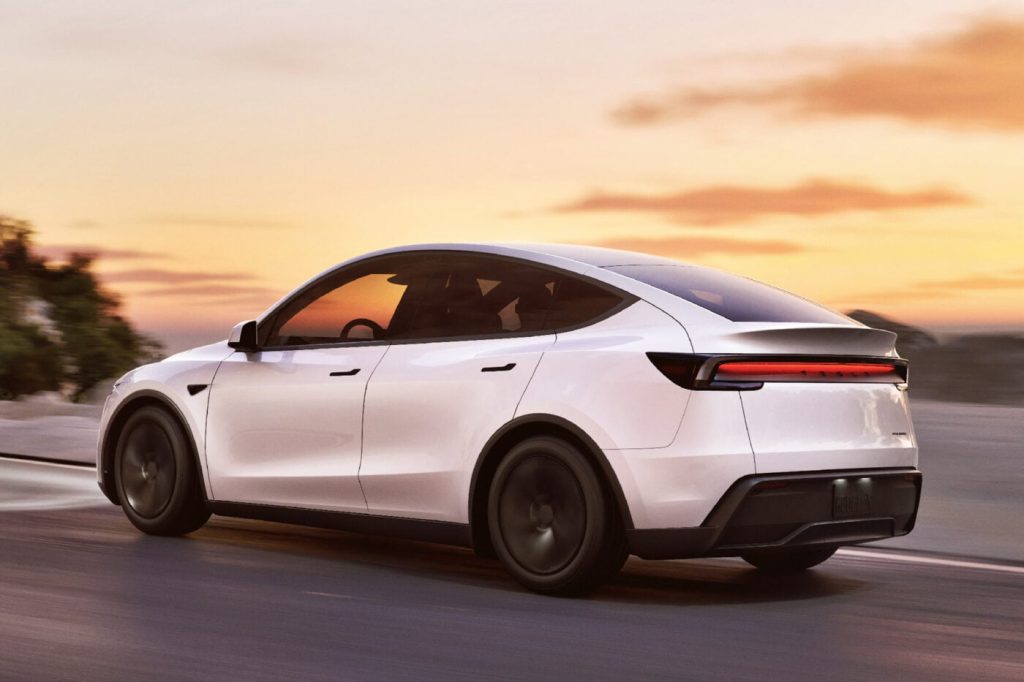
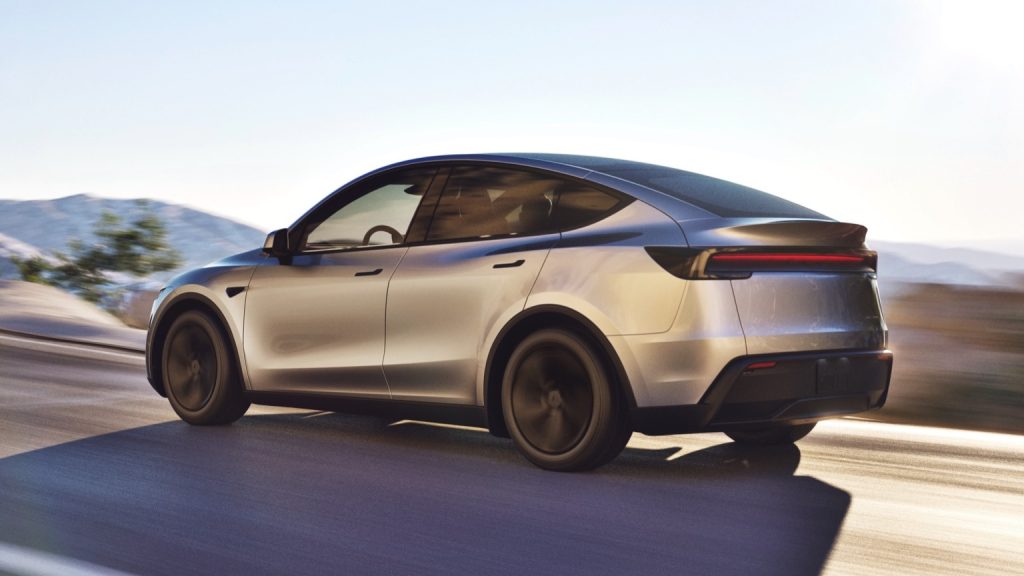
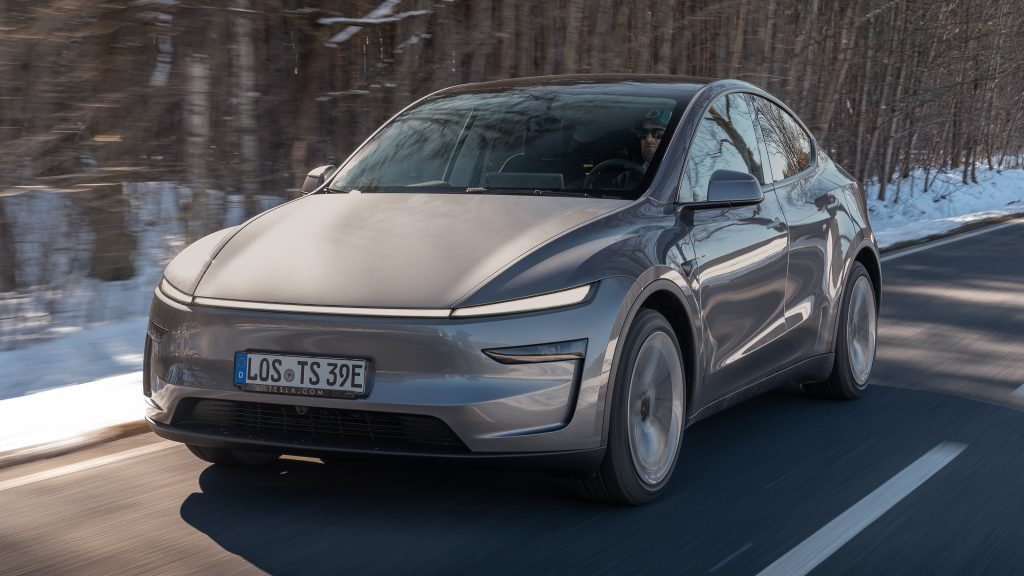
The Model Y follows Tesla’s minimalist design language. Smooth body panels, clean surfaces, flush door handles, and a grille-free front fascia contribute to an aerodynamic appearance. Every major styling decision serves efficiency, helping the Model Y achieve a drag coefficient of approximately 0.23.
That aerodynamic focus benefits range, but it also means the Model Y doesn’t stand out as dramatically as some rivals. From certain angles, it looks like an enlarged Model 3, which isn’t necessarily a bad thing given the sedan’s popularity.
Sharp body lines and aggressive proportions give the Mustang Mach-E a much stronger visual identity. The long hood, muscular fenders, tri-bar taillights, and Mustang-inspired front-end treatment create a sportier appearance. Even people unfamiliar with EVs often recognize the Mach-E immediately.
Size differences are relatively minor. The Model Y measures approximately 187 inches long, while the Mach-E stretches to about 186 inches. Ford’s wider stance creates a more planted appearance, particularly on GT models equipped with larger wheels and performance-oriented styling cues.
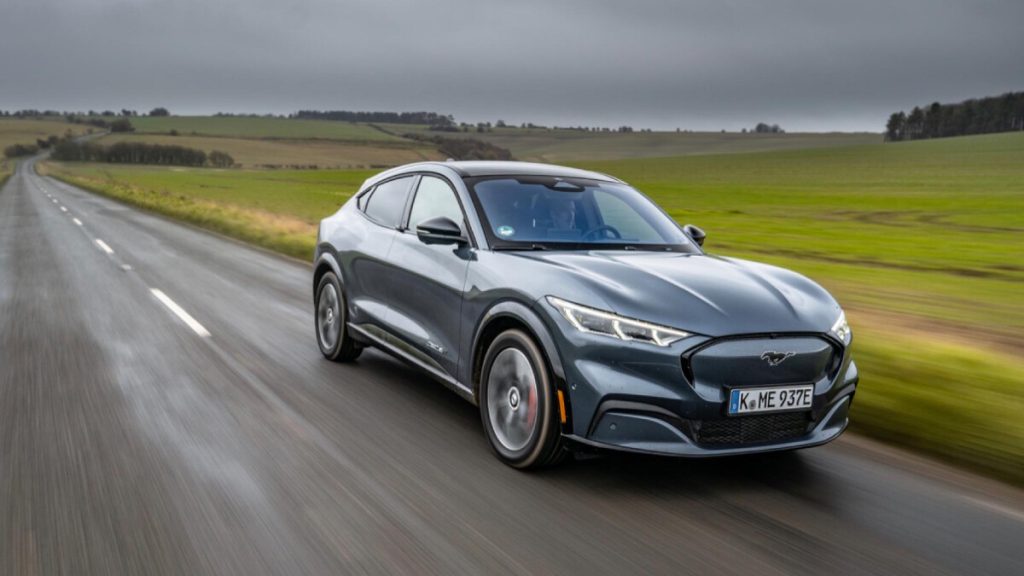
Color choices and trim-specific designs also favor Ford. The Mach-E lineup offers a broader range of visually distinct variants, allowing buyers to choose between elegant, sporty, and performance-focused appearances.
The Tesla remains clean and modern, but the Mach-E attracts more attention and delivers stronger curb appeal.
Winner: Ford Mustang Mach-E
Distinct styling and stronger road presence make the Mach-E the more visually exciting electric SUV.
Interior Design and Technology
Stepping inside these EVs highlights one of the biggest philosophical differences between the two manufacturers.
Minimalism defines the Tesla experience. Nearly every vehicle function is controlled through a centrally mounted 15.4-inch touchscreen. Traditional buttons are almost nonexistent, creating an uncluttered cabin unlike anything else in the segment.
The dashboard design looks futuristic, and the material quality has improved significantly compared to earlier Teslas. Soft-touch surfaces, premium seating materials, and excellent visibility contribute to a pleasant environment.
Ford took a more conventional approach. A massive 15.5-inch vertically oriented touchscreen dominates the dashboard, but physical controls remain for key functions. This combination makes the Mach-E easier to adapt to for drivers transitioning from gasoline-powered vehicles.
Cabin quality favors Ford. Materials feel richer throughout the interior, panel fitment is generally more consistent, and the full environment feels more premium than the Tesla.
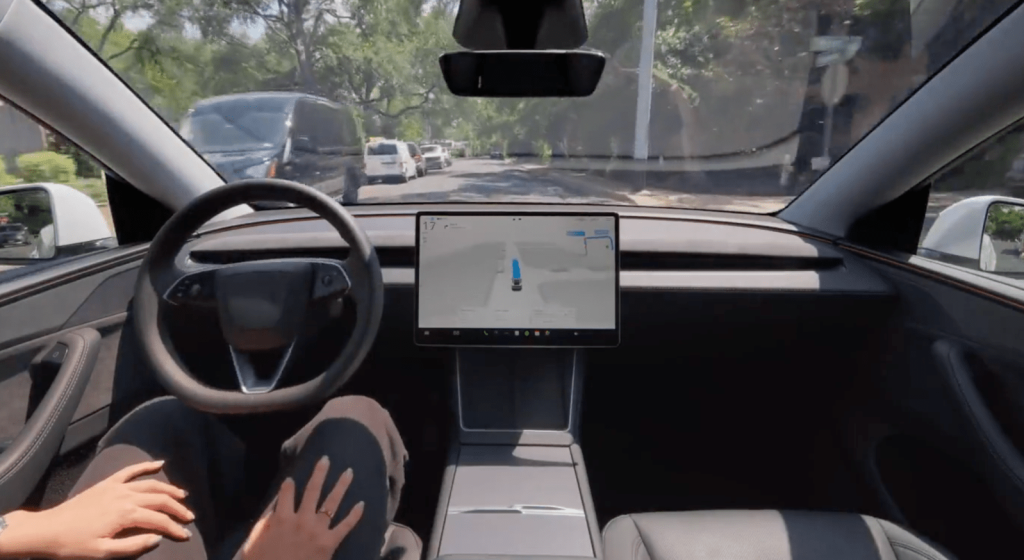
Technology remains a Tesla strength. The Model Y’s software interface is exceptionally responsive, receives regular over-the-air updates, and offers industry-leading route planning. Features such as Sentry Mode, Dog Mode, and integrated entertainment options continue to separate Tesla from many competitors. Cargo space is another important consideration.
The Model Y provides approximately:
- 76.2 cubic feet of maximum cargo space
- 30.2 cubic feet behind the rear seats
- Additional front trunk storage
The Mach-E offers:
- 59.7 cubic feet of maximum cargo space
- 29.7 cubic feet behind the rear seats
- A front trunk with washable storage
Families requiring maximum practicality will appreciate the Tesla’s larger cargo area. Ford delivers a more premium cabin, but Tesla’s superior software and cargo capacity create a compelling package.
Winner: Tesla Model Y
Class-leading software and significantly greater cargo capacity give Tesla the edge.
Powertrains and Performance
Electric vehicles have changed performance expectations, and both of these SUVs deliver acceleration that would have embarrassed sports cars not long ago.
The entry-level rear-wheel-drive Model Y produces approximately 295 horsepower and reaches 60 mph in about 6.5 seconds.
Stepping into the Long Range All-Wheel Drive model reduces the sprint to roughly 4.8 seconds while maintaining excellent efficiency.
Performance enthusiasts gravitate toward the Model Y Performance, which generates around 456 horsepower and reaches 60 mph in just 3.5 seconds.
Ford’s lineup starts with the standard-range Mach-E, producing between 264 and 290 horsepower depending on configuration.
Moving up to the extended-range variants increases output to approximately 346 horsepower and improves acceleration considerably.
The headline-grabbing model is the Mustang Mach-E GT Performance Edition. Output reaches 480 horsepower and 634 lb-ft of torque, enabling a 0-60 mph time of roughly 3.5 seconds.
Performance Comparison
| Model | Horsepower | Torque | 0-60 MPH |
|---|---|---|---|
| Model Y RWD | 295 hp | 310 lb-ft | 6.5 sec |
| Model Y Long Range AWD | 384 hp | 376 lb-ft | 4.8 sec |
| Model Y Performance | 456 hp | 497 lb-ft | 3.5 sec |
| Mach-E Premium AWD | 346 hp | 428 lb-ft | 4.8 sec |
| Mach-E GT | 480 hp | 600 lb-ft | 3.8 sec |
| Mach-E GT Performance | 480 hp | 634 lb-ft | 3.5 sec |
Raw acceleration figures are remarkably close. What separates them is consistency. Tesla’s power delivery feels relentless at nearly any speed, and the Model Y remains one of the quickest SUVs available regardless of powertrain type.
The Mach-E GT is undeniably fast, but Tesla’s performance tuning and efficiency balance remain difficult to beat.
Winner: Tesla Model Y
Exceptional acceleration across the lineup and strong efficiency make the Model Y the performance leader.
Range and Charging
Range anxiety has become far less common than it was a few years ago, but driving distance and charging convenience remain two of the most important factors when choosing an EV.
Tesla built much of its reputation on efficiency, and the Model Y continues that tradition. Depending on trim level, the Model Y delivers some of the strongest range figures in the segment.
Current EPA estimates place the rear-wheel-drive Model Y at approximately 337 miles of range. The Long Range All-Wheel Drive version reaches around 311 miles, while the Performance model delivers roughly 277 miles.
Ford’s numbers are competitive but generally trail Tesla. The Mustang Mach-E Select offers around 250 miles of range, while extended-range rear-wheel-drive versions can reach approximately 320 miles. Performance-focused GT models typically fall between 260 and 280 miles.
The gap may not seem massive on paper, but real-world ownership extends beyond EPA estimates.
Tesla’s biggest advantage is its charging ecosystem. The Supercharger network remains the benchmark for public EV charging in North America. Thousands of charging locations, seamless payment integration, route planning, and consistently high reliability make long-distance travel remarkably easy.
Ford has improved charging accessibility through partnerships with multiple charging providers, and newer Mach-E models now gain access to Tesla’s Supercharger network through compatible adapters.
Even so, Tesla owners enjoy a more integrated charging experience. Charging speeds are also competitive.
The Model Y can charge at up to 250 kW and recover roughly 162 miles of range in about 15 minutes under ideal conditions.
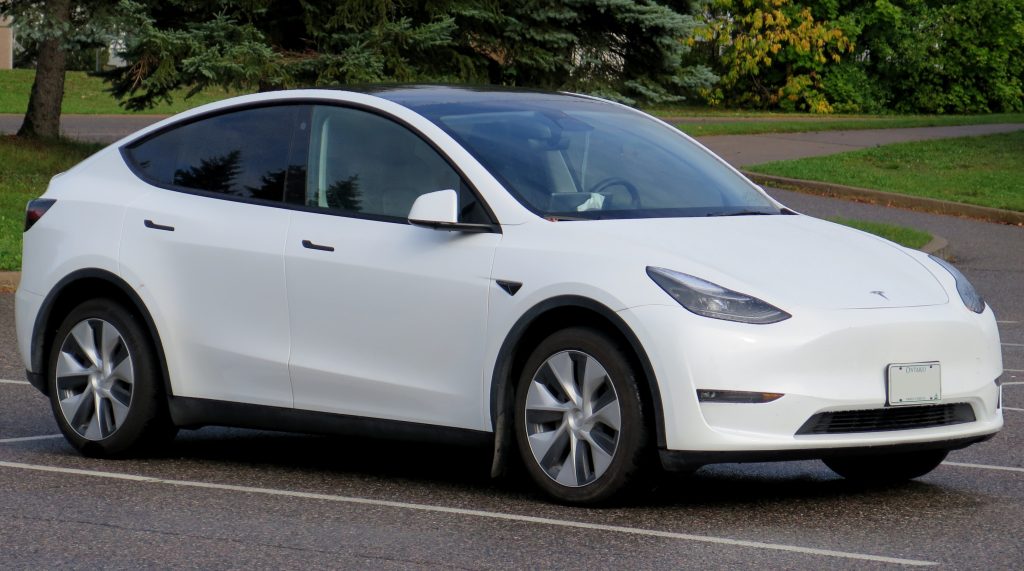
The Mach-E supports DC fast charging at up to 150 kW for most trims, allowing approximately 80% battery replenishment in around 36 to 45 minutes, depending on battery configuration. Long-distance travelers will notice the difference.
Range Comparison
| Model | EPA Range |
|---|---|
| Model Y RWD | 337 miles |
| Model Y Long Range AWD | 311 miles |
| Model Y Performance | 277 miles |
| Mach-E Select | 250 miles |
| Mach-E Extended Range RWD | 320 miles |
| Mach-E GT | 280 miles |
Extra range, combined with the industry’s most established charging network, keeps Tesla ahead.
Winner: Tesla Model Y
Longer driving range and a superior charging ecosystem create a meaningful advantage for road-trip travelers.
Ride Quality and Daily Driving
Fast acceleration is exciting, but daily comfort often determines whether owners remain happy with a vehicle after several years.
A smoother ride gives the Mustang Mach-E an immediate advantage in everyday driving situations.
Ford’s suspension tuning strikes an impressive balance between comfort and handling. Broken pavement, expansion joints, and rough urban streets are absorbed effectively without sacrificing composure during spirited driving.
The steering also feels more natural. Inputs are predictable, body control remains impressive through corners, and the vehicle communicates more road feedback to the driver.
Tesla prioritizes responsiveness and efficiency. The Model Y feels agile for its size, but ride quality can become firm, especially on Performance trims equipped with larger wheels and lower-profile tires.
Passengers are more likely to notice sharp impacts over rough surfaces compared with the Mach-E.
Cabin quietness is another area where Ford performs well. Wind and road noise are controlled effectively, creating a more premium experience during highway cruising.
Tesla has improved noise insulation significantly in recent years, but the Mach-E still feels slightly more refined during long journeys.
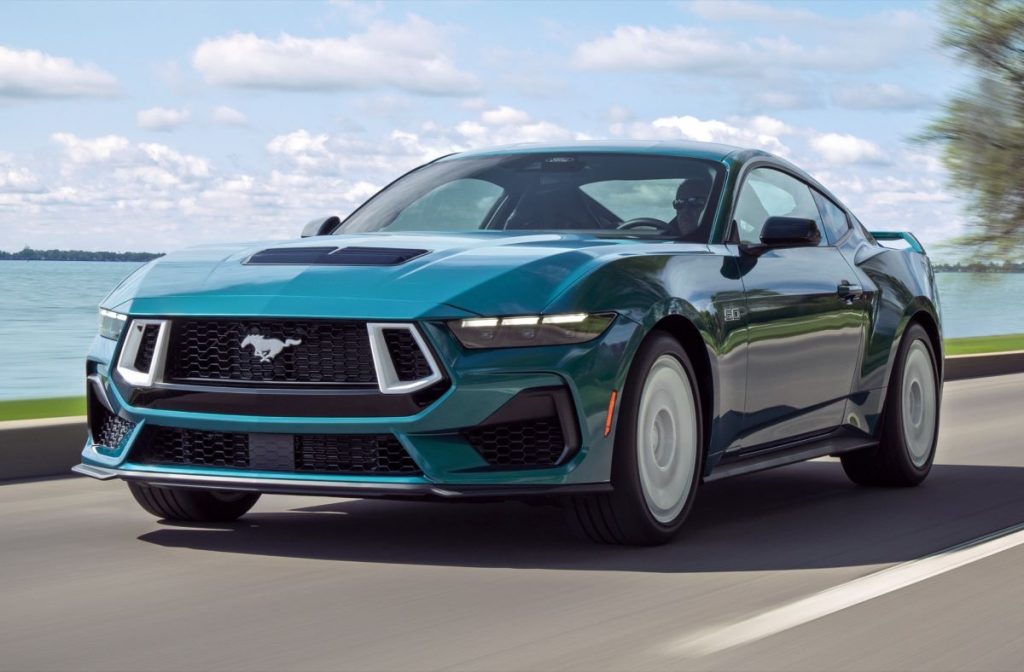
Comfort extends beyond suspension tuning. Seat design, driving position, visibility, and full ergonomics contribute to the ownership experience. Ford’s traditional layout makes the vehicle easier for first-time EV buyers to adapt to.
The Model Y remains enjoyable to drive, but the Mach-E feels more polished as a daily commuter.
Winner: Ford Mustang Mach-E
Superior ride comfort and a more refined driving experience make the Mach-E easier to live with every day.
Practicality and Family Friendliness
Electric SUVs are expected to perform family duties just as effectively as traditional crossovers. A surprisingly spacious cabin has helped make the Model Y one of the world’s best-selling vehicles.
Rear-seat passengers enjoy generous headroom and legroom, while the flat floor enhances comfort for middle-seat occupants. Large rear doors also improve accessibility when installing child seats. Cargo capacity strongly favors Tesla.
The Model Y provides:
- 30.2 cubic feet behind the second row
- 76.2 cubic feet with seats folded
- Additional front trunk storage
The Mach-E offers:
- 29.7 cubic feet behind the rear seats
- 59.7 cubic feet with seats folded
- Front trunk storage
That 16.5-cubic-foot difference with the seats folded becomes noticeable during family road trips, home-improvement projects, or airport runs. Tesla also benefits from a lower cargo floor and a more efficient interior layout.
Ford counters with useful storage solutions throughout the cabin. The front trunk includes a drain plug, allowing owners to use it as an ice chest for outdoor activities. Small details like this add genuine practicality.
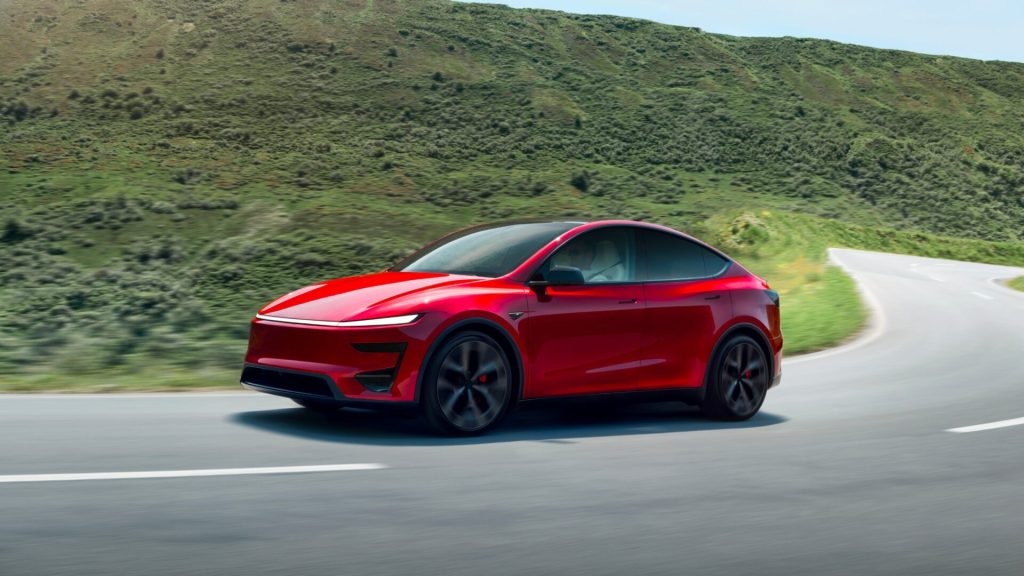
Passenger space remains excellent in both vehicles, but the Tesla’s packaging efficiency gives it a meaningful edge. Families needing maximum cargo flexibility will appreciate the additional space.
Practicality Comparison
| Measurement | Tesla Model Y | Ford Mustang Mach-E |
|---|---|---|
| Cargo Space Behind Rear Seats | 30.2 cu-ft | 29.7 cu-ft |
| Maximum Cargo Capacity | 76.2 cu-ft | 59.7 cu-ft |
| Front Trunk | Yes | Yes |
| Rear Passenger Room | Excellent | Excellent |
Winner: Tesla Model Y
Superior cargo capacity and excellent interior packaging make the Model Y a more practical family vehicle.
Safety and Driver Assistance Technology
Advanced safety systems have become a major selling point in the EV segment. Both vehicles perform exceptionally well in crash testing and offer extensive driver-assistance features.
The Model Y has earned top ratings from major safety organizations thanks to its rigid battery structure, low center of gravity, and advanced occupant protection systems.
Tesla’s Autopilot suite includes:
- Adaptive cruise control
- Lane-centering assistance
- Automatic emergency braking
- Blind-spot monitoring
- Traffic-aware cruise control
Buyers can also purchase Full Self-Driving capability, though it still requires driver supervision. Ford’s Co-Pilot360 system offers many similar features.
Available equipment includes:
- Adaptive cruise control
- Lane-keeping assistance
- Blind-spot monitoring
- Automatic emergency braking
- BlueCruise hands-free highway driving
BlueCruise deserves special attention because it allows hands-free operation on thousands of miles of approved highways. Many reviewers consider it one of the most user-friendly driver-assistance systems currently available.
Tesla’s technology receives more headlines, but Ford’s system often feels easier to understand and use.
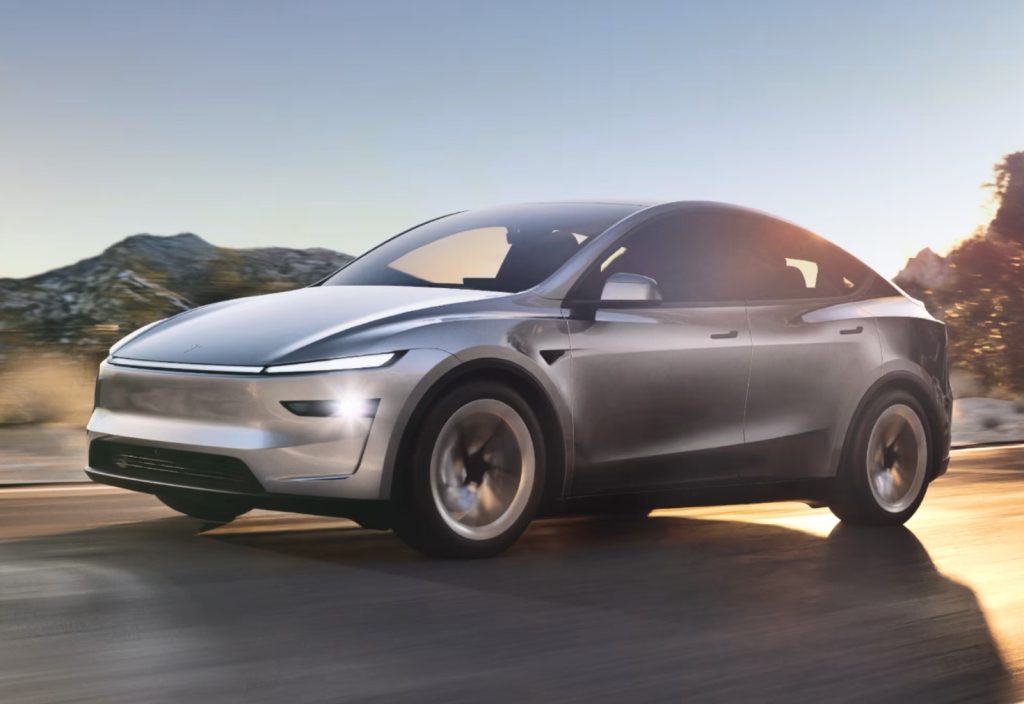
The category remains extremely close. Tesla wins on software sophistication, while Ford scores points for usability.
Winner: Tesla Model Y
More advanced software integration and continuous over-the-air improvements provide a slight advantage.
Ownership Costs
Purchase price tells only part of the ownership story. Long-term expenses can significantly influence full value.
Electric vehicles generally cost less to maintain than gasoline-powered vehicles because they eliminate oil changes, spark plugs, timing belts, and many other routine service items.
Tesla often benefits from lower operating costs due to its efficiency advantage. The Model Y consumes approximately 25 to 28 kWh per 100 miles, depending on trim.
The Mach-E typically requires around 32 to 36 kWh per 100 miles. That difference may appear small, but it adds up over tens of thousands of miles.
Insurance costs can favor Ford in some regions because Tesla repair expenses tend to be higher following collisions. Specialized repair procedures and parts availability can increase claim costs. Warranty coverage remains competitive.
Tesla provides:
- 4 years/50,000 miles basic warranty
- 8 years/120,000 miles battery warranty
Ford offers:
- 3 years/36,000 miles basic warranty
- 5 years/60,000 miles powertrain warranty
- 8 years/100,000 miles battery warranty
Tesla’s stronger efficiency and lower energy consumption help reduce long-term operating expenses.
Winner: Tesla Model Y
Lower energy consumption and strong warranty coverage contribute to reduced ownership costs over time.
Reliability, Resale Value, and Ownership Experience
Living with an EV involves more than charging speed and acceleration figures. Reliability, service availability, software support, and resale value all influence how satisfied owners remain years after purchase.
Tesla’s ownership experience differs from that of traditional automakers in several ways. Many software updates arrive remotely, adding new features and improving existing systems without requiring a dealership visit.
Navigation, charging route planning, entertainment features, and vehicle functions are regularly updated through over-the-air downloads.
The downside is that Tesla’s service network remains smaller than Ford’s dealer network. While Tesla continues expanding service centers and mobile repair programs, some owners still face longer wait times depending on location.
Ford benefits from one of the largest dealership and service networks in North America. Scheduling maintenance or repairs is generally easier, particularly in smaller cities where Tesla service centers may not exist.
Reliability rankings between the two vehicles can vary depending on the source and model year. Tesla has occasionally faced criticism for build-quality inconsistencies, including panel gaps, paint imperfections, and minor fit-and-finish issues.
Recent Model Y production has shown noticeable improvements, but the brand’s reputation in this area still lags behind some competitors.
The Mach-E experienced a few early-production issues after launch, yet Ford has addressed most concerns through recalls, software updates, and warranty repairs. Resale value is another important consideration.
The Model Y benefits from Tesla’s strong brand recognition and high demand in the used EV market. Despite recent fluctuations caused by EV price adjustments across the industry, the Model Y generally retains value better than many competing electric crossovers.
Industry estimates often place the Model Y’s five-year value retention in the 50-60% range, depending on trim and market conditions.
The Mach-E performs respectably but typically trails Tesla. Five-year retention estimates commonly fall between 45% and 55%.
A $50,000 vehicle retaining 60% of its value would still be worth roughly $30,000 after five years. The same vehicle retaining 50% would be worth approximately $25,000. That gap becomes significant when it is time to sell or trade in. Tesla’s software ecosystem and resale strength outweigh Ford’s service-network advantage.
Resale Value Comparison
| Category | Tesla Model Y | Ford Mustang Mach-E |
|---|---|---|
| Estimated 5-Year Value Retention | 50-60% | 45-55% |
| OTA Software Updates | Extensive | Available |
| Service Network | Growing | Extensive |
| Used Market Demand | Strong | Strong |
Winner: Tesla Model Y
Better resale value and industry-leading software support strengthen the long-term ownership experience.
Pricing and Value
Pricing has become one of the most competitive aspects of the EV market, and both Tesla and Ford have adjusted prices multiple times in response to changing demand and market conditions.
The Model Y lineup typically starts around $44,000 to $46,000, depending on trim and destination charges. Long-range variants generally fall into the upper $40,000 range, while performance models often exceed $50,000.
The Mustang Mach-E starts at roughly $39,000 to $41,000 for entry-level Select trims. Premium and extended-range models usually occupy the mid-to-upper $40,000 range, while GT variants frequently push beyond $55,000.
At first glance, Ford’s lower entry price appears attractive. Equipment levels help explain why the battle is so close.
Tesla includes:
- Large central touchscreen
- Navigation with charging integration
- Wireless software updates
- Extensive driver-assistance features
- Access to the Supercharger network
Ford counters with:
- Premium interior materials
- Better ride quality
- Traditional controls
- Strong standard safety equipment
- Broader dealership support
The value equation depends heavily on buyer priorities. Someone focused on charging convenience, software sophistication, and efficiency will likely find more value in the Model Y.
A buyer seeking stronger cabin quality and a more traditional ownership experience may view the Mach-E as the better deal.
After considering range, efficiency, cargo capacity, and charging infrastructure, Tesla delivers slightly more capability for the money.
Pricing Comparison
| Model | Approximate Starting MSRP |
|---|---|
| Ford Mustang Mach-E Select | $39,000 |
| Tesla Model Y RWD | $44,000 |
| Mach-E Premium | $43,000+ |
| Model Y Long Range AWD | $48,000+ |
| Mach-E GT | $55,000+ |
| Model Y Performance | $52,000+ |
Winner: Tesla Model Y
Longer range, superior charging access, and stronger efficiency create better value despite the higher starting price.
Final Verdict
Few EV comparisons are as closely contested as the Tesla Model Y and Ford Mustang Mach-E. Ford deserves significant credit for creating an electric SUV that feels distinct rather than simply chasing Tesla’s formula.
The Mach-E delivers attractive styling, a premium interior, comfortable ride quality, and strong performance across the lineup. Drivers who value traditional vehicle controls and a more familiar ownership experience will find plenty to like.
Several categories reveal why the Mach-E has become one of Tesla’s most credible challengers. Exterior styling is more distinctive, ride quality is more refined, and cabin materials generally feel more upscale.
The Model Y responds with strengths that directly influence everyday usability. Greater cargo capacity, stronger efficiency, longer driving range, faster charging capability, industry-leading software integration, and access to the Supercharger network create advantages that owners experience regularly. Those benefits become especially noticeable during road trips and long-term ownership.
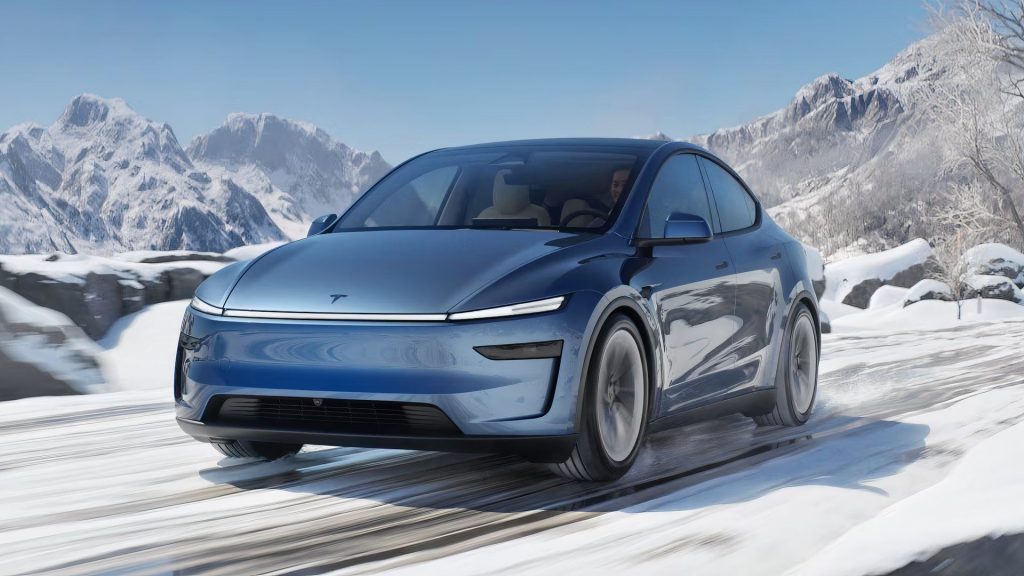
Performance remains excellent regardless of trim level, while Tesla’s packaging efficiency helps maximize passenger and cargo space without significantly increasing vehicle size.
The category score tells the story. Ford wins important areas related to design and comfort. Tesla captures the categories most EV shoppers prioritize, including range, charging convenience, practicality, technology, resale value, and ownership costs.
Winner: Tesla Model Y
The Model Y combines excellent range, class-leading charging infrastructure, outstanding practicality, advanced software, and strong performance into one of the most complete electric SUVs currently available.
Tesla Model Y vs Ford Mustang Mach-E Winner Comparison Table
| Category | Winner | The Edge |
|---|---|---|
| Exterior Design and Road Presence | Ford Mustang Mach-E | More distinctive styling and stronger visual presence |
| Interior Design and Technology | Tesla Model Y | Better software integration and a significantly larger cargo area |
| Powertrains and Performance | Tesla Model Y | Faster acceleration and stronger efficiency across the lineup |
| Range and Charging | Tesla Model Y | Longer range and superior charging network access |
| Ride Quality and Daily Driving | Ford Mustang Mach-E | Smoother ride and more refined road manners |
| Practicality and Family Friendliness | Tesla Model Y | Much larger cargo capacity and better interior packaging |
| Safety and Driver Assistance Technology | Tesla Model Y | Advanced software ecosystem and continual updates |
| Ownership Costs | Tesla Model Y | Better efficiency reduces long-term operating expenses |
| Reliability, Resale Value, and Ownership Experience | Tesla Model Y | Stronger resale values and superior software support |
| Pricing and Value | Tesla Model Y | More capability and charging convenience for the money |
| Final Verdict | Tesla Model Y | Better blend of range, technology, efficiency, and practicality |
A comfortable ride and attractive styling make the Mustang Mach-E an excellent electric SUV, but the Model Y’s advantages in range, charging infrastructure, practicality, efficiency, and long-term value are difficult to ignore. For most EV buyers, Tesla’s crossover remains the stronger choice.
Also Read: Jeep Wrangler vs Ford Bronco Comparison – Which Off-Roader Is Better?
