Electric vehicles may seem like a modern automotive revolution, but the reality is far more interesting. Long before Tesla became a household name and before governments around the world pushed manufacturers toward electrification, engineers were already experimenting with battery-powered transportation.
Between 1970 and 2000, numerous companies developed electric cars that attempted to solve challenges that still influence EV design today.
Most of these vehicles arrived during periods of rising fuel prices, tightening emissions regulations, or growing environmental awareness. Unfortunately, battery technology of the era was limited.
Lead-acid batteries were heavy, expensive, and offered relatively short driving ranges. Charging infrastructure was virtually nonexistent, and consumers remained skeptical about replacing gasoline-powered vehicles with electric alternatives.
Despite those obstacles, several manufacturers created remarkably advanced vehicles. Some introduced aerodynamic designs decades before efficiency became a major industry focus.
Others incorporated regenerative braking, lightweight construction, digital instrumentation, or battery management concepts that would later become standard features in modern electric vehicles.
Many of these pioneering models were commercial failures. Some were produced in tiny numbers, while others never progressed beyond experimental programs. A few were simply launched before the market was ready to accept them. Yet their importance has become increasingly clear with the rise of today’s EV industry.
Looking back, these vehicles can be viewed as technological test beds. Engineers learned valuable lessons from their successes and failures. Concepts that seemed radical in the 1970s, 1980s, and 1990s eventually became common in twenty-first-century electric cars.
The following electric vehicles stood out because they introduced ideas, technologies, or design philosophies far ahead of what most people expected at the time.
Although they rarely achieved mainstream success, they helped shape the future of transportation and demonstrated that the electric revolution began decades earlier than many realize.
Also Read: 5 Land Rover Models Worth the Risk VS 5 To Avoid
1. CitiCar (1974)
When most people imagine electric vehicles, they think of sleek modern sedans packed with advanced technology.
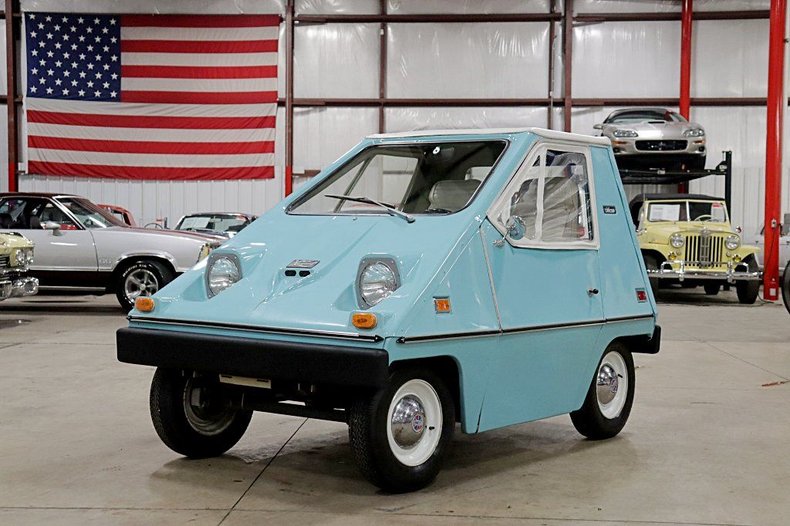
The CitiCar looked nothing like that. Produced during the energy crisis of the 1970s, it resembled a futuristic wedge-shaped pod more than a conventional automobile. Yet despite its unusual appearance, it became one of the most successful electric cars of its era.
Built by Sebring-Vanguard, the CitiCar arrived at a time when fuel shortages caused consumers to reconsider their dependence on gasoline. The company’s goal was straightforward: create a compact urban vehicle capable of short daily trips without consuming fuel. In many ways, the concept closely resembled city-focused EVs.
The vehicle’s design prioritized efficiency above everything else. Its lightweight construction helped compensate for the limitations of battery technology available during the period.
While performance was modest by modern standards, the CitiCar demonstrated that electric transportation could be practical for urban environments where long-range capability was less important.
One aspect that made the CitiCar especially forward-thinking was its focus on a specific use case rather than attempting to replace every gasoline vehicle. Modern automakers often develop electric vehicles around similar principles, recognizing that city commuting demands different solutions than long-distance travel.
Production numbers exceeded several thousand units, making the CitiCar one of the most widely produced electric cars in American history at the time. That achievement was remarkable considering the technological and market challenges facing EV manufacturers during the 1970s.
The car also highlighted the importance of lightweight engineering. Decades later, reducing vehicle weight remains one of the most effective ways to improve electric vehicle efficiency and range. The CitiCar embraced that philosophy long before it became mainstream.
Although it eventually disappeared from the market, its influence remains significant. It proved there was consumer interest in electric transportation and demonstrated that EVs could function as practical daily vehicles under the right conditions.
Today, the CitiCar is remembered as a pioneering experiment that arrived decades before widespread electric vehicle adoption. Its unconventional appearance may attract attention, but its true significance lies in how accurately it anticipated many ideas that would shape the modern EV market.
Specifications
- Engine: DC Electric Motor
- Torque: Approximately 90 lb ft
- Horsepower: Approximately 6 hp
- Length/Width: 95.5 in / 63.0 in
2. Sebring Vanguard Comuta-Car (1979)
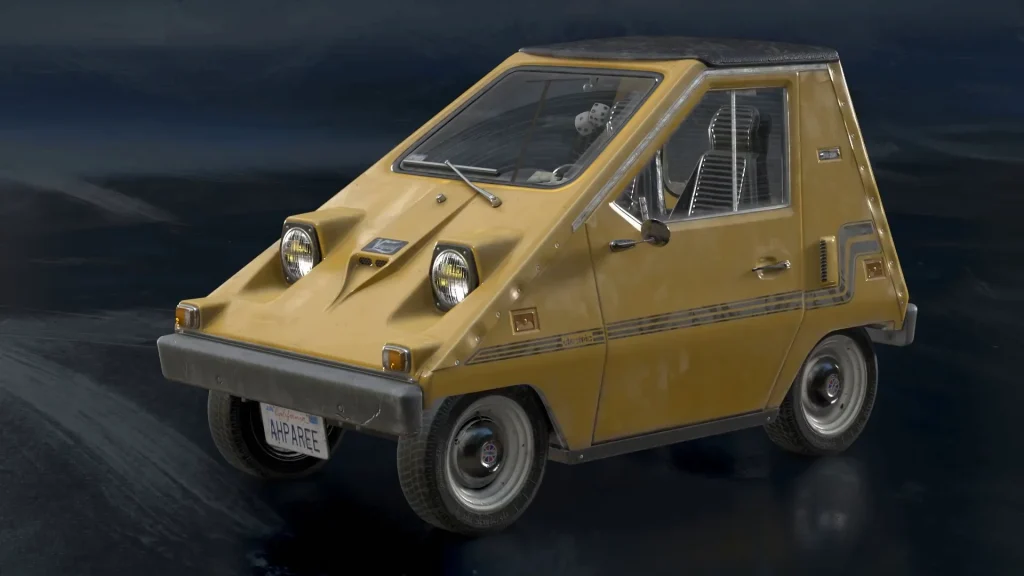
The Comuta-Car emerged as the spiritual successor to the CitiCar and represented one of the most ambitious electric vehicle projects of the late 1970s. While many manufacturers viewed electric propulsion as little more than an experiment, Sebring-Vanguard continued refining its vision of practical battery-powered transportation.
The Comuta-Car stood out among many experimental electric vehicles by entering production and being used by actual customers. Its design focused on urban transportation, where short daily trips made its limited driving range much more practical.
This focus on urban mobility was remarkably similar to strategies employed by modern electric vehicle manufacturers decades later.
One of the vehicle’s most notable achievements was production volume. During an era when electric cars remained niche products, the Comuta-Car became one of the best-selling EVs in the United States. Its existence demonstrated that a market for electric transportation existed even when technology remained far from ideal.
The design reflected the practical realities of the time. Engineers understood that battery limitations made efficiency essential. Every aspect of the vehicle emphasized simplicity, weight reduction, and energy conservation. These priorities remain central to EV development today.
Another forward-looking element involved consumer education. Owners became familiar with concepts such as charging routines, battery maintenance, and range planning. These experiences mirrored challenges that modern EV drivers would later encounter, albeit with far more advanced technology.
The Comuta-Car also demonstrated the value of specialization. Rather than competing directly against full-size gasoline vehicles, it focused on short-distance transportation. This approach allowed the vehicle to succeed within its intended role despite technological limitations.
From a modern perspective, the Comuta-Car appears basic and slow. Yet judging it solely by contemporary standards misses the point. The vehicle introduced practical electric transportation to real consumers at a time when such ideas seemed unrealistic to much of the automotive industry.
Its legacy lies not in performance figures but in proving that electric vehicles could move beyond prototypes and become functional consumer products. The lessons learned from vehicles like the Comuta-Car helped establish foundations for future EV development.
Long before electric mobility became fashionable, the Comuta-Car showed that battery-powered transportation could work in everyday life. That achievement makes it one of the most important and underrated electric vehicles of its generation.
Specifications
- Engine: DC Electric Motor
- Torque: Approximately 100 lb ft
- Horsepower: Approximately 8 hp
- Length/Width: 95.5 in / 63.0 in
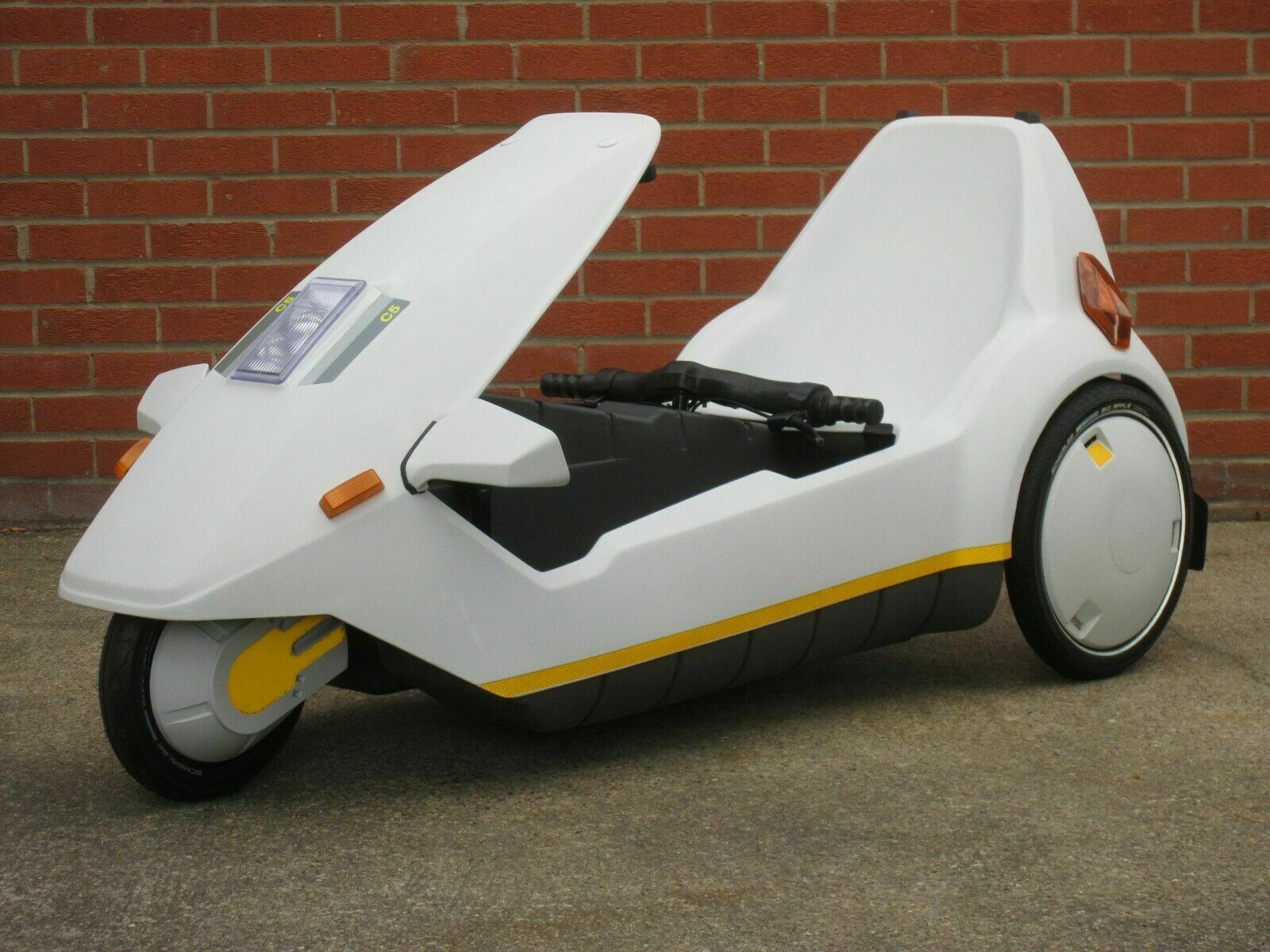
3. Sinclair C5 (1985)
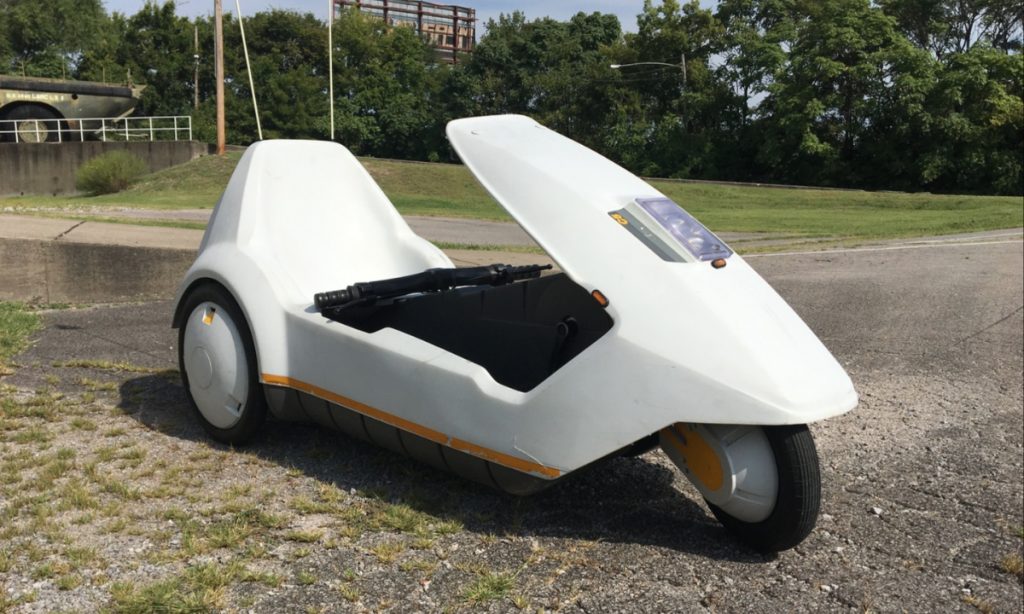
Few electric vehicles have generated as much curiosity as the Sinclair C5. Created by British inventor Sir Clive Sinclair, the vehicle was unlike anything else on the road.
Rather than resembling a traditional automobile, the C5 looked more like a futuristic pedal-assisted electric tricycle. At first glance, it appeared too unusual to succeed. Yet many of its ideas would later become surprisingly relevant in the era of electric mobility.
The C5 was developed around a simple concept. Urban transportation did not always require a large, heavy vehicle capable of carrying multiple passengers. Sinclair believed many commuters could benefit from a compact electric machine designed specifically for short trips.
This thinking was decades ahead of the modern micromobility movement that would eventually produce electric scooters, e-bikes, and neighborhood EVs.
Its lightweight construction was one of its greatest strengths. Engineers understood that limited battery technology required maximum efficiency. By keeping the vehicle’s weight low, the vehicle could travel reasonable distances while using relatively little energy.
Modern EV manufacturers still pursue this same goal, although with more advanced materials and engineering techniques.
The C5 also demonstrated an early understanding of sustainable transportation. Long before governments began discussing emissions reduction and urban congestion, Sinclair promoted an electrically powered alternative to conventional cars. The vision was ambitious, fictitious, even if the technology of the time could not fully support it.
Despite its innovative concept, the vehicle struggled to gain widespread acceptance. Safety concerns, limited performance, and the realities of Britain’s changing weather conditions reduced its appeal and left many consumers reluctant to abandon conventional alternatives.
Even with its limitations, the C5 played an important role in pushing boundaries. It encouraged people to rethink the need for full-size cars for every trip and helped introduce ideas that later shaped the development of personal electric mobility.
Modern cities increasingly embrace small electric vehicles designed specifically for short-distance travel, validating many of Sinclair’s original ideas.
The C5 is often viewed as a commercial failure, but it can also be interpreted as an early experiment that appeared long before society was prepared to accept the ideas behind it.
Specifications
- Engine: Electric Motor
- Torque: Approximately 24 lb ft
- Horsepower: Approximately 0.34 hp
- Length/Width: 68.0 in / 29.0 in
4. General Motors Impact (1990)
Some electric vehicles merely hinted at the future. The General Motors Impact practically predicted it. Introduced as a concept in 1990, the Impact shocked the automotive industry by demonstrating that an electric car could be stylish, aerodynamic, and genuinely capable rather than simply functioning as a technological experiment.
The vehicle emerged during a period when most EVs were viewed as slow, compromised alternatives to gasoline-powered transportation.
General Motors challenged that perception by creating a sleek two-seat coupe with impressive performance characteristics. It accelerated more quickly than many people expected and showcased technology that seemed remarkably advanced for its time.
Aerodynamics played a major role in the Impact’s success. Engineers designed the body to slice through the air with minimal resistance, improving efficiency and extending driving range. This focus on aerodynamic optimization would later become a cornerstone of modern electric vehicle design.
Another breakthrough involved battery and power management systems. While battery technology remained limited compared with today’s standards, the Impact demonstrated how intelligent engineering could maximize available resources. The vehicle proved that thoughtful design could compensate for some of the limitations of existing technology.
Perhaps the most important aspect of the Impact was its influence on future production vehicles. The concept eventually evolved into the famous GM EV1, one of the most significant electric cars ever created. Many engineers who worked on the project later contributed knowledge that influenced broader EV development throughout the industry.
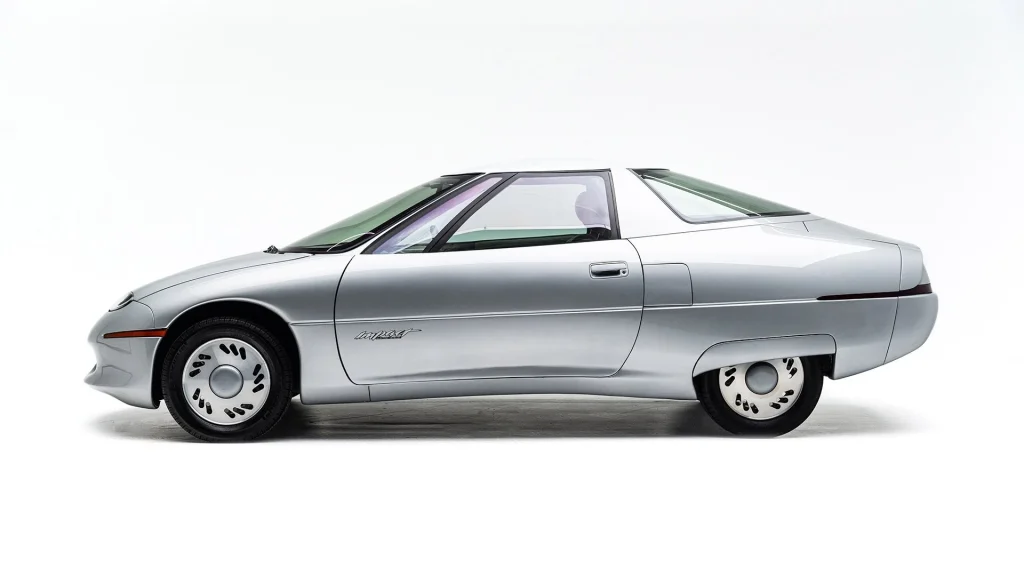
The impact also helped change public perception. Instead of presenting an electric vehicle as a sacrifice, General Motors presented it as an exciting technological achievement. This shift in marketing philosophy would later become a key factor in the success of modern EV manufacturers.
The Impact never made it to production as originally designed, yet its influence is still widely recognized. It helped show that electric vehicles could combine desirability, efficiency, and advanced technology well ahead of mainstream acceptance.c
Specifications
- Engine: AC Electric Motor
- Torque: Approximately 110 lb ft
- Horsepower: Approximately 137 hp
- Length/Width: 169.0 in / 69.0 in
5. General Motors EV1 (1996)
If there is one electric vehicle from the twentieth century that truly deserves the title of “ahead of its time,” it is the General Motors EV1. Introduced in 1996, the EV1 arrived years before mainstream automakers seriously considered large-scale electric vehicle production.
At a time when SUVs and powerful gasoline engines dominated the market, GM launched a purpose-built EV that looked more like something from the future than a typical production car.
What separated the EV1 from earlier electric vehicles was its sophistication. This was not a converted gasoline car or a low-speed commuter vehicle. It was engineered from the ground up as an electric automobile.
The sleek aerodynamic body helped maximize efficiency, while the lightweight structure reduced energy consumption. Even by modern standards, the vehicle’s aerodynamic design remains impressive.
The EV1 also introduced many drivers to concepts that are now common among EV owners. Charging at home, monitoring battery range, regenerative braking, and silent operation became part of everyday life for those fortunate enough to lease one. These experiences anticipated the ownership model that millions of EV drivers would later adopt.
Performance was another surprise. The electric motor delivered smooth acceleration and instant torque, characteristics that are now considered defining traits of electric vehicles. Drivers frequently praised the vehicle’s responsiveness and refinement.
Despite strong feedback from users, the EV1 faced challenges that included high development costs, limited infrastructure, and market uncertainty. General Motors eventually discontinued the program, making the vehicle one of the most controversial projects in automotive history.
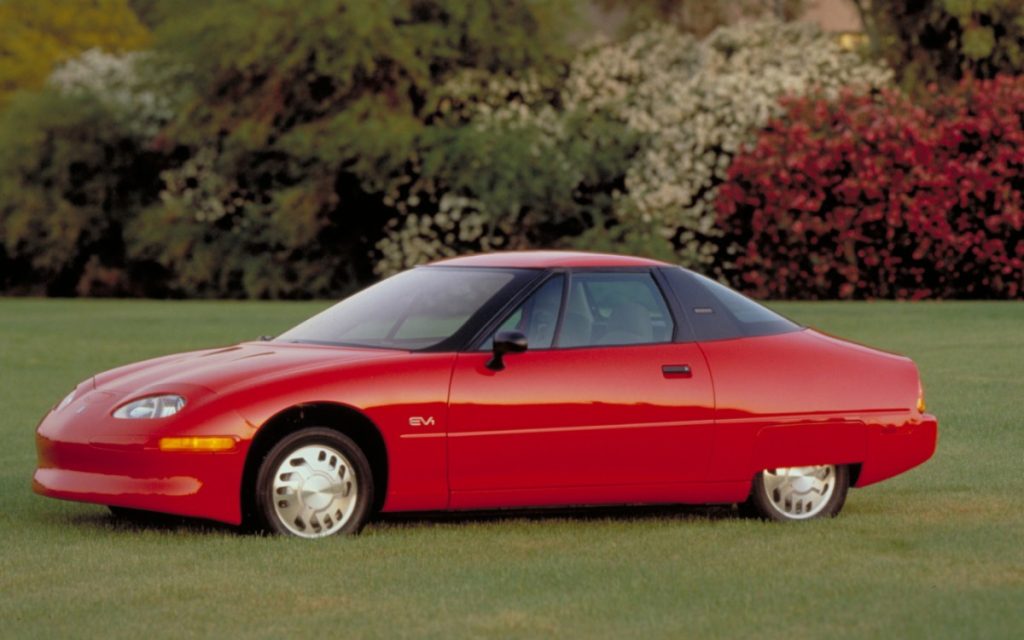
Today, many analysts view the EV1 as a missed opportunity. Had it arrived in an era with better battery technology and stronger consumer interest, its story might have been very different. Instead, it became a symbol of what electric transportation could achieve long before the industry was prepared to fully embrace it.
The EV1 remains one of the most influential electric vehicles ever created and a landmark achievement in automotive engineering.
Specifications
- Engine: AC Electric Motor
- Torque: 110 lb ft
- Horsepower: 137 hp
- Length/Width: 169.7 in / 69.5 in
6. Honda EV Plus (1997)
Honda has long been associated with engineering innovation, and the EV Plus demonstrated that commitment during the late 1990s. While many automakers were still experimenting with electric propulsion, Honda developed a vehicle that incorporated technologies far beyond what most consumers expected from an EV at the time.
Battery technology was among the EV Plus’s greatest strengths. Rather than relying on traditional lead-acid batteries, Honda chose nickel-metal hydride technology, providing a more modern solution for electric mobility.
This represented a major advancement because the technology offered improved energy density and longer service life. Years later, nickel metal hydride batteries would become widely used in hybrid vehicles throughout the industry.
The EV Plus was also designed as a practical transportation solution rather than a technological showcase.
Honda engineers focused on usability, reliability, and everyday operation. Drivers could comfortably commute, run errands, and perform normal daily activities without feeling like they were participating in an experimental program.
Another impressive aspect was refinement. The vehicle delivered the quiet operation and smooth acceleration now associated with modern EVs. Honda understood that electric cars needed to be pleasant to drive if they were ever going to gain mainstream acceptance.
The EV Plus benefited from a relatively traditional design. Rather than adopting the futuristic styling often associated with early electric vehicles, Honda gave it a familiar appearance that made the technology feel more accessible to everyday drivers.
Production numbers remained small, and the vehicle was available only through limited leasing programs. As a result, relatively few people experienced it firsthand. Nevertheless, the project provided Honda with valuable knowledge that influenced future electrification efforts.
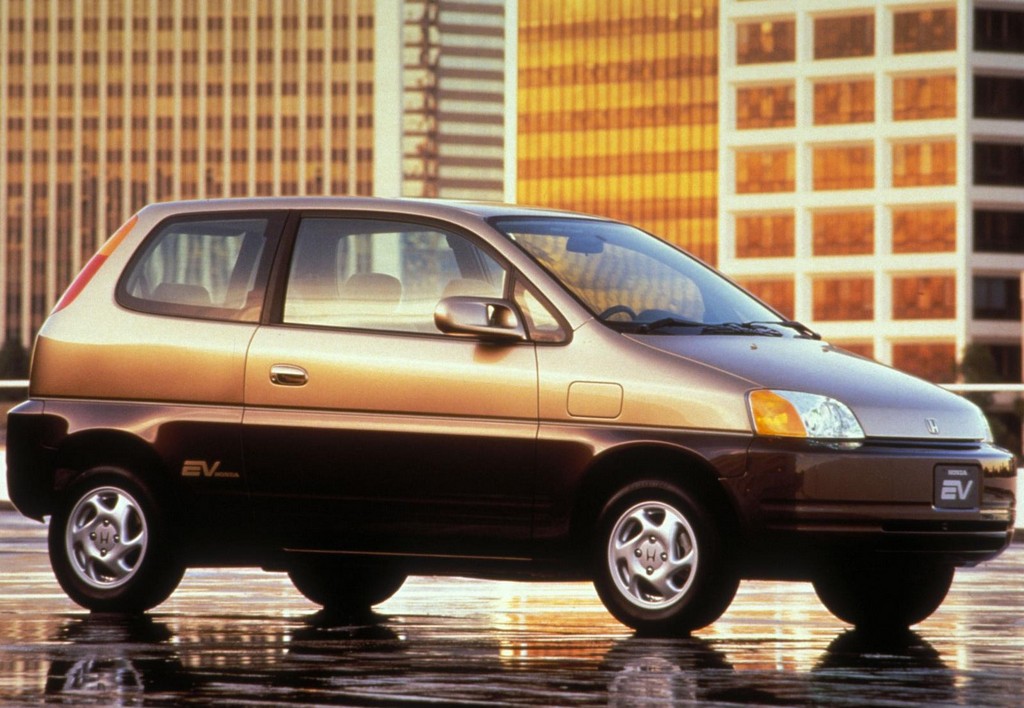
Looking back, the EV Plus anticipated several trends that would later become standard throughout the industry. Advanced batteries, practical usability, refined driving characteristics, and real-world functionality all contributed to its forward-thinking nature.
The Honda EV Plus did not achieve broad recognition, but it remains an important milestone in electric vehicle history and one of the most technically impressive EVs of its era.
Specifications
- Engine: Electric Motor
- Torque: 203 lb ft
- Horsepower: 66 hp
- Length/Width: 164.6 in / 68.1 in
7. Toyota RAV4 EV (1997)
When most people think about early electric vehicles, SUVs rarely come to mind. During the late 1990s, sport utility vehicles were becoming increasingly popular, yet almost all relied on gasoline engines. Toyota challenged expectations by creating the RAV4 EV, a vehicle that combined the practicality of a compact SUV with fully electric propulsion.
The decision was remarkably forward-thinking. Today, electric crossovers dominate many EV markets around the world, but Toyota was experimenting with the concept more than two decades earlier.
Rather than developing a small commuter car, the company recognized that many consumers wanted additional cargo space, higher seating positions, and everyday versatility.
The RAV4 EV utilized nickel metal hydride battery technology, which represented a significant advancement compared with older battery systems. The vehicle offered a respectable range for its era and proved capable of handling daily transportation needs. Owners frequently praised its reliability, a characteristic that has long been associated with Toyota products.
What made the RAV4 EV especially impressive was its practicality. It did not require drivers to dramatically change their lifestyles. Families could carry groceries, luggage, and passengers just as they would in a conventional compact SUV. This focus on usability anticipated one of the most important trends in modern EV development.
The vehicle also demonstrated that electric powertrains could function successfully in larger vehicle categories. Until then, many electric projects focused on tiny city cars designed solely for efficiency. Toyota showed that EV technology could be adapted to more versatile platforms.
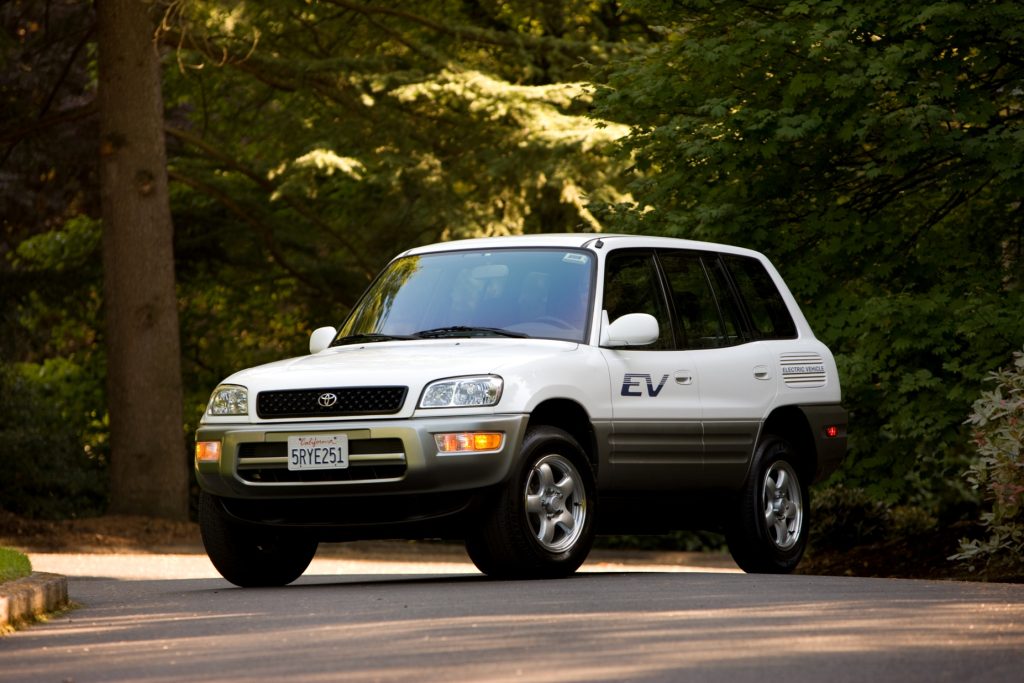
Even with restricted production, the RAV4 EV attracted a loyal following. Many vehicles continued operating well beyond expectations, showcasing durable engineering and providing Toyota with valuable insights into electric motor, battery, and charging system development.
Looking back, the RAV4 EV appears remarkably modern in its philosophy. It combined practicality, efficiency, and everyday usability in a package that closely resembles many successful electric crossovers sold today.
That ability to predict future market trends makes it one of the most forward-looking electric vehicles of the twentieth century.
Specifications
- Engine: Electric Motor
- Torque: 140 lb ft
- Horsepower: 67 hp
- Length/Width: 146.1 in / 66.7 in
8. Nissan Altra EV (1998)
The Nissan Altra EV rarely receives the attention given to vehicles such as the EV1, but it deserves recognition as one of the most advanced electric vehicles of its generation. Introduced in 1998, the Altra EV incorporated technology that many automakers would not adopt until years later.
One of its most significant achievements involved battery chemistry. The Altra EV became one of the first production electric vehicles with lithium-ion batteries.
Today, lithium-ion technology powers the vast majority of electric vehicles worldwide, but during the late 1990s, it was still cutting-edge. Nissan’s willingness to embrace this technology demonstrated extraordinary foresight.
The Altra stood apart from many early electric vehicles by prioritizing practicality. Its minivan-based design catered to the needs of families and businesses, emphasizing real-world functionality over novelty.
The spacious interior allowed passengers and cargo to be accommodated comfortably, making the vehicle useful for real-world applications.
Performance was respectable for the era, but the real story involved efficiency and battery innovation. Lithium-ion systems provided advantages in energy density and weight compared with older battery technologies. These benefits would later become essential to the success of modern electric vehicles.
The Altra EV was offered primarily through fleet leasing programs, limiting public exposure. As a result, relatively few people experienced the vehicle firsthand. Nevertheless, the project gave Nissan valuable knowledge regarding battery development and electric drivetrain integration.
Another notable aspect was its focus on practicality. Nissan avoided extreme styling or futuristic gimmicks. Instead, the company concentrated on creating a usable electric vehicle capable of meeting everyday transportation needs. This approach closely mirrors the philosophy behind many successful EVs today.
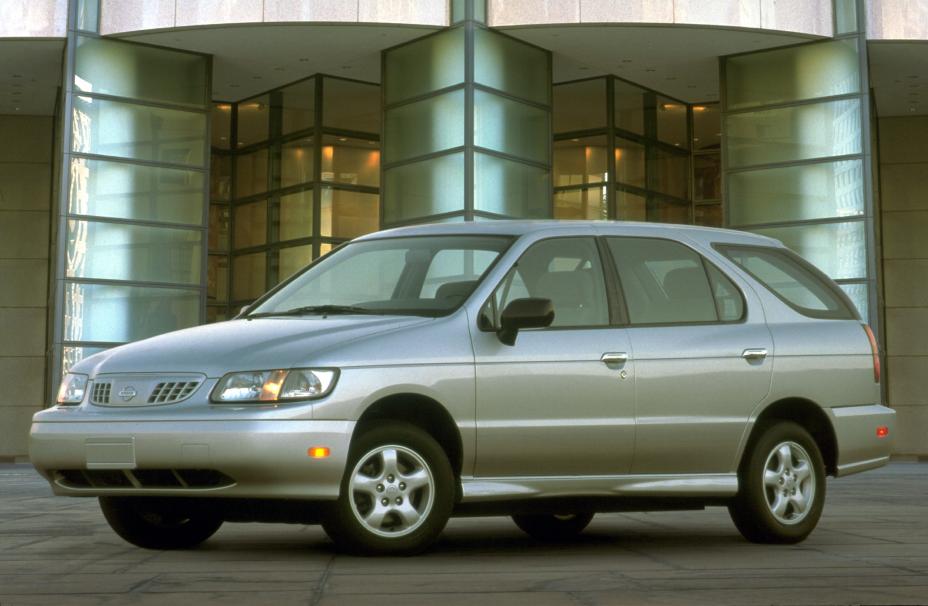
With only a small number produced, the Altra EV still stands out as a key technological milestone. Its pioneering use of lithium-ion batteries sets it apart as an EV that arrived well ahead of mainstream expectations.
Specifications
- Engine: Electric Motor
- Torque: 140 lb ft
- Horsepower: 82 hp
- Length/Width: 187.0 in / 69.7 in
9. Ford Ranger EV (1998)
The Ford Ranger EV demonstrated that electric technology could work beyond passenger cars. Introduced in 1998, it was one of the first modern electric pickup trucks offered by a major manufacturer. At a time when most people associated EVs with small city cars, Ford applied electric propulsion to a practical utility vehicle.
Based on the conventional Ranger pickup, the EV version retained much of the functionality that made the gasoline model popular. It could carry cargo, perform light work duties, and serve fleet operators while producing zero tailpipe emissions. This concept closely resembles the electric truck market that has grown rapidly in recent years.
The Ranger EV was offered primarily to government agencies and fleet customers, limiting public exposure. Despite that, it provided valuable lessons regarding battery durability, charging systems, and electric drivetrain integration. Ford engineers gained experience that would later contribute to future electrification projects.
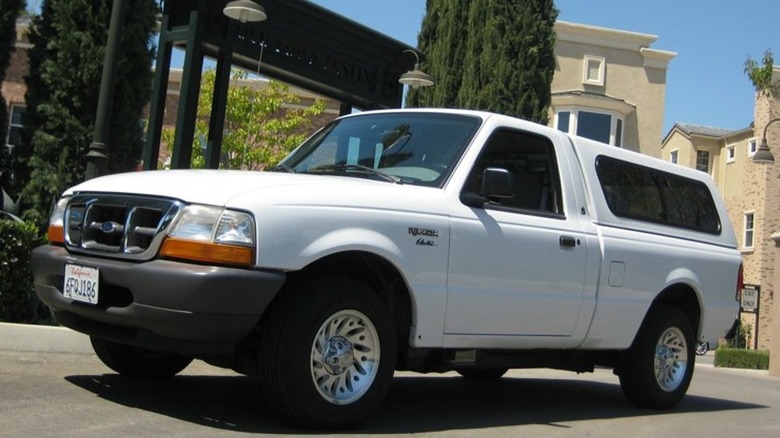
Looking back, the vehicle’s significance becomes clear. Modern electric pickups have become one of the industry’s fastest-growing segments, yet Ford was already experimenting with the concept more than two decades earlier.
The Ranger EV showed that utility vehicles could successfully operate without gasoline long before the technology became mainstream.
Specifications
- Engine: Electric Motor
- Torque: 173 lb ft
- Horsepower: 90 hp
- Length/Width: 187.5 in / 69.4 in
10. Chevrolet S10 EV (1997)
The Chevrolet S10 EV was another early attempt to bring electric power to the pickup truck market. Developed during the late 1990s, it combined the practicality of the S10 compact truck with battery-powered propulsion, creating a vehicle that was years ahead of prevailing market trends.
General Motors recognized that businesses and fleet operators often travel predictable routes, making them ideal candidates for electric vehicles. The S10 EV was designed around this idea, providing useful cargo-carrying capability while eliminating fuel consumption and exhaust emissions.
The S10 EV demonstrated that electric vehicles did not need futuristic designs to succeed. By maintaining the familiar look and functionality of a conventional pickup truck, it made electric technology feel more accessible and helped ease drivers into a new form of transportation.
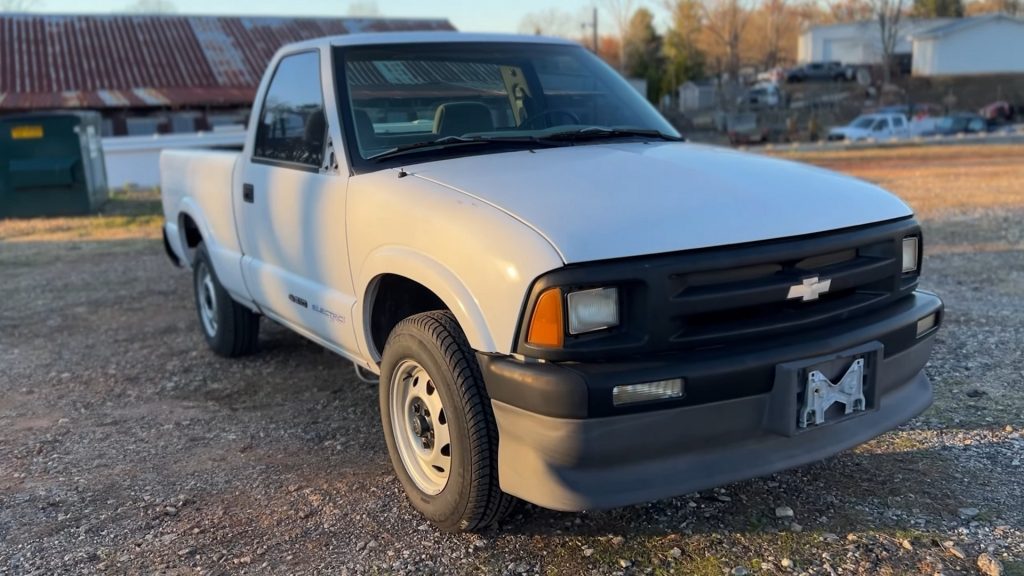
The truck also functioned as a key engineering test platform. Insights gathered from battery performance, charging needs, and electric motor behavior helped shape later EV development, making its limited production run highly valuable in terms of learning.
Today, electric pickups are becoming increasingly common, but the Chevrolet S10 EV showed the potential of the concept decades earlier. Its combination of practicality and electric propulsion helped establish ideas that would later become central to the modern automotive industry.
Specifications
- Engine: Electric Motor
- Torque: 114 lb ft
- Horsepower: 114 hp
- Length/Width: 190.0 in / 67.9 in
Also Read: 10 Strangest Concept Cars – Ranked