
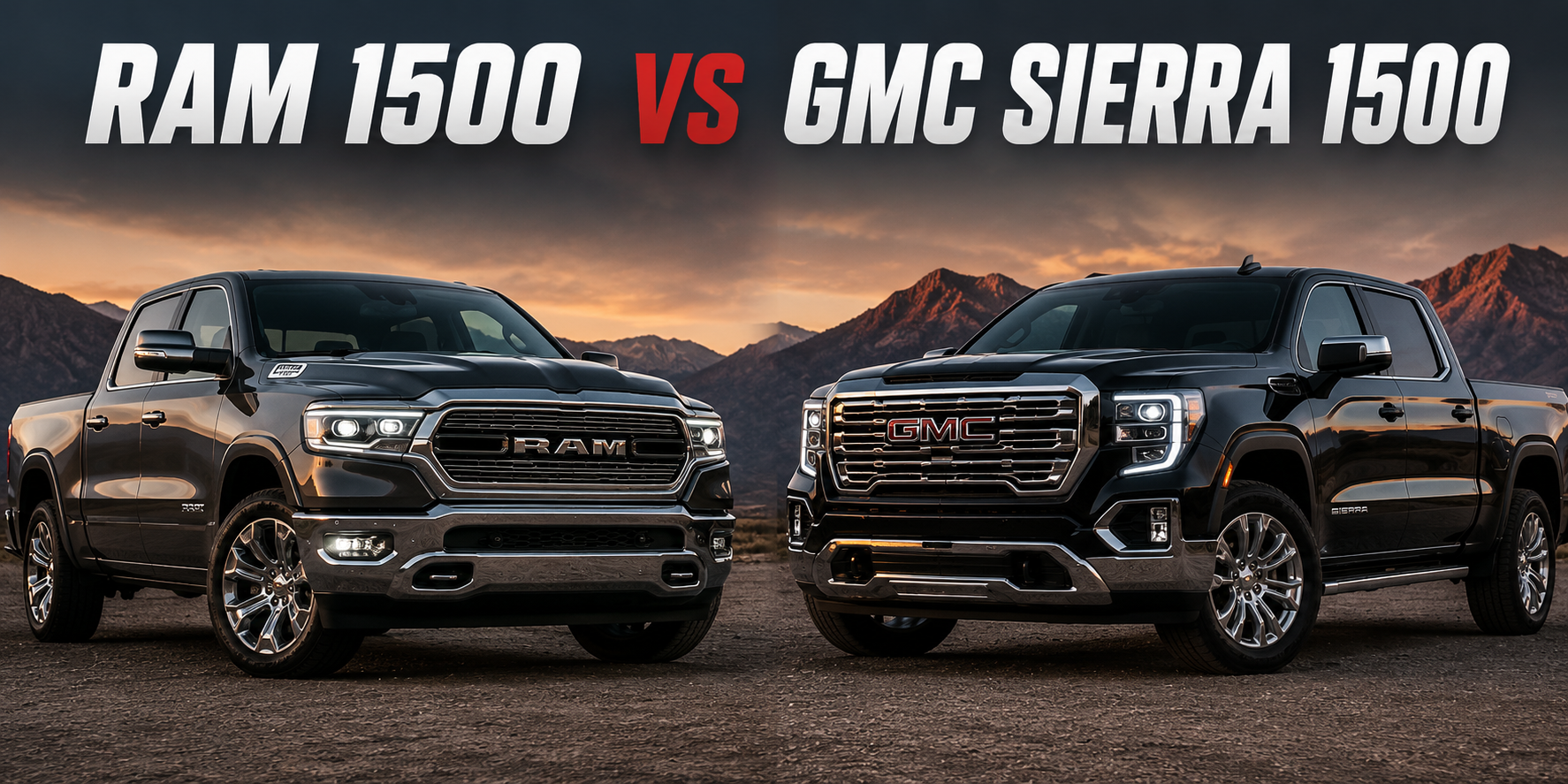
Full-size pickup trucks occupy a unique position in the automotive world. They serve as workhorses for contractors, tow vehicles for recreational enthusiasts, family haulers, and long-distance highway cruisers. Few segments demand as much versatility from a single vehicle, which is why buyers often spend months comparing specifications before making a purchase.
Two of the strongest contenders in this highly competitive category are the Ram 1500 and the GMC Sierra 1500. Both trucks offer impressive towing capabilities, advanced technology, luxurious interiors, and a wide range of powertrain options. Yet they achieve these goals in very different ways.
The Ram 1500 has spent the past several years building a reputation as the comfort king of the full-size truck segment. Its coil-spring rear suspension and available air suspension system transformed expectations for ride quality in a pickup. Ram also invested heavily in cabin refinement, creating interiors that rival some luxury SUVs.
GMC takes a different approach with the Sierra 1500. Positioned slightly above the Chevrolet Silverado in the General Motors hierarchy, the Sierra emphasizes capability, premium features, and upscale styling.
Trim levels such as the Denali and Denali Ultimate push the truck deep into luxury territory, while AT4 models appeal to buyers seeking off-road capability.
Modern versions of these trucks can tow more than 13,000 pounds, generate well over 400 horsepower, and offer technology features once reserved for high-end luxury vehicles. Massive touchscreens, hands-free driving systems, premium leather interiors, and advanced trailer-assistance technologies have become key selling points.
Choosing between them requires looking beyond raw numbers. Ride quality, interior design, ownership costs, resale value, fuel economy, and real-world usability all influence which truck provides the better full experience.
To determine which full-size pickup deserves your money, we’ll compare the Ram 1500 and GMC Sierra 1500 across ten major categories before declaring a full winner.
Also Read: 10 Strangest Concept Cars – Ranked
Exterior Design and Road Presence
Few vehicles project presence quite like a full-size pickup truck, and both of these models make a strong first impression.
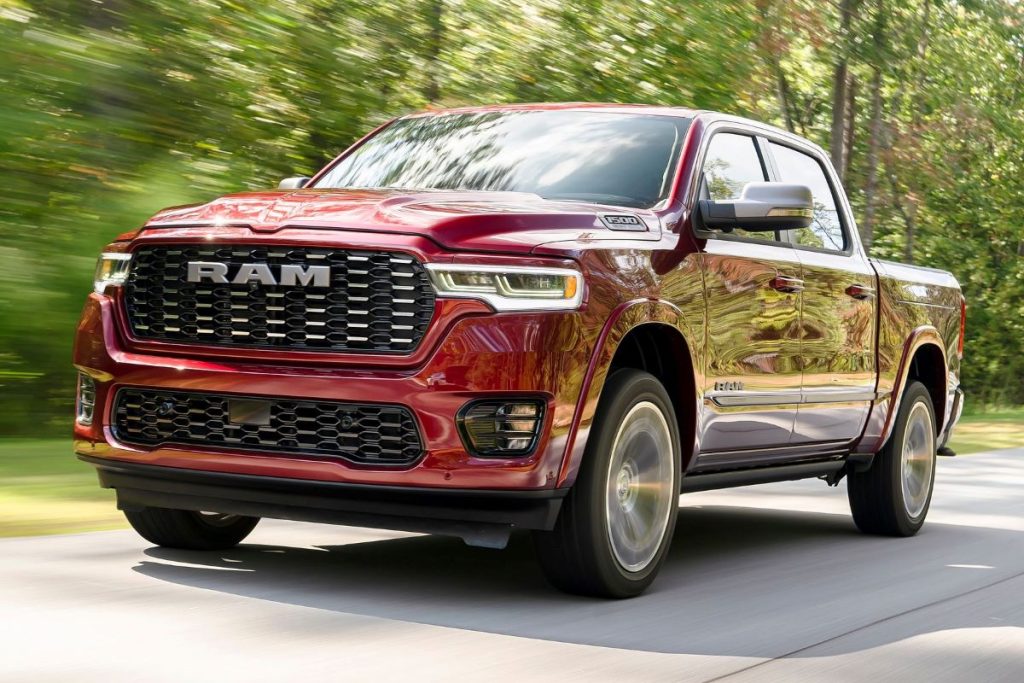
Ram’s designers have gradually moved away from the aggressive styling trends that dominated trucks during the early 2000s. The current Ram 1500 features smoother body lines, a sculpted hood, and a cleaner front-end design. The result is a truck that looks modern and upscale without appearing overly aggressive.
The latest Ram measures approximately 232.9 inches long in crew-cab form and offers multiple grille and wheel designs depending on trim level.
Premium variants such as the Limited and Tungsten upgrade the appearance further with chrome accents, unique lighting signatures, and distinctive wheel designs. GMC takes a bolder approach.
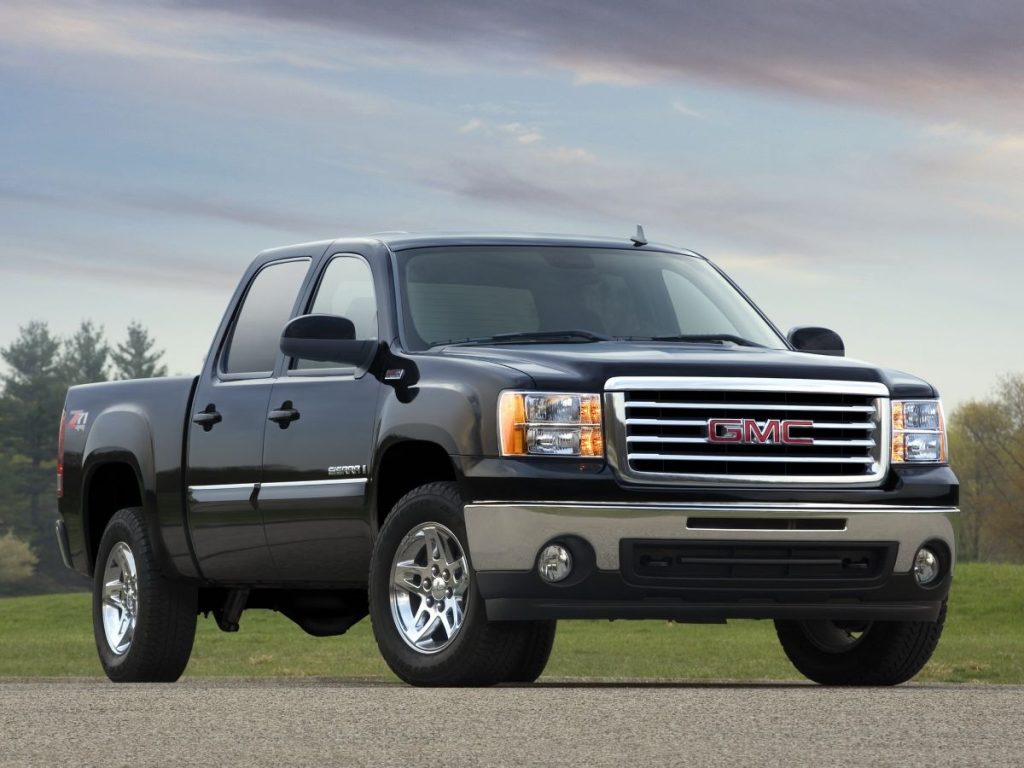
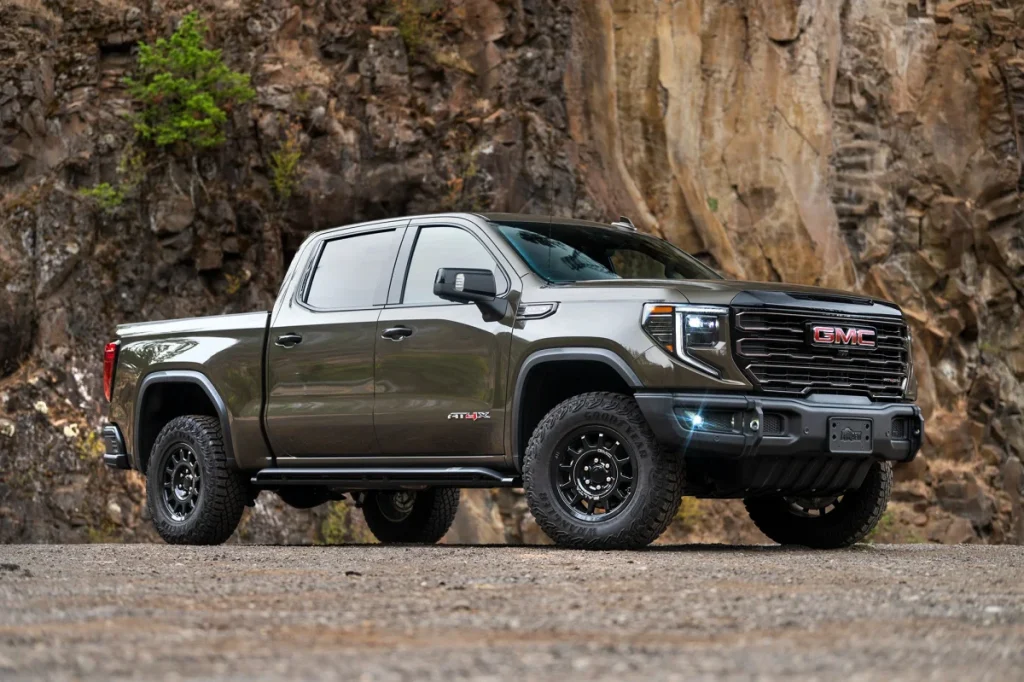
A massive grille dominates the front fascia, while squared-off bodywork and strong character lines create a more imposing appearance. The Sierra’s styling communicates toughness immediately, particularly in trims such as the AT4X and Denali Ultimate.
Dimensionally, the Sierra and Ram occupy similar footprints, but the GMC often appears larger thanks to its upright front-end design and broader visual stance.
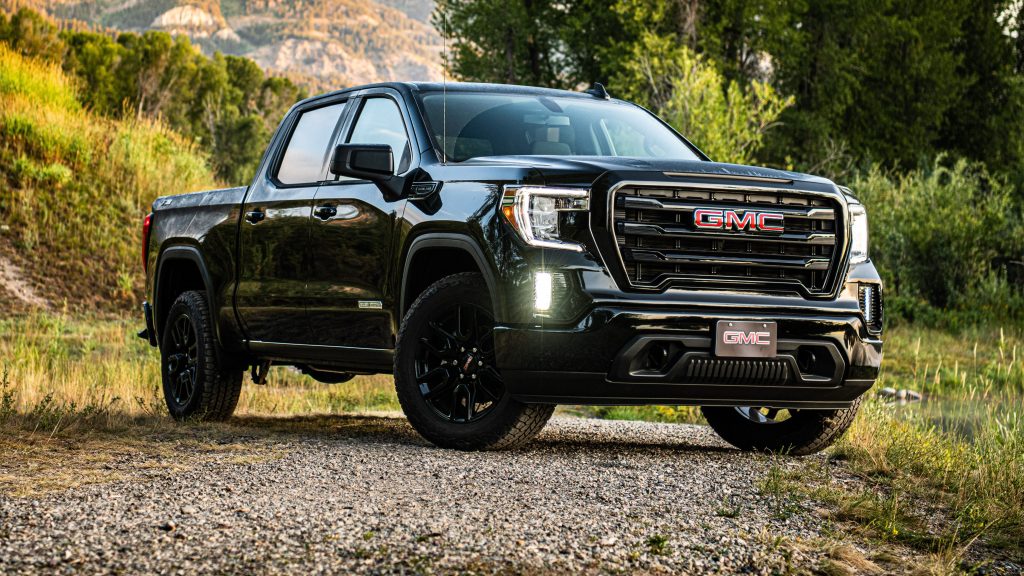
Trim diversity also favors GMC. Buyers can choose from work-focused models, luxury-oriented Denali trims, and off-road-focused AT4 variants that each possess a distinct personality. The Ram looks sophisticated and premium.
The Sierra looks powerful and commanding. Among truck buyers, visual presence matters, and GMC’s design carries more authority from virtually every angle.
Winner: GMC Sierra 1500
Bold styling and a commanding stance help the Sierra stand out in a crowded segment.
Interior Design and Technology
Luxury has become a major battleground in the full-size truck segment, and this category showcases one of the biggest differences between these two pickups.
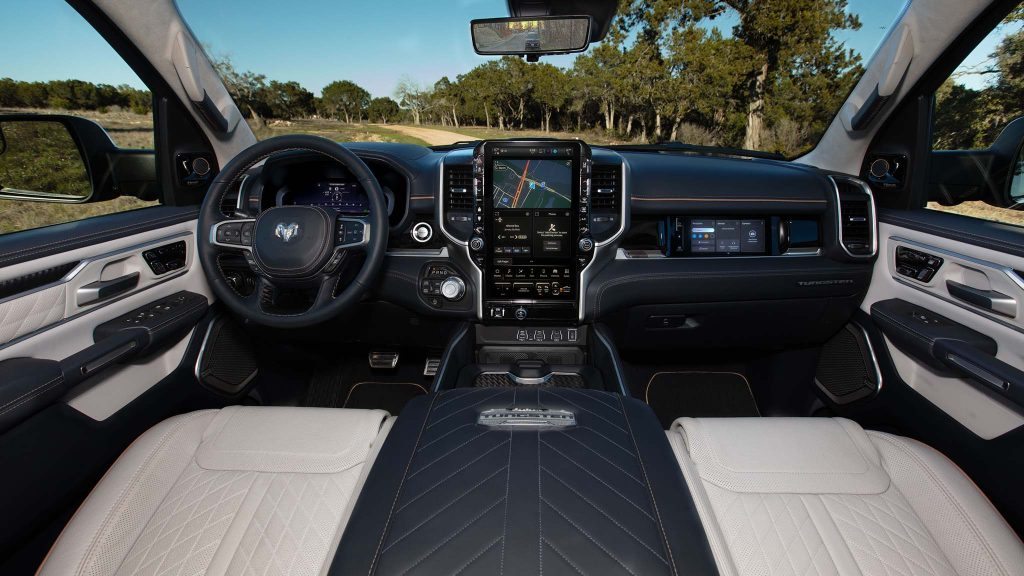
Open the door of a high-end Ram 1500, and it’s immediately obvious why many reviewers consider it the benchmark for truck interiors.
Premium materials cover nearly every surface. Soft-touch panels, genuine wood trim, metal accents, premium leather upholstery, and meticulous attention to detail create an environment that feels more like a luxury SUV than a pickup truck.
The available 14.5-inch infotainment screen dominates the dashboard. Ram’s Uconnect system remains one of the easiest interfaces to use, offering quick response times, logical menu structures, wireless smartphone integration, and extensive customization options.
Passenger comfort is equally impressive. Crew Cab models provide approximately 45.2 inches of rear legroom, which remains among the best figures in the segment.
GMC has made enormous improvements in recent years. The Sierra Denali Ultimate features premium leather, open-pore wood trim, massaging front seats, and a 13.4-inch touchscreen paired with a 12.3-inch digital instrument cluster. Material quality is excellent, and the full design feels upscale.
Technology remains a Sierra strength. Features such as Google Built-In, a head-up display, surround-view cameras, and advanced trailering systems contribute to a highly modern ownership experience.
Despite those strengths, the Ram’s cabin still feels richer and more luxurious. The design appears less cluttered, seating comfort is exceptional, and material quality remains difficult to match.
Interior Comparison
| Category | Ram 1500 | GMC Sierra 1500 |
|---|---|---|
| Largest Touchscreen | 14.5 in | 13.4 in |
| Rear Legroom | 45.2 in | 43.4 in |
| Digital Gauge Cluster | 12.3 in | 12.3 in |
| Premium Interior Quality | Excellent | Excellent |
A truck spending hours on the highway should provide a comfortable environment, and few pickups accomplish that better than the Ram.
Winner: Ram 1500
Outstanding material quality and class-leading comfort make the Ram’s cabin the segment benchmark.
Powertrains and Performance
A full-size truck must balance power, towing capability, fuel economy, and refinement. Ram recently introduced its new Hurricane engine family, replacing the legendary HEMI V8 in many models.
The standard 3.0-liter Hurricane inline-six produces:
- 420 horsepower
- 469 lb-ft of torque
The High Output version increases those figures dramatically:
- 540 horsepower
- 521 lb-ft of torque
Those numbers place the Ram among the most powerful trucks in its class.
GMC counters with a broader range of choices.
The Sierra offers:
2.7-liter TurboMax
- 310 horsepower
- 430 lb-ft of torque
5.3-liter V8
- 355 horsepower
- 383 lb-ft of torque
6.2-liter V8
- 420 horsepower
- 460 lb-ft of torque
3.0-liter Duramax Diesel
- 305 horsepower
- 495 lb-ft of torque
Performance figures reveal just how competitive the segment has become.
Powertrain Comparison
| Engine | Horsepower | Torque |
|---|---|---|
| Ram Hurricane I6 | 420 hp | 469 lb-ft |
| Ram High Output Hurricane | 540 hp | 521 lb-ft |
| Sierra TurboMax | 310 hp | 430 lb-ft |
| Sierra 5.3 V8 | 355 hp | 383 lb-ft |
| Sierra 6.2 V8 | 420 hp | 460 lb-ft |
| Sierra Duramax Diesel | 305 hp | 495 lb-ft |
The High Output Hurricane transforms the conversation. A 540-horsepower full-size pickup delivers acceleration figures that rival many sports sedans while still retaining impressive towing capability.
GMC’s powertrain lineup offers greater variety, particularly for buyers who prefer diesel efficiency or traditional V8 character. Peak performance, however, belongs to Ram.
Winner: Ram 1500
The Hurricane lineup provides class-leading power and remarkable refinement.
Towing and Payload Capability
Capability remains one of the most important reasons buyers choose full-size trucks. This category is often decided by numbers, and the numbers are extremely close.
The Ram 1500 can tow up to approximately 11,580 pounds when properly equipped. Payload capacity reaches roughly 2,300 pounds, depending on configuration.
Those figures comfortably satisfy the needs of most recreational users, contractors, and equipment haulers. GMC pushes slightly higher.
Certain Sierra 1500 configurations can tow up to approximately 13,300 pounds. Maximum payload capacity approaches 2,530 pounds.
That additional capability may not matter to every buyer, but it becomes significant for owners towing large travel trailers, heavy boats, construction equipment, or enclosed car haulers. Technology also strengthens GMC’s case.
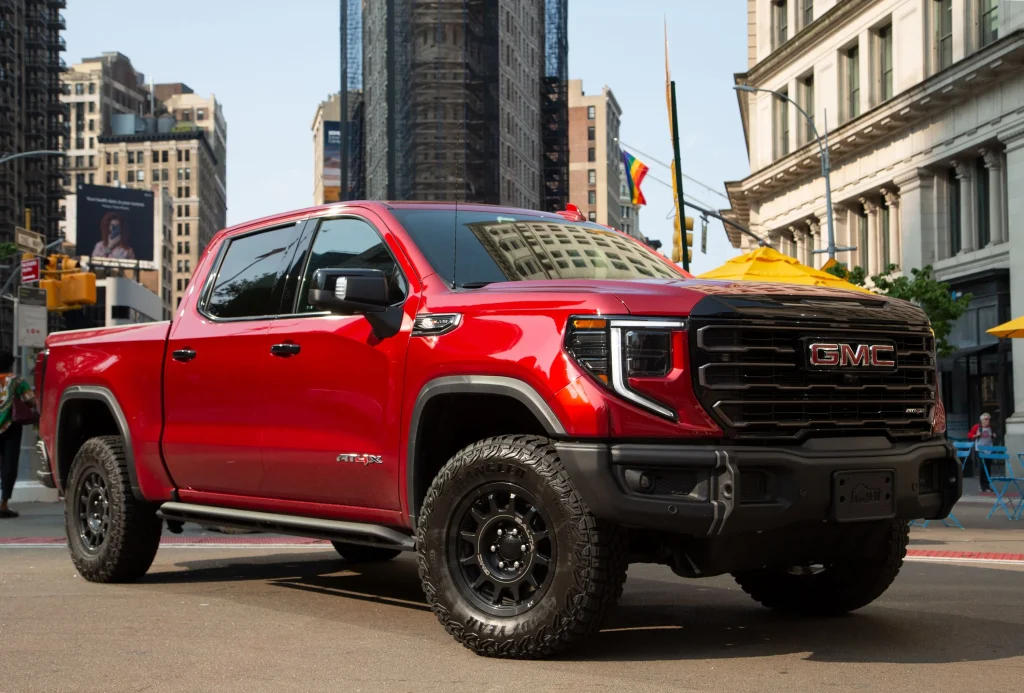
The available ProGrade Trailering System includes multiple camera views, trailer diagnostics, weight monitoring, and advanced guidance features designed to simplify towing.
Experienced truck owners may not need those aids, but newcomers often appreciate the extra assistance. Capability has always been central to the Sierra’s identity, and it shows in this category.
Towing Comparison
| Capability | Ram 1500 | GMC Sierra 1500 |
|---|---|---|
| Max Towing | 11,580 lbs | 13,300 lbs |
| Max Payload | 2,300 lbs | 2,530 lbs |
Buyers who frequently tow near the limits of a half-ton truck will benefit from GMC’s extra capacity.
Winner: GMC Sierra 1500
Higher towing and payload ratings make the Sierra a stronger workhorse.
Ride Quality and Daily Driving
A full-size pickup may spend its weekends towing trailers or hauling equipment, but most owners spend far more time commuting, running errands, and covering highway miles than they do performing heavy-duty work.
That reality has transformed ride quality into one of the most important categories in the segment, and it happens to be an area where the Ram 1500 has built a significant reputation.
Ram changed the expectations for half-ton trucks when it introduced a rear coil-spring suspension setup rather than the traditional leaf springs used by most competitors.
The system allows the truck to absorb bumps, potholes, expansion joints, and rough pavement with a level of composure rarely found in the segment. Buyers stepping out of a midsize SUV often find the transition to a Ram surprisingly easy because the truck behaves more like a large crossover than a traditional pickup.
Higher trims equipped with the available air suspension take comfort even further. The system continuously adjusts ride height and damping characteristics based on driving conditions.
On the highway, the truck lowers itself to improve aerodynamics and stability. During off-road driving, it can raise the body to increase ground clearance. The result is a truck that feels exceptionally refined regardless of the environment.
The Sierra 1500 remains a comfortable truck, particularly in premium Denali trims equipped with adaptive suspension technology.
GMC has invested heavily in improving ride quality over the past decade, and today’s Sierra is far more refined than older generations. Long highway journeys are pleasant, road noise is well controlled, and the cabin remains composed even on rough pavement.
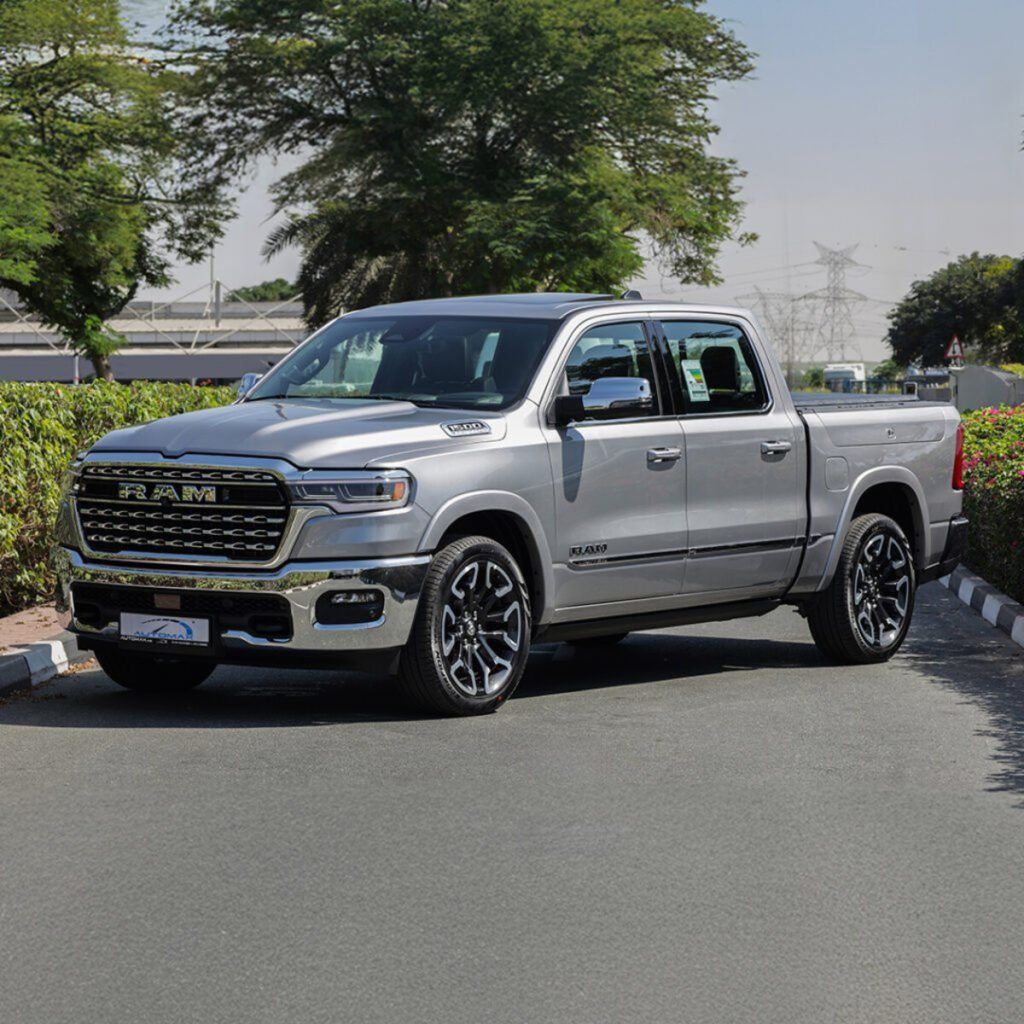
Differences become more apparent when driving the trucks back-to-back. The Ram isolates passengers from road imperfections more effectively, while the Sierra feels slightly firmer and more truck-like. Some buyers may actually prefer that characteristic because it reinforces the vehicle’s capability-oriented personality.
Steering behavior also deserves attention. The Sierra feels more connected and direct, particularly during towing situations. The Ram prioritizes comfort and ease of use, resulting in lighter steering effort and a more relaxed driving experience.
Thousands of miles behind the wheel reveal why the Ram consistently earns praise from reviewers and owners alike. It simply delivers one of the smoothest rides available in any full-size pickup.
Winner: Ram 1500
A class-leading suspension setup and exceptional ride comfort make the Ram the benchmark for everyday driving refinement.
Fuel Economy
Fuel economy can have a substantial impact on ownership costs, particularly for buyers who drive 15,000 to 20,000 miles per year. A difference of just a few miles per gallon may not seem significant during a test drive, but it can translate into hundreds or even thousands of dollars over the course of ownership.
Ram’s new Hurricane inline-six engines were designed not only to increase power but also to improve efficiency. The standard-output Hurricane delivers approximately 18 MPG city and 25 MPG highway, depending on configuration. Considering the engine produces 420 horsepower and 469 lb-ft of torque, those figures are impressive.
The High Output version sacrifices a small amount of efficiency in exchange for significantly greater performance. Even so, fuel economy remains competitive within the segment. Buyers receive sports-car-like acceleration without paying a massive penalty at the fuel pump.
GMC counters with one of the most diverse engine lineups in the segment. Gasoline-powered V8 models provide respectable efficiency, but the real star is the available 3.0-liter Duramax diesel.
The Duramax is rated at approximately:
- 24 MPG city
- 29 MPG highway
- 26 MPG combined
Those numbers are remarkable for a full-size pickup truck capable of towing more than 13,000 pounds. Highway travelers, fleet operators, and buyers covering long distances frequently choose the diesel specifically because of its efficiency advantages.
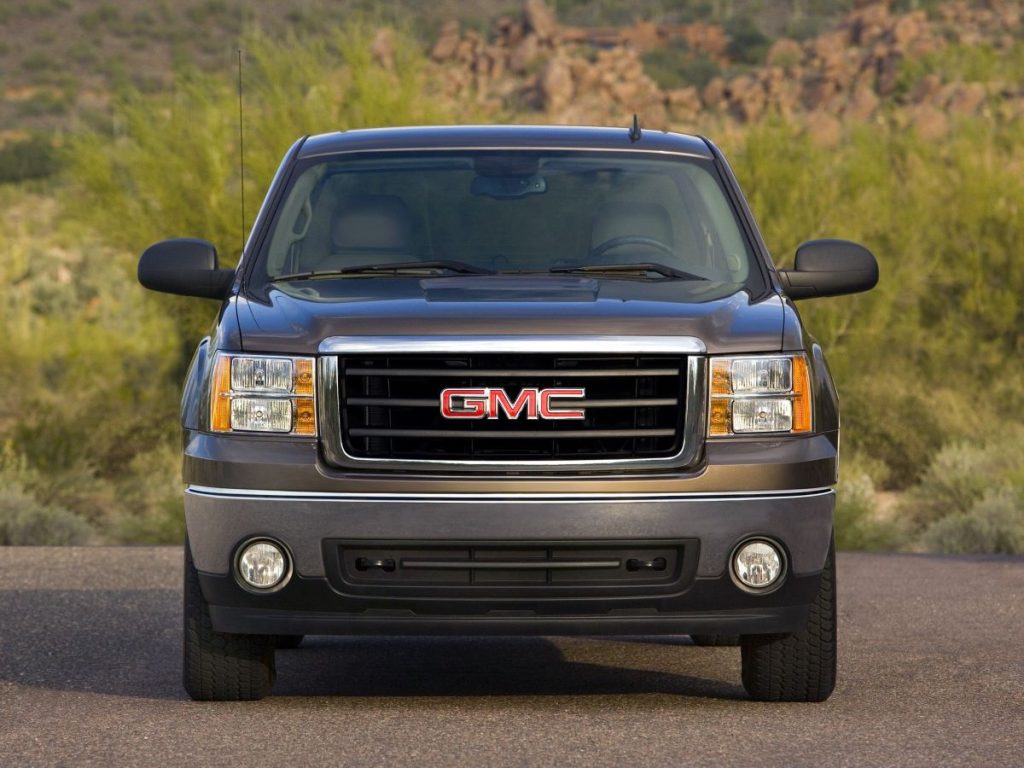
Annual fuel-cost differences can become significant. A driver covering 20,000 miles annually could save hundreds of dollars by choosing the Duramax over many gasoline-powered alternatives. The diesel also delivers exceptional range between fill-ups, often exceeding 600 miles on a single tank under favorable conditions.
Ram’s Hurricane engines deserve credit for blending power and efficiency effectively. GMC’s diesel option, however, provides an advantage that Ram currently cannot fully match.
Real-world ownership often rewards efficiency as much as performance, particularly when fuel prices rise.
Fuel Economy Comparison
| Powertrain | City MPG | Highway MPG |
|---|---|---|
| Ram Hurricane I6 | 18 | 25 |
| Ram High Output Hurricane | 15-17 | 21-24 |
| GMC 5.3L V8 | 16 | 20 |
| GMC 6.2L V8 | 15 | 20 |
| GMC 3.0L Duramax Diesel | 24 | 29 |
Winner: GMC Sierra 1500
The Duramax diesel’s outstanding efficiency and long-distance range give GMC a meaningful advantage.
Off-Road Capability
Not every truck owner ventures off pavement, but the popularity of overlanding, camping, trail exploration, and outdoor recreation has made off-road capability an increasingly important selling point.
Ram and GMC both offer specialized off-road trims designed to tackle challenging terrain while maintaining everyday usability.
The Ram 1500 Rebel serves as the brand’s primary off-road model. Features include skid plates, all-terrain tires, electronic locking differentials, upgraded suspension components, and increased ground clearance. The Rebel strikes an effective balance between trail capability and daily comfort, making it one of the most versatile trims in the lineup.
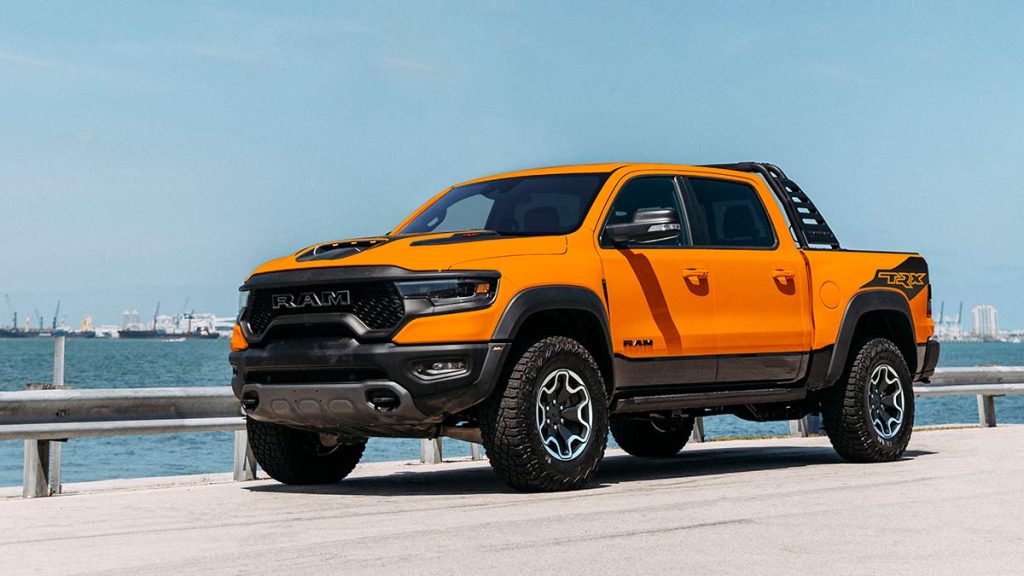
For buyers seeking even more capability, the Ram 1500 RHO introduces advanced suspension technology, wider bodywork, and serious high-speed off-road performance. With up to 11.8 inches of ground clearance and sophisticated shock absorbers designed to handle rough terrain, the RHO targets enthusiasts who spend significant time off-road.
GMC responds with the Sierra AT4 and AT4X. The standard AT4 adds off-road suspension upgrades, skid plates, all-terrain tires, hill-descent control, and a factory lift. Buyers receive meaningful trail capability without sacrificing everyday practicality.
The AT4X raises the bar substantially. Multimatic DSSV spool-valve dampers, front and rear electronic locking differentials, advanced underbody protection, and specialized off-road tuning allow the truck to tackle challenging terrain with confidence.
Ground clearance reaches approximately 11.1 inches in AT4X form, while advanced suspension technology improves both articulation and control on rough trails.
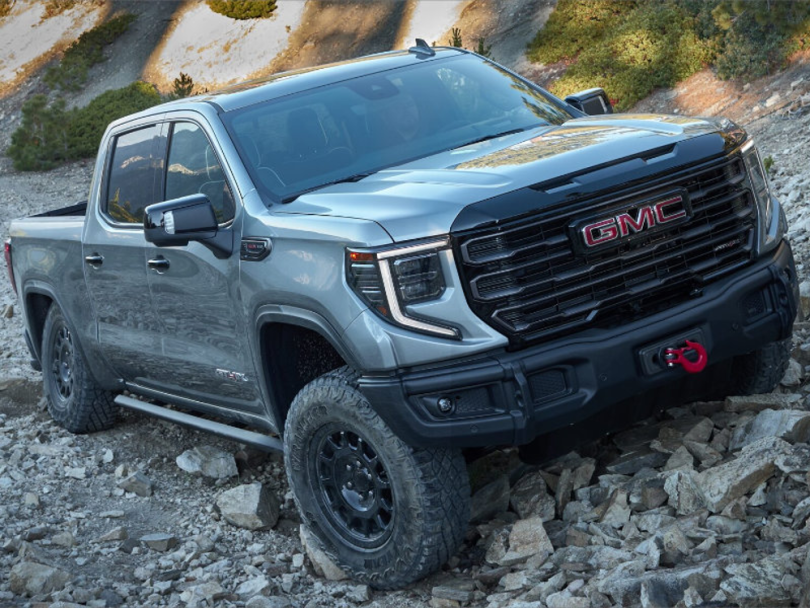
Comparing these trucks reveals different philosophies. The Ram prioritizes high-speed desert-style performance and ride comfort. GMC focuses more heavily on technical trail capability, traction management, and low-speed obstacle negotiation.
Most owners will never fully exploit either truck’s capabilities. For those who do, the AT4X’s specialized hardware provides a slight edge in demanding off-road environments.
Off-Road Comparison
| Category | Ram 1500 RHO | GMC Sierra AT4X |
|---|---|---|
| Ground Clearance | 11.8 in | 11.1 in |
| Front Locker | No | Yes |
| Rear Locker | Yes | Yes |
| Specialized Dampers | Yes | Yes |
Winner: GMC Sierra 1500
Advanced locking differentials and specialized off-road hardware help the Sierra claim a narrow victory.
Reliability, Resale Value, and Ownership Experience
Long-term ownership costs often determine whether buyers remain satisfied years after the initial purchase. Reliability, maintenance expenses, resale value, warranty coverage, and dealer support all contribute to the full ownership experience.
Ram has made significant improvements in quality over recent generations. The current truck feels solidly built, and the introduction of the Hurricane engine family represents a major engineering investment.
However, the relative newness of these powertrains means long-term durability data remains limited compared with some established competitors.
The Sierra benefits from General Motors’ extensive experience with several of its engines. The 5.3-liter and 6.2-liter V8s have been refined over multiple generations, while the Duramax diesel has developed a strong reputation among many owners for balancing efficiency and durability. Resale value provides another important measure of ownership costs.
Recent industry studies often place Sierra resale retention in the 58-65 percent range after five years, depending on trim level and market conditions. High-demand models such as the Denali and AT4 frequently perform even better.
Ram resale values remain competitive but typically trail GMC slightly. Five-year retention often falls between 52 and 60 percent depending on configuration.
The difference becomes meaningful when examining real-world numbers. A $70,000 truck retaining 65 percent of its value would still be worth approximately $45,500 after five years. The same truck retaining 55 percent would be worth about $38,500. That gap can significantly influence total ownership costs.
Dealer support also matters. GMC benefits from General Motors’ extensive dealer network and widespread parts availability. Service appointments, warranty work, and routine maintenance are generally easy to schedule.
Ram owners also benefit from a large dealer network, but GMC’s combination of strong resale performance and proven powertrain history provides additional peace of mind.
Resale Value Comparison
| Category | Ram 1500 | GMC Sierra 1500 |
|---|---|---|
| Estimated 5-Year Value Retention | 52-60% | 58-65% |
| Dealer Network | Extensive | Extensive |
| Proven Engine History | Good | Excellent |
| Ownership Costs | Competitive | Competitive |
Winner: GMC Sierra 1500
Stronger resale values and a longer history of proven powertrains help GMC secure this category.
Pricing and Value
Price comparisons in the full-size truck segment have become increasingly complex because modern pickups span an enormous range of trim levels and capabilities.
A base Ram 1500 generally starts around $40,000, while higher trims such as the Laramie, Limited, and Tungsten can easily exceed $70,000. Fully loaded examples often approach luxury SUV territory in terms of pricing.
The Sierra follows a similar pattern. Entry-level trims start in the low-$40,000 range, while premium Denali and Denali Ultimate models frequently climb beyond $80,000.
Sticker price alone doesn’t determine value. Equipment levels, performance, technology, comfort, and ownership costs all influence the equation.
Ram’s greatest value strength lies in its interior quality and ride comfort. Buyers spending $65,000 to $75,000 on a truck expect premium accommodations, and the Ram consistently delivers one of the most luxurious cabins in the segment.
Features such as the 14.5-inch touchscreen, massaging seats, premium materials, and available air suspension help justify the price.
GMC counters with superior capability. Higher towing limits, stronger payload ratings, advanced trailering technologies, and premium Denali features create a compelling package for buyers who expect their truck to work as hard as it plays.
A closer look at performance-per-dollar also favors Ram. The standard Hurricane engine produces 420 horsepower, which exceeds the output of many competing V8s without requiring buyers to step into expensive premium trims.
Long-term value remains closely tied to resale performance, an area where GMC holds an advantage. However, many buyers may never recover the additional upfront cost associated with certain Sierra trims.
Balancing comfort, performance, technology, and purchase price reveals an extremely close contest. The Ram simply delivers a more premium experience for the money in many configurations.
Pricing Comparison
| Model | Approximate Starting MSRP |
|---|---|
| Ram 1500 Tradesman | $40,000 |
| GMC Sierra Pro | $41,000 |
| Ram Limited | $65,000+ |
| Sierra Denali | $68,000+ |
| Sierra Denali Ultimate | $84,000+ |
Winner: Ram 1500
Exceptional interior quality, strong performance, and impressive refinement create outstanding value throughout the lineup.
Final Verdict
Choosing between the Ram 1500 and GMC Sierra 1500 is more difficult than simply comparing horsepower figures or towing ratings.
Both trucks rank among the best half-ton pickups available today, and each excels in areas that matter to modern truck buyers. The decision largely comes down to how the truck will be used and which strengths carry the most weight for the owner.
Comfort plays a major role in the Ram’s appeal. Long before competitors fully embraced luxury-focused interiors, Ram was building cabins that felt more like premium SUVs than work trucks. That strategy continues to pay dividends.
The current Ram 1500 offers one of the most refined rides in the segment, class-leading rear-seat comfort, excellent material quality, and technology that feels modern without becoming complicated. Buyers who spend hours commuting, traveling between job sites, or taking long road trips will immediately notice the difference.
Performance is another Ram strength. The introduction of the Hurricane inline-six engines has transformed the lineup. Even the standard-output version generates 420 horsepower and 469 lb-ft of torque, while the high-output model delivers an astonishing 540 horsepower.
Those numbers place the Ram among the most powerful trucks in its class while maintaining respectable fuel economy. The truck feels quick, smooth, and effortless whether it’s merging onto a highway or pulling a trailer.
GMC approaches the segment from a different angle. Capability remains a central part of the Sierra’s identity, and the truck delivers impressive numbers in the areas many buyers care about most.
Maximum towing capacity reaches approximately 13,300 pounds, comfortably exceeding the Ram’s ratings. Payload capacity is also stronger, making the Sierra a better fit for buyers who regularly tow large campers, boats, enclosed trailers, or work equipment.
The Sierra’s powertrain variety deserves recognition as well. Buyers can choose from multiple V8 engines, a turbocharged four-cylinder, or the highly efficient Duramax diesel.
The diesel option, in particular, gives GMC an advantage for long-distance travel and fuel economy. Covering hundreds of highway miles between fill-ups is a genuine benefit for owners who frequently travel or tow.
Off-road enthusiasts will also find plenty to appreciate in the Sierra lineup. Models such as the AT4 and AT4X offer serious trail capability backed by advanced suspension systems, electronic locking differentials, and extensive underbody protection.
While the Ram RHO is exceptionally capable in high-speed desert-style terrain, the AT4X feels more specialized when tackling technical trails and challenging obstacles.
Resale value represents another important consideration. Trucks are expensive purchases, and depreciation can significantly affect long-term ownership costs. Industry data consistently shows the Sierra retaining value slightly better than the Ram.
That stronger resale performance can help offset higher purchase prices and improve total ownership economics over several years. The category results reveal just how competitive this comparison has been.
Ram dominated the categories related to comfort, interior quality, ride refinement, and full value. GMC captured the categories tied to towing capability, fuel economy, off-road performance, and long-term ownership considerations.
Neither truck can be considered a poor choice. Both offer strong technology packages, premium interiors, impressive capability, and enough power to satisfy nearly any buyer. The differences emerge only when examining how those strengths align with specific ownership priorities.
Drivers looking for the most comfortable and refined half-ton pickup on the market will likely prefer the Ram 1500. Its suspension tuning, luxurious cabin, and powerful Hurricane engines create an experience that feels remarkably polished for a full-size truck.
Buyers who prioritize towing, payload capacity, diesel efficiency, and long-term resale value may find the GMC Sierra 1500 to be the more compelling option. After evaluating all categories, one truck manages to secure a slight advantage.
Winner: GMC Sierra 1500
Superior towing capability, stronger resale value, excellent diesel efficiency, and impressive off-road options allow the Sierra to edge ahead in an extremely close contest.
Ram 1500 vs GMC Sierra 1500 Winner Comparison Table
| Category | Winner | The Edge |
|---|---|---|
| Exterior Design and Road Presence | GMC Sierra 1500 | Bold styling and stronger visual presence on the road |
| Interior Design and Technology | Ram 1500 | More luxurious cabin and class-leading passenger comfort |
| Powertrains and Performance | Ram 1500 | Hurricane engines deliver class-leading horsepower and torque |
| Towing and Payload Capability | GMC Sierra 1500 | Higher towing and payload ratings across multiple configurations |
| Ride Quality and Daily Driving | Ram 1500 | Coil-spring suspension provides exceptional comfort and refinement |
| Fuel Economy | GMC Sierra 1500 | Duramax diesel delivers outstanding efficiency and driving range |
| Off-Road Capability | GMC Sierra 1500 | AT4X hardware improves capability on demanding trails |
| Reliability, Resale Value, and Ownership Experience | GMC Sierra 1500 | Stronger resale value and proven powertrain history |
| Pricing and Value | Ram 1500 | Premium experience and powerful engines at competitive prices |
| Final Verdict | GMC Sierra 1500 | Better balance of capability, efficiency, and long-term value |
The Ram 1500 remains the comfort king of the half-ton truck segment and offers one of the finest interiors available in any pickup. The GMC Sierra 1500 counters with greater towing capability, stronger fuel economy through its diesel option, excellent resale value, and a broader range of specialized trims.
Those advantages are enough to secure the victory in one of the closest full-size truck comparisons on the market.
