
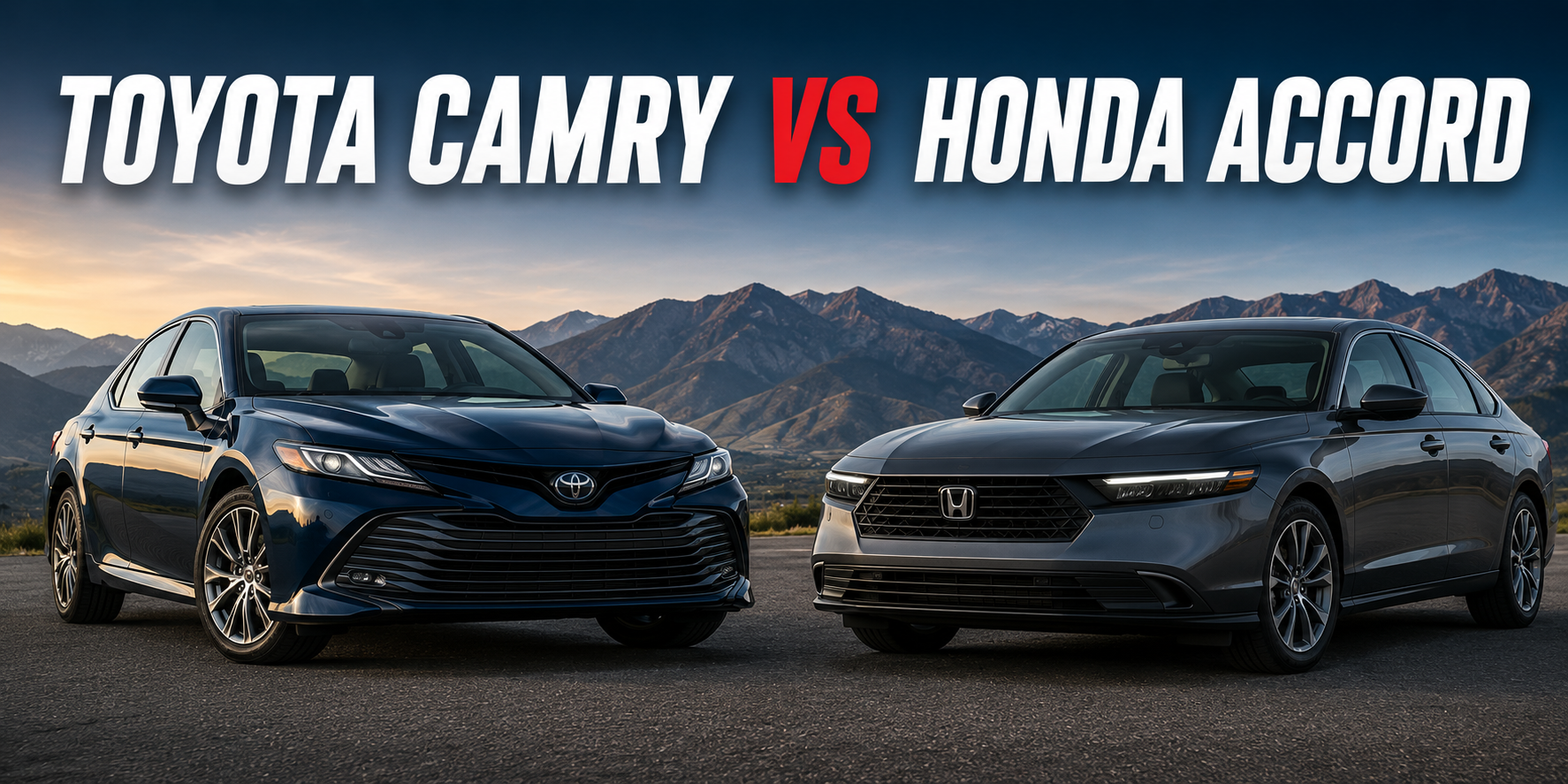
The midsize sedan segment may not generate the same headlines as SUVs and pickup trucks, but it remains one of the most important categories in the automotive industry. Buyers looking for comfort, efficiency, practicality, and long-term value continue to gravitate toward midsize sedans because they offer a balance that many crossovers struggle to match.
Among all the choices available, two names have consistently dominated the conversation for decades: the Toyota Camry and the Honda Accord.
These vehicles have built their reputations on reliability, strong resale value, fuel efficiency, and family-friendly practicality.
They are often recommended to first-time buyers, commuters, growing families, and anyone seeking dependable transportation that can comfortably handle daily driving for years. The challenge for shoppers is that both cars excel in many of the same areas, making the decision surprisingly difficult.
Toyota recently transformed the Camry lineup by making hybrid power standard across all trims. Rather than offering separate gasoline and hybrid variants, every Camry now benefits from electrified efficiency.
Honda has taken a similar path by placing greater emphasis on hybrid technology within the Accord lineup, creating a battle where fuel economy and long-term ownership costs play a major role.
Performance, technology, comfort, interior quality, practicality, and resale value all influence the outcome. Small differences in these categories can have a meaningful impact over five or even ten years of ownership.
A slightly larger back seat, better fuel economy, or stronger resale value may save money and improve satisfaction long after the excitement of a new purchase fades.
Both sedans have evolved significantly from their economy-car roots. Today’s Camry and Accord offer advanced safety technology, sophisticated infotainment systems, premium interior materials, and driving dynamics that would have impressed luxury-car buyers not long ago.
To determine which midsize sedan deserves your money, we’ll compare the Camry and Accord across ten critical categories. A winner will be declared after each section before we crown the champion.
Also Read: 10 Upcoming Supercars in 2026
Exterior Design and Road Presence
Sedan buyers may prioritize practicality and efficiency, but styling still plays an important role. A vehicle parked in a driveway for years should be something owners enjoy looking at every day.
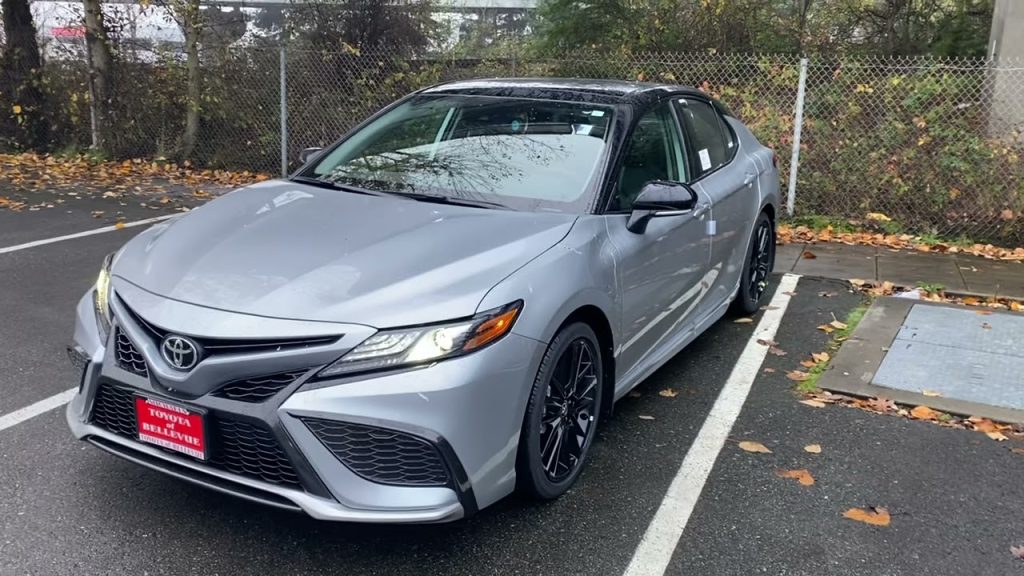
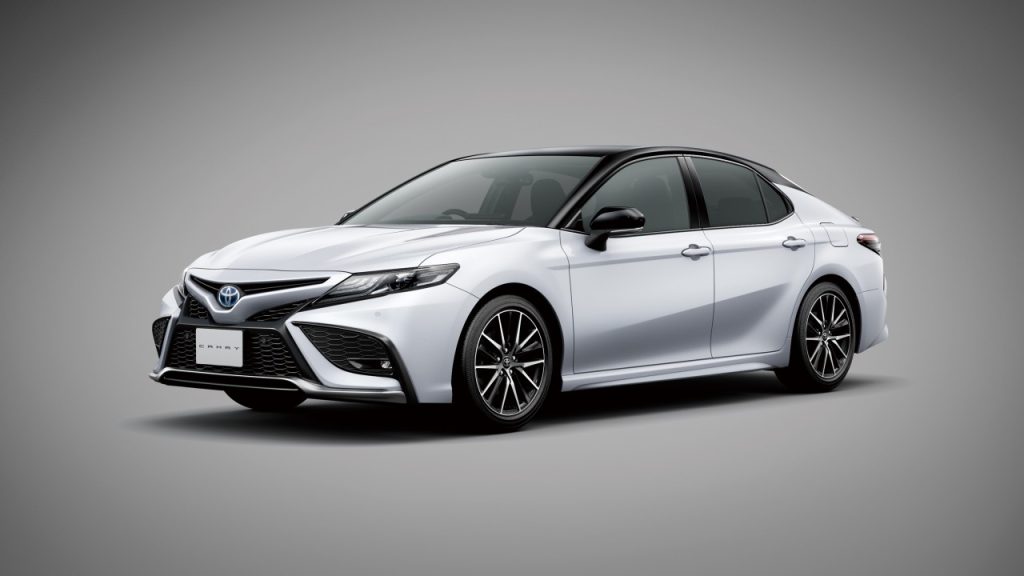
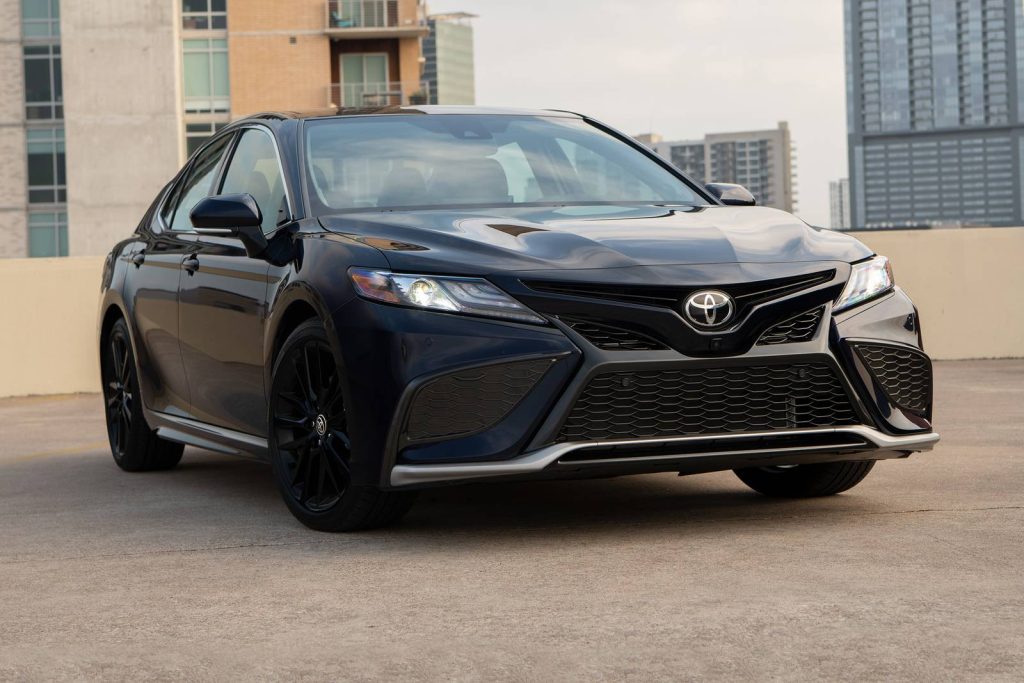
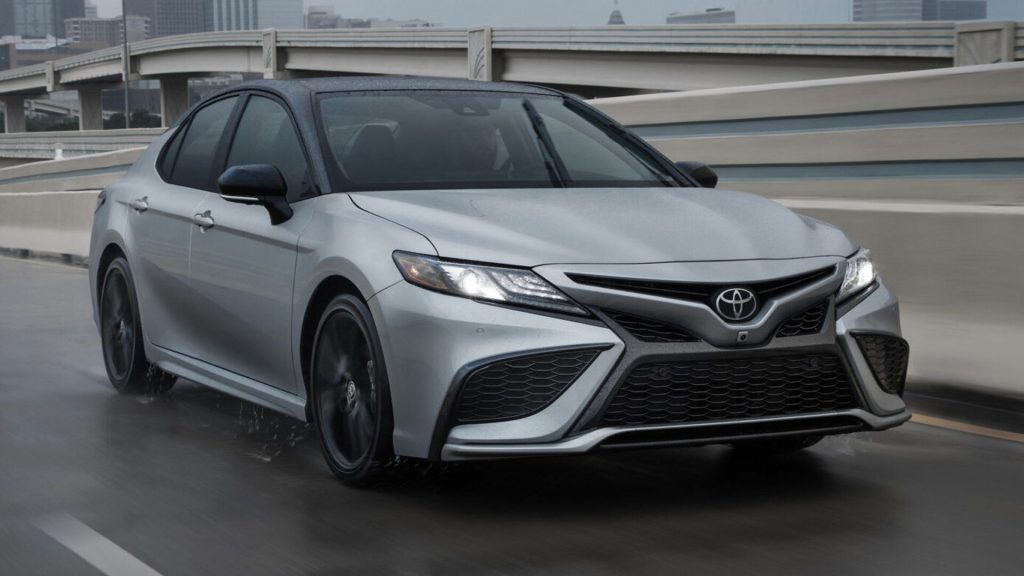
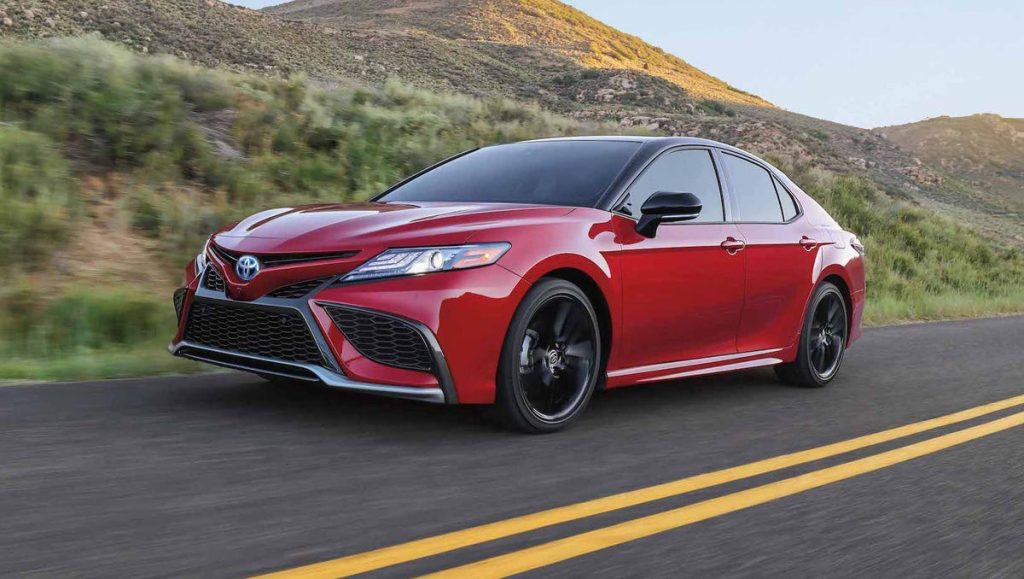
Toyota adopted a more aggressive design philosophy with the latest Camry. Sharp body lines, slim headlights, a wide front grille, and sculpted surfaces give the sedan a sportier appearance than previous generations.
The front fascia shares some visual themes with other modern Toyota models, creating a family resemblance that helps the Camry look contemporary.
The Camry measures approximately 193.5 inches in length and rides on a 111.2-inch wheelbase. Those dimensions place it squarely in the heart of the midsize segment while giving it a low and athletic stance.
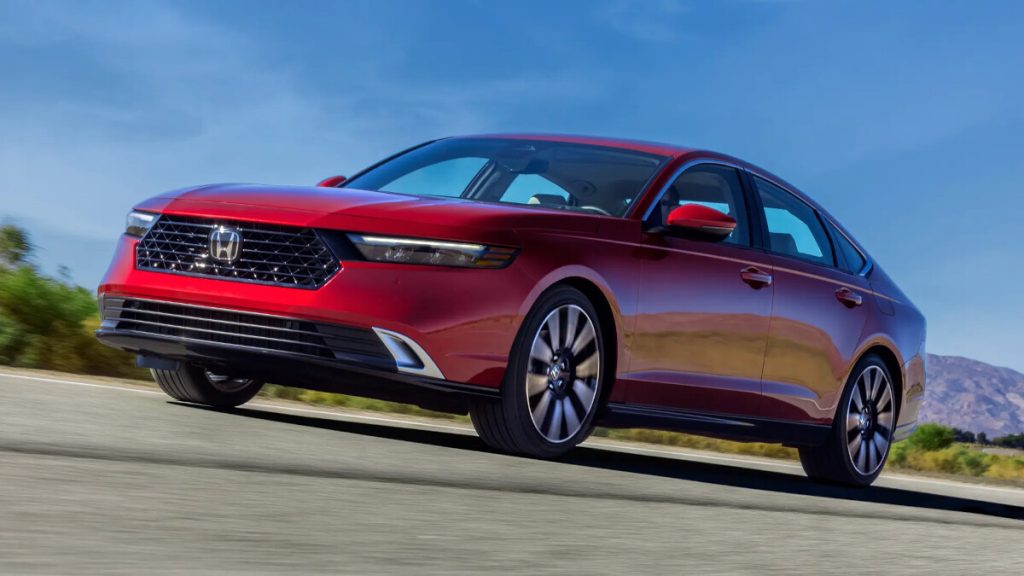
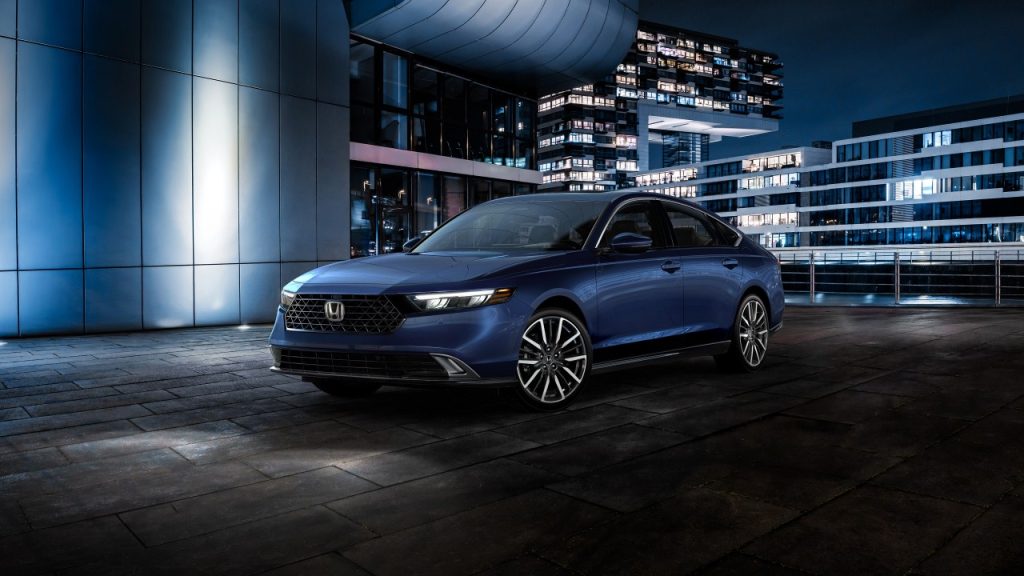
Honda moved in a different direction when redesigning the Accord. The latest model emphasizes maturity and elegance rather than outright aggression.
A cleaner profile, longer hood, and restrained body surfacing create a more sophisticated appearance. Some buyers may find the Accord less exciting at first glance, but its design has a timeless quality that tends to age well.
Length increases to approximately 195.7 inches, making the Accord slightly larger than the Camry. The additional size contributes to a more substantial road presence and gives the car proportions that resemble certain entry-level luxury sedans.
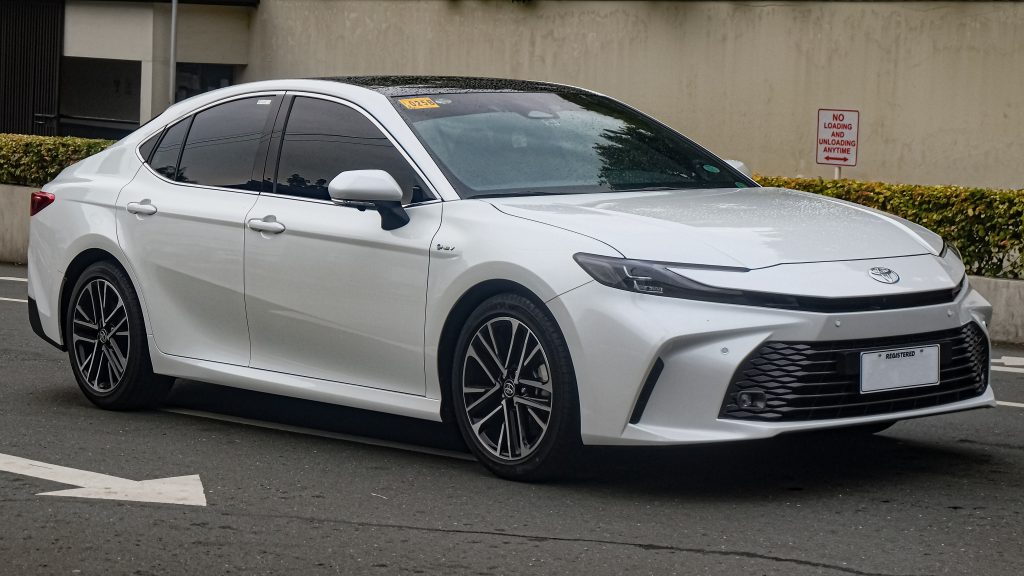
Trim levels also influence appearance. Camry SE and XSE models feature sportier styling elements, larger wheels, and unique exterior details that reinforce the car’s athletic character. Honda reserves many of its visual upgrades for higher Sport and Touring trims.
The Camry attracts attention more easily thanks to its sharper styling. The Accord projects a quieter confidence and a more premium image.
Design remains subjective, but Toyota’s willingness to inject more personality into the segment gives it a slight advantage.
Winner: Toyota Camry
Sharper styling and a more distinctive appearance help the Camry stand out in a crowded midsize sedan segment.
Interior Design and Technology
A midsize sedan spends most of its life transporting occupants rather than being admired from the outside, which makes cabin design one of the most important categories in this comparison.
Honda has consistently earned praise for interior quality, and the latest Accord continues that tradition. The dashboard design is clean, modern, and intuitive. A honeycomb-style vent treatment stretches across the dashboard, hiding air vents while creating a distinctive visual element that looks far more expensive than the vehicle’s price tag would suggest.
Material quality is excellent throughout the cabin. Soft-touch surfaces appear in key contact points, controls feel solid, and full fit and finish rank among the best in the segment. Honda’s attention to ergonomics is equally impressive. Buttons, knobs, and touchscreen functions are logically positioned and easy to use while driving.
Toyota significantly improved the Camry’s interior compared with previous generations. The latest dashboard looks modern and incorporates a large central touchscreen with crisp graphics and responsive controls. Wireless Apple CarPlay and Android Auto are available, and higher trims receive larger digital displays.
Technology is competitive between the two vehicles. The Accord offers a standard 10.2-inch digital instrument cluster on many trims and an available 12.3-inch touchscreen. Toyota counters with a 12.3-inch digital gauge cluster and a similarly sized infotainment display on upper trims. Passenger space begins to separate the two sedans.
The Accord provides approximately:
- 42.3 inches of front legroom
- 40.8 inches of rear legroom
The Camry offers:
- 42.1 inches of front legroom
- 38.0 inches of rear legroom
Rear-seat passengers immediately notice the difference. Adults sitting in the back of the Accord enjoy noticeably greater knee room and full comfort, making the Honda particularly appealing for families and rideshare drivers.
A more premium atmosphere combined with superior rear-seat accommodations helps Honda claim the category.
Interior Space Comparison
| Measurement | Honda Accord | Toyota Camry |
|---|---|---|
| Front Legroom | 42.3 in | 42.1 in |
| Rear Legroom | 40.8 in | 38.0 in |
| Largest Touchscreen | 12.3 in | 12.3 in |
| Digital Gauge Cluster | 10.2-12.3 in | 12.3 in |
Winner: Honda Accord
Higher-quality materials and class-leading rear-seat space make the Accord’s cabin more appealing for everyday use.
Powertrains and Performance
Midsize sedan buyers rarely prioritize raw speed above everything else, but strong performance contributes to confidence during merging, passing, and highway driving.
Toyota simplified the Camry lineup by making hybrid power standard across all trims. The system combines a 2.5-liter four-cylinder engine with electric motors to produce a total of 225 horsepower in front-wheel-drive models.
All-wheel-drive versions increase output slightly to 232 horsepower thanks to an additional rear electric motor. This setup gives the Camry a unique advantage in the segment because few competitors offer hybrid efficiency and all-wheel-drive capability simultaneously.
Honda’s Accord lineup also emphasizes hybrid technology. Most trims utilize a 2.0-liter four-cylinder hybrid system generating 204 horsepower and 247 lb-ft of torque.
On paper, Toyota holds the horsepower advantage. Real-world performance, however, remains extremely close because Honda’s hybrid system delivers strong low-end torque and smooth power delivery.
Acceleration figures reflect the similarity. The Camry Hybrid reaches 60 mph in approximately 6.8 to 7.0 seconds, depending on configuration.
The Accord Hybrid typically completes the same sprint in roughly 6.9 to 7.1 seconds. Differences become more noticeable during spirited driving.
Honda has traditionally emphasized chassis balance and steering feel, and the Accord remains slightly more engaging when driven enthusiastically. The steering feels more natural, body motions are well controlled, and the car responds predictably to driver inputs.
Toyota’s latest updates have narrowed the gap considerably. The Camry no longer feels isolated or disconnected, but it still prioritizes comfort over outright driver engagement.
Powertrain Comparison
| Model | Horsepower | Torque |
|---|---|---|
| Toyota Camry Hybrid FWD | 225 hp | 163 lb-ft |
| Toyota Camry Hybrid AWD | 232 hp | 163 lb-ft |
| Honda Accord Hybrid | 204 hp | 247 lb-ft |
The availability of all-wheel drive and higher horsepower gives Toyota additional flexibility for buyers in colder climates.
Winner: Toyota Camry
Standard hybrid power and available all-wheel drive create a broader performance package.
Cargo Space and Practicality
Families, commuters, and business travelers often choose midsize sedans because they offer a level of practicality that exceeds many compact cars while avoiding the size and cost penalties associated with larger vehicles.
Cargo capacity, passenger room, storage solutions, and everyday usability all play important roles in determining which sedan better handles real-world demands.
Honda has traditionally excelled in interior packaging, and the latest Accord continues that reputation. The longer wheelbase and larger full dimensions create a cabin that feels exceptionally spacious.
Rear-seat passengers enjoy enough room to comfortably stretch out during longer journeys, and adults can sit in the back without feeling cramped.
Cargo capacity is another Accord strength. The trunk provides approximately 16.7 cubic feet of storage space, placing it among the leaders in the midsize sedan segment.
Large suitcases, golf bags, strollers, and airport luggage fit easily, making the Accord an excellent road-trip companion. The trunk opening is also wide and easy to access, which helps when loading bulky items.
Storage solutions throughout the cabin further strengthen the Accord’s case. Large door pockets, a spacious center console, multiple cupholders, and thoughtfully positioned storage compartments make it easier to organize everyday items.
Drivers who spend significant time in their vehicles often appreciate these details more than headline-grabbing technology features.
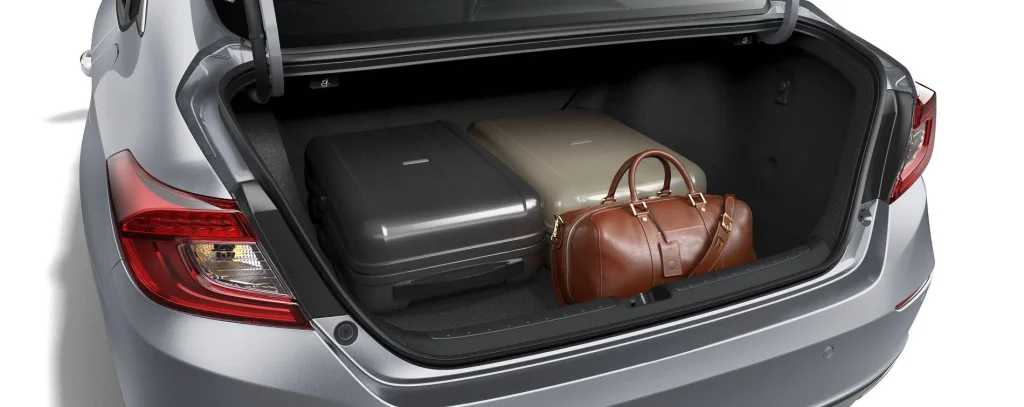
The Camry remains highly practical, but it trails the Honda slightly in terms of sheer space. Toyota provides approximately 15.1 cubic feet of trunk volume, which remains competitive but falls short of the Accord’s capacity.
The difference may not sound substantial on paper, yet frequent travelers and families often notice the additional room offered by the Honda.
Passenger comfort also favors the Accord. The extra rear legroom discussed earlier contributes significantly to long-distance comfort. Parents transporting teenagers, rideshare drivers carrying adult passengers, or professionals frequently traveling with colleagues will appreciate the added space.
Toyota counters with excellent seat comfort, intuitive storage areas, and a well-designed cabin. Most owners will find the Camry perfectly adequate for daily use. The Accord simply offers more room to work with.
Cargo and Practicality Comparison
| Measurement | Honda Accord | Toyota Camry |
|---|---|---|
| Trunk Capacity | 16.7 cu-ft | 15.1 cu-ft |
| Rear Legroom | 40.8 in | 38.0 in |
| Passenger Volume | 105.7 cu-ft | 99.9 cu-ft |
| Cabin Storage | Excellent | Very Good |
Greater passenger room and a larger trunk help the Accord provide a more practical ownership experience.
Winner: Honda Accord
Class-leading interior packaging and superior cargo capacity make the Accord the more versatile family sedan.
Ride Quality and Daily Driving
Most midsize sedan owners spend thousands of hours behind the wheel over the course of ownership. Ride comfort, road noise, seat support, visibility, and general driving refinement often matter more than acceleration times or styling details.
A smoother and more refined driving experience has become one of the Accord’s defining strengths. Honda tuned the suspension to absorb rough pavement effectively while maintaining excellent body control. Broken roads, expansion joints, and potholes are handled with impressive composure, helping reduce fatigue during long drives.
Noise isolation also deserves praise. Wind noise, tire noise, and road vibrations remain well controlled, creating a quiet cabin environment that feels more premium than many buyers expect from a mainstream sedan. Long highway journeys reveal just how refined the Accord has become.
Seat comfort further strengthens Honda’s position. The front seats provide excellent support during extended trips, while rear passengers benefit from generous space and a comfortable seating position.
Toyota approached ride quality from a slightly different perspective. The Camry emphasizes comfort and predictability. Suspension tuning leans toward softness, helping smooth out rough roads and create a relaxed driving experience. Commuters driving through congested urban environments may appreciate the Camry’s easygoing nature.
Steering feel highlights one of the key differences between the two cars. Honda continues to deliver more precise steering responses and a stronger connection between driver and vehicle. The Accord feels more composed when changing direction quickly or handling winding roads.
The Camry remains pleasant to drive and far more refined than older generations. Recent updates have improved chassis dynamics considerably, but the Accord still feels more polished in everyday use.
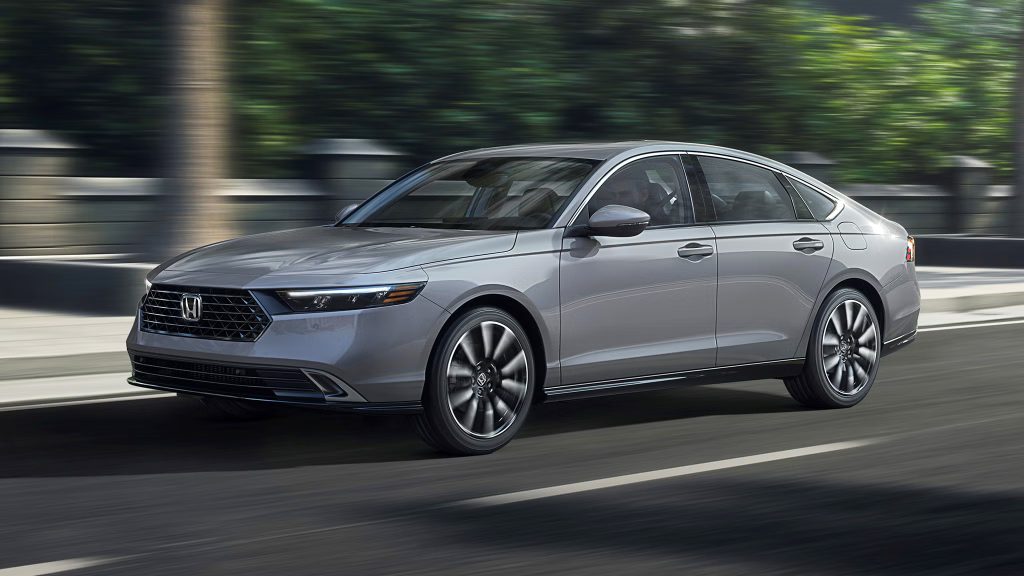
Visibility is excellent in both vehicles, and each benefits from well-positioned controls and comfortable driving positions. Choosing between them often comes down to personal preference, but Honda’s combination of comfort and driver engagement remains difficult to beat.
Winner: Honda Accord
Superior ride refinement, excellent seat comfort, and more engaging driving dynamics give the Accord a narrow but meaningful advantage.
Fuel Economy
Fuel efficiency has become one of the defining characteristics of modern midsize sedans, particularly now that hybrid technology plays such a major role in both lineups.
Toyota built much of its modern reputation on hybrid powertrains, and the latest Camry demonstrates why. Every trim level now benefits from electrification, eliminating the need for buyers to choose between efficiency and features.
Front-wheel-drive Camry Hybrid models achieve approximately:
- 53 MPG city
- 50 MPG highway
- 51 MPG combined
All-wheel-drive versions remain impressively efficient:
- 51 MPG city
- 49 MPG highway
- 50 MPG combined
Those figures place the Camry among the most efficient non-plug-in midsize sedans currently available.
Honda’s Accord Hybrid also delivers excellent numbers. Depending on trim level, buyers can expect approximately:
- 51 MPG city
- 44 MPG highway
- 48 MPG combined
The Accord’s efficiency remains highly competitive and would have dominated the segment only a few years ago. Toyota’s latest hybrid system simply pushes the benchmark even higher. The real-world implications are significant.
A driver covering 15,000 miles annually could consume roughly 294 gallons of fuel in a Camry Hybrid, averaging 51 MPG. An Accord Hybrid averaging 48 MPG would require approximately 313 gallons over the same distance.
That difference may seem small during a single year, but ownership often spans five to ten years. Fuel savings accumulate steadily, particularly when gasoline prices increase.
Toyota’s decision to make hybrid power standard across the lineup also simplifies the buying process. Every Camry buyer receives outstanding efficiency regardless of trim level.
Fuel Economy Comparison
| Model | City MPG | Highway MPG | Combined MPG |
|---|---|---|---|
| Camry Hybrid FWD | 53 | 50 | 51 |
| Camry Hybrid AWD | 51 | 49 | 50 |
| Accord Hybrid | 51 | 44 | 48 |
Efficiency advantages may be measured in only a few miles per gallon, but Toyota consistently leads the category.
Winner: Toyota Camry
Standard hybrid power and class-leading fuel economy give the Camry a measurable edge.
Safety and Driver Assistance Technology
Safety remains a top priority for midsize sedan buyers, particularly families transporting children on a daily basis. Fortunately, both of these vehicles rank among the safest options in the segment.
Toyota equips every Camry with Toyota Safety Sense 3.0, a suite of advanced driver-assistance features designed to reduce driver workload and improve accident avoidance capabilities.
Standard equipment includes:
- Adaptive cruise control
- Lane departure alert
- Lane tracing assist
- Automatic emergency braking
- Road sign recognition
- Automatic high beams
- Proactive driving assist
Honda responds with Honda Sensing, which includes many similar features:
- Adaptive cruise control
- Lane-keeping assist
- Collision mitigation braking
- Road departure mitigation
- Traffic sign recognition
- Traffic jam assist
Feature lists appear nearly identical on paper, which makes execution especially important. Honda’s systems generally operate with slightly smoother interventions. Adaptive cruise control feels more natural during traffic situations, while lane-centring functions require fewer corrections and behave more predictably.
Toyota has made significant improvements over previous generations, and the gap has narrowed considerably. The latest Camry’s safety systems perform impressively in daily use and remain among the best available from any mainstream manufacturer.
Crash-test performance further reinforces the strength of both vehicles. Each has earned top ratings from major safety organizations thanks to strong structural engineering and comprehensive occupant protection systems.
Visibility also contributes to safety. Both sedans offer large glass areas and well-positioned mirrors, helping drivers maintain awareness of surrounding traffic.
The difference between these vehicles is small, but Honda’s slightly more polished calibration gives it a narrow advantage.
Winner: Honda Accord
Excellent crash-test performance and smoother driver-assistance operation help the Accord claim this category.
Reliability, Resale Value, and Ownership Experience
Long-term ownership costs often separate good vehicles from great ones. Reliability, maintenance expenses, resale value, and dealer support all influence how satisfied owners remain years after purchasing a vehicle.
Toyota has spent decades building one of the strongest reputations in the automotive industry for reliability. The Camry sits at the center of that reputation. Owners frequently keep these vehicles well beyond 200,000 miles, and the hybrid system has proven itself across millions of vehicles worldwide.
Maintenance costs remain relatively low. Routine service is straightforward, replacement parts are widely available, and Toyota’s extensive dealer network ensures support is rarely difficult to find.
Honda also enjoys an excellent reputation for dependability. The Accord consistently ranks among the most reliable midsize sedans on the market, and many examples accumulate high mileage with minimal issues. Build quality is strong, and ownership costs remain competitive.
Resale value creates one of the most important distinctions.
Recent industry studies often place Camry’s five-year value retention between 60 and 68 percent, depending on trim level and market conditions. Hybrid models frequently perform particularly well because of strong demand in the used market.
The Accord remains excellent in this area, typically retaining between 58 and 65 percent of its value after five years.
A difference of just a few percentage points may not seem substantial, but it can translate into several thousand dollars when trading in or selling a vehicle.
Toyota’s hybrid reputation further strengthens resale performance. Buyers actively seek used hybrid models because of their efficiency and proven reliability record.
Resale Value Comparison
| Category | Toyota Camry | Honda Accord |
|---|---|---|
| Estimated 5-Year Value Retention | 60-68% | 58-65% |
| Reliability Reputation | Excellent | Excellent |
| Maintenance Costs | Low | Low |
| Hybrid Reputation | Industry-Leading | Strong |
Both vehicles excel in this category, but Toyota’s combination of reliability and resale value remains difficult to match.
Winner: Toyota Camry
Outstanding long-term dependability and stronger resale performance give Toyota the advantage.
Pricing and Value
Price remains one of the most important considerations for midsize sedan buyers because these vehicles are often purchased with long-term ownership in mind.
A difference of a few thousand dollars at the dealership may not seem dramatic, but financing costs, depreciation, fuel expenses, and resale value can significantly influence the total cost of ownership over five to ten years.
Toyota’s decision to make hybrid technology standard across the entire Camry lineup creates an interesting value proposition. Buyers no longer have to spend extra money to access the efficiency benefits of a hybrid powertrain. Even the entry-level Camry includes the fuel-saving technology that many competitors reserve for more expensive trims.
The Camry lineup generally starts at approximately $29,500 to $30,000, depending on destination charges and trim level. Moving into SE, XSE, and all-wheel-drive variants increases pricing gradually while still maintaining competitive value within the segment.
Honda positions the Accord slightly higher in most configurations.
Entry-level Accord models typically begin around $30,500 to $31,000, while hybrid-equipped trims quickly move into the mid-$30,000 range.
Touring models equipped with premium technology and comfort features can approach the upper end of the segment’s pricing spectrum. Sticker price alone doesn’t determine value, however.
Honda delivers exceptional cabin quality, class-leading passenger space, and impressive ride refinement. Many buyers may feel the Accord justifies its slightly higher pricing because the vehicle feels closer to an entry-level luxury sedan than a traditional family car.
Toyota counters with stronger fuel economy and standard hybrid power. Over five years of ownership, fuel savings can help offset a significant portion of the purchase price. Stronger resale value also improves the Camry’s long-term economics.
Warranty coverage remains similar between the two manufacturers. Both provide:
- 3-year/36,000-mile basic warranty
- 5-year/60,000-mile powertrain warranty
Toyota adds an advantage through hybrid component coverage, which extends protection for key electrified systems and contributes to buyer confidence.
The value discussion becomes particularly compelling when comparing similarly equipped hybrid models. Toyota often delivers better efficiency and stronger resale performance without requiring a higher purchase price.
A vehicle’s true value is determined by what owners receive over the years of use rather than what they pay on day one. The Camry’s combination of efficiency, reliability, and depreciation resistance creates a very persuasive argument.
Pricing Comparison
| Model | Approximate Starting MSRP |
|---|---|
| Toyota Camry LE Hybrid | $29,500-$30,000 |
| Toyota Camry SE Hybrid | $32,000+ |
| Honda Accord LX | $30,500-$31,000 |
| Honda Accord Hybrid Sport | $33,000+ |
| Honda Accord Touring Hybrid | $39,000+ |
Toyota’s pricing strategy allows buyers to access hybrid technology without paying a significant premium.
Winner: Toyota Camry
Standard hybrid power, excellent fuel economy, and stronger resale value create outstanding long-term value.
Final Verdict
Comparisons between the Toyota Camry and Honda Accord rarely produce a clear knockout winner because both vehicles consistently rank among the best midsize sedans available. Their strengths overlap in many areas, which explains why these two nameplates have dominated the segment for decades.
Honda approached the latest Accord with a focus on refinement, passenger comfort, and interior quality. The result is a sedan that feels remarkably mature and polished. Rear-seat space ranks among the best in the segment, cargo capacity is excellent, and ride quality strikes an ideal balance between comfort and composure.
Several categories highlight those strengths. The Accord delivered victories in interior design, practicality, ride quality, and safety-system refinement. Buyers who regularly carry passengers, prioritize cabin comfort, or spend long hours on the highway may find the Honda particularly appealing. Toyota pursued a different strategy.
Rather than focusing exclusively on comfort and refinement, Toyota concentrated on maximizing efficiency, ownership value, and versatility. Making hybrid power standard across the lineup immediately distinguishes the Camry from many competitors.
Fuel economy is exceptional regardless of trim level, and available all-wheel drive provides additional confidence for buyers in colder climates.
Performance also deserves recognition. The Camry’s hybrid system produces more horsepower than the Accord Hybrid while maintaining superior efficiency. That combination of power and fuel economy is difficult to ignore.
Long-term ownership further strengthens Toyota’s position. Strong resale values, excellent reliability, low operating costs, and widespread dealer support contribute to an ownership experience that remains one of the strongest in the automotive industry.
The category results illustrate just how closely matched these vehicles are. Honda excelled in areas tied to comfort, passenger accommodations, and daily driving refinement.
Toyota captured categories related to efficiency, performance, ownership costs, and long-term value. Neither choice represents a mistake.
Buyers seeking the roomiest cabin, the most refined ride, and a near-luxury interior experience may prefer the Accord.
Drivers prioritizing fuel economy, resale value, reliability, and hybrid technology will likely find the Camry more compelling. After evaluating all categories, one sedan manages to secure a narrow advantage.
Winner: Toyota Camry
Exceptional efficiency, standard hybrid power, available all-wheel drive, outstanding resale value, and proven long-term reliability help the Camry earn the victory in one of the most competitive battles in the midsize sedan segment.
Toyota Camry vs Honda Accord Winner Comparison Table
| Category | Winner | The Edge |
|---|---|---|
| Exterior Design and Road Presence | Toyota Camry | Sharper styling creates a more distinctive appearance |
| Interior Design and Technology | Honda Accord | Better materials and superior rear-seat comfort |
| Powertrains and Performance | Toyota Camry | More horsepower and available all-wheel drive |
| Cargo Space and Practicality | Honda Accord | Larger trunk and class-leading passenger room |
| Ride Quality and Daily Driving | Honda Accord | More refined ride and stronger driver engagement |
| Fuel Economy | Toyota Camry | The standard hybrid system delivers segment-leading efficiency |
| Safety and Driver Assistance Technology | Honda Accord | Smoother calibration of advanced safety features |
| Reliability, Resale Value, and Ownership Experience | Toyota Camry | Stronger resale values and proven hybrid reliability |
| Pricing and Value | Toyota Camry | Hybrid efficiency and ownership costs improve value |
| Final Verdict | Toyota Camry | Better balance of efficiency, performance, and ownership value |
