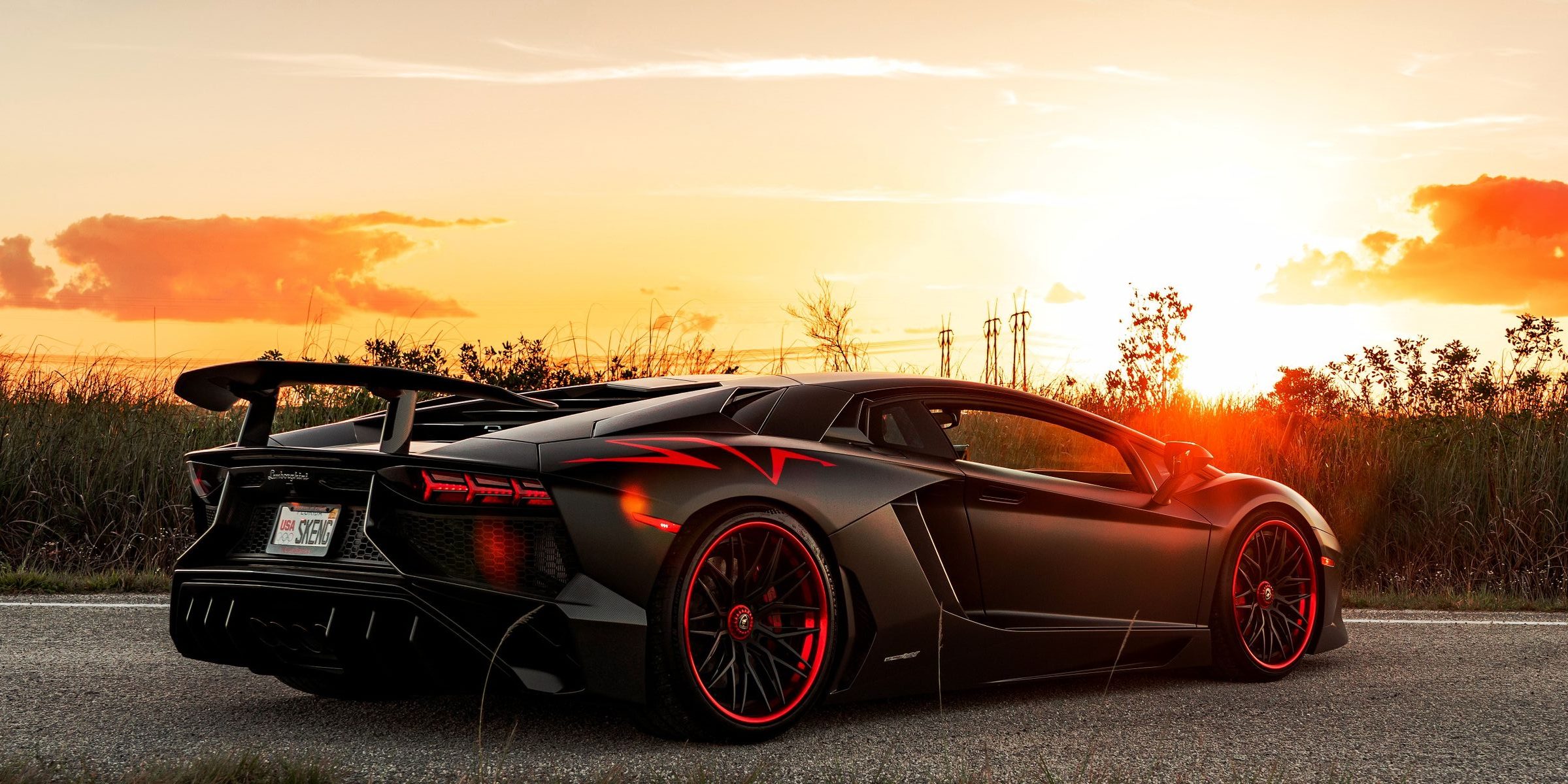
We have officially moved past the era where straight-line acceleration was a differentiator. When entry-level, mass-produced electric sedans can hit 60 mph in under two and a half seconds, raw straight-line speed is no longer the exclusive playground of the ultra-exotic. In response, the automotive world is undergoing its most radical transformation in a century.
The exotic car market is no longer divided by a simple line between internal combustion purists and battery-electric pioneers. Today, a new, complex engineering philosophy has emerged. Automakers are embracing high-voltage hybridization, electric turbochargers, structural carbon tubs, and active, ground-effect aerodynamics once reserved exclusively for Formula 1 and Le Mans prototypes.
These elite manufacturers have stopped using electrification merely as an efficiency tool. Instead, they are deploying it to eliminate turbo lag, enable precise torque-vectoring all-wheel drive, and fill in the torque gaps of high-revving internal combustion engines.
This generation of performance machinery reclaims the emotional driving experience through pure, unfiltered engineering depth. The result is a selection of highly sophisticated, blisteringly fast driving instruments designed for a world where numbers are meaningless without visceral connection.
Developing a top-tier performance vehicle today requires balancing extreme engineering with tightening global regulations. The looming implementation of Euro 7 emission standards and stricter global efficiency mandates could have crippled high-performance engineering. Instead, these constraints have sparked an era of brilliant technical innovation.
Manufacturers are proving that mechanical emotion and legislative compliance can coexist, though it requires massive investments in research and development. One of the most significant shifts is the integration of advanced 800-volt electrical architectures. These networks do not just power energy-dense, lightweight battery cells; they run highly complex subsystems.
We are seeing the widespread adoption of 48-volt and 800-volt active suspension systems that actively counteract body roll and pitch in real time, maintaining a perfectly level aerodynamic platform. Also, the introduction of electric turbochargers allows engineers to bolt on massive compressors for huge top-end power without the traditional drawback of devastating low-end throttle lag.
At the same time, synthetic e-fuels are emerging as a viable path to keep internal combustion alive, giving boutique brands the confidence to build brand-new, high-revving engines. The following ten machines represent the pinnacle of this new automotive renaissance.
ALSO READ: 8 1990s Supercars Worth Buying
1. Bugatti Tourbillon
The Bugatti Tourbillon represents a deliberate shift away from the digital trends dominating the modern automotive industry. While the automotive world heavily prioritises digital touchscreens and software-defined platforms, Bugatti has chosen an analogue, mechanical approach for its Chiron successor.
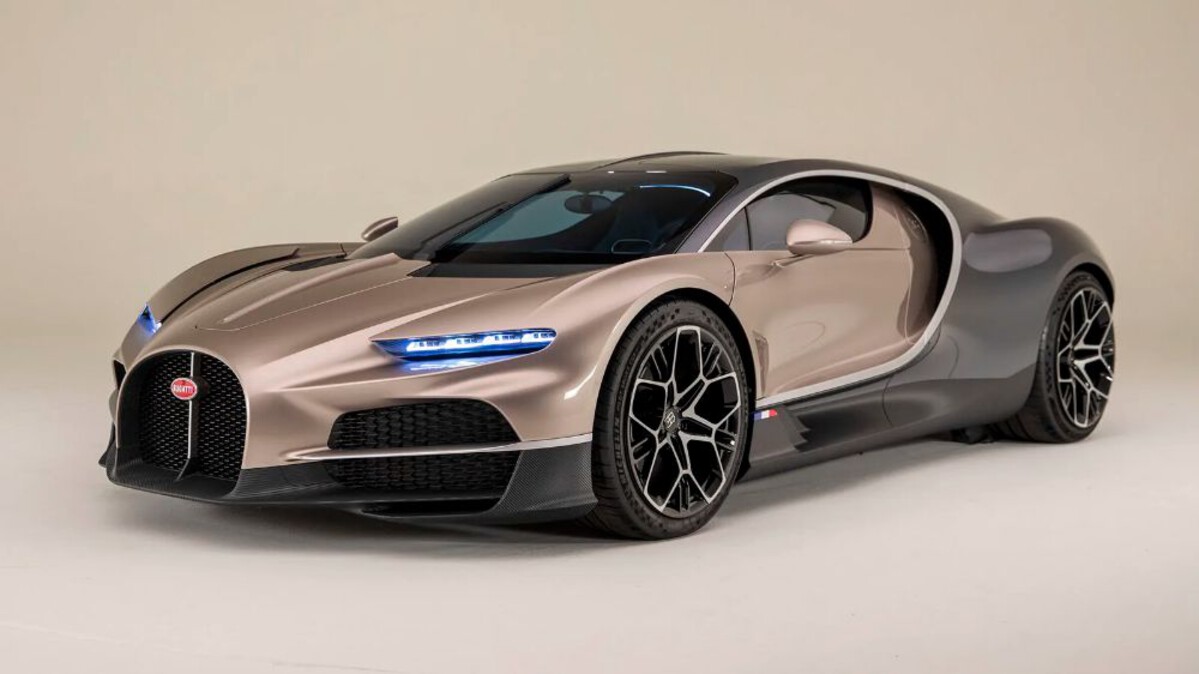
Developed under the leadership of Mate Rimac, the Tourbillon completely abandons the quad-turbocharged W16 engine layout that defined Molsheim for two decades. In its place sits a brand-new, naturally aspirated 8.3-litre V16 engine developed from scratch alongside Cosworth.
This massive internal combustion engine revs all the way to 9,000 rpm, producing an iconic, mechanical exhaust note that contrasts sharply with its predecessor’s muffled turbo growl.
The pure combustion engine is paired with an incredibly advanced trio of electric motors, two mounted on the front axle and one at the rear. This setup adds 800 horsepower of instantaneous electric assist, fed by a 24.8 kWh liquid-cooled battery pack running a central 800-volt architecture.
Inside, the cabin is built around a magnificent, central instrument cluster crafted by Swiss watchmakers. It features over 600 components, including ruby bearings and sapphire glass, and the gears physically rotate as the engine revs.
Bugatti’s official engineering overview confirms that the entire assembly is fixed to the steering column, meaning the gauges remain perfectly upright even as you turn the wheel. The Tourbillon proves that hypercars can still be timeless pieces of mechanical art.
- Engine: 8.3-Liter Naturally Aspirated V16 paired with 3 Electric Motors
- Torque: 664 lb-ft (Engine) + Electric Vectoring (Total system torque is traction-limited)
- Horsepower: 1,800 hp (Combined system output)
- Length: 183.9 inches (4,671 mm)
- Width: 80.7 inches (2,051 mm)
2. Ferrari F80
Ferrari has never shied away from using its top-tier halo cars to push Scuderia-derived racing technology directly onto public roads. The Ferrari F80 follows exactly in the footsteps of the 288 GTO, F40, F50, Enzo, and LaFerrari.
However, instead of using a traditional, screaming V12 engine, Maranello has equipped the F80 with a highly advanced 3.0-litre, 120-degree twin-turbocharged V6 hybrid powertrain. This engine configuration is derived straight from the back-to-back Le Mans-winning 499P Hypercar and the current SF-24 Formula 1 car.
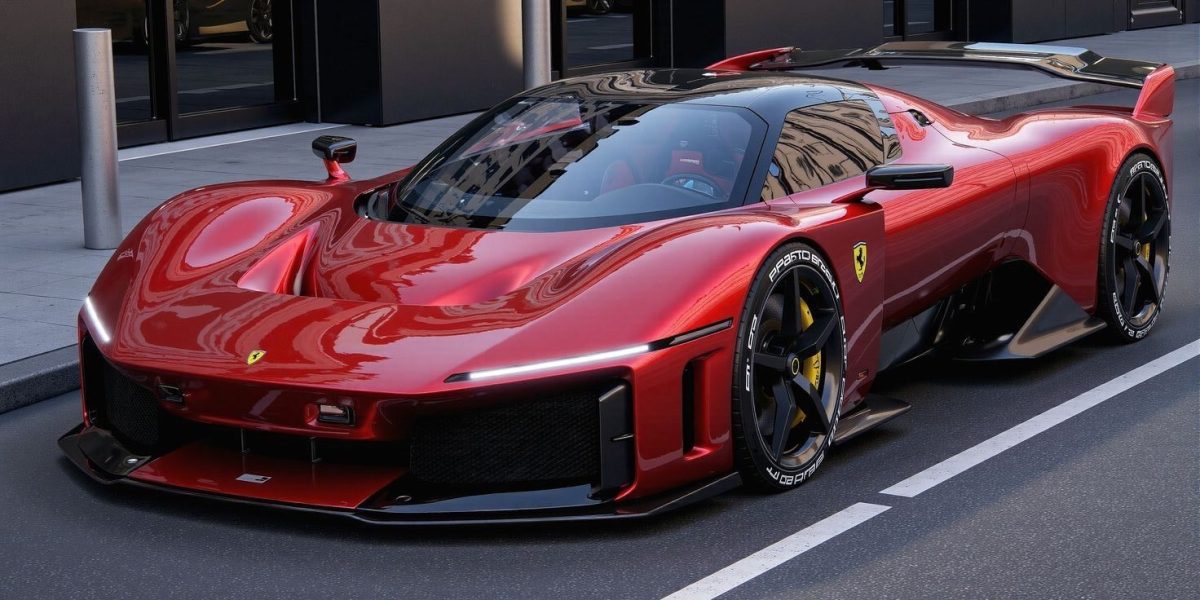
By utilising electric turbochargers, which feature an integrated electric motor on the shaft between the exhaust turbine and compressor wheel, Ferrari has eliminated turbo lag. This allows the internal combustion engine alone to produce an astonishing 296 hp per litre.
The combustion engine is supported by an advanced electric front axle that delivers all-wheel drive, alongside a rear-mounted motor that recovers energy and fills out the torque curve. According to the official Ferrari F80 Digital Launch Portal, this complex powertrain is bolted into a highly asymmetric carbon fibre tub.
The chassis utilizes a radical “1+” seating configuration, where the driver sits in an adjustable, bright red racing bucket seat, while the passenger seat is fixed slightly further back and finished in dark upholstery to blend seamlessly into the carbon fiber background.
This design keeps the cabin incredibly narrow, optimizing aerodynamic airflow through the front S-Duct and toward the giant active rear wing and massive underbody venturi tunnels.
- Engine: 3.0-Liter Twin-Turbocharged Hybrid 120° V6 with 3 Electric Motors
- Torque: 627 lb-ft (Engine only)
- Horsepower: 1,184 hp (Combined system output)
- Length: 190.6 inches (4,841 mm)
- Width: 81.1 inches (2,060 mm)
3. McLaren W1
Following the legendary F1 and the paradigm-shifting P1 hybrid, Woking introduces the McLaren W1 as its ultimate modern supercar expression. The W1 is built around an entirely new MHP-8 4.0-litre twin-turbocharged V8 engine, paired with a highly integrated, lightweight E-module.
Unlike many heavy, all-wheel-drive plug-in hybrid setups, McLaren has stayed committed to its traditional rear-wheel-drive layout. This preserves the pure, uncorrupted steering feedback and classic handling characteristics that automotive enthusiasts value.
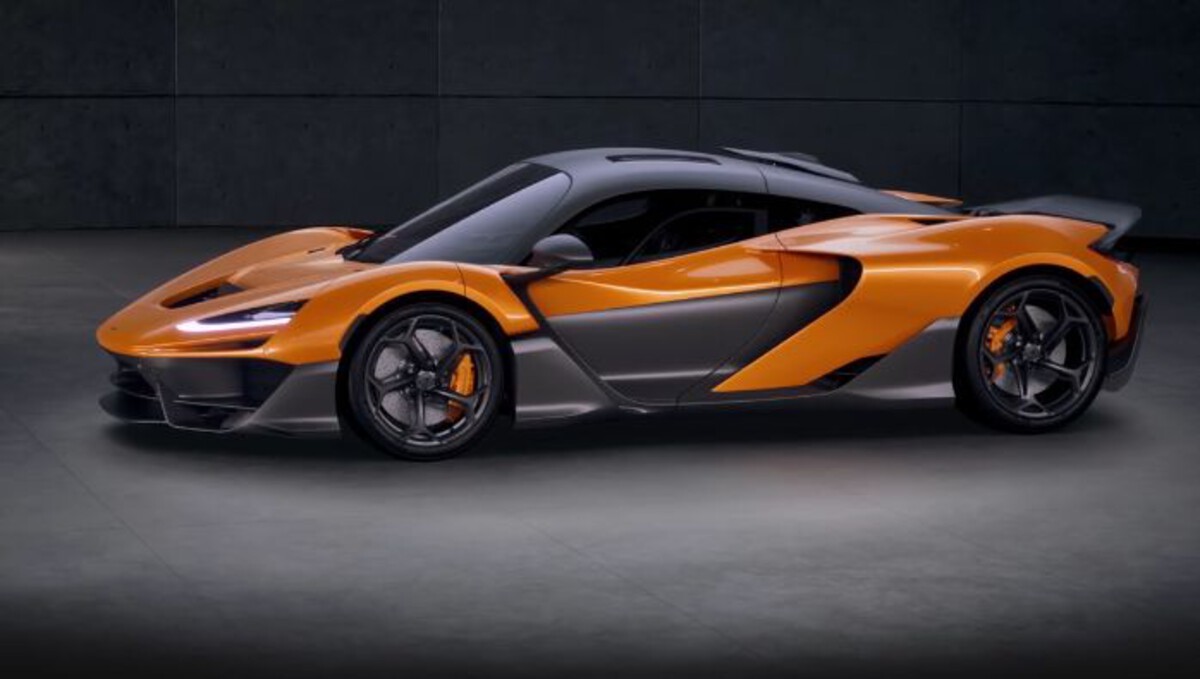
The E-module features an electric motor, control unit, and a small 1.38 kWh battery pack integrated directly into the side of the brand-new carbon fibre “Aerocell” monocoque chassis. The entire hybrid assembly weighs 88 pounds less than the old hybrid system found in the P1, while producing twice the electrical output.
The engineering focus of the W1 is centred heavily around advanced aerodynamics. The car features a radical, transforming design. When shifted into its track-focused “Race Mode,” the ride height drops significantly by 1.4 inches at the front and 0.7 inches at the rear, and the entire rear wing extends backward by 11.8 inches.
This transforms the bodywork into a long-tail aerodynamic profile. Working in tandem with an active front wing and deep underbody ground-effect tunnels, the W1 generates an incredible 2,205 pounds of net downforce without creating excessive drag. This allows it to corner with massive high-speed stability while maintaining high top-speed efficiency on straightaways.
- Engine: 4.0-Liter Twin-Turbocharged V8 with High-Output E-Module
- Torque: 988 lb-ft (Combined system total)
- Horsepower: 1,258 hp (Combined system total)
- Length: 182.5 inches (4,635 mm)
- Width: 82.0 inches (2,084 mm)
4. Porsche Mission X (Production Specification)
Porsche has a long-standing history of establishing technological benchmarks for the entire automotive industry every two decades, from the air-cooled 959 to the raw, V10-powered Carrera GT and the hybrid 918 Spyder. The next step in this evolution arrives via the production version of the Porsche Mission X.
This vehicle represents Porsche’s vision for an all-electric halo hypercar. The car features a lightweight carbon-fiber exoskeleton, Le Mans-style doors that swing forward and upward, and a compact, driver-focused glass dome canopy.
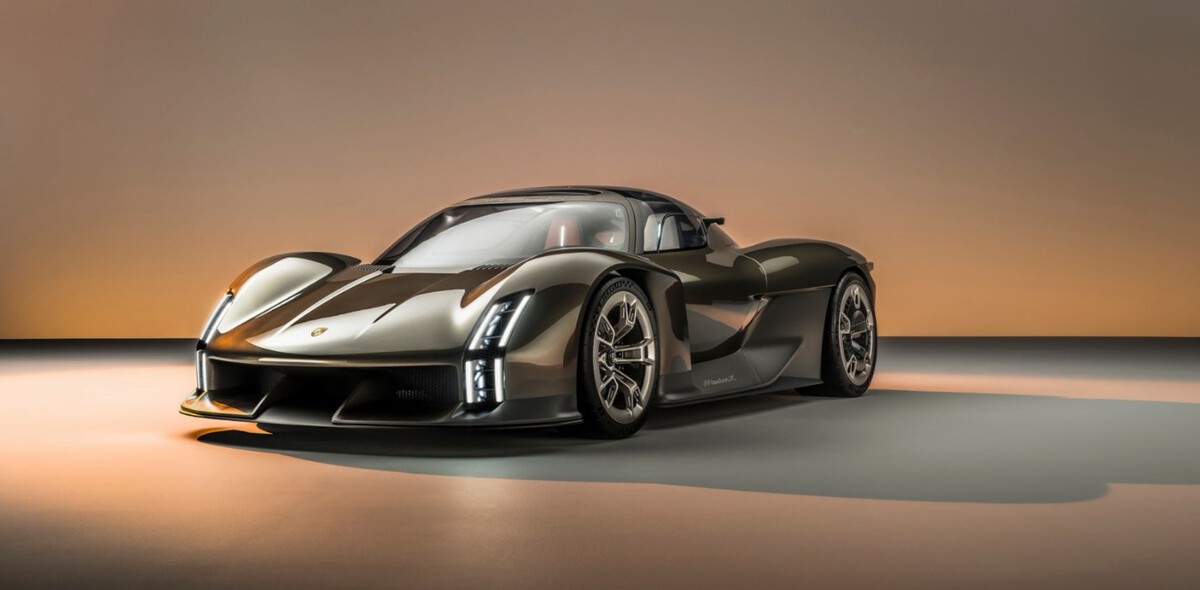
Rather than laying battery cells flat along the floor like a conventional EV, Porsche has utilized a concentrated “core-forward” battery layout positioned directly behind the passenger seats. This replicates the mid-engine weight distribution of traditional supercars, preserving agile rotation and sharp handling dynamics.
The development targets for the Mission X are ambitious. As outlined in official statements from Porsche’s Weissach development center, the vehicle is engineered to become the absolute fastest street-legal production car around the Nürburgring Nordschleife.
To achieve this, it relies on a high-performance 900-volt charging architecture and advanced PSM electric motors that deliver a perfect one-to-one power-to-weight ratio (one metric horsepower for every single kilogram of vehicle mass).
The extreme aerodynamic design features active flaps behind the front wheels and an open-channel rear diffuser that generates downforce levels exceeding those of the GT3 RS track car, all while maintaining a clean, elegant exterior design.
- Engine: High-Performance Multi-Motor Battery Electric Powertrain (900V Architecture)
- Torque: Estimated ~1,100 lb-ft (Instantaneous vectoring torque)
- Horsepower: ~1,500 hp (Targeting 1:1 power-to-weight ratio)
- Length: 177.0 inches (4,496 mm)
- Width: 78.7 inches (1,999 mm)
ALSO READ: 6 European Supercars Worth Hunting In 2026
5. Lamborghini Temerario
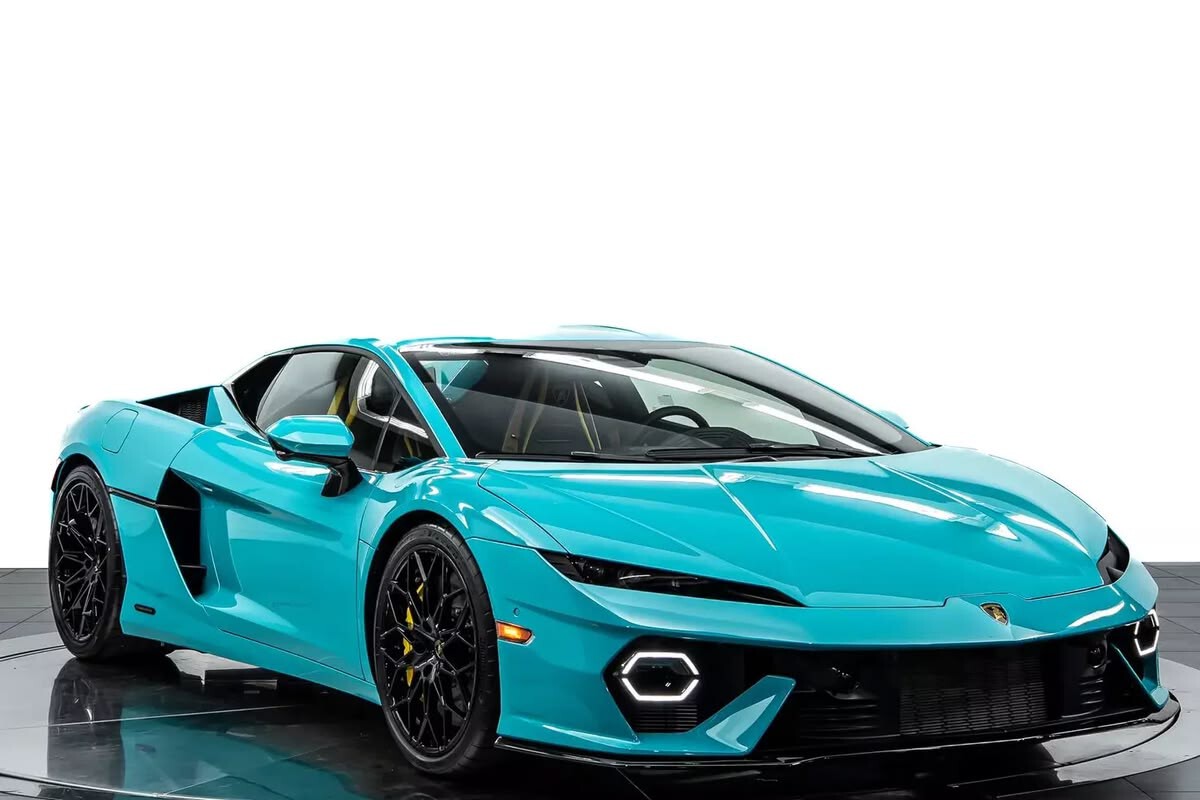
The Sant’Agata automaker has entered a new era by replacing the long-running Huracán with the Lamborghini Temerario. This launch completes the total hybridisation of Lamborghini’s main sports car lineup. The Temerario completely drops the old, naturally aspirated 5.2-litre V10 engine, moving instead to a bespoke, high-performance 4.0-litre twin-turbocharged V8 engine code-named L411.
This engine features a flat-plane crankshaft and a race-derived hot-V turbo configuration. It stands out by revving all the way to a spectacular 10,000 rpm limit, a redline previously untouched by production turbocharged V8 road cars.
The engine features lightweight titanium connecting rods and flat-profile finger-followers in the valvetrain to handle these extreme rotational speeds reliably.
To enhance low-end performance and sharpen response, Lamborghini integrated an advanced, tri-motor axial-flux plug-in hybrid system. An electric motor is placed directly between the engine and the rear transaxle to instantly fill in any turbo lag, while two independent electric motors drive the front wheels to provide torque-vectoring all-wheel drive.
As detailed on the Official Lamborghini Temerario Hub, this setup allows the car to sprint from 0 to 100 km/h in an explosive 2.7 seconds.
The Temerario updates the traditional wedge shape with modern design touches, including signature hexagonal LED daytime running lights that funnel cooling air straight into the high-performance front braking system.
- Engine: 4.0-Liter Twin-Turbocharged 10,000 rpm V8 with 3 Axial-Flux Motors
- Torque: 590 lb-ft (Engine) + 221 lb-ft (Rear Electric E-Motor)
- Horsepower: 907 hp (Combined system output)
- Length: 185.3 inches (4,706 mm)
- Width: 78.6 inches (1,996 mm)
6. Aston Martin Valhalla
Aston Martin’s journey toward building a competitive mid-engine supercar reaches maturity with the production release of the Valhalla. Positioned below the wild, F1-inspired Valkyrie, the Valhalla is designed as a highly driver-focused, usable daily supercar that retains extreme track capabilities. The car features a bespoke carbon-fibre structure developed with direct input from the Aston Martin Aramco Formula One team.
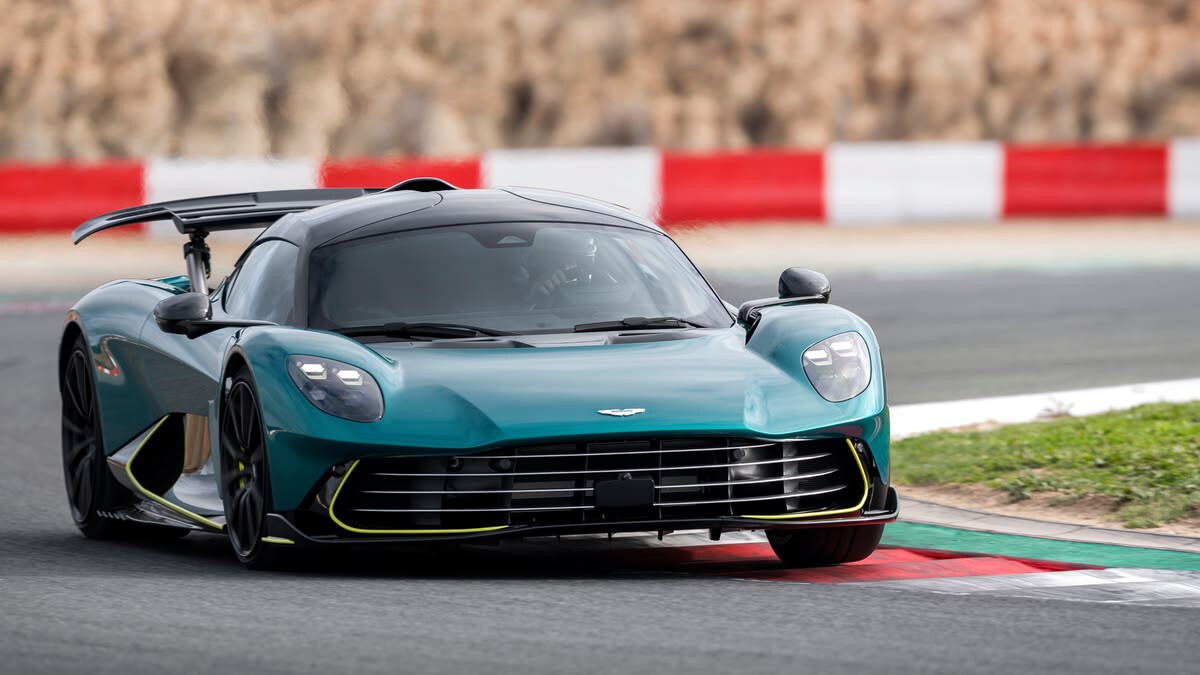
At its heart is a mid-mounted, custom-tuned 4.0-litre twin-turbo flat-plane V8 engine supplied by Mercedes-AMG. This high-revving internal combustion engine sends power exclusively to the rear wheels through an all-new, lightweight 8-speed dual-clutch transmission that features an integrated electronic limited-slip differential.
Electrification on the Valhalla comes via a dual-motor plug-in hybrid system. A dedicated electric motor is placed on the front axle, while another is integrated straight into the dual-clutch gearbox. This layout enables full torque-vectoring capabilities across the front axle to dramatically sharpen turn-in response and eliminate understeer when cornering hard on track.
The vehicle completely does away with a heavy traditional reverse gear; instead, it uses the front electric motors to drive backwards, saving weight. The exterior bodywork features advanced active front flaps and a large, integrated rear wing that generate 1,322 pounds of downforce at 150 mph, keeping the car glued to the tarmac.
- Engine: 4.0-Liter Twin-Turbocharged Flat-Plane V8 with Dual E-Motors
- Torque: ~738 lb-ft (Combined system output)
- Horsepower: 998 hp (Combined system output)
- Length: 182.2 inches (4,628 mm)
- Width: 80.7 inches (2,050 mm)
7. Chevrolet Corvette Zora
Named in honour of Zora Arkus-Duntov, the brilliant, visionary engineer who spent decades pushing General Motors to transform the Corvette into a global mid-engine contender, the upcoming Chevrolet Corvette Zora is designed to challenge the absolute peak of the European hypercar market.
The Zora is a massive engineering achievement that combines the mechanical hardware of two highly capable performance cars: the recently introduced ZR1 and the hybrid E-Ray.
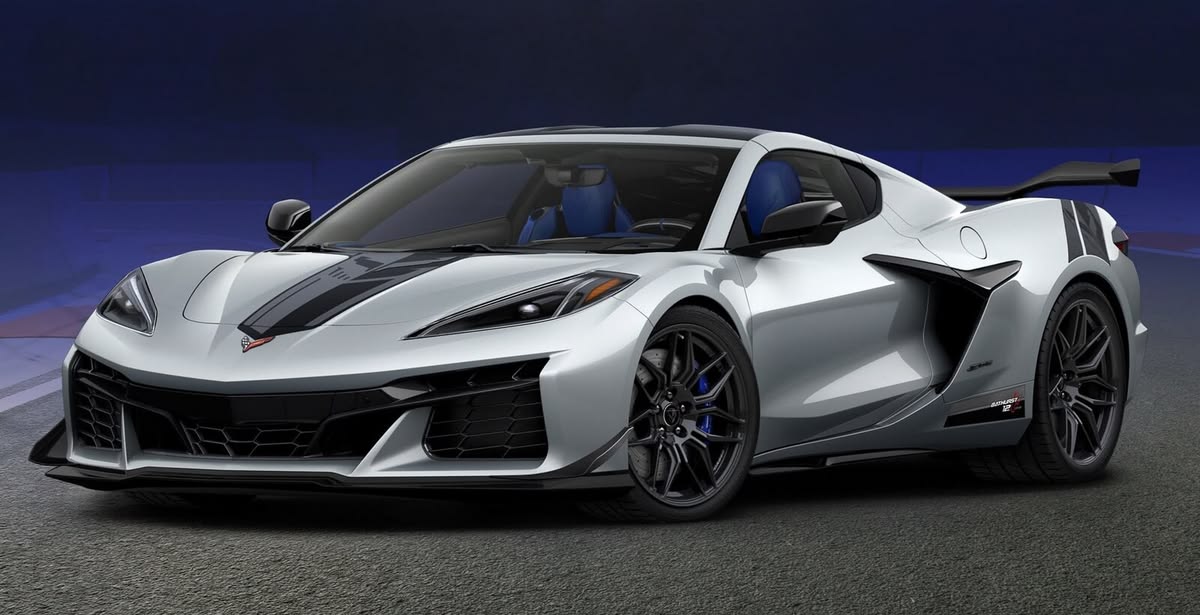
The vehicle utilises the LT7 5.5-litre twin-turbocharged flat-plane crank V8 engine, featuring an expansive intake plenum, forged pistons, and intelligent electronic wastegates. This incredible internal combustion engine produces massive power on its own, sending drive to the rear wheels via a reinforced 8-speed dual-clutch transmission.
To bring this platform to true hypercar status, Chevrolet added the front-mounted electric e-axle motor from the E-Ray. This addition creates an advanced, high-performance all-wheel-drive system. The front electric motor delivers immediate low-end torque from a standstill, while the twin turbochargers build boost to unleash strong top-end power.
The Zora features a distinct, aggressive exterior design with a split rear window that pays homage to classic Corvette styling, enhanced cooling ducts along the rear quarters, and an aggressive aerodynamics package designed to manage heat and maintain balance at speeds well past 200 mph.
- Engine: 5.5-Liter Twin-Turbocharged LT7 Flat-Plane V8 paired with Front E-Motor
- Torque: Estimated ~900 lb-ft (Combined system output)
- Horsepower: ~1,224 hp (Combined system output)
- Length: 186.3 inches (4,732 mm)
- Width: 79.7 inches (2,024 mm)
8. Koenigsegg CC850 (Production Delivery & Optimization)
Christian von Koenigsegg continues to challenge conventional automotive engineering with the final delivery and production track tuning of the CC850. Built as a modern tribute to the original CC8S supercar, this machine features a clean, smooth exterior design that avoids the aggressive wing profiles common on many modern hypercars.
Underneath the bodywork sits a 5.0-liter twin-turbocharged V8 engine that runs without a traditional flywheel, making it incredibly responsive and fast-revving. When running on standard pump gas, the engine develops 1,185 horsepower.
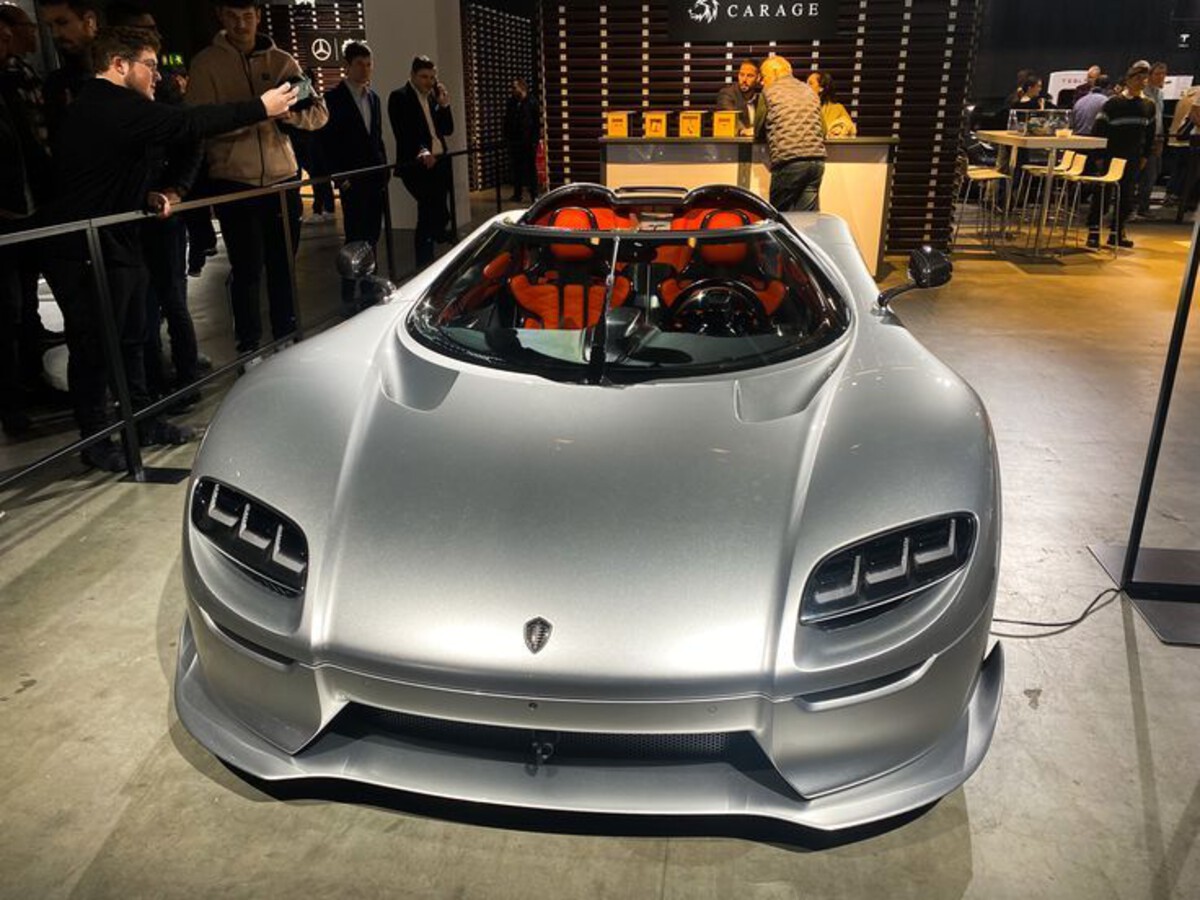
However, filling the tank with E85 biofuel pushes output to an extraordinary 1,385 horsepower, matching the car’s 1,385-kilogram curb weight for a perfect one-to-one power-to-weight ratio.
The real engineering highlight of the CC850 is its revolutionary Engage Shifter System (ESS). This system redefines how a transmission can operate by altering the multi-clutch, 9-speed Light Speed Transmission. Inside the cabin, drivers are greeted by a beautiful, gated physical shifter and a mechanical clutch pedal.
In manual mode, the car functions exactly like a traditional 6-speed manual transmission, where stalling is possible if you mishandle the clutch. Flip the shifter into the automatic slot, and it instantly transforms into a smooth, fast-shifting 9-speed automatic transmission. This gives drivers the best of both worlds: pure mechanical engagement or effortless high-speed performance.
- Engine: 5.0-Liter Twin-Turbocharged V8 (Flywheel-less design)
- Torque: 1,022 lb-ft
- Horsepower: 1,385 hp (When running on E85 Biofuel)
- Length: 171.8 inches (4,364 mm)
- Width: 79.9 inches (2,030 mm)
9. Pagani Utopia Roadster
While many boutique hypercar manufacturers are moving toward hybrid power or all-electric drivetrains, Horacio Pagani continues to chart a highly artistic, analog path forward with the introduction of the Pagani Utopia Roadster. The open-top version of the Utopia is built using Pagani’s advanced, proprietary composite materials, including Carbo-Titanium HP62 G2 and Carbo-Triax HP62.
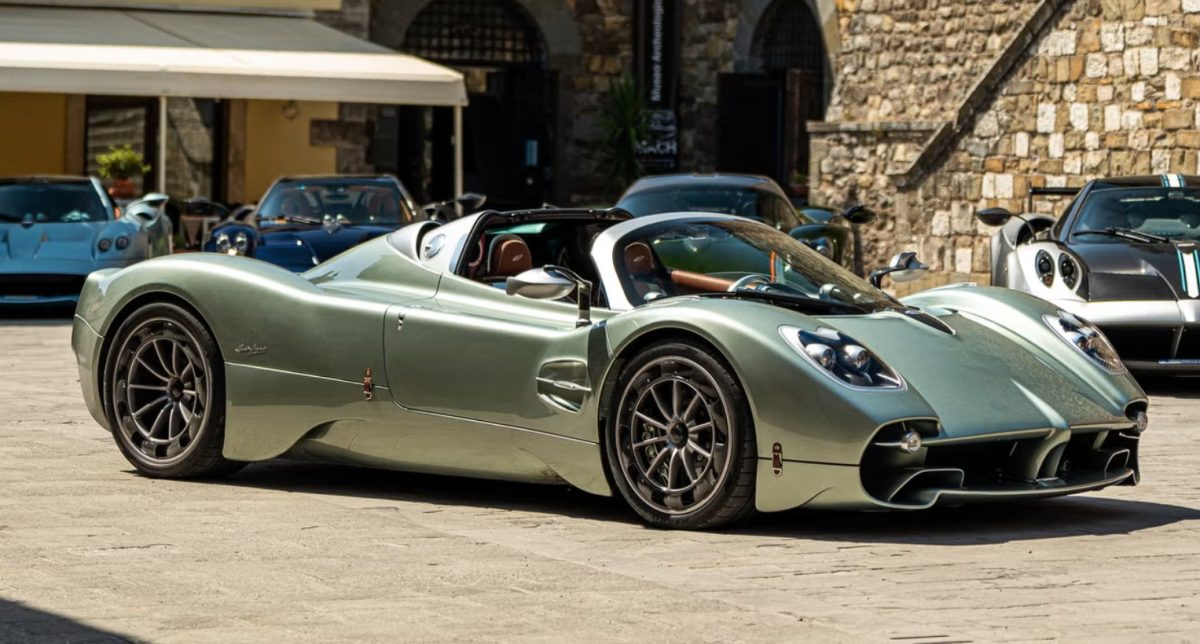
These advanced materials ensure the Roadster matches the exact structural rigidity and stiffness of the coupe version without requiring heavy extra chassis reinforcement, keeping the weight down to a featherlight 2,822 pounds. The exterior features a smooth design with clean lines, butterfly doors, and a removable hardtop roof panel that stores away neatly.
The powertrain remains a masterpiece of traditional mechanical engineering: a 6.0-liter twin-turbocharged 60-degree V12 engine developed exclusively for Pagani by Mercedes-AMG.
This engine delivers massive power directly to the rear wheels without any hybrid assist, batteries, or electric motors. Drivers can choose between an automated manual transmission or a pure, gated 7-speed manual gearbox featuring an exposed, artfully machined linkage mechanism.
The interior is a beautiful blend of classic design and premium materials, featuring analog dials, a steering wheel carved out of a single block of aluminium, and exposed mechanical details that make the cabin feel like a luxury mechanical watch.
- Engine: 6.0-Liter Twin-Turbocharged 60° Mercedes-AMG V12
- Torque: 811 lb-ft
- Horsepower: 864 hp
- Length: 182.5 inches (4,635 mm)
- Width: 81.3 inches (2,065 mm)
ALSO READ: 10 Forgotten Japanese Supercars Worth Hunting in 2026
10. Lexus LFR
Lexus is set to make a triumphant return to the top-tier supercar market with the long-awaited production version of its GT3-bound concept, officially expected to debut under the Lexus LFR nameplate. Developed as a spiritual successor to the legendary, V10-powered LFA, the LFR shifts from a limited boutique build to a highly advanced, modern track-focused performance icon.
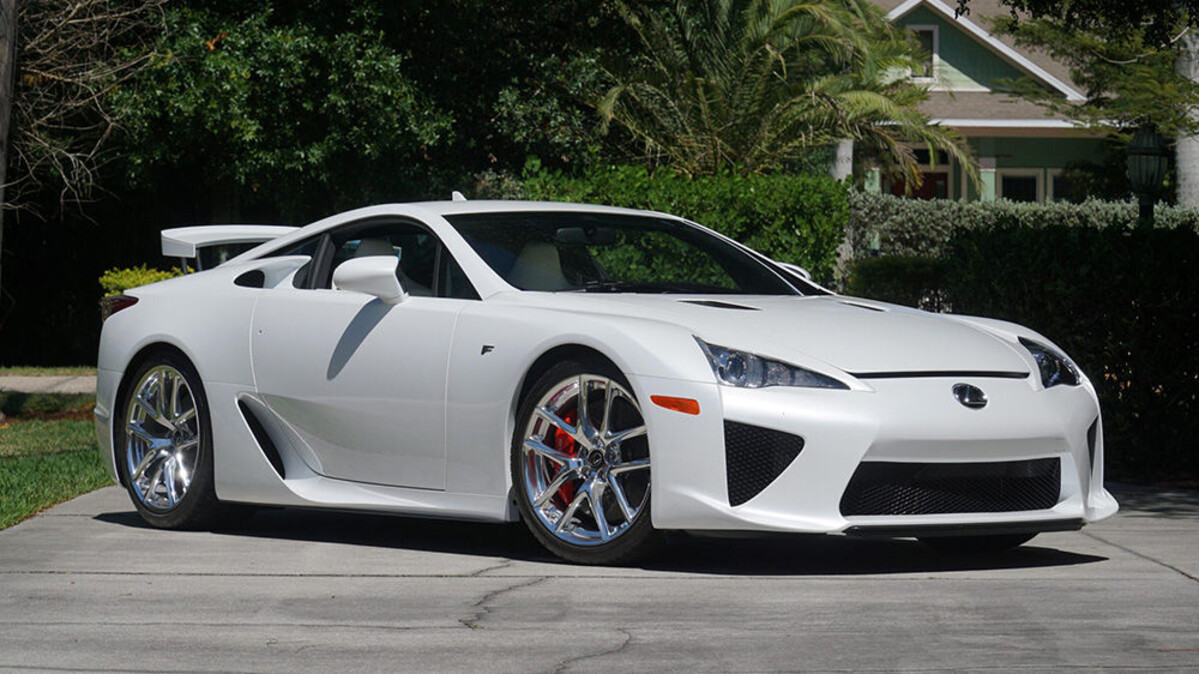
The car features a front-mid engine layout with a rear transaxle to provide an optimal front-to-rear weight balance. It drops the old naturally aspirated design for an all-new, high-revving twin-turbocharged V8 engine. This new powerplant features a flat-plane crankshaft designed to deliver an aggressive, high-pitched exhaust note that pays homage to the musical roar of its predecessor.
The V8 internal combustion engine is augmented by a high-output hybrid system developed directly through Toyota Gazoo Racing’s extensive endurance racing programs. This hybrid system uses a small, high-density battery pack designed for rapid energy discharge and regeneration, allowing it to instantly supply an electric boost when powering out of tight corners.
The LFR features a highly functional, aggressive exterior shape shaped by aerodynamics, featuring a long hood line, large front splitters, carbon fiber dive planes, and a massive, integrated rear wing that works together to generate high downforce levels for high-speed stability on track.
- Engine: Twin-Turbocharged Flat-Plane Crank V8 with High-Output Hybrid System
- Torque: Estimated ~750 lb-ft (Combined system output)
- Horsepower: Estimated ~950 hp (Combined system output)
- Length: 184.6 inches (4,690 mm)
- Width: 80.3 inches (2,040 mm)
The 2026 performance scene presents a fascinating contrast. On one side, we see incredible performance numbers: zero-to-sixty times are dropping below two seconds, downforce figures are matching full-fledged race cars, and advanced torque-vectoring systems can make almost any driver look like a professional racer around a track.
On the other side, we face a deeper question: does this absolute digital control risk make the driving experience feel disconnected?
When a car’s onboard computers can calculate and adjust torque distribution thousands of times per second, managing traction and stability automatically, the driver can sometimes feel more like a passenger directing a computer program rather than a pilot controlling a machine.
The true success of this generation of supercars will not be decided by track lap times, top speed figures, or total horsepower outputs. It will be decided by how effectively these manufacturers can use advanced technology to enhance, rather than replace, the mechanical connection between driver and car.
The vehicles that become legendary will be the ones that use their advanced hybrid systems, active suspension setups, and complex aerodynamics to make the driving experience feel more engaging and visceral, retaining that raw mechanical soul while redefining what is possible on public roads.