
The automotive world is deeply shaped by regional demand, engineering priorities, and regulatory frameworks, and nowhere is this more visible than in the differences between European and American car markets.
Over the decades, Europe has produced a wide variety of vehicles that never officially reached the United States, even though many of them gained strong reputations for performance, design, and innovation. These cars often reflect a different automotive philosophy, one that prioritizes compact dimensions, efficiency, handling precision, and versatility rather than the large size and high-displacement engines traditionally favored in America.
European manufacturers operate in a market where narrow city streets, higher fuel prices, and strict emissions regulations heavily influence vehicle design. As a result, many European cars are engineered to be smaller, lighter, and more technologically efficient.
These characteristics make them ideal for their home markets, but sometimes difficult to justify for American distribution due to differing consumer expectations and costly regulatory modifications. Even when these vehicles are highly successful in Europe, manufacturers often decide not to launch them in the United States due to concerns about profitability, brand positioning, or internal product overlap.
Another major factor is brand strategy. Automakers frequently avoid introducing niche or specialized models in markets where they may compete with existing offerings. In some cases, companies fear that a unique European model might cannibalize sales of another vehicle already established in the United States.
In other situations, the cost of modifying a vehicle to meet American safety and emissions regulations is simply too high compared to the expected return on investment. These combined factors have resulted in many iconic European cars remaining exclusive to their original markets.
Despite their absence from American roads, these vehicles have developed strong global fan communities thanks to automotive journalism, online forums, and social media.
Enthusiasts in the United States often admire these cars from afar, appreciating their engineering creativity and distinctive character. Some of these models have even achieved cult status, becoming highly desirable imports under special regulations.
This article explores eight European cars that were never officially launched in America, highlighting their design philosophy, performance capabilities, and the reasons behind their limited regional availability. Each model represents a unique piece of automotive history that showcases the diversity of European engineering.
Also Read: IIHS Dings BMW i4 for Weak Headlights and AEB System
- Engine: 3.0L naturally aspirated V6 (mid engine, rear wheel drive)
- Horsepower: ~255 hp (early phase), ~255–260 hp (Phase 2)
- Torque: ~300 Nm (221 lb ft)
- Length: ~3,810 mm
- Width: ~1,810 mm
1. Renault Clio V6
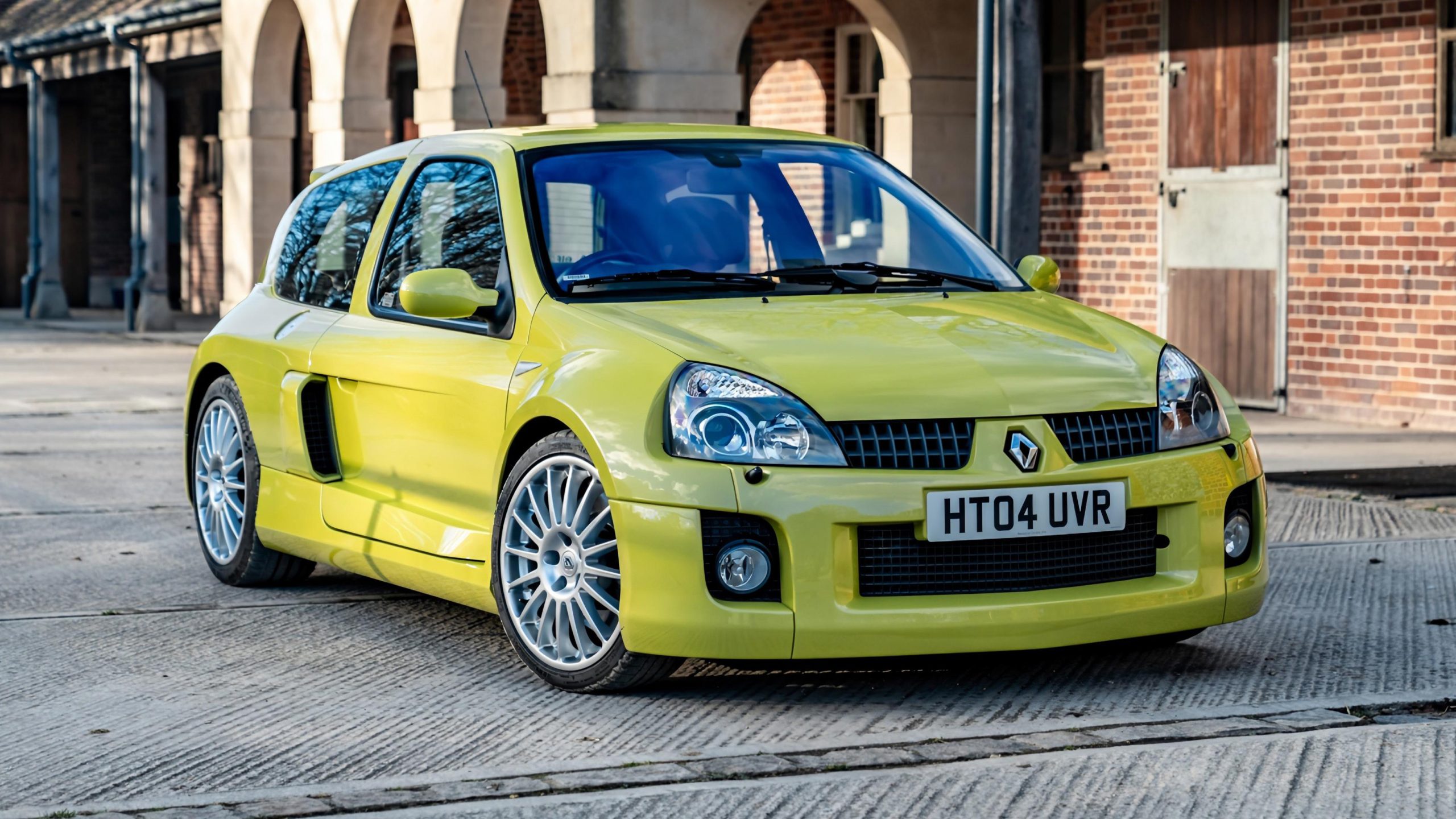
The Renault Clio V6 is one of the most extreme transformations ever made to a compact hatchback. At first glance, it resembles a regular Renault Clio, but almost every aspect of its engineering tells a completely different story.
Developed in the early 2000s, the Clio V6 was Renault Sport’s bold attempt to create a mid-engine hot hatch that could deliver supercar-level excitement in a small, accessible package. Instead of simply tuning the standard Clio, engineers removed the rear seats entirely and restructured the chassis to accommodate a naturally aspirated V6 engine placed directly behind the driver.
This radical engineering change turned the Clio V6 into something entirely different from its original form. The mid-engine layout dramatically altered weight distribution, giving the car a completely unique driving dynamic compared to front-engine hot hatchbacks.
Wide rear wheel arches, aggressive body modifications, and a significantly widened track made it visually striking and immediately recognizable. It was no longer just a compact hatchback but a performance-focused machine with exotic car proportions.
Driving the Clio V6 was an experience that demanded respect and skill. Unlike modern performance cars that rely heavily on electronic stability systems, the Clio V6 offered a raw and mechanical feel. The absence of advanced driver aids meant that throttle control and steering precision were critical, especially during high-speed cornering.
The car could deliver exhilarating performance in the right hands, but it was also known for being unpredictable when pushed beyond its limits. This dual personality made it both admired and feared among driving enthusiasts.
Another important aspect of the Clio V6 was its limited production volume. Renault built it in relatively small numbers, making it a rare and collectible performance car even within Europe.
Its exclusivity, combined with its unconventional engineering, helped it gain legendary status among hot hatch enthusiasts. It remains one of the most extreme interpretations of the hot hatch concept ever created.
The Renault Clio V6 never officially reached American dealerships, largely because Renault had withdrawn from the United States market long before its release. Even if it had been available, it would have faced significant regulatory challenges due to its radical modifications and low production scale. Today, it remains one of the most iconic European performance cars Americans never got to experience firsthand.
- Engine: 2.0L turbocharged inline 4
- Horsepower: ~265 hp (Scirocco R)
- Torque: ~350 Nm (258 lb ft)
- Length: ~4,256 mm
- Width: ~1,810 mm
2. Volkswagen Scirocco Third Generation
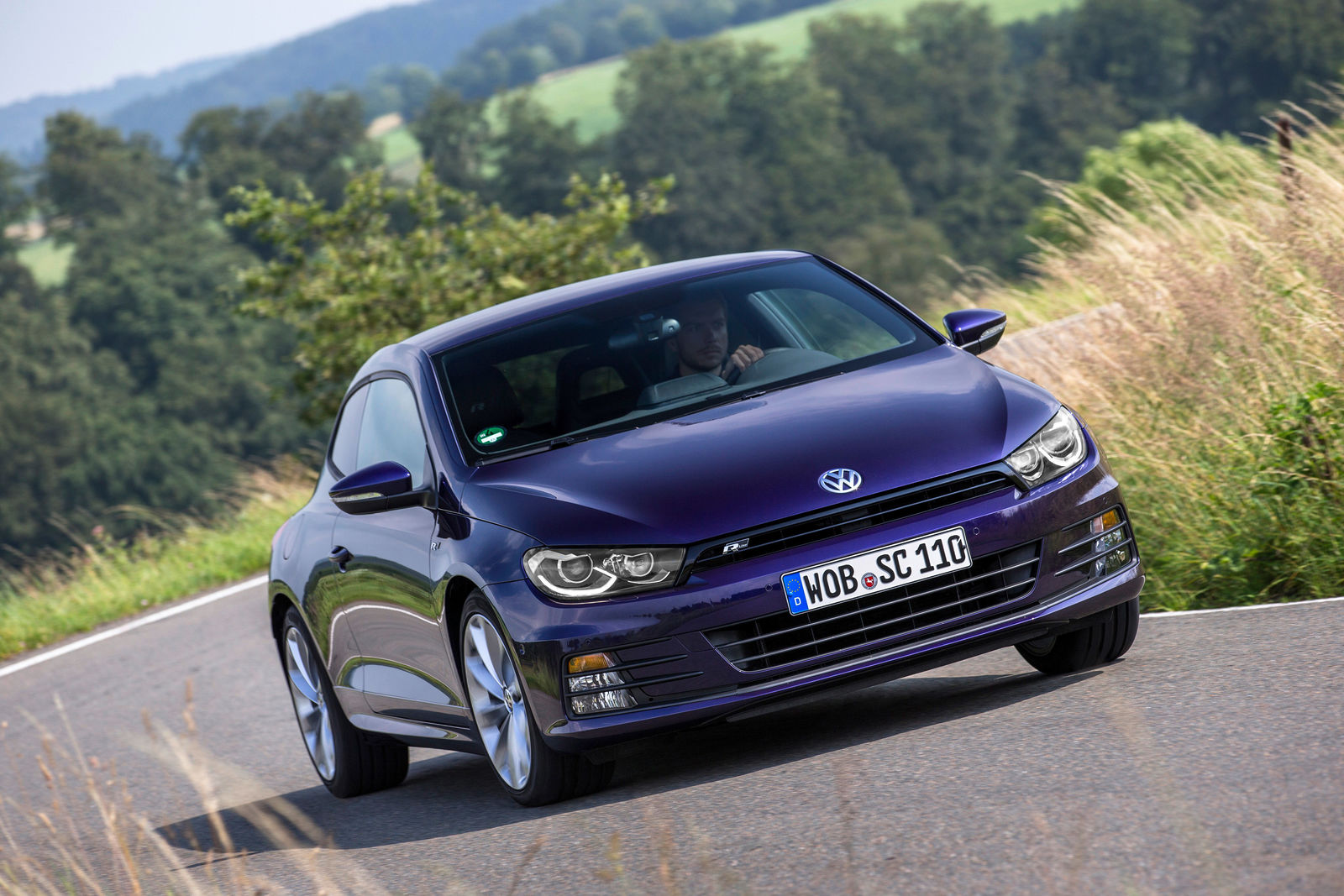
The third-generation Volkswagen Scirocco marked the revival of a nameplate that had once been popular in the 1970s and 1980s. When Volkswagen reintroduced the Scirocco in the late 2000s, it aimed to create a stylish and sporty alternative to mainstream hatchbacks.
Built on the same platform as the Volkswagen Golf, the Scirocco was designed to offer a more emotional and visually striking option within the brand’s lineup.
What immediately set the Scirocco apart was its design. Unlike the practical and conservative Golf, the Scirocco featured a low-slung roofline, wide stance, and coupe-like proportions. This gave it a sportier and more aggressive appearance while still retaining the usability of a hatchback. The design was intended to appeal to younger buyers who wanted performance-inspired styling without sacrificing everyday practicality.
Under the hood, the Scirocco offered a range of turbocharged engines that balanced efficiency with performance. Entry-level versions delivered solid fuel economy, while higher trims provided strong acceleration and responsive power delivery.
The Scirocco R, the performance flagship, significantly elevated the model’s capabilities with enhanced horsepower, upgraded suspension systems, and sharper steering response. This made it one of the most exciting compact performance cars in Volkswagen’s lineup at the time.
Inside the cabin, Volkswagen maintained its reputation for quality and functionality. The interior featured durable materials, ergonomic design, and a clean layout that prioritized usability. Although not as luxurious as premium German brands, it delivered a well-balanced driving environment that suited both daily commuting and spirited driving. The seating position and driver-focused layout further enhanced its sporty character.
Despite its popularity in Europe, the Scirocco was never officially introduced in the American market. Volkswagen decided that the Golf and GTI already fulfilled similar roles, and adding the Scirocco would likely cause internal competition. As a result, American enthusiasts were left without access to one of Volkswagen’s most stylish and emotionally appealing hatchbacks.
- Engine: 1.6L turbocharged inline 4 + 2 electric motors (plug-in hybrid AWD)
- Horsepower: ~360 hp (combined output)
- Torque: ~520 Nm (384 lb ft)
- Length: ~4,750 mm
- Width: ~1,859 mm
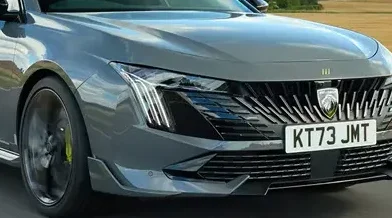
3. Peugeot 508 Peugeot Sport Engineered
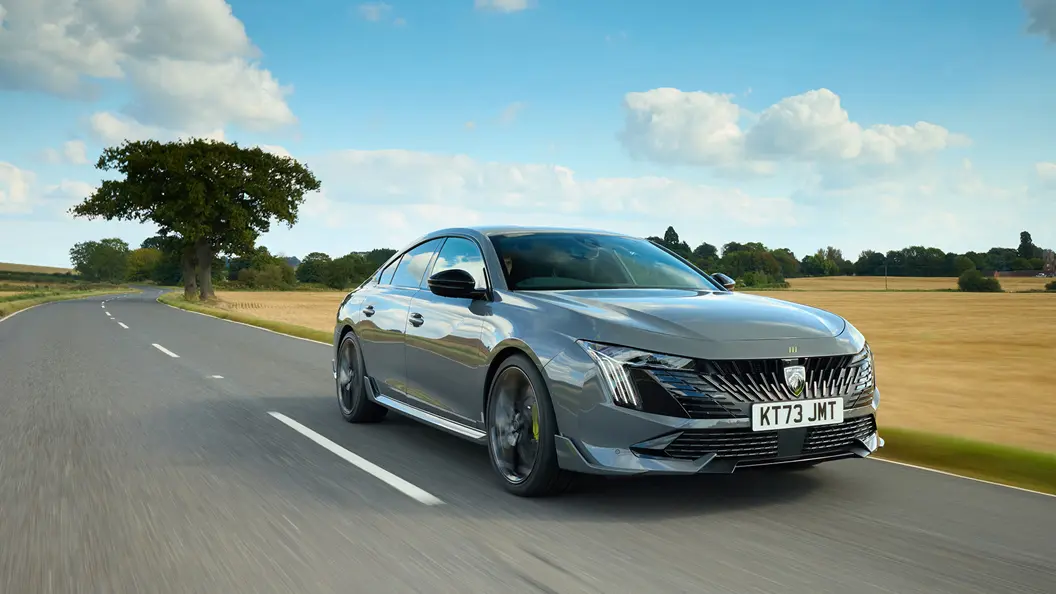
The Peugeot 508 Peugeot Sport Engineered represents a modern evolution of performance sedans, blending hybrid technology with sporty driving dynamics. Developed by Peugeot’s performance division, this model was designed to demonstrate that efficiency and high performance could coexist in a single vehicle. It stands as one of the most advanced vehicles ever produced by the French manufacturer.
From a design perspective, the 508 Peugeot Sport Engineered features a sleek fastback silhouette that gives it a premium and aerodynamic appearance. Sharp body lines, aggressive front fascia elements, and distinctive lighting signatures contribute to its futuristic look. The styling reflects Peugeot’s shift toward a more upscale and technologically advanced brand identity.
The powertrain is one of its most impressive aspects. The vehicle combines a turbocharged internal combustion engine with multiple electric motors, creating a plug-in hybrid system that delivers strong combined output.
This setup allows the car to accelerate quickly while also offering electric-only driving capability for short distances. The integration of hybrid technology enhances both performance and efficiency, making it suitable for modern environmental standards.
On the road, the 508 Peugeot Sport Engineered delivers a refined yet engaging driving experience. Instant electric torque improves acceleration response, while the tuned suspension system provides stability and comfort. The all wheel drive configuration enhances traction, making the car capable in a variety of driving conditions. It strikes a balance between daily usability and spirited performance.
Although Peugeot once had a presence in the United States many decades ago, the brand has not returned to the market. As a result, the 508 Peugeot Sport Engineered remains unavailable to American buyers. This makes it one of the most technologically interesting European performance sedans that enthusiasts in the United States cannot officially purchase.
- Engine: 2.0L turbocharged inline 4 (TSI)
- Horsepower: ~300 hp
- Torque: ~380 Nm (280 lb ft)
- Length: ~4,280 mm
- Width: ~1,816 mm
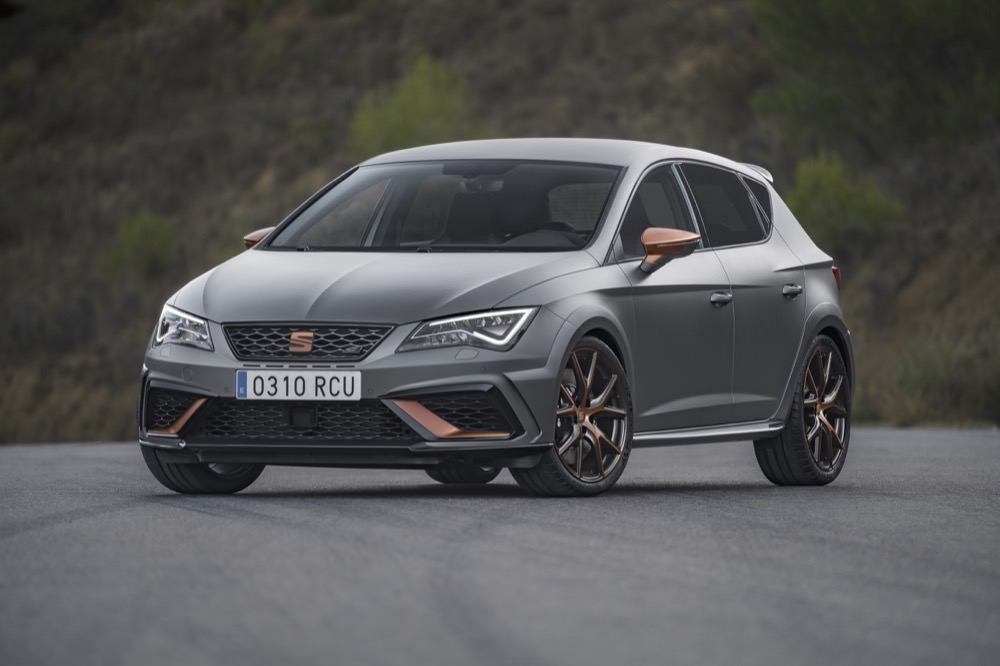
4. SEAT Leon Cupra R
The SEAT Leon Cupra R is widely regarded as one of the most exciting hot hatchbacks produced by the Spanish automaker SEAT. Positioned at the top of the Leon range, it was designed to compete with other high performance hatchbacks in Europe while offering strong value for money. It quickly gained recognition for its balance of practicality and performance.
In terms of design, the Leon Cupra R features aggressive styling elements that clearly distinguish it from standard versions of the Leon. These include larger air intakes, aerodynamic enhancements, and sporty accents that reinforce its performance identity. Despite these enhancements, it retains the practicality of a five-door hatchback, making it suitable for everyday use.
Performance is one of its defining strengths. The turbocharged engine delivers strong acceleration and responsive power delivery across a wide range of speeds.
Whether used in city driving or on open highways, the car maintains a lively and engaging character. Its performance capabilities made it a popular choice among enthusiasts looking for an affordable yet powerful vehicle.
Handling was carefully engineered to match its performance output. SEAT tuned the suspension system to provide sharp cornering ability while still maintaining acceptable ride comfort. The steering response is precise, allowing drivers to feel connected to the road. This balance made the Leon Cupra R suitable for both daily commuting and spirited driving on winding roads.
Since SEAT has never officially entered the United States market, the Leon Cupra R was never offered to American consumers. This absence has contributed to its reputation as a hidden gem among hot hatch enthusiasts who follow European automotive trends.
- Engine: 2.0L turbocharged petrol or diesel (varies by version)
- Horsepower: ~190 hp to 280 hp (depending on variant)
- Torque: ~320 Nm to 400 Nm
- Length: ~4,869 mm
- Width: ~1,864 mm
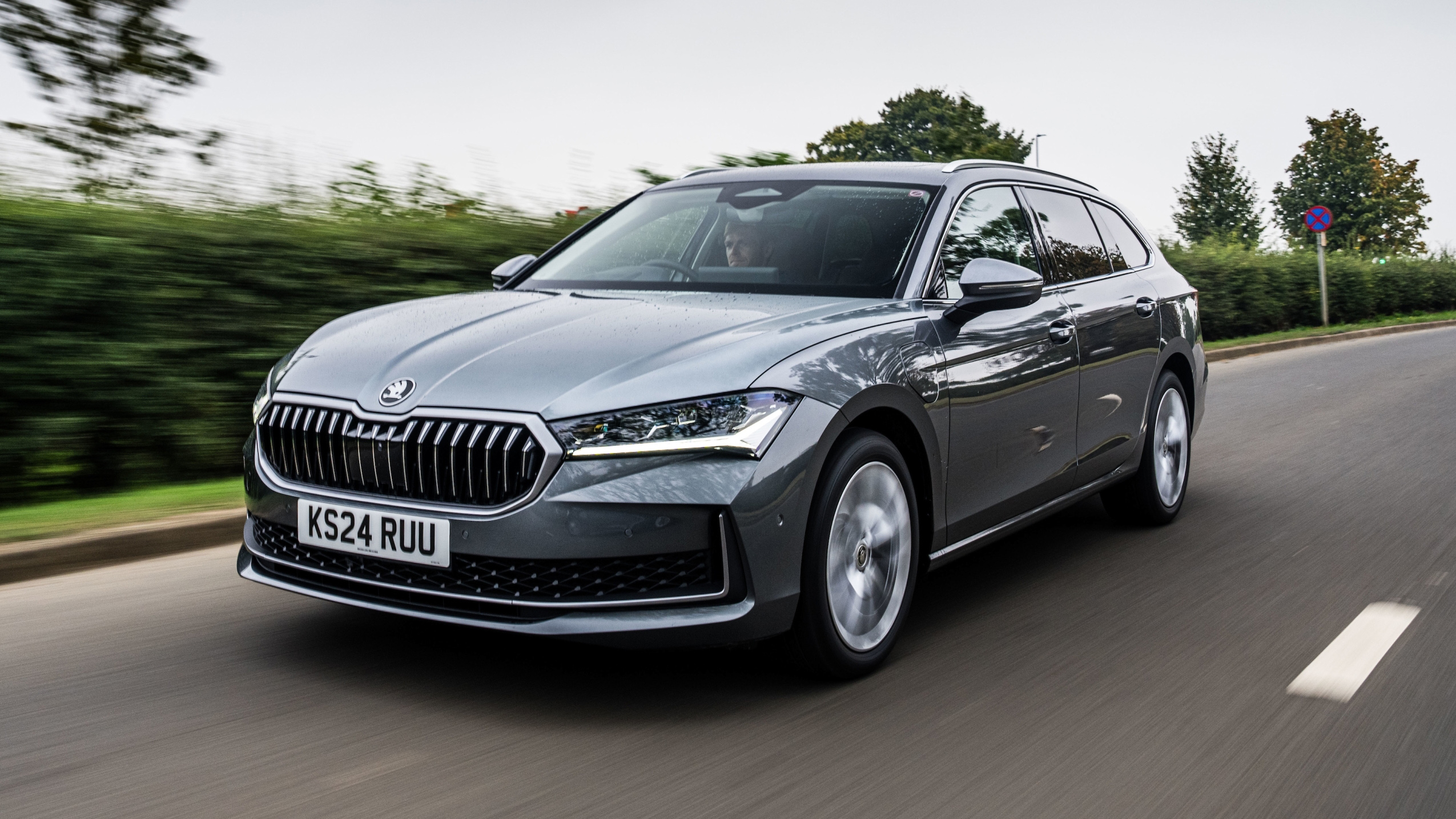
5. Skoda Superb Estate
The Skoda Superb Estate is one of the most practical and spacious vehicles ever produced in Europe. Known for its exceptional interior, it has become a favorite among families, business professionals, and long-distance travelers. Skoda engineered this model with a strong focus on comfort, utility, and value.
One of its standout features is interior space. The rear seating area offers class-leading legroom, making it one of the most comfortable vehicles for passengers in its segment. The cargo area is equally impressive, capable of handling large luggage loads with ease. This makes the Superb Estate ideal for both daily life and extended road trips.
Despite its focus on practicality, the vehicle also delivers a refined driving experience. The suspension system is tuned to absorb road imperfections, ensuring a smooth ride even on long journeys. Engine options provide a good balance of performance and fuel efficiency, making it suitable for a wide range of driving needs.
Skoda also equips the Superb Estate with modern technology and safety features. These include driver assistance systems, infotainment upgrades, and convenience features designed to improve usability. The combination of technology and practicality enhances its appeal as a modern family vehicle.
Even though station wagons have a niche following in the United States, Skoda has never officially entered the American market. As a result, the Superb Estate remains one of the most impressive yet unavailable European family cars for American buyers.
- Engine: 1.4L turbo / 1.75L turbo (performance variants)
- Horsepower: ~240 hp (Quadrifoglio Verde)
- Torque: ~340 Nm (251 lb ft)
- Length: ~4,351 mm
- Width: ~1,798 mm
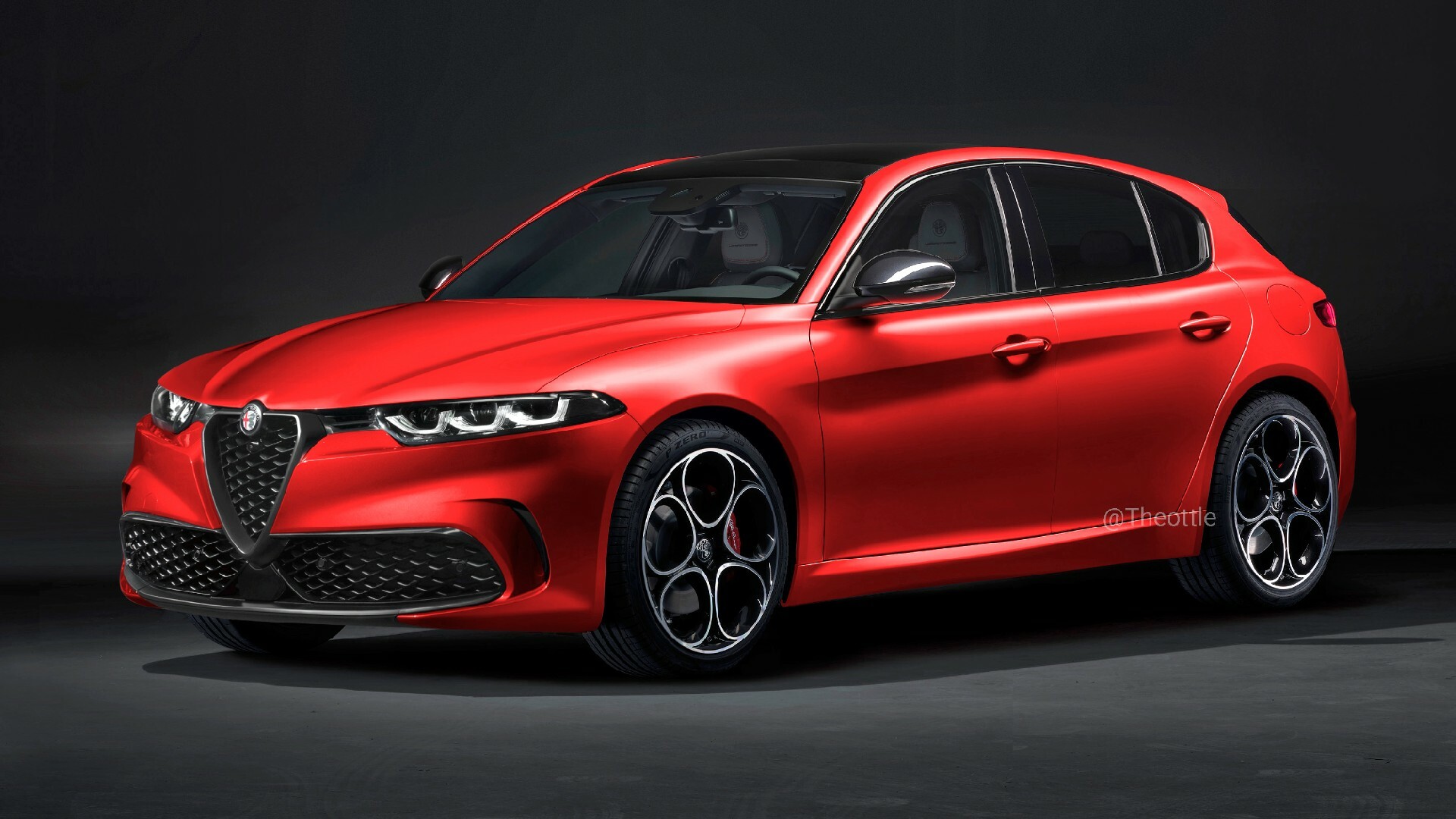
6. Alfa Romeo Giulietta
The Alfa Romeo Giulietta is one of the most emotionally styled and driver focused hatchbacks ever produced in Europe. Designed as part of Alfa Romeo’s effort to strengthen its compact car lineup, the Giulietta carried forward the brand’s long-standing tradition of combining Italian design flair with engaging driving dynamics.
It was built to compete in a highly competitive segment dominated by German and French manufacturers, yet it stood out due to its strong personality and distinctive character.
From a design standpoint, the Giulietta is unmistakably Italian. Its flowing body lines, sculpted surfaces, and signature triangular grille give it a bold road presence that immediately sets it apart from more conservative hatchbacks.
The proportions were carefully crafted to create a sense of movement even when the car was stationary. Designers focused heavily on aesthetics, ensuring that the vehicle conveyed elegance and sportiness at the same time. This emphasis on emotional design helped the Giulietta build a strong identity in European markets.
Inside the cabin, the Giulietta continued its focus on driver engagement. The interior layout was centered around the driver, with controls positioned for intuitive access and a seating position that encouraged an active driving style.
While not overly luxurious, the materials and design details reflected Alfa Romeo’s attention to character rather than minimalism. The cabin created an atmosphere that felt more personal and expressive compared to many of its rivals.
On the road, the Giulietta delivered a driving experience that emphasized agility and responsiveness. Its steering was designed to be precise and communicative, allowing drivers to feel connected to the road surface.
Engine options varied from efficient turbocharged units to more powerful performance versions, giving buyers a range of choices depending on their needs. The chassis tuning prioritized balance, making it enjoyable on both city streets and winding roads.
Despite its popularity in Europe, the Alfa Romeo Giulietta never received an official launch in the United States.
While Alfa Romeo has sold other models in the American market, the Giulietta was never adapted for U.S. regulations or positioned within its product strategy. As a result, American enthusiasts missed out on one of the most stylish and character-rich hatchbacks Italy has produced in recent decades.
- Engine: 2.8L turbocharged V6
- Horsepower: ~325 hp
- Torque: ~435 Nm (321 lb ft)
- Length: ~4,830 mm
- Width: ~1,856 mm
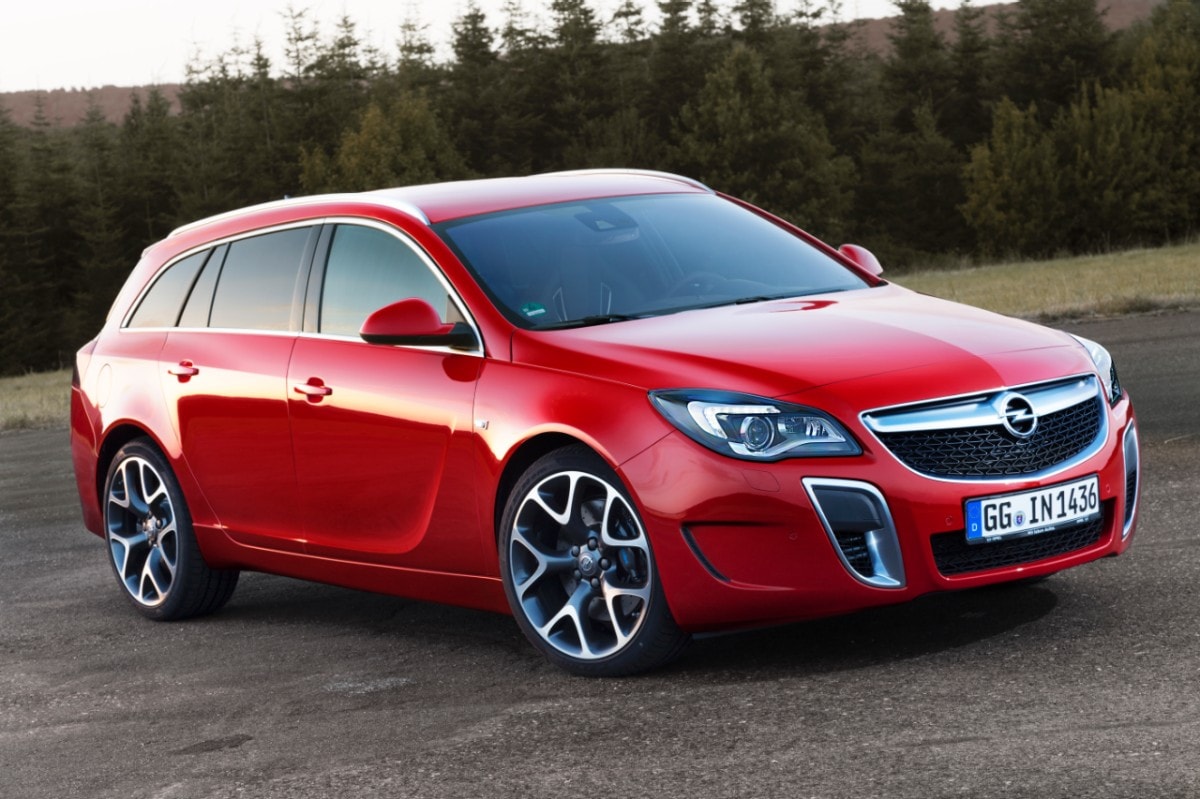
7. Opel Insignia OPC
The Opel Insignia OPC represents the high-performance interpretation of Opel’s midsize sedan and wagon lineup. Designed by Opel’s performance division, OPC, the model was intended to compete with powerful sports sedans from German rivals while still maintaining everyday usability. It combined practicality with serious performance upgrades, making it one of the most capable vehicles in its segment during its production years.
In terms of design, the Insignia OPC adopted a subtle yet aggressive styling approach. Instead of appearing overly flashy, it incorporated performance-focused elements such as larger air intakes, aerodynamic enhancements, and unique alloy wheels.
These modifications gave the vehicle a more purposeful stance without sacrificing the elegance expected from a midsize European sedan. The design philosophy emphasized understated performance rather than attention-seeking aesthetics.
Under the hood, the Insignia OPC was powered by a turbocharged engine capable of producing substantial horsepower for its class. This engine delivered strong acceleration and impressive mid-range performance, allowing the car to compete with more expensive performance sedans.
The inclusion of All Wheel Drive further enhanced traction, making the vehicle stable and confident even under demanding driving conditions.
The driving experience was shaped by Opel’s focus on chassis engineering. The suspension system was specially tuned to handle both spirited driving and long-distance comfort.
Adaptive damping technology helped adjust ride characteristics depending on driving conditions, providing a balance between sportiness and refinement. Steering response was precise, giving drivers a strong sense of control.
Inside, the Insignia OPC offered a practical yet sporty cabin environment. Supportive seats, performance-oriented design touches, and a driver-focused layout created a comfortable space for both daily use and dynamic driving. Technology features and infotainment systems ensured modern convenience, making it suitable for family use as well.
Despite its strengths, the Opel Insignia OPC was never officially sold in the United States under the Opel brand. While related models appeared in North America through other General Motors branding strategies, the OPC version itself remained exclusive to Europe.
This makes it one of the more underrated performance sedans that never reached American buyers in its original form.
- Engine: 4.2L V8 (older) / 2.9L twin turbo V6 (newer B9)
- Horsepower: ~450 hp (B9 RS4 Avant)
- Torque: ~600 Nm (443 lb ft)
- Length: ~4,781 mm
- Width: ~1,866 mm
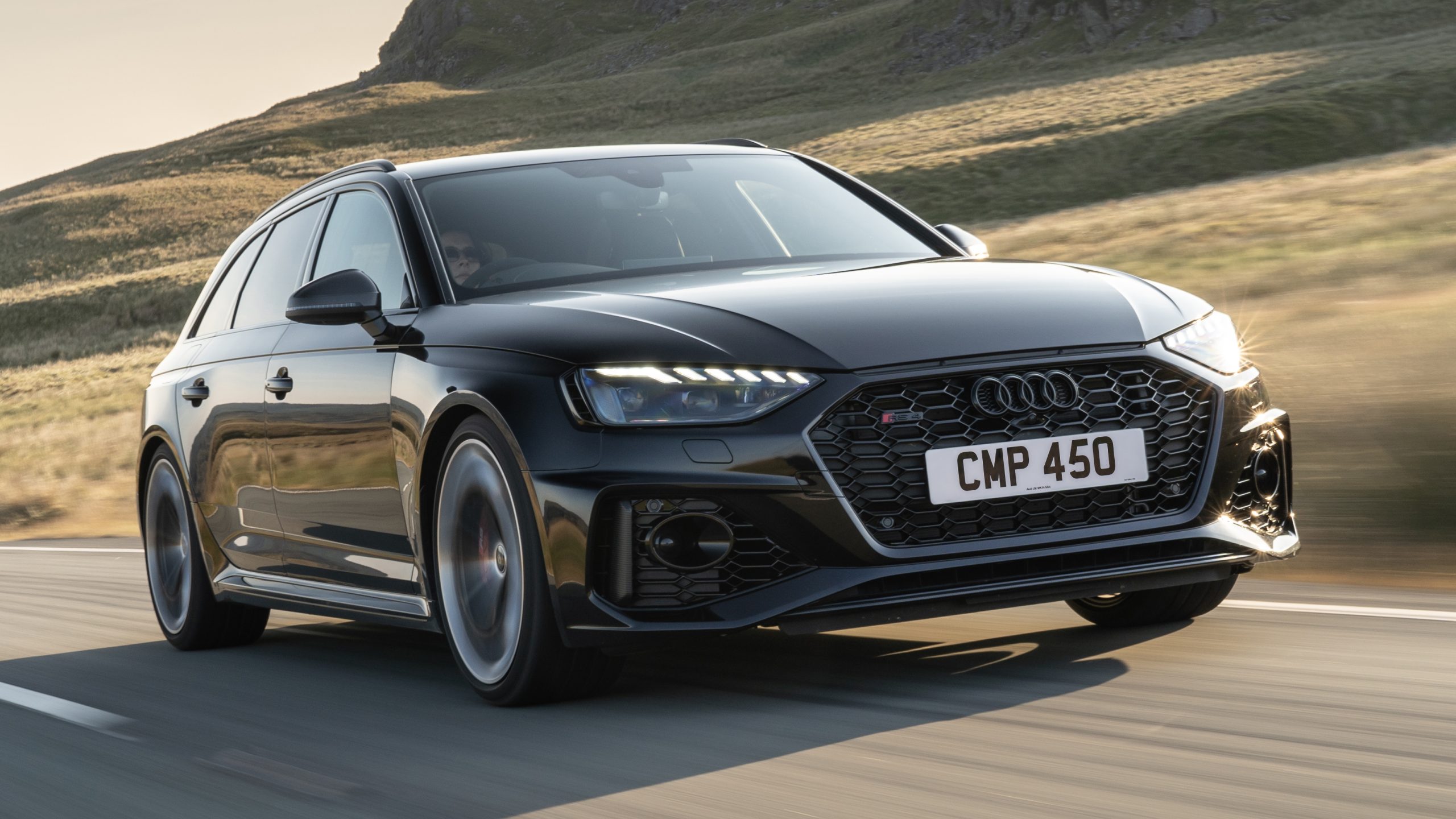
8. Audi RS4 Avant
The Audi RS4 Avant is widely regarded as one of the most iconic high performance wagons ever created. It represents the perfect blend of practicality and performance, offering supercar level acceleration in a family friendly body style. Developed by Audi’s high-performance division, RS, the RS4 Avant showcases the brand’s ability to combine luxury, speed, and everyday usability in a single package.
The exterior design of the RS4 Avant is both aggressive and functional. It features widened wheel arches, a more muscular stance, larger air intakes, and aerodynamic enhancements that improve both cooling and stability.
Despite its performance-focused upgrades, it retains the elegant proportions of a premium wagon, making it visually balanced and sophisticated. This combination of aggression and refinement is a key part of its appeal.
Performance is the defining characteristic of the RS4 Avant. Equipped with a powerful engine and Audi’s renowned All Wheel Drive system, it delivers rapid acceleration and exceptional traction in a wide range of driving conditions.
The vehicle is capable of reaching high speeds with ease while maintaining stability and control. Its performance capabilities place it in the same conversation as many dedicated sports cars.
One of the most impressive aspects of the RS4 Avant is its versatility. Unlike traditional performance cars that sacrifice practicality for speed, the RS4 maintains a spacious interior and large cargo capacity.
This makes it suitable for family use, long-distance travel, and everyday commuting. It is one of the few vehicles that successfully blends high-performance driving with genuine utility.
Inside the cabin, Audi delivers a premium experience with high quality materials, advanced technology, and a driver focused layout.
The interior design reflects the brand’s luxury identity while incorporating sporty elements that match the car’s performance character. Features such as digital displays, advanced infotainment systems, and comfort-oriented seating enhance the driving experience.
For many years, the RS4 Avant remained unavailable in the United States despite strong demand from enthusiasts who admired performance wagons.
Although Audi has introduced some performance wagons in the American market in recent years, the RS4 Avant’s long history as a European exclusive model contributed to its legendary status among automotive fans. It remains one of the most desired wagons that American buyers could not officially purchase for a significant part of its lifecycle.
