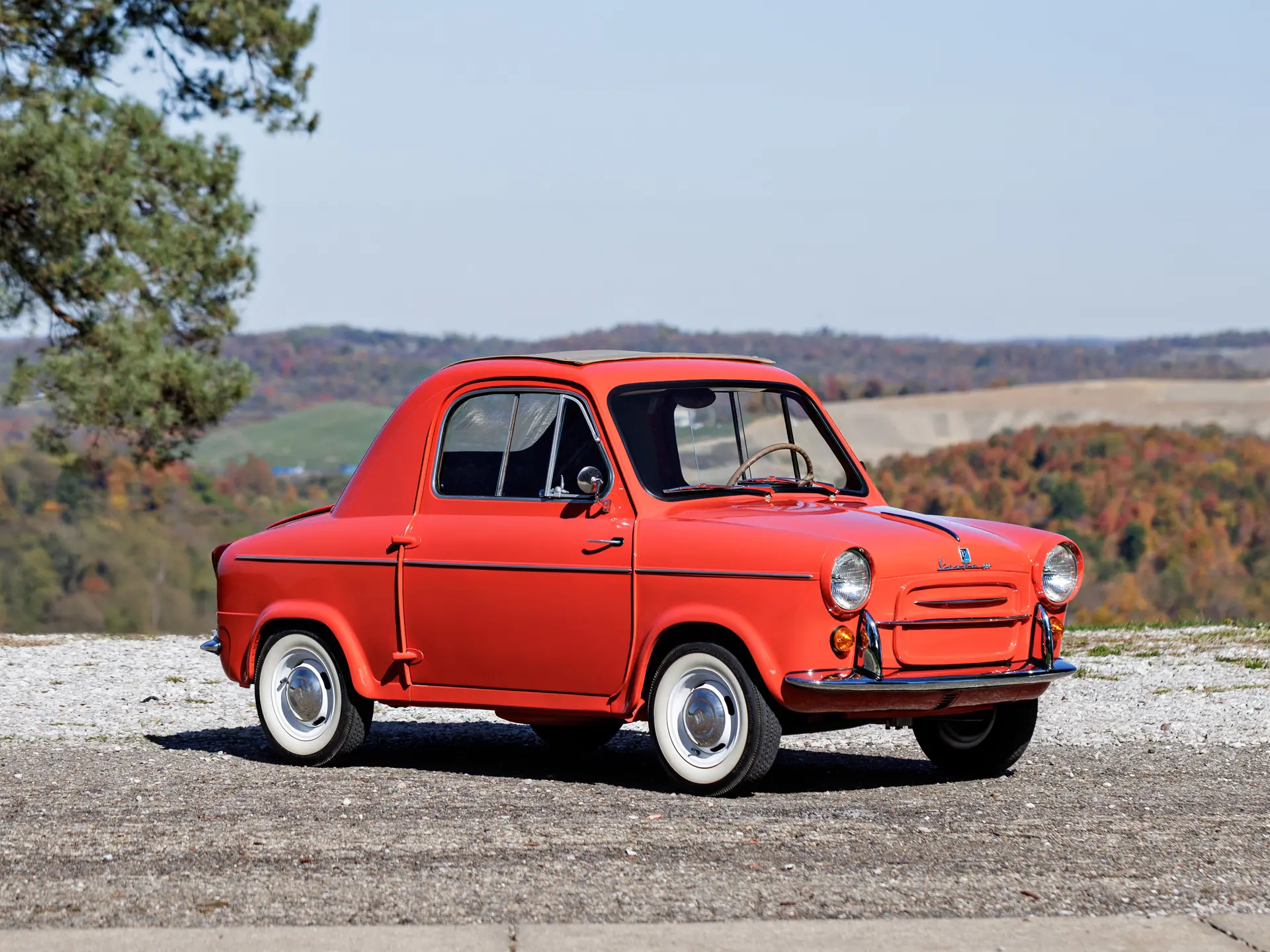
From postwar Europe to Japan’s kei-car boom, the history of micro-mobility is filled with astonishing engineering compromises that turned necessity into creativity. The ’10 Smallest Vehicles Ever Built’ highlights how designers shrunk the automobile to its most essential form while still preserving mobility, identity, and in some cases charm.
From the stylish Vespa 400, born out of Piaggio’s post-scooter ambitions, to Soviet-era mobility solutions like the SMZ S3A Invalidka, these machines reflect political, economic, and technological constraints of their time. Whether it is Japan’s efficient Mazda R360, France’s experimental SEAB Flipper, or America’s homegrown King Midget, each entry reveals a different philosophy of minimal transport.
Despite their tiny dimensions, many achieved remarkable innovation in packaging, efficiency, and accessibility. This list explores how the world’s smallest vehicles were not just curiosities, but practical responses to real-world challenges, shaping automotive history in unexpected and lasting ways for modern automotive design thinking today globally.
1. Vespa 400
After achieving global success with its iconic post-WWII motor scooter, Italian manufacturer Piaggio sought to capitalize on the booming 1950s microcar market. The result was the Vespa 400, a pint-sized, stylish automobile launched in 1957.
To avoid a corporate war with Fiat, which threatened to enter the scooter market in retaliation, Piaggio strategically manufactured and marketed the vehicle in Fourchambault, France. This allowed the vehicle to be perceived as a French product rather than an Italian rival.
Measuring just 9 feet 5 inches long, shorter than both the Fiat 500 and the upcoming Mini, the Vespa 400 prioritized basic, no-frills transportation. It lacked a traditional boot, instead placing the battery on a slide-out tray in the nose and utilizing space behind the front seats for luggage. Despite its diminutive size, it featured rear-hinged doors and a roll-back canvas roof that enhanced cabin spaciousness. Officially a two-seater, it could accommodate two small children via an optional rear cushion.
Mechanically, the 400 was powered by a rear-mounted, 393cc twin-cylinder, two-stroke engine. Producing just 14 horsepower, it was not built for speed, but its incredibly lightweight 350kg frame allowed it to cruise comfortably at 45 mph. It was highly efficient, achieving 50 mpg with a 250-mile range.
Though praised by automotive journalists for its competence and undeniable Italian style, its commercial success was short-lived. Sales peaked in 1958 at 12,130 units before sharply declining. Production officially ended in 1961 with approximately 28,000 units built, leaving the Vespa 400 as a fascinating, rare chapter in automotive history.
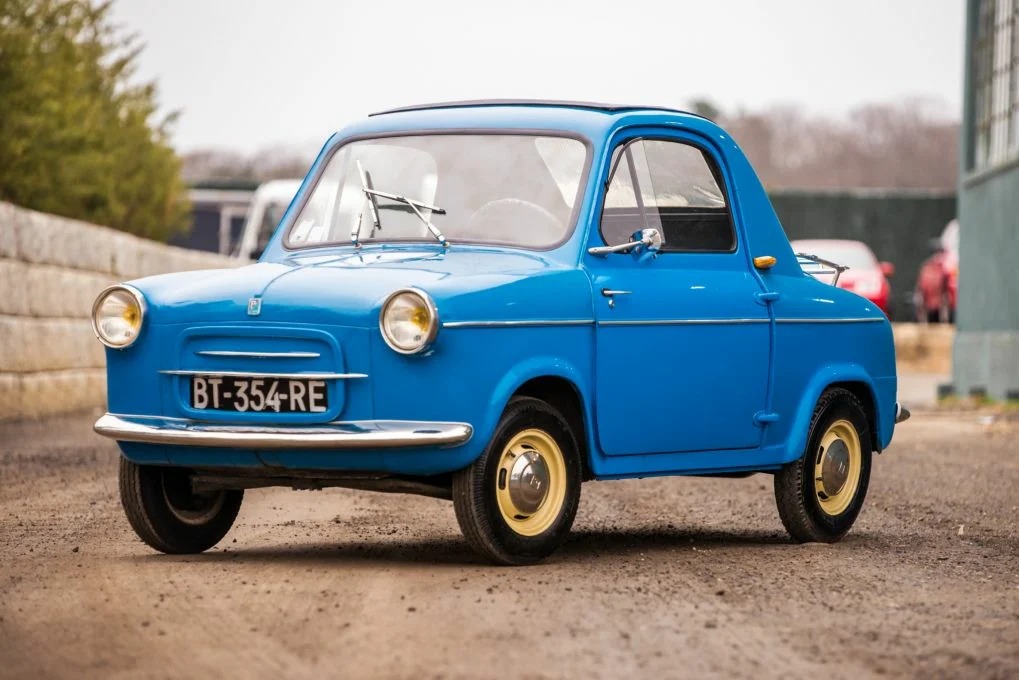
- Engine: 393cc air-cooled 2-stroke inline twin (rear-mounted)
- Horsepower: 14–20 hp (depending on model/year)
- Torque: 19.9 lb-ft (27 Nm) @ 2,200 rpm
- Length: 112.3 in (2,852 mm)
- Width: 50.0 in (1,270 mm)
2. SMZ S3A Invalidka
Operating far differently from Western markets, the Soviet automobile industry relied on central planning rather than consumer demand. Among its unique mandates was the production of specialized vehicles for disabled citizens and World War II veterans, most notably the SMZ S3A, affectionately known as the “Invalidka.” Produced between 1958 and 1970, this Spartan microcar prioritized basic mobility over comfort and safety.
The S3A was an engineering feat in accessibility. To accommodate drivers without the use of their legs, all controls, including the throttle, brakes, and clutch, were mounted on or near the steering column, though a manual transmission made operation complex. It was powered by a 346cc, single-cylinder, two-stroke motorcycle engine producing just 10 horsepower. While slow, smoky, and limited to a top speed of around 22 mph, it featured a clever reversible transmission that provided four gears in both forward and reverse.
Constructed from thin sheet steel, the vehicle offered no luxury, virtually no sound insulation, and poor weather protection. Its lightweight configuration also made it highly unstable in harsh Soviet winter conditions.
Distributed exclusively through the Soviet social welfare system, the Invalidka was never available for commercial sale. Instead, the state provided these microcars to citizens for free or at deep discounts on a strict five-year lease, after which they had to be traded in for a newer model. Because private ownership, buying, and selling were strictly illegal, the vast majority of the 200,000 units produced were eventually destroyed. Today, the rare surviving vehicles have transitioned from utilitarian transport into highly sought-after, ironic collector’s items.
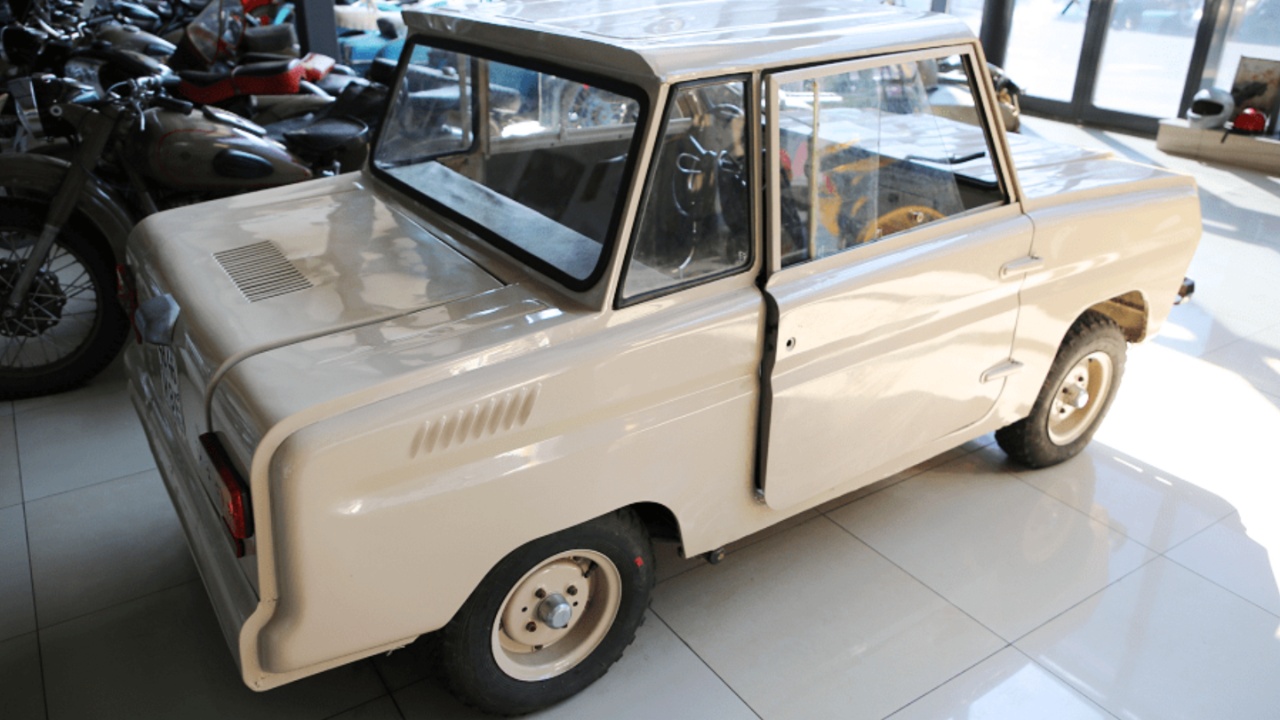
- Engine: 346 cc single-cylinder, 2-stroke (rear-mounted; Izh-49 sourced)
- Horsepower: 8–10 hp
- Torque: ~28 Nm
- Length: 2,667 mm (105.0 in)
- Width: 1,400 mm (55.1 in)
3. Mazda R360
To motorize the nation after World War II, the Japanese government introduced the “kei car” classification. This system granted tax breaks and lower registration costs to buyers of vehicles that adhered to strict size and engine constraints. Mazda capitalized on this booming market in May 1960 by launching its very first passenger car: the R360. Priced at an affordable ¥300,000, it became an overnight sensation, capturing two-thirds of Japan’s kei car market by the end of the year.
Because government regulations strictly capped the car’s engine displacement, Mazda focused heavily on weight reduction to maximize performance. Engineers utilized aluminum for the hood and cylinder heads, magnesium for the oil pan and transmission housing, and Plexiglas for the rear window. Tipping the scales at a mere 838 pounds, the R360 birthed Mazda’s legendary “gram strategy,” a design philosophy centered on weight-saving efficiency that the automaker still employs today.
While rival microcars used noisy, smoky two-stroke engines, Mazda equipped the R360 with a smooth, rear-mounted 356cc four-stroke V-twin engine. Generating 16 horsepower, the car could reach 56 mph. It featured a choice between a three-speed manual transmission and an innovative clutchless, two-speed semi-automatic gearbox.
Despite its tiny footprint, the R360 seated four passengers and prioritized a fun, engaging driving experience. With rack-and-pinion steering and a four-wheel independent suspension, it established the driver-focused DNA that remains a direct hallmark of modern Mazda vehicles.
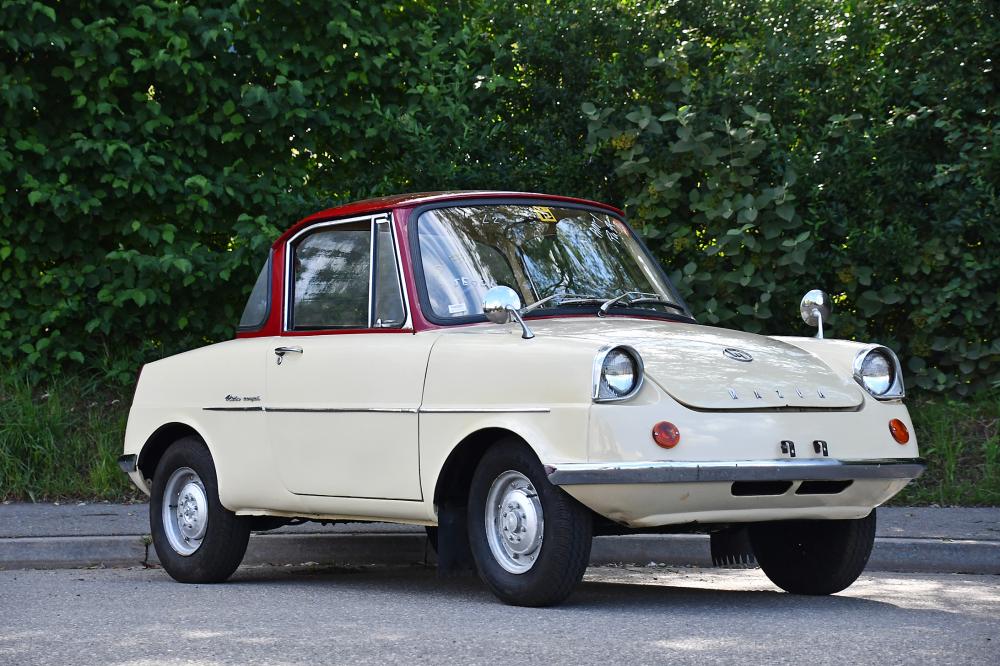
- Engine: 356cc rear-mounted air-cooled 4-stroke 90° V-twin
- Horsepower: 16 hp @ 5,300 rpm
- Torque: 22 Nm (16.2 lb-ft) @ 4,000 rpm
- Length: 2,980 mm (117.3 in)
- Width: 1,290 mm (50.8 in)
4. Rovin D2
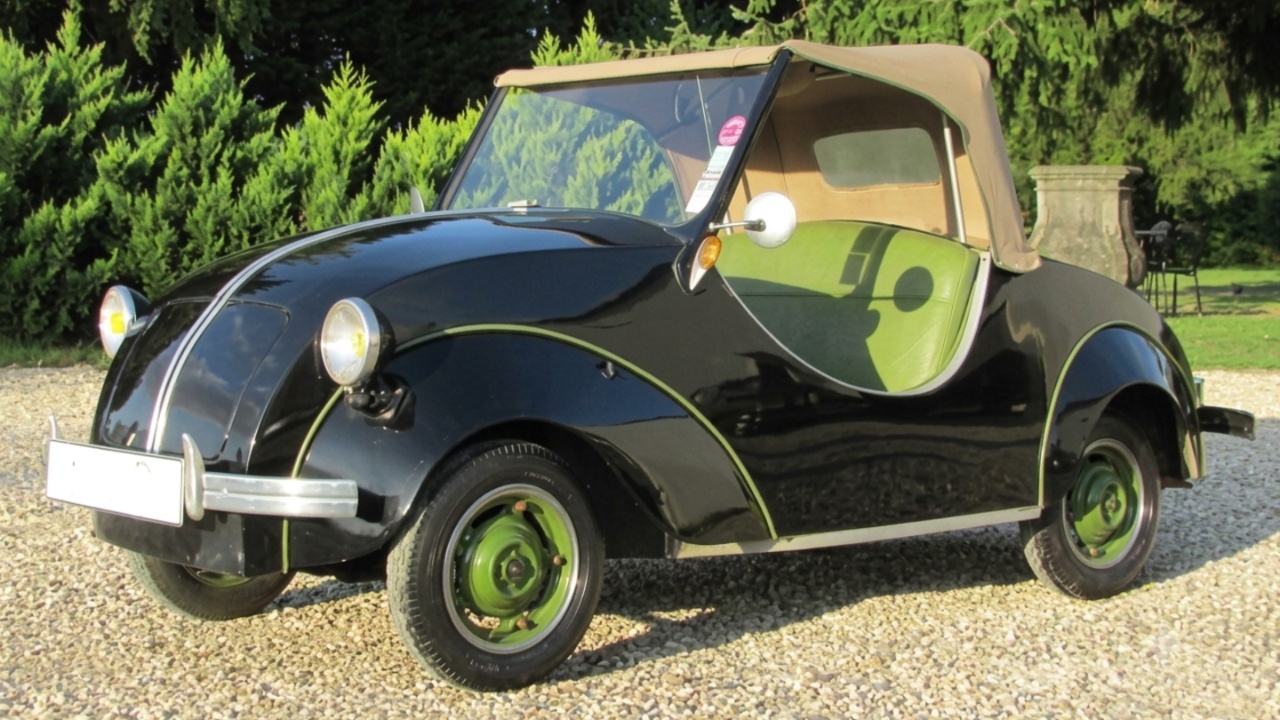
In the aftermath of World War II, Europe’s narrow streets and rebuilding economies created the perfect environment for affordable microcars. Capitalizing on this need, successful race car driver Raoul de Rovin developed a tiny, lightweight roadster called the Rovin D2. Manufacturing began in 1947 after de Rovin acquired a disused Delaunay-Belleville factory in Saint-Denis. Following Raoul’s death in 1949, his younger brother Robert ran the business until production ceased in 1959.
The Rovin D2 stood out for its cartoonish, endearing aesthetic, featuring a compact body measuring just 2.80 meters long and weighing a mere 300 kg. Despite its diminutive size, the vehicle was remarkably advanced for its era. While early prototypes utilized a 260cc single-cylinder engine, the production D2 was equipped with a rear-mounted, 423cc water-cooled flat-twin four-stroke engine that produced 10 horsepower. Paired with a three-speed manual transmission, this powertrain allowed the microcar to reach top speeds of 70 to 80 km/h.
Technologically sophisticated for the late 1940s, the D2 featured a mix of aluminum and steel construction, rack-and-pinion steering, transverse leaf springs at the front, and independent rear coil springs. It also included practical design touches, such as a front hatch providing easy access to the battery.
Only 700 units of the D2 were produced between 1947 and 1948 before it was succeeded by the D4 model. Today, these innovative microcars are incredibly rare and highly prized by collectors; a 1947 model fetched $43,700 at a Sotheby’s auction back in 2014, a value that has undoubtedly climbed since.
- Engine: 423–425 cc flat-twin, 4-stroke, water-cooled
- Horsepower: 10 hp
- Torque: Not officially published
- Length: 2,800 mm (≈110.2 in)
- Width: 1,130 mm (≈44.5 in)
5. King Midget
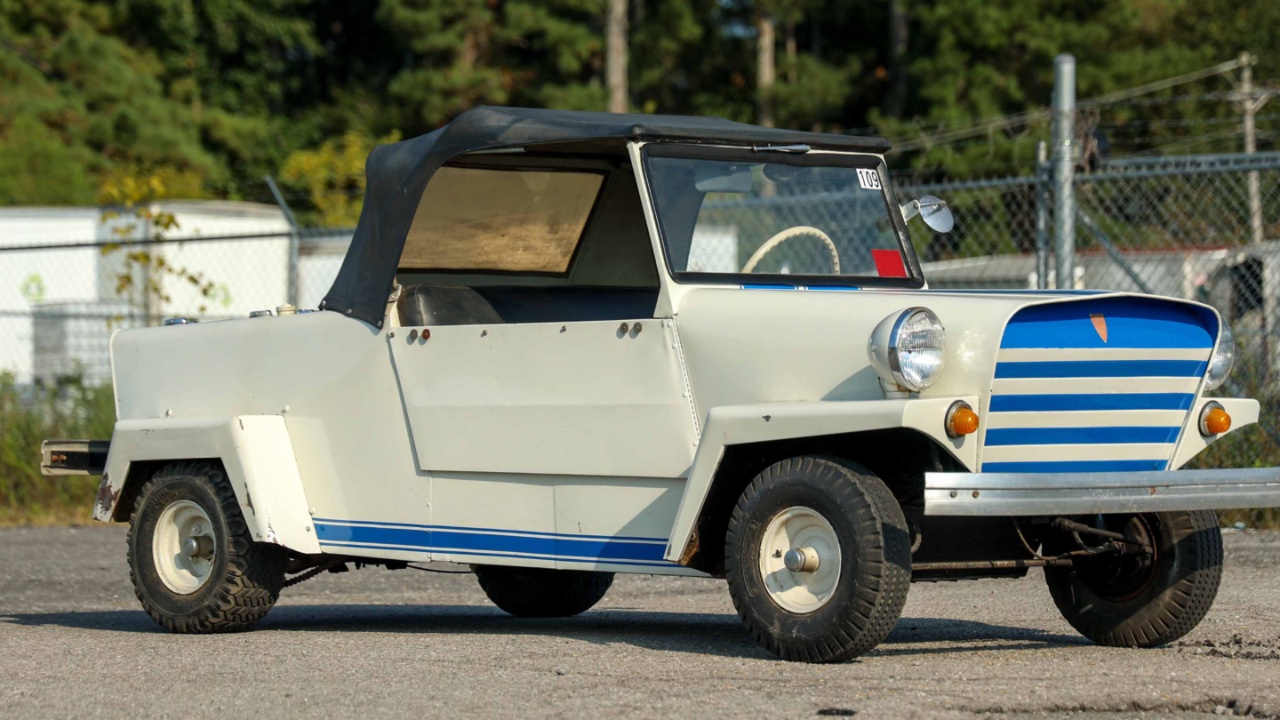
Founded in 1946 by WWII civil air patrol pilots Claud Dry and Dale Orcutt in Athens, Ohio, Midget Motors Corporation carved out a unique niche by manufacturing the King Midget. For nearly a quarter of a century, it held the record as the only small car in continuous production, briefly positioning the company as the sixth-largest automobile manufacturer in the United States.
Initially sold directly to consumers via magazine ads, the King Midget debuted as a single-passenger kit car for $270. It evolved through three primary models, progressing from a basic 6-horsepower, go-kart-like vehicle to a sophisticated two-passenger convertible. Ahead of its time, the microcar introduced aircraft lightening techniques, unit-body construction, an innovative automatic transmission, and four-wheel hydraulic brakes. By 1966, the vehicle featured a 12-horsepower Kohler engine and a 12-volt electrical system, offering incomparable fuel economy. Midget Motors also briefly diversified by selling surplus parts directories, motor scooters, and junior trainer models.
The original owners kept the business profitable until selling it in 1966. Subsequent corporate owners attempted to expand into non-existent markets and faced devastating setbacks, including a fiberglass plant fire and costly new federal crash-testing requirements. Production ceased in 1970 after completing approximately 5,000 cars.
Despite the factory’s closure, the legacy of the “World’s Number One Fun Car” endures. A succession of dedicated stewards, including Bob Craven, John Weitlauf, Dave Stults, Alan Conley, and Mike Beebe, preserved the brand by managing spare parts supply and restoration services. Today, the vehicle’s rich history is kept alive by enthusiastic owners and the International King Midget Car Club.
- Engine: Single-cylinder, air-cooled (Wisconsin / later Kohler K301)
- Horsepower: 9–12 hp (Series III); 7.5 hp (early Model II)
- Torque: ~17.5 lb-ft (23.7 Nm) @ 2,400 rpm (Kohler engine)
- Length: 117 in (2,972 mm) Series III / 102 in (2,591 mm) Model II
- Width: 51 in (1,295 mm) Series III / 48 in (1,219 mm) Model II
Also read: 10 Cars Easiest to Parallel Park in New York City
6. Subaru 360
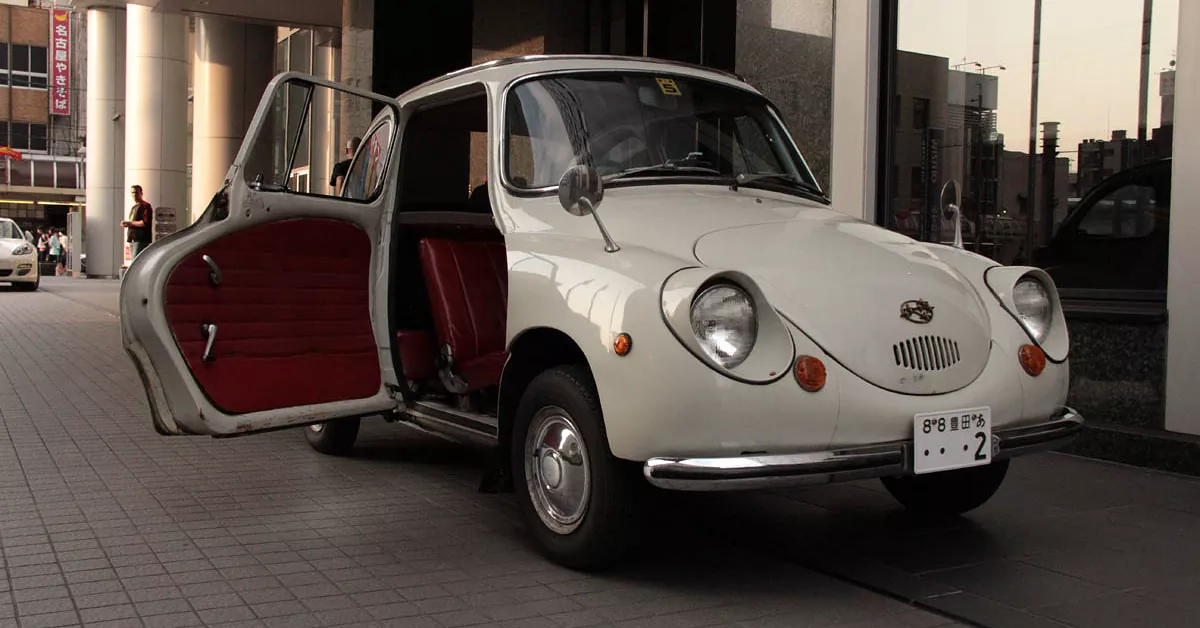
Before becoming an American automotive staple, Subaru’s journey began with the 360, a tiny, egg-shaped “people’s car” launched in 1958 by Fuji Heavy Industries. Weighing under 1,000 pounds and powered by a 356cc two-stroke engine, the 360 complied with Japan’s strict Kei car regulations. Despite its cramped interior, it became a domestic success and spawned variations like the Sambar van and a pickup truck.
In 1968, American entrepreneur Malcolm Bricklin saw an opportunity to import the Subaru 360 to the United States. Because of its featherweight design, the car bypassed costly federal safety regulations. However, this loophole proved disastrous. Consumer Reports severely criticized the vehicle, calling out doors that flew open, a sluggish 37-second 0 to 60 mph acceleration time, and a catastrophic crash test against a standard American car. Sales plummeted, forcing dealers to offer drastic discounts just to clear inventory.
Despite its unsafe reputation, the 360 chassis inspired unique adaptations. Bricklin commissioned a fiberglass-bodied race car called the FasTrack for amusement parks. Other rare variants included the Sambar microvan (later converted into the electric Jet 600 ElectraVan) and the “Peanut,” a custom, foldable Camino 360 built to fit inside a Greyhound bus luggage compartment.
While driving these microcars today reveals sluggish performance, difficult clutch techniques, and fragile mechanics, they served as a vital learning curve for the young automaker. Subaru quickly pivoted to the more robust, front-wheel-drive FF-1 sedan. This shift rescued the brand’s American future, paving the way for the award-winning SUVs and massive market growth that Subaru enjoys today.
- Engine: 356cc rear-mounted air-cooled 2-cylinder, 2-stroke
- Horsepower: 25 hp @ 5,500 rpm
- Torque: 25.3 lb-ft @ 4,500 rpm
- Length: 118 in (2,997 mm)
- Width: 51 in (1,295 mm)
7. Crosley Farm-O-Road
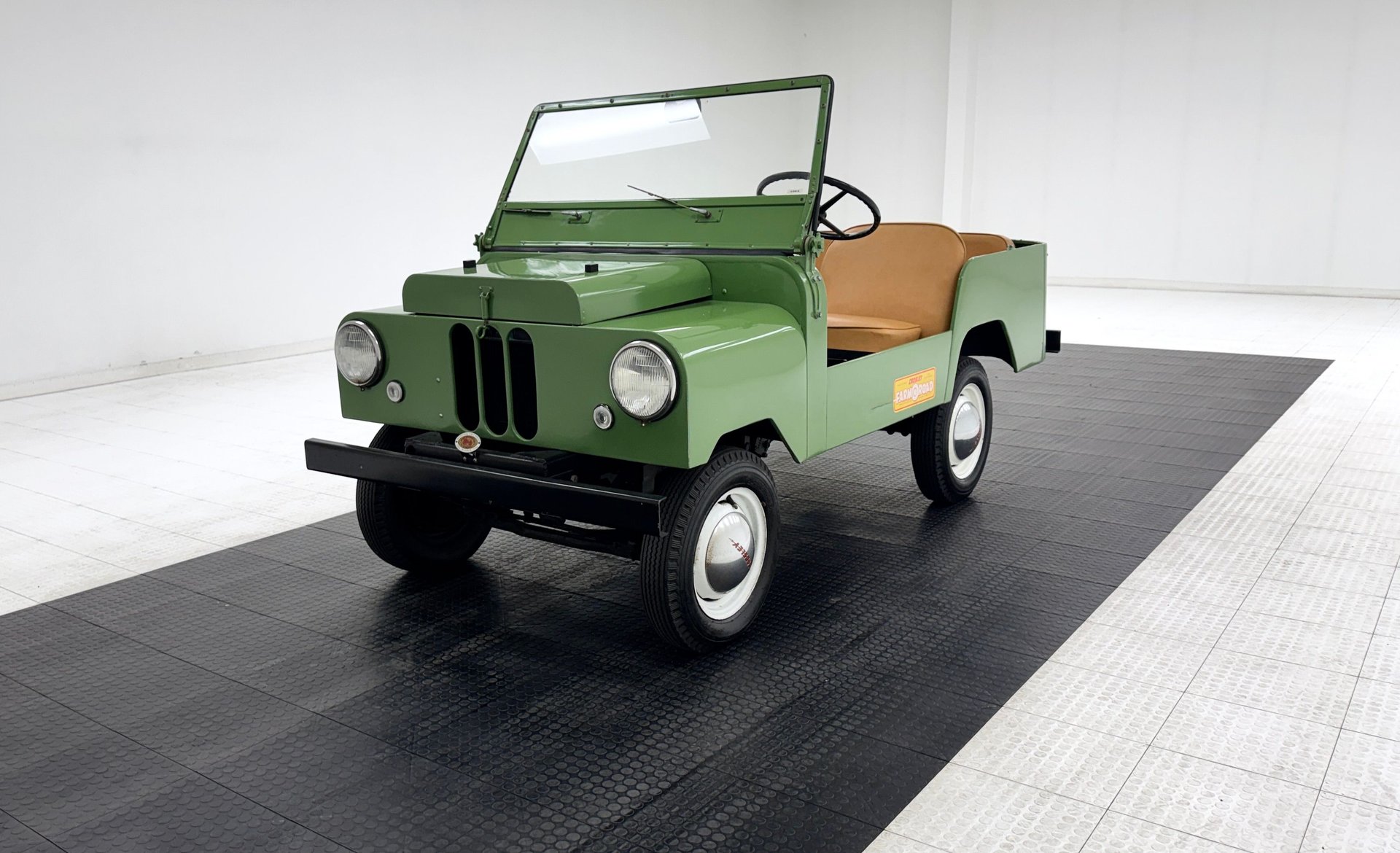
Long before the Crosley name became associated with modern, vintage-styled record players, Powel Crosley made his fortune in radios and appliances. However, his true passion was engineering small, affordable automobiles. After producing thousands of compact cars and developing a “Pup” 4×4 prototype during World War II, Crosley Motors pivoted toward the commercial and agricultural markets. In July 1950, the company introduced the Farm-O-Road, an innovative utility vehicle that served as a direct precursor to today’s side-by-sides (UTVs).
Inspired by the wartime Jeep, the road-legal Farm-O-Road featured a minimalist, boxy body sitting on a tiny 63-inch wheelbase. Weighing just 1,100 pounds, its base price started at $795, with almost every amenity, including the rear cargo box, sold as an extra. The vehicle was powered by a potent 44-cubic-inch, 26.5-horsepower overhead-cam four-cylinder engine. Mated to a three-speed transmission and a two-speed range box, it achieved an impressive 70.0:1 crawl ratio, making it surprisingly capable for heavy farm work.
While technically a rear-wheel-drive vehicle, it achieved a clever form of “four-wheel drive” via dual rear wheels mounted on a single axle, utilizing agricultural tires for added traction. Crosley offered an extensive line of matching implements, including plows, mowers, and harrows.
Production of the Farm-O-Road ceased when Crosley Motors closed its doors in July 1952. Experts estimate fewer than 600 units were ever built, though the design was briefly resurrected in 1959 as the Crofton Bug. Ultimately, the Farm-O-Road remains celebrated as a highly efficient, pint-sized work truck built far ahead of its time.
- Engine: 44 cu in (724 cc) Crosley CIBA cast-iron inline-4, overhead-cam
- Horsepower: 26.5 hp @ 5,400 rpm
- Torque: 32.5 lb-ft @ 3,000 rpm
- Length: 91.5 in (2,324 mm)
- Width: 48.0 in (1,219 mm)
8. SEAB Flipper
In France, a unique legal category known as “voiture sans permis” allows individuals to drive microcars without a license. This market flourished during the 1970s energy crisis, driven by lenient government regulations that permitted anyone over age 14 to operate 50cc vehicles restricted to 45 km/h.
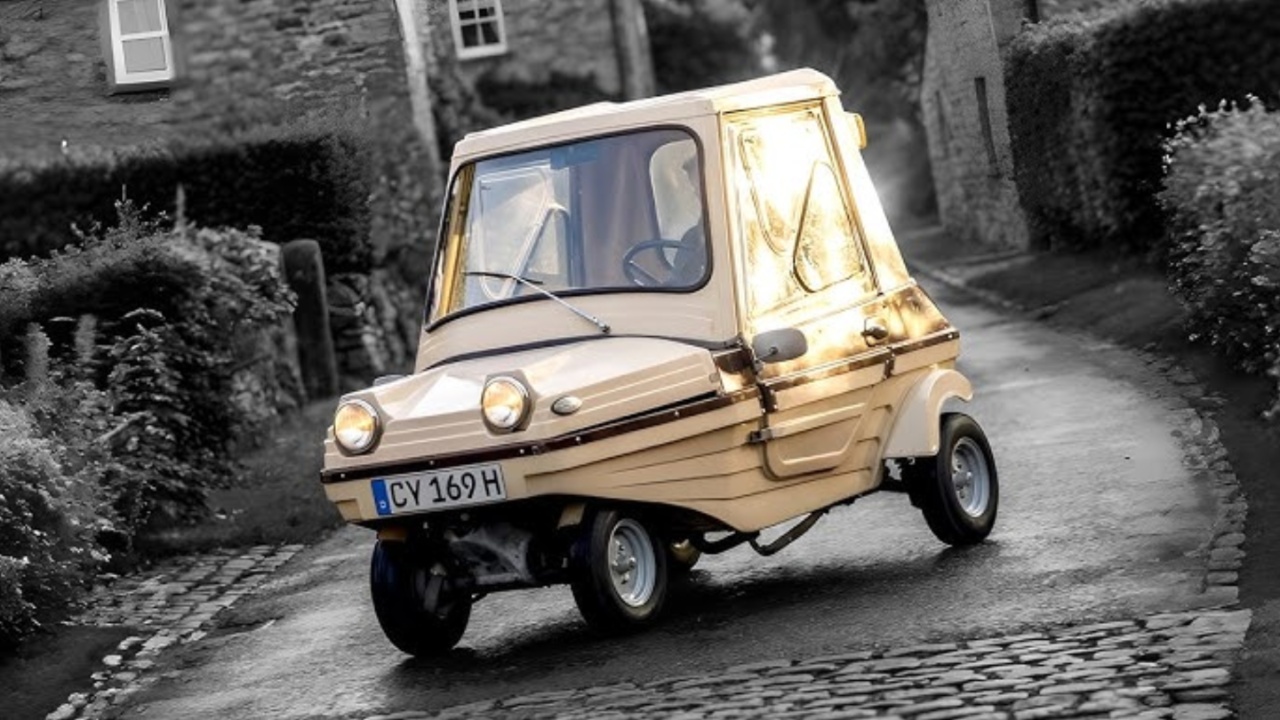
Seizing this opportunity, the Société d’Exploitation et d’Application des Brevet, a plastics company headed by World War II fighter ace Roland Paulze d’Ivoy de La Poye, introduced the Flipper 1 in 1978. Utilizing the company’s manufacturing expertise, the microcar featured a chassisless monocoque shell constructed by bonding two plastic halves together.
The most revolutionary aspect of the Flipper 1 was its engineering, which completely eliminated the need for a conventional front suspension and reverse gear. Instead, SEAB mounted the entire drivetrain, consisting of a 47cc, 3-horsepower Sachs two-stroke engine and a two-speed automatic transmission, onto a 360-degree pivoting swivel beneath the nose.
When the driver turned the steering wheel, the entire engine and suspension rotated. Turning the wheel two and a half times pivoted the mechanism 90 degrees to drive sideways, while five full rotations spun the drivetrain 180 degrees, allowing the vehicle to move backward. To prevent lines from binding during these rotations, all wiring and plumbing passed through a central sleeve.
Named after the famous television porpoise due to de La Poye’s passion for marine life, the Flipper 1 remains a legendary marvel of microcar history. Though lacking comfort and modern performance, this bizarre plastic creation provided an ingenious transportation solution perfectly suited for tight Paris neighborhoods.
- Engine: 47cc Sachs Adlx air-cooled 2-stroke single-cylinder
- Horsepower: Not officially rated; generally estimated at less than 2–3 hp
- Torque: Not officially published
- Length: 2,150 mm (84.6 in)
- Width: 1,200 mm (47.2 in)
9. Voisin Biscúter
The aftermath of World War II triggered radical shifts across the automotive industry, perfectly illustrated by French aviation and luxury pioneer Gabriel Voisin. Before the war, Voisin crafted opulent, beautiful luxury vehicles.
Afterward, he pivoted to the polar opposite, designing an ultra-minimalist car meant to be affordable and cheap to manufacture. When disinterested French automakers prioritized larger economy models, Voisin licensed his patents to Autonacional S.A. in Barcelona. Launched in 1953, the microcar thrived in isolated, resource-scarce post-war Spain.
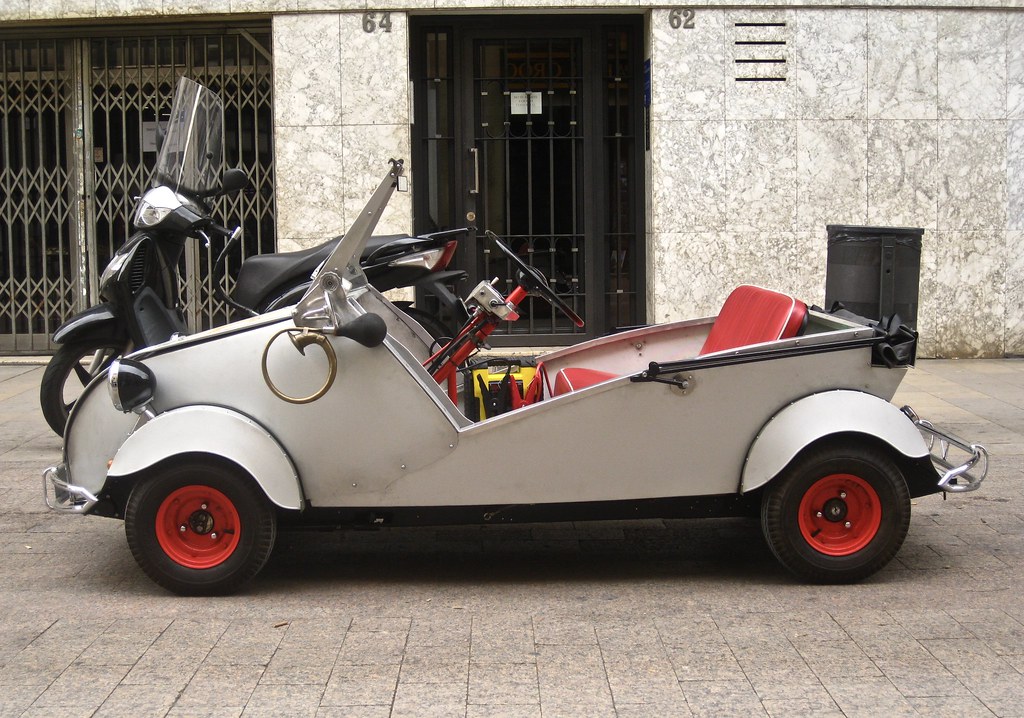
Humorously named the Biscúter to imply the size of two motor scooters, the vehicle became a massive success, with production reaching between 10,000 and 12,000 units. Locals affectionately dubbed it the “Zapatilla,” meaning little shoe, due to its distinct, low-slung, open-top profile. The basic runabout offered bare-minimum transportation, initially lacking doors, windows, a roof, or even a reverse gear.
Mechanically, the Biscúter was incredibly simple. It was powered by a front-mounted, 197cc Hispano-Villiers single-cylinder, two-stroke engine producing just 9 horsepower. This underpowered engine drove only the right front wheel through a three-speed manual transmission, while braking applied to only three wheels. To keep performance adequate for city traffic, Voisin utilized an exceptionally lightweight, unpainted, riveted aluminum body that kept the total weight under 300 kilograms.
Production of the Zapatilla and its commercial van variants ceased around 1960 as the Spanish economy expanded, allowing consumers to transition to more sophisticated cars like the SEAT 600. Today, these quirky post-war survivors have become highly collectible cultural icons, commanding surprisingly large bids at modern automotive auctions.
- Engine: 197cc air-cooled Hispano-Villiers single-cylinder, 2-stroke
- Horsepower: 9 hp
- Torque: ~12–15 lb-ft (16–20 Nm, estimated)
- Length: 100–102 in (2,540–2,590 mm)
- Width: 45 in (1,140 mm)
10. ACOMA Super Comtesse
In the 1970s, French forklift manufacturer Ateliers de Construction de Matériel took notice of a request from a young disabled person seeking greater mobility without a driver’s license. In response, the company developed the Comtesse, a tiny three-wheeled vehicle powered by a 50cc engine. While innovative, this original design was highly unstable and prone to tipping. To address these safety concerns, ACOMA upgraded the vehicle in 1978, creating the four-wheeled Super Comtesse.
The Super Comtesse belonged to the French sans permis category, meaning it could be driven without a standard license. Because it was legally classified much like a moped, it became a popular loophole for teenagers and adults who had lost their driving privileges. Underneath its fiberglass shell, the vehicle featured a 3-horsepower, 50cc Motobecane engine located under the seat, which allowed it to reach a top speed of roughly 20 to 24 miles per hour.
Despite its diminutive size and low power, the vehicle boasted several surprisingly advanced mechanical features. ACOMA equipped the microcar with an automatic transmission, an electric starter, coil springs on all four corners, and four-wheel hydraulic brakes. The chassis was constructed from lightweight tubing, and the single-seater body featured a distinct fold-out gullwing door. The company even offered a 125cc variant for drivers desiring better acceleration.
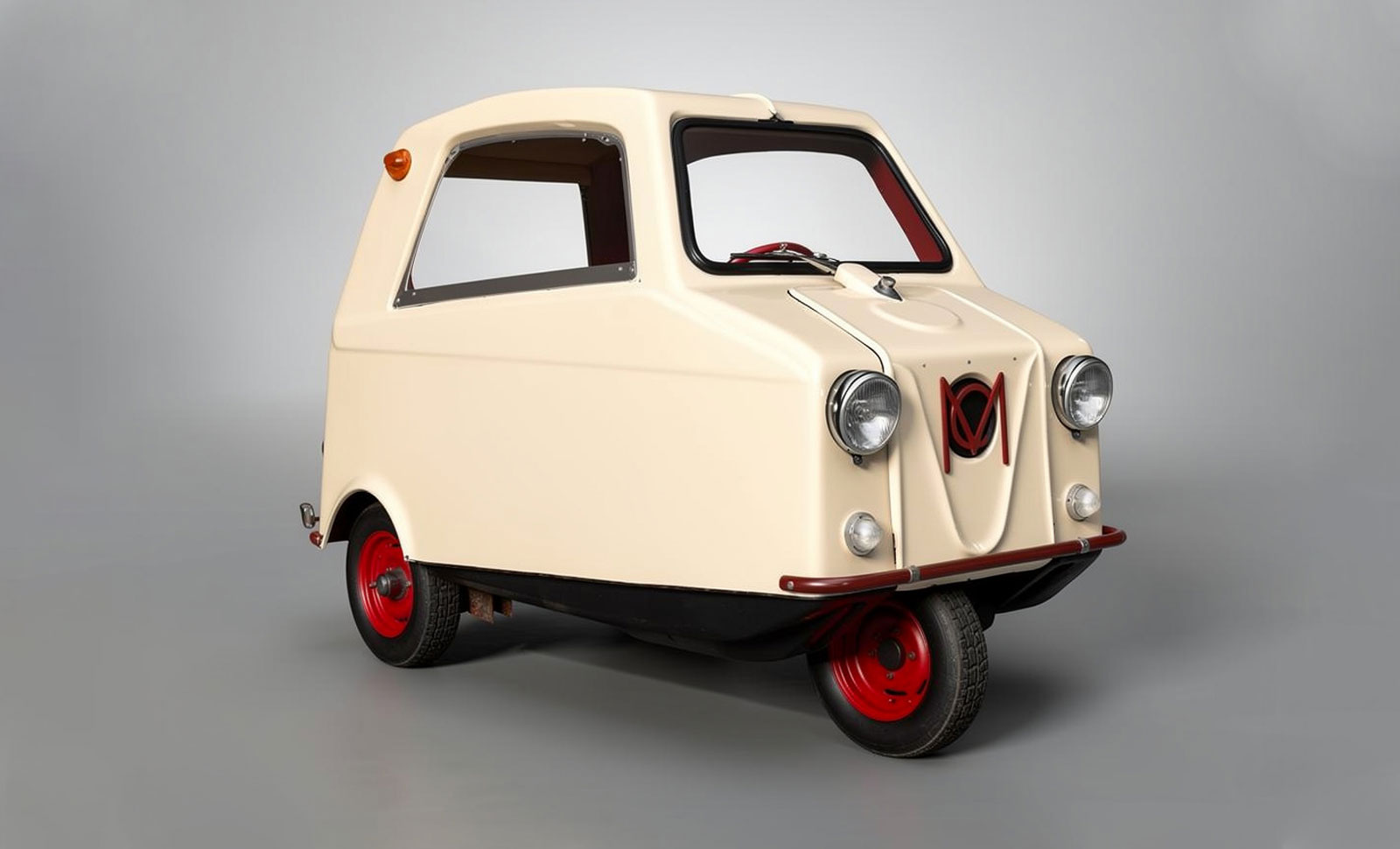
The actual driving experience was far from luxurious and best suited for short distances. With a total length of under two meters, the microcar was incredibly easy to maneuver and could even park perpendicular between parallel-parked cars. However, its low horsepower made climbing steep hills a major challenge. Furthermore, its blocky, upright styling gave it a distinct mailbox aesthetic that frequently drew comparisons to trash bins or Doctor Who Daleks.
The Super Comtesse serves as a fascinating relic of a lenient era in French automotive legislation. As laws evolved and safety standards tightened, these eccentric vehicles faded from daily use. They are now considered rare historical oddities, primarily found in private collections and specialized transportation museums such as the Lane Motor Museum.
- Engine: 49cc Sachs air-cooled single-cylinder, 2-stroke
- Horsepower: 3 hp
- Torque: Not officially published
- Length: 1,800 mm (70.9 in)
- Width: 1,170 mm (46.1 in)
Also read: 5 Cars That’ll Cost You Under $400/Month