

The price displayed on a vehicle’s window sticker rarely tells the full story of ownership. While many shoppers focus on monthly payments or purchase prices, the real expense of driving a car becomes apparent only after years of fuel stops, insurance bills, maintenance visits, tire replacements, and depreciation.
When all those costs are combined and divided by the miles traveled, a revealing metric emerges: cost per mile.
For most mainstream vehicles, that figure remains relatively manageable. Family sedans, compact crossovers, and economy cars are designed with affordability in mind, balancing purchase price, reliability, and efficiency.
At the opposite end of the spectrum sit some of the world’s most exclusive automobiles, where ownership costs can climb to levels that seem almost unbelievable.
High-performance supercars, handcrafted luxury sedans, and limited-production hypercars often carry operating expenses that extend far beyond their purchase prices.
Specialized components, low production volumes, premium materials, and complex engineering make maintenance significantly more expensive than on ordinary vehicles. Insurance premiums rise accordingly, and depreciation can erase tens or even hundreds of thousands of dollars in value within a relatively short period.
Fuel costs also contribute to the equation. Many of these vehicles rely on large-displacement engines or advanced performance powertrains that require premium fuel and consume it at a rapid rate.
Tire replacement alone can cost more than some used vehicles, while routine maintenance often demands factory-trained technicians and specialized equipment.
What makes these vehicles fascinating is that buyers are usually aware of the financial commitment before signing the paperwork.
They are purchasing exclusivity, performance, prestige, craftsmanship, or technological excellence. The cost per mile becomes part of the experience rather than an unexpected consequence.
The following automobiles stand among the most expensive vehicles to drive when ownership costs are measured in dollar-per-mile terms. Their extraordinary capabilities come with equally extraordinary expenses, turning every journey into one of the costliest ways to travel on four wheels.
Also Read: 7 Cars With Notorious Dashboard Cracking Issues
1. Bugatti Chiron ($18.00-$25.00 Per Mile)
The Bugatti Chiron exists in a category where traditional automotive economics become almost meaningless.
Designed to deliver levels of speed and engineering sophistication that few road cars have ever approached, the Chiron combines extraordinary performance with ownership costs that can exceed what many people spend operating an entire fleet of vehicles.
A significant portion of the car’s cost-per-mile figure comes from its purchase price alone. With values stretching well into seven figures, even modest depreciation can translate into enormous losses over time.
A Chiron’s value can decline by an amount that rivals the price of a premium sedan in a single year, particularly when market conditions soften or mileage begins to accumulate.
Maintenance requirements further upgrade expenses. The Chiron’s quad-turbocharged W16 engine is among the most complex powerplants ever fitted to a production automobile.
Servicing procedures involve highly trained specialists and factory-approved facilities. Components are engineered to withstand extreme performance demands, but replacement costs reflect that engineering complexity.
Tires have become one of the most discussed aspects of Chiron ownership. The vehicle’s extraordinary speed capability requires specially developed tires that can tolerate tremendous loads and heat. Replacement intervals are often shorter than owners of conventional vehicles expect, and complete tire changes can cost more than some new economy cars.
Insurance is another major contributor. Insurers calculate premiums based on replacement values, repair expenses, and performance potential. Few vehicles combine all three factors at the Chiron’s level. Comprehensive coverage alone can add a substantial amount to annual operating costs.
Fuel consumption is almost secondary compared to the other expenses, yet it remains considerable. The massive engine consumes premium fuel at a rate that would appear excessive even among traditional supercars. Long-distance drives become expensive events before maintenance and depreciation are even considered.
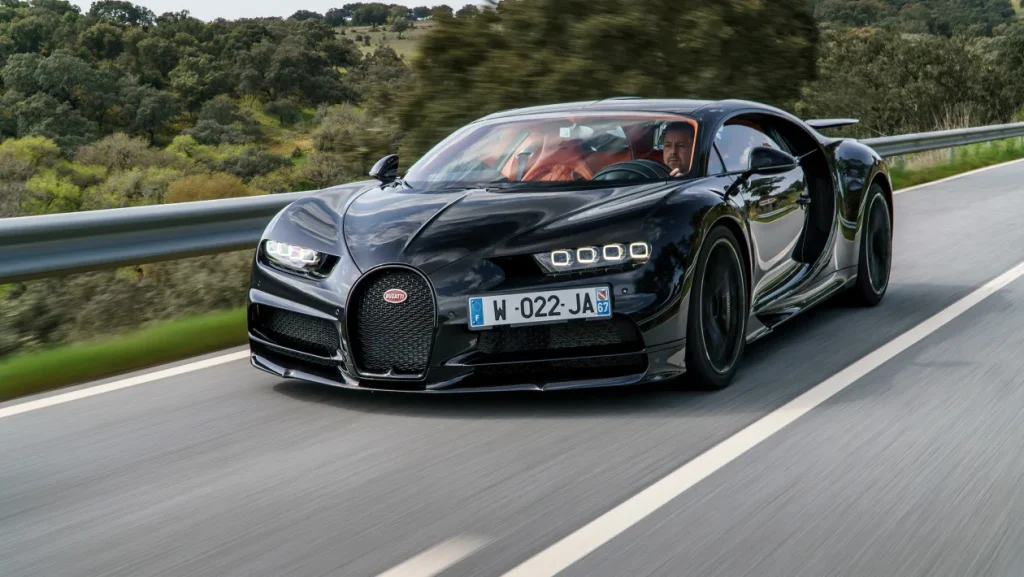
The Chiron represents the pinnacle of modern hypercar engineering, but that achievement comes with one of the highest cost-per-mile figures in automotive history. Every mile reflects a combination of rarity, craftsmanship, performance, and exclusivity that very few vehicles can match.
Specifications
- Engine: 8.0-liter quad-turbocharged W16
- Torque: 1,180 lb-ft
- Horsepower: 1,479 hp
- Length/Width: 179.0 in / 80.2 in
2. Rolls-Royce Phantom ($4.50-$7.00 Per Mile)
The Rolls-Royce Phantom earns its place among the most expensive vehicles to own for reasons that have little to do with outright speed or acceleration. Instead, it is engineered to deliver an unmatched level of comfort, craftsmanship, and refinement, qualities that come with substantial ownership costs.
The Phantom is designed to provide one of the most refined automotive experiences available, and maintaining that standard requires resources that push operating expenses into rare territory.
The moment a Phantom leaves the factory, it carries thousands of hours of craftsmanship within its bodywork and cabin.
Hand-finished wood veneers, premium leather surfaces, intricate metal trim, and bespoke customization options create an environment unlike that found in mass-produced luxury vehicles. This attention to detail increases production costs significantly, and those costs inevitably influence depreciation calculations.
Depreciation remains one of the largest contributors to the Phantom’s dollar-per-mile figure. Even though Rolls-Royce models often retain prestige for decades, the initial purchase price is so substantial that percentage-based value declines translate into significant monetary losses.
A few years of ownership can result in depreciation costs that exceed the purchase price of many mainstream vehicles.
Maintenance follows a similarly premium pattern. Every major component is engineered with comfort and refinement as priorities.
Sophisticated suspension systems, advanced electronics, sound insulation technologies, and custom-built interior elements require specialized attention throughout the vehicle’s life.
Repair costs rarely resemble those associated with conventional luxury sedans. Insurance providers also view the Phantom differently from ordinary automobiles.
The combination of high vehicle value, expensive replacement parts, and specialized repair requirements results in premiums that remain upgraded throughout ownership.
Fuel consumption may not be the dominant expense, but the large twin-turbocharged V12 contributes steadily to operating costs. Owners typically prioritize comfort over efficiency, and the Phantom’s engineering philosophy reflects that reality.
Many examples are further individualized through bespoke programs that allow owners to commission unique finishes, materials, and design elements. These customizations enhance exclusivity but can complicate resale calculations, adding another layer to the cost-per-mile equation.
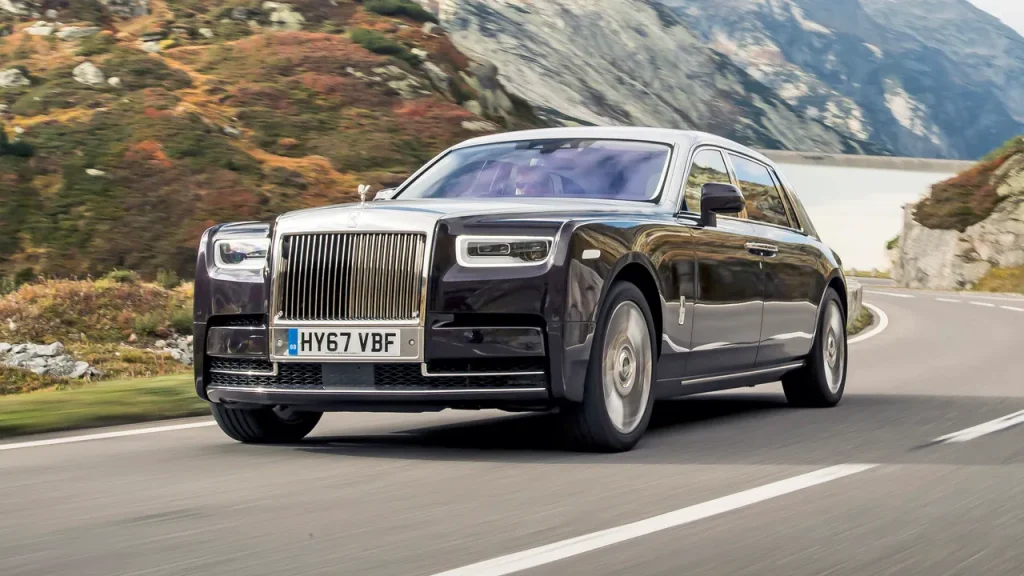
What makes the Phantom remarkable is that few owners purchase it expecting affordability. The vehicle serves as a statement of craftsmanship and prestige.
Every mile is accompanied by an experience carefully engineered to isolate occupants from the outside world, and that experience comes with one of the highest operating costs in the luxury-car market.
Specifications
- Engine: 6.75-liter twin-turbocharged V12
- Torque: 664 lb-ft
- Horsepower: 563 hp
- Length/Width: 227.2 in / 79.4 in
3. Ferrari SF90 Stradale ($6.00-$9.00 per mile)
The Ferrari SF90 Stradale occupies a unique position in the supercar world. It combines Ferrari’s racing heritage with advanced hybrid technology, producing performance figures that were once reserved for limited-production hypercars.
The Ferrari SF90 departs from the brand’s traditional internal-combustion roots by combining a twin-turbocharged V8 with three electric motors. However, while this cutting-edge engineering delivers astonishing speed, it also results in ownership expenses that make it one of the costliest vehicles to drive per mile.
The result is a highly sophisticated powertrain capable of producing immense power while introducing a level of complexity that inevitably affects long-term costs.
Hybrid systems require specialized diagnostics, advanced electronics, and highly trained technicians who understand both high-performance mechanical components and electrified systems.
Depreciation plays a major role in the SF90’s operating cost. Exotic vehicles often experience substantial value fluctuations depending on market demand, mileage, production numbers, and economic conditions.
Even when values remain relatively strong, a six-figure purchase price means every percentage point of depreciation translates into a significant financial hit. When those losses are spread across miles driven, the cost-per-mile figure rises rapidly.
Ownership expenses extend beyond the powertrain. The SF90’s braking system, suspension components, aerodynamic elements, and performance-focused tires are all engineered to withstand extraordinary forces. These parts deliver incredible capability, but replacing them is rarely inexpensive.
Tire wear can be particularly noticeable for owners who fully utilize the car’s acceleration and cornering potential. Insurance costs remain upgraded due to the vehicle’s value and repair complexity.
Even relatively minor incidents can involve expensive body panels, advanced sensors, and specialized paintwork. Repairing exotic materials often requires factory-approved facilities, increasing labor and parts expenses.
Fuel consumption adds another layer despite the hybrid system. While electrification improves efficiency under certain conditions, the SF90 was designed primarily for performance. Drivers who enjoy its capabilities will find that premium fuel disappears quickly.
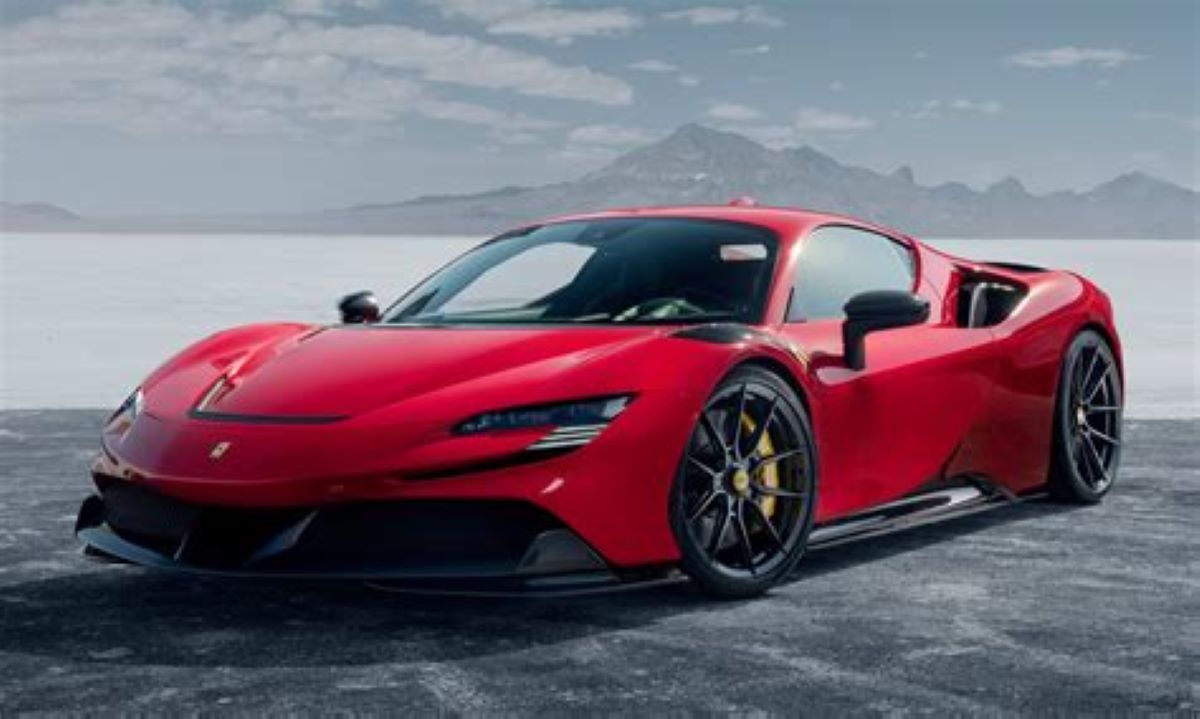
Yet none of these costs diminishes the appeal of the car. The SF90 offers a combination of technology, speed, and driver engagement that few vehicles can match.
Owners are not simply paying for transportation; they are investing in one of Ferrari’s most technologically ambitious creations. That distinction helps explain why every mile behind the wheel commands such a substantial financial premium.
Specifications
- Engine: 4.0-liter twin-turbocharged V8 hybrid
- Torque: 590 lb-ft
- Horsepower: 986 hp
- Length/Width: 185.4 in / 77.6 in
4. Lamborghini Revuelto ($6.00-$8.50 Per Mile)
If the Ferrari SF90 represents technological sophistication wrapped in elegant aggression, the Lamborghini Revuelto takes a more dramatic approach.
It continues the brand’s tradition of naturally aspirated V12 power while incorporating modern hybrid assistance, creating a machine that delivers spectacle every time it starts, accelerates, or simply sits parked.
One reason the Revuelto ranks among the most expensive cars to drive per mile is its acquisition cost. Buyers enter ownership at a price level where depreciation alone becomes a major financial factor.
Exotic vehicles often hold their value better than mainstream automobiles, but even modest declines can represent tens of thousands of dollars. When calculated across annual mileage, depreciation becomes one of the largest expenses attached to the car.
The Revuelto’s engineering contributes significantly to its operating costs. Lamborghini developed the vehicle around a sophisticated carbon-fiber structure, advanced aerodynamics, hybrid technology, and a high-revving V12 engine.
Every major component is designed to maximize performance, and performance-focused parts are rarely inexpensive to maintain or replace.
Tires provide a clear example. The vehicle’s immense power output and aggressive handling capabilities place enormous stress on its rubber.
Owners who regularly enjoy the car’s acceleration and cornering potential can expect tire replacement costs that far exceed those of conventional luxury vehicles.
High-performance brake components generate similar expenses over time. Unlike some luxury automobiles that prioritize comfort, the Revuelto is engineered to create excitement.
Its ownership experience often includes track events, spirited driving, and enthusiast gatherings. Such usage patterns can accelerate wear on consumable components, increasing the true cost of every mile traveled.
Insurance premiums reflect the same realities. Repair costs are substantial due to exotic materials, specialized bodywork, and advanced technology. Even small repairs can require significant labor and highly trained technicians.
Fuel economy is naturally not a strong point. Although hybrid assistance contributes efficiency benefits under certain circumstances, the V12 remains the centerpiece of the driving experience. Owners seeking maximum performance will find fuel consumption remains firmly in supercar territory.
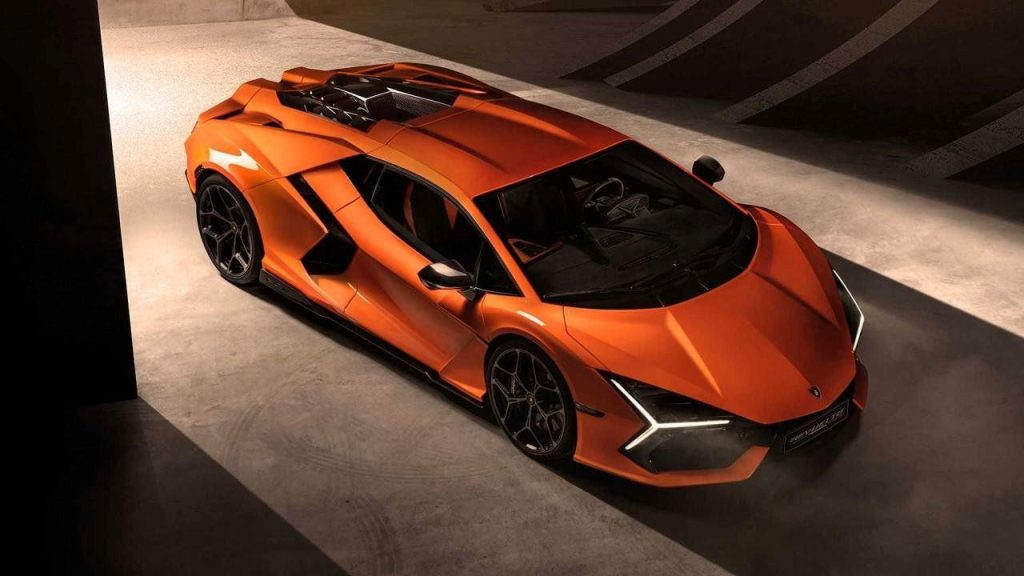
The Revuelto is not purchased because it makes financial sense. It is purchased because few vehicles can replicate its emotional impact.
The sound of the engine, the dramatic styling, and the sense of occasion associated with every drive create an experience that enthusiasts value deeply. That experience carries a high cost, making the Revuelto one of the most expensive automobiles to operate on a dollar-per-mile basis.
Specifications
- Engine: 6.5-liter naturally aspirated V12 hybrid
- Torque: 535 lb-ft
- Horsepower: 1,001 hp
- Length/Width: 194.7 in / 79.7 in
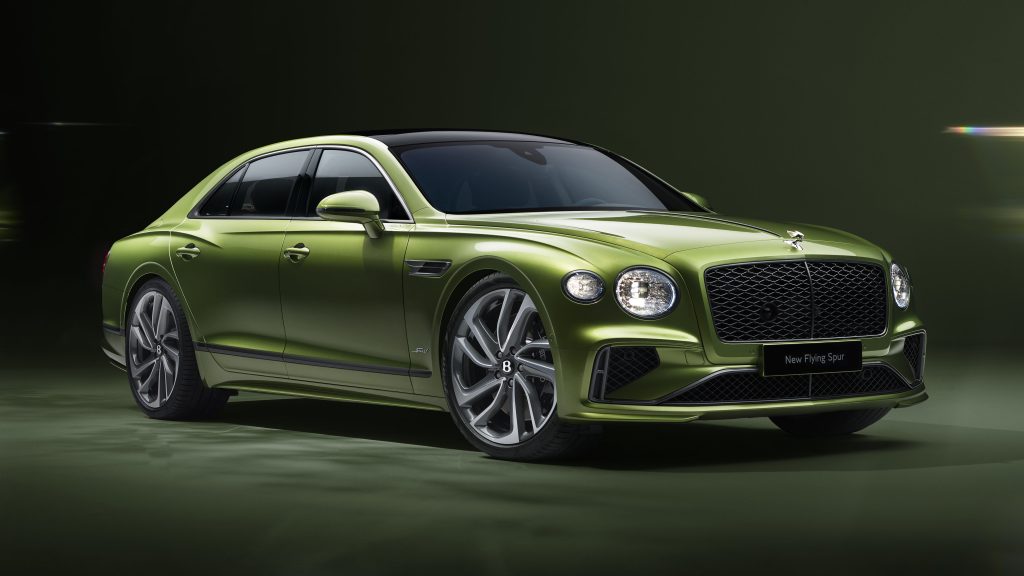
5. Bentley Flying Spur Speed ($3.50-$5.50 Per Mile)
Many vehicles focus exclusively on either outright acceleration or pure comfort, but the Bentley Flying Spur Speed refuses to compromise. It stands as a rare exception where luxury and performance coexist completely effortlessly in a single package.
It can transport passengers in near-silent refinement while still delivering the kind of performance expected from a serious grand touring machine. That dual personality is one of its greatest strengths, but it also contributes significantly to its high cost per mile.
The financial commitment begins long before the first service appointment. Bentley vehicles enter the market with six-figure price tags, and optional equipment can push transaction prices considerably higher.
Buyers frequently personalize their cars with exclusive paint finishes, handcrafted interior details, upgraded audio systems, and bespoke trim packages. These enhancements upgrade the ownership experience, but they also increase depreciation exposure.
Depreciation remains one of the largest hidden expenses associated with flagship luxury sedans. Even when demand remains healthy, a vehicle that starts at such a high price point can lose substantial value over time. When those losses are divided across annual mileage, the cost attached to every mile driven grows rapidly.
Maintaining a Flying Spur Speed requires attention to a sophisticated collection of systems. The vehicle combines high-performance engineering with luxury-car refinement, meaning its suspension, drivetrain, braking components, and electronic systems are designed to exceptionally high standards.
While reliability has improved significantly in modern Bentley products, repairs and maintenance remain expensive because of the complexity and exclusivity of the hardware involved.
The ownership experience extends beyond mechanical considerations. Large wheels, performance tires, and premium materials require regular care.
Even routine maintenance procedures cost considerably more than similar services on mainstream luxury vehicles. Parts are often unique to Bentley or shared with a limited number of high-end models, reducing opportunities for cost savings.
Fuel consumption also contributes to the Flying Spur’s cost-per-mile figure. Moving a large luxury sedan with substantial performance capabilities requires energy, and premium gasoline remains a necessity.
Long-distance highway cruising may deliver respectable efficiency for a vehicle of this size, but urban driving quickly reminds owners that economy was never the primary design objective. Insurance companies factor in the car’s value, repair costs, and replacement-part pricing when calculating premiums.
As a result, coverage costs remain consistently high throughout ownership. What separates the Flying Spur Speed from many other expensive vehicles is its ability to disguise its financial demands behind effortless comfort.
Passengers experience quiet elegance and remarkable craftsmanship, while the owner absorbs one of the highest operating costs in the luxury sedan segment. The result is a vehicle that excels at nearly everything, except affordability.
Specifications
- Engine: 4.0-liter twin-turbocharged V8
- Torque: 590 lb-ft
- Horsepower: 626 hp
- Length/Width: 209.3 in / 78.1 in
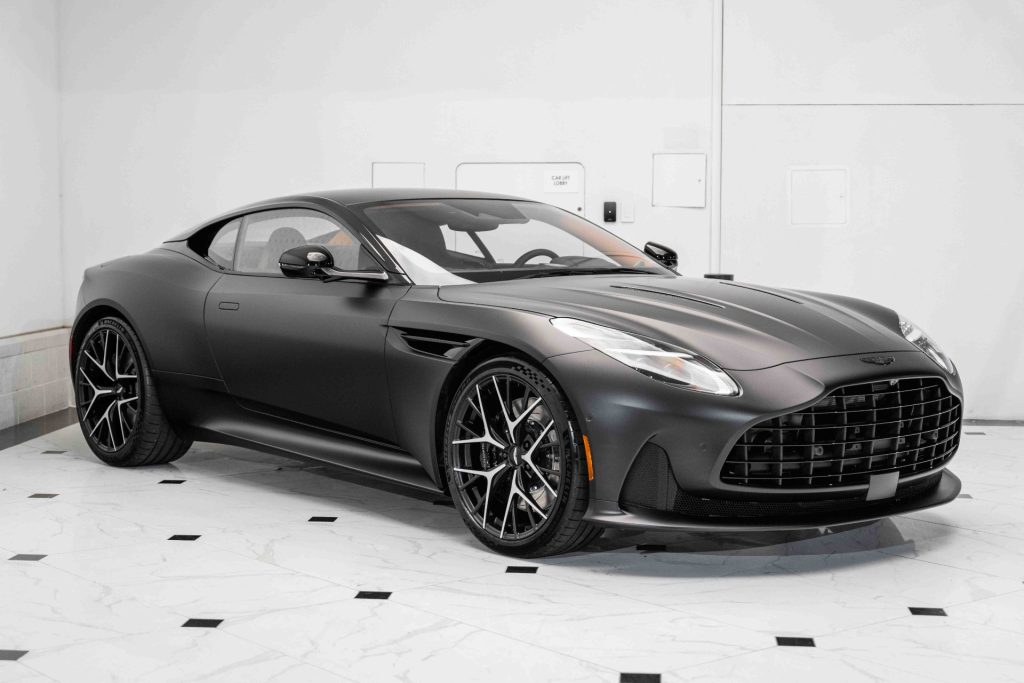
6. Aston Martin DB12 ($3.50-$5.00 Per Mile)
Some automobiles earn attention through extreme horsepower figures. Others rely on technological innovation or sheer rarity. The Aston Martin DB12 follows a different path. It captures buyers through design, character, and the sense of occasion that accompanies every drive.
Elegant proportions, a luxurious cabin, and impressive grand-touring capability have made it one of the most desirable performance cars in its class. Yet beneath that beauty lies an ownership experience that can be surprisingly expensive on a per-mile basis.
The DB12 occupies a segment where exclusivity matters. Production numbers are relatively limited compared with mainstream luxury vehicles, which means economies of scale rarely work in the owner’s favor.
Specialized components, low-volume manufacturing, and premium materials all contribute to upgraded maintenance and repair costs throughout the vehicle’s life.
Purchase price forms the foundation of the cost equation. Aston Martin vehicles typically command premium pricing due to their craftsmanship, performance credentials, and brand prestige.
Even moderate depreciation can translate into significant financial losses because the starting value is so high. For many owners, depreciation becomes the single largest contributor to the vehicle’s cost-per-mile figure.
The DB12’s twin-turbocharged V8 delivers impressive performance, but extracting that performance requires premium consumables.
High-performance tires, specialized brake components, and advanced suspension systems are designed to maximize driving enjoyment rather than minimize operating expenses.
While many supercars rarely leave climate-controlled garages, grand tourers are frequently driven over long distances. This higher mileage accumulation means that replacement costs for parts can add up much more quickly than owners might expect.
That usage pattern means maintenance intervals arrive sooner, fuel expenses accumulate faster, and wear items require more regular attention. The result is a steady stream of ownership costs that many buyers underestimate during the purchase process. Insurance premiums reflect both the vehicle’s value and the cost of repairs.
Body panels, paintwork, and trim pieces are not inexpensive, and labor rates at specialized service centers can be substantial.
Even relatively straightforward repairs may involve expenses that exceed those of conventional luxury vehicles. Fuel economy, while better than that of some exotic supercars, remains far from economical.
The engine was developed to deliver performance and responsiveness, not maximum efficiency. Premium fuel remains mandatory, and spirited driving can significantly increase consumption.
The DB12 succeeds because it delivers an experience that few competitors can replicate. It combines elegance, speed, comfort, and exclusivity in a way that feels distinctly British.
Owners willingly accept the financial commitment because the vehicle offers far more than transportation. Still, when measured in dollars per mile, it ranks among the most expensive grand touring cars on the road today.
Specifications
- Engine: 4.0-liter twin-turbocharged V8
- Torque: 590 lb-ft
- Horsepower: 671 hp
- Length/Width: 186.7 in / 77.6 in
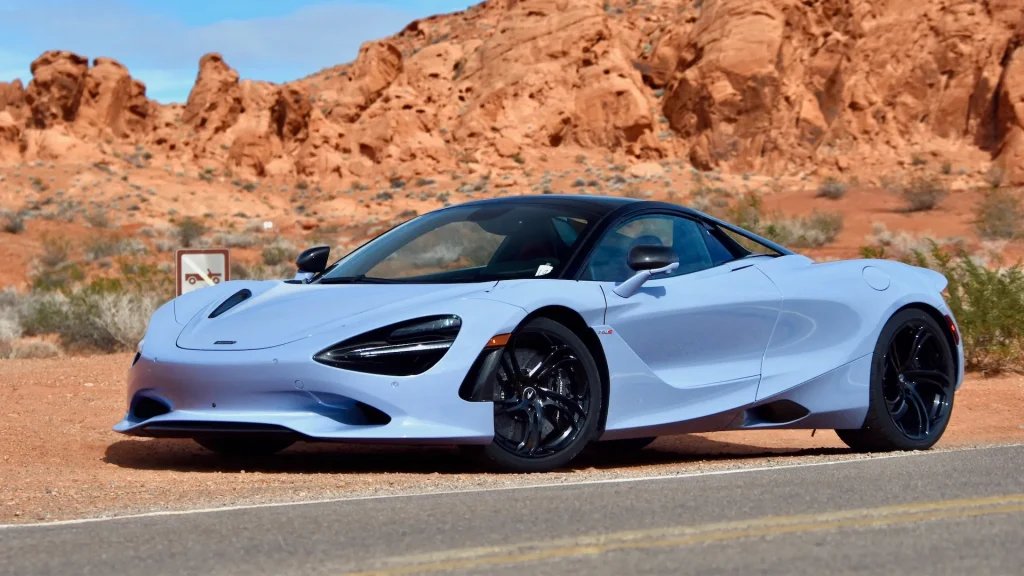
7. McLaren 750S ($5.50-$8.00 Per Mile)
The McLaren 750S represents a philosophy that differs from many other high-priced performance cars. Rather than emphasizing luxury or visual extravagance, McLaren focuses relentlessly on speed, weight reduction, and driver engagement.
Every major component exists to improve performance, from the lightweight carbon-fiber structure to the carefully engineered aerodynamic surfaces.
The result is a machine capable of extraordinary acceleration and handling. It is also one of the most expensive cars to operate when ownership costs are calculated on a per-mile basis.
One factor driving the 750S’s high operating cost is its highly specialized construction. Carbon-fiber technology offers tremendous benefits in rigidity and weight reduction, but repairs involving composite materials are rarely inexpensive.
Damage that might be relatively straightforward to repair on a conventional vehicle can become significantly more costly when advanced structural materials are involved.
Depreciation remains another major contributor. McLaren vehicles occupy a niche segment where market values can fluctuate considerably depending on demand, mileage, and broader economic conditions.
While limited production helps maintain exclusivity, owners still face substantial value losses during the first years of ownership.
Performance-focused cars tend to rack up miles differently from luxury sedans. While luxury models are often driven in a more measured and consistent manner, high-performance vehicles frequently see spirited use that accelerates mileage accumulation and magnifies the impact of depreciation.
The 750S encourages owners to use its immense capabilities, and that enthusiasm has consequences. High-performance tires wear more quickly under aggressive acceleration and cornering. Brake components designed for extreme performance command premium prices when replacement becomes necessary.
The engine itself is an engineering showcase. Delivering more than 700 horsepower requires sophisticated cooling systems, advanced electronics, and carefully calibrated mechanical components.
Routine servicing demands expertise that is not widely available, which often means relying on specialized dealerships or factory-trained technicians. Insurance providers view the 750S as a high-risk vehicle due to its value, performance potential, and repair costs.
Premiums frequently exceed those of luxury vehicles that cost similar amounts to purchase. Even minor incidents can lead to significant repair bills because of specialized bodywork and limited-production parts.
Fuel expenses may seem relatively minor compared with depreciation and maintenance, yet they still contribute meaningfully to ownership costs.
The twin-turbocharged V8 requires premium fuel, and drivers rarely purchase a McLaren with economy as their primary concern. What makes the 750S fascinating is that nearly every expensive aspect of ownership exists for a reason.
The lightweight construction improves performance. The advanced aerodynamics increase stability. The specialized engineering enhances driver involvement.
Each mile behind the wheel delivers a memorable experience, but it does so at a financial cost that places the car among the most expensive modern supercars to own and operate.
Specifications
- Engine: 4.0-liter twin-turbocharged V8
- Torque: 590 lb-ft
- Horsepower: 740 hp
- Length/Width: 179.8 in / 75.3 in
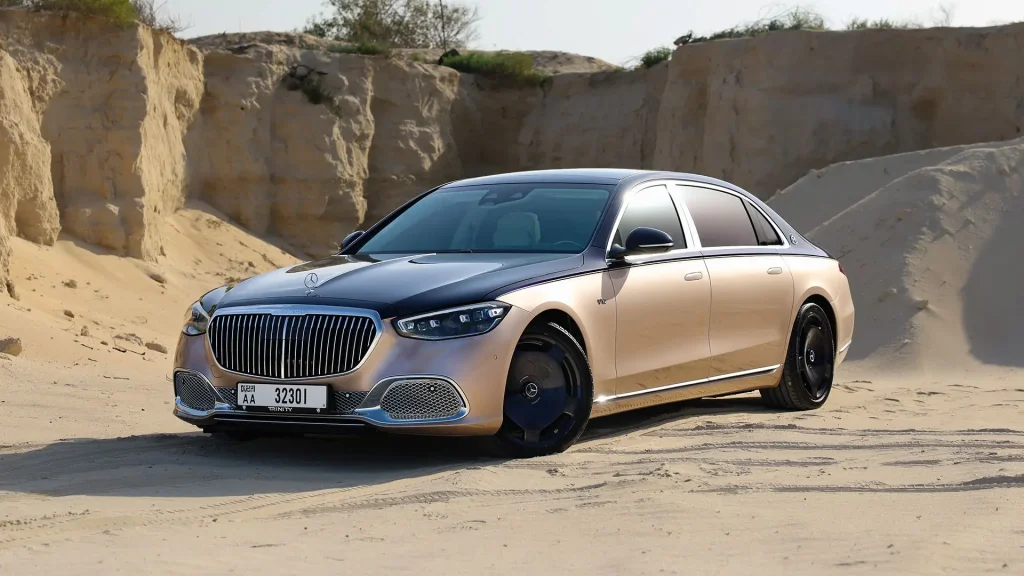
8. Mercedes-Maybach S680 ($3.00-$4.50 Per Mile)
At first glance, the Mercedes-Maybach S680 may seem like an unusual entry on a list dominated by exotics and supercars. It does not chase lap records, and its styling is intentionally understated compared with the dramatic machines that often occupy the upper end of the automotive market.
Yet when ownership expenses are analyzed carefully, the flagship Maybach earns its place among the most expensive vehicles to drive per mile.
The explanation begins with the vehicle’s extraordinary level of luxury. The S680 is designed to serve as a rolling first-class cabin, offering materials, technology, and craftsmanship that exceed even those found in the standard S-Class.
Rear-seat passengers enjoy an environment created with comfort as the primary objective, and achieving that comfort requires a vast amount of sophisticated hardware.
The purchase price immediately places the Maybach in rare company. Buyers enter ownership at a level where depreciation becomes a significant financial consideration.
Luxury flagships often experience notable value declines during their early years, and because the starting price is so high, those declines translate into substantial dollar losses.
Maintenance expenses are equally noteworthy. Beneath the elegant exterior lies a highly complex vehicle equipped with advanced driver-assistance systems, air suspension technology, premium electronics, and a powerful twin-turbocharged V12 engine.
Servicing these systems requires specialized expertise, and replacement parts reflect the vehicle’s premium positioning.
Insurance costs remain high due to repair complexity and vehicle value. Modern luxury cars contain numerous sensors, cameras, and electronic components integrated throughout the body structure. Even seemingly minor repairs can involve calibration procedures and component replacements that increase repair bills considerably.
Fuel consumption adds another layer to ownership expenses. The V12 engine delivers effortless performance and remarkable smoothness, but efficiency is not its defining characteristic. Owners can expect premium-fuel expenses that exceed those associated with most luxury sedans.
What truly drives the Maybach’s cost-per-mile figure is the combination of all these factors rather than any single expense. Depreciation, maintenance, insurance, and fuel each contribute meaningful amounts.
Individually, none may appear extraordinary relative to the vehicle’s price. Together, they create an ownership profile that rivals many exotic sports cars in long-term financial commitment.
The Mercedes-Maybach S680 demonstrates that operating costs are not determined solely by performance. Luxury can be just as expensive as speed when engineering, craftsmanship, and exclusivity reach the highest levels. Every mile reflects an uncompromising approach to comfort, and that commitment carries a substantial price.
Specifications
- Engine: 6.0-liter twin-turbocharged V12
- Torque: 664 lb-ft
- Horsepower: 621 hp
- Length/Width: 215.3 in / 75.6 in
Also Read: 10 Cars Easiest to Parallel Park in New York City
