A 500-horsepower vehicle priced under $40,000 would have been almost unimaginable in the performance car market not long ago. That level of power was once limited to exotic supercars, rare high-end trims, or heavily modified builds that most buyers could not realistically afford. Today, however, that level of performance is becoming far more accessible.
The automotive industry in 2026 has changed dramatically. Depreciation, advances in engine technology, and the sheer number of high-performance models entering the used market have made extreme horsepower more accessible than ever before.
The used performance car segment has become especially attractive for enthusiasts who want raw power without spending six figures. Cars that once carried premium price tags are now aging into affordability, and many of them still retain impressive engineering integrity.
Manufacturers such as Ford, Chevrolet, Dodge, BMW, and Mercedes-Benz built engines in the 2000s and 2010s that were significantly over-engineered for durability, allowing them to handle high horsepower levels even as they age.
At the same time, the aftermarket tuning industry has exploded. Turbochargers, superchargers, fuel system upgrades, and ECU tuning have made it possible to push many factory 400 horsepower cars well beyond the 500 horsepower threshold. This means buyers now have two clear paths: either purchase a factory 500+ horsepower machine or choose a slightly lower-powered model with strong tuning potential.
Buying a high-horsepower car under $40,000 is not just about finding big numbers on a spec sheet. Reliability becomes a critical factor. Many of these vehicles have been driven aggressively, modified heavily, or maintained inconsistently.
That means buyers must carefully evaluate service history, ownership patterns, and mechanical condition before making a decision. A 500 horsepower car is only enjoyable if it can actually survive daily driving without constant repairs.
In this article, we explore eight reliable 500 horsepower cars that can realistically be found within a $40,000 budget in 2026. These vehicles balance performance, durability, and real-world affordability.
Each one has proven itself either through factory engineering or strong aftermarket support, making them solid choices for enthusiasts who want supercar-level performance without supercar pricing.
Also Read: Adventure Bikes Have Dethroned Sportbikes as the King of Two Wheels
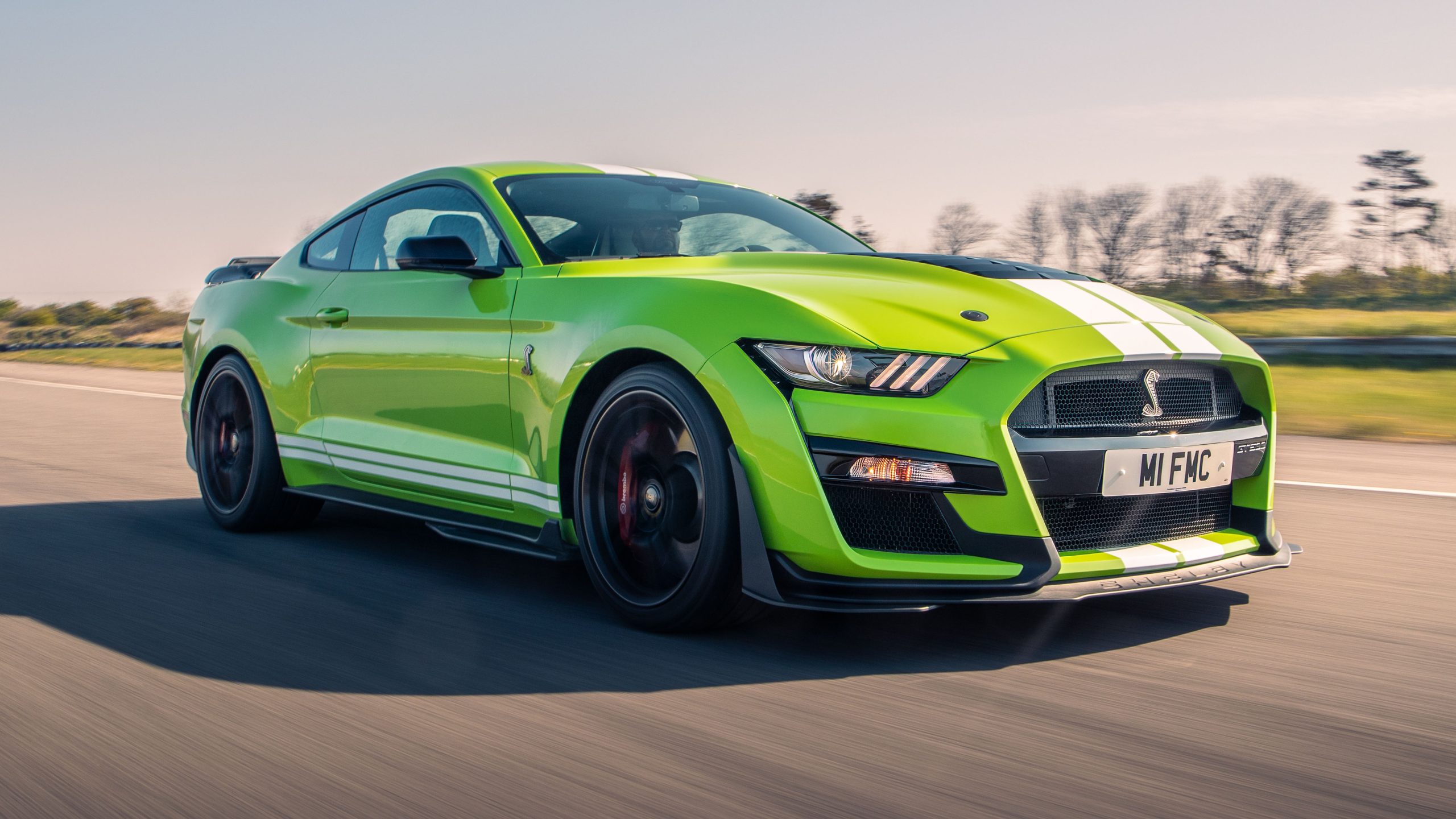
- Engine: 5.4L or 5.8L Supercharged V8
- Horsepower: 500 hp to 662 hp (depending on year)
- Torque: 480 lb-ft to 631 lb-ft
- Length: Approximately 188.1 to 189.5 inches
- Width: Approximately 74.0 inches
1. Ford Mustang Shelby GT500
The Ford Mustang Shelby GT500 from the 2007 to 2014 era represents one of the most important milestones in modern American performance engineering. Built on the foundation of the Mustang platform but heavily reworked by Ford Performance and Shelby, these cars introduced factory supercharged power at a level that was previously reserved for exotic European sports cars.
Early versions started with around 500 horsepower, while later iterations pushed well beyond 550 horsepower, with some variants even exceeding 600 horsepower in later years. This makes the GT500 one of the most accessible entry points into genuine factory-built high horsepower ownership.
One of the strongest aspects of the GT500 is its engine architecture. The 5.4-liter and later 5.8-liter supercharged V8 engines were designed with durability in mind, featuring forged internal components capable of handling significant boost pressure.
Unlike many high-performance engines that require immediate modifications or careful tuning to survive aggressive driving, the GT500’s powertrain was engineered to endure real-world abuse. This gives buyers confidence that even older examples can remain mechanically sound if they have been properly maintained throughout their life.
In terms of driving experience, the GT500 delivers a raw and mechanical feel that modern performance cars often lack. The heavy clutch, aggressive throttle response, and supercharger whine all contribute to an emotional driving experience that appeals to enthusiasts.
While it is not the most refined car in terms of handling precision compared to European rivals, it makes up for it with straight-line acceleration and an unmistakable muscle car personality. The sensation of instant torque delivery makes it feel significantly faster than many newer cars with similar horsepower ratings.
From a reliability standpoint, the GT500 performs surprisingly well for its performance category, but condition history plays a major role. Common wear points include the clutch system, rear differential stress, and heat management issues under repeated hard driving.
Cooling system upgrades are often seen in enthusiast-owned examples, which actually improves long-term durability. Cars that have avoided extreme modifications or drag racing abuse tend to remain solid even after more than a decade of use.
In the 2026 used market, the GT500 remains one of the most realistic ways to access 500+ horsepower under $40,000. While pristine low-mileage examples are becoming more expensive, higher mileage or lightly modified versions still fall within budget.
For buyers seeking a combination of heritage, power, and mechanical simplicity, the GT500 continues to stand as one of the strongest value propositions in the performance car world.
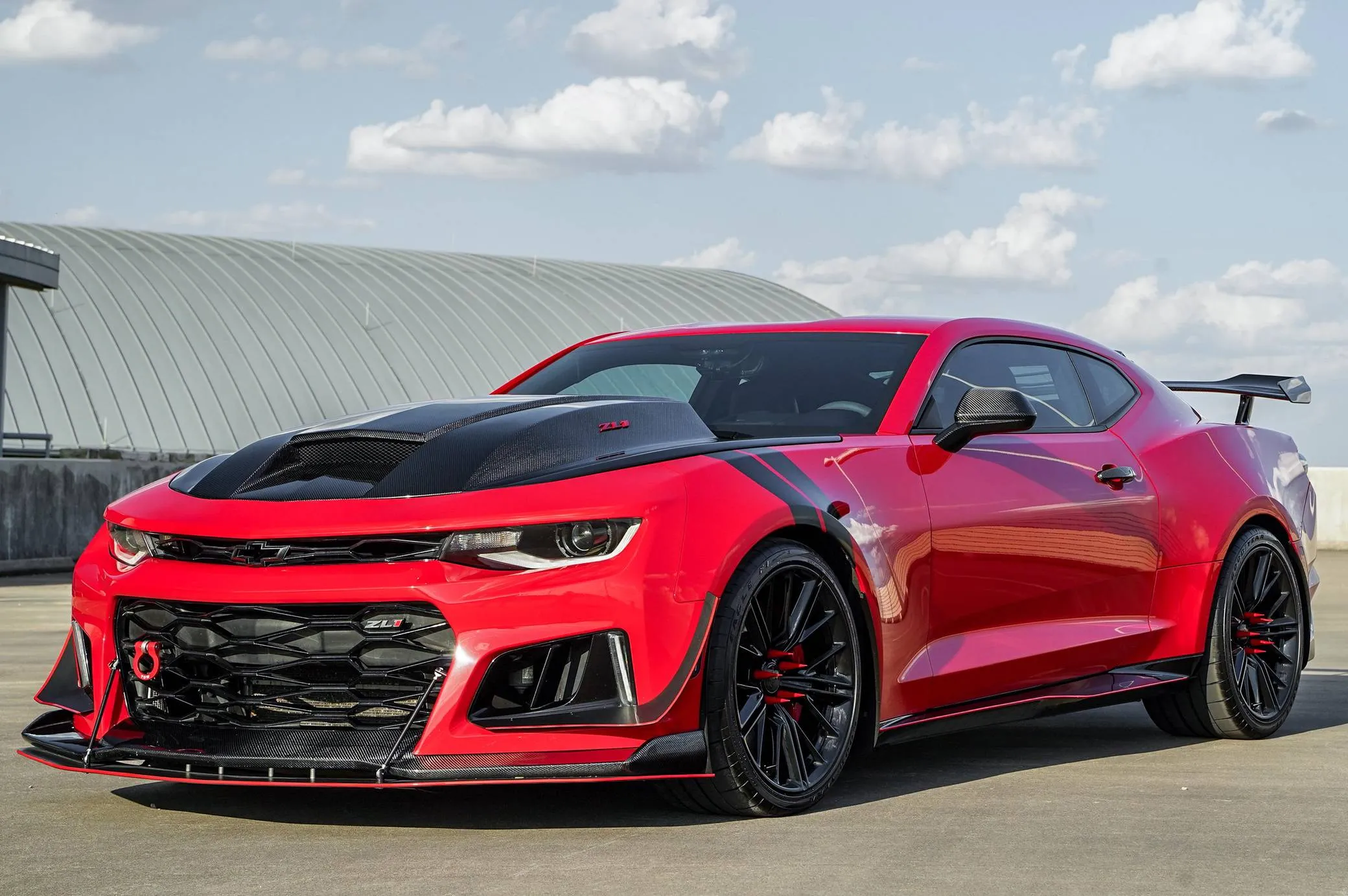
- Engine: 6.2L Supercharged LSA V8
- Horsepower: 580 hp
- Torque: 556 lb-ft
- Length: Approximately 190.6 inches
- Width: Approximately 75.5 inches
2. Chevrolet Camaro ZL1
The 2012 to 2015 Chevrolet Camaro ZL1 marked a turning point in Chevrolet’s performance engineering strategy. Built to compete directly with European sports coupes and high-end American muscle cars, the ZL1 introduced a level of refinement and track capability that earlier Camaros lacked.
At its core lies the supercharged 6.2-liter LSA V8 engine, producing approximately 580 horsepower and delivering massive torque across a wide RPM range. This factory output already exceeds the 500 horsepower benchmark comfortably, making it one of the most powerful production Camaros ever built in its era.
Beyond raw power, the ZL1 was engineered with balance in mind. Chevrolet integrated advanced cooling systems, including intercooler setups and transmission cooling, to ensure consistent performance under extended track use.
The suspension system was also significantly upgraded compared to standard Camaro models, featuring magnetic ride control in certain trims. This system allows the car to adapt its damping characteristics in real time, improving both comfort during daily driving and stability during aggressive cornering.
In real-world driving conditions, the Camaro ZL1 feels more composed than traditional muscle cars. While it retains a heavy and powerful character, it also offers surprising agility for its size. The steering response is more precise than earlier generations of Camaro, and the chassis feels well planted at high speeds.
This makes it a capable highway cruiser as well as a straight-line powerhouse. The combination of supercharged acceleration and improved handling makes it one of the most versatile American performance cars of its time.
The LSA engine is widely regarded for its reliability, with a track record that spans both factory-installed applications and aftermarket performance builds. Its strong engine block and well-engineered supercharger system are capable of maintaining sustained boost pressure under demanding conditions. That said, its long-term durability is ultimately influenced by how well it is maintained over time.
Issues such as intercooler pump wear, differential stress, and clutch fatigue can appear in high-mileage or heavily driven examples. Properly maintained cars, however, are known to exceed 100,000 kilometers without major engine failure.
Early ZL1 models in the used car market can sometimes be found for under $40,000, particularly those with higher mileage or signs of cosmetic wear. For enthusiasts, this creates a compelling performance value proposition, offering modern muscle backed by factory engineering reliability at a relatively accessible price point. Even with growing demand, the ZL1 continues to stand out as one of the most well-rounded high-horsepower packages available in its segment.
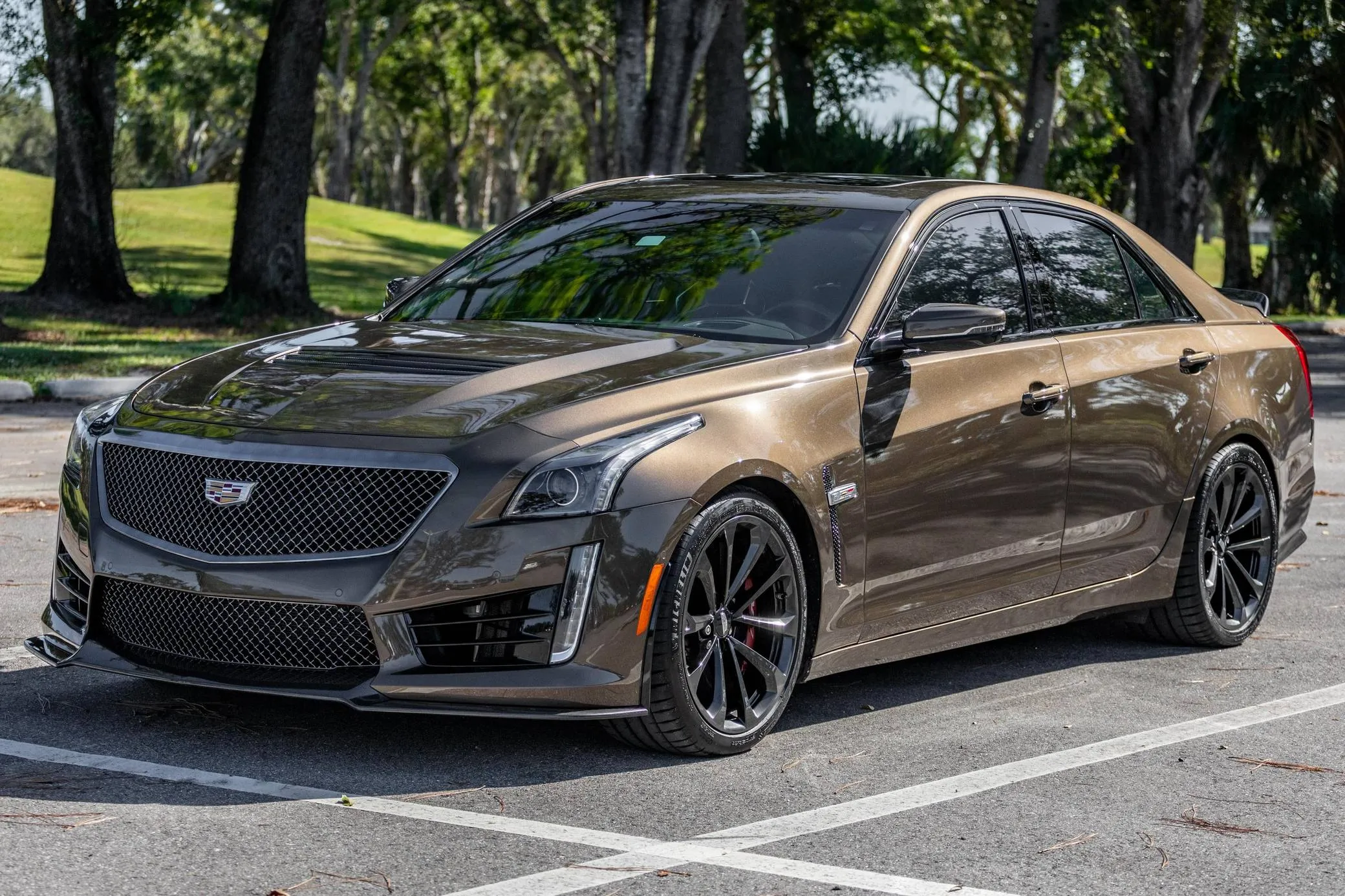
- Engine: 6.2L Supercharged LS V8 (LSA)
- Horsepower: 556 hp
- Torque: 551 lb-ft
- Length: Approximately 191.3 inches
- Width: Approximately 72.5 inches
3. Cadillac CTS-V
The Cadillac CTS-V from 2009 to 2015 is often described as a hidden performance weapon disguised as a luxury sedan. Unlike traditional muscle cars, the CTS-V blends supercar-level performance with executive-level comfort, making it one of the most versatile high horsepower vehicles ever produced.
Under the hood sits a supercharged 6.2-liter LS V8 engine producing over 550 horsepower, allowing it to compete directly with European sedans from BMW M and Mercedes AMG.
One of the most impressive aspects of the CTS-V is its chassis technology. Cadillac equipped this model with Magnetic Ride Control suspension, one of the most advanced damping systems of its time.
This system continuously adjusts suspension stiffness based on road conditions and driving behavior, allowing the car to switch from a comfortable luxury cruiser to a performance-focused sports sedan instantly. This dual personality is one of the reasons the CTS-V became so popular among enthusiasts who wanted both speed and practicality.
The CTS-V’s interior blends comfort and practicality in a way that allows it to compete with European luxury sedans. It features well-finished leather, infotainment systems that were advanced for its generation, and a spacious layout that works just as well for daily use as it does for long trips.
Unlike many performance cars that sacrifice comfort for speed, the CTS-V manages to maintain a refined driving environment while still delivering extreme acceleration capabilities. This balance makes it one of the most practical 500+ horsepower cars available.
The LS-based supercharged engine is well regarded from a mechanical perspective, with a reputation built on durability and its shared design foundation with other GM performance engines that can withstand significant boost and modification. Still, its long-term reliability is not guaranteed and remains closely tied to how diligently it is maintained.
Common issues include supercharger wear, cooling system degradation, and transmission stress in aggressively driven examples. Cars with consistent service records tend to remain highly reliable even at higher mileage.
In the used market, the CTS-V remains a strong value option. Depreciation has made it significantly more affordable compared to European rivals with similar performance levels. Many examples fall within the $30,000 to $40,000 range depending on condition.
For buyers who want a combination of luxury, comfort, and supercharged V8 performance, the CTS-V remains one of the most compelling choices available.
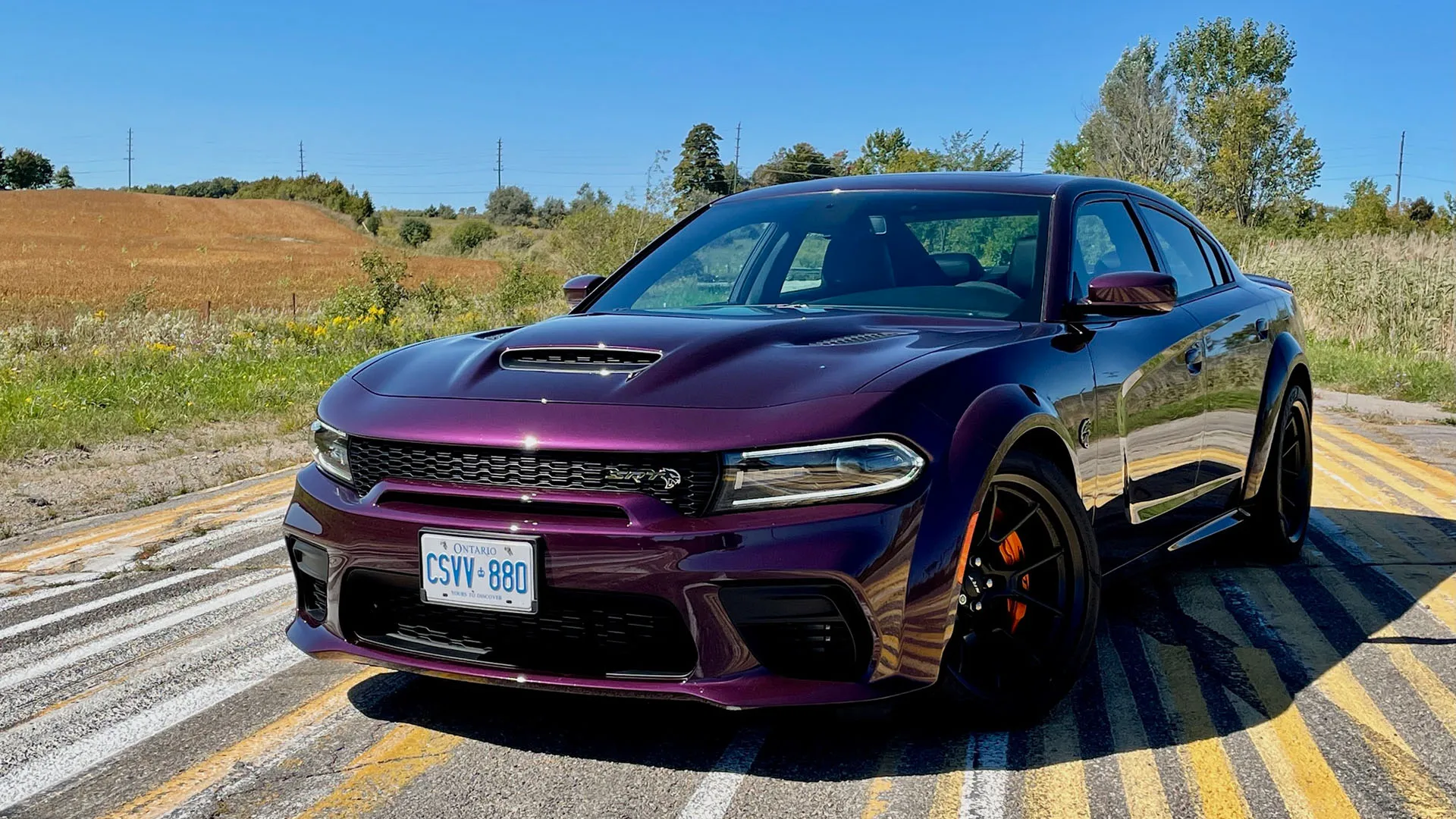
- Engine: 6.2L Supercharged HEMI V8
- Horsepower: 707 hp
- Torque: 650 lb-ft
- Length: Approximately 201.0 inches
- Width: Approximately 75.0 inches
4. Dodge Charger SRT Hellcat
The Dodge Charger SRT Hellcat is one of the most extreme performance sedans ever produced for mass-market consumption.
With a factory output exceeding 700 horsepower from its supercharged 6.2-liter HEMI V8 engine, it far surpasses the 500 horsepower requirement, but it still earns its place in this category due to occasional depreciation bringing higher-mileage examples closer to the $40,000 mark in certain markets. It represents raw American horsepower at its most unfiltered.
What makes the Hellcat unique is its focus on straight-line dominance. Unlike many performance cars that balance handling and refinement, the Hellcat prioritizes acceleration above all else.
The massive supercharger delivers instant torque, resulting in explosive launches and extremely high-speed capability. This makes it one of the fastest sedans ever produced in a straight line, even by modern standards.
That performance advantage does come with compromises. Although the chassis is an upgrade over standard Charger variants, the vehicle’s considerable weight limits its agility, and its handling precision falls short when compared to European rivals.
Tire wear is extremely high due to the immense torque output, and fuel consumption is significantly above average. These factors make it more of a specialty performance vehicle rather than a practical daily driver for most owners.
The HEMI engine is generally regarded as reliable and has demonstrated strong durability under high-performance conditions. That said, while the engine itself is robust, components such as the supercharger, transmission, and drivetrain can show signs of wear if the car has been heavily driven, abused, or modified. Given that many Hellcats have seen aggressive use, a thorough service and ownership history is especially important when evaluating a purchase in this price range.
In the used market, finding a Hellcat near $40,000 typically involves higher mileage examples or vehicles with cosmetic imperfections.
Despite this, it remains one of the most thrilling performance cars available at a relatively accessible price point. For enthusiasts who prioritize raw power above refinement, the Hellcat continues to stand as a benchmark in modern muscle car engineering.
Also Read: 10 Vintage Honda Motorcycles Worth More Than New Bikes
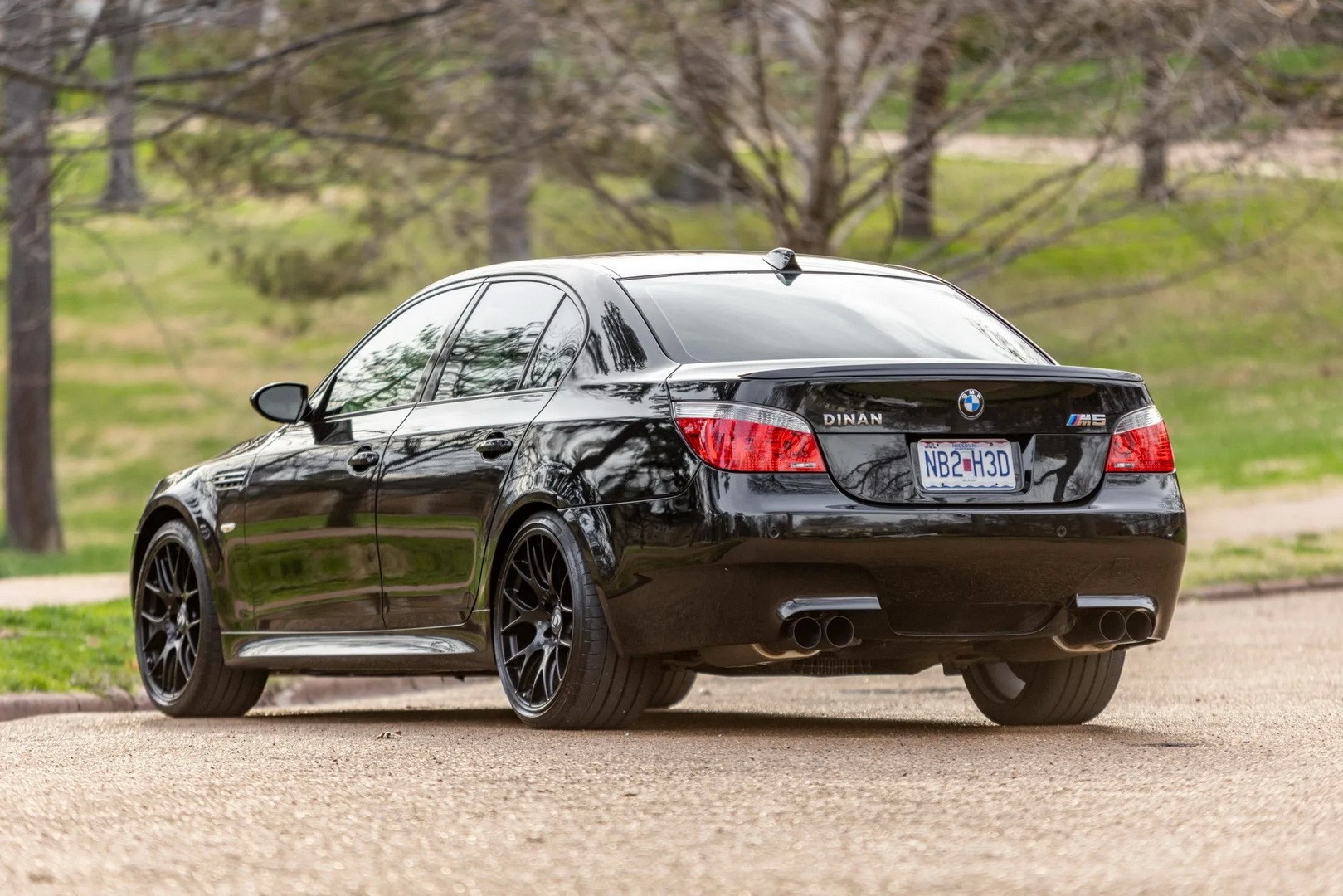
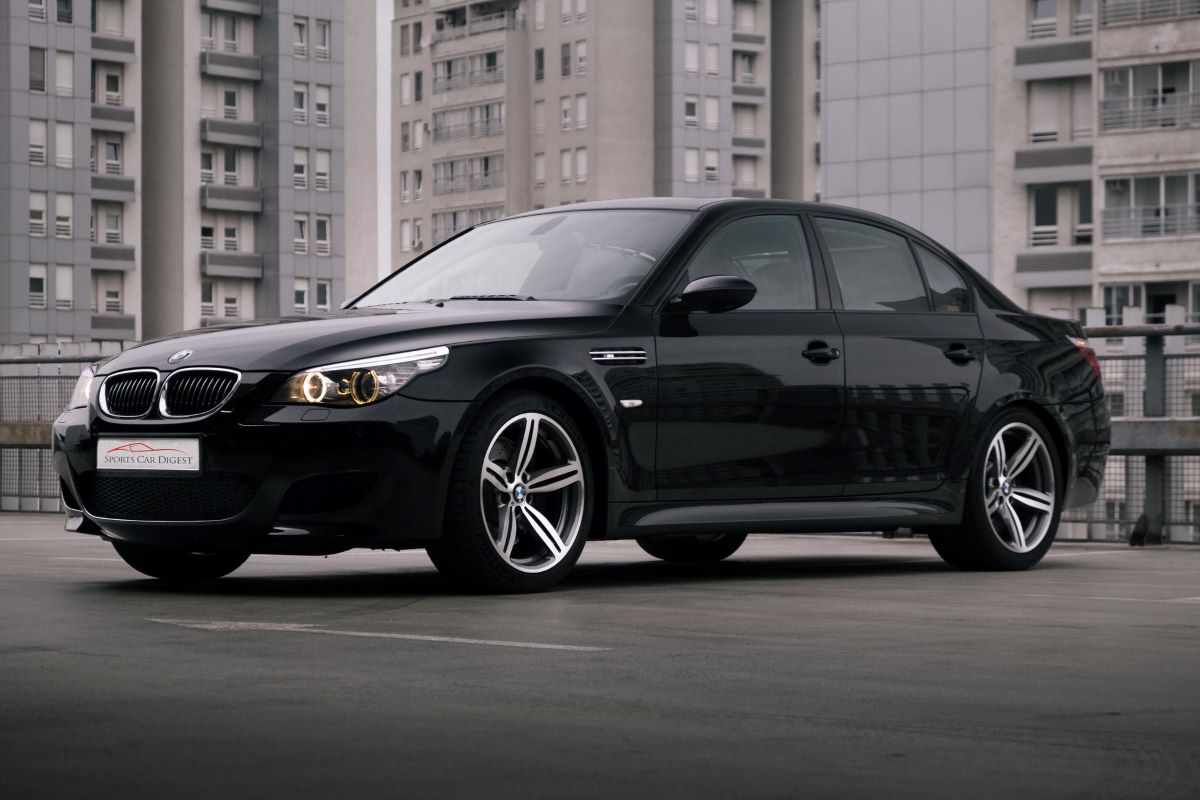
E60 M5
- Engine: 5.0L Naturally Aspirated V10
- Horsepower: 500 hp
- Torque: 384 lb-ft
- Length: Approximately 191.1 inches
- Width: Approximately 72.7 inches
F10 M5
- Engine: 4.4L Twin-Turbo V8
- Horsepower: 560 hp
- Torque: 500 lb-ft
- Length: Approximately 193.5 inches
- Width: Approximately 74.4 inches
5. BMW M5
The BMW M5 from the E60 and F10 generations represents two very different philosophies of performance engineering, both of which deliver at least 500 horsepower and both of which have become highly desirable in the used performance market.
The E60 M5 is powered by a naturally aspirated 5.0-liter V10 engine producing around 500 horsepower, while the F10 generation uses a twin-turbocharged V8 that produces significantly more torque and improved drivability.
The E60 M5 is widely regarded as one of the most emotional performance sedans ever built. Its V10 engine was inspired by BMW’s Formula 1 technology, allowing it to rev to extremely high RPM levels while delivering a unique and dramatic exhaust note.
It delivers one of the most engaging driving experiences available in the automotive world, thanks to its strong performance focus and responsive character. At the same time, its mechanical complexity means long-term ownership can become challenging without consistent and proper maintenance.
The F10 M5, on the other hand, represents a shift toward modern turbocharged efficiency. Its twin-turbo V8 engine delivers stronger low-end torque, making it faster in everyday driving conditions compared to the E60. It is also more fuel-efficient and generally easier to live with on a daily basis. While it lacks the high-revving drama of the V10, it compensates with usability and improved reliability.
Both generations offer excellent driving dynamics typical of BMW M engineering. The chassis balance, steering precision, and suspension tuning make the M5 one of the best handling performance sedans in its class.
Even today, these cars feel capable and composed at high speeds, demonstrating the strength of BMW’s engineering philosophy during this era.
In terms of used market pricing, both the E60 and F10 M5 can occasionally be found near or under $40,000 depending on condition, mileage, and maintenance history.
Buyers should approach the E60 model with care, as deferred maintenance can quickly lead to high repair costs. Even so, the M5 continues to stand out as one of the most iconic choices for those who value a mix of luxury, performance, and distinctive engineering character.
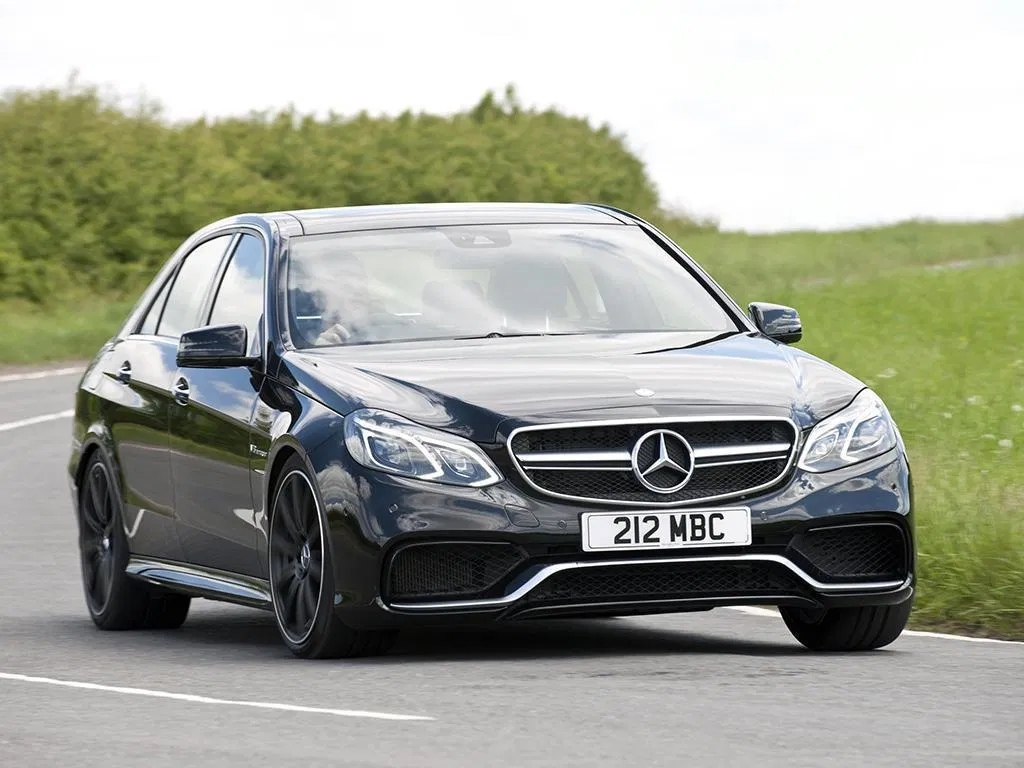
- Engine: 6.2L Naturally Aspirated V8 (M156)
- Horsepower: 518 hp (US spec varies slightly by year)
- Torque: 465 lb-ft
- Length: Approximately 194.0 inches
- Width: Approximately 73.0 inches
6. Mercedes-Benz E63 AMG
The Mercedes-Benz E63 AMG from the 2009 to 2013 era represents one of the most balanced blends of luxury and extreme performance in the high horsepower sedan segment.
Powered by the naturally aspirated 6.2-liter AMG V8 engine, this generation produces over 500 horsepower in standard form, delivering immediate throttle response and a linear power delivery that is increasingly rare in modern turbocharged performance cars. This engine, known internally as the M156, is one of AMG’s most celebrated powerplants, designed during a time when driving emotion was prioritized over efficiency.
One of the defining characteristics of the E63 AMG is its naturally aspirated engine behavior. Unlike turbocharged systems that build boost progressively, the E63 delivers instant power as soon as the throttle is pressed.
This creates a highly responsive and engaging driving experience, especially at mid to high RPM ranges. The sound of the AMG V8 is another major highlight, producing a deep, aggressive exhaust note that enhances the sense of performance and exclusivity.
The E63 AMG’s interior is built around a complete luxury experience, with Mercedes-Benz prioritizing refinement throughout the cabin. Premium materials, highly supportive seating, and a thoughtfully executed design give it a feel that remains upscale even by 2026 standards.
The cabin is spacious enough for daily commuting and long-distance travel, making the car practical despite its extreme performance capabilities. This dual identity as both a luxury sedan and a muscle performance machine is one of its strongest selling points.
From a reliability standpoint, the M156 engine is generally strong but requires proper maintenance. Known issues include head bolt wear in early production models, oil cooler leaks, and wear in valve train components under heavy use.
With proper maintenance, well-cared-for examples have shown they can exceed 100,000 miles with no major issues. Long-term reliability depends heavily on consistent servicing and maintaining high oil quality standards.
In the 2026 used market, the E63 AMG remains one of the most attractive options for buyers seeking a 500+ horsepower luxury sedan under $40,000. Depreciation has made it significantly more accessible compared to newer AMG models.
For enthusiasts who value naturally aspirated power, luxury comfort, and timeless engineering character, the E63 AMG stands as one of the strongest choices in this category.
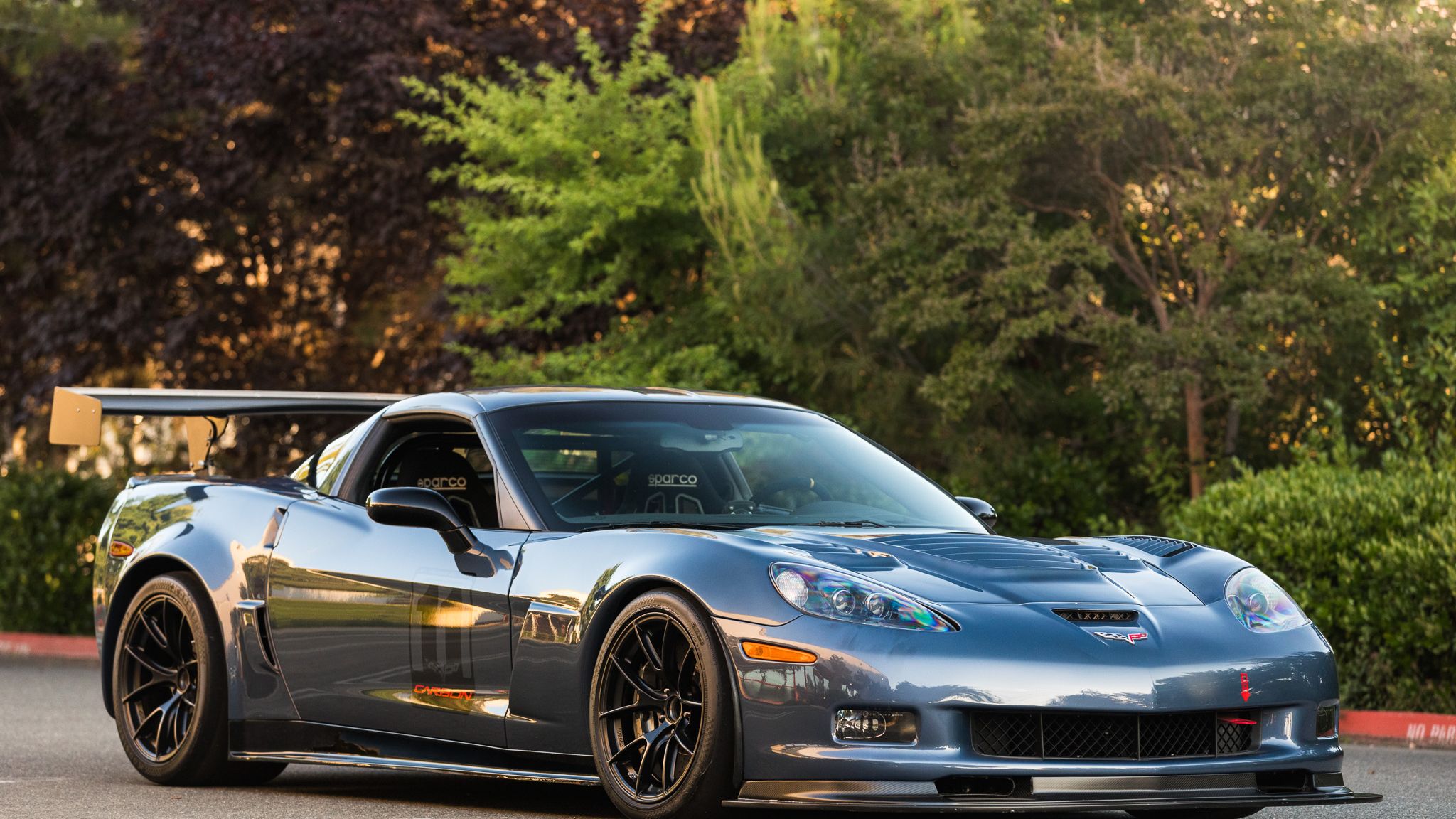
- Engine: 7.0L Naturally Aspirated V8 (LS7)
- Horsepower: 505 hp
- Torque: 470 lb-ft
- Length: Approximately 175.6 inches
- Width: Approximately 75.9 inches
7. Chevrolet Corvette C6 Z06
The Chevrolet Corvette C6 Z06 is widely regarded as one of the most capable American sports cars ever produced, offering an exceptional balance of lightweight construction, high performance engineering, and strong aftermarket potential.
While the stock LS7 engine produces approximately 505 horsepower, real-world examples often exceed this figure with minor modifications, making it an ideal platform for enthusiasts targeting the 500 horsepower benchmark with reliability in mind.
One of the most important strengths of the C6 Z06 is its lightweight chassis. Unlike heavier muscle cars or luxury sedans, the Corvette prioritizes weight reduction, which dramatically improves acceleration, braking, and cornering performance.
This makes the Z06 feel significantly faster than its horsepower rating might suggest. The combination of a high-revving V8 engine and a lightweight body results in a driving experience that is more aligned with exotic sports cars than traditional American muscle cars.
The LS7 engine is a key reason for the Z06’s popularity. It is a 7.0-liter naturally aspirated V8 built with performance durability in mind. The engine features forged internals and a high-flow cylinder head design, making it highly responsive and capable of sustaining high RPM operation.
With basic bolt-on modifications or exhaust and intake upgrades, the engine can easily exceed 500 horsepower without sacrificing reliability when tuned properly.
Prospective buyers should be aware of a few known mechanical issues. In early LS7 production runs, some engines experienced valve guide wear, which can contribute to increased long-term wear if left unaddressed.
A thorough inspection and verification of engine history are essential when purchasing a used model. Despite this, the platform remains strong and widely respected in the performance community.
In the 2026 used market, the C6 Z06 continues to offer one of the best performance-per-dollar ratios available. Many examples fall near or below the $40,000 mark depending on mileage and condition. For enthusiasts seeking a raw, lightweight, and highly tunable 500+ horsepower sports car, the C6 Z06 remains one of the most compelling and reliable choices available.
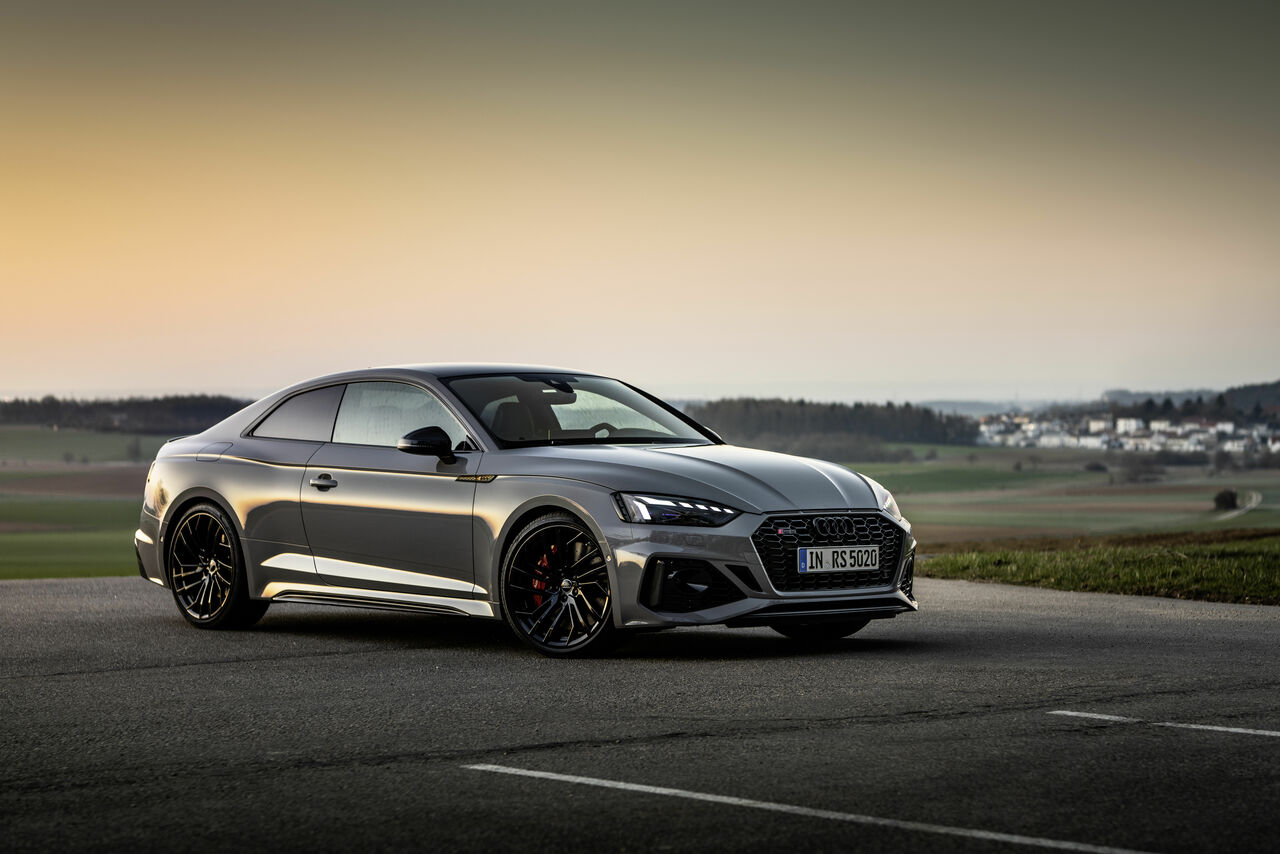
- Engine: 4.2L Naturally Aspirated V8
- Horsepower: 450 hp (stock)
- Torque: 317 lb-ft
- Length: Approximately 182.7 inches
- Width: Approximately 73.2 inches
8. Audi RS5
The Audi RS5 equipped with the supercharged 3.0-liter V6 engine represents a refined approach to high-performance driving, combining all-wheel drive traction, advanced engineering, and strong tuning potential.
While factory output varies slightly depending on model year and configuration, the engine is widely known for its ability to surpass 500 horsepower with relatively simple ECU tuning and supporting modifications.
One of the defining features of the RS5 is its Quattro all-wheel drive system. This system provides exceptional traction in all weather conditions, making the RS5 one of the most usable high horsepower cars in real-world driving scenarios.
Unlike rear-wheel-drive muscle cars that can struggle with traction under hard acceleration, the RS5 delivers power smoothly and efficiently to all four wheels, improving both safety and performance consistency.
The supercharged V6 engine is another highlight of the platform. It offers a strong combination of low-end torque and linear power delivery, making it highly responsive in everyday driving.
The engine is also known for being relatively robust when properly maintained, with fewer long-term issues compared to some of Audi’s older turbocharged engines. With proper tuning, it can comfortably exceed the 500 horsepower threshold while maintaining drivability.
The RS5’s cabin stands out for its refinement, delivering one of the most polished interiors in its segment. High-quality materials, strong build execution, and well-considered driver ergonomics come together to create a premium space that still feels modern and thoughtfully designed, even by 2026 standards.
Features such as high-quality leather seating, advanced infotainment systems, and excellent sound insulation make it suitable for both performance driving and daily commuting.
In the used market, depreciation has made the RS5 increasingly accessible, with some examples falling under the $40,000 range depending on mileage and condition.
While maintenance costs can be higher than domestic competitors, the combination of performance, luxury, and all-weather usability makes the RS5 one of the most balanced 500+ horsepower capable cars available today.