
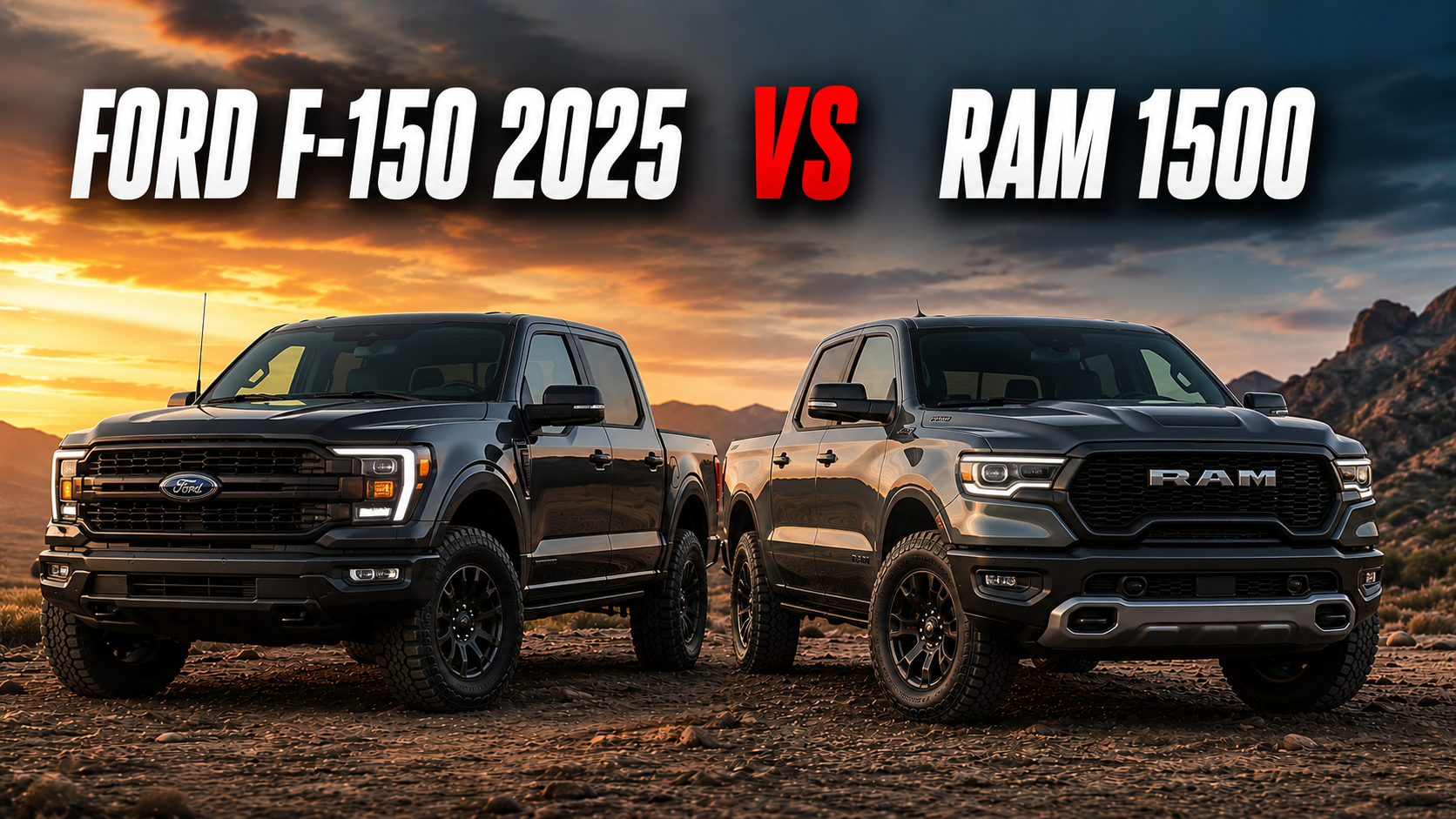
The full-size pickup truck segment in the United States and many global markets has long been dominated by two major competitors, the Ford F-150 and the Ram 1500. These two trucks consistently rank among the best-selling vehicles in their category, and for good reason.
Both offer a combination of power, utility, comfort, and modern technology that appeals to a wide range of buyers, from construction professionals to families who simply want a versatile daily driver.
Over the years, the rivalry between these two models has intensified as each brand has pushed innovation in different directions, resulting in clear strengths and tradeoffs that make each truck better suited for specific needs.
When comparing the Ram 1500 vs. the F-150, it is not enough to simply say one is better than the other. Instead, the comparison becomes more meaningful when broken into key categories such as towing capability, engine performance, interior comfort, technology features, reliability, and long-term ownership value.
In some of these categories, the Ford F-150 clearly takes the lead due to its extensive powertrain options and maximum capability focus. In others, the Ram 1500 stands out with a smoother ride, more premium cabin feel, and refined driving experience that feels closer to a luxury vehicle than a traditional pickup truck.
What makes this comparison especially interesting is how differently the two manufacturers approach the same goal. Ford tends to prioritize maximum versatility, work-focused strength, and cutting-edge capability features such as hybrid powertrains and high-output turbocharged engines.
Ram, on the other hand, has focused heavily on ride comfort, suspension tuning, and interior refinement, making the Ram 1500 one of the most comfortable trucks ever produced in its class. These philosophical differences create six key areas where one truck clearly outperforms the other, depending on what the buyer values most.
In this detailed SEO friendly analysis, we will break down five major categories where either the Ram 1500 or F-150 takes a clear advantage. Each section will explore real-world usability, performance expectations, and ownership considerations in depth.
By the end of this comparison, you will have a clear understanding of how these two segment leaders stack up and which one may be the better fit depending on your driving needs and lifestyle requirements.
Also Read: Adventure Bikes Have Dethroned Sportbikes as the King of Two Wheels
1. Engine Performance and Power Delivery
The Ford F-150 has long been recognized for its wide range of engine options, and this is one of the strongest reasons it often wins in the performance category. Buyers can choose from turbocharged V6 engines, a naturally aspirated V8, a high-performance variant, and even hybrid configurations that balance efficiency with usable torque.
This flexibility allows the F-150 to cater to very different needs, from fuel-conscious commuters to heavy-duty towing users who demand maximum output.
One of the most impressive aspects of the F-150 lineup is how Ford has engineered its EcoBoost turbocharged engines. These engines deliver strong low-end torque, which is extremely useful in real-world driving situations such as merging onto highways, towing trailers, or hauling heavy payloads.
The hybrid variant also adds an extra layer of usability by providing electric-assisted torque, which improves responsiveness at low speeds while also enhancing fuel economy under light loads.
In comparison, the Ram 1500 offers a more limited but still capable engine lineup. While it provides smooth and refined power delivery, especially with its V8 option, it does not match the sheer variety or maximum output levels available in the F-150 range. Ram focuses more on smooth acceleration and quiet operation rather than pushing extreme horsepower or torque figures across multiple configurations.
From a performance tuning perspective, the F-150 is engineered to handle a wider range of use cases, including commercial work, off-road conditions, and high-stress towing scenarios.
This makes it more adaptable for buyers who need one truck to perform multiple roles without compromise. While the Ram 1500 delivers a more relaxed and refined driving experience, it does not match the F-150 when it comes to raw performance versatility.
In the category of engine performance and power delivery, the Ford F-150 clearly wins due to its broader engine lineup, stronger towing-focused tuning, and more aggressive performance options. It is designed to be a workhorse first, while still offering comfort and efficiency as secondary benefits.
Winner: Ford F-150
2. Towing and Payload Capability
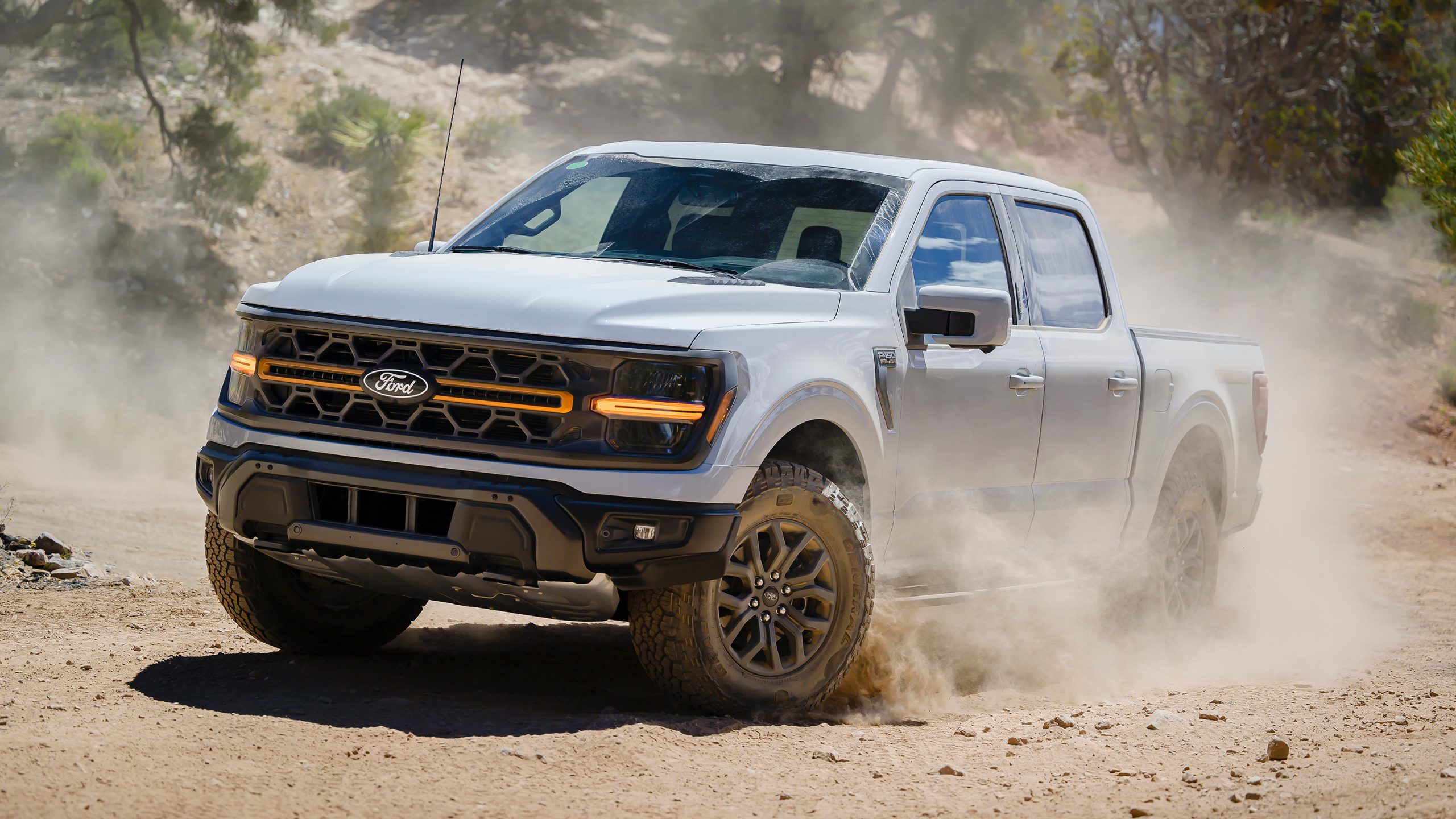
When it comes to towing and payload capability, the Ford F-150 once again establishes itself as the leader in the full-size pickup segment.
This truck has been engineered from the ground up to handle demanding workloads, and its maximum towing capacity surpasses that of most competitors, including the Ram 1500. This makes it a preferred choice for users who frequently tow heavy trailers, boats, or construction equipment.
A major advantage of the F-150 is its frame construction and advanced towing technologies. Ford integrates systems such as trailer sway control, integrated trailer brake controllers, and smart hitch guidance features that simplify the towing process.
These systems are designed to reduce driver fatigue and improve safety during long-distance hauling. As a result, even less experienced drivers can manage heavy towing tasks with greater confidence.
The Ram 1500, while still highly capable, is positioned slightly more toward comfort and everyday usability rather than extreme towing performance. It offers respectable towing numbers that are more than sufficient for recreational users and light commercial applications, but it does not reach the same upper limits as the F-150 in maximum configuration.
Ram prioritizes ride comfort and suspension smoothness, which slightly reduces its focus on extreme payload optimization.
Another important factor is payload capacity, where the F-150 also maintains an advantage. Its ability to carry heavier loads in the bed without compromising stability makes it a stronger choice for contractors and professionals who regularly transport equipment or materials. The truck’s engineering emphasis on durability under load gives it an edge in demanding work environments.
The Ford F-150 clearly wins in towing and payload capability due to its higher maximum limits, advanced towing assistance features, and stronger work-oriented engineering. It remains the benchmark for buyers who prioritize utility and heavy-duty performance above all else.
Winner: Ford F-150
3. Interior Comfort and Cabin Experience
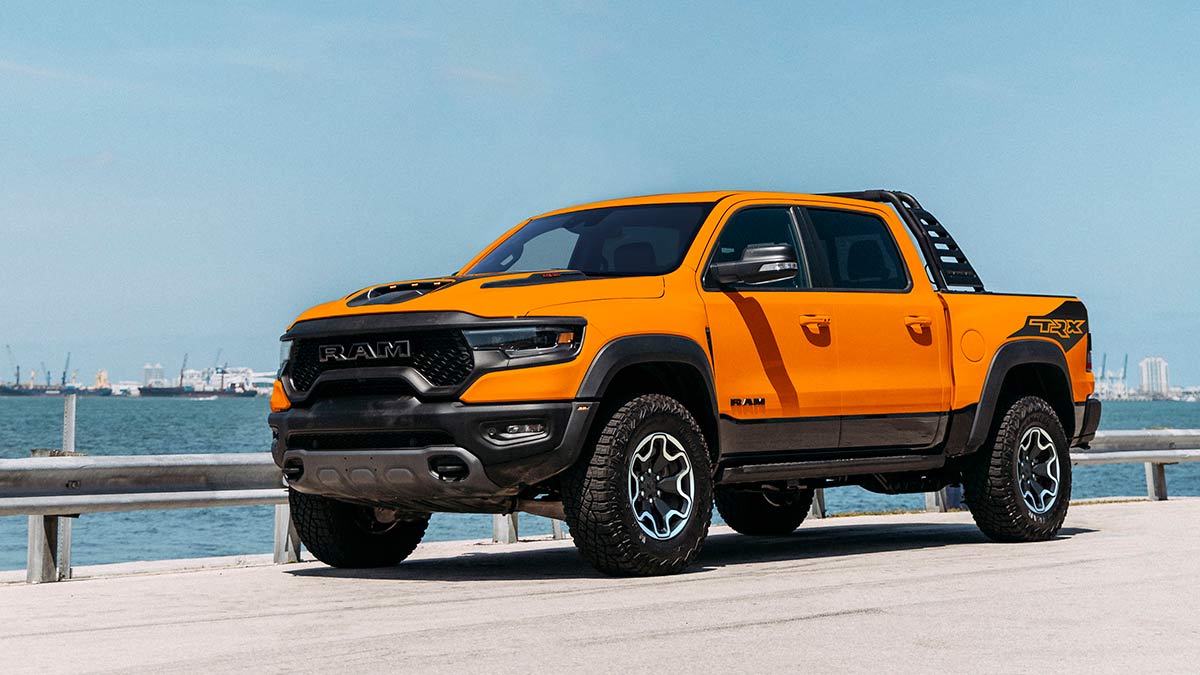
While the Ford F-150 excels in performance and capability, the Ram 1500 takes a decisive lead when it comes to interior comfort and cabin experience. Ram has invested heavily in making its truck feel more like a premium SUV than a traditional work vehicle, and this effort is clearly reflected in the materials, design, and ride quality.
Inside the Ram 1500, occupants are greeted with soft-touch materials, available leather upholstery, and a layout that prioritizes passenger comfort.
The seats are widely regarded as some of the most comfortable in the pickup segment, offering excellent support for long drives. This makes the Ram 1500 particularly appealing to families and individuals who use their truck as a daily driver rather than purely a work tool.
The suspension system in the Ram 1500 is another major differentiator. Its rear coil spring suspension, or available air suspension system, provides a noticeably smoother ride compared to traditional leaf spring setups. This results in reduced road harshness, better handling over uneven surfaces, and a more composed driving experience.
In contrast, the Ford F-150, while comfortable, still maintains a more utilitarian feel in many trims. It is designed to prioritize durability and functionality, which means its ride quality can feel firmer, especially when unloaded. Higher trims do improve comfort significantly, but the Ram 1500 maintains a consistent advantage across its lineup in terms of ride smoothness.
For buyers who spend long hours on the road or prioritize a quiet and refined cabin, the Ram 1500 clearly stands out as the winner in interior comfort and cabin experience. It transforms the traditional pickup truck into something closer to a luxury driving environment.
Winner: Ram 1500
4. Technology and Infotainment Systems
In the technology category, the Ford F-150 takes a strong position due to its wide range of innovative features and advanced infotainment options. Ford has consistently introduced new technologies that improve productivity, safety, and convenience, making the F-150 one of the most tech-forward trucks in its class.
One of the standout features is Ford’s infotainment system, which offers a responsive interface, large touchscreen options, and seamless smartphone integration.
It also supports advanced navigation tools, trailer-specific apps, and real-time vehicle monitoring systems that are especially useful for towing and fleet management. These features make the truck highly practical for both personal and professional use.
The F-150 also includes advanced driver assistance systems such as adaptive cruise control, lane keeping assist, and automated emergency braking. These systems are designed to reduce driver workload and improve safety during long-distance driving or heavy traffic conditions. Ford’s focus on integrating technology into real-world usage scenarios gives it a clear advantage in this category.
The Ram 1500 does offer a strong infotainment system as well, with a large vertically oriented touchscreen and intuitive controls. However, its technology focus leans more toward user friendliness and cabin experience rather than the wide ecosystem of productivity tools that Ford provides. While Ram’s system is highly polished, it does not match the same level of functional depth.
The Ford F-150 wins in technology and infotainment systems due to its broader feature set, stronger integration of work-focused tools, and more advanced driver assistance capabilities.
Winner: Ford F-150
Also Read: 10 Vintage Honda Motorcycles Worth More Than New Bikes
5. Reliability, Maintenance, and Long-Term Ownership Value
When evaluating reliability and long-term ownership value, the comparison becomes more balanced, but the Ram 1500 often gains an advantage in perceived durability and reduced driving fatigue over time. While both trucks are built to last, the Ram 1500’s focus on smoother operation and less aggressive mechanical stress contributes to a more relaxed ownership experience.
The Ram 1500 benefits from a simpler driving character in many configurations, which can translate to fewer wear-related issues in everyday use.
Its suspension tuning and engine calibration prioritize smoothness, which reduces strain on components under normal driving conditions. This can be appealing to owners who want a dependable truck without constant heavy-duty usage.
The Ford F-150, while highly reliable, is engineered with a stronger emphasis on maximum capability and performance variation. This means it is often subjected to more demanding workloads, especially in commercial or fleet environments. While it is built to handle this stress, long-term ownership can sometimes involve more maintenance depending on usage intensity.
From a resale value perspective, both trucks perform strongly due to their popularity and brand reputation. However, the Ram 1500 often appeals to buyers looking for a more comfortable long-term driving experience, while the F-150 attracts those prioritizing capability and utility retention over time.
The Ram 1500 slightly edges out due to its comfort-oriented engineering and smoother long-term driving experience, making it a strong choice for buyers focused on daily usability and reduced driving fatigue.
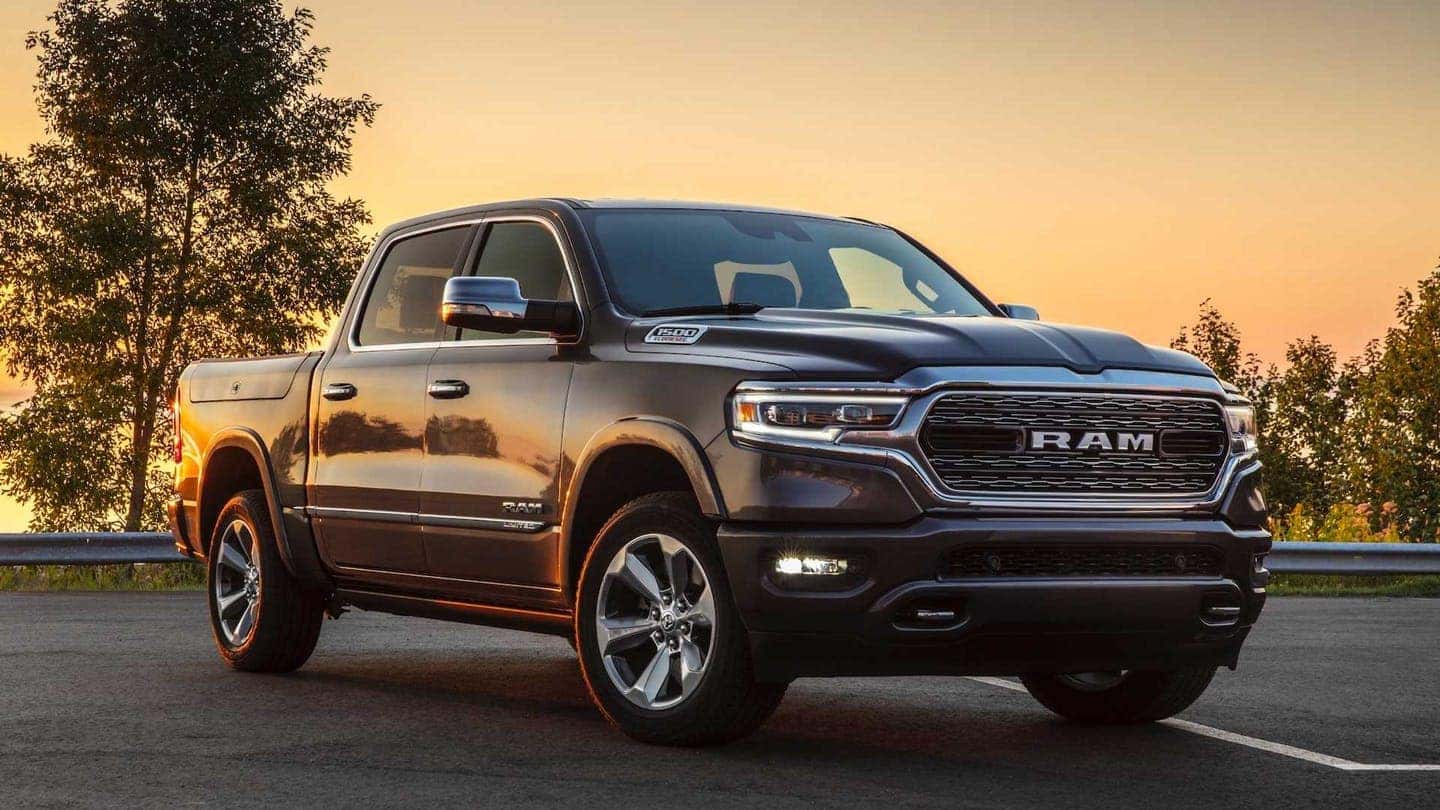
Winner: Ram 1500
| Category | Winner | The Edge |
|---|---|---|
| Engine Performance | Ford F-150 | Wider engine lineup, stronger turbo torque options, hybrid availability, and more versatility across trims |
| Towing and Payload | Ford F-150 | Higher maximum towing and payload capacity, better integrated towing tech, and more work-focused engineering |
| Interior Comfort | Ram 1500 | More premium cabin materials, smoother ride quality, more SUV-like comfort feel |
| Technology and Infotainment | Ford F-150 | Broader tech ecosystem, more productivity tools, stronger integration of towing and driver assist features |
| Ride Quality | Ram 1500 | Coil spring or air suspension delivers a noticeably smoother ride, with less road harshness when unloaded |
| Reliability and Ownership Feel | Ram 1500 | More relaxed driving character, comfort-focused engineering reduces fatigue in daily use |
