
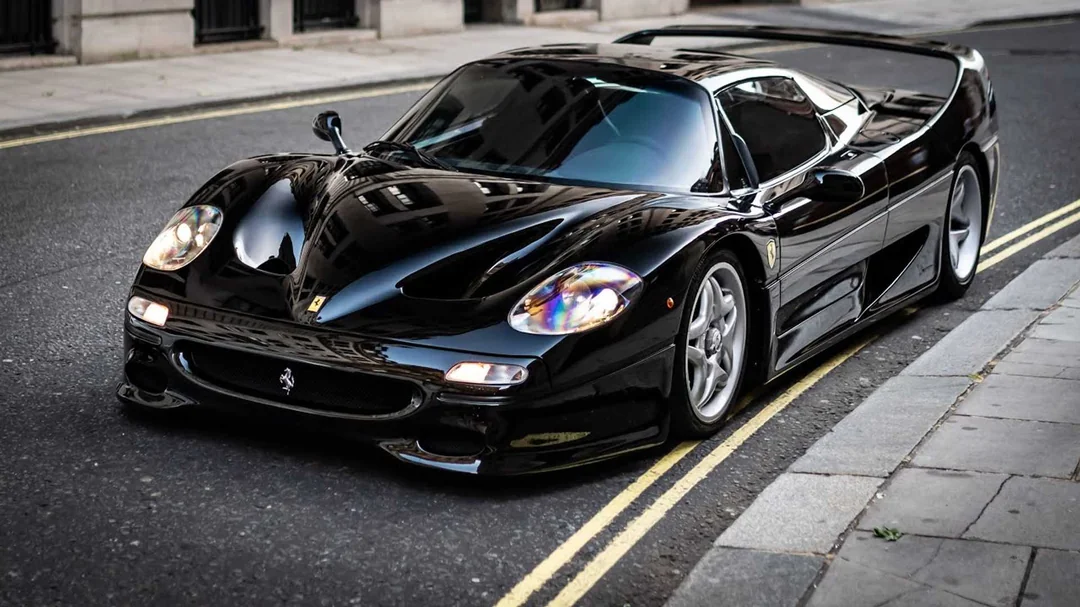
The analog supercar era was defined by pure, demanding driving before modern electronics took control of performance. Without stability systems, rapid-shifting gearboxes, or digital aids, drivers had to fully manage the car themselves. Steering delivered direct road feedback, manual transmissions required precise timing, and powerful engines reacted instantly to every input, often with little margin for error.
This made driving both challenging and deeply engaging. Manufacturers focused on naturally aspirated engines, lightweight construction, and emotional design rather than software intervention. Each region added its own identity, with Italian brands emphasizing drama, German engineering focusing on precision, and British makers prioritizing simplicity and driver connection.
Because of this, analog supercars are remembered as a golden age of performance cars. They offered a raw, mechanical bond between human and machine that modern vehicles, despite their speed and capability, rarely replicate today.
Also Read: 8 Used Sport Sedans That Cost Less Than A New Toyota Corolla
1. McLaren F1
The McLaren F1 stands as the ultimate example of the analog supercar era, widely regarded as one of the greatest performance cars ever built. Designed by Gordon Murray, it was created around a philosophy of extreme lightweight engineering and mechanical purity, avoiding electronic driving aids, active aerodynamics, or software intervention.
Its most distinctive feature is the central driving position, placing the driver in the middle of the cockpit for unmatched visibility and immersion. This design reinforces its driver-focused nature and enhances the sense of control.
Power comes from a naturally aspirated BMW V12 engine that delivers immediate, unfiltered response. Without turbocharging or electronic smoothing, acceleration feels direct and intensely connected to throttle input. Every aspect of the car emphasizes engagement over automation.
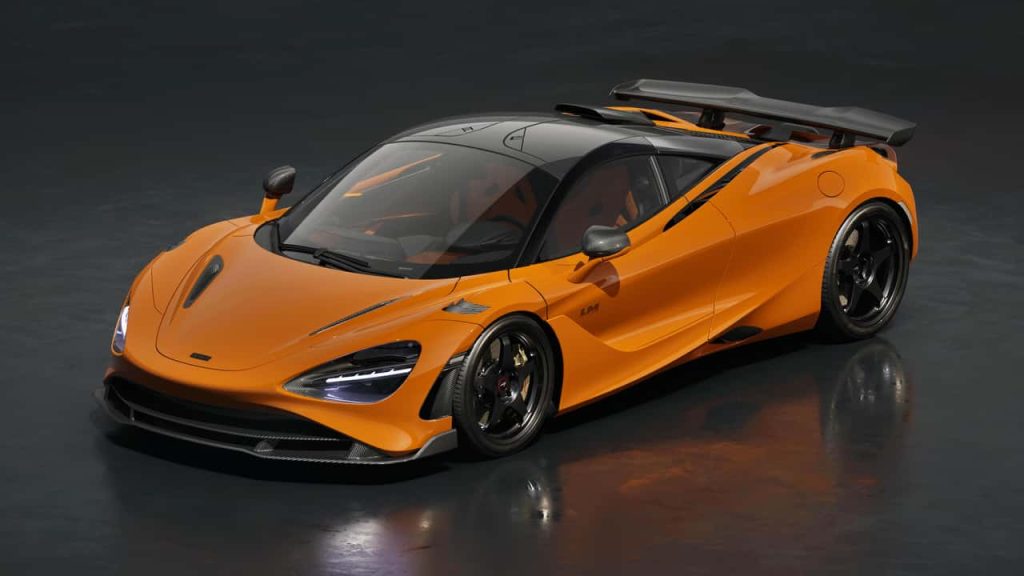
Steering feedback is exceptionally precise, transmitting detailed information about road texture, grip, and chassis behavior straight to the driver’s hands. This level of communication remains rare even in modern performance cars.
The F1’s reputation is not based on technology but on balance, simplicity, and driving involvement. Its performance, innovation, and emotional connection have ensured its lasting status as a benchmark in automotive history, often described as not just the greatest analog supercar, but one of the greatest supercars of all time.
Specifications
- Engine: 6.1-liter Naturally Aspirated V12
- Torque: 479 lb-ft
- Horsepower: 618 hp
- Length/Width: 168.8 in / 71.7 in
2. Ferrari F40
Commissioned to commemorate Ferrari’s 40th anniversary and personally signed off by Enzo Ferrari, the Ferrari F40 has earned its place as one of the most celebrated analog supercars ever made. It was developed with a singular focus on performance and driving emotion, deliberately emphasizing raw, unfiltered engagement over comfort or refinement.
Its interior is extremely minimal, reflecting its racing-inspired purpose. Lightweight materials are used throughout, and every detail reinforces the idea of a machine built purely for speed.
Power is delivered by a twin-turbocharged V8 mounted at the rear, producing explosive performance that defined the car’s reputation. Turbo lag is a defining characteristic, with boost arriving abruptly and requiring careful throttle control. This creates a driving experience that demands awareness and skill at all times.
The design carries an aggressive, functional character shaped entirely by aerodynamic needs, with large air intakes, pronounced vents, and a fixed rear wing that underline its performance focus.
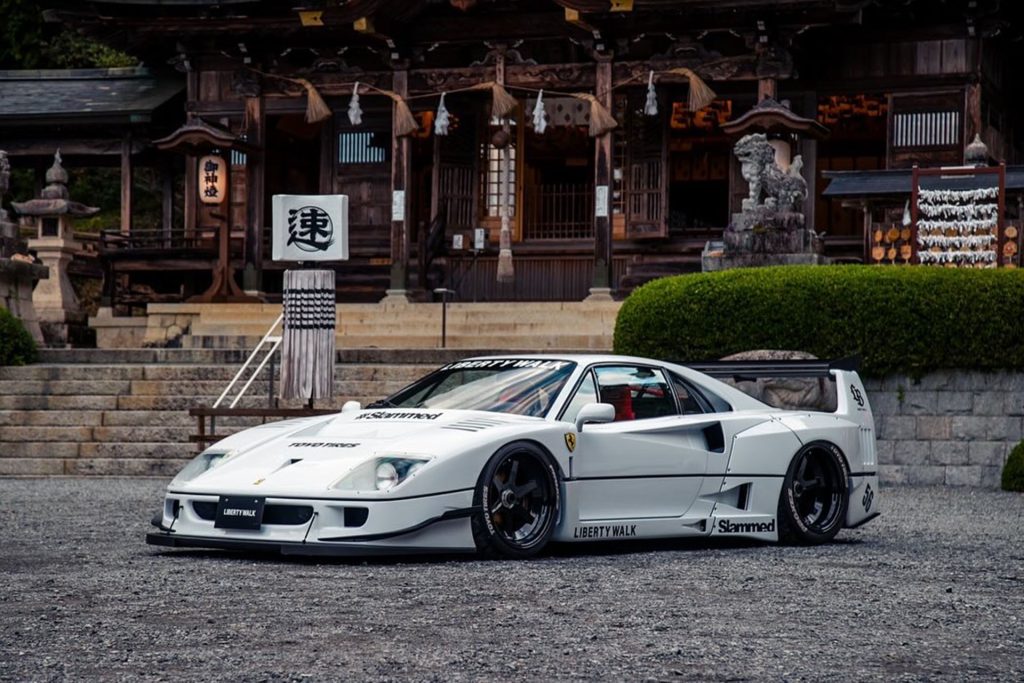
On the road, the F40 is highly demanding. Steering is heavy but communicative, gear changes are mechanical and deliberate, and braking requires precision. With no electronic aids to intervene, every input from the driver has immediate and meaningful consequences.
More than three decades after production ended, the Ferrari F40 continues to be celebrated for its raw character, mechanical honesty, and the intense connection it creates between driver and machine.
Specifications
- Engine: 2.9-liter Twin-Turbocharged V8
- Torque: 426 lb-ft
- Horsepower: 471 hp
- Length/Width: 172.4 in / 78.0 in
3. Porsche Carrera GT
The Porsche Carrera GT represents one of the last great analog supercars, arriving at a time when electronic driving aids were rapidly becoming standard across high-performance cars. Despite this shift, it remained committed to a pure, driver-focused philosophy, which ultimately defined its legacy.
Its origins trace back to a racing engine project, resulting in a naturally aspirated V10 that delivered a distinctive, high-revving character. The engine produced a sharp, metallic sound that grew more intense as revs climbed, turning every acceleration into a dramatic experience rather than a simple gain in speed.
Driving the Carrera GT is famously demanding. Its heavy clutch at low speeds and immense power output require careful control, rewarding precision rather than casual driving. These traits make it challenging, but also deeply rewarding for those who master it.
A six-speed manual transmission reinforces its analog nature, requiring deliberate, mechanical engagement for every gear change. This creates a constant connection between driver and machine that modern automated systems cannot replicate.
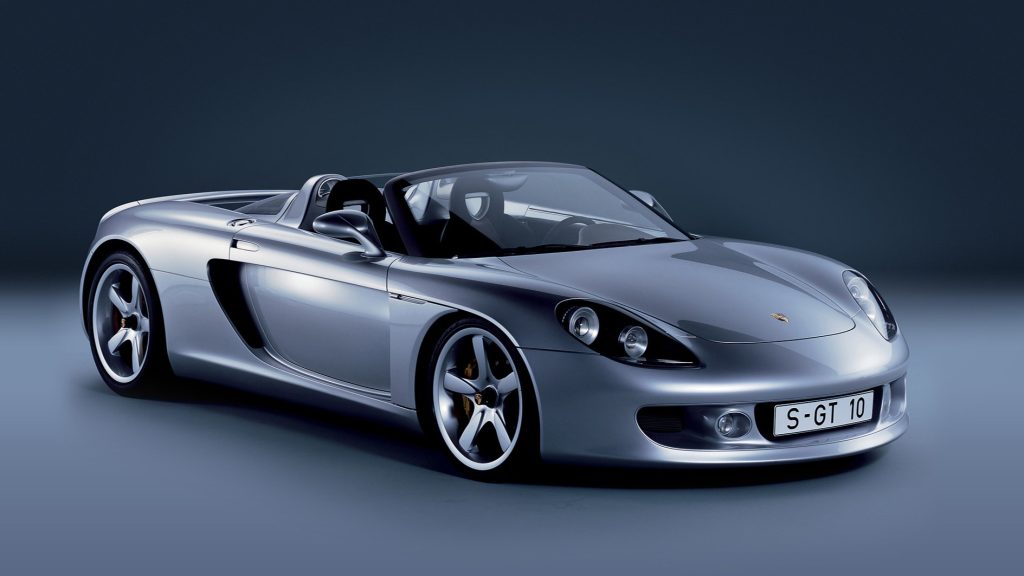
The design is clean and purposeful, combining exotic proportions with restrained styling. Its low stance, sculpted bodywork, and exposed engine elements contribute to a timeless presence.
Steering feedback is highly detailed, giving drivers clear awareness of tire grip and road conditions. This level of communication makes every driving moment feel direct and immersive.
The Carrera GT is widely regarded as a defining end point of the analog supercar era, representing raw engagement just before electronic systems reshaped performance driving.
Specifications
- Engine: 5.7-liter Naturally Aspirated V10
- Torque: 435 lb-ft
- Horsepower: 603 hp
- Length/Width: 181.0 in / 75.6 in
4. Lamborghini Diablo SV
In a period when many supercars were moving toward balance and refinement, this Lamborghini stood out by fully embracing drama and excess. Its entire character was built around intensity, from its styling to its performance, making it one of the most visually and emotionally striking supercars of the 1990s.
The wedge-shaped design pushed Lamborghini’s signature styling language to extreme levels. Large air intakes, a very low roofline, and exaggerated proportions ensured it dominated attention in any setting, even among other exotic cars.
Underneath the aggressive exterior was a naturally aspirated V12 engine that delivered immense power and a highly distinctive soundtrack. It produced a deep, powerful tone at lower speeds that transformed into a high-revving mechanical scream, reinforcing the car’s dramatic personality.
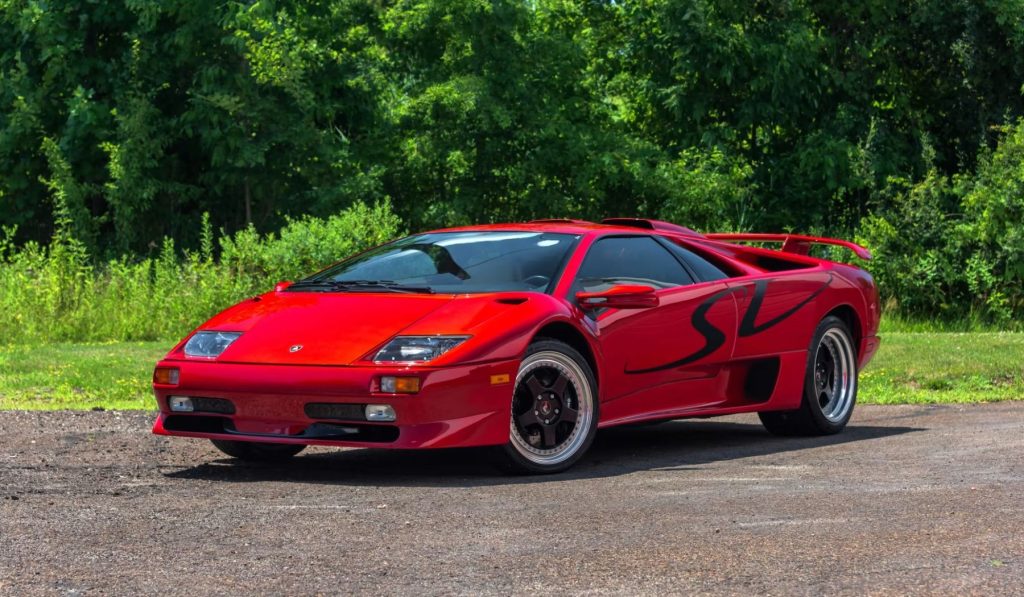
Driving it required full commitment. Heavy controls, limited visibility, and a substantial road presence made it demanding to handle, but also created a strong sense of occasion every time it was driven. The experience constantly reminded the driver of its performance capabilities.
The SV variant pushed the formula further with weight reduction and suspension revisions, improving responsiveness and sharpening its focus on driving dynamics while preserving its raw character.
Rather than aiming for practicality or subtlety, it fully embraced excess, reflecting Lamborghini’s identity during the analog era. Today, it is remembered as one of the last great driver-focused Lamborghinis before electronic systems became more dominant in performance cars.
Specifications
- Engine: 5.7-liter Naturally Aspirated V12
- Torque: 428 lb-ft
- Horsepower: 510 hp
- Length/Width: 176.8 in / 80.3 in
5. Jaguar XJ220
History often remembers the loudest and most dramatic supercars, yet the Jaguar XJ220 deserves recognition for taking a different path.
When it entered production in the early 1990s, it became the fastest production car in the world, a title that instantly placed it among the elite. More importantly, it showcased a uniquely British interpretation of the analog supercar formula.
At first glance, the XJ220 appeared almost impossibly long and low. Its sleek shape was dictated by aerodynamics rather than styling trends, giving it a purposeful presence that still looks futuristic decades later. Unlike some rivals that relied on aggressive wings and dramatic vents, the Jaguar achieved its performance through clean, flowing surfaces.
The powertrain became a topic of discussion from the moment the car was launched. Instead of the V12 originally envisioned during development, production models received a twin-turbocharged V6 derived from Jaguar’s racing efforts.
While controversial at the time, the engine delivered extraordinary performance. Turbocharged acceleration arrived with force, pushing the car into territory few road vehicles had previously reached.
The driving experience differed from many Italian contemporaries. Rather than feeling constantly aggressive, the XJ220 displayed remarkable stability at high speeds. Long stretches of open road allowed its engineering strengths to shine.
The car felt planted, composed, and exceptionally capable when traveling at velocities that would make lesser machines feel nervous.
Inside, the cabin reflected a blend of luxury and performance. Leather surfaces and traditional British craftsmanship created an atmosphere unlike the stripped-out interiors found in some competing supercars. This combination gave the Jaguar a distinct identity within the segment.
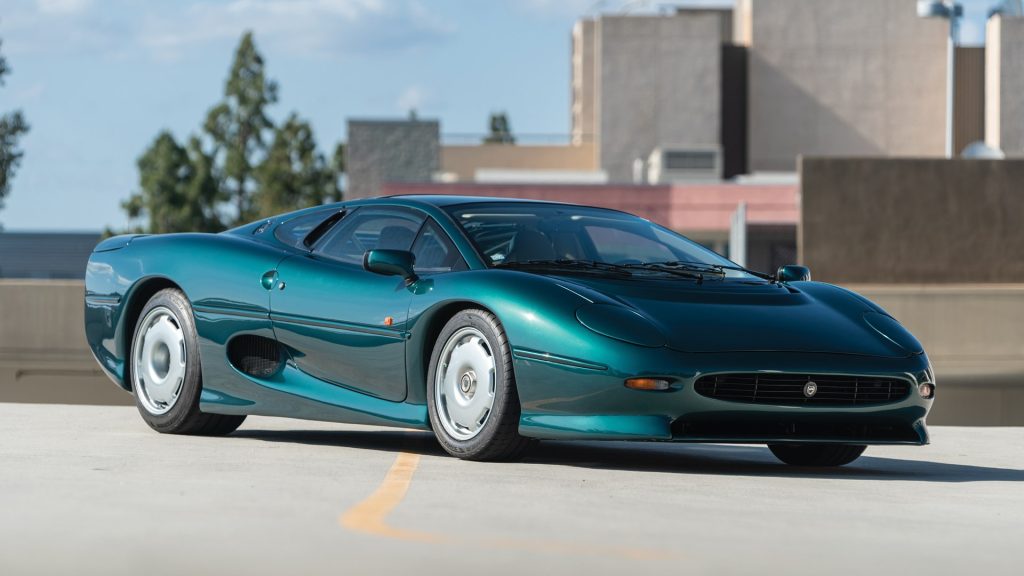
The XJ220 also benefited from relative rarity. Limited production numbers enhanced its exclusivity, ensuring it remained a special sight even among collectors of exotic automobiles.
Today, appreciation for the XJ220 continues to grow. Time has highlighted the sophistication of its design and the significance of its achievements. It remains one of the most fascinating analog-era supercars ever built.
Specifications
- Engine: 3.5-liter Twin-Turbocharged V6
- Torque: 475 lb-ft
- Horsepower: 542 hp
- Length/Width: 194.5 in / 78.7 in
6. Ferrari F50
If the F40 was Ferrari’s raw turbocharged icon, the F50 represented a completely different interpretation of the supercar. Built to celebrate Ferrari’s 50th anniversary, it sought to bring Formula One technology to the road in a manner that few manufacturers had ever attempted.
At the heart of the car sat a naturally aspirated V12 derived from Ferrari’s racing programs. This engine defined the F50’s character. Instead of relying on forced induction, it delivered power through relentless revs and razor-sharp throttle response.
Drivers were encouraged to use the entire rev range, where the soundtrack evolved into one of the most intoxicating mechanical symphonies ever produced by a road car.
The engineering philosophy was equally ambitious. Ferrari employed a carbon-fiber monocoque chassis, a technology that was highly advanced for a road-going vehicle during the mid-1990s. The structure contributed to impressive rigidity while keeping weight under control, enhancing both performance and responsiveness.
One feature that distinguished the F50 from many rivals was its open-top configuration. With the removable roof panel stored away, occupants could experience the V12’s soundtrack without barriers. Every gear change, every surge of acceleration, and every rise in engine speed became even more immersive.
Unlike some Ferrari models that prioritized elegance, the F50 looked unapologetically functional. Large aerodynamic elements and race-inspired proportions emphasized its connection to motorsport. The styling communicated performance first and luxury second.
Driving the F50 demanded attention. Steering inputs were met with immediate reactions, and the absence of modern electronic safety systems meant the driver remained responsible for managing the car’s considerable capabilities. That challenge became part of the appeal.
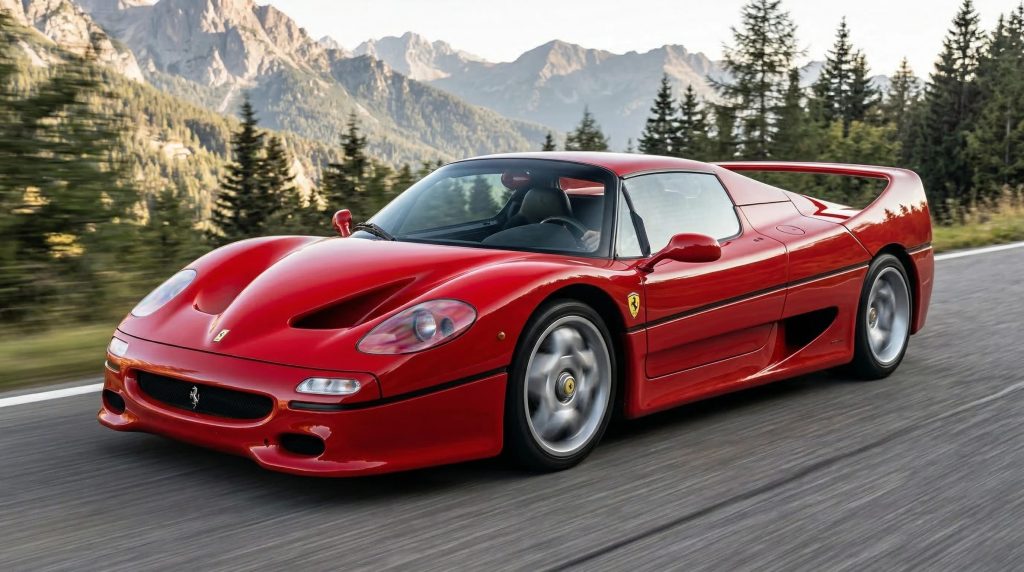
Although it lived in the shadow of the F40 for many years, opinions have shifted considerably. Collectors and enthusiasts increasingly recognize the F50 as one of Ferrari’s purest road cars, a machine that captured the essence of analog performance while delivering an experience unlike any other.
Specifications
- Engine: 4.7-liter Naturally Aspirated V12
- Torque: 347 lb-ft
- Horsepower: 513 hp
- Length/Width: 176.2 in / 78.0 in
7. Mercedes-Benz CLK GTR
Most supercars begin life as road cars and later find their way onto racing circuits. The Mercedes-Benz CLK GTR followed the opposite path. It was conceived as a racing machine first, with road-going examples produced only because homologation rules required them.
That unusual origin story immediately separates it from virtually every other vehicle on this list.
The late 1990s FIA GT Championship was fiercely competitive, and Mercedes wanted a car capable of dominating the series. The result was a machine that shared far more DNA with a race car than a traditional exotic road vehicle.
When road-legal versions finally appeared, buyers were essentially purchasing a competition machine adapted for public streets.
Its appearance reflected that purpose. The body sat extremely low, the proportions were dramatic, and every aerodynamic element served a function. Nothing about the CLK GTR was subtle. Even parked, it looked as though it belonged on the starting grid at Le Mans rather than outside a luxury hotel.
Power came from a naturally aspirated V12 that delivered immense performance. Unlike modern turbocharged supercars that generate effortless acceleration, the Mercedes provided a more mechanical and visceral experience. The engine’s character was defined by linear power delivery and a relentless surge as revs climbed higher.
Inside, practicality was clearly not a development priority. The cabin was compact, visibility was limited, and occupants were constantly reminded of the vehicle’s motorsport origins. Yet that sense of purpose is precisely what made the CLK GTR special. Every detail reinforced the feeling that this was something extraordinary.
Driving one demanded commitment. The steering was direct, the suspension was firm, and the car communicated every road surface imperfection. While challenging at times, these traits created an experience few road cars could match.
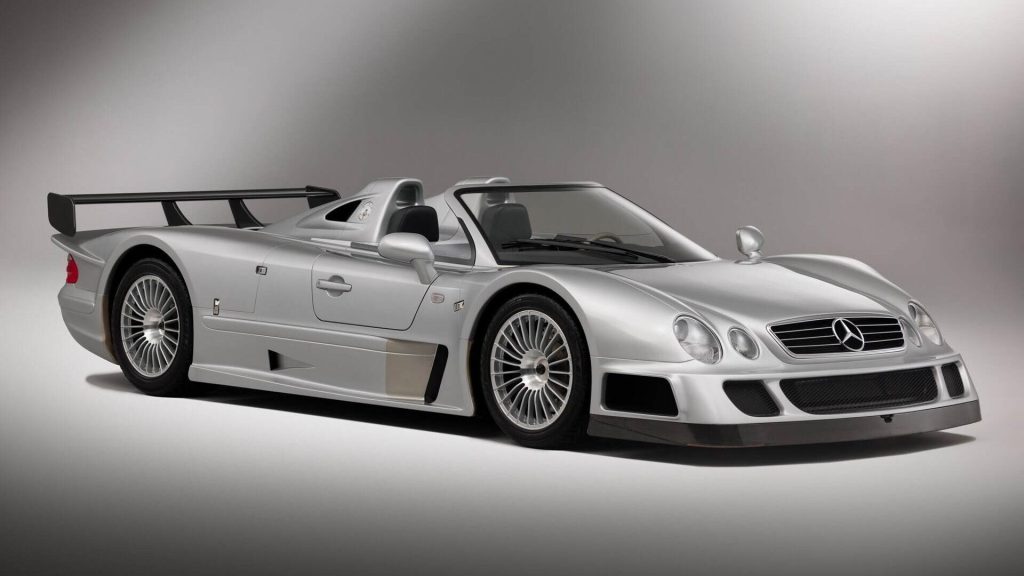
Because production numbers were extremely limited, the CLK GTR remains one of the rarest and most valuable analog-era supercars. Its blend of racing pedigree, exclusivity, and uncompromising performance ensures its place among the most significant machines ever to wear a Mercedes-Benz badge.
Specifications
- Engine: 6.9-liter Naturally Aspirated V12
- Torque: 572 lb-ft
- Horsepower: 604 hp
- Length/Width: 192.7 in / 76.7 in
8. Bugatti EB110 SS
Long before the Veyron transformed Bugatti into a household name, the EB110 proved that the legendary French brand was capable of producing one of the most technically impressive supercars of the analog era. Released in the early 1990s, it combined breathtaking performance with engineering sophistication that was years ahead of many competitors.
The first thing that set the EB110 SS apart was its powertrain. Rather than relying on a large-displacement engine, Bugatti developed a compact V12 equipped with four turbochargers. The configuration delivered astonishing performance for its time and helped establish the car as one of the fastest production vehicles in the world.
Yet the EB110 was not merely about straight-line speed. Unlike several high-powered contemporaries, it featured all-wheel drive, giving it exceptional traction and stability. This technology allowed drivers to utilize more of the car’s performance potential while maintaining confidence in a variety of conditions.
Its design was equally distinctive. Sharp lines, dramatic proportions, and signature styling elements created a look that stood apart from Italian and German rivals. The upward-opening doors added visual theater while reinforcing the vehicle’s exotic credentials.
Inside the cockpit, the focus remained firmly on the driving experience. Controls were arranged logically, visibility was relatively good for a supercar, and the full environment reflected the engineering-first philosophy behind the project.
The Super Sport version pushed the concept even further through weight reductions and increased performance. As a result, the EB110 SS became one of the most capable and desirable variants of an already remarkable machine.
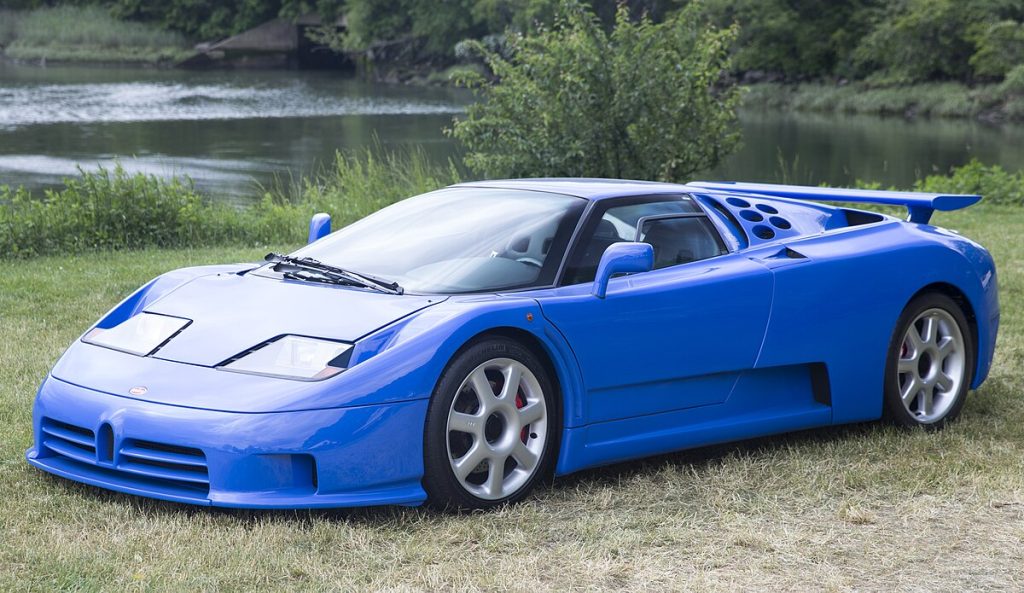
Although financial difficulties ultimately affected the company behind it, the car’s reputation has only strengthened with time. Enthusiasts now recognize the EB110 SS as a pioneering supercar that combined advanced technology with the direct, engaging character that defines the analog era.
Its rarity, innovation, and extraordinary capabilities ensure that it remains one of the most fascinating performance cars ever created.
Specifications
- Engine: 3.5-liter Quad-Turbocharged V12
- Torque: 479 lb-ft
- Horsepower: 603 hp
- Length/Width: 173.2 in / 76.0 in
9. Lamborghini Countach 25th Anniversary
Few automobiles have influenced supercar design as profoundly as the Lamborghini Countach. By the time the 25th Anniversary edition arrived in 1988, the Countach had already spent more than a decade redefining what an exotic car could look like.
This final evolution represented the ultimate expression of the model before Lamborghini moved on to the Diablo.
The Countach did not merely attract attention. It demanded it. Its wedge-shaped profile, dramatic scissor doors, and impossibly low stance made it one of the most recognizable cars ever built. Posters of the Countach decorated bedroom walls around the world, cementing its status as an automotive icon.
Beneath the dramatic bodywork sat a naturally aspirated V12 that delivered the kind of performance enthusiasts expected from Lamborghini. The engine’s soundtrack was every bit as memorable as the car’s appearance. As revs climbed, the mechanical roar filled the cabin and reminded drivers that they were operating something truly special.
Driving a Countach was never intended to be easy. Visibility required patience, parking demanded skill, and the controls felt heavy compared with modern standards. Yet these characteristics contributed to the experience rather than detracting from it. The car constantly reminded its driver that supercars were once machines that required effort and concentration.
The 25th-anniversary version benefited from numerous refinements compared with earlier models. Improved cooling, updated styling elements, and enhanced usability made it the most developed Countach ever produced while preserving the raw character that defined the nameplate.
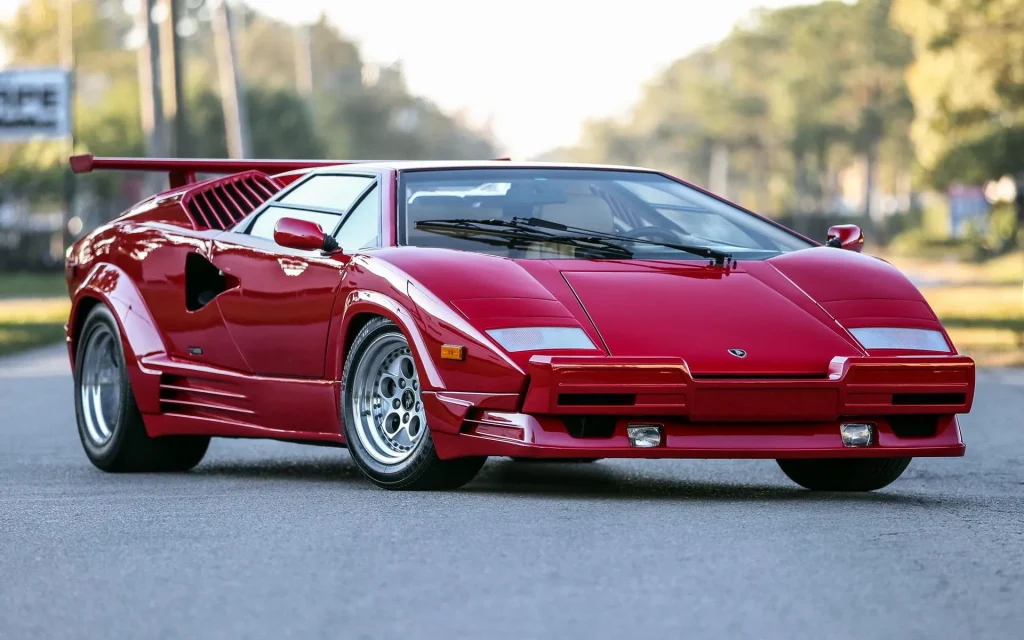
Today, the Countach represents an era when supercars prioritized excitement above convenience. Its influence remains visible in countless exotic vehicles that followed. More than three decades later, it continues to symbolize the boldness and imagination that made the analog age of performance cars so unforgettable.
Specifications
- Engine: 5.2-liter Naturally Aspirated V12
- Torque: 369 lb-ft
- Horsepower: 455 hp
- Length/Width: 163.0 in / 78.7 in
10. Ferrari F355
The final entry on this list may not possess the extreme power figures of some rivals, but the Ferrari F355 earned its reputation through a different kind of excellence. It demonstrated that a supercar could deliver breathtaking performance while maintaining a level of balance and finesse that made every drive memorable.
The design remains one of Ferrari’s most celebrated achievements. Elegant proportions, subtle aerodynamic solutions, and perfectly judged lines allowed the F355 to age with remarkable grace. Unlike some exotics that relied on visual aggression, the Ferrari combined beauty and purpose in equal measure.
Its naturally aspirated 3.5-liter V8 became the heart of the experience. The engine rewarded drivers who chased the upper reaches of the rev range, producing one of the greatest exhaust notes ever fitted to a road car. Every acceleration run felt accompanied by a soundtrack that transformed tunnels and mountain roads into unforgettable venues.
The gated manual transmission upgraded the experience further. Each gear change required precision, and the metallic click of the shifter moving through the gate became one of the defining sensations of analog-era Ferrari ownership. It created a level of interaction rarely found in modern performance cars.
Handling was equally impressive. The F355 felt agile and communicative, encouraging drivers to build confidence with every corner. Steering feedback flowed naturally through the wheel, allowing the driver to understand exactly what the front tires were doing.
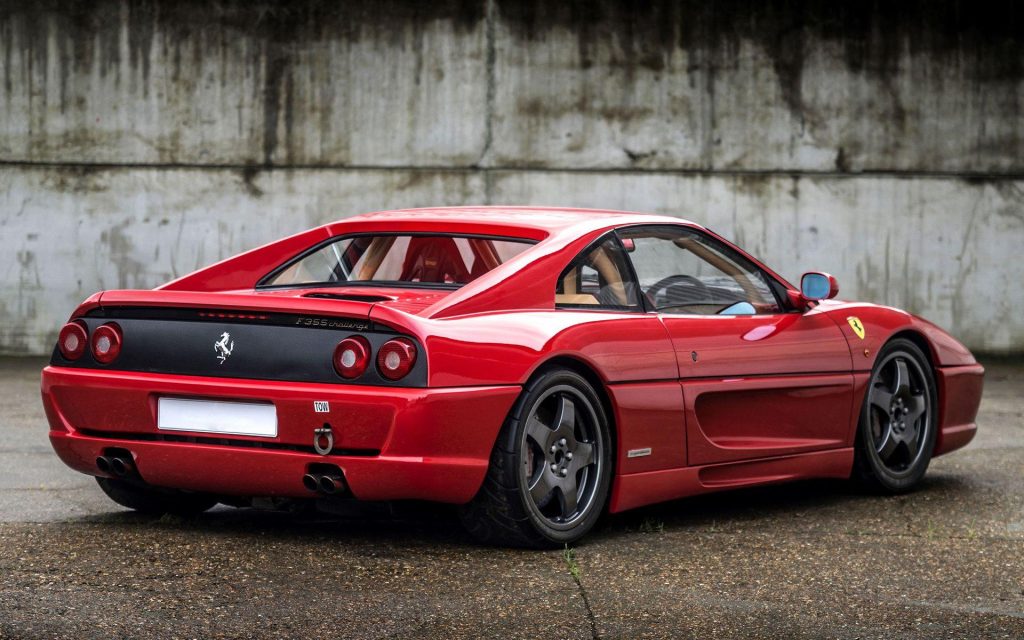
What ultimately makes the F355 special is its balance. It combined beauty, sound, performance, and driver engagement in a way few supercars have managed. Rather than dominating with sheer numbers, it won admiration through the quality of the experience it delivered.
For many enthusiasts, the F355 remains one of the purest Ferraris ever built and a fitting conclusion to any discussion of the greatest analog-era supercars.
Specifications
- Engine: 3.5-liter Naturally Aspirated V8
- Torque: 268 lb-ft
- Horsepower: 375 hp
- Length/Width: 167.8 in / 74.0 in
Also Read: 10 Cars Cheapest to Drive Per Mile
