
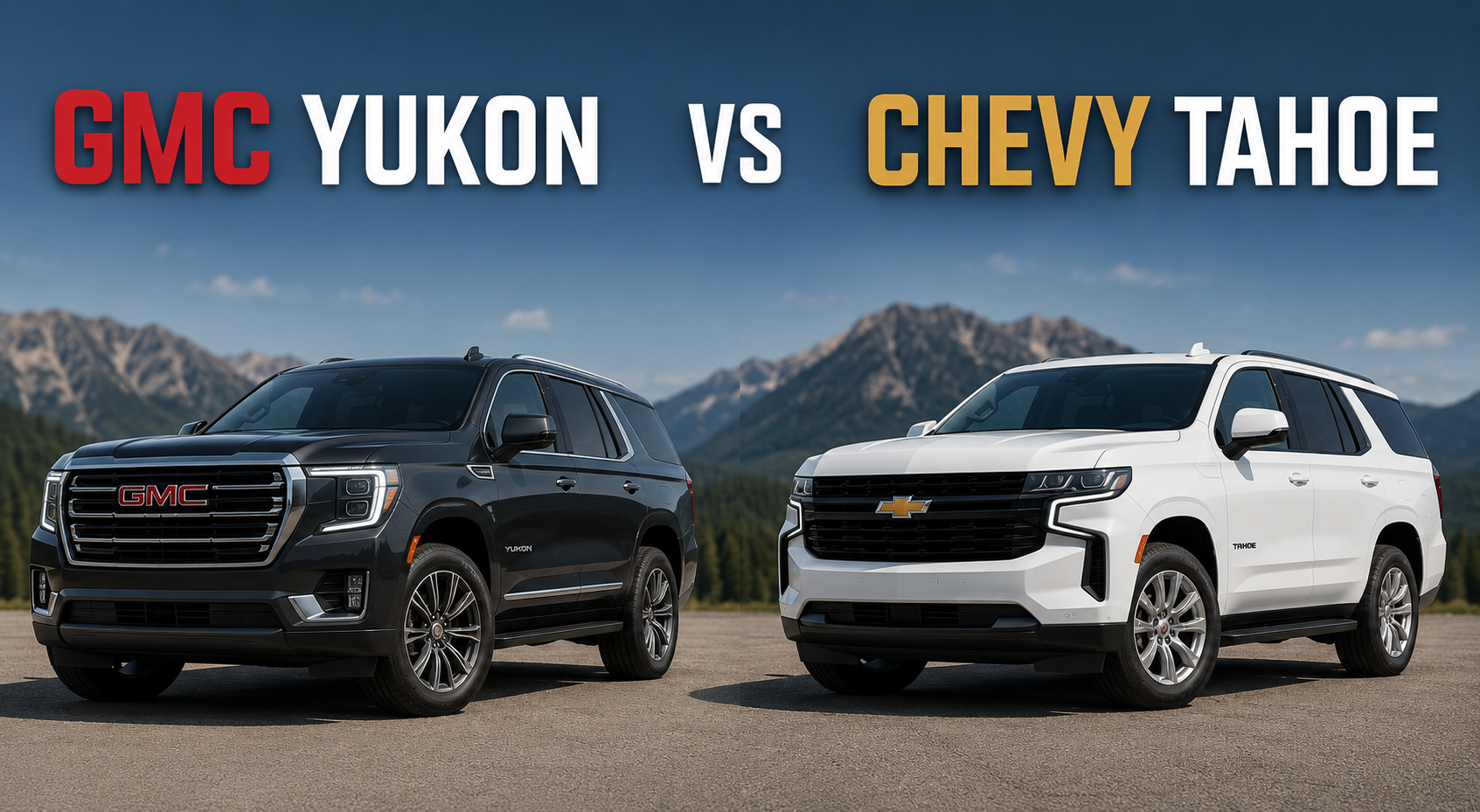
The Chevrolet Tahoe and GMC Yukon occupy a unique position in the full-size SUV market. Built on the same platform and sharing many mechanical components, these two SUVs often appear nearly identical on paper.
Both offer powerful engines, impressive towing capability, spacious three-row interiors, and the ability to handle everything from daily family transportation to long-distance road trips. Yet despite their similarities, important differences separate them.
The Tahoe has long been one of Chevrolet’s most successful vehicles, appealing to buyers who want a versatile full-size SUV with broad trim choices and strong value. It balances capability, comfort, and technology while remaining one of the most recognizable family SUVs in North America.
The Yukon targets a slightly more upscale audience. GMC positions it above Chevrolet within General Motors’ portfolio, giving it more premium styling, additional luxury features, and a greater emphasis on refinement.
While it shares much of its engineering with the Tahoe, GMC works to create a distinct personality that appeals to buyers seeking a more premium ownership experience.
Choosing between these two SUVs can be challenging because they overlap in many areas. The differences become clearer when looking beyond specifications and examining design, interior execution, technology, driving experience, practicality, and value.
Some buyers will appreciate the Tahoe’s stronger pricing and broad appeal, while others may find the Yukon’s premium touches worth the additional investment.
A detailed comparison reveals which SUV delivers the better package in the areas that matter most to full-size SUV buyers.
Also Read: 10 SUVs Ranked By Cargo Space Behind The Third Row
Exterior Styling And Premium Presence
Although the Yukon and Tahoe share their basic structure, GMC and Chevrolet have created noticeably different personalities through exterior design.
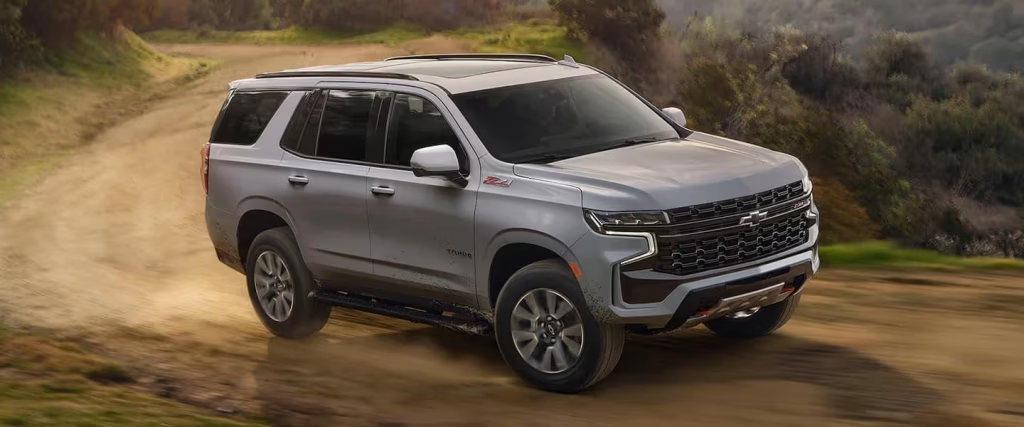
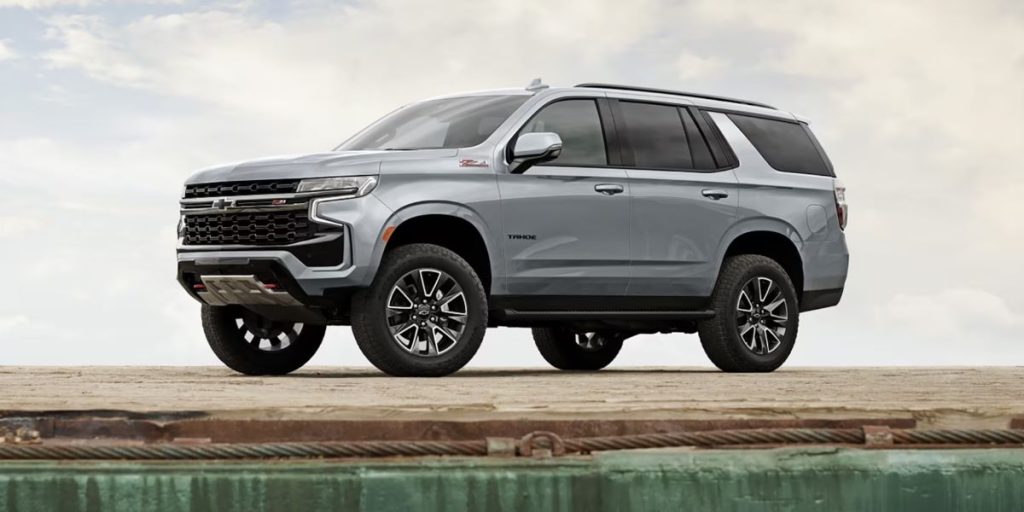
The Chevrolet Tahoe embraces a modern and approachable look. Its front fascia is bold without being overly aggressive, and the latest generation features clean body lines, attractive lighting elements, and a confident stance.
Different trim levels allow the Tahoe to shift from family-friendly transportation to off-road-oriented capability, particularly in Z71 form.
The Tahoe’s design works because it appeals to a broad audience. It looks substantial and capable while avoiding the excessive visual complexity found in some competitors. Buyers seeking a traditional full-size SUV often appreciate Chevrolet’s straightforward styling.
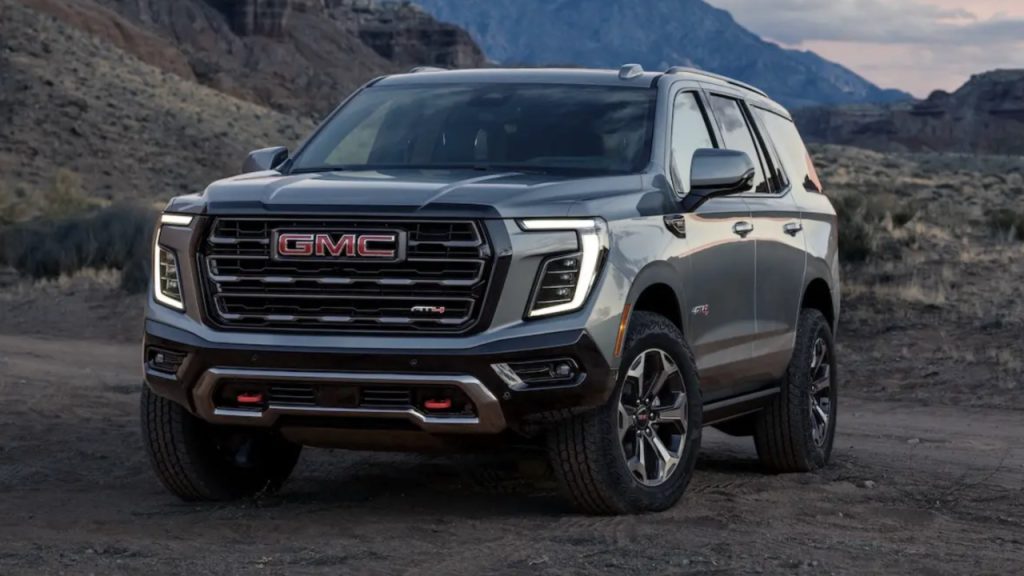
The Yukon takes a more upscale approach. GMC gives it a larger and more sophisticated grille design, premium lighting signatures, and additional chrome or dark exterior accents depending on trim level. Denali and Denali Ultimate models especially stand out with their distinctive appearance and luxury-oriented detailing.
Road presence is where the Yukon gains an advantage. While the Tahoe looks capable and attractive, the Yukon appears more expensive and more exclusive. The premium design elements create a stronger first impression, particularly in higher trims.
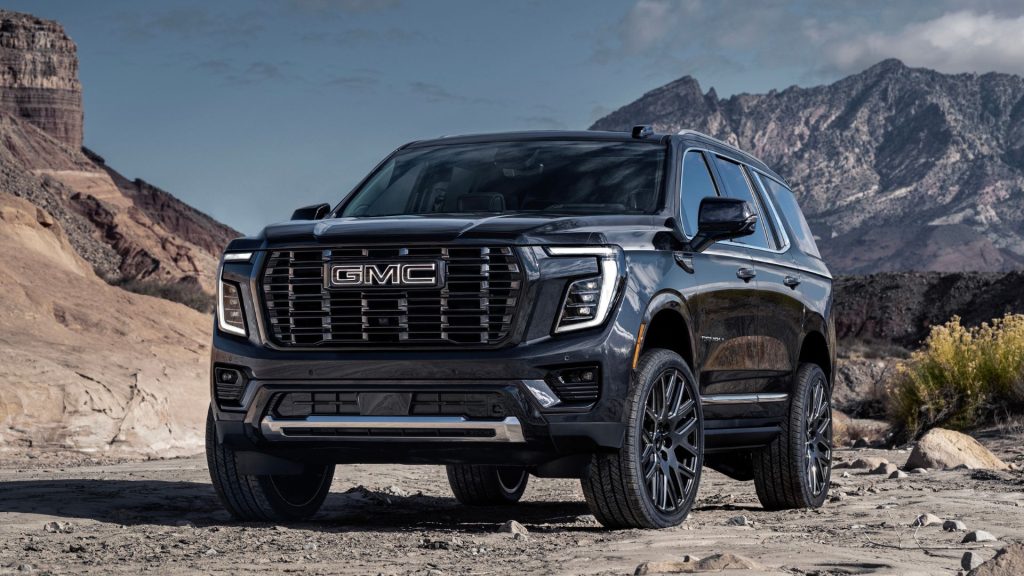
GMC has successfully differentiated the Yukon despite its shared architecture. The SUV carries a more refined personality that aligns well with its premium positioning. Whether parked at a luxury resort or arriving at a business event, the Yukon projects a greater sense of prestige.
Since buyers in this segment often value image alongside functionality, the Yukon’s more upscale styling gives it the edge.
Winner: GMC Yukon
Why It Wins: More premium styling, upscale detailing, and stronger luxury presence distinguish it from the Tahoe.
Interior Quality, Comfort, And Luxury Features
The similarities between these SUVs continue inside, but GMC invests additional effort in creating a more luxurious cabin environment.
The Tahoe offers a spacious, comfortable interior with high-quality materials throughout much of the lineup. The passenger room is excellent in all three rows, and Chevrolet’s latest interior design represents a significant improvement over previous generations. The cabin feels modern, functional, and family-friendly.
Higher trims, such as High Country, add premium materials, advanced seating features, and upscale finishes. For many buyers, these versions provide all the luxury they could reasonably want.
The Yukon builds upon the same foundation while adding more premium touches. Denali models feature upgraded materials, distinctive interior trim, and additional refinement. Denali Ultimate trims move even further upscale with premium leather upholstery, unique design details, and enhanced comfort features.
Seat comfort is excellent in both SUVs, especially on long trips. However, the Yukon feels more carefully tailored toward luxury buyers. Materials throughout the cabin appear richer, and the full atmosphere feels more sophisticated.
Passenger space remains nearly identical because both vehicles share the same dimensions. Adults can comfortably occupy all three rows, and cargo capacity is among the best in the segment.
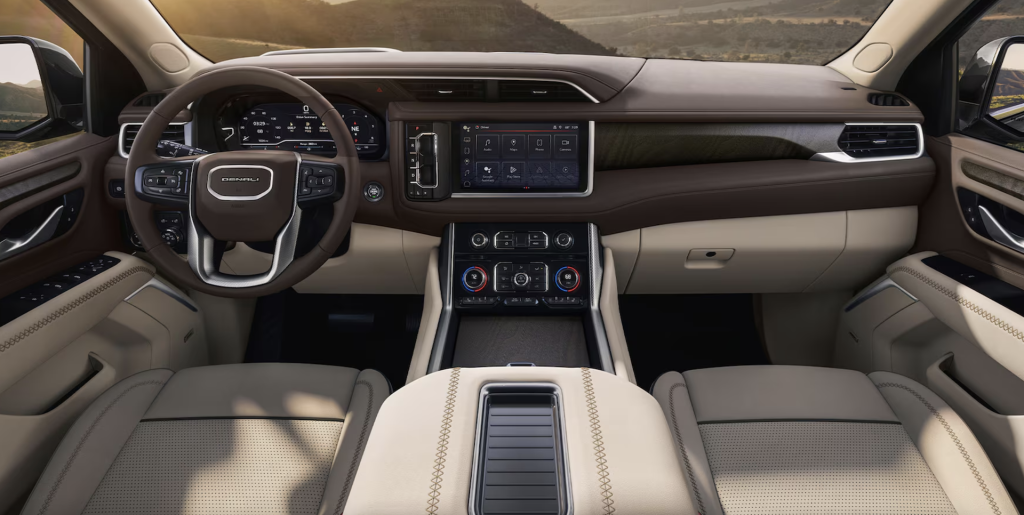
The difference comes down to execution rather than space. GMC has successfully created a more premium environment without sacrificing practicality. Buyers stepping directly from a Tahoe into a Yukon often notice the richer materials and enhanced attention to detail.
For shoppers seeking the most luxurious version of General Motors’ full-size SUV formula, the Yukon clearly holds the advantage.
Winner: GMC Yukon
Why It Wins: Higher-quality materials and a greater luxury focus create a more upscale cabin experience.
Technology, Infotainment, And Driver Assistance
Technology is a major selling point in modern full-size SUVs, and both vehicles perform extremely well in this category.
The Tahoe features a large touchscreen infotainment system, digital instrumentation, wireless smartphone integration, and a comprehensive suite of driver-assistance technologies. The interface is intuitive, responsive, and easy to navigate. Chevrolet also includes advanced towing technologies that make hauling trailers simpler and safer.
Multiple camera views, adaptive cruise control, lane-keeping assistance, and parking technologies help reduce stress during daily driving. The system is well integrated and user-friendly.
The Yukon receives many of the same technological features, including similar infotainment systems and driver-assistance technologies. However, GMC often packages premium features more aggressively in upper trims. Denali and Denali Ultimate models can include advanced displays, enhanced audio systems, and additional convenience technologies.
One standout feature available in both SUVs is General Motors’ Super Cruise hands-free driving system. This technology remains one of the most impressive semi-autonomous systems currently available and significantly enhances long-distance travel.
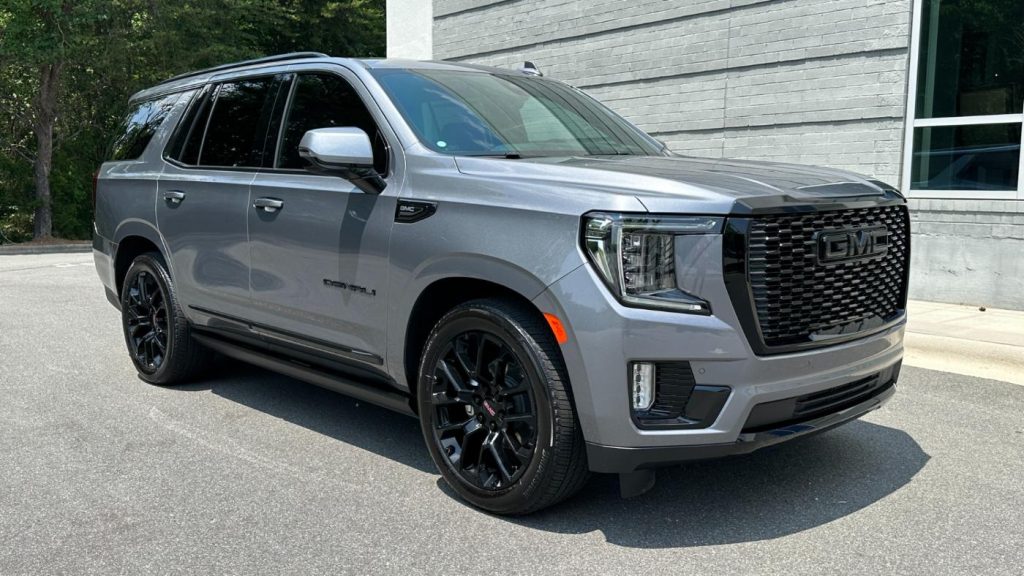
Since both vehicles share so much technology, determining a winner requires examining feature availability and execution. GMC’s premium trims provide a richer technology experience through upgraded displays, superior audio systems, and additional luxury-oriented conveniences.
The differences are not dramatic, but they are meaningful for buyers seeking the most advanced version of this platform.
Winner: GMC Yukon
Why It Wins: Better feature packaging and richer premium technology offerings create a more advanced experience.
Performance, Ride Quality, And Towing Capability
Under the hood, the Yukon and Tahoe are nearly identical. Both offer a range of powerful engines, including V8 options and a highly regarded diesel engine.
The standard V8 engines deliver strong acceleration and substantial towing capability. Their smooth power delivery suits the character of large SUVs, while the available diesel provides excellent torque and impressive highway efficiency.
Ride quality is another strength for both vehicles. Independent rear suspension transformed how these SUVs drive, improving comfort, handling, and third-row space compared to previous generations. Optional air suspension systems further enhance refinement by smoothing out rough roads and maintaining vehicle composure.
The Tahoe performs admirably in every driving situation. Steering is predictable, highway stability is excellent, and towing confidence remains among the best in the segment.
The Yukon delivers virtually identical mechanical performance. However, GMC places greater emphasis on refinement. Additional sound insulation and luxury-focused suspension tuning help create a slightly quieter and more composed driving experience, particularly in Denali models.
Towing capability remains competitive across the lineup, allowing both SUVs to confidently handle boats, campers, and utility trailers.
Because mechanical differences are minimal, refinement becomes the deciding factor. The Yukon feels slightly more polished, while the Tahoe prioritizes value and versatility.
Winner: GMC Yukon
Why It Wins: Similar capability combined with greater refinement gives the Yukon a small advantage.
Cargo Space And Family Practicality
Practicality is one of the primary reasons buyers choose full-size SUVs, and both vehicles excel here.
The Tahoe offers generous passenger accommodations, excellent cargo capacity, and numerous storage solutions. The independent rear suspension significantly improved third-row comfort while also increasing cargo volume. Families can comfortably transport passengers and luggage without compromise.
Loading cargo is easy thanks to the large rear opening and flexible seating arrangements. The Tahoe also benefits from intuitive controls and family-friendly interior layouts that simplify everyday use.
The Yukon matches these strengths almost exactly. Passenger room, cargo space, and storage solutions remain very similar because both SUVs share the same architecture. Available long-wheelbase versions further expand cargo capacity for buyers needing maximum utility.
Where the Tahoe gains ground is in value-focused practicality. Buyers receive essentially the same space and flexibility without paying the premium associated with the Yukon. Since dimensions and usability are nearly identical, Chevrolet’s pricing advantage becomes important.
Families focused primarily on utility may find little reason to spend extra for the GMC. The Tahoe delivers outstanding practicality while maintaining a lower entry point. When functionality is the priority, the Chevrolet makes a stronger argument.
Winner: Chevy Tahoe
Why It Wins: Delivers virtually identical utility and space at a lower price.
Pricing, Trim Choices, And Long-Term Value
Pricing often becomes the deciding factor between these two closely related SUVs. The Tahoe starts at a lower price while offering many of the same core capabilities found in the Yukon. Buyers can choose from a broad range of trims, allowing them to tailor the vehicle to their needs without necessarily entering luxury-level price territory.
Even well-equipped Tahoe models frequently cost less than comparable Yukons. This creates significant value for buyers who prioritize capability, space, and technology over premium branding.
The Yukon justifies its higher pricing through luxury features, upgraded materials, and more exclusive trim levels. Denali models have become particularly popular because they offer a premium experience that competes with luxury-brand SUVs.
However, the price gap can become substantial as equipment levels increase. Buyers must determine whether the additional refinement and upscale details are worth the extra investment.
Both vehicles maintain respectable resale values and benefit from General Motors’ extensive dealer network. Ownership experiences are likely to be similar because of their shared engineering.
For most buyers, the Tahoe represents the smarter financial decision. It delivers nearly all of the Yukon’s capability, space, and technology while leaving more room in the budget.
Winner: Chevy Tahoe
Why It Wins: Similar capability and features at a lower cost create stronger value.
Comparison Scorecard
| Category | Winner | The Edge |
|---|---|---|
| Exterior Styling And Premium Presence | GMC Yukon | More upscale design and stronger luxury SUV image |
| Interior Quality, Comfort, And Luxury Features | GMC Yukon | Higher-quality materials and a richer premium atmosphere |
| Technology, Infotainment, And Driver Assistance | GMC Yukon | Better premium technology, packaging, and luxury features |
| Performance, Ride Quality, And Towing Capability | GMC Yukon | Greater refinement with nearly identical capability |
| Cargo Space And Family Practicality | Chevy Tahoe | Similar utility and passenger space for less money |
| Pricing, Trim Choices, And Long-Term Value | Chevy Tahoe | Stronger value proposition and lower ownership entry cost |
Also Read: 10 Compact Sedans Ranked By Backseat Space
