Classic cars attract enthusiasts for many reasons. Some appreciate the styling, others enjoy the mechanical simplicity, and many simply love the connection to automotive history.
Yet one factor often determines whether a classic becomes a rewarding hobby or a frustrating project: ease of maintenance. A beautiful vintage car loses some of its appeal when repairs require specialized tools, rare parts, or expensive professional assistance.
Fortunately, several affordable classics remain remarkably easy to work on at home. These vehicles were designed during an era when routine maintenance was expected to be performed by owners and independent mechanics rather than dealerships equipped with advanced diagnostic computers.
Their straightforward engineering, spacious engine bays, and strong aftermarket support make them ideal choices for enthusiasts who enjoy turning their own wrenches.
Another advantage is the availability of replacement parts. Some classic vehicles have developed enormous enthusiast communities over the decades, ensuring that components remain widely available and reasonably priced. This combination of simplicity and affordability helps keep ownership costs under control.
Whether you’re a beginner learning basic automotive skills or an experienced hobbyist searching for a rewarding project, certain classics stand out for their user-friendly design.
The following cars are among the best inexpensive classics that can still be maintained, repaired, and improved in a home garage without requiring specialized equipment or advanced technical expertise.
Also Read: 10 Analog-Era Super Cars
1. 1965 Ford Mustang
Few vehicles have introduced more people to classic car ownership than the 1965 Ford Mustang. It remains one of the most approachable classics for home mechanics because nearly every aspect of the car was designed with simplicity in mind.
One of the first things you’ll notice after opening the hood is the generous amount of working space. While many modern vehicles have tightly packed engine compartments, the Mustang’s engine bay offers easy access to major mechanical systems, making maintenance and repairs more straightforward.
Routine maintenance tasks such as changing spark plugs, replacing belts, servicing the carburetor, or adjusting ignition components can often be completed with basic hand tools.
The aftermarket support for the first-generation Mustang is another major advantage. Virtually every component is available through restoration suppliers, from body panels and trim pieces to engine internals and suspension parts.
This abundance of replacement parts helps keep repair costs manageable while eliminating the need to hunt endlessly for rare components.
Its popularity also means that countless repair manuals, forums, and instructional resources exist for owners. When problems arise, finding guidance is usually straightforward.
Beyond maintenance, the Mustang offers substantial customization potential. Owners can preserve originality or upgrade performance using widely available aftermarket equipment.
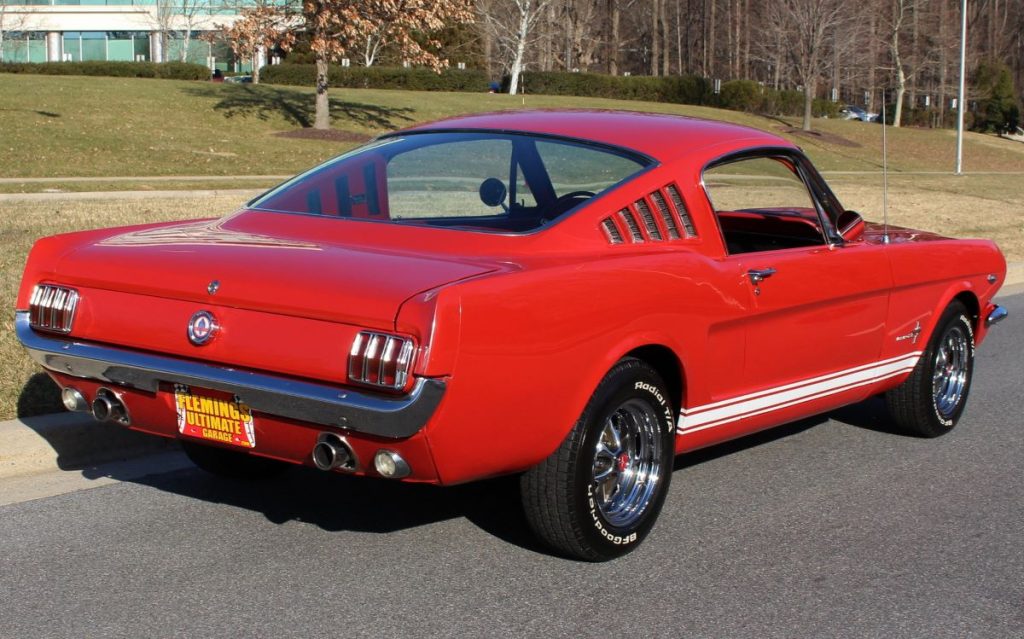
For hobbyists seeking a classic car that combines affordability, simplicity, strong parts availability, and iconic styling, the 1965 Mustang remains one of the most rewarding vehicles to own and maintain at home.
Specifications
- Engine: 4.7-liter V8 (289 CID)
- Torque: 305 lb-ft
- Horsepower: 225 hp
- Length/Width: 181.6 in / 68.2 in
2. 1967 Chevrolet Camaro
The first-generation Chevrolet Camaro has earned a reputation as one of the most enthusiast-friendly classic cars ever produced. While values of premium examples have increased over time, affordable project cars can still be found, and their straightforward mechanical design makes them ideal for home restoration work.
One reason the Camaro is so approachable lies in General Motors’ engineering philosophy of the era. Components were designed to be serviced easily, and many mechanical systems are simple compared with today’s electronically controlled vehicles.
Carbureted engines, uncomplicated suspension layouts, and spacious engine compartments help reduce repair complexity.
The Camaro also benefits from extraordinary aftermarket support. Restoration companies manufacture nearly every part imaginable, including sheet metal panels, interior components, electrical systems, trim pieces, and performance upgrades. This availability removes much of the uncertainty that often accompanies classic car ownership.
A different aspect that appeals to home mechanics is the platform’s flexibility. Whether equipped with an inline-six or a V8 engine, the vehicle accepts modifications readily. Owners frequently perform engine swaps, suspension upgrades, and brake improvements without requiring extensive fabrication.
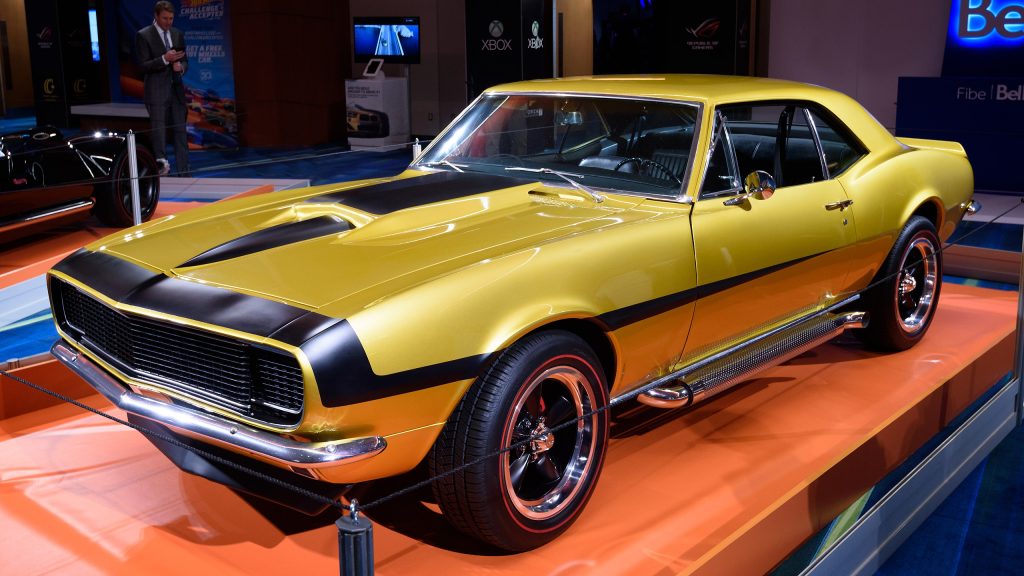
Community support remains another significant advantage. Camaro clubs, online forums, and technical guides provide an enormous amount of information for troubleshooting and restoration projects.
The result is a classic car that welcomes hands-on involvement. For enthusiasts who enjoy learning mechanical skills while owning a piece of American muscle car history, the 1967 Camaro continues to be one of the most satisfying and manageable projects available.
Specifications
- Engine: 5.4-liter V8 (327 CID)
- Torque: 355 lb-ft
- Horsepower: 275 hp
- Length/Width: 184.6 in / 72.5 in
3. 1972 Volkswagen Beetle
Not every easy-to-maintain classic needs a large V8 under the hood. The 1972 Volkswagen Beetle earned its reputation through simplicity, affordability, and ingenious engineering. Decades after production, it remains one of the most approachable classics for people interested in learning automotive repair at home.
The Beetle’s air-cooled engine is the primary reason. Without a radiator, water pump, coolant hoses, or many of the components found in liquid-cooled vehicles, the mechanical layout is refreshingly straightforward. Owners can often diagnose and repair problems with basic tools and a modest amount of mechanical knowledge.
Another characteristic that makes the Beetle appealing is accessibility. The rear-mounted engine is relatively easy to reach, and many common maintenance procedures can be completed in a home garage.
Tasks such as valve adjustments, ignition servicing, fuel system repairs, and clutch work are generally less intimidating than on many contemporary vehicles.
The Beetle also enjoys one of the strongest enthusiast communities in the world. Repair manuals, instructional videos, parts suppliers, and owner groups are abundant. New owners rarely struggle to find guidance when tackling unfamiliar repairs.
The Beetle also offers strong financial appeal. Restoration costs can be easier to manage because replacement parts are often less expensive than those for many American muscle cars.
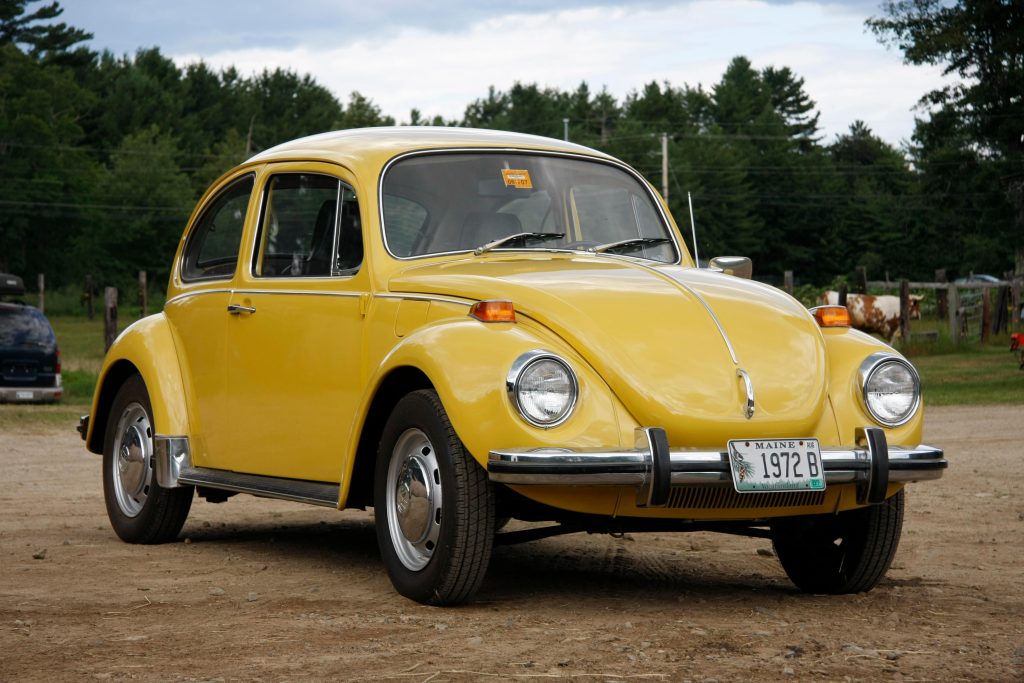
Its distinctive shape, cheerful personality, and mechanical simplicity continue to attract hobbyists of all ages. For anyone seeking a classic that teaches fundamental automotive skills without overwhelming complexity, the 1972 Beetle remains one of the best starting points available.
Specifications
- Engine: 1.6-liter Air-Cooled Flat-4
- Torque: 82 lb-ft
- Horsepower: 60 hp
- Length/Width: 160.6 in / 61.0 in
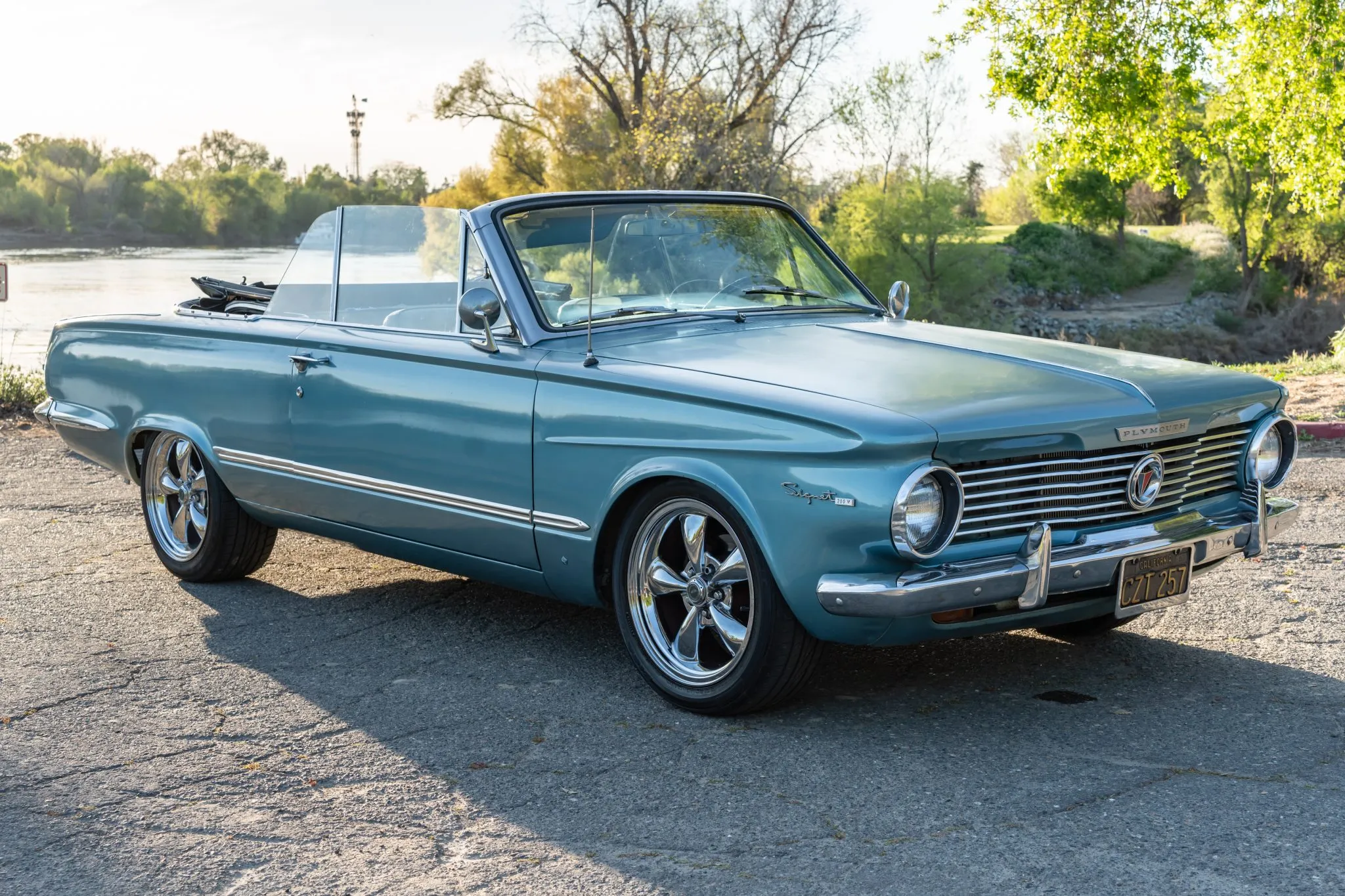
4. 1968 Plymouth Valiant
While muscle cars often dominate conversations about affordable classics, the Plymouth Valiant deserves attention for an entirely different reason. It was designed as practical transportation, and that simplicity has become one of its greatest strengths for modern enthusiasts.
Underneath its understated styling lies a straightforward mechanical package that rewards home mechanics. Chrysler’s dependable Slant Six engine is particularly famous for durability and ease of maintenance. With ample space around the engine and uncomplicated mechanical systems, routine repairs rarely require specialized equipment.
The Valiant generally remains more affordable than many high-profile muscle cars, making it an appealing option for enthusiasts. Lower purchase prices allow hobbyists to dedicate more of their budgets to restoration and maintenance, which is a significant advantage for those looking to enjoy the ownership experience without excessive acquisition costs.
The vehicle’s suspension and drivetrain are equally uncomplicated. Components are robust, widely understood, and generally easy to access. Whether replacing brakes, rebuilding suspension parts, or performing engine maintenance, the Valiant tends to be forgiving for less experienced mechanics.
Another factor contributing to its appeal is parts availability. Because many components were shared across Chrysler products of the era, sourcing replacement items is often easier than expected.
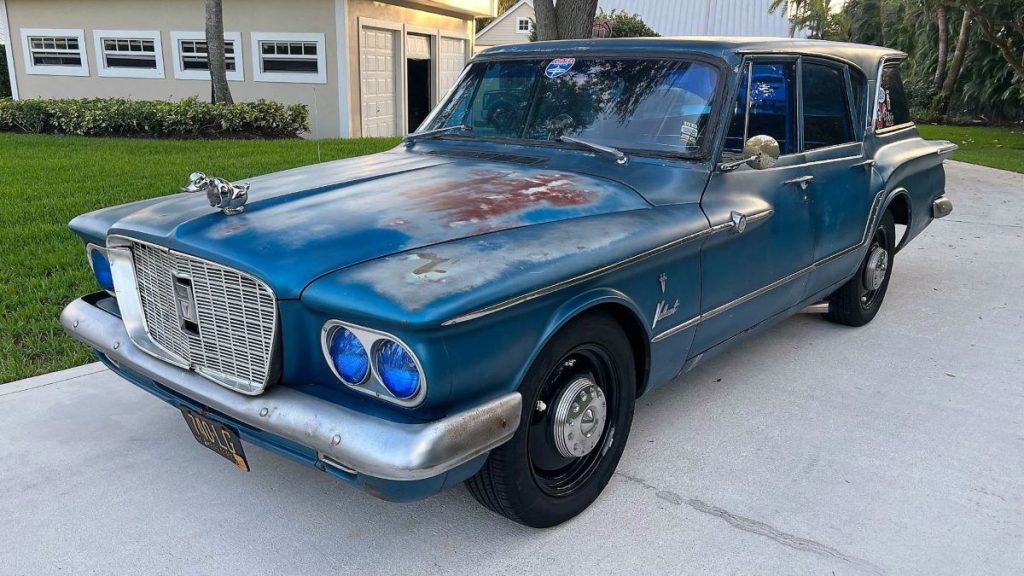
The Valiant may not generate the same excitement as a high-performance muscle car, but it excels where it matters most for home restorers. Its combination of reliability, mechanical simplicity, and low ownership costs makes it one of the smartest classic car choices for hands-on enthusiasts.
Specifications
- Engine: 3.7-liter Slant Six
- Torque: 215 lb-ft
- Horsepower: 145 hp
- Length/Width: 188.8 in / 70.8 in
5. 1970 Chevrolet Nova
The Chevrolet Nova occupies a special place among affordable American classics because it combines muscle car potential with mechanical simplicity. While some high-profile performance cars from the same era have become expensive collectibles, the Nova has often remained within reach of hobbyists who want a classic they can actually work on themselves.
One reason for its popularity is the straightforward design. Chevrolet engineered the Nova with durability and practicality in mind, resulting in a vehicle that is relatively easy to maintain. Open the hood, and there is ample room to access key components, making routine service work significantly less frustrating than on many modern vehicles.
The Nova also benefits from sharing many parts with other General Motors products. This commonality has helped ensure strong aftermarket support decades after production ended. Engine components, suspension parts, interior pieces, and body panels remain widely available, making restoration projects much more manageable.
Performance enthusiasts are especially fond of the Nova because of its flexibility. Whether equipped with a small-block V8 or upgraded with a more powerful engine, the platform accepts modifications with relative ease.
Owners frequently perform brake upgrades, suspension improvements, and drivetrain enhancements without extensive fabrication.
Another appealing aspect is its no-nonsense character. The Nova was never designed to be flashy. Instead, it delivered dependable transportation and solid performance, traits that continue to attract enthusiasts today.
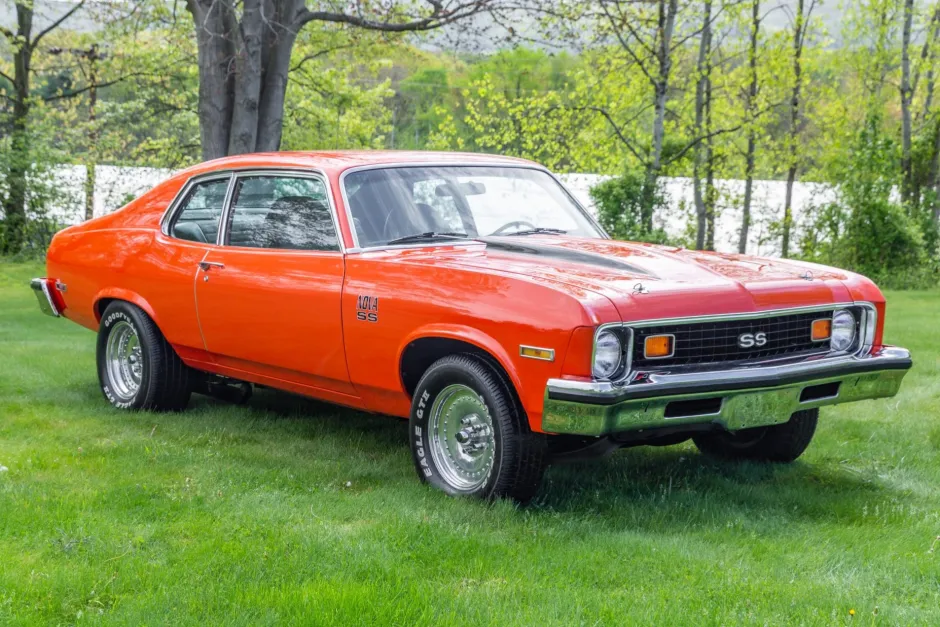
For home mechanics seeking a classic that is easy to repair, affordable to maintain, and capable of becoming a serious performer, the 1970 Chevrolet Nova remains one of the strongest options in the classic car world.
Specifications
- Engine: 5.7-liter V8 (350 CID)
- Torque: 380 lb-ft
- Horsepower: 300 hp
- Length/Width: 196.2 in / 74.4 in
6. 1974 Datsun 260Z
Japanese classics have gained tremendous popularity in recent years, yet the Datsun 260Z still offers an appealing combination of affordability, simplicity, and mechanical accessibility. Positioned between the 240Z and 280Z, it provides many of the same enthusiast-friendly qualities that made the Z-car family famous.
The 260Z features a surprisingly spacious engine bay, making it easier to access mechanical components than in many sports cars with tightly packaged bodywork.
The inline-six engine layout leaves room for maintenance tasks, allowing owners to perform routine repairs without constantly fighting for access. This practical design makes the car less intimidating than some European sports cars of the same era.
The driving experience is another major attraction. Lightweight construction and balanced handling create an engaging connection between driver and machine. For hobbyists, this means the reward for restoration efforts is a genuinely enjoyable car to drive rather than simply a collectible showpiece.
Parts support has improved significantly as interest in vintage Japanese vehicles has grown. Mechanical components, reproduction trim pieces, and restoration parts are increasingly available through specialist suppliers and enthusiast communities.
What separates the 260Z from many classics is its blend of sports car excitement and manageable ownership. It delivers attractive styling and responsive performance without introducing excessive mechanical complexity.
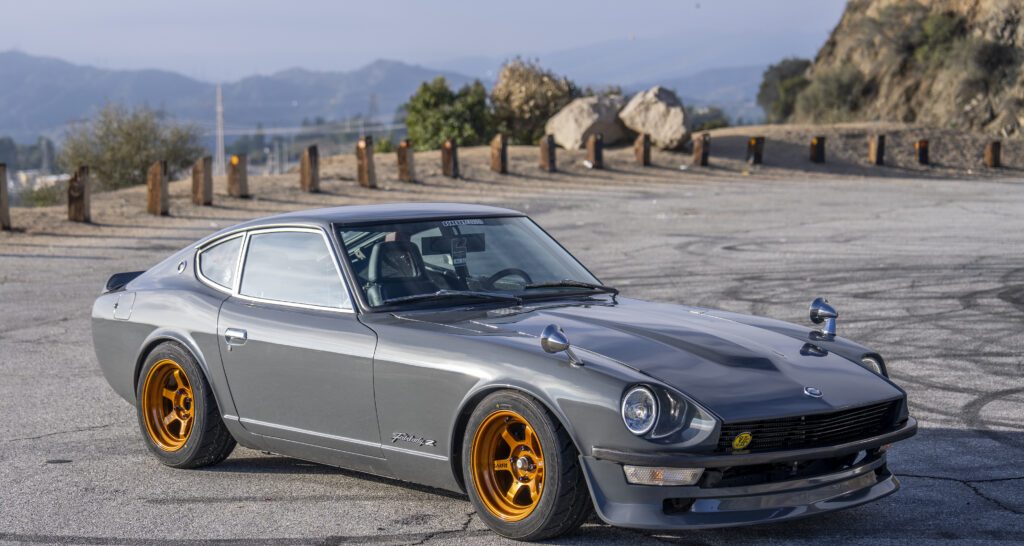
Owners willing to learn basic maintenance procedures often find the car remarkably cooperative. From tune-ups to suspension work, many common repairs can be completed in a home garage with ordinary tools.
That balance of simplicity, affordability, and driver enjoyment secures the Datsun 260Z a well-deserved place among the easiest classics to maintain at home.
Specifications
- Engine: 2.6-liter Inline-6
- Torque: 137 lb-ft
- Horsepower: 139 hp
- Length/Width: 163.4 in / 64.1 in
7. 1966 Ford F-100
Classic pickup trucks are often overlooked when discussing beginner-friendly project vehicles, yet the 1966 Ford F-100 deserves a place near the top of the list. Built during an era when durability and serviceability were priorities, the F-100 remains one of the easiest vintage vehicles to maintain in a home garage.
The truck’s greatest advantage is its accessibility. Opening the hood reveals an engine bay where nearly every major component is easy to see and reach. Modern trucks often feature tightly packaged engine compartments filled with electronic modules, but the F-100 offers generous working space that simplifies maintenance and repairs.
Routine maintenance tasks such as replacing ignition components, servicing the fuel system, changing belts, or performing cooling system repairs can usually be completed without specialized equipment.
Another factor contributing to its popularity is its rugged construction. The mechanical systems were designed to withstand years of hard work, making them relatively simple and durable. Owners frequently report that many repairs require only basic hand tools and a weekend of effort.
The aftermarket support for classic Ford trucks is exceptionally strong. Reproduction body panels, interior components, trim pieces, suspension parts, and engine upgrades are readily available from numerous suppliers. This widespread support simplifies restoration projects and helps keep costs under control.
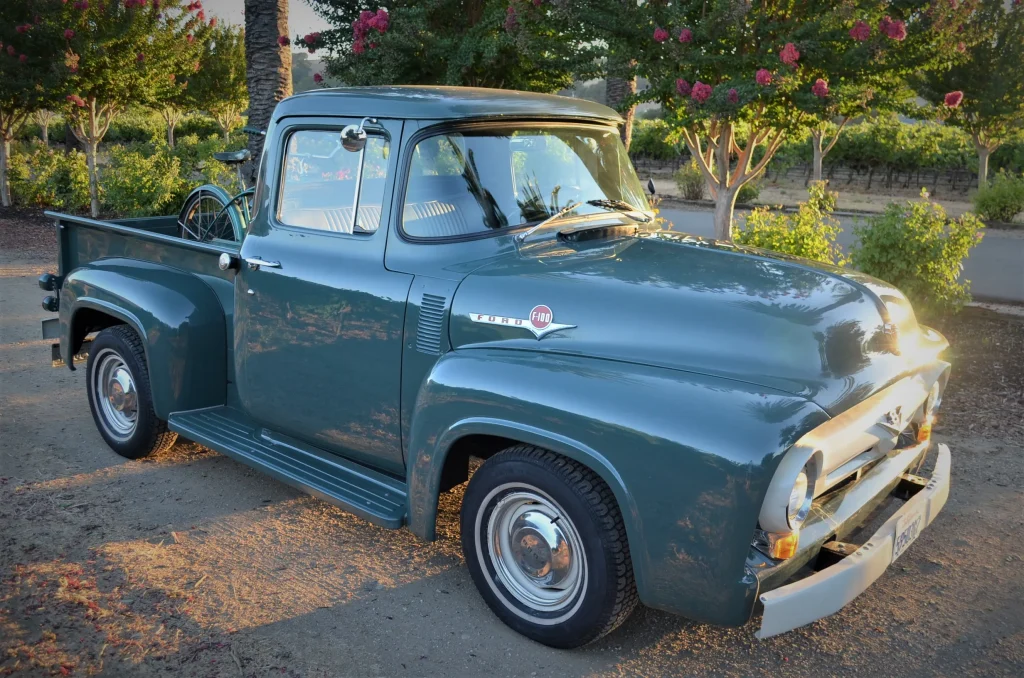
Beyond practicality, the F-100 offers a rewarding ownership experience. The upright driving position, classic styling, and unmistakable truck character create a connection to a different era of American motoring. Whether used as a weekend cruiser, a light-duty work truck, or a restoration project, it remains remarkably versatile.
For enthusiasts seeking a classic vehicle that combines mechanical simplicity, affordable parts availability, and timeless appeal, the 1966 Ford F-100 stands as one of the most approachable vintage trucks ever built.
Specifications
- Engine: 4.9-liter Inline-6 (300 CID)
- Torque: 260 lb-ft
- Horsepower: 170 hp
- Length/Width: 202.4 in / 77.1 in
8. 1978 Mercedes-Benz 240D
The Mercedes-Benz 240D takes a completely different approach from many of the American classics on this list. Rather than relying on large-displacement engines and straightforward muscle-car engineering, the 240D became famous for durability, efficiency, and mechanical longevity. Its reputation for reliability has become legendary among enthusiasts.
At the heart of the car is a naturally aspirated diesel engine known for its simplicity and robustness. The engine was designed long before modern emissions equipment and complex electronic management systems became standard.
As a result, much of the maintenance can be performed using traditional mechanical techniques that hobbyists can learn with patience and basic tools.
One of the reasons the 240D remains attractive as a project car is its incredible lifespan. Examples with hundreds of thousands of miles are common, and many continue operating reliably for decades after leaving the factory. This durability means owners often spend more time performing preventive maintenance than major repairs.
The vehicle’s construction also contributes to its appeal. Mercedes engineered the 240D with a focus on quality, resulting in components that were built to last. While some parts may cost more than those for domestic classics, the frequency of replacement is often lower.
Driving the 240D is a unique experience. It lacks the raw performance of muscle cars but compensates with smooth operation, solid build quality, and a sense of mechanical honesty that many enthusiasts appreciate. Every switch, lever, and control feels purposeful.
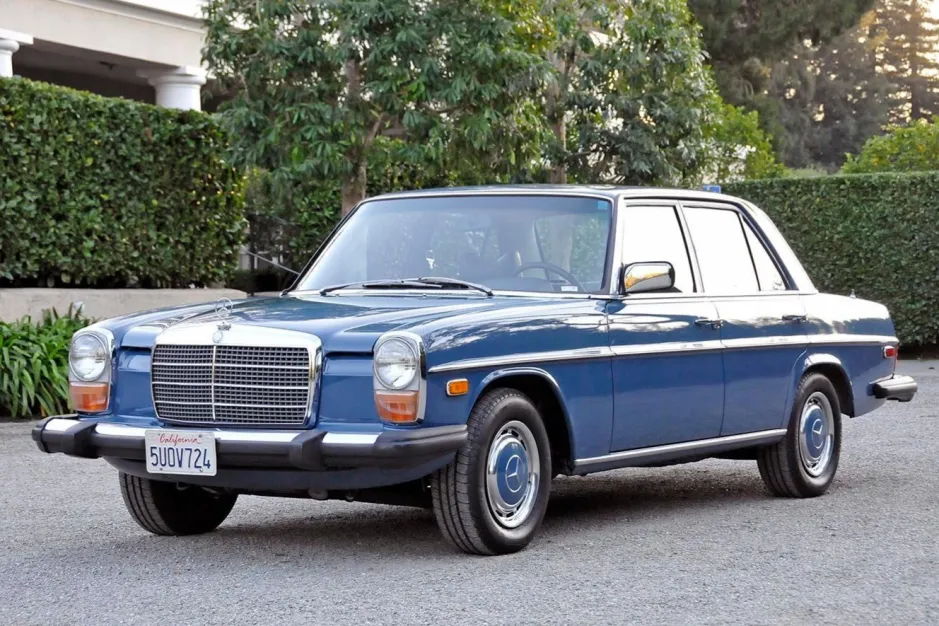
For home mechanics interested in a classic that emphasizes longevity over speed, the 1978 Mercedes-Benz 240D offers a rewarding ownership experience. Its durable diesel engine, straightforward engineering, and reputation for reliability make it one of the most practical vintage European cars to maintain yourself.
Specifications
- Engine: 2.4-liter Naturally Aspirated Diesel Inline-4
- Torque: 62 hp / 97 lb-ft
- Horsepower: 72 hp
- Length/Width: 186.0 in / 70.1 in
Also Read: 8 Used SUVs That Hold Their Value Best