
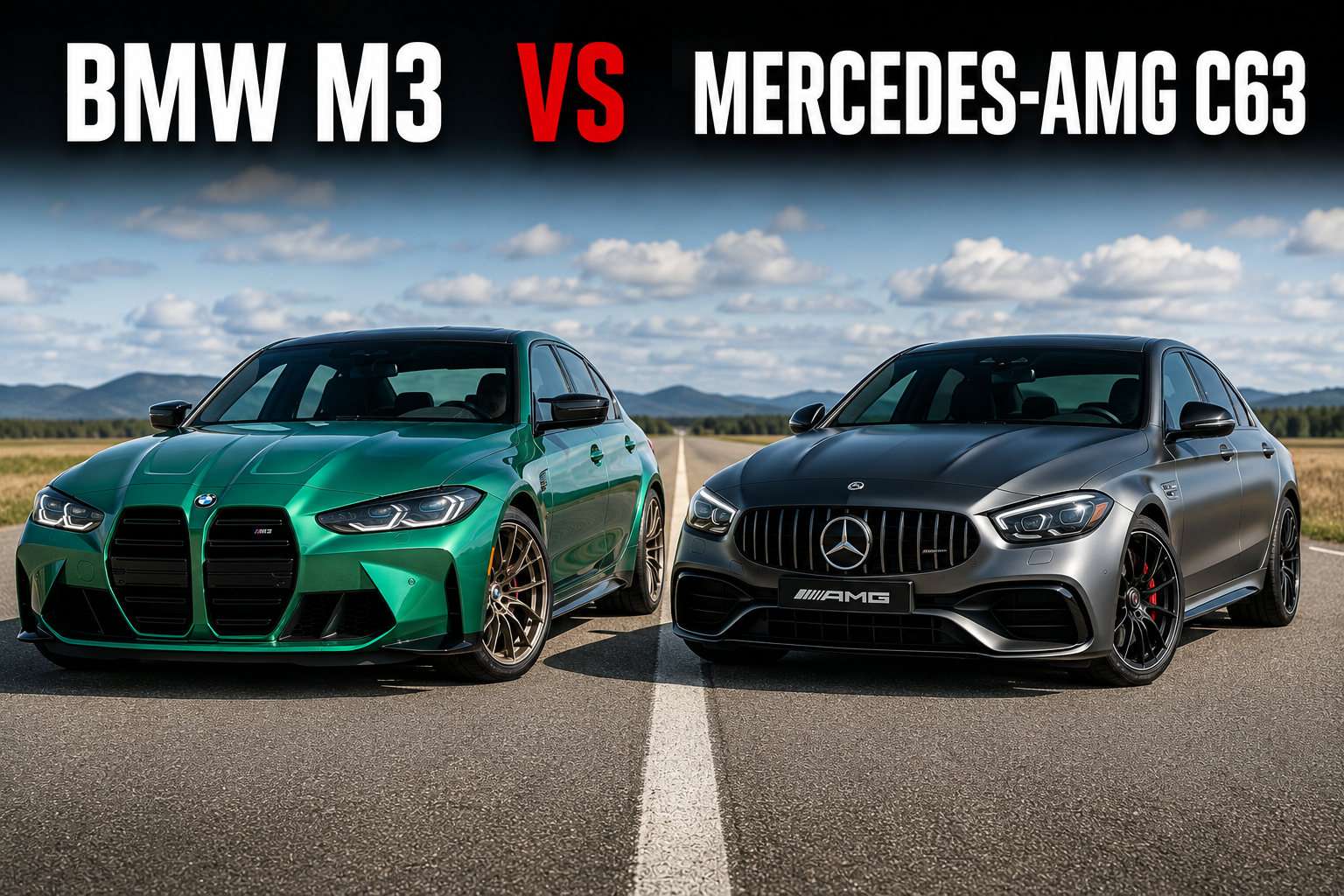
The compact luxury performance sedan segment has long been defined by a handful of legendary nameplates, and few rivalries are as iconic as the BMW M3 and Mercedes-AMG C63. For decades, these two vehicles have represented different interpretations of high-performance luxury.
The M3 has traditionally focused on precision, driver engagement, and track capability, while the C63 has built its reputation on aggressive power delivery, distinctive styling, and a more emotional driving experience.
Both cars have evolved significantly over the years. The latest BMW M3 continues to refine the formula that made it famous, pairing a powerful twin-turbocharged inline-six engine with advanced chassis technology and everyday usability.
It remains one of the benchmarks in the sports sedan category and appeals to enthusiasts who prioritize handling and driver involvement.
The Mercedes-AMG C63 has undergone a much more dramatic transformation. Moving away from the beloved V8 that defined previous generations, Mercedes-AMG introduced a sophisticated plug-in hybrid powertrain designed to deliver exceptional performance while meeting modern efficiency standards.
The result is a car that embraces cutting-edge engineering while attempting to maintain the character expected from an AMG product.
Choosing between these two performance sedans is not as straightforward as comparing horsepower figures. Both offer luxury interiors, advanced technology, and impressive performance capabilities.
The differences emerge when examining design, cabin execution, driving dynamics, ownership considerations, and how each vehicle approaches the idea of performance.
For buyers seeking the ultimate compact luxury sports sedan, these six categories reveal which contender deserves the advantage.
Also Read: 10 SUVs Ranked By Cargo Space Behind The Third Row
Exterior Styling And Road Presence
Performance sedans must strike a balance between luxury and aggression, and both the M3 and C63 approach that challenge differently.
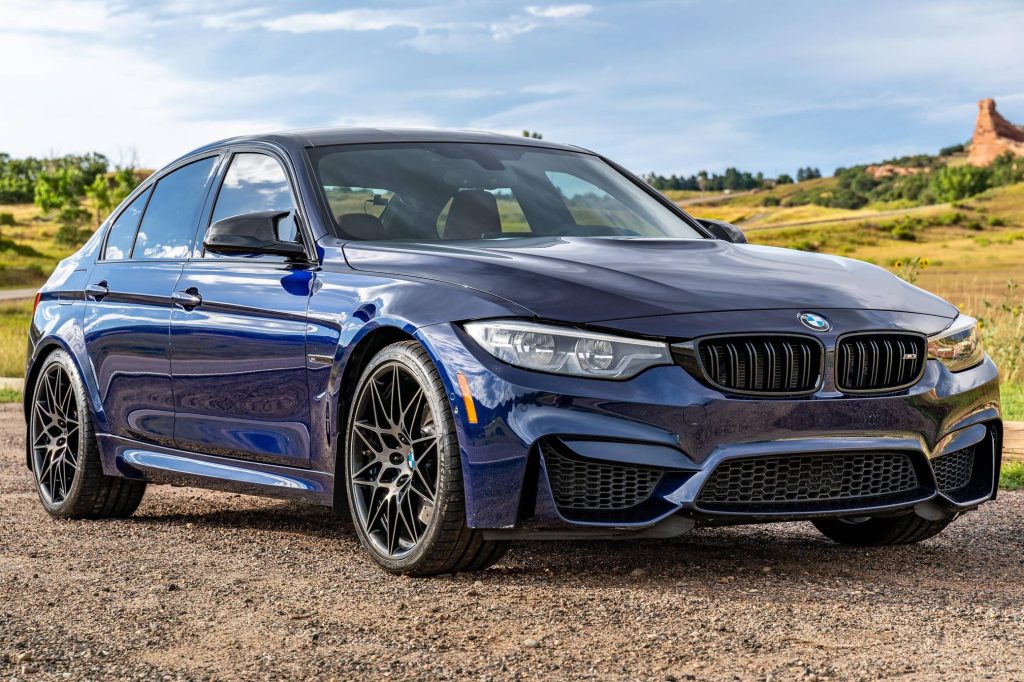
The BMW M3 is impossible to mistake for anything else. Its wide stance, muscular fenders, aggressive front fascia, and controversial oversized kidney grille create a bold visual identity. Whether buyers love or dislike the grille design, there is no denying that the M3 commands attention.
The sculpted bodywork and athletic proportions reinforce its performance credentials while maintaining enough practicality to function as a daily driver.
BMW also offers a variety of wheel designs, exterior packages, and carbon-fiber components that allow buyers to personalize the car’s appearance. The result is a sedan that looks purposeful from every angle.
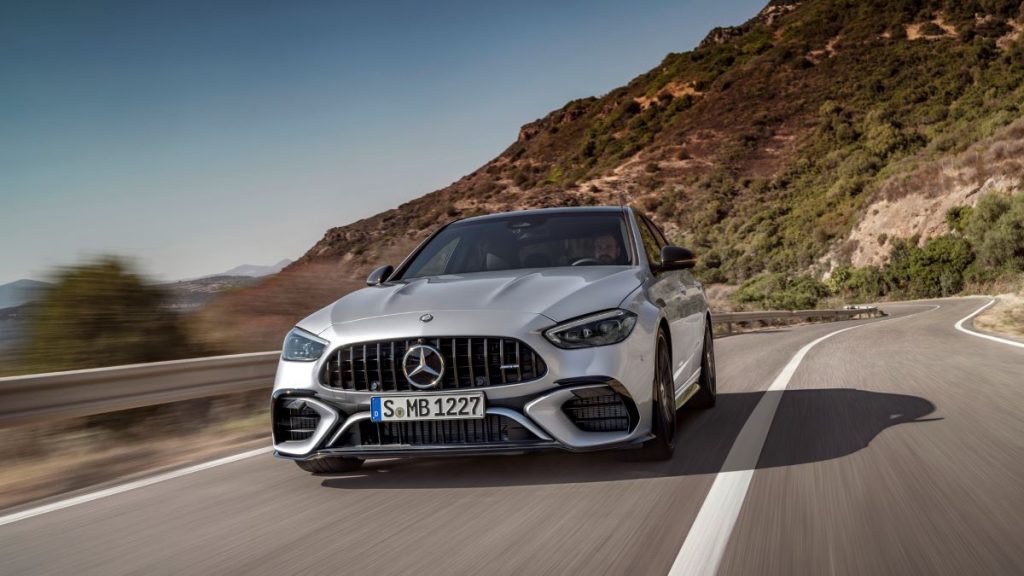
The Mercedes-AMG C63 adopts a more refined design language. It remains aggressive, but the styling is cleaner and more sophisticated than the BMWs. AMG-specific bodywork, larger air intakes, and distinctive lighting signatures separate it from the standard C-Class while maintaining a premium and elegant appearance.
The C63 excels at blending luxury and performance. It looks expensive and fast without drawing quite as much attention as the BMW. For some buyers, this understated approach is a strength.
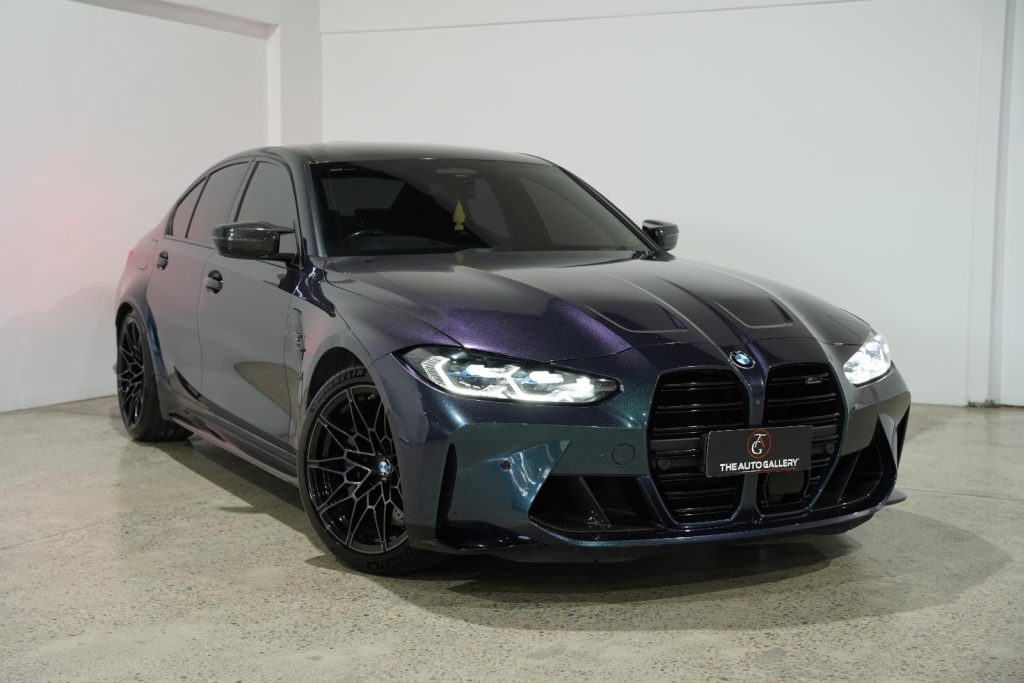
However, performance cars are often purchased as much for emotional appeal as objective capability. The M3’s muscular proportions, wider body, and unmistakable visual identity create a stronger sense of occasion. It looks every bit like the high-performance machine it is.
While the C63 is undeniably attractive, the M3 delivers greater road presence and a more memorable design.
Winner: BMW M3
Why It Wins: Wider stance, more aggressive styling, and stronger visual identity create greater performance presence.
Interior Quality, Comfort, And Driving Position
Inside the cabin, both manufacturers deliver premium environments, though their priorities differ.
The BMW M3 combines luxury with a clear driver-focused philosophy. The seating position is excellent, visibility is strong, and controls are oriented toward the driver. Available carbon-fiber bucket seats provide impressive support during spirited driving while remaining surprisingly comfortable for daily use.
Material quality is high throughout the cabin. Premium leather, aluminum accents, and carbon-fiber trim contribute to a performance-oriented atmosphere. The latest curved display setup modernizes the interior while maintaining a logical layout.
Mercedes-AMG approaches luxury differently. The C63’s interior feels more upscale and sophisticated, emphasizing craftsmanship and visual drama. Ambient lighting, premium materials, and intricate trim pieces create a cabin that feels genuinely special.
The AMG performance seats offer excellent support, while full comfort levels are outstanding. Passengers are likely to notice the extra attention Mercedes pays to luxury details. The dashboard design also appears more dramatic and modern than BMW’s approach.
Rear-seat accommodations are similar in both vehicles, with enough space for adults but not the roominess found in larger luxury sedans. Cargo capacity remains practical enough for daily use.
The deciding factor is execution. While BMW offers an exceptional driving environment, Mercedes delivers a richer luxury experience. The cabin feels more expensive, more refined, and more visually impressive.
For buyers spending significant time commuting or traveling, the AMG’s interior creates a stronger sense of premium value.
Winner: Mercedes-AMG C63
Why It Wins: More luxurious materials and a richer cabin atmosphere provide a superior premium experience.
Technology, Infotainment, And Digital Experience
Modern performance sedans are expected to deliver advanced technology alongside impressive performance.
BMW’s latest iDrive system remains one of the best infotainment platforms in the industry. The interface is responsive, logically organized, and highly customizable. The curved display integrates digital instrumentation and infotainment functions seamlessly, while voice controls and smartphone connectivity work exceptionally well.
The M3 also offers extensive performance-focused displays. Drivers can monitor engine parameters, lap data, and vehicle dynamics through dedicated menus designed for enthusiasts.
Mercedes counters with its MBUX infotainment system. The interface is visually stunning and packed with features. High-resolution displays, advanced voice recognition, and customizable layouts contribute to a premium digital experience.
AMG-specific displays provide detailed performance information, and the system offers extensive personalization options. The technology feels futuristic and sophisticated, particularly when combined with the cabin’s ambient lighting.
Both vehicles provide comprehensive driver-assistance technologies, premium audio systems, wireless smartphone integration, and connected services.
The difference comes down to usability. While MBUX is impressive, BMW’s iDrive system remains easier to navigate during daily driving. Menus are more intuitive, controls require less attention, and the performance-focused features feel better integrated into the full experience.
Technology should enhance the driving experience rather than distract from it, and BMW achieves that balance more effectively.
Winner: BMW M3
Why It Wins: More intuitive infotainment and better integration of performance-focused technology improve usability.
Performance, Handling, And Driver Engagement
This category represents the heart of the comparison. The BMW M3 uses a twin-turbocharged inline-six engine that delivers strong power, immediate responsiveness, and remarkable flexibility. Acceleration is rapid, and the engine maintains a character that enthusiasts have appreciated for years.
More importantly, the M3 excels in handling. Steering precision, chassis balance, and full driver involvement remain among the best in the segment. Whether on a winding road or a racetrack, the M3 consistently rewards skilled drivers.
Mercedes-AMG’s latest C63 adopts a highly sophisticated plug-in hybrid powertrain. The combination of turbocharged power and electric assistance produces extraordinary output figures and explosive acceleration. Straight-line performance is unquestionably impressive.
However, performance is about more than numbers. The added complexity and weight of the hybrid system affect the driving experience. While the C63 remains fast, it lacks some of the immediacy and natural balance that have traditionally defined great sports sedans.
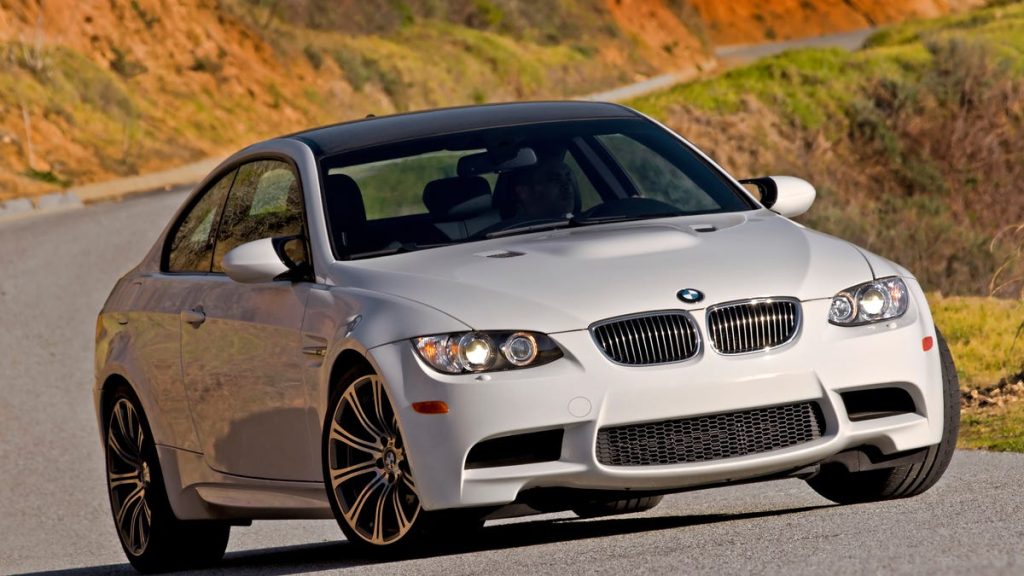
The AMG excels at delivering raw acceleration and advanced engineering, but the M3 feels more cohesive.
Drivers receive clearer feedback through the steering wheel, greater confidence through corners, and a stronger connection to the vehicle. For enthusiasts seeking maximum engagement, the BMW remains the benchmark.
Winner: BMW M3
Why It Wins: Superior steering, chassis balance, and driver involvement create a more rewarding performance experience.
Everyday Practicality And Daily Usability
Performance sedans must also function as daily transportation, and both vehicles perform admirably.
The M3 combines sports-car performance with genuine practicality. The four-door layout provides easy access to rear seats, trunk space is competitive, and ride quality remains comfortable enough for everyday driving.
BMW’s controls are straightforward, visibility is good, and the car adapts well to commuting duties. It can transition from family sedan to track-day machine with remarkable ease.
The C63 offers similar practicality while adding greater refinement. Cabin isolation is excellent, comfort levels are high, and the luxury-focused interior enhances daily use. The plug-in hybrid system also provides efficiency benefits in certain driving situations.
However, the complexity of the hybrid powertrain introduces additional considerations. Charging requirements, increased weight, and more complicated engineering reduce some of the simplicity that buyers often appreciate in performance sedans.
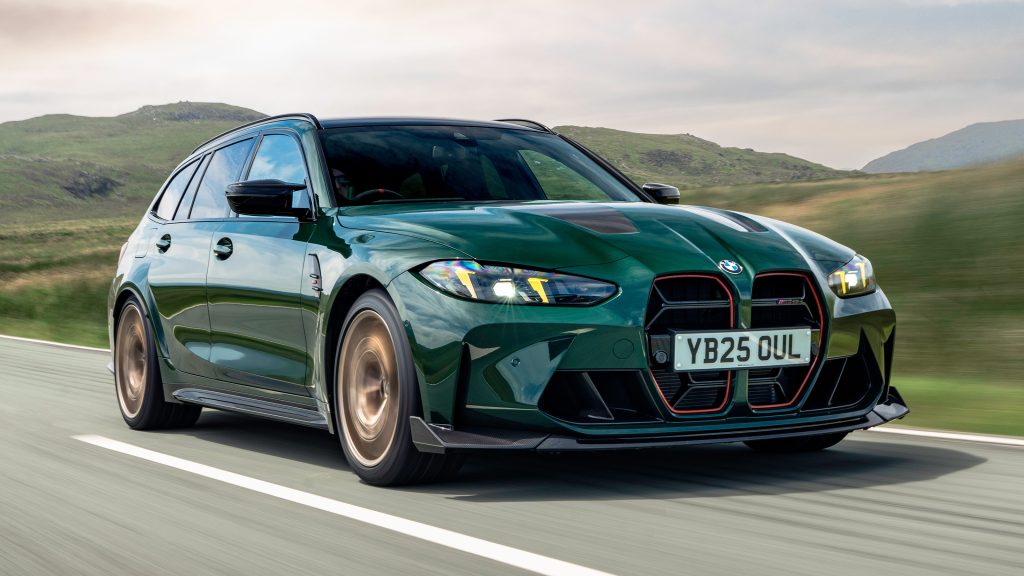
The BMW feels easier to live with daily. It delivers exceptional performance without asking owners to adapt to new routines or technologies.
Practicality is not simply about interior dimensions. It is about how seamlessly a vehicle integrates into everyday life, and the M3 accomplishes that task slightly better.
Winner: BMW M3
Why It Wins: Simpler ownership experience and an outstanding balance between performance and practicality.
Pricing, Ownership Appeal, And Long-Term Value
Performance sedans represent significant investments, making value an important consideration.
The BMW M3 offers a compelling combination of performance, luxury, and heritage. Buyers receive one of the most respected performance sedans ever created, backed by decades of motorsport credibility and enthusiast support.
Mercedes-AMG positions the C63 as a technological showcase. The advanced hybrid powertrain demonstrates impressive engineering capabilities, but it also contributes to higher complexity and potentially higher long-term ownership concerns.
Equipment levels are competitive between the two models, with both offering extensive customization options. However, option pricing can quickly increase costs on either vehicle.
Resale value tends to favor iconic enthusiast models, and the M3 has historically performed well in this area. The car’s reputation among enthusiasts helps sustain demand over time.
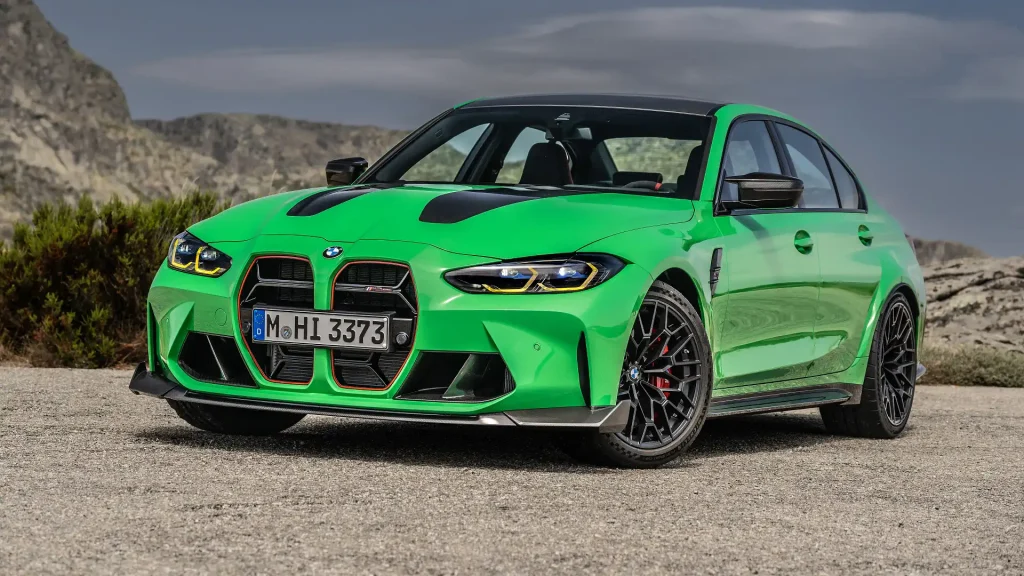
The AMG’s technological sophistication is impressive, but some buyers may question the long-term appeal of the hybrid powertrain compared to BMW’s more traditional performance formula.
When evaluating performance, usability, enthusiast appeal, and resale potential together, the M3 presents the stronger ownership proposition.
Winner: BMW M3
Why It Wins: Strong enthusiast demand, proven reputation, and broader appeal support long-term value.
Comparison Scorecard
| Category | Winner | The Edge |
|---|---|---|
| Exterior Styling And Road Presence | BMW M3 | More aggressive design and unmistakable performance identity |
| Interior Quality, Comfort, And Driving Position | Mercedes-AMG C63 | Richer materials and a more luxurious cabin atmosphere |
| Technology, Infotainment, And Digital Experience | BMW M3 | More intuitive technology and superior driver-focused usability |
| Performance, Handling, And Driver Engagement | BMW M3 | Better steering feel and more rewarding chassis dynamics |
| Everyday Practicality And Daily Usability | BMW M3 | Easier ownership experience with fewer compromises |
| Pricing, Ownership Appeal, And Long-Term Value | BMW M3 | Strong enthusiast following and proven long-term desirability |
Also Read: 10 Compact Sedans Ranked By Backseat Space
