
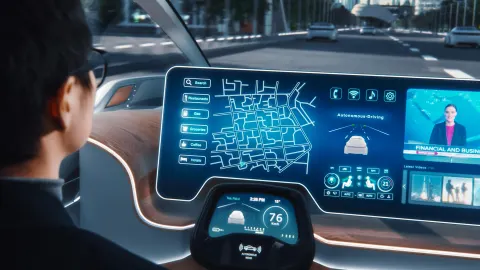
The automotive industry has undergone a remarkable transformation over the last two decades. Cars are no longer judged solely on engine performance, fuel efficiency, ride quality, or mechanical reliability.
Modern vehicles have evolved into sophisticated digital platforms packed with touchscreens, voice assistants, smartphone integration, connected services, navigation systems, over-the-air updates, and advanced driver assistance technologies. As a result, consumer expectations have changed dramatically.
Buyers now evaluate vehicles not only as machines but also as technological products that must deliver a seamless digital experience. In this environment, infotainment systems have become one of the most visible and frequently used components of a vehicle.
Drivers interact with these systems every time they start a journey, adjust climate settings, access navigation, play music, connect a smartphone, or communicate with passengers. Because of this constant interaction, even minor software glitches can become a source of daily frustration.
While engine problems remain serious and can affect a vehicle’s operation, many modern engines have become increasingly reliable due to decades of engineering refinement. Infotainment systems, on the other hand, are still evolving rapidly and often struggle to meet consumer expectations for stability and usability.
When touchscreens freeze, Bluetooth connections fail, navigation systems crash, or voice commands stop working, users experience immediate irritation that can overshadow the vehicle’s positive attributes. The psychological impact of these digital failures is significant because they occur repeatedly and are visible every day.
Consumers who encounter recurring infotainment issues often associate those frustrations with the entire brand rather than a single software component. Social media amplifies these experiences, allowing complaints to spread rapidly among potential buyers.
Consequently, infotainment bugs can damage customer satisfaction, brand perception, loyalty, and purchase intentions in ways that mechanical issues sometimes do not. As vehicles become increasingly software-defined, the quality of the digital experience has become a critical determinant of brand reputation.
In many cases, infotainment bugs now create a stronger negative impression than traditional engine problems because they are encountered more frequently, discussed more publicly, and perceived as evidence of a manufacturer’s technological competence.
Understanding this shift is essential for automotive brands seeking to maintain consumer trust in an era where software quality can be just as important as engineering excellence.
Also Read: Ford Issues ‘Do Not Drive’ Recall On 4,653 Maverick And Bronco Sport Models
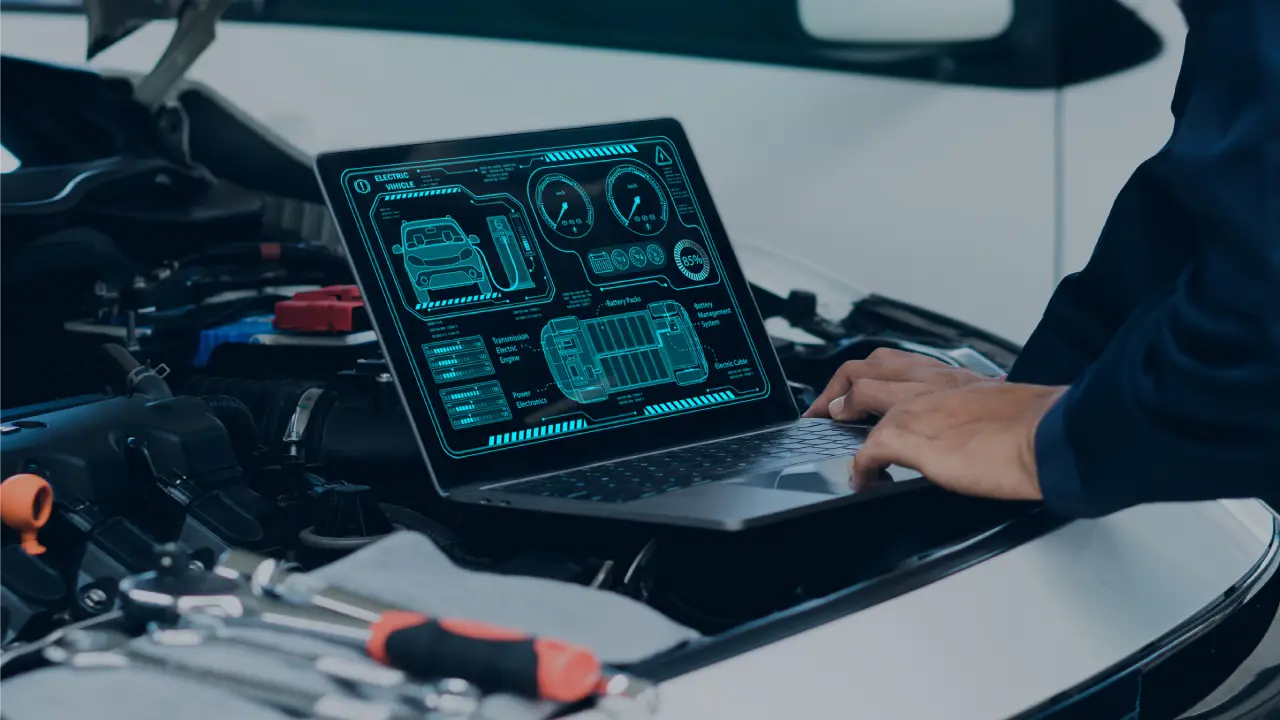
The Modern Car Is Experienced Through Its Software
For much of automotive history, consumers primarily judged vehicles based on mechanical characteristics. Engine performance, transmission smoothness, suspension comfort, durability, and fuel economy were the factors that influenced purchasing decisions.
While these elements remain important, software has become a central part of the ownership experience. Every interaction with the vehicle increasingly passes through a digital interface, making software quality a direct reflection of the brand itself.
Infotainment systems serve as the control center for many vehicle functions. Navigation, entertainment, communication, climate controls, and vehicle settings are often integrated into a single touchscreen environment.
Because drivers interact with these systems multiple times during every trip, software reliability becomes a daily concern. A bug that causes occasional screen freezing may affect the owner’s perception more frequently than an engine issue that occurs once every several years.
Consumers have also become accustomed to the polished experiences offered by smartphones, tablets, and personal computers.
Technology companies have set a high standard for responsiveness, intuitive design, and seamless updates. When automotive infotainment systems fail to meet these expectations, users compare the experience unfavorably to the devices they use every day. This comparison often reflects poorly on the vehicle manufacturer.
The visibility of software issues further amplifies their impact. A touchscreen that crashes in front of passengers or fails during navigation creates an immediate and memorable negative experience. Mechanical components are often hidden from view, but infotainment systems occupy the most prominent position in the cabin. Their failures are therefore impossible to ignore.
As software continues to define vehicle functionality, brands must recognize that digital experiences are no longer secondary considerations. They have become a primary factor in customer satisfaction and a major influence on long-term brand perception.
Daily Frustration Creates Stronger Negative Memories
One of the reasons infotainment bugs damage brand reputation so significantly is the frequency with which customers encounter them. Human psychology places considerable weight on repeated negative experiences. Even small annoyances can accumulate over time and create lasting dissatisfaction.
An engine problem is undoubtedly serious, but many owners may never experience one during the lifespan of their vehicle. Modern engines are generally reliable and benefit from decades of engineering improvements. When mechanical failures do occur, they are often repaired and subsequently forgotten. Infotainment issues, however, can appear every day and remain unresolved for months.
Repeated touchscreen lag, failed smartphone pairing, inaccurate voice recognition, or malfunctioning navigation systems create a cycle of frustration. Each interaction reminds the owner of the problem and reinforces negative perceptions of the brand. Over time, these experiences become deeply embedded in the customer’s memory.
Behavioral research suggests that repeated inconveniences often influence satisfaction levels more than isolated major problems. Consumers may tolerate a rare mechanical issue if they believe it was an unusual occurrence. Constant software glitches, however, create the impression that the manufacturer failed to deliver a polished product.
The emotional impact of digital failures is particularly important. Drivers expect convenience from infotainment systems. When those systems become obstacles rather than aids, frustration quickly replaces satisfaction. The resulting emotional response often extends beyond the software itself and affects perceptions of the entire vehicle.
Brands that underestimate the cumulative effect of daily software frustrations risk losing customer trust. Even when the vehicle performs exceptionally well mechanically, recurring infotainment bugs can dominate the ownership experience and shape brand impressions.

Social Media Magnifies Software Complaints
The rise of social media has fundamentally changed how consumers share experiences with products. Negative experiences can now reach thousands or even millions of people within hours. Infotainment bugs are particularly susceptible to this phenomenon because they are easy to demonstrate and understand.
A video showing a frozen touchscreen, malfunctioning navigation system, or unresponsive voice assistant can quickly gain attention online. Viewers immediately recognize the issue because they can see it happening in real time. Mechanical problems are often more difficult to communicate visually and may require technical explanation.
Owners frustrated by software issues frequently turn to online forums, discussion groups, and social platforms to seek solutions. These conversations create searchable records of complaints that prospective buyers may encounter during their research process. As a result, a relatively small software issue can generate widespread awareness.
The viral nature of digital complaints also means that individual incidents can influence broader perceptions of a brand. A recurring infotainment bug reported by a handful of owners may appear to be a widespread defect when amplified through online discussions and media coverage.
Technology-related complaints often receive greater attention because they align with broader concerns about innovation and product quality. Consumers expect modern vehicles to deliver reliable digital experiences. When software fails, observers may interpret the problem as evidence that the manufacturer lacks technological expertise.
Brands must therefore recognize that software quality has become a public relations issue as much as an engineering challenge. In the digital age, infotainment bugs can quickly evolve into reputation problems that influence purchasing decisions far beyond the affected customer base.
Also Read: 6 Best and Worst Years of the Ford F-150
Customers Associate Software Quality With Brand
Consumers often use visible product features as indicators of quality. Because infotainment systems are highly visible and frequently used, their performance significantly influences perceptions of a manufacturer’s competence and attention to detail.
When a touchscreen responds slowly or crashes unexpectedly, customers may question the company’s engineering capabilities. Even if the vehicle’s mechanical systems are exceptionally reliable, software failures can create doubts about the brand’s standards.
The relationship between software quality and brand perception is particularly strong among younger consumers. Many buyers have grown up in a digital environment where software reliability is considered a basic expectation. For these individuals, buggy infotainment systems can feel outdated and unacceptable.
Luxury vehicle manufacturers face especially high expectations. Customers paying premium prices expect flawless experiences across every aspect of the product. Software glitches in expensive vehicles often generate stronger reactions because they contradict expectations of quality and sophistication.
Brand competence is also linked to responsiveness. When manufacturers address software issues quickly through updates and transparent communication, customers may view the company positively despite initial problems. Conversely, slow responses can reinforce perceptions of incompetence or neglect.
As vehicles become increasingly dependent on software, consumer judgments about engineering excellence are expanding beyond traditional mechanical criteria. Software quality now serves as a visible measure of a brand’s technological maturity and commitment to customer satisfaction.
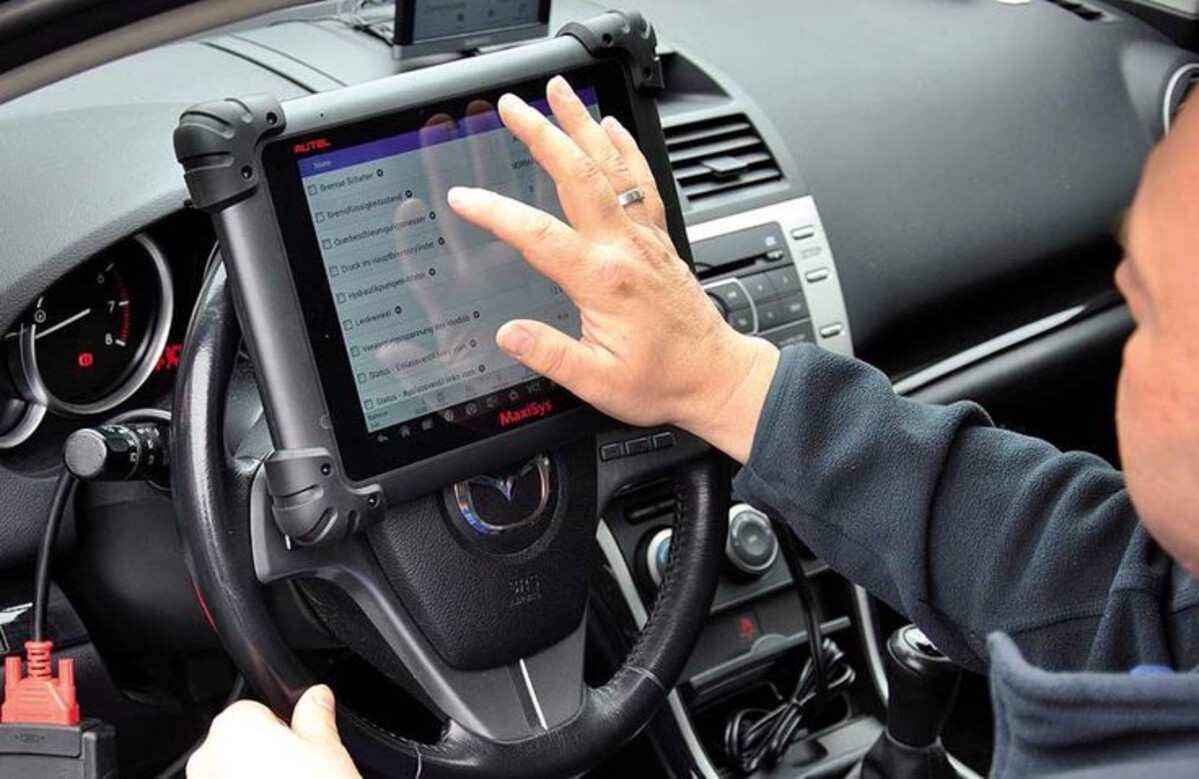
The Future Of Automotive Reputation And Software Excellence
The automotive industry is moving rapidly toward software-defined vehicles. Features that were once controlled by physical hardware are increasingly managed through software platforms. This shift will make digital reliability even more important in the years ahead.
Over-the-air updates provide manufacturers with new opportunities to improve vehicles after purchase. However, they also increase consumer expectations. Customers now expect bugs to be fixed quickly and new features to be delivered regularly. Failure to meet these expectations can damage trust.
Electric vehicles have accelerated the importance of software because many leading brands differentiate themselves through digital experiences rather than traditional mechanical attributes. User interfaces, connectivity, mobile applications, and software ecosystems have become major selling points.
Competitive pressures will continue to intensify as technology companies influence consumer expectations. Automotive manufacturers are increasingly compared not only with other car brands but also with leading technology firms known for smooth and intuitive user experiences.
Brands that prioritize software quality can strengthen customer loyalty, generate positive word of mouth, and create lasting competitive advantages. Those who neglect infotainment reliability may find that even strong mechanical performance is insufficient to maintain consumer confidence.
The future of automotive reputation will be shaped by a combination of engineering excellence and software sophistication. While engine reliability remains important, infotainment systems now occupy a central role in the customer experience.
Manufacturers that fail to deliver dependable and enjoyable digital interactions risk damaging their brand image in ways that traditional mechanical problems often do not.
